Philippines

Filippine, come sono andate le elezioni di metà mandato

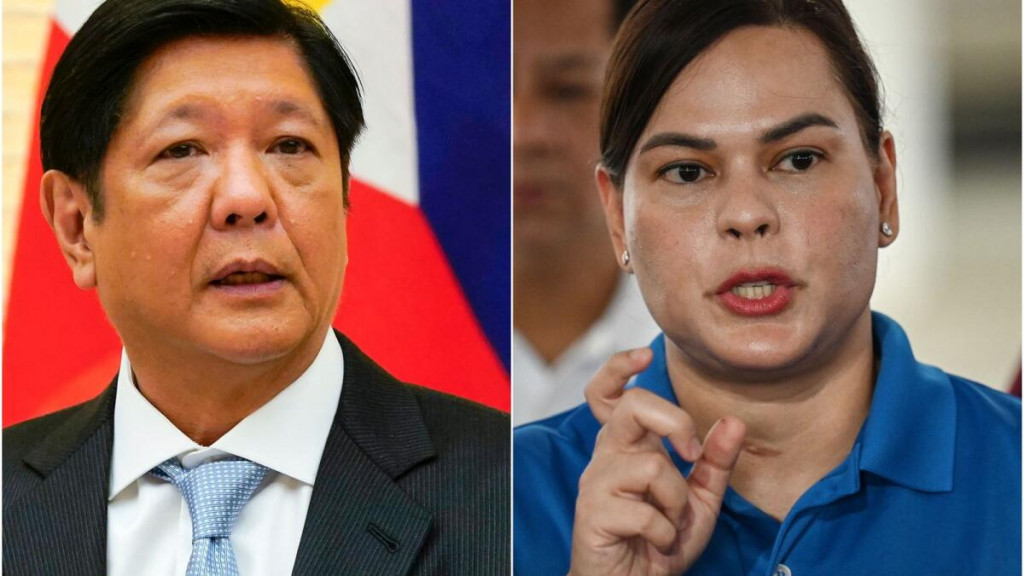
Il risultato conferma le divisioni tra Marcos e i Duterte. La vicepresidente Sara guadagna rilevanza al Senato

By Francesco Mattogno

Nelle Filippine, il 12 maggio oltre 69 milioni di aventi diritto sono stati chiamati a rinnovare più di 18mila cariche elettive, locali e nazionali. Si sono presentati alle urne più di 57 milioni, registrando così un’affluenza dell’82,2%, la più alta di sempre per un’elezione di metà mandato. Il voto di “mid-term”, anche nelle Filippine, viene visto come una sorta di referendum utile a giudicare l’operato del presidente a seguito dei suoi primi tre anni di governo (il mandato per il capo di stato filippino è di sei anni, e non c’è possibilità di rielezione).

Anche se in palio c’erano oltre 18 mila cariche elettive, tra cui i 317 deputati da assegnare alla Camera dei Rappresentanti, quasi tutto si giocava sui 12 senatori che avrebbero rinnovato metà dei 24 seggi del senato. Sia Marcos che i Duterte sono riusciti a far eleggere a senatori 5 dei propri alleati, mentre i restanti 2 senatori (Bam Aquino e Francis “Kiko” Pangilinan) provengono dall’area più progressista e liberale, e stanno entrambi con la rilevante famiglia Aquino. Quello che può sembrare un pareggio (5-5), non lo è. Marcos puntava a fare quasi piazza pulita dei seggi al senato e i sondaggi, nonostante l’evidente calo di popolarità del Presidente, ritenevano probabile che almeno 8 candidati presentati dalla sua Alyansa sarebbero rientrati nella lista nazionale dei 12 più votati per diventare senatori.

Se il voto per sindaci, governatori e funzionari locali non ha prodotto grosse sorprese (i Marcos hanno stravinto nel proprio feudo a Ilocos Norte, i Duterte hanno nuovamente dominato a Davao), l’esito dell’elezione al senato promette di generare nuove grandi incertezze per il futuro delle Filippine.

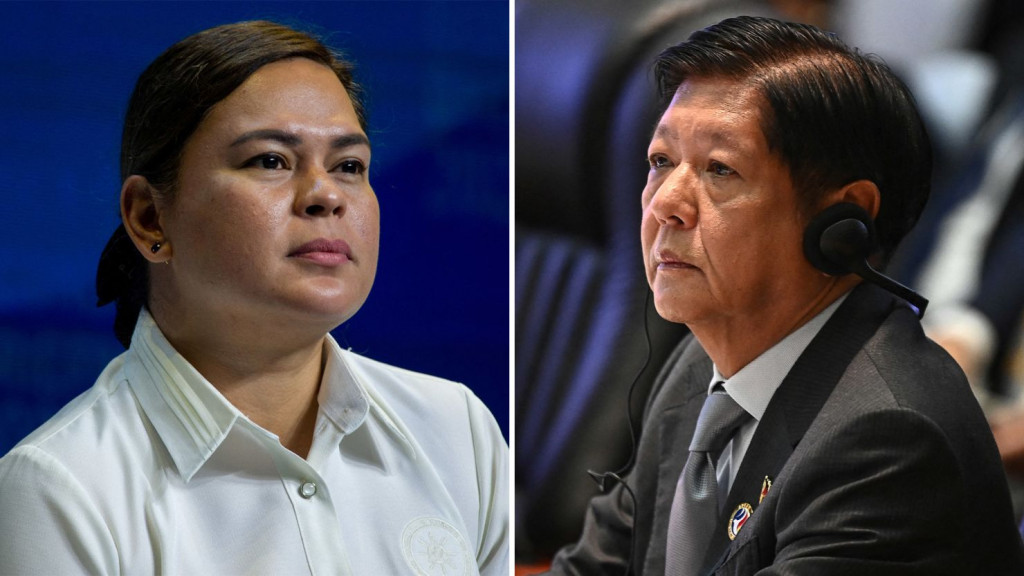
Il dato dell’affluenza può spiegare in parte la sconfitta dell’amministrazione in carica. Lo scorso marzo, dopo mesi di minacce di morte, accuse reciproche di tossicodipendenza e processi parlamentari (qui per maggiori dettagli), lo scontro dinastico tra i Marcos e i Duterte si è definitivamente infuocato a seguito dell’arresto di Rodrigo Duterte, predecessore di Bongbong Marcos (2016-2022) e padre della vicepresidente Sara Duterte.

La sorte dell’ex presidente ha rafforzato la chiamata alle armi dei sostenitori dei Duterte in vista delle elezioni di metà mandato, mentre la popolarità di Marcos ha cominciato a ridursi vertiginosamente. Bongbong e i suoi candidati senatori, forse rassicurati dai numerosi sondaggi che si sono infine rivelati sbagliati, non hanno fatto molto per invertire la tendenza. 

L’elezione di 5 alleati dei Duterte al senato complicherà di molto il processo di impeachment a carico di Sara Duterte. A febbraio la vice di Marcos è stata messa sotto stato d’accusa dalla camera, che le ha imputato l’utilizzo illecito dei fondi pubblici destinati al Dipartimento dell’Istruzione (di cui è stata segretaria fino all’estate scorsa) e le minacce di morte rivolte al presidente e alla sua famiglia.

Il senato sarà di fatto la giuria che dovrà decidere se avallare o annullare l’impeachment, che verrà confermato con il voto favorevole di due terzi della camera alta, cioè di 16 senatori su 24 (con 9 voti contrari passa il “no”). In questo processo, che comincerà a luglio, la vicepresidente si gioca tutto. Se dovesse essere condannata, Duterte non verrebbe solo rimossa dal suo ruolo, ma le sarebbe anche impedito di ricoprire nuove cariche pubbliche, affossando così la sua corsa alla presidenza nel 2028.

Prima delle elezioni, solo 1 dei 12 che sarebbero rimasti al loro posto si era espresso a favore di Duterte (tutti gli altri si erano astenuti dal posizionarsi pubblicamente), quindi ora è certo che la vicepresidente potrà contare su almeno 6 senatori: per l’assoluzione le serviranno altri 3 voti. Le trattative dietro le quinte sono già in corso e le probabilità che Duterte venga salvata sono aumentate di molto dopo il 12 maggio.

Philippines at a Crossroads with Midterm Elections

The May 12 vote looks almost like a referendum on the Marcos-Duterte family feud

By Luca Menghini

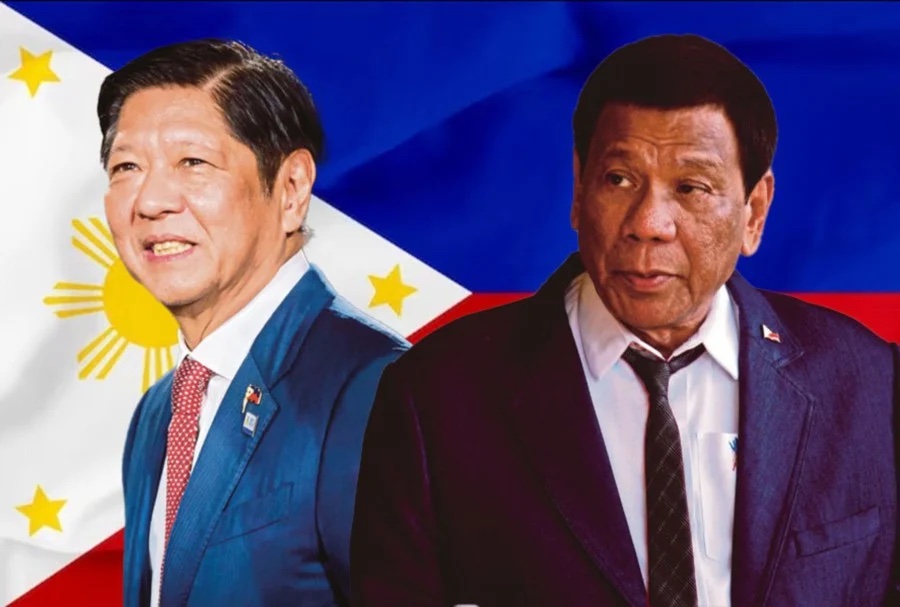
On May 12, nearly 70 million Filipinos will head to the polls in what is shaping up to be the most consequential midterm election in recent history. More than 18,000 positions are at stake—including 12 Senate seats and all 317 seats in the House of Representatives—but beyond the numbers, this vote is widely viewed as a referendum on the leadership of President Ferdinand “Bongbong” Marcos Jr. and the future of Vice President Sara Duterte. The breakdown of the once-powerful Marcos-Duterte “UniTeam” coalition has turned these elections into a high-stakes proxy war, with each political dynasty attempting to consolidate power and shape the road to the 2028 presidential race.

When Marcos and Duterte joined forces in 2022, their alliance swept them to a resounding victory. But their differences soon emerged. Marcos reoriented the country’s foreign policy away from Beijing and back toward Washington, granting greater U.S. military access through new Enhanced Defense Cooperation Agreement (EDCA) sites and pursuing deeper ties with allies like Canada and Japan. Duterte, by contrast, has remained relatively silent on China while criticizing Marcos's approach to maritime disputes, even describing his handling of the West Philippine Sea as a “fiasco.” Tensions boiled over in 2024 when Sara Duterte resigned from her cabinet posts and her father, former President Rodrigo Duterte, was arrested and handed over to the International Criminal Court (ICC) on charges of crimes against humanity. The arrest, which many believe was enabled by the Marcos administration, shattered any remaining illusion of unity between the two camps.

These elections are not only a gauge of public sentiment but also a battle for political survival. For Marcos, a strong performance by his endorsed senatorial slate would provide the legislative backing to pursue long-desired constitutional reforms, including the easing of economic restrictions. For Sara Duterte, the stakes are even more existential. Impeached by the House of Representatives, she faces a Senate trial after the midterms. To avoid conviction—and preserve her viability as a presidential candidate in 2028—she must ensure that at least eight of the 24 senators are loyal to her cause. A poor showing by her allies would not only cripple her legal defense but also further marginalize the Duterte family’s influence in national politics.

The battle is playing out not only in traditional campaign venues but also in the digital trenches. The Philippines, a pioneer in information warfare since 2016, has seen a surge in deepfakes, artificial intelligence (AI)-generated content, and disinformation. Both the Marcos and Duterte camps have historically relied on online troll networks and coordinated messaging operations, but with the “UniTeam” fractured, these tools are now being used against one another. A viral deepfake video portraying Marcos allegedly sniffing cocaine—echoing long-standing accusations by Rodrigo Duterte—is just one example of the digital mudslinging that defines the campaign. In response, the Commission on Elections (COMELEC) and lawmakers have called for new rules regulating AI use in campaigning, but enforcement remains a challenge.

Security concerns further complicate the electoral landscape. At least 36 areas have been designated as red zones due to heightened risk of election-related violence, and more than two dozen politically motivated killings have already occurred since candidacies were filed. To mitigate violence, COMELEC has introduced measures such as a nationwide gun ban, special voting hours for seniors and persons with disabilities (PWDs), and Emergency Accessible Polling Places (EAPPs). It has also collaborated with financial platforms like GCash to detect and block vote-buying attempts—a persistent issue in Philippine elections.

Foreign policy looms large over the vote. Marcos’s alignment with the United States, Canada, and regional allies such as Japan and Australia has drawn praise abroad but remains contentious at home. Public sentiment, however, appears to be shifting in his favor on this front. A 2024 survey showed that 73% of Filipinos support increased military measures to assert sovereignty in the West Philippine Sea. By contrast, pro-China candidates—often associated with the Duterte camp—are viewed with increasing suspicion, with over 70% of voters saying they would not support a pro-China politician. This strategic realignment also underscores broader geopolitical stakes, as China intensifies its influence campaigns across Southeast Asia and the U.S. looks to shore up alliances in the region.

Yet, foreign policy alone is unlikely to decide the vote. Economic hardship remains top of mind for most voters. Despite a decline in inflation to 1.8% in March 2025—the lowest rate in nearly five years—public frustration lingers. President Marcos’s signature campaign promise to lower rice prices to ₱20 per kilo has been widely perceived as a failure, with only 4% of Filipinos believing the goal was met. Meanwhile, inflation, job insecurity, and rising costs of basic goods continue to dominate voter concerns, particularly among low-income groups. A recent Pulse Asia survey showed that 72% of Filipinos want Marcos to address inflation in his next State of the Nation Address (SONA)—far more than any other issue.

As the midterm elections approach, voter participation will be critical. COMELEC has raised concerns about turnout, especially among the youth, who represent nearly 40% of the electorate. Voter education campaigns have been ramped up in collaboration with civil society groups, the Catholic Church, and universities. Still, disillusionment and apathy persist, fueled by a toxic information environment and skepticism over the integrity of the political system.

The outcome of the elections will have profound implications—not just for the Philippines, but for Southeast Asia as a whole. Association of Southeast Asian Nations (ASEAN) neighbors, international observers, and allies like the U.S. and Canada are closely watching the vote, which will determine whether Manila continues its assertive regional role or veers back toward internal instability. The elections will also influence how the Philippines engages with Beijing, particularly as tensions continue to rise in the South China Sea over territorial disputes and confrontations involving the Chinese Coast Guard.

In this context, the May 12 vote represents far more than the routine renewal of legislative mandates. It is a moment of reckoning for the political direction of the country and the power dynamics between its two dominant dynasties. With the Marcos and Duterte factions locked in a battle for control, the Filipino people now face a choice that will define the nation’s future—not only in terms of governance but also in how it positions itself within an increasingly contested Indo-Pacific region.

Le Filippine tra i Marcos e i Duterte

Le elezioni di metà mandato faranno da sfondo allo scontro tra le due famiglie più importanti del Paese, che esprimono rispettivamente il presidente e la vicepresidente

By Francesco Mattogno

È in un contesto politico movimentato che le Filippine sono entrate nel 2025, un anno elettorale. Il 12 maggio il Paese sarà chiamato a rinnovare tutti i 317 seggi della Camera dei Rappresentanti nazionale, 12 dei 24 senatori e oltre 18 mila posizioni a livello locale per le elezioni di metà mandato, che cadono esattamente a tre anni dal voto delle presidenziali del 2022. All’epoca il Presidente Ferdinand “Bongbong” Marcos Jr. e la Vicepresidente Sara Duterte correvano insieme nel cosiddetto “Uniteam”, sostenendosi a vicenda nelle rispettive candidature alla presidenza e alla vicepresidenza (nelle Filippine l’elezione del presidente e del vice avviene con due voti separati, e il presidente può restare in carica per un solo mandato di 6 anni).

Si trattava di un’alleanza di comodo tra quelle che erano – e sono – le due famiglie più potenti del paese. Una aveva appena espresso il presidente, Rodrigo Duterte, in carica dal 2016 al 2022 e capostipite di un clan che governa la città di Davao, nel sud delle Filippine, dalla fine degli anni Ottanta. L’altra era composta dagli eredi del dittatore Ferdinand Marcos (padre di Bongbong, al potere dal 1965 al 1986), desiderosi di tornare alla ribalta in campo nazionale dopo decenni di dominio locale nella provincia di Ilocos Norte. Alla fine hanno avuto ragione entrambe, con Bongbong e Sara usciti nettamente vincitori dalle urne.

Nonostante i buoni propositi per una proficua collaborazione, però, l’Uniteam non ha retto alla prova di governo e si è sfaldato, un pezzo alla volta. Le recenti dichiarazioni di Sara Duterte rappresentano solo l’ultimo atto di una guerra dinastica cominciata a poche settimane di distanza dal voto e che ha poco a che fare con la politica, o il buon governo. Tra Marcos e il suo predecessore, Rodrigo Duterte, c’è piena continuità su buona parte delle questioni interne, dalla gestione dell’economia alle enormi lacune nel rispetto dei diritti umani. 

L’unica vera differenza sta nella politica estera. Le Filippine di Marcos hanno abbandonato l’approccio morbido e remissivo di Duterte con la Cina, che nel mar Cinese meridionale rivendica come propri parte dei territori internazionalmente riconosciuti all’interno della Zona Economica Esclusiva filippina, per spostarsi su una posizione più assertiva a difesa dei propri confini marittimi, allineata agli interessi degli Stati Uniti. Si è trattato di un cambio di atteggiamento radicale che da un lato ha incrinato i rapporti tra Manila e Pechino e dall’altro ha generato una serie di ripercussioni interne, tra cui lo smantellamento delle organizzazioni criminali cinesi legate in particolare alle truffe e al gioco d’azzardo (le cosiddette POGOs), considerate molto vicine alla famiglia Duterte.

In un Paese in cui le dinastie politiche dominano da sempre il panorama politico, locale e nazionale, lo scontro per il potere tra i Duterte e i Marcos si è spostato in parlamento. Diverse commissioni interne alle due camere hanno aperto un’indagine a carico di Rodrigo per definire la portata della sua “guerra alla droga” (si parla di almeno 30 mila uccisioni extragiudiziali di spacciatori e consumatori: rischia di essere formalmente accusato di crimini contro l’umanità) e contro Sara per fare chiarezza sull’uso dei fondi pubblici destinati ai suoi uffici, che si ritiene siano stati usati per scopi personali. 

Il potenziale abuso dei finanziamenti pubblici e le recenti minacce verso Marcos hanno portato il parlamento ad avviare tre procedure di impeachment contro Sara Duterte, che fa ampio uso di una retorica populista per mostrarsi all’opinione pubblica come la vittima di una persecuzione politica orchestrata dal presidente. Quello della disinformazione, delle fake news e dei contenuti fuorvianti sui social rappresenta un problema serio per molti degli osservatori delle Filippine, che temono il ripetersi di quanto già accaduto durante le elezioni del 2022, quando TikTok risultò molto importante per riabilitare l’immagine della famiglia Marcos e spianare la strada a Bongbong verso il palazzo presidenziale.

Intanto, mentre avanza lo scontro dinastico, fuori dalle sale del potere oltre la metà delle famiglie filippine si descrive come “povera” e milioni di persone faticano ad arrivare a fine mese. Marcos ha finora disatteso gran parte delle sue promesse economiche, in particolare riguardo il contrasto alla povertà, e le principali preoccupazioni dei cittadini restano legate all’inflazione, al basso livello dei salari e alle difficoltà nel trovare lavoro. Sotto Marcos, ad esempio, il contributo della manifattura al PIL filippino è sceso al 18%, il livello più basso dalla seconda guerra mondiale.

Al governo si contestano anche l’inadeguata risposta alle emergenze provocate dai tifoni (e in generale i carenti sforzi nel contrasto al cambiamento climatico), la continua repressione di attivisti e giornalisti e il prosieguo, seppur in modi molto più contenuti, della guerra alla droga di Duterte. La coalizione di sinistra Makabayan proverà a capitalizzare la frustrazione contro le élite al potere, cercando soprattutto di sfondare al senato, ma nonostante tutto sia i Marcos che i Duterte mantengono una buona base di sostenitori e saranno difficili da scalfire, per quanto il loro indice di gradimento sembri essere entrato in una fase calante. Entrambi i clan nel 2025 candideranno cinque componenti della famiglia, tra elezioni locali e nazionali, e Rodrigo Duterte correrà nuovamente a sindaco di Davao, città che ha già governato per vent’anni. 

Lo scenario più probabile è che le elezioni di metà mandato faranno nuovamente da sfondo a uno scontro tra dinastie politiche, durante il quale sia i Marcos che i Duterte proveranno a consolidare il proprio potere in vista del 2028, senza reali contendenti fuori dal cerchio dei grandi clan delle Filippine. E dunque senza una vera alternativa.

Amerigo Vespucci in Manila

First historic visit of one of the symbols of the Italian Navy to the Philippines, a sign of an increasingly strong bond

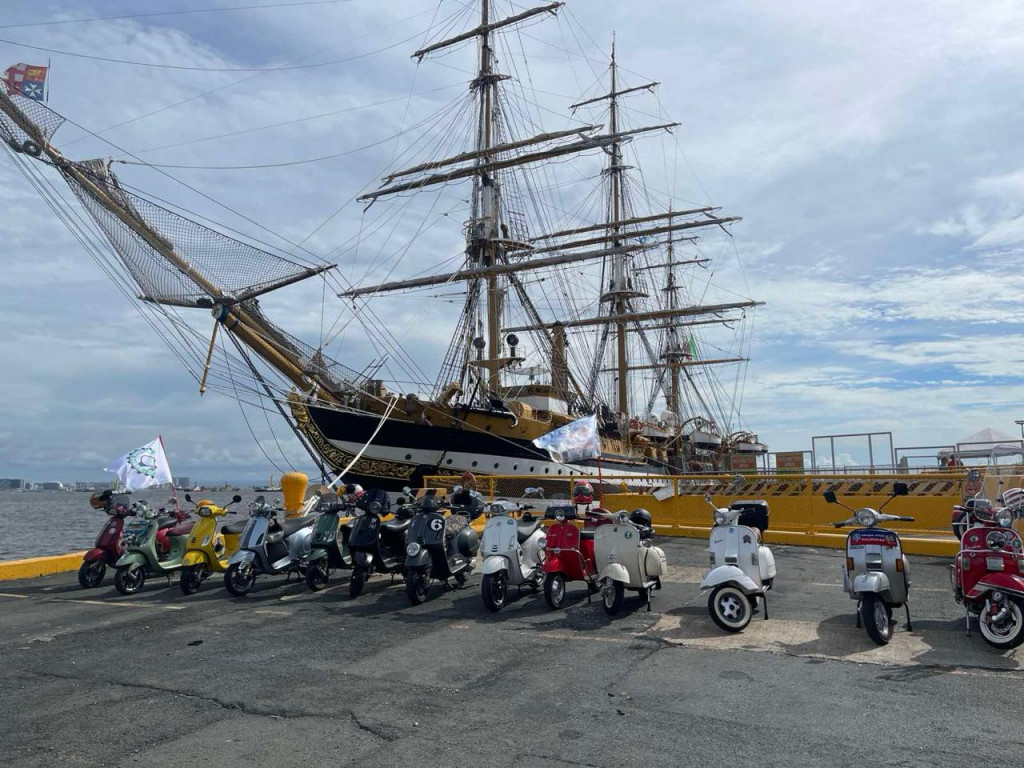
The Amerigo Vespucci, a historic sailing ship and training ship of the Italian Navy, paid a port visit to Manila Sept. 14-18. The Philippine capital was the 23rd stop on her world cruise after Tokyo and before Darwin in Australia. It was the ship's first visit to the Philippines where it was welcomed by Italian Ambassador Davide Giglio and Philippine Navy authorities.

As in other ports, Nave Vespucci opened to the public and several thousand visitors came on board to admire her.

The Amerigo Vespucci, the custodian of the oldest naval and seafaring traditions for over ninety years - is one of the best known symbols of Italy in the world. The Vespucci “World Tour” initiative combines the traditional training activities of Officer trainees and the promotion of Made in Italy excellence. The Vespucci is the emblem of the Navy and of Italy itself: in the wake of maritime traditions, over the years it has contributed to the growth of the country's prestige. The ship departed July 1, 2023 from the port of Genoa to make the approximately two-year round-the-world voyage, bringing with it the culture, history, innovation, science, research, and technology that make Italy a country valued by the entire world, including East and Southeast Asia.

The visit of the Vespucci followed that (Sept. 2-8) of the Naval Group composed of the aircraft carrier Cavour and the frigate Alpino in a deployment that testifies to Italy's growing commitment to the Indo-Pacific. This is in order to reaffirm the principle of freedom of navigation, consolidate a rules-based international order, contribute to regional peace and stability, and strengthen bilateral relations with partners in the region, starting with countries, such as precisely the Philippines, with which we share values of freedom and democracy. In the coming days, the Amerigo Vespucci will also be in Singapore, thus making the city-state a new stop in its long-awaited tour of Southeast Asia.

Why Philippines and Japan strengthen security ties

Manila and Tokyo boost military cooperation with historic agreement, aiming for greater autonomy and regional security

By Alessia Caruso

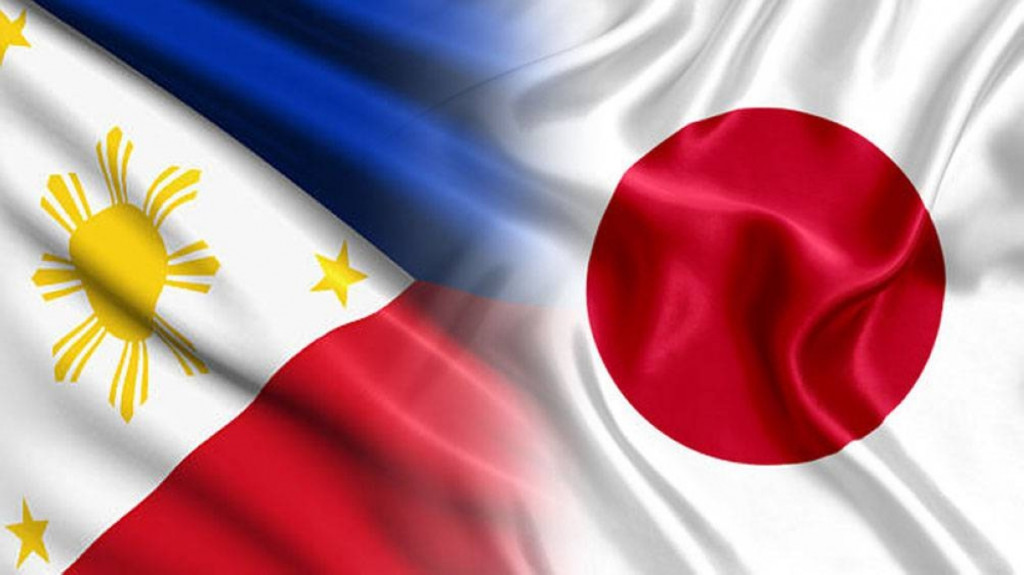
The Philippines and Japan have recently finalized a significant security agreement after years of negotiations. The new Reciprocal Access Agreement (RAA) allows the Armed Forces of the Philippines (AFP) and the Japan Self-Defense Forces (JSDF) to expand joint military activities, including large-scale exercises significantly focused on interoperability and joint response to various contingencies such as disasters and armed conflicts. Additionally, the RAA facilitates the transfer and exchange of sophisticated weapon systems, enabling the Philippines to advance their naval modernization efforts in response to ongoing disputes in the South China Sea.

The signing of the agreement has been celebrated by Philippines as an "unprecedented level" of defence relations with Japan, highlighting the growing military cooperation between Manila and Tokyo. The agreement must be ratified by the parliaments of both countries before it comes into effect, but no significant obstacles are expected. The Philippines and Japan share several security interests that led to the signing of the RAA. Both countries are involved in territorial disputes with China: the Philippines in the South China Sea and Japan in the East China Sea. Furthermore, the strategic geographic positions of the Philippines and Japan make them natural partners in the context of the Chinese threat to Taiwan, a critical point for regional security. A joint defence between the two significantly contributes to the integrated deterrence in the region outlined by their U.S. ally.

In recent years, Japan has significantly increased its involvement in the ASEAN region, becoming one of the main investors and the preferred partner for many Southeast Asian countries. This renewed regional commitment has been well received by the Philippines, which has played an active role in reintegrating Tokyo as a key ally for stability and security in the region.

It is important to note that the RAA was signed just three months after the consolidation of a trilateral security partnership among Japan, the Philippines, and the United States (JAPHUS), aimed at strengthening the Indo-Pacific security architecture and enhancing regional deterrence strategies. At first glance, the new bilateral agreement might appear redundant, as it is driven by the same intents as JAPHUS but without the presence of the United States. However, the new agreement between Manila and Tokyo should be interpreted as a Philippine attempt to reduce its dependence on U.S. security.

Following a period of heightened tensions, recently culminating in the death of a Filipino fisherman after a collision with a Chinese commercial vessel, the Philippines are outlining a series of security measures with a dual objective: to cool regional tensions with China and reduce the risk to their national security, currently closely tied to the uncertain American policy. The bilateral rapprochement strategy with Japan aims to ensure a direct relationship between the two East-Asian powers, distancing itself from the ties that bind them to the United States. Recent events, such as the agreement to enhance bilateral maritime communication mechanisms with China, indicate a Philippine intention to pursue a more autonomous and pragmatic foreign policy.

A central factor in this context is the current instability and uncertainty of American policy. The possibility of a second Trump term introduces further elements of unpredictability, casting a shadow on the U.S. commitment to maintaining its military presence in the Far East. The aggressive policy of the Philippines falters in the face of the need to rely less on the Mutual Defense Treaty with the United States, which so far has been the backbone of the Philippine position in the South China Sea.

Looking to the future, it is foreseeable that the Philippines will focus more on developing bilateral relations with regional powers and on cooling tensions with China while awaiting the United States to define the future of its foreign policy. This approach, though different from the strategy adopted in recent years, could offer new opportunities to ensure the country's security and prosperity in an evolving geopolitical context. The Philippines' ability to navigate these dynamic developments will be crucial in defining its role and influence in the Indo-Pacific region in the coming years.

Philippines, friction in Marcos-Duterte alliance

Vice President Sara Duterte's resignation from her role as Secretary of Education revives the political challenge between the two families of Manila politics

By Francesco Mattogno

As the world looked to the South China Sea, an important thing happened in Philippine politics last week: Sara Duterte resigned as Education Secretary, thus leaving the government of President Ferdinand Marcos Jr. Duterte is the country's vice president and the daughter of Rodrigo Duterte, Marcos' predecessor. Political dynasties in the Philippines (as well as throughout Southeast Asia) are serious business, and the Marcos and Duterte families are two of the most prominent in the state. The former rooted in Ilocos Norte province in the north, the latter in Davao in the south.

Sara Duterte and Marcos have allied themselves ahead of the May 2022 elections within the so-called "Uniteam," supporting each other in their quest for the country's vice presidency and presidency, respectively. It should be pointed out that unlike in other places, such as Taiwan or the United States, in the Philippines the presidential and vice presidential candidates do not formally run together. Two separate elections are held and this means, as has happened several times throughout history, that a vice president may not even be part of the president's coalition. Marcos and Duterte did well, at least on paper: they were allies and each won his race.

The election of both should have paved the way for a united, solid government, but it was clear from the beginning that this would not be the case. The first cracks in the relationship between the two came as early as the appointment of the government team. Duterte wanted the sensitive post of secretary of Defense, but Marcos granted her only that of secretary of Education. A less politically relevant role and one for which, by the way, the vice president was not remotely qualified.

In May 2023, Duterte then left Lakas-CMD, the party led by House Speaker and Marcos' cousin Martin Romualdez. The decision came in the wake of the demotion of one of Duterte's key allies (former President Gloria Macapagal-Arroyo), and was only the first act in the feud with Romualdez. A few months later, following a parliamentary investigation, the speaker of the House blocked the allocation of "reserved funds" to be allocated to the Department of Education, accusing Duterte of spending 125 million pesos (about 2 million euros) in only the first 11 days of his term. A massive amount and deemed unjustified.

With the arrival of 2024, relations definitely fell apart. Duterte never commented, except by belittling them, on his brother Sebastian and father Rodrigo's attacks on Marcos (even accused of being a "drug addict"). The parties clashed on various other issues, and finally Duterte, after declaring Uniteam dead, resigned on June 19 as both Secretary of Education and Vice Chair of the Task Force to Counter Communist Armed Conflict.

Her resignation was welcomed by teachers' associations, which had been complaining about Duterte's total unpreparedness for two years. The vice president was also accused of never considering the demands of sector workers and silencing critics with the practice of "red-tagging" (which we discussed here). Despite this, according to a December 2023 poll, 57 percent of Filipinos were satisfied with his job in government. Duterte is a popular figure, with a strong family and dozens of allies behind him, both in politics and in the military. His open opposition to Marcos opens up a number of scenarios that could radically change the country's future.

As John Ney pointed out in Rappler, Duterte will now put all his eggs in the 2028 elections (to which Marcos cannot run again, given the one-term limit). Her resignation has freed her from her governing responsibilities, and this will help her make Filipinos forget about her poor handling of the Education sector, while also allowing her to freely criticize Marcos's policies, especially on the South China Sea and the fight against communism (Duterte is opposed to peace talks with the rebels).

While coming out of the closet so soon is a risk, it is a calculated risk, at least in theory. Duterte resigned with 100 days to go before the deadline for filing candidacies for the 2025 midterm elections, which she will need to test the ground ahead of 2028.

A major realignment of the country's political parties is expected, with possible numerous defections from the Marcos camp, whose popularity has been declining since last year. Already there are those who are talking about Duterte as the leader of the opposition, although the main minority party, the Liberal Party, has made it clear that the values of Davao's ruling family do not match those of those who challenge the current government's actions. For now, however, there has not been the big political shock that might have been expected. The breakup between the president and his deputy had been in the air for some time, and the clear political intent of his resignation did nothing to warm the spirits of his supporters.

However, that of last June 19 remains a very important development. First for the opposition front, which could exploit the vote split between Marcos and Duterte to gain more seats as early as 2025 and strengthen its position ahead of 2028. Then for what may be the consequences in foreign policy, particularly in the South China Sea. Duterte shares his father's more dialogical stance with China and is likely, if elected, to weaken defense ties with the United States, which Marcos has instead brought to all-time highs.

Philippines, cooperation with US AND Japan

Joe Biden hosts Fumio Kishida and Ferdinand Marcos Jr. for an unprecedented trilateral summit. Here's what the trilateral relationship means for Manila

By Walter Minutella

In recent years, the United States has consistently sought to deepen its diplomatic and security relationship in Asia. In this context, an unprecedented trilateral summit between U.S. President Joe Biden, Japanese Prime Minister Fumio Kishida, and Philippine President Ferdinand Marcos Jr. takes place on Thursday, April 11. The summit offers a unique opportunity to take a deeper look at the nature of relations between these three countries and outline future prospects for cooperation, starting with that in the context of the South China Sea.

This area has turned into a crucial geopolitical theater, with several countries claiming sovereignty over islands and rock formations scattered throughout the region. China has advanced assertive territorial claims, militarizing disputed islands and conducting increasingly assertive maritime operations. On the other hand, the aftermath of the war in Ukraine has also led to a strengthening of security and defense cooperation between the United States and several countries in the region.

Japan and the Philippines occupy a special role, as they have always been pillars of the U.S. security strategy in the Asia-Pacific. The decision to hold this trilateral summit is rooted in the need to coordinate responses to challenges in the South China Sea. 

In addition to the geopolitical dimension, economic cooperation is another key pillar of the trilateral relationship. The United States, Japan, and the Philippines can join forces to foster economic growth through infrastructure development, trade and investment facilitation, and the promotion of inclusive economic policies. In addition, collaboration among these countries can help address new and emerging challenges, such as the digitization of the economy, opening up new opportunities for growth and sustainable development in the region.

Innovation and technology play an increasingly significant role in economic competitiveness and solving global challenges. The United States, Japan and the Philippines can work together to promote the development of advanced technologies while ensuring the security of digital infrastructure and the responsible adoption of new technologies. Through joint research and knowledge exchange, critical challenges such as climate change and food security can be addressed, thereby contributing to prosperity and well-being in the region.

Climate change and marine conservation are urgent challenges that require a global and coordinated response. The United States, Japan, and the Philippines can join forces to promote policies and initiatives to mitigate the effects of climate change, protect marine ecosystems, and promote environmental sustainability. This could include promoting renewable energy, responsible management of fisheries resources, and conservation of marine ecosystems, thus helping to preserve the environment for future generations.

Finally, regional security remains a key priority for all three countries. The United States, Japan and the Philippines intend to enhance their security and defense cooperation through joint military exercises, intelligence exchange and promotion of maritime security. This can help strengthen deterrence in the region while seeking to preserve the crucial goal of economic growth.

EU-Philippines FT, trade up to 6 billion

Last March 18, the EU and the Philippines announced the official resumption of negotiations, which were suspended in 2017. The Agreement could sharply increase bilateral trade. For Brussels, the agreement is part of a broader political and trade strategy

Article by Sophia Ordoña (European Chamber of Commerce of the Philippines – ECCP), Pierfrancesco Mattiolo, Università di Anversa

Following a meeting in Brussels on March 18th, the Vice President of the European Commission and Commissioner for Trade, Valdis Dombrovskis, along with the Secretary of the Philippines Department of Trade and Industry, Alfredo Pascual, announced the official resumption of negotiations for the Free Trade Agreement (FTA) between the EU and the Philippines. Looking ahead, the EU and the Philippines will now make their respective preparations for the first round of the resumed negotiations, expected to take place in the second half of 2024.

The announcement comes as no surprise, considering that the desire to resume negotiations had been solemnly expressed at the leadership level in July 2023. During an official visit to the Philippines, Commission President Ursula Von der Leyen had expressed the bloc's interest in enhancing cooperation with Manila. Philippine President Ferdinand Marcos Jr. had also expressed support for a swift conclusion of the treaty before the end of his term in 2028. Marcos' economic agenda is oriented towards a decisive opening of the domestic market: after liberalizing telecommunications, transportation, and renewable energies, the conclusion of the FTA would mark another significant step in this direction. During the announcement of the resumption of the EU-PH FTA negotiations, EVP Dombrovskis noted that the trade deal is expected to increase the bilateral trade by up to EUR 6 billion.

The potential impact of the FTA, however, extends beyond bilateral trade relations alone. For the EU, the stakes are also political. Negotiations with Manila are embedded within two broader Union strategies. On one hand, Brussels aims to strengthen its role in the Indo-Pacific, a region of particular importance due to its economic and strategic interests. The European strategy aims to conclude both new agreements for political cooperation with ASEAN countries and new FTAs with the Philippines, Indonesia, and Thailand, following those already in force with Singapore and Vietnam. The EU recognizes the Philippines as a like-minded partner in terms of democratic values, as well as sustainable development. Negotiations with Manila are expected to be less influenced by sustainability issues, such as the dispute over palm oil, which has caused significant tensions between Brussels and other ASEAN countries. Furthermore, in March 2024, the EU officially launched one of the flagship projects of the Global Gateway: the Green Economy Programme in the Philippines (GEPP). This initiative promotes circular economy and renewable energy, further signifying the commitment of both parties to achieve sustainability and transition to a green economy.

Deepening ties with the Philippines - and other ASEAN partners - allows the EU to continue its de-risking efforts, cultivating relationships with new trading partners and mitigating political and economic risks associated with relying too heavily on countries perceived as 'rivals'. Another conceptual framework for interpreting these recent EU moves is the doctrine of open strategic autonomy. Brussels seeks, through its trade policy as well, to protect itself from external interference while also enforcing, developing, and employing 'autonomous policies', the commitments made by partners at both bilateral and multilateral levels, such as the Paris Agreement or WTO treaties. At the same time, Europe aims to remain open to political and economic cooperation as much as possible.

For the Marcos administration, concluding the treaty is a priority. Currently, the country benefits from the Generalized Scheme of Preferences Plus (GSP+), granting 6,274 Philippine products duty-free access to the European market. This preferential regime has been extended until the end of 2027. The Philippines is projected to be an upper-middle-income economy around 2025. Such a "promotion" would initiate a three-year transition period, after which Manila would lose the benefits of the GSP+. If concluded before 2028, the FTA would replace the GSP+ and thus allow Philippine companies to maintain access to the European market without tariffs on products covered by the treaty.

From the Filipino perspective, many sectors would benefit from the agreement, including agriculture and energy. Specifically, the garment sector would see an increase in employment ranging from 120,000 to 250,000 and exports worth $600 million in the first two years of the agreement's implementation. The archipelago is also rich in essential raw materials (such as nickel, copper, and chromite) crucial for green technologies. Moreover, the exchange of services could increase. The Philippine IT sector is worth $50 billion and highly dynamic, thus potentially expanding its market share in Europe.

For European companies, having greater access to a country that is growing economically (GDP grew by 7.6% in 2022), demographically, and socially, with a young and increasingly affluent middle class, would be advantageous. The Agreement could finally unlock untapped economic potential: bilateral trade between Brussels and Manila is relatively low compared to that between Europe and other ASEAN countries, and only 4% of European investments in ASEAN economies are directed towards the Philippines. Italy also has a strong interest in the treaty's conclusion. Economic relations between Rome and Manila are robust, valued at €1.24 billion in 2022, and the FTA would increase opportunities in key sectors such as agricultural machinery, infrastructure, and textiles.

Negotiations for the FTA will also have to overcome some obstacles. Intellectual property rights protection has been one of the most delicate chapters in previous negotiation rounds between Brussels and Manila, but it may now be easier to find common ground, as the Philippines has not been on the European Commission's watch list for intellectual property since 2019. The chapter on intellectual property in the future FTA would likely include stronger rules on the protection of geographical indications (PDO, PGI,...) of European and Italian food products. Finally, during her official visit, Von der Leyen indicated the need for deeper alignment between the two partners on environmental and labour protection matters. The Commission President, and more recently EVP Dombrovskis, also acknowledged the progress made by the country on human rights protection, and the ongoing bilateral dialogue aims to address remaining issues. These obstacles can become opportunities if the FTA succeeds in including effective rules in these areas. An agreement would not only represent a significant economic opportunity but also a political and social one for both partners.

UE-Filippine verso un accordo di libero scambio

Riprendono ufficialmente i colloqui tra il blocco dei 27 e Manila. Ecco su quali basi


Luned’ 18 marzo, l’Unione Europea e le Filippine hanno annunciato ufficialmente la ripresa dei negoziati per un accordo di libero scambio. La Commissione Europea ha parlato di progetto “ambizioso, moderno ed equilibrato, con la sostenibilità al centro”. Aggiungendo che “accordi commerciali come questo sono una pietra miliare della sicurezza economica dell’UE, in quanto aprono nuove opportunità per le imprese e i consumatori, rafforzano le catene di approvvigionamento e promuovono pratiche commerciali sostenibili”. Un accordo di libero scambio con le Filippine, un’economia in espansione di 115 milioni di persone nel cuore della regione indo-pacifica, strategicamente importante, sarebbe un’aggiunta preziosa alla rete di accordi commerciali dell’UE. Il blocco dei 27 e Manila hanno già relazioni commerciali consolidate, con un chiaro potenziale per un rapporto ancora più stretto: secondo i dati ufficiali diffusi da Bruxelles, gli scambi di merci hanno raggiunto un valore di oltre 18,4 miliardi di euro nel 2022, mentre gli scambi di servizi hanno raggiunto un valore di 4,7 miliardi di euro nel 2021. L’UE è anche uno dei maggiori investitori nelle Filippine, con uno stock di investimenti diretti esteri dell’UE nelle Filippine che raggiungerà i 13,7 miliardi di euro nel 2021. Oltre a essere un’economia importante e in crescita, le Filippine possiedono anche importanti riserve di materie prime critiche, tra cui nichel, rame e cromite. “Insieme ai rinnovati sforzi delle Filippine per sfruttare il proprio potenziale di energia rinnovabile e alla recente liberalizzazione per gli investitori stranieri nel settore, le Filippine sono un partner importante nella transizione green”, sottolinea la Commissione Europea. L’UE e le Filippine faranno ora i rispettivi preparativi tecnici per il primo round della ripresa dei negoziati, previsto per la fine dell’anno. L’UE ha già concluso accordi di libero scambio all’avanguardia con due Paesi dell’ASEAN (Singapore e Vietnam), sta negoziando accordi di libero scambio con l’Indonesia e la Thailandia e sta effettuando una valutazione per un ulteriore accordo con la Malesia. Le Filippine godono attualmente di preferenze commerciali nell’ambito del Sistema di preferenze generalizzate + dell’UE, un regime speciale di incentivi per lo sviluppo sostenibile e il buon governo che garantisce l’accesso in esenzione doganale al mercato dell’UE per due terzi delle linee tariffarie.

EU-PH Free Trade Agreement negotiations: a priority for both partners

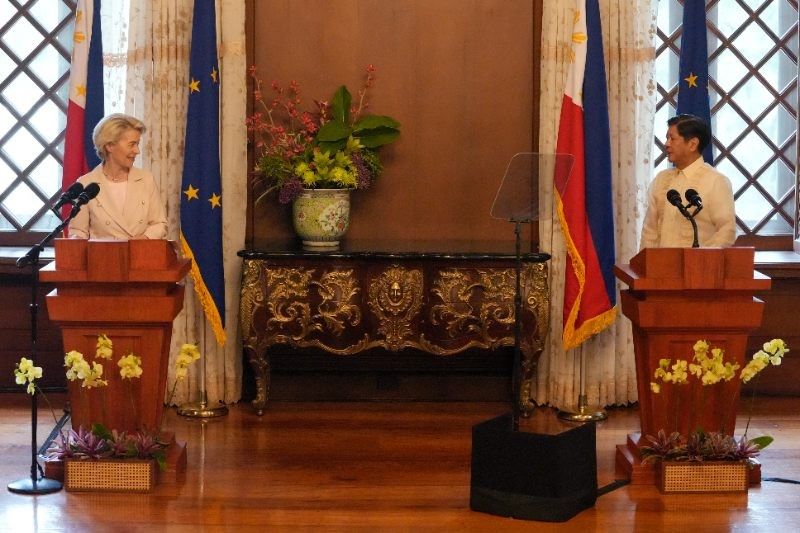
At their bilateral summit last July, Von der Leyen and Marcos expressed their intention to conclude a trade agreement 'as soon as possible'. Manila intends to achieve the goal by 2028. The agreement would unlock the still untapped economic potential between the two partners.

Article by Sophia Ordoña (European Chamber of Commerce of the Philippines – ECCP) and Pierfrancesco Mattiolo 

The President of the European Commission, Ursula von der Leyen, expressed the intention to resume negotiations for a free trade agreement (FTA) between the EU and the Philippines during her recent and significant visit to the Asian nation at the end of July. The Philippine President, Ferdinand Marcos Jr., in turn, voiced his support for a swift conclusion of the treaty before the end of his term in 2028. Marcos's economic agenda is geared towards a decisive opening of the domestic market: following the liberalization of telecommunications, transportation, and renewable energies, the conclusion of the FTA would mark another significant step in this direction. The Philippines is a strategic partner for Europe and Italy. The economic relations between Rome and Manila are strong; in 2022, they were worth 1.24 billion euros, and the FTA would enhance opportunities in key sectors such as agricultural machinery, infrastructure, and textiles. As a signal of the amicable atmosphere of collaboration between the two countries, the Italian and Filipino Ministries of Tourism started working on a tourism cooperation agreement last year.

The FTA represents an opportunity for both Brussels and Manila. The EU recognizes the Philippines as a like-minded partner in terms of democratic values and sustainable development, situated in a region, the Indo-Pacific, particularly sensitive to the economic and strategic interests of the Union. Deepening ties with the Philippines – and all other ASEAN partners – falls within the de-risking strategy adopted by the EU, meaning cultivating relationships with new trading partners and mitigating the political and economic risks associated with overdependence on countries like China. On the other hand, for the Marcos administration, concluding the treaty by 2028 is a priority not only politically but also economically. Currently, the country benefits from the Generalized Scheme of Preferences Plus (GSP+), which grants many Filipino products tariff-free access to the European market. This favourable regime is set to expire at the end of 2023. Although the Commission has proposed extending it until 2027, the Philippines is close to become a middle-high income economy around 2025. Such ‘graduation’ would initiate a three-year transition period, after which Manila would lose its GSP+ benefits, as the scheme is aimed at supporting low income countries. If concluded before 2028, the FTA would replace the GSP+, thus allow Filipino companies to maintain tariff-free access to the European market for the products under the FTA scope.

From the Philippine perspective, many sectors would benefit from the agreement, such as agriculture and energy. Specifically, the garments sector would see an increase in employment of between 120,000 and 250,000 and exports worth $600 million in the first two years following the implementation of the agreement. The archipelago is also rich in essential raw materials (such as nickel, copper, and chromite) crucial for green technologies. Service exchange could also increase. The Filipino IT-BPM sector is valued at $50 billion and is highly dynamic, making it possible to expand its market share in Europe. For European companies, having greater access to a country that is growing in every aspect – economically (GDP grew by 7.6% in 2022), demographically, and socially, with a young and increasing middle class – would be advantageous. The agreement could finally unlock untapped economic potential: bilateral trade between the EU and the Philippines is relatively low compared to that between Europe and other ASEAN countries, and only 4% of European investments in ASEAN economies are directed towards the Philippines.

Negotiations for the FTA will also have to overcome certain obstacles. The protection of intellectual property rights (IPRs) was one of the most sensitive issues in previous negotiation rounds between the two partners, but now it might be easier to find common ground, as the Philippines has been removed from the European Commission's IPR watch list since 2019. The chapter on IPRs in the future FTA would likely include stronger rules for protecting geographical indications of European and Italian food products. Finally, von der Leyen indicated the need for deeper alignment between the two partners on environmental and labour protection matters. The President of the Commission also acknowledged the progress made by the country in terms of human rights, and the ongoing bilateral dialogue aims to address the remaining open issues. These obstacles can become opportunities if the FTA manages to include effective rules in these areas. An agreement would represent an opportunity for growth not only in the economic sense but also politically and socially for both partners.

EU and Philippines towards free trade

Important visit to Manila by European Commission President Ursula Von Der Leyen. Moving toward a free trade agreement

Article by Tommaso Magrini

An important visit to the Philippines by Ursula Von der Leyen took place in recent days. She met with President Ferdinand Marcos Junior at the presidential palace in Malacañang. Here Von der Leyen expressed her intention to give "a new impetus to bilateral relations between the European Union and the Philippines." At the top of the agenda: trade, ecological transition, digital innovation and security. On the first item, the two leaders announced their intention to pursue the relaunch of negotiations for an "ambitious, modern and balanced free trade agreement focused on sustainability." An ambitious plan, which follows the free trade agreements concluded by the European Union with Singapore and Vietnam in past years. A testament to the fact that Brussels has its sights set on Southeast Asia, a high-growth area that also allows for a diversification of trade and diplomatic relations in the Asian region from China. "The Philippines is a key partner for us in the Indo-Pacific region, and with the launch of this assessment process we are paving the way to take our partnership to the next level," von der Leyen said. "Together, we will realize the full potential of our relationship, creating new opportunities for our businesses and consumers, while also supporting the green transition and promoting a just economy." For her, the future free trade agreement will include ambitious commitments on market access, fast and effective sanitary and phytosanitary procedures, and the protection of intellectual property rights, including geographical indications." Also at the center, however, is the issue of sustainability, a dossier on which an announcement has already come during the visit. Indeed, Von der Leyen and Marcos launched the Team Europe initiative on the green economy, which includes an EU contribution of 466 million euros for "green" waste management. All under the Global Gateway program launched by the European Commission. Also planned is the transfer of skills, training and technology aimed at building an alternative plastic waste management model. "The Philippines and the EU are kindred partners because of our shared values of democracy, sustainable and inclusive prosperity, rule of law, peace and stability, and human rights," Marcos said instead. "The ongoing exchanges between President von der Leyen and myself, which began in Brussels last year, testify to our common desire to take our bilateral relations to higher levels," he added.

Philippines, record growth

Manila recorded the fastest GDP growth in decades in 2022. And the trend could continue in 2023

Article by Geraldine Ramilo

Having just recorded the fastest growth in 40 years (+7.6%), Philippine President Ferdinand Marcos Jr. believes the country's economy will record the fastest growth in Asia in 2023, with estimates of around 7%. This expansion is due, as the President himself says, to solid fundamentals present throughout the country. In fact, the Philippine economy has been stable all of last year, with continued GDP expansion heading into the final months of 2022, and unemployment steadily declining. The economy grew at a fast and unexpected pace last year, with the main source of growth on the demand side being household consumption spending. Nothing makes Manila's statistical authorities rule out that this trend will continue in 2023. The rapid growth seen in recent months is even more remarkable when placed in the weak global environment of uncertainty that most countries face. But despite these positive forecasts, the Philippines' growth has not been without obstacles. For example, in his first six months at the helm of the country, Marcos faced numerous economic challenges, including tight public finances and rising borrowing. In addition, soaring commodity prices have driven inflation to its highest in 14 years. Adding to the economic challenges are challenges in the political and diplomatic arenas. Indeed, like so many others in Southeast Asia, Marcos has been trying to balance the country's interests between the United States and China by cooperating with the latter economically, starting with the agriculture and infrastructure sectors. He also met with Chinese President Xi Jinping earlier this month, agreeing to continue talks on South China Sea energy exploration. Despite some issues, including food inflation to which Marcos plans to respond with increased imports, however, Manila looks set to significantly accelerate its growth.