The water problem

The effects of rising temperatures on the Himalayas in a new report: the continent's main water supply risks running dry in 2100. With consequences for an area where the Yangtze and Yellow River, Indus, Ganges and Mekong are born

Asia will lose its main water reserve by 2100. This is the alarm raised by researchers at the International Center for Integrated Mountain Development (ICIMOD) in Kathmandu, who in their latest report predict a reduction in the Himalayan glaciers up to 80% of the current volume. The estimate is based on forecasts of a 4C rise in global temperatures, well beyond the limits promised by the Paris climate accord but close to actual projections unless significant action is taken.

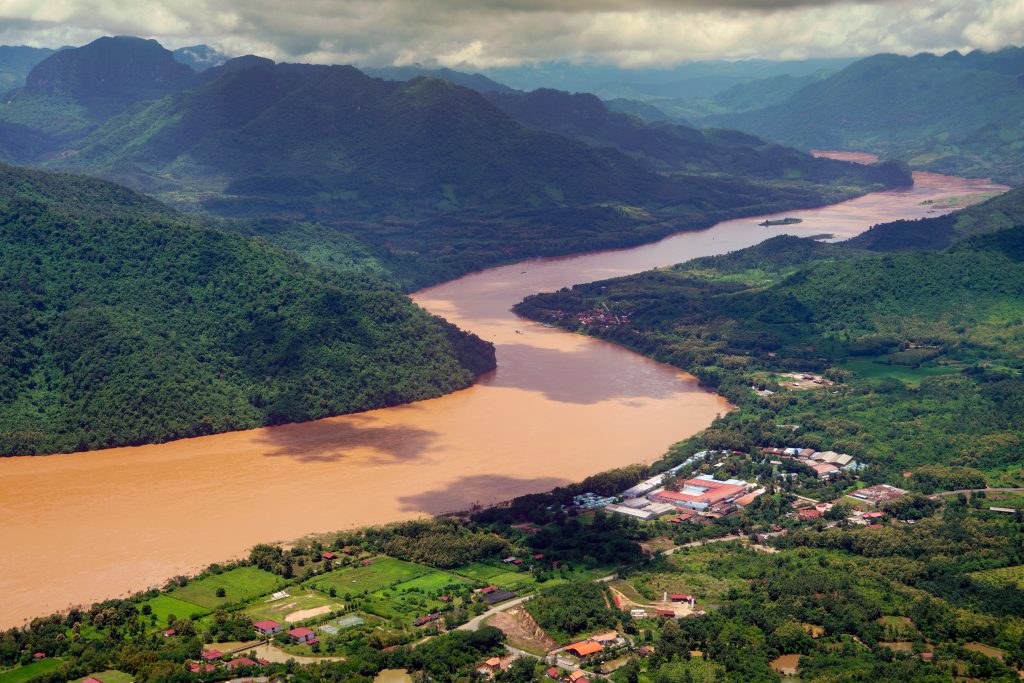
The Hindu Kush area, object of the research, hosts what is today the largest ice reserve in the world after the two Poles. Here there are 15 thousand glaciers for a total of 100 thousand square kilometers of surface, from where the Yangtze and the Yellow River begin their journey, as well as the Indus, the Ganges and the Mekong. An area so vast as to directly affect the 240 million people who live on the plateau and another 1.65 billion along the river basins. 

According to ICIMOD forecasts, the melting of the glaciers will cause a peak in the water supply to the valley by the middle of the century, and then slowly begin to decline. From that moment on, the availability of water will begin to decrease and there will no longer be sufficient reserves upstream for the maintenance of local ecosystems.

From the dependence of energy systems on hydroelectricity to the instability of water resources for agriculture, the melting of glaciers will have and already has an epochal impact on the continent. This is in a region where 80% of rainfall is concentrated in the four months of the monsoon season, today increasingly intense, short and hot. In 2021, the president of the United Nations Office for Disaster Risk Reduction Mami Mizutori called drought "the next pandemic". Too bad, he added, that there is no vaccine for drought. 

Water scarcity comes into play in an area where investment in hydroelectricity has exploded over the past two decades. One hundred dams are now operational in the sixteen countries reached by the waters coming from the plateau, while another 650 dams are expected to be built in the next few years. Enthusiasm for the opportunities stemming from this seemingly sustainable source was soon dampened by record heat waves year after year. A prolonged peak in temperatures which, as has been happening in Vietnam for over five weeks, has led to the gradual closure of some of the country's main hydroelectric plants.

But the attractiveness of water resources to support the rampant energy demand of new industrial centers has generated very different narratives in the community of international investors. From the Irrawaddy for Myanmar to the Mekong for Laos, there are many companies and institutions that would like to take the opportunity to transform these countries into the "batteries of Asia". The water potential of Asia's major rivers is often referred to as a "missed opportunity" or "largely underexploited".

A gradual conversion of global supply chains in South Asia and Southeast Asia is contributing to this due to rising Chinese labor costs and international tensions. No less important are the tax breaks adopted by governments to attract foreign investors, as well as the numerous trade agreements. All measures that are expanding access to Asian markets and, by facilitating regional exchanges, make it possible to relocate an entire production chain on the basis of the fiscal or economic benefits of the various countries.

The contraction of the polar ice cap is to energy exploration in the northern seas what the melting of glaciers is to Beijing's infrastructure and mining ambitions. In fact, it is the People's Republic, in particular, that is betting on the growing accessibility of the Himalayan plateau. Recently some researchers have identified a vein of rare earths that could extend for a thousand kilometers along the southern border of Tibet, a factor that could both strengthen China's dominant position on one of the most strategic markets of our time, as well as re-emerge tensions with neighboring India.

In fact, a greater presence of human activities on the Himalayan plateau is already bringing to light the territorial claims of the various governments of the region. This is the case of the Tibetan county of Lhunze, one of the largest rare earth basins located in an area still contested by India and where infrastructure investments more than doubled between 2016 and 2019. The escalation of a conflict linked both to new mineral resources may soon be just the preview of a more bitter battle for water resources. Barring the Indus Waters Treaty signed by India and Pakistan, there is no regional mechanism dedicated to the redistribution and rights to use the waters of rivers flowing through multiple Asian states. 

The massive presence of Chinese dams upstream of the Mekong is just one example of how marginal the water emergency is still considered which, sooner or later, will no longer be just a problem for a few farmers. Its marginality, the report concludes, is also due to the lack of knowledge on ecosystems beyond data: the human dimension, underlines the document, is essential for understanding what consequences and what solutions are being put in place. Local populations are adapting, but they are doing so through autonomous and small-scale forms of support and redefinition. But the climate crisis is transboundary, and its effects on the already complex relationships between the actors of the region are - still - to be seen.

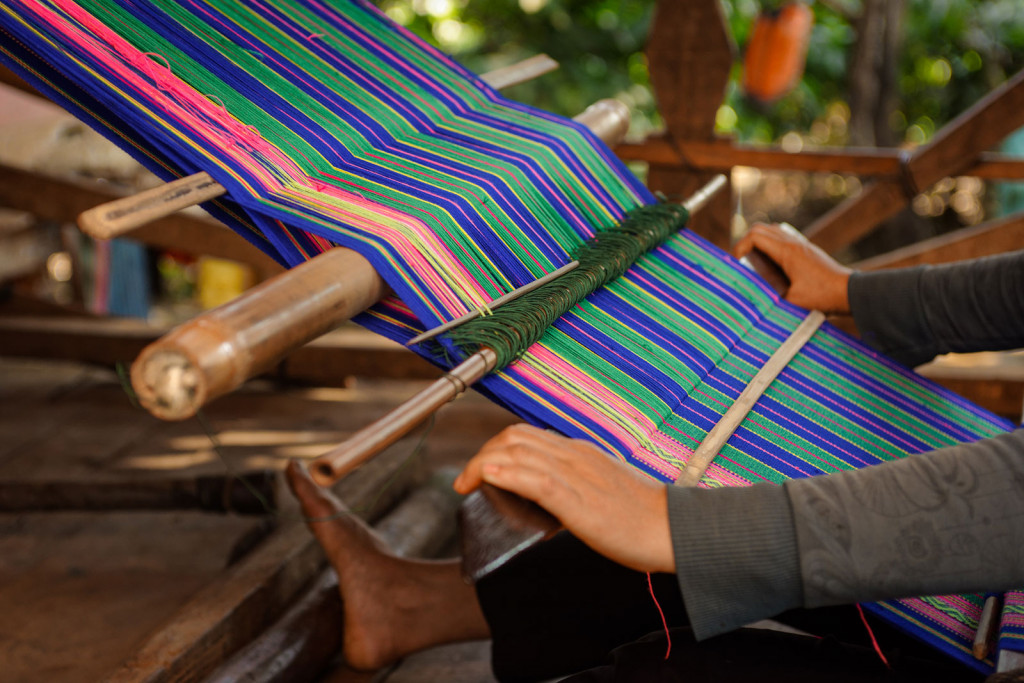
Southeast Asian textiles soar

Statistics from Trading Economics show that in 2021 Cambodia was ASEAN's second-largest exporter in the sector with $5.82 billion, behind only Vietnam's $1

By Tommaso Magrini

The ASEAN region is emerging as one of the world's major textile hubs, a sector traditionally dominated by mainland China and other players. According to ASEAN Federation of Textile Industries (AFTEX) president Albert Tan, who is also vice-president of the Cambodian member of the AFTEX Textile, Apparel, Footwear and Travel Goods Association in Cambodia (TAFTAC), he pointed out that over the past decade, the overall gap between production costs, which mainly include raw materials, labour, logistics and compliance, and FOB (free-on-board) and retail prices has narrowed. This trend is expected to continue over the next decade. Participants at a dedicated forum on the subject drew up a list of projects and work plans for the coming months under Cambodia's presidency, in an attempt to consolidate the role of AFTEX and stimulate the growth of the regional textile and garment industries. Cambodia earned $1.395 billion from the export of 'garment, knitted or crocheted articles' in the first four months of 2023, down 28.49 per cent year-on-year and 40.80 per cent on a six-month basis (compared to July-October 2022), according to provisional Customs data. This category of items accounted for 19.28% of the $7.234 billion value of the Kingdom's total merchandise exports in the four-month period, compared to 25.64% and $7.606 billion in the January-April 2022 period, as well as 31.97% and $7.368 billion in the July-October 2022 period. Statistics from Trading Economics show that Cambodia was ASEAN's second largest exporter in the sector in 2021 with US$5.82 billion, behind only Vietnam's US$15.73 billion and ahead of Indonesia's US$4.35 billion, which ranked third. Mainland China, on the other hand, exported $86.46 billion in the same year.

From Indonesia a new circular economy

We publish here an excerpt from an article by Bambang Susantono, Chairman of the Nusantara Capital Authority, in Nikkei Asia

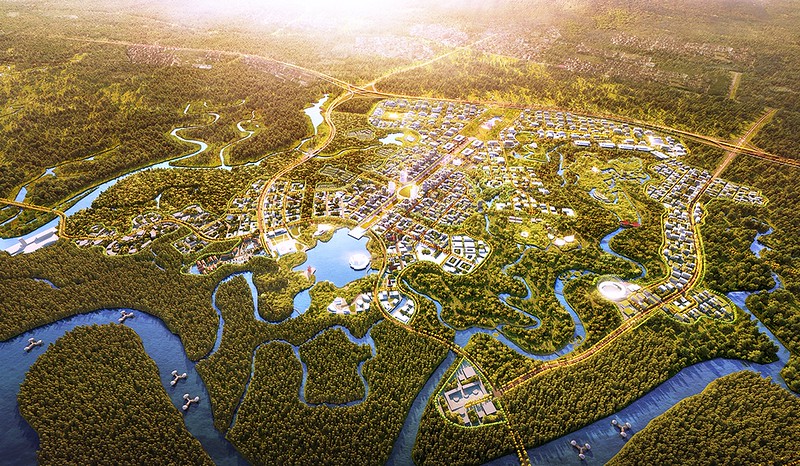
In the heart of Borneo's island forests, the development of Nusantara and its surrounding area is now underway. The new capital's population is projected to reach 1.8 million by 2045.

Staying true to the green vision behind it, the new capital city will be largely encircled by the existing forest, which will be protected.

But it is the city's circular economic model that will translate Nusantara's green vision into meaningful everyday practices.

For example, the new city will implement a comprehensive and well-coordinated system that prioritizes reduction, reuse and recycling, with 60% of Nusantara's waste to be recycled by 2045 and all of its water supply treated through a recovery system by 2035.

This approach will not only minimize the amount of waste generated but also ensure that valuable resources are recovered and reintegrated into the economy.

The circular economy will also offer a win-win approach for investors and communities. According to a joint study by Indonesia's National Development Planning Agency and the U.N. Development Programme, the full implementation of the circular economy approach across the key industrial sectors of food and beverages, textiles, wholesale and retail trade, construction and electronics could create 4.4 million jobs in Indonesia and raise the country's economic output by $45 billion by 2030.

Nonetheless, a full implementation of the circular economy approach will require greater collaboration between the public and private sectors.

By involving businesses, entrepreneurs and investors in the development and implementation of circular economic models, Nusantara will unlock more opportunities for growth and job creation, while minimizing environmental impact.

Areas of collaboration currently being explored include the establishment of recycling facilities and green infrastructure projects that could further cement the new capital's position as a pioneer in sustainable urban development. To attract investment and drive sustainable growth, we have launched comprehensive investment incentives, including tax breaks for businesses that adopt circular economy practices. In addition, tax holidays of up to 30 years and other tax deductions will be given to corporations engaging in research and development and to investors who adopt strict environmental, social and governance standards.

By aligning economic incentives with environmental goals, the new capital will be an attractive destination for forward-thinking investors committed to sustainability.

The success of the new capital's zero-waste, zero-emission infrastructure can serve as a catalyst to combat plastic pollution on a national and global scale as its developing blueprint can become a reference point for similar mega projects.

Vietnam, how hard it is to give up coal

Hanoi is facing one of the most critical periods for electricity supply in areas hit by heat waves. Fossil sources are again the first choice in a country considered among the most promising for clean energy production in Southeast Asia

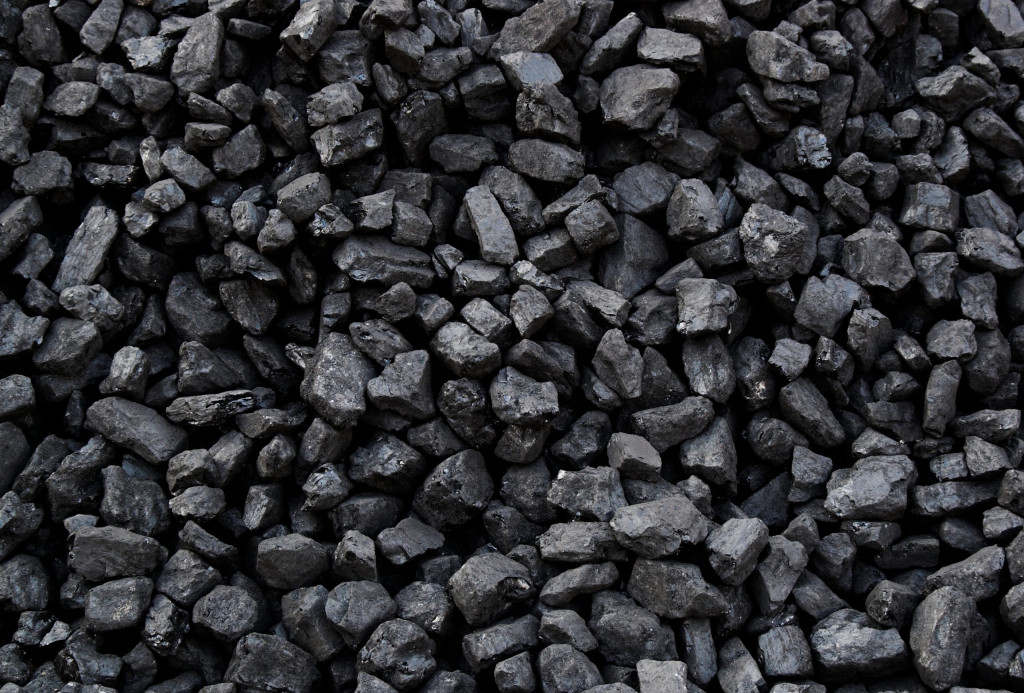
In Vietnam it is not yet time to say goodbye to coal. The figure emerged last May 31 at a meeting of companies and institutions from the Esg (Environment, Society, Governance) world in Ho Chi Minh City and was reported by several Asian newspapers. But the problem has existed for some time, and is symptomatic of a rapid and haphazard development process. For the past few years the country has been at the center of a significant conversion to renewables never before seen in Southeast Asia, but the rush to green energy is still not enough to support an energy demand that has doubled in less than a decade.

As with China today - caught between promises of sustainable development and an energy system yet to be stabilized - the problem of balancing energy supply and demand is already a reality for Hanoi. And climate change adds an additional difficulty in holding the power grid and managing energy peaks. Starting in May, several industrial areas in the north of the country began experiencing an unprecedented series of power outages. "This is the first time this has happened in ten years," a worker in Bac Ninh province tells VnExpress. The manager of the plant, which assembles some telephone components, warned employees that they would not be able to work the next day due to a power outage lasting twelve consecutive hours.

Energy crisis and transition

Undoubtedly justifying the energy crisis in recent weeks is a record rise in temperatures, a factor that in turn is causing a spike in energy demand related to industrial cooling systems and use of air conditioners in buildings. But the supply side also lacks continuity. As many as 11 hydropower plants have been shut down due to water shortages, according to reports from the Ministry of Economy and Trade, while at least one million tons of coal would be needed to run thermal power plants in the north.

Last June 7, the director of the Ministry of Industry's Electricity Regulatory Authority, Tran Viet Hoa, had spoken of "serious shortages" in energy supply, saying that-including imports-the actual availability was only 18,000 megawatts, against a forecast of energy demand capable of touching peaks of 24,000 megawatts. By the end of May, dam output was capable of sustaining only four more days of peak energy; a few days later - on June 3 - major hydropower plants were unable to produce power for the entire day.

Dependence on coal

The hydropower crisis is undoubtedly a factor slowing Vietnam's advancement in the world of renewable energy, and it inevitably pulls the country back toward a source considered-at least in theory-more secure and available. While the collapse of hydropower production has brought out a deficit in the stock of coal for power generation, fossil sources have never left a gap in the national energy mix. On the contrary, they have simply increased to make up for the economic boom. As the International Energy Agency (IEA) reports, Vietnam is one of those countries that, while being one of the largest ASEAN investors in renewables, plans to double the output of coal-fired thermal power plants.

Moreover, "Vietnam's problem is that coal-fired power plants are very young, some are less than 10 years old," Tung Ho, national head of energy consultancy Allotrope, explained to Nikkei Asia. So much so that lawmakers are considering not so much abandoning this energy source but converting the plants to technologies that fall under the semantic umbrella of "clean coal technologies." These include the use of ammonia as a co-fuel to reduce harmful emissions, a technology that is still much debated because there is still no firm evidence of its effectiveness.

What is the future for Vietnam's energy transition?

Coal in Vietnam occupies more than 50 percent of the energy mix, surpassing all other countries in the ASEAN group. The second largest coal consumer in the region is Laos, a key country for supplies of this fuel to Hanoi. While the outlook of Power Development Plan 8 (PDP8) speaks of green transition as an opportunity to attract foreign capital and achieve carbon neutrality by 2050, the Vietnamese leadership continues to evaluate a number of ambitious coal-related infrastructure projects. Such is the case with a 160-kilometer highway that would connect the Lao provinces of Sekong and Salavan to the Vietnamese district of Hai Lang.

The PDP8 itself calls for the construction of new coal-fired power plants until 2030, a year that should mark the actual beginning of an exclusive transition-at least at the infrastructure level-to sustainable energy production facilities. These are therefore deadlines that do not include the closure of coal-fired power plants, but only a ban on new procurements. Although forecasts show a gradual decline in coal-related production (a 10 percent reduction over the next ten years), it is important to remember that the outlook for total production is ambitiously upward. In fact, according to the development plan, Hanoi aims to produce more energy than countries such as France and Italy.

Vietnam's plans will also have to reckon with international promises. As of 2022, the country has joined the Just Energy Transition Partnership. The scheme, adopted together with partners such as the U.S., Japan, the U.K. and the European Union, plans to unlock more than $15 billion to support member countries' energy transition. At COP26 in Glasgow, Hanoi also declared that it will stop using coal as an energy source by 2040. In 2022, the Economist had described Vietnam as "a bright spot on an otherwise black as night map" for its rapid development in solar energy. But it still has a long way to go.

Singapore flies with free Wi-Fi for all

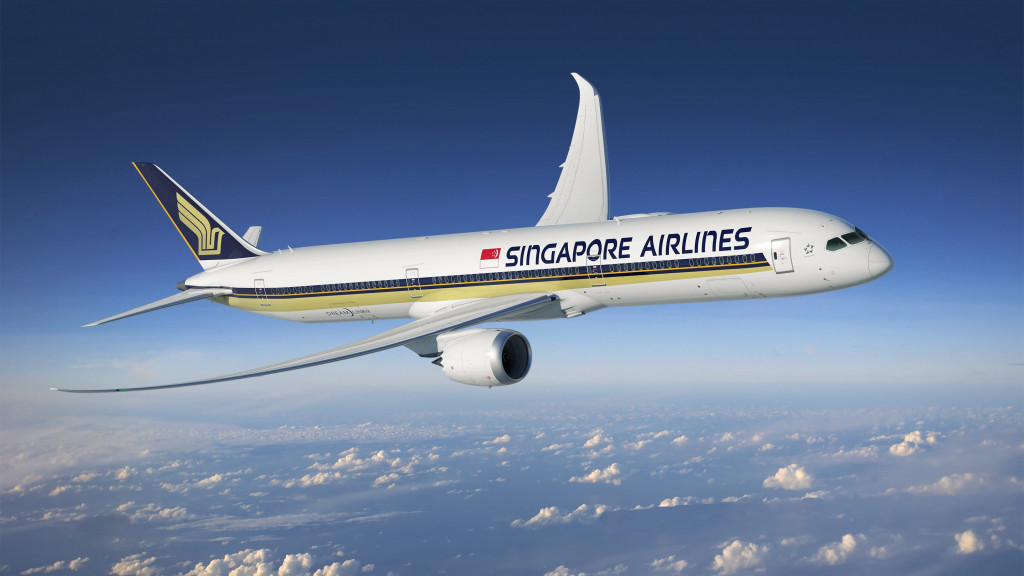
As of July 1, Singapore Airlines becomes one of the first international airlines to offer free and unlimited Wi-Fi to all passengers

Article by Tommaso Magrini

Surfing the Internet has become increasingly important, even while in the air. Singapore Airlines, reports the South China Morning Post, has joined the handful of carriers that offer free in-flight Wi-fi to all passengers and, starting July 1, customers will be able to surf without the usual charges or data limits. In-flight Internet has long been an inconvenient and messy add-on cost that is usually more trouble than it is worth, if available at all, and usually remains exclusive to those paying for a first or business class seat. Although time spent online has declined since the Covid-19 pandemic closures, in 2022 the 5 billion regular Internet users still spent more than six hours a day browsing and scrolling, according to We Are Social, a British company that tracks web and social media use. At the same time, air passenger numbers are on the upswing. According to the International Air Transport Association, global passenger traffic is back to 90 percent of its pre-Covid level in April 2023, meaning the world is on track to return to the 4.5 billion passengers carried in 2019, the year before the pandemic began and travel restrictions were imposed.

Hence, carriers like Singapore Airlines are banking on free Wi-fi to persuade passengers to choose the airline to fly with. Air New Zealand is the best airline in the world; Singapore ranks first in first class. "In today's increasingly hyper-connected world, in-flight high-speed Wi-fi connectivity is one of the most important requirements for our customers," said Yeoh Phee Teik, Senior Vice President Customer Experience at the airline. To access Wi-fi, passengers will have to sign up for the airline's free loyalty program, similar to how some of the few other carriers that offer free Wi-fi, such as Qatar Airways and Delta Air Lines, operate. Singapore Airlines said the offer will apply to 129 of its 136 aircraft, with the exception of seven Boeing 737-800 NGs that it says "are not Wi-fi enabled."

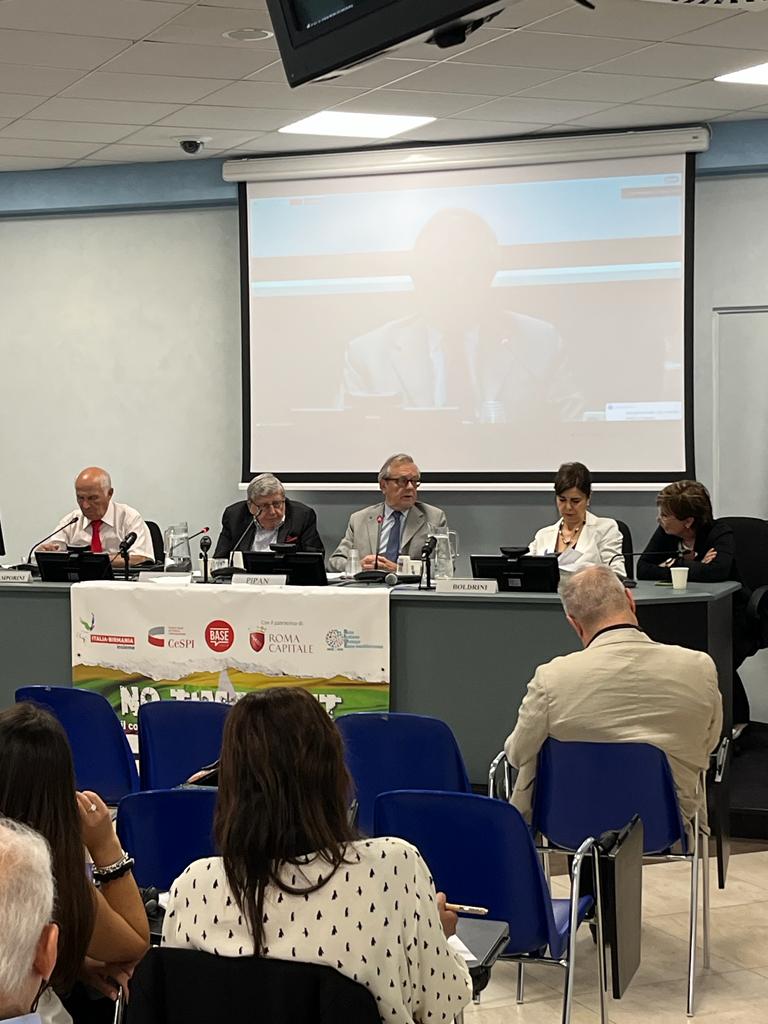
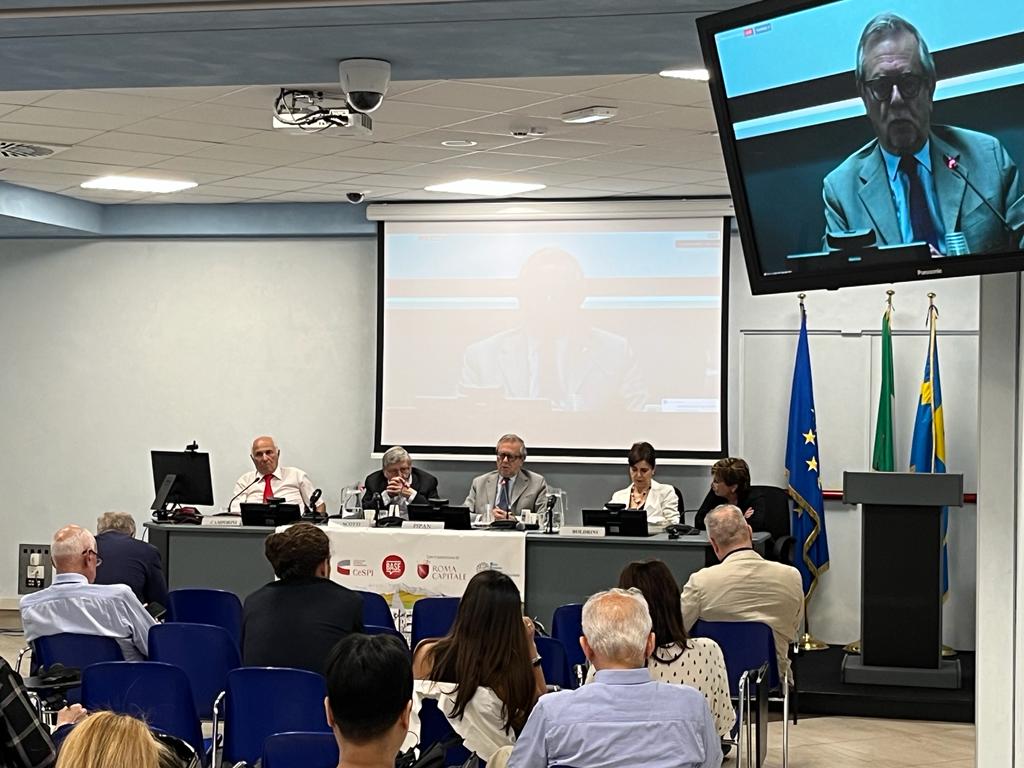
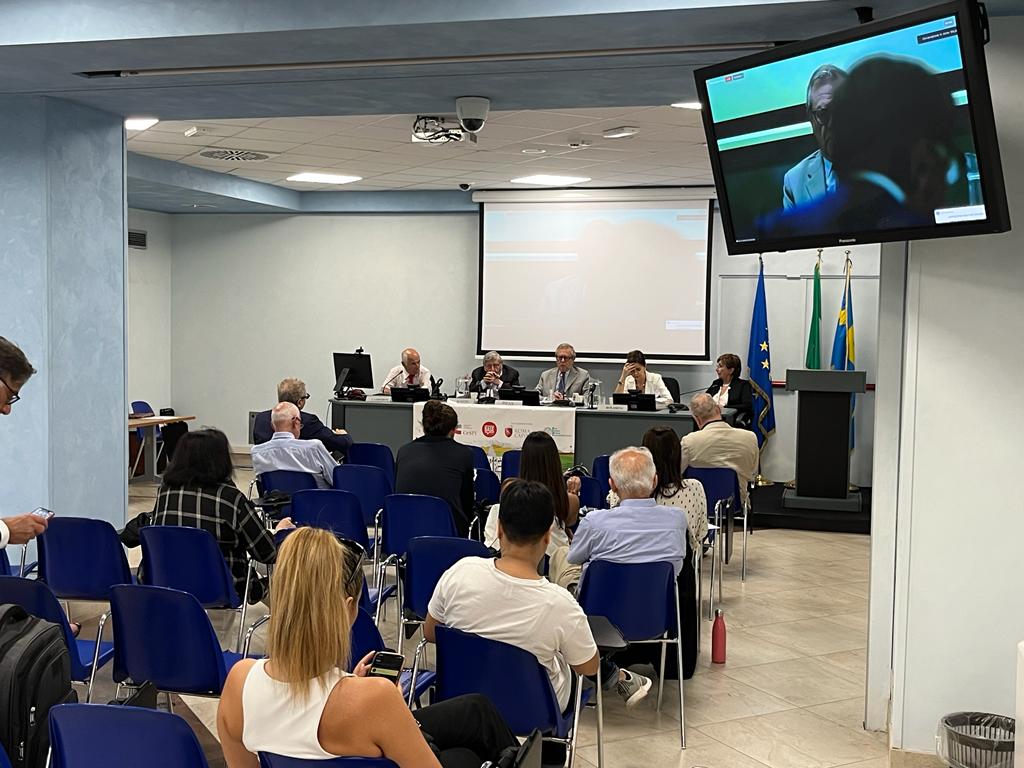
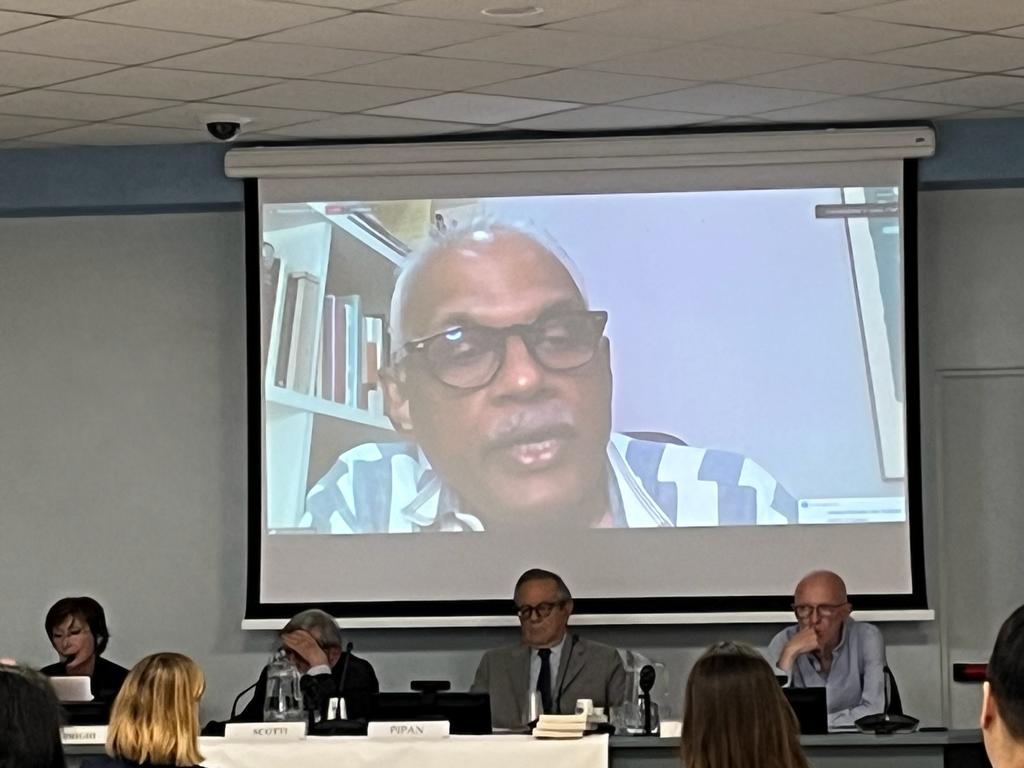
President Pipan attended 'No time left' conference

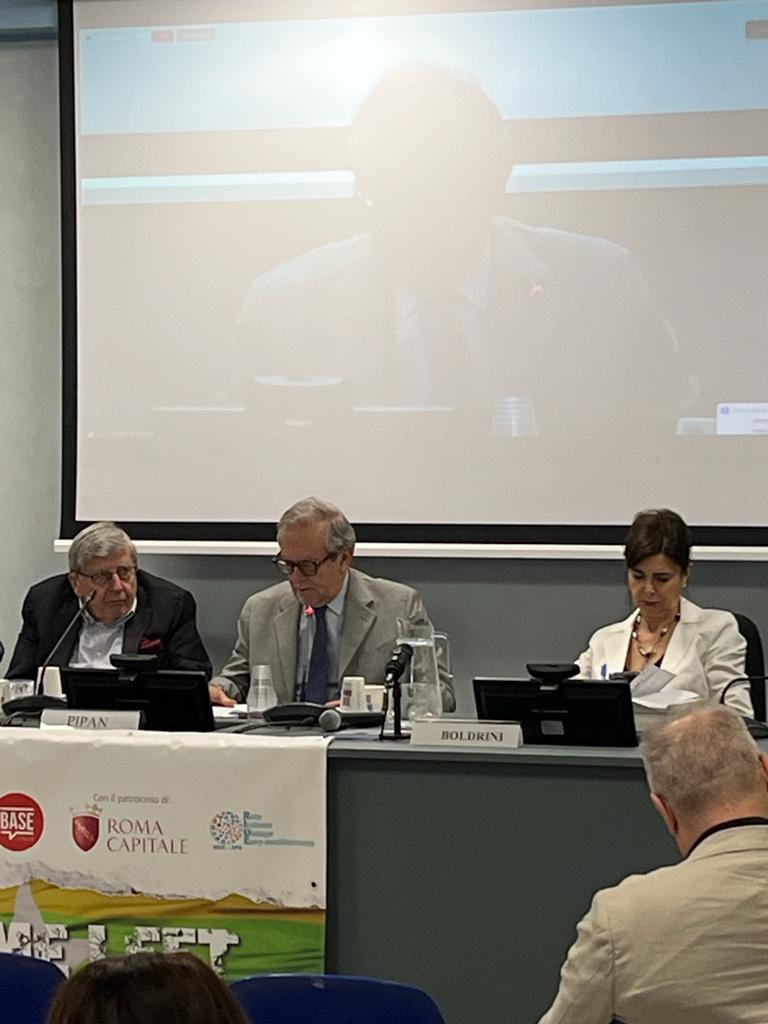
On Wednesday 21 June 2023, Ambassador Michelangelo Pipan, President of the Italy ASEAN Association, took part in the works of the conference "NO TIME LEFT. Against the consolidation of dictatorship in Burma/Myanmar" organised by the Association ITALIA BIRMANIA together with CeSPI and BASE Italia. Ambassador Pipan, speaking together with distinguished international guests, emphasised the importance of international cooperation in resolving the Burmese crisis and achieving peace.

No to protectionism and arrogance

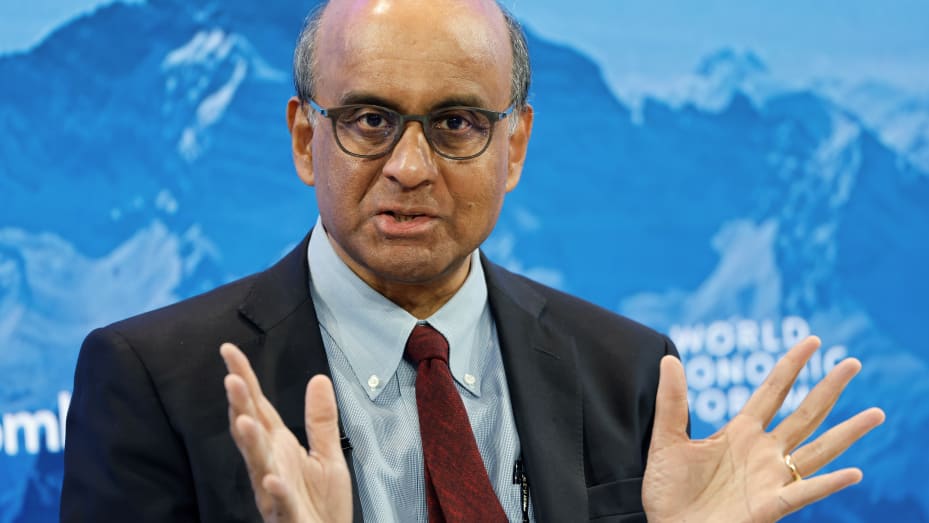
We publish here an excerpt from the speech at Chatham House of Tharman Shanmugaratnam, Senior Minister of Singapore

The United States and China should abandon the “hubris” of claiming superiority of their respective political systems and instead should focus on collaborating to advance their self-interests. There are no saints in the relationship between the superpowers. Both of them need to make adjustments. Both of them need to avoid a sense of hubris with regard to the superiority of their own systems. And both of them need to recognise that there’s actually a great deal in common in the way they go about trying to improve lives and grow incomes.Those are huge grounds for seeing eye to eye and developing rules to make sure that trade is fair, investment is fair and intellectual property is protected. These are rules that can be developed. The absence of a strategy of interdependence would not necessarily mean that China gradually withers away. It eventually rises anyway but when it finally gets there it will know who made it extremely difficult for it to get there. That makes for a dangerous world. There was a “step change” in the threat perception about China in the US in 2016. I don’t think that step change in the curve was occasioned by any new strategy on the part of China or any new development in China’s market share or China’s actions in any regard. It was domestic politics. Politics matters, and I think we are trundling down a road where we are in the politics of pessimism and grievance and it has to be redressed. China doesn’t yet feel it is ready to be an equal with the US at the centre stage but wanted to play a more major role in rule setting in the International Monetary Fund, the World Bank, in trade and other areas, On Taiwan, no serious observer, including those who are very close observers and who are engaged in this believes that China wants war with Taiwan. Neither does the US. And it’s extremely important to preserve prior understandings on Taiwan, and preserve the constructive ambiguity on Taiwan that has lasted for decades on the part of both the US and China. About global trade, if we go for a system that is protectionist, that imposes restrictions and where your actions domestically have negative spillovers on the rest of the world, you might be able to preserve relative superiority, at least for some period of time. But it is almost certainly at a cost of absolute performance everywhere.

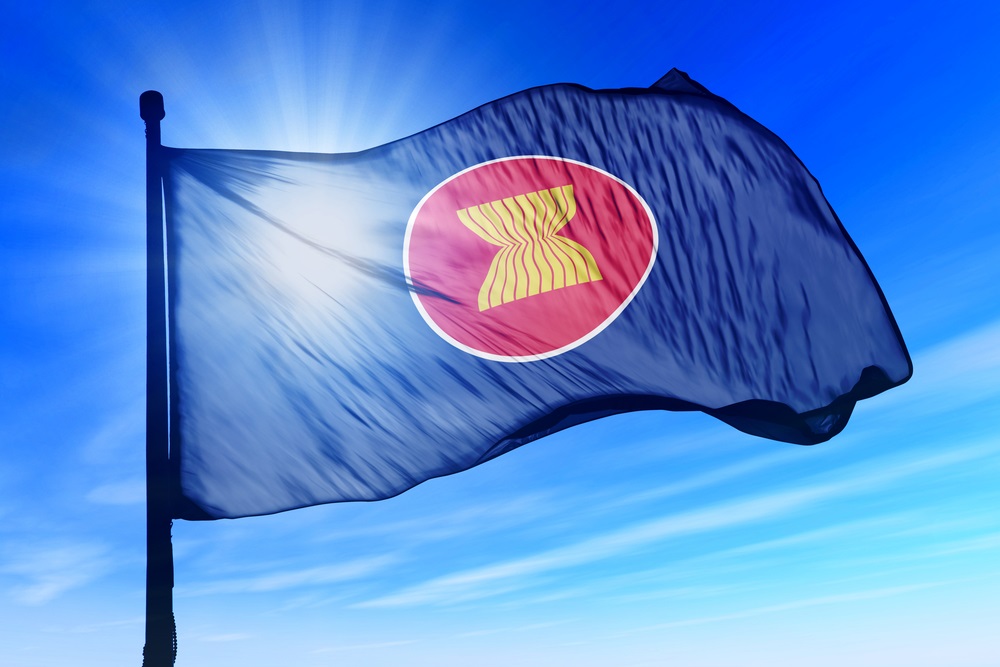
"ASEAN in 2045”

What to expect from the future outlook of the organization of Southeast-Asian Nations

The future configuration of the Association for Southeast Asian Nations (ASEAN) was discussed during the group's last two summits, held in Belitung and Labuan Bajo. In fact, the community's vision for the coming years will not be limited to 2035, but will be extended by ten years, to 2045. But what exactly is this all about?

A task force will work on developing and finalizing the details of this vision over the next three years, but what is certain, the leaders announced, is that the strategy will be composed of a balance of pragmatism and ambition. The primary goal is to achieve stability and progress for ASEAN while remaining true to its identity. In addition, both place greater emphasis on the welfare of the people of member countries, emphasizing the strengthening of ASEAN organs and the Jakarta-based secretariat, ensuring fundamental freedoms and human rights, and improving the lives of all ASEAN citizens. Efforts to improve capacity to address existing and emerging challenges while maintaining ASEAN's centrality, among other objectives, are also emphasized. This will also be achieved through active citizen participation, and "bottom-up" consultation processes will be encouraged (especially desired by Indonesia and the Philippines), involving civil society organizations in decision-making.

It was also planned to strengthen the Association's organs and secretariat based in Jakarta. In terms of member countries, on the other hand, enlargement is planned: by 2045, it is expected that ASEAN could potentially include East Timor and Papua New Guinea. The former, since becoming independent in 2002, despite being widely considered a Southeast Asian state and geographically being part of it when it was incorporated by Indonesia, is not yet a full member. Confirming this, the ASEAN states last November voted in favor of East Timor`s "in principle" membership in the Association. As for Papua New Guinea, the island has been an observer in the regional bloc since 1976, before any other non-originating ASEAN member. Its leaders have been pushing for full membership since at least the 1980s, and it is working hard to prepare for integration.

And, why not, if the broader political dynamics warranted it, members from the Indo-Pacific region could also join ASEAN. This, if it happened, would require a substantial increase in the budget. Currently each member contributes the same amount to the latter, unlike the EU model where each state contributes based on GDP. In fact, ASEAN members are determined to maintain the current system of equal contributions and equal voting rights.

The key organs and structures of ASEAN are expected to remain unchanged in the coming decades, preserving the time-honored principles enshrined in the 1967 Bangkok Declaration. These principles include consensus-seeking, non-interference in internal affairs, and rejection of the use of force. 

It will be interesting to observe how the Association will manage the challenges and opportunities of the years to come. Certainly, demographic and geopolitical dynamics will change the landscape in which these countries fit, but the organization seems determined to maintain stability and regional centrality while engaging in dialogue and cooperation with major world powers.

Vietnam's versatile political system

Hanoi is growing commercially and diplomatically, but it is at the center of the interests of global powers. Continuing to take advantage of this in a positive way will not be easy, , but Vietnam wants to continue the process that lifted millions of people out of poverty after the war

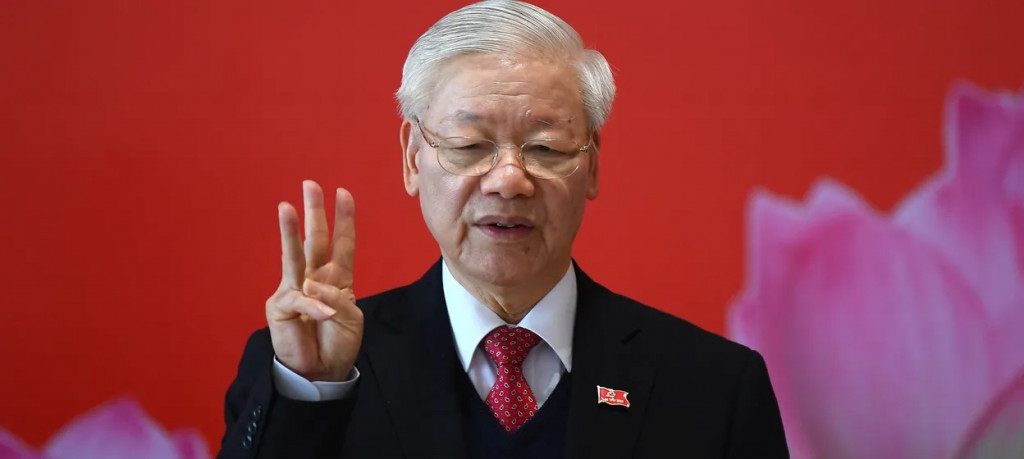
Almost two years before the 20th Congress of the Chinese Communist Party, the 13th Congress of the Vietnamese Communist Party was held. Almost two years before Xi Jinping won a historic third term as general secretary, so had Nguyen Phu Trong. It was there that the 19 members of the Politburo and, most importantly, the four crucial positions in the Vietnamese system were appointed: general secretary of the party, president of the Republic, prime minister, and president of the National Assembly (the unicameral legislative body). These are the figures on which the so-called "four pillars" principle is based, holding up the Vietnamese political system.

Yet, the number four has been in the recent past partially eroded. After Tran Dai Quang's death in 2018, Trong was president just until the January 2021 Congress. There he won confirmation as secretary-general on a historic scale. Trong, 76 years old and in health described by multiple sources as "precarious," is now Vietnam's longest-serving leader since Le Duan, Ho Chi Minh's successor, and since Doi Moi, the program of reforms and openings launched in 1986. Set aside the two-term limit, as Trong has been secretary-general since 2011. A sign that no agreement has been reached on a possible successor, but also the completion of a process of centralizing powers that began as early as the dawn of his first term, when the leadership of the Central Anti-Corruption Committee passed from the prime minister to the secretary. Trong, similarly to Xi Jinping, has built his reputation on an ostentatious inflexibility in security and anti-corruption matters, promoted through the ruthless "fiery furnace" campaign that enabled him to get rid of defeated political rivals at the 12th Congress in 2016. Instrument used by Trong immediately after the 2016 congress to launch the "fiery furnace" campaign, through which he increased his popularity and got rid of some political rivals.

The path continued in the past few months as well, when came the "guided" resignation of Nguyen Xuan Phuc, the former chairman lapped up by an anti-corruption investigation as part of the new momentum in the anti-corruption campaign. Phuc was the big disappointment of the 13th Congress, as he expected promotion from premier to party secretary. In his place was appointed Vo Van Thuong, who at "only" 52 years old is the youngest member of the Politburo. Thuong signifies continuity, since like Trong the new president takes a rather orthodox ideological line, cloaked in strong anti-corruption rhetoric but also a drive for business. Born in the southern province of Vinh Long, he interrupted an interlude in which all 4 pillars were expressed by the northern provinces. His appointment thus brings back a kind of regional balancing that had always characterized Vietnamese politics. There are also those who see the appointment of a politician at a still relatively young age as the first sign of a future succession to Trong, perhaps at the next Congress in 2026.

In the meantime, Hanoi will try to continue to attract foreign investment. Several international giants, starting with electronics, are choosing Vietnam to position themselves in Asia or diversify their production chains away from China. A phenomenon spurred by the free trade agreements signed by Hanoi with the European Union and the United Kingdom. But also by the side effects of tensions between China and the United States,which has led of the relocation of production lines to a less politically exposed country with lower labor costs than in the People's Republic. The Vietnamese economy grew by 8.02 percent in 2022, the fastest annual pace since 1997. This is higher than even the ambitious +6.%-6.5% that had been set by the government. Settling in Vietnam are not only low-quality production lines, but also productions of tech and electronics giants. A very long list that includes several Apple suppliers, among others.

But geopolitics is knocking at the door. Vietnam is increasingly the focus of U.S. attention, which is seeking to improve relations with an important player on the stage they care most about, the Asia-Pacific. Not surprisingly, an important visit by Antony Blinken to Hanoi took place in April. Not only that. On March 29, Joe Biden had a telephone conversation with Trong. Not such a usual move, since the U.S. president usually speaks with his Vietnamese counterpart. The timing was also interesting, since the talk took place in conjunction with the White House-organized Democracy Summit. The more malignant have pointed out that a political system that is certainly not democratic may eventually suit Biden if this is part of his strategy or calculation. As, moreover, is already the case with India. Blinken's visit served to lay the groundwork for the elevation of relations, which is expected to take place in July. But Vietnam has no intention of allowing itself to be "enlisted," on either side. To continue a historic process that brought millions of people out of poverty after the ravages of war.

ASEAN wants dialogue

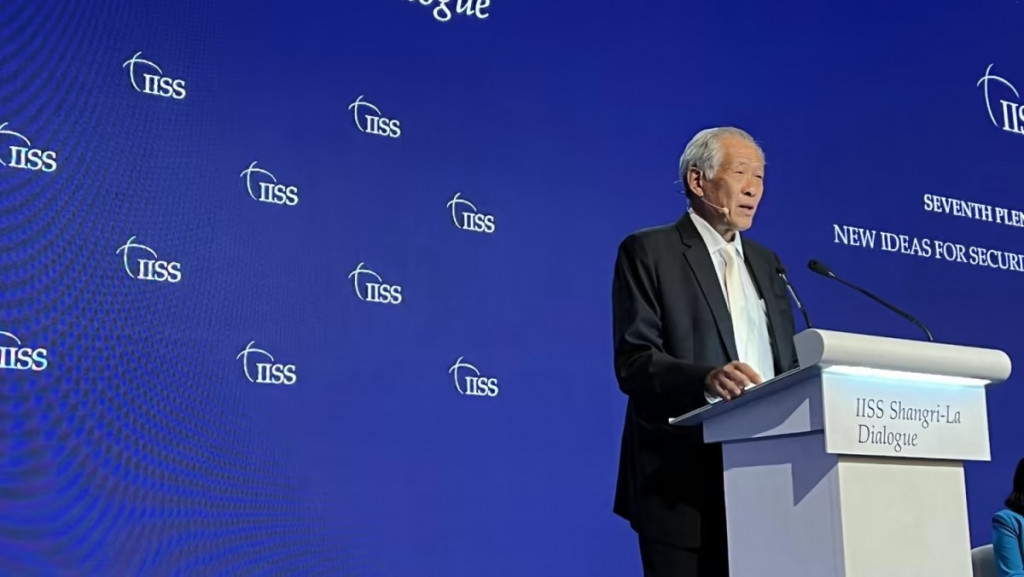
We publish here an excerpt from a speech by Ng Eng Hen, Singapore's Minister of Defense, at the Shangri-La Dialogue 2023

Rising military spending, shifting military and trade alliances, and de facto nativist economic policies are strong winds of change. How do we weather the storms to come? For Asia and the wider Indo-Pacific region, the US-China relationship is central to stability. That is the core, but the penumbra of relationships of other countries outside this core is also important for stability. No country, I think, wants war, but our working assumptions and scenarios must be that unplanned incidents can occur. Channels of communication, both formal and informal, must exist so that when these unplanned incidents occur, those channels can be used to deescalate and avoid conflict. Despite the Cold War, the strategic arms limitation and anti-ballistic missile treaties were signed between Brezhnev and Nixon in 1972. The salient point is that such channels of communications must be built over time. It will be too late to start or activate them only in moments of crisis. Seasoned diplomats compare unfavourably the lines of communication between the US and Soviet Union in the Cold War with what exists today between the US and China, now at its ebb. It is not our place and certainly not my intention to comment on the diplomatic efforts of other countries, but I state these observations on declining touch points between the American and Chinese military establishments knowing full well that Singapore and other ASEAN states are not disinterested bystanders. Both the US and China have said that they do not want ASEAN countries to take sides, but ASEAN member states, with a vivid recollection of great power rivalry in our past and the devastating consequences, are acutely concerned that worsening relationships between these two powers, US and China, will inevitably force difficult choices upon our individual states. For ASEAN, both through bilateral ties and individual member states, and collectively with the US and China through the ADMM-Plus, we have sought inclusivity and engagement as key platforms for pre-emption and confidence building. Within the ADMM framework, we continue to pursue multilateral exercises that involve all our eight-plus partners. These interactions strengthen practical cooperation like the Code for Unplanned Encounters at Sea (CUES) to reduce the risk of accidents and miscalculations. At the heart of our engagements, as fully exemplified in the Shangri-La Dialogue, is the desire to seek peace even as we security chiefs strengthen our militaries to protect our individual nations. At times, the progress seems painfully slow, but we owe it to our citizens and the next generation to persist and forge breakthroughs.

Read the full speech here

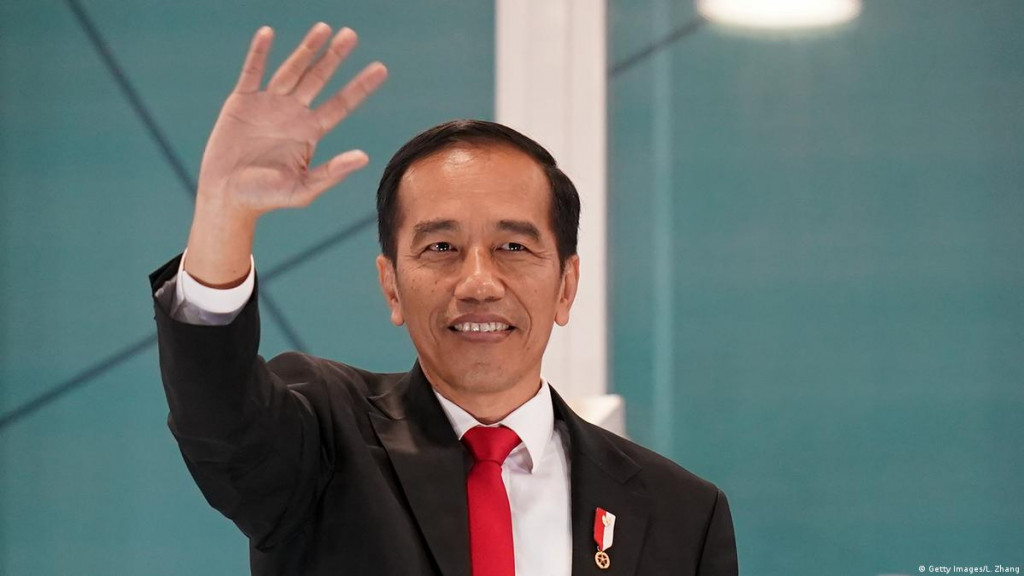
What legacy will Widodo leave for Indonesia?

Self-made man of humble beginnings, Indonesia's first president without a political dynasty or the military behind him. With only a few months left in his second and final term, Joko Widodo remains wildly popular, and his successor will likely emerge from his entourage. Outstanding story of a leader who embodies the strengths and contradictions of his country

Joko Widodo is almost always referred to by the nickname "Jokowi." Shortening names and titles or giving nicknames is a widespread habit in the spoken Indonesian language, but it seems that the president's nickname was coined by one of his French business partners. Prior to entering politics, Jokowi was involved, with some success, in manufacturing and exporting furniture made from the fine timber of the tropical forests of the Indonesian archipelago. This was, in some ways, the family business, although his father carried it out on a much smaller scale. In fact, Jokowi had been born in the home of a carpenter in Surakarta, a town in Central Java, who sold the furniture he made on the street. After studying forestry engineering, Widodo first worked in a state-owned pulp mill and then opened his own company, joining the trade association. Business did not take off at first, and in the early 1990s, Jokowi was in danger of bankruptcy, but was saved by a loan from a state-owned company. The company manages to grow through exports, mainly to Europe and, in particular, France. In short, Widodo's entrepreneurial success was built on the support of state-owned companies and exports, two elements that would later be central to his economic policy, dubbed Jokowism by some entrepreneurs.

Furniture manufacturers are an influential industry group in Indonesia, and Widodo, president of the association for the city of Surakarta, is ready to enter politics. In 2005, he won the election for mayor of Surakarta, and his administration proved extremely popular due to its tough on crime and promotion of tourism. The successful entrepreneur now mayor, however, does not forget his humble beginnings and often visits the city's slums, where he promotes social housing and access to education. Appreciated policies that Jokowi will replicate on a larger scale in his later posts. His popularity is sky-high, and in 2010 he is re-elected mayor with more than 90 percent of the vote. On the strength of that result, just two years later he aims for the position of governor of Jakarta and is elected. A position he holds for a short time, as in 2014 his party, the PDI-P (Indonesian Democratic Party of Struggle) nominates him as its candidate for the country's presidency. Jokowi's meteoric political career is built on his talent for appearing as a "man of the people" who does not forget his origins, capable of getting things done, and sincerely interested in improving the living conditions of poorer Indonesians.  

The PDI-P's choice of Widodo was exceptional for the dynamics of Indonesian politics. The then Jakarta governor was neither a former army officer like his rival, former conservative general Prabowo Subianto, nor the scion of a political dynasty like PDI-P leader and daughter Sukarno Megawati. Before him, all of Indonesia's presidents had belonged to one of two categories, but for Widodo and the PDI-P the anomaly could become the lever with which to lift the party after years of electoral debacles. Jokowi presented himself as a new man, estranged from the establishment and close to the people. Like so many other leaders in the same years, Widodo wins with a populist platform that put the fight against corruption at the center. The election was a triumph, Jokowi beating Prabowo with 53 percent of the vote and repeating the success in 2019, again against Prabowo, with 55 percent. To this day Jokowi remains wildly popular, with approval ratings around 76 percent. It is difficult to hear critical voices against the president, not least because offending him can lead to 18 months in prison, as happened to an 18-year-old Sumatran boy in 2017.

Widodo is indeed a democratically elected leader, willing to relinquish power at the end of his two terms as required by the Constitution, but he is also the leader of a "hybrid" democracy. Power is contestable in elections, but dissent is suppressed when he raises his voice too much or steps out of the groove drawn by the government. Somewhat vague laws against defamation and "blasphemy" have been written during the Widodo administration and are now broadly interpreted to restrict freedom of expression, assembly and association. Another gray page with regard to fundamental rights is a recent and unprecedented assumption of responsibility by Jokowi for certain incidents of violence perpetrated by the Indonesian state in the past. This is only a partial step forward, as the president has been silent about the crimes committed by the military during the occupation of East Timor and the violent repression still perpetrated against West Papuan natives demanding independence from Jakarta. The promise to fight corruption has also remained unfulfilled. Rizal Ramli, a longtime politician and former minister in the first Widodo government, recently wrote in The Diplomat that under Jokowi "the hands of the clock have turned back," as the president's clique has proven to be "horribly corrupt, with huge conflicts of interest." Widodo keeps quiet and lets it be, so as to keep opposing interest groups together and maintain power. Former rival Prabowo has also been co-opted as defense minister.

Despite the fact that corruption is a very serious problem and perceived as such by the public, Indonesia's economy is growing and experiencing no crisis. Jokowism seems to be working and remains popular. Mindful of his personal experience, Widodo sees the country's wealthy state-owned enterprises as a useful tool for guiding its economy and infrastructure toward its goals of economic as well as social development. In this, the president has been successfully assisted by his minister of state-owned enterprises Erick Thohir, an entrepreneur known in Italy for buying and leading Inter Milan for a number of years. Another tenet of Jokowism is the search for new markets and investment abroad. Indonesia recently held the chairmanship of both the G20 and ASEAN, placing great emphasis in both forums on trade and economic growth. And Jokowi has been able to find many investors, especially in China. Beijing's presence in the country has increased greatly, both in investment and in the presence of Chinese workers, a category that is often the victim of violence. This is a somewhat uncomfortable topic for the administration, which has been criticized in the past by the opposition for "selling out" the country to China and is now committed to keeping anti-Chinese sentiment in check.

Although it is difficult to predict who will be Jokowi's successor, he will certainly be a Jokowist in economics. Appearing in continuity with the popular outgoing president will be necessary to emerge from a still crowded pool of contenders. The two most likely names seem to be former rival, now ally, Prabowo and official PDI-P candidate Ganjar Pranowo, governor of Central Java. The two could even ally and run as a ticket, in absolute continuity with the grand coalition supporting Widodo. If Jokowi entered politics without coming from a power dynasty, he is coming out having created one of his own: his sons have already begun to groom themselves, and the eldest son is already mayor of Surakarta, the city from which Widodo's rise began. We will hear more about them. In any case, the fact that the post-Jokowi transition is taking place in a democratic manner demonstrates the strength of Indonesia's democracy, albeit a "hybrid" one. A democracy full of contradictions that required an out-of-the-box politician like Jokowi to lead it: as capable and effective as he was condescending to the corruption and vices of the system.

Southest Asia's new "space race"

Tourism, communications and defense are the new frontiers of space technology

Article by Tommaso Magrini

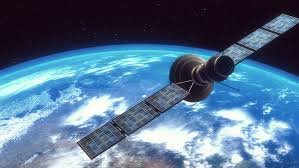
Space tourism and satellite technology are the future of Southeast Asia. Indeed, Thailand and Vietnam have embarked on a new "space race" that will propel the region to the center of the industry's development dynamics. 

Thailand's Geo-Informatics and Space Technology Development Agency is preparing to put an industrial satellite, developed with support from the United Kingdom, into orbit in August. Within the next five years, moreover, the Southeast Asian country is intent on launching two or three more entirely home-made satellites.

These projects are as ambitious as they are important for Thailand's technological development, since the use of domestically developed satellites would give the country greater freedom in collecting and managing scientific data, which in Bangkok's case would be used to channel the agricultural sector toward a more technological and functional approach.

In addition, the country is considering building its own launch site. If budget and technological development allow, the facility could be built in less than a decade. Meanwhile, the government's prediction is that the space economy is set to grow by about $9 billion by 2030, becoming one of the country's top industries.

Thailand is also considering the use of space technology for defense purposes. It is also considering banning production sites for foreign military satellites and related equipment in the country.

But Thailand is not the only Southeast Asian nation with space ambitions. Hanoi is also moving in the same direction, having approved a plan to build a tourist spaceport by 2026. A 30 trillion dong project, according to local media, roughly $1.3 billion. The facility will be built on the island of Phu Quoc, already a popular tourist destination, and the first launch is scheduled for 2030.

Thailand and Vietnam are thus competing with the two space giants-China and the United States. But they are by no means starting at a disadvantage. In fact, the Southeast Asian countries have a not inconsiderable geographical advantage: their location near the equator allows them to use less energy for a single launch, consequently lowering costs.

The Philippines, too, did not miss the golden opportunity and signed an agreement with SpaceX, Elon Musk's company, to provide Starlink internet services. The company, in fact, hopes to improve communications and data transit in the mountainous and more remote areas of the archipelago, especially to facilitate rescue operations when needed. The increase in extreme weather conditions has indeed increased interest in the satellite business, Southeast Asia being one of the areas most affected by climate change, with floods and prolonged periods of drought occurring on a large scale. In this sense, satellite monitoring systems could help mitigate the consequences of such phenomena.

Recently active members
Foto del profilo di Alessio
Foto del profilo di Monika
Foto del profilo di Gabriel
Foto del profilo di Elena
Foto del profilo di Lorenzo
Foto del profilo di Alessandro
Foto del profilo di Cristina
Foto del profilo di Rocco
Foto del profilo di Clara Lomonaco
Foto del profilo di Redazione
Foto del profilo di Davide Gugliuzza
Foto del profilo di Anna Affranio
Foto del profilo di Ilaria Canali
Foto del profilo di Nicolò
Foto del profilo di Angelo Cangero
Who is online
There are no users currently online
Members
  • Foto del profilo di Alessio
    Active 3 ore, 23 minuti fa
  • Foto del profilo di Monika
    Active 3 giorni, 16 ore fa
  • Foto del profilo di Gabriel
    Active 3 settimane, 4 giorni fa
  • Foto del profilo di Elena
    Active 1 anno, 4 mesi fa
  • Foto del profilo di Lorenzo
    Active 2 years, 6 mesi fa