The effect of the climate crisis on the Philippine elections

It is clear to all that the country is particularly vulnerable to climate change and therefore needs to rely on renewable energy.

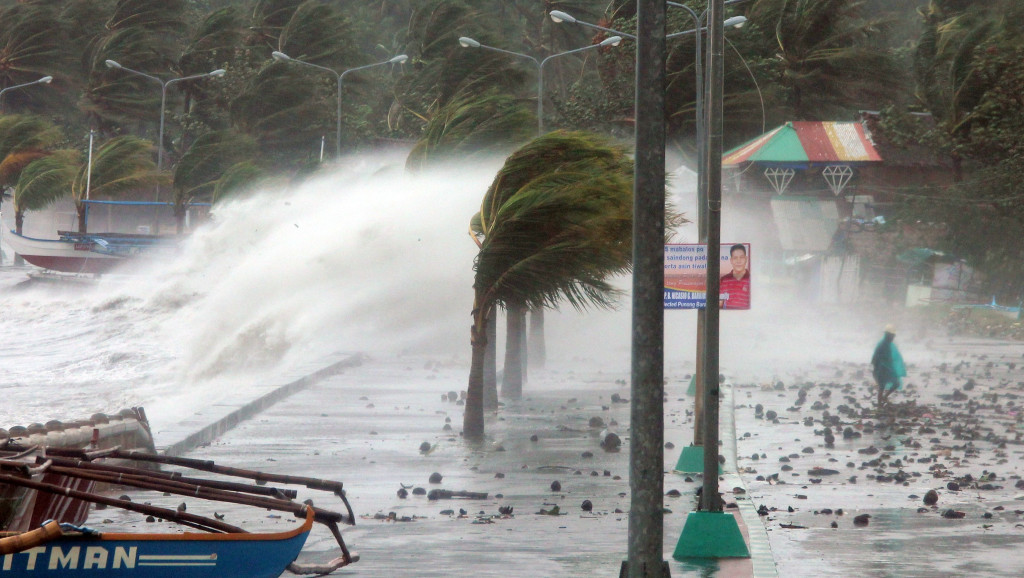
When Typhoon Rai devastated the central region of the Philippines in December 2021, leaving nearly 400 cities without power for weeks, what angered the population most was the government's inability to foresee the consequences of the natural disaster.

The Philippines is an archipelago in the middle of the Pacific and are hit by at least 20 storms each year, which seem to get exponentially worse. Typhoon Rai was more destructive than Haiyan (2013) and the damage it caused across the country is estimated to amount to USD800 million.

It is clear to everybody that the country is particularly vulnerable to climate change and therefore needs to rely on renewable energy. However, it appears that Manila does not have the same view. Since the beginning of February, the capital has been caught up in the "election fever" and politicians seem to believe that the climate issue is something that only bigger nations can address. For the Philippine political class, the main goal is survival, and they have no concern about dealing with the tragic consequences of the natural disasters that have scourged the country for years. 

Ahead of the May 9 elections, which will be a measure of Filipinos' drive for change, Ferdinand Marcos Jr, son of the late dictator, is the favorite to win the presidency, while Davao Mayor Sara Duterte, daughter of the current leader, is leading the race for vice president. All eyes are on the race to succeed President Rodrigo Duterte, who cannot be reelected in accordance with to the Constitution and has not publicly expressed a preference for the choice of his successor.

Ten presidential candidates and nine vice presidential candidates can be chosen on the ballot. What people expect are not only concrete responses to the pandemic and strong economic recovery programs, but also each candidate's point of view on Duterte policies, the bloody war against drugs, the foreign policy toward China and its debt-backed infrastructure push.

In sum, the climate issue and the shift to a higher use of renewable energy sources are not the priorities of the Philippine political class.

According to Professor Antonio La Vina, former executive director of the Manila Observatory, a non-profit research institute based at the Ateneo de Manila University: "Typhoons that have the same magnitude as Haiyan and Rai will continue to occur more and more frequently; without a plan to forecast these events, we will reach a critical point where we will not have the time needed to rebuild." 

If the government promoted a higher use of renewable energy, thus replacing fossil fuels that contribute to worsening climate change, the dramatic consequences of annual storms would be avoided.

Why then did the Philippines agree only partially to the gradual reduction of the use of coal at COP26 in Glasgow last year? Because big energy production companies have invested so much in coal that they do not want their money to go to waste. Manila has recently imposed a ban on new coal-fired power plants, but existing ones are allowed to continue production for decades.

According to the latest statistics, 42% of Philippine electricity still derives from coal, while renewable energy accounts for only 29%. In the hope to avoid the dramatic consequences caused by environmental disasters, the Philippines will have to increase the use of renewable energy by 35% by 2030 and over 50% by 2040. 

In 2016, the construction of infrastructures to accommodate renewable energy production (especially solar) reached its peak, but since then production declined and nobody mentions this subject anymore. Although every household has a small fee added to their bill each month to help fund new infrastructures, renewable energy still remains an unfamiliar topic for the inhabitants of the archipelago. 

The key is to educate communities who, in turn, should ask local governors to allocate more budget money to renewable energy. This kind of change starts from the bottom and does not wait for the higher-ups to step in. The way forward could be harnessing the natural resources in each island of the archipelago so as to obviate the need for diesel technology, which is expensive, imported, unreliable, and too often unable to meet daily energy needs on the most far away islands.

Filipino voters must demand more from their next presidential administration and stop depicting this country as a poster child for disaster resilience.

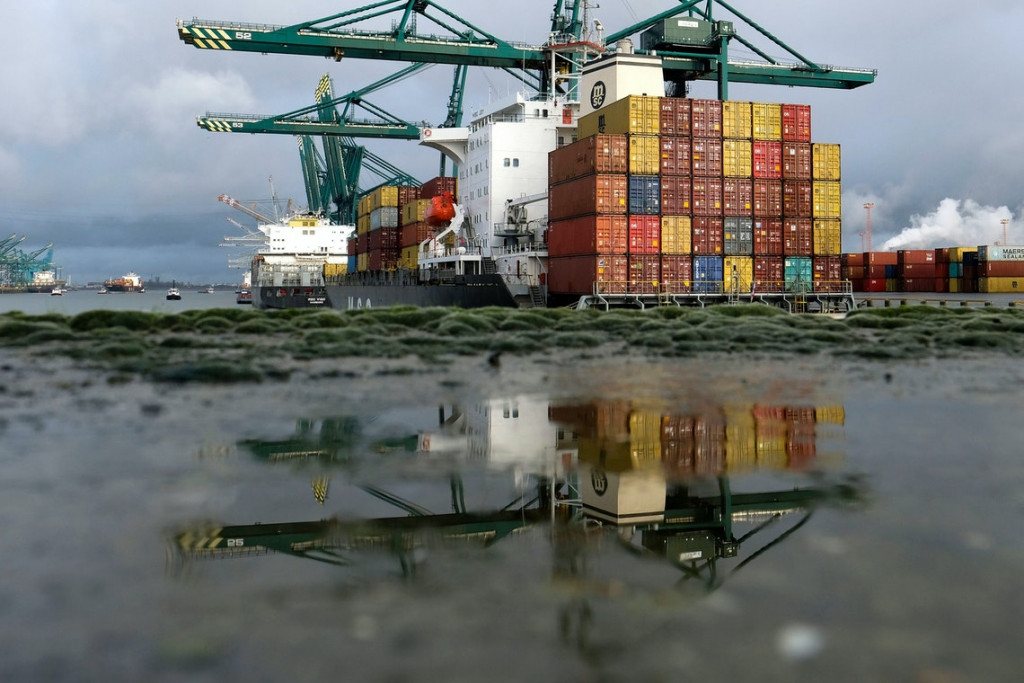
Carbon pricing on imports to the EU is coming

Brussels wants to make its climate policies more ambitious and avoid carbon leakage by imposing the same price on imported products as on made in EU goods. What impact will the European Carbon Border Adjustment Mechanism (CBAM) have on trade - and diplomatic - relations with Asia?

Although recent developments in global climate diplomacy have not been satisfactory, at the domestic level the European Union continues to implement its European Green Deal. Last July, the Commission adopted the Fit for 55 package and set ambitious targets for itself: to slash CO2 emissions by 55% before 2030 and bring them to zero by 2050, achieving carbon neutrality. One of the measures in this package is the Carbon Border Adjustment Mechanism (CBAM), a tool that aims to impose the same carbon pricing on certain goods imported into the EU, as it is paid to produce the same goods in Europe under the European Emissions Trading System (EU ETS). To reach the Fit for 55 targets and to push European producers to green their industrial processes, Brussels will have to make its ETS more ambitious, thus exposing itself to the risk of carbon leakage. Companies could choose to stop producing goods affected by carbon pricing in Europe and buy the same goods at a lower price from third countries with less stringent climate legislation. Carbon leakage would not only damage the European economy but also make climate policies less effective, as it would push companies to shift their emissions, not reduce them.

Currently, the EU addresses the risk of carbon leakage by providing free allowances in the EU ETS, thus reducing its effectiveness. The CBAM would replace free allowances, leading to greater emission reductions in the EU through the EU ETS. It would also have effects in third countries. To avoid paying the carbon price in Europe, trading partners could either develop their own carbon pricing tool or innovate their production processes to reduce emissions, thus lowering the cost when exporting. Although CBAM is a domestic climate policy, it manages to influence international trade relations and the commitment of third countries to the Paris Agreement targets. The results are already visible, even before the final approval of the Regulation: Turkey has ratified the Paris Agreement and admitted that the CBAM, with its potential effects on Turkish exports to Europe, is one of the reasons behind this late choice.

But how exactly does the CBAM work? The Commission has been very cautious in designing the Mechanism. Over the last decade, academia and international fora have discussed at length possible forms of border adjustment mechanism, a necessary addition to the carbon pricing systems now widespread in many jurisdictions around the world. Prompted by the Paris Agreement, the EU was the first to develop this instrument, setting a model for other countries interested in developing similar schemes - Canada, the United States and Japan have expressed their willingness to develop their own CBAMs and cooperate with the EU on the issue; the the International Monetary Fund (IMF) has expressed its support for the European measure, in the hope for an international agreement on the issue. With the CBAM, Brussels has repeated what it did almost two decades ago with the EU ETS - an instrument that was itself the result of a long debate arising from an international agreement, the Kyoto Protocol - and confirmed itself as the global standard-setter for climate policy. However, there are some drawbacks in being the global standard-setter: measures that impose higher costs on the import of goods are never appreciated by trading partners, particularly those who are most affected - or who think they are affected, as we will see - and are often the subject of legal action at the World Trade Organisation (WTO). In line with the EU’s commitment to multilateralism, compatibility with WTO obligations was the cornerstone of the CBAM proposal. Analysing the Commission's text, there appears to be no discrimination that could be sanctioned by the WTO: imported goods are subject to a regime that mirrors that in force for European products under the ETS. Moreover, the carbon price possibly paid in the country of origin of the good is taken into account and deducted from the amount to be paid to the EU. The free allowances in the EU ETS will be gradually reduced, reflecting the gradual entry into force of the CBAM. At present, the sectors covered by the measure are cement, iron and steel, aluminium, fertilisers and electricity. In the second phase, the scope of the CBAM will be extended to other sectors.

Notwithstanding its compliance with WTO law, the CBAM could still be challenged by countries that consider themselves unduly affected. Critics of the measure speak of 'green protectionism' to shield European companies from external competition. If, on the one hand, such an assessment seems excessive - the CBAM does not favour European companies but rather reduces the advantage that foreign producers derive from weak climate policies by their governments - on the other hand, cooperation is indeed a more effective tool of climate diplomacy than unilateral actions. Ideally, a global carbon price would be much more effective than a multitude of systems, each one with its own CBAM, as the IMF has noted. The European proposal has the merit of making the debate on this type of measure more concrete. 

The German Konrad Adenauer Foundation mapped the position of Asian countries and their stakeholders on the CBAM prior to the publication of the Commission's proposal in July 2021. The stances appear very different. Within ASEAN, Singapore and Thailand do not express particular concerns, while Malaysia and Indonesia are more critical. Not surprisingly, Kuala Lumpur and Jakarta's imports have already been affected by EU environmental policy in the past - the famous palm oil dispute - and the two countries may struggle to develop a carbon pricing system to reduce CBAM compliance. Looking at the data on trade flows between the two blocs, none of the sectors covered by the CBAM is particularly relevant for ASEAN countries' exports to the EU - except for Malaysia perhaps, but still to a small extent. The problem does not seem to be the actual impact of the measure, but a lack of trust by the stakeholders of these two countries towards EU environmental policy. Brussels could overcome these doubts by supporting green transition and cooperating with local governments on climate policy.

In India and China, too, the EU's next steps will be important to ensure that a positive perception of the CBAM prevails. New Delhi is currently the only G20 government on track to meet its emissions targets, has already developed carbon pricing tools and its companies active in the sectors covered by the CBAM employ advanced and efficient production methods. These factors make it likely that the CBAM will positively affect India's exports to the EU, helped by less competition from countries with less advanced climate policies and industrial processes. However, the above-mentioned Konrad Adenauer Foundation report shows that a majority of Indian stakeholders are particularly critical of the CBAM and consider the measure incompatible with international climate law and WTO rules, as well as 'punitive' towards developing countries. By contrast, China has not expressed a negative stance towards the CBAM. It may be due to the ongoing cooperation with the EU to develop an ambitious Chinese ETS. If cooperation continues to be fruitful, the CBAM will ultimately benefit Chinese exporters rather than disadvantage them. Indeed, Beijing expects its climate efforts to be recognised by Brussels and its companies not to be negatively affected by the CBAM. If China's willingness to cooperate on the measure was to be disregarded on the European side, the risk of WTO legal action would re-emerge. In conclusion, the EU needs to commit to cooperation with its partners to avoid the CBAM appearing as a unilateral imposition restricting international trade.

While discontent in the countries we have mentioned can be easily addressed and overcome, it is not so easy to address the concerns of low-income countries, which lack the capacity to develop carbon pricing instruments and the resources to embark on their own ecological transition. The CBAM would mainly affect their products. As it emerges from the Impact Assessment Report of the proposal, Brussels is aware of this risk and intends to increase its efforts to support these endeavours. Still, the EU and other rich countries have yet to deliver on their climate finance promises. Perhaps the revenues of the CBAM itself could be used to finance cooperation between the EU and these countries to achieve the Paris goals.

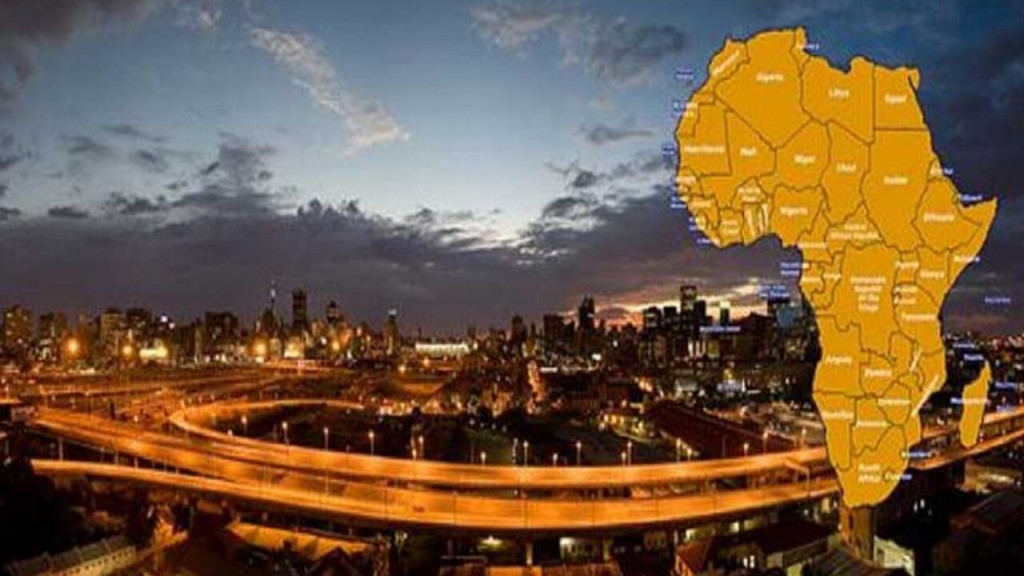
Africa: from "Dark Continent" to "Goldmine"

Not only China. A number of Asian countries are betting heavily on the African continent in terms of investments and commercial and diplomatic cooperation. An overview

China’s interest in the African continent has increased exponentially over the last 20 years, but its roots go back to 1955.

In order to better understand current events, we must take a short trip to the past. Historians usually divide the Sino-African relationship into different phases. The first approach dates back to the early 1950s, a period when the PRC funded construction projects and gave its support to several independence movements. The 1980s saw the beginning of the second phase, which was mostly negative and deteriorated the relationship because China adopted a policy of isolation. It was the period when the Chinese government started to abandon Maoism (an ideology based on the collectivization of resources) in favor of a capitalistic approach (labeled as temporary and necessary to achieve an ideal Communist regime), which would be decisive in subsequent Sino-African relations. China’s wish to help the Third World, crushed by colonialism and the Western model, is linked to its intention to promote an alternative model.

The 1990s saw a progressive intensification of relations and an "updated" approach from China, in contrast with the one of half a century earlier: China expanded its scope of action, including various sectors such as trade, investment, general assistance, transfer of skills and training. The PRC spread its activities in both the public and private sector. 

The new millennium ushered in another quick and steady phase of growth. 2013 in particular was a landmark year as China overtook the USA in becoming the lead investor in Africa. 

Looking at the figures, the global trading volume between China and Africa has increased by 24.7% and loans from China have reached 153 billion in the last 20 years. 

So that begs the question, what were China’s main investments?

  1. Raw materials: Africa possesses the raw materials needed by the PRC, especially for the manufacturing sector. It should be remembered that China has gone from being a major agricultural economy to the world’s largest importer of agricultural products in the last 30 years, which earned it the title of "low-cost" country for labor cost.
  2. Market: the African market is considered particularly attractive by Chinese investors both for its extension and recent liberalization, two important factors that limit the strength and consolidation of foreign actors, thus weakening competition and facilitating market entry. 

The modus operandi of Chinese investments is based on reciprocity and in this it differs from the Western model. The North of the world used its investments to facilitate its own interests without aiming at the improvement of local conditions. On the contrary, the Chinese approach was all-encompassing and win-win: China made available to partners the same wealth of knowledge that had helped the country in its development.

Is the People's Republic of China the only Asian country that has an economic presence in Africa? 

The Land of the Rising Sun disagrees with that. The masterpiece of Japanese diplomacy in Africa has a name: Ticad. This acronym, which stands for Tokyo International Conference on African Development, indicates a series of summits organized by the Japanese government and the UN since 1993. These summits are attended by more than 40 African heads of state and have always been held in Japan except in 2016. Ticad has laid the foundations for projects "of the African people", in which Japan plays the role of facilitator through investments and know-how: many technical and commercial agreements with Tokyo were signed during these conferences, which are still today a powerful propaganda tool for Japan’s foreign policy.

The numbers speak for themselves: between 2007 and 2017, Japan's foreign direct investment in Africa increased from 3.9 to 10 billion dollars. According to Shigeru Ushio, head of the African Affairs Department of Japan's Foreign Ministry, access to African markets is vital for Japanese companies and African start-ups as it facilitates their development thanks to less bureaucratic legislations. 

Infrastructures were Japan’s starting point. The Japanese government began its activities in Africa by developing ambitious projects on a supra-regional scale. A prime example is the port of Mombasa, an asset of paramount importance since it is the terminus of the transcontinental Inter-African Highway 8, which will connect Lagos, Nigeria, to Mombasa, Kenya. The entire project is managed by Toyo Construction Co., which is by no means the only Japanese company operating in the region. According to the Overseas Construction Association of Japan, as many as 16 Japanese construction companies are active in 22 African countries. 

But Japan went beyond the infrastructure sector. Its horizons are much broader and quickly expanded to import-export markets and new technologies, with 796 Japanese companies active in Africa in 2017. Some of these, like the Nippon Biodiesel Fuel start-up in Mozambique, created a solid network of suppliers and farmers linked directly to their activities. 

The mining and energy sector has certainly been a resounding success for Japan, as evidenced by the presence of headquarters of the most important Japanese corporations like Japan Oil, Gas and Metals National Corp. which is in charge of oil prospecting in Kenya and natural gas development in Mozambique. 

“Three’s a crowd”: India joins China and Japan.

Growing commercial needs led India to look at Africa as an increasingly important economic partner and to reinvigorate its naval presence in the Western Indian Ocean as a means to ensure trade security.

Specifically, the Horn of Africa is extremely important for the security of New Delhi as it is located at the northwestern end of the Indian Ocean. Historically, the port of Adulis, near Massawa, has been a central hub for maritime trade between Europe and Asia, frequented also by many Indian traders. Stability in the Horn of Africa was already a priority at the time of the British Empire because it would ensure security and economic prosperity in Colonial India. After becoming independent in 1947, India adopted a strategy of military isolationism that limited the spread of its regional influence. In the 1990s and early 2000s, in concomitance with India's economic boom, domestic demand for raw materials needed to fuel growth increased exponentially. All these factors contributed to the creation of a dynamic environment and to the need for energy diversification. From that moment on, Indian investors started to take into consideration the opportunities offered by the African continent.

The Indian approach in Africa is based on mutual respect and non-interference within the framework of South-South cooperation. In the Horn, India is helping the countries most in need through development aid aimed primarily at the agricultural, health and education sectors. All countries in the region are partners in India's Pan African e-Network project, an initiative launched in 2009 by the New Delhi government and aimed at sharing Indian expertise in the fields of health and education with African countries.

Indian activities in Africa are not limited to humanitarian aid: the government seeks to satisfy its own needs for energy and food security, fundamental for the country's economic and demographic growth, as well as to take advantage of emerging business and investment opportunities. New Delhi is supported by the entrepreneurial community and big private companies. Between 2000 and 2014, bilateral trade grew from $10.5 billion to $78 billion thanks to Indian exports: electrical equipment and other machinery, pharmaceuticals, food, manufactured goods. 

In summary, China's leading role as an investor in Africa is constantly challenged by the competition of India and Japan. India’s influence in the continent is growing: on one hand, it helps the Indian government to have a wider role in international relations, and on the other hand it satisfies the raw materials needs of a rapidly growing economy. The Japanese government is aware that Japan-Africa relations are crucial for the protection of maritime trade routes because the oil imported by Tokyo from the Middle East is transported along the African coast. This goes to show that despite their rivalry, there is some convergence: having a strong economic presence in the African continent is a priority for China as much as for India and Japan.

Islamic culture in Indonesia

Despite the importance of religious syncretism to the country, Islam is a fundamental component in Indonesian culture, society, and politics.

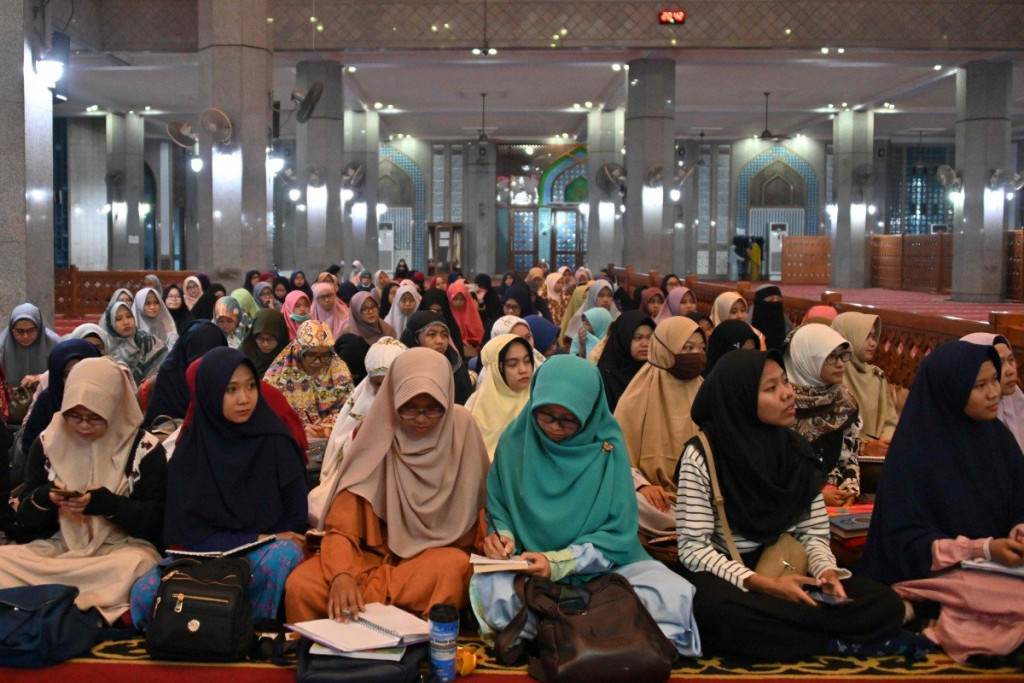
Indonesia is the most populous Muslim-majority country in the world, with 86.7% of the population identifying as Muslim and more than 231 million worshippers. 

Much of the population follows traditional Sunni Islam, but with a generally moderate interpretation, in line with the "Pancasila," or Indonesia's fundamental belief that remains the basis of its traditional tolerance and fundamentally refers to belief in God, humanity, Indonesia's national unity, democracy and social justice.

This moderate Islamic culture was strongly advocated by General Suharto and is still promoted by associations such as Nahdlatul Ulama, founded in 1926 precisely in reaction to the Saudi conquest of Mecca and Medina and its rigid understanding of Islam. These associations have a widespread presence in Indonesia, mainly in the areas of Java, Sumatra and Sulawesi, and have made important social contributions to the development of education in remote and underdeveloped communities. For example, there is a dense network of Islamic schools, the so-called "madrasas", which coexist in parallel with public schools and play an important role in promoting education, especially for women, in rural villages. Although the debate is open about their actual quality, Indonesian madrasas have achieved gender parity in school enrollment and represent a low-cost solution to extend education to those segments of the population often excluded.

Moreover, even public schools, secular by law, are beginning to be influenced by Islamic culture. In many schools, in fact, as well as in public offices in regions with a Muslim majority, there is a more or less explicit obligation to wear headgear such as the jilbab even for citizens of other religious beliefs. Even when the regulation does not legally require the jilbab, very often pressure has been put on girls or their families to wear it, with the argument by advocates that these measures are necessary to address issues such as poverty, teen pregnancy, and Internet pornography. Such dynamics have, however, sparked outrage, mostly expressed on social media, from some non-Muslim citizens, so much so that last February the government issued a decree prohibiting public schools from making religious clothing mandatory for teachers and students, in the government's latest apparent attempt to combat a growing influence of Islamic groups in local and internal affairs.

However, this is not the first time that some Islamic-based groups have attempted to influence the country's customs and politics. In fact, in 2016, the Indonesian Ulema Council, the country's largest body of Islamic clerics, issued a religious edict, also known as a fatwa, prohibiting Muslims from wearing Christmas-themed clothing, particularly those who work in shopping malls, department stores and restaurants. In addition, conservative Islamic movements are beginning to oppose dating, which might lead young men and women to the temptation of premarital relationships, prohibited in Islam. In this regard, real dating sites have sprung up to train aspiring couples who want to get married, choosing to postpone the initial acquaintance phase until after the wedding. These platforms are having a huge success: the most popular, Indonesia Tanpa Pacaran (literally: Indonesia without dating) has reached in a few years almost a million followers.

Surprisingly, however, the return to a more conservative Islam is coming from young people: a survey conducted by the Alvara Agency in 2019 shows that Indonesians aged 14-29 tend to have much more extreme conservative positions than those who are older. The popularity of hijrah (repentance for non-Islamic behavior) gives a measure of how much Islam has changed in Indonesia since the Suharto regime.

Alternative Asian space ambitions

From some of the oldest space programs in the world (Indonesia) to countries with very limited experience even in satellite data applications (Cambodia), from purely academic and commercial national efforts (Singapore) to strong government-controlled programs (Vietnam): ASEAN member countries cover the full spectrum of possible cases when it comes to space programs, with clear ambitions that are functional to their own development.

Article written by Fabrizia Candido

Given the vastly different levels of space industries in the region, it is not surprising that there are no space priorities at the top of the Association's agenda. Not only does space spending and the state of infrastructure readiness vary from country to country, but there are still members that lack specialized agencies for space issues.

Thus, international cooperation plays a key role in the development of space programs of ASEAN countries. Cooperation is sought with more experienced nations that have financial resources and technical expertise, and are willing to support the programs of countries with lesser capabilities. Since there are no established space powers in the Southeast Asian region, it is essential that these countries look a little further afield, more specifically to the United States, Japan, India, and China for funds, technology, and training.

Southeast Asia's "space race" has more scaled-down but no less important goals: ensuring that natural resources are not wasted and avoiding potential environmental disasters. Based on the ASEAN Action Plan for Science, Technology and Innovation 2016-2025, the Association is currently halfway through its journey toward improving capabilities in three priority areas: geoinformatics (e.g., remote sensing, GNSS, GIS), space technology applications (e.g., disaster risk reduction, environmental and resource monitoring, communications), and satellites (e.g., nano, micro, and small satellites, etc.).

A clear example comes from Myanmar. It would seem an unusual time to focus on sending satellites into space while civil conflicts rage and COVID-19 continues to spread. However, Burma's space program, developed in collaboration with Hokkaido University and Tohuku University in Japan, aims to improve connectivity, mitigate the impact of natural disasters, and increase agricultural production. And here's how: in August 2019, Myanmar-sat2 was launched to provide improved video and broadband distribution services. With the new satellite, and future satellites, Myanmar will no longer have to pay an estimated $10 (or more) million per year to rent satellite channels from China, Thailand, the United States, and Vietnam. This will make it possible, for example, to show farmers what is happening to crops in fields that can be difficult to reach at certain times of the year. They would also alert authorities to changes or disruptions in remote areas that would otherwise go unnoticed, allowing illegal practices such as logging or mining to be tackled before serious damage is done to the local environment. But, primarily, satellites will monitor weather phenomena, such as typhoons, and detect seismic activity, allowing authorities to evacuate people and livestock in due time. In addition, if a disaster does occur, the satellites will provide analysts with data on the recovery time of affected areas. It is for these purposes that Myanmar has joined the "super-constellation" of nine Asian nations, including Indonesia, the Philippines and Vietnam, to launch and monitor microsatellites, sharing technology and observational data.

The same Japanese universities working with Myanmar also helped the Philippines launch a satellite in 2016 that proved instrumental in detecting a disease in banana fields. However, the Philippine Space Development Act was only passed in December 2018. The bill provides a space development and utilization policy that will function as a strategic roadmap for future space development.

As for Thailand, however, in the early 2000s the country signed a bilateral agreement with France to co-develop the Thailand Earth Observation Satellite (Theos). Data from Theos has been used to map disputed areas between Cambodia and Thailand, monitor the area of agricultural crops, obtain updates on flooding situations and for various aspects of natural resource management. Theos-2, which was approved in 2017 and originally scheduled for launch in 2020, is expected to be put into orbit in 2022.

Further behind are Laos, Cambodia, and Brunei, while more ambitious is Vietnam. It was in fact a Vietnamese astronaut, Pham Tuân, who was the first Southeast Asian man to go into space in 1980. Vietnam, which announced in 2017 that it would produce its own satellite by 2022 and become "one of the region's leading countries in this field," is developing, in collaboration with Japan, two types of 600-kg radar-equipped satellites called LOTUSat-1 and LOTUSat-2 scheduled for launch in 2023.

But having the most advanced space program within ASEAN is Indonesia, having established the first national space agency in the ASEAN region in 1963, LAPAN. Given its location and geomorphological conditions, Indonesia has long recognized the importance of space technology to its development. Much of Indonesia's space program focuses on space communications applications, meteorological satellites, remote sensing satellites, and studies of the socioeconomic and legal aspects of space technology. In addition, in line with its national policy, Indonesia is working on its launch capabilities and other strategic technologies: the goal is self-sufficiency in space activities, coming to launch a satellite of its own production by 2040. Finally, the country is increasing its engagement in global space affairs, as demonstrated by its active participation in the Space Economy Leaders Meetings, a new format created in the G20 by Saudi Arabia and then inherited by Italy. 

Finally, Singapore's foray into space has been more recent than other ASEAN countries. However, given its financial and technological resources, Singapore has progressed rapidly. To date, it focuses primarily on the use of space technology for communications, resource control, and academic research. The city-state is actually building a talent pool with technical expertise in satellite technologies, with numerous university programs offering relevant courses. The Satellite Technology and Research Center (STAR) at National University Singapore, for example, offers courses for undergraduate and postgraduate students to train the workforce needed to make the country a leading edge in the spacecraft industry.

Asia and energy: how green is the East?

The energy transition is everyone's duty, but perhaps for the Asian continent it is a little more so. Why does the development of Asian countries interest observers so much?

The world of tomorrow is already in Asia. But also the climate crisis, economic and social inequalities, and the exploitation of resources. The search for immediate and concrete solutions to counter the environmental crisis is an established imperative, and no place in the world has more eyes on it than Asia. Although the big polluters reside in the global north and China, the rest of the more backward East also worries observers. In this part of the world, the population is growing, individual welfare standards are rising, and funding for housing and infrastructure is pouring in - all of which threaten to repeat the pollution patterns of recent decades.

Energy has quickly become the keystone on the table of those "concrete answers" that governments must develop within the next few decades, on pain of increasing emissions that are at the root of global warming. The so-called climate-altering emissions are responsible for the greenhouse effect and are only minimally attributable to the normal functions of the Earth's ecosystem. Excluding the curiosity for which water vapor is classified as the greenhouse gas most present in the atmosphere (an effect generated in turn by rising temperatures), we are talking mainly about carbon dioxide (CO2) and methane (CH4). These emissions are largely due to the production systems and standards of living of advanced countries, which in turn depend on energy sources.

Fonte: International Energy Agency (Iea)

As simple as it may sound, tackling a revolution in energy systems is a very complex operation that goes beyond the pure field of technological innovation. It is about changing the paradigm in the name of efficiency and "artificially" pushing diplomacy, markets and communities towards a single goal: emission-free development. Or almost. Today's objective, consolidated by international climate tables, is to succeed in offsetting the output of climate-changing gasses by offsetting their impact (with natural or technological solutions), and lowering the quantity in the most polluting sectors. In the Asian region, the process of transition to more sustainable and clean forms of energy becomes an even more multifaceted discourse, where the (almost) clean slate of the power grid in Myanmar shares the same continent as China's fourth-generation nuclear reactors.

Energy demand in Asia is set to double by 2030, and already accounts for about half (53%) of global demand. If in 1966 the GDP per capita of developing Asia was 330 dollars, today it is close to 5 thousand dollars. These are just two of the figures that focus the attention of observers on the Asian continent, where the production lever is being met by new consumption needs. But it also raises the concerns of experts, who fear that it could host the ploys of large multinationals to reduce their carbon footprint in the country of origin. Asia today continues to focus on economic growth driven by exports and traditional development models, and is slowly trying to emerge from the stagnation of the Covid crisis: assumptions that for skeptics validate a still uncertain future for the transition to "truly" sustainable development.

Fonte: International Energy Agency (Iea)

Despite the pandemic setback, emissions will continue to rise, and are about four times higher today than they were in 1960. To return to acceptable levels, according to scientists at the Intergovernmental Panel on Climate Change (IPCC), all countries would have to undergo the 2020 halt every year for decades to come. This brings into the balance the big polluters, such as China and the United States, but also the countries that are growing faster according to the same paradigms: Southeast Asia, Central Asia affected by the projects of the Belt and Road Initiative (Bri) and of course East Asia that has been driving the economic success of the "Far East" for thirty years. The history of the Four Asian Tigers is emblematic of this growing parabola, which, together with profits, has hosted and relaunched large global production centers. Today, in this part of the world, there is also a growing demand to raise the living standards of citizens, which in the eyes of governments often translates into ambitious prospects for growth in domestic consumption. To produce, and to live the life of the "ideal consumer", energy is needed.

Fonte: Fondo Monetario Internazionale (Fmi)

In this large mosaic of 4.4 billion people and 58 countries, the presence of China alone distorts the data on the environmental impact of energy systems in Asia. On the other side of the spectrum, we have 1/10 of the population that does not yet have access to electricity and relies on biomass combustion for cooking and heating. And the next step is granted by access to fossil fuels: since 2010, for example, over 450 million people in India and China have switched to LPG. 

Finally, there is the mirage of energy efficiency from renewable sources, which has long been considered one of the necessary solutions by major agencies such as the International Renewable Energy Agency (Irena) and the International Energy Agency (Iea). In a joint report, the two institutions have denounced how most countries are still underestimating the efficiency aspect applied to civil and industrial heating and cooling systems, which represent 40% of global emissions. It is one of the many facets of the energy transition that could see an advantage for those Asian nations that do not yet have consolidated energy systems and an electrical grid that needs to be extended rather than rebuilt. But it also poses new challenges: climate change will increasingly test the resilience of new infrastructure, in a part of the world where rising seas threaten millions of people and entire states (especially on islands). Increasingly frequent heat spikes and droughts are sending the power grid into a tailspin where hydroelectric capacity is lacking or the grid cannot sustain the demand for cooling energy.

In recent years, bilateral and multilateral agreements to implement new, more sustainable energy systems have multiplied, while countries promise to achieve net emissions within the next 30-40 years. Thus, increasingly defined legislation has emerged to lower emissions, improve access to more sustainable technologies and propose market measures that can divert investment towards the energy transition. Asia remains the region where coal continues to expand rather than shrink, but soon lower renewable energy prices, investor pushback and legislative pressure could reverse this trend. There is no shortage, and will be no shortage, of instances of imbalance on energy networks and markets (including labor markets): the energy transition is not a gala dinner.

It's never too late: fashion e-commerce in ASEAN

Thanks to new demographic trend, the online fashion industry is taking new shapes in ASEAN: However, brands should be thoughtful about their long-term online strategy in the region

In the e-commerce industry there is a single clear, crucial but often ignored rule: Never underestimate local purchase trends, especially if they touch more than 250 million active users.

South-East Asian e-commerce has grown by 85% year on year since 2017, an incredible rate if compared even to giants such as China (5%), India (10%) and Brazil (14%). For fashion and luxury, the ASEAN online market accounts for roughly 10% of the global industry.

This evolution finds its root in three different but complementary causes. First, the recent demographic shift which shed a light on the importance of GenZ (the ones born after 1997), and Millennials (the ones born after 1990) for the industry. Currently, the median of customers purchasing luxury fashion items online is 29 years old.

Second, constant increase in GDP growth combined with a higher propensity to spend, apart from the massive usage of social networks (around 8 hours per day) especially fuelled by super-apps. Platforms such as Shopee, Grab and Gojek have been crucial for ASEAN populations to easily access domestic as well as international goods and services.

Lastly, the true key to success for e-commerce in ASEAN has been the recent two-year lockdown. Over 43% of current online customers have purchased their first fashion item since April 2020, a global record second only to South America (+200%, another ‘communitarian’ economic system).

Despite these encouraging figures, many international brands still see ASEAN as a mere satellite to China, its big brother in terms of e-commerce. And they do it for a reason: China’s e-commerce industry is often referred to as the global standard in online fashion, with personal spending rates setting record highs year over year. In one figure, the Chinese luxury online market now accounts for roughly 33% of the global total.

Additionally, Chinese spenders now do not travel to Milan or Paris to get the latest Louis Vuitton or Prada handbag, but they comfortably shop from their sofas in Beijing, Shanghai or in remote cities in Heilongjiang or Sichuan. No wonder why most European fashion houses keep opening offline stores in South East Asia while focusing solely on China’s social commerce, hoping that the strategy will also, somehow in the long term, touch ASEAN online markets.

However, it would be an unforgivable mistake for western brands to lack a dedicated online strategy for south-east Asia, at least in the long term. As for any other Asian region, the key to ASEAN is localization, or the ability to build a dedicated value-adding offer to local populations across a single geographical area.

Let’s take Vietnam: 70% of fashion clothes are bought via Instagram, Facebook or third-party platforms. During the pandemics 22 million new Vietnamese purchased luxury, from 12 to 33 million.

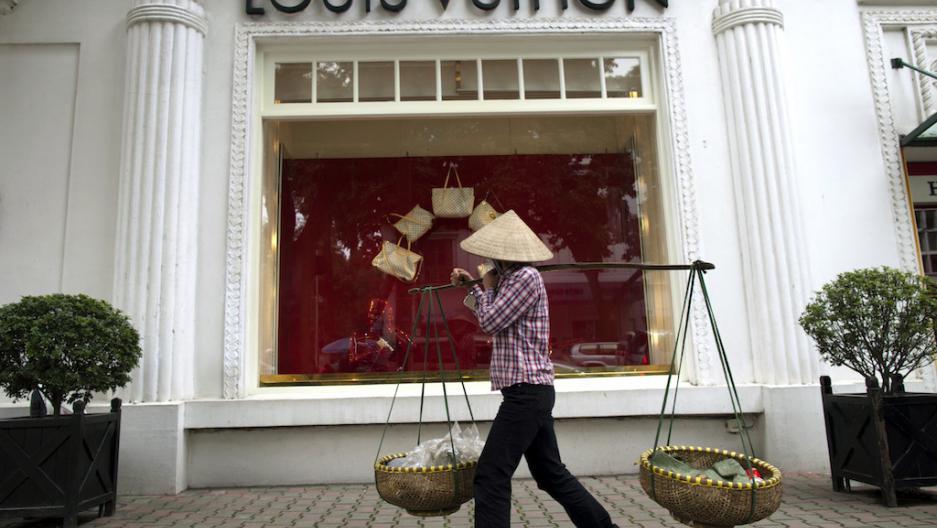
However, brands like Louis Vuitton, Gucci or Balenciaga, though owning large shops In the streets of Hanoi, Kuala Lumpur or Bangkok, miss online websites translated in local languages, and often lack local payment methods options, something extremely important to serve under-banked customers.

Although on paper investments in these functionalities could turn both difficult and complicated to attain, they are necessary conditions to build a dedicated and articulated offer to these countries. For this, one way for brands to reach consumers in a relatively easy way is partnering with local marketplaces, undisputed regional leaders sometimes reaching the sizes of Amazon in Europe or Alibaba in China: They have now built an excellent logistic infrastructure and a pioneering ability to read and process customer data so as to best serve users.

Apart from flagship websites, selling through these giant marketplaces has thus become both necessary and an intelligent strategic step for western brands. Vietnamese, Malaysian and Indonesians all know how to buy on Shopee, while not many realize what ‘piton leather handbags’ means when landing on a fancy, good looking but not Malaysian-speaking western website.

These spenders know that Shopee or Lazada can also find sustainable clothing (over 90% of them have searched for these pieces, and 67% are willing to spend a higher price to have them delivered home). Additionally, these marketplaces are often fully integrated with important social super-apps like Grab, Tokopedia or Gojek.

Last but not least, the massive ASEAN gaming industry is gaining increasing importance globally: The region is home to over 180 million active gamers, typically urban residents (over 80% penetration) who expect playful online purchasing experiences, being fashion or groceries. As in most Asian regions, video games seem to be the next ecommerce battlefield for many western brands.

In November 2021 Project Seed, a virtual gaming blockchain-backed ecosystem (also encountering NFTs features) signed a pioneering partnership with ‘Damn! I Love Indonesia’, a major domestic brand selling Indonesian-lifestyle clothing. Their objective is clear, to mark the birth of fashion Metaverse in Asia.

ASEAN towards the agritech boom with the zeta generation

Agritech is one of the most promising industries in Southeast Asia. 'Generation Z' activism, population growth and climate change call for a regime change for the sector

Southeast Asia is about to become a hub for agritech. The challenges related to anthropogenic climate change and those that followed the Covid-19 pandemic made sustainable crop care even more urgent. In ASEAN countries, the intersection between new technologies and agriculture seems to be the key to reconciling the profitability of the agricultural sector and the promotion of virtuous production practices, in line with environmental protection. In the block of the ten ASEAN economies, these start-ups in the agri-food sector are enjoying great success. These companies provide highly specialized services for the agricultural sector, such as data analysis and the use of artificial intelligence and robotics for the optimization and monitoring of crops. These businesses are enjoying tremendous success in ASEAN, thus also attracting generous funding from venture capital and foreign investors.

Temasek Holdings, for example, launched the Asia Sustainable Foods Platform this week to channel funding into farms that deal with alternative protein production. The Singaporean investor thus aims to "support local and regional businesses in innovation, growth and marketing" of sustainable food products. Vietnam, on the other hand, has a highly inefficient agri-food sector. “Over 50% of the water is wasted due to excessive irrigation”, noted MimosaTek co-founder and strategic director, Nam Dang, “up to 60% of the fertilizer is not absorbed by crops that drain and destroy the 'environment (…) and over 700 million US dollars are lost in export opportunities due to the excessive use of pesticides and chemicals”. According to experts, this is because farmers do not know the size of the demand or the sanitary conditions of the crops. MimosaTek has developed a service that is based on the Internet of Things (IoT), collects data on crops and manages equipment remotely through a simple cloud.

Young people of Gen-Z (generation zeta) are driving the challenge on sustainable nutrition, even in Southeast Asia. It is one of the generations most attentive to the social and environmental issues that define our century. According to Christine Gould, founder and CEO of the Thought For Food Foundation (TFF), young people are looking for "new food concepts". "They want food that is accessible”, she said, "but that is produced ethically and in a way that is safe for both consumers and the environment." Gould spoke at the signing of a memorandum of understanding between TFF and the Malaysian Global Innovation and Creativity Center (MaGIC), an agency of the Ministry of Science, Technology and Innovation, and other partners. "It is a celebration of our country's renowned culture of delicious and diverse food and the growing leadership of our region in technological innovation” said a TFF Malaysian member.

Over the next decade, the Asian agri-food industry will undergo several changes. From the growth in demand due to the demographic boom expected for local emerging markets, to the consequences of climate change and environmental degradation. According to The Asia Food Challenge report, Asia will double its total food spending over the next decade, from $4 trillion in 2019 to over $8 trillion by 2030, and by then Asian consumers will spend more than double of what they spend today to consume quality food. Larger, more attentive to environmental issues and richer: the population of Southeast Asia will represent an opportunity for foreign investors looking for a promising sector in the thriving markets of the area. From the conjunction between the oldest industry of all, the agri-food industry, and the most avant-garde realities of the tech scene, new economic opportunities will emerge for the ASEAN countries. And it cannot be otherwise: a 'zeta generation' attentive to socio-environmental issues, the population boom expected by 2030 and the urgencies linked to climate change will be the vectors of this incipient development.

Covid: Asia and Europe in the third pandemic year

If there is a lesson we have learned in the last two years it is that Sars-Cov-2 has no borders, nationality or political color. But not the governments trying to contain it. An overview of how the two regions are dealing with the virus today

One problem, but many different measures. A "zero-case" strategy and dozens of nuances of "living with the virus". As many, how different are the protocols, procedures, bureaucracy, and the mobilization of human resources in the fight against Covid-19. Almost two years have passed since the official alarm of the World Health Organization (WHO), Wednesday 11 March 2020, and now the world is preparing to enter the third pandemic year. At that time, the responses of governments had already taken different paths, as were the socio-economic effects caused by national strategies. The complexity of the issue soon lowered the immune defenses of the relationships that kept the social, economic, health and political structures of all countries in the world running. And the emergence of new variants continues to require constant adjustment of virus containment strategies. What is happening between two similar but equally different universes like the European and the Asian one?

Data

According to data from the Johns Hopkins Institute, Covid-19 caused the deaths of over five and a half million people worldwide during the month of January. Of the more than 350 million registered cases, most seem to gather around the European and North American region, with the case of India raising the regional average for Asia. It should be noted, however, that in the Asian area the confirmed cases of Covid-19 would be far lower than the official figures. The OCTA research team in January made an estimate of Covid-19 cases in Manila to be 6-15 times higher than what was reported by the authorities. Another known example is that of India, where the real cases of the second wave (spring 2021) would have been fifteen times greater than the official data, thanks to the size of the population and the territory combined with the lack of adequate tracking and treatment services.

Strategies

China is today the only major country to pursue the "zero cases" strategy: a challenge made even more complex by the coincidence of holidays for the Lunar New Year (1-11 February), Beijing Winter Olympics (4-20 February) and the arrival of the Omicron variant (recorded January 14 in Tianjin, about 100 km east of Beijing). The protocols are virtually unchanged since 2020: a single case of local transmission is sufficient to activate the local emergency mechanism, which includes mass tests, movement restrictions and localized lockdowns until the authorities deem it appropriate. To support this strategy, the tracking system validated by a personal QR code remains valid, which can signal the person's belonging to a risk area and hinder movement or access to "at risk" places such as railway stations. In some cities the authorities have asked citizens to stay at home during the Lunar New Year holidays (the period that records the record for the "greatest human migration" in the world), while in others preventive mass screening has been carried out.

This does not mean that the Chinese population is peacefully experiencing these restrictions. Even the People's Daily (renmin ribao) now seems to have an ambivalent approach, more careful to defuse the sentiment of the population. The finger remains pointed above all against local authorities and "imported" infections: no longer just the cold chain and the virus that travels on frozen products, but also postal parcels or pets.

The rest of the Asian countries have come close to measures of coexistence with the virus similar to those in Europe, but in many countries there is a certain attention to daily prevention strategies: masks, hand cleaning and self-isolation. Not for nothing had 2020 been the year of "virtuous Asia", which had been able to contain the virus due to a response mechanism already trained by SARS in 2003, by the H1N1 flu in 2009 and by MERS in 2015. The rules were somehow clear, and the health authorities already prepared for the state of epidemic emergency. This does not exclude that Sars-Cov-2 has put even the most prepared countries in difficulty, especially with the persistence of new, more contagious variants.

For this reason, entry restrictions remain valid throughout Asia, which in most cases are reserved for family reunification or for work reasons. All arrivals from abroad are usually subject to a quarantine that can last from two weeks to a few days, again depending on local policy. Those most penalized by the movement block have reduced the control measures in different ways: in some cases, the guarantee is a complete vaccination cycle, in others the low rate of contagion of the country of origin - in some cases eliminating the quarantine as happens in so-called "travel bubbles". In some cases, a QR code confirms the immunity of the subject and allows access to some places. All strategies that European countries have also implemented with the aim of facilitating travel in the Schengen area, even if the arrival of the Omicron variant is - once again - dividing governments on whether to reintroduce quarantine to the vaccinated subjects.

Vaccines

Vaccinating citizens has become a priority to attempt a less sacrificing solution to economic and political interests in most countries in the world. Antiviral pills for emergency use are also starting to be approved in Southeast Asia, while in others the production of these drugs has begun locally: one of the latest cases concerns Laos, which has obtained the license for produce Molacovir.

While the European Union pushed to vaccinate as many individuals as possible, the Asian continent also tried to shift attention from lockdowns to inoculations of anti-Covid doses. This happened (and is happening) at a slower rate. Let's take two of the nations with the highest rate of infections in their respective region. Since the start of the pandemic, France has recorded over 15 million cases and over 125,400 deaths out of 65,449,748 million inhabitants, while 74.7% of the population has completed the vaccination cycle. Indonesia has reported over 4 million cases, but 144.20 deaths out of a population of over 278 million inhabitants, of which 44.3% are vaccinated with two doses. Here the vaccination campaign was mainly supported by Chinese serums, while another part of the supplies comes from the COVAX global distribution mechanism. After the obstacle of "national" accessibility in the global distribution of vaccines, the variable of "local" distribution capacity remains. The example of Indonesia is also useful in explaining how complex it is to organize a vaccine distribution strategy at the local level that considers the actual human resources deployed in the field. A problem that also belongs to the rural areas of mainland China, but where there is a greater capacity to mobilize resources, albeit with its defects that vary case by case: this is what happened in Xi'An, where the "disorderly" management of emergency prompted Beijing to punish the figures responsible for the virus containment strategy. Japan and South Korea have also been able to obtain positive results from vaccination campaigns, but another problem is not completely excluded: the refusal of the vaccine. Although Eastern Europe has one of the highest rates of rejection of the anti-Covid vaccine, pockets of resistance to health policies have also been registered in Asia. In the Philippines, President Rodrigo Duterte threatened to "hunt down" the unvaccinated, while in Myanmar the refusal of the vaccine has become a form of passive resistance to the regime and a protest in China (accused of supporting the military and main junta vaccine provider in the area).

The metaverse proliferates in ASEAN: the role of Generation Z

Digital transformation has affected the daily lives of the inhabitants of the Southeast Asian region. There users, content creators, investors, businesses and celebrities find themselves incredibly close, sharing the same virtual spaces. Fundamental is the role of Generation Z in exploring and spreading new ways of interaction that combine business, entertainment and the promotion of inclusive values..

The metaverse is undoubtedly one of the hottest topics of the moment. The idea of a parallel digital world almost indistinguishable from reality and inhabited by avatar had already been glimpsed by Neal Stephenson in the then futuristic science fiction novel Snow Crash, published in 1992. The recent announcement by Mark Zuckerberg of the rebranding of Facebook was enough to highlight that more than a business strategy, the desire to bet on virtual and augmented reality reflects a trend that has started and is already growing. According to estimates by Bloomberg Intelligence, it is a market that is set to reach a value of 800 billion dollars by 2024.

Seeing this potential, several companies in the ASEAN area are committed to adapting to the metaverse, offering a virtual alternative of typically physical services and experiences. The project "Metaverse Thailand" promoted by A-Plus is one of many examples: the fintech company in Singapore has launched a platform operating on the young blockchain Binance Smart Chain (BSC) where you can choose land from a real map of the Ekamai area of Bangkok, purchase it and use it to develop virtual properties.

But ASEAN offers a particularly fertile ground for the development of immersive technologies not only because of the huge investments, but also thanks to the high rate of Internet penetration and the generally positive propensity of Z Generation towards digitization and progressive virtualization of their real lives. A study conducted by Milieu Insight among 6000 participants from six countries (Singapore, Malaysia, Thailand, Indonesia, Philippines and Vietnam) shows that a largely positive perception of the trend prevails in the Southeast Asian region: interest and enthusiasm are among the emotions most associated with the metaverse. Among the reasons, most respondents stressed that it represents an "advancement in human social interaction" and that it "facilitates more efficient social opportunities".

Some of the phenomena that are emerging recently in the rest of the world are already established practices in the region of South-East Asia. Here digital natives interact daily with their virtual idols, monetize time spent playing online and socialize in virtual worlds through increasingly customizable 3D avatars. The South Korean Zepeto, the most popular platform of the moment in Asia, attracts 2 million active users a day interested in buying (virtual) high fashion clothing to beautify the digital version of themselves and to make friends online.

According to fans, the platform allows to meet people from all over the world and realize desires that could not easily be satisfied in the real world, such as buying luxury goods and taking selfies with your favorite K-pop star. "There are clothes that I cannot afford to wear in real life but in the digital world, I can buy all of them", explained Monica Louise, a 28-year-old Filipino user known as Monica Quin and famous for the videos and creative contents she makes with her Zepeto avatars. Thanks to her activities on the platform, Monica has actually become a virtual influencer with a six-figure salary.

But the metaverse is more of an alternative market in which to try to chase stratospheric gains or a window in which to show off virtually fashionable clothes and extravagant purchases. The Generation Z, which represents the largest group of Internet users in Asia, takes advantage of its long online presence and its familiarity with digital technologies to transform the virtual universe into a space of assertion of real instances.

Emblematic in this sense is the example of Bangkok Naughty Boo, the first cyber influencer of this type, who self-declares himself eternal seventeen years old, not binary and with the dream of becoming a pop star. His figure "also encloses important social messages such as the desire to build a future without gender distinctions, and offers a more modern and progressive image of the Thai capital," noted Roberta Maddalena for Forbes. As explained by marketing expert Nick Baklanov at the AFP agency in Bangkok, the number of virtual influencers has more than tripled, reaching 130 in just two years, showing how Asia is going to be confirmed as the privileged place for the development of the virtual idol sector and, more generally, of metaverse technologies.

Is the Asian continent on track for demographic decline?

Falling birthrates and an aging population are not just Chinese problems: the slow demographic transformation is changing the shape of Southeast Asia.

Asia, historically the most populous continent in the world, is going through an unprecedented demographic transition. In fact, the population growth rate is declining for most countries, and policies to boost fertility do not seem to be succeeding. Asians are aging, living longer and tending to move from the metropolis to secondary cities, while a social change is underway that sees women working more and bearing fewer children.

The most striking case is that of China, where population growth continues to slow and the "demographic window" - precisely the phase that had helped China create the conditions for the unprecedented economic growth we have witnessed in recent years - is closing.

China in 2016 relaxed the "one-child policy" adopted in 1980 by Deng Xiaoping, one of the strictest family planning measures in history, allowing couples to have two or in some cases three children. But the reform, despite a slight increase in the two years immediately following, failed to reverse the downward trend in the country's birth rate, as confirmed by the census carried out at the end of 2020. The causes are probably to be found in the increase in the cost of living, but also in the level of education of women, who are now more attentive to family planning and tend to prefer a career outside the home.

However, Beijing is not alone in witnessing this demographic trajectory: in most East Asian countries, even without fertility control policies like China's, the fertility rate is getting lower and lower. South Korea's population, for example, declined for the first time in 2020, with the number of births dropping by 10% compared to the previous year, and in parallel, the composition of households is also gradually shrinking, with single-person households becoming increasingly common, already accounting for almost 33% of the total in South Korea.

Southeast Asia is no exception, with a population growth rate halved from 1990 (2%) to 2020 (1%) and many countries including Brunei, Thailand, Singapore, Malaysia and Vietnam with a fertility rate below replacement level. However, the decline affects the entire region, with exceptions of a predominantly cultural or religious nature within countries (for example, ethnic Malaysian families in Malaysia continue to be larger because their culture favors larger families and communities, just as in the Philippines the birth rate is higher due to less widespread use of contraceptives for religious reasons).

Contributing to this downward trend may have been the adoption of family planning programs to curb the population explosion of the 1970s and the increasing number of women deciding to study and enter the workforce. There is also a clear correlation between low birth rates and income levels. Due to the high economic growth that has affected these countries since the 1960s, per capita income has risen, changing lifestyles and lifestyle choices, making it increasingly common to choose to remain single and marry at an older age, thus leading to lower birth rates.

Overall, much of Asia is also aging - and fast, especially thanks to better eating habits, advances in disease prevention and sanitation, improved health facilities and services, and services such as health insurance. By 2050, an estimated 21.1 percent of Southeast Asia's population will be 60 years old or older, creating a major problem for the pension system that will likely also cause an overhaul of social security systems. However, the transition from an "aging society" (i.e. with a proportion of elderly people, considered to be people aged 65 years or older, between 7-14% ) to a so-called "elderly" society (i.e. with a proportion of elderly people between 14-21%) will be very rapid: it is estimated that it will take only 22 years in Thailand and 19 in Vietnam, which means that Thailand will become an "elderly" society in 2024 and Vietnam will be in 2039. A very low number, if we think that in Sweden and France it took 85 years and 115 years respectively.

To slow down this process, some Southeast Asian countries are beginning to implement birth incentive policies, ranging from the right to parental leave to subsidies for assisted reproduction. However, not all governments can afford these policies, which are more often than not overly burdensome to government budgets.

ASEAN candidates for the 2034 World Cup

According to Gianni Infantino, FIFA president, ASEAN has the economic and football skills to host the highest international competition

ASEAN could host the World Cup in 2034. FIFA President Gianni Infantino talked about this possibility after visiting the Jalan Besar stadium in Singapore, on the occasion of the inauguration of the new headquarters of the Football Association of the island and the new turf of the stadium, to which FIFA contributed with 2.53 million dollars. "Hosting the World Cup is a great ambition - said Infantino - This part of the world certainly has the economic and football capacity to do so". To convince him would have been "the great passion for football" that nourishes the inhabitants of this region, as well as, of course, the growing economy. Indonesia, then, will host the Under 20 World Cup in 2023, and this "will be a test" to prove the capabilities of ASEAN. Infantino therefore welcomed Singapore's decision to run as host of the 2034 World Cup, adding that the country can count on "a very ambitious federation and a government that supports the project".

"It is FIFA's responsibility to try to reduce the gap between nations - recalled the president of the association - by increasing the opportunities for countries of lesser footballing relevance, such as those of ASEAN, to join the more established ones". It is no coincidence, in fact, that since its appointment in 2016, FIFA has increased the number of teams participating in the World Cup, from 32 to 48 starting from the 2026 edition. Infantino ha also suggested to increase the attendance of the World Cup, abandoning the four-year format, to hold them every two years. A proposal that has aroused considerable criticism, especially from the federations of the European Union and United States. But even this would be a way to make the competition more inclusive, allowing potential new hosts, such as ASEAN, to enter the circuit more easily. Infantino also vowed to ensure that the bidding process to host the World Cup, which has been swamped with corruption allegations in previous editions, will be made "as transparent and professional as possible."

From now until 2034, ASEAN will have a goal, added Infantino: “To make football grow”. In fact, a discussion is underway between FIFA and the ASEAN Football Association on the possibility of including the Suzuki Cup, which brings together the national teams of the area, among the official FIFA tournaments. The tournament is currently only accredited by FIFA, but is not supervised by the latter nor played in an international window. This implies that football clubs are not obliged to release their players to participate in it. As a result, many of the best ASEAN players based in Europe fail to take part in the tournament. Certainly the candidacy to host the 2034 World Cup passes through the development of a joint offer by the members of ASEAN. A need that Thai Prime Minister Prayut Chan-o-cha pointed out during the 34th summit of the block held in Bangkok, calling on “all the peoples of ASEAN to collectively support the national football federations of the member states, in order to realize this dream together ".

Recently active members
Foto del profilo di Alessio
Foto del profilo di Monika
Foto del profilo di Gabriel
Foto del profilo di Elena
Foto del profilo di Lorenzo
Foto del profilo di Alessandro
Foto del profilo di Cristina
Foto del profilo di Rocco
Foto del profilo di Clara Lomonaco
Foto del profilo di Redazione
Foto del profilo di Davide Gugliuzza
Foto del profilo di Anna Affranio
Foto del profilo di Ilaria Canali
Foto del profilo di Nicolò
Foto del profilo di Angelo Cangero
Who is online
There are no users currently online
Members
  • Foto del profilo di Alessio
    Active 20 ore, 44 minuti fa
  • Foto del profilo di Monika
    Active 5 giorni, 11 ore fa
  • Foto del profilo di Gabriel
    Active 3 settimane, 6 giorni fa
  • Foto del profilo di Elena
    Active 1 anno, 4 mesi fa
  • Foto del profilo di Lorenzo
    Active 2 years, 6 mesi fa