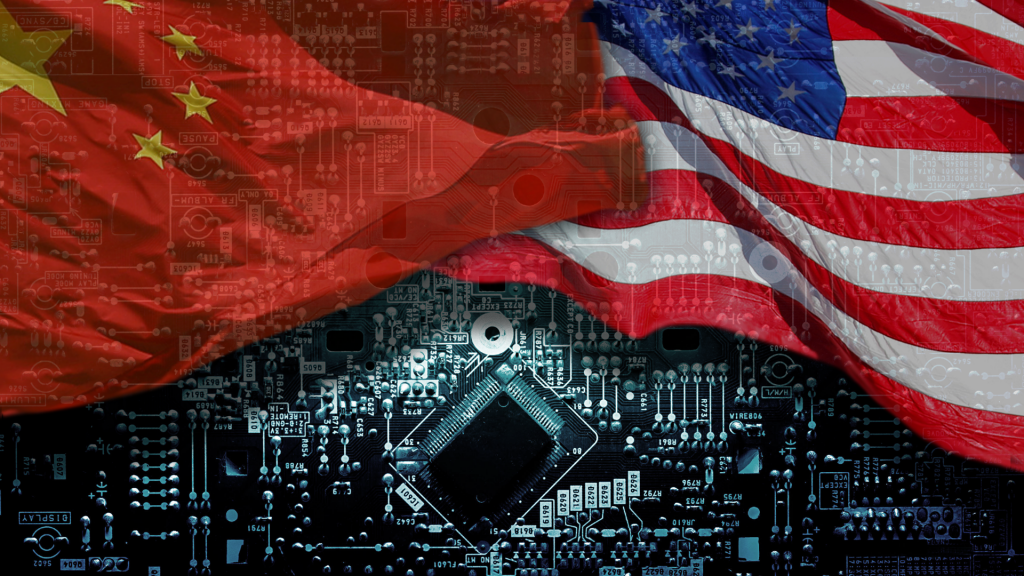
La competizione tecnologica globale si gioca nel Sud-Est asiatico

I giganti tecnologici cinesi e statunitensi guardano ai mercati emergenti dell’area ASEAN, investendo ingentemente nel settore dell’archiviazione dati.

For Chinese and U.S. tech giants, no place is more promising than Southeast Asia. The region involves rapidly growing economies and a consumer market of nearly 700 million people. The economic digitization process took off with the Covid-19 pandemic, creating favorable conditions for local e-commerce players to thrive and attract foreign investment. Several exogenous factors are also contributing to the attractiveness of investing in Asia's tech sector, including tight regulations for companies in China and revenue opportunities that are pushing U.S. multinationals to expand further and further "East." 

Chinese tech titans Tencent and Alibaba were among the first foreign companies supporting the incipient growth of e-commerce in the region, with investments in Sea Limited and Lazada. As an instance, Sea Ltd. is the flagship of Southeast Asia and thanks to foreign lenders' enthusiasm for the region's opportunities, it recently earned about $6 billion in new funding. It is a listed company in the gaming, finance, and digital commerce sector. In early September, it entered a deal with China's Tencent Holdings Ltd. which now owns 23% of it. Indeed, it's not an easy time for companies in the sector in China, where a tightening of regulations has resulted in a major reduction in their room for maneuver. According to The Economist, in August Chinese authorities released draft antitrust measures that would hurt the business models of domestic giants Alibaba and Tencent. Foreign markets account for a relatively small share of these Chinese groups' sales. But if everything continues in this direction, it seems that Southeast Asia will play a major role in the expansion process of Chinese companies. 

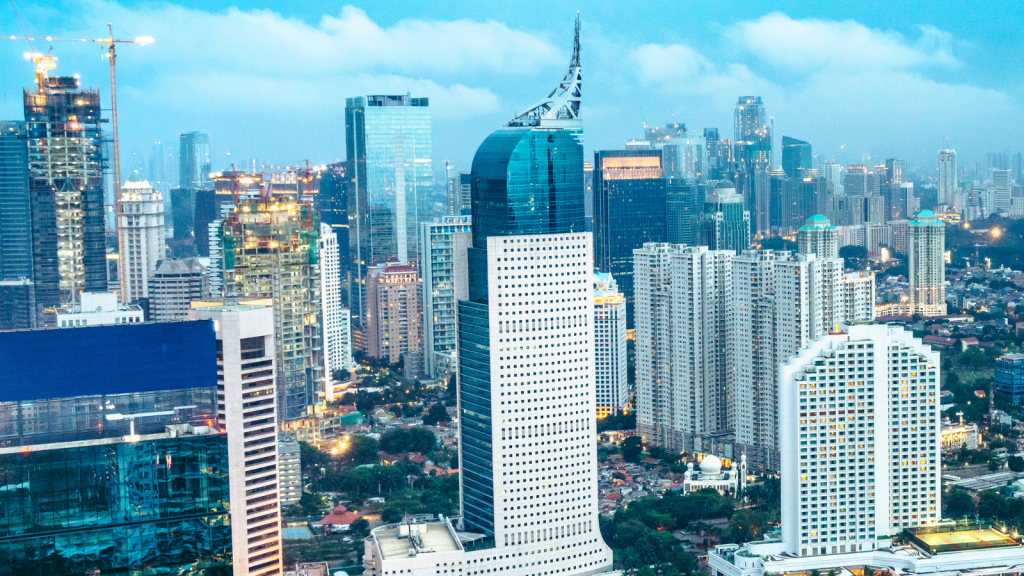
The opportunities presented by Southeast Asia's fast-growing digital markets have not been ignored by U.S. investors. A particularly competitive industry, where much of the financial competition between China and the United States is played out, is cloud computing. This is the industry that provides data processing and storage services - a vital function for both small and large companies and government institutions of the third millennium. According to experts, the total size of the cloud market in the region is still modest at less than $2 billion per year, but the encouraging fact is that it appears to be growing by more than 50 percent by 2020 and doesn't seem to be showing any signs of letting up. Amazon, Google, Microsoft are already involved in the sector. Facebook has recently invested in the construction of a massive 170,000-square-foot facility un the outskirts of Singapore, which will be Zuckerberg's first custom data center in Asia. But it's not the only one: the stable political system, abundance of highly skilled tech workers and its super-sophisticated infrastructure make Singapore a reliable location for big tech players targeting cloud services. Amazon, for its part, is still the undisputed global leader among providers of these storage services: its Amazon Web Services (AWS) controlled more than 30 percent of the global market in the second quarter of 2021, according to experts. It is currently expanding, thanks to the construction of infrastructure in Jakarta, Indonesia, which should be operational by the end of 2021 or early 2022, according to Nikkei Asia

Chinese and U.S. digital giants are riding the antagonism of the world's two superpowers. Between pull factors, such as the expanding digital market and promising demographic potential, and home country push factors, such as the renewed regulatory zeal promoted by Chinese authorities, Southeast Asia is set to be the battleground of global technology competition, led by Chinas and the United States.

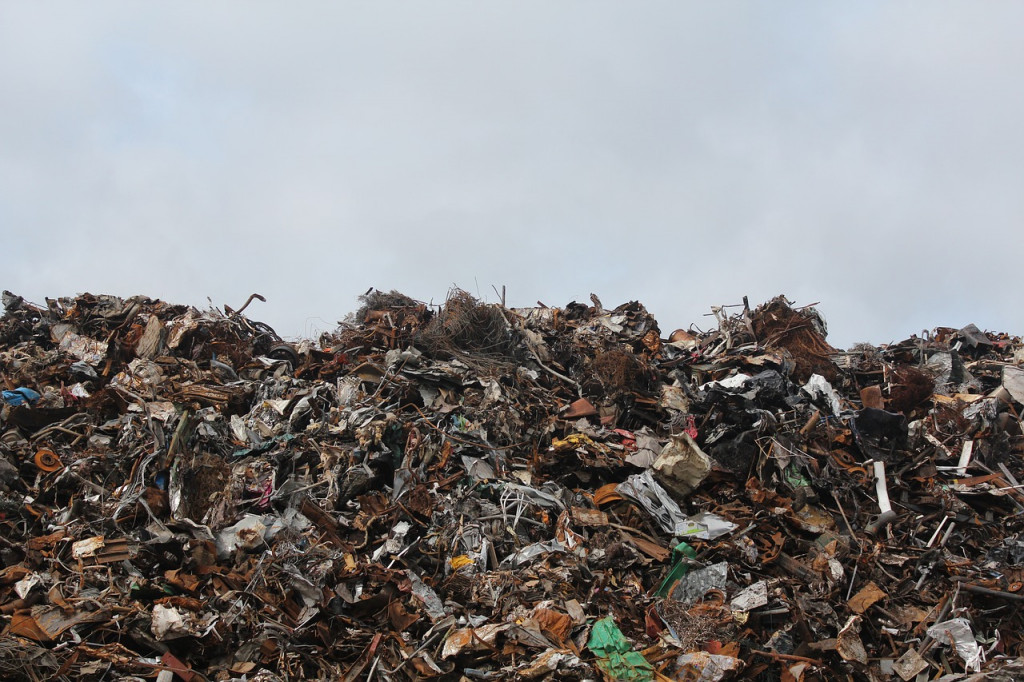
A united ASEAN is needed against illicit waste trafficking

The waste crisis triggered by China has awakened the hope that developed countries would eventually move towards more virtuous forms of waste management, but these hopes quickly failed to see some relevant results.

It all (or almost) started with the ban on imported waste to China. It was 2018, Beijing had already achieved the economic and political status that made it one of the most powerful nations. And it was time to say "enough" to the dirty practice of dealing with other people's waste. Now it’s 2021, and the illegal or non-illegal trafficking of waste has shifted to other countries, where different actors still consider it a profitable business. The Chinese strategy "National Sword" has suddenly poured billions of tons of waste arriving from all over the world into the rest of the region, jamming a mechanism that has been active for decades.

The waste crisis triggered by China has awakened the hope that developed countries would eventually move towards more virtuous forms of waste management, but these hopes quickly failed to see some relevant results. The attention of exporters has, in fact, shifted to the countries of Southeast Asia, where waste from Europe, the United States and Australia is now accumulated or recycled. Among the most exported waste are disposable plastics, but also electronic waste, which is very dangerous if treated improperly.

• The data

The alarm was launched in a report published in August 2021 and written by the EcoWaste Coalition group for health and environmental justice in collaboration with the International Pollutants Elimination Network (IPEN). According to the latest estimates, the Asia Pacific region will receive up to 714 million tons of waste every year by 2050. A problem, that is already affecting those countries where there is a lack of adequate structures for managing solid waste. The document underlines how the pandemic has contributed to exponentially increase the amount of waste arriving in ASEAN countries, while the economic crisis linked to the health emergency has aggravated the economic situation of countries dependent on exports, willing to do anything to do not aggravate the budgets.

Together with the EcoWaste Coalition alarm, there are other problems, such as household waste. In Indonesia, for example, only large cities have implemented a modern system for the collection and management of waste, while it is totally absent in rural areas. People can live with it by reusing what can be useful, or by deposing all kind of waste in inappropriate places or burning it in makeshift fires. In some cases, waste becomes the most used fuel in the kitchen. At other times, the chemicals in the garbage enter the food chain of local inhabitants through the soil and aquifers near crops and aquifers.

From the perspective of environmental policies, the ten Asian countries have sufficient leadership to respond to the waste crisis. A notable example was that of the Philippines in 2019, when President Rodrigo Duterte began his battle (certainly not without populist tones) against the waste arriving from Canada. During the same year, Indonesia also responded to the invasion of foreign waste by "sending back" part of the 58 containers that arrived from the US. However, the situation is much more complex: where Jakarta said "no", 38 of those containers ended up in South Korea, Thailand, Vietnam, Mexico, the Netherlands, and Canada.

• The solutions

Among the many tasks of ASEAN, that of waste management represents a complex challenge to face. According to the latest report from the United Nations Environment Program (UNEP), published in 2020, the ten nations of Southeast Asia already have their own national strategy to manage the waste problem. What is missing, the document emphasizes, would be a conceptual step: no longer "where" to deposit or eliminate waste, but "how" to transform it into resources.

The call for all nations in the world, of course, remains to scale the problem at its root, eliminating single-use plastic and waste wherever possible. But the creation of a common policy, a harmonious and cooperative management of waste between the various actors involved could transform problems into opportunities.

This should not exclude a unitary action on the international level, the strong point of any union between countries. “ASEAN needs a unanimous declaration calling for a clear and concrete position on the waste trade. Among other things, it will have to ask the Member States themselves to immediately ratify the amendment on the ban on exports within the Basel Convention, take measures to ban all imports of waste into their countries and improve the implementation of these laws, together to others that go in the direction of zero waste”, said environmental law expert Gregorio Rafael P. Bueta on the EcoWaste Coalition / Ipen report of 2021.

The Basel Convention is the most important global agreement on waste management and has been signed by all ASEAN countries except Laos. The 1994 amendment banning the transboundary movements of hazardous and other waste, by contrast, was ratified by only three of the member states. A sign that, despite the more determined positions of governments against waste trafficking, the interests at stake are still very complex.

India and ASEAN: A synergy on financial innovation

Diversi giganti del fintech indiano sono ora focalizzati sui mercati e-commerce ASEAN. Obiettivo: modellare insieme la futura infrastruttura finanziaria della regione.

Digital payments are a driving growth factor for the online economy. Alipay has allowed China to establish millions of economic relationships based on the essential factor of trust. The latter has been possible thanks to the innovative approach of “pay now, get a refund if not satisfied”. Several studies indeed have shown how the development of these platforms has been a key factor enabling the skyrocketing Chinese economic boom in the last 20 years.

ASEAN, thus, is now home to a multitude of international B2C e-commerce leaders such as Sea, Tokopedia and Grab, apart from a myriad of ever-growing scale ups now also offering B2B services.

Sea company’s stocks have become extremely appetible on international markets, while Gran continues to evolve into a super-app (valued at an astonishing $40 billion), now virtually touching all dimensions of its users’ daily lives.

In this sense, South east Asia is soon believed to complete its exploit in the digital economy, thanks to its dimension, population (651 million up to now), and intrinsic scalability in the productive system which creates the basis for knowledge spillovers and knowledge transfer to happen. Correctly evolving into a knowledge-based economy, in this sense, could mean sure success in the long term.

However, every super app must ensure itself and its users a solid financial and payment infrastructure, enabling not only safety but also trust as already mentioned.

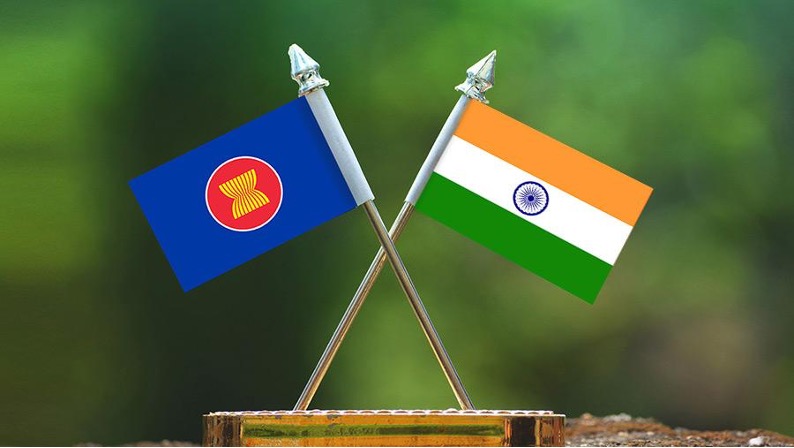
India represents a clear virtuous example of this: the country is home to 51 unicorns, of which 30% happen to operate in the financial sector of the economy. In other words, Indian industries are massively benefiting from the rising of a best-in-class fintech cluster: here, digital payments hava been increasing from 3 to 32 trillion rupees, in 4 years.

With this entrepreneurial spirit, some Indian fintech scaleups namely Pine Labs, Zeta and Razor Pay, have recently acquired some medium-sized B2B and B2C ASEAN companies. As in the words of Amrish Rau, Pine Labs CEO, ‘Some ASEAN markets are now believed to be where India was almost three years ago: there is a great opportunity in solving their fragmentation and ultimately conferring them a solid financial echo-system’.

The firm has now acquired Fave, a Malaysian scale up specialized in promo codes and discounts available for e-commerce, while RazorPay is paving the way for the imminent acquisition of some noteworthy food delivery players. Harshil Matur, its CEO, has repeatedly declared its intent to invest in Vietnam, Philippines, Malaysia, and Indonesia. Indeed, these markets are ‘alike the Indian one, but with remarkable margins of improvement’.

Bottom line: South East Asia confirms its market attractiveness for foreign direct investments, thus signaling solidity and prosperity of its economic system. However, we must notice that most of these capitals come from best-in-class international players, being fintech, tech or just food delivery in e-commerce: this, ultimately, can be further claimed to be an indisputable sing of its rising power in the global geo-economic equilibrium.

Investment opportunities in Indonesia

The pandemic prevented Indonesian President Jokowi's from the implementation of his financial reforms, but in Indonesia the role of foreign investment remains crucial for the post-pandemic recovery.

The global economic crisis that followed the spread of Covid-19 caught by surprise President Joko "Jokowi" Widodo, who had ambitious macroeconomic plans for Indonesia. Jakarta was committed to implementing a dense reform agenda, aimed at economic and social well-being, to stimulate manufacturing production and to attract foreign investors interested in Southeast Asia. While the pandemic has changed the government's priorities, attracting foreign capital investment remains crucial for economic recovery.

The April 2019 political elections proved to be a battle for the economy, and the vote of millennials and the Indonesian middle class was decisive. On this occasion, Jokowi leveraged the image of a man of the people who would continue to make Indonesia prosperous even during his second term. According to experts, this electoral success was to be interpreted precisely as a validation of his policies, launched during the previous mandate and aimed at the development of infrastructures and public spending in social programs. The Central Bank supported these ambitions by keeping interest rates high to attract foreign capital. Then Covid-19 arrived, and for President Widodo the opportunities to make a difference have been reduced. Today the national government's priority is economic recovery, which requires a lowering of interest rates designed to stimulate consumption, while trying to stem downward pressure on the rupee.

Despite these financial measures designed to address the crisis, the macroeconomic structure of many Southeast Asian countries relies heavily on the inflow of foreign direct investments (FDI), and Indonesia is no exception. ASEAN's leading sectors, such as manufacturing, retail, transportation, and telecommunications, have led the bloc to become an economic powerhouse, with an estimated GDP of $9.3 trillion as of 2019. Indonesia accounts for about 40% of ASEAN's economic output, which is on track to become the world's fourth largest economy by 2050. According to ASEAN Briefing, efforts by Southeast Asian governments in recent years to promote regulatory systems that are attractive to those wishing to do business in the region are one of the vectors that will continue to ensure FDI inflows, even during Indonesia's recovery efforts.

In this regard, consulting firm Dezan & Shira Associates published a report that sheds light on the investment landscape in the country. The top five sectors receiving investment are the metals industry, electricity, gas and water supply, transportation and telecommunications, housing and mining. Moreover, the top five economies investing in Indonesia are Singapore, China, Hong Kong, Japan and South Korea. The regulatory system is particularly attractive to foreign financiers, especially because Indonesia is party to twelve free trade agreements, including the Regional Comprehensive Economic Partnership (RCEP), which was signed last year. When the agreement was proposed for ratification, Indonesian Trade Minister Muhammad Lufti said that the RCEP will be very beneficial to Indonesia because it will strengthen its role in regional supply chains, as well as support the economy during the post-pandemic recovery. The report goes on to list tax benefits dedicated to those wishing to do business in the country, as well as a list of industries with ample room for growth including the digital economy, electronic components manufacturing and the super-competitive automotive industry.

COVID-19 Vaccine Rollout in Thailand is threatening recovery

Lack of vaccines, skepticism, and discontent towards the management of the pandemic are slowing the restart.

Thailand was one of the few countries that managed to keep the coronavirus under control during the first phase of the pandemic, but more contagious variants such as the Delta have caused a surge in new cases and deaths since last April. According to data from Johns Hopkins University, since the beginning of the third wave, the total cases recorded in the country have risen exponentially in less than six months (from just 30,000 at the beginning of April 2021, to more than a million in mid-September), as well as the number of total deaths (from 95 to 15,000 in the same period), putting pressure on the already fragile health system. The situation has plummeted to such an extent that Bangkok has plunged to the 118th place in the Nikkei Asia post-COVID-19 economic recovery index, ahead only of Myanmar, the Philippines and Vietnam. Among the main causes of this new situation of emergency we find the difficulties encountered during the vaccination campaign: according to official government data as of September 20, only 40% of the population received at least one dose of the vaccine, and just 20% both doses.

 According to the government plan, the country would aim to achieve herd immunity by 2021 but given the lack of doses and the growing skepticism of Thai citizens towards the vaccines proposed by the executive, the goal seems to be far off. Currently, the only two vaccines available to most of the population are Astrazeneca and the Chinese Sinovac, towards which Thais remain quite mistrustful. The government has not ordered stocks of mRNA vaccines (such as Pfizer and Moderna), considered by much of the scientific community to be more effective and with fewer side effects. However, the situation could change in the coming months, as private hospitals are autonomously procuring Pfizer and Moderna vaccines and the country itself is about to start human trials of its own first COVID-19 mRNA vaccine, developed by Chulalongkorn University in Bangkok. 

At the start of the pandemic in 2020, the Thai government announced that it had reached an agreement with AstraZeneca to obtain the vaccine and transfer the technology of the Anglo-Swedish company to Siam Bioscience, owned by King Vajiralongkorn, to ensure local production. At the same time, Bangkok has not considered entering contracts with any other pharmaceutical company and has even decided not to be part of the COVAX collective distribution program. However, putting all the eggs in one basket did not prove to be a winning strategy: the doses of AstraZeneca obtained were far fewer than originally planned and, by the time the situation got out of control, it was too late to find other effective vaccines on the market. For this reason, the government was forced to continue the vaccination campaign with the Chinese vaccine Sinovac, available in huge quantities. 

So far AstraZeneca, despite being the priority vaccine according to the national plan, accounts only for about 40% of the total inoculations, while Sinovac, which is relatively less effective against the Delta variant, 60%. The local population itself is very wary of the Chinese vaccine, as popular hashtags on social media and polls conducted by YouGov have shown. The reasons for this skepticism can be found both in recent reports of thousands of cases infected with COVID-19 despite the Sinovac vaccinations, and because there are fears the presence of political interests behind the adoption of the Chinese vaccine (starting from unverified rumors on links between the Thai conglomerate Charoen Pokphand and the vaccine producers). Finally, general dissatisfaction with the difficulties encountered during the vaccination campaign has only aggravated the discontent towards the military-backed government, generating large and continuous demonstrations against the executive, thus breaking a long-lasting truce.

Not just security. The US-ASEAN economic cooperation.

If Washington wants to reaffirm its role in South-East Asia, trade policy is also a key element in competing with Beijing.

America is back. Especially in South-East Asia. Less than a year after taking office, the Biden administration seems to have devoted most of its attention to the region. President Biden has revived Obama's Pivot to Asia strategy after the shakes of the Trump era, deploying all the key figures of his cabinet: Vice-President Harris travelled to Vietnam and Singapore, Secretary of State Blinken took part in high-level meetings with his ASEAN counterparts and Secretary of Defence Austin also visited Singapore. Moreover, the US strategy involves reviving strategic cooperation with its other regional partners, by reaffirming the 'unbreakable alliance' with Japan and inaugurating the AUKUS three-way partnership with Australia and Great Britain - a move that has caused tensions with China and even Francia. But security is not the only area that has seen a renewed US engagement. In times of Covid and climate crisis, cooperation with ASEAN also touches on health and sustainable development. What about trade?

If we look back to just two years ago, the U.S.-ASEAN Business Council lamented the absence of the Trump administration at a time of great shifts for the Asian bloc's trade policy: the negotiations for the historic RCEP agreement were in its advanced stages and the EU was strengthening its economic ties with Singapore and Vietnam through two ambitious free trade agreements. With the change of administration in Washington, we can expect major changes in US-ASEAN trade relations. The starting point is significant: ASEAN is the fourth largest market in the world (with a GDP of almost 3 trillion and 647 million consumers) and, by current trade volume, the eleventh largest trading partner of the United States. US companies export about $86 billion worth of goods to ASEAN countries and import about $206 billion worth of products. The trade balance is thus clearly in favour of the ASEAN countries ($120 billion). Comparing the US-ASEAN trade relation with the EU-ASEAN one, it emerges that European companies export goods for a higher value (almost $100 billion) and import goods for a lower value ($146 billion), with a trade deficit of about $47 billion in favour of ASEAN. These figures should be read together with the difference in GDP between the US and the EU. We will explore the reasons behind the higher volume of European exports in a future article. To complete the picture, it should be kept in mind that the total volume of trade between ASEAN and China is about $298 billion.

Economic cooperation between the US and ASEAN has to reckon with the growing Chinese influence in the region. Washington does not want to lose ground to Beijing in the infrastructure investment race. Last June, Biden and the other G7 leaders launched the Build Back Better World (B3W) plan with the stated aim of vying with China's Belt and Road Initiative (BRI). In addition, the US administration is funding many projects to develop connectivity in the region, for example a partnership for the Mekong Basin (again, an initiative that came a few years after its Chinese counterpart). Looking at the degree of trade liberalisation, China will continue to see its trade figures with ASEAN growing thanks to the RCEP agreement, while the US benefit from a limited and somewhat dated network of trade agreements (notably the 2003 US-Singapore Free Trade Agreement and the 2001 US-Vietnam Bilateral Trade Agreement). Actually, these existing agreements can be the backdoor for American companies to benefit from the RCEP, by taking advantage of the very favourable conditions for establishing their subsidiaries in certain countries of the region. In any case, Washington needs to strengthen its trade ties with ASEAN countries, perhaps by reconsidering its withdrawal from the TPP project or by exploring other options. Waiting for a more courageous and comprehensive project, there is excitement on both sides of the Pacific for a possible agreement on digital trade. After years of Trump-style muscular trade policy, all observers expect a policy shift from Biden, consisting in a more cooperative and ambitious approach to ASEAN countries. The new administration has yet to fully unveil its plans. Even in international trade, America is back. Let's see how.

Aukus and Quad seen from ASEAN

Multilateral initiatives multiply in Asia-Pacific. Hopes and fears of Southeast Asian countries

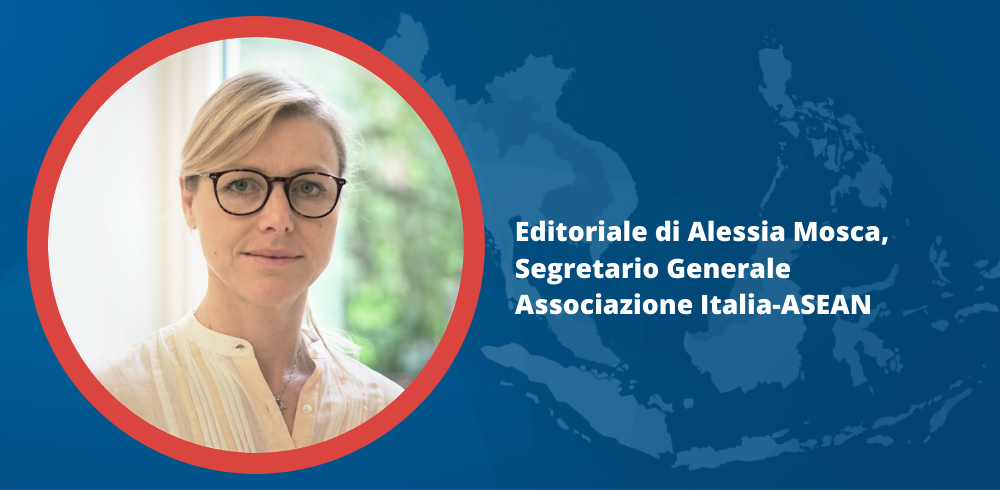
Editorial by Alessia Mosca

Secretary General Associazione Italia-ASEAN

On the one hand Aukus and Quad, on the other RCEP and CPTPP. Multilateral initiatives and acronyms in the Asia-Pacific area are multiplying. New ones are born, while those that already exist are renewed. A trend that demonstrates once again the centrality of a region in continuous commercial, technological and geopolitical rise. As our President Romani Prodi said at “Mezz’ora in più”, “it is the definitive seal that the only thing that matters is Asia”. It remains to be seen whether development can proceed on tracks of substantial serenity or elements of tension will increase. Among the governments of ASEAN member states, not everyone welcomed the birth of the new US-UK-Australia agreement. In particular, Malaysia and Indonesia have warned of the possible risks to the stability of the region after the announcement of Aukus. Jakarta expressed “deep concern about the arms race and the demonstrations of force in the region, referring to nuclear-powered submarines that will be equipped in Australia. The Minister of Defence of Kaula Lumpur has instead launched the proposal to open a dialogue between ASEAN and Canberra to understand what the intentions of the trilateral agreement are. In contrast, the Philippines, which after the approach to China operated in recent years by President Rodrigo Duterte have resumed relations (even defensive) with the US of Joe Biden. Manila welcomed the Aukus as a novelty able to “equalize” the balance of power in the region and therefore to ensure greater stability. The Australian government, meanwhile, claims that it is not a “military alliance” and tries to reassure Southeast Asia about its support for the regional infrastructure represented by ASEAN. On Friday, September 24th, the first physical summit between the leaders of the Quad, the platform that unites the US, Australia, Japan and India, takes place in Washington. As in the case of the Aukus, most ASEAN countries would like these initiatives to look beyond the defensive aspect and, if anything, to include incentives for commercial, infrastructural, digital or environmental cooperation. On these issues, Asian countries have shown that they know how to dialogue, as on the closing of the negotiations on the RCEP in 2020. Be “pro Asia”, and not against someone: here is the key.

From Poppy to Coffee: Thailand a Model for Alternative Development

The model initiated by the Royal Project Foundation has been recognised by the United Nations Office on Drugs and Crime as a successful undertaking in sustainably replacing narcotic crops with alternative means to generate income..

By Chutintorn Gongsakdi

Deputy Permanent Secretary of the Ministry of Foreign Affairs of Thailand

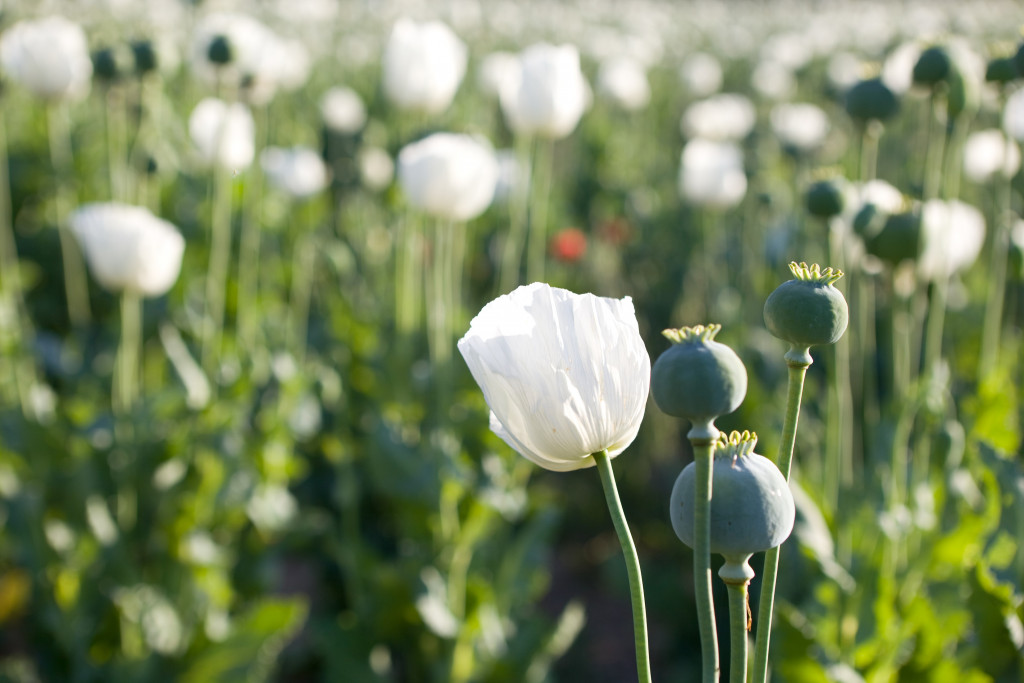
When their bright red petals fall away, farmers would slit open the egg-shaped seed pods of Papaver somniferum or opium poppy. Milky ‘poppy tear’ would then ooze out from these open wounds, starting the extraction of the crudest form of opium. This method of poppy cultivation can be traced back to at least five millennia ago in the texts of the Sumerians, who called the plant Hul Gil, or the ‘plant of joy’.

Joy is exactly the reason why this plant spread all over the world so quickly. Originally used for pain relief, opium was later introduced as a recreational drug in Europe and Asia. Highly addictive, it dominated international trade and politics in the 19th century. It was only after World War II that its harmful effects were widely acknowledged, and opium suppression became a global agenda. 

In Southeast Asia, opium poppies have been cultivated for centuries. Possibly brought in from southern China, the use of opium was integrated into the culture of indigenous communities such as the Hmong and Karen. Their usage of poppy seeds was in moderation and in their traditional medicine and religious ceremonies, and even had been used as a currency. 

The arrival of migrants and ethnic groups during the Chinese Civil War in the 1940s led to an exponential increase of opium production in the mountains of Thailand, Myanmar and Lao PDR. As the only available cash crop, the new highlanders had little choice but to cultivate poppy to escape poverty, despite it did not receive high returns. The network of illegal trade in the Golden Triangle, an area where the borders of the three countries meet, peaked during the 1960s with an estimated 145 tons of opium produced in Thailand annually. 

The Thai government banned opium in 1958. However, insufficient resources and the lack of understanding among the highland peoples resulted in an unsuccessful campaign to restrict poppy cultivation. As the locals resented the government’s efforts to resettle them in the lowlands, Thai officials started to look for an alternative method to reduce opium production. 

In 1969, while visiting Chiang Mai province, His Majesty King Bhumibol Adulyadej The Great learned that some poppy growers could earn a comparable amount of money from selling local peaches. That was when he developed the idea that growing an improved peach variety could possibly generate more income than opium poppy, minus the risk of being involved in criminal activities, and therefore, opium cultivation could organically wither away from existence.

This concept of crop substitution and genetic improvement was swiftly translated into actions that have created an environment of human security and a sustainable livelihood for villagers -a holistic approach to security. The concept would eventually be called alternative development model, whereby the people are empowered to pursue the development path of their choice rather than being forced to surrender to prevailing conditions. The King deployed his knowledge on geography and botany to sponsor the research on alternative crops. He instituted the ‘Royal Project,’ a private charitable organisation to support alternative development in Northern Thailand. The Royal Project ran its first training programme with the highlanders in 1970, while the King set up development stations in the area. 

In tandem with the Royal Project, members of the Royal Family supported several other initiatives to address illiteracy, poverty and public health in the remote mountains. Many of them were frequent visitors to the villages to organise medical check-ups through the Princess Mother’s Medical Volunteer Foundation, and to provide assistance to schools in need. All these concerted efforts took decades of perseverance to bear fruit. However the yield, as proven today, is worth the wait. 

Since the beginning, the Royal Project worked with the Thai government and international organisations to conduct research and development, and to provide seeds, fertilizer, training, and supporting infrastructure. In 1971, the Royal Project and the Thai Narcotics Control Board partnered with the United Nations Fund for Drug Abuse Control (UNFDAC) to establish the Crop Replacement and Community Development Project. Since then, the Royal Project and relevant agencies have introduced more than 150 new crops to poppy growers, including arabica coffee, tea, cabbage, apple, and decorative flowers.   

Nevertheless, poppy eradication did not begin until 1985. The officials recognised that radical measures could lead to counterproductive results. They waited until the projects could generate sufficient income for poppy farmers, and eradication was mostly negotiated to ensure a sustainable outcome. As a result, poppy cultivation in Thailand fell by 97 percent from 1985 to 2015 and has never relapsed. 

Today, the Royal Project is a public foundation with 39 development centers and research stations. Under the patronage of His Majesty King Maha Vajiralongkorn, the foundation continues to expand its work with the opening of Ler Tor Development Center in Tak province in 2016, which is assisting more than 300 Karen farmers. The Royal Project products are currently processed and distributed in supermarkets under the brand Doi Kham. Some products, such as dried fruit and juice, are available in Japan, China and Russia.

Coffee beans of Doi Tung, another brand of alternative development products from Mae Fah Luang Foundation, created by Princess Srinagarindra, the Princess Mother in Chiang Rai province, has been selected by Japan Airlines and Japanese retailer Muji for their catering service.

The works of the Royal Project were realised through synchronised efforts of all key players. For instance, the Thai government provided human capital development by extending healthcare services and developing schools in former opium-producing villages, as well as the provision of Thai citizenship. The highland communities now have access to rights as a Thai citizen, such as the right to own land, non-farming work and qualifications to apply for bank loans. This would not have been possible had it not been for the monarchy’s subtle but effective support to steer collaboration that has bound all stakeholders together, from policy makers to villagers, towards the same direction. Considering the local villagers’ skepticism of government officials at the time, the face of the institution was the only one that was received with genuine respect and trust by all parties. 

The Alternative Development model or AD initiated by the Royal Project Foundation has been recognised by the United Nations Office on Drugs and Crime as a uniquely successful undertaking in sustainably replacing narcotic crops with alternative means to generate income. Not only did the Royal Project contribute to the security- building process by reducing illicit crop and crimes, it also succeeded in bolstering economic, food, and environmental security for the ethnic communities who were living on the edge of poverty. It has since gone the extra mile to collaborate with UN agencies by introducing similar programmes in countries such as Lao PDR, Myanmar, Colombia, Peru and even Afghanistan, to name a few. Aiming to be the learning institute for sustainable development, the Royal Project Foundation continues to empower and dignify the livelihoods of local communities in Thailand and beyond.

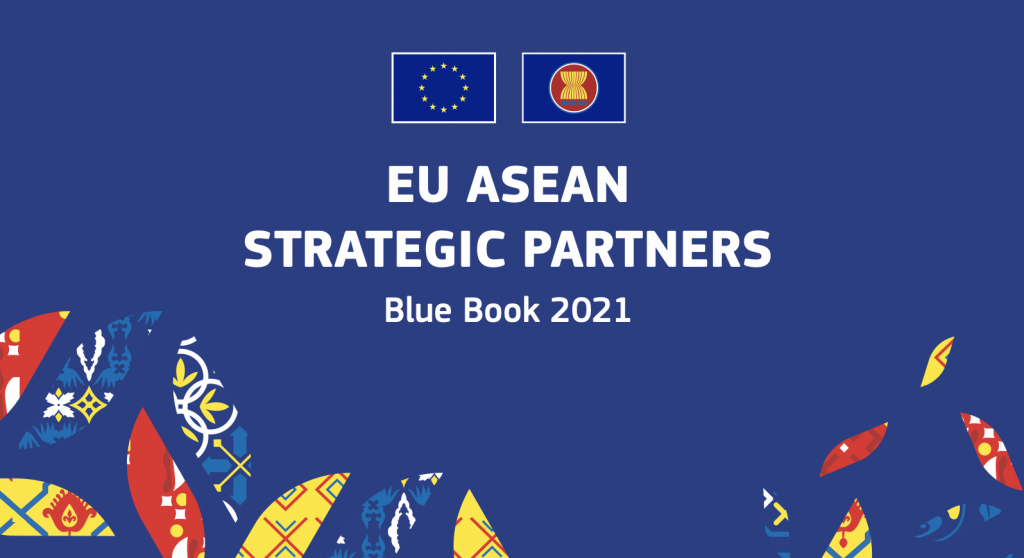
UE-ASEAN, il Blue Book 2021 sul partenariato strategico

Associazione Italia-ASEAN pubblica il Blue Book 2021. Oltre cento pagine di analisi, prospettive e dati sulla cooperazione bilaterale

Lo scorso maggio, la missione europea nell’ASEAN e il segretariato dell’ASEAN hanno presentato l’EU-ASEAN Strategic Partnership Blue Book 2021. Il Blue Book è ormai giunto alla sua sesta edizione e la pubblicazione di quest’anno è incentrata sulla cooperazione nell’ambito della ripresa post-pandemica, la sicurezza, la cooperazione economica la crescita green e la sostenibilità ambientale. “Come partner strategici ci attendiamo una cooperazione sempre maggiore, volta a rafforzare la stabilità regionale e globale, ripristinare la fiducia nel libero scambio e lavorare insieme per uno sviluppo sostenibile dell’area”, ha dichiarato presentando il documento Lim Jock Hoi, Segretario Generale dell’ASEAN, esprimentro tra l’altro la speranza di “promuovere un accordo di libero scambio capace di contribuire in modo significativo alla crescita di entrambe le regioni”. Speranza ribadita dalla strategia UE sull’Indo-Pacifico comunicata solo pochi giorni fa. Nell’implementare più profonde relazioni economiche con l’ASEAN, l’UE si aspetta inoltre di consolidare i rapporti diplomatici e dare nuovo impulso al proprio soft power nel Sud-Est asiatico, andando ad inserirsi come uno dei pochi interlocutori internazionali di tipo democratico nella regione.

SCARICA SUBITO IL BLUE BOOK 2021!


Anthony Tan: the man behind the success of the unicorn Grab

Among the Singapore’s 50 Richest 2021, Anthony Tan is the CEO and co-founder of Grab, the dominant ride-hailing app in Southeast Asia and the region's first unicorn.

Born in Kuala Lumpur in 1982, Anthony Tan is the heir to one of the Malaysia’s wealthiest families. His father, Tan Heng Chew, is the chief executive of Tan Chong Motor Holdings Bhd, one of the biggest automotive groups in the country. His academic background includes a B.A. in Economics and Public Policy at University of Chicago honors and a prestigious M.B.A at Harvard Business School (HBS), completed in 2011. It all started from there. During an interview for the Financial Times in 2014, Tan said he was heavily influenced by entrepreneurship courses and meetings with personalities like Steve Chen, co-founder of YouTube, and Eric Ries. All this opened his eyes of new opportunities, with much displeasure of his family.

Tan met Tan Hooi Ling, who will become co-founder of Grab, at Harvard Business School in 2009 while they were working on their MBAs. They wrote together a business plan for a mobile app that would connect taxi seekers directly with taxi drivers closest to their location. Both of Malaysian origins, they wanted to find a solution to move into the great urban congestion. The drivers would have been supplied with smartphones so they could communicate directly with potential customers. It was an Uber-like app designed to benefit both taxi drivers, who are continually besieged and always looking for rides, and customers, to make them feel safer.

That project was a runner-up in the HBS New Venture Competition in 2011. Using the $25,000 from the winning and their personal funds, Anthony Tan and Tan Hooi Ling launched the MyTeksi app in June 2012. By giving up his role in the family business, Anthony was able to find various upfront funding from various investors in the US and Asia, strenuously continuing to develop his project, while his relatives struggled to understand what he was doing. Tan never had regrets: “Building something from scratch from just a PowerPoint and seeing the lives we affect is a lot more rewarding”, he said.

After raising the funds to support a regional expansion, in 2016 the startup was moved to Singapore and renamed Grab. Today, in addition to ride-hailing, it includes delivery services (food, shopping, packages), online payments and financial services. It is present in 8 ASEAN countries: Singapore, Cambodia, Indonesia, Malaysia, Myanmar, Philippines, Thailand, Vietnam. Grab's investors include Softbank, Didi Chuxing and Toyota. Uber acquired a stake after Grab bought out its regional operations in 2018. When the Softbank investment was announced, Tan confirmed the willingness to pursue his goal of growing so fast, continuing the “fight for market share”.

“What we’ve built sounds glamorous but if you really want to be hardcore and survive in this race, you need to be hyper paranoid and constantly thinking that the guy on your right is trying to murder you,” Tan said. Tenacious and motivated, the people who work with him say he always wants to be the “number one”. He has a deep spiritual side, and he cites Jesus Christ as one of his leadership examples. He feels his work as a “mission" to serve Southeast Asians’ daily needs. Before the pandemic, he met with many ministers in several cities in the region to support the legalization of ride-hailing.

He is married to Chloe Tong, the daughter of the founder of Phileo Allied Bank, and they are expecting their fourth child. People who know Tan say his strengths are determination and time management skills. He is known for studying business cases or taking calls while running on the treadmill. On the other hand, Tan had clear ideas from an early age: at six he said he wanted to become a businessman. HBS was where his idea was born, but getting out on the streets of Kuala Lumpur, riding in taxis, talking to taxi drivers, and not being afraid to introduce technology in a reluctant environment transformed his plan into a winning business.  

In April 2021, Tan announced Grab's U.S. listing by merging the firm with a special-purpose acquisition company (SPAC) of Altimeter Growth. The deal is expected to close by the end of this year, making the company reach a valuation of $40 billion. Perseverance paid off. With a net worth of $790 million, Tan ranks 47th in the Singapore's 50 Richest 2021 according to Forbes.

Security and the relationship between EU and ASEAN

The European Union and ASEAN are the two most advanced integration projects in the world, and it is in their interest to collaborate on the issue of security to strengthen multilateralism

As stated by the High Representative of the European Union for Foreign Affairs and Security Policy, Josep Borrell, speaking about the EU-ASEAN partnership, neither the European Union nor ASEAN are ready to become part of spheres of influence. For this reason, from Europe’s point of view, it is essential to promote a multilateral view of the world. Following the decision of the EU and ASEAN to increase their bilateral cooperation to the level of strategic partnership, Federica Mogherini, former High Representative of the Union for Foreign Affairs and Security Policy, commented that this decision emphasizes the strong belief of the two most advanced and successful integration systems in the world to support multilateralism and a rule-based global order. In order to strengthen block-to-block integration, efforts are also being made to increase cooperation on security. The European Union has committed itself to play a "Capacity building" role towards ASEAN countries and, in this context, it could also share its "strategy on maritime safety". Indeed, in recent years, the shared security objectives between the EU and ASEAN have been broadened to topics such as maritime security and the fight against terrorism.

Maritime safety and compliance with the law of the sea play an important role in the relationship between the European Union and ASEAN. Stability in the South China Sea is vital for the economic interests of the European Union in the region. In fact, almost 40% of the European Union’s foreign trade passes through those waters. For this reason, the EU has always encouraged a constructive debate between China and the ASEAN countries interested in territorial disputes, in order to find an effective Code of Conduct. However, no agreement has yet been reached. In the latest "Brussels' Indo-Pacific strategy paper" drawn up by the Council of the European Union on 16 April 2021, it is written that the Council of the European Union notes with concern the dynamics that have been created in Indo-pacific and which have given rise to intense geopolitical competition that adds up to the increasing tensions over trade and supply chains as well as in the areas of technology, policy and security. In the last period, the European military presence in the region has also increased. Until a few months ago France was the only member state of the EU to have sent military ships in the area. However, this August also a German military reached the area, officially there for a UN mission to supervise North Korea. Now it may soon be the turn of the Netherlands, while the EU is about to release its Indo-Pacific strategy.

Also the exchange of military technologies is part of the security dimension of the relationship between the EU and ASEAN. For example, of the approximately 124 billion investments announced by the Ministry of Defence in Indonesia in five years, which is three times the budget normally allocated by Jakarta, a large part is for European defence producers. Indonesia has in fact decided to buy 8 military ships from Fincantieri, an Italian public building company engaged in the naval field. Of these 8 military ships, 6 will be constructed ex-novo by Fincantieri while the other two are ships "in retirement" of the Italian Navy and so they will be renewed. As also Fincantieri has declared, this agreement is not only advantageous from an economic point of view but is also of extreme importance for the collaboration between Italy and Indonesia in a strategic area like the Asia Pacific. In addition, Indonesia also decided to buy 36 French military fighters. Many European countries, in fact, see Southeast Asia as a promising market for the sale of armaments and military technologies.

Indo-Pacific, the EU seeks its own way

The US announces a new defensive pact with the UK and Australia. Brussels also relaunches its presence in the Indo-Pacific

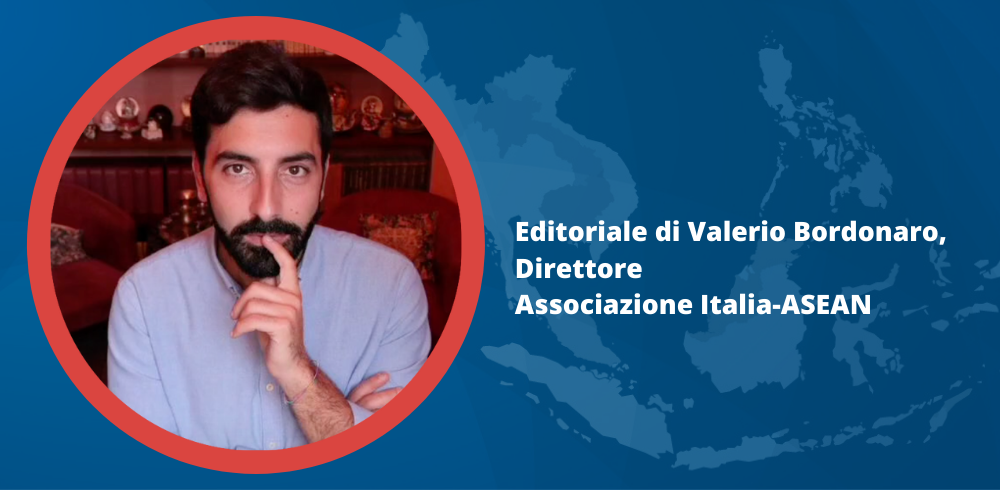
Editorial by Valerio Bordonaro, Director Associazione Italia-ASEAN

The first reactions coming from the EU regarding the new pact of defense Aukus have been substantially negative. The agreement brings together the US, the UK and Australia in the Indo-Pacific area and provides for the sharing of technologies in cybersecurity, artificial intelligence, underwater systems and long range attack capability and plans to equip Camberra with a fleet of nuclear-powered submarines. Peter Stano, spokesman for the High Representative for the EU’s Common Foreign and Security Policy, said that Brussels had not been notified in advance about the decision. France was especially complaining, considering that, with the birth of Aukus, a contract signed in 2019 for the supply to Australia of 12 conventional submarines for an amount of EUR 56 billion was cancelled. Foreign Minister Jean-Yves Le Drian spoke of a “brutal” decision. Several EU officials point out that this is, after the withdrawal from Afghanistan, the second important strategic decision taken by Washington without consulting its European partners. The timing between the announcement of the trilateral agreement and the expected publication of the EU strategy for the Indo-Pacific should also be noted. The document, presented by Josep Borrell, the High Representative for Foreign Policy, contains many ideas on the ASEAN area. Indeed, the conclusion of Partnership and Cooperation Agreements (Pcas) with Malaysia and Thailand, the assessment of a possible resumption of trade negotiations with Malaysia, Philippines and Thailand and the possible negotiation of an interregional trade agreement with the entire block of Southeast Asian countries are expected. It also aims to expand the network of digital partnerships with Indo-Pacific partners, as well as exploring the possibility of new digital partnerships with Japan, South Korea and Singapore. In addition to Quad and Aukus, the EU can try to carve out the space for a regional presence with its specificities and devoted to cooperation, not to contrast. 

Recently active members
Foto del profilo di Alessio
Foto del profilo di Monika
Foto del profilo di Gabriel
Foto del profilo di Elena
Foto del profilo di Lorenzo
Foto del profilo di Alessandro
Foto del profilo di Cristina
Foto del profilo di Rocco
Foto del profilo di Clara Lomonaco
Foto del profilo di Redazione
Foto del profilo di Davide Gugliuzza
Foto del profilo di Anna Affranio
Foto del profilo di Ilaria Canali
Foto del profilo di Nicolò
Foto del profilo di Angelo Cangero
Who is online
There are no users currently online
Members
  • Foto del profilo di Alessio
    Active 5 ore, 2 minuti fa
  • Foto del profilo di Monika
    Active 3 giorni, 12 ore fa
  • Foto del profilo di Gabriel
    Active 3 settimane, 4 giorni fa
  • Foto del profilo di Elena
    Active 1 anno, 4 mesi fa
  • Foto del profilo di Lorenzo
    Active 2 years, 6 mesi fa