Aboard the ASEAN Express

A journey to discover Southeast Asia’s hidden gems

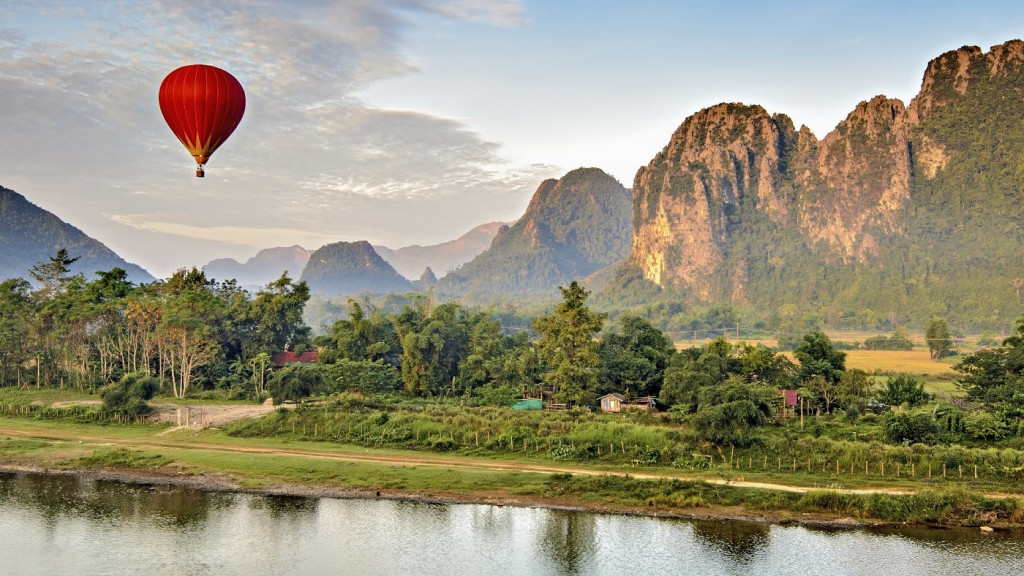
The nature lover cannot miss out on the Philippines and Indonesia’s heavenly beaches and unspoiled natural environment. Consisting of more than 7.000 islands and surrounded by the Pacific Ocean, the Philippines have earned several nicknames linked to tourism, which amounted to 12,7% of the country’s GDP in 2019 (according to the Philippine Statistics Authority): the capital of the western Pacific, the centre of Hispanic Asia, the Pearl of the Orient Seas, capital of fun, and many others. It is the perfect destination for scuba diving and snorkel lovers. In particular, Cebu island is well renowned for its coral reef and sea caves that attract thousands of photographers from all over the world every year. The more adventurous dare to get right into Sagada’s tribal region, or to explore UNESCO sites such as Chocolate Hills or Batad and Bangaan rice terraces to learn about the history and traditions of ethnic villages still living there. Indonesia does not even need any particular introduction.

L’amante della natura di certo non può farsi sfuggire le spiagge paradisiache e la natura incontaminata di Filippine e Indonesia. Circondate dall’Oceano Pacifico e composte da più di 7.000 isole, le Filippine si sono guadagnate numerosi appellativi legati al turismo, settore che nel 2019 ammontava per il 12,7% del PIL del Paese (dati del Philippine Statistics Authority): capitale del Pacifico occidentale, centro dell’Asia ispanica, Perla dei Mari Orientali, capitale del divertimento, e molti altri. Le Filippine sono la meta ideale per gli appassionati di scuba diving e snorkeling: in particolare, l’isola di Cebu è una meta prediletta sia per le sue barriere coralline, sia per le grotte marine che attraggono ogni anno migliaia di fotografi da tutto il mondo. I più avventurosi si addentrano fin nella regione tribale di Sagada, oppure esplorano i siti UNESCO come le Chocolate Hills o le terrazze di riso di Batad e Bangaan, per conoscere la storia e le tradizioni dei villaggi etnici che ancora vi si trovano. 

Its pristine white beaches are a destination for more than six million tourists every year and feature in several well-known international movies. For those who prefer quietness and less crowded places, Java, Sumatra or any of the other 17,505 islands of the world's largest island country might be a good fit.

For culture lovers, Vietnam and Thailand might be an obvious choice. But did you know that the less popular Cambodia hosts Angkor Wat, the largest archaeological site in Southeast Asia and the biggest religious monument in the world? Its name, which translates to “temple city” in Khmer, references the fact that it was built by Emperor Suryavarman II as the state temple and political centre of his empire. The colossal site stretches for 1.626 km2 and it has become so embedded with nature after more than 900 years that it is hard to tell where the rock ends and the roots of ancient trees begin. Originally dedicated to the Hindu god Vishnu, with time Angkor Wat became a Buddhist temple and is so important today that is even represented on Cambodia’s national flag.

For the traveller who cannot help but dream of bright lights and the buzz of the metropolis, Malaysia and Singapore are the right destinations. The days when these seas inspired Emilio Salgari’s novels are lost in memory. Kuala Lumpur, Malaysia’s capital city, is booming, especially in the high-tech sector: according to the World Bank, the export value of high-tech products in 2015 stands at 57 billion dollars, the second highest in ASEAN after Singapore. Iconic sightseeing spots include the Petronas Towers, the tallest twin towers in the world, and the Genting Highlands Resort, an integrated hill resort development comprising hotels, shopping malls, theme parks and casinos, perched on the peak of Mount Ulu Kali at 1,800 meters asl.

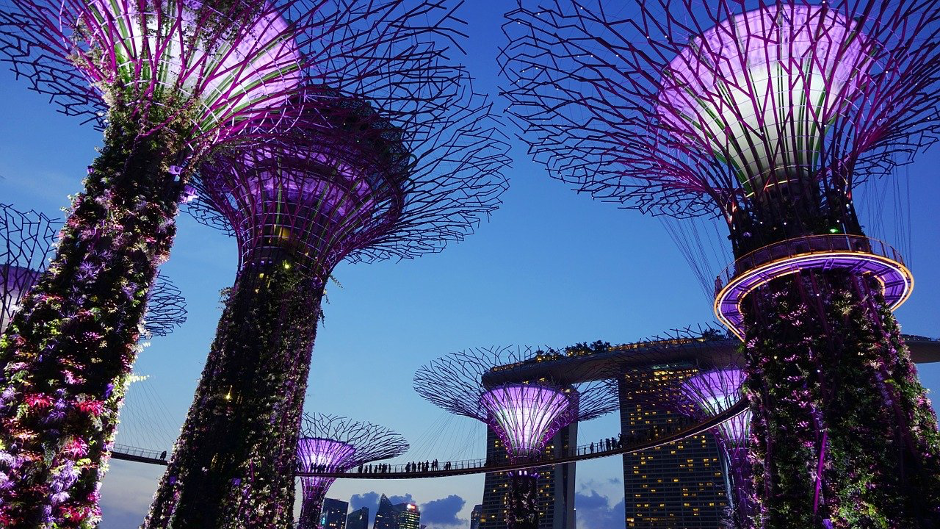
For those who prefer contemporary architecture instead, Singapore provides several genuine examples where human genius joins nature: Gardens by the Bay, a nature park spanning more than a hundred hectares that is part of the nation's plans to transform its "Garden City" to a "City in a Garden"; the Helix Bridge, a DNA molecule shaped bridge; the Esplanade – Theatres on the Bay, the performing arts centre; and many more.

The charm of wild beaches, the heady scent of incense in temples, the chaos of the city, and much more: Southeast Asia really knows how to touch travellers’ heartstrings, even those of the most demanding.

By Valentina Beomonte Zobel

37th ASEAN Summit: challenges and new opportunities

Covid-19 pandemic, RCEP and the South China Sea: the ASEAN countries at the core of the Indo-Pacific region. 

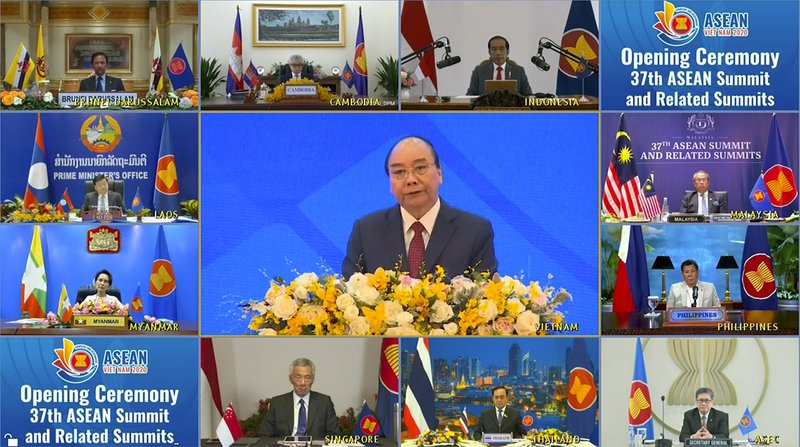
The 37th ASEAN Summit was held online from the 12th to the 15th of November, the last of the Vietnamese presidency, which will now be replaced by Brunei. The opening ceremony of the Summit between ASEAN member countries was marked by the speeches of the President of Vietnam, Nguyen Phu Trong, and the Prime Minister, Nguyen Xuan Phuc. Both leaders emphasized the resilience of ASEAN in the face of the unprecedented challenges posed by the pandemic.

First of all, specific attention was paid to the delicate issue of the South China Sea. ASEAN member countries reaffirmed their intention to maintain peace and stability in the area through the elaboration of a Code of Conduct for the South China Sea to be stipulated with Beijing. The negotiations are struggling to take off, but the document should be ready by the end of 2021, according to the statements made during the Summit. The Code of Conduct aims at guaranteeing the free trade of goods in this disputed stretch of water, respecting the rules and agreements of the International Law of the Sea. 

The ASEAN leaders also discussed the shared response to the Covid-19 pandemic, introducing the l’ASEAN Strategic Framework for Public Health Emergencies. All the joint initiatives on health emergencies in the region will be based on this framework, which is intended to improve ASEAN’s preparedness and responsiveness to public health emergencies. The Covid-19 Response Fund is also included in this document, arranged by the ASEAN countries in April. The Fund’s budget amounts to 10 million dollars, with the specific function of providing assistance to the nations most affected by the pandemic. Although very different from the Next Generation EU recovery plan in terms of scope and purpose, this fund represents an important first step for Southeast Asian countries towards the definition of shared instruments to manage crises.

Along with the health emergency, the pandemic crisis had a destructive impact on the societies and the economies of the region. Therefore, the epidemiological response to the pandemic must go hand in hand with the socioeconomic recovery strategy in Southeast Asia. In this regard, the ASEAN countries representatives established the ASEAN Comprehensive Recovery Framework with the aim of planning the recovery phase. The strengthening of regional health systems, the increase of economic cooperation within ASEAN, the promotion of digital transformation, and the attention to sustainability and environment are among the main measures included in the Recovery Framework. Its goal is to manage the delicate recovery period using a cooperative approach with a focus on the regional dimension of the crisis.

Furthermore, this Summit saw witnessed the establishment of the first ASEAN Women Leaders’ Summit. For the first time ever, the representatives of ASEAN women leaders made their voices heard at a summit entitled “Women's Role In Building a Cohesive, Dynamic, Sustainable And Inclusive ASEAN Community In a Post Covid-19 World”. It emphasized the role of women in promoting sustainable development in the post-pandemic world. All the women leaders strongly stated that the pandemic threatens to reverse the region’s difficult achievements in terms of gender equality and women empowerment. Therefore, it was loudly pointed out that ASEAN have to mitigate the negative impacts of COVID-19 on women, placing them at the heart of the reconstruction and recovery processes.

The 23rd ASEAN Plus Three Summit was also a remarkable moment. The summit between ASEAN, China, Japan and South Korea focused on the urgent need to strengthen cooperation for economic and financial resilience. ASEAN and its regional partners confirmed their willingness to increase joint efforts in restoring economic growth in the entire region by strengthening regional trade and economic cooperation. These actions are also intended to promote business and investment opportunities. Furthermore, all the efforts aim at strengthening SMEs, vulnerable social groups, start-ups and economic sectors hardest hit by the pandemic, but also the development of the digital economy.

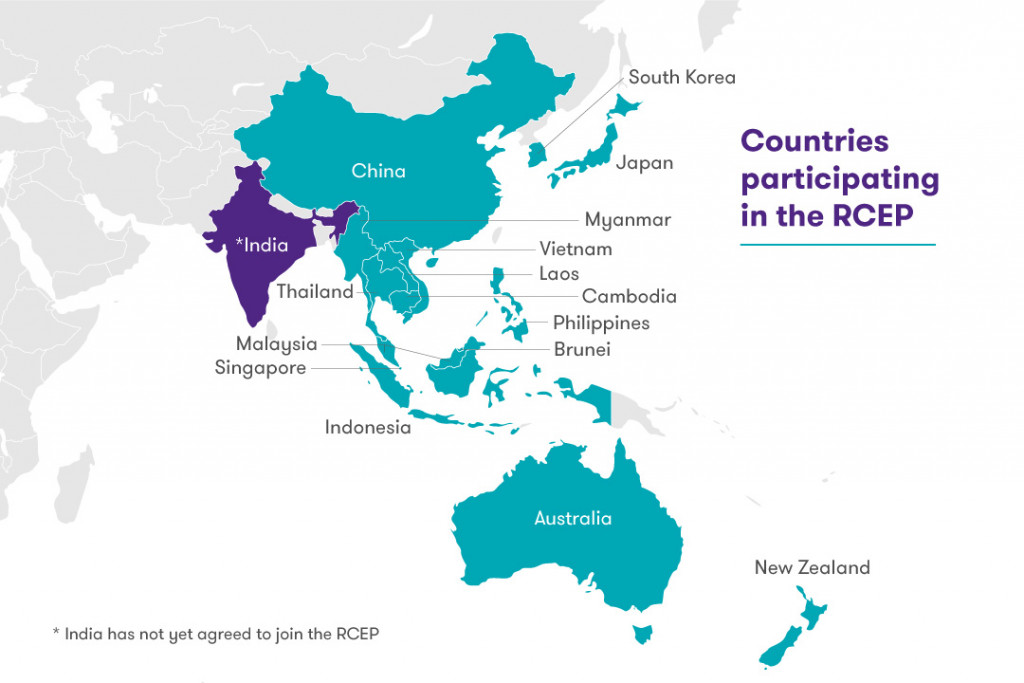
The Summit’s final day marked another historic date. On November 15, 2020, during the 4th RCEP Summit, the Regional Comprehensive Economic Partnership (RCEP) was signed. Launched in 2012 during the 21st ASEAN Summit, the RCEP is a mega trade agreement signed by the 10 ASEAN member countries and China, South Korea, Japan, Australia and New Zealand. The new economic block will represent 30% of the global economy and will include about 2.2 billion consumers, creating the largest free trade area in the world, larger than European or North American trade areas.

The ASEAN Summit revealed once again the centrality of the Southeast Asian countries in the new regional and global context. In the South China Sea issue, the ASEAN nations will be key in balancing China. With the RCEP, Asia pushes on free trade and multilateralism, reintroducing an important trend that was hampered by the Trump Administration in the last years. Definitively, ASEAN showed itself to be united and strong facing the new challenges and problems, confirming its role as a forum for dialogue and cooperation for Asia and the entire world. 

By Annalisa Manzo

Elections in Myanmar, Suu Kyi proclaims the victory

The National League for Democracy wins and welcomes new challenges for the country’s renovation 

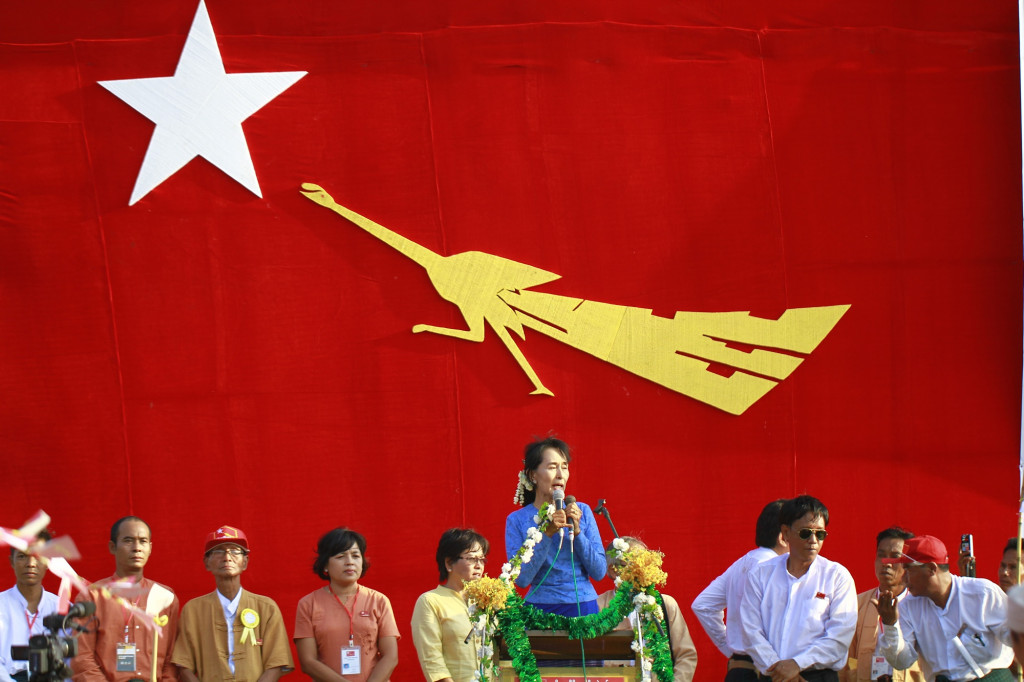
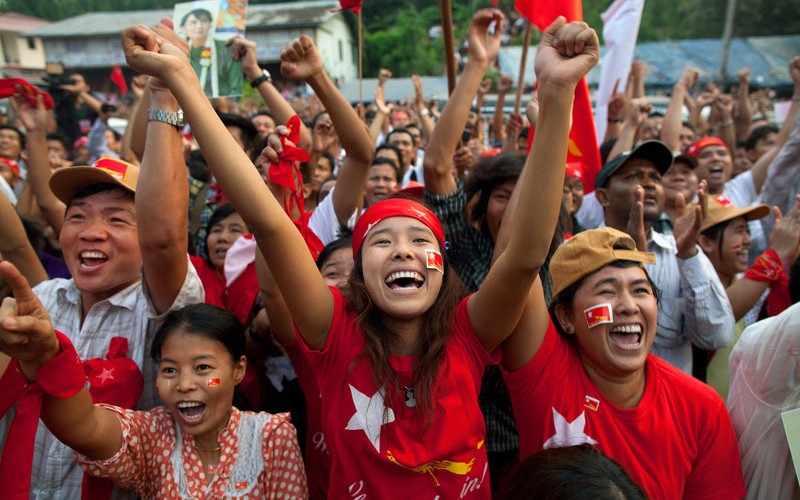
General elections were held in Myanmar on November the 8th and, as the counting of votes ended, the National League for Democracy (NLD), led by the popular leader and Nobel Prize winner Aung San Suu Kyi, has secured more than 80% of the available parliament seats.

Myanmar is still a country in its infancy when it comes to electoral democracy, indeed it is just the second time that citizens attend the polls, after fifty years of military dictatorship. November 8th vote aimed to renew 500 of the 664 seats in the two Houses of Parliament and the NLD, the ruling party in the previous legislature, was expected to get even more votes than those won in the 2015 elections. Expectations were confirmed by the counts, which have given to Suu Kyi 396 out of the 498 seats assigned. It is a landslide victory for the majority, which however will still have to deal with the veto power of the military forces, that according to the constitutional provisions hold 25% of the seats.

Elections came following a resurgence of Covid-19 cases in Myanmar, which since mid-August has documented more than 60.000 infections and 1.390 deaths. Due to the exponential increase of positive cases the opposing parties have asked for a postponement of the elections, nonetheless the NLD and the Electoral Commission insisted on bringing citizens to the polls. Elderly voters were allowed to vote early and the government provided adequate provisions, individual protection tools for the workers and measures guaranteeing social distancing in each polling station. 

The health emergency and security reasons related to ethnic tensions have made it difficult to access the vote in 51 electoral districts, corresponding to about 1.5 million people, according to the estimates calculated by the Electoral Commission. The most affected population by the voting restrictions is located in the Rakhine region, where currently there are hostilities between the minorities and the military forces. The western part of the country is also populated by the Rohingya minority group, who is not considered part of the national population as they are immigrants from Bangladesh, consequently they were unable to go to the polls.

The Union Solidarity Development Party (USDP) supported by the military forces was the main opponent of the NLD in the last elections. Myanmar’s commander-in-chief, High General Min Aung Hlaing, at first place refused to honour the general elections results, criticizing the controversial handling of electoral procedures. However, on Sunday, after casting his vote, the General declared that “he must accept the result, as an expression of the people’s will”.

Despite widespread criticism to the management of the elections, defined as "fundamentally imperfect", the feedback on the national level is absolutely favourable to Suu Kyi and the National League for Democracy. The general elections were seen as a real referendum on the work of the NLD in the previous legislature and the interviews outside the polling booths confirmed that most citizens were satisfied with the results of the party, thanks to which Myanmar seems to head towards a future of freedom. In the last pre-election rally, Suu Kyi promised to strengthen the country’s democratic structures if re-elected. Recognizing the complaints arising from the management of the vote, she said that "the important thing is to solve these problems by peaceful means within the limits of the law" and advised the voters to remain calm and preserve stability.

In conclusion, such a favourable result for the NLD could offer Suu Kyi's party the opportunity to emancipate itself to a greater extent from the military junta and even attempt to rewrite the constitutional provisions that give the army control over three key ministries: Interior, Defence and Foreign Affairs. On the other hand, the Burmese leader has already highlighted the priorities of her second term. First of all, the fight against the pandemic, which hit Myanmar with a second wave during the election period, but also the implementation of measures oriented to face the economic crisis and accelerate the peace process between the various ethnic minorities in disagreement with the central government.

By Emilia Leban 

Singapore bets on cryptocurrencies

How Singapore is becoming the new Asian capital of digital currencies 

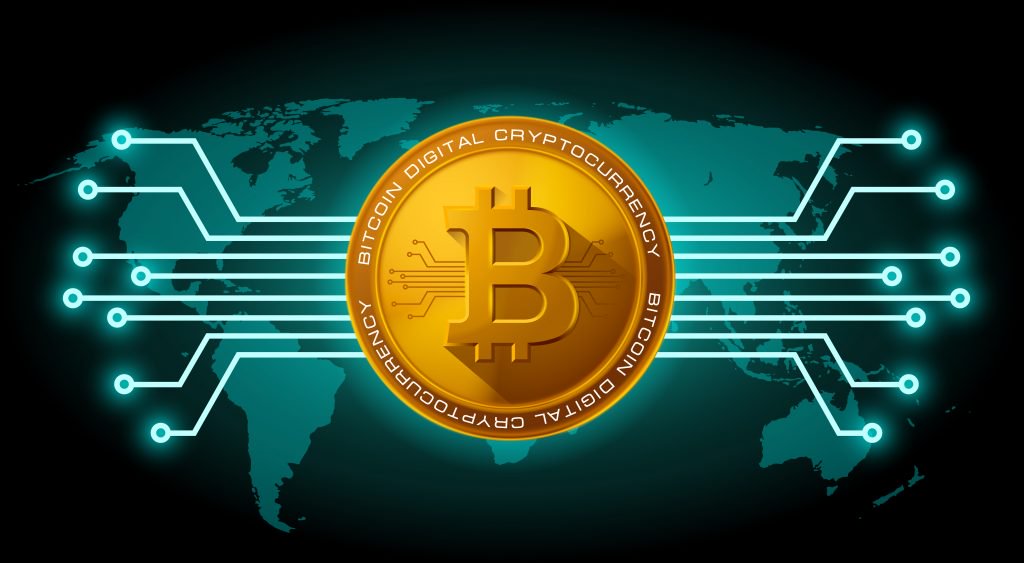
At the end of October, one of Southeast Asia's largest banks, BDS Bank of Singapore, accidentally posted information concerning the imminent launch of their cryptocurrency exchange. Despite being deleted, a Twitter user managed to take a screenshot. The exchange would support the Singapore, American and Hong Kong Dollars and the Japanese Yen alongside some of the main cryptocurrencies. The platform would also include tokenization services for securities and assets, and custodian services for cryptocurrencies and tokens. However, the exchange is still under development and awaiting for regulators’ approval. The news confirm not only the interest of Singapore for the digital transformation of finance but also the recognition by traditional banks of the growing potential of cryptocurrencies.

Several industry leaders have already opened their offices in Singapore, such as Binance (a leading trading platform), Wirex (a payments platform) and Coinbase (cryptocurrencies exchange). And 91 new start-ups have been established in the small city-state in 2020, for a total of 234 new entities in this industry. Some of these are involved in projects with Mastercard, Visa, Alibaba, Tencent and Facebook.

In the broader Asia-Pacific, the first countries that adopted the cryptocurrencies were Japan, China and South Korea, despite in some cases either limiting or banding their usage. Singapore opted for a different approach. The Monetary Authority of Singapore (MAS) – the local Central Bank and regulatory authority – has proactively monitored the evolution of these technologies and businesses. It first advised consumers and investors on the risks involved in these kind of investments. In some instances it directly intervened by asking to return the funds to investors of a Singapore based ICO or by sending warnings to cryptocurrencies exchanges that did not properly inform local authorities on their activities.

The purpose of these actions was not aimed at disrupting or prohibiting these new businesses but rather to monitor this new industry in order to develop an adequate regulatory framework. In 2017 a Guide to Digital Token Offerings was issued and in 2019 a more detailed regulation, in effect as of January 2020, the Payment Services Act, was developed. This law regulates digital payment services, including cryptocurrency exchanges in Singapore. As a consequence, entities that operate in the crypto space need to register and obtain a license in order to do business in Singapore.

Having a clear regulatory environment in this new industry will allow Singapore to maintain its current international financial center status as well as take advantage of these new technologies and investment opportunities. In the meantime, many jobs opportunities have already been created. 

The government of Singapore is also interested in these new technologies for other reasons. Blockchain technologies are not limited to the financial space. The way information is organized and stored grants a very high degree of security. It allows to create what one could call a “digital authentic”. Its applications are therefore not limited to the monetary, but they can be extended to other fields such as the public administration, register office management and other public services.

MAS has recently announced it shall grant 180 million USD in the next three years to the financial sector. These funds shall be aimed at Fintech and financial digitation projects, including artificial intelligence for financial services. With the National University of Singapore and the National Research Foundation, MAS has also established the Asian Institute of Digital Finance which aims at promoting and coordinating innovation between universities, research institutions and businesses in order to promote projects ranging from Fintech, blockchain, digital financial platforms up to next generation financial services on 5G networks. It’s starting its operations by the end of this year.

It seems that Singapore is setting up the basis to become a hub of technological innovation in the digitization of finance. The idea is to promote public and private synergies to cultivate the digital financial environment of Singapore, and this strategy may very well lead to a successful outcome.  

By Luca Annone

A green future for ASEAN: responding to climate change through sustainability

The region focuses on technological innovation and respect for the environment

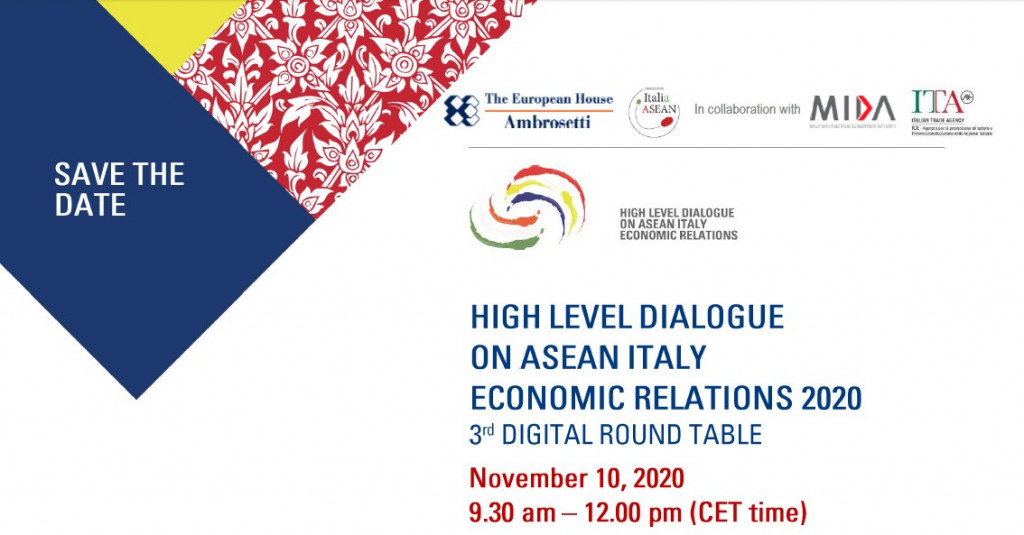
On Tuesday the 10th of November, the third round table of the Digital High Level Dialogue organized by The European House Ambrosetti in collaboration with the Italy-ASEAN Association was held on the theme of the relations between Italy and the Association of Southeast Asian Nations. The region is revealing to be a promising area for import/export activities, as well as a good destination for investments in sustainable development and circular economy. For instance, the experience of ASEAN countries in managing the Covid-19 pandemic has shown us how international problems can be addressed through collective actions and with a resilient approach. However, the threat of climate change persists and it requires the adoption of appropriate solutions by institutions and companies.

A hopeful sign comes from the “Renewables 2020” report of the International Energy Agency (IEA), according to which in 2020 we have witnessed an increase in renewable energy worldwide, accounting for 90% of the new energy generated globally with the remaining 10% derived from gas and coal. The growth forecasts for 2021 also suggest an equally optimistic result: Renewable Energy Sources (RES) will become the main source of electricity production on a global scale by 2025.

As far as ASEAN countries are concerned, climate change is a challenge to their very existence. Indeed, the region is known for its humid tropical climate, characterized by an average temperature of over 18ºC and by continuous monsoon rains. However, the consequences of pollution, rising sea levels and increasing CO2 emissions already appear in a disruptive way through natural disasters and the so-called "climate migration" which affects the region’s socio-economic dimension. According to a study by the Asian Development Bank (ADB), the region’s GDP could shrink by 11% by 2100 in the absence of suitable measures.

However, ASEAN governments are moving on the right track by enhancing their intention to adopt sustainable, inclusive and long lasting development models. They will meet at the 38th edition of the ASEAN Ministers on Energy Meeting (AMEM) which will take place from the 17th to the 20th of November, a moment of discussion on the issue of “Energy transition to sustainable development” to assess to what extent "sustainability" and "circular economy" are becoming a priority within the institutional agendas.

During the meeting, in order to underline this path of growth towards sustainable development, statements from companies in the region have been crucial relatively to sectors that, alongside the action of governments, are showing a clear interest upon increased green development. This is the case reported by Claudia Anselmi, CEO of Hung Yen Knitting & Dyeing Co., a leading company in the textile industry founded in Vietnam in 2008 by the Italian group Carvico, and remarked for its sustainable approach aimed at reducing waste and improving the efficiency of the production chain. However, for what other sectors are concerned, as pointed out by Alberto Maria Martinelli, President of the Italian Chamber of Commerce in Singapore, green investments are necessary to achieve sustainable infrastructure and technologies. The case of the agricultural sector, which is increasingly threatened by natural disasters and in which digitalization can play a fundamental contribution through the use of predictive models, serves as an example. This phenomenon, known as “digital agriculture”, is becoming increasingly central in the debate over the protection of populations threatened by natural disasters, and is in line with the 2030 Sustainable Development Goals of the United Nations.

Therefore, there is no doubt that climate change has existed way before the outbreak of the Covid-19 pandemic, but only the latter has succeeded in disclosing the need for sustainable global change. For that reason, Italy and the ASEAN countries are showing that they are able to seize this opportunity through greater investment in technological innovation and an eco-friendly approach aimed at strengthening international cooperation.

The importance of the Pan-Asia Railway Network for Southeast Asia

La rete ferroviaria ad alta velocità che collegherà Kunming a Singapore contribuirà ad aumentare l’integrazione economica in Asia orientale

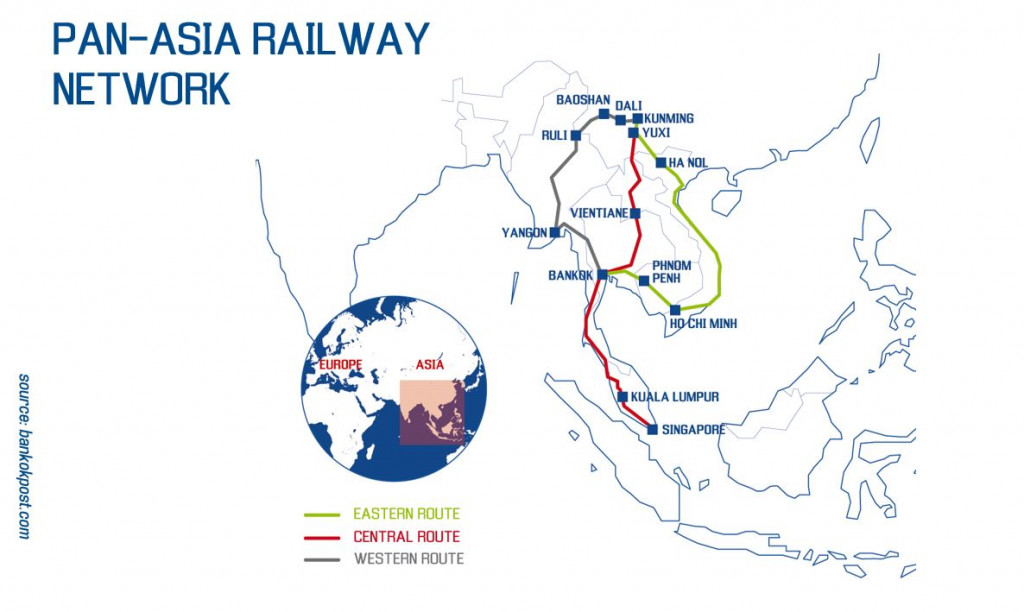
The Kunming-Singapore railway, also known as Pan-Asia Railway Network, is one of the most ambitious infrastructure projects currently under construction in Asia and it was designed with the aim of connecting Southeast Asia to the southern provinces of China. Consisting of a huge network of railway lines, with some of them already operational, once completed the Pan-Asia Railway Network will connect the city of Kunming, capital of the Yunnan province and the economic center of Southern China, to Singapore, passing through Thailand, Cambodia, Vietnam, Laos and Myanmar.

The project’s foundation dates back at the end of the 19th century, when French and British colonial powers agreed on a joint development transport network in order to connect southwestern China to the Indochinese peninsula. The goal was to facilitate the European’s export of goods and manufactured products to the region, as well as to exploit the huge mineral resources of Yunnan; however, the many conflicts that occurred over the next century dealt a severe blow to European commercial ambitions. After the Second World War, the newborn countries in the area were too busy to achieve their independence processes instead of building a functional transport system. Also due to the low economic importance of Southeast Asia which did not justify such a huge investment, the project was delayed for decades.

At the very beginning of the 21th century, China has emerged as the new superpower in the continent. All the countries in the area have benefited from its impetuous economic growth, so much so that in the early 2000s both ASEAN and China realized it was time to improve regional infrastructures. With the launch of the “Belt and Road Initiative” in 2013, the strategic relevance of Kunming-Singapore has further increased. The Chinese government has invested significant amounts of money with the ambition to connect the whole continent: Beijing is focusing strongly on Southeast Asia, directing almost a third of the total investments of the BRI towards ASEAN countries.

Several projects have been proposed to complete the Pan-Asia Railway Network, which today sees three giant routes under construction: the main section will link Kunming to Singapore via Bangkok; the eastern route from Kunming to Ho Chi Minh City via Hanoi; and the western route, from Kunming to Yangon in Myanmar, still in its planning stage.

The Pan-Asia Railway Network will have a significant geopolitical impact for the ASEAN countries located in the Indochinese peninsula: a project of this magnitude represents a unique opportunity to strengthen their economic ties within the region and with the rest of the international community. The approximately 5,500 km of future railway lines will contribute to increasing circulation of goods, people and ideas in East Asia in the next decades, generating a positive outcome for all the parts involved.

However, such a huge project doesn’t come without any significant drawbacks. In many cases there was no lack of delays or postponements in the implementation phase due to various structural difficulties. For instance, the complex geomorphology in Myanmar and Laos’s territory is causing a lot of difficulties for local engineers and, on the other hand, various ethnic groups living along the route of the new railways are protesting against the impact that construction sites will bring in their communities. In addition, existing rail networks in Thailand, Vietnam, Malaysia and Cambodia are still unable to ensure the functioning of a high-speed trains, partly because many railways are single-track and partly because they are poorly maintained. Cambodia in particular has the widest infrastructural gap, with much of the infrastructure built by the French colonial authority out of use for decades.

Also, the main concern for some Southeast Asian governments is that China may leverage investments to gain financial and political influence in addition to operational control. In fact, Beijing does not provide grants but loans to third countries, and it can therefore take over the project whether the receiving country is unable to repay its debt. United States are also concerned about a weakening of its relations with the ASEAN countries and in particular with Singapore, which is Washington's most faithful ally in the region and the one with the greatest strategic importance. The possibility of directly connecting Singapore to the People's Republic assigns to the project a strong geopolitical importance, because if Beijing succeeds in bringing the city-state into its orbit, it would weaken the American strategic primacy and it would have more opportunities to operate within the Indo-Pacific region.

Despite these concerns, Chinese infrastructure projects will continue to have great importance for the ASEAN countries, because they still rely on Beijing's investments and on the opportunities that the huge Chinese market can guarantee them. The Chinese giant’s firepower will be key to further developing infrastructure in the East Asian region, however Southeast Asian nations must balance their relations with China in order to avoid losing geopolitical weight while taking advantage of the economic opportunities arising from the relationship with Beijing.

By Diego Mastromatteo

The sustainable independence of Laos

Drought and debt force the country of the 'Million Elephants' to rethink its development strategy

The Lao People's Democratic Republic (PDR) is the only ASEAN member state that does not have a direct outlet to the sea: in fact, the small mountainous country borders with China and Myanmar to the north, Vietnam to the east, Cambodia to the South and with Thailand to the West. While landlocked Laos grapples with limited access to the main maritime trade routes and little attractiveness for foreign investors, its strategic position draws the attention of great powers. Indeed, the PDR, the heir to the ancient Kingdom of Lan Xang, the 'Million Elephants', is increasingly crucial in the "battle for hearts and minds in Southeast Asia”.

These lofty statements reflect fairly well the situation of Laos throughout the past three centuries. Following the dissolution of the Great Kingdom into smaller vassal states of Burma (Myanmar) and Siam (Thailand), Laos was reunified only at the end of the 19th century, when it became a French Protectorate. When the country finally got rid of its colonial masters, the outbreak of the Vietnam War wretchedly compromised the country’s hardly-won independence. During the period 1959-1975, the Kingdom of Laos was the scene of a bloody proxy war between the United States and North Vietnam, which led, eventually, to the victory of the Laotian Communists and the creation of the People's Republic.

The first twenty years of independent Laos were strongly marked by the 'special relationship' between Laos and Vietnam celebrated and sanctioned in the Treaty of Friendship and Cooperation of 1977. Only the end of the Cold War and the dissolution of the Soviet Union allowed Laos to break its economic and diplomatic isolation and to restore ties with its other neighboring countries. The first Thai-Lao Friendship Bridge, inaugurated in 1994 thanks to Australian funding, well represents the change. 

The Mekong River, the most famous 'Mother of Waters' in Southeast Asia, played a crucial role in reviving the Laotian economy and re-connect it with the ASEAN, which Laos joined in 1997. Between 1994 and 2019, the country's GDP grew by an average of 7% per year, thanks to a gradual opening to foreign trade and the exploitation of its rich mineral resources. Most notably, the Laotian government invested heavily in the hydroelectric sector, building dozens of dams along the Mekong and its tributaries with the aim to become the new “Battery of Asia”.

While downstream states initially opposed the project, especially wary of Chinese involvement in the project and potential impact on their economy, their individual interests eventually prevailed. Thailand, for instance, is the main destination of the 6457 MW of energy produced in Laotian hydroelectric power plants and intended for export. 63 plants are already operational, whereas 37 more will be added in the foreseeable future. Ironically, while Vietnam is traditionally the staunchest opponent of the dams, construction also involves prominent Vietnamese companies (Vietnam itself would be the second recipient of Laotian exports!). While environmental NGOs and local committees have always spoken out against the project, more recently, several international organizations have highlighted the limits of a growth model based on the indiscriminate exploitation of natural resources.

The Asian Development Bank, for example, placed emphasis on the structural weaknesses of the energy sector, which offers a very limited number of jobs and lacks connections with the rest of the economy. In fact, about 75% of the Laotian workforce is employed in agriculture, heavily affected by the record drought which last spring brought the economies of the lower Mekong to their knees, due to the compounded effect of climate change and Laotian and Chinese dams. The global crisis of Covid-19, which wiped out the earnings of the tourism industry and significantly reduced the amount of foreign remittances, contributed to a sharp fall in tax revenues and foreign currency reserves. The choice of Fitch Ratings to further downgrade the Laotian economy, from B- to CCC, demonstrates the concern of international creditors about the country's ability to repay its debts (without falling into the ‘debt trap’) .

Within the 8th National Socio-Economic Development Plan 2016-2020, the Laotian government acknowledged the need to create a 'green' agenda that guarantees sustainable and inclusive development for the country. Political will alone, however, is not enough for reforms to succeed: there must also be effective institutions, modern infrastructures and, of course, appropriate investments. The next five-year plan 2021-2025 will hopefully fill the gap. According to a first draft circulated by the Ministry of Planning and Investments, the 9th plan set one new goal: strengthening international cooperation. For once, the government seems to agree with Kishore Mahbubani: "the wisest thing Laos can do to protect its independence (...) is to become one of the ASEAN champions".

By Francesco Brusaporco

Indonesia moves its capital city: complications of the megalopolis in South-east Asia

A few months after his re-election, Indonesian President Joko Widodo announced the move of the capital from Java to Kalimantan 

Jakarta, the capital city of Indonesia located on the Java’s island northwestern coast, has a population of nearly 11 million inhabitants. The enormous surrounding metropolitan area Jabodetabek, name after the five megacities that comprise the area( Jakarta, Bogor, Depok, Tangerang and Bekasi) easily reaches a population of 30 million inhabitants. 

A study conducted by Euromonitor International reveals that Jakarta will become the most populous city in the world by 2030, with a total population of 35.6 million inhabitants, surpassing today’s Greater Tokyo.

With a density of over 14,000 inhabitants per km², overpopulation is one of the main problems of the Indonesian capital, in addition to other critical issues, including atmospheric and water pollution. 

According to the TomTom Traffic Index 2019, Jakarta is included in the top ten most congested cities in the world, with a road congestion level of 53%, which significantly impacts its air quality level. It is estimated that the inhabitants of Jakarta spend 22 days per year in traffic, with a loss to the economy amounting to $7 billion annually.

Furthermore, there are more problems complicating Jakarta’s current condition: the remarkable rise of sea levels caused by global warming, the massive presence of asphalt and cement that does not allow water to flow into the soil and the excessive extraction of water from underground aquifers, as a consequence of scarce water distribution. In addition, the capital is hit by frequent and dangerous flooding all over the metropolitan area. 

Due to these phenomena, Jakarta is sinking at the rate of 25 centimeters per year and half of the city stands already below sea level. A survey estimates that 95% of the northern part of the city will be completely submerged by 2050.

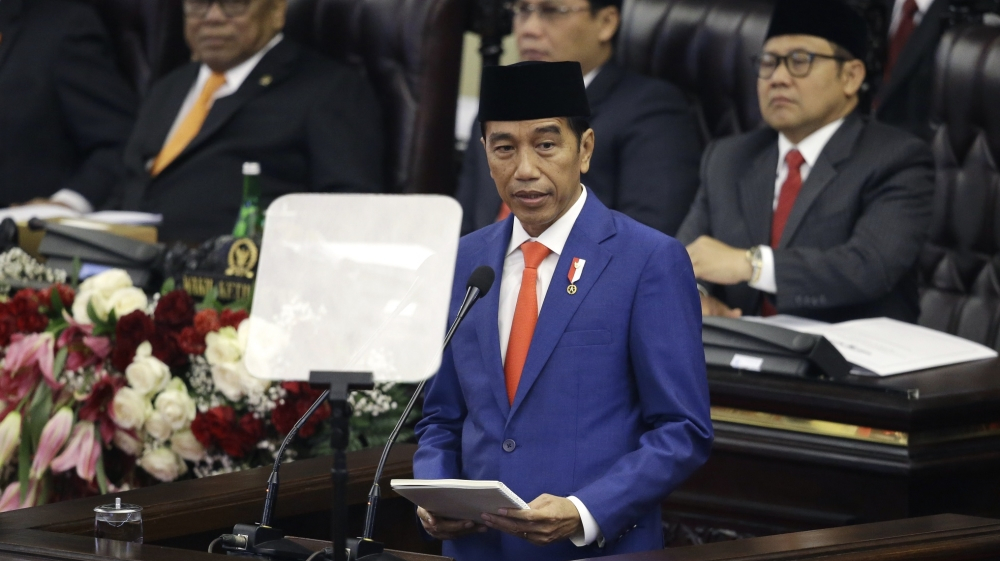
These issues pushed President Jokowi to move the capital from the island of Java, the political and economic heart of the entire nation, to Kalimantan. On August 16, 2019, a mere three months after commencing his second term as president of Indonesia, Jokowi stated that «the relocation of the capital is necessary to achieve economic equality. It serves to achieve the progress of Indonesia».

This is not a new issue in Indonesia, but rather a plan that has been repeatedly discussed for a long time, which Jokowi now aims to carry out. «The plan to move the capital city was considered for many years, since the era of the first President of the Republic of Indonesia, Sukarno. As a great nation that has been independent for 74 years, Indonesia has never chosen its own capital», said Jokowi, explaining that the decision was made to lighten Jakarta and Java from the burden of their functions. 

«Jakarta’s burden is currently too heavy being the center of government, business, finance, trade and services, as well as the largest airport and seaport in Indonesia. The burden on the island of Java is getting worse as well, with a population of 150 million, 54% of Indonesia’s total population and 58% of Indonesia’s economic GDP comes from Java, which also represents a source for food security», declared Jokowi. He also emphasized the immediate urgency of facing these issues in order that «this burden on Jakarta and Java, in terms of population density, traffic, air and water pollution, does not become even more onerous». 

Indonesia would not be the first ASEAN country to move its own capital city: Malaysia did so in 1999 and Myanmar in 2006. Other countries such as Egypt , Pakistan, Kazakhstan, Nigeria and Brazil followed suit, highlighting a rapidly spreading trend among developing countries. 

On August 26, 2019, Jokowi officially announced the move of the capital to Kalimantan, the Indonesian part of the island of Borneo and the second largest province in Indonesia. This area boasts exceptional natural resources and is much less densely populated than Java, with 13 million inhabitants. The choice specifically concerns an area of 180,000 hectares, between the cities of Balikapan and Samarinda, in the eastern province of Kalimantan, which records «a minimal risk of natural disasters, including floods, earthquakes, tsunamis, forest fires, volcanic eruptions and landslides, with its strategic position in the center of Indonesia, bordering developed urban areas with adequate infrastructure» explained Jokowi. 

The capital relocation project, which will cost 466 trillion Indonesian rupiah ($33 billion), has been included in the National Medium-Term Development Plan 2020-2025. The start of the first phase of infrastructure development is set for the second half of 2020 ending in 2024. However, the Minister of National Development Planning recently announced that the new capital construction plan will be postponed until 2021, in order to give priority to the emergency situation caused by the Covid-19 pandemic. 

Hence, Indonesia is trying to tackle and solve the problems of its capital city, common among many other megalopolises in South-East Asia, setting very ambitious goals. A new, great beginning, just waiting to be put into motion. 

By Annalisa Manzo 

Trade Expo Indonesia 2020: the very first B2B virtual fair

A great opportunity to relaunch Made in Indonesia exports

Covid-19 has led people and companies to reshape their activities, and the events sector in particular has understandably suffered the situation. However, despite the inability to attract and manage massive numbers of spectators and visitors in attendance (events such as the Tokyo 2020 Olympics and the UEFA European Football Championship have been delayed), the events sector is expressing its vitality despite current contingencies. After all, it is all about the ancestral human need for sociality.

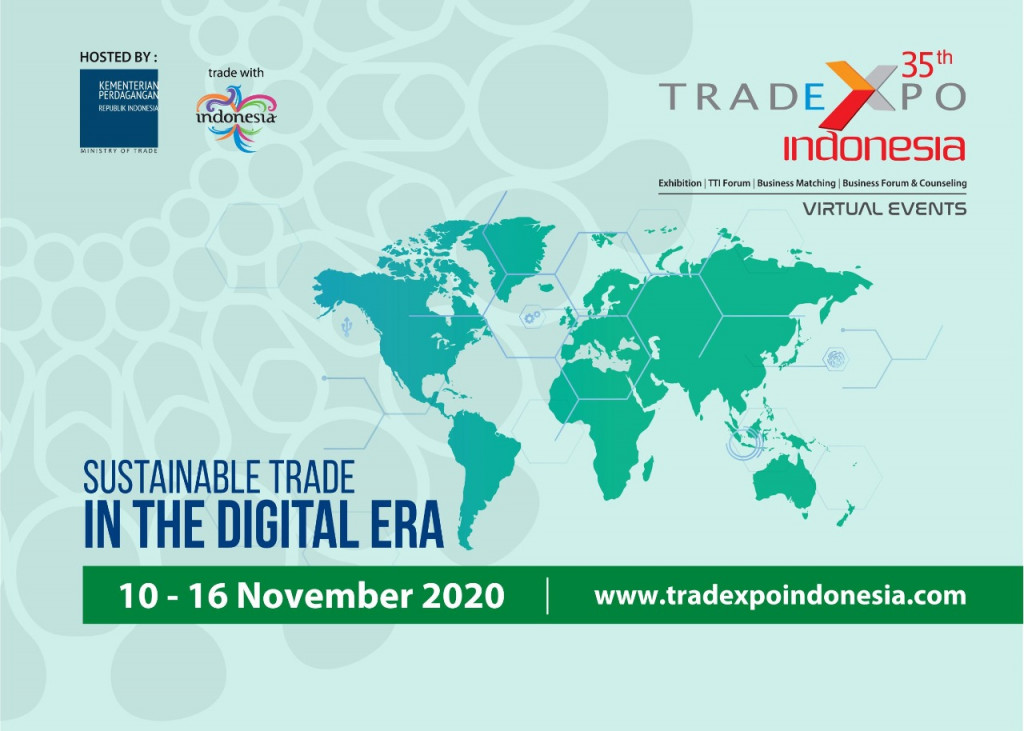
In this respect, the Indonesian government is organizing from the 10th to the16th of November 2020 the 35th edition of one of the most important B2B fairs for the country, the “Trade Expo Indonesia Virtual Exhibition (TEI-VE) 2020”. The online event will host more than 400 companies from all over the world and this year’s theme will be "Sustainable Trade in The Digital Era". Thanks to 3D technology, buyers will be able to have access to a virtual exhibition platform, through which they can develop business networks and cultivate investment opportunities.

The event will also be an opportunity to learn more about Made in Indonesia products and, parallel to the exhibition, participants will be able to join round tables on trade and touris, encouraged by business matching sessions. Exhibitors will include leading catering, craft and fashion companies, as well as companies from the manufacturing and tertiary sectors. In order to cater for the lack of aggregation and networking opportunities, the event will include both virtual opening and closing ceremonies and supporting tools addressed to buyers and suppliers, with the aim of offering them a complete virtual experience on business and investment opportunities. Moreover, the event will witness the granting of the Primaniyarta Award, the highest national recognition by the Indonesian Government to the most successful exporters.

Therefore, the fair is a very important moment for Indonesia. In this regard, the Ministry of Trade reported the success of the previous edition that achieved transactions of $10.96 billion. An increase of 29.04%, if compared to the 2018 transactions of $8.49 billion. “With the current situation of the Covid-19 pandemic, we cannot stop" said Minister of Trade Agus Suparmanto who then added "this is one of our efforts to fight the virus". Indeed, he hopes that the TEI-VE 2020 can mark the beginning of a new era for the world of B2B fairs, showing commercial operators that it is possible to activate international trade through virtual tools.

This opportunity fully represents the responsiveness and resilience that have characterized the ASEAN countries in previous months. In the new context imposed by the current health emergency, Indonesia has been able to react to the challenge by rethinking one of the most important moments for the country’s trade policy. The event will be full of novelties and contents, which could give interesting indications on the future of the events sector and on the state of international trade.

RCEP: the agreement that will change the global balance of power

The signing of the free trade agreement, expected by the end of 2020, could boost confidence in international cooperation 

The idea of giving life to a mega regional trade agreement emerged, capable of bringing together almost all the actors in East Asia, emerged in 2012. The ASEAN members gathered at the 21st ASEAN summit in Cambodia outlined at the time a strategy based on commercial convergence to be adopted in the years to come, and which would end up with the negotiation of the Regional Comprehensive Economic Partnership (RCEP), a free trade agreement of massive dimensions and global importance, which is expected to be concluded by the end of 2020. 

Initially 16 nations were supposed to take part in the deal, but India decided to abandon the project due to conditions relating to the progressive reduction of customs tariffs. According to the Indian authorities, the new rules would have made the access to the domestic market for items of Chinese and Australian origin much easier, damaging local producers and leading to considerable economic imbalances. Thus, the adhering nations have been reduced to the 10 ASEAN members (Brunei, Cambodia, Indonesia, Laos, Malaysia, Burma, Philippines, Singapore, Thailand and Vietnam) plus China, Japan, South Korea, Australia and New Zealand.

Despite New Delhi’s bail out, the RCEP is set to become the largest free trade agreement in the world. Indeed, the 15 participants of the partnership are among the major developing countries and they cover collectively about 30% of the world's GDP and population. At the same time, the RCEP is arranged as a broad and comprehensive agreement, capable of observing the different facets of economic action, including forms of cooperation between members and dispute resolution mechanisms in addition to mere commercial provisions. It aims, on one hand, to incorporate the commitments established by the World Trade Organization (WTO) for a deeper reduction of tariff barriers and, on the other, to integrate provisions beyond the WTO, expected to address other regulatory issues. Among these, are to be mentioned the chapters dedicated to small and medium-sized enterprises, e-commerce, dispute resolution mechanisms, intellectual property and the definition of procedures for interstate economic and technical cooperation.

From a political-economic point of view, the RCEP has all the potential to become a reference for commercial standards related to new free trade agreements in Asia and beyond. It is going to set a legal precedent for future regional and international relations. Beyond numbers and statistics, the conclusion of an agreement of this extent occurs at a crucial moment for global economic governance, in which multilateralism is increasingly giving way to nationalists and, occasionally, unilateral policies. The economic recession caused by the Covid-19 pandemic has, indeed, consolidated a trend that has shown itself to be growing in recent years, especially with regard to the United States, a still dominant player on the world scene. Just as the Trump presidency erects tariff barriers and reduces foreign trade in the name of "America First", part of the Asian continent is moving in a different direction, in support of multilateralism in line with an international economic order based on precise rules. 

Con la ratifica del RCEP, in aggiunta al Comprehensive and Progressive Agreement for Trans-Pacific Partnership, l’Asia orientale potrà fare affidamento su due giganteschi accordi commerciali che hanno il pregio di promuovere l’integrazione e la stabilità regionale e di rafforzare la centralità dell’ASEAN, tanto nell’Indopacifico, quanto nel panorama internazionale. Tali accordi combinati plasmeranno il più grande blocco commerciale del mondo, coprendo più di un terzo del PIL globale, e contribuendo a questo per circa 137 miliardi di dollari USA nel lungo periodo.

Nel contesto delle controversie commerciali tra Stati Uniti e Cina, il RCEP invia un forte segnale al mondo, manifestando a gran voce la volontà di apertura del continente asiatico. Non a caso, dopo la crisi finanziaria del 1997, la risposta dell’ASEAN alle turbolenze politiche e monetarie è stata quella di raddoppiare i suoi sforzi per un’integrazione economica sempre più inclusiva. La conseguenza finale potrebbe essere uno slittamento degli equilibri mondiali a favore dell’emisfero asiatico, rendendo il RCEP un’importante opportunità di cooperazione con Paesi finora ritenuti quasi secondari e un’occasione di ristabilire la fiducia collettiva nonostante la crescente instabilità del sistema globale. 

By Emilia Leban

The strategic partnership between EU and ASEAN

Deepening cooperation between the two regions will be beneficial to address common global challenges

The EU-ASEAN partnership dates back to 1972, when the European Economic Community became ASEAN’s first formal dialogue partner. Over the past 48 years, cooperation between the two actors has notably flourished with a view to encompass ever more strategic areas and to foster dialogue on economic, political, security, and socio-cultural issues.

These topics have become increasingly important in EU-ASEAN relations. Hence, in order to address them, the two regions promoted several initiatives to enhance coordination and cooperation based on common interests and values, among which technical level meetings periodical ministerial meetings, and major events, such as the High-Level Dialogues. 

Economic cooperation in particular has become relevant, as it is generating significant mutual benefits for both actors. Inter-regional trade and investment have significantly intensified in the last decades. To date, the EU is ASEAN’s second largest trading partner and ASEAN is the EU’s third largest trading partner. In 2018 the total merchandise trade was €237 billion, double the figure from 2008, while trade in services - €88.3 - was more than twice in 2017 compared to 2007. The EU remains the biggest provider of foreign direct investment in ASEAN with a value of €330 billion, based on 2017 figures. Furthermore, half of the EU cooperation funding to ASEAN for the 2014-2020 period has been allocated towards Southeast Asia’s economic integration and the ASEAN Economic Community, with specific projects aimed at promoting dialogue and cooperation in the economic and commercial domains. Singapore and Vietnam have already signed a comprehensive free trade agreement with the EU and negotiations are gradually evolving with several other ASEAN member states in view of the possible definition of a region to region EU-ASEAN commercial agreement. Despite the impact of the global pandemic, both organizations appear to be determined to continue investing in economic cooperation in order to strengthen the resilience of the global system. 

On security issues, although coordination between the two actors has increased in the past years, significant progress still has to be achieved. The first relatively successful European Security and Defence Policy mission in Southeast Asia – the Aceh Monitoring Mission, focused on the peace process in Aceh, Indonesia – lacked adequate follow-up steps and wasn’t able to produce concrete results. However, the EU-ASEAN security cooperation has considerably expanded in the field of non-traditional security matters among which cybersecurity, de-radicalization, chemical, biological, radiological and nuclear threats. In this regard, the EU Chemical, Biological, Radiological and Nuclear (CBRN) Risk Mitigation Centers of Excellence initiative was set up with the purpose of strengthening coordination with partner countries, among which ASEAN members states, and reducing CBRN related risks at the national, regional and international level. For the future, a comprehensive EU-ASEAN partnership also emphasizing capacity building in security matters will be curial to enhance the interests of both actors in the Pacific region. 

Moreover, the two regions are working together to improve cooperation also in other fields, among which culture, education and innovation. Indeed, EU-ASEAN cooperation aims to build societies where emphasis is given to common well-being and social welfare. Amidst several initiatives, increased emphasis was posed to higher education, as one key thematic area of EU-ASEAN cooperation. Since 2014, over 5500 students and staff from Southeast Asian universities have travelled to Europe, funded by the EU and its member states, and nearly 3000 European students and staff have worked or studied in ASEAN under the Erasmus+ program. Academic cooperation also includes the Horizon 2020 program, which supports research and innovation with collaborative projects in the ASEAN region, covering areas that include health, food, environment and nanotechnology. 

As the two major regional integration projects in the world, ASEAN and the European Union appear to be natural partners, bonded by shared values and interests in enhancing peace, stability and prosperity for their citizens. Both are committed to address the emerging challenges with a multilateral approach focused on dialogue and cooperation. On January 22nd, 2019, the EU-ASEAN meeting of Foreign Ministers agreed to upgrade EU-ASEAN relations to the Strategic Partnership level, recognizing the impressive progress made in the implementation of the EU-ASEAN Plan of Action for 2018-2022. This will allow increased engagement on key regional issues as well as on the most pressing global challenges of this century, including responding to the climate emergency and the promotion of peace and security. Further effort will be needed in this delicate phase characterized by the global pandemic, in order to strengthen relations between the two regions and achieve concrete results in adjusting the globalization process to benefit as many citizens as possible while respecting the environment and protecting the most vulnerable.

By Ngoc lien Tran 

Myanmar, a fragile stability at the electoral challenge

The shadow of Covid-19 on the 2020 general elections, between minority rights and ongoing conflicts

On November the 8th the general parliamentary elections will take place in Myanmar. Five years ago, in 2015, the country held its first democratic elections, after decades of military dictatorship, which determined the victory of the National League for Democracy (NLD), lead by Aung San Suu Kyi, Nobel prize and pro-democracy icon. 

However, despite the landslide success in 2015, the NLD hasn’t been able to make significant changes to the Burmese political system and has failed in its intent to amend the Constitution. Indeed, a qualified majority of 75% of parliamentarians is needed to modify the constitutional charter, and at the moment the military holds 25% of the seats and three key ministries (Foreign Affairs, Internal Affairs and Defence). As a consequence, Suu Kyi’s government has failed to achieve its reform goals. 

In addition, in order to deny Suu Kyi the Presidency, the military has included a provision in the Constitution according to which the President cannot have a spouse or children in possession of foreign citizenship. Unfortunately, this is precisely the case of the NLD leader. In the past years, Suu Kyi has partially avoided the obstacle by creating the role of State’s Councillor, which she has held so far, but the possibility of accessing the Presidency of Myanmar remains excluded for her. 

Almost certainly the next elections, which will take place in a tense context due to Covid-19 security measures, will again see the victory of Aung San Suu Kyi's NLD which, however, could lose the absolute majority that currently allows the party to govern alone. According to pre-election polls, smaller parties, representing specific minorities, should increase their seats in Parliament and force the NLD into a government coalition. Although Aung San Suu Kyi and her party still remain very popular among the Buddhist majority, known as Bamar, many analysts agree that their consensus has shrunk among the many and diverse minor ethnic groups scattered across the country and which cover over 40% of the population. Indeed, it should be pointed out that Myanmar is affected, perhaps more than other Southeast Asian nations, by the different geographical and cultural convergences that characterize the social fabric of the country. These elements have conditioned the formation of national unity, which is particularly difficult, both from an ethnic, political and social point of view.

Moreover, the spread of the new coronavirus, which could have unpredictable effects on the results, also hangs on the election of November 8th. According to some observers, the restrictions on rallies are likely to benefit large parties such as the NLD and the military-backed Union Solidarity and Development Party (USDP). However, much will depend on how Myanmar handles the spread of the virus in the weeks to come. Certainly, however, the combination of strict anti-Covid provisions, ethnic conflicts and poor monitoring by international observers presents questions about the regularity of the electoral process in Myanmar.

The current opposition and the military themselves are even trying to postpone the elections, but Suu Kyi worries that accepting this request would be perceived as a sign of weakness, an evidence of defeat towards the pandemic. Furthermore, part of the population cannot access voting procedures. Mostly suffering from this condition are the Rohingya, a Muslim group located in the north of the country, in addition to the thousands of citizens residing in conflict zones, who will hardly be able to go to the polling stations. A complex situation that nevertheless presumes the victory of the NDL, both for its past history and for the privileged use of national media.

What, then, are the prospects for Myanmar after the elections? The hostilities between ethnic groups are by no means over and a possible way forward to ensure greater stability in the country could be the administrative decentralization, in addition to a strengthening of the protection policies for the minorities and the cultural differences of the peoples residing in the national territory. In between the global pandemic and internal tensions, there is no shortage of difficulties, and certainly these elections will play a crucial role in determining Myanmar's near future. 

By Emilia Leban

Recently active members
Foto del profilo di Alessio
Foto del profilo di Monika
Foto del profilo di Gabriel
Foto del profilo di Elena
Foto del profilo di Lorenzo
Foto del profilo di Alessandro
Foto del profilo di Cristina
Foto del profilo di Rocco
Foto del profilo di Clara Lomonaco
Foto del profilo di Redazione
Foto del profilo di Davide Gugliuzza
Foto del profilo di Anna Affranio
Foto del profilo di Ilaria Canali
Foto del profilo di Nicolò
Foto del profilo di Angelo Cangero
Who is online
There are no users currently online
Members
  • Foto del profilo di Alessio
    Active 8 ore, 33 minuti fa
  • Foto del profilo di Monika
    Active 3 giorni, 21 ore fa
  • Foto del profilo di Gabriel
    Active 3 settimane, 4 giorni fa
  • Foto del profilo di Elena
    Active 1 anno, 4 mesi fa
  • Foto del profilo di Lorenzo
    Active 2 years, 6 mesi fa