Asean

The Rise of Chinese Brands in Southeast Asia

From bubble tea to electric vehicles, Chinese brands are redefining consumer trends in ASEAN through speed, digital innovation, and winning local strategies

By Tommaso Magrini

In recent years, Chinese consumer brands have been steadily transforming the ASEAN region, gaining ground on both Western giants and well-established local players. Initially rooted in low-cost segments, they have evolved into sophisticated and innovative competitors, thanks to strong digital strategies, rapid expansion, and a high degree of localization.

Nel campo degli smartphone, marchi come Xiaomi, Oppo, Vivo, Realme e Transsion dominano oltre il 60% del mercato locali. In ambito EV, BYD e SAIC/Wuling contano per oltre il 75% delle vendite in ASEAN. Grazie a prezzi competitivi e soluzioni innovative (come leasing batterie o cambio rapido), questi marchi sfidano anche i leader occidentali. 

Southeast Asia has become the number one destination for Chinese exports, totaling $587 billion in 2024—a 12% increase over the previous year. The region offers dynamic markets: over 650 million people, a median age of 31, with 63% under 40, increasing digital connectivity, and limited brand loyalty. This combination makes ASEAN the ideal ground for Chinese brand expansion, especially at a time of commercial uncertainty, exacerbated by rising U.S. tariffs.

In the smartphone market, brands like Xiaomi, Oppo, Vivo, Realme, and Transsion now command over 60% of local market share. In the electric vehicle sector, BYD and SAIC/Wuling account for over 75% of EV sales in the region. With competitive pricing and innovative solutions—like battery leasing and fast-swapping systems—these companies are challenging established Western leaders.

In the food and beverage sector, chains like Mixue, Luckin Coffee, and Chagee have won over Southeast Asian consumers with localized offerings, viral digital marketing, and low-cost franchising. Mixue alone has more than 2,600 outlets in Indonesia and over 45,000 worldwide, surpassing Starbucks and McDonald's in number of stores in ASEAN. Chagee, meanwhile, has opened more than 4,000 outlets globally, expanding in Thailand, Malaysia, and Singapore as a trendy tea-house brand.

Chinese companies have refined direct-to-consumer (D2C) business models powered by e-commerce, livestreaming, and platforms like TikTok/Douyin. Brands such as Florasis, Perfect Diary, YOU Beauty, and Judydoll release hundreds of products each year, combining traditional ingredients, local aesthetics, and cultural storytelling to attract younger generations who are highly responsive to trends. In ASEAN, this approach drives instant engagement, brand loyalty, and valuable data for product innovation. This wave of Chinese brands is putting pressure on both Western and regional competitors, which have traditionally relied on brand heritage and traditional retail distribution. Yet for ASEAN consumers, it translates into a broader range of choices—spanning affordable technology and quality lifestyle products. Brands like Haidilao (hotpot), Hey Tea, Pop Mart, and Miniso are redefining the retail and food landscape with design, experiences, and packaging that speak simultaneously to local cultures and global trends. The rise of Chinese brands in Southeast Asia is no passing fad—it is a structural transformation. Through digital-first logic, streamlined production, cultural storytelling, and strategic pricing, these brands are reshaping the meaning of “Made in China”: from cheap manufacturing to a symbol of efficiency, value, and innovation. In an ASEAN that is rapidly digitizing and opening to global commerce, consumers are regaining center stage—and Chinese brands are emerging not just as competitors, but as leaders in shaping the future of consumption. A quiet revolution that is expanding opportunities for all, from daily purchases to high-end lifestyle choices.

ASEAN–USA: The End of the Trade Truce Is Near

Trump-era tariffs have also targeted Southeast Asia, pushing the region’s countries to seek agreements with Washington

By Anna Affranio

With the expiration of the trade truce symbolically set for July 8, the United States and ASEAN find themselves at a critical juncture. The announcement made on April 2—referred to as “Liberation Day” by the Trump administration’s rhetoric—has reignited tensions: Washington has announced its intention to impose tariffs on a wide range of products from, among others, Southeast Asian countries. 

Specifically, the tariffs would affect Cambodia the most (with duties up to 49%), followed by Laos (48%), Vietnam (46%), Myanmar (44%), Thailand (36%), and Indonesia (32%). Malaysia, Brunei, the Philippines, and Singapore would instead be subject to lower tariffs, ranging from 10% to 24% (according to an official source). According to Washington, these measures are meant to correct trade imbalances and protect domestic industries, particularly in the electronics, agri-food, and automotive sectors.

For many ASEAN countries, however, tariffs of this magnitude pose a serious risk to their economic model, which heavily relies on exports. For many of them, the United States is the primary export market. Moreover, in recent years, due to trade tensions between Beijing and Washington, the region has attracted massive investments from multinational companies seeking to reduce their dependency on China—a strategic position now threatened by the newly introduced tariffs. 

In an attempt to mitigate the damage ahead of the deadline, both multilateral and bilateral negotiations are underway. A multilateral summit between the United States and the entire ASEAN bloc is being arranged, with Singapore, Indonesia, and Vietnam pushing for an extension of the tariff truce—at least for the most sensitive tech sectors. At the same time, Malaysia, which holds the rotating ASEAN chair, has proposed an extraordinary summit with Donald Trump, aiming for a high-level political agreement.

On the bilateral front, individual ASEAN countries like Cambodia, Vietnam, and Thailand are conducting separate negotiations with the U.S. to handle tariffs in a more targeted and flexible manner. As for Vietnam, multiple negotiation rounds have already taken place, focusing on textile and electronics exports. Hanoi has pledged stricter controls against illegal transshipments of Chinese goods and has shown openness to increasing imports of U.S. products. The leader of the Vietnamese Communist Party, To Lam, was among the first foreign leaders to speak with the White House after “Liberation Day” and is directly involved in the negotiations. Thailand has also taken action. Its government was among the first to set up a technical team to negotiate a reduction of the current 36% tariff. Bangkok has submitted a proposal that includes expanding market access for American products and Thai investments in the U.S., potentially creating American jobs in return. According to the optimistic view of Thailand’s Minister of Commerce, negotiations could bring the tariff down to 10%. However, no official agreements have been signed yet. Cambodia, the hardest-hit by the tariffs and with exports to the U.S. accounting for about 38% of its total exports—mainly clothing and footwear—has responded similarly. Fearing severe economic and social consequences, its government has already held two rounds of virtual talks with Washington and aims to launch direct negotiations soon. As a goodwill gesture, Phnom Penh has cut import duties on 19 categories of U.S. products, reducing them from as high as 35% to around 5%, and has strengthened internal controls to prevent potential fraudulent export practices.

Meanwhile, China is watching and acting. Beijing has recently updated its free trade agreement with the entire ASEAN bloc and continues to strengthen cooperation with the region in infrastructure, logistics, and energy. The goal is clear: to present itself as a stable and predictable partner, in contrast to the more volatile and aggressive American trade approach.

Three scenarios are most likely: a technical extension of the truce for a few months, an immediate return to full tariffs, or an intermediate solution involving sectoral exemptions and quarterly monitoring. In any case, the risk is that ASEAN may emerge from this period more fragmented, as each country might pursue separate and independent negotiations with the U.S. This could have far-reaching consequences for supply chains, foreign investment, and the region’s overall geopolitical positioning.

The decisions made in the coming weeks will have long-term effects not only on ASEAN’s economy but also on the entire commercial architecture of the Asia-Pacific region.

The Boom of Agricultural Innovation in ASEAN

In Southeast Asia, an agro-digital revolution is underway, driven by public investment, international partnerships, and local startups

By Tommaso Magrini

In recent years, Malaysia has undergone a deep transformation in its agricultural sector, focusing on advanced technologies to strengthen food security and reduce dependency on imports. As part of the 12th Malaysia Plan, the government has introduced several measures to push agriculture towards more efficient, digitalized, and sustainable models. At the center of this strategy are smart farms—highly automated agricultural operations using tools like IoT, drones, robotics, and big data analytics. These technologies allow real-time monitoring of variables such as soil pH, temperature, and humidity, optimizing irrigation and fertilization with precision, minimizing waste, and boosting yields. Pilot projects in states like Perak and Johor include aquaponic systems and greenhouses equipped with smartphone-controlled sensors. The goal is to enable remote crop management while improving food quality. Smart farms are not meant to replace traditional agriculture but to complement it with more profitable models tailored to urban markets. The government aims to expand the adoption of these technologies through dedicated funds, farmer training, and partnerships with e-commerce platforms to boost local production and profit. One standout example is Sunway FutureX, an urban lab based on vertical farming, sensors, and algorithms to optimize crop growth and anticipate plant needs. This technological innovation reflects a broader vision: strengthening national resilience, making production more sustainable, and engaging a new generation of agripreneurs. It marks a shift in Malaysia’s food map—from quantity to quality, and from imports to food sovereignty.

More broadly, across ASEAN, an agro-digital revolution is unfolding. In Thailand, dtac’s “Smart Farmer” program trained over 20,000 farmers in seven provinces, boosting incomes by 25% through online marketing and tools like Farm Man Yum, which increased maize and cassava yields by 400 kg/rai, cut losses by 44%, and added around 2,500 baht/rai in profits. Thailand’s “1 Tambon 1 Digital” initiative has established drone hubs in 500 communities, generating 350 million baht in economic value. In Vietnam, startups like MimosaTEK have introduced IoT and smart irrigation in the Mekong Delta. With cloud-linked sensors, farmers can manage irrigation via smartphones, with pilot projects in Cần Thơ province. University programs in Đà Lạt are developing drones for disease detection and nutrient monitoring, while smart fertigation systems have improved water efficiency. ASEAN is experiencing a true digital leap—from drones in Thailand to sensors in Malaysia and Vietnam, to agrivoltaics and urban farming in Singapore. While notable progress has been made in productivity and sustainability, challenges remain: digital literacy, access to financing, and scalability are key hurdles. Yet the region's success stories highlight a clear trend: smart agriculture is emerging as the next frontier in Asia’s green heart.

What the ASEAN–GCC Summit in Kuala Lumpur means

Economic and Geopolitical Realignment at the core of the meeting that took place in Malaysia, at the side of the ASEAN summit

By Luca Menghini

The ASEAN–GCC Summit held in Kuala Lumpur on May 27–28, 2025, marked a turning point in interregional diplomacy between two of the world’s most dynamic and strategically important regions: the Association of Southeast Asian Nations (ASEAN) and the Gulf Cooperation Council (GCC). Taking place alongside the first-ever ASEAN–GCC–China Summit and the 46th ASEAN Summit, this event underscored the growing importance of cross-regional cooperation in a world defined by economic uncertainty, strategic fragmentation, and the accelerating erosion of long-established global alliances. The summit offered a comprehensive vision for deepening political, economic, and strategic ties between the Gulf and Southeast Asia while also highlighting the increasing assertiveness of regional actors in shaping global affairs.

The summit built on the momentum established during the inaugural ASEAN–GCC Summit in Riyadh in October 2023, where leaders laid the groundwork for a structured partnership through the endorsement of the ASEAN–GCC Framework of Cooperation 2024–2028. That framework had already identified a wide array of priority areas for cooperation, ranging from energy and digital transformation to Islamic finance, education, and people-to-people exchanges. The Kuala Lumpur meeting elevated these ambitions by providing new political direction, stronger institutional mechanisms, and a clearer alignment of strategic interests between the two regions.

At the heart of the summit was a shared recognition that ASEAN and the GCC are at a critical juncture. For ASEAN, recent global trade tensions including a dramatic escalation in tariffs imposed by the United States under its reactivated protectionist agenda have amplified the need to diversify economic partnerships. The new U.S. tariffs, introduced in April 2025 and affecting a wide range of ASEAN exports, have placed particular pressure on regional manufacturing hubs such as Vietnam, Thailand, and Malaysia. These developments have accelerated ASEAN’s pivot toward emerging markets and partners that offer more predictable and mutually beneficial trade relationships.

Meanwhile, the GCC states are undergoing their own transformation. Long reliant on hydrocarbons, Gulf countries are pursuing aggressive economic diversification strategies under national development plans such as Saudi Arabia’s Vision 2030, the UAE’s Centennial 2071, and similar initiatives in Bahrain, Oman, and Qatar. These plans emphasize the growth of non-oil sectors such as technology, finance, logistics, tourism, and clean energy. ASEAN, with its young population, fast-growing consumer markets, digital innovation ecosystems, and increasing demand for investment, presents itself as an ideal partner in this transformation.

Against this backdrop, the summit’s discussions were wide-ranging and forward-looking. One of the key announcements was the intent to explore a formal ASEAN–GCC Free Trade Agreement. While trade between the two blocs already surpassed $130 billion in 2024, leaders expressed the ambition to grow this figure to $180 billion by 2032. The proposed FTA would not only aim to reduce tariffs and non-tariff barriers, but also address regulatory alignment, logistics facilitation, and investment protection, which are crucial elements for promoting long-term private sector engagement and regional value chain integration.

Beyond trade, energy cooperation emerged as a central theme. The two regions discussed scaling up collaboration on energy security and energy transition, including the joint development of clean hydrogen, the establishment of long-term LNG supply agreements, and potential investment in electricity interconnection projects. The Gulf countries, rich in capital and increasingly committed to carbon neutrality, are keen to partner with ASEAN countries pursuing ambitious decarbonization targets and renewable energy goals. Such cooperation could include financing solar and wind power projects, exchanging best practices on energy regulation, and co-investing in regional energy infrastructure.

Digital transformation was another strategic pillar of the summit. Leaders emphasized the potential of a joint digital economy agenda, covering areas such as smart cities, e-commerce regulation, data governance, cybersecurity, and artificial intelligence. The prospect of jointly developing digital infrastructure such as undersea fiber-optic cables, cloud computing facilities, and cross-border digital payment systems was identified as an area with vast untapped potential. This digital cooperation could support both regions’ efforts to strengthen economic resilience, improve productivity, and expand access to technology across urban and rural communities.

Food security and agricultural trade also figured prominently in the discussions. GCC countries, many of which face limited agricultural capacity due to arid climates, are increasingly investing in food imports and agri-tech innovation. ASEAN, as a major food-producing region, offers supply stability and opportunities for investment in value-added production. Plans for joint research initiatives, supply chain modernization, and the promotion of Halal-certified food exports were discussed as part of broader food system resilience strategies.

Connectivity, both physical and institutional, was another key focus. The summit emphasized the need to enhance air, sea, and land linkages between ASEAN and GCC ports and cities. Leaders endorsed efforts to harmonize customs procedures, promote maritime cooperation, and explore joint investments in port infrastructure and transport corridors. Such initiatives would help reduce trade frictions, facilitate tourism, and improve regional integration. On the institutional front, the summit committed to strengthening ASEAN–GCC coordination mechanisms, including through more frequent diplomatic consultations, annual policy dialogues, and high-level exchanges between secretariats, ministries, and think tanks.

Cultural cooperation and people-to-people exchanges were also highlighted as vital components of the growing partnership. Both regions pledged to expand academic mobility programs, university partnerships, tourism promotion campaigns, and platforms for interfaith and intercultural dialogue. The development of ASEAN–GCC scholarship initiatives, cultural festivals, and youth exchanges was presented as a way to strengthen mutual understanding and long-term ties between societies.

Notably, the summit was also shaped by the presence of China during the trilateral ASEAN–GCC–China discussions. While ASEAN and the GCC maintained a strong emphasis on bilateral cooperation, China’s participation added a layer of geopolitical complexity and opportunity. China remains ASEAN’s largest trading partner and a major energy partner for the GCC. Leaders welcomed deeper trilateral dialogue and emphasized the importance of multipolar cooperation that does not exclude traditional partners but seeks to create new, complementary alliances.

The broader message emerging from the Kuala Lumpur summit is clear: ASEAN and the GCC are determined to take greater control of their own economic destinies. Faced with global instability, unpredictable U.S. trade policy, and rising geopolitical tensions in Europe and the Indo-Pacific, both regions are moving toward a more strategic form of regionalism. Rather than relying on traditional institutions or alliances, they are seeking pragmatic, sector-specific partnerships that deliver tangible benefits for their populations and reduce strategic dependencies.

The summit also reflected the growing confidence and capability of regional organizations like ASEAN and the GCC to serve as platforms for diplomatic innovation and economic coordination. Their ability to convene not only their member states but also major powers such as China speaks to a new reality in global affairs: the center of gravity in trade, finance, and strategic engagement is shifting steadily toward Asia and its surrounding regions.

In sum, the 2025 ASEAN–GCC Summit in Kuala Lumpur was more than a ceremonial gathering. It was a strategic convergence rooted in shared interests and shaped by a changing global environment. As the two regions implement the joint decisions and frameworks laid out at the summit, their cooperation could become a model for how middle powers and regional blocs can shape a more stable, prosperous, and multipolar global order on their own terms and in pursuit of shared futures.

The meaning of Macron's tour of Southeast Asia

The French president in Vietnam, Indonesia and Singapore to strengthen trade and diplomatic ties with the ASEAN region

By Emanuele Ballestracci

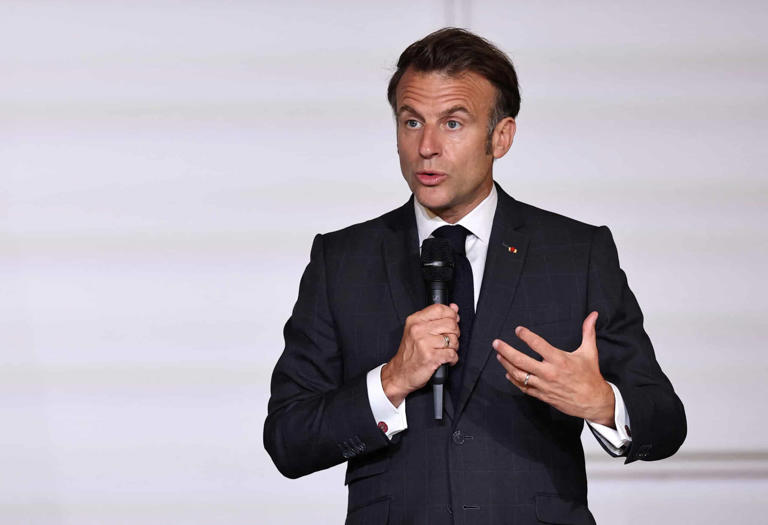
For several years now, there has been a gradual increase in awareness of the strategic importance of the Indo-Pacific in the European Union and among its member states. This growing interest has partly followed the example of the United States, particularly since the “pivot to Asia” promoted by the Obama administration. In Europe, debates on the Indo-Pacific region have begun to translate into more concrete strategy documents, culminating in the adoption of national strategies by some member countries. The most prominent is certainly that of the European Union, which is joined by those of individual member states, including France, the Netherlands, Germany, the Czech Republic and even Lithuania. In Italy, too, a national strategy for the Indo-Pacific is currently being discussed in Parliament, despite the fact that the country's interest and projection capacity in the region is significantly lower than in other European counterparts. Prominent among them is France, as evidenced by President Emmanuel Macron's tour of Southeast Asia this week.

The tenant of the Elysee Palace himself was among the main promoters of the French Indo-Pacific Strategy, later formalized in 2018, aimed at identifying Paris' core interests in the region and equipping itself with concrete tools, both in the short and long term, to pursue them. This testifies to the growing Western awareness of the progressive shift of the global economic and geopolitical center of gravity toward Asia. France, by the way, is the only European country that still holds territories in the Indo-Pacific region, including New Caledonia, French Polynesia, La Réunion and Mayotte, which together are home to about 1.6 million French citizens. The French president's trip to Vietnam, Indonesia and Singapore thus aims to reaffirm the centrality assigned to the region, strengthen diplomatic ties and promote France's strategic presence, while contributing to the implementation of the French Strategy. This is not an isolated initiative: the Macron presidency has been punctuated by similar trips, including those to Australia, India and La Réunion in 2018, Japan in 2019, as well as participation in the APEC summit in 2022.

The French Indo-Pacific Strategy, adopted in 2018, aims to protect French territories and sovereign interests in the region by promoting an international order based on law and multilateralism. It is based on pillars such as security, freedom of navigation, economic and environmental cooperation, and strengthening regional partnerships. Within this framework, France aspires to position itself as a balancing power, active in preventing crises and promoting regional stability. These are the concepts that Macron clearly expressed during his stop in Vietnam. France's willingness to present itself, together with the European Union, as a reliable partner is particularly relevant in the current context marked by growing international instability, trade uncertainty dictated by U.S. tariffs and strategic competition between the United States and China. Participation in the Shangri-La Dialogue in Singapore, Asia's premier security and defense summit, gives Macron an additional opportunity to present Paris and Brussels as credible and stable players in an increasingly uncertain global order.

In addition, the presidential visits present an opportunity to accelerate the process of diversifying global value chains, particularly through collaborations in key sectors such as energy, transportation, defense, and space. Above all, the environment is a central theme, with France hosting the UNOC conference on oceans in Nice in a few weeks. In addition, President Macron has promoted the Just Energy Transition Partnerships (JETP), under which countries such as Indonesia and Vietnam have committed to decarbonization in exchange for investment and financial support, including from France.

The Macronian tour is thus part of a broader and now decade-long process of growing French engagement in the Indo-Pacific region, in which Paris has distinguished itself as the most determined European player in defending and promoting its strategic interests, while also serving as a spokesperson for the European Union.

Ambassador Michelangelo Pipan: "After U.S. Tariffs, Italy Can Play a Greater Role in ASEAN"

Remarks by the President of the Italy-ASEAN Association during the events organized by Confindustria and SACE, held as part of the Asian Development Bank’s Annual Meeting in Milan

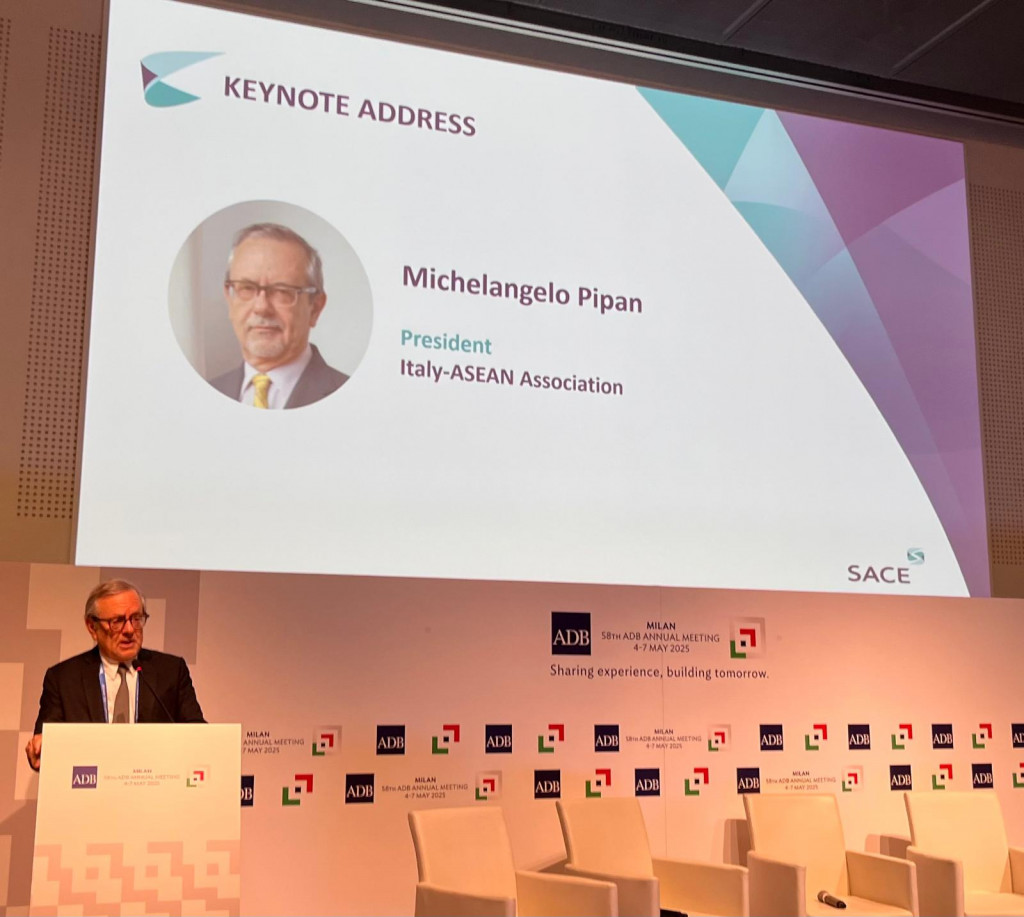
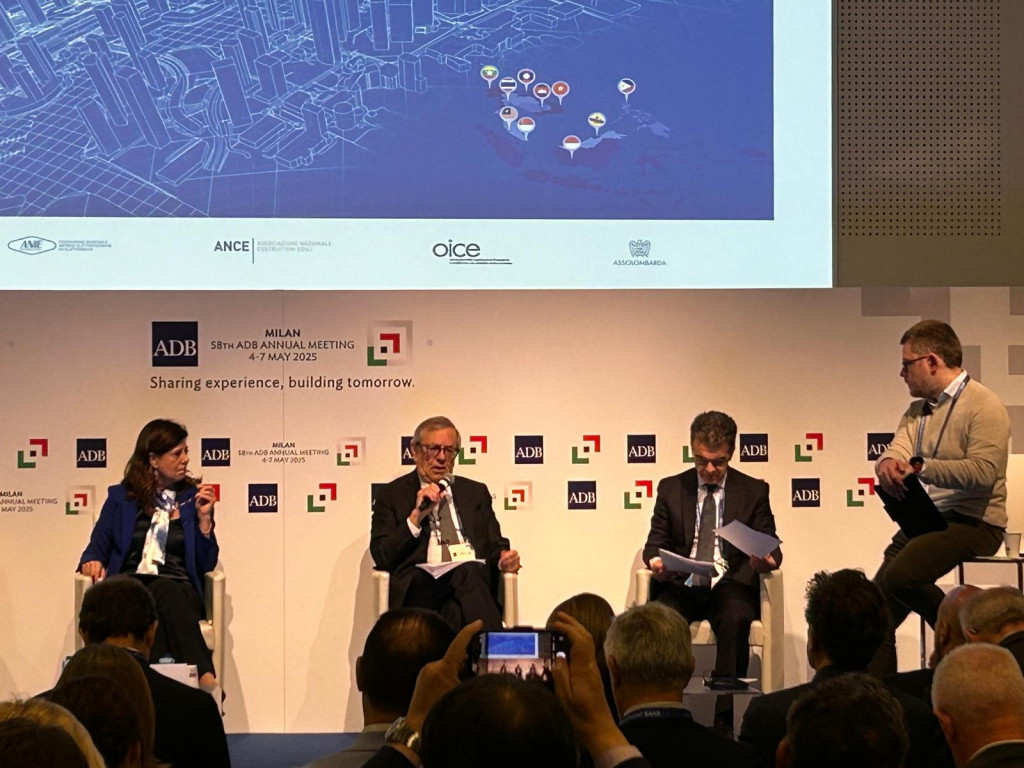
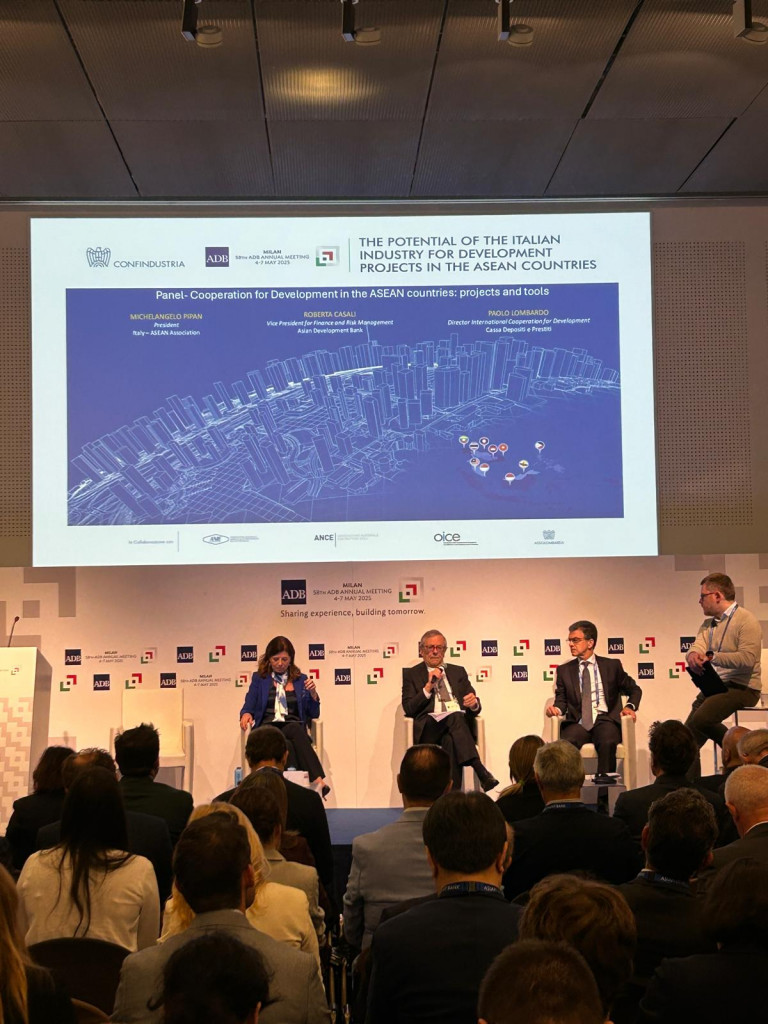
“Italy and Italian companies can expect to play a very important role in ASEAN,” declared Ambassador Michelangelo Pipan, President of the Italy-ASEAN Association, during the event “The Potential of the Italian Industry for Development Projects in the ASEAN Countries,” organized on Tuesday, May 6 by Confindustria as part of the Asian Development Bank’s (ADB) Annual Meeting held in Milan. “The opportunity is real and ready to be seized, especially today, at a time when the world is facing an unprecedented situation. The foundations of the international economic order have been shaken, if not outright overturned; global trade is threatened by serious geo-economic fragmentation; supply chains must be reorganized, while climate change remains a challenge that can only be addressed through joint efforts – now harder than ever to achieve,” Pipan explained during the panel titled “Development Cooperation in ASEAN Countries: Projects and Instruments.” According to the President of the Italy-ASEAN Association, “States will need to reshape their policies, seeking new partners, diversifying sources of raw materials and investment goods, and identifying new markets for their exports. In this process, they will look for like-minded partners. They will want to avoid excessive dependence on single partners. ASEAN, in particular, is a staunch supporter of multilateralism and free trade; it has a long tradition of refusing to take sides between the two superpowers – China and the United States – which are also its main economic partners. So far, ASEAN has performed a remarkable and efficient balancing act.” As Ambassador Pipan explained, “Following the recent tariff chaos, it is very likely that new ‘constellations’ of economic partnership will emerge: ASEAN has traditionally been very active in this direction, seeking broader trade perspectives, the most emblematic example being the central role it played in supporting the RCEP treaty, which came into force in 2022 and eliminated 90% of tariffs among 15 countries representing 30% of global GDP.”

In the context of a likely and significant increase in economic relations between the EU and ASEAN, Pipan emphasized that “Italy and its companies are well positioned: our skills are well known, highly appreciated, and align well with ASEAN’s development priorities. To name a few areas in line with ASEAN’s Post-2025 planning: renewable energy, industrial automation, infrastructure, development of the health sector – including medical equipment – space and high technology.”

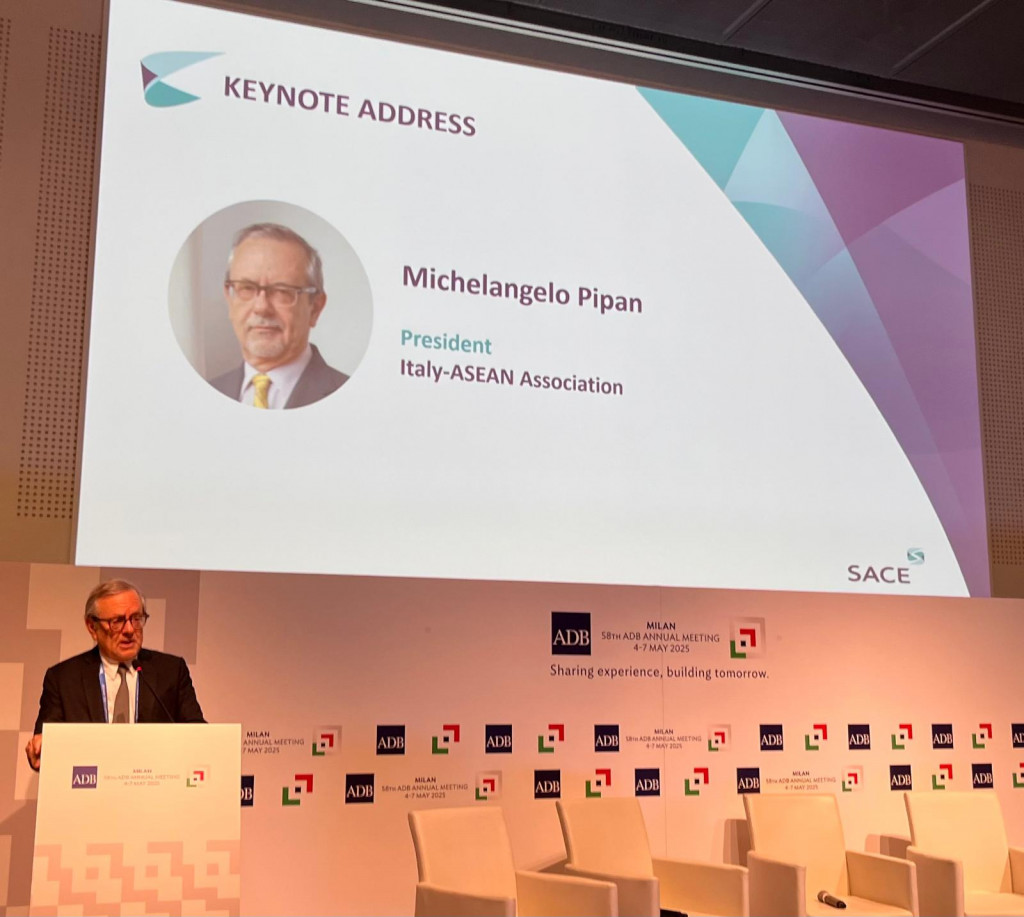
On the same day, Tuesday, May 6, the President of the Italy-ASEAN Association also delivered a keynote address at the event “SACE’s Growth Effect: Expanding Borders, Building the Future,” organized by the Italian financial and insurance group. Speaking immediately after Riccardo Barbieri, Director General of the Ministry of Economy and Finance, he highlighted the role of the HIGH LEVEL DIALOGUE on ASEAN-ITALY ECONOMIC RELATIONS, the annual event organized by the Italy-ASEAN Association together with The European House – Ambrosetti in a capital of an ASEAN country, which this year will be held in Vietnam. Ambassador Pipan noted that “it is the Government that must lead, and we were very pleased to see that in the recent Export Action Plan published by MAECI, ASEAN has been included among the priorities (with particular focus on Vietnam, Thailand, and Indonesia), and will benefit from new and more powerful tools – including those from SACE – for export promotion.” According to the President of the Association, “ASEAN countries have every reason to seek partnerships with Italian companies. Ultimately, however, it is the interest of the business community that really matters in making all the ingredients blend into success! And it is precisely on this last point that greater efforts are needed: to help raise awareness of ASEAN in Italy. In this context, we have recently proposed to MAECI to co-organize an international conference titled ASEAN AWARENESS, following the model of two similar initiatives held in the 2010s,” Pipan concluded.

Paying the Tariffs of Uncertainty: ASEAN Countries Seek a Way Forward on US Trade Policy

ASEAN countries have been hit hard by US tariffs. Donald Trump’s unconventional trade policy calls for equally unprecedented responses. For now, caution and a willingness to negotiate prevail — but the role of Washington (and Beijing) in the region is set to change

Article by Pierfrancesco Mattiolo

In the end, the tariffs promised by Donald Trump have come into effect. Not the ones announced during the notorious Liberation Day on 2 April—which were suspended a few days later for a period of three months, likely in reaction to the negative answer from Wall Street. For now, only a general tariff of 10% will apply, with some exceptions: tariffs exceeding 100% on Chinese imports; 25% duties on steel and aluminium; and certain products, such as semiconductors, exempted. During the election campaign, Trump floated the idea of raising tariffs by between 10% and 20%, so the current structure can be viewed as a fulfilled promise—although the unpredictable nature of the current US Administration makes it difficult to foresee what tariffs will be in place in a year, a month, or even a week. The 10% tariffs remain substantial and may mark the beginning of a period of deep uncertainty for the global economy.

Should the tariff plan presented by Trump during Liberation Day eventually be implemented, tariffs on nearly all ASEAN countries would rise above the 10% baseline. In descending order, Cambodia would face a 49% tariff; Laos, 47%; Vietnam, 46%; Thailand, 36%; Indonesia, 32%; Malaysia and Brunei, 24%; the Philippines, 17%. Only Singapore would remain at 10%, as it is the only country that imports more from the US than it exports. As many analysts and international media outlets have pointed out, these so-called “reciprocal tariffs” are not, as claimed by the White House, based on the tariffs these countries impose on American goods, but rather on their trade deficits with the United States. This approach has drawn criticism, and it places these countries in a difficult position: even if they lower tariffs on US products, the trade deficit might be reduced—but not reversed entirely, and certainly not through government initiative alone. Furthermore, the mercantilist outlook of the current US Administration does not consider the fact that American companies import many low-cost goods from abroad, then benefit from high margins when selling the final product to consumers, whether domestically or internationally. The US economy, being the most advanced in the world, is also in a position to focus on exporting services and attracting investment and savings, in accordance with the principle of specialisation. Trump’s stance disrupts the vision of international trade that has shaped the agenda of most governments around the world for decades.

Another unorthodox element of Trump’s trade policy is the imposition of a general tariff on all goods, from all countries. Typically, trade policy avoids “one-size-fits-all” measures. Goods not produced domestically tend to face low tariffs; those that a country wishes to continue producing—perhaps for political or strategic reasons—are subject to higher duties. To gain greater access to another country’s market (i.e., to have tariffs on one’s goods reduced), it is customary to offer reciprocal access, selecting which goods make the most sense to include in a bilateral tariff reduction. The EU’s trade policy in the region, as demonstrated by free trade agreements with Vietnam and Singapore, follows this approach. Trump, by contrast, appears to prioritise these considerations only at a later stage, for instance, by exempting essential or foreign-manufactured products like semiconductors from tariffs.

Finally, a key divergence between Trump’s trade policy and more “conventional” approaches concerns his stated objectives—or rather, the absence of a single, clearly defined goal. Listening to the President and his advisers, the Administration appears to be pursuing multiple objectives, some of which are even contradictory. Is the aim to increase federal revenue to offset other tax cuts? To bring certain industries back to the US? To reduce or eliminate trade deficits? To secure concessions on other political or economic matters? Or to pressure third countries not to cooperate with America’s geopolitical rivals, China chief among them? As The Diplomat has noted, this ambiguity makes it difficult for ASEAN nations (and others) to understand Trump’s intentions and how to meet them—leading to the conclusion that perhaps Washington has no intention of removing the tariffs altogether. This worst-case scenario appears to be supported by Trump trade adviser Peter Navarro’s response to Vietnam’s initial conciliatory offers to reduce its tariffs: “(it) means nothing to us”, as Vietnam acts as a “transshipment” point for Chinese goods and is “essentially a colony of communist China.”

How, then, might the governments of the region respond? For now, caution and a willingness to engage with Trump seem to prevail. As Mexico has demonstrated, this approach appears the most effective for delaying the implementation of tariffs. No ASEAN country has imposed retaliatory tariffs; if Trump’s trade policy breaks with long-established norms, so too does the response of trade partners. By choosing this path, ASEAN governments are in part validating Trump’s narrative—namely, that American firms would not face retaliation, as trade partners would instead rush to make concessions. Trump himself used a particularly vivid phrase (to put it mildly) to reinforce this message following Liberation Day. Several ASEAN nations have already offered to reduce their own tariffs and trade deficits by increasing imports of US goods and diversifying their export markets. In the case of Vietnam, while Navarro’s comments offer little encouragement, Trump himself struck a more positive tone—calling a conversation with General Secretary To Lam “very productive.” Hanoi has also started cooperating with Starlink, Elon Musk’s space venture, likely in hopes of gaining an ally close to Trump. Given that the position of the Trump Administration is President Trump’s position, more than the ones of his advisers, having Navarro against and Musk in favour may make little difference—especially as Musk appears increasingly disengaged from Oval Office decision-making.

What will prove more difficult, however, is enforcing a commercial and political break with China. For instance, journalist David Hutt, an expert on Cambodia, has noted that the US might request that Phnom Penh scale back its cooperation with China at the Ream naval base in exchange for reduced tariffs. Yet countries hit by tariffs may choose a different path: if exporting to the US becomes more difficult, they can still trade with one another—including with China. Beijing has seized the opportunity to position itself as a reliable defender of free trade and an alternative to the increasingly unpredictable Washington. As a result, international attention has partly shifted from China’s aggressive trade practices to the US tariffs. Chinese President Xi Jinping has already begun a series of official visits across the region and achieved a symbolic success with the resumption of economic cooperation with Japan and South Korea—something that had not occurred during the Biden years, when the three countries had drifted apart. ASEAN governments, accustomed to hedging relations between the two Pacific powers, will continue to do so—but now with the perception that the United States may have become a less reliable and predictable partner. Nevertheless, America’s “strategic retreat” from the region opens the door not only to China, but also to a stronger role for the European Union as a commercial and strategic partner.

For Southeast Asia, closer ASEAN cooperation may offer a way to resist Trump’s divide et impera approach. The current chair of the Association, Malaysia, has pledged to coordinate a collective response to this challenge to its export-driven economic model. While member states have been affected to varying degrees, compared to the tariff measures during Trump’s first term, the risks now appear far greater than the opportunities. In recent years, some economies—Vietnam’s, in particular—had benefited from the US-China decoupling, attracting a significant share of the production destined for the American market. But this very success increased their trade deficit, leading to the higher tariffs imposed by Trump. The message of Liberation Day is clear: winning a greater share of the US market and becoming increasingly reliant on exports for growth could ultimately put a country at risk in the long run. While the trade tensions of Trump’s first term resembled a zero-sum game with winners and losers—consistent with what seems to be Trump’s worldview—this time, it appears that everyone may stand to lose. The uncertainty caused by Trump’s mercurial policies, which do not align with established economic thinking, risks having a negative impact on investment and the global economy as a whole.

DUTIES, IMPACT ON SOUTH-EAST ASIA: “EU, ITALY AND ASEAN WILL STRENGTHEN COOPERATION"

Southeast Asian countries are among those most affected by the duties imposed by the United States on what Donald Trump has dubbed ’Liberation Day.” All 10 member states of the Association of Southeast Asian Nations (ASEAN) have been affected. To be precise, as of April 9, additional import taxes will be imposed with the following percentages: 49 percent for Cambodia, 48 percent for Laos, 46 percent for Vietnam, 44 percent for Myanmar, 36 percent for Thailand, 32 percent for Indonesia, 24 percent for Malaysia and Brunei, 17 percent for the Philippines, and 10 percent for Singapore. Many of these countries are strong exporters to the United States, while the region has long been among the leading factors of global trade, having signed a number of bilateral and multilateral free trade agreements. “Now these countries in Southeast Asia will have to look more carefully at other markets than the U.S., the same need that many other countries including European ones will have,” stresses Ambassador Michelangelo Pipan, President of the Italy-ASEAN Association. “Consequently, the European Union and Italy itself, which enjoy several free trade agreements with some of these countries, can and must equip themselves to strengthen trade relations with Southeast Asia,” Pipan continues,stressing that ”our interests and those of ASEAN atguarding free trade and against protectionism coincide. Even more so after the new White House tariffs.

“Washington has decided to hit Southeast Asian countries despite the concessions already made in recent days by some of them. This is the case of Vietnam, which in recent years has risen to a critically important global trade and technology hub, which has announced duty reductions and a commitment to import more U.S. goods. “It is still early to make predictions, but this disruption caused by Trump seems destined to foster the creation of different constellations that by increasing cooperation with each other will try to make up for this closure of the U.S. market,” Ambassador Pipan explains. Dataon trade between Italy and ASEAN have increased enormously over the past year, thanks in part to the work done by the Italy-ASEAN Association.

The Future of Innovation Between Smart Cities and Digital Security

Southeast Asia continues to make progress in artificial intelligence, progressively expanding the scope of application

By Luca Menghini

Artificial intelligence is rapidly transforming the economic and technological landscape of Southeast Asia, positioning the region as an emerging hub for innovation. While generative AI and large language models (LLMs) capture global attention, ASEAN is developing a broader range of artificial intelligence applications to enhance supply chains, smart cities, cybersecurity, and digital infrastructure. The increasing adoption of these technologies places Southeast Asia in a strategic position to lead the integration of AI into the region's economic and social systems.

In recent years, ASEAN governments and businesses have made significant investments in artificial intelligence to address future challenges. The IBM Institute for Business Value has highlighted that less than 30% of manufacturing companies in the region fully utilize the data they collect, with only 10% of that data being used for strategic insights. This underutilization presents an opportunity for AI to bridge the gap, optimizing industrial operations through predictive maintenance, process automation, and advanced data analytics.

Supply chains in Southeast Asia are already benefiting from AI integration across multiple sectors. The use of predictive analytics is helping businesses reduce downtime and improve operational efficiency. For example, blockchain technology is increasingly being adopted to ensure transparency and end-to-end traceability in supply chains, reducing the risk of fraud and improving resource management.

Business leaders are facing numerous challenges in the supply chain sector. Resilience has become a priority following disruptions caused by the COVID-19 pandemic and ongoing geopolitical tensions. Moreover, companies must balance sustainability with profitability and overcome the technology skills gap to fully leverage new innovations. Artificial intelligence, integrated with the Internet of Things (IoT), enables smarter logistics and inventory management, enhancing demand forecasting and optimizing distribution routes.

AI is also reshaping the management of smart cities across ASEAN. Countries such as Singapore, Thailand, and Vietnam are implementing AI-based solutions to improve urban security, traffic management, and environmental sustainability. Singapore’s Smart Nation initiative serves as a benchmark for how AI can optimize public services and reduce energy consumption. In Indonesia, Jakarta is using AI-powered flood monitoring systems to mitigate the impact of flooding, while Bangkok has adopted AI for air quality monitoring and public mobility management to address environmental challenges.

Another rapidly growing sector is cybersecurity. ASEAN has recently established its first regional cybersecurity incident response team to counter the rising threats associated with AI-driven cyberattacks. According to Singapore’s Ministry of Defense, cybercrime increased by 82% between 2021 and 2022, with ransomware attacks and cyber intrusions targeting government institutions and financial organizations. AI-powered threat detection is becoming essential to mitigate these risks, and the adoption of AI fraud detection tools is helping companies protect themselves from digital fraud.

Despite AI’s growing adoption in ASEAN, several barriers remain. The lack of harmonized regulations on data protection and cybersecurity poses a significant obstacle to the widespread deployment of AI systems. Additionally, the shortage of AI professionals is a major challenge: the lack of specialized experts in artificial intelligence, data science, and cybersecurity slows down the implementation of new technologies. To address this issue, academic institutions and businesses are investing in workforce training through upskilling programs and partnerships with local universities.

The ASEAN AI startup ecosystem is attracting increasing investment, with startups like Social+ in Thailand and Wiz in Singapore securing tens of millions of dollars to develop AI-driven solutions for customer engagement and business process automation. However, AI growth in Southeast Asia is not limited to the private sector. Governments across the region are promoting pro-innovation policies, including funding programs for AI startups and initiatives to create a clearer regulatory framework.

The future of artificial intelligence in ASEAN appears highly promising. The growing integration of AI into urban infrastructure, supply chains, and cybersecurity will solidify Southeast Asia’s position as a global technology innovation hub. The region's ability to tackle regulatory and infrastructure challenges will be crucial in cementing its leadership in AI adoption. With a rapidly developing ecosystem and continuous investment, Southeast Asia is poised to become one of the key players in the artificial intelligence revolution in the coming years.

AI to predict and manage natural disasters

New applications can refine systems in use today at various stages of natural disaster management, starting with mitigation strategies

By Emanuele Ballestracci

60,000 dead, 150,000 injured and as many displaced per year. These are not the atrocities resulting from international conflicts, civil wars or terrorist attacks but the consequences of recurring phenomena whose destructive force is too often underestimated: natural disasters. Between 1998 and 2017, climate and geophysical disasters killed more than 1.3 million people and injured 4.4 billion, often among the weakest segments of the world's population. All the more, global warming will only increase in number and intensity of these phenomena, as we are already experiencing in recent years. Certain regions will suffer more than others, and Southeast Asia is among those most at risk. 99 percent of its population is already exposed to the danger of flooding, and between 2004 and 2014 it recorded 50 percent of global deaths due to extreme weather events. The situation will only deteriorate unless there is a revolution in the world's commitment to combating global warming, which now seems less and less likely.

A beacon of hope, however, comes from technological innovations in the field of artificial intelligence (AI). Indeed, its use in the creation of predictive models makes it possible to analyze large data sets, identify trends and thus predict potential disasters. Its applications would thus refine the systems in use today in the various phases of natural disaster management: cataclysm prediction and detection; early warning systems; vulnerability and risk assessment; spatial modeling; and mitigation strategies. Not only that, new detection systems are being developed that will especially benefit less resilient areas of the planet, such as the “AI-SocialDisaster.” This is a decision support system for identifying and analyzing natural disasters such as earthquakes, floods and fires using data drawn from social media feeds. Thus, by using information produced in real time by each individual without relying on advanced -- and expensive -- detection equipment, government capabilities for crisis management in rural areas will increase exponentially. For example, the Japanese company Spectee is developing a natural disaster detection system adapted for the Philippines, using precisely the information from social media. The role of private individuals is generally critical to the advancement of these new technologies. Microsoft Azure can be used to improve earthquake warnings and virtual representations of physical spaces in disaster response, while Amazon Augmented AI can lend itself to building integrated models for disaster scene recognition from low-altitude disaster images. China and the United States are already collaborating with respective champions in high-tech, such as Xiaomi and Google, while in South Korea, the Seoul metropolitan government has announced the development of a “digital disaster response platform” in which AI will be instrumental. In addition, Japan, Singapore, and China have made great strides in developing early warning systems, leveraging advanced technologies such as IoT sensors, AI models, and geographic information systems.

In addition to multinational corporations and governments, international and regional organizations are also making contributions. In 2015, the United Nations adopted the “Sendai Framework for Disaster Risk Reduction,” which outlines goals and priorities for action to prevent new disaster risks and reduce existing ones. In contrast, among regional organizations, ASEAN is one of the most active on natural disasters, a reflection of its high exposure to such phenomena. In 2009, the ASEAN Agreement on Disaster Management and Emergency Response was signed, two years later the AHA Center was established to revive regional coordination, and at the 28th ASEAN Summit in Laos in 2016 the Joint Declaration “One ASEAN, One Response” was signed. Finally, the ASEAN Civil Alliance for Regional Countermeasures was established last August 19, and since 2022, the topic of AI use has been increasingly discussed among member country summits, especially at the annual Strategic Policy Dialogue on Natural Disaster Management. Even the International Telecommunication Union (ITU), the United Nations specialized agency for information and communication technologies, has launched a new AI-themed working group: the Focus Group on Artificial Intelligence for Disaster Management (FG-AI4NDM). 

However, despite the potential of AI, there is no shortage of issues. First and foremost is the inability of AI models to provide “accountability” and “explainability.” Put simply, AI models function like black boxes: given certain predictions and inputs, they provide outputs but do not explain the relationship between the variables. This is a serious failing when these are used for crisis management, where maximum transparency is critical. However, should recent attempts to develop “Explainable Artificial Intelligence” models succeed, AI would undoubtedly become an even more valuable resource for counterbalancing the effects of natural disasters.

ASEAN safe haven against tariffs

Some Asian economies such as Malaysia, Singapore, and Vietnam are positioning themselves to be winners in a possible new trade war

Several problems, but also some opportunities. As threatened on the campaign trail, U.S. President Donald Trump began his second term by introducing tariffs to address a wide range of issues, from immigration to national security to over-reliance on imports for manufacturing. But Trump's trade barriers are much more targeted than feared on the campaign trail, points out Trinh Nguyen, economist at Natixis Corporate & Investment Banking, in an editorial in the Financial Times. Instead of worrying about tariffs, investors should look for opportunities in countries that can benefit from the likely changes, Nguyen argues. Asian emerging market economies outside of China should be on the list, because as during Trump's first term they could benefit. Vietnam is the big example, the Financial Times reports. From 2017 to 2023, the country increased its share of exports to the United States in all product categories, making it a winner among Asia's emerging economies. This growth is not simply the result of China redirecting exports under the guise of Vietnamese products, but is the result of Vietnam's greatly expanded international trade relations. According to Nguyen, Malaysia and Singapore have also benefited from a push for investment diversification. Kuala Lumpur has focused on high-tech sectors such as semiconductors and data centers, while Singapore has expanded into financial services and attracted corporate headquarters. This year, the two countries also collaborated to establish the Johor-Singapore Special Economic Zone to boost investment and jobs in strategic sectors. ASEAN has now become the largest recipient of foreign direct investment in Asia. For some economies, the new shock to global trade represents “an opportunity to strengthen resilience, liberalize trade access and improve competitiveness,” according to the economist. Some Asian economies, such as Malaysia, Singapore, Vietnam, and increasingly India, are positioning themselves to be winners in the trade war.”

A.I.: The Rise of Southeast Asia

Generative Artificial Intelligence and Large Language Models: Southeast Asia is becoming a Global Innovation Hub

Article by Luca Menghini

Southeast Asia is undergoing a rapid transformation in the field of generative artificial intelligence (Gen AI) and large language models (LLMs). Historically regarded as a hub for manufacturing and digital services, the region is emerging as a key player in AI-driven innovation. With significant investments in research and development (R&D) and infrastructure, ASEAN nations are positioning themselves at the forefront, competing with global leaders such as the United States and China.

The growing interest in Gen AI is reflected in investment trends. The AI market in ASEAN is expected to reach $2.3 billion by 2025, with an annual growth rate of 41.48% until 2030. Countries like Singapore, Thailand, and Indonesia are leading AI adoption, with governments and businesses collaborating to develop indigenous LLMs tailored to local languages and cultures. Singapore, known for its tech-friendly policies, has established regulatory frameworks that promote responsible innovation. Thailand, through initiatives like ThaiLLM, is investing millions to create local models that address the region’s linguistic and cultural nuances.

The AI ecosystem is further fueled by an exponential growth of startups and investments. ASEAN has witnessed the rise of numerous AI-driven companies, particularly in the fintech, healthcare, and e-commerce sectors. Businesses are leveraging LLMs to optimize customer service, automate processes, and enhance decision-making. Indonesia and Vietnam are experiencing a boom in AI startups, attracting capital from global venture capital funds eager to enter the region’s digital market. Startups based in Singapore have secured major funding rounds, reinforcing the city-state’s status as a launching pad for the AI sector.

Despite these advancements, AI governance remains a crucial issue. ASEAN has proactively addressed regulatory challenges by introducing the Expanded ASEAN Guide on AI Governance and Ethics – Generative AI, which establishes guidelines for the ethical use of AI, focusing on risks such as misinformation, bias, and intellectual property rights. The guide promotes collaborative governance, regional data-sharing initiatives, and independent frameworks for testing generative AI, ensuring its safe usage. Additionally, the ASEAN AI Governance and Ethics – Generative AI framework provides a comprehensive roadmap to help policymakers and businesses navigate the ethical AI landscape. This model emphasizes accountability, transparency, and fairness in AI implementation and promotes technical safety measures such as digital watermarking, incident reporting, and independent certification programs, including Singapore’s Project Moonshot.

Another critical factor driving AI growth in Southeast Asia is its young, digitally native population. A recent study highlights that over 80% of university students and 62% of workers in the region are already experimenting with generative AI tools. This demographic, often referred to as Generation AI, is accelerating AI adoption, making ASEAN one of the fastest-growing markets for these technologies. The widespread use of Gen AI in workplaces is pushing companies to integrate AI-based solutions, although many struggle to keep pace with employees’ independent adoption of AI tools.

Beyond startups, large corporations and multinational companies are also investing in Southeast Asia’s AI infrastructure. Global tech giants such as Google, Microsoft, and NVIDIA are partnering with governments and local enterprises to establish AI research centers and cloud computing hubs. These partnerships aim to enhance AI literacy, provide cloud computing resources, and create opportunities for local talent. Malaysia and the Philippines are emerging as key destinations for AI R&D centers, thanks to their growing tech workforce and government-friendly policies.

The impact of generative AI in ASEAN extends beyond commercial applications. Governments are exploring AI’s potential for national development, using AI-driven analytics for economic forecasting, urban planning, and crisis management. AI-powered solutions are also revolutionizing education, with adaptive learning platforms powered by LLMs providing personalized experiences in multiple languages, addressing the region’s linguistic diversity.

However, challenges remain. The digital divide, limited AI infrastructure in certain areas, and data privacy concerns pose obstacles to widespread adoption. Singapore is at the forefront of AI preparedness, while countries like Cambodia, Laos, and Myanmar face difficulties due to inadequate digital infrastructure and low levels of AI literacy. ASEAN’s strategy to bridge this gap includes regional cooperation, investments in AI training programs, and incentives for AI-driven businesses.

As Southeast Asia cements its role in the global AI landscape, it is evident that the region is no longer merely a consumer of technology but an emerging hub for AI innovation. With a dynamic startup ecosystem, strategic government initiatives, and a tech-savvy workforce, ASEAN is positioning itself as a key AI hub, poised to shape the future of Gen AI in the years to come. Policymakers, investors, and business leaders will continue to monitor and adapt their strategies to ensure that AI’s transformative potential is fully realized in the region.