
Asean

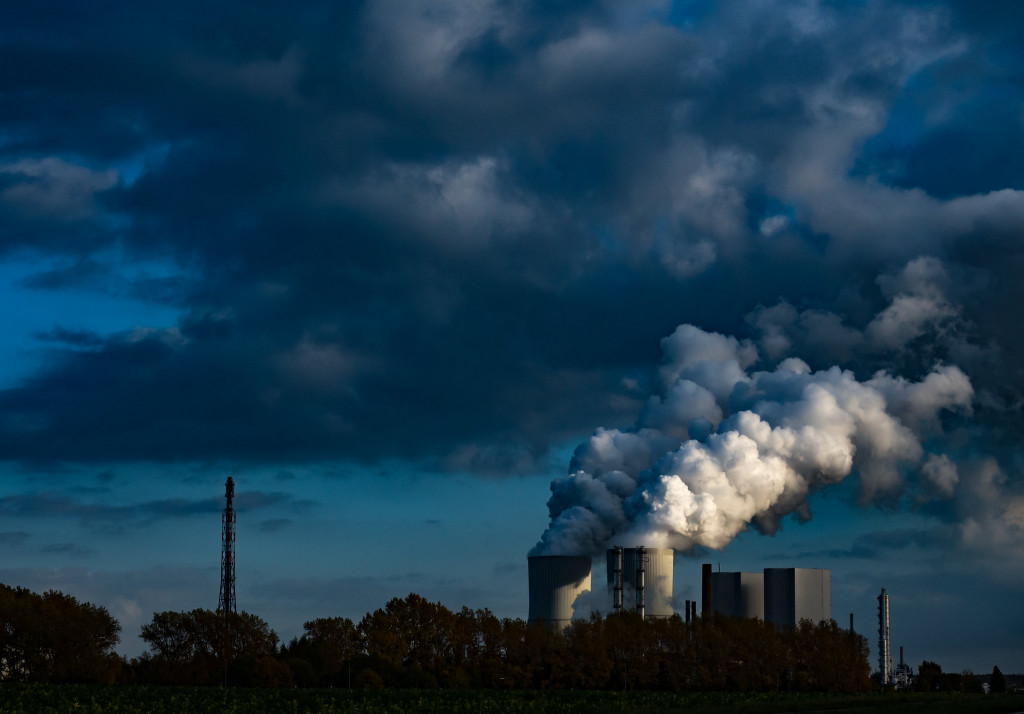
A united ASEAN is needed against illicit waste trafficking

The waste crisis triggered by China has awakened the hope that developed countries would eventually move towards more virtuous forms of waste management, but these hopes quickly failed to see some relevant results.

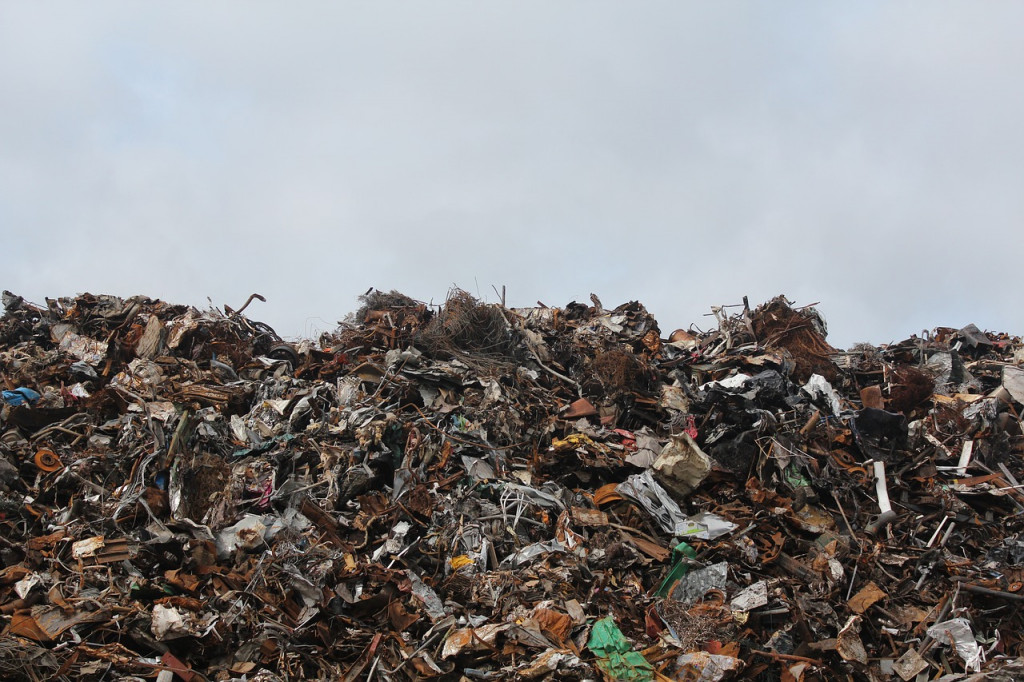
It all (or almost) started with the ban on imported waste to China. It was 2018, Beijing had already achieved the economic and political status that made it one of the most powerful nations. And it was time to say "enough" to the dirty practice of dealing with other people's waste. Now it’s 2021, and the illegal or non-illegal trafficking of waste has shifted to other countries, where different actors still consider it a profitable business. The Chinese strategy "National Sword" has suddenly poured billions of tons of waste arriving from all over the world into the rest of the region, jamming a mechanism that has been active for decades.

The waste crisis triggered by China has awakened the hope that developed countries would eventually move towards more virtuous forms of waste management, but these hopes quickly failed to see some relevant results. The attention of exporters has, in fact, shifted to the countries of Southeast Asia, where waste from Europe, the United States and Australia is now accumulated or recycled. Among the most exported waste are disposable plastics, but also electronic waste, which is very dangerous if treated improperly.

• The data

The alarm was launched in a report published in August 2021 and written by the EcoWaste Coalition group for health and environmental justice in collaboration with the International Pollutants Elimination Network (IPEN). According to the latest estimates, the Asia Pacific region will receive up to 714 million tons of waste every year by 2050. A problem, that is already affecting those countries where there is a lack of adequate structures for managing solid waste. The document underlines how the pandemic has contributed to exponentially increase the amount of waste arriving in ASEAN countries, while the economic crisis linked to the health emergency has aggravated the economic situation of countries dependent on exports, willing to do anything to do not aggravate the budgets.

Together with the EcoWaste Coalition alarm, there are other problems, such as household waste. In Indonesia, for example, only large cities have implemented a modern system for the collection and management of waste, while it is totally absent in rural areas. People can live with it by reusing what can be useful, or by deposing all kind of waste in inappropriate places or burning it in makeshift fires. In some cases, waste becomes the most used fuel in the kitchen. At other times, the chemicals in the garbage enter the food chain of local inhabitants through the soil and aquifers near crops and aquifers.

From the perspective of environmental policies, the ten Asian countries have sufficient leadership to respond to the waste crisis. A notable example was that of the Philippines in 2019, when President Rodrigo Duterte began his battle (certainly not without populist tones) against the waste arriving from Canada. During the same year, Indonesia also responded to the invasion of foreign waste by "sending back" part of the 58 containers that arrived from the US. However, the situation is much more complex: where Jakarta said "no", 38 of those containers ended up in South Korea, Thailand, Vietnam, Mexico, the Netherlands, and Canada.

• The solutions

Among the many tasks of ASEAN, that of waste management represents a complex challenge to face. According to the latest report from the United Nations Environment Program (UNEP), published in 2020, the ten nations of Southeast Asia already have their own national strategy to manage the waste problem. What is missing, the document emphasizes, would be a conceptual step: no longer "where" to deposit or eliminate waste, but "how" to transform it into resources.

The call for all nations in the world, of course, remains to scale the problem at its root, eliminating single-use plastic and waste wherever possible. But the creation of a common policy, a harmonious and cooperative management of waste between the various actors involved could transform problems into opportunities.

This should not exclude a unitary action on the international level, the strong point of any union between countries. “ASEAN needs a unanimous declaration calling for a clear and concrete position on the waste trade. Among other things, it will have to ask the Member States themselves to immediately ratify the amendment on the ban on exports within the Basel Convention, take measures to ban all imports of waste into their countries and improve the implementation of these laws, together to others that go in the direction of zero waste”, said environmental law expert Gregorio Rafael P. Bueta on the EcoWaste Coalition / Ipen report of 2021.

The Basel Convention is the most important global agreement on waste management and has been signed by all ASEAN countries except Laos. The 1994 amendment banning the transboundary movements of hazardous and other waste, by contrast, was ratified by only three of the member states. A sign that, despite the more determined positions of governments against waste trafficking, the interests at stake are still very complex.

India and ASEAN: A synergy on financial innovation

Diversi giganti del fintech indiano sono ora focalizzati sui mercati e-commerce ASEAN. Obiettivo: modellare insieme la futura infrastruttura finanziaria della regione.

Digital payments are a driving growth factor for the online economy. Alipay has allowed China to establish millions of economic relationships based on the essential factor of trust. The latter has been possible thanks to the innovative approach of “pay now, get a refund if not satisfied”. Several studies indeed have shown how the development of these platforms has been a key factor enabling the skyrocketing Chinese economic boom in the last 20 years.

ASEAN, thus, is now home to a multitude of international B2C e-commerce leaders such as Sea, Tokopedia and Grab, apart from a myriad of ever-growing scale ups now also offering B2B services.

Sea company’s stocks have become extremely appetible on international markets, while Gran continues to evolve into a super-app (valued at an astonishing $40 billion), now virtually touching all dimensions of its users’ daily lives.

In this sense, South east Asia is soon believed to complete its exploit in the digital economy, thanks to its dimension, population (651 million up to now), and intrinsic scalability in the productive system which creates the basis for knowledge spillovers and knowledge transfer to happen. Correctly evolving into a knowledge-based economy, in this sense, could mean sure success in the long term.

However, every super app must ensure itself and its users a solid financial and payment infrastructure, enabling not only safety but also trust as already mentioned.

India represents a clear virtuous example of this: the country is home to 51 unicorns, of which 30% happen to operate in the financial sector of the economy. In other words, Indian industries are massively benefiting from the rising of a best-in-class fintech cluster: here, digital payments hava been increasing from 3 to 32 trillion rupees, in 4 years.

With this entrepreneurial spirit, some Indian fintech scaleups namely Pine Labs, Zeta and Razor Pay, have recently acquired some medium-sized B2B and B2C ASEAN companies. As in the words of Amrish Rau, Pine Labs CEO, ‘Some ASEAN markets are now believed to be where India was almost three years ago: there is a great opportunity in solving their fragmentation and ultimately conferring them a solid financial echo-system’.

The firm has now acquired Fave, a Malaysian scale up specialized in promo codes and discounts available for e-commerce, while RazorPay is paving the way for the imminent acquisition of some noteworthy food delivery players. Harshil Matur, its CEO, has repeatedly declared its intent to invest in Vietnam, Philippines, Malaysia, and Indonesia. Indeed, these markets are ‘alike the Indian one, but with remarkable margins of improvement’.

Bottom line: South East Asia confirms its market attractiveness for foreign direct investments, thus signaling solidity and prosperity of its economic system. However, we must notice that most of these capitals come from best-in-class international players, being fintech, tech or just food delivery in e-commerce: this, ultimately, can be further claimed to be an indisputable sing of its rising power in the global geo-economic equilibrium.

Not just security. The US-ASEAN economic cooperation.

If Washington wants to reaffirm its role in South-East Asia, trade policy is also a key element in competing with Beijing.

America is back. Especially in South-East Asia. Less than a year after taking office, the Biden administration seems to have devoted most of its attention to the region. President Biden has revived Obama's Pivot to Asia strategy after the shakes of the Trump era, deploying all the key figures of his cabinet: Vice-President Harris travelled to Vietnam and Singapore, Secretary of State Blinken took part in high-level meetings with his ASEAN counterparts and Secretary of Defence Austin also visited Singapore. Moreover, the US strategy involves reviving strategic cooperation with its other regional partners, by reaffirming the 'unbreakable alliance' with Japan and inaugurating the AUKUS three-way partnership with Australia and Great Britain - a move that has caused tensions with China and even Francia. But security is not the only area that has seen a renewed US engagement. In times of Covid and climate crisis, cooperation with ASEAN also touches on health and sustainable development. What about trade?

If we look back to just two years ago, the U.S.-ASEAN Business Council lamented the absence of the Trump administration at a time of great shifts for the Asian bloc's trade policy: the negotiations for the historic RCEP agreement were in its advanced stages and the EU was strengthening its economic ties with Singapore and Vietnam through two ambitious free trade agreements. With the change of administration in Washington, we can expect major changes in US-ASEAN trade relations. The starting point is significant: ASEAN is the fourth largest market in the world (with a GDP of almost 3 trillion and 647 million consumers) and, by current trade volume, the eleventh largest trading partner of the United States. US companies export about $86 billion worth of goods to ASEAN countries and import about $206 billion worth of products. The trade balance is thus clearly in favour of the ASEAN countries ($120 billion). Comparing the US-ASEAN trade relation with the EU-ASEAN one, it emerges that European companies export goods for a higher value (almost $100 billion) and import goods for a lower value ($146 billion), with a trade deficit of about $47 billion in favour of ASEAN. These figures should be read together with the difference in GDP between the US and the EU. We will explore the reasons behind the higher volume of European exports in a future article. To complete the picture, it should be kept in mind that the total volume of trade between ASEAN and China is about $298 billion.

Economic cooperation between the US and ASEAN has to reckon with the growing Chinese influence in the region. Washington does not want to lose ground to Beijing in the infrastructure investment race. Last June, Biden and the other G7 leaders launched the Build Back Better World (B3W) plan with the stated aim of vying with China's Belt and Road Initiative (BRI). In addition, the US administration is funding many projects to develop connectivity in the region, for example a partnership for the Mekong Basin (again, an initiative that came a few years after its Chinese counterpart). Looking at the degree of trade liberalisation, China will continue to see its trade figures with ASEAN growing thanks to the RCEP agreement, while the US benefit from a limited and somewhat dated network of trade agreements (notably the 2003 US-Singapore Free Trade Agreement and the 2001 US-Vietnam Bilateral Trade Agreement). Actually, these existing agreements can be the backdoor for American companies to benefit from the RCEP, by taking advantage of the very favourable conditions for establishing their subsidiaries in certain countries of the region. In any case, Washington needs to strengthen its trade ties with ASEAN countries, perhaps by reconsidering its withdrawal from the TPP project or by exploring other options. Waiting for a more courageous and comprehensive project, there is excitement on both sides of the Pacific for a possible agreement on digital trade. After years of Trump-style muscular trade policy, all observers expect a policy shift from Biden, consisting in a more cooperative and ambitious approach to ASEAN countries. The new administration has yet to fully unveil its plans. Even in international trade, America is back. Let's see how.

Aukus and Quad seen from ASEAN

Multilateral initiatives multiply in Asia-Pacific. Hopes and fears of Southeast Asian countries

Editorial by Alessia Mosca

Secretary General Associazione Italia-ASEAN

On the one hand Aukus and Quad, on the other RCEP and CPTPP. Multilateral initiatives and acronyms in the Asia-Pacific area are multiplying. New ones are born, while those that already exist are renewed. A trend that demonstrates once again the centrality of a region in continuous commercial, technological and geopolitical rise. As our President Romani Prodi said at “Mezz’ora in più”, “it is the definitive seal that the only thing that matters is Asia”. It remains to be seen whether development can proceed on tracks of substantial serenity or elements of tension will increase. Among the governments of ASEAN member states, not everyone welcomed the birth of the new US-UK-Australia agreement. In particular, Malaysia and Indonesia have warned of the possible risks to the stability of the region after the announcement of Aukus. Jakarta expressed “deep concern about the arms race and the demonstrations of force in the region, referring to nuclear-powered submarines that will be equipped in Australia. The Minister of Defence of Kaula Lumpur has instead launched the proposal to open a dialogue between ASEAN and Canberra to understand what the intentions of the trilateral agreement are. In contrast, the Philippines, which after the approach to China operated in recent years by President Rodrigo Duterte have resumed relations (even defensive) with the US of Joe Biden. Manila welcomed the Aukus as a novelty able to “equalize” the balance of power in the region and therefore to ensure greater stability. The Australian government, meanwhile, claims that it is not a “military alliance” and tries to reassure Southeast Asia about its support for the regional infrastructure represented by ASEAN. On Friday, September 24th, the first physical summit between the leaders of the Quad, the platform that unites the US, Australia, Japan and India, takes place in Washington. As in the case of the Aukus, most ASEAN countries would like these initiatives to look beyond the defensive aspect and, if anything, to include incentives for commercial, infrastructural, digital or environmental cooperation. On these issues, Asian countries have shown that they know how to dialogue, as on the closing of the negotiations on the RCEP in 2020. Be “pro Asia”, and not against someone: here is the key.

UE-ASEAN, il Blue Book 2021 sul partenariato strategico

Associazione Italia-ASEAN pubblica il Blue Book 2021. Oltre cento pagine di analisi, prospettive e dati sulla cooperazione bilaterale

Lo scorso maggio, la missione europea nell’ASEAN e il segretariato dell’ASEAN hanno presentato l’EU-ASEAN Strategic Partnership Blue Book 2021. Il Blue Book è ormai giunto alla sua sesta edizione e la pubblicazione di quest’anno è incentrata sulla cooperazione nell’ambito della ripresa post-pandemica, la sicurezza, la cooperazione economica la crescita green e la sostenibilità ambientale. “Come partner strategici ci attendiamo una cooperazione sempre maggiore, volta a rafforzare la stabilità regionale e globale, ripristinare la fiducia nel libero scambio e lavorare insieme per uno sviluppo sostenibile dell’area”, ha dichiarato presentando il documento Lim Jock Hoi, Segretario Generale dell’ASEAN, esprimentro tra l’altro la speranza di “promuovere un accordo di libero scambio capace di contribuire in modo significativo alla crescita di entrambe le regioni”. Speranza ribadita dalla strategia UE sull’Indo-Pacifico comunicata solo pochi giorni fa. Nell’implementare più profonde relazioni economiche con l’ASEAN, l’UE si aspetta inoltre di consolidare i rapporti diplomatici e dare nuovo impulso al proprio soft power nel Sud-Est asiatico, andando ad inserirsi come uno dei pochi interlocutori internazionali di tipo democratico nella regione.

SCARICA SUBITO IL BLUE BOOK 2021!


Security and the relationship between EU and ASEAN

The European Union and ASEAN are the two most advanced integration projects in the world, and it is in their interest to collaborate on the issue of security to strengthen multilateralism

As stated by the High Representative of the European Union for Foreign Affairs and Security Policy, Josep Borrell, speaking about the EU-ASEAN partnership, neither the European Union nor ASEAN are ready to become part of spheres of influence. For this reason, from Europe’s point of view, it is essential to promote a multilateral view of the world. Following the decision of the EU and ASEAN to increase their bilateral cooperation to the level of strategic partnership, Federica Mogherini, former High Representative of the Union for Foreign Affairs and Security Policy, commented that this decision emphasizes the strong belief of the two most advanced and successful integration systems in the world to support multilateralism and a rule-based global order. In order to strengthen block-to-block integration, efforts are also being made to increase cooperation on security. The European Union has committed itself to play a "Capacity building" role towards ASEAN countries and, in this context, it could also share its "strategy on maritime safety". Indeed, in recent years, the shared security objectives between the EU and ASEAN have been broadened to topics such as maritime security and the fight against terrorism.

Maritime safety and compliance with the law of the sea play an important role in the relationship between the European Union and ASEAN. Stability in the South China Sea is vital for the economic interests of the European Union in the region. In fact, almost 40% of the European Union’s foreign trade passes through those waters. For this reason, the EU has always encouraged a constructive debate between China and the ASEAN countries interested in territorial disputes, in order to find an effective Code of Conduct. However, no agreement has yet been reached. In the latest "Brussels' Indo-Pacific strategy paper" drawn up by the Council of the European Union on 16 April 2021, it is written that the Council of the European Union notes with concern the dynamics that have been created in Indo-pacific and which have given rise to intense geopolitical competition that adds up to the increasing tensions over trade and supply chains as well as in the areas of technology, policy and security. In the last period, the European military presence in the region has also increased. Until a few months ago France was the only member state of the EU to have sent military ships in the area. However, this August also a German military reached the area, officially there for a UN mission to supervise North Korea. Now it may soon be the turn of the Netherlands, while the EU is about to release its Indo-Pacific strategy.

Also the exchange of military technologies is part of the security dimension of the relationship between the EU and ASEAN. For example, of the approximately 124 billion investments announced by the Ministry of Defence in Indonesia in five years, which is three times the budget normally allocated by Jakarta, a large part is for European defence producers. Indonesia has in fact decided to buy 8 military ships from Fincantieri, an Italian public building company engaged in the naval field. Of these 8 military ships, 6 will be constructed ex-novo by Fincantieri while the other two are ships "in retirement" of the Italian Navy and so they will be renewed. As also Fincantieri has declared, this agreement is not only advantageous from an economic point of view but is also of extreme importance for the collaboration between Italy and Indonesia in a strategic area like the Asia Pacific. In addition, Indonesia also decided to buy 36 French military fighters. Many European countries, in fact, see Southeast Asia as a promising market for the sale of armaments and military technologies.

Indo-Pacific, the EU seeks its own way

The US announces a new defensive pact with the UK and Australia. Brussels also relaunches its presence in the Indo-Pacific

Editorial by Valerio Bordonaro, Director Associazione Italia-ASEAN

The first reactions coming from the EU regarding the new pact of defense Aukus have been substantially negative. The agreement brings together the US, the UK and Australia in the Indo-Pacific area and provides for the sharing of technologies in cybersecurity, artificial intelligence, underwater systems and long range attack capability and plans to equip Camberra with a fleet of nuclear-powered submarines. Peter Stano, spokesman for the High Representative for the EU’s Common Foreign and Security Policy, said that Brussels had not been notified in advance about the decision. France was especially complaining, considering that, with the birth of Aukus, a contract signed in 2019 for the supply to Australia of 12 conventional submarines for an amount of EUR 56 billion was cancelled. Foreign Minister Jean-Yves Le Drian spoke of a “brutal” decision. Several EU officials point out that this is, after the withdrawal from Afghanistan, the second important strategic decision taken by Washington without consulting its European partners. The timing between the announcement of the trilateral agreement and the expected publication of the EU strategy for the Indo-Pacific should also be noted. The document, presented by Josep Borrell, the High Representative for Foreign Policy, contains many ideas on the ASEAN area. Indeed, the conclusion of Partnership and Cooperation Agreements (Pcas) with Malaysia and Thailand, the assessment of a possible resumption of trade negotiations with Malaysia, Philippines and Thailand and the possible negotiation of an interregional trade agreement with the entire block of Southeast Asian countries are expected. It also aims to expand the network of digital partnerships with Indo-Pacific partners, as well as exploring the possibility of new digital partnerships with Japan, South Korea and Singapore. In addition to Quad and Aukus, the EU can try to carve out the space for a regional presence with its specificities and devoted to cooperation, not to contrast. 

The protection of EU Geographical Indications in ASEAN

Italian agri-food exports to Asia are worth millions. The EU model of geographical indication protection is spreading to ASEAN countries.

Prosecco, parmigiano reggiano, pecorino romano. Italian agri-food products are a national treasure. Food and drink exports were worth almost €38 billion in 2019, around 8% of Italian exports. This is not just an economic matter, though. Food is a serious topic for Italians, and we may get upset when we see it poorly cooked or even 'usurped' by foreign companies abroad. Italian sensitivity about food surprises people of other countries - and amuses them: Italians mad at food is a popular thread of memes in international social media. This double value of food, as an economic asset and a symbol of lifestyle, drives Italy to be particularly careful when it comes to the protection of its food products through the recognition of geographical indications (GIs) at the European level. The EU regulates GIs and protects them in foreign markets too, pushing dedicated chapters in its free trade agreements (FTA), as in the treaties with Singapore and Vietnam.

GIs fall into the broader category of intellectual property rights (IPR), alongside trademarks and patents. Names registered as geographical indications are protected against imitation and misuse within the European single market. Each registered name is linked to a territory, but also to a production method and specific raw materials. If a company wishes to sell its product using the name protected by a geographical indication, it must scrupulously adhere to the production rules registered at the European level. In concrete terms, GIs then become a mark on the label of many products we find on the shelves, guaranteeing the link between that product and its territory. This is the so-called sui generis legal protection: GIs provide a different level of protection in comparison with ordinary trademarks. Other jurisdictions, such as the United States, use trademarks to protect the economic interests of producers from a specific geographical area. The trademark referring to a specific geographical origin is owned by a company or an umbrella organisation, and it may be then granted by that company to other producers. To give an example, Parmigiano Reggiano is a geographical indication in the EU, while it is a registered trademark owned by the Italian Parmigiano Reggiano consortium in the USA. This difference in protection raises many implications and just as many controversies. Both instruments are compatible with the TRIPS Agreement of the World Trade Organisation.

In ASEAN countries, both types of protection are used, although most Member States have now switched to the sui generis system. Using GIs instead of trademarks makes harmonisation with the EU protection system easier too. Indeed, Brussels pushed for the inclusion of a section on GIs in its FTAs with Singapore and Vietnam, leading the partners to strengthen their domestic legislation in this area and ensuring full mutual protection of registered names. Mutual recognition of GIs is achieved by annexing a list of products to be protected to the FTA: at the time of their conclusion, the Agreement with Singapore protected 196 EU GIs, while the one with Vietnam protected 169 EU GIs and 39 Vietnamese GIs. These lists can be updated in the future, too. The European negotiators are always resolute on the GI issue, which comes up again and again in every new FTA negotiation. It is often a difficult chapter to tackle. Europe recognises a large number of indications (over 3300) which are in great demand among consumers and, therefore, imitated abroad. On the other hand, our partners often do not have a comparable number of GIs to protect. The disparity between the lists of protected products in the EU-Vietnam FTA is obvious: we immediately realise that just the number of Italian products protected by the Agreement is greater than the number of Vietnamese products – and then there are the products of all the other EU Member States. The Commission's negotiators have often to find a compromise with the partners, sometimes by making concessions on other chapters of the Agreement and by selecting a limited number of ‘strategic’ European GIs with the help of the EU national governments and the producers’ consortia. The results of EU trade policy on the subject are satisfactory and mainly benefit those Member States with widely recognised GIs (e.g., Italy, France, Spain, Greece).

Sometimes the GI issue becomes a major obstacle for negotiations: we have seen this in the TTIP negotiations (although they certainly did not fail for this reason alone) and in the ongoing negotiations with Australia and New Zealand. In addition to the differences in legal protection (sui generis vs. trademark), there are clashing commercial interests. On the contrary, the EU seems to have been particularly lucky with ASEAN, which has internalized the protection of GIs among its institutional objectives, and it is building its capacity with the help of Brussels thanks to the ARISE+ project. This process will lead to valuable products from all over South-East Asia being effectively protected in ASEAN and European markets - such as, for example, different varieties of Indonesian Arabica or Sarawak black pepper from Malaysia. We may be witnessing a new case of the so-called Brussels effect, the EU's ability as a 'regulatory superpower' to circulate its standards and impose them on other actors (private and public) of the global economy. The EU now seems to have consolidated its model of GIs protection as the most relevant at the international level, also thanks to the conclusion of an historic agreement with China, which protects its leading GIs in a key market. It is also interesting to note that the European model is not only moving in one direction: it is precisely from Asian partners that the European regulator is receiving more and more encouragement to extend the GIs regime to non-agricultural products and to expand the lists annexed to the existing FTAs. The Commission is already working on a reform of the GIs framework. In a few years, we could see Carrara marble and Murano glass receiving enhanced protection in the European market, as well as in Asia.

However, there is also resistance to the spread of the European model. For example, dairy companies from all around the world, particularly from the United States and Australia, look with irritation at the Brussels' moves in Asian markets on the GIs issue. These producers are sometimes the descendants of Italian immigrants who have brought with them and adapted traditional know-how from Italy. They believe that the GIs scheme is disguised European protectionism, a tool to hinder competition in the countries where the EU has secured an FTA. The consortia of these companies are just assertive as their European counterparts and very vocal in persuading their governments to react to the encirclement by the EU GIs system and guarantee the right to commercial use of 'common names' (parmesan, gorgonzola, chardonnay, bologna, etc.). The battle is open and is being fought with no holds barred. It is no coincidence that the US tariffs of the Trump era mainly hit EU and Italian food products that enjoy greater protection in third-country markets, or that the consortia of both sides have sometimes signed what appear to be non-belligerence agreements. The EU does not intend to back down and it will certainly seek the broadest possible protection for the GIs of both sides in the FTA it is negotiating with Indonesia.

Climate change, last call for ASEAN

ASEAN must review environmental policies to remain competitive.

Climate change could have a devastating impact on ASEAN member states. Myanmar, the Philippines, Thailand and Vietnam already find a position in the ranking of the 10 states in the world that have suffered the most due to environmental disasters in the last 20 years and the situation seems destined to get worse.

The only solution is to proceed with drastic and timely measures: the states adhering to the Paris Agreements have established that the global temperature increase must remain below 1.5 ° C. In order to achieve this goal it is necessary that renewable energy sources cover 80% of world energy needs by 2030 and 100% by 2050. The discretion of the agreement, however, does not make the objectives binding.

If, in fact, the European Union has made the reduction of carbon emissions mandatory according to the stages established by the Paris Agreements, the same cannot be said of ASEAN. Although the Association has set itself the goal of meeting 23% of energy needs through renewable sources by 2025, it sacrifices this purpose in the name of very ambitious growth policies. On this basis, the ASEAN Center for Energy (ACE) has predicted that the region's per capita CO2 emissions are set to increase by 140% between 2015 and 2040, defeating all regional efforts. The lack of targeted environmental policies is mainly reflected in the transport sector, which in recent years has been responsible for almost 30% of CO2 emissions in the region. Although incentives for the use of renewable energy have increased, subsidies to fossil fuels are still at a minimum level in many ASEAN states, especially Indonesia which turns out to be the fifth largest financier of fossil fuels in the world.

In addition, it has to be considered the increasingly rampant problem of deforestation, although improvements have recently been seen in national policies: Laos and Vietnam have set targets for forest coverage of the territory, of 70% and 45% respectively. On the other hand, Indonesia and Myanmar rank as some of the countries with the highest deforestation rate in the world.

The environmental issue is certainly not attributable only to ASEAN. Much of the responsibility belongs to Europe, North America and East Asia. But it is also true that due to its geographical location it is mainly this region that can withstand the greatest damage of climate change. It is therefore desirable that the respective governments adopt more incisive law enforcement actions.

ASEAN is expected to become the fourth largest economy in the world by 2030 and its economic weight in the global scenario will also be determined by energy and environmental policies. In order not to lose competitiveness, ASEAN is called upon to adapt to international standards.

United States moving closer to Southeast Asia

Washington tries to relaunch ties with ASEAN countries.

Although the Afghanistan crisis has dealt a severe blow to the Biden administration, Kamala Harris’s visit to Southeast Asia is proof of US interest in strengthening strategic and economic relations with Asian countries.

August has been a busy month for the Biden administration in Asia: while in Afghanistan the United States had to leave the country within the terms established by the Taliban, in Southeast Asia there were several meetings aimed at strengthening Washington's relations in the Asian area.

At the beginning of the month, Secretary of State Antony Blinken welcomed Retno Marsudi, Foreign Minister of Indonesia, to Washington in order to discuss the main issues concerning the area. Among the main themes were the Covid-19 crisis (in the summer the average daily cases in Indonesia reached forty thousand) and the battle against climate change.

Blinken reiterated the strong link with the country with the largest economy in the Asian area, underlining that “Indonesia is a strong democratic partner for the United States: we work together on several fronts". On the other hand, for the United States, the dispute with China reaches not only the technology field and customs duties but also the South China Sea conflict, a thorny issue that affects Washington from both an economic and strategic point of view.

U.S. interest, which seemed at least partially vanished during the Trump administration, was revived with a series of on-the-spot visits. The first was that of Defense Secretary Lloyd Austin in Singapore.

The attempts to reconnect with the Asian area by the administration of the new President of the United States tend to recover the "Pivot to Asia" strategy of Barack Obama, which failed during the four years of Trump presidency, a period in which the relations with China became increasingly tense and in which affairs with Southeast Asia had appeared to have cooled.

Vice President Kamala Harris' visit to Vietnam and Singapore last week came after the criticized withdrawal from Afghanistan. Harris tried to reassure regional partners about Washington's long-term interest in the region, but did not find a triumphal welcome, particularly in Vietnam. Premier Pham Minh Chinh took advantage of the delay in Harris' arrival, caused by two possible cases of the so-called "Havana syndrome", to meet with Beijing Ambassador Xiong Bo and ensure that Vietnam will not enter any "anti-Chinese alliance”.

After all, uncertainty reigns in the region: since China is an essential economic partner for ASEAN and the countries of Asia-Pacific, it will not be easy for President Biden to tip the balance in favor of the United States.

Editoriale | Commercio e sviluppo, l’Asia si parla

Si è svolto l’Eastern Economic Forum 2021, che ha riunito le economie dell’Asia Nord-orientale e a cui hanno partecipato anche diversi Paesi ASEAN

Editorial by Lorenzo Lamperti, Editorial Coordinator Associazione Italia-ASEAN

Russia, Cina, Giappone, Corea del Sud, Mongolia, Kazakistan, India, Cambogia, Thailandia e Vietnam. Sono alcuni dei Paesi che hanno partecipato all’edizione 2021 dell’Eastern Economic Forum, evento che si tiene ogni anno nella città di Vladivostok, non lontano dalla penisola coreana. Si tratta di un appuntamento tradizionalmente votato all’obiettivo di aumentare gli investimenti regionali e internazionali nell’Estremo Oriente russo, che negli ultimi sei anni sono quasi raddoppiati raggiungendo gli 80 miliardi di dollari. Ma l’Eastern Economic Forum partecipa anche al rafforzamento dell’integrazione regionale in senso esteso. All’edizione di quest’anno sono intervenuti anche Xi Jinping e Narendra Modi. Il Presidente cinese ha sottolineato la necessità di aumentare la cooperazione tra i diversi attori asiatici, concentrandosi su Belt and Road e il ruolo dell’Unione Economica Eurasiatica, con la quale la Cina ha firmato un accordo di libero scambio nel 2018. Il Primo Ministro indiano ha evidenziato la volontà di concludere positivamente i negoziati con l’UEE. Lo sguardo arriva anche al Sud-Est asiatico. Il Ministro dell’Industria del Vietnam, Nguyen Hong Dien, ha sostenuto la necessità di arrivare all’istituzione di una zona di libero scambio tra i dieci Stati membri dell’ASEAN e l’UEE, cosa che porterebbe alla creazione di un mercato da 11 trilioni di dollari di pil e con una popolazione di 850 milioni di persone. Diversi Paesi dell’area stanno d’altronde cercando di attrarre investimenti esteri. Tra questi l’Indonesia, che sta ampliando l’operatività delle sue 19 zone economiche speciali. La partecipazione contemporanea di leader di Paesi coinvolti in frizioni diplomatiche, come per esempio Cina e India, a eventi come al forum di Vladivostok non dovrebbe sorprendere più di tanto. L’accordo sulla Regional Comprehensive Economic Partnership (RCEP) dovrebbe chiarire che i governi asiatici si muovono in maniera molto pragmatica quando si tratta di commercio e sviluppo economico. Una dinamica talvolta dimenticata in Occidente. Alla RCEP potrebbe tra l’altro unirsi anche la regione amministrativa speciale di Hong Kong, alla ricerca di un riposizionamento come hub chiave dell’Asia orientale.


Non perderti questa ed altre notizie! Iscriviti subito alla nostra newsletter settimanale!

Between Scylla and Charybdis: ASEAN’s odyssey in quest of prosperity

By Dmitrii Klementev

An ongoing competition between China and the United States, definitely, provides a unique window of opportunity but also exacerbates the fragmented nature of the region

Southeast Asia, comprising 10 member states of the Association of the Southeast Asian Nations, has recently become one of the most dynamically growing regions in the world. To a large extent, the members of the Association owe their success to trade and an increased flow of foreign direct investments (FDIs). In turn, the economic success of the integration has reshaped the existing global value chains and attracted considerable attention from the leading actors in world politics. Traditionally, the US and China open the list of the most engaged state actors in Southeast Asia, followed by South Korea and Japan, usually referred to as the US allies. This article aims to examine the motives of the main actors’ investment policies in Southeast Asia as well as their consequences for the future of regional integration.

At the turn of the 21st century, since the Soviet Union had collapsed and the Cold war had been over, the rise of China became one of the key factors which radically changed the role of Southeast Asia in the global system of struggle for power. In 1999 China launched its “Go out” policy with the overall goal to promote the competitiveness of Chinese business abroad. In 2013, the Belt and Road initiative was set up to raise investments in the regional infrastructure. In order to finance the projects, implemented in the framework of the initiative, the Asian Infrastructure Bank was established. Moreover, the Maritime Silk Road, an integral part of the Belt and Road initiative, was put in place passing through Southeast Asia and particularly through the Strait of Malacca. The Strait remains of vital importance for the Chinese energy security as long as about 80% of the country’s crude oil imports come through it1. In 2020, China and ASEAN alongside some other states of the region signed the Regional Comprehensive Economic Partnership, which also included an Investment Chapter.

Despite the fact that China has been unable to become the leading investor in Southeast Asia so far (in 2019 Chinese share in the regional FDI inflows accounted for less than 7%2), this activity was enough to raise concerns among the US and its allies. Traditionally, the return of the US to Southeast Asia is associated with the Obama administration. At that time, the American share of FDI in ASEAN was the third largest one coming after the EU and Japan3. However, by 2019 the country managed to become the most important foreign investor in the region with a total share of 15.2%4. Unlike its competitor, the US invests mainly in the manufacturing sector (Table 2), considering the region as a “production platform”. Some of the US allies stick to the same approach. For instance, South Korea also integrates ASEAN countries in its value chains through investments.

Until recently China itself, was the first destination for the US FDI. A major redirection of the American FDI from China to ASEAN occurred as a result of the US-China trade war. In 2018, reciprocal tariffs introduced by Beijing entailed higher production costs for American companies in China. After a new round of tensions, the US business resorted to different sourcing policies investing in alternative manufacturing facilities in the countries with lower production costs. For instance, the US invested in such countries as Indonesia, Cambodia, Vietnam and the Philippines. Later on, this practice was officially called the “China plus One” strategy. 

Thus, one can conclude that a real struggle for influence in Southeast Asia has begun among the leading economic powers in the world and FDIs constitute the main weapon of it. Nevertheless, as it was emphasized above, until recently, ASEAN countries have managed to use this struggle and the incoming investments as a stimulus of their economic growth. However, the question is whether all ASEAN member states benefit equally from FDIs and how these investments might affect the future of the integration in Southeast Asia?

It is important to delineate the nature of ASEAN as an integration body as such. Despite significant economic success the Association consists of countries, which differ greatly in the level of their development. For example, on the one hand, its ranks include Singapore with GDP per capita which amounts to 59,797.8 US$. On the other hand, there is Myanmar with GDP per capita being equal to 1,400.2 US$ (Table 1). As a result, there are countries (more developed: Singapore, Brunei, Malaysia, Thailand, the Philippines, Indonesia) which are benefiting more from FDI inflows and those which are considered as less attractive for investors. More investments also contribute to unequal economic growth rates of the countries, exacerbating the existing differences within the integration. In addition to it, ASEAN members have different historical and cultural backgrounds. With no doubts, all these factors do not play in favor of the Association. 

To conclude, in the current situation ASEAN countries find themselves caught between Scylla and Charybdis like the mythical hero from Homer’s “Odyssey”. An ongoing competition between China and the United States, definitely, provides a unique window of opportunity but also exacerbates the fragmented nature of the region. A potential solution for ASEAN would be to strengthen its coordination of investment policies at the integration level, so that all its members could benefit from it more or less equally. 


1 https://www.degruyter.com/document/doi/10.1515/asia-2017-0049/html

2 https://www.aseanstats.org/wp-content/uploads/2020/11/ASEAN_Key_Figures_2020.pdf

3 https://www.aseanstats.org/wp-content/uploads/2020/11/ASEAN_Key_Figures_2020.pdf

4 https://www.aseanstats.org/wp-content/uploads/2020/11/ASEAN_Key_Figures_2020.pdf