
Asean

Emergenza COVID-19: le opportunità per l’ASEAN

Smart working ASEAN

Nonostante la gravità della crisi, si aprono scenari interessanti

Anche nei Paesi del Sud-Est asiatico l’epidemia di coronavirus sta avendo un impatto significativo: diverse aree sono in isolamento, i grandi eventi sono stati annullati o rinviati, le strutture mediche sono in difficoltà e il sistema economico ne sta risentendo. Tuttavia, la grave emergenza sanitaria ed economica che i Paesi ASEAN stanno affrontando sta aprendo nuovi scenari, che potrebbero recare alcuni benefici nel lungo termine.

Le aziende stanno iniziando a diversificare le loro catene produttive, spostando investimenti e capitali dalla Cina verso i Paesi del Sud-Est asiatico. Anche prima della pandemia, tensioni politiche come la guerra commerciale tra Washington e Pechino, stavano spingendo le grandi compagnie a dirottare le catene di produzione dalla Cina a Paesi terzi, ma l’emergenza sanitaria ha finito per accelerare questo trend. Nel tentativo di diversificare la produzione infatti, grandi aziende come Google e Microsoft trasferiranno le attività di fabbricazione di nuovi telefoni, computer e altri dispositivi dalla Cina a Vietnam e Thailandia. Altri giganti come Sony e Nokia investiranno in Indonesia, mentre Samsung sta puntando sul Vietnam. Questi esempi non solo dimostrano l’intenzione delle grandi aziende di evitare la dipendenza dalla Cina e scommettere sulle economie del Sud-Est asiatico, ma rivelano anche una grande opportunità per la regione di sviluppare maggiori competenze nel settore della produzione tecnologica.

La crisi sanitaria, che obbliga i Paesi a imporre misure di distanziamento sociale, sta anche trasformando il mondo del lavoro. Sta cambiando infatti anche la mentalità imprenditoriale, che si sta adattando al contesto di crisi e sta sfruttando la tecnologia per affrontare le limitazioni ai movimenti e il distanziamento sociale. Aziende come CoXplore o AngkorHub, specializzate in co-working e piattaforme di smart-working, stanno crescendo in maniera significativa negli ultimi mesi, evidenziando un trend che potrebbe sopravvivere alla crisi. Specialmente nel Sud-Est asiatico, regione densamente popolata, queste start-up hanno il potenziale per trasformare l’approccio al lavoro e numerose aziende sono pronte a investire in questa direzione, anche dopo l’emergenza.

L’isolamento di migliaia di persone, inoltre, sta offrendo grandi occasioni al crescente settore del ride-hailing nel Sud-Est asiatico. Aziende come Grab e Gojek stanno intensificando le proprie attività nei Paesi ASEAN, con l’obiettivo di fornire servizi di consegna a domicilio a più persone possibile durante l’emergenza. Altri settori, come quello della vendita di prodotti alimentari online, stanno crescendo nella regione, aprendo nuovi scenari non solo per le aziende, ma anche per i lavoratori.

Ancora una volta dunque un momento di crisi sta offrendo opportunità e dando vita a nuove tendenze economiche e sociali. Nonostante il contesto di grande tensione, la crisi del sistema sta avviando trasformazioni che porteranno benefici nel lungo termine. Sarà interessante continuare a seguire l’evoluzione della situazione per identificare nuovi trend e capire che volto avrà la regione del Sud-Est asiatico dopo questa epocale crisi sanitaria ed economica.

Article edited by Tullio Ambrosone
Has BRI been infected?

The impact of Covid-19 on ASEAN countries, through interrupted supplies and quarantined workers.

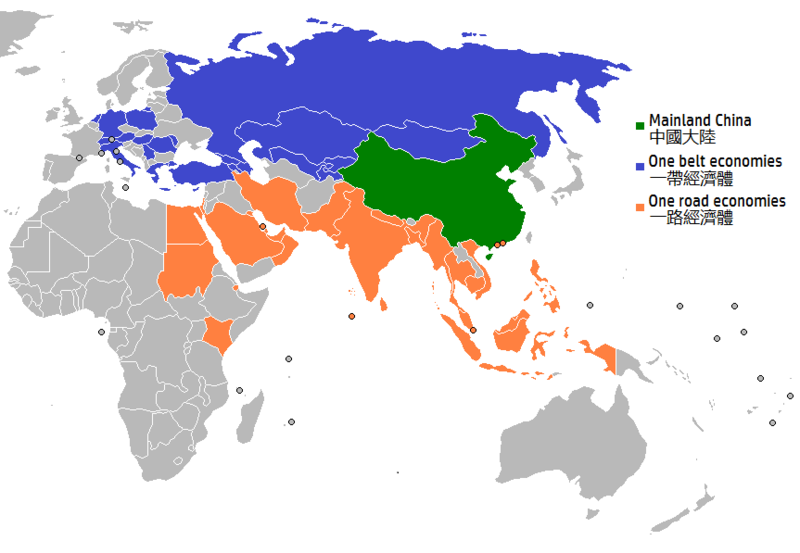
The Covid-19, after the spread in China and the consequent severe restrictive measures, has also spread in ASEAN countries. That resulted in the shutdown of several productive establishments (as it happened in Cambodia for more than two-hundreds factories, which had their productivity interrupted because of the lack of Chinese raw materials). Furthermore, it caused the halt of important infrastructural projects, including those related to the Belt and Road Initiative, (BRI; the Chinese strategic project aimed to connect the Country and its economic partners through new strategical roads, railways and maritime thoroughfares)

ASEAN authorities are beginning to assess the damages due to the Coronavirus. Delays on BRI related projects, in particular, could hamper economic recovery in the next months.

In Indonesia, the Coordinating Minister of Maritime and Investment Affairs announced the delay of the 6 billion high speed railway that will link Jakarta to Bandung: 50% of the materials and 20% of the workers are from China. The construction of the 510 MW hydropower plant in Batang Toru was interrupted too.

Delays are also occurring in Cambodia, where BRI rendered Sihanoukville special economic zone, in the province of Preah Sihanouk, with the purpose of creating an ideal investment platform for companies in the ASEAN area. The project is suffering from a gradual lack of supplies from China, and it is seeing the offices of Chinese leaders remain empty. That will result in a further prolongation of the construction time and it will exponentially increase the costs. However, The Cambodian leader Hun Sen stays positive, hoping that the fabrication will resume after the first quarter of the year.

In Malaysia, up until one month ago, Malaysia Rail Link assured that the East Coast Rail Link – which is worth 10.4 billions and which will link Kuala Lumpur and Putrajaya to east coast states such as Pahang, Terengganu and Kelantan - wouldn’t have been subject of any delay. Due to the current decisions taken by Malaysian government, which put the state in a total lockdown, at least for the next 14 days it is not excluded that slowdowns or temporary interruptions will occur for the project, which is currently completed at 15% .

Instead, the virus is not slowing the China-Laos Railway down, due to be ready for 2021, that will transform Laos from a landlocked country into a terrestrial hub. The central administration had already decided not to interrupt for the Spring Festival: officials and workers have stayed on the construction site, sheltered from the Covid outbreak. Moreover, Chinese and Laotian engineers are starting to lay the foundations of the electricity line, the first BOT (build- operate-transfer) electricity grid in Laos, which will supply the railway.

BRI has a targeted completion date of 2049, but even this date seems to waver as the virus’s impact on economy will be felt for many years to come.

.

Articole edited by Gabriel Zurlo Sconosciuto

ASEAN is betting on free trade

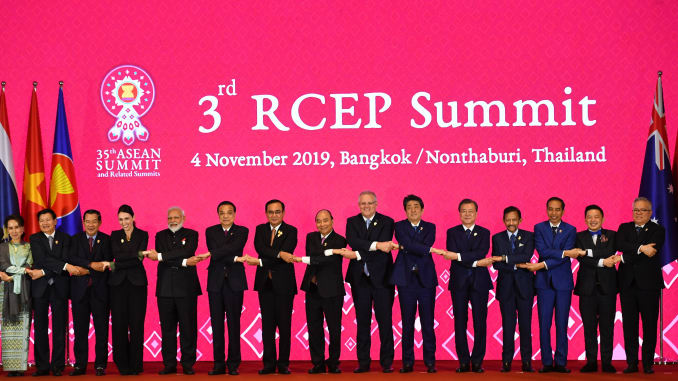
Negotiations for the RCEP are coming to an end and the agreement should see the light at the end of 2020

After lengthy negotiations, this year several countries on the Asian continent are preparing to conclude one of the world's largest trade agreements ever. The agreement, called Regional Comprehensive Economic Partnership or RCEP, involves ten countries of the ASEAN bloc and five of its main trading partners, namely China, Japan, South Korea, Australia and New Zealand. Together these countries make up almost a third of the world's population and global GDP, more than trading blocs such as the European Union, USMCA or Mercosur.

The initial project also included India that then preferred to withdraw from the agreement for fear of damaging domestic production and benefiting China. In fact, several analysts and observers argue that Beijing could use the RCEP as an opportunity to counter American influence in the region and revamp its role as guarantor of free trade at the global level. Donald Trump's aggressive commercial policy has also contributed to strengthening this dynamic, leading several countries to give even more importance to the RCEP negotiations.

Although less ambitious than agreements such as USMCA, RCEP will boost trade in the Asian region by lowering tariffs, standardizing customs rules and procedures, and extending market access especially to member countries that do not have major trade agreements in place. The most significant innovation is the development of common rules of origin for the whole trade bloc

Once the agreement is signed, member countries will be able to obtain a single certificate of origin that will allow companies to easily move products within the bloc, without having to worry about the specific criteria of the rules of origin of each country. This will reduce costs for companies by encouraging them to export more towards RCEP member countries and develop regional value chains

La riduzione delle tariffe e altri benefici non saranno applicati in base alla sede centrale di un’azienda, ma in base alla sede di produzione, consentendo così anche ad aziende americane o europee, che già producono in un Paese RCEP, di esportare in altri stati del blocco alle stesse condizioni.

The reduction in tariffs and other benefits will not be applied according to the company's headquarters, but according to its manufacturing location, thus also allowing non-Asian companies, which already produce in RCEP countries, to export to other states of the bloc under the same conditions. However, it should also be stressed that the agreement will encourage the development of supply chains inside the Asian region, which in turn will leave Western companies at a disadvantage, unless they are located there. It should also be noted that compared to other trade agreements, RCEP only contains some limited measures on services, investments and common standards and does not include specific references to the protection of workers and the environment.

The RCEP should enter into force at the end of 2020, a few months later than initially planned. As the world navigates the aftermath of a major trade war, the case for free trade is under siege. RCEP can offer an optimistic answer to the challenges world trade is facing, in the name of multilateralism and free trade.

Article edited by Tullio Ambrosone
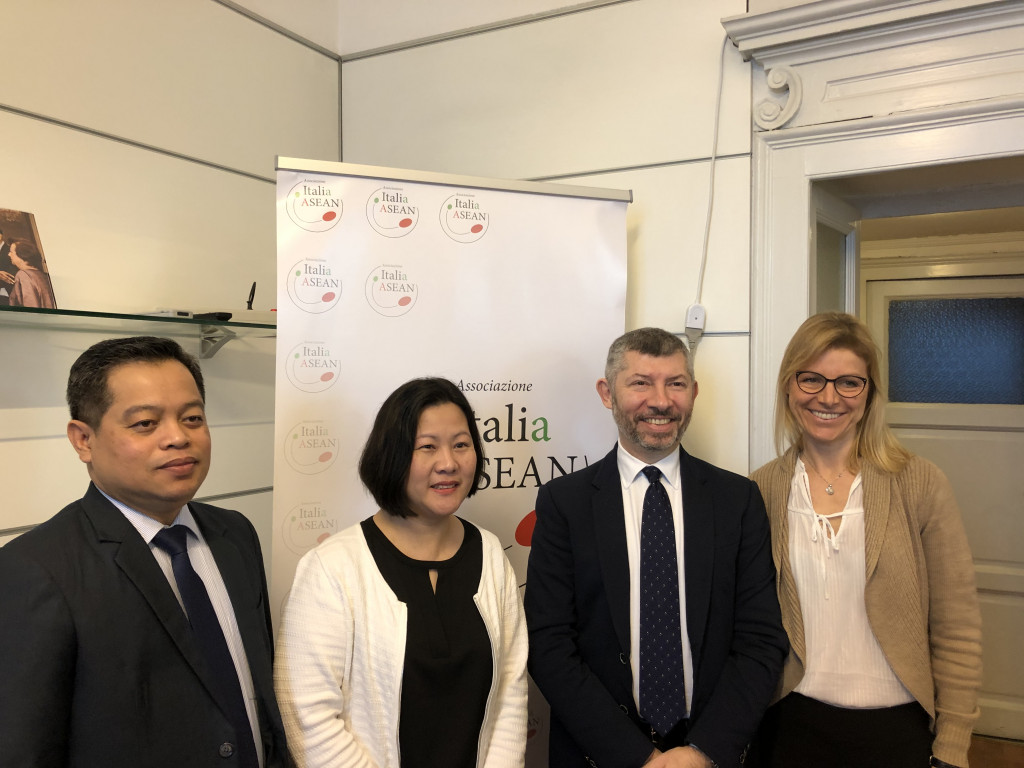
Working breakfast with Ivan Scalfarotto, Undersecretary to the Ministry of Foreign Affairs

Ivan Scalfarotto Associazione Italia-ASEAN

Undersecretary Scalfarotto described the strategy to support the internationalization of Italian enterprises.

On February 17th, the Italy-ASEAN Association had the pleasure to host a meeting in Milan with Mr. Ivan Scalfarotto, Undersecretary to the Ministry of Foreign Affairs and International Cooperation. Undersecretary Scalfarotto discussed alongside Secretary General Alessia Mosca and the Members of the Association about the position of Italy in the current state of international trade.

Undersecretary Scalfarotto confirmed the commitment of the Italian Government to strengthen the economic and diplomatic ties with ASEAN and described the strategy to support the internationalization of Italian enterprises

He highlighted the importance of international trade for the Italian economy. As a matter of fact, exports were fundamental for economic growth during the latest financial crisis: between 2010 and 2017, Italian export grew of +6,4%, while the GDP shrank of -0,8%. Italy would have suffered even more of the economic crisis, if its enterprises were not able to rely on foreign markets.

Furthermore, the “Made in Italy” brand is based on the production of high-quality goods from imported products, such as agri-food and textile products. For example, Italy is well-known for coffee and chocolate, but it does not produce coffee beans and cocoa. Italy does not even produce enough wheat to support its pasta industry

Given the skills of the Italian enterprises, one might be tempted to think that companies can compete on global markets on their own. However, Undersecretary Scalfarotto stressed that, globally, the value of G2G (Government to Government) agreements far exceed those of B2B (Business to Business). He explained that the government can and should play a role as a pro-active actor in facilitating economic exchange. Indeed, it is hard for single companies to install a stable and trusty dialogue with foreign partners without receiving the support of the Government (especially in Asian countries).

To this matter, Undersecretary Scalfarotto then proceed by reporting cases where the Italian Government - through its agencies - was crucial for the internationalization of Italian enterprises. As an example, he cited the role of Cassa Depositi e Prestiti Group in filling the void left by financial institutions in providing funding credit to Italian companies. He also stated that the Italian Government is currently addressing in a unified manner critical issues to international trade, such as external tariffs and duties.

Undersecretary Scalfarotto emphasized that trade can play a key role as a foreign policy instrument, as the Trump administration have showed. Therefore, Government should intervene in crucial sectors where irregularities can emerge (as it is the case with 5G technologies), in order to establish a level playing field. level playing field.

In conclusion, Undersecretary Scalfarotto highlighted the strategic role of the Association of South-east Asian Nations. From the economic point of view, it represents in total the 5th largest economy in the world. From a geopolitical point of view, instead, the region is a great stabilizer to the tensions between bigger regional powers. Therefore, Italy and the European Union should play a more active role in South-East Asia, filling the void left by the US in Asia-Pacific. In fact, strengthening the economic relations with Asian countries can be a tool to promote political stability and growth in the region, a strategy already adopted by the European Union in Latin America.


Lecture by Vivian Balakrishnan, Singapore's Minister for Foreign Affairs

On his first official visit to Italy, the Singapore's Minister of Foreign Affairs met with the Italy-ASEAN Association

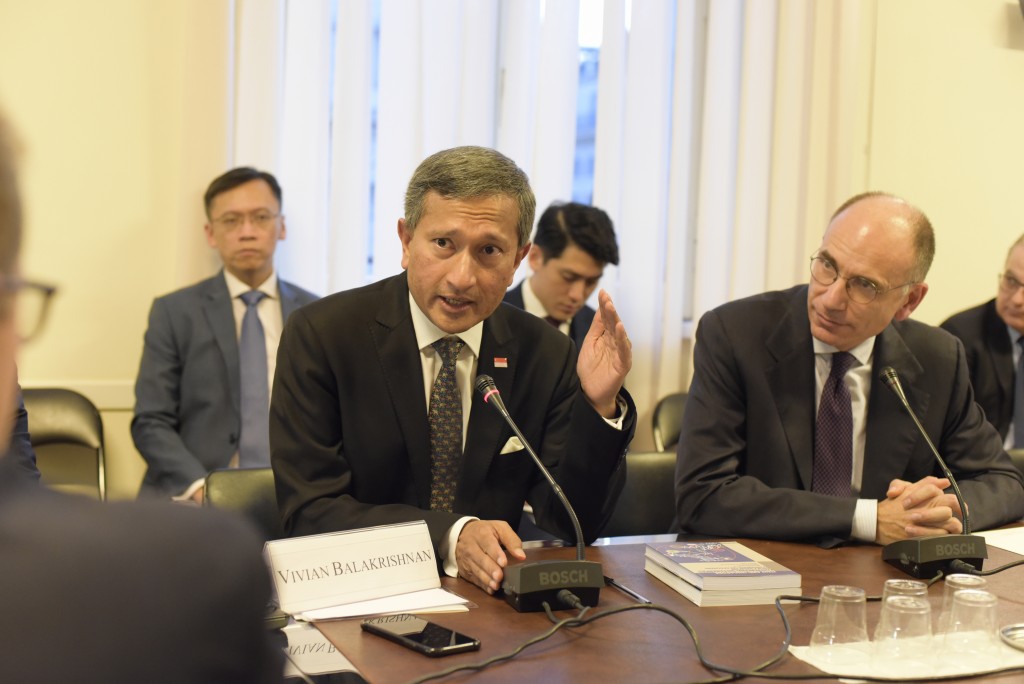
On December 19th 2019, Singapore's Foreign Minister Vivian Balakrishnan held a conference on the evolution of globalization at the office of the Italy-ASEAN Association in Rome.

During his speech, Mr Balakrishnan stressed the long-lasting and stable relationship between Italy and Singapore. In particular, Italy was one of the first countries in the world to recognize Singapore's independence in 1965.

Today, more than 600 Italian companies are active in Singapore and, at the same time also Singaporean investments in Italy are considerable. The recent trade agreement between the European Union and Singapore, which came into force in November 2019, has the potential to further intensify economic exchanges.

Today, more than 600 Italian companies are active in Singapore and, at the same time also Singaporean investments in Italy are considerable. The recent trade agreement between the European Union and Singapore, which came into force in November 2019, has the potential to further intensify economic exchanges.

The Straits Times, an influential Singaporean newspaper, reported a more detailed account of Mr Balakrishnan's visit to Italy. The article is available at the following link.

Working Breakfast on Malaysia

A working breakfast on Malaysia was held to pave the way for the nextHigh Level Dialogue in Kuala Lumpur

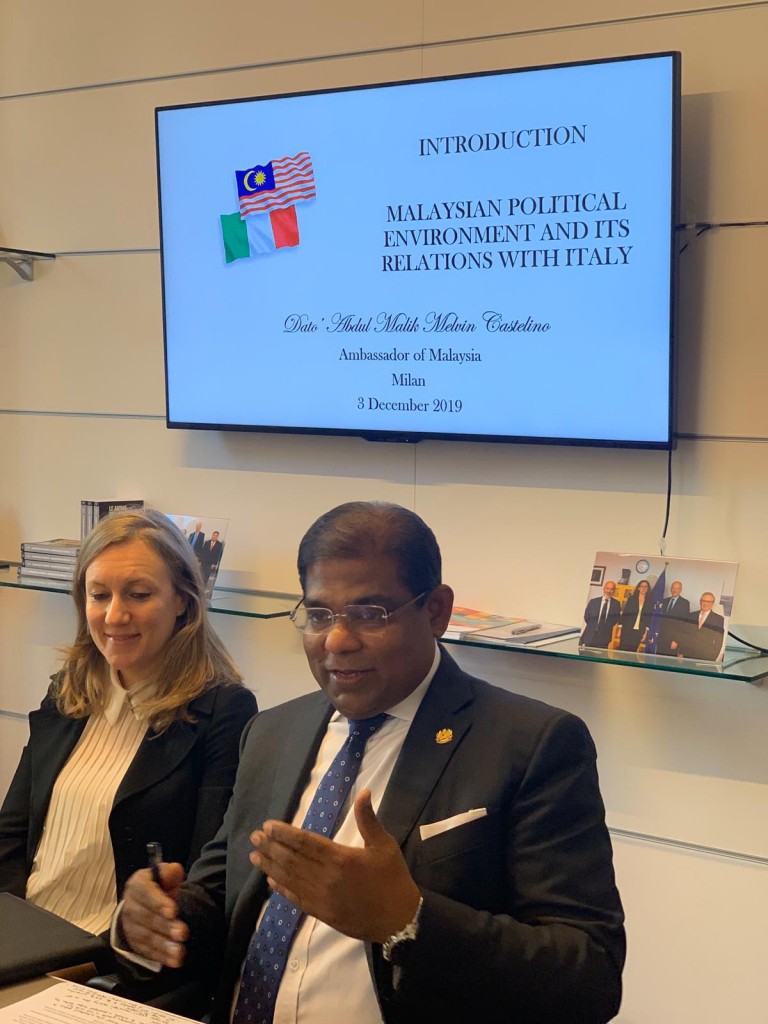
On December 3rd 2019, the Italy-ASEAN Association organized a working Breakfast on Malaysia in its Milan office at the presence of H.E. the Ambassador Abdul Malik Melvin Castelino

The event represented the first step towards the fourth High Level Dialogue, which will be held in Kuala Lumpur on July 1st and 2nd 2020. High Level Dialogue, che si terrà a Kuala Lumpur il 1° e 2 luglio 2020.

The High Level Dialogue is an annual summit, jointly organized by the Italy-ASEAN Association and The European House - Ambrosetti. It represents the most important Italian event in ASEAN, bringing together business and institutional leaders of the two regions.

During the event, Ambassador Abdul Malik Melvin Castelino introduced the opportunities Malaysia can offer to Italy. Gaia Brandolin, on behalf of the Malaysia Investment Development Authority, presented the tools that Malaysia provides to foreign companies interested in investing in the country

Moreover, Lorenzo Tavazzi (Associate Partner and Head of Scenario & Intelligence Department, The European House-Ambrosetti) updated participants on the preparatory work for the High Level DialogueHigh Level Dialogue.

Finally, the Secretary General of the Italy-ASEAN Association, Alessia Mosca, moderated a discussion among participants.

L’Associazione Italia-ASEAN partecipa a Bookcity 2019

Il Presidente Letta e il Vice presidente Orlandi presentano ASEAN for Italy e Le Anime dello Sviluppo

L’Associazione Italia-ASEAN partecipa a Bookcity, organizzando due eventi: Il Sud-est Asiatico dopo Salgari e “Apocalypse Now”. Un viaggio tra geopolitica, economia, culture e tradizioni e Le anime dello sviluppo: dialogo su geoeconomia e religione da Milano all’Asia. Entrambi gli eventi si terranno il 15 novembre, a Milano.

Il primo evento si terrà alle ore 17.00 nell’ufficio dell’Associazione a Milano in Corso Buenos Aires 56. Il Vice presidente Romeo Orlandi presenterà il libro ASEAN FOR ITALY. L’ASEAN per il sistema Italia. Assieme al giornalista, Danilo Taino, e all’Ambasciatrice dell’Indonesia in Italia, Esti Andayani, si discuterà a fondo del “miracolo” ASEAN.

Il secondo evento avrà luogo, invece, alle ore 19.00 nel Castello Sforzesco. Il Presidente Letta si confronterà con S.E.R Mario Delpini, Archivescovo di Milano, su come la dimensione geopolitica ed economica del sud-est asiatico sia fortemente intrecciata alle questioni religiose.

Il complicato connubio tra religione e geopolitica nell’odierno villaggio globale è infatti il tema principale del libro Le anime dello sviluppo. Religioni ed economia nel sud-est asiatico.

E-commerce as an opportunity to enter ASEAN market

The Italy-ASEAN Association analyses the growth of the digital market in South-East Asia.

On 14th October 2019, the Italy-ASEAN Association held a working breakfast on e-commerce opportunities in South-East Asia.

During the event, the development of the e-commerce sector in the region was discussed, highlighting the implications for Italian companies.

The speakers of the event were Giulia Ajmone Marsan (Strategy and Partnership Director at ERIA), Tito Costa (partner at Global Founders Capital), and Marco Ogliengo (founder and CEO of ProntoPro).

ASEAN countries have increased their investments in the digital sector, whose growth has been impressive in recent years. Three factors have favoured the development of the sector in the region: technological progress, demography and - paradoxically - the low level of traditional infrastructure.

E-commerce represents a possible solution to market imperfections in Southeast Asia. However, the sector is still complex and has not yet reached its full potential.

ASEAN's e-commerce market is expected to be worth $350 billion by 2025.

Presentation event of the Italy-ASEAN Association, in Naples and Vicenza

The Italy-ASEAN Association presented the opportunities offered by South-East Asian markets, in two meetings in Naples and Vicenza.

The Italy-ASEAN Association keeps presenting the opportunities offered by the South-East Asian markets to Italian businesses.

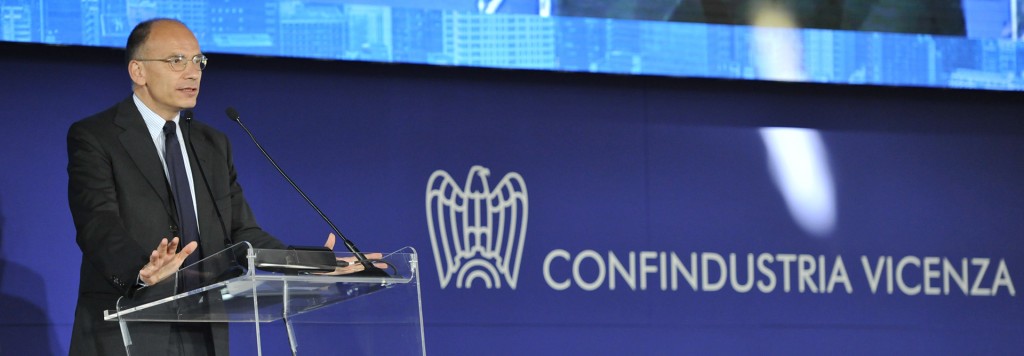
The Association has promoted two events in Naples (on 25th October) and Vicenza (on 13th December), in order to presento local companies its activities and ASEAN's growth figures. The events were organized in collaboration with Unione Industriali di Napoli and Confindustria Vicenza, which we thank for their support.

The Italy-ASEAN Association has already planned to organize other meetings in the first half of 2020, in Bologna and Turin, with the aim of strengthening the awareness of the Italian entrepreneurial community regarding the opportunities offered by South-East Asia.

The Italy-ASEAN Association has already planned to organize similar meetings in the first half of 2020, in Bologna and Turin, with the aim of strengthening the awareness of the Italian entrepreneurial community regarding the opportunities offered by South-East Asia.

Inauguration of the Milan Office of the Italy-ASEAN Association

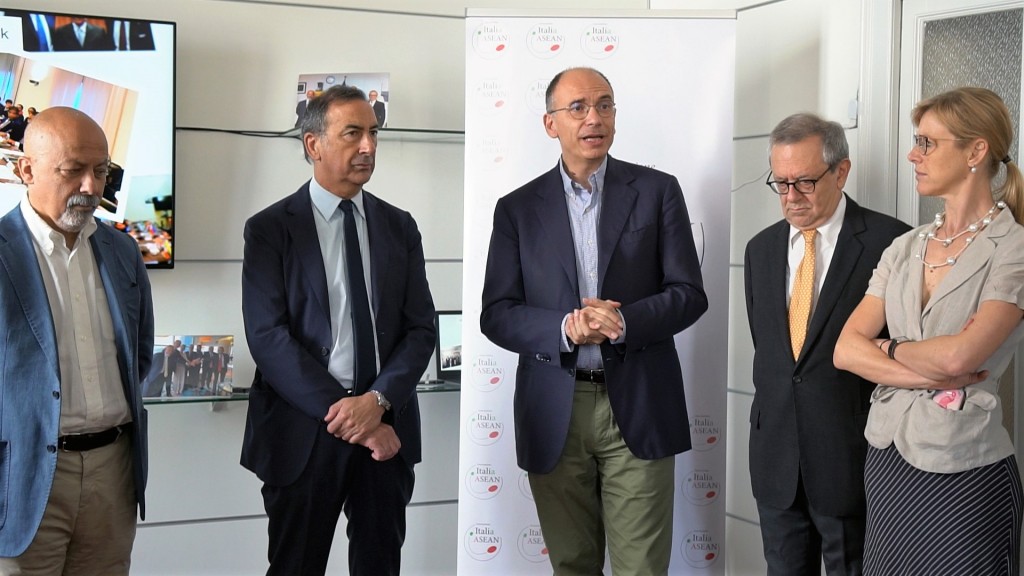
L’Associazione Italia-ASEAN è lieta di annunciare l’apertura di una nuova sede, a Milano, in Corso Buenos Aires 56. L’inaugurazione si è tenuta il 18 luglio 2019, con la partecipazione – tra gli altri – del Presidente dell’Associazione Italia-ASEAN Enrico Letta, del Sindaco di Milano Giuseppe Sala, del Presidente della Regione Lombardia Attilio Fontana, dell’Assessore Regionale all’Ambiente e Clima Raffaele Cattaneo, dell’Assessore…