Malaysia

MIHAS 2025: Malaysia at the Center of the Global Halal Economy

With over 2,300 exhibitors from 45 countries, the Kuala Lumpur trade fair confirms itself as the international hub for halal innovation and business, offering Italian companies a strategic springboard to become key players in Asian, Middle Eastern, and African markets

The halal sector has long been one of Malaysia’s strategic assets on the international stage, and the Malaysia International Halal Showcase (MIHAS) is its most important global showcase. Since 2004, when it was launched as a visionary government initiative, MIHAS has grown to become the world’s largest event dedicated to halal trade, with an economic and diplomatic impact that goes far beyond ASEAN’s borders. At the 2024 edition, business worth over 4.3 billion ringgit was generated and memoranda of understanding worth hundreds of millions were signed, demonstrating how the fair has become a catalyst for international trade and cooperation.

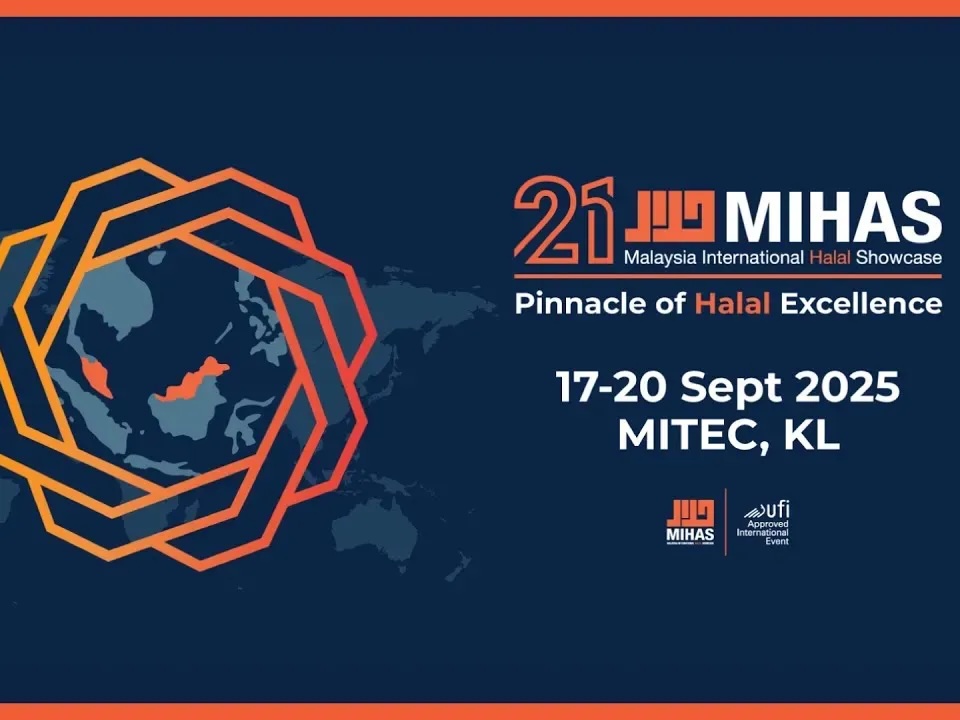
The 2025 edition, the twenty-first, is expected to be the most significant ever: MATRADE, the government agency that promotes Malaysian exports, anticipates the participation of more than 2,300 exhibitors from 45 countries, with over 45,000 professional visitors expected. The chosen theme, “Pinnacle of Halal Excellence”, highlights the ambition to combine innovation, sustainability, and digitalization, transforming the halal sector into a laboratory of inclusive and resilient growth. Today, MIHAS is no longer just about food: it encompasses pharmaceuticals, medical devices, Islamic finance, modest fashion, cosmetics, and “Muslim-friendly” tourism, reflecting the diversification and maturity of the global halal economy.

One of the most relevant innovations this year is the expansion of the MIHAS Knowledge Hub, a permanent digital platform that turns the event into a 365-day commercial ecosystem. Through webinars, expert sessions, market data, and real-time matchmaking, exporters gain continuous access to strategic information and a global network of buyers, moving beyond the logic of a single trade fair. In 2024, the parallel International Sourcing Programme (INSP) facilitated over 2,500 business meetings and generated contracts worth more than one billion ringgit; in 2025, the goal is to consolidate and expand this success.

In this context, European participation takes on particular importance. For Italy, internationally recognized for the quality of its “Made in Italy” products, MIHAS represents a strategic springboard to bring its goods—ranging from agri-food to cosmetics, from fashion to light engineering—into a sector founded on values of integrity and authenticity. Precisely for this reason, ahead of MIHAS 2025, an unprecedented collaboration has been launched with the Italian Chamber of Commerce for Southeast Asia (CCISEA), based in Milan, and with the World Halal Authority (WHA). The goal is to encourage Italian companies to present themselves in Kuala Lumpur with a certified and competitive halal offering, ready to capture the growing demand from Asian, Middle Eastern, and African markets.

This initiative reflects Italy’s growing interest in a sector already worth hundreds of billions of dollars globally, which will continue to expand, driven by consumers increasingly attentive to product quality, traceability, and sustainability. While Malaysia consolidates its role as the world’s halal economy hub, it also offers foreign exporters a unique platform to become key players in a rapidly transforming market.

According to Mr. Ravidran Manogaran, Consul and Trade Commissioner of Malaysia in Milan, MIHAS (Malaysia International Halal Showcase) “is an excellent platform for Italian companies—renowned for their quality and excellence—to expand beyond traditional markets. More than just a regional event, MIHAS is globally recognized and offers Italian businesses a strategic opportunity to present their high-end products to an international audience of buyers and investors. The exhibition ensures valuable B2B matchmaking, networking, and exposure to a wide ecosystem of global partners. Participating in MIHAS allows Italian companies to build trust, create new partnerships, and establish a strong presence in a sector that values integrity and authenticity,” explains Mr. Ravidran, who is convinced that, “while MIHAS helps Malaysia grow globally, it can also support Italian brands, particularly those under the ‘Made in Italy’ label, in becoming authentic global halal brands.” 

For Italian companies, therefore, MIHAS is not just a trade fair but an opportunity to enter global value chains, access highly targeted business matching tools, and build trusted relationships with international partners. It is a gateway to a vast and diverse economic community, which increasingly looks to Italian excellence as a synonym for quality and authenticity.
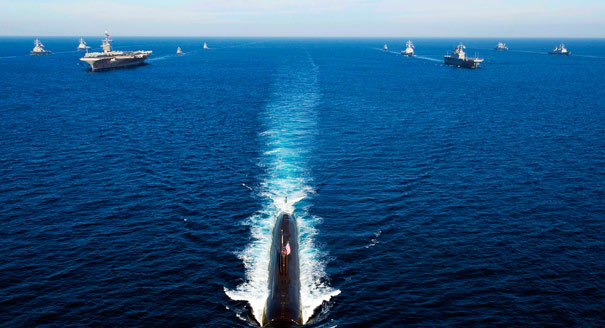

Malaysia’s Role in the South China Sea

Malaysia's strategy, though often operating away from international spotlights, embodies a model of balance and pragmatism in a region marked by growing tensions

By Emanuele Ballestracci

Located at the heart of Southeast Asia’s maritime trade routes—with more than $3 trillion worth of goods passing through its waters annually—the South China Sea (SCS) is one of the most strategic maritime regions in the world. Rich in hydrocarbons and fishery resources, it is a vital corridor linking the Indian and Pacific Oceans. Several countries—China, Vietnam, the Philippines, Malaysia, Brunei, and Taiwan—have overlapping territorial claims here. The region has become increasingly contested, especially since the discovery in recent decades of vast hydrocarbon reserves.

China’s claims are the most extensive, based on a narrative of supposed “historical rights” and codified in the so-called “ten-dash line,” which overlaps the Exclusive Economic Zones (EEZs) of other claimant states. These claims were rejected in 2016 by the Permanent Court of Arbitration in the case “Philippines v. China,” which reaffirmed the primacy of the United Nations Convention on the Law of the Sea (UNCLOS). Despite the ruling, Beijing’s actions have intensified, particularly increasing tensions with Manila.

In this context, Malaysia has long adopted a balanced approach, preferring strategic ambiguity and quiet diplomacy—even informal diplomacy—over explicit confrontation. This method is often cited as a successful model in managing disputes in the SCS. Despite limited operational resources, Putrajaya has managed to maintain control over its claimed territories and ensure stable relations with other claimants. This approach contrasts with other mid-level powers involved in territorial disputes. The Philippines has frequently resorted to international legal mechanisms, while Vietnam has become increasingly assertive, including through naval provocations. 

As a maritime nation whose identity and economic development are deeply tied to surrounding waters, Malaysia’s interests in the South China Sea are existential. The SCS connects Peninsular Malaysia with the states of Sabah and Sarawak on Borneo, making control over islands and atolls—seven out of the ten claimed—and regional stability top foreign policy priorities for Putrajaya. However, Malaysia’s strategy faces significant structural constraints: limited military capabilities and defense budgets; the need to balance relations with both China and the United States; and the importance of maintaining economic ties with Beijing, given the close trade relationship. Malaysia has thus anchored its strategy in: a legal consistency based on UNCLOS to legitimize its claims, an active diplomacy, both bilateral and multilateral, and strong support for ASEAN centrality in managing disputes. On the defense front, Malaysia maintains a pragmatic, non-aligned stance, focusing on presence rather than projection, due to its limited resources.

Despite the relative effectiveness of this strategy, its future sustainability is uncertain, especially amid escalating U.S.-China rivalry that risks triggering a broader crisis in the South China Sea. Over the past decade, Chinese presence has increased in areas claimed by Malaysia, especially around the Luconia Shoals and off the coast of Sabah. Chinese coast guard vessels have repeatedly disrupted operations by Petronas, the Malaysian national energy company, and Chinese military aircraft have violated Malaysian airspace on several occasions. These incidents have been managed quietly to avoid escalation, but they reflect growing strategic pressure on Malaysia. 

Malaysia’s deep economic dependence on China—its largest trading partner, with over $190 billion in bilateral trade in 2022—further limits Putrajaya’s room for maneuver. Regional and multilateral mechanisms have so far failed to effectively address the imbalance: ASEAN remains divided, and negotiations on a Code of Conduct with China remain stalled. Legal and diplomatic tools alone may not be enough to guarantee deterrence, especially as the role of international organizations continues to erode. Still, Malaysia’s low-profile strategy stands as a model of balance and pragmatism in a region of intensifying rivalries. Putrajaya has shown that it is possible to defend national sovereignty and safeguard strategic interests without entering direct confrontations with dominant powers, all while maintaining the stability essential for economic and political development. However, the viability of this Malaysian model is increasingly called into question by China’s growing assertiveness and the intensifying Sino-American rivalry. The success of Malaysia’s approach will depend on its ability to strike a new balance between sovereignty assertion and diplomatic flexibility.

Italy–Malaysia: A Historic Visit Revives the Partnership

Editorial by Massimo Rustico, Ambassador of Italy to Malaysia (2021–2025)

After 37 years, the official visit to Italy on July 2–3 by Malaysian Prime Minister YAB Dato’ Seri Anwar Ibrahim, accompanied by five Ministers, marked a turning point in bilateral relations. The meeting took place during Malaysia’s ASEAN presidency, reinforcing dialogue and cooperation between the European Union and Southeast Asian countries.

Prime Minister Anwar Ibrahim met with the President of the Council, Hon. Giorgia Meloni, and the Deputy Prime Minister and Minister of Foreign Affairs, Hon. Antonio Tajani. During the bilateral meeting between the two leaders—also attended by the Ministers of Defence and Foreign Affairs—key issues in foreign policy and international security were addressed. The President of the Council accepted the Prime Minister’s invitation to pay an official visit to Kuala Lumpur. The talks between the Italian Ministers of Defence and of Enterprises and Made in Italy (MIMIT) and their Malaysian counterparts were also significant.

Malaysia continues to be a key partner for Italy in Southeast Asia, known for its stability and economic openness. The meetings highlighted broad convergence on shared priorities that both sides aim to strengthen in a structured way—particularly in the fields of energy, green and digital transition, defence, microelectronics, supply chains, and advanced industry.

Especially significant was the Italy–Malaysia Economic Roundtable, inaugurated by Deputy Prime Minister and Minister of Foreign Affairs Antonio Tajani, with the participation of the Malaysian Prime Minister and several Ministers. The event brought together leaders from dozens of major Italian and Malaysian companies operating in strategic sectors, along with representatives of the Italian system (CDP, SACE, SIMEST, ICE).

Strong complementarities emerged, especially in high-tech sectors, confirming a clear alignment of visions between the two countries. In the defence sector, Malaysia stands out as a reliable and strategic partner for leading Italian companies, while in the energy sector, new opportunities are opening thanks to the partnership between Eni and Petronas—set to transform the regional energy landscape.

Attention also extends to network, energy, and digital infrastructures, which are essential to support growth and global competitiveness, as well as to technologies for the energy transition. Italian and Malaysian companies—supported by the Italian system and a renewed collaboration with major local financial institutions—thus have access to an effective platform to strengthen industrial, technological, and financial ties, reinforcing Italy’s internationalization strategy in a key ASEAN country. The attraction of Malaysian financial investments was also the subject of bilateral meetings on the sidelines. The Roundtable opened new prospects, laying the groundwork for enhanced economic cooperation in a region that is becoming increasingly strategic for future global balance. With the growing role of this area, Italy reaffirms its commitment to maintaining an active presence by consolidating ties and promoting investments in joint projects focused on security, innovation, and sustainable development.

The meeting further highlighted the broad opportunities offered by bilateral relations, whose revitalization fits into the broader framework of Italy–ASEAN cooperation, evolving alongside the resumption of negotiations on a Free Trade Agreement between Malaysia and the European Union—a key factor in EU–ASEAN relations. The visit underscored how Malaysia, along with Southeast Asia, represents not only a market but an increasingly significant political horizon for Italy and its Indo-Pacific strategy, in line with Europe. Today, Kuala Lumpur and Rome no longer simply engage as friendly capitals, but recognize one another as partners, united by a shared vision and converging interests—particularly in upholding international law and safeguarding freedom of navigation.

Within this strengthened bilateral relationship is the development of the new state-owned premises of the Italian Embassy in Kuala Lumpur—the most modern in Southeast Asia—officially inaugurated on June 6. This stands as a testament to Italy’s continued commitment to solidifying its presence in one of the most dynamic regions in the world.

Massimo Rustico
Ambassador of Italy to Malaysia
(18 October 2021 – 8 June 2025)

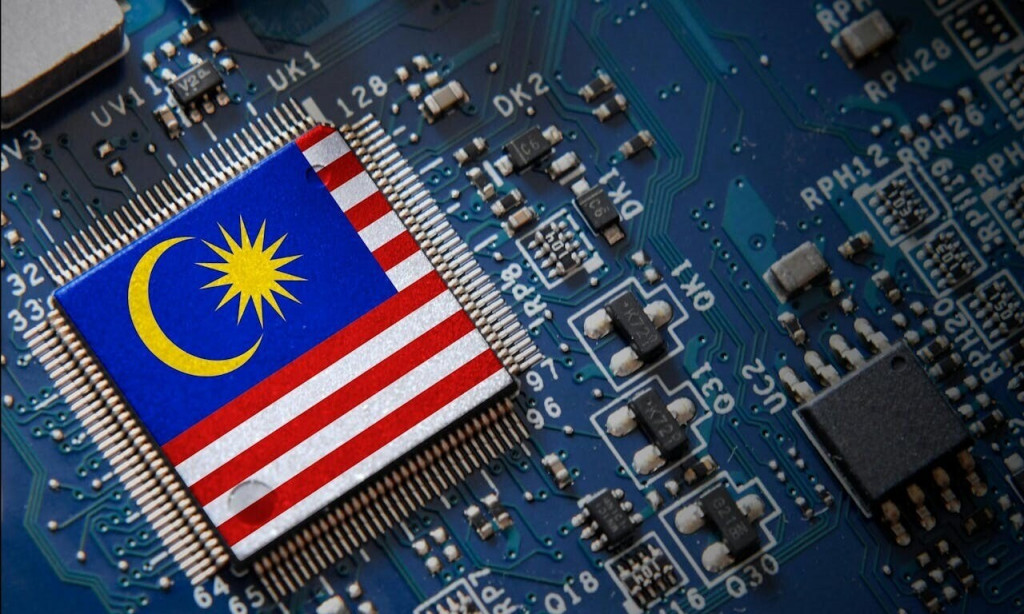
Malaysia’s Key Role in the Chip Industry

In addition to seeking to attract the operations of leading multinational corporations in the sector, Malaysia also aims to strengthen its internal entrepreneurial fabric.

By Emanuele Ballestracci

Semiconductors lie at the heart of the contemporary digital economy. They are essential for powering advanced technologies such as smartphones, artificial intelligence, electric vehicles, and critical infrastructure. The global semiconductor market reached a value of $627 billion in 2024 and is expected to surpass $1 trillion by 2030, establishing itself as one of the pillars in the technological competition among global powers.

The economic and strategic importance of these components is amplified by their military implications, making them a critical point in the rivalry between the United States and China. For both governments, maintaining—or acquiring—technological supremacy is considered crucial, particularly in the long term. This awareness has triggered a major restructuring of global production chains, driven especially by U.S. policies aimed at preserving a comparative advantage. Until just a few years ago, Chinese companies were a central hub in the production process, but that position is now being challenged due to measures taken by Washington to hinder Beijing’s technological development in the sector.

In response, many companies are reorganizing their supply chains, relocating production to areas considered less vulnerable to U.S.-China tensions—such as Southeast Asia and North America—in an attempt to boost operational resilience. In this context, one of the most surprising—and previously underestimated—players is Malaysia. The country ranks sixth among global semiconductor exporters, holding 13% of the global market, though still mainly focused on assembly, testing, and packaging stages. This achievement reflects over fifty years of strategic investments and industrial planning.

Thanks to this solid manufacturing base, Malaysia has now developed a mature industrial ecosystem that is attractive for foreign investment. The government in Putrajaya is decisively pushing for the enhancement of the national tech ecosystem, especially through the creation of tech parks, special economic zones, and development corridors. However, activities remain largely concentrated in low value-added segments, limiting the country’s aspiration to play a leading role in global value chains.

The recent reshuffling of supply chains has nonetheless created an important opportunity for an upgrade. Malaysia’s strategy aims to move up the value chain and gain access to more sophisticated stages of the production cycle. Putrajaya plans to attract $118 billion in investments by 2030, focusing on well-established hubs like the state of Penang—often referred to as the “Silicon Valley of the East”—which hosts advanced plants, research centers, and innovation labs, and has already received significant investment from leading companies like Intel, Infineon, Lam Research, and Texas Instruments.

Beyond attracting multinational giants, Malaysia is also committed to strengthening its internal entrepreneurial landscape. The “National Semiconductor Strategy” launched in 2024 aims to promote the development of local capabilities, making them key players in the country’s technological industrialization. Major initiatives include a $6 billion public investment over ten years and the acquisition of the chip design blueprint from British company ARM. This latter step is particularly significant, as it allows Malaysian companies to access high-tech semiconductor design independently.

Despite these promising developments, challenges remain. Weaknesses in research and development, coupled with a shortage of qualified human capital, hinder the full realization of the strategic plan. One of the Strategy’s outlined goals is to train 60,000 engineers by 2030—10,000 of whom are expected through the ARM partnership—but inadequate university curricula and brain drain present serious obstacles. The so-called “brain drain,” driven by higher salaries and better career prospects abroad—particularly in Singapore—remains one of the most pressing issues. Moreover, Malaysia's limited technological capabilities and the intense competition from giants such as Nvidia, Qualcomm, and ARM itself make market entry under favorable conditions quite difficult.

Finally, Malaysia will need to continue carefully balancing its relationships with the United States and China to ensure the continuity of Western investments without jeopardizing its economic ties with Beijing, its main trading partner. One of Malaysia’s traditional strengths has been its ability to practice strategic ambiguity, which has thus far allowed it to avoid being caught in the superpower rivalry. However, escalating tensions between Washington and Beijing are making this balance increasingly precarious. A clear example is the recent alleged shipment of Nvidia chips from Malaysia to China. This sparked a strong reaction from the United States, which had imposed export restrictions on advanced semiconductors to China in 2022. In response, Putrajaya has intensified controls and launched investigations into some companies involved, whose names have not been disclosed.

In an increasingly unstable global context, Malaysia’s ability to consolidate its role in the semiconductor sector will thus depend on its capacity to capitalize on the opportunities created by the restructuring of global value chains, address its structural weaknesses, and maintain its “neutrality” in the context of the U.S.-China rivalry.

Come sarà la presidenza ASEAN della Malesia

Di fronte alle difficoltà interne, il primo ministro malese Anwar Ibrahim guarda all’esterno per rafforzare la propria legittimità. Sotto la sua guida, Kuala Lumpur è diventata un alfiere dirompente della causa del “Sud Globale”. La sfida della presidenza ASEAN potrebbe richiedere un approccio diverso

Article by Pierfrancesco Mattiolo 

Lo scorso 11 ottobre, il primo ministro malese Anwar Ibrahim ha ricevuto dal suo omologo del Laos, Sonexay Siphandone, il martelletto simbolo della presidenza di turno dell’ASEAN. La presidenza ASEAN è annuale e ruota per ordine alfabetico tra i suoi membri. Lo Stato presidente ha poteri tutto sommato limitati, dato che l’Organizzazione prende decisioni per consenso, ma può influenzare i rapporti diplomatici tra i membri e l’esterno. Kuala Lumpur sembra intenzionata a interpretare questo ruolo con decisione, in linea con il protagonismo di Anwar in politica estera. Tale protagonismo può essere spiegato dalla fame di successi di fronte alle difficoltà a livello interno. Eletto nel 2022 come candidato del Pakatan Harapan (“Alleanza della Speranza”), la coalizione progressista, Anwar è ora accusato dai riformisti malesi di non aver realizzato le sue promesse e non fare abbastanza per risollevare l’economia e combattere la corruzione. La politica malese non è facile da navigare, ma non è detto che quella internazionale sia più agibile per Anwar. Quali sono le ambizioni del leader per il suo Paese e per l’ASEAN?

Lo scorso luglio, Anwar ha annunciato che la Malesia aveva presentato la sua candidatura ad entrare nel gruppo BRICS alla Russia, nella sua veste di presidente del raggruppamento. L’interesse ad approfondire il legame con questi Paesi è in linea con le sue posizioni sulla contrapposizione tra “Nord e Sud globali”. Anwar è noto anche per il suo sostegno alla causa palestinese, il quale può essere spiegato sia per la comune fede islamica, sia per la sua visione del mondo  – diviso appunto tra Nord e Sud. Per l’attuale governo malese, i Paesi del Sud globale devono cooperare per difendere un ordine internazionale “basato sulle regole” e confutare la “doppia morale occidentale”. La politica si intreccia, come al solito, con l’economia. I BRICS offrono ottime opportunità per le aziende malesi, alla ricerca di nuovi mercati per le loro esportazioni di olio di palma, gomma ed elettronica. Questo ultimo settore si sta espandendo vivacemente, soprattutto nella regione del Penang, rendendo la Malesia un potenziale partner strategico per chi ne voglia essere alleato, anche se i produttori locali potrebbero dover fare i conti con le richieste degli Stati Uniti, poco propensi a lasciar arrivare i preziosi semiconduttori ai loro avversari. Se la maggior parte dei Paesi ASEAN cerca di mantenere un’equa distanza tra Washington e Pechino, con l’obiettivo di ottenere i vantaggi offerti da entrambi, Anwar si è concentrato ultimamente soprattutto sui rapporti con quest’ultima e la Russia

Questa tendenza potrebbe creare delle difficoltà per Kuala Lumpur durante la presidenza ASEAN, dato che uno dei dossier più delicati è quello della disputa tra alcuni membri, Malesia inclusa, e Pechino sul Mar Cinese Meridionale. In particolare, Vietnam e Filippine difendono con vigore le proprie rivendicazioni sulle acque contese. I malesi dovranno trovare una mediazione tra queste richieste, la propria linea più conciliante e l’assertività cinese, nella speranza di concludere i negoziati sul Codice di Condotta nel Mar Cinese Meridionale entro la fine del 2025. Un altro dossier caldo della presidenza di turno sarà, ancora una volta, Myanmar. Anwar ha indicato che adotterà una linea più dura nei confronti del regime del Tatmadaw, in discontinuità con la presidenza uscente del Laos. La Malesia è stata una delle voci più critiche rispetto all’inefficace risposta dell’Organizzazione di fronte al genocidio condotto contro i Rohingya, una minoranza di fede islamica, dal 2017 e potrebbe continuare su questa linea, sollecitando un intervento più deciso nella crisi che ha seguito l’ultimo colpo di stato.

L’agenda della presidenza malese include anche obiettivi economici, come la piena implementazione del Regional Comprehensive Economic Partnership (RCEP), un accordo commerciale che coinvolge 15 Paesi nell’Asia-Pacifico, per un PIL combinato di quasi 30 trilioni di dollari. A inizio Ottobre, Anwar ha indicato tre priorità economiche per l’ASEAN: rafforzare le catene di approvvigionamento, consolidare i settori fondamentali per l’economia di ciascuno Stato e rimodellare l’economia regionale sfruttando le sinergie tra Paesi. L’obiettivo di lungo periodo di questa strategia sembra essere la riduzione delle disuguaglianze in termini di sviluppo tra i membri ASEAN, alla base della scarsa coesione e resilienza economica del blocco. 

Non sarà facile tenere insieme l’Organizzazione, date le divergenze politiche, oltre che economiche. Un recente studio dell’ISEAS-Yusof Ishak Institute di Singapore ha rilevato che l’ASEAN è spaccata sulla questione “Stati Uniti o Cina” quale partner strategico fondamentale. Gli intervistati in Vietnam, Filippine e Singapore preferiscono Washington, mentre il campione in Malesia, Indonesia, Brunei, Cambogia, Myanmar e Laos preferisce Pechino. La Malesia dovrà muoversi con cautela tra le due potenze e i loro alleati nell’Organizzazione per non approfondirne le divisioni. Il 2025 ci rivelerà se Kuala Lumpur alzerà il volume della sua campagna come voce emergente, e dirompente, del Sud Globale o se preferirà un approccio più moderato, nella speranza di coinvolgere gli altri membri dell’ASEAN.

Thailand and Malaysia in front row for BRICS

Bangkok and Kuala Lumpur are the first two Southeast Asian governments to have expressed interest in joining the group

Di Silvia Zaccaria

The acronym BRICS refers to the grouping of Brazil, Russia, India, China and South Africa. In January 2024, Egypt, Ethiopia, Iran, Saudi Arabia and the United Arab Emirates joined the BRICS. The five original member countries alone make up about 26 percent of the earth's land area, 30 percent of the global economy and 43 percent of the global population, a figure that continues to grow. Just as the BRICS have among their purposes the goal of bringing together the economies of the Global South, ASEAN was also established as an organization created for the purpose of contributing to the economic, social and cultural development of the countries of Southeast Asia, ensuring their stability, fostering their economic promotion, reducing poverty, and encouraging the exchange and support of countries with profoundly different economic and development levels. By virtue of the increasing economic and political importance the BRICS are gaining, many ASEAN members have expressed more or less concrete interest in their possible entry into the grouping, as early as the 2023 summit in Johannesburg. On May 28, Thailand approved a letter officially manifesting its intention to join BRICS. Ready to follow is Malaysia, whose Prime Minister Anwar Ibrahim has expressed strong interest in possible entry. Indonesia, which participated as a guest at the 2023 BRICS Summit, through Foreign Minister Retno Marsudi, also said it is in the process of evaluating the possible benefits of joining the group. Finally, Vietnam also asserted that the country is seriously considering joining BRICS. In particular, it was pointed out that countries such as Thailand and Malaysia are aiming for BRICS entry for economic and social growth intentions of national interest. “BRICS membership would benefit Thailand in many ways, for example, by increasing Thailand's role in the international arena and enhancing its prospects of being one of the international economic policymakers.”, said Bangkok’s government.

Tokyo and Kuala Lumpur united on climate

We publish here an excerpt of a text that appeared in Nikkei and was signed by the governor of Tokyo, Yuriko Koike, and the mayor of Kuala Lumpur, Kamarulzaman Mat Salleh

Under the Kuala Lumpur Low Carbon Society Blueprint of 2030 strategy, the government of Malaysia's capital city aims to reduce carbon emissions by 70 percent to increase resilience against climate crises and build a secure future for residents. Recognizing the magnitude of this problem, Kuala Lumpur has turned to Tokyo, a city renowned for its pioneering efforts in zero-emission building initiatives and one of the world's leading urban centers. As the Malaysian metropolis strives to achieve its ambitious goals, collaborative assistance is essential to overcome the obstacles that lie ahead. Why is Tokyo, which has a goal of halving carbon emissions by 2030, willing to lend a hand to Kuala Lumpur?

The answer lies in a shared vision of global sustainability. The Tokyo Metropolitan Government understands that addressing the climate crisis requires collective action that crosses borders and frontiers. Sharing our experience can provide a shortcut to building a sustainable and decarbonized society.

Aware of Kuala Lumpur's needs, Tokyo has supported the Malaysian city's efforts using its expertise in designing programs for energy efficiency and carbon reduction in buildings. These include the world's first mandatory carbon dioxide (CO2) reduction program for existing buildings, the Tokyo Cap-and-Trade Program.

Tokyo's support to date includes proposing an energy database for city-owned structures, estimating the potential for CO2 emission reduction, and creating scenarios for CO2 emission reduction. We have agreed that our cities will expand our collaboration in areas such as urban infrastructure development and environmental initiatives. Accordingly, Tokyo is extending support to disseminate information on decarbonization measures and initiatives, including a mandatory solar panel installation program that will be implemented next April. Through workshops, exchanges and collaborative projects, our two cities can promote inclusive learning environments that are respectful of different perspectives. This knowledge sharing can enrich cooperation and provide the foundation for a lasting partnership to promote inclusive climate action.

La strategia della Malesia nel mercato dei chip

Kuala Lumpur ha presentato una nuova strategia nazionale per i semiconduttori con la quale intende acquisire un ruolo più strategico all’interno della catena di approvvigionamento globale

By Alessia Caruso

Negli ultimi anni, il mercato dei semiconduttori è stato sottoposto a pressioni significative, che hanno spinto le aziende leader del settore a decentralizzare e diversificare le loro operazioni. Questo contesto ha stimolato un crescente interesse tra le nazioni del Sud-Est asiatico, che vedono nel decoupling un’opportunità per assumere un ruolo di primo piano in una delle catene produttive più strategiche e tecnologicamente avanzate del mondo.

Tra queste nazioni, la Malesia si distingue per la sua lunga esperienza nel settore. Già negli anni ’70, era sede di 14 aziende di semiconduttori, attirando investimenti da leader del settore come Intel e Infineon. Recentemente, il Paese ha deciso di rafforzare il suo ruolo competitivo. Il 28 maggio 2024, il Primo Ministro malese Anwar ha annunciato la Strategia Nazionale per i Semiconduttori (NSS), mirata ad espandere e riposizionare la Malesia nella catena produttiva globale dei microchip.

Il piano prevede di attrarre 107 miliardi di dollari in investimenti per l’industria nazionale dei semiconduttori, offrendo 5 miliardi di dollari in incentivi fiscali per gli investimenti esteri, creando 20 aziende locali per il design e il packaging avanzato di chip, e avviando un programma di formazione per 60.000 ingegneri malesi. Questa strategia intende rafforzare in modo strutturato e consistente il ruolo della Malesia nella catena di approvvigionamento globale, con una prospettiva di crescita annuale dell’11,41% entro il 2029.

Due elementi della strategia sono particolarmente degni di attenzione. Il primo riguarda il tentativo di riposizionamento lungo la catena di approvvigionamento. Attualmente, la Malesia rappresenta il 13% del mercato globale di test e packaging dei semiconduttori, fasi produttive che richiedono tecnologie non particolarmente avanzate e facilmente trasferibili. L’obiettivo del Primo Ministro malese è spostarsi verso fasi produttive più tecnologiche, occupando un ruolo più strategico. Il secondo elemento da attenzionare è il tentativo di posizionarsi come hub neutrale. In occasione del lancio della NSS, Anwar ha affermato che intende “offrire la nazione come il posto più neutrale e non allineato per la produzione di semiconduttori, contribuendo alla costruzione di una catena di approvvigionamento più sicura e resiliente”.

Quest’ultima considerazione è particolarmente rilevante se inserita nel contesto geopolitico attuale. Tre dinamiche principali hanno caratterizzato questo settore negli ultimi anni: le crescenti tensioni fra Stati Uniti e Cina, le tensioni fra Cina e Taiwan, e gli impatti della pandemia di COVID-19. La competizione tecnologica tra Stati Uniti e Cina ha portato a restrizioni commerciali e politiche protezionistiche. In seguito alle sanzioni imposte dagli Stati Uniti su alcune aziende cinesi, le imprese statunitensi sono state spinte a cercare alternative per le loro catene di approvvigionamento, aumentando così l’interesse verso i produttori di semiconduttori in altre regioni, inclusa la Malesia. In secondo luogo, le crescenti tensioni tra Cina e Taiwan hanno spinto le aziende globali a diversificare le loro fonti di semiconduttori. Taiwan è infatti un attore chiave nel mercato globale dei semiconduttori, con aziende come TSMC che dominano la produzione di chip avanzati. Infine, la pandemia ha evidenziato le vulnerabilità nelle catene di approvvigionamento globali, causando interruzioni significative nella produzione e nella distribuzione di chip. In risposta, molte aziende hanno cercato di ridurre la dipendenza da singoli punti di produzione, spostando parte della loro produzione in regioni con infrastrutture adeguate e politiche di supporto.

La strategia malese si inserisce in questo contesto. L’obiettivo è quello di cogliere le opportunità di attrarre capitali di aziende alla ricerca di un hub tecnologico stabile, lontano dalle tensioni regionali.

Tuttavia, le sfide che si pongono di fronte alla Strategia Nazionale per i Semiconduttori sono diverse. Molti paesi del Sud-Est asiatico hanno infatti riconosciuto le opportunità offerte dal mercato dei semiconduttori. Paesi come Vietnam, Cambogia e Thailandia stanno investendo in questo settore. Tuttavia, la Malesia ha una lunga storia nell’industria, che le dà un vantaggio competitivo significativo. Inoltre, nonostante rappresenti uno dei maggiori esportatori di chip verso gli Stati Uniti, nel 2023 il volume di export è diminuito del 20%. Contrariamente, essa rappresenta l’esportatore di chip più in rapida espansione in Cina, nonché il primo Paese ASEAN. Il rischio è che la Malesia possa rimanere intrappolata nelle dinamiche competitive dell’area, diventando un punto di riferimento solo per uno dei due contendenti. La Malesia ha anche una significativa carenza di capitale umano qualificato, che rappresenta una sfida significativa, soprattutto considerando che il mercato dei semiconduttori è caratterizzato da competenze altamente settoriali e a rapida obsolescenza. La NSS intende proprio affrontare questo problema.

In definitiva, il mercato dei semiconduttori malese oggi si trova di fronte a grandi opportunità che lo Stato intende sfruttare. Se riuscirà a gestire la competizione regionale e posizionarsi come un hub centrale e neutrale, la sua esperienza nell’industria, unita alla sensibilità del governo nel rafforzare le debolezze strutturali, potrà rendere la Malesia un grande hub mondiale per il mercato dei semiconduttori.

Seizing opportunities in the Halal market

Italian companies can benefit from the Malaysian experience.

Editorial by Consulate of Malaysia / Malaysia External Trade Development Corporation (MATRADE)

Viewed through a business lens, the current Halal market offers a myriad of attractive opportunities with considerable economic value on a global scale. As outlined in the analysis report titled "Global Halal Economy Growth Opportunities" by research and consulting firm Frost & Sullivan, the market for the global halal economy is forecasted to undergo significant growth, with expectations of reaching US$4.96 trillion by 2030, up from US$2.30 trillion in 2020. With traditional Halal markets, primarily in Muslim-majority countries, approaching saturation, new markets are springing up worldwide, providing lucrative commercial prospects for the sector, including in the regions like Europe.

Mr. Ravidran Manogaran, the Consul and Trade Commissioner of Malaysia in Milan, highlighted the unexplored business opportunities in Italy's Halal sector, well-positioned to serve the growing Muslim community and influx of Muslim tourists. He voiced the hope that one would perceive halal not only for its Islamic ethical values but also as a comprehensive value proposition. He emphasized that the Halal economy signifies quality assurance and is in line with sustainable development objectives. Additionally, Mr. Ravidran underscored that when looking at halal holistically, it includes aspects like hygiene, cleanliness, health safety and inclusivity, all of which hold appeal for diverse communities.

As part of the national strategy to establish Malaysia as the premier global Halal hub, Malaysia External Trade Development Corporation (MATRADE) leads the charge in promoting the internationalization of Halal products and services through the Malaysia International Halal Showcase (MIHAS), an esteemed annual event recognized worldwide as the largest Halal expo. Mr. Ravidran extends an invitation to Italian companies interested in participating in this year's MIHAS, scheduled to take place at the Malaysia International Trade and Exhibition Centre (MITEC) in Kuala Lumpur from September 17th to 20th, 2024. Attending MIHAS would serve as a valuable opportunity for Italian businesses to connect with Muslim consumers in Italy and the surrounding regions. Through collaboration with Malaysia's Halal-certified manufacturers, Italian companies can explore private label branding possibilities and delve into diverse expanding Halal sectors beyond the food, such as pharmaceuticals, Islamic finance, modest fashion, and Muslim-friendly tourism.

The Italian importers seeking Halal products/services from Malaysia are encouraged to participate in B2B business matching sessions through the International Sourcing Programme (INSP) alongside MIHAS, available in virtual, physical, and hybrid formats. Meanwhile, Italian companies interested in exporting to Malaysia are invited to exhibit their Halal products and services at MIHAS.

Interested parties can contact the Consulate of Malaysia / MATRADE in Milan for more information via telephone at +39 02 669 81839 or email at milan@matrade.gov.my. 

* Note: MATRADE is the national trade promotion agency under the Ministry of Investment, Trade, and Industry (MITI) of Malaysia, responsible for promoting export and positioning Malaysia’s companies on the international stage.

Mr. Ravidran Manogaran
Consul & Trade Commissioner
Consulate of Malaysia,
Malaysia External Trade Development Corporation (MATRADE),
Via Alberico Albricci 9
Milan, Lombardy 20122
Italy.
Tel : +39-02-669 81839 
Fax : +39-02-670 2872 
Email: milan@matrade.gov.my
Countries of Coverage: Albania, Corsica, Croatia, Cyprus, Greece, Italy, Kosovo, Malta, Montenegro, Serbia, Slovenia

Photos of MIHAS

https://www.mihas.com.my/static/img/in_the_news/news-1.jpg
https://www.mihas.com.my/static/img/in_the_news/2023/news_tremendous_response_mihas.jpg
https://www.mihas.com.my/static/img/in_the_news/2023/news_mihas_2023_records_3_billion_in_sales.jpg

International Sourcing Programme (INSP) ) in-conjunction with MIHAS

(B2B Business Matching)

https://mihas.com.my/static/img/gallery-2024/VIP06638.jpg
https://mihas.com.my/static/img/gallery-2024/INSP%20Crowd.jpg

Global Halal Summit (GHaS)

(Halal summit/conference)

https://mihas.com.my/static/img/gallery-2024/VIP08430.jpg

Knowledge Hub 

(Halal Seminar/Talks)

https://mihas.com.my/static/img/gallery-2024/IMG_4105.jpg

Fashion Show

(focused on modest fashion)

https://mihas.com.my/static/img/gallery-2024/DSC03932.jpg

Event Venue: MITEC

Address: 8 Jalan Dutamas 2, 50480 Kuala Lumpur

https://www.mihas.com.my/static/img/about_mihas/mitec-2022.jpeg

The Malaysia International Trade and Exhibition Centre (MITEC) is the country’s largest exhibition centre with 1 million square feet of gross exhibition space. The first component and flagship of KL Metropolis, a city within a city where trade, commerce, living and transport converge over 75.5 acres of prime land development, MITEC is poised to be the exhibition venue of choice in the Southeast Asia region. The 12,960 sqm of column free space on level 3 providing an unobstructed and expansive view, making it the largest pillar-less exhibition hall in Malaysia. The entire combined exhibition halls are able to accommodate up to 47,700 visitors in theatre style seating and 28,300 guests in the banquet arrangement at any one time. 

The increasingly central role of Malaysia in microchips sector

Kuala Lumpur is attracting more and more foreign investors to its semiconductor sector, aiming to move up the value chain for chips, particularly those for electric vehicles

By Walter Minutella

Malaysia is emerging as a crucial node in the microchip supply chain. This leading role is supported not only by its strategic location in the heart of ASEAN and the relative political and economic stability of the country, but also by developed infrastructure, highly skilled workforce, and government policies favorable to foreign investment. 

Furthermore, the growth of the domestic market and the presence of natural resources contribute to making Malaysia an increasingly attractive option for investors, especially from the United States and Europe, in the microchip sector, seeking to diversify their production across different areas. This phenomenon reflects how geopolitics is shaping technological production.

According to the Financial Times, Malaysia has become a magnet for major companies in the sector, including Intel, Micron, and others. With a significant increase in foreign direct investment, the semiconductor sector in Malaysia is experiencing unprecedented expansion. In just the northern state of Penang, foreign direct investments worth $12.8 billion were activated last year, surpassing those of previous years.

The Malaysian government has recognized the strategic importance of the semiconductor industry and is actively committed to further developing it. Prime Minister Anwar Ibrahim has stated that the development of the semiconductor industry is a crucial goal for the country.

US technology companies are playing a key role in this growth scenario. For example, Intel has invested $7 billion in new facilities in Malaysia, including an experimental 3D packaging plant. Another industry giant, Micron, opened a second plant in Penang last year, while Infineon announced a $5.4 billion expansion plan.

These investments not only indicate Malaysia's growing role in the semiconductor sector but also have significant implications for the local economy. Industrial land prices have increased by 60% since 2002, while road traffic has experienced increasingly frequent congestion.

However, Malaysia faces crucial challenges in maintaining this sustainable growth. One of the main issues is the shortage of skilled labor, with the expanding sector requiring at least 50,000 new engineers annually, while the country's universities produce only 5,000 graduates in the field.

The choice to invest in Southeast Asian countries like Malaysia is also motivated by their strategic position in the South China Sea, which plays a crucial role in the chip sector. This strategic location allows companies to have privileged access to key trade routes for transporting components and finished products in the semiconductor sector. Furthermore, being one of the most important navigable routes globally, the South China Sea facilitates efficient transportation of materials and products to Asian and global markets, thus contributing to the competitiveness of companies operating in this sector.

The economic benefits resulting from investment in these regions include highly skilled and relatively low-cost labor, modern infrastructure, and a favorable policy for foreign investment. The presence of special economic zones and additional tax incentives makes investment in these areas even more attractive, offering companies a favorable environment to expand their operations and maximize returns on investment.

Furthermore, interest in Malaysia has increased after the Covid-19 pandemic highlighted the vulnerabilities of global supply chains. Tensions between the United States and China have prompted both countries to seek reliable sources of semiconductors outside mainland China, further accelerating interest in Malaysia.

With the semiconductor industry continuing to grow in Malaysia, the country is preparing to face challenges such as expanding infrastructure and transitioning to clean energy. Despite these challenges, many business executives are confident in Malaysia's role in the global technological supply chain, recognizing its potential to become a benchmark in the global electronics industry.

Malaysia is attracting increasing foreign investment in its semiconductor sector, aiming to advance in the chip value chain, particularly for chips used in electric vehicles.

Currently, the country holds a 13% share of the global market for semiconductor packaging, assembly, and testing services. Additionally, Malaysia ranks as the sixth-largest exporter of semiconductors globally, packaging 23% of all American chips, contributing to 25% of the nation's GDP. This makes it a key player in the global semiconductor market.

In the past, Malaysia was recognized as the Silicon Valley of the East, having been a pioneer in chip production in the 1970s. However, over the subsequent decades, it gradually lost ground to South Korea and Taiwan. Nevertheless, Malaysia is currently striving to regain leadership in the sector, pushing to diversify its production. Among the potential advantages for Malaysia is that companies are seeking a less exposed location to global turbulence and with more stable future scenarios compared to Taiwan, which currently dominates the manufacturing and assembly sector. 

Malaysia's New Industrial Master Plan (NIMP) 2030 provides a roadmap for increasing the value-added of the manufacturing sector, encouraging more sophisticated activities such as semiconductor equipment manufacturing and integrated circuit design. The country aims to develop the semiconductor sector, focusing on high-value-added activities such as wafer fabrication and integrated circuit design.

In recent years, the country has seen significant investments from European and American companies, as seen in the cases of Intel and Texas Instruments. However, there are challenges that investors must face, including the shortage of qualified talent in the semiconductor sector and heavy dependence on foreign companies to support the industry. Despite these challenges, Malaysia remains an important destination for foreign chip manufacturers, attracted by its strategic position in Southeast Asia and supportive government policies.

Diversifying supply chains offers opportunities for Malaysia to expand its presence in the global electronics industry, moving towards more sophisticated and innovative production. With targeted investments in research and development, as well as training programs, Malaysia could further strengthen its role in the semiconductor sector, contributing to economic growth and innovation.

The renaissance of Malaysian cinema

International awards spotlight domestic struggles against censorship and interventions needed to develop the film industry.

In recent years, Malaysian films have finally gained international attention and recognition. In May, "Tiger Stripes" (2023), a coming-of-age horror film directed by Amanda Nell Eu, won the Critics' Week Grand Prix at the Cannes Film Festival, becoming the first Southeast Asian film to win the prestigious award. On Oct. 5, the government selected the film as the Malaysian nominee in the Best International Feature Film category for the upcoming 96th Academy Awards. Several other Malaysian-made films have also won global accolades, including Woo Ming Jin's "Stone Turtle" (2023), Yasmin Ahmad's "Slit Eyes" ("Sepet," 2004) and Lay Jin Ong's "Brothers" ("Abang Adik" 2023), which won the best film award at the Far East Film Festival in April.

Notable among the stars of this renewed success is certainly Michelle Yeoh, who won the Oscar for best actress for "Everything Everywhere All at Once" (2022) at the Academy Awards. Malaysia's King Al-Sultan Abdullah Ri'ayatuddin and Prime Minister Anwar Ibrahim were among the first to congratulate the Malaysian actress. Film buffs, however, argue that Malaysian government policy has contributed nothing to her success abroad. Yeoh's is one of many cases of Asian actresses and actors who have ventured out of the country for better opportunities: veteran South Korean actress Youn Yuh-jung, who won the Oscar for 'Best Supporting Actress' for her role in "Minari" (2020); Malaysian-born Henry Golding and Ronny Chieng both starred in "Crazy Rich Asians" (2018); and Yeo Yann Yann, also of Malaysian descent, starred in the Disney+ series "American Born Chinese." Malaysian screenwriter Adele Lim has also made a name for herself in the United States, working on "Crazy Rich Asians" and the Disney animated film "Raya and the Last Dragon" (2021). In 2023, Lim made her Hollywood directorial debut with "Joy Ride" with Oscar nominee Stephanie Hsu.

Despite all these success stories, the country's film industry remains very static. Strict censorship laws and limited access to funding are proving to be major obstacles for many local filmmakers and actors hoping to develop their careers. Some industry figures have expressed the main criticisms. According to Badrul Hisham Ismail, director of "Maryam" (2023), "Malaysia has everything, but it is everywhere and everywhere, which means getting nothing, being nobody and nowhere." Badrul noted that Yeoh had not appeared in any Malaysian-produced films, making her success at the Oscars irrelevant to the Malaysian government's film policy. Local writer and stand-up comedian Shamaine Othman agrees with Badrul that the film industry in multi-ethnic Malaysia is highly polarized. In local productions, most high-budget roles are for actors from the majority ethnic Malay community, while actors of Chinese descent often choose to leave to work on American or Chinese productions. "For many non-Malays, it seems like the right way to go," Shamaine said, "being here just means constantly being cast as token characters."

Another critical issue hindering local film development is surely cultural conservatism in predominantly Muslim Malaysia, which has led to the banning of many films with LGBTQ references, including recent releases such as "Lightyear" (2022), "Thor: Love and Thunder" (2022) and "Whitney Houston: I Wanna Dance With Somebody" (2022). Sexual and gender issues are not the only dangerous terrain on which filmmakers must navigate. Ethnic and religious issues are also sensitive areas where filmmakers must tread carefully to avoid regulatory repercussions. The film "Mentega Terbang" (2021), directed by Khairi Anwar, caused much controversy when it was removed by Viu, a Hong Kong-based streaming platform, apparently for referring to apostasy from Islam, a crime in Malaysia. The film was eventually banned from all screening platforms in September. At the center of a national uproar, the director and cast were investigated by Malaysian authorities for their role in the film. No charges were filed, but according to Malaysiakini, an independent news outlet, the director received death threats.

Lutfi Hakim Arif, executive producer of "Maryam," told the Nikkei that "creeping conservatism" in the Malaysian film industry is nothing new, especially in relation to Malaysians and Muslims. Both Badrul and Lutfi said the Malaysian censorship board operates under a double standard, giving the green light to films that reference sex, scandals and celebrities and blocking films such as "Mentega Terbang" that challenge the nation's status quo. According to Badrul, the main goal of the censorship board is to "control thoughts," while showing no interest in Malaysian films, which are, on the other hand, technically very good, as evidenced by the success of the following Malaysian-made animations, "Ejen Ali: The Movie" (2019), "Upin & Ipin: The Lone Gibbon Kris" (2019), and "Mechamato Movie" (2022), which were screened in Southeast Asia. "Mechamoto" was the first non-Japanese cartoon to be screened on Japanese TV channels, winning the prestigious Anime Fan Award at the Tokyo Anime Award Festival 2023. Locally, it ranks among the top five highest-grossing films to date (as of January 35.8 million ringgit, or $7.51 million).

Malaysia was a film powerhouse in the 1950s and 1960s, when actor and director P. Ramlee made several successful films for Shaw Brothers in Singapore and Kuala Lumpur. However, as contemporary actor and screenwriter Redza Minhat says, the industry landscape has failed to evolve, hampered by a small market polarized between productions aimed at Malay, Chinese and Indian audiences, the country's three main ethnic groups. "For such a small market, you need to have a long-term strategy; to overcome the obstacles in the industry, you need to bring the right people together, and the first thing is to have the political will," said Redza, whose latest the film "Imaginur" (2022) has garnered box office takings of 6 million ringgit in the first month since its release in Malaysia in late February. Redza said that ending censorship would be the best way to address the problems of the Malaysian film industry and proposed that FINAS - National Film Development Corporation Malaysia - use slate financing as a development tool. Slate is a type of film financing in which an investor provides financing for a portfolio of films, rather than for a single film, to reduce risk and diversify investment.

Meanwhile, there is already an air of change with new business entities entering the Malaysian market. In the past two years, leading Malaysian film studios Golden Screen Cinemas and Astro Shaw have ventured into the production of blockbuster action films such as "Polis Evo 3" (2023), "Malbatt: Misi Bakara" (2023) and "Air Force the Film: Selagi Bernyawa" (2022). In May, streaming platform Amazon Prime Video said it would include more local movies and dramas, including "Imaginur." On the other hand, so-called over-the-top (OTT) streaming services, which viewers access via the Internet, are growing steadily, although still lagging behind cable and satellite competitors such as Netflix, Apple TV, Disney's Hotstar and HBO. According to Statista, OTT user penetration will reach 63.7 percent of the Malaysian market this year, with revenues exceeding 1 billion ringgit.

Kamil Othman, President of FINAS, said the government is working on updating and amending the National Film Act to meet the needs of the industry, as films have great potential to contribute to GDP growth. Kamil said the film support system needs to be amended to fill gaps and encourage film production. "There is no single point of reference and FINAS intends to be one, at least within the scope of law enforcement. We are trying to see right now how this public-private partnership can work best," he said. "The answer could be a new tax system, new incentives."

On Oct. 13, the government announced a number of initiatives intended to help filmmakers, including reductions and exemptions of 25 percent, from the entertainment tax-applied on cinema tickets and art performances, tax incentives for film production, and further support for digital content and film production in Malaysia. However, broader changes in policy may be needed for the future of the industry. Former Malaysian Minister of Youth and Sports Syed Saddiq Abdul Rahman said the government and the film industry should reform the censorship regime by appointing a diverse group of professionals to the censorship board.

Malaysia is therefore looking for a middle ground. The way forward should be a policy that gives confidence to the film industry, whose enormous potential is before everyone's eyes, by aiming for independence, with no more restrictions on artistic freedom.

Chip, Intel's maxi expansion in Malaysia

Malaysia is already a vital base for packaging, assembling and testing chips for Intel. It will be even more so

By Tommaso Magrini

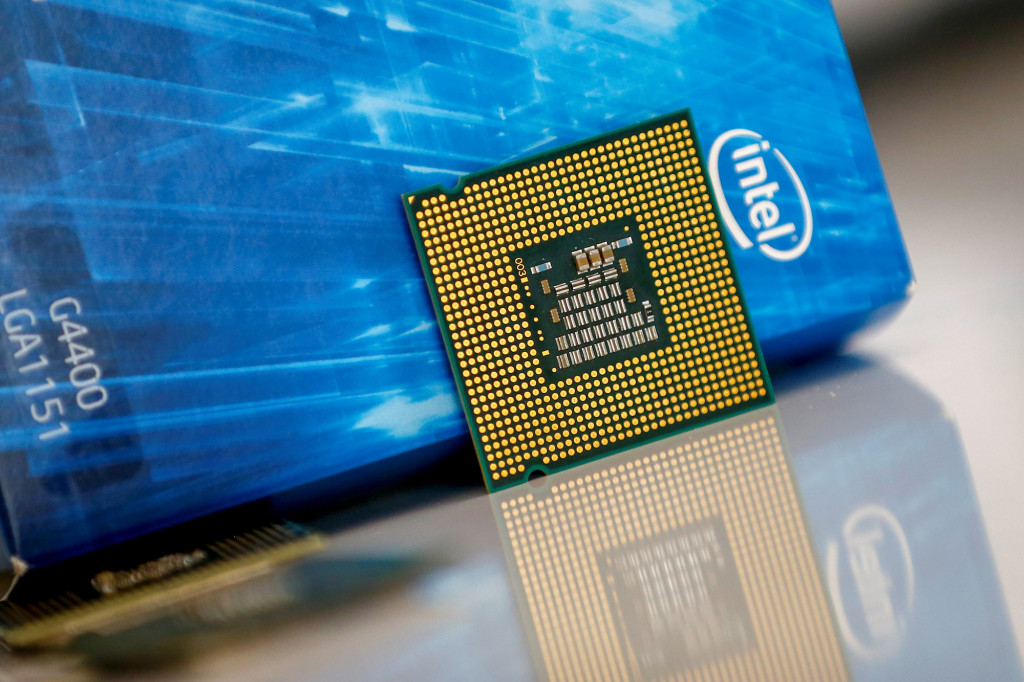
Intel aims to quadruple the capacity of its most advanced chip packaging services by 2025, planning to build a new plant in Malaysia. The factory under construction in Penang will be Intel's first overseas facility for advanced 3D chip packaging, what the company calls Foveros technology. The company is also building another factory for chip assembly and testing in Kulim, as part of a $7 billion expansion in the Southeast Asian nation. Malaysia will thus become Intel's largest manufacturing base for 3D chip packaging, said Robin Martin, corporate vice president for supply chain and manufacturing operations. The company did not specify when the Pengang plant will begin mass production. Intel will also use the technology for its new central processing unit (CPU) for personal computers. In the past, chip packaging was considered less crucial and less technologically demanding than chip production itself. It has emerged as a key area in the race to produce increasingly powerful chips, as the conventional approach--compressing more transistors into a smaller area--becomes increasingly difficult. According to Yole Intelligence, the market for advanced chip packaging services was worth $44.3 billion in 2022 and is expected to grow at a compound annual rate of 10.6 percent from 2022 to reach $78.6 billion by 2028. Malaysia is already a vital base for chip packaging, assembly and testing for Intel, which employs 15,000 people in the country, including 6,000 in its chip design center. The development confirms and fortifies Kuala Lumpur's ambitions to become a major regional hub for Southeast Asia for semiconductor manufacturing.