
Nickel, Indonesia's gold

Jakarta is extremely rich in it, and the element has become strategically important due to the advancement of electric vehicle production. Attracting the interest of major powers

That there is unanimity toward the need to move away from fossil fuels by 2050 is now a fact, especially following the historic COP28 agreement. However, when it comes to considering the shift to renewable energy sources as an opportunity for sustainable growth for developing economies, unanimity leaves room for a view imbued with both optimism and pessimism. Indonesia, with its use of nickel as a driver of the green transition and subsequent environmental damage, is a case in point.

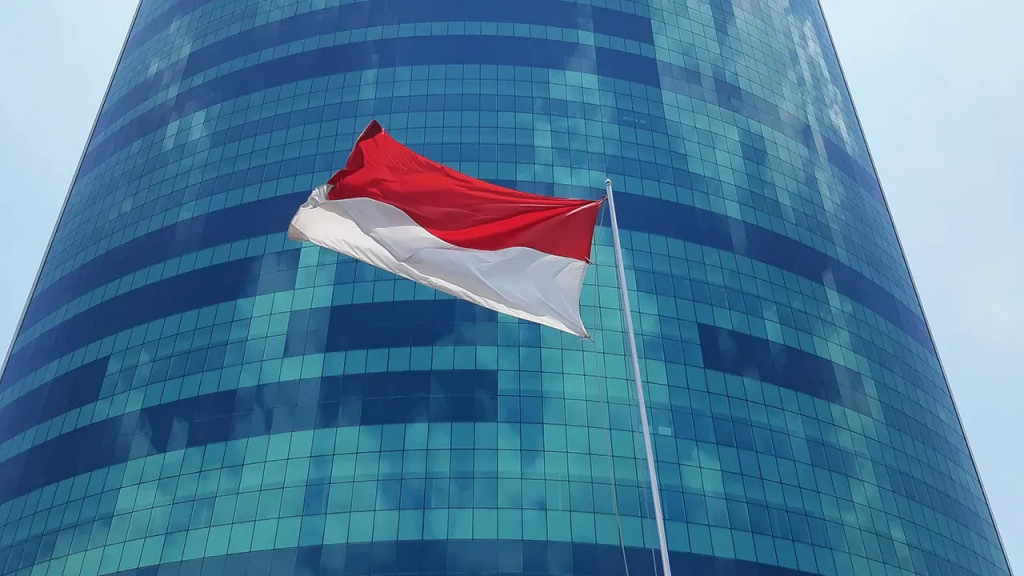
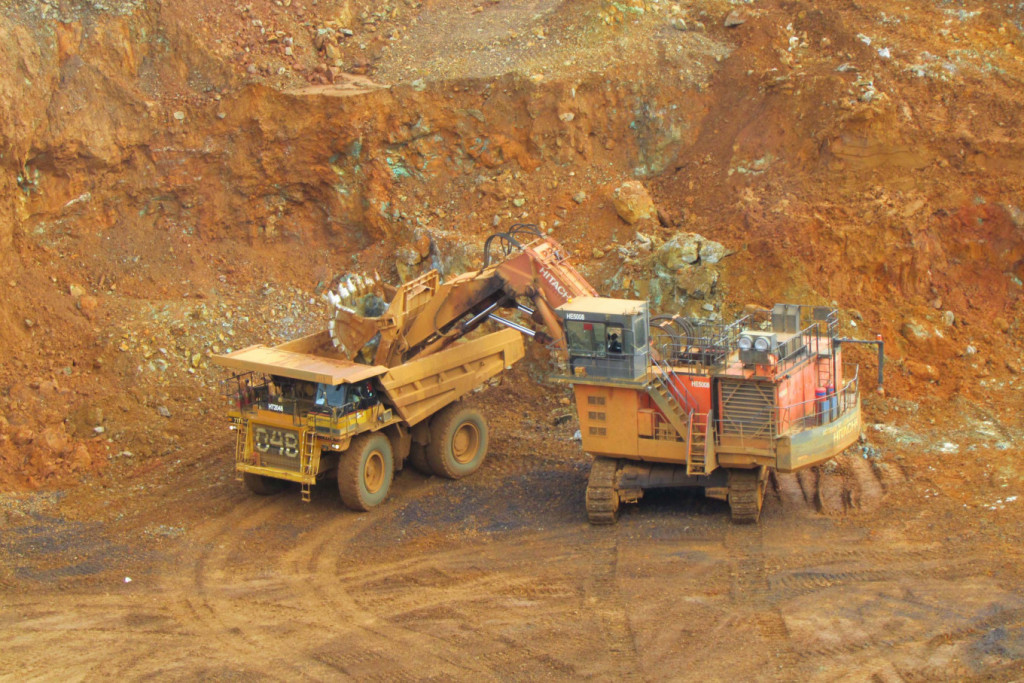
In recent years, nickel (especially class1 nickel) has become strategically important due to the advancement of electric vehicle (EV) production, whose annual sales will reach at least 41 million by 2030, according to the IEA. Due to its exceptional properties and high recycling efficiency, nickel contributes to the circular economy, and more broadly to the achievement of various SDGs. Not surprisingly, Indonesia, as the world's largest nickel producer with 52 percent of total global reserves, aspires to become an indispensable hub for the EV industry. Indeed, the country has cost advantages and relative ease of developing new projects compared to other countries producing the metal, including the Philippines, Russia and Australia. Moreover, with the adoption of regulations banning its export, the government has been able to attract massive investment, mainly from China.

However, while it is true that the phasing out of gas-powered cars is a major part of the energy transition, it is also true that processing nickel for use in EV batteries involves significant environmental impacts. Indeed, it is worth noting that most of Indonesia's production is class2 nickel, which requires processing processes to be transformed into class1 nickel. And, unfortunately, mining and processing activities have generated large volumes of toxic waste, caused deforestation and loss of biodiversity. It gives pause for discussion that the environmental damage is borne entirely by the place where the mining takes place, and ultimately by the communities living there. Just as it makes one wonder that these plants are highly energy intensive, sourcing mostly from coal-fired power plants. 

Nevertheless, nickel exploitation represents a significant opportunity for Indonesia to sustain its economic growth, consolidate its leadership role in the region, and aspire to be a high-income country. Being a critical sector for industrial balances, nickel inevitably affects geopolitical dynamics, making Jakarta an increasingly coveted prey for Beijing and Washington. On the one hand, China as the world leader in EV production, has invested $8 billion in 2022 increasing its influence in the country as a crossroads between the Indian and Pacific Oceans. Effectively, many nickel refining operators are owned by China's Jiangsu Delong Nickel Industry, just as the Morowali Industrial Park (IMIP) is Sino-Indonesian-owned. On the other hand, strategic ties between Washington and Indonesia were elevated to a Comprehensive Strategic Partnership (CSP) in November 2023, although they still remain superficial and lack economic cooperation. Indeed, the absence of bilateral free trade agreements between the U.S. and Indonesia and the resulting trade barriers will make it difficult to implement key programs for the CSP, including precisely the possibility of a critical minerals agreement. In conclusion, just as the transition to EVs alone will not be enough to ensure sustainable development, the persuasive attitudes of the two major powers toward Indonesia will also not be enough to achieve the abandonment of the non-alignment policy pursued by outgoing President Joko Widodo and, apparently, also by the next leader Prabowo Subianto.

Waste becomes a source of energy

Circular economy projects multiply in Southeast Asian countries

By Tommaso Magrini

As Southeast Asia's growing population generates more and more waste, the use of waste as an energy source is making headway, with Japanese companies and their incineration know-how leading the way. A waste incineration plant in Singapore's southwestern district, Tuas, is already able to process about 35 percent of the garbage generated daily by the city-state. About 500 to 600 garbage trucks transport waste 24 hours a day to the plant, whose power generation capacity reaches 120 megawatts. In 2022, Mitsubishi Heavy Industries announced that it had purchased all the shares of TuasOne, operator of the waste-to-energy plant. In 2022, Mitsubishi Heavy Industries announced that it had purchased all the shares of TuasOne, operator of the waste-to-energy plant. TuasOne was a joint venture between Hyflux, a major Singaporean water treatment company that has since collapsed, and Mitsubishi Heavy, which transformed TuasOne into a wholly owned company. Mitsubishi Heavy has designed and built four waste-to-energy plants in Singapore and claims to have the most extensive track record in the industry in Southeast Asia. A consortium led by Singapore's government-affiliated conglomerate Keppel has also received orders to design and build waste-to-energy plants in the country, which can also generate electricity using the heat produced during incineration. Indian research firm Mordor Intelligence predicts that the waste-to-energy market in Southeast Asia will grow from $3.3 billion in 2023 to $6.1 billion in 2028, an increase of about 80%. Plans to establish at least six such plants in Malaysia have been initiated between 2020 and 2021, and all are expected to be completed by 2025. In Thailand, construction of a plant began in 2020 to incinerate about 144,000 tons of waste per year and generate 6 megawatts of energy.

ASEAN and minilateral diplomacy

According to Richard Heydarian of the University of the Philippines, cooperation among member countries is also useful at the bilateral or trilateral level

During a state visit to Vietnam a few weeks ago, Philippine President Ferdinand Marcos Jr. signed an agreement to expand bilateral cooperation on maritime security. The two governments signaled that they will work more closely together to protect common interests in the South China Sea, especially with their coast guard forces. The announcement followed a similar face-to-face on security cooperation earlier in Manila between Marcos and Indonesian President Joko Widodo, who also made stops in Vietnam and Brunei. "These visits are more than symbolic," argues Richard Heydarian, senior lecturer at the University of the Philippines' Asia Center, in a commentary published in Nikkei Asia in recent days. According to Heydarian, considering the fact that ASEAN focuses on decision-making by consensus, "the bloc has sometimes been slow and unresponsive to major crises in its own backyard." In this context, Heydarian argues that "minilateral" cooperation among key members with common strategic interests "has the potential to make Southeast Asia a much more effective force in the Indo-Pacific region." Not a replacement for the bloc's role, but an extension and perhaps an enhancement of it. The expert commentary reads, "Although the Philippines, Indonesia and Vietnam are developing nations with relatively limited military capabilities, the trio can collectively contribute to ASEAN's centrality in shaping the regional security architecture and with greater strategic coordination." This year has already begun as a productive one for ASEAN minilateralism. Under strategic cooperation, Hanoi and Manila will collaborate on infrastructure development and co-production of batteries for electric vehicles, tapping the Philippines' large reserves of copper, nickel and cobalt. Vietnam in particular is the source of about 90 percent of the Philippines' rice imports. Later this year, the Philippines, Indonesia, and Japan are likely to join Vietnam for the annual Marpolex marine pollution exercise. Thus, minilateralism can also be useful in other areas besides security, according to Heydarian.

‘Capitalism with Indonesian characteristics’: the role of State-owned enterprises in Jakarta's politics

The Indonesian economy is growing at a rapid pace, following a model that combines free market principles with State planning. During Jokowi's administration, state-owned companies have gained even more prominence. How will his successor Prabowo wield this tool?

Over the next twenty years, Indonesia could become the world's fourth-largest economy. Currently, it ranks seventh when measuring its GDP at purchasing power parity. The archipelago is endowed with abundant natural resources and a young, sizable workforce—two key factors for growth, albeit insufficient on their own. It also requires foreign investments and facilitating business activities. The Jokowi administration attempted to accomplish this in one fell and decisive swoop. In 2020, the Omnibus Law, a massive piece of legislation spanning about a thousand pages and touching many sectors, was passed. Even the trade policy follows the path of economic liberalization. Jakarta has intensified its diplomatic efforts to conclude an ambitious free trade agreement with the European Union and strongly opposes any foreign measure that may have protectionist effects on its exports, such as those from Brussels regarding palm oil.

Yet, despite the determined liberalizing push, State-Owned Enterprises (SOEs) continue to play a central role in the Indonesian economy, a role that has further strengthened in the last decade. Jokowism, as his government's economic doctrine is called, is a fusion of free market principles and robust State intervention. In Europe or the United States, where the market is deemed more efficient than the State by principle, such a mix would appear contradictory and even economically irrational. Not to Indonesians, nor to other Southeast Asian countries. This economic model, rewarded in recent decades by stable and vigorous GDP growth, predates Widodo and, as mentioned, is also present elsewhere in the region. In different forms, as described by Dr Gianmatteo Sabatino, a researcher at Zhongnan University of Economics and Law in Wuhan, in the excellent article The emerging trends of the modernization of state-controlled economy in the ASEAN space. The case of Indonesian State-Owned Enterprises (published on Rivista di Diritti Comparati, 1/2023).

Sabatino reconstructs how the Indonesian model of state-owned enterprise has evolved, starting from the commercial law of the Netherlands, which was transplanted into Indonesia during the colonial period, then passing through the regimes of Sukarno and Suharto. The independence process, officially sanctioned by the Indonesian Constitution of 1945, also involved the nationalization of Dutch public and private properties. Article 33 of the Constitution, still in force, states that ‘sectors of production which are important for the country and affect the life of the people shall be under the powers of the State’, as well as ‘the land, the waters and the natural resources’, which must be ‘shall be used to the greatest benefit of the people’. Article 33 also sets ‘economic democracy’ as the lodestar of the Indonesian economy. To implement these principles, Sukarno looked to the socialist economic planning model, also in line with his foreign policy of gradual rapprochement with the Soviet Union. This course was abruptly interrupted by Suharto's coup, supported by the United States to prevent Indonesia from definitively entering the Soviet orbit.

After brutally eliminating any socialist (or suspected socialist) elements, Suharto reversed course by promoting a liberalist economic model, albeit without much success. His reforms introduced corporate governance legal frameworks closer to those of Europe and America but clashed with the corporatism rooted in Indonesian society. Suharto's fall ushered in Indonesia's era of political-economic Reformasi, with the constitutional principle of economic democracy resurfacing and the emergence of a new ‘national’ development model. Despite demands from various sides, particularly from the International Monetary Fund, to continue with liberalizations and privatizations, Jakarta prefers to maintain the State's role in the economy. A well-administered public company can stimulate development and even facilitate the emergence of new private enterprises. Jokowi knows this well. His entrepreneurial career began as a manager of a State-owned cellulose factory and, after starting his own private business, the future president was repeatedly aided by SOEs in times of need.

However, Indonesian state capitalism is exposed to two serious risks. Private enterprises need personal and political contacts in the government to conduct business and cooperate with their State counterparts. A good network of contacts can keep a company afloat that would otherwise be destined to fail. This dynamic then produces the second problem: the risk of interest coalitions forming between ministries and companies that degenerate into corruption or paralyze decision-making processes. This is a significant problem, as a corrupt and unstable political system can deter the much-sought foreign investment. A ministry may put aside more important political goals to prioritize protecting the companies it owns, even at the expense of clashing with other ministries. For example, negotiations with the EU for the free trade agreement were greatly hindered by internal divisions within Widodo's cabinet, with each ministry taking sides for or against certain issues. Perhaps the Ministry of Agriculture would want to reject every European request regarding palm oil, even at the cost of completely blocking the negotiations, to appease a core constituency of the minister. The Ministry of Industry, on the other hand, would be eager to conclude the agreement as soon as possible, to gain greater access to the European market for (its own) manufacturing companies. 

Widodo's successor, former general Prabowo Subianto, may rely on SOEs to promote his policies, unless he intends to change this economic doctrine. It is unlikely that he will, considering that Jokowism is extremely popular and allows for mobilizing the country's growing economic resources for other purposes. It is more difficult to anticipate what these purposes will be. Fulfilling the constitutional principle of economic democracy? Growing the economy, fairly and sustainably, or just focusing on the GDP growth percentage? Or perhaps strengthening his own power system? The proliferation of SOEs under Jokowi recalls a similar trend observed in Xi Jinping's China. The key difference is that in Indonesia, the actions of ministries, and thus their enterprises, can be subject to political debate and change from one legislature to another. As Sabatino points out, the timing of development planning is appropriately synchronized by Indonesian law with elections. Electoral results impact the business choices of SOEs. Borrowing a famous expression associated with China, the ‘capitalism with Indonesian characteristics’ presents unique and undoubtedly interesting elements, as it is an alternative and almost opposite to Western capitalist practices, destined to lead the archipelago to the podium of world economies.

ASEAN towards a solar boom

Due to the presence of renewable natural resources, Southeast Asia has ample room for growth in renewable energy production

By Tommaso Magrini

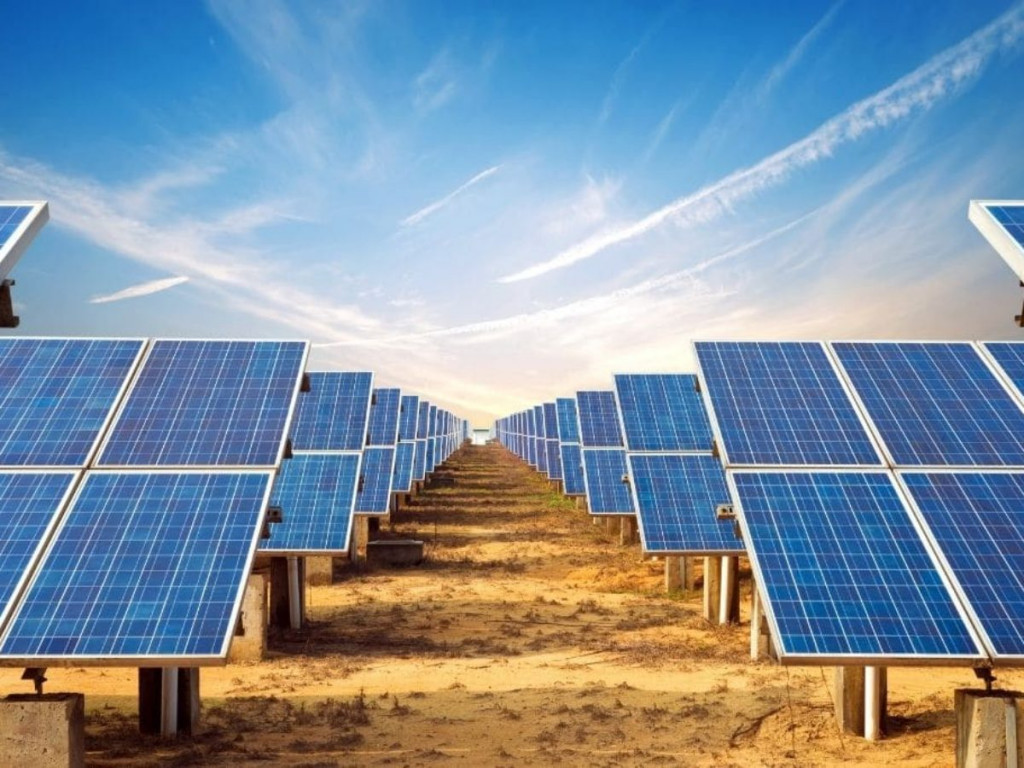
Southeast Asia wants to triple renewable energy production, in line with last year's UN commitment. And to do so it will probably receive a boost from China's record solar installations, which added 216.9 gigawatts of solar power in 2023, surpassing the 175.2 gigawatts generated in the United States, the world's second largest solar energy market. The sharp increase has encouraged a drop in renewable equipment prices, helping the rest of Asia. The result is that China has significantly more solar module export capacity in 2024 and 2025, and the resulting global oversupply is driving module prices down dramatically. "This is increasing the commercial profitability of solar energy compared to alternative sources of electricity, both within China and in the wider and global Asian markets," said the experts interviewed by the South China Morning Post. Southeast Asian countries such as Thailand, Vietnam, and Singapore are accelerating renewable energy capacity in line with their net zero emissions targets by 2050 or 2060, but have found it difficult to reduce their reliance on coal and gas. The challenges for other Asian countries are "very different" from China's due to lack of access to financing and inadequate grid infrastructure and battery storage systems.Nevertheless due to the presence of renewable natural resources, Southeast Asia has a wide allowance of growth in the production of renewable energy. China is developing and financing solar power projects in the region. These include the 2.2-gigawatt Mekong River Floating Solar Project in Thailand, the 168-megawatt Don Sahong Dam Solar Project in Laos, and the 140-megawatt Cirata Floating Solar Project in Indonesia.

ASEAN and India, the bond grows stronger

Association secretary general's trip to New Delhi brings bloc closer to Asian giant

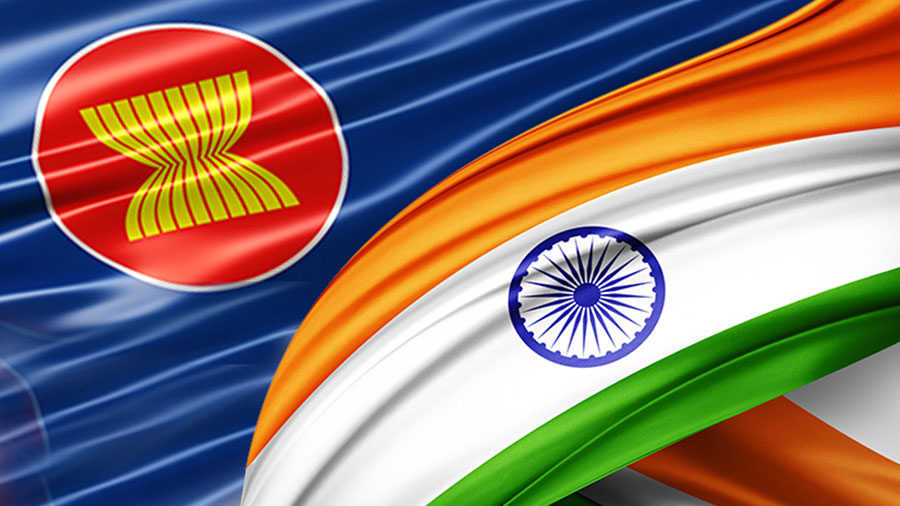
At the invitation of the Government of the Republic of India, H.E. Dr. Kao Kim Hourn, Secretary-General of ASEAN, paid a working visit to India from Feb. 12-15, 2024. February. The purpose of the visit was to further advance the ASEAN-India Comprehensive Strategic Partnership (CSC) by reactivating engagements across the spectrum of ASEAN's three community pillars and promoting ASEAN diplomacy and visibility in India. Rooted in centuries of civil ties, maritime connectivity and cross-cultural exchanges, the ASEAN-India Comprehensive Strategic Partnership continued to gain momentum. During the visit, India reaffirmed to the ASEAN Secretary-General its commitment to work with ASEAN and its partners in support of peace, stability and prosperity in the region. India expressed its unwavering support for the centrality of ASEAN and the ASEAN Indo-Pacific Perspectives (AOIP) as the principle and framework for promoting cooperation in the region. The visit highlighted India's position as ASEAN's eighth largest trading partner, with total trade of $113.08 billion, accounting for 2.94 percent of ASEAN's total trade. Meanwhile, foreign direct investment flows from India to ASEAN totaled $0.68 billion in 2022. To further maximize the potential of ASEAN-India economic cooperation while at the same time geo-economic uncertainties, the ASEAN Secretary-General has communicated to India the need for both sides to further increase trade and investment including through full and effective utilization of the ASEAN-India Free Trade Area (AIFTA), early utilization of the ASEAN-India Free Trade Area (AIFTA), early conclusion of the ASEAN-India Agreement on Trade in Goods (AITIGA) review negotiations, and India's potential participation in the Regional Comprehensive Economic Partnership (RCEP). Meanwhile, in the tourism sector, discussions during the visit noted a significant increase in the number of visitor arrivals from India to ASEAN to 2.38 million by 2022. This reflects the positive signs of the post-COVID-19 recovery, which is expected to further benefit both sides through the development of sustainable tourism and collaboration on marketing initiatives to present ASEAN as a unique tourism destination for the Indian market.

Click here for the full report

West opens up to Hun Manet

Relations between European countries and Cambodia's new premier get off on the right foot

By Tommaso Magrini

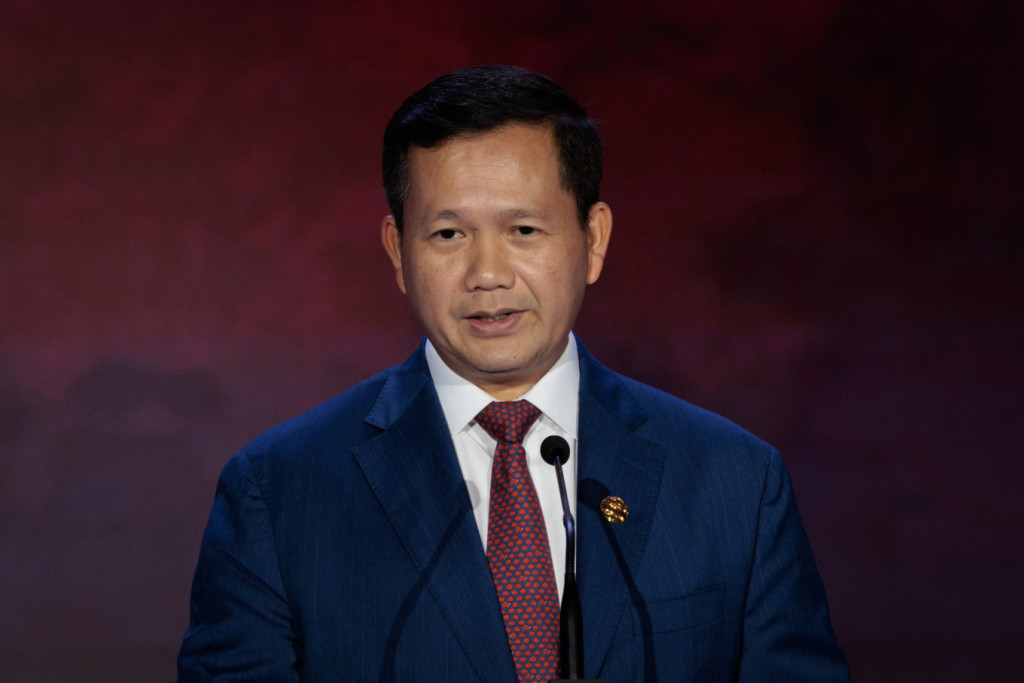
Having become premier of Cambodia last summer, Hun Manet is expanding his presence on the international stage. The son of former premier Hun Sen was recently in Davos for the World Economic Forum and then traveled to France, where he met with President Emmanuel Macron. The trip to Paris was seen as a success for Manet, who returned with $235 million in development agreements with France to build energy and drinking water infrastructure and support vocational training in Cambodia and a commitment to work toward a "strategic partnership." The trip also highlighted how, at various levels, Western countries saw Manet's administration, which came to power in August, as an opportunity to improve relations after nearly four decades of his father's rule. Post-election changes in tone were not limited to France. The United States had initially "suspended" an $18 million aid package after the elections, which a State Department official described as "neither free nor fair." But the decision to suspend aid was reversed two months later to "encourage the new government to live up to its stated intentions to be more open and democratic." At the Davos Economic Forum, the director of the U.S. Agency for International Development, Samantha Power, posted a photo with Manet on social media saying they discussed "the importance of protecting the environment, civil society and fighting corruption." Manet, who studied in the West and has a doctorate in economics, is seen as a real improvement over Hun Sen, say diplomatic sources cited by Nikkei Asia. Of course, there is no shortage of sticking points, but for now many seem willing to hope for a gradual change of pace with the new leader.

Artificial intelligence according to ASEAN

ASEAN published a guidebook on artificial intelligence in early February, titled AI Governance and Ethics. We publish an excerpt of it here

Artificial intelligence (AI) is the discipline that makes analytical machines intelligent, enabling an organization to function appropriately and forward-looking. Unlike other technologies, some forms of AI adapt itself, learning with use, so the decisions it makes today may be different from those it will make tomorrow. AI and automation are hot topics, both for their transformative potential and their ability to introduce new opportunities, disrupting old patterns. Southeast Asia is no exception. AI systems should be treated differently from other software systems because of their unique characteristics and risks. The capabilities of AI systems fueled by evolving techniques and discoveries are rapidly outpacing monitoring and validation tools. AI development is also decentralized due to low barriers to entry and the proliferation of open-source technologies. Given the profound impact AI can have on ASEAN organizations and individuals, it is important that decisions made by AI are aligned with national and corporate values, as well as broader ethical values. In this context, ASEAN Digital Ministers identified the Enabling Action that suggests the development and adoption of a regional policy to provide guidance for best practices on AI Governance and Ethics. In recent years, governments and international organizations have begun issuing principles, frameworks, and recommendations on AI ethics and governance. Examples include the Model AI Governance Framework1 and the OECD Council Recommendation on AI2. However, there is still no common intergovernmental standard for AI that defines the principles of AI governance and provides guidance for policy makers in AI. In the process of drafting this Guide, existing AI frameworks and guidelines, such as the UNESCO Recommendation on AI Ethics and the EU Ethical Guidelines for Trustworthy AI, were considered. The ASEAN Guide on AI Governance and Ethics aims to empower organizations and governments in the region to design, develop, and implement mainstream AI systems responsibly and to increase user confidence in AI.

Click here to read the full guide

ASEAN initiatives towards a digital future

The Southeast Asian bloc continues to work to chart its path to a sustainable digital future through bold projects and technological advancements

Articolo di Walter Minutella

In this modern era, technology is playing an increasingly essential role for all globally relevant figures, playing a significant part in various areas, and is crucial for the economic development of modern industries as well as their impact on global competition, improving as well as the quality of life of individuals.

With the increasingly interconnected landscape that characterizes today's world, ASAN countries are adapting to the technological revolution encountering multiple obstacles, including the need to deal with ever-increasing digitalisation, to promote the training of digital skills and to guarantee a reliable connectivity. Within this specific framework, ASEAN has continuously worked to chart its path towards a sustainable digital future, through bold projects and technological advancements.

COVID-19 has certainly made an essential contribution in accelerating the process of social digitalisation, demonstrating the usefulness of IT skills and the importance of a suitable learning ecosystem. In an effort to improve the technical skills of its citizens, the ASEAN Action Plan commits to making digital technologies accessible across all sectors.

A clear example of this progress is the ASEAN Smart Cities Network (ASCN) project which was launched in 2018. The goal of this initiative is to foster synergy between ASEAN cities through the use of modern technologies to address challenges shared. ASCN's priority is the promotion of intelligent mobility through the use of electric vehicles, as well as the conscious use of renewable energy resources to minimize negative effects on the environment.

At the periodic meeting of the ASCN, we dedicate ourselves to diligently examining these issues and emphasizing firm commitment to the advancement of the project. The Indonesian Minister of Internal Affairs during his participation in the sixth ASCN meeting held in Bali recently, emphasized the importance of continuing to implement Smart Cities to address the challenges related to urbanization and development in tune with global changes, and the need to build a solid foundation to face the era of industry 4.0.

During the meeting, Indonesia was praised for its commitment to the project and three fundamental points were highlighted to improve the results of the activities promoted by ASCN: knowledge sharing, cooperation in urban planning and the promotion of partnerships . In addition to this, the topic of including additional actors in the project to expand the ASCN membership was addressed.

Another significant project is the Digitalization Initiative which involves close collaboration between ASEAN countries in order to implement common policies aimed at the digital transformation of the region. Member States are working to promote the spread of new technologies such as AI, IoT (Internet of Things) and blockchain which have already achieved widespread adoption on a global scale. In order to implement this, ASEAN fosters synergy between the public and private sectors, is committed to developing the digital skills of the workforce and is active in promoting technological innovation with equitable access to all citizens. This project aims to decrease the digital divide that occurs between various geographical areas within ASEAN, as well as foster the inclusion of digital technologies across the entire community.

The “Master Plan on ASEAN Connectivity 2025” occupies a central position in these recent innovations. This project aims to enhance infrastructure connectivity in the region through improvements to transport, energy and communications networks. The main focus of the project concerns the enhancement of digital connectivity, with particular attention to the development of digitally advanced infrastructures such as fast broadband networks and integrated technological platforms. The goal is to stimulate integration in the region to foster sustainable economic growth.

In the context of the development of cutting-edge digital infrastructure, the recent extension of the relationship between ASEAN and the Chinese technology giant Huawei should be highlighted. This relationship is based on a strong mutual commitment to promoting sustainable technological development in the area.

To highlight youth talent, the ASEAN Foundation has worked together with Huawei in programs such as ASEAN Seeds for the Future, which aims to build an inclusive digital ecosystem, focusing on developing local ICT talent and promoting participation in the digital society. The renewal of the contract is a clear testimony of ASEAN's commitment to sustainability, especially regarding the growth of next-generation networks. The main feature of the cooperation with Huawei lies in pursuing sustainable digital growth, paying attention to its impacts on both an environmental and social level.

It is clear that ASEAN, on an international level, is making its way in the field of technological innovation, becoming an important protagonist. Today's landscape is characterized by ambitious projects, international collaborations and efforts to develop digital skills.

Although it concerns only a small fragment of this vast reality, the Huawei affair highlights the importance of considering global events in the context of regional initiatives to fully understand ASEAN's role and impact in the digital age.

Vietnam journey towards wealth

The Southeast Asian country is one of those best positioned to increase its benesse

By Tommaso Magrini

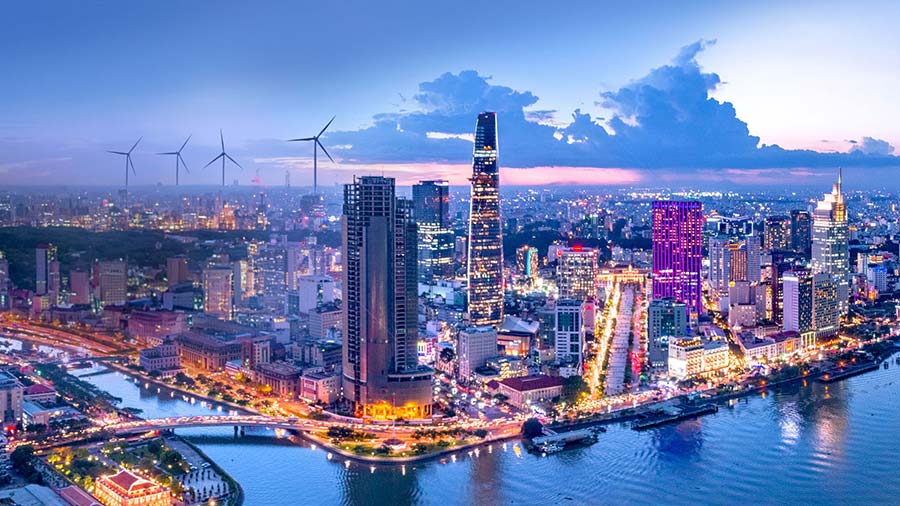
Vietnam's growing geopolitical relevance is based on its strong economic performance as well as geography. When Vietnam began to open up in the mid-1980s, annual per capita income was half that of Kenya. Thanks to pragmatic and increasingly business-friendly policies, it has since grown six-fold to $3,700. Today, the government's ambition to turn Vietnam into a wealthy country by 2045 is plausible, the Economist argues. Economically, Vietnam has probably never faced a more favorable global environment. Geopolitics is driving investment toward this goal as America seeks to disengage from China and private companies of all nationalities sense the direction in which the wind is blowing. Most manufacturers simply cannot withdraw from China. But to mitigate the cost of current and future trade barriers, they can hedge their bets by doing things elsewhere as well (a strategy known as "China + 1"). Companies that export to the West are shifting production to Vietnam. Brands such as Samsung and Apple are making gadgets there. Around them are tightening suppliers, including Chinese ones. In the first three quarters of 2023, foreign direct investment inflows to Vietnam as a percentage of GDP were twice as large as to Indonesia, the Philippines or Thailand. According to the Economist, Vietnam's many young manufacturing workers are diligent, reasonably educated and cost half as much as those in China's coastal areas. Also good on the security front. Vietnam, unlike Indonesia and the Philippines, has no problems with Islamic terrorism. It also offers big incentives to foreign investors, starting with tax breaks, cheap land.

ASEAN and EU strengthen relations

The two blocs held their 24th ministerial meeting in Brussels, agreeing to intensify relations

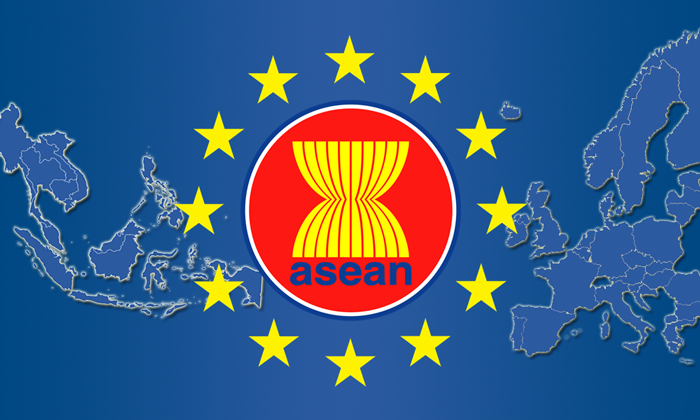
At the 24th ASEAN-EU ministerial meeting held in Brussels on Feb. 2, it was agreed to further intensify trade and investment relations between the countries. "We were encouraged by the strong economic cooperation between ASEAN and the EU, which is ASEAN's third largest foreign investor and third largest trading partner in 2022, and reaffirmed our commitment to use this positive momentum to further intensify trade and investment relations between ASEAN and the EU," reads the joint ministerial statement issued on Saturday, Feb. 3. At the meeting, attended by foreign ministers from ASEAN and EU member countries, the ASEAN Secretariat and the European Commission, as well as Timor-Leste as an ASEAN observer, ASEAN reiterated the importance of finding solutions to long-standing market access problems. Both sides also welcome opportunities to increase trade and investment through bilateral free trade agreements, strengthen connectivity and economic relations between the two regions, and enhance sustainable development for both sides, such as through the ASEAN-EU Joint Working Group on Trade and Investment (JWG). "We will intensify our engagement on trade and economic issues and explore other venues in the short and medium term to promote cooperation in areas of mutual interest, such as the digital economy, green technologies and services, sustainable production and consumption of raw materials, and supply chain resilience, while reaffirming a future ASEAN-EU free trade agreement as a common long-term goal," the communiqué reads. In addition, during the meeting chaired by Philippine Foreign Minister Enrique Manalo and European Commission Vice President Josep Borrell, ASEAN and the EU reaffirmed the shared values and common interests that have underpinned the 47-year ASEAN-EU dialogue relationship and expressed satisfaction with the comprehensive and diverse nature of the dynamic partnerships. They also reaffirmed the strategic partnership and common interest in keeping the regions peaceful, stable and prosperous, upholding and respecting international law and the international order based on rules and adherence to international law, and maintaining peace, security and stability, including through such measures as the promotion and protection of human rights, including for people with disabilities, gender equality and fundamental freedoms.

Click here to read the communiqué in full

Who are the candidates for the presidency of Indonesia?

Prabowo, Defense Minister and retired general, is the favourite. His deputy is Gibran, son of his historic rival and outgoing President Joko Widodo

By Tommaso Magrini

Here we are. A few days and presidential elections will be held in Indonesia. On February 14, one of the world's largest democracies goes to the polls to choose its next leader. According to the election commission, around 205 million of Indonesia's more than 270 million people have the right to vote, and around a third of these are under 30. The presidential poll will be held on the same day as the national parliamentary elections, and voters will also choose executive and legislative representatives at all administrative levels across Indonesia.

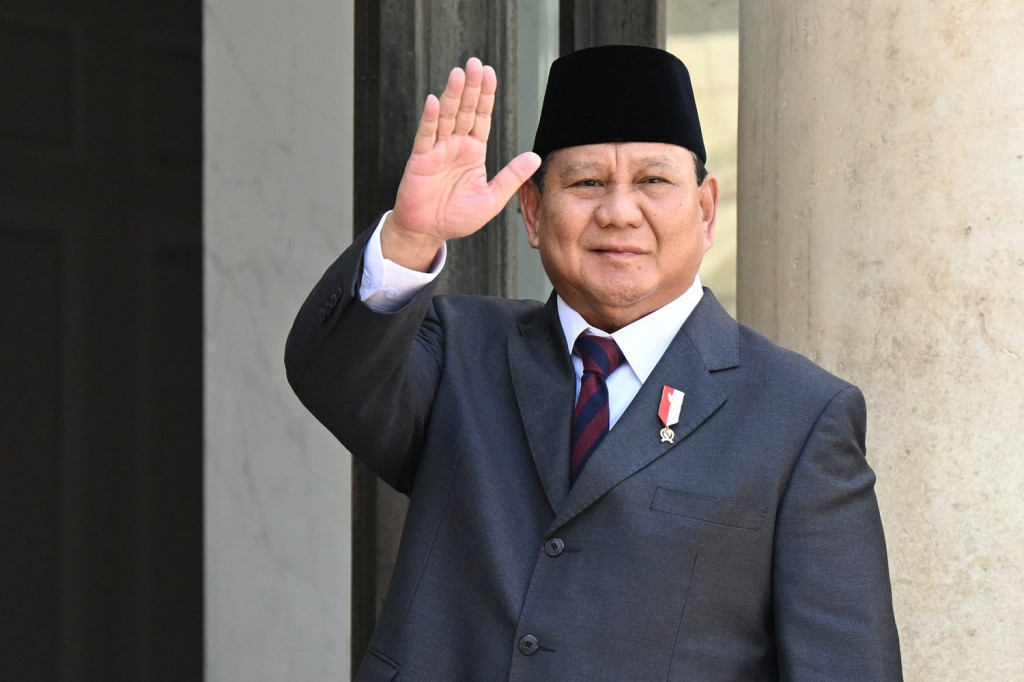
The favorite appears Prabowo Subianto. Suharto's son-in-law and former head of the special forces, the retired general has in the past been accused of being among those responsible for the repression of student protests, the disappearances and extrajudicial killings of opponents, and human rights violations against Papua's minorities and East Timor. After his dismissal from the army and a few years of self-exile in Jordan following an attempted coup, Prabowo is now convinced that in the elections on 14 February he will be able to become president of the largest economy in South-East Asia. In the last ten years, Prabowo had twice attempted to run for the presidential palace in Jakarta, but was defeated by the reformer Joko Widodo.

This time Prabowo really believes it, after joining the government in 2019 as Defense Minister. According to President Widodo, Prabowo was chosen as Defense Minister because "he has vast experience in that field". As Francesco Radicioni, Radio Radicale correspondent from Bangkok, explains, "the macho law-and-order military pose has been archived, now Prabowo shares with his millions of followers on Instagram and TikTok posts with relaxed and captivating tones that have earned him an avalanche of likes and enthusiastic comments: the most used word online is «gemoy», an expression that sounds like «adorable»” . 

The real twist, however, came when Prabowo announced that his vice-presidential candidate would be Gibran Rakabuming Raka: born in 1987, young mayor of a small town on the island of Java, but above all son of the same President Widodo. A truly surprising move, given that in Indonesia the law sets the minimum age to run for vice-presidency at 40. However, on the eve of the presentation of the candidates, the Constitutional Court decided that that limit should not be applied to those who have already won a local election. 

And the challengers? Ganjar Pranowo is the candidate of the ruling Indonesian Democratic Struggle Party. His long career in public service, most recently as governor of Central Java, has earned him a following outside the capital Jakarta. In opinion polls he is second in the rankings behind Prabowo. And then there is the independent candidacy of Anies Baswedan, already at the helm of the capital's government and for a few months also minister in Jokowi's administration, before moving to the opposition. 

Even if Prabowo is considered the favorite today, analysts question whether the ex-general will really be able to win over the voters who over the last ten years have wanted to reward Widodo's liberal and reformist agenda. If no one manages to obtain an absolute majority of votes on Wednesday 14 February, Indonesia will return to the polls in June for a run-off. In August, however, the capital will move from Jakarta to Nusantara, in Borneo: the last legacy of Widodo, who however hopes to see his political dynasty continue with his son as vice president.

Recently active members
Foto del profilo di Alessio
Foto del profilo di Monika
Foto del profilo di Gabriel
Foto del profilo di Elena
Foto del profilo di Lorenzo
Foto del profilo di Alessandro
Foto del profilo di Cristina
Foto del profilo di Rocco
Foto del profilo di Clara Lomonaco
Foto del profilo di Redazione
Foto del profilo di Davide Gugliuzza
Foto del profilo di Anna Affranio
Foto del profilo di Ilaria Canali
Foto del profilo di Nicolò
Foto del profilo di Angelo Cangero
Who is online
There are no users currently online
Members
  • Foto del profilo di Alessio
    Active 1 giorno, 12 ore fa
  • Foto del profilo di Monika
    Active 2 giorni, 20 ore fa
  • Foto del profilo di Gabriel
    Active 3 settimane, 3 giorni fa
  • Foto del profilo di Elena
    Active 1 anno, 4 mesi fa
  • Foto del profilo di Lorenzo
    Active 2 years, 6 mesi fa