Viaggiare nel Sud-Est asiatico è sempre una buona idea

Estate è tempo di viaggi. Scegliere una meta tra i Paesi dell’ASEAN offre la possibilità di entrare in contatto con città e regioni piene di storia, vita e cultura. Una panoramica

By Tommaso Magrini

Il Sud-Est asiatico rappresenta una delle aree geografiche più affascinanti del pianeta per chi desidera una vacanza ricca di esperienze autentiche, bellezze naturali e un ottimo rapporto qualità-prezzo. Viaggiare tra i Paesi dell’ASEAN significa immergersi in culture millenarie, assaporare una cucina vibrante e scoprire una varietà di paesaggi che spazia da metropoli ipermoderne a villaggi remoti immersi nella giungla. È una destinazione adatta tanto ai viaggiatori zaino in spalla quanto a chi cerca resort di lusso, con un clima tropicale che la rende godibile quasi tutto l’anno. Ma il vero valore aggiunto è la varietà: ogni nazione, ogni città e isola ha un carattere proprio e irripetibile. Ecco alcune destinazioni imperdibili nel cuore del Sud-Est asiatico.

Bangkok, in Thailandia, è una città che non smette mai di stupire. È un caleidoscopio di contrasti dove antichi templi convivono con grattacieli scintillanti, mercati galleggianti con centri commerciali futuristici. Il Wat Arun e il Palazzo Reale sono solo alcune delle meraviglie architettoniche che si possono esplorare, ma il vero fascino di Bangkok è dato dalla sua energia inarrestabile, dalla street food culture che trasforma ogni angolo di strada in un’esperienza gastronomica, e dall’ospitalità calda dei thailandesi, sempre pronti a un sorriso e a un gesto gentile.

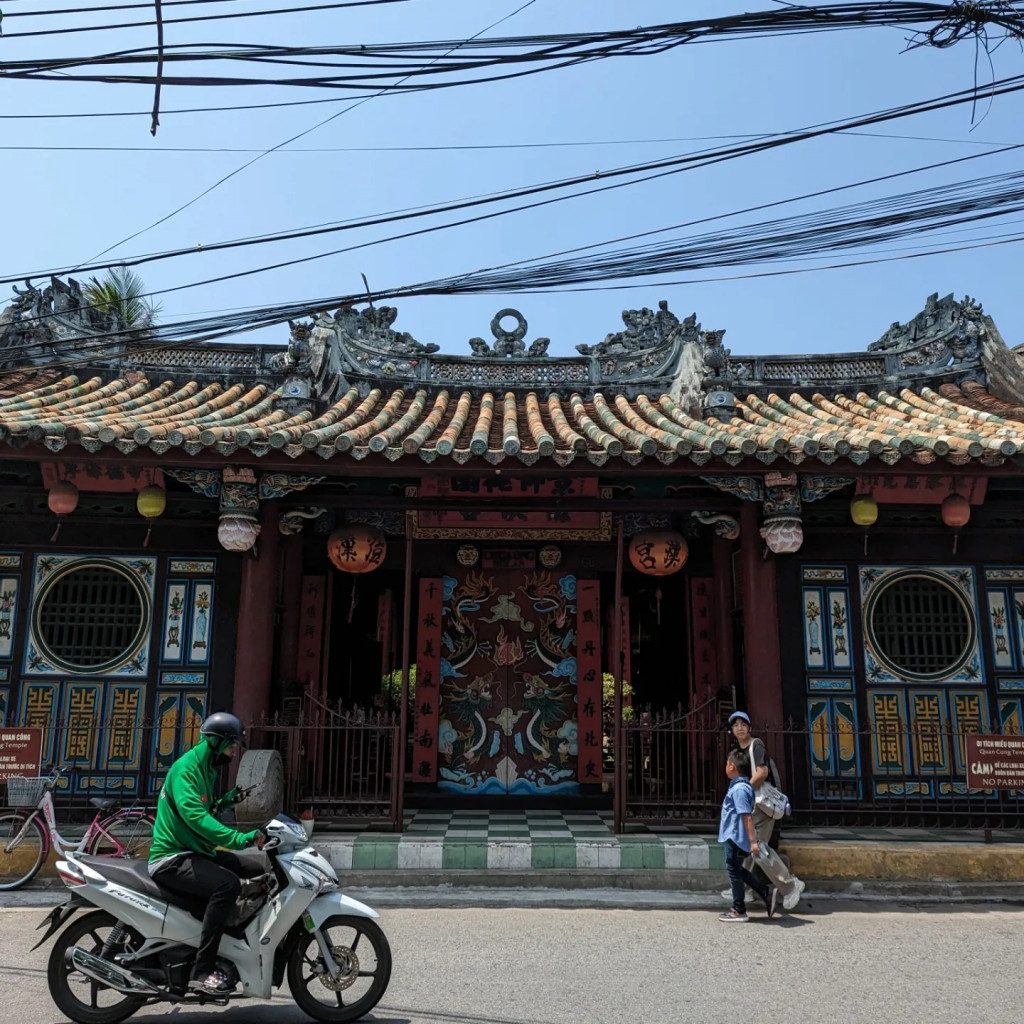
Passando in Vietnam, Hoi An è una perla incastonata lungo la costa centrale, sospesa tra passato e presente. Questa cittadina patrimonio dell’UNESCO è celebre per il suo centro storico ben conservato, illuminato la sera da lanterne colorate che creano un’atmosfera quasi irreale. Qui si cammina tra edifici coloniali francesi, templi cinesi e antichi magazzini trasformati in boutique artigianali. La vita scorre lenta, il fiume Thu Bon accompagna le giornate con la sua calma e le spiagge vicine offrono momenti di totale relax.

In Indonesia, Ubud rappresenta il cuore spirituale e culturale di Bali. Circondata da risaie, foreste e templi nascosti, Ubud è il luogo ideale per chi cerca un contatto profondo con la natura e con sé stesso. È facile perdersi tra le botteghe di artigianato, assistere a una danza balinese al crepuscolo o partecipare a una sessione di yoga in un centro immerso nella vegetazione. Ma oltre all’estetica, è la sensazione di equilibrio che si respira a rendere Ubud così speciale.

Luang Prabang, in Laos, è un altro luogo che sembra vivere in un tempo tutto suo. Situata alla confluenza di due fiumi e circondata da montagne, la città incanta con i suoi templi buddisti dorati, i monasteri tranquilli e i mercati serali pieni di colori. Una delle esperienze più toccanti è quella dell’elemosina mattutina dei monaci, un rituale silenzioso e carico di spiritualità che testimonia la profonda devozione della popolazione locale. Luang Prabang è perfetta per chi cerca una bellezza discreta e autentica.

Nella moderna metropoli di Singapore, l’efficienza urbana incontra la multiculturalità in un connubio sorprendentemente armonioso. Questa città-stato è un crocevia di influenze cinesi, malesi, indiane e occidentali che si riflettono tanto nella sua cucina quanto nella sua architettura. Dalla futuristica Marina Bay Sands agli splendidi Gardens by the Bay, Singapore è un laboratorio urbano che mostra come si possa coniugare sviluppo tecnologico e sostenibilità. È il luogo ideale per iniziare o concludere un viaggio nel Sud-est asiatico.

Chi sceglie la Cambogia, non può non lasciarsi incantare da Siem Reap e dall’immenso complesso di Angkor Wat. Più che un sito archeologico, Angkor è una città sacra che racconta la grandezza dell’Impero Khmer. Visitare le sue rovine, invase da radici di alberi secolari, è un’esperienza quasi mistica. Siem Reap, la cittadina che funge da base per l’esplorazione dei templi, ha saputo crescere senza perdere il suo fascino, offrendo un mix equilibrato tra tradizione e modernità.

Brunei, spesso trascurato nelle rotte turistiche, offre una sorpresa inaspettata con la sua capitale Bandar Seri Begawan. Questo piccolo sultanato, tra i più ricchi al mondo, è caratterizzato da un’architettura islamica monumentale, come la moschea di Omar Ali Saifuddien, e da un livello di pulizia, ordine e sicurezza notevole. A pochi minuti dal centro, però, ci si può imbarcare su una barca e scoprire il villaggio galleggiante di Kampong Ayer, dove la vita scorre ancora come secoli fa. Brunei è il luogo dove spiritualità, lusso e tradizione convivono senza sforzo apparente.

Nella meravigliosa Malesia, George Town, sull’isola di Penang, è un trionfo di colori, sapori e culture. Questa città, anch’essa patrimonio dell’UNESCO, è un museo a cielo aperto, dove i murales di street art raccontano storie di vita quotidiana e i templi indù sorgono accanto a moschee e chiese coloniali. La vera anima di George Town, però, sta nel suo cibo: dalla laksa alle roti, ogni piatto racconta un intreccio di influenze che solo la Malaysia sa offrire con tanta autenticità.Infine, nelle Filippine, El Nido rappresenta la quintessenza della fuga tropicale. Situata sull’isola di Palawan, El Nido offre paesaggi mozzafiato fatti di lagune nascoste, spiagge deserte, scogliere calcaree e acque turchesi. Qui la natura è ancora sovrana e l’uomo vi si muove con rispetto. Esplorare l’arcipelago di Bacuit in barca è un’esperienza di pura meraviglia, tra snorkeling tra pesci colorati e tramonti che sembrano dipinti.

Blue Foods: A Southeast Alliance Between Ocean and Innovation

The role of this vast constellation of aquatic foods is becoming increasingly central to the sustainable development of the ASEAN region

By Tommaso Magrini

In the heart of Southeast Asia, where the sea is not just a horizon but a daily source of food, work, and identity, a new vision for fair and sustainable development is gaining ground — that of blue foods. Though still little known to the wider public, this term encompasses a broad spectrum of foods sourced from aquatic environments — seas, rivers, and lagoons — ranging from fish and shellfish to edible seaweeds and smaller organisms that, despite their size, have an enormous nutritional and economic impact. Now more than ever, these resources are emerging as a key tool to address the interconnected challenges of malnutrition, unemployment, and environmental degradation throughout the ASEAN region.

The nutritional potential of blue foods is extraordinary. Rich in easily digestible proteins, omega-3 fatty acids, and essential micronutrients such as iron and vitamin B12, these foods are a lifeline in areas where childhood malnutrition and a lack of animal-based protein remain widespread. In Indonesia, for instance, more than half of the population’s animal protein intake comes from fish and other marine products — making blue foods vital to the food security of over 280 million people. But the value of blue foods goes well beyond nutrition. They are also an economic and cultural backbone for hundreds of millions of people living in coastal communities — families who, for generations, have practiced small-scale fishing or aquaculture, often under precarious conditions.

However, these vital resources are increasingly under threat from an economic system that, until recently, prioritized quantity over sustainability. Overfishing, marine pollution, mangrove destruction, and climate change are disrupting entire ecosystems and endangering the livelihoods of those who depend on them. On top of that, unregulated intensive aquaculture has brought significant negative impacts, both environmental and social: mangrove forests cleared to make way for shrimp ponds, polluted waters, and biodiversity loss.

Yet amid this complex picture, signs of a possible — and in many cases already underway — transformation are emerging. One of the most promising drivers of this change is the growing ecosystem of local startups operating in the blue foods sector. These young companies — often founded by innovators, scientists, or members of coastal communities themselves — are reimagining the relationship between people and the ocean with solutions that combine technology, sustainability, and social inclusion.

In countries like Indonesia, Cambodia, Vietnam, and the Philippines, many startups are developing models of regenerative aquaculture. This includes integrated farming systems that combine fish, seaweed, and shellfish — known as Integrated Multi-Trophic Aquaculture — as well as silvoaquaculture, which couples mangrove restoration with shrimp farming. These approaches not only help regenerate local ecosystems, but often improve the economic resilience of the families involved.

Other initiatives, such as Collabit in Indonesia, are showing that even fish waste can become a valuable resource. By using parts of the tuna that are typically discarded, these startups produce sustainable animal feed or biofertilizers — practical examples of circular economy principles applied to the sea, where waste reduction and value creation go hand in hand.

This wave of innovation is not emerging by chance. It is being actively supported by regional initiatives like the ASEAN Blue Economy Innovation Challenge, backed by the United Nations and the Asian Development Bank. The program funds dozens of startups that develop technologies and business models aimed at restoring marine ecosystems while also improving the livelihoods of small-scale fishers. Complementing this effort is the Blue SEA Finance Hub, which seeks to mobilize both public and private capital for the blue economy, with a focus on empowering small and medium-sized enterprises.

An essential aspect of this transformation involves governance and inclusivity. For too long, ocean policy has been shaped without consulting the people who rely on it most. Now, a more participatory approach is gaining traction — one that recognizes the role of small-scale fishers and especially women, who are often invisible in official value chains but fundamental to processing, trade, and the preservation of local knowledge. In Indonesia, for example, women-led cooperatives working in the blue swimming crab sector are showing that a truly sustainable blue economy must also be fair and inclusive.

Looking ahead, it is increasingly clear that blue foods are not a niche — they are a cornerstone of national development strategies. Indonesia, with its more than 17,000 islands and one of the longest coastlines in the world, has already launched collaborations with international universities to integrate blue resources into its food, health, and economic policies. And other ASEAN countries appear ready to follow suit.

The potential value of the global blue economy is immense. Projections estimate more than 15 trillion dollars in future economic potential, and blue food systems could help offset up to 40% of greenhouse gas emissions through regenerative practices in marine and coastal zones. But to unlock this potential, we need political vision, targeted investments, and — above all — the courage to trust those already innovating from the ground up.

Every day, Southeast Asia’s startups show us that a different blue economy is possible: not one based on blind exploitation, but on regeneration, dignity, and resilience. And perhaps, from the sea — so often seen only as a resource to plunder — can emerge a new model of development. One that is fairer, deeper, and more human.

Trump’s Impact on U.S.-ASEAN Relations

Trump’s threatened tariffs risk seriously damaging several Southeast Asian economies—but tariffs aren’t the only source of friction between ASEAN countries and the United States. The new American administration seems unclear on how to engage with the region, while its unpredictability is prompting ASEAN states to accelerate efforts to diversify their economic and diplomatic partnerships.

By Francesco Mattogno

When Senator Tammy Duckworth asked Pete Hegseth to name at least one member state of the Association of Southeast Asian Nations (ASEAN) during his confirmation hearing as U.S. Secretary of Defense, he was left speechless. It was January 14, just days after Donald Trump returned to the presidency. Asked how many ASEAN countries there were, Hegseth awkwardly started naming Japan, South Korea, and Australia—none of which are members. 

In truth, the current U.S. Secretary of Defense not only had no ideas or proposals for how to pursue America’s strategy in what Washington calls the “Indo-Pacific,” he didn’t even know what the Indo-Pacific was.

Six months later, Secretary of State Marco Rubio flew to Kuala Lumpur on his first official trip to Asia as head of U.S. foreign policy. In Malaysia—at the heart of Southeast Asia—Rubio declared that “the Indo-Pacific remains a focal point of U.S. foreign policy,” and that Washington wouldn’t be distracted by events elsewhere in the world, because “the history of the next 50 years will largely be written in this region.”

Rubio was attending a series of meetings traditionally held alongside the ASEAN foreign ministers' summit. Beyond the nice words about the U.S.-ASEAN partnership—described as “not only resilient but crucial”—the trip was brief and had one clear goal: to sugarcoat Trump’s threatened tariffs, which are targeting Southeast Asian states more than almost any other part of the world.

Tariffs, Negotiations, Deals

In the days leading up to the ASEAN Ministerial (July 8–11), President Trump updated the import tariffs announced against various Southeast Asian countries, delaying their implementation from July 9 to August 1. Through a series of nearly identical letters, Trump reiterated the threats made on “Liberation Day” (April 2), with some modifications. 

Some tariffs were lowered—for example, Cambodia saw its rate drop from 49% to 36%, while Laos and Myanmar each had theirs adjusted to 40% from 48% and 44% respectively. Notable exceptions included the Philippines (from 17% to 20%) and Malaysia (from 24% to 25%). As with the economically questionable logic of Liberation Day, the rationale behind these updates remains unclear—even to those directly affected.

What is certain is that for months, bilateral negotiations have been ongoing between ASEAN states and the White House to reduce tariff levels and limit economic damage. One example is the preliminary deal reportedly signed with Vietnam: according to early July announcements, Hanoi may have secured a 20% tariff rate—down from 46%. However, some details remain unclear, as reported by Politico.

If confirmed, the agreement would see Vietnam fully open its market to U.S. products—removing import tariffs—and commit to purchasing American goods including agricultural products, fuel, Boeing aircraft, and weapons. Most regional countries are pursuing similar arrangements, offering significant concessions to curry favor with the White House. Thailand, amid an internal political crisis, is doing everything it can to reach a deal. Indonesia, after two years with no ambassador in Washington, has just appointed one—and succeeded in cutting its tariffs from 32% to 19%.

A particularly noteworthy part of the U.S.-Vietnam deal concerns so-called “transshipped goods”, which will face a 40% tariff. This term appears to refer to products made in third countries but routed through Vietnam before final export to the U.S.—a clear nod to China, which is often accused of using Southeast Asian nations to circumvent direct U.S. tariffs.

This clause has become central to all negotiations between the White House and ASEAN nations—and also raises concerns due to its vagueness. Some worry that it could include goods assembled in ASEAN countries using Chinese components or technology, which would threaten to cripple half the region’s industries. There are also geopolitical consequences: China has already expressed displeasure over the Vietnam clause.

Non-Alignment and Diversification

Countering Chinese influence in Southeast Asia is a stated goal of the Trump administration—much like past U.S. governments. What has changed is the tone and method. Threatening to hurt regional economies to force concessions risks backfiring for Washington—especially if even its “friends” aren’t spared.

Singapore was irritated by the Liberation Day tariffs, while the Philippines was stunned by Trump's decision to raise duties despite being one of Washington’s closest allies since President Ferdinand Marcos Jr. took office in 2022. As in Japan and South Korea, the sense in Asia is that Trump’s U.S. is becoming an unreliable partner. 

During his opening speech at the July ASEAN Ministerial, Malaysian Prime Minister Anwar Ibrahim denounced tariffs as a “geopolitical tool.” Malaysia is perhaps the country most openly resisting American pressure. Its Trade Minister Tengku Zafrul Aziz stated that if any deal violated national interests, “no agreement will be signed.”

Tensions with Washington go beyond trade. Malaysia and Indonesia—two large Muslim-majority ASEAN countries—have repeatedly criticized U.S. and Western support for Israel’s actions in Gaza. Anti-Western sentiment is growing, and U.S. popularity is declining across Southeast Asia, also due to Trump’s drastic aid cuts, including the closure of USAID, which has severely affected humanitarian programs. 

Sticking to their traditional “friends with all, enemies with none” diplomacy—and driven by U.S. unreliability—ASEAN countries are rapidly diversifying diplomatic and economic ties. Most never cut relations with Russia, even after the invasion of Ukraine. Disputes in the South China Sea haven't blocked deeper cooperation with China either—ASEAN signed a regional free trade agreement with Beijing in May.

Now Trump is threatening an additional 10% tariff on BRICS members, claiming to punish “anti-American policies.” This again hits Southeast Asia: Indonesia has formally joined BRICS, while Malaysia, Thailand, and Vietnam are now BRICS partners. 

Ironically, after years of isolation, Trump also sent his standard formal letter—addressed to “His Excellency”—to General Min Aung Hlaing, head of the military junta in Myanmar. This represents the first symbolic recognition of a regime that, since the coup of February 1, 2021, has sparked a civil war with tens of thousands of civilian deaths and millions displaced. 

When it comes to Southeast Asia, members of Trump’s administration may need to study the subject more carefully. The region is economically vital, politically complex, and increasingly wary of erratic partners. Without a coherent and respectful approach, the U.S. risks not only economic backlash but also strategic marginalization in a region where trust—and power—are rapidly shifting.

Thailand-Cambodia: dialogue is needed immediately

Following the border clashes, a diplomatic solution under the auspices of ASEAN is urgently needed

The Italy-ASEAN Association expresses deep concern over the armed clashes on the border between Thailand and Cambodia, which in recent days have caused casualties and increased tensions in the region. Although the two countries have a long history of complex relations, these events now risk destabilising the entire Southeast Asian region, undermining the spirit of cooperation that has always characterised ASEAN.

‘Having experienced the reality of Thailand first-hand, I believe it is essential that Bangkok and Phnom Penh immediately find a way to engage in dialogue, putting an end to all forms of violence,’ said Michelangelo Pipan, president of the Association and former ambassador to Thailand. ‘ASEAN should take a more active role in mediation, overcoming its usual policy of non-interference, to ensure stability and unity in the area.’

The territorial dispute between Bangkok and Phnom Penh has its roots in the colonial period, when Cambodia was a French protectorate and Paris redrew the borders with what was then Siam. 

Anwar Ibrahim, Prime Minister of Malaysia, which holds the rotating ASEAN presidency for 2025, has now intervened. 'I have appealed to both leaders to immediately implement a ceasefire to prevent the conflict from worsening and to open up space for peaceful dialogue and diplomatic solutions,“ said the Malaysian prime minister, welcoming what he called 'positive gestures and willingness shown by the two countries”.

The Italy-ASEAN Association therefore renews its call for an immediate ceasefire and the convening of a negotiating table with the mediation of ASEAN and international partners.

The Rise of Chinese Brands in Southeast Asia

From bubble tea to electric vehicles, Chinese brands are redefining consumer trends in ASEAN through speed, digital innovation, and winning local strategies

By Tommaso Magrini

In recent years, Chinese consumer brands have been steadily transforming the ASEAN region, gaining ground on both Western giants and well-established local players. Initially rooted in low-cost segments, they have evolved into sophisticated and innovative competitors, thanks to strong digital strategies, rapid expansion, and a high degree of localization.

Nel campo degli smartphone, marchi come Xiaomi, Oppo, Vivo, Realme e Transsion dominano oltre il 60% del mercato locali. In ambito EV, BYD e SAIC/Wuling contano per oltre il 75% delle vendite in ASEAN. Grazie a prezzi competitivi e soluzioni innovative (come leasing batterie o cambio rapido), questi marchi sfidano anche i leader occidentali. 

Southeast Asia has become the number one destination for Chinese exports, totaling $587 billion in 2024—a 12% increase over the previous year. The region offers dynamic markets: over 650 million people, a median age of 31, with 63% under 40, increasing digital connectivity, and limited brand loyalty. This combination makes ASEAN the ideal ground for Chinese brand expansion, especially at a time of commercial uncertainty, exacerbated by rising U.S. tariffs.

In the smartphone market, brands like Xiaomi, Oppo, Vivo, Realme, and Transsion now command over 60% of local market share. In the electric vehicle sector, BYD and SAIC/Wuling account for over 75% of EV sales in the region. With competitive pricing and innovative solutions—like battery leasing and fast-swapping systems—these companies are challenging established Western leaders.

In the food and beverage sector, chains like Mixue, Luckin Coffee, and Chagee have won over Southeast Asian consumers with localized offerings, viral digital marketing, and low-cost franchising. Mixue alone has more than 2,600 outlets in Indonesia and over 45,000 worldwide, surpassing Starbucks and McDonald's in number of stores in ASEAN. Chagee, meanwhile, has opened more than 4,000 outlets globally, expanding in Thailand, Malaysia, and Singapore as a trendy tea-house brand.

Chinese companies have refined direct-to-consumer (D2C) business models powered by e-commerce, livestreaming, and platforms like TikTok/Douyin. Brands such as Florasis, Perfect Diary, YOU Beauty, and Judydoll release hundreds of products each year, combining traditional ingredients, local aesthetics, and cultural storytelling to attract younger generations who are highly responsive to trends. In ASEAN, this approach drives instant engagement, brand loyalty, and valuable data for product innovation. This wave of Chinese brands is putting pressure on both Western and regional competitors, which have traditionally relied on brand heritage and traditional retail distribution. Yet for ASEAN consumers, it translates into a broader range of choices—spanning affordable technology and quality lifestyle products. Brands like Haidilao (hotpot), Hey Tea, Pop Mart, and Miniso are redefining the retail and food landscape with design, experiences, and packaging that speak simultaneously to local cultures and global trends. The rise of Chinese brands in Southeast Asia is no passing fad—it is a structural transformation. Through digital-first logic, streamlined production, cultural storytelling, and strategic pricing, these brands are reshaping the meaning of “Made in China”: from cheap manufacturing to a symbol of efficiency, value, and innovation. In an ASEAN that is rapidly digitizing and opening to global commerce, consumers are regaining center stage—and Chinese brands are emerging not just as competitors, but as leaders in shaping the future of consumption. A quiet revolution that is expanding opportunities for all, from daily purchases to high-end lifestyle choices.

Malaysia’s Role in the South China Sea

Malaysia's strategy, though often operating away from international spotlights, embodies a model of balance and pragmatism in a region marked by growing tensions

By Emanuele Ballestracci

Located at the heart of Southeast Asia’s maritime trade routes—with more than $3 trillion worth of goods passing through its waters annually—the South China Sea (SCS) is one of the most strategic maritime regions in the world. Rich in hydrocarbons and fishery resources, it is a vital corridor linking the Indian and Pacific Oceans. Several countries—China, Vietnam, the Philippines, Malaysia, Brunei, and Taiwan—have overlapping territorial claims here. The region has become increasingly contested, especially since the discovery in recent decades of vast hydrocarbon reserves.

China’s claims are the most extensive, based on a narrative of supposed “historical rights” and codified in the so-called “ten-dash line,” which overlaps the Exclusive Economic Zones (EEZs) of other claimant states. These claims were rejected in 2016 by the Permanent Court of Arbitration in the case “Philippines v. China,” which reaffirmed the primacy of the United Nations Convention on the Law of the Sea (UNCLOS). Despite the ruling, Beijing’s actions have intensified, particularly increasing tensions with Manila.

In this context, Malaysia has long adopted a balanced approach, preferring strategic ambiguity and quiet diplomacy—even informal diplomacy—over explicit confrontation. This method is often cited as a successful model in managing disputes in the SCS. Despite limited operational resources, Putrajaya has managed to maintain control over its claimed territories and ensure stable relations with other claimants. This approach contrasts with other mid-level powers involved in territorial disputes. The Philippines has frequently resorted to international legal mechanisms, while Vietnam has become increasingly assertive, including through naval provocations. 

As a maritime nation whose identity and economic development are deeply tied to surrounding waters, Malaysia’s interests in the South China Sea are existential. The SCS connects Peninsular Malaysia with the states of Sabah and Sarawak on Borneo, making control over islands and atolls—seven out of the ten claimed—and regional stability top foreign policy priorities for Putrajaya. However, Malaysia’s strategy faces significant structural constraints: limited military capabilities and defense budgets; the need to balance relations with both China and the United States; and the importance of maintaining economic ties with Beijing, given the close trade relationship. Malaysia has thus anchored its strategy in: a legal consistency based on UNCLOS to legitimize its claims, an active diplomacy, both bilateral and multilateral, and strong support for ASEAN centrality in managing disputes. On the defense front, Malaysia maintains a pragmatic, non-aligned stance, focusing on presence rather than projection, due to its limited resources.

Despite the relative effectiveness of this strategy, its future sustainability is uncertain, especially amid escalating U.S.-China rivalry that risks triggering a broader crisis in the South China Sea. Over the past decade, Chinese presence has increased in areas claimed by Malaysia, especially around the Luconia Shoals and off the coast of Sabah. Chinese coast guard vessels have repeatedly disrupted operations by Petronas, the Malaysian national energy company, and Chinese military aircraft have violated Malaysian airspace on several occasions. These incidents have been managed quietly to avoid escalation, but they reflect growing strategic pressure on Malaysia. 

Malaysia’s deep economic dependence on China—its largest trading partner, with over $190 billion in bilateral trade in 2022—further limits Putrajaya’s room for maneuver. Regional and multilateral mechanisms have so far failed to effectively address the imbalance: ASEAN remains divided, and negotiations on a Code of Conduct with China remain stalled. Legal and diplomatic tools alone may not be enough to guarantee deterrence, especially as the role of international organizations continues to erode. Still, Malaysia’s low-profile strategy stands as a model of balance and pragmatism in a region of intensifying rivalries. Putrajaya has shown that it is possible to defend national sovereignty and safeguard strategic interests without entering direct confrontations with dominant powers, all while maintaining the stability essential for economic and political development. However, the viability of this Malaysian model is increasingly called into question by China’s growing assertiveness and the intensifying Sino-American rivalry. The success of Malaysia’s approach will depend on its ability to strike a new balance between sovereignty assertion and diplomatic flexibility.

Italy–Malaysia: A Historic Visit Revives the Partnership

Editorial by Massimo Rustico, Ambassador of Italy to Malaysia (2021–2025)

After 37 years, the official visit to Italy on July 2–3 by Malaysian Prime Minister YAB Dato’ Seri Anwar Ibrahim, accompanied by five Ministers, marked a turning point in bilateral relations. The meeting took place during Malaysia’s ASEAN presidency, reinforcing dialogue and cooperation between the European Union and Southeast Asian countries.

Prime Minister Anwar Ibrahim met with the President of the Council, Hon. Giorgia Meloni, and the Deputy Prime Minister and Minister of Foreign Affairs, Hon. Antonio Tajani. During the bilateral meeting between the two leaders—also attended by the Ministers of Defence and Foreign Affairs—key issues in foreign policy and international security were addressed. The President of the Council accepted the Prime Minister’s invitation to pay an official visit to Kuala Lumpur. The talks between the Italian Ministers of Defence and of Enterprises and Made in Italy (MIMIT) and their Malaysian counterparts were also significant.

Malaysia continues to be a key partner for Italy in Southeast Asia, known for its stability and economic openness. The meetings highlighted broad convergence on shared priorities that both sides aim to strengthen in a structured way—particularly in the fields of energy, green and digital transition, defence, microelectronics, supply chains, and advanced industry.

Especially significant was the Italy–Malaysia Economic Roundtable, inaugurated by Deputy Prime Minister and Minister of Foreign Affairs Antonio Tajani, with the participation of the Malaysian Prime Minister and several Ministers. The event brought together leaders from dozens of major Italian and Malaysian companies operating in strategic sectors, along with representatives of the Italian system (CDP, SACE, SIMEST, ICE).

Strong complementarities emerged, especially in high-tech sectors, confirming a clear alignment of visions between the two countries. In the defence sector, Malaysia stands out as a reliable and strategic partner for leading Italian companies, while in the energy sector, new opportunities are opening thanks to the partnership between Eni and Petronas—set to transform the regional energy landscape.

Attention also extends to network, energy, and digital infrastructures, which are essential to support growth and global competitiveness, as well as to technologies for the energy transition. Italian and Malaysian companies—supported by the Italian system and a renewed collaboration with major local financial institutions—thus have access to an effective platform to strengthen industrial, technological, and financial ties, reinforcing Italy’s internationalization strategy in a key ASEAN country. The attraction of Malaysian financial investments was also the subject of bilateral meetings on the sidelines. The Roundtable opened new prospects, laying the groundwork for enhanced economic cooperation in a region that is becoming increasingly strategic for future global balance. With the growing role of this area, Italy reaffirms its commitment to maintaining an active presence by consolidating ties and promoting investments in joint projects focused on security, innovation, and sustainable development.

The meeting further highlighted the broad opportunities offered by bilateral relations, whose revitalization fits into the broader framework of Italy–ASEAN cooperation, evolving alongside the resumption of negotiations on a Free Trade Agreement between Malaysia and the European Union—a key factor in EU–ASEAN relations. The visit underscored how Malaysia, along with Southeast Asia, represents not only a market but an increasingly significant political horizon for Italy and its Indo-Pacific strategy, in line with Europe. Today, Kuala Lumpur and Rome no longer simply engage as friendly capitals, but recognize one another as partners, united by a shared vision and converging interests—particularly in upholding international law and safeguarding freedom of navigation.

Within this strengthened bilateral relationship is the development of the new state-owned premises of the Italian Embassy in Kuala Lumpur—the most modern in Southeast Asia—officially inaugurated on June 6. This stands as a testament to Italy’s continued commitment to solidifying its presence in one of the most dynamic regions in the world.

Massimo Rustico
Ambassador of Italy to Malaysia
(18 October 2021 – 8 June 2025)

The Meaning Behind Prabowo’s Trip to Moscow

Indonesia’s president recently visited Russia to meet with Vladimir Putin. But this is not a matter of choosing sides — Jakarta continues to uphold and even reinforce its policy of non-alignment.

By Francesco Mattogno

From June 18 to 20, Indonesian President Prabowo Subianto was hosted by Russian President Vladimir Putin in St. Petersburg, where the annual St. Petersburg International Economic Forum (SPIEF) was concurrently taking place. Prabowo was one of the forum’s most high-profile guests. Every year, the SPIEF attracts tens of thousands of politicians and representatives from major international companies to discuss business, investment, economic policy, and more. Essentially, the SPIEF is a platform to do business with Moscow, and the Indonesian president’s visit falls squarely into this category of interests. Although this was Prabowo’s first trip to Russia since taking office in October, the former general has previously visited the country and met with Putin several times during his tenure as Defense Minister in the previous administration. His most recent visit to Russia had been in July 2024, when he was president-elect. Since then, relations between Jakarta and Moscow have only continued to strengthen.

In November, the Indonesian and Russian navies held their first joint naval exercises in the Java Sea. In January, Indonesia joined the BRICS group, an event celebrated by Putin himself. Then in February, Prabowo hosted the Secretary of Russia’s Security Council (and former Defense Minister) Sergei Shoigu to further enhance defense and security ties — a topic also discussed during the recent meetings in St. Petersburg. On June 16, ahead of Prabowo’s visit, Indonesian Foreign Minister Sugiono met with his Russian counterpart, Sergei Lavrov, where both sides "committed to strengthening relations and partnerships for the mutual prosperity of our peoples," Sugiono stated.

In short, relations between Indonesia and Russia are going very well, and Prabowo’s visit to St. Petersburg was part of an already well-oiled relationship — not particularly surprising. Yet it stirred more debate than usual.

To make this trip to Russia, Prabowo declined an invitation from the G7 countries to attend their summit in Kananaskis, Canada, which took place from June 15 to 17. This displeased some observers, while others interpreted the move as a sign of Indonesia’s strategic realignment. Jakarta quickly rejected such geopolitical interpretations, explaining that it simply wanted to honor pre-existing commitments with Singapore (where Prabowo was on June 15–16) and with Moscow.

In his SPIEF speech, Prabowo rejected the idea of dividing the world into “power blocs” and reiterated the core principle of Jakarta’s foreign policy: “Indonesia has always been non-aligned. We respect all nations. Our foreign policy is simple: a thousand friends are too few, a single enemy is too many.” Prabowo and Putin signed several memoranda of understanding to strengthen cooperation in various areas — with a strong focus on economic and commercial matters, but also touching on military and space collaboration.

The most concrete agreements involve education, infrastructure, and transportation, as well as civilian nuclear technology — Indonesia hopes to use Russian technology to build its first nuclear reactor by 2032 — and cooperation in internet and information sectors. Both parties also pledged to resume discussions on the development of a long-stalled refinery in Tuban, East Java. Most notably, they announced the creation of a joint investment platform worth €2 billion between their respective sovereign wealth funds. Meanwhile, negotiations are still ongoing for a bilateral trade agreement, though Putin stated that he is happy to sell Russian gas and oil to Indonesia to help meet its domestic energy needs.

The desire of countries like Indonesia or Malaysia to deepen ties with Moscow does not mean they are choosing sides — quite the opposite. Jakarta’s non-alignment — and that of Southeast Asia more broadly — can be understood as a strategy to maintain good relations with all sides, thereby reducing dependence on any single one. Diversifying trade and security partnerships serves both domestic and diplomatic purposes: in recent months, Indonesia has also strengthened its bilateral and defense ties with the United States, Australia, Japan, Turkey, and Gulf countries, among others.

Often, geopolitics has little to do with it. Prabowo has heavily increased the national budget to fund a series of expensive populist projects, which he must reconcile with his ambitious target of 8% GDP growth by 2029. To fulfill his promises, he also needs Russian investments, fuel, and technology.

ASEAN–USA: The End of the Trade Truce Is Near

Trump-era tariffs have also targeted Southeast Asia, pushing the region’s countries to seek agreements with Washington

By Anna Affranio

With the expiration of the trade truce symbolically set for July 8, the United States and ASEAN find themselves at a critical juncture. The announcement made on April 2—referred to as “Liberation Day” by the Trump administration’s rhetoric—has reignited tensions: Washington has announced its intention to impose tariffs on a wide range of products from, among others, Southeast Asian countries. 

Specifically, the tariffs would affect Cambodia the most (with duties up to 49%), followed by Laos (48%), Vietnam (46%), Myanmar (44%), Thailand (36%), and Indonesia (32%). Malaysia, Brunei, the Philippines, and Singapore would instead be subject to lower tariffs, ranging from 10% to 24% (according to an official source). According to Washington, these measures are meant to correct trade imbalances and protect domestic industries, particularly in the electronics, agri-food, and automotive sectors.

For many ASEAN countries, however, tariffs of this magnitude pose a serious risk to their economic model, which heavily relies on exports. For many of them, the United States is the primary export market. Moreover, in recent years, due to trade tensions between Beijing and Washington, the region has attracted massive investments from multinational companies seeking to reduce their dependency on China—a strategic position now threatened by the newly introduced tariffs. 

In an attempt to mitigate the damage ahead of the deadline, both multilateral and bilateral negotiations are underway. A multilateral summit between the United States and the entire ASEAN bloc is being arranged, with Singapore, Indonesia, and Vietnam pushing for an extension of the tariff truce—at least for the most sensitive tech sectors. At the same time, Malaysia, which holds the rotating ASEAN chair, has proposed an extraordinary summit with Donald Trump, aiming for a high-level political agreement.

On the bilateral front, individual ASEAN countries like Cambodia, Vietnam, and Thailand are conducting separate negotiations with the U.S. to handle tariffs in a more targeted and flexible manner. As for Vietnam, multiple negotiation rounds have already taken place, focusing on textile and electronics exports. Hanoi has pledged stricter controls against illegal transshipments of Chinese goods and has shown openness to increasing imports of U.S. products. The leader of the Vietnamese Communist Party, To Lam, was among the first foreign leaders to speak with the White House after “Liberation Day” and is directly involved in the negotiations. Thailand has also taken action. Its government was among the first to set up a technical team to negotiate a reduction of the current 36% tariff. Bangkok has submitted a proposal that includes expanding market access for American products and Thai investments in the U.S., potentially creating American jobs in return. According to the optimistic view of Thailand’s Minister of Commerce, negotiations could bring the tariff down to 10%. However, no official agreements have been signed yet. Cambodia, the hardest-hit by the tariffs and with exports to the U.S. accounting for about 38% of its total exports—mainly clothing and footwear—has responded similarly. Fearing severe economic and social consequences, its government has already held two rounds of virtual talks with Washington and aims to launch direct negotiations soon. As a goodwill gesture, Phnom Penh has cut import duties on 19 categories of U.S. products, reducing them from as high as 35% to around 5%, and has strengthened internal controls to prevent potential fraudulent export practices.

Meanwhile, China is watching and acting. Beijing has recently updated its free trade agreement with the entire ASEAN bloc and continues to strengthen cooperation with the region in infrastructure, logistics, and energy. The goal is clear: to present itself as a stable and predictable partner, in contrast to the more volatile and aggressive American trade approach.

Three scenarios are most likely: a technical extension of the truce for a few months, an immediate return to full tariffs, or an intermediate solution involving sectoral exemptions and quarterly monitoring. In any case, the risk is that ASEAN may emerge from this period more fragmented, as each country might pursue separate and independent negotiations with the U.S. This could have far-reaching consequences for supply chains, foreign investment, and the region’s overall geopolitical positioning.

The decisions made in the coming weeks will have long-term effects not only on ASEAN’s economy but also on the entire commercial architecture of the Asia-Pacific region.

The Boom of Agricultural Innovation in ASEAN

In Southeast Asia, an agro-digital revolution is underway, driven by public investment, international partnerships, and local startups

By Tommaso Magrini

In recent years, Malaysia has undergone a deep transformation in its agricultural sector, focusing on advanced technologies to strengthen food security and reduce dependency on imports. As part of the 12th Malaysia Plan, the government has introduced several measures to push agriculture towards more efficient, digitalized, and sustainable models. At the center of this strategy are smart farms—highly automated agricultural operations using tools like IoT, drones, robotics, and big data analytics. These technologies allow real-time monitoring of variables such as soil pH, temperature, and humidity, optimizing irrigation and fertilization with precision, minimizing waste, and boosting yields. Pilot projects in states like Perak and Johor include aquaponic systems and greenhouses equipped with smartphone-controlled sensors. The goal is to enable remote crop management while improving food quality. Smart farms are not meant to replace traditional agriculture but to complement it with more profitable models tailored to urban markets. The government aims to expand the adoption of these technologies through dedicated funds, farmer training, and partnerships with e-commerce platforms to boost local production and profit. One standout example is Sunway FutureX, an urban lab based on vertical farming, sensors, and algorithms to optimize crop growth and anticipate plant needs. This technological innovation reflects a broader vision: strengthening national resilience, making production more sustainable, and engaging a new generation of agripreneurs. It marks a shift in Malaysia’s food map—from quantity to quality, and from imports to food sovereignty.

More broadly, across ASEAN, an agro-digital revolution is unfolding. In Thailand, dtac’s “Smart Farmer” program trained over 20,000 farmers in seven provinces, boosting incomes by 25% through online marketing and tools like Farm Man Yum, which increased maize and cassava yields by 400 kg/rai, cut losses by 44%, and added around 2,500 baht/rai in profits. Thailand’s “1 Tambon 1 Digital” initiative has established drone hubs in 500 communities, generating 350 million baht in economic value. In Vietnam, startups like MimosaTEK have introduced IoT and smart irrigation in the Mekong Delta. With cloud-linked sensors, farmers can manage irrigation via smartphones, with pilot projects in Cần Thơ province. University programs in Đà Lạt are developing drones for disease detection and nutrient monitoring, while smart fertigation systems have improved water efficiency. ASEAN is experiencing a true digital leap—from drones in Thailand to sensors in Malaysia and Vietnam, to agrivoltaics and urban farming in Singapore. While notable progress has been made in productivity and sustainability, challenges remain: digital literacy, access to financing, and scalability are key hurdles. Yet the region's success stories highlight a clear trend: smart agriculture is emerging as the next frontier in Asia’s green heart.

Boun Bang Fai: The Tradition That Unites Laos

The Rocket Festival, dating back to pre-Buddhist times, is a living expression of the country's rich cultural heritage

By Tommaso Magrini

Boun Bang Fai, also known as the Rocket Festival, is one of the most spectacular and meaningful celebrations in Laos. Rooted in ancient agricultural and spiritual traditions, this festival is held every year between May and June, marking the beginning of the rainy season. In 2025, the celebrations are expected to be particularly lively, attracting both local communities and international visitors.

The origins of Boun Bang Fai date back to pre-Buddhist times, when Laos’ farming communities launched handmade rockets into the sky to call for rain—essential for rice cultivation. According to legend, the rain god Phaya Thaen had been offended by a mythical serpent, the nāga, causing a severe drought. To appease the god and bring back the rain, villagers began launching rockets skyward as offerings. Over time, this practice evolved, blending spiritual elements with communal celebrations.

The festival typically unfolds over two days. The first day is devoted to religious rituals, including offerings to monks and temple processions. The second day features colorful parades, traditional music, dancing, and, of course, rocket launches. Communities compete to build the largest and most spectacular rockets, often decorated with elaborate designs. These rockets, made from bamboo or modern materials, can reach lengths of over six meters and weigh more than 100 kilograms.

In 2025, Boun Bang Fai continued to be celebrated throughout Laos, with particularly significant events in the provinces of Vientiane and Savannakhet. Local authorities worked to ensure safety during the festivities, while also promoting the festival as a tourist attraction. In most areas, it was celebrated on May 9 and 10, although exact dates vary by community.

Beyond its spiritual meaning, Boun Bang Fai plays a crucial role in the social cohesion of Laotian communities. The festival offers an opportunity to strengthen community ties, pass on traditions to younger generations, and celebrate cultural identity. Furthermore, the event has a positive economic impact by boosting tourism and supporting local businesses.

In short, Boun Bang Fai is much more than just a festival; it is a living manifestation of Laos’ rich cultural heritage. Through the launching of rockets, communities express hopes, gratitude, and a deep connection to nature. In 2025, the festival continues to blend tradition and modernity, celebrating the resilience and vitality of the Laotian people.

What the ASEAN–GCC Summit in Kuala Lumpur means

Economic and Geopolitical Realignment at the core of the meeting that took place in Malaysia, at the side of the ASEAN summit

By Luca Menghini

The ASEAN–GCC Summit held in Kuala Lumpur on May 27–28, 2025, marked a turning point in interregional diplomacy between two of the world’s most dynamic and strategically important regions: the Association of Southeast Asian Nations (ASEAN) and the Gulf Cooperation Council (GCC). Taking place alongside the first-ever ASEAN–GCC–China Summit and the 46th ASEAN Summit, this event underscored the growing importance of cross-regional cooperation in a world defined by economic uncertainty, strategic fragmentation, and the accelerating erosion of long-established global alliances. The summit offered a comprehensive vision for deepening political, economic, and strategic ties between the Gulf and Southeast Asia while also highlighting the increasing assertiveness of regional actors in shaping global affairs.

The summit built on the momentum established during the inaugural ASEAN–GCC Summit in Riyadh in October 2023, where leaders laid the groundwork for a structured partnership through the endorsement of the ASEAN–GCC Framework of Cooperation 2024–2028. That framework had already identified a wide array of priority areas for cooperation, ranging from energy and digital transformation to Islamic finance, education, and people-to-people exchanges. The Kuala Lumpur meeting elevated these ambitions by providing new political direction, stronger institutional mechanisms, and a clearer alignment of strategic interests between the two regions.

At the heart of the summit was a shared recognition that ASEAN and the GCC are at a critical juncture. For ASEAN, recent global trade tensions including a dramatic escalation in tariffs imposed by the United States under its reactivated protectionist agenda have amplified the need to diversify economic partnerships. The new U.S. tariffs, introduced in April 2025 and affecting a wide range of ASEAN exports, have placed particular pressure on regional manufacturing hubs such as Vietnam, Thailand, and Malaysia. These developments have accelerated ASEAN’s pivot toward emerging markets and partners that offer more predictable and mutually beneficial trade relationships.

Meanwhile, the GCC states are undergoing their own transformation. Long reliant on hydrocarbons, Gulf countries are pursuing aggressive economic diversification strategies under national development plans such as Saudi Arabia’s Vision 2030, the UAE’s Centennial 2071, and similar initiatives in Bahrain, Oman, and Qatar. These plans emphasize the growth of non-oil sectors such as technology, finance, logistics, tourism, and clean energy. ASEAN, with its young population, fast-growing consumer markets, digital innovation ecosystems, and increasing demand for investment, presents itself as an ideal partner in this transformation.

Against this backdrop, the summit’s discussions were wide-ranging and forward-looking. One of the key announcements was the intent to explore a formal ASEAN–GCC Free Trade Agreement. While trade between the two blocs already surpassed $130 billion in 2024, leaders expressed the ambition to grow this figure to $180 billion by 2032. The proposed FTA would not only aim to reduce tariffs and non-tariff barriers, but also address regulatory alignment, logistics facilitation, and investment protection, which are crucial elements for promoting long-term private sector engagement and regional value chain integration.

Beyond trade, energy cooperation emerged as a central theme. The two regions discussed scaling up collaboration on energy security and energy transition, including the joint development of clean hydrogen, the establishment of long-term LNG supply agreements, and potential investment in electricity interconnection projects. The Gulf countries, rich in capital and increasingly committed to carbon neutrality, are keen to partner with ASEAN countries pursuing ambitious decarbonization targets and renewable energy goals. Such cooperation could include financing solar and wind power projects, exchanging best practices on energy regulation, and co-investing in regional energy infrastructure.

Digital transformation was another strategic pillar of the summit. Leaders emphasized the potential of a joint digital economy agenda, covering areas such as smart cities, e-commerce regulation, data governance, cybersecurity, and artificial intelligence. The prospect of jointly developing digital infrastructure such as undersea fiber-optic cables, cloud computing facilities, and cross-border digital payment systems was identified as an area with vast untapped potential. This digital cooperation could support both regions’ efforts to strengthen economic resilience, improve productivity, and expand access to technology across urban and rural communities.

Food security and agricultural trade also figured prominently in the discussions. GCC countries, many of which face limited agricultural capacity due to arid climates, are increasingly investing in food imports and agri-tech innovation. ASEAN, as a major food-producing region, offers supply stability and opportunities for investment in value-added production. Plans for joint research initiatives, supply chain modernization, and the promotion of Halal-certified food exports were discussed as part of broader food system resilience strategies.

Connectivity, both physical and institutional, was another key focus. The summit emphasized the need to enhance air, sea, and land linkages between ASEAN and GCC ports and cities. Leaders endorsed efforts to harmonize customs procedures, promote maritime cooperation, and explore joint investments in port infrastructure and transport corridors. Such initiatives would help reduce trade frictions, facilitate tourism, and improve regional integration. On the institutional front, the summit committed to strengthening ASEAN–GCC coordination mechanisms, including through more frequent diplomatic consultations, annual policy dialogues, and high-level exchanges between secretariats, ministries, and think tanks.

Cultural cooperation and people-to-people exchanges were also highlighted as vital components of the growing partnership. Both regions pledged to expand academic mobility programs, university partnerships, tourism promotion campaigns, and platforms for interfaith and intercultural dialogue. The development of ASEAN–GCC scholarship initiatives, cultural festivals, and youth exchanges was presented as a way to strengthen mutual understanding and long-term ties between societies.

Notably, the summit was also shaped by the presence of China during the trilateral ASEAN–GCC–China discussions. While ASEAN and the GCC maintained a strong emphasis on bilateral cooperation, China’s participation added a layer of geopolitical complexity and opportunity. China remains ASEAN’s largest trading partner and a major energy partner for the GCC. Leaders welcomed deeper trilateral dialogue and emphasized the importance of multipolar cooperation that does not exclude traditional partners but seeks to create new, complementary alliances.

The broader message emerging from the Kuala Lumpur summit is clear: ASEAN and the GCC are determined to take greater control of their own economic destinies. Faced with global instability, unpredictable U.S. trade policy, and rising geopolitical tensions in Europe and the Indo-Pacific, both regions are moving toward a more strategic form of regionalism. Rather than relying on traditional institutions or alliances, they are seeking pragmatic, sector-specific partnerships that deliver tangible benefits for their populations and reduce strategic dependencies.

The summit also reflected the growing confidence and capability of regional organizations like ASEAN and the GCC to serve as platforms for diplomatic innovation and economic coordination. Their ability to convene not only their member states but also major powers such as China speaks to a new reality in global affairs: the center of gravity in trade, finance, and strategic engagement is shifting steadily toward Asia and its surrounding regions.

In sum, the 2025 ASEAN–GCC Summit in Kuala Lumpur was more than a ceremonial gathering. It was a strategic convergence rooted in shared interests and shaped by a changing global environment. As the two regions implement the joint decisions and frameworks laid out at the summit, their cooperation could become a model for how middle powers and regional blocs can shape a more stable, prosperous, and multipolar global order on their own terms and in pursuit of shared futures.

Recently active members
Foto del profilo di Alessio
Foto del profilo di Monika
Foto del profilo di Gabriel
Foto del profilo di Elena
Foto del profilo di Lorenzo
Foto del profilo di Alessandro
Foto del profilo di Cristina
Foto del profilo di Rocco
Foto del profilo di Clara Lomonaco
Foto del profilo di Redazione
Foto del profilo di Davide Gugliuzza
Foto del profilo di Anna Affranio
Foto del profilo di Ilaria Canali
Foto del profilo di Nicolò
Foto del profilo di Angelo Cangero
Who is online
There are no users currently online
Members
  • Foto del profilo di Alessio
    Active 9 ore, 5 minuti fa
  • Foto del profilo di Monika
    Active 3 giorni, 22 ore fa
  • Foto del profilo di Gabriel
    Active 3 settimane, 4 giorni fa
  • Foto del profilo di Elena
    Active 1 anno, 4 mesi fa
  • Foto del profilo di Lorenzo
    Active 2 years, 6 mesi fa