Shangri-La Dialogue, ASEAN calls for peace

During the Asia-Pacific Security Summit in Singapore, the centrality of ASEAN, whose countries are calling for more dialogue at the international level, was reaffirmed

Editorial by Lorenzo Lamperti

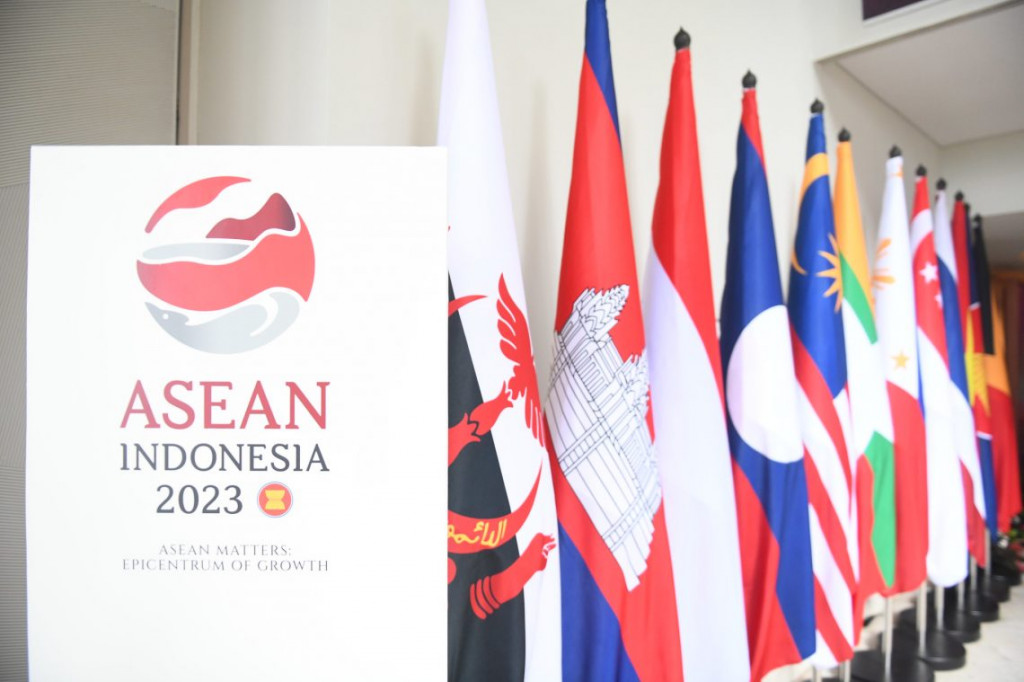
"South-East Asia has paid more than others for the devastating consequences of the clash between great powers. We do not want this to happen again'. Ng Eng Hen, Singapore's Minister of Defence, made this clear in his speech during the last plenary session of the Shangri-La Dialogue, the Asia-Pacific's top security summit held in the city-state from 2 to 4 June. Singapore and the ASEAN region in general once again confirmed itself as a crucial crossroads of global diplomacy. At a complicated time, to say the least, between the war in Ukraine and tensions between the US and China, the South-East is making its voice heard, asking world leaders for wisdom. "Military spending is also increasing exponentially in the Asia-Pacific," says the Singaporean minister. "It is not a source of instability per se, but in the absence of proper dialogue between the powers then it risks leading to a rearmament race that can destabilise the entire region." During the meetings, which were also attended by the US Defence Secretary, Lloyd Austin, and the Chinese Defence Minister, Li Shangfu, the 'centrality of ASEAN' and the goodness of the ASEAN way was mentioned several times. And all the representatives of the South-East Asian countries emphasised their willingness to maintain relations with both Washington and Beijing, promoting multilateralism based on trade and international rules. But also and above all on dialogue. "Both Austin and Li assured that the US and China are not asking ASEAN countries to choose sides, but we also hope that these two countries can talk to each other again," said Ng Eng Hen. "Both have been in the Asia-Pacific for a long time and both will not leave. We have to find or rediscover a way to ensure stability and security for the region'. The same concept was also expressed by the IISS, the international institute that has been organising the Shangri-La Dialogue in Singapore for the past 20 years, where the intelligence chiefs of several countries, including the United States and China, also met behind closed doors. Proof, once again, of how Singapore and the South-East provide an exceptional platform for confrontation. If the future of the world will be written (also or especially) in this region, perhaps it would be worth listening to it.

Quem portum petat: geography and economics of ASEAN ports

The sea is the natural space for globalisation. The majority of goods moves by cargo ships. Efficiency in handling containers, combined with strategic location and economic-political relations, makes the ports of East Asia the busiest in the world. Among the 50 most active ports worldwide, nine are in ASEAN and 18 in China.

For those who do not know which port to steer into, no wind is good. Although this aphorism of Seneca comes from a ‘moral epistle’, we could return the metaphor to its original context – navigation – and draw a new lesson from it. Today, global maritime trade responds to partly different rationales than in the days of the Roman Mare Nostrum. While environmental conditions (wind, currents, distance of the sea voyage) affect colossal container ships less, the choice of ports remains essential for those who must design trade routes. And the sea is still the main trade route for goods: according to EU data, more than 50 percent of its external trade moved by ship in 2021. Another interesting fact is that, in the ranking of the world's top 50 ports, 18 are Chinese (the first is Shanghai and six other Chinese ports occupy the top ten), nine are in ASEAN countries (the second worldwide is Singapore) and seven are European.

It is no surprise that Asian ports are so numerous in the ranking. The title of 'factory of the world' can now be awarded not only to China, but to much of the continent as well. The dragon is joined by a growing group of tigers. According to the UNCTAD, in 2021 Asian ports discharged and loaded 64% and 42%, respectively, of all world goods per ton. It is interesting to note that in Asia, as well as in Europe (including Russia), more goods are discharged (thus imported) than loaded (exported). This figure should be accompanied by another recent trend in shipping. In 2015, developing countries in Asia were exporting more tons of goods than they were importing, while the opposite case was in developed countries. Data from 2021 show that this ratio has reversed. According to the UNCTAD again, this change can be explained in light of the fact that merchant ships are increasingly carrying dry cargo in containers instead of tanker cargo (goods 'in tanks', such as refined petroleum products, chemicals, and gas). Whereas, in the 1970s, more than half of sea trade was made of tanker cargo – thus, largely by raw materials and low-processing products –, today, three-quarters is made of dry cargo, a much broader category that includes, inter alia: minerals, components, advanced machinery, consumer products...

Asian and European economies, therefore, seem hungry for products for their own domestic consumption and, more importantly, to turn them into other, more advanced goods to export. In the ASEAN, Singapore stands out as a major world port, following a destiny already charted during the British colonial rule. In 1819, Sir Thomas Stamford Raffles purchased the island from the Sultan of Johore to establish a settlement and compete, from a strategic position, with the nearby port of Malacca, under Dutch control, for the Straits trade. Shortly after the purchase, Raffles wrote: The Port of Singapore is a free port, and the trade thereof is open to ships and vessels of every nation, equally and alike to all. Raffles is remembered positively in the Lion City and is considered the founder of modern Singapore rather than an agent of colonial domination. In addition to determining the commercial vocation of the future city-state, he is credited with the first urban and infrastructure plan to open the island to international trade. The intuition of Raffles and the British, in whose wake Lee Kuan Yew, the first leader of independent Singapore, also moved, and the island's strategic location represent the roots of the port's success. However, it is more recent industrial policy choices that have consolidated its fortunes: the port infrastructure continues to be enlarged and modernised. Over the next two decades, work on the expansion of the Tuas 'mega port' will continue, following a four-phase project. The first phase alone, completed in 2021, cost $1.76 billion. The port can also rely on good governance, based on public-private partnerships, and Singapore's wide network of free trade agreements, including one with the EU.

Next on the list of the world's top 50 ports are Malaysia's Port Klang (12th place) and Tanjung Pelepas (19th), both on the Straits of Malacca. They are followed by the Thai port of Laem Chabang (20th) and Jakarta's Tanjung Priok (23rd). In Vietnam, the Ho Chi Minh region is served by the city's port on the estuary of the Mekong (26th) and the port of Cai Mep (50th), while the industrial district of Hanoi relies on the port of Hai Phong (33rd). Finally, the Philippine capital Manila ranks 31st. The main reason for the success of ports in the ASEAN and the rest of East Asia lies in the efficiency with which port infrastructure is able to load and discharge containers from ships and transfer them to another vessel or mean of transport, as revealed by the Global Container Port Performance Index (CPPI) curated by the World Bank. Logistical efficiency can make a port a major hub of trade even if its 'inland' economy plays a relatively small role in the global economy or manufacture (as for Singapore). Moreover, companies might move their goods through another country's port, if its national ports, even when geographically close, are not as punctual and reliable time-wise. In conclusion, it almost seems that ‘knowing which port to steer to’ is more important than having ‘good wind in your sails’, that is, reaching the nearest port. In light of this consideration, we can also read the data on EU ports. In the world ranking, the three ports of Rotterdam (10th place), Antwerp (14th) and Hamburg (18th), all three on the North Sea and located on a river, stand out. These three cities represent the main trade route between the European ‘blue banana’ and the rest of the world. In addition to efficiency, a factor that increasingly influences companies' choice of ports is sustainability: reducing emissions from transportation is a necessary step in achieving the carbon neutrality of the supply chain. Antwerp, for example, is a ‘sustainable port’ recognised at the international level. And in the Mediterranean? Interesting cases appear in the ranking, e.g. Athens’ Piraeus (28th place) and the Spanish cities of Valencia (30th) and Algeciras (34th). Piraeus owes its importance to trade with Asia and is at the centre of a delicate political issue since, in China's plans, it should become the end point in Europe for its Belt and Road Initiative. Algeciras, on the other hand, in addition to its strategic location on the Strait of Gibraltar, can boast of being the top European port in terms of efficiency, according to the aforementioned World Bank CPPI ranking. Italy and France ports are absent from the top 50. Although the Mediterranean is still at the centre of global maritime traffic, Italian ports should modernise their infrastructure and strengthen their logistics in order to compete with other global ports.

Indonesia's nickel rush

More and more countries and international investors are looking closely at Jakarta's huge mineral resources

Article by Tommaso Magrini

In 2022, Indonesia produced 1.6 million tonnes of nickel, more than any other country. It is tied with Australia for the world's largest reserves, with 21 million tonnes. Hoping to move its country up the commodity value chain, President Joko Widodo's government banned exports of unprocessed nickel ore in 2020. Several governments and multinationals are increasingly moving to secure access to Indonesia's vast nickel reserves. South Korean steel producer POSCO Holdings said it plans to spend USD 441 million to build a nickel refinery on the Indonesian island of Halmahera in North Maluku Province. Construction is scheduled to begin later this year, with the aim of starting operations in 2025. POSCO's refinery will produce nickel intermediates for use in rechargeable batteries that could power the equivalent of 1 million electric vehicles. German chemical manufacturer BASF and French mining company Eramet will invest $2.6 billion in a refinery in North Maluku, which will produce a nickel-cobalt compound used in EV batteries. Foreign direct investment in the Indonesian metals sector reached about USD 10.9 billion in 2022, with almost 60% coming from mainland China and Hong Kong. Meanwhile, Indonesian operators are moving to list themselves on the stock exchange. Better known as Harita Nickel, Trimegah went public on 12 April, raising nearly 10 trillion rupiah (USD 673 million), one of the largest IPOs of the year. Merdeka Battery Materials, a nickel smelter under the Merdeka Copper Gold umbrella, conducted its own IPO shortly after, raising 9.2 trillion rupees. Merdeka Battery collaborates with a unit of Chinese battery giant Contemporary Amperex Technology (CATL).

The new train between Laos and China

With the high-speed line between Kunming and Vientiane, a larger project connecting the People's Republic and South-East Asia begins

By Lorenzo Riccardi, Managing Partner RsA Asia

In April 2023 there was the inauguration of the first high-speed passenger train between China and South-East Asia, connecting the city of Kunming, capital of China's Yunnan province, and Vientiane, capital of Laos. The journey takes about ten hours and covers 1,035 kilometres.

The railway is a project that is part of the Belt and Road Initiative, costing 6 billion dollars, and the operation started in December 2021 for cross-border freight transit only and in April 2023 for passenger transport. The high-speed network aims to promote the movement of people and goods between South China and South-East Asia, facilitating trade and logistics in the region.

This project has a historical value and follows the region's connection initiatives that in the past also saw European countries as protagonists. In fact, at the beginning of the 20th century, a railway was built linking the city of Yunnanfu, in the Chinese province of Yunnan, to Hanoi, mostly built by Italian companies, workers, and technicians.

The new Kunming-Vientiane railway will increase bilateral and regional trade and investment with new jobs in the area and the revival of the tourism sector, also thanks to the new flow of Chinese travellers. The World Bank estimates that the Laos gross domestic product will increase by 21% following the construction of the railway.

In the first four months of 2023, the ASEAN region was confirmed as Beijing's top trading partner with an interchange of $304.6 billion, including $185.2 billion in exports to ASEAN and $119.5 billion in imports to China. Compared to the same period last year, there was an increase in aggregate trade volume of 6 per cent and in exports from China to Southeast Asian countries of 15 per cent.

This is the first segment of a larger project that will connect Beijing with Singapore via Laos, Thailand, Malaysia and connect the capitals Vientiane, Bangkok, Kuala Lumpur and Singapore with 5,500 kilometres of high-speed network to promote the region's logistics, trade and tourism.

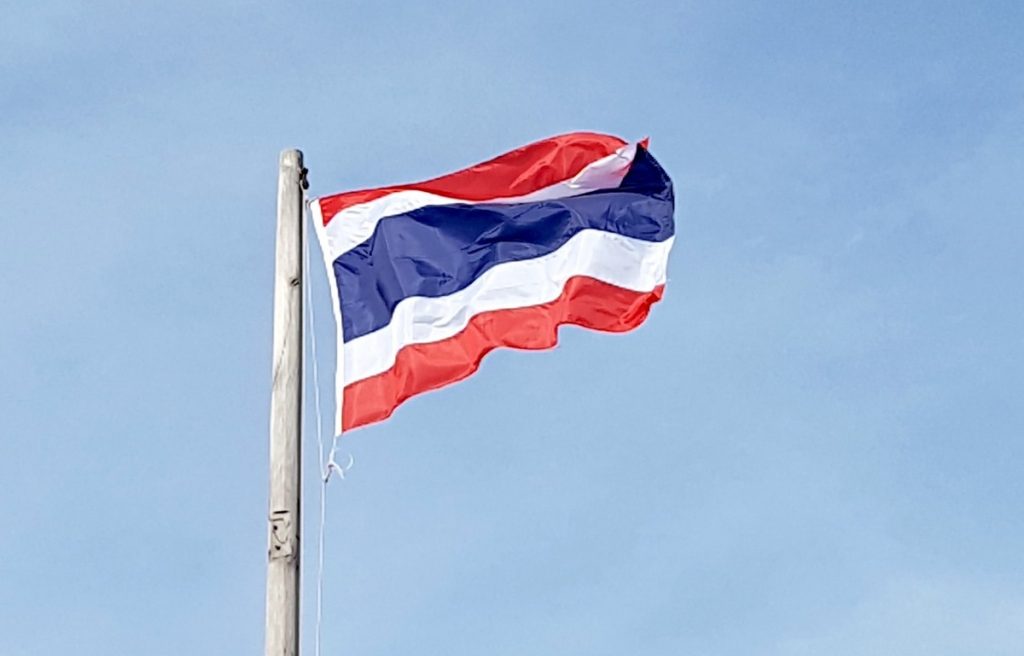
From the energy transition a new beginning between Thailand and Saudi Arabia

The Thai giant PTT aims to produce green hydrogen and restart diplomatic relations with Saudi Arabia.

Thailand's state-owned oil giant, PTT Group, will invest $7 billion in green hydrogen with Saudi Arabia's leading renewable energy company, ACWA Power, while aiming for decarbonization and restarting diplomatic ties between the two countries.
The investment is part of the different approaches taken by PTT Group to find a balance between reducing emissions and maintaining profitability. The agreement would also prove to be an important step in restoring diplomatic relations between the two kingdoms, which were suspended for about 32 years until January 2022. The two companies, joined by the State Electricity Generation Authority of Thailand, signed a memorandum of understanding to start the project. The investment commitment of seven billion dollars is looming as a further step in its realization.

Auttapol Rerkpiboon, the CEO of PTT, said the project aims to build a plant in Thailand with a production capacity of 225,000 tons of hydrogen per year, the first step needed to make Thailand an international exporter as well as the main supplier in ASEAN, of green energy. The investment plan will serve to identify green hydrogen as a future energy source to create demand and fuel the increasing use of electric vehicles in the region.

Unlike "brown" and "grey" hydrogen, whose generation involves fossil fuels, green hydrogen is obtained using exclusively renewable energy sources and, consequently, generates zero emissions. Following in the footsteps of many other countries, such as Saudi Arabia, Kazakhstan, Singapore and Australia, Thailand is also investing significant economic resources in the production of green hydrogen on a gigawatt scale. PTT's net-zero strategy thus aligns with the Thai government's commitments to achieve carbon neutrality by 2050 and net-zero greenhouse gas emissions by 2065. However, using green hydrogen on an industrial scale requires two key factors - high capacity and low cost of capital - to bring prices down to a competitive level and encourage people to stop using fossil fuels. In this sense, PTT is trying to generate supply ecosystems to increase demand. Its subsidiary PTT Oil and Retail has partnered with Bangkok Industrial Gas, Toyota Daihatsu Engineering & Manufacturing and Toyota Motors, to set up hydrogen charging stations in the kingdom's Eastern Economic Corridor, a special industrial zone in Bang Lamung district, in Chonburi province. The station is expected to serve fuel cell vehicles which will be used as limousines from U-Tapao Airport to the popular tourist destinations of Pattaya, Chonburi and surrounding areas. The investment in green hydrogen production facilities will surely help in healing relations between Thailand and the Saudi kingdom decades after their ties were soured by the Blue Diamond Affair, which began with the theft of jewels from a Saudi prince's palace by by Thai gardener Kriangkrai Techamong in 1989. A theft worth $20 million, including a 50-carat blue diamond. The two countries only reached a diplomatic thaw in January 2022, when Prime Minister Prayuth Chan-ocha paid the first visit by a head of government in more than three decades. After the resumption of relations, a further sign of the thaw between the two countries came from the Saudi state oil giant Aramco, which increased the supply of crude oil, petrochemical products and liquefied natural gas to PTT Group.

Italy’s mission in Thailand

By Maria Tripodi, Deputy Minister of Foreign Affairs and International Cooperation

From 16 to 18 May, I was on a mission to Thailand to attend the 79th session of the United Nations Economic and Social Commission for Asia and the Pacific (ESCAP) and for bilateral meetings, in conjunction with the stopover in the country of the Multipurpose Offshore Patrol Boat "Francesco Morosini". It was my first visit to Thailand, as well as the first by an Italian government member since 2018, reflecting Italy's renewed focus on a key player in the Indo-Pacific. At the ESCAP Commission, I spoke on 'Disaster Resilience: Early Warnings for All in Asia and the Pacific'. Italy is at the forefront of the fight against climate change and disaster management in the region and supports ESCAP's 'Multi-Donor Trust Fund for Tsunami, Disaster and Climate Preparedness' with a contribution of €260,000. This commitment was highly appreciated by the UN Under-Secretary-General and ESCAP Executive Secretary, Armida Salsiah Alisjahbana, to whom I renewed my intention to continue working together towards the implementation of the 2030 Agenda for Sustainable Development. The session was also an opportunity to promote Rome's candidacy for EXPO 2030, during short meetings with some of our partners in the area (Tuvalu, Palau, Samoa).

I then had a fruitful conversation with the Deputy Minister of Foreign Affairs, Vijavat Isarabhakdi: on the 155th anniversary of diplomatic relations between Italy and Thailand, we hoped that our deep relations could continue to strengthen, thanks also to the forthcoming opening of the Italian Institute of Culture, the scholarships offered by the Italian Government, and the excellent results achieved in 2022 by our bilateral trade (+21%), which will also benefit from the EU-Thailand Free Trade Agreement, the negotiations for which were recently restarted. Italy is increasingly appreciated in Thailand, as I was able to see during my visit to the 'Future Energy Asia' fair (one of the main regional events in the energy sector) and the welcome given to the patrol vessel Morosini, excellence of our Defence, a sector in which bilateral cooperation can be strengthened.

The next 'High-Level Dialogue on Italy-ASEAN Economic Relations', to be held in Bangkok in the autumn, will be an opportunity to deepen cooperation with Thailand and ASEAN in strategic sectors: pharmaceutical, agri-food, fashion, space, renewable energy, and defence.

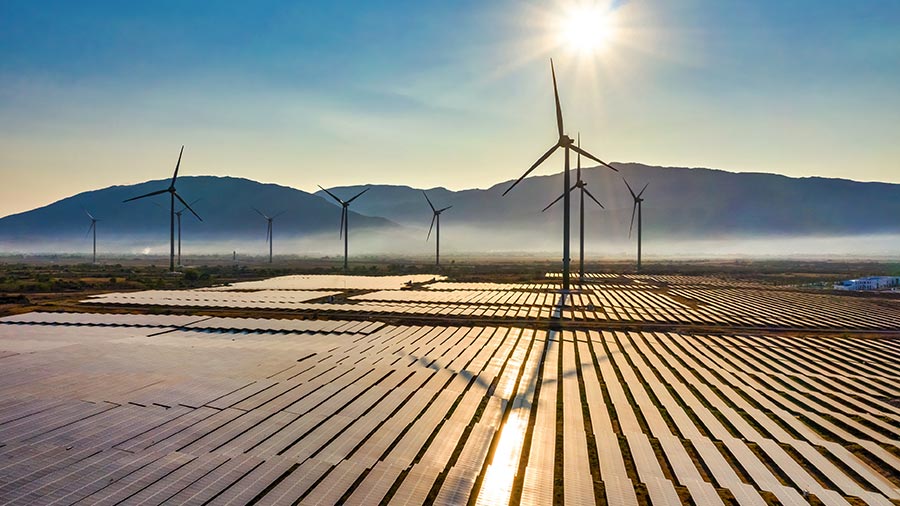
Laos and Vietnam bet on wind energy

ASEAN countries are making progress towards their commitment to renewable energy. In this strategy wind energy is becoming increasingly important.

According to a report by the Southeast Asia Energy Outlook 2022, energy demand in Southeast Asia has been increasing by an average of 3% annually over the past twenty years. This trend is expected to continue until 2030. Although the Covid-19 pandemic has slowed down the economic development of the region, the report projects that the region's GDP will grow by an average of 5% annually until 2030 before dropping to an average of 3% until 2050. Energy plays a critical role in this economic growth. Since the mid-1990s, the region has heavily relied on oil imports from the Middle East and Africa. If current policies remain unchanged, oil imports will increase. However, the recent price hikes and the Ukraine crisis could have a long-term impact on how natural gas is used in the region by affecting public perception of affordability and government attitudes towards investing in gas import infrastructure.

In this context, ASEAN countries are making progress towards their commitment to renewable energy. Indeed, in 2020/2021, they updated their NDC targets and have plans to achieve them by specific years. For example, Thailand aims to reduce GHG emissions by 20-25%, while Indonesia aims for a 29-41% reduction by 2030. Other countries have set their targets and implemented strategies to achieve them. During COP26, 8 of 10 ASEAN countries announced their will to reach net zero targets, the earliest by 2050 and the latest by 2065. To reach these targets, ASEAN governments are diversifying their renewable energy resources. Among these, wind energy is becoming increasingly important.

Before COVID-19, the demand for electricity in Vietnam was projected to rise at a rate of 10% per year. Based on forecasts, this demand is expected to surge by five times its current level by the year 2050. Therefore, diversifying renewable energy technologies and engaging with local partners and governments is essential. At the moment, in Vietnam, the government is prioritizing wind power over solar. With a coastline of over 3,000 km, offshore wind power provides excellent opportunities. Vietnam has a technical potential of up to 599 GW, larger than other Southeast Asian peers. The government has taken prompt action to stimulate wind energy growth by updating supporting mechanisms and introducing a public-private partnership model. Vietnam's commitment to decarbonization is promising, and wind power has immense potential to thrive. 

However, for the moment Vietnam generation capacity is not able to satisfy its energy needs and the aim of net zero emissions by 2050. Indeed, Vietnam and Thailand have set goals to achieve net zero greenhouse gas emissions by 2050. Laos is looking to capitalize on this demand. The growing demand for renewable energy in neighboring countries has led Laos to turn to a wind power investment strategy. Laos exports approximately 80% of its electricity to neighboring Thailand and Vietnam, contributing 30% of its export value. Additionally, the country is building transmission infrastructure in order to supply power also to Cambodia. 

Indeed, Laos, a prominent hydroelectric power exporter in Asia, is diversifying its energy portfolio by venturing into wind power to reduce its reliance on water resources. In this context, Laos is making a significant effort to reduce its dependence on hydropower for electricity generation. While hydropower currently accounts for 70% of the country's total electricity generation, concerns about its dependence have prompted Laos to shift towards wind power generation. This shift is due to a couple of reasons. Firstly, Laos' hydropower production usually decreases during the dry season. Secondly, China's control of the upstream rivers poses a risk of sudden changes in water levels, which poses a threat to agriculture and fisheries. Furthermore, a hydroelectric dam built by South Korean and Thai companies in the Attapeu province of southeastern Laos broke out in 2018, resulting in at least 71 deaths and over 6000 homeless. Nowadays, wind power generation has become a promising option for Laos. Wind farms are more efficient than solar panels as turbines can work almost day and night. 

The country is currently constructing a wind farm in the scarcely populated mountainous region of southeastern Laos, which is slated to commence operations in 2025. The project involves several companies, including Mitsubishi Group (Japan) and BCPG Renewable Energy Company (Bangchak, Thai Energy Group). It will supply electricity to Vietnam for a period of 25 years. The Monsoon wind farm will occupy an extensive area of 70000 hectares and comprise 133 wind turbines, making it one of Southeast Asia's largest onshore wind farms, with a generation capacity of 600 megawatts. Laos' energy policy is export-oriented, and the country has already planned similar wind power projects.

Asian tech giants set their sights on Vietnam

China's electric car giants are looking to Vietnam as a manufacturing hub. And Taiwanese suppliers to Apple are also doing the same

By Tommaso Magrini

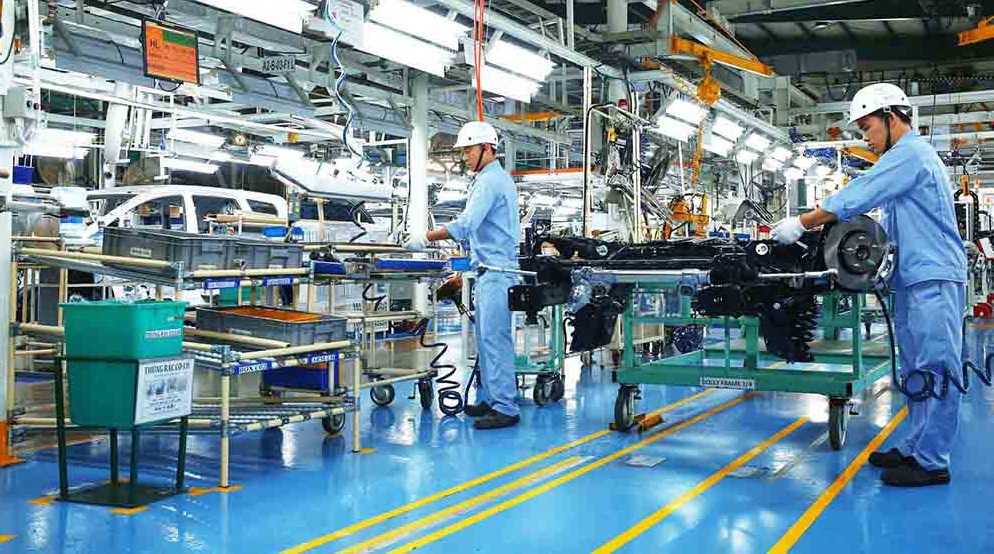
Also Taiwanese contract manufacturers for US giants such as Apple are increasingly looking to South-East Asia and Vietnam in particular. Electronics manufacturer Quanta Computer, the main contract manufacturer of Apple's MacBooks, signed an agreement this month to build its first Vietnamese factory in the northern province of Nam Dinh. Initiatives such as this, aimed at diversifying production away from China, have been underway for years for manufacturers that have witnessed rising wages. Further impetus comes from trade and technology tensions between Washington and Beijing. Quanta had exploited its Chinese manufacturing base for rapid growth, recording sales of over USD 41 billion in 2022. But in 2022, due to anti-Covid restrictions, it was unable to produce its main MacBook Pro, delaying deliveries for more than two months and disrupting Apple's plans. TrendForce estimates that in the three years to 2025, the company is expected to increase production outside the country to around 30 per cent of the total. In the first quarter of 2023, the number of Taiwanese FDI projects in Vietnam grew by 87 per cent year-on-year. The leading iPhone assembler, Foxconn, is investing heavily in the northern province of Bac Giang. Last summer, Foxconn informed the local media of its intention to spend an additional USD 300 million and hire 30,000 people, and in February it signed a contract to lease a 45-hectare site until 2057. By 2025, about 30% of production is expected to take place outside China. Pegatron, which ranks second in iPhone production, has made major investments in the coastal city of Haiphong, while No. 4 Wistron plans to start a personal computer factory next year.

Chinese electric car manufacturers are unceremoniously aiming for global leadership. And to achieve this goal, they are increasingly establishing themselves in South-East Asia. In recent days, carmaker BYD Co. made it known that it intends to expand into the production and assembly of electric vehicles in Vietnam. The Xi'an-based electric vehicle manufacturer plans to open a plant in Vietnam for the production of car parts, with the aim of exporting the components to an assembly plant planned in neighbouring Thailand. In a government statement issued after a meeting between BYD founder and chairman Wang Chuanfu and Deputy Prime Minister Tran Hong Ha, Wang said he expects Vietnam to create favourable conditions for BYD to complete investment procedures. The Chinese company, which currently operates a factory to assemble electronic devices and parts in the northern Vietnamese province of Phu Tho, has also proposed to form a local supply chain. BYD's presence would pose a direct challenge to VinFast, a Vietnamese electric vehicle manufacturer that began selling cars in 2019 and plans to expand into the US and Europe. BYD's interest in Southeast Asia goes beyond Vietnam. Last September, the company, backed by Warren Buffett's Berkshire Hathaway, announced the construction of an electric vehicle assembly plant in Thailand with an annual capacity of 150,000 cars starting in 2024. The company sold 210,295 vehicles in April, about twice as many as a year earlier and slightly more than the previous month. Although the majority of sales come from mainland China, BYD is expanding overseas, mainly in Asia, Europe and Latin America. Exports account for about 6% of electric vehicle sales.

Italy at the 2nd EU-Indo-Pacific Forum

By Maria Tripodi, Deputy Minister of Foreign Affairs and International Cooperation

On 13 May, together with European Foreign Ministers and partners from Asia and the Pacific, I attended - by delegation of VP/Minister Tajani - the 2nd EU-Indo-Pacific Ministerial Forum, organised in Stockholm by the Swedish EU Presidency and the EEAS. The initiative was initiated by the French EU Presidency, with the event on 22 February 2022, in Paris. In my speech, I emphasised Italy's concrete commitment to follow up on the EU Indo-Pacific Strategy. I highlighted our growing projection in the area, whose geopolitical, economic and demographic relevance places it at the centre of the complex global challenges underway, aggravated by the Russian aggression against Ukraine. These include threats to security and the rules-based international order, energy security, the food crisis, the (often devastating) consequences of climate change and sustainable development. It is precisely on climate that I wanted to focus, speaking at the panel discussion 'Pursuing green opportunities and overcoming global challenges'. The Indo-Pacific is home to some of the states most exposed to climate change and also most in need of energy, given their high economic and population growth rates. Italy, which is committed to reducing greenhouse gas emissions by 55% by 2030 and to achieving climate neutrality by 2050, is supporting these countries with numerous initiatives, including the support to Vietnam and Indonesia in the framework of the G7 initiative 'Just Energy Transition Partnership'; the organisation of training courses on civil protection and sustainable development in favour of ASEAN countries and the 'Pacific Islands Forum' of which Italy is respectively Development and Dialogue Partner; the participation, through Cassa Depositi e Prestiti, in the 'ASEAN Catalytic Green Finance Facility' and in the 'Team Europe' initiatives in favour of ASEAN. With these and other measures being devised, we intend to ensure that no country is left behind and that the area's emerging economies are equipped with the necessary tools to pursue inclusive and sustainable growth, an essential condition for the maintenance of peace and stability in a region that is increasingly crucial for world equilibrium.

How Thailand's elections went

Article by Francesco Mattogno

Move Forward won the elections in Thailand, disproving predictions that long held Pheu Thai as the dominant party. The two have already decided to join together in a coalition, but the clear majority obtained in the House may not be enough

The consensus among analysts covering Thailand is that election polls are not that reliable. Both because of the method of data collection (mostly online) and because of the distribution of the sample, which comes mainly from the cities, Bangkok in particular. And indeed, the polls were wrong. Move Forward's growth in voting intentions in recent weeks was thought credible, but perhaps overstated. Instead, Pita Limjaroenrat's party won the May 14 election by a decent margin over second-placed Pheu Thai and has already formed on paper a coalition to lead Thailand according to its own political agenda, focused on constitutional and institutional reforms that promise to shake up the country's power structure. Precisely because of this, however, seeing Move Forward govern will not be so easy.

On Sunday, Thais voted to elect the 500 members of the lower house of parliament, but not the 250 members of the senate, appointed instead by the now-defunct National Council for Peace and Order, i.e., the military junta that led the country from 2014 to the 2019 elections. According to ad hoc provisions in the constitution, until 2024 senators have the power to participate in parliamentary votes to appoint the prime minister. A condition that in 2019 allowed coup general Prayut Chan-o-cha to remain in power despite the fact that his candidate party, the Palang Pracharat (PPRP), came second in the election. And that now potentially outvotes the Move Forward-led Democratic Front although it won a clear victory at the polls.

THE COALITION

The Pita-led party won a total of 152 seats (one more than originally expected), beating what was thought to be the main pro-democracy formation, Paetongtarn Shinawatra's Pheu Thai, which elected 141 MPs. Among the scenarios speculated both before and after the vote was that Pheu Thai might choose to ally with pro-military and conservative parties in an attempt to form a compromise government. On Monday, however, the party debunked this assumption, and Pita officially declared the birth on paper of a coalition involving four other parties besides Move Forward and Pheu Thai: the Prachachart (9 seats), Thai Sang Thai (6), Seree Ruam Thai (1) and the Fair Party (1).

The coalition's 310 seats are more than enough to achieve a majority in the House, where the PPRP elected 40 MPs and Prayut's "new" party, the United Thai Nation (UTN), 36. But that is less than the 376 needed to form a government without the senators' vote proving decisive. The idea of Pita and his people is that the popular mandate received is too strong, and that the Senate will not vote en masse to prevent him from governing. Otherwise, "those who are thinking of abolishing the election results or forming a minority government will pay a rather high price," he said at the press conference proclaiming victory. The Move Forward leader considers the hypothesis just described "unlikely," but some senators have already said they will not support him as prime minister.

For this, the third-place finisher in the election, Anutin Charnvirakul's Bhumjaithai (BJT), which won 71 seats, could prove crucial. Anutin is the outgoing health minister in the PPRP-led government, however, his is a center party, not anti-establishment but not completely siding with the military either. For now Pita has stated that "it is not necessary" to involve the BJT, but that could change. Meanwhile, the Move Forward leader-who says he is "ready to become Thailand's 30th prime minister"-is preparing a memorandum of understanding for the coalition. A kind of "government contract" in which the program of things to be done during the first year of the ruling executive will be outlined.

THE PROGRAM

There are indeed several issues on which the parties must agree. The coalition is made up of those who have shared the last four years in opposition, but relations, especially between Move Forward and Pheu Thai, have had ups and downs. The key issue is undoubtedly that involving Article 112 of the Thai Penal Code, i.e., the "law on lese majesty," which provides up to 15 years in prison for anyone who "defames, insults or threatens" members of the royal family.

Move Forward has among its candidates several of the protesters charged with lese majesty for their role in the 2020-21 democratic and anti-monarchy demonstrations, and Pita has long expressed his desire to repeal the law. As the elections have approached, the party's position has softened, but the intention to amend and depower the rule remains, and has been confirmed by the leader himself in several post-victory statements.

Although it has been blunted, it remains a radical position in the Thai context: the monarchy is among the most powerful in the world and a source of political legitimacy (the king must approve the appointment of the prime minister); no other major party has dared to question it so openly. At the press conference where Pheu Thai announced that it had agreed to join the coalition, Pateongtarn said that the party "will not support the abolition of Article 112," but that "there can be discussion in parliament on how to implement it effectively."

But Move Forward's program goes beyond the monarchical issue. The party has also proposed organizing a referendum to elect a constituent assembly to rewrite the constitution, replacing the 2017 military-driven one and thus limiting the army's influence and power in Thai politics. Then there is the will-this one shared with Pheu Thai-to cancel compulsory conscription, produce an anti-monopoly law, raise the minimum daily wage from 330 to 450 baht (from 9 to more than 12 euros), and legalize gay marriage. On marijuana, however, Move Forward would like to limit its use to medical purposes only.

On foreign policy, Pita proposed de facto non-alignment between the U.S. and China, but called for "rules-based diplomacy" to be respected. He condemned Russia's aggression in Ukraine, and on Myanmar he said Thailand should cooperate with the international community so that the Burmese people can "resolve their conflict." This too is a de facto distant position from the Thai military's top leadership, which has always maintained an ambiguous relationship with Myanmar's military junta.

THE SCENARIOS

Pita has been accused of holding some 42,000 shares in ITV, a Thai broadcaster that closed in 2007 but whose registration still remains active. This would be a violation of election laws (which prohibit candidates for parliament from having holdings in media companies), and at worst could lead to disqualification of the candidate and the party. Pita says he is calm, but for similar litigation Move Forward's de facto predecessor, Future Forward, was dissolved in 2020 and its top leadership banned from politics for ten years.

The matter will be investigated by the Election Commission. In case the military wants to overturn the election result, at the moment it is believed that the judicial route is more likely than a further coup, which has been denied by Armed Forces Chief Narongphan Jitkaewthae himself (who will also be on an official visit to Hawaii until May 28). If it is legitimate to have doubts about such statements, the same may be true for those of Prayut, who once the defeat became clear said he would respect the democratic transition. With the Senate on the conservative side, the possibility of a pro-military minority government also remains alive, which at that point (for numerical issues) should be led by the BJT. There is no shortage of time for possible reversals. The Election Commission must publish official election results within 60 days, then parliament will be convened to vote for the prime minister. After being approved by the king, the premier can form his government. It is expected to happen no earlier than early August.

Prosperity and doubts: the two-faced relationship between China and the Southeast

Article by Vittoria Mazzieri

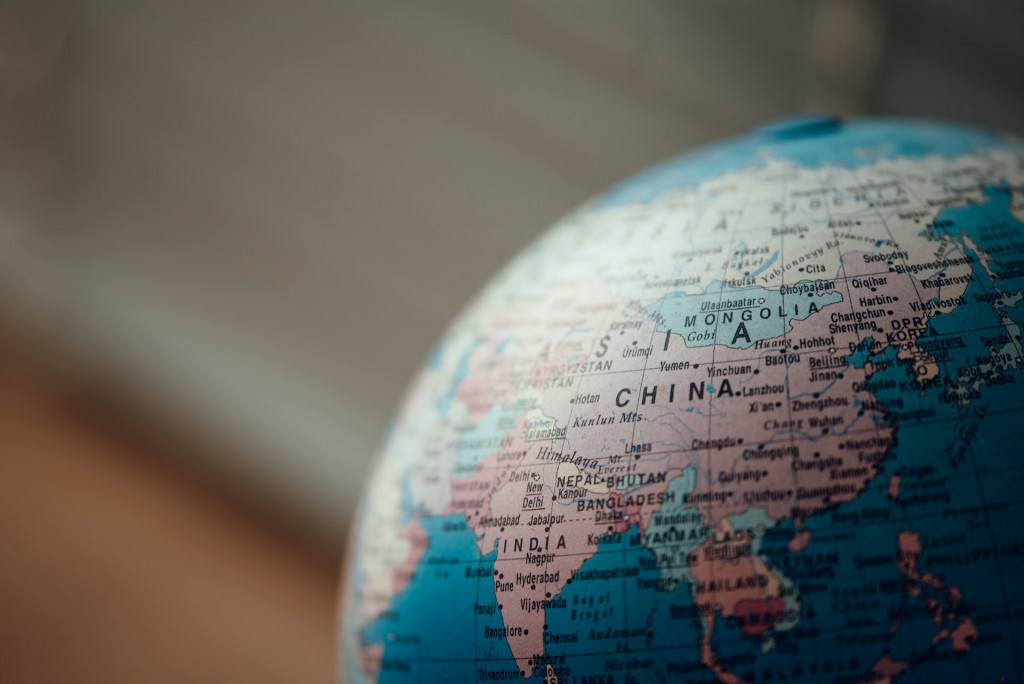
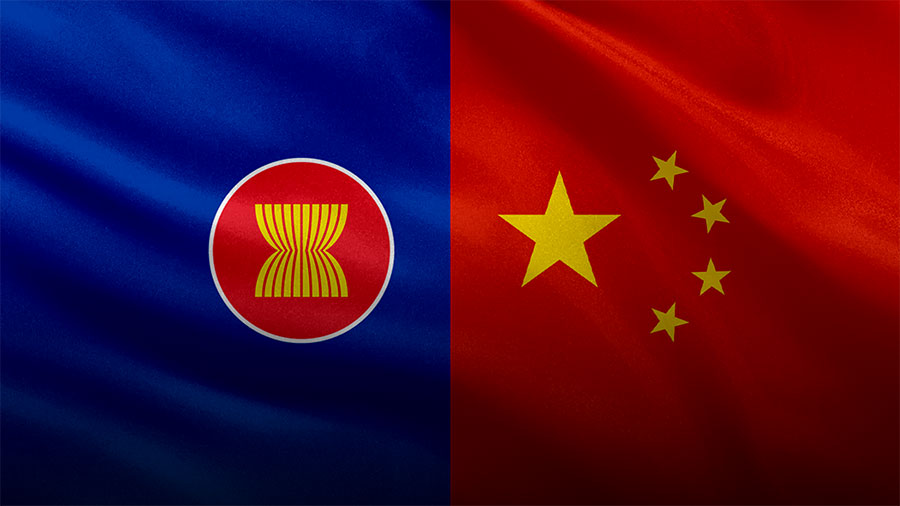
Regional investment targets, ideological allies, security partners, players in territorial claims: since the beginning of diplomatic relations, Southeast Asian countries have assumed changing and complex roles in Beijing's eyes. In terms of geographic proximity and economic cooperation, ASEAN occupies a priority role in Chinese foreign policy

Deng Xiaoping's 1979 trip to Thailand, Malaysia, and Singapore marks an important point in relations between Beijing and the countries of Southeast Asia. The "little helmsman" was amazed by the socioeconomic progress in an area he had mistakenly regarded as economically backward. As noted in an essay on the subject by Singapore's Nanyang Technological University professors Zhou Taomo and Hong Liu, what particularly struck Deng was the city-state south of Malaysia. In the aftermath of his meeting with then Singaporean Prime Minister Lee Kuan Yew, the People's Daily moves from describing Singapore as the "watchdog of American imperialists" to painting it as an "island of peace," a "garden city worth studying." Deng, on the other hand, receives yet another confirmation of the need to abandon the ideological lenses with which the Communist Party has hitherto interpreted relations with Southeast Asia.

Relations between the Asian giant and the city-state demonstrate the People's Republic's changing relations with the area traditionally known as Nanyang 南洋, "South Seas." In addition to the domestic political context, Beijing's relations with the region have been influenced by issues related to the identity of diasporic communities (in Singapore, 75 percent of the population is ethnic Chinese), territorial disputes, and various infrastructure projects under the Belt and Road Initiative.

The first years after the People's Republic's emergence are characterized by a moderate and flexible approach: Beijing advocates a "third way" that can offer an alternative to the two Cold War blocs even to countries ideologically unrelated to the Communist Party. The promulgation of the Five Principles for Peaceful Coexistence in 1954 presents a new framework of international relations based on mutual respect for territorial integrity and the principle of non-interference, even for ideologically unrelated countries. The Sino-Indonesian Dual Nationality Treaty, signed the following year, ends the policy of granting nationality to all ethnic Chinese. China thus encourages overseas communities to adopt the nationality of the countries in which they live, thereby aiming to assuage the concerns of some Southeast Asian countries, fearful that communities of Chinese could be used by the Party to engage in subversive activities. 

Over the years ethnic Chinese minorities became the target of heavy-handed discriminatory policies: in 1959 Indonesian President Sukarno revoked the license to operate retail businesses from all "foreigners," mostly Chinese. As a result, in some places, the feeling of belonging to the motherland is strengthened. With the onset of the Cultural Revolution, groups of ethnic Chinese students began wearing Mao Zedong badges in schools in Rangoon, in present-day Myanmar. A wave of large-scale ethnic riots and a drastic deterioration in bilateral relations ensue.

Since the late 1960s, Chinese foreign policy in general has tended to radicalize, partly because of the economic recession following the disastrous Great Leap Forward. The establishment in 1967 of the Association of Southeast Asian Nations (ASEAN), founded by Indonesia, Malaysia, the Philippines, Singapore and Thailand from an anti-communist perspective, is perceived by Mao Zedong as a tool of imperialism. Ideologically neighboring countries are asked to recognize as the main targets of the revolution, in Premier Zhou Enlai's words, "imperialism, feudalism and comprador capitalism." An approach that would change dramatically in the aftermath of the Vietnamese invasion of Cambodia. As explained in an article for ISPI by Ngeow Chow-Bing, director of the Institute of Chinese Studies at the University of Malaya, in this scenario ASEAN assumes strategic importance for Beijing to contain the expansionist aims of the government in Hanoi (with which relations have deteriorated irretrievably) over Indochina and the entire region.

The record-breaking economic development affecting the People's Republic since the 1990s is a key element in the expansion of its soft power influence, as Joshua Kurlantzick, fellow for Southeast Asia at the Council on Foreign Relations, has written. China's economic performance attracts the interest of developing countries and also has the effect of enhancing the reputation of Chinese communities living in the region.

It is during those years that what official Chinese rhetoric describes as the "golden decade" of relations with ASEAN (which as of today, in addition to the founding countries, also counts Brunei, Myanmar, Cambodia, East Timor, Laos, and Vietnam) begins. During the 1997 Asian financial crisis, Beijing made the symbolic decision not to devalue its currency, offering itself as a guarantor of stability. In the following years it initiated relevant multilateral agreements: the Chiang Mai Currency Exchange Initiative, the 2002 Free Trade Agreement, and the Declaration on the Conduct of Parties in the South China Sea, which stabilized territorial disputes, in the same year. 

But with Xi Jinping's rise to power, Chinese foreign policy acquired a more proactive and assertive profile. The deterioration of relations over the past decade, especially with the Philippines and Vietnam, is inextricably linked to territorial claims in the South China Sea area. Since the 1970s, disputes with Vietnam over the Spratly and Paracelsus Islands have turned into a regional, or even global, dispute. Of little or no use was the 2002 Code of Conduct, which while celebrated at the time as a means of ensuring a "peaceful, friendly and harmonious environment in the South China Sea," did not include provisions on enforcement or dispute resolution mechanisms. 

Tensions, therefore, grew, even reaching Indonesia for the first time in 2016. In the same year, a ruling by the Permanent Court of Arbitration in The Hague rejected Beijing's claims, represented by the so-called "nine-point line." Beijing did not accept the decision recognizing Manila's rights to exploit resources within the 200 nautical miles of the Exclusive Economic Zone (EEZ). Rather, it accused Washington of pushing the Philippines to resort to the court to "sabotage relations between China and ASEAN countries."

Despite its maritime claims, China has never stopped courting countries in the region. The Regional Comprehensive Economic Partnership (RCEP), the historic agreement sealed in 2020 after eight years of negotiations and entered into force in January 2022, has served Beijing to consolidate economic cooperation in the area. But mutual trade relations cannot be explained without bringing up the Belt and Road Initiative, the ambitious new Silk Road launched in 2013 that counts Chinese investments worth about 85 billion a year. As early as the early 2000s, Southeast Asia emerged as an important regional target for Chinese foreign direct investment. In 2020, at the height of the pandemic crisis, ASEAN rose to the top spot among BRI investment destinations. 

The initiative has met with varying degrees of acceptance in countries in the region. Despite tensions over territorial disputes, many nations involved have continued to desire Chinese investment in infrastructure and manufacturing. Unlike its more welcoming neighbors, Hanoi has taken a cautious approach: the Vietnamese strategy seems to aim to avoid confrontation with China while averting the risk of economic dependence. To date, the only BRI project implemented in the country is the Cat Linh-Ha Dong tramway, which has attracted widespread criticism because of its high cost.

The derailment of a high-speed train of the ambitious Jakarta-Bandung rail project shows that safety risks can undermine the People's Republic's credibility. A recent report by Malaysian lending institution Maybank suggests that the post-pandemic recovery may be less strong than expected. Projects could suffer setbacks because of growing government distrust of, for example, social and environmental costs: in 2014, Chinese-owned bauxite mining operations in Vietnam's central highlands sparked widespread protests over environmental damage and noncompliance with local laws. For other countries that have been more actively engaged in the BRI, such as Laos, Cambodia, and Myanmar, fears about the "debt trap" periodically return from economists and observers. 

Overall, Southeast Asian countries remain essential to Beijing for numerous reasons. For example, as partners toward whom China can accelerate the spread of "soft" infrastructure such as health services and the digital economy. Or as useful players in subverting international balances and increasing the relevance of the Asia-Pacific. Against the backdrop of tensions with the United States, the People's Republic aims to present itself to ASEAN countries as a non-assertive actor, willing to pursue "mutual respect," "dialogue," and "win-win" synergies, as claimed last year at the launch of the Global Security Initiative (GSI). On the other hand, China's investments are shaping up as unmissable resources for developing countries in the region: the GSI's sister initiative, the Global Development Initiative (GDI), represents Beijing's willingness to name itself a central role in multilateral development promotion. ASEAN has become the largest regional group to benefit from it, nabbing 14 projects out of a total of 50 from the first batch of the GDI Project Pool.

 

How the 42nd ASEAN summit went

The summit of the Association of Southeast Asian Nations took place between May 9 and 11 in Indonesia. Here are what documents were signed and the final joint statement

In the Joint Declaration adopted at the 42nd ASEAN Summit, held in Labuan Bajo, Indonesia, May 9-11, ASEAN leaders stressed the need to pursue peaceful settlement of disputes in accordance with universally recognized principles of international law, including the 1982 United Nations Convention on the Law of the Sea (UNCLOS). They emphasized the importance of the full and effective implementation of the Declaration on the Conduct of Parties in the Eastern Sea (DOC) in its entirety, while highlighting the need to strengthen mutual trust, exercise self-control in conducting activities that may complicate or exacerbate disputes and affect peace and stability, and avoid actions that may further complicate the situation. They welcomed the ongoing efforts to strengthen cooperation between ASEAN and China, as well as the progress of substantive negotiations toward the rapid conclusion of an effective and substantive Code of Conduct in the East Sea (COC); and the initiative to accelerate COC negotiations, including the proposal to develop guidelines to expedite the rapid conclusion of an effective and substantive COC. ASEAN leaders also stressed the need to maintain and promote an enabling environment for COC negotiations. Among the 10 documents endorsed at the summit were the ASEAN Leaders' Statement on Developing the Regional Electric Vehicle Ecosystem; the ASEAN Leaders' Statement on the One Health Initiative; the ASEAN Leaders' Statement on Advancing Regional Payment Connectivity and Promoting Local Currency Transactions; and the ASEAN Leaders' Statement on Combating Trafficking in Persons Caused by Misuse of Technology. The leaders endorsed the ASEAN Declaration on the Protection of Migrant Workers and Family Members in Crisis Situations; the ASEAN Declaration on the Placement and Protection of Migrant Fishermen; the ASEAN Leaders' Joint Declaration on the Establishment of an ASEAN Village Network; and a roadmap for the admission of Timor-Leste as an official member of ASEAN. They also adopted the ASEAN Leaders' Statement on Developing the Post-2025 Vision of the ASEAN Community, which aims to promote strong, comprehensive and inclusive growth and solve the region's internal and external challenges over the next 20 years. Also endorsed at the summit was the ASEAN Leaders' Declaration on Strengthening ASEAN Capacity and Institutional Effectiveness, which reaffirms the commitment of ASEAN leaders to maintain centrality, unity and relevance amid the challenges facing the region. The leaders also discussed the implementation of the five-point consensus on Myanmar and condemned the attack on a convoy of the ASEAN Coordination Center for Humanitarian Assistance on Disaster Management (AHA Center) and the ASEAN Monitoring Team in Myanmar.

Click here for the summit's final joint statement.

Recently active members
Foto del profilo di Alessio
Foto del profilo di Monika
Foto del profilo di Gabriel
Foto del profilo di Elena
Foto del profilo di Lorenzo
Foto del profilo di Alessandro
Foto del profilo di Cristina
Foto del profilo di Rocco
Foto del profilo di Clara Lomonaco
Foto del profilo di Redazione
Foto del profilo di Davide Gugliuzza
Foto del profilo di Anna Affranio
Foto del profilo di Ilaria Canali
Foto del profilo di Nicolò
Foto del profilo di Angelo Cangero
Who is online
There are no users currently online
Members
  • Foto del profilo di Alessio
    Active 53 minuti fa
  • Foto del profilo di Monika
    Active 3 giorni, 8 ore fa
  • Foto del profilo di Gabriel
    Active 3 settimane, 4 giorni fa
  • Foto del profilo di Elena
    Active 1 anno, 4 mesi fa
  • Foto del profilo di Lorenzo
    Active 2 years, 6 mesi fa