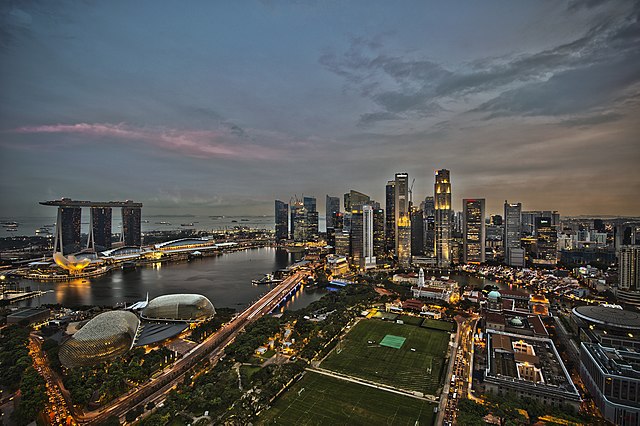
Singapore, a calm island in turbulent waters

The latest rankings record the advance of the city-state, whose government has introduced new tax breaks. It is the preferred destination for the super-rich, from China to Thailand, for depositing their assets.

For the first time since leading corporate service provider and fund administrator Vistra launched its jurisdiction rankings in 2010 — asking hundreds of business services executives to rate the importance of global financial centres based on creditor-friendliness and rule-of-law risk — Singapore has leapfrogged Hong Kong.

Over the past twelve years, Hong Kong has consistently been the dominant of the two Asian jurisdictions featured in Vistra’s top ten. But in 2022, Singapore qualified third, behind the UK and the US, while Hong Kong claimed fourth place.

This is a marginal advantage: 46 per cent of respondents rated Singapore as a very important financial centre for their organisation, while ‘only’ 43 per cent said the same of Hong Kong. However, conditions do not seem to favour yet another turnaround.

“Singapore is a calm island in very turbulent waters,” said a UK-based private solicitor in response to the Vistra questionnaire. The remark seems to refer to the political turbulence afflicting Hong Kong in recent years and the increasingly invasive erosion of the 'one country, two systems' principle governing its relations with Beijing. 

Indeed, a worrying wind is blowing from the capital of the People's Republic of China (PRC) for the so-called super-rich. Xi Jinping's drive to consolidate his leadership by promoting allies who are known for their tough stance against the private sector, as well as the prospect of possible new inheritance taxes, have prompted some particularly wealthy Chinese citizens to at least partially sever financial ties with their own country, in what could be described as an ‘exodus of wealth’. In fact, Xi's push for "common prosperity" would appear to be driving investors — who once embraced Deng Xiaoping's dictum that ‘getting rich is glorious’ — to flock to more wealth-friendly places, such as Singapore.

Away from China

"The private sector in China is really in decline," notes Drew Thompson, a visiting senior researcher at the National University of Singapore's Lee Kuan Yew School of Public Policy in an interview with Bloomberg. "This accelerates efforts to migrate and secure one's wealth abroad".

It is not clear whether Xi is intent on stopping the outflow of people and capital from China. Investment migration consultancy Henley & Partners estimates that in 2022 alone, a cohort of around 10,000 wealthy residents sought to withdraw USD 48 billion from the PRC, which represents the second-largest outflow of wealth and people worldwide, after Russia.

Anti-Covid regulations also played a key role in Singapore's advance. While the city-state quickly returned to normal in 2022 — including lifting the indoors mask requirements (one of the last remaining restrictions) in August — Hong Kong remains, like the rest of China, one of the territories with the most stringent anti-Covid regulations in the world. This has also led to an ‘exodus’. According to the European Union Office for Hong Kong and Macao, around 10 per cent of EU citizens residing in Hong Kong left the city this year, and a growing number of employees have requested to be relocated elsewhere. Large companies, such as American multinational investment banking and financial services firm Citigroup, as well as the CEOs of JP Morgan, have also quietly moved a string of equity bankers to Singapore and other markets.

However, Singapore's rise should not be entirely attributed to recent turmoil and Covid-related restrictions in other places. The government of the city-state also has merits of its own, for the benefits of the ‘super-rich’.

Singapore's reputation as a bastion of low-tax security and stability has made it a regional hub for the wealthy, from Thailand to Indonesia. The city-state has been effective in establishing itself international in activities such as fund management and estate planning.

For example, in order to increase its attractiveness as an alternative fund venue, Singapore introduced the Variable Capital Company (VCC) in 2020 — a new corporate entity structure under which several collective investment schemes (whether open or closed-ended) can be brought together under the umbrella of a single corporate entity and yet remain separate from each other. The VCC challenges major fund domiciles such as the Cayman Islands or the UK by offering investors greater flexibility, operational cost savings, and tax benefits.

Singapore's favourable legislation

In recent years, Singapore has also been trying to attract a larger share of Asian clients with rising net worth. Its trust laws offer privacy and tax exemptions to settlors and beneficiaries. With its introduction of the Overseas Networks and Expertise (ONE) pass — a visa that will allow its holders and their partners to work in the city-state for five years — Singapore furthermore became a global talent hub.

Singapore does not provide detailed statistics on where its wealth flows come from. However, according to Bloomberg, the explosive rise of ‘family offices’ — service companies that manage the wealth of one or more wealthy families by acting as coordination centres for financial and administrative management — is symptomatic of the arrival of multiple new tycoons, especially Chinese. At the end of 2021, the number of these offices almost doubled compared to the previous year. Michael Marquardt, whose firm IQ-EQ Asia helps set up family offices, said the number of inquiries from Chinese clients had increased by 25 to 50 per cent from before, to after, the last Chinese Communist Party Congress. Vikna Rajah, head of tax and trustee at law firm Rajah and Tann Singapore LLP, said last June that more than 30 per cent of the clients she has supported in applying for tax exemption were from China, including from Hong Kong. These newcomers choose Singapore not just as a base for business but for real relocations. For instance, Sean Shi Yonghong, co-founder of Sichuan hot pot chain Haidilao International, paid USD 50 million for a so-called Good Class Bungalow (GCB) in the city-state last September. His business partner, and CEO of Haidilao International, Zhang Yong already established himself in Singapore a few years ago and took up citizenship in 2018. Sun Tongyu, one of the co-founders of Alibaba, also bought a USD 51 million penthouse in the city-state. Other notable Chinese entrepreneurs who have settled in Singapore include Zhang Yiming, founder of ByteDance Ltd, cryptobillionaire Jihan Wu, and Cindy Mi, the founder of VIPKid (a formerly successful edutech company in China until Beijing cracked down on online tutoring). Such newcomers have generated a variety of knock-on effects, from increased sales of luxury cars to skyrocketing prices for villas, and… golf memberships.

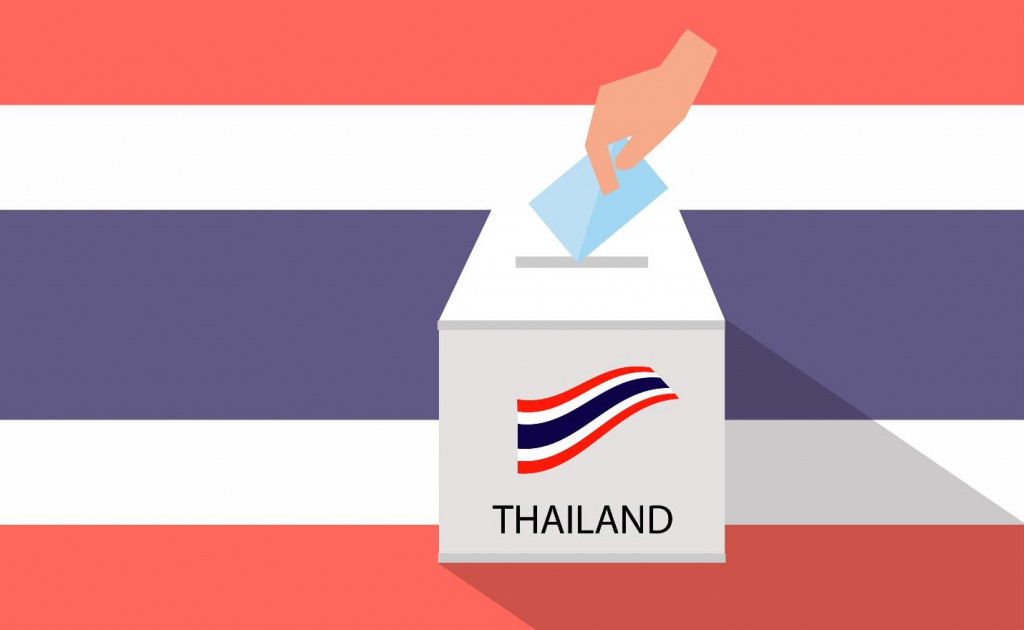
Thailand goes to vote, with endemic challenges on the ballot

Ahead of the 2023 elections, the ‘traditional’ powers of the army and monarchy are showing signs of internal fragmentation. The intensity of anti-government protests wanes, but protesters unite over some momentous common battles.

Contemporary Thai politics often appears stuck in a perennial struggle between the conservative domestic establishment committed to defending its control over political and social life, and periodic external progressive pressures seeking to undermine it. It might seem that no external political force has so far managed to erode the dominance of the armed forces and the royal family. In the run-up to the next elections, set for 7 May 2023, recent developments show that, in reality, the pillars of the army and the monarchy are anything but monolithic.

In this context, imposing figures such as Prime Minister Prayuth Chan-o-Cha may appear unmovable, but something is actually moving under the surface. In August, at the opposition's petition, Prayuth, who seized power in the 2014 coup d'état, was suspended from office for five weeks pending a ruling on his allegedly exceeding of the eight-year term limit. The Thai Constitutional Court's ruling on 30 September then reinstated him, opening up the possibility for him to run for a second term (albeit a partial one, until 2025) in next year's elections. 

The Court’s ruling amounted to a rather sterile measure, as it did not challenge the trinity of Thailand’s architecture of power (‘Nation, Religion, and Monarchy’). Indeed, on the day of the Court's deliberation, demonstrations by pro-democracy movements did not reach the numbers and intensity of the 2020 anti-government clashes. For locals, this is simply the usual ‘power games’ played by political elites. 

Beyond the usual power game

However, Francesco Radicioni, Radio Radicale's East Asia correspondent, points out that "what the story does tell us is the internal split within the Palang Pracharath (PPRP), the main governing party". Prayuth himself does not seem to be the party's favourite candidate for the next general elections. According to some analysts, the PPRP is rather leaning towards General Prawit Wongsuwon, the current Deputy Prime Minister who served as Acting Prime Minister during Prayuth's suspension and is considered to be the real architect behind the 2014 coup. He appears to be the candidate that the PPRP will focus on as the party’s next prime ministerial candidate. 

Confirming the deep internal divisions that currently exist within the party, Labour Minister Suchart Chomklin's resignation as a PPRP board member was announced at the end of November, along with the news that another forty MPs would be leaving the party to follow Prayuth into a new party — the Ruam Thai Sang Chart (United Thai Nation) party. Prawit was quick to clarify that the PPRP and RTSCP are in essence “the same party", emphasising the “brotherhood" bond that has bound him to Prayuth for the past 40-50 years. In any case, with a senate elected by the military junta and an electoral law that disfavours smaller parties, the friction between the two elderly generals - Prayuth and Prawit - is yet another confirmation that the promise to modernise the political class is likely to remain unfulfilled in this election round.

The Shinawatra family: new wine in old bottles?

Even on the opposition front, some old names are appearing among the 2023 possible prime ministerial candidates. The Shinawatra family is the foremost among these, in the person of Paetongtarn, daughter of the former leader ousted in the 2006 coup, currently in exile, and granddaughter of Yingluck Shinawatra, the Prime Minister dismissed in 2016 at the hands of the Prayuth-led junta.

The opposition Pheu Thai party has made no mention of Paetongtarn’s possible candidature as Prime Minister for the upcoming elections. Nonetheless, Thitinan Pongsudhirak, professor and director of the Institute of Security and International Studies at Chulalongkorn University, argues that for all intents and purposes she can be considered the party's symbolic leader. The Shinawatra family, which has been embroiled in several corruption and abuse of power scandals in recent years, can still count on a few strongholds, mainly in the rural areas in the north of the country. Yingluck’s daughter is likely to attract what remains of the Red Shirt movement — the protagonists of violent clashes against the security forces between 2006 and 2014 and victims of a bloody crackdown by the Prayuth army.

The only real breath of fresh air came from street demonstrations. Regardless of generational and social differences, the Red Shirt 'veterans' converge on some issues with the new protesters, who are mostly members of the urbanised Generation Z, critical of the system’s more conservative features, and sensitive to the issues of economic, civil, and gender inequality. 

During the latest protests that took place on the sidelines of the APEC summit hosted in Bangkok from 14 to 19 November, protesters did not limit themselves to demanding the cancellation of the economic summit and expressing personal attacks on Prayuth, whose already declining popularity has been sunk by his inefficient handling of the Covid crisis and the economy (which is close to slipping into recession). The general is seen more as a symbol of the dominance of the military elite — loyal ally of the royal family — as well as the man who brought the country closer to Xi Jinping's China.

As a matter of fact, the protests at the end of November, though subdued compared to those in the past, did call for deeper and more epoch-making transformations, such as the repealing of the extremely strict laws on lèse-majesté, a new constitution that would put an end to the military's meddling in political life, and above all, a reform of the all-powerful monarchy. As Radicioni suggests, in the fragmented and ever-changing landscape of Thai politics, the only constant thread remains the endemic clash between the two-headed establishment - represented by the traditional monarchy-army alliance - and the progressive drives reflecting the aspirations for modernisation and democracy in growing segments of the population. Even with all the limitations, the 2023 elections could represent an opportunity to take a closer look at the nature of the balance of power between these two contrasting forces that seem destined to mark the country's future. 

As Arnon Nampa — a Thai lawyer, human rights activist, and leading figure in the 2020-2021 protests — explained, "discussing the monarchy has caught on. We might not see a radical change like a revolution... but one thing is for sure: Thai society will not backtrack”.

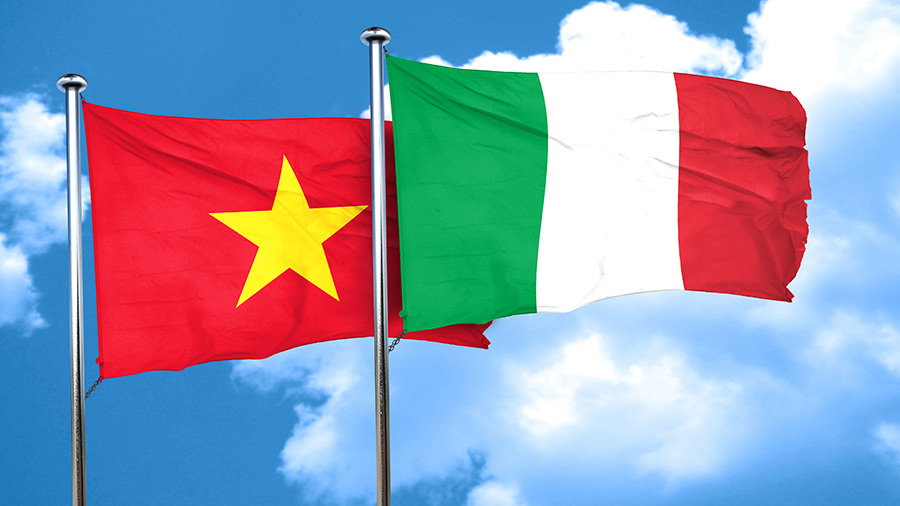
Italy and Vietnam, 50 years of friendship

Editorial by Lorenzo Riccardi, Managing Partner RsA Asia

Hanoi is Rome's main trading partner in ASEAN. And it is on the list of priority countries for investment promotion

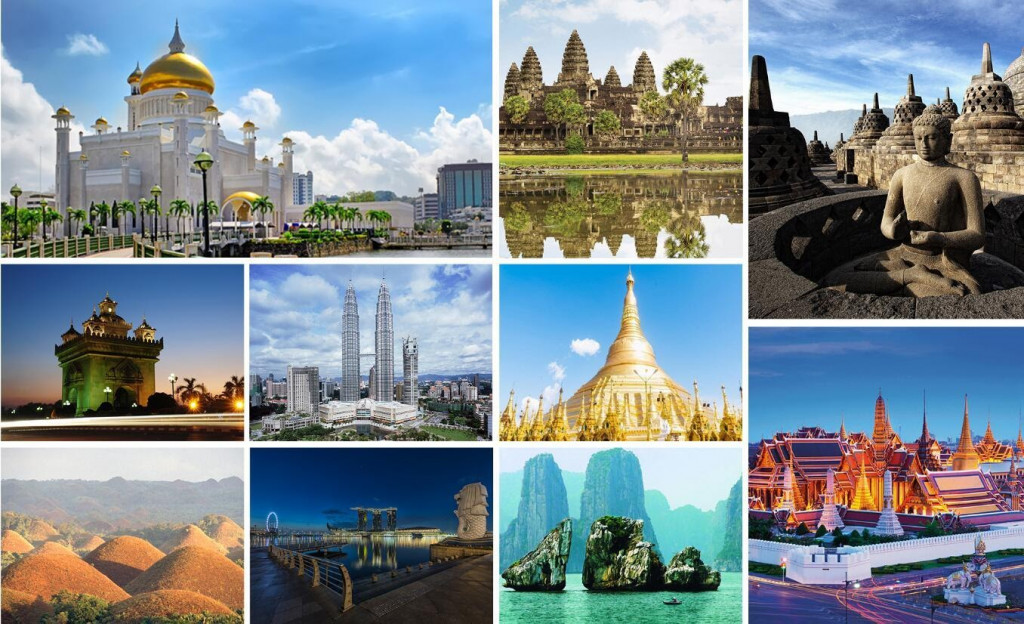
Italy and Vietnam are getting closer and closer. In 2022, trade between the two countries reached an all-time high of $6.2 billion, up 11% from 2021. A trend that has been on the rise for a while and has led to doubling figures within a decade. And that is set to continue, as Italy has included Vietnam in its list of 20 priority countries for trade and investment promotion through 2030. Among other things, next March 23 marks the 50th anniversary of bilateral relations, and to celebrate the recurrence a calendar of initiatives is planned to promote cultural and economic ties. For example, on the occasion of the Lunar New Year, the Consulate of Vietnam in Turin on January 30 organized a round table discussion on investment opportunities in Vietnam and Southeast Asian countries. Along with the writer, Sandra Scagliotti, Honorary Consul of the Socialist Republic of Vietnam in Italy, and Mario Donadio of Leading Law participated. Vietnam is Italy's main trading partner in Southeast Asia, but the whole region offers great opportunities. The political and economic union of the ten members of the Association of Southeast Asian Nations counts on a huge market, with 667 million people and a territory of 4.5 million square kilometers; it is the third largest economy in the Asia-Pacific and the fifth largest in the world. The ASEAN Economic Community (AEC) has a combined GDP of $3.6 trillion, according to estimates for 2022. The International Monetary Fund released its World Economic Outlook on January 31, 2023. The report forecasts global growth for 2023 at 2.9% before rising further to a GDP rate of 3.1% in 2024, which is an upward revision of 0.2 percentage points from the October 2022 estimates. The recent reopening of China's borders is expected to pave the way for a faster-than-expected global recovery. For the five largest ASEAN economies (Indonesia, Malaysia, the Philippines, Thailand and Vietnam), growth is projected at 4.3% in 2023. Cooperation with Europe and Italy is set to increase further.

Climate diplomacy: where is the green light for change?

Political tensions and economic competition are slowing down the race towards the green transition. The war in Ukraine is changing Russian fossil fuel routes, but supply agreements are particularly advantageous for partner countries such as China

2022 was a black year for climate diplomacy. Although the 2021 Conference of the Parties (COP26) seemed to have rekindled decision-makers' focus on the climate crisis, the natural disasters that followed, the war in Ukraine, and a further slowdown in the markets have contributed to a completely different trend this year. COP27 saw presidents from some of the major global economies rushing past on their way to the G20 summit in Bali, while delegations from the most fragile countries only got the promise of funds for loss and damage, i.e. economic compensation for suffering the worst effects of climate change. Although not reaching the agreed quota of USD 100 billion, this decision was hailed by many as a first milestone towards climate justice. However, as new models by climate researchers demonstrate, the damage resulting from the climate crisis is far greater than has been calculated so far. Today, many of the world's most endangered cities are in Asia, including several major regional capitals such as Bangkok, Ho Chi Minh City, and Manila.

The meeting between US President Joe Biden and his Chinese counterpart Xi Jinping on the side-lines of the G20 summit has revived the rollercoaster of climate diplomacy, creating a sense of cautious optimism following commitments from the world's two biggest polluters. However, Washington and Beijing's actions are not yet consistent with their narrative of each country’s 'leading' role in the green transition. Looking east, China's promise to offer alternative models of sustainable development is still far from supporting the most urgently needed reforms. Neither the more heterogeneous ASEAN bloc nor the advanced East Asian economies seem ready for a rapid energy transition and achieving carbon neutrality. The first target is 2030, when Japan promises to have cut emissions by 46 per cent compared to 2013 figures, China aims to peak its emissions, and South Korea is bound by the Global Methane Pledge to reduce methane emissions by 30 per cent compared to 2020. China is missing from the latter mechanism, and has also released itself from the loss and damage fund.

South-East crossroads of interests 

Another interpretation of China's decisive role sees Beijing as the leader of a 'positive competition' with Washington, where the two countries seek to gain status (and budget) from their dominance in multilateral forums and in the market for energy transition technologies. But recent US manoeuvres targeting the semiconductor sector and manufactured goods produced in Xinjiang (which mainly include solar panels) risk turning competition into rivalry. What is certain is that China's promises combined with economic interest are having an impact on the countries most dependent on Chinese funding in the fossil fuels sector. One example is Vietnam, which must now consider whether to build new coal-fired power plants in the absence of Chinese capita due to Beijing's promised ban on foreign investment in the sector. Nevertheless, Southeast Asia's energy demand continues to rise, having grown more than 80 per cent in less than twenty years, and the easiest and most immediately available options are the most polluting energy sources, which continue to occupy more than 80 per cent of the region’s energy mix. Financial incentives also accompany the more practical availability of cheap natural resources, as in the case of Indonesia, which is the world's third largest coal exporter. Furthermore, the war in Ukraine is changing Russian fossil fuel routes, with supply agreements which are particularly advantageous for partner countries such as China.

Southeast Asia is at the crossroads of the interests of new investors avoiding China and older relationships rooted in the economic fabric of different countries. Japan, the main investor in Thailand in 2022, has long been eyeing the opportunity to build electric cars and components necessary for the energy transition. There is also a strong interest in new sustainable agricultural supply chains, as well as in businesses that can transform the tourism sector according to parameters more consistent with the UN agenda for sustainable development. In this case, the challenge is much broader than merely addressing the energy dossier, because it requires deep reflection on the environmental and social impacts of sectors that have driven the economies of several countries in the region over recent decades.

The challenges of sustainability between India and Central Asia

Far from the spotlight of climate diplomacy, but extremely important for its economic and demographic weight, India has to reckon with the challenges of uncontrolled modernisation. The unbridled growth of its cities is not matched by reasoned urban planning (think, for example, of private vehicle traffic), while water resources and soil health have plummeted since the 1950s. The evidence on the ground is not yet matched by an awareness of playing a proactive role at the climate negotiation table. Even for New Delhi, competition with China is a priority. Furthermore, while on the one hand the Indian government forms new working groups for the enforcement of multilateral agreement directives, on the other hand it moves to repress environmental organizations and activists.

Finally, Central Asia focuses on climate change adaptation measures rather than demanding more responsibility from the big polluters. While in some places like Kazakhstan the race for economic leadership in the region seems to overshadow environmental promises, in other countries such as Kyrgyzstan there is a strong concern about extreme climate phenomena and food security. The competition over water resources, which has recently emerged with clashes along the Kyrgyz-Tajik border, also opens dangerous scenarios of climate change as an accelerator of conflict in the region. The main promise, as stated by the leaders involved in the UN environment agency's project on climate security in Central Asia, is to work together with international organizations to build a socially and economically sustainable adaptation strategy. Here too, however, the role of a prominent player like China could influence the design and electrification choices of newly urbanized areas. Looking at the resources in the area (water sources along the border with Xinjiang, natural gas wells), another side of the coin becomes visible: predatory scenarios that are not new in Asia, such as the case of the Chinese dams along the Mekong Delta.

Philippines, record growth

Manila recorded the fastest GDP growth in decades in 2022. And the trend could continue in 2023

Article by Geraldine Ramilo

Having just recorded the fastest growth in 40 years (+7.6%), Philippine President Ferdinand Marcos Jr. believes the country's economy will record the fastest growth in Asia in 2023, with estimates of around 7%. This expansion is due, as the President himself says, to solid fundamentals present throughout the country. In fact, the Philippine economy has been stable all of last year, with continued GDP expansion heading into the final months of 2022, and unemployment steadily declining. The economy grew at a fast and unexpected pace last year, with the main source of growth on the demand side being household consumption spending. Nothing makes Manila's statistical authorities rule out that this trend will continue in 2023. The rapid growth seen in recent months is even more remarkable when placed in the weak global environment of uncertainty that most countries face. But despite these positive forecasts, the Philippines' growth has not been without obstacles. For example, in his first six months at the helm of the country, Marcos faced numerous economic challenges, including tight public finances and rising borrowing. In addition, soaring commodity prices have driven inflation to its highest in 14 years. Adding to the economic challenges are challenges in the political and diplomatic arenas. Indeed, like so many others in Southeast Asia, Marcos has been trying to balance the country's interests between the United States and China by cooperating with the latter economically, starting with the agriculture and infrastructure sectors. He also met with Chinese President Xi Jinping earlier this month, agreeing to continue talks on South China Sea energy exploration. Despite some issues, including food inflation to which Marcos plans to respond with increased imports, however, Manila looks set to significantly accelerate its growth.

World moves closer to ASEAN

China, Japan, the United States, Europe, and Italy: relations with Southeast Asia are increasingly being seen as globally strategic

If there is a clear trend in the global commercial and geopolitical landscape, it is the willingness of the major powers and all the more developed or emerging countries to deepen their relations with ASEAN. Southeast Asia is increasingly seen as an indispensable center of economic and diplomatic cooperation. Just look at what has happened recently and what may happen in the near future. In 2022, the first year of the Regional Comprehensive Economic Partnership (RCEP) coming into effect, China recorded a 15 percent year-on-year increase in trade with ASEAN, which firmly holds the position as China's top trading partner. In 2023, it is foreseeable that the pace may even increase, in step with Beijing's accelerating growth. President Joe Biden's participation last November at the ASEAN summit in Cambodia, on the other hand, confirmed that the United States has also stretched the pace in a region that is also crucial for strategic reasons. The investment plan announced by the White House is finally moving in the direction of U.S. involvement not only on the defensive and military side, but also on the infrastructural and environmental side, given the focus on energy transition involving all ASEAN countries. Moving very decisively are certainly not only the superpowers. Japan, for example, has long been an established presence in Southeast Asia. Ever since 1977 and the launch of the "Fukuda Doctrine," named after the then prime minister who during a famous trip to the Southeast expressed Tokyo's commitment not to become a military power and to build a relationship of mutual trust with ASEAN and its member countries. Since then, Japan has become one of the bloc's major trading partners and investors and a major source of infrastructure funding. Now the country is seriously considering elevating its relationship with ASEAN to a comprehensive strategic partnership, putting it on par with China and the United States. South Korea recently launched its first Indo-Pacific strategy, which reserves deepening relations with ASEAN as one of its pillars. The region is also set to become the largest destination for foreign direct investment from Taiwan. The European Union, for its part, has realized that its interests increasingly coincide with those of ASEAN, and the possibility of a free trade agreement between the two blocs no longer seems so remote. A development that would also benefit Italy, whose businesses are looking with increasing interest toward the Southeast.

"Food Estates": Jokowi's plan for food self-sufficiency

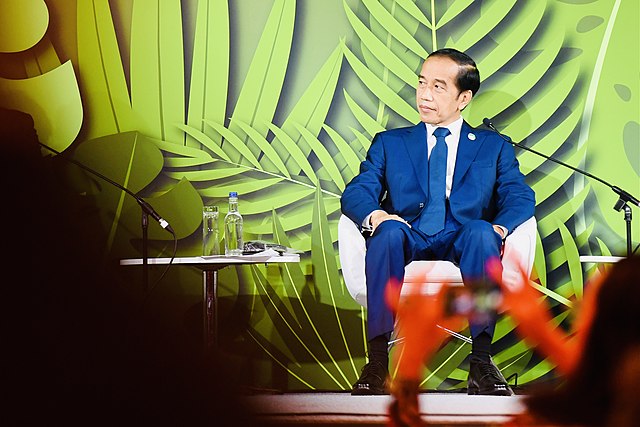
To combat the food crisis, the Indonesian president has launched a new program to increase farmland. While also garnering some criticism.

Indonesia is facing a possible food crisis, with a growing population and limited arable land putting pressure on the country's ability to feed its people. To address this crisis, the Indonesian government has decided to turn to a new project of agribusiness estates (so-called "food estates," a name also used in Indonesia in reference to the program), large-scale agricultural projects that aim to increase food production.

Specifically, the project consists of developing crops of grains and other staples, such as rice, cassava, and maize with the aim of reducing imports of these foodstuffs and making the country increasingly self-sufficient.

The provinces of Central Kalimantan, on the island of Borneo, and North Sumatra will be the first to pilot the program and, if it is successful, it may be extended to the rest of the archipelago, including the island of Papua.

President Joko Widodo, known as "Jokowi," has announced that in this first phase paddy fields will be planted on 148,000 hectares of land, while another 622,000 hectares will be devoted to cassava, corn, and other crops, as well as farms. By the end of 2025, however, the cultivable area will be expanded to cover a total of 1.4 million hectares in Central Kalimantan, according to Defense Minister Prabowo Subianto, i.e., the one who has been charged with spearheading the program.

The project is very reminiscent of the ambitious attempt of the `90s, when former President Suharto decided to restore Indonesia`s food self-sufficiency by launching a mega-project to intensify rice crops production in Central Kalimantan. Hopefully, this new project will be more successful, given the disastrous outcome of Suharto`s project caused by the then unsuitability of peat soils for rice cultivation.

This initiative also drew some criticism since its start from environmentalists because farmland will be developed on land that had previously been classified as, precisely, peatlands. Peatlands are very important because they retain water and CO2, making them an important ally against flooding and in the fight against climate change. Their preservation is an issue that Indonesians value highly, and they have even established a full-fledged organization for their conservation and restoration. 

To make matters worse, activists and indigenous tribes are strongly resisting the project, convinced that the harms of this initiative will outweigh the benefits. A major criticism of agribusiness estates is that they often uproot local communities and destroy natural habitats. For example, new land for agricultural use in Central Kalimantan has caused the uprooting of thousands of people, as well as the destruction of forests and areas vital to the local ecosystem. Similarly, an estate developed under this program in East Nusa Tenggara has caused the dispossession of indigenous communities, who were thus forced to relocate elsewhere. In addition to causing harm to local communities and the environment, these agricultural estates have also been criticized for not being sustainable at all. Many of these projects are based on monoculture, growing a single crop year after year, resulting in soil degradation and reduced yields over time. This is in contrast to traditional farming practices, which often involve a multitude of different crops and the use of natural fertilizers, which may be more sustainable in the long run. In general, it appears that "food estates" are not the solution to Indonesia's food crisis, to solve which they were initially proposed. Although they may provide a short-term increase in food production, they also have a high cost to local communities and the environment and are not sustainable in the long term. Instead of relying on these large-scale projects, the Indonesian government could consider more equitable investments to increase food production, such as supporting small-scale farmers and promoting traditional agricultural practices.

Tourism rebounds in ASEAN countries

According to WTTC, Southeast Asia will be the first to return to pre-pandemic levels of tourism. But contradictions and opportunities of mass tourism pose new questions

December 2022: Christina Aguilera posts a reel on her Instagram account that collects more than 25 thousand likes. The US pop star is spending her birthday in Vietnam, in the background of the landscape of Ha Long Bay, a UNESCO heritage site. The singer takes a helicopter ride, then celebrates with a toast on a yacht. All around, still few tourists, especially for a place that came to record more than 7 million visitors in 2017. By 2020, after the first pandemic wave, arrivals to Ha Long had plummeted to 1.5 million. Only a year earlier, environmentalists called for more attention to the natural area, where the construction of the new airport could trigger an environmental catastrophe due to the future tourist boom.

Ha Long's popularity and the decline in tourism due to the pandemic do not provide sufficient evidence to reason about greater landscape protection. Recovery, however, is near: according to data from the World Travel and Tourism Council (WTTC), the Asia-Pacific region will be the first to return to 2019 figures, with projections of 8 percent year-on-year growth over the long term. In addition, over the next decade, workers in the sector could increase to the point where they occupy 64.8 percent of the global total.

Ready for recovery

That 2023 could be the year of recovery is also told by actors in the territory. In January, Tourism Council of Thailand (TCT) President Chamnan Srisawat said that forecasts are for at least 20 million tourists to Thailand in the new year, almost doubling from 2022 numbers (11.8 million). The Vietnam National Tourism Administration (VNAT) also forecasts 8 million international arrivals, for estimated earnings of about $27.5 billion. In Cambodia, preparations are being made for the return of crowds to the well-known Angkor Wat complex. "The government has devoted a lot of effort to a recovery plan for the tourism industry," Top Sopheak, spokesman for the Ministry of Tourism, told the Chinese news agency Xinhua. "We believe that foreign tourists will increase in the coming years, especially in Angkor, as many airlines have resumed flights."

ASEAN has also been studying measures to address travel recovery in the post-pandemic era. As early as January 2022, a meeting of tourism ministers highlighted the need to take coordinated measures to boost the recovery of the tourism sector and achieve a number of goals already set out in the ASEAN Tourism Strategic Plan (ATSP) 2016-2025: not only a better quality of tourism offerings, but also a greater focus on the social and environmental sustainability of the sector. Examples given in the meeting's press release include the urgent need to support small and medium-sized enterprises, increase the skills of tourism operators, and protect the environment and historical heritage.

A fragile compromise

The basis for a recovery of Southeast Asian economies also (though not only) through the tourism industry is a given. The easing of restrictions due to the pandemic has already led to a growth in foreign entries, from which come tourists with ample spending power compared to domestic travellers. A possible recovery of the more developed economies also promises significant revenue for the most tourism-dependent country such as Thailand, but also an opportunity to invest in the sector as is happening in Vietnam.

What remains is the dilemma of the sustainability of the sector, especially in those areas where border closures have brought with them serious damage to the local socioeconomic fabric. As the International Labor Organization (ILO) pointed out in its 2021 report, the pandemic has caused an unprecedented collapse of job opportunities, especially affecting those sectors related to international tourism and global value chains. Adding to the dependencies that can be created in the labour market are other side effects of mass tourism: inflation, inflated real estate prices, and environmental degradation. The impact of mass tourism in Southeast Asia is primarily on ecosystems. It only took a few weeks of lockdown to return natural habitats to their true inhabitants. This has happened, for example, in Thailand, where a group of dugongs has returned to populate the waters around Libong Island. To date, there are still few Southeast Asian destinations that impose restrictions to safeguard the natural heritage of the excessive amount of tourists lured by the region's breathtaking views. Such as in Boracay, a small Philippine island where a total ban on entrances was imposed in 2018 to allow the waters to be cleaned of the accumulation of polluting sewage spilled from accommodations. Some restrictions have recently been adopted on the use of beach sand but, on the other hand, the green light for fireworks to celebrate New Year's Eve signals a more lax policy to keep the popularity of the tourist destination high.

ASEAN, development is the watchword

While the war in Ukraine is continuing, integration, cooperation and growth remain at the center of Southeast Asian countries' plans

2023 started the same way 2022 closed: with the West worried about the war in Ukraine and inflation on the one hand and Asia trying to strengthen its growth on the other. And it is precisely ASEAN that is increasingly emerging as a platform for investment but also for dialogue. A trend clearly anticipated by two accelerating processes: the flow of foreign projects into Southeast Asian countries and the moves of their governments in opening up to international trade and mobility. In addition to the stimulation of domestic demand, which already returned to vibrant growth in 2022, the region's executives have realized that removing regulatory, normative, and fiscal barriers allows them to reinvigorate engagement on the two key concepts of openness and integration. Pillars of improved multilateral trade and policy dialogue. Free trade has been a key driver of Asia's development in recent decades, but now some global powers are adopting semi-protectionist postures, forcing several companies to reconsider their supply chains. Despite this, Asia continues to be the most dynamic region in the world, buoyed by the development orientation of most of its governments. From the Regional Comprehensive Economic Partnership to other free trade agreements, examples supporting this perspective are numerous even in the last few pandemic years. The results can be seen. In 2022, Vietnam grew more than 8 percent, a record high since 1997 driven by a 13.5% increase in foreign direct investment. Not only by those moving part of their production lines from mainland China but also and especially as part of new projects that the region is increasingly able to attract. Including those related to hi-tech manufacturing. Of course, global uncertainties have led the Asian Development Bank to reduce its 2023 economic growth forecast for developing Asia, which includes 46 economies, from 4.9% to 4.6%. Excluding China, the growth rate was reduced from 5.3% to 5%. An expansion of about 5% would still be the fastest of any region in the world. Moreover, the Southeast Asian region is set to become the world's largest single market by 2030. 

A Vietnamese start-up on the global stage

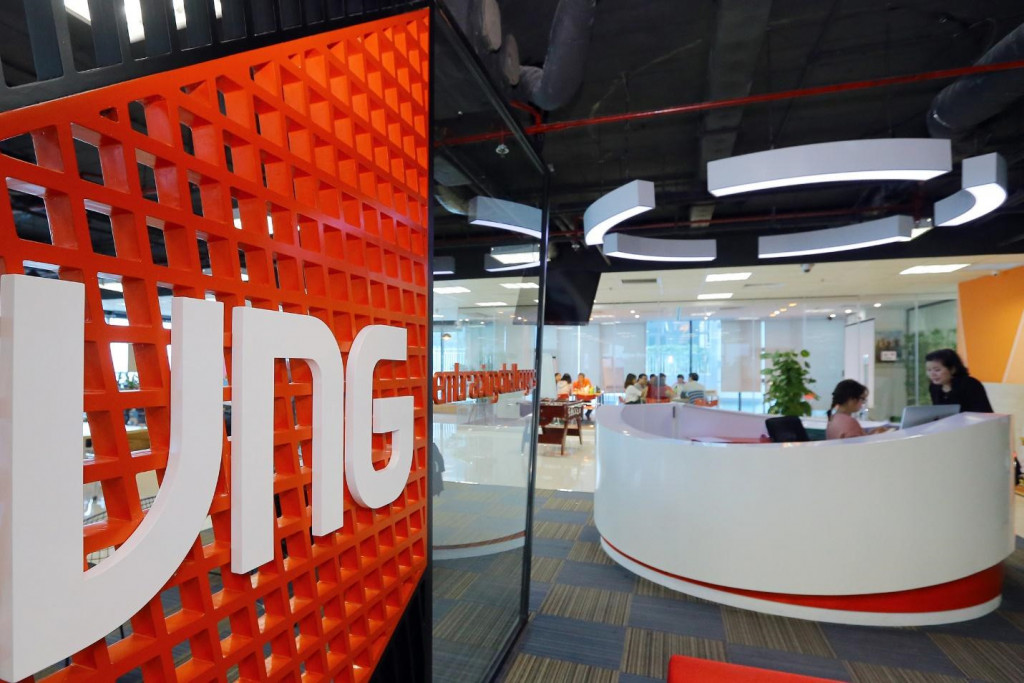
After successfully defending its domestic market of 100 million against global giants such as Facebook, VNG Corporation, Vietnam's first unicorn start-up, is looking beyond its borders

The tendency to see Vietnam as a country known mainly for textiles and agriculture may soon change thanks to the success of a Vietnamese start-up: the VNG corporation. This start-up, specialising in social networking, e-commerce, digital content and online entertainment, is Vietnam's first Unicorn start-up (the first start-up in the country to exceed the value of $1 billion US dollars).

An overview of the company's history is necessary to assess its evolution. One of the peculiarities of the company is that it was founded when only a tiny fraction of the Vietnamese population had access to the Internet. Founded in 2004 under the name Vinagame, VNG corp started its activity in the gaming sector. Despite its start in an extremely specialised industry, the company gradually managed to expand its services to music sharing, video streaming, messaging, news portals and online payments. Its messaging app Zalo is now deeply embedded in Vietnamese life, especially among young people. By 2020, the app had overtaken Facebook's messaging platform Messenger in Vietnam. According to the Vietnamese Ministry of Information and Communications data updated to February 2022, the app has 74.7 million monthly active users. This is an extraordinary figure since Messenger counts 67.8 million users in the country. Some of the app's strengths are the ability to send higher quality images and incorporate culturally relevant features such as emojis reflecting the Lunar New Year Tet. As pointed out by Le Hong Minh, co-founder of VNG, the company's greatest strength is to understand the preferences and needs of its users. 

Indeed, Le Hong Minh, co-founder of the VNG corporation, sees the start-up as a point of reference for the emerging technology start-up sector in Vietnam. In an interview at the company's headquarters in Ho Chi Minh City, Le Hong Minh made clear his aspirations of expanding VNG in the global technology industry:"In the future, Vietnam will not only be known for coffee and manufacturing". Indeed, after successfully defending its 100 million-strong domestic market against global giants such as Facebook, VNG corp is looking beyond Vietnam's borders. As co-founder Le Hong Minh reported, gaming will be the strong point of the company's international expansion. The gaming branch of VNG corp has users in more than 130 countries and expects to have 320 million customers worldwide in 2023. Despite this, Le Hong Minh pointed out that VNG is also looking to increase global sales of its artificial intelligence and cloud computing products. The main question is: given the significant expansion within Vietnam, will VMG corp be able to gain the trust of foreign investors? Alec Tseung, partner at KT Capital Group, has a specific view on the issue. On the one hand, he believes that, in theory, VNG will attract the attention of investors due to its similarity with Tencent, a multimedia company already well-known globally. On the other hand, in practice, the company does not have a favourable regulatory environment like Tencent's in China. However, it is important to highlight that according to a research conducted by the Vietnamese National Innovation Center, Vietnam attracted record venture capital investments last year. This increase in investments can create a favourable environment for VNG expansion. Moreover, according to some sources, the company is considering an initial public offering (IPO) in the US. Unfortunately, Le Hong Minh declined to confirm the validity of this news. Therefore, we have to wait and see how this company develops globally. Certainly, investors need to keep an eye on VNG corp developments.

A Day to be as Humble as the Soil

By Dr. Apichart Jongskul 

In December of 2013, the United Nations designated December 5th as World Soil Day. 

For those of us who may not be immediately familiar with the significance of soil, it may be a wonder why countries around the world would commit to a day to recognize and celebrate something there seems to be no shortage of in the world today. 

In fact, it is a simple matter of quality over quantity. 

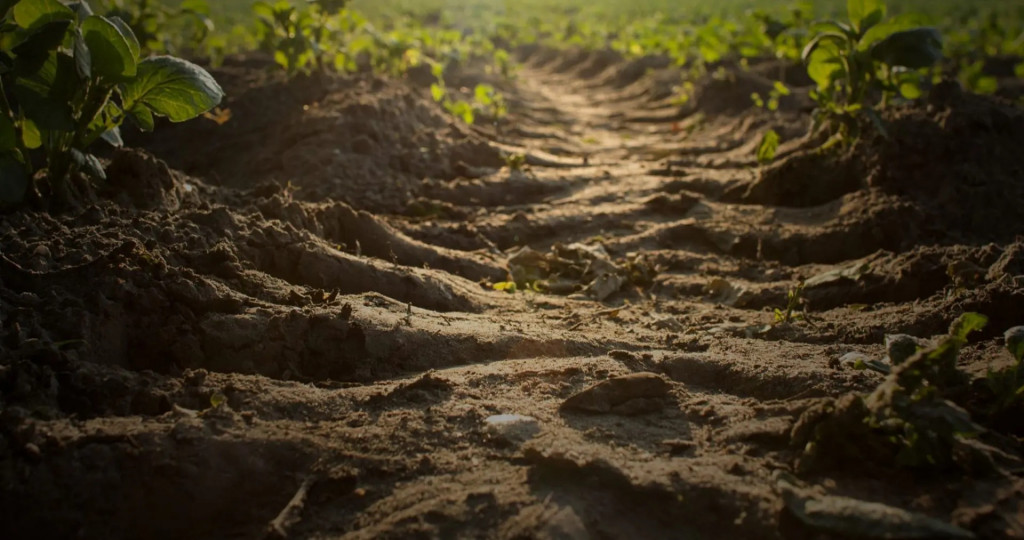
The rate at which soil is becoming degraded and depleted could very well turn it into the new black gold. While soil formation does occur in nature, the process is so slow that soil may as well be regarded as a non-renewable resource. Consider this – it takes up to 1,000 years to form one centimeter of top soil, but this one centimeter can be lost with just one heavy rainfall. It should not come as a surprise then, that the United Nations has been raising the alarm bells of an impending catastrophe. Ninety per cent of the Earth’s precious topsoil is likely to be at risk by 2050. By that year, the impact of soil degradation could have already caused $23 trillion in losses of food, ecosystem services and income worldwide. These are staggering figures. 

Soil erosion in the Tanzanian Maasai landscape 

Source: University of Plymouth/Carey Marks, United Nations website

Yet, many people still hold the false perception that there is an infinite supply of arable soil, and few realize how precious it really is. While the land beneath our feet provides for 95 per cent of our food, the significance of soil spans over and above agriculture. 

Soil is the habitat for over a quarter of the planet’s biodiversity. Each gram of soil contains millions of cells of microbes and fungi, making it one of nature’s most complex ecosystems. Soils are also home to many other organisms like insects that lay and hatch eggs there. 

  Source: Infographic by the World Bank from the World Economic Forum website

Healthy soil is also necessary for preventing water scarcity. The majority of the world’s water – up to 97 percent – is found below. This groundwater is the result of melted snow and ice, and rain that has seeped into the soil through a process where the soils filter dust, chemicals, and other contaminants. Today, groundwater supplies are directly responsible for providing around 50% of the world’s freshwater used for human consumption. Groundwater also accounts for 40% of the water used for irrigated land, and 50% of the water used for the urban population. 

What’s more, soil can help protect the planet from climate change. According to an estimate by Columbia University’s Earth Institute a few years ago, soil was found to remove about 25 percent of the world’s fossil fuel emissions each year. 

Better land management and agricultural practices can enhance the ability of soils to store carbon and help combat global warming. 

Indeed, the importance of maintaining and managing the quality of our soil cannot be overstated. Our food supply, clean drinking water, biodiversity and the viability of life on earth itself depends on it. 

Thailand is a country with many different types of soil, some of which are good for farming and some of which are troublesome in terms of quality, physical state, and chemical composition, leading to low yields, crop failure and unprofitable returns.                     

Pikun Thong Development Study Centre in Narathawit province, Thailand,

which was initiated by His Majesty King Bhumibol Adulyadej The Great to serve as a model for farmers nationwide in improving the quality of soil.

Source: Thailand Tourism Directory website

His Majesty King Bhumibol Adulyadej The Great, who committed his reign to improving the standard of living for all Thais, and in particular for Thai farmers, placed a high priority on agricultural development and the study of soils. He directed Royal Initiatives towards the revitalization of soil through natural methods. Eventually, through extensive research and experimentation at Royal Project sites, practical and cost-effective solutions were found for various problem soils such as sandy soil, laterite soil, erosion-prone soil, saline soil, and acidic soil. They were solutions intended for ease of implementation by farmers. 

 Vetiver grass 

 Source: Land Development Department,,

 Ministry of Agriculture and Cooperatives website              

One of these methods was the use of vetiver grass, which behaves like a living wall that prevents soil erosion and retains moisture.

In 2009, His Majesty gave a Royal Speech in which He explained the value of his 17 years studying vetiver grass which revealed its many benefits: 

“Some grasses may be useful in some places. The vetiver grass, on the contrary, is very useful in different landscapes not only on flat land but also in mountainous areas. Vetiver can grow in both deep and shallow soils. Vetiver roots can penetrate up to five or six meters which was never expected in grasses before. More importantly, vetiver - 4 - roots only grow vertically up to five meters without spreading horizontally. Therefore, it will not disturb the roots of the crops cultivated nearby. Some kinds of vetiver can penetrate their roots very deep – about four or five meters. Some roots are as deep as six meters. For the other grasses, their roots can also go deep in the soil but only three meters deep. The long root system of vetiver offers coverage on the ground surface which can prevent soil erosion. The soil under the covering vetiver will also be strong and can be used for anything. For example, the soils along the road bank will be protected and will not slide down the slopes of the hills. This can be seen on the road to Doi Tung. Vetiver growing on the banks of the road makes the road safe and stable. It is the miracle of the vetiver grass. Moreover, it will make tree planting along the road side feasible. In addition, the soils along the roadsides have stopped eroding which had damaged the cropland below in the past.” (translation as found in “Soul of the Thai People: The Great Philosopher in Soils, His Majesty the late King Bhumibol Adulyadej, Land Development Department, Ministry of Agriculture and Cooperatives, 2017)

In 1993, the World Bank presented His Majesty with a specially-commissioned sculpture of a vetiver plant made of bronze, together with an Award of Recognition “for technical and development accomplishment in the promotion of vetiver technology internationally.” As a leader of research in vetiver grass, Thailand was chosen to host the first International Conference on Vetiver (ICV) in 1996 in collaboration with the World Bank and the FAO. Subsequently, the Pacific Rim Vetiver Network with Thailand at the core was established to serve 22 member countries of the Pacific Rim in order to disseminate information on the Vetiver System. To date, member countries have produced over 70,000 publications which are accessible through the website administered by the Office of the Royal Development Projects Board.

Office of the Royal Development Projects Board website

FAO observed World Soil Day on December 5thin 2012 for the first time, which was also the 85th birthday of His Majesty King Bhumibol Adulyadej The Great of Thailand. Earlier that year, His Majesty the King was also honoured as the first recipient of the Humanitarian Soil Scientist award for his dedication to soil resource management. The award was presented to His Majesty by Stephen Northcliff, Chairman of the International Union of Soil Sciences (IUSS) on April 16th, 2012.  

This was a decade after the IUSS first recommended an international day to celebrate soil in 2002. 

Thereafter, Thailand has consistently demonstrated her leadership on soil conservation, including supporting FAO’s efforts to raise awareness on this important issue at the global level by promoting the formal establishment of World Soil Day within the framework of the Global Soil Partnership. In June 2013, the FAO Conference unanimously endorsed World Soil Day and six months later, in December, the UN General Assembly designated December 5th, 2014 as the first official World Soil Day, which has since been celebrated on an annual basis. 

Since the launch of the World Soil Day in 2014, its celebration has become one of the most influential FAO communication campaigns to date, with hundreds of events held worldwide and huge social media and digital impact. The momentum gained has been spectacular, from a modest beginning of 42 events in 2014 to an impressive 781 celebrations across 125 countries in 2021. The celebration period last year also witnessed the hashtag #WorldSoilDay reaching 330 million users and was trending on December 5th. 

Source: Food and Agriculture Organization of the United Nations website 

In relation to World Soil Day, Thailand also sponsors the annual King Bhumibol World Soil Day Award to recognize individuals or institutions that organize impactful World Soil Day celebrations. Recipients of these awards have come from several corners of the world, namely, Bangladesh, Costa Rica, India and Nigeria. 

However, despite the laudable efforts of numerous organizations, scientists, environmentalists and others who raise awareness about the importance of healthy soil, we are still not out of the danger zone. Intensive farming practices, the use of chemical fertilizers and pesticides, deforestation, industrial activity and rapid urbanization continue to aggravate the loss of soils in almost every country in the world. 

Perhaps in moving ahead, we have to fine-tune the message. Changing minds is important and can happen when people are provided with information.

But intellectual understanding alone may not be enough to cause a change in behavior. We should also think about how to change hearts, that is, the way people feel about soil. 

Aldo Leopold, considered by many to be the father of wildlife ecology, said that “We abuse land because we regard it as a commodity belonging to us. When we see land as a community to which we belong, we may begin to use it with love and respect.”

In this aspect, I believe that 5 December, the birthday of the late King, also has something invaluable to offer. 

When the late King was born His Majesty King Prajadhipok bestowed upon the newborn the name “Bhumibol Adulyadej” and explained that the two words mean “Strength of the Land, Incomparable and Unparalleled Power”. It was recounted that at the time the Princess Mother said to His Majesty King Bhumibol Adulyadej, “In fact, your name Bhumibol means Strength of the Land as I want you to be on the ground of soil.” The late King later explained that when looking back to what his Queen Mother said, what she probably meant was that she wished for His Majesty the late King to be humble and work for His Thai subjects. 

True to the blessing of his Queen Mother, His Majesty King Bhumibol Adulyadej the Great became an exemplar of humility. During Royal Visits to the countryside, the late King would often be kneeling or sitting down on the ground to listen to his people’s hardships, for hours on end. I am sure it never bothered Him to have a bit of soil on his clothes. 

This year, many important activities have been organized to celebrate World Soil Day both in Thailand and abroad. On December 5th, the Ministry of Interior organized a “World Soil Day 2022” event in every province in Thailand, to raise public awareness on the importance of soil for environmental conservation and sustainable development, and to honour the work of His Majesty King Bhumibol Adulyadej The Great on soil management. On December 15th, the Permanent Mission of Thailand to the United Nations and the Permanent Mission of Namibia to the United Nations, together with the FAO and the United Nations Convention to Combat Desertification, organized a World Soil Day celebration in New York, to raise awareness on the importance of maintaining healthy ecosystems through soil health, while also recognizing farmers who are “soil heroes.”

Indeed, every one of us can have a meaningful role to play and I believe it begins with taking the time to understand and appreciate the importance of healthy soils in our lives. At the end of the day, it is my sincere hope that people around the world take inspiration from the important work that has already been done and continues to be advanced on this issue, so that we can multiply our efforts globally, to protect our soil for future generations. 

                                                             * * * * *

Dr. Apichart Jongskul has been working on soil management and land development for decades and has previously served as the Director General of the Land Development Department of the Ministry of Agriculture and Cooperatives. In 2015, he became an advisor to the Chaipattana Foundation – a foundation established by His Majesty King Bhumibol Adulyadej The Great to contribute to national development – and has since assumed the position of Deputy Secretary General of the foundation from 2018 to the present. 

ASEAN epicenter of growth in 2023

The year that has just begun features many uncertainties, from the war in Ukraine to inflation, but also one certainty: the pivotal role of Southeast Asia

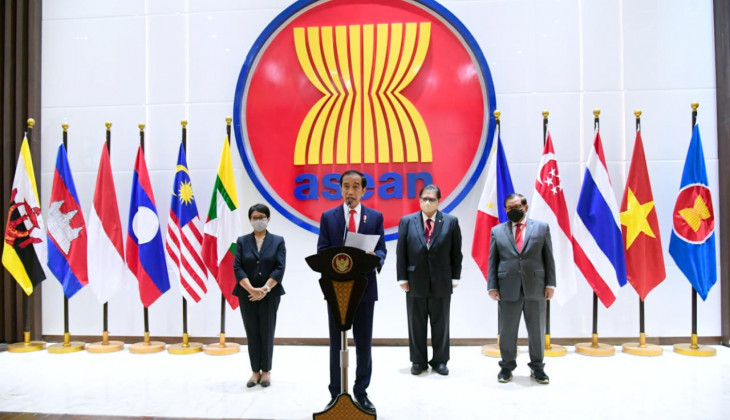
"ASEAN Matters: Epicentrum of Growth." That is, "ASEAN matters: epicenter of growth." This is the apt slogan chosen by Indonesia for its 2023 rotating presidency of the Southeast Asian bloc of countries. After successfully hosting the G20 summit in Bali, the Indonesian government confidently embarks on its next goal: to coordinate the diverse positions and interests of ASEAN member countries, maintain the unity of the bloc, and further elevate Southeast Asia's stature as a global growth center. It is a mission made less complicated by the trend in the area already in the past few years. In spite of all the difficulties created first by the Covid-19 pandemic and then by the war in Ukraine with its many side effects starting with inflation, the region has held up brilliantly. Perhaps one of the most interesting stories to tell is that of Vietnam, which grew above 8 percent in 2022, the highest figure in 25 years. But it is not just about data and percentage points of gross domestic product. Also counting in a positive way is the openness predisposition always maintained by the bloc, albeit with due differences and discontinuities among member states. In 2023, Indonesia will try to make all these elements "count" even more on the international level, while on the regional level it intends to maintain its focus on expanding economic cooperation at the bloc level. Jakarta will also try to build consensus on food and energy security by strengthening supply chains. There is no shortage of complicated challenges on the domestic front as well, chief among them the crisis in Myanmar, an issue on which the Indonesian presidency will try to make significant progress. Never losing sight of the fact that free trade has been a key driver of Asia's development in recent decades, and Southeast Asia has long been showing that it wants to avoid at all costs not only so-called economic decoupling but also a new cold war in which major powers push everyone else to choose sides. The motto of the Indonesian chairmanship reiterates that ASEAN's choice is one of economic growth and trade integration.

Recently active members
Foto del profilo di Alessio
Foto del profilo di Monika
Foto del profilo di Gabriel
Foto del profilo di Elena
Foto del profilo di Lorenzo
Foto del profilo di Alessandro
Foto del profilo di Cristina
Foto del profilo di Rocco
Foto del profilo di Clara Lomonaco
Foto del profilo di Redazione
Foto del profilo di Davide Gugliuzza
Foto del profilo di Anna Affranio
Foto del profilo di Ilaria Canali
Foto del profilo di Nicolò
Foto del profilo di Angelo Cangero
Who is online
There are no users currently online
Members
  • Foto del profilo di Alessio
    Active 4 ore, 10 minuti fa
  • Foto del profilo di Monika
    Active 3 giorni, 17 ore fa
  • Foto del profilo di Gabriel
    Active 3 settimane, 4 giorni fa
  • Foto del profilo di Elena
    Active 1 anno, 4 mesi fa
  • Foto del profilo di Lorenzo
    Active 2 years, 6 mesi fa