Timor Leste towards ASEAN’s membership

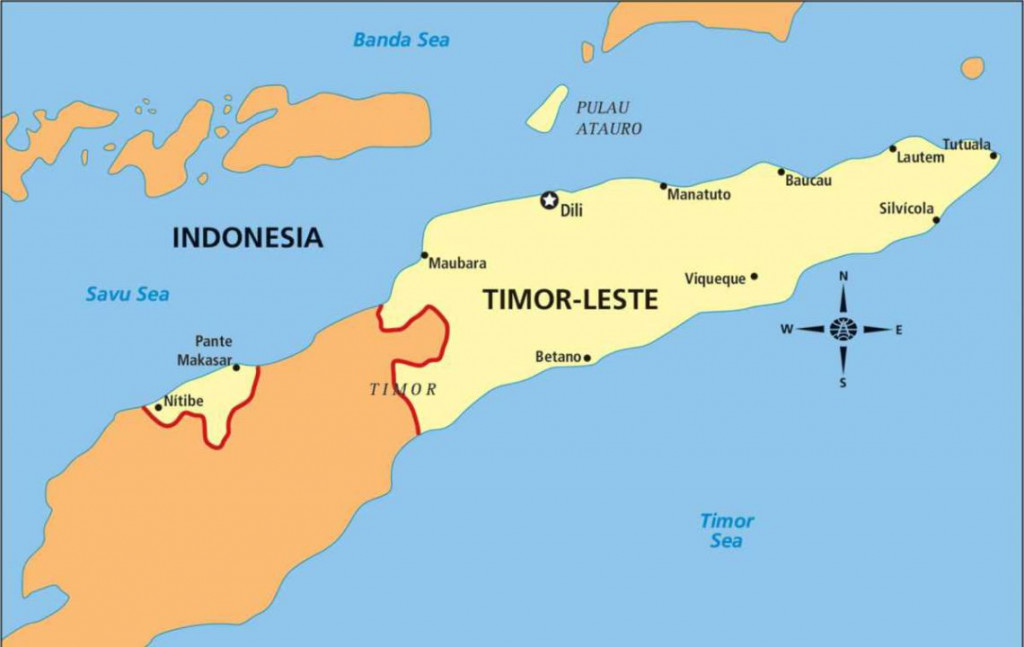
After more than ten years from its candidacy, Dili is preparing to become the eleventh member state of the South-East Asian bloc.

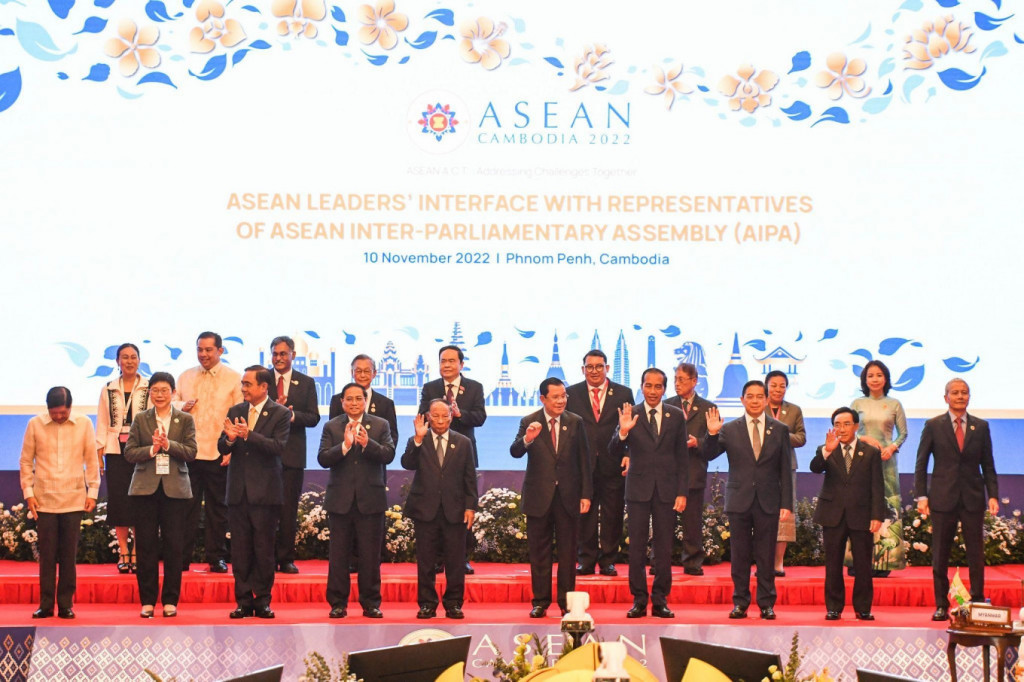
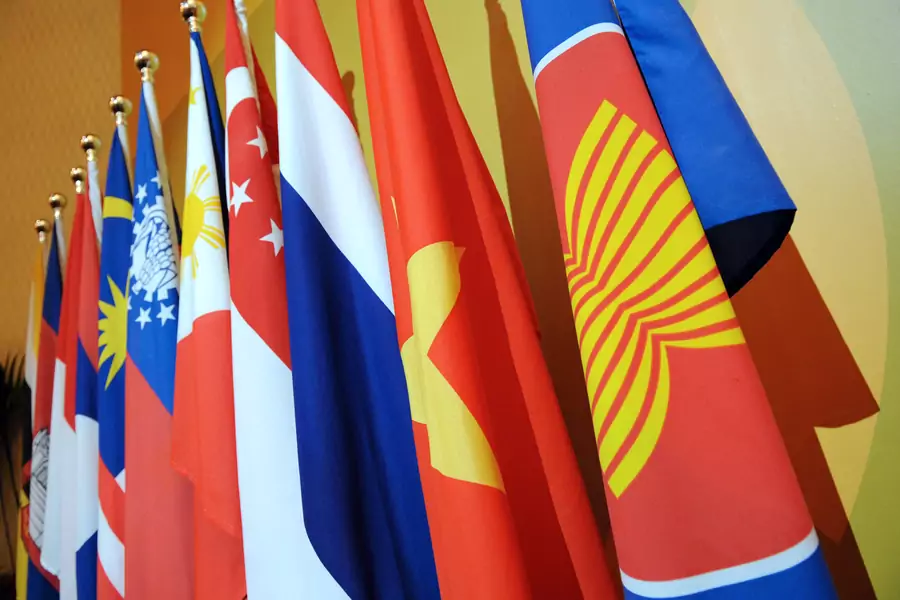
Signed at the end of the 40th ASEAN Summit held in Phnom Penh, the agreement in principle granted Timor-Leste observer status and participation in all ASEAN meetings, including the summit plenaries. The country would be the first new ASEAN member in more than two decades since Cambodia's admission in 1999.

The expected decision comes after years of debate, which includes initial reluctance from Singapore. President Ramos-Horta presented East Timor's candidacy for ASEAN membership in 2011, one year before completing his first five-year term. At the time, the request brought out quite a bit of resistance even at home, due to the country's lack of human and economic resources to adapt to ASEAN programs, and above all the financial obligations that members are required to pay to manage the regional organization. The decision is therefore a great achievement for Ramos-Horta, who won the Nobel Peace Prize in 1996, together with the then bishop of Dili Carlos Ximenes Belo, for their peaceful campaigns in favor of the independence of East Timor from Indonesia. Inclusion in the regional bloc would in fact seem to be the beginning of a mea culpa from Indonesia towards its former colony.

The history of the two nations is marred by the loss of thousands of lives and the horrific acts of violence that marked the 24-year Indonesian occupation of what was then East Timor. Many more were killed in the aftermath of the United Nations-approved referendum on August 30, 1999, when the East Timorese voted for independence from Indonesia.

In December 1975, with the full approval of US President Gerald Ford and Australian Prime Minister Gough Whitlam, then-President Suharto invaded East Timor, after it was abandoned by Communist-controlled Portugal. For more than two decades, Indonesia acted as the colonial master of East Timor, which was named the twenty-seventh province of the Republic. However, the United Nations has never recognized Indonesia's sovereignty over East Timor, thanks in part to Ramos-Horta's global campaign. In the wave of change that led to the fall of the Suharto regime, his successor BJ Habibie decided to let the people of East Timor choose the future of their country, through a referendum that sanctioned independence from Indonesia, with almost 80% of the votes. Unable to accept such a defeat, the Indonesian army and its militias began an unparalleled destruction, forcing hundreds of thousands of people to flee. Peace was restored only after the United Nations sent multinational troops and the Indonesian military agreed to cooperate. Timor Leste was chosen as the official name of the new Republic, which declared its full independence on May 30, 2002. 

Timor Leste, which shares the islands of Nusa Tenggara with Indonesia, is now among the world's poorest nations, the main reason why Singapore had opposed its entry into the bloc. All these years, it was President Joko Widodo who pushed fellow regional leaders to accept Timor-Leste as part of the group. From the outset Singapore questioned East Timor's capability to join the trade bloc, fearing that such an impoverished state would just become an unnecessary burden on ASEAN.

However, ASEAN has admitted new members despite low human and economic resources. Timor Leste remains a low-income country, but its welfare is better than Myanmar today. It enjoys huge reserves of oil and gas, and in 2021 per capita income was $1,400. 

Helping new member states is standard procedure for ASEAN. Its history shows this first with Laos and Myanmar in 1997 and then Cambodia in 1999. New members of the bloc were also given special treatment to catch up with economically stronger members such as Indonesia, Vietnam, Thailand.  

While waiting to receive the same treatment, the conditions are before everyone's eyes. Joining ASEAN would finally give Timor Leste a level playing field within the group and access to a huge market, which would help the country grow faster and be part of decision-making processes. Indonesia will not be able to repay its debt, but it is ready to write a new future.


Vietnamese electric cars on EU markets

Not only the United States. The Vietnamese giant VinFast also aims to expand into the European market. With a strategy that appears to be winning

Vietnamese electric vehicle brand VinFast aims to expand into the European market. Following the opening of the flagship store in Cologne scheduled for November 2022, the company plans to open new offices in Frankfurt, Paris, Nice, Amsterdam, Berlin, Munich and Hamburg by the end of the year. The company's expansion of EVs (electric vehicles) in EU countries will include a retail network designed to meet the specific needs of the local market, the carmaker said on Monday. As the leading economy in Southeast Asian countries, Vietnam continues to drive growth in the region. At the Paris Motor Show, which was held from 17-23 October, VinFast CEO Le Thi Thu Thuy said his company is proud to return to the Motor Show "to show that Vietnam is not only capable of producing cars, but is also making a big leap towards the electrified revolution". VinFast is the main brand of the Vietnamese conglomerate VinGroup, which is involved in technology, industry, property development, retail and services, and seems intent on expanding into global markets as much as possible. It also announced earlier this year that it will launch a $4 billion assembly plant on US soil. It is a strategy that is consistent with the great success VinFast is also acquiring in the domestic market: between cheaper cars and luxury cars, the carmaker is fully experiencing the 'golden moment' of the Vietnamese electric sector driven by demands for sustainability. The surge in sales recorded in July 2022 was only limited by the component shortage experienced the following August. But according to a report by the Vietnam Petroleum Institute, if the government acts promptly with policies aimed at supporting the sector, Hanoi can take a leading role in the EV market in South-East Asia and abroad.

ASEAN, 2023 a year of challenges and opportunities

The coming year may further strengthen the economic and diplomatic role of the bloc of Southeast Asian countries, which could also welcome a new member

2022 was the year when ASEAN and Southeast Asia proved to be a platform, indeed "the" platform par excellence, of economic and diplomatic restart at the global level. Not just greater resilience to inflationary pressures, the region posted excellent economic recovery numbers despite all the difficulties associated with the tail end of the Covid-19 pandemic and the war in Ukraine. More. The success of the various multilateral summits held in the area, between G20 in Indonesia and APEC in Bangkok, confirms ASEAN's ability to be considered a reliable diplomatic interlocutor. This is despite some grey areas and unresolved problems, chief among them the crisis in Myanmar on which the Cambodian rotating presidency, despite several attempts, has failed to make significant progress. There will be no shortage of challenges in 2023, but the feeling is that the Indonesian presidency will do all it can to seize the opportunities. After hosting the G20 in Bali, the bloc's largest economy is projecting strongly on its role as a regional leader. Jakarta will thus aim to create a network of intra-regional cooperation ranging from climate change and cyber defense to the digital economy and food security, the latter of which is placed among its 2023 priorities. It is also possible that a decisive boost will come to the entry of an eleventh member into the Association: East Timor. There are those who raise misgivings about the different conditions of Dili's economy with that of the bloc's more advanced countries, but ASEAN will never fully overcome its inherent diversity, but it is proving to be able to exploit it as a strength and a point of pride. ASEAN has managed to prevent the emergence of conflicts between major powers and regional wars since the end of the Cold War, when Vietnamese troops withdrew from Cambodia in 1989, paving the way for the 1991 Paris Peace Accords. The bloc overcame the Asian financial crisis by expanding intra-regional trade and promoting a common foreign exchange regime. More recently, the East Asia Summit successfully brought outside powers to its table, including the United States, China, Russia, Japan and Australia, strengthening the bloc's diplomatic power. The ASEAN "third way" seems to be a path to be pursued more and more decisively.

Indonesia to the test of ASEAN presidency

In the course of 2022, Indonesia switched from the chairmanship of the G20 to that of ASEAN. Jakarta has proven to be a leader for the region and an indispensable interlocutor for all players involved in the Indo-Pacific

Jakarta has never been more central to the international scene. In 2022, diplomats from all over the world worked with the Indonesian government to prepare for the G20 Summit in Bali. The city is also the seat of the ASEAN Secretariat and, from the end of 2022 and for much of 2023, will Indonesia will hold the ASEAN chairmanship. The 2022-2023 period is perhaps an annus mirabilis for Jakarta, a city that will lose its capital status in the future, as work has already begun to move the country's government to the new city of Nusantara in East Borneo. However, work on the construction of the new capital is proceeding slowly and will still take years. The project is almost a symbol of Indonesia's ambitions in the region - and of some of its contradictions. The desire to move the centre of the country from Java to one of the most peripheral areas of the archipelago. The administrative difficulties of a gigantic project. The rising sea level that threatens the old capital and the rest of the region. A name evocative of a centuries-old leadership ambition.

Nusantara indeed comes from old Javanese and means 'outer islands'. Outer from the perspective of Java, the heart of the Majapahit Empire, whose influence extended, between the 13th and 15th centuries, over the entire Malay archipelago - and in fact the concept embraces not only the territories that today correspond to Indonesia. The term has been part of Indonesian nation-building since the famous Palapa oath taken by Gajah Mada, prime minister of Majapahit, in the 14th century. The prime minister swore to refrain from eating spicy food (palapa) until he had unified all of Nusantara under Javanese authority. The idea of unifying the archipelago and the Malay-speaking peoples under one leadership was essential to the birth of the Indonesian state during the 20th century. During the Sukarno regime, the young country had come to clash first with the Netherlands and then Malaysia in order to complete the unification process of the region – without fully succeeding. Already under Suharto, these ambitions changed in nature: Indonesia was to lead Nusantara through political influence and diplomacy, not by force. The country has followed this doctrine ever since. The Palapa oath also remains part of the national rhetoric: the first satellite launched by the Indonesians in 1976 was named Palapa to symbolise the whole country's commitment to the project.

This leadership role is in some ways natural given the size of the country. By population and economy, Indonesia is the largest member of the ASEAN bloc and the only state in the region that is also part of the G20. In 2022 Jakarta held the presidency of the summit, opening a three-year period in which the summit will always take place in the Global South: after Italy and Indonesia, the presidency will pass to India and then to Brazil. The government led by Joko Widodo did not have an easy task, given the growing tensions in international politics. Russia is a member of the G20 and the membership is divided between countries that boycott Moscow and those with a less confrontational line. Despite this disagreement, Widodo invited Ukrainian President Volodymyr Zelensky to address the Bali Summit. After the conclusion of the summit, Chinese President Xi Jinping stayed for a bilateral meeting with Widodo to strengthen cooperation in various areas - particularly in infrastructure development. On the political level, Jakarta expressed its adherence to the principle of non-interference in internal affairs which Beijing champions - a significant stance given that Indonesia is the largest Muslim-majority country in the world and that China receives criticism from abroad especially for its treatment of the Muslim minority in Xinjiang. At the same time, the Widodo administration does not intend to flatten itself on Chinese positions, nor on American ones, rejecting the logic of the 'new cold war'. This is a position shared by the vast majority of governments in ASEAN and emerging G20 economies. Again, the Indonesian strategy comes from afar - though not from a concept as old as palapa or Nusantara. One of the leaders of the independence movement and future prime minister Mohammad Hatta outlined the course of the new nation's foreign policy in a speech of 1948: mendayung antara dua karang, 'rowing between two rocks' - at the time, the US and USSR, to which we could perhaps add China today.

The annual chairmanship of ASEAN, assumed by Jakarta in November 2022, also brings with it no easy challenges. The Indonesian government believes that the organisation must address two essential issues: navigating the growing rivalry between the great powers and distributing the fruits of economic growth to the bloc's nearly 700 million citizens. The strategy outlined by the Widodo administration to solve these challenges consists of three points: implementing the ASEAN Charter - in other words, sharing certain essential political choices, such as the resolution of the ongoing crisis in Myanmar -, strengthening ASEAN as an institution and equipping it with more tools to achieve energy and food security, 'medical independence' and financial stability in the region. This strategy was summed up in the slogan: 'ASEAN matters: epicentrum for growth'. The Indonesian presidency indeed seems determined to strengthen the organisation and resolving within it the aforementioned political issues shaking the region, namely the Myanmar issue and the difficult balancing between the US and China. On the economic front, Indonesia will seek to implement the ASEAN Vision 2025, thus strengthening intra-regional trade and accelerating the technological transition. Another important dossier is the accession of Timor-Lester into the organisation. Expectations for the Indonesian presidency are high, given the country's leadership ambition and some historical precedents: two key processes for regional integration - the creation of an ASEAN Community on the EU model (2007) and the RCEP trade agreement (2020) - were launched during two rounds of Indonesian presidency, in 2003 and 2011 respectively. In the months to come, we may see whether Indonesia will again be able to hold the countries of Nusantara and the rest of Southeast Asia together - through politics, cooperation and leadership.

The fintech revolution in Southeast Asia

In Singapore, the digital market is transforming the banking sector, with the Asian city-state's recent opening to digital banks threatening the monopoly of traditional banks. A regional trend

The expanding digital payments market in Southeast Asia is expected to reach a volume of $2 trillion by 2030. According to a report produced by Google, transactions by that date are expected to triple in comparison to the previous decade, thanks to the driving force of fintechs and growing digital banks in the region. This annual study was co-sponsored with Temasek Holdings, Singapore's state-owned investor, along with other consulting firms, and looks at digital market trends in six countries-Indonesia, Malaysia, the Philippines, Singapore, Thailand, and Vietnam. Another growth vector according to the report is the massive increase in Internet users, expected to reach 460 million by 2022. These numbers are likely to multiply in the coming years, in line with the population development dynamics throughout the Southeast Asian region. While during the pandemic, digital adoption saw a sudden growth throughout the area, now most companies are slowing down the phase of acquiring new customers to improve the engagement of those already reached in the past years. That's why, according to the report, the rapid acceleration seen in the past few years is now embarking on a normalization process, with a modest total of 20 million new users expected by 2022, representing half of what was achieved between 2020 and 2021. In Singapore, the digital market is transforming the banking sector, with the Asian city-state's recent opening to digital banks threatening the monopoly of traditional banks. According to Nikkei Asia's Tsubasa Suruga, the big banking groups can sleep soundly for the time being: their dominant position still keeps them ahead of the game, with their wide range of services and large customer base in tow. For virtual banks to match the profitability of these players will still take time.

The results of the EU-ASEAN summit

Editorial by: Alessandra Schiavo, Deputy Director General/Central Director for Asia and Oceania Countries at MAECI

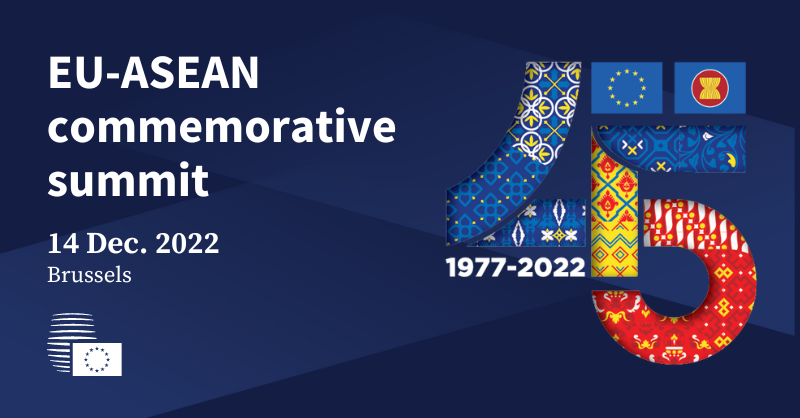
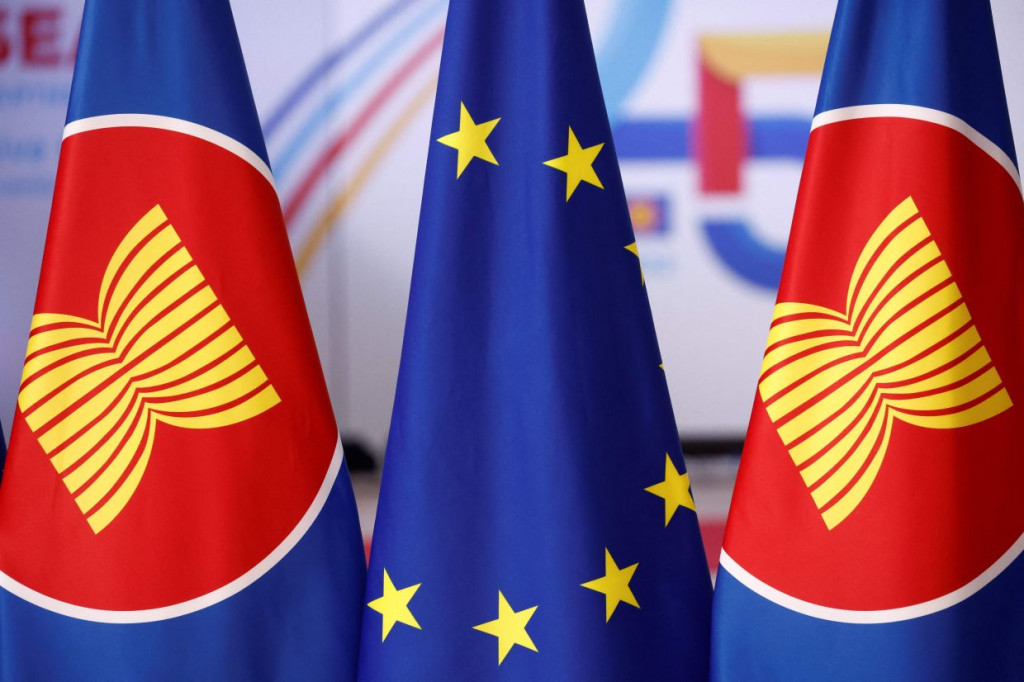
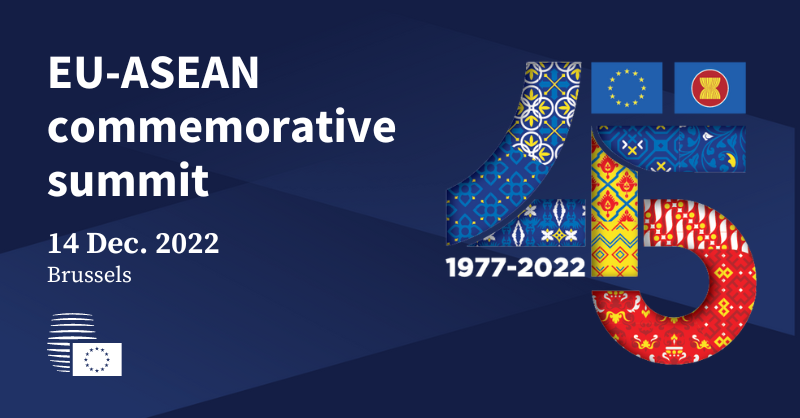
The 1st EU-ASEAN Summit at the level of Heads of State and Government was held in Brussels on December 14. The event celebrated the 45th anniversary of the Dialogue Partnership between the then EEC and ASEAN, as well as its gradual strengthening. Since 1977, the bi-regional relationship has grown exponentially, with the respective members now facing multiple risks and a radically changed international framework: climate change, health vulnerability, post-Covid recovery, energy crisis, food security, as well as intense competition on the political and security fronts.

Against this backdrop, ASEAN has emerged as a key player for the European Union, interested in promoting the values of pluralism and tolerance against crises that undermine stability, such as the aggression in Ukraine and the heinous coup in Myanmar.

The gained realization that only by working together can peace be preserved and shared prosperity generated, the EU became ASEAN's Strategic Partner in 2020, with an increasingly fruitful dialogue on security matters. The EU is also the Association's third largest trading partner. In October, the EU-ASEAN Comprehensive Air Transport Agreement, the first interregional air transport agreement, was signed. At the Summit, the Team Europe Initiative on Sustainable Connectivity with ASEAN (joined for Italy by CDP) was presented; Partnership Comprehensive Agreements with Thailand and Malaysia were also signed.

The Summit concluded with a Joint Final Communiqué, which emphasized economic cooperation and on connectivity, sustainable development, green and digital transition, and identified a point of consensus on some of the thorniest international issues. It was attended by the Presidents and Prime Ministers of EU and ASEAN countries (except Myanmar), as well as the heads of the two Regional Organizations. With the participation of Prime Minister Giorgia Meloni, Italy intended to renew its growing attention to ASEAN, a pivot of stability in the Indo-Pacific and a part of the world that is increasingly essential for geostrategic balances and to which we are increasingly committed. Not surprisingly, the Summit was also an opportunity to enhance the Development Partnership between Italy and ASEAN (in its political-security, economic, cultural and development cooperation volets). A bond that is cultivated through concrete and capacity-building initiatives, and that finds in the annual "High Level Dialogue on ASEAN-Italy economic relations" (whose next edition, in 2023, will be hosted by Thailand) a crucial moment of synthesis.

EU-ASEAN trade agreements: where do we stand?

In Brussels there is interest in concluding new free trade agreements, although the road is uphill for the negotiations with ASEAN partners. International tensions and domestic concerns (on both sides) make the dialogue more complex. But international trade remains vital for the economies of both blocs.

The Czech EU Council Presidency had identified in mid-2022, as its priorities, the conclusion of new free trade agreements (FTAs) 'particularly in Latin America and the Indo-Pacific (...) with like-minded partners'. A priority shared by the MEPs who, during the meetings with the Prague’s delegates in the first weeks of the Presidency, expressed the urgency of concluding the agreements with New Zealand, Mexico, Chile, Australia, India and MERCOSUR. In other words, the desire to open up to new markets through bilateral agreements is alive in Brussels, but the different negotiating tables are viewed with varying degrees of optimism. The treaties with ASEAN countries under discussion at the moment - with Indonesia and the Philippines - seem more difficult to conclude. Negotiations with Malaysia and Thailand have been stalled for years due to the internal political events in the two countries - if the negotiations with Bangkok are restarting, those with Kuala Lumpur will have to deal with the increasing instability of Malaysian politics. And this despite the fact that the EU has achieved two recent successes - the FTAs with Vietnam and Singapore - in this very region.

The most advanced dialogue is the one with Indonesia. Jakarta is an essential interlocutor for Brussels, and not only when it comes to trade. The country is a key player in ASEAN and also in the G20, as it has demonstrated during its recent presidency of the Summit. Both partners are interested in strengthening trade relations, but there are still a few vexed issues - in particular, the protection of intellectual property rights (IPRs, a chapter that also covers the protection of geographical indications) and the long-standing palm oil issue. The Russian-Ukrainian war could affect this point since, on the European side, demand for Indonesian vegetable oils is growing - due to the need to replace suppliers in the countries involved in the conflict. Another important part of the agreement will concern investments. Here again, the economic opportunity is intertwined with the political one. The EU - like the US - wants to present itself as an alternative to China in strategic infrastructure partnerships through the Global Gateway strategy, designed to respond to Beijing's Belt and Road Initiative. Considering that China-Indonesia trade relations are also growing thanks to the RCEP agreement, the conclusion of an FTA could help Brussels not to lose ground to Beijing.

The protection of IPRs - particularly when it concerns the pharmaceutical sector - is also an area of contention in the negotiations with the Philippines. The perception in Manila is that European negotiators give too much priority to the interests of patent holders at the expense of the general interest of access to medicines. In recent years, negotiations were slow also due to the MEPs' concerns about human rights in the country - during former President Rodrigo Duterte's campaign against drug trafficking, extrajudicial killings by national security forces were heavily criticised - and Strasbourg even called for the suspension of the GSP+ trade regime. Respect for human, civil and political rights is a prerequisite for the continuation of negotiations from the EU perspective - as proof of this, negotiations with Thailand had broken down in 2014 due to the military coup.

Less 'sinister' domestic issues can also block progress in the negotiations. For example, dialogue with Malaysia has stalled because of political uncertainty in Kuala Lumpur politics: recent governments have been backed by shaky and shifting majorities. And it remains difficult to get all stakeholders to agree on complex issues like trade agreements. To return to the subject of palm oil, palm oil farmers are a very influential constituency in Malaysia and view EU policies on the issue with contempt - and indeed all recent administrations have been very confrontational with Brussels, even raising the issue at the WTO, backed by Indonesia. On the other hand, European civil society as well has strong and opposite views on the issue of palm oil and influences the European institutions in this regard. European negotiators have to juggle between the demands of their citizens and those of the partners' delegations, which are sometimes internally divided - in some ASEAN countries, ministries of the same government are competing with each other to foster the agenda of the pressure groups they are most closely linked, to the detriment of other parts of the economy or society.

Despite the difficulties, continuing the liberalisation of trade relations can bring great benefits to both blocs, which owe much of their economic dynamism to exports. The conclusion of bilateral agreements between the EU and individual ASEAN countries could facilitate negotiations for a future region-to-region FTA - this seems to be the ultimate goal of Brussels after the failure of the same project in 2009. Overcoming the technical and political difficulties - which we have only brushed upon in this article - would be a positive signal at a time when unilateralism seems to be becoming the hallmark of international trade policy.

ASEAN centre of global connectivity

Diversification, regional integration and a resilient development plan. These are the three tools with which South-East Asia can strengthen its role

Editorial by Lorenzo Lamperti

As we know, ASEAN has always been a cornerstone of a 'third way' of global diplomacy, based on neutrality and pacifism. In a context like the current one, between the war in Ukraine and various turbulences that also reach the Asia-Pacific area, it becomes even more urgent for South-East Asia to succeed in strengthening its policy of 'non-alignment', or rather 'non-confrontation'. Perhaps by linking its vision with that of those who have the same needs, that is, to avoid decoupling or a return of a world divided into blocs. How are the countries of the ASEAN group trying to pursue this goal? The first tool, identified by Xue Gong of Nanyang Technology University in Singapore, is that of diversification. In the area of regional connectivity, for example, South-East Asia has been looking for more partners to help meet the need for regional infrastructure. In addition to China's Belt and Road and Japan's Partnership for Quality Infrastructure, other platforms to enhance regional integration are also being explored, such as the Asean-Europe Connectivity Agenda and the Asean Regional Integration Support from the EU (ARISE) programme. The second tool is to strengthen regional integration. By keeping regional dialogues open and leveraging their strategic value for economic benefits, ASEAN member states have been able to collaborate with various regional actors to strengthen economic integration. An important example is the Regional Comprehensive Economic Partnership (RCEP). The last tool, according to Xue Gong, is the definition of a resilient development plan. Compared to the Cold War period, today non-aligned countries would have access to more resources due to economic interconnection. Because they have prospered through regional integration, South East Asian elites understand better than anyone the importance of an open regional economy that attracts private investment and mutually beneficial trade relations. A strong, attractive and densely connected South East Asian market increases the participation of other countries in the region, including that of the great powers. And in the more globalised world of the 21st century, ASEAN can truly elevate its status not only commercially but also diplomatically by fostering interaction between the powers.

The EU-ASEAN Commemorative Summit

The leaders of the two blocs meet in Brussels to celebrate the partnership and find new spaces for cooperation

By Chiara Suprani

The 14th of December 2022, the heads of state and national leaders of the ASEAN bloc countries and the European Union will meet in Brussels for the first time, to commemorate the 45th anniversary of the formalization of the bilateral partnership, elevated to "strategic partnership" as reported by High Representative for Foreign Affairs and Security Policy Josep Borell in a speech of August 4th 2022. All the heads of state will be present, with the exception of the Burmese leaders, while the response of the freshly appointed Malaysian Prime Minister is still awaited. In view of the events that have characterized recent years, the occasion, preceded by two meetings on December 13th, the Youth Summit and the tenth EU-ASEAN Business Summit, is of great importance. Given the international climate, security will be one of the key themes of the event. Brussels could try to get a clearer position from the ASEAN countries on the Russian invasion of Ukraine, in order to receive more guarantees on compliance with EU sanctions imposed on Russia. The event, co-chaired by Cambodia, which holds the ASEAN presidency until the end of the year, will address key issues in the bilateral relationship between ASEAN and European countries such as trade and sustainability, renewable energy, investment and connectivity. Some of these key junctions have already been preceded by bilateral agreements between member countries such as the "Partnership for Sustainability" between Sweden and Indonesia. Jakarta, which will hold the ASEAN presidency for 2023, has gone through 11 rounds of negotiations to draft a free trade agreement with the EU, which has not been reached yet. According to The Diplomat, the EU should aim for a negotiated compromise with Indonesia, in order to get the latter to sign the treaty, a compromise similar to the one granted to Vietnam and Singapore, countries with which it closed negotiations by also lowering development and ecological standards. However, on December 6th, Brussels passed a new law to prevent the import of goods responsible for deforestation. The law has been strongly criticized by Vietnam, Malaysia and Indonesia. Among these products there are: coffee, soya and palm oil, crops that in 2020 recorded exports of 2, 17 and 27 billion US dollars respectively. According to Nikkei Asia, the EU at the 45th Anniversary Summit will encourage Southeast Asia to assume important roles in global supply chains, following the logic of the "friend-shoring". The neologism of the "friend-shoring" takes up the idea of the previous on-shoring and off-shoring, but linking the relocation in countries that are considered friends. Additionally, ASEAN and the EU signed a new level of connectivity cooperation in October with the Comprehensive Air Transport Agreement (CATA AE), the world’s first agreement of this kind. The agreement not only benefits travellers with direct access to new destinations, but also calls for a greater level of coordination, managerial as well, between ASEAN countries. With 2023 just around the corner, a general easing of the pandemic containment measures, and the signing of the CATA, there are conditions for new business opportunities for European companies, which guarantee fair and transparent market conditions. Finding the right channel of communication between interests, needs and sustainable standards could be one of the hot spots of the December 14th dialogue. Yet, between the Covid-19 pandemic and the Russian-Ukrainian war, amid slowdowns in supply chains, the strategic export bans of individual member states to prevent further economic crises the perceptions of the bilateral relationship appear to be positive. According to the EU-ASEAN Business Sentiment Survey, the Southeast Asian region is considered first for better economic opportunities in the next 5 years. Not only that, in general all the prospects for trade and investment have obtained in the survey positive growth expectations. In conclusion, on the 14th December, many eyes will turn to Brussels and the still untapped potential of the ASEAN-EU bilateral relationship.

Water privatization: the different experiences of Jakarta and Manila

To remedy the problems with the water systems in the two capitals, municipalities chose to grant management to private companies in the 1990s. Despite similar premises, however, the two cities' experiment did not play out in the same way.

The privatization of public water service in the two Southeast Asian megacities dates back to the 1990s. At that time, heavyweight institutions such as the World Bank and many economists had pinned high hopes on the role that the free market could play in developing countries, and in strategic sectors such as water there was a prevailing view that privatization was the way to go. And so it was that many utilities were fully or partially privatized, often with the support of the United States or multilateral development institutions. 

Until that time, the water systems in Jakarta and Manila were entrusted to their respective municipalities and were in a very poor condition, with a very low user rate among the population. Jakarta's aqueduct system had originally been built by the Dutch at the time of their rule in the country, and obviously has not kept pace with the rapid growth of the metropolitan area, which now has a population of 11 million. Manila's water and sewage system is even older than Jakarta's, which was created in 1878 by the Spanish colonialists and designed for a city of 300,000 inhabitants, but now has more than 14 million.

The two cities' water system privatization schemes were initially very similar. In fact, in both cities, the metropolitan area had been divided into two sectors assigned to different companies, and in both cases the concession had an initial term of 25 years. The largest international water companies were brought in to provide technical assistance and financing schemes to Indonesian and Philippine government agencies in support of privatization programs, while service provision was assigned to large international conglomerates along with prominent and politically well-connected local groups, an essential element in obtaining privatization contracts. 

Water privatization in Manila began when then-President of the Philippines Fidel Ramos, in order to combat the water crisis that was affecting the capital city, issued a tender that was won by two companies-Maynilad Water Services in West Manila and Manila Water in East Manila. Despite some initial difficulties, exacerbated by the financial crisis that had hit Asia in those years, the two companies have to date achieved more than 94 percent service coverage in the city compared to 58 percent before privatization, and water leakages have been brought down to 27 percent compared to about 67 percent pre-privatization. For these reasons, water privatization in the Philippines is considered by many to be one of the most successful public-private partnerships in the world.

Differently was it, alas, for the Indonesian capital. Here, then-President Suharto, seeking to remedy the inefficiency of the public water delivery system in Jakarta, which did not allow equitable access to water for all citizens, granted the management of the water network to two foreign companies without any competitive bidding. These were the French Suez Environment, which together with the Salim Group (owned by a tycoon loyal to the president), had formed PT PAM Lyonnaise Jaya (Palyja). The other company, however, PT Aetra Air Jakarta, was formed by Britain's Thames Water together with Suharto's son. In the 25 years of the concession, the two companies have undergone numerous corporate changes and share divestments, and have made little progress in expanding service coverage, as well as in increasing efficiency but especially equity in terms of access to water among different strata of the population. According to the Jakarta Post, after nearly two decades, coverage has only reached 59 percent of the city's residents, despite average water rates being quite similar to those in Manila. In 2017 then, the two water companies were sued for failing to meet their contractual obligations, and the court ruled against them, threatening the end of the water privatization experiment in Jakarta, although the system will likely persist but in different ways. 

It remains to be seen, however, whether the Indonesian capital will be able, albeit with some delay, to replicate the successful example of its Philippine counterpart.

A little learning goes a long way…

Article by Cherdkiat Atthakor 

How do you reach the furthest behind, meaningfully? What do you give them that will allow them to change their own trajectory in life, to impact their immediate surroundings, and to advance their societies, their countries? You give them access to quality education.  

Time and again, this has been the single, most effective game-changer in the lives of so many people who were born without other means to get ahead in life. Education continues to be, in fact, a social ladder when it comes to overcoming systems of privilege and inequality. For those who struggle on the margins of our societies, it opens doors. 

Her Royal Highness Princess Maha Chakri Sirindhorn has opened that door for so many underprivileged children in Thailand, engaging with the agencies responsible to improve the entire system of education in the country. 

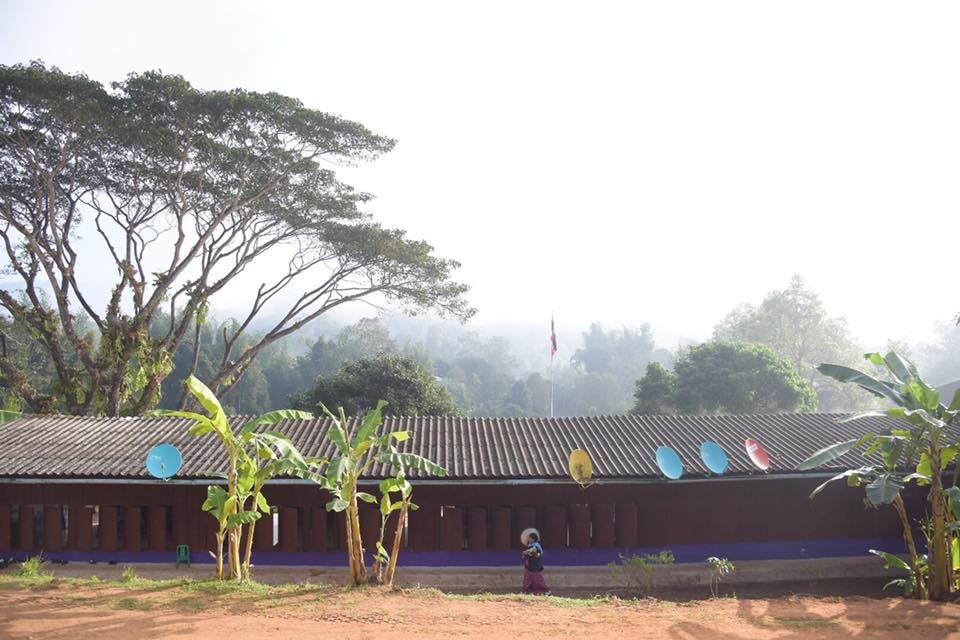
Her sole desire has been to make quality education accessible to all, and in particular, the most disadvantaged. In Thailand, this has meant access to quality education for children living in the remote and rural areas of the country. It has also meant reaching those living in the mountainous areas where accessibility is close to impossible, and those living along areas bordering our neighbouring countries. 

The Lions Mahachak 9 Border Patrol Police School, Mae Taeng District, Chiangmai province in the north of Thailand, under the Office of the Royal Development Projects Board (ORDPB) 

Credit: Office of the Royal Development Projects Board (ORDPB) website 

Since her youth, Her Royal Highness has been a firm believer in the power of knowledge. She herself, has been devoted to studying and applying a variety of knowledge gained to improve people’s lives in Thailand. Her Royal Highness has focused on advocating “education for all” through advancing collaboration among all stakeholders, both in government and the private sector, with the ultimate goal of creating a network of knowledge-sharing, technical support, and resource mobilization, not only in Thailand, but worldwide.

Embracing her vision, government and academic institutions began to follow her example in the pursuit of academic excellence and a better life for the country’s future generations. In 1979, that vision materialized with The Princess Maha Chakri Sirindhorn Foundation, which began providing concrete support to needy students in schools, vocational colleges and universities. Then, in 1983, Her Royal Highness expanded these efforts to start a project to provide better access to quality education for children living in the rural outreaches of the country.

It was through activities under this project that teachers, especially border patrol police teachers, were trained on specific teaching methods under specific conditions targeted towards achieving concrete learning outcomes for these children. This project later included a particular focus and training on improving education for stateless and minority children.

Through her work, the more disadvantaged children she impacted, the more Her Royal Highness began to recognize and give equal importance to other factors shaping children’s development. This included providing good nutrition and combatting iodine deficiency through lunch projects, providing access to technology for schools in rural areas, and improving the quality of teachers through awards and scholarships.

In 1990, Her Royal Highness initiated the Deficiency Disorder Control Project. In cooperation with UNICEF and salt producing companies in Thailand, the Iodine Deficiency Disorder rate in primary school children in Thailand has continuously been kept at under 5 percent. 

In 1995, Her Royal Highness initiated the IT for Rural Schools Program, as part of her comprehensive IT project for education, to address inequality by providing access to computers and IT equipment to member schools. Through this program, teachers and students in rural, remote areas of Thailand were able to experience and develop their skills in the use of technology.

 Online learning

Credit: The Information Technology Foundation under the Initiative of Her Royal Highness Princess Maha Chakri Sirindhorn website 

Her Royal Highness’ dedication and contributions in the field of education over the years then inspired the Teacher’s Council of Thailand, Ministry of Education, to establish the Princess Maha Chakri Award in her honour in 2015. The Award is given once every two years to 11 outstanding teachers from ASEAN Member States and Timor Leste, honouring dedicated teachers, promoting the teaching profession, and strengthening international relations in the field of education.

 Credit: Princess Maha Chakri Award website  

Her Royal Highness’ work has also been recognized by the international community and several international organizations. One is UNICEF, which has presented her with the Life-Time Achievement Award for her significant role and unwavering commitment in improving the lives of children in Thailand, especially those in remote and disadvantaged areas. 

In 1991, Her Royal Highness Princess Maha Chakri Sirindhorn was awarded the prestigious Ramon Magsaysay Award for Public Service. Established in 1957, the Ramon Magsaysay Award was and is considered Asia’s highest honour, the region’s equivalent to the Nobel Prize.

It was at the Magsaysay Award ceremony, that Her Royal Highness shared with the audience a glimpse into the inspiration behind her work:

“It is the duty, and also the highest aspiration of a Thai to take part in any work aimed at the development and prosperity of our beloved country, Thailand, and to help our less fortunate neighbour have a better life.”  

Indeed, the well-being and quality of people’s lives cannot be improved by one person alone. It takes collective and consistent effort, and it takes time. In fact, it takes all of us, to do our part in contributing to societal well-being, for the future of our children and generations to come. In the world we live in today, no one is untouched by the global economic recession, poverty, crime and unemployment, and other societal ills. A quality education is what will best prepare people for an ever-changing environment, and equip them to handle the fast-paced, dynamic and unpredictable circumstances of our world.

I, for one, am also a firm believer in the power of knowledge, and that a little learning goes a long way for everyone, especially for those furthest behind, to whom we owe our best efforts to raise up.  

* * * * *

Mr. Cherdkiat Atthakor is Deputy Permanent Secretary for Foreign Affairs, who oversees the Devawongse Varopakarn Institute of Foreign Affairs that organizes training for Thai diplomats throughout their career. He has a wide range of experience in foreign affairs, previously serving as the Spokesperson of the Foreign Ministry, the Ambassador of Thailand to Kenya, as well as the Deputy Director-General of the Department of East Asian Affairs, the Department of ASEAN Affairs, and the Department of International Organizations.

ASEAN, the friend everyone needs

At a time of widespread economic, trade and geopolitical turmoil, the Southeast Asian region is proving to be a safe haven for investment.

Editorial by Alessio Piazza

The tail end of the Covid-19 pandemic, the global energy crisis, galloping inflation, the rising dollar, weakening Chinese demand. Just to stay on the economic and financial side. Not to mention the geopolitical one, between war in Ukraine and various other fronts of tension. In short, the world is not having a particularly peaceful time. Yet, there is one region that is proving more resilient than others. A term that may have been overused recently but which seems to fit the economies of the ASEAN region like a glove. The bloc's six largest economies-Indonesia, Thailand, the Philippines, Singapore, Malaysia and Vietnam-are proving to be anything but fragile in the face of global shocks in recent months and years. Singapore is gaining ground in financial services and high technology, Vietnam and Malaysia are receiving greater inflows of foreign direct investment in manufacturing, and Indonesia is receiving record funds to exploit its mineral resources, particularly nickel. Not only that. In addition to greenfield investments, Southeast Asia was the largest recipient of mergers and acquisitions completed in Asia in the first half of 2022, having received as much as 56% of total inflows. Inbound transactions in Indonesia alone were twice as high as those in mainland China, still held back by anti-Covid restrictions. Interestingly, it is not only the West that deploys more capital in ASEAN, but also China, which has reduced offshore operations in other regions to focus specifically on Southeast Asia. The 10-member, 680-million-person association already accounts for 3.4% of global gross domestic product and 7.7% of world exports. And its centrality is set to grow. But also on the political front, the region has proven to be an indispensable platform for dialogue, as demonstrated during the recent multilateral summits held and successfully concluded between Cambodia (ASEAN summit), Indonesia (G20 summit), and Thailand (APEC summit). It is no coincidence that the Financial Times recently described the ASEAN area as "the diplomatic and trade friend everyone needs."

Recently active members
Foto del profilo di Alessio
Foto del profilo di Monika
Foto del profilo di Gabriel
Foto del profilo di Elena
Foto del profilo di Lorenzo
Foto del profilo di Alessandro
Foto del profilo di Cristina
Foto del profilo di Rocco
Foto del profilo di Clara Lomonaco
Foto del profilo di Redazione
Foto del profilo di Davide Gugliuzza
Foto del profilo di Anna Affranio
Foto del profilo di Ilaria Canali
Foto del profilo di Nicolò
Foto del profilo di Angelo Cangero
Who is online
There are no users currently online
Members
  • Foto del profilo di Alessio
    Active 6 ore, 59 minuti fa
  • Foto del profilo di Monika
    Active 3 giorni, 20 ore fa
  • Foto del profilo di Gabriel
    Active 3 settimane, 4 giorni fa
  • Foto del profilo di Elena
    Active 1 anno, 4 mesi fa
  • Foto del profilo di Lorenzo
    Active 2 years, 6 mesi fa