What to expect from the G20 summit in Bali

The declared goal of the Indonesian presidency was to bring attention back to emerging and developing countries, but unfortunately geopolitics and the war in Ukraine got in the way

By Ilaria Zolia

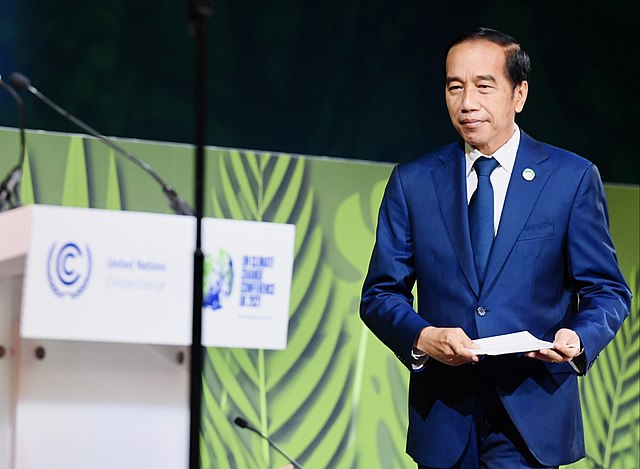
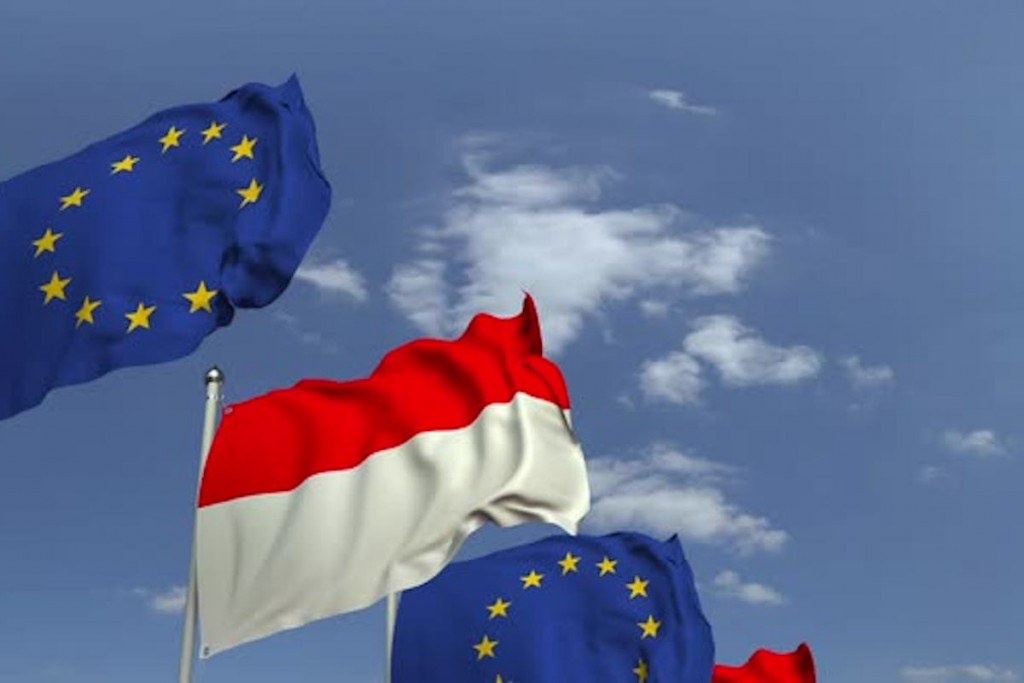
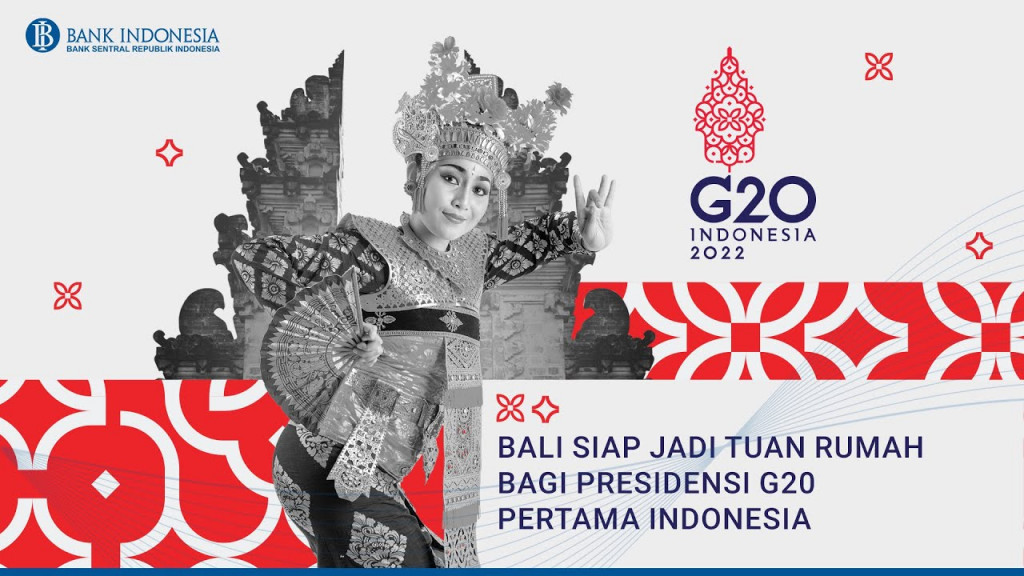
Indonesia is finalising preparations to host the 15-16 November G20 summit in Bali. Joko Widodo, Indonesian President and G20 President-in-Office, visited Kiev and Moscow in late June to meet with Volodymyr Zelensky and Vladimir Putin, becoming the first Asian leader to meet with both heads of state since the start of the war. Widodo's visit, stressed Indonesian Foreign Minister Retno Marsudi, 'underlines the concern for humanitarian issues, in an effort to help solve the food crisis caused by the war, as well as its consequences'. In various forums on the sidelines of the UN General Assembly, Marsudi repeated the same mantra: 'As a host nation, Indonesia is intent on advancing multilateralism and promoting post-pandemic economic growth'.

At the dawn of his G20 chairmanship and picking up the baton from Italy, Widodo had said that Indonesia hoped to provide a platform for global partnerships and international financing to support the energy transition to cleaner renewable sources during his presidency. Jakarta is well aware of the difficulties emerging economies face when faced with the transformation that the energy transition requires. What is considered one of the main solutions on the table is, for developing countries, a challenge that requires first and foremost universal access to quality electricity. Indonesia alone has sovereignty over 17,500 islands and a sinking capital city, while economic policy is deeply rooted around fossil fuels. The projects are many and ambitious, such as a solar park in Java that will be completed by the end of 2022 and will be, with its 145 Megawatts, the largest in the country. 

The declared aim of the Indonesian presidency was to bring attention back to emerging and developing countries, but unfortunately geopolitics and war got in the way. Much of the discussion in the months leading up to the summit focused on the presence of Vladimir Putin, Xi Jinping and Joe Biden and possible bilateral meetings between the three leaders of Russia, China and the United States. In his remarks at the Global Governance Group Forum held in New York, Marsudi emphasised the need for the G20 summit to produce results that benefit everyone, without being overburdened by current geopolitical issues. Former Indonesian leader Susilo Bambang Yudhoyono invited US President Joe Biden to meet with Russian and Chinese counterparts Vladimir Putin and Xi Jinping at the G20 summit in Bali next month to avert the 'real possibility of a third world war'. It would be Biden's first meeting with both leaders from Moscow and Beijing since the start of the war in Ukraine. "Europe and East Asia could breathe a sigh of relief" if the Bali summit is a success, says Yudhoyono.

Against this backdrop of tensions, the Indonesian G20 presidency has long been walking a tightrope to defend its neutral stance on the war in Ukraine. Rivalries between the West and the Kremlin will pose a challenge for the summit host country, which has never openly taken sides by maintaining the ASEAN 'third way' line based on neutrality and pacifism. Despite the pressure, Indonesia has so far 'successfully handled the pressure', according to Ina Hagniningtyas Krisnamurthi, Indonesian Ambassador to India. "We hope to have a joint communiqué... and we hope to be a good host for all those who come to Bali," she told the Indian newspaper The Economic Times.

For Jakarta, the G20 is still a forum with economic development at its core to boost cooperation between emerging economies and global powers. According to Teuku Rezasyah, an expert on international relations at Padjadjaran University in West Java, the summit is likely to end without a joint communiqué due to the heated tensions between the members, which would be the same outcome as the preparatory meeting for the Foreign Ministers' Summit held on 7-8 July in Bali. "If there is no joint communiqué, there should be a statement by the President outlining the issues contested by the G20 members, so that we can see which members violate the G20 principles and which support them," he added. Indeed, at the meeting the Foreign Ministers of the participating G20 countries failed to find common ground on the war in Ukraine and its global impact. Also present at the meeting was Russian Minister Sergei Lavrov, who left the ministerial session while his German counterpart Annalena Baerbock was criticising Moscow for the war in Ukraine. Widodo has always stressed the importance of the participation of all leaders. In an interview with Bloomberg on 19 August, he said: 'We are going through a food crisis and an energy crisis. Indonesia wants to be friends with all countries, we have no problems with anyone. What we want is for this region to be stable, peaceful, so that we can build economic growth. And I think not only Indonesia, but also Asian countries want the same thing,' he concluded. During its chairmanship of the G20, Indonesia has developed an agenda that reflects the interests of developing countries in global health architecture, digital economy transformation and energy transition. Jakarta hopes that somehow its agenda will not be erased from geopolitics altogether.

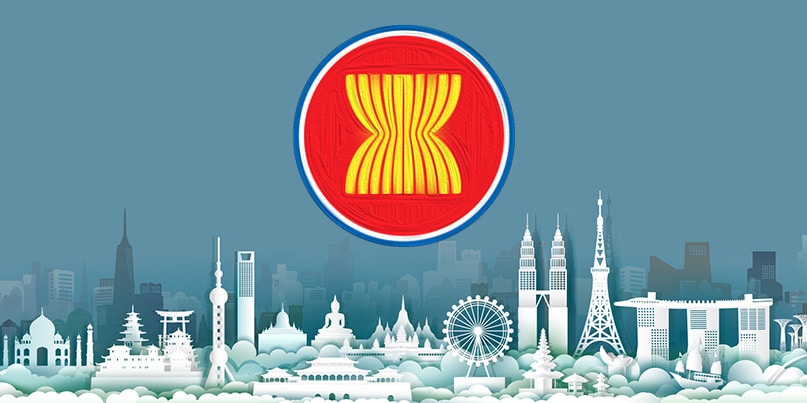
How to further improve ASEAN

The Southeast Asian bloc already has many strengths, but also the potential to further strengthen its functioning and role

Editorial by Lorenzo Lamperti

The Association of Southeast Asian Nations plays a key role regionally and globally. But there is still room for improvement to make ASEAN increasingly integrated and effective at all levels. How? By succeeding in integrating and involving in decision-making and organizational processes the various collateral bodies that can help bring strategic and intellectual guidance to the bloc's actions. A positive case in point is the Council for Security Cooperation in Asia Pacific (CSCAP), a regional organization created in 1993. It is an informal mechanism that includes the strategic study centers of ASEAN member states and the 17 non-ASEAN states of the ASEAN Regional Forum (ARF), thus allowing intellectuals, scholars and policymakers to exchange information and views on the future of the region. In an editorial published in recent days, The Diplomat lines up a number of examples where more can be done instead and are worth mentioning. According to the author, Teh Pi Li, there is little coordination among national think tanks, ministries, and ASEAN institutions, with most research institutes dealing mostly with national security issues and regional social or cultural questions not being a priority. "In a broader sense, ASEAN has not clarified how scholars or stakeholders can be involved in the ASEAN-led mechanisms mentioned in the ASEAN Outlook on the Indo-Pacific (AOIP), through which ASEAN hopes to engage stakeholders in the Asia-Pacific and Indian Ocean regions," reads The Diplomat, which states that "there is a lack of formal mechanisms through which stakeholders can exchange ideas and information." The economic front is then mentioned, with linkages between the various ASEAN trade councils and those of the bloc's external partners in need of great strengthening. ASEAN sees itself as a "community," and it already is in so many ways. But to navigate the turbulent waters of the present, there is perhaps a need to further strengthen a ship that is already steadfast but can become even more secure as it proceeds into the future.

Vietnam leader of the supply chain

But developing a native high-tech industry is not that simple

Apple's future could be in Vietnam. For more than ten years, the Southeast Asian country has been an absolute leader in attracting the biggest technology brands: from Samsung, to Xiaomi, to Intel. And Steve Jobs' company is also producing components for the AirPods here, as well as testing the manufacturing of smartwatches and laptops. Being able to fit into the supply chain of these more complex devices would be a great success for the manufacturing industry in Hanoi.

Vietnam has in fact recorded a growth in the export of technological goods unmatched by any other Asian country. From 13% in 2010, in just ten years, high-tech components have become 42% of the export. Moreover, in recent years the rising cost of inflation in Chinese manufacturing centers has prompted many producers to move their factories to Vietnam, where workers' wages are lower. First the trade war between Washington and Beijing and then the continuous and tight lockdowns in China, have incentivized companies, including Apple, to move to the country. But Hanoi's ability to attract foreign companies to work the components of technological devices in the country goes hand in hand with the difficulty in bringing out an industry of its own. According to reports published by the Ministry of Industry and Commerce in 2019, Vietnam has lagged behind most of its neighbors in the technology sector. 

In previous years, the so-called “Asian tigers” have shown that growing in quality, from being part of the assembly line to becoming a real producer, is possible. Examples are the economies of China, Taiwan and South Korea, which, starting from a base of low-cost products, have turned their industries towards automotive and robotics. Vietnam has similar characteristics to these countries: low production costs, available manpower and an industrial policy coordinated by the state. However, two major problems loom: the lack of adequate infrastructure and highly skilled labor. In fact, managers and skilled workers make up only 10.7% of the entire Vietnamese workforce, the lowest percentage of all the major economies of Southeast Asia. Furthermore, in China for example, entire areas are dedicated to the creation of a single product; Vietnam, on the other hand, does not have these agglomerations. Its industries are scattered throughout the country and poorly integrated.

It remains, then, to clarify whether the success achieved by the "Asian tigers" decades ago can still be replicated today, with a globalized economy transformed by the domination of the Chinese manufacturing sector. The role of Hanoi therefore still remains uncertain: in balance between continuing to be a reliable part of the production chain and, at the same time, ready to develop a strategy to enter the international market. Of course, success in high-tech would mean becoming competitive with big Asian brands, such as the Chinese Oppo or the Malaysian Silterra. But any failure, says the director of the Mekong Development Research Institute Phung Tung, would condemn the country to be "forever a component of the supply chain", with the disastrous consequences of stagnation, social inequality and debt crises.

The solution to continue to attract foreign companies to the territory and, at the same time, develop an autonomous growth strategy, places Vietnam in front of a dilemma: the training of the workforce will increase the country's chances of launching itself into the high-tech industry, but it will also lead to an increase in wages, encouraging foreign producers to relocate elsewhere, such as Cambodia.

The impact of inflation on Indonesian politics

The freeze on fuel subsidies decided by Widodo's government has led to a price increase disputed by citizens. The economic situation can play a fundamental role in parties' choices for the 2024 elections.

Article by Aniello Iannone

On 10 September, the Indonesian government blocked fuel subsidies, causing prices to rise automatically. This decision led to turmoil and protests in Jakarta, where the population took to the streets for the choices of the government led by President Joko Widodo. Rising fuel prices, however, are not the only problem in Indonesia. From an economic point of view, the food sector has also suffered from a significant increase in prices without an adequate minimum wage increase. In this situation of economic instability, Indonesia is already beginning the long approach toward the next elections of 2024, between new and old players who will compete for the presidency.

The Indonesian economy is going through a phase of continuous and rapid price increases. Since last year, Indonesia has seen a 5% -10% increase in prices of essential goods called pokok (such as rice, oil, and eggs). This increase was recorded before the suspension of subsidies: oil prices soared in February, reaching almost $ 4 per liter. Increase that took place even before the war in Ukraine.

To understand how much the negative effect of rising prices is a problem for most Indonesian population. However, it is necessary to analyze the economic and social structure of the country. Indonesia has a population approaching 300 million, of which nearly 10% live in poverty, and 4% in extreme poverty, especially in areas such as Kupang in NNT or Papua. In addition, the average minimum wages in Indonesia are around $ 270 a month in Jakarta, the area with the highest minimum wage. In Yogyakarta, the minimum wage is around $ 100 a month, the lowest in the country. Prolonged price increases without adequate wage increases will weigh heavily on citizens.

The political situation: what does the post-Jokowi forecast? 

The complicated economic situation that Indonesia is facing must also deal with the first signs of a future election campaign and an unclear political situation. During Jokowi's second term, there were numerous protests against the government, especially against the law on labor reform, which among other things, modifies the regulations for minimum wages, or against the reform of the penal code. On 9 September, protests arose against the increase in fuel and the suspension of government subsidies.

The protests are the consequence of fragmented politics in Indonesia. At the moment, the PDI-P, Jokowi's party, seems to want to continue to bet on Puan Maharani for future elections, even if his popularity among Indonesians remains weak, especially among the lower middle class. Nevertheless, Puan is the daughter of Megawati Sukarnoputri, the leader of the PDI-P. The possible candidacy of Prabowo Subianto remains unknown. The former Indonesian general lost twice to Jokowi in the 2014 and 2019 elections. After the latter, he was incorporated into the government as Defense Minister. However, his future victory could mean a change in a conservative-Islamic key, given Gerindra's tendency to join forces with pan-Islamic parties. 

Two other protagonists could be Anies Bsweden and Ganjar Pranowo. Ganjar Pranowo, governor of Jawa Tengah, is second in the polls only to Prabowo. Ganjar is part of the PDI-P, but his popularity is high, unlike Puan, who is considered an elite figure. Anies Baswedan is instead the current governor of Jakarta: after declaring his willingness to run, he was contacted by the national democratic party NasDem of which he will be the candidate for the presidency. Anies, along with Prabowo and Ganjar, runs high in the opinion polls among the population.

The future of the ASEAN Way

A debate has arisen within the bloc of South East Asian countries on the Association's decision-making mechanisms

Editorial by Valerio Bordonaro

Director Associazione Italia-ASEAN

That of consensus "is the fundamental principle of ASEAN for mutually beneficial cooperation and to ensure the continuity of the Association in fully integrating the bloc, so as to realise the building of the ASEAN community". It is the so-called 'ASEAN way' characterised by neutrality and pacifism that we have talked about several times. And which Cambodian Chun Sovannarith also talks about. That is the key, in his view, to the 'extraordinary success' of the Association of Southeast Asian Nations in making the region 'stable, peaceful, inclusive, sustainable, resilient and prosperous for over five decades'. For 55 years, ASEAN has been making its decisions based on the consensus model, which is cited six times in the 55 articles of the association's Charter. Through this shared decision-making process, an alternative to the majority principle, a mechanism of integration and continuous consultation between all member states has thus been produced. Lately, however, an idea has been circulating that, if applied, could make some changes to this historic unity of purpose. On the model of the 'ASEAN Minus X' (a formula that allowed some states of the group not to implement tariff and trade policies adopted in common), there are those who imagine the creation of a 'majority with super-vote' model aimed at improving the institutional effectiveness of the association in cases where consensus is not reached on regional or international issues of common interest. A position on which it may be worth opening a debate, but according to Chun Sovannarith, 'one must ask whether or not any new model would fit the current context, considering that the consensus principle already works effectively for ASEAN's unity in diversity, under the motto of one vision, one identity and one community'. In this sense, it can also be said that this idea 'may not be consistent with the very nature of ASEAN', he adds, expressing a position that matches that of the Cambodian government. Based on the articles of the association's Charter, Chun continues, 'the legal personality of ASEAN must take precedence over political decision-making by far, as the leaders' decision-making is legally bound by the principle of consensus'. Opinions aside, it should be considered that to change the decision-making model and amend the Charter would require the consensus of all ASEAN states.

ASEAN pragmatism on Russia

South-East Asian nations condemn the Russian offensive in Ukraine but cannot afford sanctions that affect their economies

South-East Asia holds on to its commercial relations with Moscow, while the West and its Asian partners continue to impose sanctions and condemn Russia for its offensive in Ukraine. Geopolitical tremors triggered by the invasion spread internationally. However, if among the ranks of Moscow's detractors it is China that is described (wrongly) as the only 'defector', the South-East Asian countries have opted for a 'third way' of their own. On the one hand, they have joined the chorus of condemnation at the multilateral level; on the other, Singapore is the only representative of the region to have imposed sanctions on Moscow. Countries such as Thailand and Vietnam, as well as Indonesia, prefer to remain cautious so as not to jeopardise the resilience of their economies, while Myanmar’s militarist junta refuse to give up Russian arms flowing into the country.

The post-pandemic economic crisis has forced some ASEAN member states to take stock of their resources before adopting an untenable diplomatic stance vis-à-vis Russia. Indeed, most South-East Asian nations consider the war in Ukraine a regional crisis that does not involve them. Moreover, ASEAN's paradigm of values hinges on the principle of neutrality, borrowed from the colonial experience to which these territories were subjected for decades. For this reason, Southeast Asia is reluctant to close trade and political relations with the Russian Federation and condemn it to political and economic isolation.

Thailand has declared that it will restore regular air service between Moscow and Phuket at the end of October, a move to reinvigorate the tourism sector hit by the pandemic. Between January and February, before the invasion, Russians accounted for the majority of tourists travelling to Thailand. But the popular Moscow-Phuket service was suspended just after the outbreak of the conflict. Since Beijing's 'zero-Covid' policy is restraining Chinese tourists from organising trips to Southeast Asia - and flights from China used to be an important income for Bangkok - Thailand will focus on attracting at least one million Russian tourists this year. In addition, Moscow and Bangkok aim to expand bilateral trade to reach a trade volume of $10 billion in 2023 (about four times that of 2021), as Thai Trade Minister Jurin Laksanawisit said on the sidelines of APEC meetings in May.

Vietnam, on the other hand, focuses on food supply. On 18 August, talks were held to expand trade in wheat, the flow of which from Russia in 2021 had already fallen below 190,000 tonnes - from around 2.6 million in 2018 - due to the presence of potentially invasive thistle seeds. Then, on 6 September, a new connection between sea and rail freight routes between Russia and Vietnam was launched, which will facilitate logistical interactions and enable the direct transfer of goods. Financial cooperation is also a crucial issue for Russia and ASEAN countries, which have discussed the possibility of switching to payments in national currencies, in particular with the Vietnamese dong and Indonesian rupiah. The possibility of finding alternative payment systems to the traditional ones, such as the Russian MIR circuit, would also be on the table.

Moscow is also the leading arms supplier in South-East Asia. President Vladimir Putin has always recognised the region's great political and commercial potential, and has opted to use defence diplomacy to strengthen cooperation with the region's players. One of the main destinations for Russian military equipment and armaments is Myanmar. In a meeting on the sidelines of the Eastern Economic Forum held in Vladivostok in early September, the leader of Burma's coup military junta Min Aung Hlaing addressed President Putin with these words: 'We should call you not only leader of Russia, but also leader of the world, because you control and organise the stability of the whole world'. As Channel News Asia suggested, Min Aung Hlaing's comment comes at a time when both governments find themselves diplomatically isolated: Moscow over its military intervention in Ukraine, Naypyidaw over a military coup last year. In the ASEAN-Russia relationship, the complexity of international relations in the age of the globalised economy becomes clear. Most of ASEAN's trade with Russia involves Indonesia, Thailand, Vietnam. The growth of high value-added products sold by ASEAN is also increasing, partly due to the vacuum left by European suppliers who have left the Russian market. These economic performances seem to contradict the international community's almost unanimous condemnation of the offensive in Ukraine. At the multilateral level, ASEAN countries joined the UN's calls for peace. But when the General Assembly voted to suspend the Russian Federation from membership of the UN Human Rights Council in April, many Southeast Asian countries abstained. These included Singapore, as well as Thailand, Malaysia, Indonesia and Cambodia, while Vietnam and Laos voted against. This progressive softening towards Moscow is justified by assessments of economic and political pragmatism. The different postures adopted in the multilateral sphere on the one hand, however, confirm the regional actors' adherence to the rules of international law. On the other, they manifest a refusal to isolate Russia, with a message that implies that the multilateral system is moving - despite the crises or precisely because of them - towards greater inclusiveness.

Prince Mahidol Day and Education for Humanity

 “True success is not in the learning, but in its application to the benefit of mankind” (His Royal Highness Prince Mahidol of Songkla).

Article by Tanee Sangrat

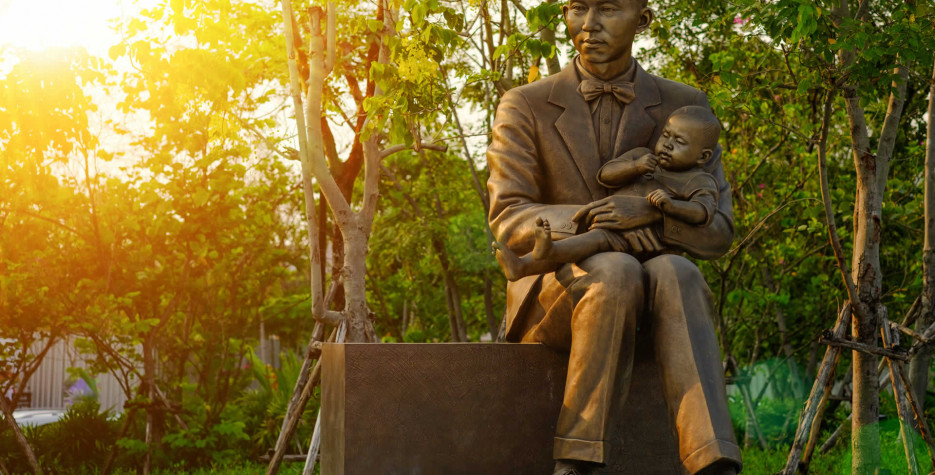
The 24th of September is an important date in Thailand. Known as “Prince Mahidol Day,” it marks the date of the passing of His Royal Highness Prince Mahidol of Songkla in 1929. 

 Prince Mahidol is remembered for his impact on the advancement of higher education, especially in the fields of basic sciences, public health and medical research. But there are two particularly noteworthy undertakings credited to Prince Mahidol that have had significant impact on the development of both the software and hardware of medical advancement in the country. 

First, Prince Mahidol allocated his personal funds towards scholarships for talented Thai students to study basic sciences, and other fields of applied sciences, in the United Kingdom, mainland Europe and the United States. These students would then return to Siam as the first groups of well-qualified teaching staff to “pay it forward” through teaching. They would later make their own contributions to progress in the medical field.

Second, Prince Mahidol acquired modern equipment for teaching basic sciences and the construction of laboratories and classrooms. He also served as Chairman of the Committee to establish the Siriraj School of Medicine, now the Faculty of Medicine, Siriraj Hospital, Mahidol University, which is one of the best in the country. 

These and other meaningful actions have had a long term impact on the development of medicine and public health services, so much so that Prince Mahidol has been honoured with the title “Father of Medicine and Public Health of Thailand.”

In 1950, 21 years after his passing, alumni from the Faculty of Medicine, Siriraj Hospital, who had received scholarships from Prince Mahidol to study abroad, together with others who had received other forms of assistance from the Prince, and members of the general public, came together to build a monument at Siriraj Hospital in his honour. A year later, the Faculty of Medicine, Siriraj Hospital, announced that 24th September would be known as “Prince Mahidol Day” and that important activities would be organized to commemorate His Royal Highness. This started out with an annual commemoration speech and in 1960, expanded to include tokens of appreciation for people who made donations towards medical treatment for the poor at Siriraj Hospital. These tokens came in the form of triangular flags made from white cloth with a picture of the monument of Prince Mahidol and the message “In commemoration of Prince Mahidol Day – 24th September, Siriraj Hospital” in green font. Nowadays, these tokens of appreciation come in many different colours and there is a Siriraj Foundation that accepts donations for modern medical equipment and medical treatment for the poor at Siriraj Hospital, as well as human resource development at the Faculty of Medicine.

Prince Mahidol’s legacy on education for humanity was further institutionalized by the Faculty of Medicine, Siriraj Hospital, with the proposal to establish the Prince Mahidol Award Foundation, to commemorate the centenary birthday anniversary of His Royal Highness, on 1 January 1992. The Foundation is responsible for carrying out his legacy by organizing the Prince Mahidol Award Ceremony, the Prince Mahidol Award Conference, and the Prince Mahidol Youth Award Programme Scholarship.

Two Prince Mahidol Awards are conferred annually upon individuals, or institutions, which have made exemplary contributions to the advancement of medical and public health services for humanity throughout the world. Each award consists of a medal, a certificate, and a sum of 100,000 USD. Any national medical, or health authority, or indvidual, or group of individuals acting in a non-governmental capacity, may submit nominations for the award to the Secretary-General of the Prince Mahidol Award Foundation before the 31st of May each year.

Last year, the Prince Mahidol Award in the field of medicine was conferred upon Associate Professor Katalin Karikó, Ph.D., from Hungary and Professor Drew Weissman, M.D., Ph.D. from the United States, for their joint research on mRNA technology, which has led to the development of COVID-19 vacccines, and Professor Pieter Cullis, Ph.D. from Canada, for his pioneering research on lipid nanoparticles, which have been used to develop mRNA vaccines so that they are able to enter human cells. Mr. Anutin Charnvirakul, Deputy Prime Minister, and Minister of Public Health of Thailand, met with the Prince Mahidol Laureates in January 2022, to congratulate and to commend them on their dedication to assist hundreds and thousands of patients all over the world. He acknowledged that their achievements are extremely important contributions to humanity and was honoured that Thailand could play a role in supporting their research.

The Prince Mahidol Award Conference (PMAC) is similarly an annual event held in Bangkok, which invites leaders and experts to discuss global challenges. The theme for PMAC in January 2022 was “The World We Want: Actions towards a Sustainable, Fairer, and Healthier Society.” PMAC 2022 focused on six mega trends, which include a changing population, changing demographics, urbanization, climate change, land use change and transformative technologies. Participants explored the relationships between these issues and how to address them through policy making and collective action. They noted that the growing world population would impact natural resources and human health. An ageing society results in an increasing number of people with non-infectious diseases, such as strokes and Alzheimer’s disease, requiring more researchers to focus on these diseases. Urbanization and an increase in the number of megacities have a profound impact on pollution and related urban diseases, compounded by climate change. Nevertheless, the rapid development of transformative technologies have the potential to help us overcome such global challenges by advancing medical procedures and forecasting natural disasters. At the end of the day, participants reiterated the need to join forces to create the world we want, while also ensuring that technological advancements and life saving innovations are equally distributed worldwide. 

Finally, just as Prince Mahidol contributed funds towards educational scholarships, the Prince Mahidol Award Foundation continues his legacy through the Prince Mahidol Award Youth Programme Scholarship. Last year, five scholarships were awarded to students from the Faculty of Medicine at leading state hospitals, three from Siriraj Hospital and two from Ramathibodi Hospital, with the confidence that they would return the gesture to society through their service.

Mr. Phurin Areesawangkit from the Faculty of Medicine, Siriraj Hospital, was one of the recipients. In an interview on Radio Thailand’s “MFA Update” program, Phurin explained that the scholarship provides youth who are interested in medical research, public health systems and public health policy, with an opportunity to study in frontline institutions, in any country, for one year. Phurin was motivated to apply for the scholarship for the opportunity to learn from world class experts and to strengthen connections between academic institutions in Thailand and those abroad. He aims to pursue research on the treatment of cancer in the hope of providing more effective treatment for cancer patients in Thailand. He is an example of the powerful and enduring legacy left behind by Prince Mahidol, carrying on the torch of His Majesty’s pursuit of learning for the benefit of mankind and education for humanity. 

* * * * 

Mr. Tanee Sangrat is Director-General of the Department of Information and Spokesperson for the Ministry of Foreign Affairs of Thailand. He is also the Chairman of the Sub-Committee on Public Relations of the Prince Mahidol Award Foundation and has worked closely with the foundation in this capacity. During his time at the Department of Information, he has given importance to public diplomacy and engaging youth on international relations through various activities. He has served as the Consul-General to Los Angeles, the Ambassador of Thailand to Vietnam, and is currently Ambassador-designate to the United States.

Interview with Mario Vattani, Ambassador of Italy in Singapore

The Ambassador of Italy in Singapore talks about the activities of the diplomatic office in the city-state, illustrates the results achieved and the potential to be exploited

Interview by Lorenzo Lamperti

Ambassador Vattani, how has the impact with Singapore been and how has the Embassy's activity evolved in these months?

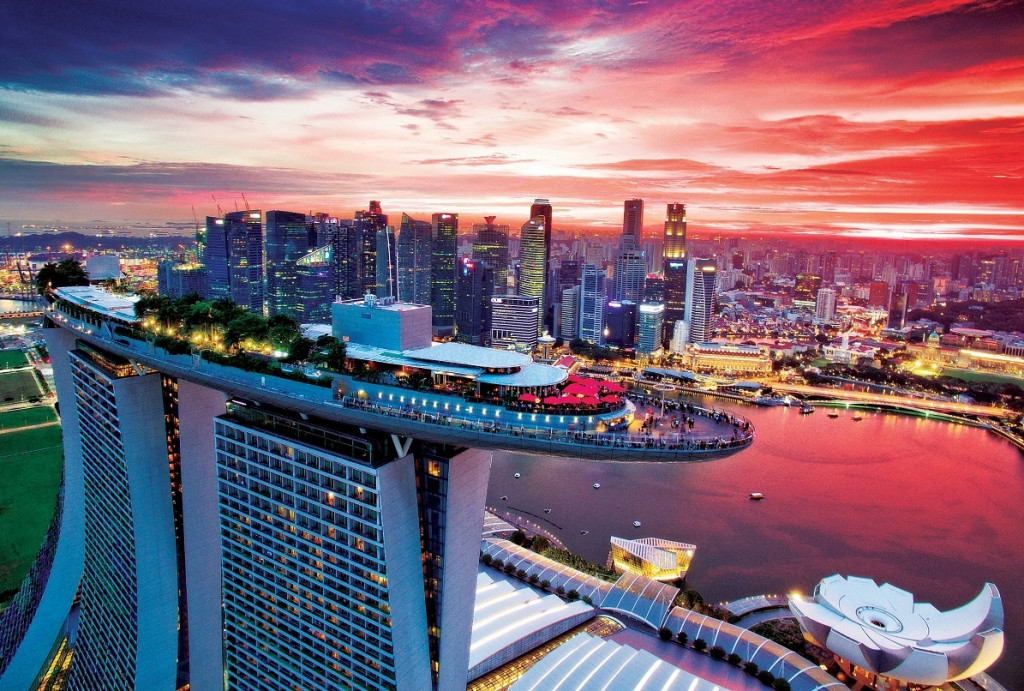
Now that a year has passed since my arrival I can draw a first balance. We took advantage of the first months when, due to the anti-Covid restrictions, it was difficult to have meetings and carry out outward activities to work on structural projects. In particular, we moved headquarters. This is not a simple relocation, but a symbol of Italy's recognition of Singapore's growing importance in the region. South-East Asia will play an increasingly strategic role in the next 20 years and Singapore has a special importance. Previously, this was a small office with few staff, in contrast to the international companies that have long used Singapore as a gateway to the region. The opening of the new Embassy office is part of a dynamic of increased presence in which there has been the opening of the defence office and that of the Bank of Italy.

What are the factors that are making Singapore more and more central?

There are several factors. Certainly, the dynamics of recent years in Hong Kong have also contributed. There is also a constant flow of professionals and companies from China, especially from Shanghai. When I arrived, this process had already started, so we were able to expand. The advantage is that we can now show Singaporeans that there has been a change of pace and the result is that Italy has greater visibility. Both the offices of our representation and the companies themselves. 

What initiatives have been launched since the easing of pandemic restrictions?

We have started a visible action on the ground. For example, the first Italian Festival was organised, a formula I had already used in Japan where I worked as head of the Commercial Office. The basic idea is to multiply a whole series of activities under the same logo without limiting ourselves to the more classic areas of Italy's presence, from food to fashion to tourism. We have also worked on events on science, technology and research. We are trying to make these sides of Italy known as well. Since Singapore is not a manufacturing hub, there is no intimate knowledge of our production system and mechanics, unlike other countries. Japan has been importing high technology made in Italy for decades, while in Singapore they are mostly familiar with our products. Yet here we have large companies present in important infrastructures such as Mapei in the construction of the port. Italian technology is also present in Gardens by the Bay and the underground. We took advantage of the recent Formula One Grand Prix, which really represented Singapore's return to the international scene after the pandemic. We as Italy made a showcase in the Embassy of all the most important companies that are linked to the world of Formula One. Not only Ferrari, but also those who do infrastructure or tires. Even whoever did the lighting was an Italian company. 

How important is it to steer the action on the host country's agenda?

The mistake that is sometimes made in Asia is to arrive here looking at one's navel, instead you have to use the opposite route: look at the other person and adapt to what they do, to make them understand that what I do works for them too. Singapore then is a country with a ruling class that is proud of what it is doing, you have to make them understand that we are the right partner. For example, during design week Italy was the only country present with an exhibition on new materials and Italian start-ups that recycle intelligently. We were the only partner country of the Singapore Design Centre during Design Week. Now thanks to the Farnesina we have the tools to have a more proactive attitude: we have a showroom, the venue is in the centre of the city's Financial District. There is a space called Sala Italia where exhibitions will be held. In fact it is already in operation: Giordano Bruno Guerri just came here for a meeting on D'Annunzio, Pirelli also had its exhibition here. I have signed two decrees making both the residence and the Sala Italia available to companies. 

The bilateral scientific and technological cooperation agreement has also recently come into operation. What benefits can it bring?

The agreement was signed in 2016, but the executive protocol was missing. Since we arrived, we have been scrambling to reactivate it. Now it is finally up and running. There will be several projects also related to startups on which we have ground to make up. The advantage of Singapore is that there is a vast talent hub here and it is a research laboratory with great potential. 

Singapore also plays a significant role politically in the region, as well as economically and financially. 

Absolutely, the ruling class is at a very high level and the local government is listened to and respected everywhere. Singapore plays a very complex game, thanks to its stability and strategic position it plays a role of guarantor for everyone. I would add that there are also interesting lessons for Italy in managing a multi-identity society effectively. Just as one can observe Singapore's experience in the fight against terrorism. These are also issues on which it is good to deepen the bilateral dialogue.

Asian monarchies: the role of royal families in ASEAN countries

Some ASEAN countries still host some of the richest royal families in the world. How do the monarchs of Southeast Asia live today and what role do they play?

Elizabeth II is dead, Rama IX is dead...and I don't feel so well myself. Monarchs in ASEAN countries continue to influence, to a greater or lesser extent, the political, social, and economic dynamics of their countries. With the only exception of Brunei, where a regime of almost absolute monarchy remains, the other states of the region have long begun a process of governance redefinition facing an increasingly modern world.

Many prerogatives of power and representation are still part of for royal families’ duties. They also remain influential figures due to their enormous wealth. Nonetheless, Asian dynasties are part of the national identity and reflect some distinctive features of their homeland, such as religion or ethnic majorities’ traditions. Public opinion on their behavior is equally varied: in some countries, monarchs are put in a bad light by corruption and fancy habits, while in others they are the most appreciated public figures since they promote social development and social rights.

Thailand

The 2014 coup was not the only event that upset Thailand’s public order in recent years. In 2016, the death of King Rama IX (Bhumibol Adulyadej) after 70 years of regency became the subject of one of the most spectacular national mourning in the world. Over 250,000 people flocked to the capital to celebrate the monarch's funeral, who was cremated in a building specially built for the occasion. A whole year of national mourning followed, which included (for the first 30 days) a ban on organizing parties or playing music.

The Chakri dynasty ascended to the throne in 1782 and experienced years of prosperity and expansion of its influence in the region. In the 19th century, King Rama IV also managed to negotiate agreements with the United Kingdom that allowed the country to maintain a certain independence (unlike the other kingdoms and sultanates in the region) and start the construction of a modern state. The accession of King Rama IX to the throne in 1946 plays a pivotal role in Thai history: he attempted to hold the country together in the face of numerous coups and promoted social development through educational programs and financial support. On the contrary his successor, Maha Vajiralongkorn (Rama X), has been largely criticized. As Forbes estimated in 2011, the Thai royal house is the richest in the world, with an estimated assets of at least $ 30 billion. Thailand has one of the strictest Lese Majesty laws, which in recent years has often been used to thwart anti-government protests that have sometimes resulted in anti-monarchist positions.

Cambodia

Cambodia also introduced a lese majesty law in 2018. Starting in 1993 the King of Cambodia is elected by the Royal Council of the Throne, a group of nine Cambodian authorities that includes the Prime Minister, the President of the National Assembly and the President of the Senate. The criterion for accessing the selection? Be at least thirty years old and descend from the family of King Ang Duong (1796-1860), who today is divided into the houses of Norodom and Sisowath.

King Norodom Sihamoni continues to have some decision-making power in the choice of some government positions, including the prime minister. Sihamoni enjoys a certain respect even abroad, unlike the rest of the royal family, which in 2006 US officials in the country had defined "a tragedy, comedy and melodrama all rolled into one that could have provided grist for at least a half dozen Shakespeare plays” (comment exposed by Wikileaks).

Malaysia

Cambodia is not the only country to have adopted a constitutional monarchy that differs from the hereditary standard of a single dynasty. Malaysia also adopts a governance system that provides for the election of a monarch every five years, according to a shift among the sultans of nine of the thirteen states into which the country is divided. The Yang di-Pertuan Agong ("He who is made Lord") plays above all a representative role of the Malay and Muslim community. In fact, starting from the 1990s, the sultans gradually lost their powers, until the elimination of the same political immunity.

Yang di-Pertuan Agong can choose the prime minister but cannot dismiss him. He plays a representative role in diplomatic missions and is considered the symbolic leader of the armed forces. The sultans, who also play the role of "Guardians of Islam", have often exposed themselves to the issues of corruption in the ruling class and Islamic extremism (whose values ​​are often intertwined with Malaysian supremacism). In recent years, for example, they have opposed the implementation of the Hudud, a subset of Sharia law (the body of precepts derived from the Qumran and which some Islamic countries integrate into their own system of laws).

Indonesia

Even more marginal is the role of Indonesian royal families, who do not officially hold power but maintain a status of representation. The identity connotation, in this case, is still strong: in some areas of the country, such as Java, Bali and Borneo. An example of this is the survival of the Javanese Halus ("refined") culture that revolves all around the ceremonials of the Sultanate of Yogyakarta. King Hamengkubuwono X is the only sultan recognized by the government and has risen to the headlines for removing the compulsory male ancestry to the throne. A decree of 2015, in fact, made the title of sultan neutral, thus opening the royal career to his five daughters. He also put an end to the traditional polygamy of the Sultans of Java, always with a view to modernizing the sultanate and to give more rights to women.

Brunei

The influence of the Sultan of Brunei, the only monarch who still holds absolute power in Southeast Asia, is quite different. And it is not the only record: the Guinness Book of Records classifies Istana Nurul Iman ("Palace of the light of faith") as the largest royal residence in the world. The building occupies over 200,000 square meters with its 1788 rooms, 257 bathrooms, a banquet hall that can accommodate up to 5,000 people and an air-conditioned stable that houses 200 polo ponies. Hassanal Bolkiah, in addition to being one of the richest rulers in the world, has also become the longest-serving monarch after the death of Elizabeth II and has reigned continuously since 1967.

The Legislative Council of Brunei was established with the 1959 Constitution but, in fact, its members only have advisory powers. In fact, on the occasion of the revolts of 1962, the king obtained full powers by declaring a state of emergency, which is still in force today. Unlike Malaysia, Sharia laws are part of the regulatory body of Brunei along with some laws inherited from the colonial period.

ASEAN global home of resilience

South-East Asia continues to show positive signs on supply chains but also on the strength of its stock market

Editorial by Alessio Piazza

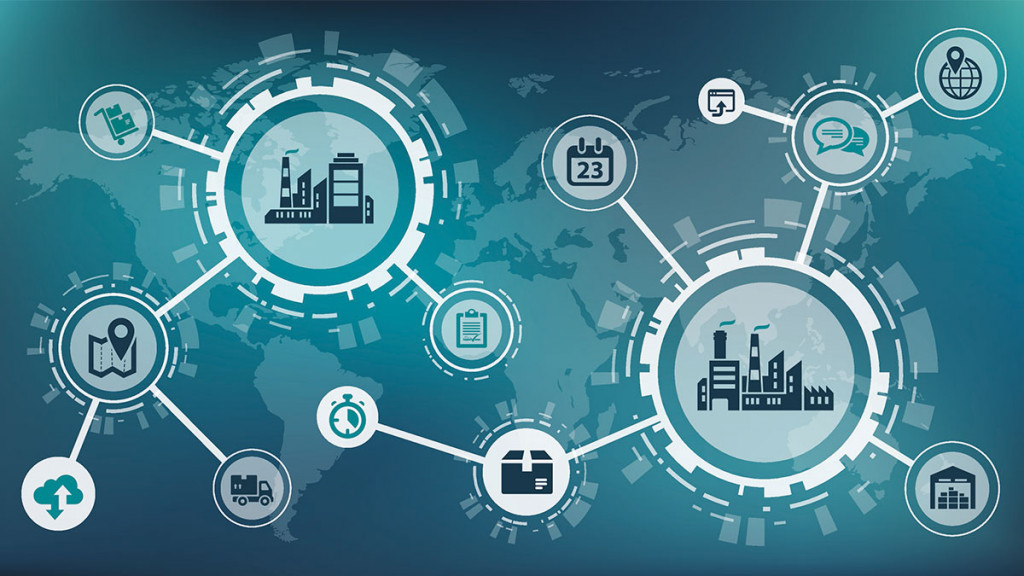
Warning to mariners: supply chains are not yet broken, at least not in Asia and particularly in South-East Asia. In a world where geopolitical and military tensions are multiplying, trade between major Asian nations is booming and companies continue to pursue growth. It is certainly no coincidence that while the winds of protectionism are blowing elsewhere, ASEAN countries have just ratified the Regional Comprehensive Economic Partnership (RCEP) and are at the centre of multiple regional initiatives. According to the International Monetary Fund, ASEAN countries will grow faster than China in the near future. The middle classes in these countries are at the centre of very strong growth, making them potential markets, not just centres of production. The region's population is larger than that of the United States and the European Union, is younger and offers inexpensive labour, coupled with evolving skills. This is demonstrated by the shift in increasingly sophisticated manufacturing segments such as the Apple Watch. The technology sector is poised for a boom. Recent reports identify the electronics, aerospace components and semiconductor sectors as potentially the most promising. But ASEAN countries are also showing signs of resilience in the stock market. Largely due to a sharp increase in consumption driven by tourism and related industries, Southeast Asian stocks are proving more robust than those in North Asia. The region, however, is not immune to global inflationary pressure and the US Federal Reserve's aggressive rate hikes, which have led to capital flight. According to analysts, however, the region will endure thanks to its large domestic markets and further diversification of the supply chain from China. At the end of September, the MSCI ASEAN Index - an indicator of the region's most closely watched equities - was up 1.4 per cent from the previous quarter in local currency terms. Inflationary pressure in South East Asia was less acute than in many other markets. This is a further sign of a region that is set to play an increasingly central role in terms of trade.

Indonesia: the alternative source of European imports

The war in Ukraine is deeply changing the directions of European imports, redefining the role of Jakarta in terms of energy and natural resources 

Indonesia's exports - particularly steel, coal and palm oil - hit a new all-time high in March, when the invasion of Ukraine triggered a rise in global commodity prices. It is estimated an increase in exports of 44.36% on an annual basis, for a total value of $ 26.5 billion last March. The largest economy in Southeast Asia recorded a trade surplus of $ 4.53 billion, beating all economists' estimates.

Indonesia - the world's largest exporter of thermal coal - typically does not ship to Europe, but due to the new geopolitical issue, the demand for Indonesian coal is increasing significantly, as stated by Pandu Sjahrir, president of the Indonesian Coal Mining. Association. Germany is already positioning itself among the top European buyers. By 2023 it could become the second or third largest importer of Indonesian coal, after China and India.

The number of Indonesia's thermal coal shipments overseas is increasing following the European ban on the purchase of coal from Russia, which went into effect in August. Russia - the world's third largest supplier of coal - dominates sales in Europe, but the ban has also caused the interruption of some Russian gas supplies to the continent.

Now, with the European winter around the corner and the imminent need to meet home heating needs, Indonesian mines are aiming to increase their production. PT Bukit Asam - also known as PTBA - was among the first local players to ship coal to Europe. The company said it exported 147,000 tons of fuel to Italy from March to July, while negotiations continue with Germany and Poland to penetrate these markets at competitive prices. Bukit Asam produced 15.9 million tons of coal between January and June, 20% more than the same period in 2021. Bukit Asam produced 15.9 million tons of coal between January and June, 20% more than the same period in 2021. Also Bumi Resources - the largest Indonesian coal producer by volume - aims to increase production this year, following the start of negotiations with Germany, Poland and Italy. PT Adaro Energy Indonesia also has the same goals: to increase coal production from 58 million tons to 60 million in 2022, declaring that it has already shipped around 300,000 tons of coal to the Netherlands and Spain. Due to the spike in coal prices, these companies are also making huge profits. PTBA reported a net profit of $ 415 million in the first half of the year, up 246% compared to the same period in 2021, that of Adaro jumped seven times to $ 1.2 billion and that of Bayan Resources it nearly tripled to $ 970 million. Share prices have also risen sharply since the start of the year, reaching + 60%.

In addition to coal mines, Indonesia also holds the largest nickel reserves in the world. It is expected to supply most of the nickel needed by the thriving global electric vehicle industry over the next few years. The Indonesian government is pursuing an ambitious program to encourage the production of batteries and vehicles by foreign companies and position the country as a key player in the sector. Nickel processing projects are mostly led by Chinese actors, including the stainless steel giant Tsingshan and the battery maker, Contemporary Amperex Technology.

Recently, the Indonesian unit of Brazilian mining giant Vale embarked on three nickel processing projects worth a total of $ 8.6 billion with major partners, including the Chinese battery materials manufacturer, Zhejiang Huayou Cobalt, and the US automaker Ford Motor.

The protracted war in Ukraine will continue to open up new scenarios for Indonesia, which in the meantime confirms its privileged role for its wealth of mineral and natural resources. A new challenge for mining companies and for internal demand.

The Third Asian Defense Way

Acronyms for policies in the Indo-Pacific are multiplying. But as China and the United States seek to consolidate their influence in Asia, countries on the continent try to shield themselves from the consequences of this antagonism by setting up bilateral agreements that help maintain a certain degree of interoperability without being forced to openly take the side of one or the other power

Article by Lucrezia Goldin

Either with me, or against me. Unless we find a third way to consolidate defense. In the increasingly polarized competition between China and the United States, bilateral security relations are growing between several Asian countries, which, with an approach made up of individual military cooperation agreements, are trying to free themselves from the magnetism of Washington and Beijing, exploiting regional interoperability as the key to independence from the two powers. An approach that, operating without clamor and without obvious anti-China or anti-US aims (as some multilateral initiatives such as Quad and Aukus on the Chinese side and the Global Security Initiative on the US side are perceived to be), takes the form of an alternative architecture that allows Asian countries to equip themselves with deterrence tools without the risk of annoying the two powers.

From Japan to South Korea, via Singapore and the Philippines, bilateral exchanges on security technology and defense equipment show an Asia that would rather not get caught in the crossfire of high-sounding acronyms between China and the United States. A move to the rear made up of apparently second-rate but strategic agreements, especially if conceived as an instrument of long-term independence from the viewpoint of the large antagonistic blocs.  

The undisputed leader of this trend is Japan. For several years, Tokyo has been trying to revive its defense industry, and to do so, it is intensifying its relations with several South-East Asian countries. As early as 2016, Japan and the Philippines signed a defense agreement, whereby Tokyo pledged to supply security equipment and technology to Manila. Under the presidency of Rodrigo Duterte then, an update to the same agreement in the summer of 2020 led to the sale of radar control systems from Mitsubishi Electric to the Philippine government, marking the first sale of fully Japanese-made defense technology to a Southeast Asian country. With Malaysia, on the other hand, there is the Japan-Malaysia Defence Pact of 2018, while on relations with Indonesia and Vietnam, former Japanese Prime Minister Yoshihide Suga's focus has led to the signing of two agreements for the transfer of defense equipment and technology (in March and September 2021 respectively). Even trying not to draw too much international political attention with these agreements, Tokyo's stated aim is to promote its vision of a 'free and open' Indo-Pacific. This vision was also confirmed by Defence Minister Kishi Nobuo last September during a visit to Hanoi, in which he spoke of cooperation with Vietnam as being aimed at 'contributing to peace and stability in the region and the international community as a whole'.

On this front, the new Prime Minister Fumio Kishida is also wasting no time. Last May, the Japanese Prime Minister and his Thai counterpart Prayut Chan-o-cha signed an agreement for the transfer of military equipment to Thailand, which was shortly followed by the Japanese government's announcement that it would reform its regulations on the export of military equipment so as to allow the export of missiles and fighter jets to 12 countries including India, Vietnam, Thailand, Malaysia, the Philippines and Australia from 2023. Also with Singapore, as announced during a meeting on the sidelines of the Asian security summit, the Shangri-La Dialogue, negotiations will soon begin to reach an agreement on the transfer of defense equipment and technology, which also includes the areas of cyber security and chemical, biological, radiological and nuclear (CBRNE) explosive weapons. An enhanced Defense Exchange Memorandum, signed by the respective Defense Ministers Kishi Nobuo and Ng Eng Hene, complements the one signed between the two countries in 2009. The aim: to move towards 'more concrete security cooperation'. Less talk, more agreements. Without China and the USA in the way.

Active participation also on the part of India, which with the India Act East Policy created platforms for dialogue and joint maritime exercises with Singapore and Thailand, the SIMBEX and SITMEX, with the aim of maintaining regional security. To the Philippines, New Delhi provided its Brahmos missile systems and arranged for the movement of several ships of India's Eastern Command to facilitate bilateral exercises with the Philippine Navy. Dialogue with Vietnam has also been productive and free of US or Chinese interference. In 2016, a $500 million line of credit was established between Hanoi and New Delhi for the purchase of new defense platforms, and today most Vietnamese pilots are trained at Indian training bases in exchange for access to naval and air bases in Cham Ranh Bay. Finally, with Thailand, India shares maritime objectives related to issues such as illegal fishing, drug trafficking, smuggling, and piracy, confirming an interoperability that remains strong between the two countries both because of their historical and cultural backgrounds and because of their common interests related to the maritime border in the Andaman Sea, a key access point for trade in the Strait of Malacca.

South Korea has also given signs that it wants to join this 'behind-the-scenes' strategy. The Moon Jae-in administration had started to intensify relations with India and ASEAN countries through the New Southern Policy of 2017, but failed to materialize many agreements and cooperation independent of existing security platforms. The case of the Indonesian non-participation in the realization of the new Kf-X/IF-X fighters is an example of this. After a defense agreement between South Korea and Indonesia concluded in 2013, the two countries "encountered several complications" in the joint realization of new equipment, but to date they maintain good relations and at the presentation of the new 2021 Korean KF-X fighters, Indonesian Defense Minister Prabowo Subianto had also been invited. Also as part of the Shangri-La Dialogue sideline meetings, on the other hand, Singapore and South Korea updated their Memorandum of Understanding on defense cooperation, adding cybersecurity and maritime cooperation as collaboration priorities.

Asia is also moving without China and the United States, aware that excessive dependence on either side in security matters can prove counterproductive. For existing disputes with Beijing on the one hand, for the recent unpredictability shown by Washington from Donald Trump onwards on the other. Small agreements in times of big multilateral pacts thus mark a third way to try to maintain regional stability without being mere pawns in the game of others. But the agreements are beginning to be many. And when viewed as very thin threads of a broader, more expansive strategic canvas, the formula of the bilateral agreement as an inoffensive means of maneuver could be called into question. 

Recently active members
Foto del profilo di Alessio
Foto del profilo di Monika
Foto del profilo di Gabriel
Foto del profilo di Elena
Foto del profilo di Lorenzo
Foto del profilo di Alessandro
Foto del profilo di Cristina
Foto del profilo di Rocco
Foto del profilo di Clara Lomonaco
Foto del profilo di Redazione
Foto del profilo di Davide Gugliuzza
Foto del profilo di Anna Affranio
Foto del profilo di Ilaria Canali
Foto del profilo di Nicolò
Foto del profilo di Angelo Cangero
Who is online
There are no users currently online
Members
  • Foto del profilo di Alessio
    Active 17 ore, 55 minuti fa
  • Foto del profilo di Monika
    Active 4 giorni, 7 ore fa
  • Foto del profilo di Gabriel
    Active 3 settimane, 5 giorni fa
  • Foto del profilo di Elena
    Active 1 anno, 4 mesi fa
  • Foto del profilo di Lorenzo
    Active 2 years, 6 mesi fa