A common currency for ASEAN?

With global inflationary pressures, the idea of a single currency for countries in the Southeast Asian region is back on the agenda. But obstacles remain.

Editorial by Lorenzo Lamperti

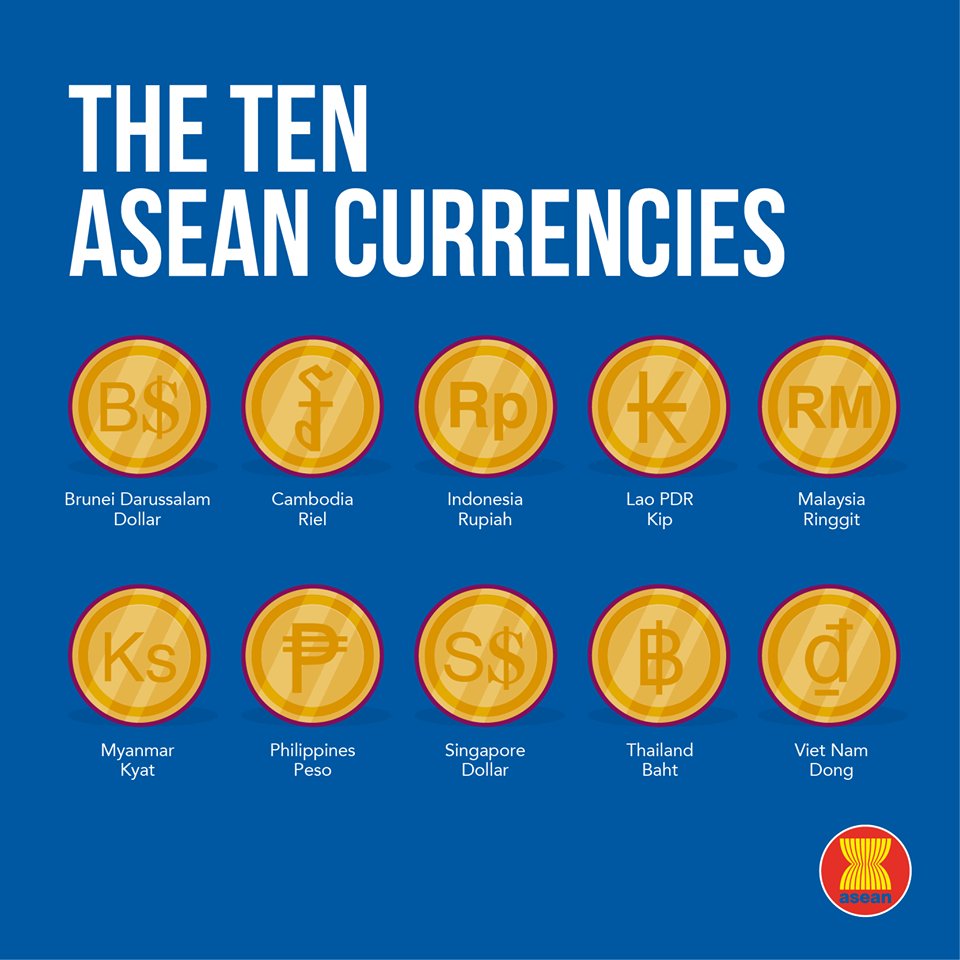
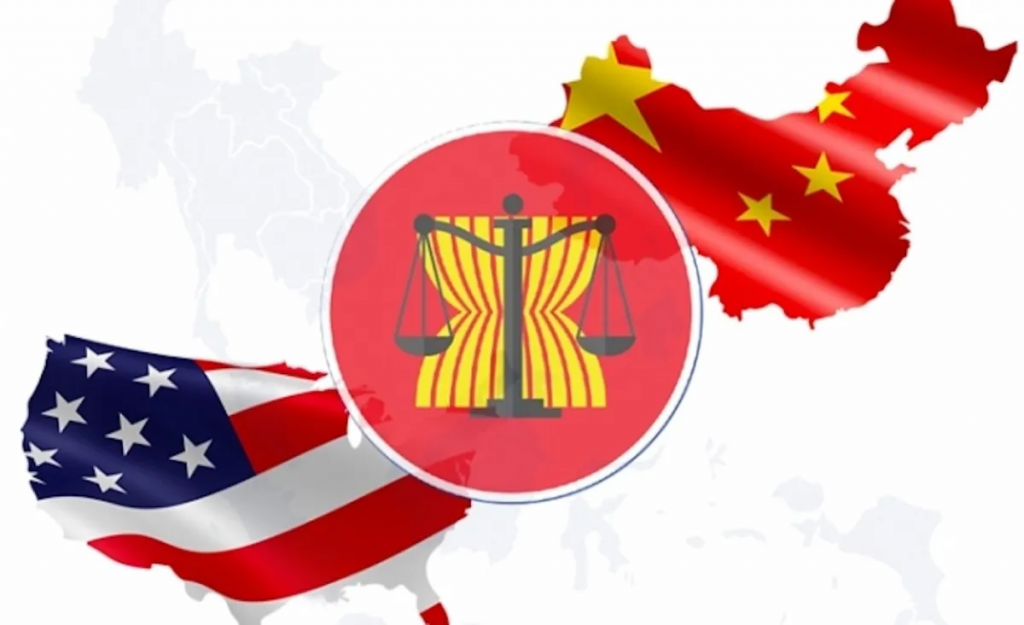
A common currency for the ASEAN region. Among the first to launch the proposal was the former Premier of Malaysia, Mahathir Mohamad, after the Asian financial crisis. Proposal reiterated in 2019, when he spoke of a common trade currency pegged to gold, "not to be used locally but to regulate trade." The hypothesis has come back to the fore in these weeks marked by global economic turmoil and inflationary pressures. Raising it again was notably Vijay Eswaran, a Malaysian businessman and Executive Chairman of the multinational QI Group, based in Hong Kong but operating in some 30 countries. "Why the push for a common currency in ASEAN? Just look at Europe, where the euro is the best example of a common currency. In the 20 years since its introduction, the euro has contributed to the stability, competitiveness and prosperity of European economies. The single currency has helped keep prices stable and has protected euro area economies from exchange rate volatility," Eswaran says in a commentary published in the Jakarta Post in recent days. Many Asian emerging market economies hold large reserve assets denominated in U.S. dollars as a means of self-insurance against potential financial instability. According to the businessman, "with this dependence on the dollar, Asian countries are highly exposed to shocks from changes in economic policy and conditions relative to the United States." A common currency, Eswaran continues, "could help eliminate exchange rate uncertainty, guard against speculative attacks, and increase ASEAN's bargaining power," with long-term interest rates "likely to fall and become less volatile" and intra-regional trade flows facilitated. There could also be benefits for individuals, with greater accessibility for services such as health care, education and tourism. "Labor and talent could be more easily exchanged, leading to more job opportunities and greater economic integration among ASEAN countries," Eswaran concludes. The biggest obstacle to concrete developments in this regard, however, remains the great diversity in economic development among member countries. Suffice it to say that Singapore has a per capita income 60 times that of Myanmar.

Art of the Loom: the Future of Sustainable Fashion

The fashion industry accounts for about 10% of global carbon emissions and 20% of wastewater. This should not come as a surprise as synthetic textiles are the mainstay of the fast fashion industry. But Bangkok is working hard to make it sustainable

Article by Dr. Vilawan Mangklatanakul

How many times do you wear a piece of clothing before throwing it away?

A study of 2,000 women by the British charity Barnado’s reveals that one piece of clothing is worn an average of seven times before being thrown out. Fast fashion has made it possible for one to constantly change their looks on the cheap. The Instagram culture is fueling the drive to buy new clothes often. Outfits that “no longer spark joy” can be easily discarded. But this “out of sight, out of mind” mentality is quickly inundating landfills across the world with unloved garments.

The fashion industry accounts for about 10% of global carbon emissions and 20% of wastewater. This should not come as a surprise as synthetic textiles are the mainstay of the fast fashion industry. Fabric like polyester and spun from plastic threads, break down into microplastics which get into the soil and water, ultimately entering the food chain. In fact, microplastics have become a leading marine pollutant. Even if countries have good marine debris and wastewater management, microplastics from synthetic fibers in the laundry could still threaten the well-being of life below water.

As a contrast and a blessing in fact, natural yarn used in Thai silk and cotton garments are biodegradable and therefore do not break down into microplastics.

Thai consumers are equally addicted to fast fashion. But there is hope on the horizon because a growing number of fashion-loving Thais are choosing homegrown designers who make clothes out of traditional Thai textiles. 

For environmentally and socially conscious customers, Thai handloom fabrics are a part of the answer. Traditional Thai fabrics are spun from silk, cotton or hemp. Moreover, they are ethically made and help develop communities. In Thailand, handlooms are strongly grounded in local villages and organized around women-led initiatives. In fact, they empower women to be the decision makers and breadwinners for their families. Income generated by these enterprises goes back directly to improving the education and healthcare of community members.


Ban Hat Siew in Sukhothai province, Northern Thailand: a Tai Phuan woman meticulously patterning a “Pha Sinh Teen Chok,” a kind of sarong for ceremonial use. 


Credit: takemetour website:

Ban Phon in Kalasin province, Northeastern Thailand: a Phu Tai woman weaving Phrae Wa silk in Kalasin. 


The making of artisanal Thai fabrics is also closely associated with nature.  

For silks, villagers grow mulberry trees and harvest the leaves for feeding silkworms. Leftover waste from growing the silkworms then becomes good quality fertilizer. In contrast to chemical dyes, colors derived from natural sources such as indigo for blue, ebony seeds for grey and black, lac for red, are non-toxic, so they can be discarded without causing harmful pollution. Old traditional techniques therefore, continue to prove better for both the planet and the people. 

However, Thailand’s traditional textile industry might have not seen the light, save for one woman and her powerful vision. 

While accompanying His Majesty the Late King Bhumibol the Great on his many trips to distant villages in Thailand, Her Majesty Queen Sirikit the Queen Mother would receive many gifts of traditional hand-woven fabric from the local women.

The intricate and meticulous designs made a lasting impression on the Queen, whose appreciation for the art of the loom became well known, and wherever she went, villagers would come and present their creations. She inquired them about each piece, paying ample attention to each of their stories. 

Her Majesty grew concerned to hear that this traditional Thai art form was in danger 

of disappearing. Farmers were more interested in sending their children to cities for better opportunities. Handloom was a skill and knowledge passed from one generation to the next. 

What if these women were to organize themselves around a cottage industry to weave in between crop growing seasons as a way to supplement their families’ income? It could be a way to save this cultural heritage from dying out, while supporting rural community employment in the process. 

Her Majesty Queen Sirikit launched the SUPPORT Foundation to institutionalize the royal initiative to develop the cottage craft industries around the country. By providing an outlet for their products to reach the market, the SUPPORT Foundation played a crucial role in making sure the villagers actually had alternative means of income besides farming. As a result, a number of them started to develop the business of handloom fabrics in earnest.


The SUPPORT Foundation of Her Majesty Queen Sirikit of Thailand 

Credit: Facebook page of the SUPPORT Foundation


Meanwhile, Her Majesty became the trendsetter of traditional Thai fashion. Her elegant outfits made from traditional fabrics from different regions of the country inspired city ladies to send Thai silk and cotton fabric to their dressmakers. She founded a fashionable movement that aroused a sense of pride in the nation’s cultural heritage. In turn, the demand for traditional Thai fabrics transformed small household looms into commercially viable enterprises. Later government policies such as One Tambon One Product (OTOP) would formalize state support for micro enterprises involved in traditional arts and crafts, featuring handlooms as a major product. 

Such is the story of Baan Hua Fai, a village in the Khon Kaen Province in the Isan region, or the northeast of Thailand. The celebrated local mudmee, or ikat, pattern of Thai silk was family wisdom passed on from mother to daughter, made for special occasions such as weddings or given as gifts. When Her Majesty the Queen Mother visited the region in 1983, she was very impressed with the unique artistry of Baan Hua Fai’s silk and invited them to send samples to Chitralada Palace. Soon thereafter, the villagers were granted royal patronage under the SUPPORT Foundation.


Examples of local mudmee from Baan Hua Fai Village. 

Credit: Tourism in Isan Website http://i-san.tourismthailand.org/6906/


Over the years, Baan Hua Fai has grown to be a village cooperative of almost 200 members, most of them women. Today, it has become a model OTOP enterprise that welcomes visitors and serves as a learning and collaborative center for design and production techniques. Younger generations are adopting new business models according to changing tastes and the marketing environment. They sell products online via Facebook and Instagram, and collaborate with Thailand’s top designers.

The next phase in the growth trajectory of traditional Thai fashion is for it to truly “go global”. In the footsteps of her grandmother, Her Royal Highness Princess Sirivannavari Nariratana spearheaded the creation of the Thai Textiles Trend Book. As the Editor in Chief, Princess Sirivannavari oversaw the compilation of “Thai tones” as well as patterns and material that would make traditional Thai textiles marketable beyond Thailand. Made available for free in both print and electronic version on the Ministry of Culture website, the Trend Book offers ready references for weavers, designers, students and anyone developing new ideas for Thai textiles.


Book launch event: “Thai Textiles Trend Book SS 2022” 

Credit: Hommes Thailand website https://hommesthailand.com/2020/12/thai-textiles-trend-book-ss-2022/


Besides drawing upon Her Majesty The Queen Mother’s legacy for inspiration, Princess Sirivannavari’s envisions sustainability to be interwoven with traditional Thai craftsmanship and local wisdom. The use of natural pigments, fibers and low carbon production techniques corresponds to the Bio-Circular-Green Economy Model of sustainable consumption and production that the Thai government is promoting. Thailand’s village handloom enterprises also represent success stories in achieving the United Nations Sustainable Development Goals (SDGs). These include SDG 1 (No Poverty), SDG 5 (Gender Equality), SDG 8 (Decent Work and Economic Growth) and SDG 12 (Responsible Consumption and Production), among others.

The story of Thailand’s sustainable fashion industry gives us an important lesson – that we can look back into our past to find answers for the future. For Thailand, the Royal Family has been instrumental in preserving traditional knowledge and local wisdom, which have shown the way for our people to live in balance with the natural environment for centuries.

It is almost innate in the real Thai way of life.

* * * * *

Dr. Vilawan Mangklatanakul, Deputy Permanent Secretary for Foreign Affairs of Thailand, a career diplomat since 1995, has built her expertise in Thailand’s foreign policy and international law, having served as the Director of the Office of Policy and Planning, the Director-General of the Department of International Economic Affairs, and Director General of the Department of Treaties and Legal Affairs.

In November 2021, the 76th session of the United Nations General Assembly elected Dr. Vilawan to serve as one of the 34 members of the International Law Commission (ILC) for the term 2023 – 2027. She is Thailand’s first and only woman candidate from the Asia-Pacific Group, and the first woman international lawyer from ASEAN to be elected to such a position. During her campaign for the ILC, Dr. Vilawan advocated for women’s empowerment and for communities to be better prepared for future challenges.
Laos, crisis opportunity for reform

Public debt and inflation are on the rise, but according to several analysts, the current problems of the Laotian economy can become a boost for the future

By Ilaria Zolia

Laos has been hit hard by the effects of the pandemic but also by the food and inflationary crisis. With rising fuel prices caused, in part, by the depreciation of the Kip, many farmers have left the countryside and gone abroad in search of work. According to the Food and Agriculture Organization of the United Nations, about 20 percent of Laotian farmers cannot afford to plant rice because of the increases. Laos' recent economic performance describes this reality. Public debt has risen from about 70 percent of GDP in 2019, to 88% in 2021, according to Lao government data. Inflation has also risen, from less than 2% in February 2021 (year-on-year) to 30% in August 2022, threatening the standard of living especially of low-income urban households. In contrast, hydropower and mining have expanded rapidly, becoming dominant sectors. Investments to expand these two sectors have been financed with external loans, but these projects have not yet generated revenue due to long gestation periods. However, according to some analysts, the crisis may be a starting point for the implementation of major development reforms. This turnaround could take place through reforms on public debt reduction and improvements regarding public expenditure management, which would ensure increased revenues. According to Nikkei Asia, the country will need to know how to make the most of the resources it already has, such as its natural capital and its young citizens. It would therefore be important for Laos to invest in its population, increasing spending on health and education in order to create a new workforce, Nikkei concludes. However, the Lao economy has good potential to embark on a path of reform. Indeed, it should not be forgotten that with a gross domestic product growth rate of 7% for more than two decades, Laos has been one of the fastest growing economies in Southeast Asia for more than two decades through 2019.

Room for Italy and the EU in ASEAN's green revolution

Southeast Asian countries must and will accelerate on the green transition. A great opportunity to be seized also by Italian companies

Editorial by Valerio Bordonaro

Southeast Asian countries must accelerate the energy transition and stay true to climate change mitigation goals. According to a report by the International Renewable Energy Agency (IRENA), an average annual investment of $210 billion is needed to be invested in the renewable energy, energy efficiency and related infrastructure sectors by 2050 to limit a global temperature increase to 1.5 degrees C. Such an investment would be more than two and a half times the amount currently planned by the governments of ASEAN countries. The Southeast Asian region is home to 25% of the world's geothermal generating capacity, but the region also has significant coal reserves. Indonesia, for example, has enacted a new clean energy regulation. It is one of the world's largest exporters of coal, which currently supplies about 60 percent of the country's electricity needs. The recent measure is designed to diversify the energy mix and increase the share of renewable energy to 23% by 2025. So far it stands at about 12%. The regulation also stipulates that no new coal-fired power plants will be built, although those already in operation may continue to remain in operation. Emissions from these power plants, however, will have to be contained. The government has also established a new pricing system for clean energy sources to encourage investment. To increase investment, the government will also provide tax incentives, including financing. According to the report, if Southeast Asian countries really want to contribute to the fight against climate change, collective and concerted action is needed; recent steps in this direction appear concrete. According to IRENA, the region aims to derive 23% of its primary energy from renewable sources by 2025. And investment is on the rise, with ample room for cooperation even for international governments and businesses, starting with Europe and Italy.

The Chip4 alliance and its impact on ASEAN semiconductors

The semiconductor game gets political and becomes a team sport. At least on one side of the field. The four-party alliance wanted by the US aims to contain China. On which side will the ASEAN countries play?

Semiconductors are essential to the life and growth of digital society. A secure supply of these products is now a priority - and a headache - for governments around the world. There is still a global crisis in this industry's supply chains - a crisis that is part of a broader context of 'globalisation in turmoil' - which makes it difficult for other sectors to procure the necessary components. The problem is made even more complex by its political fallout. Indeed, the United States and China compete in the data economy and the development of new applications of artificial intelligence. This leads the two giants to demand a huge amount of chips and try to limit their rival's grip on the market. In the last months, Washington has taken the first steps towards the formation of a four-way semiconductor alliance with its historical partners on the China Sea - Japan, South Korea and Taiwan - in order to be able to develop 'democratic' supply chains, from the factory to consumers, without necessarily involving China. Beijing looks at the US initiative with concern, fearing being 'excluded' from the most important value chains in the globalised world.

The fragility and strategic importance of semiconductor supply chains have prompted governments to take action to secure their technological sovereignty. Many countries have taken steps to strengthen chip production in their own territory, in collaboration with the giants of the sector: just to mention two initiatives, Taiwanese TSMC is building a 12 billion production plant in Arizona with the support of the state and federal governments; Intel and the Italian government are closing negotiations for the creation of a production site in the Veneto region. Nevertheless, the semiconductor value chain cannot be enclosed within the borders of a single country, nor can it be so easily reorganised. Each stage of the production chain requires strong specialisation of entire industrial districts and high-tech equipment. At the moment, it does not seem possible to make chips without the involvement of East Asian countries. Therefore, governments are also trying to strengthen their international partnerships to secure supplies and overcome certain bottlenecks in production. Each of the Chip4 economies is particularly strong in one of the links of the chain and the alliance would be able to organise supplies between partners without relying heavily on external players. There are not only economic considerations behind Washington's initiative, however. The four countries are like-minded democracies that watch with some attention the growing Chinese influence not only in the region but also in the digital economy and some of its cutting-edge sectors. In a scenario of growing tensions with Beijing, the Chip4 countries might have an interest in not being dependent on the Chinese semiconductor industry.

Yet, it is not so easy to marginalise China from the value chain, especially for South Korea. Indeed, 60% of Seoul's chip exports go to its neighbour. Participating in an alliance that could be perceived as anti-Chinese would expose Korean manufacturers to trade retaliation, hence exclusion from a sizeable market. At the same time, Beijing might not be able to give up semiconductors made in Korea, as certain advanced technologies are only developed there or in the United States - and Washington has imposed sanctions and export control measures against Chinese companies as late as 2020. In other words, trying to exclude a country from the supply chain and, more generally, weaponising the sector for political objectives will always entail heavy costs and could make the semiconductor crisis even worse. Technological sovereignty could turn out to be an unachievable and, indeed, costly goal - there are not only duties imposed by governments, but also subsidies to attract private companies to their territory - as the disruption of the supply of even a minor component may paralyse the entire sector worldwide. The US initiative could also involve some ASEAN countries at some point. The semiconductor industry is developing fast in the region and some countries already play a key role - especially Malaysia and Singapore. In some cases, these are partners that Washington also recognises politically. Sooner or later, the US may try to involve them in initiatives like Chip4. All major ASEAN economies have an ambivalent relationship with China: on the one hand, a key economic partner; on the other, an increasingly assertive neighbour. Therefore, the same dilemma faced by Seoul today could arise for their governments. In any case, it must be remembered that the global semiconductor industry cannot prosper without a liberalised trading system shielded, as much as possible, from political tensions, due to the dense network of interdependencies between countries. The escalation of tensions between Washington and Beijing in this field would, in any case, have profoundly negative effects on the sector and would make its crisis even more complicated.

ASEAN’s coffee revolution

By Chiara Suprani

While local consumption of the beverage continues to increase, regional producers from Vietnam are concerned about the looming coffee crush that threatens to send prices soaring

Asia is the renowned home of plantations and tea rituals, yet according to the International Coffee Organization, the Asia-Oceania region has increased its coffee consumption by 1.5 percent over the past five years, exceeding by one percentage point the growth in consumption in Europe (which remains higher for the time being) over the same period. For some, the issue can be traced to the rise of the middle class, which would be more inclined to explore new trends and consume Western products. For others, however, the trend would go far beyond mere curiosity: it is such a cultural issue that it causes consumers to seek out and drink on local "beans." Not only that, Southeast Asian people see coffee as colonial heritage. In the 19th century, France harvested seeds known as "cherry buds", due to their crimson colour, in Vietnam, and the Netherlands exported large quantities from Indonesia.

Although the culture of coffee, especially the one of the most prized variety of arabica coffee, is known to be linked to the economies of South America, yet floods in Colombia and poor 2021 harvests from Honduras, Guatemala and Nicaragua have in the past two years redirected the origin of supplies.

For some countries in the Association of Southeast Asian Nations, the past few years have been propitious for the coffee trade. Vietnam as of January 2022 was the second largest coffee exporting country in the world, after Brazil. Indonesia from February 2021 to January 2022 exported seven million 60 kg bags of coffee, surpassing Uganda. While the Philippines, which is also among the exporting countries, is the second largest coffee importing country in ASEAN from 2017 to 2021, the eighth in the 2020/21 period.

Vietnam's "cherry blossoms"

In Vietnam, coffee is also ingrained in the country's culture. In the lexicon, bribes are called "coffee money" while socializing is called going to "ca phe ca phao." Famous for its Robusta variety of coffee, Vietnam exported 1.24 million tons of coffee worth $2.82 billion during the opening eight months of the year, representing increases of 14.7 percent in volume and 39.6 percent in value over the same period the previous year. Still, Hanoi worriedly looks at the outlook for the upcoming months. Rising global prices are already affecting the sector, which will see a decline in coffee seed production next year. Local availability will be reduced, with farmers' withholdings plummeting from 13 percent to 2 percent of their annual production. The collapse in supply of the Robusta variety, which accounts for 90 percent of domestic production, has pushed prices in Dak Lak province, which covers one-third of the country's crop, up to 49,100 Vietnamese dong (US$2.10) per kilogram. A record-breaking price.

Indonesia: the coffee mecca

Indonesia is the second largest coffee-producing country in Asia. Iman Kusumaputra is one of the co-founders of Kopikalyan, Indonesia's answer to Starbucks, and he pointed out in an interview with Nikkei that "if production used to be mainly export-oriented, now farmers keep the best quality coffee for themselves." In addition, Indonesia's framework as the world's largest archipelago nation, allows the country to grow many varieties of coffee, each reflecting the characteristics of the island where it is planted. Another aspect that has likely contributed to Indonesia's coffee consumption rising to 5 million 60 kg bags in 2020/21 is the search for a non-alcoholic beverage to share in social moments in a predominantly Muslim country.

Thai weed cafes

On June 8 this year, the Thai government declared that it is no longer illegal to grow and trade marijuana and hemp products. It had been expected that this move, in a conservative, Buddhist country, would have limited consequences for the trade, given the ban on recreational use and production of drugs with a THC level greater than 0.2 percent. In recent months, however, in an effort to reactivate post-pandemic tourism, numerous weed cafes have sprung up around Bangkok. In 20/21, coffee consumption in Thailand amounted to nearly 1.5 million 60kg bags. The relaxation of anti-Covid measures along with the legalization of marijuana has incentivized young domestic entrepreneurs to open new establishments that could combine these two sectors.

It remains to be seen whether the forecast for September will prove correct. If so, in countries such as Germany, the United States and Italy, among the main importers of coffee from Vietnam, prices will soar. And the availability of the product will decrease also given the growing trend of domestic coffee consumption in Southeast Asian countries.

ASEAN leads global trade

Between 2021 and 2026, South-East Asia looks set to be the region with the strongest export growth in the world

All indicators confirm: the growth engine of the coming years will increasingly be South-East Asia. According to the Trade Growth Atlas report by global logistics provider DHL, the ASEAN bloc of countries is expected to lead the world in terms of export growth from 2021 to 2026. Behind the South-East region, South and Central Asia are expected to assert themselves. ASEAN is expected to register a growth in export volume of 5.6% over the five-year period, followed by South and Central Asia with 5% and Sub-Saharan Africa with 4.4%, as the global trade balance continues to be rewritten. South-East Asia and South and Central Asia are thus increasingly set to be 'new poles' of trade growth. At the forefront are Vietnam and the Philippines, which have very high GDP and export growth estimates in the coming years, partly due to the diversification of production and global supply chains. More and more international giants, starting with technology and digital giants, are strengthening their presence in a region where the middle class is constantly expanding.

According to DHL research, however, the pandemic will not be as severe a setback to global trade as initially predicted. And even despite the war between Russia and Ukraine, recent forecasts indicate that global trade is expected to grow slightly faster in 2022 and 2023 than in pre-pandemic years. This is also thanks to the surge in e-commerce sales, whose cross-border growth is expected to continue. Global sales could reach $1 trillion in 2030, up from $300 billion in 2020. And ASEAN can also play a key role on this front, given the sharp rise of the sector in the region. South-East Asia is becoming an increasingly important exporter of sophisticated capital goods, such as industrial equipment and engines. In short, growth is not only quantitative but also qualitative.

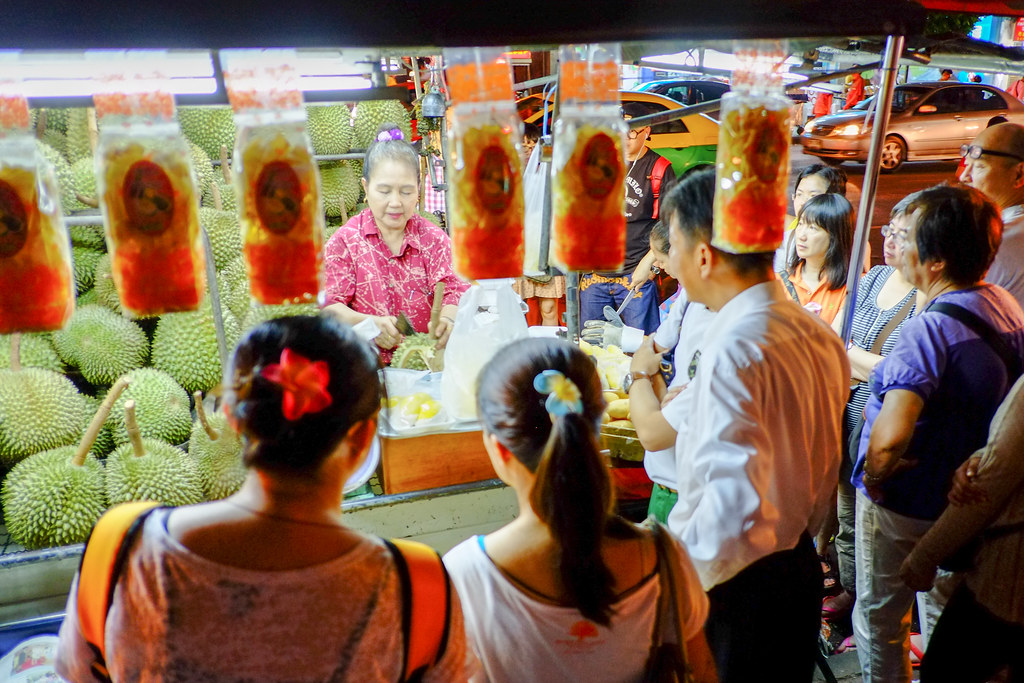
From durian a lesson in the pros and cons of free trade

Since the Regional Comprehensive Economic Partnership (RCEP) came into force on 1 January, exporting has undoubtedly become easier for ASEAN countries. The recent boom in durian sales in China offers important insights into the sustainability of the agreement and the challenges of establishing a free trade area with a market as big as China's.

The RCEP currently accounts for 30% of the world's GDP and is the world's largest trading bloc. For the ten ASEAN economies, joining the agreement has been a major boost to the export of their products. Alongside the almost complete dismantling of tariff barriers, the faster customs clearance of perishable goods is a big advantage when freshness is essential to ensure the high quality and competitiveness of the product. This is the case with durian, which has become the most imported fruit in China, both in terms of volume and value.

According to Chinese customs statistics, fresh durian imports reached 821,600 tonnes in 2021, totalling USD 4,205 billion, registering significant increases compared to previous years. Compared to 2017, imports of the 'king of fruits' grew fourfold and a further acceleration in sales is expected this year.

Although costs have reduced following the entry into force of the RCEP, this has not impacted prices, which continue to rise in parallel with the surge in demand for the product by Chinese consumers. To date, a durian generally costs more than USD 7 per piece, but the high price has not stopped demand in supermarkets and the spread of durian dishes such as cakes, durian milk crepes and even durian hotpots, enthusiastically reviewed by consumers on Chinese social media and popular in upscale restaurants.

In response, South-East Asian producing countries are expanding their production capacity. From 2019 to 2021 alone, Thailand has increased its durian production by about 30 per cent. "China's imports are already high, but China's per capita consumption is expected to grow further. Thai farmers are highly motivated to expand production", an official of the Thai embassy in China explained to Nikkei. 

Malaysia is deforesting part of its tropical rainforests to make room for plantations of 'Musang King' durian, the most prized and fashionable variety, not without causing irreversible consequences on the ecosystem and local communities, according to some experts. A joint statement signed by thirty-six civil society organisations and promoted by the environmental group B.E.A.CC..H identifies deforestation as the main cause of the recent floods in the Gunung Inas area, Baling district, which swept through 42 villages and residential areas, affecting 1,500 villagers and causing the loss of three lives. Laos and Vietnam are also receiving increasing flows of large-scale investment, including from the Chinese side, for the expansion of durian cultivation.

The shared fear is that the fashion for durian in China may one day wane, or that Beijing may use import restriction measures as a diplomatic tool, as it did last March with the ban on Taiwanese pineapple imports. In other words, China's inclusion in the main regional economic integration platform, in the name of greater trade and investment cooperation, seemed desirable in the eyes of many. On the other hand, there is a risk that this could increase the economic dependence of ASEAN countries on China, leaving room for sudden disruptions, even in the currently most profitable market niches, such as that of durian.

Labor Reform and Criminal Code in Indonesia

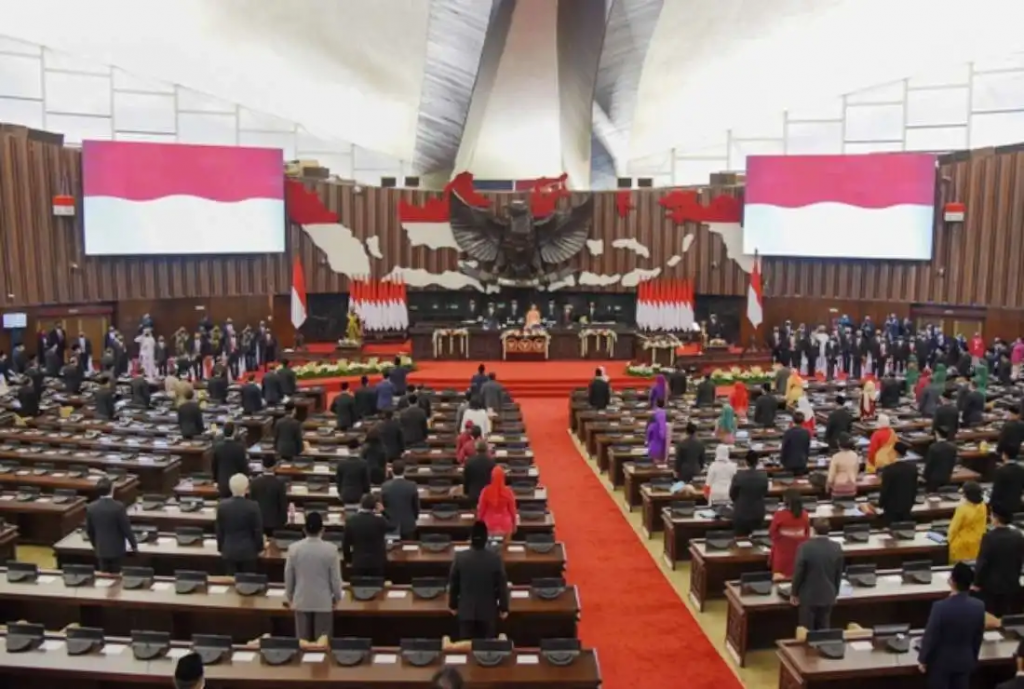
The new Indonesian penal code is currently in its final draft in parliament, presumably coming into force before the end of Jokowi's term

Article by Aniello Iannone

During the Covid-19 pandemic, particularly during the massive first wave of the pandemic in Indonesia in 2020, the government enacted one of the most controversial labor reform laws, the Undang-Undang Cipta Kerja, known to most as the Omnibus Law. The Indonesian academic community and NGOs harshly criticized the new law.

The main reason for such criticism, which later turned into protests, was the corpus of the new law which discriminated against and damaged workers' rights. Passing the law unleashed demonstrations, particularly in Jakarta. For days the demonstrators took to the streets to condemn the Indonesian government's choice, so much so that the police had to intervene to stop the protests.

The protests against the labor reform were not the only ones nor the most violent. A year earlier, in 2019, violent protests broke out in the capital during the first draft revision of the penal code (Rancangan Kitab Undang-Undang Hukum Pidana or RKUHP). Protests erupted when a first draft of the law declared extra-marital or non-marital relationships a criminal offense. Furthermore, the draft considerably weakened corruption offenses, a sensitive issue in the country, given the high level of corruption. The protests delayed the reform, leading to a rethink by the government. During the massive 2019 violence, they were followed by the shout TolakRKUHP (reject the reform of the penal code). Without a clear revision of the reform, the possibility of new riots remains high.

The law of Indonesia through history 

Indonesian jurisprudence takes a lot from the Dutch colonial period. The Criminal Code is no exception. Although decades of the country's independence have passed, the penal system dates back to the Dutch period. Historically, the Indonesian legal structure can be divided into 4 main pre-independence and 4 post-independence phases (Sylvana et al., 2021): 

  • The pre-colonization period was characterized by the unwritten customary laws of a religious nature (Harahap, 2018)
  • In the VOC (Dutch East India Company) period, Western law first entered the archipelago with the establishment of the Statute of Batavia in 1642 and the Mucharaer Book of Law in 1750, which contained a collection of Islamic criminal laws, also maintained during the English period until 1810

Between 1814 and 1855, known as Besluiten Regering, Indonesian law was influenced by the Dutch monarchical constitutional system without fundamental changes to the penal code. The years ranging from 1855-1926, known as Regarding Reglement, coinciding with the transition from constitutional monarchy in Holland to parliamentary monarchy, show a reduction of the king's power over the colonies. At this stage, the penal code, like the entire judicial structure, begins to take shape with the creation of a penal code that will be extended to the entire Indonesian population of the time.

  • The period of the Japanese occupation (1942-45). During this period, there was a dualism in the penal code, on the one hand, the Dutch system, on the other, and the Japanese system (Saleh & Pelengkap, 1981)
  • The Indonesian period. The problem of the dualism penal code was resolved after the replacement of the 1945 Constitution with the enactment of Law 73 of 1958, which took up Law No. 1 from 1946, declaring the Dutch penal system Indonesian, currently applied in the country (Bahiej, 2006) 

The reform of the penal code: rights, religion, and politics 

Analyzing the proposed reform of the penal code, the points that have seen the most criticism are mainly 14. In this analysis, we will consider only a few, especially those that most affect personal freedoms.

The proposal of the new penal code provides for an amendment to art: 218 to 220, 240 to 241, and article 273. The amendment introduces different penalties—for instance,3 to 4 months of detention in case of criticism against the President and Vice-President. In addition, in cases, criticisms against the authorities will be transmitted through social media (Article 240), a penalty of up to 4 years for defamation of the authorities.

In the Indonesian context, without an appropriate explanation in the law for "criticism and defamation," this regulation can be used to silence any criticism/opposition against the authorities. During the introduction of the Electronic Information and Transactions (ITE) law and the Omnibus Law, many academics were convicted of defamation of the authorities, even if they were only criticizing the ITE law and the more recent Omnibus Law.

Moreover, the Art. 273 places restrictions on student and social demonstrations, risking undermining a fundamental right transcribed in the constitution: the right to social demonstrations. 

Furthermore, the revision of the criminal law introduces stringent rules on religious issues. Starting from this point of view is necessary to analyze this part of the reform transversal. Indonesia has the highest percentage of Muslim faithful in the world. 87% of the population professes Sunni Islam mainly according to the thought of the two schools of thought present in the country, the Nahdlatul Ulama (the most widespread and most conservative current) and the Muhammadiyah (the most moderate current). 

Religion plays a pivotal role in Indonesian politics. In this sense, Indonesia is constitutionally not an Islamic but a semi-secular state. Professing a religion is mandatory, but no religion imposes itself on the other, constitutionally. The revision of the penal code emphasizes the role of religion. Art. 302 proposes detention for five years in case of blasphemy. Convictions for blasphemy are not new in the country; the best-known case is former Jakarta governor Basuki Tjahaja Purnama, Ahok.

Another criticism of a religious theme concerns art—304 of the reform. The article states that anyone who forces another person to change their religion risks a sentence of up to 4 years. A flaw in this law can be found not in the obligation to force a person to believe or not. The law's flaw is in how should be reported to the authorities, becoming a threat to freedom of expression. 

Furthermore, articles 415 and 416 condemn a penalty of up to one year for adultery and evading the marriage contracts. In particular, Article 416 condemns all who live "as" husband and wife but have not contracted marriage with imprisonment of up to 6 months.

Conclusion 

The new Indonesian penal code is currently in its draft defined in parliament, presumably entering into force before the end of Jokowi's term. However, the various criticisms and gaps within the new code could push Mahkamah Agung (the supreme court of Indonesia) to declare the revision of the penal code unconstitutional, which has already happened with the Omnibus Law. In cases where the Indonesian Supreme Court declared the law unconstitutional, but the law will pass by the parliament unleashed, violent protest riots in Indonesia are particular. 


Reference 

Bahiej A. (2006) Sejarah dan Problematika Hukum Pidana Material di Indonesia. SOSIO-RELIGIA, 5(2)

Harahap A. (2018) Pembaharuan Hukum Pidana Berbasis Hukum Adat. EduTech Jurnal Ilmu Pendidikan dan Ilmu Sosial, 4(2)

Sylvana Y., Firmansyah Y., Wijaya H., Angelika M,S. (2021). History of criminal law in Indonesia. Jurnal Indonesia Sosial Sains, 2(4) : 645-655

Southeast Asia at the center

First the IPEF ministerial, then the China-ASEAN Expo: the region pursues its line of neutrality and international cooperation.

Editorial by Lorenzo Lamperti

The war in Ukraine has sharpened a trend that had been going on for some time: the demand, implicit or not, to choose "sides." Not only on Russia, but also in reference to China. However, ASEAN seems to have long ago chosen a side, namely that of neutrality and pacifism. A path that is placing Southeast Asia, one of the fastest growing regions in the world, at the center of international trade (and other) relations. The plastic demonstration comes during this month of September, with two relevant events within a week. Between Sept. 8 and 9, representatives from Brunei, Indonesia, Malaysia, the Philippines, Singapore, Thailand and Vietnam attended the first ministerial meeting of the Indo-Pacific Economic Framework for Prosperity (IPEF), the trade cooperation platform launched a few months ago by President Joe Biden's United States, in Los Angeles. At the end of the summit, the 14 countries that are part of the project agreed on key guidelines for negotiating the four main "pillars" of a future agreement: trade (including data flows and workers' rights), supply chain resilience, green energy and environmental standards, and anti-corruption and tax measures. On the other hand, the 19th China-ASEAN Expo and China-ASEAN Business and Investment Summit is scheduled from Friday, September 16 to Monday, September 19. The event takes place in Nanning, Guangxi Autonomous Region, with the physical participation of more than 300 companies and another 2,000 companies in virtual mode. Malaysia, as the country of honor, will host a series of activities on the theme of the 10th anniversary of the development of two industrial parks (in Qinzhou in Guangxi and Kuantan in Malaysia), called to further deepen economic and trade exchanges and cooperation between China and ASEAN, including under the Regional Comprehensive Economic Partnership (RCEP). Beijing has long been ASEAN's largest trading partner. In the first seven months of 2022, the interchange has further increased. It signals an important bond for both sides. The possibility of "adding on," for other international players, is real. And it is demonstrated by the cooperation being deepened between ASEAN and the European Union. "Replacing," on the other hand, appears much more complicated.

Singapore contends with Hong Kong as global financial hub

Hong Kong's financial role is changing and it looks like Singapore will benefit. 

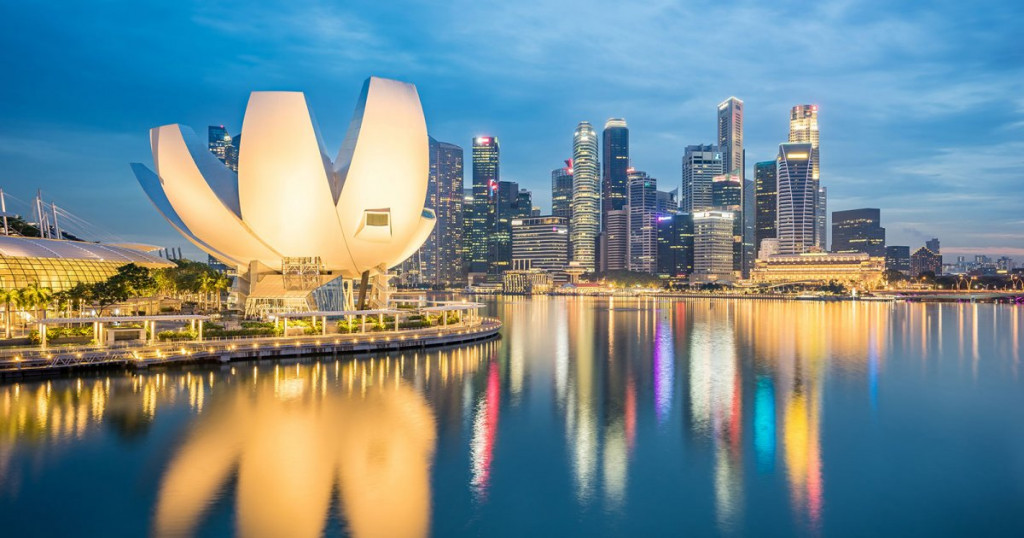
For the first time, Singapore overtook Hong Kong in Vistra's latest ranking of global jurisdictions. More than 600 business services executives assessed the importance of the major financial centers. Hong Kong and Singapore have long competed as midshore financial hubs, also serving as gateways to Asia. Since 2010, when Vistra started compiling the ranking, Hong Kong has always been predominant. This year, Singapore rose to first place along with the UK and the US, while Hong Kong slipped to fourth. Although this would be a marginal advantage, - 46% of respondents preferred Singapore as the financial center for their organization, compared to 43% who said the same of Hong Kong - it is the reversal in the fortunes of the two rivals that is of paramount importance in understanding the future trajectory of each.

The political turbulence plaguing Hong Kong is certainly one of the most favorable factors for Singapore, but its rise is specifically due to government actions in the financial sphere. Singapore has been proactive in increasing its financial attractiveness, particularly fund management and wealth planning. In 2018, Singapore introduced a new investment fund structure, the Variable Capital Company (VCC), to increase the domicile of alternative funds. The VCC offers more flexibility to investors, operational cost savings and tax advantages, entering into challenges with major fund domiciles such as the Cayman Islands. In recent years, Singapore is also attracting a significant share of Asian clients with growing net worth. Its trust laws offer confidentiality to migrants and beneficiaries, as well as tax exemptions. Attracted by favorable tax rates and a stable regulatory environment, more and more billionaire entrepreneurs are deciding to establish family offices in the city-state. The Monetary Authority of Singapore approved more than a hundred family office applications in the first four months of this year. In addition to the capital brought to Singapore, these investors also demand sophisticated financial services, creating jobs for wealth managers. The accumulation of financial and human capital contributes to Singapore's competitiveness as a financial hub.

Regional economic development is another winning aspect. China's zero-COVID policies have prompted manufacturers to shift supply chains to Southeast Asia. Singapore can facilitate such shifts because of its longstanding business presence in the region and familiarity with Chinese processes. Financial institutions connect customers with investors, law firms support the opening of new branches, and consulting firms provide guidance on sourcing regional suppliers and train staff. 

In addition to finance, Singapore and Hong Kong also vie with each other for the primacy of green commercial property. Both attract significant funding to support the development of environmentally friendly urban projects. The city-state was ranked first in the latest Asia-Pacific Sustainability Index by property consultancy Knight Frank. Shenzhen and Hong Kong were the next best-ranked Asian cities, just below Australia and New Zealand, with the cities of Sydney and Wellington. Tokyo completed the top 10. Knight Frank's ranking considers the number of green buildings and the willingness of local governments to push for sustainable urbanization as major factors, while also looking at the market for investable green assets. Knight Frank's report highlighted Singapore's '80-80-80 in 2030' plan, with the goal of having 80 percent of buildings with eco-friendly features, 80 percent of new buildings energy efficient, and for those that are already leaders in environmental sustainability, further energy efficiency from 65 percent to 80 percent is planned. Singapore, like Hong Kong, is also struggling with green financing in the real estate sector. Last year, real estate companies City Developments and MCL Land announced that they had secured $610 million in green loans to finance two projects in the city-state as part of a joint venture.

The gap between Singapore and Hong Kong as financial hubs is narrowing. The global perception of Hong Kong has undoubtedly been altered and it now has to adapt to a new reality, but as a gateway to China and a historic global financial center, it will continue to play an important role internationally.

Building Resilience through Food Security

Articolo by Dr. Wiwat Salyakamthorn*

“[T]he strengthening of our economic foundation [should begin] by assuring that the majority of our population has enough to live on… Once reasonable progress has been achieved, we should then embark on the next steps…”

His Majesty King Bhumibol Adulyadej the Great


Thailand is world-renowned for her flavorful culinary delights with dishes like Pad Thai and Tom Yum Kung born out of a unique gastronomic history, maintained by the ingenuity of Thais to evolve their dishes in celebration of their culture. But all of this is only possible because of one simple fact – Thailand enjoys an abundance and diversity of agricultural produce.


Sufficiency Economy Philosophy

Source: Thailand International Cooperation Agency (TICA)


From the steep stepped farmlands of the North to the rain-soaked terrain of the South, agricultural best practices well-suited to each of the country’s topographical feature provide a steady stream of fresh produce that has been woven into the rich tapestry of Thai cuisine. What might be a lesser-known fact is that the country owes much of her agricultural success to the lifelong dedication of His Majesty King Bhumibol Adulyadej the Great, in fostering resiliency through advancing food security for the Thai people. King Maha Vajiralongkorn Phra Vajiraklaochaoyuhua has taken the concept further, by ensuring that Thais nationwide continue to enjoy food security through scalable best practices in agriculture.

His Majesty King Bhumibol Adulyadej the Great initiated more than 4,000 development projects for the betterment of the Thai people’s livelihoods, all of which were based firmly in his philosophy of Sufficiency Economy, which advances fundamental principles of Thai culture deeply rooted in Buddhist precepts. The philosophy espouses development in all aspects based on moderation, prudence and self-immunity. It emphasizes living within one’s means and with limited resources, thereby decreasing dependence on externalities and susceptibility to market volatility while increasing one’s control over the means of production and output.


The New Theory Agriculture

Source: Thailand International Cooperation Agency (TICA)


Development by steps according to the new theory Source: Thailand International Cooperation Agency (TICA)


At the time of the Philosophy’s conception, Thailand was still an agrarian country but one poised for significant economic development. His Majesty the late King had the foresight and vision that such development could not and should not leave anyone behind. This compassion was then engendered the New Theory, under which the essential principles of the philosophy of sufficiency economy are applied to agriculture. Given the historical context, food security at the individual and the household levels would come to underpin more stable economic growth by lessening the risk of external shocks at the grassroots level. By reaching the furthest first, the New Theory is one of the most concrete examples of the application of the philosophy of Sufficiency Economy as it seeks to foster balanced and sustainable living through the management of land and water conservation, especially for those whose livelihoods were particularly susceptible to impacts of economic crises and natural disasters. This, in turn, allows farmers and small-scale land owners to holistically manage their lands while living harmoniously with nature and within society as they can rely on locally sourced produce for sustenance, even in the face of economic hardship.


The New Theory Farming Practice

Source: Thailand International Cooperation Agency (TICA)


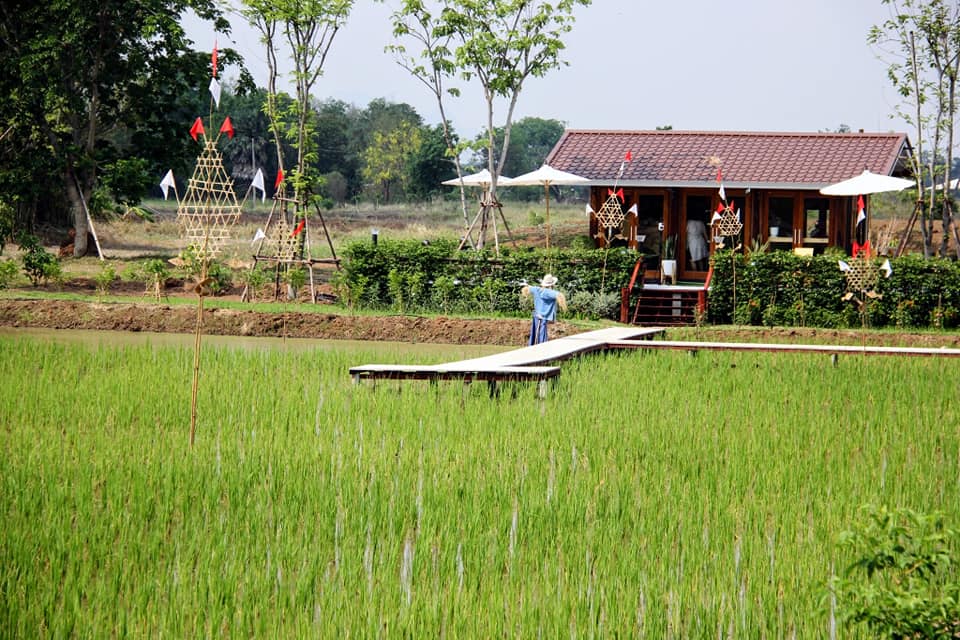
Staying true to His Majesty’s Oath of Accession to “continue, preserve and build upon the royal legacy”, the Khok Nong Na Model expands on the New Theory to maximize both land use and water retention, both on the surface and underground, for agricultural production. The concept essentially calls for the building of a small weir on a plot of land that acts as a reservoir to prevent flooding during rainy season but also retains and acts as a source of water during dry season, both of which have been exacerbated by the adverse effects of climate change.


The key principle of the Khok Nong Na Model is to store sufficient water focused in three main areas: mound, marsh, and rice field.

Source: Surin Provincial Agriculture and Cooperatives Office website


“Khok Nong Na” is an amalgamation of three Thai words that encapsulate key elements of the eponymous concept. First, a small ridge (Khok) is built of soil obtained through swamp digging or other substrate rich in nutrients suitable for growing fruit plants and trees, capable of withstanding local conditions, to generate food and household income. The next important element is a weir (Nong) that runs the length of the plot of land with sufficient depth to store water for agricultural use all year round while providing moisture through the breadth of the land. The last key element is the rice paddy (Na) on which organic rice farming should be practiced with the aim of restoring essential nutrients to the soil so that yields are pesticide-free and safe for human consumption. The overall objective of the Khok Nong Na Model is to ensure food and financial security from the smallest units within society by becoming self-dependent while minimizing susceptibility to externalities. This will in turn translate into food system resilience for the country.

The success of the model is now being scaled up throughout the country by various agencies including the Foreign Ministry’s Thailand International Cooperation Agency and the Community Development Department. Pilot projects and vocational programmes designed to acquaint those keen to explore the application of the Khok Nong Na Model of their own volition, have been implemented nationwide. The Community Lab Model aims to offer a better quality of life through the upskilling and reskilling of recent graduates, whose prospective jobs COVID-19 has taken away, in 330 districts with over 3,300 participants. Similarly, the Household Lab Model has been converting plots of land belonging to almost 6,000 model farmers in more than 300

districts countrywide into Khok Nong Na model lands. Building upon his father’s legacy, His Majesty King Maha Vajiralongkorn Phra Vajiraklaochaoyuhua has guided the Thai people to put into practical application the Khok Nong Na model of agricultural practices to ensure that food system resilience remains one of Thailand’s crowning achievements in the years to come.

Overview of “Khok Nong Na Model” Source: Narathiwat Science Center for education

* * * * *


Dr. Wiwat Salyakamthorn became well known from decades of training farmers on the application of Sufficiency Economy Philosophy to the agricultural sector to promote sustainable productivity and livelihoods.   He has experience working at the Office of the Royal Development Projects Board and in experimenting with the development concept on his own family’s farm in Chon Buri, with great success. He is also a former Minister of Agriculture and Cooperatives and the Founder of the Agri-Nature Foundation which runs community workshops at his farm. In addition, he holds other prominent positions, including President of the World Soil Association, and President of the Institute of Sufficiency Economy.

Recently active members
Foto del profilo di Alessio
Foto del profilo di Monika
Foto del profilo di Gabriel
Foto del profilo di Elena
Foto del profilo di Lorenzo
Foto del profilo di Alessandro
Foto del profilo di Cristina
Foto del profilo di Rocco
Foto del profilo di Clara Lomonaco
Foto del profilo di Redazione
Foto del profilo di Davide Gugliuzza
Foto del profilo di Anna Affranio
Foto del profilo di Ilaria Canali
Foto del profilo di Nicolò
Foto del profilo di Angelo Cangero
Who is online
There are no users currently online
Members
  • Foto del profilo di Alessio
    Active 18 ore, 7 minuti fa
  • Foto del profilo di Monika
    Active 4 giorni, 7 ore fa
  • Foto del profilo di Gabriel
    Active 3 settimane, 5 giorni fa
  • Foto del profilo di Elena
    Active 1 anno, 4 mesi fa
  • Foto del profilo di Lorenzo
    Active 2 years, 6 mesi fa