AI to predict and manage natural disasters

New applications can refine systems in use today at various stages of natural disaster management, starting with mitigation strategies

By Emanuele Ballestracci

60,000 dead, 150,000 injured and as many displaced per year. These are not the atrocities resulting from international conflicts, civil wars or terrorist attacks but the consequences of recurring phenomena whose destructive force is too often underestimated: natural disasters. Between 1998 and 2017, climate and geophysical disasters killed more than 1.3 million people and injured 4.4 billion, often among the weakest segments of the world's population. All the more, global warming will only increase in number and intensity of these phenomena, as we are already experiencing in recent years. Certain regions will suffer more than others, and Southeast Asia is among those most at risk. 99 percent of its population is already exposed to the danger of flooding, and between 2004 and 2014 it recorded 50 percent of global deaths due to extreme weather events. The situation will only deteriorate unless there is a revolution in the world's commitment to combating global warming, which now seems less and less likely.

A beacon of hope, however, comes from technological innovations in the field of artificial intelligence (AI). Indeed, its use in the creation of predictive models makes it possible to analyze large data sets, identify trends and thus predict potential disasters. Its applications would thus refine the systems in use today in the various phases of natural disaster management: cataclysm prediction and detection; early warning systems; vulnerability and risk assessment; spatial modeling; and mitigation strategies. Not only that, new detection systems are being developed that will especially benefit less resilient areas of the planet, such as the “AI-SocialDisaster.” This is a decision support system for identifying and analyzing natural disasters such as earthquakes, floods and fires using data drawn from social media feeds. Thus, by using information produced in real time by each individual without relying on advanced -- and expensive -- detection equipment, government capabilities for crisis management in rural areas will increase exponentially. For example, the Japanese company Spectee is developing a natural disaster detection system adapted for the Philippines, using precisely the information from social media. The role of private individuals is generally critical to the advancement of these new technologies. Microsoft Azure can be used to improve earthquake warnings and virtual representations of physical spaces in disaster response, while Amazon Augmented AI can lend itself to building integrated models for disaster scene recognition from low-altitude disaster images. China and the United States are already collaborating with respective champions in high-tech, such as Xiaomi and Google, while in South Korea, the Seoul metropolitan government has announced the development of a “digital disaster response platform” in which AI will be instrumental. In addition, Japan, Singapore, and China have made great strides in developing early warning systems, leveraging advanced technologies such as IoT sensors, AI models, and geographic information systems.

In addition to multinational corporations and governments, international and regional organizations are also making contributions. In 2015, the United Nations adopted the “Sendai Framework for Disaster Risk Reduction,” which outlines goals and priorities for action to prevent new disaster risks and reduce existing ones. In contrast, among regional organizations, ASEAN is one of the most active on natural disasters, a reflection of its high exposure to such phenomena. In 2009, the ASEAN Agreement on Disaster Management and Emergency Response was signed, two years later the AHA Center was established to revive regional coordination, and at the 28th ASEAN Summit in Laos in 2016 the Joint Declaration “One ASEAN, One Response” was signed. Finally, the ASEAN Civil Alliance for Regional Countermeasures was established last August 19, and since 2022, the topic of AI use has been increasingly discussed among member country summits, especially at the annual Strategic Policy Dialogue on Natural Disaster Management. Even the International Telecommunication Union (ITU), the United Nations specialized agency for information and communication technologies, has launched a new AI-themed working group: the Focus Group on Artificial Intelligence for Disaster Management (FG-AI4NDM). 

However, despite the potential of AI, there is no shortage of issues. First and foremost is the inability of AI models to provide “accountability” and “explainability.” Put simply, AI models function like black boxes: given certain predictions and inputs, they provide outputs but do not explain the relationship between the variables. This is a serious failing when these are used for crisis management, where maximum transparency is critical. However, should recent attempts to develop “Explainable Artificial Intelligence” models succeed, AI would undoubtedly become an even more valuable resource for counterbalancing the effects of natural disasters.

Free meals in schools: the ambitious plan of Prabowo for Indonesia

Providing free and nutritious lunches will be the priority and, most likely, the legacy project of the new Indonesian President, who has launched a plan worth almost $45 billion dollars.

By Anna Affranio

Indonesia has launched an ambitious nationwide initiative to provide highly nutritious meals to nearly 83 million people by 2029, initially focusing on school-age children, pregnant women, and breastfeeding mothers. This program has been strongly supported by the new president, Prabowo Subianto and it was a cornerstone of his election campaign and undoubtedly contributed to his victory in the February 2024 elections, exactly one year ago. In fact, unlike his predecessor, Joko Widodo (Jokowi), who prioritized infrastructure development, Prabowo has shifted the government's focus to human capital development. The free meal program, designed to be Prabowo’s signature initiative and political legacy, can be considered at the heart of this shift. The aim is to address two crucial issues: combating malnutrition (which affects 21.5% of Indonesian children under five) as well as increasing farmers’ income. By integrating nearly 2,000 cooperatives and collaborating with local producers to supply eggs, vegetables, rice, fish, and meat, the program is expected to create approximately 2.5 million jobs and stimulate demand for local products. The government has pledged to prioritize the poorest and most remote areas of the archipelago, where malnutrition remains a serious concern. According to UNICEF, in Indonesia, one in 12 children under the age of five is underweight, and one in five is stunted. Malnutrition is the main cause, which not only hinders physical growth but also affects cognitive development. In fact, Indonesian students have fallen behind their international peers according to recent PISA report studies.

The free meal distribution program was officially launched in Indonesia on January 6, 2025, providing one free meal per day for students from preschool to high school. These meals are designed to cover about one-third of children’s daily caloric needs and are served in reusable stainless steel containers. To ensure both nutritional value and cultural relevance, the meal content varies by region and available local ingredients. For example, in the Maluku and Papua islands, where rice is neither a staple food nor easily available, alternatives such as sago, a starch extracted from local palms, may be used. Each meal, free for students, is subsidized by the government at a cost of around 10,000 rupiahs (approximately 60 euro cents) per portion.

As it comes naturally for any policy of this scale, criticism has arisen. First of all, detractors warn that the projected cost could reach $45 billion over the program’s duration, which could strain Indonesia’s fiscal stability and worsen the balance of payments, given the country's heavy reliance on imports of staple foods such as rice, wheat, soybeans, beef, and dairy products. Others argue that alternative policies, such as improving the quality of nutrition for younger children, would have been a more strategic priority, as stunting often occurs before a child starts school. Lastly, there are significant logistical challenges in implementing such an ambitious project across a vast archipelago.

Although the long-term feasibility of the program remains uncertain, both politically and economically, it already appears to be a popular move. Many parents welcome the financial relief of not having to bear the costs of their children's school lunches. For now, the initiative represents a political victory for Prabowo, demonstrating his commitment to social welfare and his determination to keep his electoral promises.

ASEAN safe haven against tariffs

Some Asian economies such as Malaysia, Singapore, and Vietnam are positioning themselves to be winners in a possible new trade war

Several problems, but also some opportunities. As threatened on the campaign trail, U.S. President Donald Trump began his second term by introducing tariffs to address a wide range of issues, from immigration to national security to over-reliance on imports for manufacturing. But Trump's trade barriers are much more targeted than feared on the campaign trail, points out Trinh Nguyen, economist at Natixis Corporate & Investment Banking, in an editorial in the Financial Times. Instead of worrying about tariffs, investors should look for opportunities in countries that can benefit from the likely changes, Nguyen argues. Asian emerging market economies outside of China should be on the list, because as during Trump's first term they could benefit. Vietnam is the big example, the Financial Times reports. From 2017 to 2023, the country increased its share of exports to the United States in all product categories, making it a winner among Asia's emerging economies. This growth is not simply the result of China redirecting exports under the guise of Vietnamese products, but is the result of Vietnam's greatly expanded international trade relations. According to Nguyen, Malaysia and Singapore have also benefited from a push for investment diversification. Kuala Lumpur has focused on high-tech sectors such as semiconductors and data centers, while Singapore has expanded into financial services and attracted corporate headquarters. This year, the two countries also collaborated to establish the Johor-Singapore Special Economic Zone to boost investment and jobs in strategic sectors. ASEAN has now become the largest recipient of foreign direct investment in Asia. For some economies, the new shock to global trade represents “an opportunity to strengthen resilience, liberalize trade access and improve competitiveness,” according to the economist. Some Asian economies, such as Malaysia, Singapore, Vietnam, and increasingly India, are positioning themselves to be winners in the trade war.”

A.I.: The Rise of Southeast Asia

Generative Artificial Intelligence and Large Language Models: Southeast Asia is becoming a Global Innovation Hub

Article by Luca Menghini

Southeast Asia is undergoing a rapid transformation in the field of generative artificial intelligence (Gen AI) and large language models (LLMs). Historically regarded as a hub for manufacturing and digital services, the region is emerging as a key player in AI-driven innovation. With significant investments in research and development (R&D) and infrastructure, ASEAN nations are positioning themselves at the forefront, competing with global leaders such as the United States and China.

The growing interest in Gen AI is reflected in investment trends. The AI market in ASEAN is expected to reach $2.3 billion by 2025, with an annual growth rate of 41.48% until 2030. Countries like Singapore, Thailand, and Indonesia are leading AI adoption, with governments and businesses collaborating to develop indigenous LLMs tailored to local languages and cultures. Singapore, known for its tech-friendly policies, has established regulatory frameworks that promote responsible innovation. Thailand, through initiatives like ThaiLLM, is investing millions to create local models that address the region’s linguistic and cultural nuances.

The AI ecosystem is further fueled by an exponential growth of startups and investments. ASEAN has witnessed the rise of numerous AI-driven companies, particularly in the fintech, healthcare, and e-commerce sectors. Businesses are leveraging LLMs to optimize customer service, automate processes, and enhance decision-making. Indonesia and Vietnam are experiencing a boom in AI startups, attracting capital from global venture capital funds eager to enter the region’s digital market. Startups based in Singapore have secured major funding rounds, reinforcing the city-state’s status as a launching pad for the AI sector.

Despite these advancements, AI governance remains a crucial issue. ASEAN has proactively addressed regulatory challenges by introducing the Expanded ASEAN Guide on AI Governance and Ethics – Generative AI, which establishes guidelines for the ethical use of AI, focusing on risks such as misinformation, bias, and intellectual property rights. The guide promotes collaborative governance, regional data-sharing initiatives, and independent frameworks for testing generative AI, ensuring its safe usage. Additionally, the ASEAN AI Governance and Ethics – Generative AI framework provides a comprehensive roadmap to help policymakers and businesses navigate the ethical AI landscape. This model emphasizes accountability, transparency, and fairness in AI implementation and promotes technical safety measures such as digital watermarking, incident reporting, and independent certification programs, including Singapore’s Project Moonshot.

Another critical factor driving AI growth in Southeast Asia is its young, digitally native population. A recent study highlights that over 80% of university students and 62% of workers in the region are already experimenting with generative AI tools. This demographic, often referred to as Generation AI, is accelerating AI adoption, making ASEAN one of the fastest-growing markets for these technologies. The widespread use of Gen AI in workplaces is pushing companies to integrate AI-based solutions, although many struggle to keep pace with employees’ independent adoption of AI tools.

Beyond startups, large corporations and multinational companies are also investing in Southeast Asia’s AI infrastructure. Global tech giants such as Google, Microsoft, and NVIDIA are partnering with governments and local enterprises to establish AI research centers and cloud computing hubs. These partnerships aim to enhance AI literacy, provide cloud computing resources, and create opportunities for local talent. Malaysia and the Philippines are emerging as key destinations for AI R&D centers, thanks to their growing tech workforce and government-friendly policies.

The impact of generative AI in ASEAN extends beyond commercial applications. Governments are exploring AI’s potential for national development, using AI-driven analytics for economic forecasting, urban planning, and crisis management. AI-powered solutions are also revolutionizing education, with adaptive learning platforms powered by LLMs providing personalized experiences in multiple languages, addressing the region’s linguistic diversity.

However, challenges remain. The digital divide, limited AI infrastructure in certain areas, and data privacy concerns pose obstacles to widespread adoption. Singapore is at the forefront of AI preparedness, while countries like Cambodia, Laos, and Myanmar face difficulties due to inadequate digital infrastructure and low levels of AI literacy. ASEAN’s strategy to bridge this gap includes regional cooperation, investments in AI training programs, and incentives for AI-driven businesses.

As Southeast Asia cements its role in the global AI landscape, it is evident that the region is no longer merely a consumer of technology but an emerging hub for AI innovation. With a dynamic startup ecosystem, strategic government initiatives, and a tech-savvy workforce, ASEAN is positioning itself as a key AI hub, poised to shape the future of Gen AI in the years to come. Policymakers, investors, and business leaders will continue to monitor and adapt their strategies to ensure that AI’s transformative potential is fully realized in the region.

In Vietnam, here is “the era of national ascendancy”

Hanoi approaches the 2026 Communist Party Congress with a very ambitious program

By Francesco Mattogno

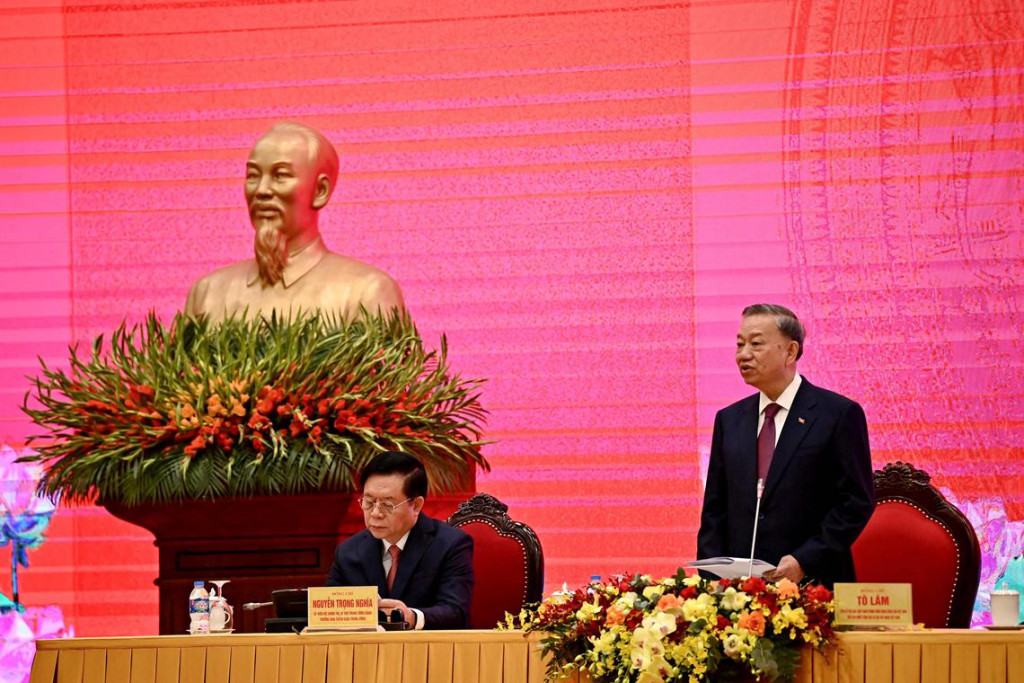
According to the general secretary of the Communist Party of Vietnam (CPV), To Lam, Vietnam is about to enter “the era of national ascendancy,” defined as a “new historical starting point” that will transform Vietnam's role and relevance within the international order in the years to come. He had first spoken about this in front of his party colleagues last August 13, ten days after his inauguration as CPV secretary-general, repeating himself thereafter in public speeches, official communiqués and as part of various diplomatic meetings.

In the secretary-general's theory-approved in September by the party's Central Committee, which then made it an official doctrine-Vietnam's modern history can be divided into three periods: the era of independence and socialism (1930-1975), the era of reunification and Doi Moi reforms (1975-2025), and the era of national ascendancy, precisely, which will start with the 14th CPV Congress in 2026 and end in 2045.

As written by analyst Phan Xuan Dung in Fulcrum, the periodization presented by Lam supports a narrative of linear progression toward greater strength and prosperity for Vietnam, which fought two wars in the 20th century to free itself from Western colonialism before embarking on a path of continued growth. Today, however, says Lam referring to various international crises and the advancement of new technologies, the world is in a phase of “era-defining changes,” for which Vietnam should not be unprepared.

The CPV leader then described the years from 2024 to 2030 as a decisive “sprint period” that will prove crucial in establishing the shape of the new international order. There is no time to waste, in short. That is why in recent months Hanoi has begun to make several radical policy decisions that will serve to shape the “new era,” accelerating the implementation of many infrastructure projects that have sometimes been on hold for decades (such as the construction of high-speed railways or new nuclear power plants) and, most importantly, reforming much of the country's bureaucratic system.

The massive bureaucratic restructuring sought by Lam in recent months has led to the closure of five ministries and other government agencies and departments, whose responsibilities have been merged within existing institutions and departments. After years of gradual adjustments, the police apparatus has been further centralized through the removal of district-level departments, while the country's second largest television network (VTC) has been shut down, leaving more than 800 employees at home as part of a more general downsizing of the information sector.

The official goal of the reforms is to reduce bureaucracy and cut costs, on balance improving government efficiency. After the significant +7.09 percent recorded in 2024, Hanoi has set an ambitious GDP growth target for 2025 between 8 percent and 10 percent, with a broader double-digit growth target for 2026-2030. According to experts, such as Alexander Vuving, who wrote about it in the Diplomat, the Vietnamese leadership knows that to secure such growth, the economy will need to be driven by the technology sector and guided by a lean and competent public administration.

In December, for the first time after decades in which the issue had always been approached somewhat tentatively, the CPV Politburo made a political commitment to define “science, technology, innovation and digital transformation” as the cornerstones of the country's economic development. At the same time, Lam, as secretary general, was appointed to head the Central Directive Commission for the Development of Science, Technology, Innovation and Digital Transformation, and it was decided that the government should allocate at least 3 percent of the annual budget for this purpose.

In recent years, benefiting from the technology and trade clashes between Beijing and Washington, Vietnam had already turned into a welcome destination for multinational technology companies (mainly American) interested in relocating production from China. With rare exceptions, however, Vietnamese manufacturing in the new technology sector has almost always been limited to the employment of low-skilled workers, proving unaccustomed to innovation (it is no secret that the country lacks engineers, for example). Lam is trying to change this paradigm. 

Before becoming secretary (passing through an interim period as chairman) Lam was for years the minister of public security in charge of leading the anti-corruption campaign, which he used to work his way through the CPV, purging enemies and political opponents. Today, by Lam's hand, six out of 15 members of the party's Politburo come from the security apparatus, while the Ministry of Public Security itself has taken over many of the functions of the ministries and departments just cut by bureaucratic restructuring. And it is in this centralization of power that probably lies the other goal of Lam's doctrine of the new era.

Presenting the coming years as the decisive ones for the “rise” (vươn mình) of Vietnam is also a way to legitimize his mandate, leveraging a sense of urgency to justify rapid and radical changes. At a watershed moment in history, Lam can thus portray himself as the architect of epochal change, which does not, however, appear to bring about changes regarding Hanoi's international posture, which remains set on Trong's bamboo diplomacy. Perhaps more than others, Vietnam embodies the region's diplomatic balancing act, being able to maintain excellent relations simultaneously with Russia, China, and the United States.

Le Filippine tra i Marcos e i Duterte

Le elezioni di metà mandato faranno da sfondo allo scontro tra le due famiglie più importanti del Paese, che esprimono rispettivamente il presidente e la vicepresidente

By Francesco Mattogno

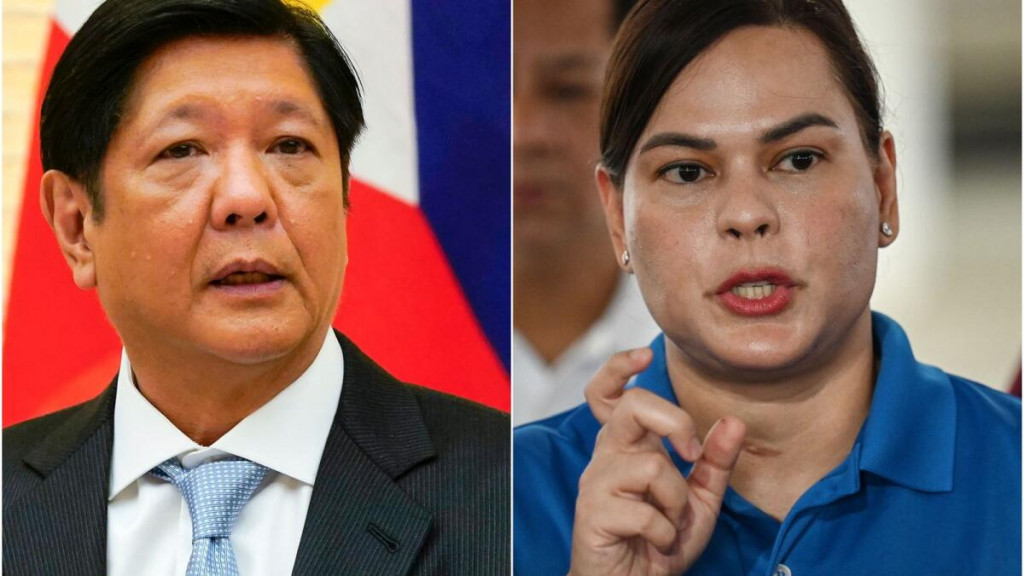
È in un contesto politico movimentato che le Filippine sono entrate nel 2025, un anno elettorale. Il 12 maggio il Paese sarà chiamato a rinnovare tutti i 317 seggi della Camera dei Rappresentanti nazionale, 12 dei 24 senatori e oltre 18 mila posizioni a livello locale per le elezioni di metà mandato, che cadono esattamente a tre anni dal voto delle presidenziali del 2022. All’epoca il Presidente Ferdinand “Bongbong” Marcos Jr. e la Vicepresidente Sara Duterte correvano insieme nel cosiddetto “Uniteam”, sostenendosi a vicenda nelle rispettive candidature alla presidenza e alla vicepresidenza (nelle Filippine l’elezione del presidente e del vice avviene con due voti separati, e il presidente può restare in carica per un solo mandato di 6 anni).

Si trattava di un’alleanza di comodo tra quelle che erano – e sono – le due famiglie più potenti del paese. Una aveva appena espresso il presidente, Rodrigo Duterte, in carica dal 2016 al 2022 e capostipite di un clan che governa la città di Davao, nel sud delle Filippine, dalla fine degli anni Ottanta. L’altra era composta dagli eredi del dittatore Ferdinand Marcos (padre di Bongbong, al potere dal 1965 al 1986), desiderosi di tornare alla ribalta in campo nazionale dopo decenni di dominio locale nella provincia di Ilocos Norte. Alla fine hanno avuto ragione entrambe, con Bongbong e Sara usciti nettamente vincitori dalle urne.

Nonostante i buoni propositi per una proficua collaborazione, però, l’Uniteam non ha retto alla prova di governo e si è sfaldato, un pezzo alla volta. Le recenti dichiarazioni di Sara Duterte rappresentano solo l’ultimo atto di una guerra dinastica cominciata a poche settimane di distanza dal voto e che ha poco a che fare con la politica, o il buon governo. Tra Marcos e il suo predecessore, Rodrigo Duterte, c’è piena continuità su buona parte delle questioni interne, dalla gestione dell’economia alle enormi lacune nel rispetto dei diritti umani. 

L’unica vera differenza sta nella politica estera. Le Filippine di Marcos hanno abbandonato l’approccio morbido e remissivo di Duterte con la Cina, che nel mar Cinese meridionale rivendica come propri parte dei territori internazionalmente riconosciuti all’interno della Zona Economica Esclusiva filippina, per spostarsi su una posizione più assertiva a difesa dei propri confini marittimi, allineata agli interessi degli Stati Uniti. Si è trattato di un cambio di atteggiamento radicale che da un lato ha incrinato i rapporti tra Manila e Pechino e dall’altro ha generato una serie di ripercussioni interne, tra cui lo smantellamento delle organizzazioni criminali cinesi legate in particolare alle truffe e al gioco d’azzardo (le cosiddette POGOs), considerate molto vicine alla famiglia Duterte.

In un Paese in cui le dinastie politiche dominano da sempre il panorama politico, locale e nazionale, lo scontro per il potere tra i Duterte e i Marcos si è spostato in parlamento. Diverse commissioni interne alle due camere hanno aperto un’indagine a carico di Rodrigo per definire la portata della sua “guerra alla droga” (si parla di almeno 30 mila uccisioni extragiudiziali di spacciatori e consumatori: rischia di essere formalmente accusato di crimini contro l’umanità) e contro Sara per fare chiarezza sull’uso dei fondi pubblici destinati ai suoi uffici, che si ritiene siano stati usati per scopi personali. 

Il potenziale abuso dei finanziamenti pubblici e le recenti minacce verso Marcos hanno portato il parlamento ad avviare tre procedure di impeachment contro Sara Duterte, che fa ampio uso di una retorica populista per mostrarsi all’opinione pubblica come la vittima di una persecuzione politica orchestrata dal presidente. Quello della disinformazione, delle fake news e dei contenuti fuorvianti sui social rappresenta un problema serio per molti degli osservatori delle Filippine, che temono il ripetersi di quanto già accaduto durante le elezioni del 2022, quando TikTok risultò molto importante per riabilitare l’immagine della famiglia Marcos e spianare la strada a Bongbong verso il palazzo presidenziale.

Intanto, mentre avanza lo scontro dinastico, fuori dalle sale del potere oltre la metà delle famiglie filippine si descrive come “povera” e milioni di persone faticano ad arrivare a fine mese. Marcos ha finora disatteso gran parte delle sue promesse economiche, in particolare riguardo il contrasto alla povertà, e le principali preoccupazioni dei cittadini restano legate all’inflazione, al basso livello dei salari e alle difficoltà nel trovare lavoro. Sotto Marcos, ad esempio, il contributo della manifattura al PIL filippino è sceso al 18%, il livello più basso dalla seconda guerra mondiale.

Al governo si contestano anche l’inadeguata risposta alle emergenze provocate dai tifoni (e in generale i carenti sforzi nel contrasto al cambiamento climatico), la continua repressione di attivisti e giornalisti e il prosieguo, seppur in modi molto più contenuti, della guerra alla droga di Duterte. La coalizione di sinistra Makabayan proverà a capitalizzare la frustrazione contro le élite al potere, cercando soprattutto di sfondare al senato, ma nonostante tutto sia i Marcos che i Duterte mantengono una buona base di sostenitori e saranno difficili da scalfire, per quanto il loro indice di gradimento sembri essere entrato in una fase calante. Entrambi i clan nel 2025 candideranno cinque componenti della famiglia, tra elezioni locali e nazionali, e Rodrigo Duterte correrà nuovamente a sindaco di Davao, città che ha già governato per vent’anni. 

Lo scenario più probabile è che le elezioni di metà mandato faranno nuovamente da sfondo a uno scontro tra dinastie politiche, durante il quale sia i Marcos che i Duterte proveranno a consolidare il proprio potere in vista del 2028, senza reali contendenti fuori dal cerchio dei grandi clan delle Filippine. E dunque senza una vera alternativa.

Aumenta l’export italiano in ASEAN

I dati del 2024: record per la crescita delle esportazioni Made in Italy in Vietnam

Il rialzo dei dazi da parte degli Stati Uniti potrebbe avere effetti positivi per l’export italiano, soprattutto da parte dei mercati emergenti. Secondo un approfondimento messo a punto dalla Farnesina, dopo la riunione presieduta dal ministro Antonio Tajani con alcuni rappresentanti del tessuto produttivo italiano, un ruolo importante potrebbe avere l’apprezzamento del dollaro sull’euro, verificatosi negli ultimi mesi, unito all’aumento delle scorte di merci da parte delle imprese americane. Anche misure tariffarie più elevate contro Cina e Messico potrebbero avere effetti opposti, aprendo spazi competitivi per il Made in Italy. In particolare, segnala la Farnesina, importanti opportunità per l’export italiano vengono dai mercati emergenti: Mercosur, India, ASEAN, Paesi del Golfo, Africa e Balcani. Le esportazioni italiane nella regione ASEAN hanno raggiunto 9,7 miliardi di euro nel 2023, con una crescita del 5,1%, confermata da un’ulteriore +11% nel 2024. I settori trainanti sono macchinari, chimica, tessile e agroalimentare. Sebbene il saldo commerciale sia negativo, il deficit si è progressivamente ridotto grazie alla crescente competitività del Made in Italy. Nello specifico, nel 2024 l’aumento più significativo è quello verso il Vietnam, dove si registra un ragguardevole +25%. La crescita riguarda anche gli altri Paesi dell’ASEAN e il dato è una chiara testimonianza della crescente apertura del mercato asiatico, che continua a rappresentare una frontiera chiave per l’industria italiana. Il trend si sta addirittura intensificando, visto che il solo dato di dicembre 2024 è addirittura di un aumento del 39,9%. Negli ultimi sei anni, l’interscambio commerciale complessivo tra Italia e ASEAN è cresciuto circa del 40%, più di Regno Unito, Germania e Francia, evidenziando il grande dinamismo delle relazioni economiche Italia-ASEAN. Gli strumenti di cooperazione economica tra l’ASEAN e l’Italia sono diversi e sfaccettati. Comprendono accordi commerciali, trattati di investimento, joint venture e programmi di cooperazione economica e tecnica. Questi strumenti mirano a ridurre le barriere commerciali, a promuovere gli investimenti, a favorire il trasferimento di tecnologia e a rafforzare i legami economici tra le due regioni. Insieme, costruiscono partenariati economici resistenti e reciprocamente vantaggiosi. Ad oggi, gli IDE italiani nell’ASEAN valgono 7,7 miliardi di euro, mentre gli IDE ASEAN ammontano a più di 800 milioni di euro. Si tratta di aumenti esponenziali da quando è stata fondata l’Associazione Italia-ASEAN. 

Benefits of the Johor-Singapore SEZ

The goal of the new special economic zone created by Malaysia and the city-state is to fill the respective gaps through the complementarity of the two economies to attract investment

By Emanuele Ballestracci

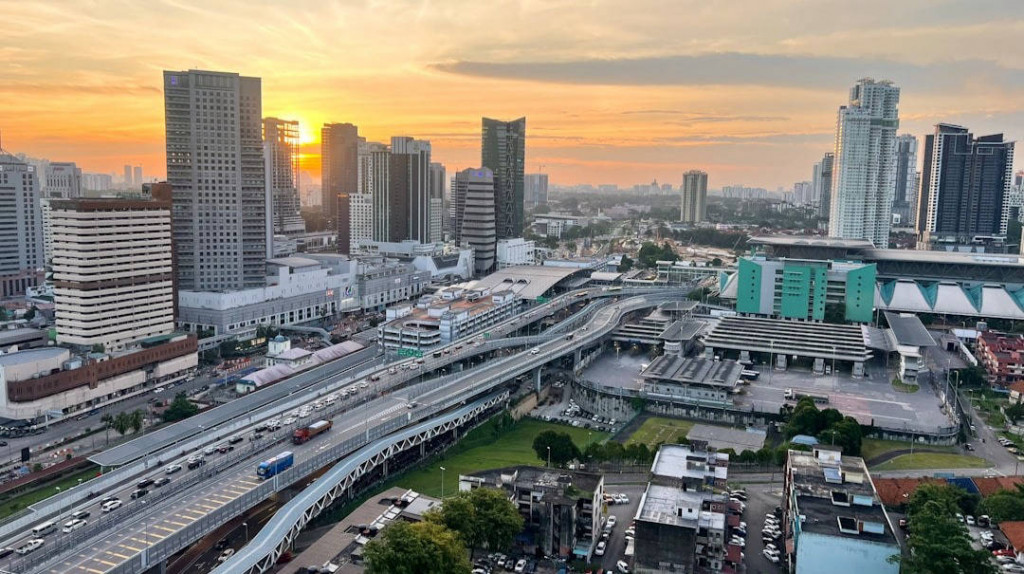
The Johor Strait is the natural border separating the southernmost region of the Malaysian peninsula, Johor, from the city-state of Singapore. The distance between the two coasts is just over a kilometer at the lowest points but, despite this, there are only two land links. The two causeways “Causeway” and “Tuas Link” date back to 1923 and 1998, respectively, and are reputed by most to be insufficient to handle the more than 350,000 people who make the cross-border transit every day. Much of this human flow are residents of the Malaysian regional capital of Johor Bahru (JB), commuting workers who travel to Singapore to enjoy the high salaries the metropolis offers. This journey takes an average of 3 hours total, and in the most extreme cases the home-work commute can reach 7 hours total, leaving at 4 a.m. or returning at 11 p.m. Conversely, Singaporeans travel to the other side of the Strait to spend a weekend away or purchase real estate, all at decidedly favorable prices and currency exchange. 

The Strait thus tells of two profoundly different faces of Southeast Asia: on one side a metropolis symbolic of modernity, efficiency and prosperity; on the other a decidedly more modest and chaotic region. Suffice it to say that Johor's GDP per capita stands at $8,600, while Singapore's is a good ten times that amount. Despite these huge differences, the two regions are deeply interdependent, especially economically, so much so that they have been conceptualized as a single “Straits Mega City-Region.” Indeed, Johor provides Singapore with basic necessities such as water resources and agricultural products, cheap labor, and ample space to lease Singaporean manufacturing. Conversely, Singapore's availability of capital, its state-of-the-art airport, and its huge port, the second busiest in the world, stimulate the development of Johor's local economy and connect it to global value chains. 

Pursuing greater economic integration was therefore a natural response to their respective needs for growth and structural characteristics. The two governments have especially encouraged this process since 1989, when the triangular growth partnership agreement “SIJORI” was launched jointly with Indonesia. The idea behind it was to attract investment through the promotion of Singapore, Johor and the Indonesian Riau Islands as if they were a single destination. Indeed, the complementarity of the three territories, which were already well-connected infrastructurally, would have offered both links to global value chains and financial markets and cheap land and labor. Subsequently, in 2006 Malaysia launched the “Iksandar Malaysia” economic corridor project, which, taking advantage of its geographic proximity to Singapore, was supposed to attract investment to Johor Bahru as well as areas close to the border with the city-state. This top-down initiative by the Kuala Lumpur government has been successful in stimulating local development, despite some glaring failures such as the Forest City megaproject, now a ghost town. 

The process of economic integration is now more than ever encouraged by the cross-strait executives. Indeed, the agreement to establish the Johor-Singapore Special Economic Zone, JS-SEZ, was signed last Jan. 7 at the 11th “Retreat between the Leaders of Malaysia and Singapore.” Its rationale is always the same: to fill the respective gaps through the complementarity of the two economies to attract investment. Not only that, the agreement also aims to optimize cross-border connectivity to enable greater movement of goods and people, as well as strengthen the business ecosystem within the region. In the area of cross-border mobility, a number of key projects had already been launched in recent years. In fact, the “RTS Link” rapid transit system is expected to be completed in 2026. This is a 4-kilometer light rail that will travel between the Singaporean underground station at Woodlands North and the Malaysian aboveground terminus at Bukit Chagar, near the Johor Bahru checkpoint, completing the journey in just 6 minutes. A new border document control system is also being tested from January 2024 that will allow the use of QR codes instead of physical passports, enabling faster transits. 

Despite their differences, Johor and Singapore thus continue to strengthen their ties through joint infrastructure and projects, confirming the crucial role of cooperation in the development of Southeast Asia.

Trump arrives, ASEAN looks to BRICS

Indonesia has officially joined the group. Malaysia, Thailand and Vietnam among partner countries

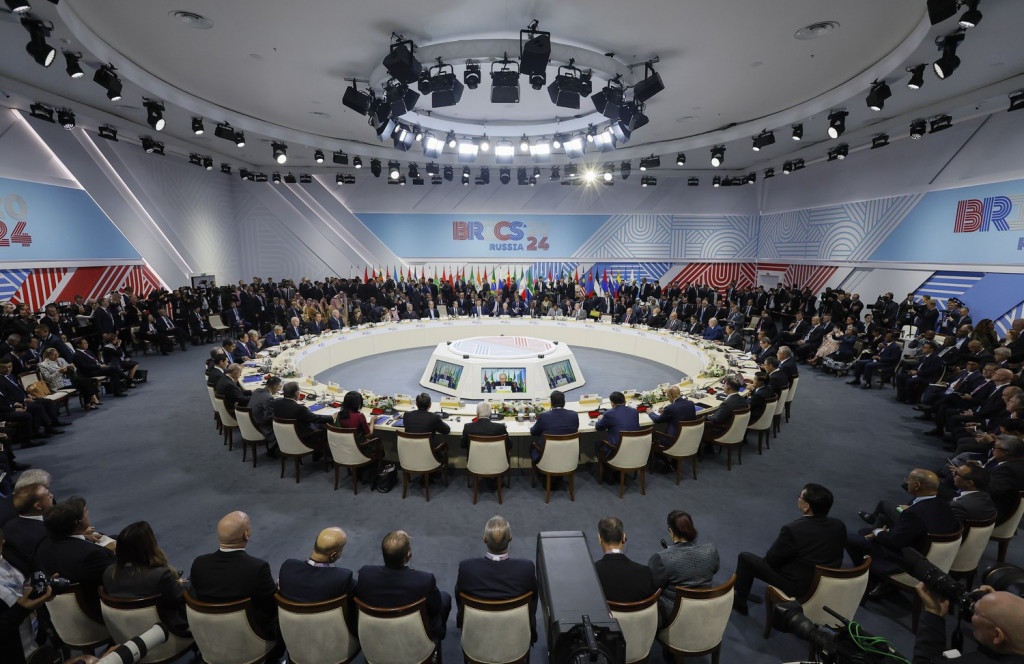
Indonesia's official entry into BRICS is significant news. The huge archipelago, the fourth most populous country in the world, is a crucial hub on several fronts. First, it is the leading economy in Southeast Asia, a region where amid winds of trade wars and threats of tariffs, several international giants have long taken root. Indonesia is attracting several investments. Elon Musk is working on building a battery plant for Tesla electric vehicles, while the Indonesian government is negotiating with Apple on a wide-ranging plan. This is no coincidence, as the country is rich in crucial resources for the green tech industry. Such as nickel, on which Chinese companies have gained a foothold. But Indonesia also plays a notable role on the political-diplomatic front. Jakarta has often played a role as a regional stabilizer, mediating on sensitive issues such as the South China Sea. Indonesia is also the sole ASEAN representative at the G20, where it has often championed a worldview based on free trade, neutrality, pacifism, and pragmatism. For newly appointed President Prabowo Subianto, joining the group means advancing the goals of food security, energy independence, poverty reduction and human capital development. Analysts say the move is a turning point in Indonesia's historic policy of nonalignment, which is being transformed into a multi-alignment that strengthens ties with both Western countries and those in the so-called Global South. Not coincidentally, Indonesia is concurrently pursuing its OECD membership process. “However, the BRICS are increasingly attractive to emerging powers,” writes Richard Heydarian in Nikkei, according to which this not only reflects the rapidly shifting balance of power on the global stage, but, crucially, allows emerging countries to express their discontent with the U.S.-led international order and collectively protect themselves from the potentially disruptive impact of the second Trump presidency. After enlargement in 2023, the group now accounts for about half the world's population and 30 percent of global domestic product, contributing more than 50 percent of growth. After Indonesia, Turkey and Malaysia may soon join, while Brazil has already announced the inclusion of Cuba, Bolivia, Kazakhstan, Uzbekistan, Thailand, and Uganda in the large list of partner countries.

Chinese Investments in Southeast Asia

A Growing Hub for Global Manufacturing

By Luca Menghini

Chinese investments in Southeast Asia have grown significantly in recent years, transforming the region into an important manufacturing hub. This trend is driven by rising production costs in China, increasing geopolitical tensions, and a strategic shift towards diversifying supply chains. ASEAN countries, thanks to their strategic location, competitive labour costs, and investment-friendly policies, are at the forefront of this transformation, attracting substantial Chinese investments across various sectors.

The drive for this shift stems from ongoing trade tensions between China and the United States, which have disrupted traditional supply chain flows. U.S. tariffs and stricter rules of origin have pushed Chinese companies to relocate manufacturing operations abroad to bypass these barriers. Southeast Asia represents an attractive alternative due to its proximity to China, established trade agreements, and cost advantages. Countries like Vietnam, Thailand, Malaysia, and Indonesia have become key destinations for these investments, reinforcing their role as indispensable players in global supply chains.

A clear indicator of this trend is the rapid growth in exports of intermediate goods from China to ASEAN countries. From January to November 2024, exports of these goods to Vietnam alone increased by 32% compared to the previous year, accounting for over 70% of China’s exports of mechanical and electrical products. This reflects a broader pattern of Chinese companies shifting supply chains to ASEAN countries to mitigate risks associated with geopolitical tensions and tariffs. This shift marks a new chapter in the globalization of manufacturing, with Southeast Asia taking on an increasingly central role.

The region's appeal to Chinese investors lies in its competitive labour market. Average wages in the manufacturing sector in ASEAN countries remain significantly lower than in China, with hourly rates ranging from USD 1.50 to USD 3 in Vietnam, Thailand, and Malaysia, compared to USD 8.27 in China. This wage disparity offers a strong incentive for labour-intensive industries to relocate. However, substantial productivity differences persist, and Chinese manufacturers are addressing this challenge by investing in workforce training and adopting advanced automation technologies—a strategy aimed at replicating China's success in building an efficient industrial base.

Southeast Asia's infrastructure, although still developing, is undergoing significant improvements to support this manufacturing boom. Governments in the region are heavily investing in transport systems, ports, and energy systems to enhance their attractiveness to foreign investors. For example, Indonesia is leveraging its rich nickel reserves to create a robust electric vehicle (EV) supply chain, including battery and component production. Meanwhile, Thailand is positioning itself as a hub for EV assembly, supported by subsidies and localization requirements aimed at promoting domestic production capabilities.

Among the main beneficiaries of Chinese investments are the electronics and automotive industries. Vietnam, now one of the leading exporters of electronics, has seen a significant inflow of foreign direct investment (FDI) from Chinese companies looking to leverage its growing manufacturing capabilities. Similarly, Malaysia and Thailand have become central to the automotive sector, with numerous Chinese companies establishing operations to produce components and assemble vehicles. These investments align with global trends favouring sustainable energy solutions, such as the rapid growth in electric vehicle (EV) production.

Chinese companies are also leveraging ASEAN's favourable trade policies to access broader markets. Initiatives such as the Regional Comprehensive Economic Partnership (RCEP) have streamlined trade procedures and reduced tariffs, making the region more attractive to businesses. By enabling products to cross borders multiple times with minimal costs and bureaucracy, RCEP has reinforced Southeast Asia's role in global supply chains. Furthermore, the region's integration with the Belt and Road Initiative (BRI) has further deepened economic ties between China and ASEAN, facilitating greater investment flows.

Despite these advantages, significant challenges remain, such as political instability, regulatory discrepancies, and infrastructure gaps, which in some ASEAN countries pose risks to long-term investments. For instance, inconsistent legal frameworks and fragmented customs procedures can increase compliance costs for companies operating across multiple jurisdictions. Additionally, while ASEAN countries boast lower labour costs, the availability of skilled workers in high-tech sectors remains limited. This has prompted Chinese companies to invest in vocational training programs and educational initiatives, addressing the skills gap and ensuring sustainable operations.

Environmental considerations are another crucial factor influencing investment decisions. Southeast Asia is among the regions most vulnerable to climate change, with rising sea levels and extreme weather events posing significant risks to infrastructure and production facilities. In response, ASEAN governments are increasingly prioritizing sustainability in their development strategies. Renewable energy initiatives, such as Vietnam's rapid expansion of solar power, highlight the region's commitment to green growth. These efforts are essential for attracting environmentally conscious investors and meeting global sustainability standards.

Geopolitics also plays a significant role in shaping the dynamics of Chinese investments in ASEAN. The region's strategic position at the crossroads of major trade routes enhances its importance in global economic networks. ASEAN countries have skilfully maintained a balance between economic partnerships with China and security alliances with the United States. This delicate diplomacy has enabled them to attract investments from both superpowers while minimizing the risk of becoming entangled in their geopolitical rivalry.

Looking ahead, Southeast Asia's role as a manufacturing hub is set to grow, but it is unlikely to completely replace China's dominant position. The region's success will depend on its ability to address existing challenges, such as improving infrastructure, enhancing workforce productivity, and promoting greater regional integration. Initiatives like the ASEAN Highway Network and trans-regional energy projects demonstrate the region's commitment to building a more interconnected and efficient economic bloc.

In conclusion, Chinese investments are transforming Southeast Asia into a critical manufacturing hub, with far-reaching implications for global trade and supply chains. While the region faces significant challenges, its strategic advantages, combined with sustained investments and supportive policies, position it as a key player in the evolving global economic landscape. As ASEAN continues to attract and integrate foreign investments, its influence on global manufacturing will deepen, offering opportunities for economic growth and development in the years to come.

Thailand, green light for Lgbtq+ marriages

As of January 22, Bangkok is the first Southeast Asian country to allow same-sex marriages. An event of historic significance 

Vittoria Mazzieri

After a favorable vote by Thailand's House of Representatives and Senate in April and June 2024, respectively, the Marriage Equality Bill was approved by King Maha Vajiralongkorn in September. A historic event that confirmed the hopes of thousands of Lgbtq+ couples waiting to legally celebrate their union. From the ruler's signature, as reported by the Royal Gazette, 120 days must pass for the law to take effect. 

As of Jan. 22, Thailand is the first Southeast Asian country to take this step. The new Thai law also grants rights to adoption, health care and inheritance, as well as amending the nation's Civil and Commercial Code with terms such as “individuals” instead of “men” and “women.”

Bangkok approaches the cathartic date with a series of recognitions behind it. In June 2024, the streets of the capital hosted a record-breaking pride with more than 200,000 people in attendance, the largest in the country's history. And a number of cities celebrated their first parade, including the small seaside resort of Hua Hin and Phuket, capital of the island of the same name that has become one of the country's most popular tourist destinations.

In August, moreover, immigration authorities launched the “Welcome Pride by Immigration” campaign, making use as they have in other communications of the extended acronym lgbtqia2s+ (where “2s” stands for the “two spirits,” a term from the tradition of indigenous communities in North America). In essence, a concerted effort to address the problems that can arise during background checks when there are discrepancies between physical appearance, when faced with a person who has undergone surgery and hormone therapies, and gender markers on the passport, which are often regulated by the laws of the countries of origin. Relevant offices are now asked to examine alternative identity documents, such as medical records and biometric data.

This measure has contributed to the solid reputation Thailand has built over time: a kind of paradise for the lgbtq+ community, where now-iconic gay-friendly venues spring up in the same neighborhoods that have become must-see stops for users of the country's huge sex industry (which accounts for more than 10 percent of the national GDP). In Bangkok and Pattaya on the West Coast, drag events are held alongside the go-go bars where young, paying male tourists flock. On the Medium portal, user Tracy.3 recounts his own personal experiences, citing a few: the now-famous DJ Station, on Si Lom Road, and The Stranger Bar, on Soi 4, both crowded streets of Bangkok. But also Silversands Bar in Samed, a small island that has become a popular tourist destination since the 1980s.

The economic impact of this kind of activity has not gone unnoticed. It is even spoken of in terms of “pink baht,” indicating the spending power of queer consumers to whom agencies scattered across the country devote increasingly specific travel packages. “We have something for everyone,” reads the website of ‘Go Thai Be Free,’ the campaign launched in 2022 by the Tourism Authority (TAT) to encourage people from the community to visit the country. On the platform, Thailand is presented as “the most welcoming country for lgbtq+ people in Asia.”

In terms of tourism impact, 2025 looks to be an even more promising year. Meanwhile, in an effort to regain the momentum lost during Covid-19, the Thai government recently set a goal for 2025 to surpass the admissions recorded in 2019 and hit 40 million visitors. It's a challenge for Paetongtarn Shinawatra, heir to Thailand's most famous political dynasty and elected premier last August after the dissolution of Move Forward, the progressive party that had technically won the 2023 elections: they are aiming to grow and reach record numbers while having to respond to warnings about the impact of mass tourism on nature areas. One among them Maya Bay, on the island of Ko Phi Phi Leh, closed to visitors from 2018 to 2022.

The “pink baht” will contribute to the purpose. A report commissioned by the travel platform Agoda estimates that the new law could boost inbound travel by 10 percent, increasing tourism spending by more than $2 billion. Those directly affected could be the more than 3.5 million people who live less than five hours away by air and are denied the opportunity to tie the knot in their home countries. “We are already taking registrations of international couples who are ready to get married in Thailand,” said activist Ann Chumaporn, co-founder of Bangkok Pride, which plans to engage more than 1,000 lgbtq+ couples for a mass wedding that will take place on January 22 itself.

But beyond the recognition gained and the degree of visibility achieved in the media, time and effort are needed to loosen the social stigma that still permeates much of society. “Tolerance and visibility do not equal safety and rights,” activists warn. A report dating back to 2019 by the United Nations Development Program (UNDP) shows that 50 percent of queer people surveyed have experienced discrimination in the family context. The scenario that emerges is clear: Thais are generally more tolerant outside than inside their families. Thailand will continue to be a happy island for queer tourists, but associations are banking on major events to strengthen their recognition on the international front. Phuket has been proposed as the host city for InterPride 2025, the meeting of all associations active for community rights held this year in Medellín, Colombia. And the intention is to demonstrate its “rainbow soft power” by targeting the bigger event: the 2030 WorldPride.

ASEAN trade and diplomacy tested by Trump’s return

Article by Pierfrancesco Mattiolo

Donald Trump takes the oath of office for the second time, generating concern and uncertainty among ASEAN governments. His trade tariffs seem more like threats than promises, designed to push partners into making concessions without needing to implement them. Following Joe Biden’s efforts to strengthen cooperation and America’s presence in the region, Trump may show less interest in Southeast Asia, favouring a transactional approach of quid pro quo.

The new Trump administration is ready to take over the West Wing of the White House. Analysts and third-party countries anticipate a second term that will be more aggressive and prepared than the first. Trump has promised swift changes in certain regions, including ending the war between Russia and Ukraine, stabilising the Middle East, and maintaining a tough stance on China. However, in other areas, such as Southeast Asia, it is harder to predict the impact of his new administration. Hoang Thi Ha and William Choong, Senior Fellows at the ISEAS-Yusof Ishak Institute in Singapore, foresee another four years of absence and disinterest from Trump, similar to his first term, during which he did not even appoint ambassadors to ASEAN and Singapore. In contrast, Barack Obama and Joe Biden distinguished themselves for their engagement with the Organisation and its governments.

The key point of Trump’s agenda, at least on the surface, is tariffs and rebalancing trade deficits with countries exporting to the US more than they import. In Trump’s narrative, and that of his most protectionist allies, these policies aim to bring jobs back to American soil and benefit the working class, which has been disadvantaged by globalisation. The first step in this direction involves ending or scaling back programmes that facilitate trade, such as the Generalized System of Preferences (GSP) or the Indo-Pacific Economic Framework (IPEF) championed by Biden. The GSP reduces tariffs on goods imported from developing countries; during Trump’s first term, India and Turkey were removed from the list of beneficiaries due to their trade surpluses. Nearly 60% of the goods covered by the GSP exported to the US by ASEAN come from Thailand and Indonesia, meaning their removal would hit them hard—as well as their American customers, who would face higher supply costs. The IPEF, meanwhile, aimed to establish shared rules on certain matters without offering market access between members. Trump dismissed the initiative as a ‘TPP Two’, referencing the more ambitious Trans-Pacific Partnership he blocked during his first term, so this project is also likely to be shelved.

The second step would involve reducing trade through the imposition of new tariffs and other protectionist measures. Trump’s electoral platform included a proposal for universal tariffs of between 10% and 20%, increasing to 60% for Chinese goods. Such measures would negatively impact not only trade partners but also the US economy and consumers. Trump’s tariffs should perhaps be seen as a potential threat rather than a concrete promise. Analysts describe a return of ‘transactionalism’ to Washington (and international politics). To avoid the risk of being targeted by Trump’s executive orders, third-party countries (and businesses, even American ones, with regard to domestic policies) may prefer to make pre-emptive concessions to the President-businessman, thereby avoiding costly trade battles. In other words, the threat of tariffs may prove more effective and quicker than their implementation in achieving the promises Trump made to his electorate. Rather than broad tariff increases, the new administration might employ these tools more flexibly (and unpredictably). A sign of this approach is the exclusion of Robert Lighthizer, the US Trade Representative (USTR) during Trump’s first term and the ‘ideologue’ of blanket tariffs, from the new cabinet. Although Lighthizer had been a frontrunner for positions like Secretary of the Treasury or Commerce, the roles ultimately went to Wall Street figures, Scott Bessent and Howard Lutnick, respectively. The new USTR will be Jamieson Greer, the former chief of staff to Lighthizer, with the unusual twist that his office may now report directly to Commerce Secretary Lutnick. This organisational structure has partly alarmed Trump’s more protectionist allies but reassured financial circles in the US that tariffs will be used opportunistically rather than ideologically.

Going back to Southeast Asia, the hypothetical tariffs of 10%–20% would lead to a 3% decline in exports from the region (excluding China) to the US, while US exports to the region could drop by 8% due to likely retaliatory tariffs and reduced demand. Investment flows could also shift, as Trump favours companies investing in America, potentially keeping more US capital at home rather than financing development in ASEAN. Conversely, ASEAN firms might invest in the US to maintain market access. Diversifying investment sources by engaging alternative partners like the EU and Japan will also become more critical. Trump’s policies could, however, bring opportunities for ASEAN countries, as China is likely to bear the brunt of the measures, prompting businesses to relocate southwards to avoid steep tariffs. This trend began during Trump’s first term and accelerated under Biden’s friendshoring strategy, which prioritised supply chain relocation to allied countries.

Yet, a potential decoupling between the US and China is not without risks for ASEAN, whose exports to the US often include Chinese components, while the region supplies China with raw materials and parts for products destined to America. Reduced Chinese exports could therefore have negative effects on ASEAN’s trade. Additionally, the growth in imports from Vietnam, Thailand, and Malaysia—nearly doubling or more between 2017 and 2023—might push Washington to ‘rebalance’ trade with these nations. Hanoi, for instance, is concerned, as it has become the third-largest exporter to the US (after China and Mexico), and in 2019 Trump labelled Vietnam ‘the worst abuser’ of international trade. Perhaps in an attempt to curry favour, the Vietnamese Communist Party facilitated a $1.5 billion investment by the Trump Organisation to open a golf course near Hanoi.

Tensions between the US and China may also significantly impact regional security. The appointments of Mike Waltz as National Security Advisor and Marco Rubio as Secretary of State have brought ‘China hawks’ to the forefront of the new Republican administration. Here too Trump may adopt a transactional approach, as demonstrated by his comparison of South Korea to a ‘money machine’. Trump vaguely suggested that Seoul could pay $10 billion annually for the presence of US troops on its soil. This mere allusion prompted South Korea to increase its annual contribution to US military costs by 8.3%, reaching $1.13 billion by 2026. Among ASEAN countries, the Philippines is especially exposed to potential shifts in US policy, given the deepened defence cooperation between Manila and Washington under Ferdinand Marcos Jr. and Joe Biden since 2022. A concern is that Trump, eager to demonstrate its characteristic ‘art of the deal’, might trade away the interests of regional partners, such as in the South China Sea or Taiwan, as bargaining chips with China to secure deals on issues personally significant to him.

In conclusion, Trump’s transactional, ‘deal-making’, diplomacy presents significant risks (and some opportunities) for ASEAN countries. It marks a sharp departure from Biden’s strategy of fostering cooperation and offering political and economic support to allies in exchange for their participation in the US strategy towards China. While Biden has been criticised for overlooking human rights and political violations in allied countries, this issue may not even arise with Trump. Maintaining a careful balancing act between Washington and Beijing – which are both perceived as necessary strategic and economic partners, even if at odds and sometimes overbearing – is likely to become even more critical for ASEAN governments. Additionally, preserving ASEAN’s multilateralism could protect the region from divide et impera tactics by the superpowers. Alternative partners like the EU and Japan may also gain prominence.

Recently active members
Foto del profilo di Alessio
Foto del profilo di Monika
Foto del profilo di Gabriel
Foto del profilo di Elena
Foto del profilo di Lorenzo
Foto del profilo di Alessandro
Foto del profilo di Cristina
Foto del profilo di Rocco
Foto del profilo di Clara Lomonaco
Foto del profilo di Redazione
Foto del profilo di Davide Gugliuzza
Foto del profilo di Anna Affranio
Foto del profilo di Ilaria Canali
Foto del profilo di Nicolò
Foto del profilo di Angelo Cangero
Who is online
There are no users currently online
Members
  • Foto del profilo di Alessio
    Active 5 ore, 29 minuti fa
  • Foto del profilo di Monika
    Active 3 giorni, 18 ore fa
  • Foto del profilo di Gabriel
    Active 3 settimane, 4 giorni fa
  • Foto del profilo di Elena
    Active 1 anno, 4 mesi fa
  • Foto del profilo di Lorenzo
    Active 2 years, 6 mesi fa