ASEAN-EU cooperation on climate

Climate change is real, and Southeast Asian countries have already experienced its effects in the most impactful way. Here is why inter-regional cooperation between ASEAN and the EU is an opportunity to achieve sustainability.

According to science, climate change is already irreversible. Indonesia, Thailand, Vietnam, Myanmar and the Philippines are among the most affected countries. Indeed, even though no country is immune, this region is particularly vulnerable. In this regard, inter-regional cooperation between the Association of Southeast Asian Nations and the European Union is deemed to be a great opportunity to enhance sustainable production practices and critical consumption.

It is quite hard to assess responsibilities when it comes to environmental deterioration and climate change. Developing countries blame the most developed ones of having profited from the exploitation of environmental resources; on the contrary, developed countries evolved in informed markets of consumers, sensitive to ecological issues, therefore they accuse developing countries of polluting. Indeed, these countries usually leverage bland regulations on environment in order to attract more foreign direct investments (FDIs) within their territory. However, it is hard to define what is a scientific posture towards the issue and what is mere political rhetoric. Nonetheless, this debate should not distract us from a very urgent fact: climate change is here. 

Two other facts are real when dealing with the debate on climate change. First, the unprecedented frequency of storms, droughts and meteorological and environmental phenomena are among the effects resulting from human activity. Indeed, the Nobel Prize in Chemistry Paul Crutzen introduced the term “anthropocene” to indicate the current geological era. Here, human beings compromised the survival of the planet through polluting activities, often determined by unsustainable production rates. The second certain element is that poor populations of developing countries are the most vulnerable, and those least resilient to bounce back from the disruption of environmental disasters. Insufficient economic resources and unstable public institutions are a weakness. This can cause the transformation of environmental disasters in social disasters, thus compromising the long-term stability of the socio-economic fabric of local communities.

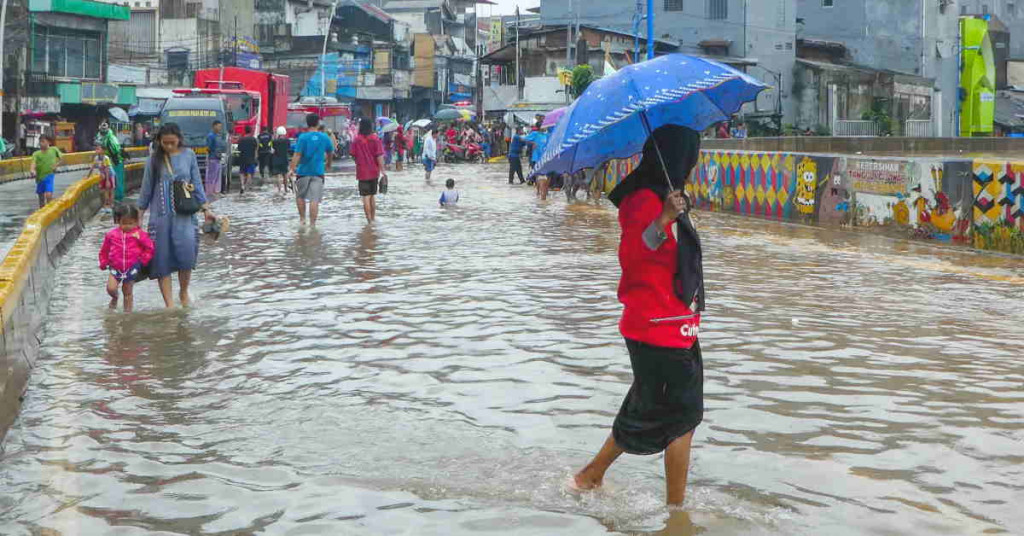
These issues, together with that of food security, are particularly urgent among the countries of Southeast Asia, for two main reasons. First, most of the inhabitants are concentrated in coastal areas. As an instance, Jakarta is a case of the variety of risks associated with climate change. Urban residents of Indonesia are estimated to represent 65% of its total population in 2025. By that date, the Indonesian capital will probably be 95% submerged by the Java Sea. The most populous country in Southeast Asia is not news to this kind of environmental phenomena, which have become increasingly recurrent and aggressive since the 1960s. Thailand is also accustomed to floods and storms, which once hit it less frequently and caused less damage: Bangkok, sinks about 1-2 centimeters every year, and at this rate in 2030 it will be below sea level. Similarly, the development of the city of Da Nang in Vietnam, which thanks to the centrality of its geographical position is regarded as an important hub for the Vietnamese transport and service sectors, is slowed down by continuous flooding. Finally, according to the il Global Climate Risk Index, Myanmar and the Philippines are regularly exposed to severe tropical cyclones and are unlikely to recover in time from the disasters of previous years, with the result that the damage adds to each other, weighing on the local population.

Secondly, climate change impacts most severely on agriculture, a pivotal economic sector for most of the ASEAN countries. Namely, wheat, rice and maize crops are extremely susceptible to adverse weather conditions. In addition to being compromised by the unpredictability of these climatic phenomena, agricultural activities also cause the largest share of emissions of which the economies of Southeast Asia are accused, responsible of the intense consumption of energy and fossil fuels.

This scenario makes the promotion of international cooperation all the more necessary. In addition to being part of the Paris Agreement, ASEAN founded its own working group in 2009, the ASEAN Working Group on Climate Change. It is a consultative platform designed to promote regional cooperation and climate action with international partners, as well as with local communities. ASEAN Senior Officials on the Environment also carries out coordinated action between member countries and various dialogue and development partners; in addition, the ASEAN Climate Resilience Network is dedicated to sharing information, experiences and skills related to climate smart agriculture.

ASEAN therefore uses its institutional platforms to fight against climate change. In this regard, cooperation with the European Union is particularly relevant. In addition to the contribution of multilateral institutions, last November ASEAN held a broad dialogue on climate change and international responsibilities, when their respective commitments were reiterated. In the wake of the European Green Deal, Southeast Asia can use on the long-standing experience of the Union on the subject of regulations against the abuse of plastic, and for the promotion of biodiversity and the circular economy. The cooperation between the two regional entities is also supported by the Enhanced Regional EU-ASEAN Dialogue Instrument, within which dialogue between countries is promoted in various areas of interest, including sustainability, environment and climate change. As Vandana Shiva argues, expert in social ecology and environmental activist, in order to imagine a sustainable future for our planet, a paradigm shift is essential, no longer based on the predation of environmental resources or on unregulated competition, but on the sharing of information, practices and responsibility. In this sense, ASEAN-EU inter-regional cooperation represents a real opportunity to be able to imagine alternative models of socio-economic development, in the name of the respect for the environment.

By Agnese Ranaldi

Vietnam confirms its leadership

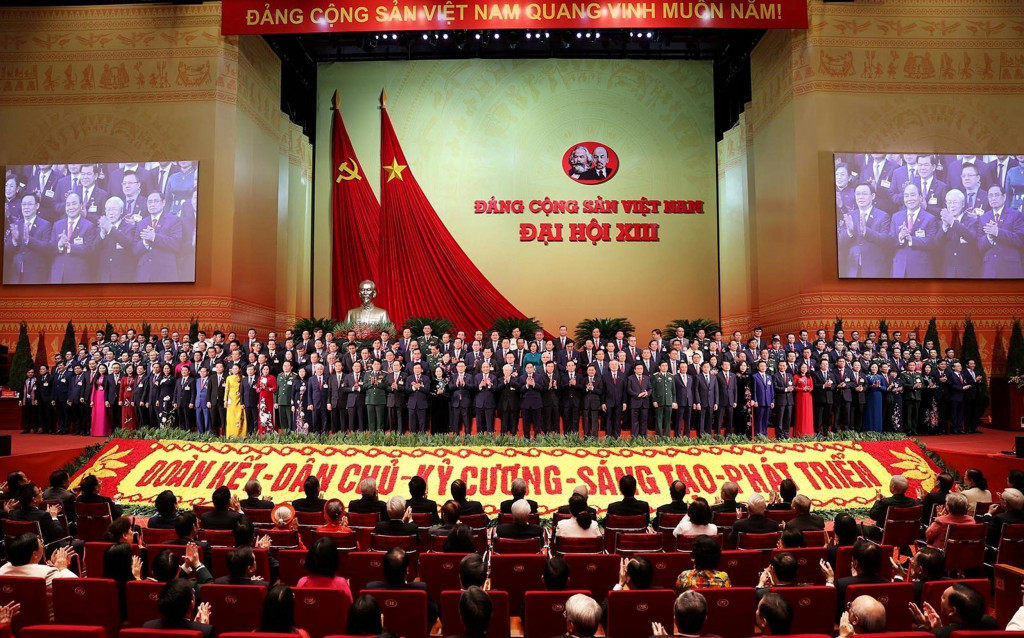
The XIII Congress of the Vietnamese Communist Party discusses the transformation of Vietnam into a great international power

2021 will be an important year for understanding the direction the Southeast Asian countries will take in the future, which appears uncertain now more than ever. Vietnam makes no exception and, against all odds, concludes the year of the pandemic with a growth in the economy of almost 3%, by showing an exemplary management of the health emergency. In this context the XIII Congress of the Communist Party of the Socialist Republic of Vietnam took place, which ended on February 2nd, after the appointment of the main party organs.

Vietnam has what is informally called a "four-pillar" political structure, which includes as many dominant leadership positions: the General Secretary of the Party, the President of the State, the Prime Minister and the President of the National Assembly. Since 2018, however, following the sudden death of President Tran Dai Quang, the positions of Secretary General and President of the State have been combined into a single pillar.

At the end of the Congress the figure of Nguyen Phu Trong emerged, reconfirmed for the third time as Secretary General and President for the new 2021-2025 term, becoming the longest-serving party leader in the history of Vietnam. The re-election of the 76-year-old former Secretary General came as a surprise to everyone, first of all for Trong himself, who supported instead the appointment of his colleague Tran Quoc Vuong. However, as the National Congress later declared, the choice fell on a figure already known and able to ensure stability for the party and the country in a time of profound global uncertainty, among a pandemic crisis and an economic recession. However, it remains possible that Trong resigns during his new term if a suitable candidate is found to fill the position.

The second notable name within the Vietnamese political landscape is Nguyen Xuan Phuc, reconfirmed once again as Prime Minister. Nguyen Thi Kim Ngan, head of the National Assembly since 2016 and the first woman to hold this position, remains in power.

Through the words "Solidarity, Democracy, Discipline, Creativity and Development", the National Congress has set itself the goal of elaborating, on the basis of the resolutions approved in the past years, the new guidelines that will direct the Party's action over the next term. A number of topics were examined, including the leadership skills of the members of the Politburo, the transparency of the political process and people's trust in the Party, in the State and in the socialist ideology. Furthermore, in the current emergency situation, the Party will undertake to seek the prosperity of the country and the happiness of its citizens, promoting solidarity and national unity. The objectives of industrialization, modernization, national security and the creation of a stable and peaceful environment in the Southeast Asian region, as well as the transformation of Vietnam into a great international power oriented towards socialism, remain at the fore. As for the implementation of the plan, the XIII National Congress has elaborated a complex of 12 strategic directions for national development in the 2021-2030 term. In this regard, the need to strengthen - and build, if they were not already present – institutions, in order to encourage the sustainable development of Vietnam, the socialist market economy, industrial transformation, emerging enterprises and digital transition has been highlighted. Furthermore, important changes are required in the area of education and training of qualified human resources. The Head of State, then, recommended: to stimulate human progress in all its facets, without neglecting the Vietnamese cultural identity; to fight vigorously against climate change, natural disasters and epidemics; to prevent conflicts, safeguard sovereignty and territorial integrity; to exploit the earth's natural resources and improve the quality of the environment; and finally, to implement a foreign policy characterized as much by independence and self-determination as it is dedicated to strengthening multilateral relations and integration into the international community.

But there is more. Long-term goals are also foreseen, such as transforming Vietnam into a modern upper-middle-income economy by 2030 and achieving a high per capita income by 2045. Certainly, ambitious goals, but also likely to happen for a State that shows steady GDP growth, despite adversity. Not to forget the interpretation offered by President Trong, according to whom all of this becomes achievable only through love for the homeland, resilience and national unity.

Challenges and opportunities for the G-20 Italian Presidency

For the first time, Italy will chair the G-20 will have to mediate between the US and China. The handover with Indonesia can help put Asian issues at the centre.

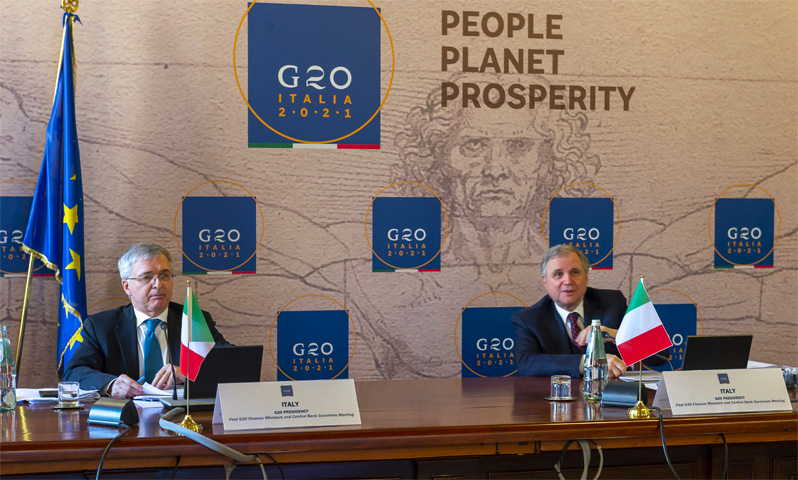
For the first time since its establishment, the G-20 will be chaired by Italy. The Italian Presidency began in December 2020 and will end on 30-31 October 2021 with a large conference of all the heads of state and government in Rome. Before the Roman Summit, various ministerial-level meetings will take place on various issues in several Italian cities in the period between May and October. For Italy, it is a great opportunity to be the undisputed protagonist on the stage of international politics. 

The central themes on which the Italian Presidency has decided to set the work of the G-20 are three: People, Planet and Prosperity, exemplified in the acronym 3Ps. These are three concepts based on the United Nations 2030 Agenda for sustainability. Indeed, we can speak of social sustainability in favour of People, environmental sustainability concerning the Planet and also economic sustainability with regards to Prosperity. The fact that sustainability is at the centre of the forum suggests that our country intends to play a leading role in building a new international economy based on the respect for the planet and the protection of people. Alongside sustainability, the issue of health will also be central, given that Italy will chair the Global Health Summit together with the European Commission and therefore we can expect a strong commitment from the Italian Presidency on the current problem of the pandemic and how to counter it with global measures.

A challenge that awaits our country, under the leadership of the new Draghi executive, will be to play a mediating role between the US and China. With this in mind, the Rome Summit will also be the first major international event in which the new President Joe Biden will meet with Chinese President Xi Jinping. As already demonstrated by Biden's words at the recent G-7, the US has decided to leave Trump's isolationist season behind and to return protagonist in international politics. Surely the new President will bring to the table the theme of the greater commitment of the USA to sustainability and compliance with the Paris climate agreements, as well as support for the battle against the virus and the end of the "tariff war" with China, but it will make its voice heard about Hong Kong, the Uighurs and the delicate conflict in the South China Sea. Italy will have to be ready to facilitate dialogue between the two giants and perhaps it will find a valid ally for this task precisely in the country that will succeed ours as Chair of the G-20.

Indeed, in 2022 it will be up to Indonesia to coordinate the work of the international forum. Indonesia is not only the most populous Muslim country in the world and the third most populous in Asia, but it is also a member of ASEAN (the only one of these in the G-20) and certainly among all, it has been the most committed to greater integration and democratization among the countries of Southeast Asia, as demonstrated by the recent case of the coup in Myanmar. For the "archipelago state", the Presidency of the G-20 will be the long-awaited opportunity to demonstrate to the world that democracy and Islam can coexist, that the country is on its way to development and shares the battle for sustainability and that it is a valid actor in international politics. It will try to exploit its position to better integrate ASEAN with the G-20 and will certainly play a mediating role between the US and China, also not to get trapped in their dispute.

Italy will have to team up with Indonesia to facilitate dialogue between the US and China, to soften relations between China and India and to strengthen UE-ASEAN relations. It is good to remember that Italy (together with Germany and France) has recently become an ASEAN Development Partner and this certainly constitutes a privileged observation point for the Asian scenario that our country must be able to make the most of, especially given the handover with Indonesia. Finally, it should not be forgotten that the EU and Indonesia have been negotiating a trade agreement for several years, but the differences of opinion on palm oil are effectively blocking it. The hope is that the Italian Presidency will be able to unlock this trade dossier, as well as those with the other ASEAN countries. A closer relationship between the EU and ASEAN through Italy and Indonesia will improve the dialogue between Europe and Asia and prevent the two geographical areas from being trapped in the dispute between the US and China.

By Niccolò Camponi

The new Japanese strategy

Mitsubishi's surprise announcement: after exiting Europe, it will focus on ASEAN. The choice of the Japanese multinational is a case study for the changing world.

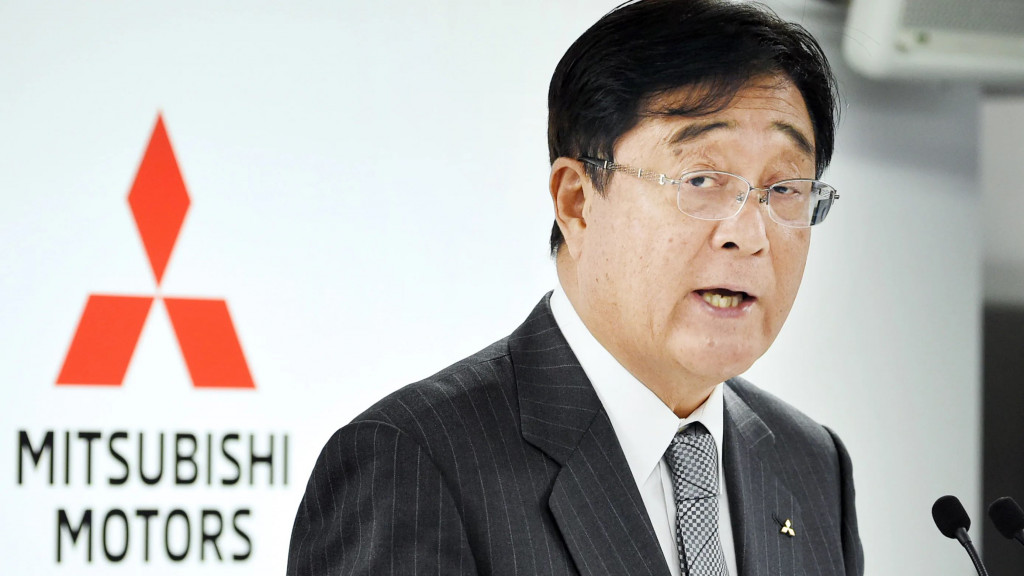
Stringent standards on pollutant emissions and increasingly strict technical regulations have made Europe a difficult place to do business for a large automotive multinational. What's more, while the EU is increasingly becoming a niche market, the new consumers are elsewhere. Guided by similar considerations, Mitsubishi Motors Corporation (MMC) recently announced its intention to suspend operations in Europe once its current production line is completed. In doing so, MMC, a few years after its 'compatriot' Daihatsu, has decided to abandon Europe, where it has had a presence since 1975, to focus on the emerging and increasingly lucrative markets of Southeast Asia.

According to Sammu Chan, senior analyst at LMC automotive, Japanese automakers have a problem with Europe: "From emissions regulations and difficult market conditions to premium segment pressure and domestic competitive pricing, they face a nightmare scenario when it comes to the question of sustainable profitability in Europe." The issue of greatest concern seems to be emissions, especially given the fines threatened by the European Union to the United Kingdom as part of its carbon emissions regulations. "With such stringent CO2 targets in Europe" - according to Chan - "a clear EV strategy is needed to thrive over the next decade," which not everyone seems to be able to afford.

In an established market like Europe's, auto companies face the challenge of smart technology squeezed between competitive pressures and the urgency of investment. The new economic recession triggered by the Covid-19 pandemic has certainly not helped an industry already challenged by a somewhat physiological slowdown in sales. Therefore, the Japanese manufacturer is focusing its new development plan on "rationalizing costs and improving profitability," which it trusts will put the brand back on a sustainable growth trajectory over the next three years. The medium-term plan, dubbed "Small but Beautiful," includes the reallocation of management resources to new emerging markets and a strengthening of primary technologies: European operations will no longer be a priority.

L’attenzione di Mitsubishi si concentrerà invece sui Paesi ASEAN, che generano ad oggi circa un quarto delle vendite totali dell’azienda, e dove l’azienda punta a raggiungere una quota di mercato dell’11%, prima di riprendere la propria espansione globale. Nell’ambito della sua ristrutturazione globale, le fabbriche del Sud-Est asiatico sono destinate a svolgere un ruolo chiave nella fornitura di nuovi prodotti ad altri mercati emergenti in tutto il mondo come appunto quelli dell’America Latina e dell’Africa. La strategia prevede anche un’innovazione della gamma Mitsubishi attraverso l’introduzione dell’ibrido plug-in e dei veicoli elettrici, che saranno destinati inizialmente al solo mercato ASEAN. I nuovi modelli beneficeranno della tecnologia sviluppata nell’ambito della sua alleanza con Renault e Nissan

"By integrating these technologies," the company stressed, "Mitsubishi will launch environmentally friendly models that will contribute to the development of a society in which people, cars and nature can coexist in harmony”. By choosing to focus on ASEAN instead of dispersing around the world, the automaker has decided to invest in the region's unique development story. Currently, Mitsubishi already has a production base in Vietnam, as well as Thailand, Indonesia and the Philippines. The plan is to add Myanmar to the list, although the recent coup may cause the company to reconsider that goal.

In a time of great difficulty, Mitsubishi has decided to restart in ASEAN. In Southeast Asia, the company will face a very different market from Europe, one that is less strict on emissions and more conducive to buying products that are not necessarily in line with the latest technologies. The choice of the region as a production site for components and vehicles destined for the new emerging markets will also have a very significant impact on the production and introduction of electric vehicles in the ASEAN countries.

Indonesia will vaccinate workers before the elderly

The ASEAN giant chooses a different strategy to halt the advance of COVID and jumpstart the economy

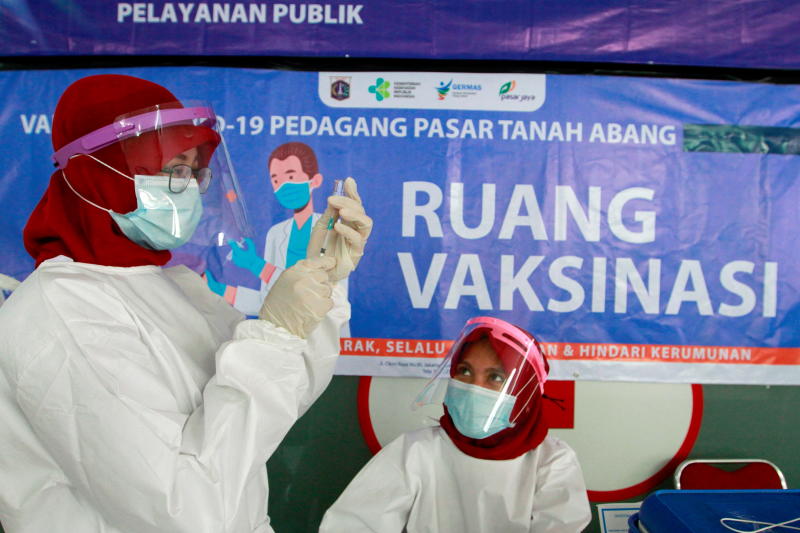
The vaccination challenge, an extraordinary logistical enterprise made all the more daunting by manufacturing delays, requires tough choices. Over the past year, policymakers around the world have focused their efforts and resources first on research for vaccine development and then on the purchase of the doses needed to inoculate their fellow citizens. In recent months, however, a new question has taken center stage in the political debate: who will be given the first available doses?

The discussion regarding the correct order of precedence in the administration of vaccines is of extreme importance. Once the vaccination of health workers has been completed, most of the EU Member States have chosen to give priority to the elderly citizens, considered the most fragile elements in the face of the virus, starting from the over-80s, the over-65s, and so on down. Indonesia, on the other hand, has chosen a different strategy: to vaccinate first citizens between 18 and 59 years old, the workforce, which represents more than 60% of the population. 

The government chose to take this route for two main reasons. The first is purely health-related; Indonesian authorities hope to stop the advance of the infection by immunizing those who move around the most, whether for professional commitments or social activities. These people are more likely to be infected and consequently to infect others: 80% of COVID cases recorded in Indonesia are among the working population. The second reason is essentially economic; like and perhaps more than other world economies, in fact, Indonesia is paying a hefty bill for the epidemic. Recovery also means restarting tourism and transport, which are among the hardest hit sectors, and for this reason people need to be able to return to work as soon as possible, perhaps even to travel, in safety. 

This result, according to Fithra Faisal Hastiadi, an economist at the University of Indonesia and spokesperson for the Ministry of Commerce, can only be achieved through a mass vaccination campaign of people of working age, starting, of course, with those who carry out a profession in which the risk of contagion is highest (health workers, the police and the military). Indonesia is therefore turning to the vaccine to solve both the health emergency and the economic crisis. In Hastiadi's words, "when we talk about public health we are also talking about economics, because public health is a function of economics." 

Like all choices, this one too is not without its critics, and the Indonesian government has been accused on several occasions of not caring enough about the health of the weakest sectors of the population. However, Amin Soebandrio, director of the Eijkman Institute of Molecular Biology, defends Jakarta's strategy, stating that vaccinating workers first is the only way for Indonesia to achieve herd immunity and bring contagion under control. Another strong supporter of this choice is the Minister of Health, Budi Gunadi Sadikin, who, despite the fact that there are still no in-depth studies on the impact of vaccines on the spread of the virus, insisted that thanks to this strategy the elderly will no longer risk being infected by relatives who return home after a day in contact with other people. 

Of course, when Indonesia started the vaccination campaign, it was not sure if it had enough doses to vaccinate the entire population, and the country only had the Sinovac Biotech vaccine, developed in China, which, at the time, was not considered scientifically effective and safe for the elderly. The approval for the use of Sinovac on the over 60s arrived on February 6th and in the meantime the government has reserved an additional 125 million doses of the Chinese vaccine and 330 million doses of AstraZeneca and Pfizer-BioNTech vaccines. Yet the government does not seem, at this time, intent on changing the order of priority in which the vaccine will be administered. 

CB. Kusmaryanto, a member of the country's Bioethics Committee, says that in Indonesia it is not possible to "make good choices, but to choose the lesser evil." Indonesia's economy, the largest in Southeast Asia and tenth largest in the world on a purchasing power parity basis, overtook India in 2012 to become the second largest G20 member state in terms of GDP growth. Since the turn of the new century, Indonesia has cut poverty in half and prior to Covid-19 qualified for upper middle-income status. The government's plan now is to vaccinate 67% of individuals in the next 15 months, hoping that the strategy will prove effective and sufficient to put Indonesia back on its development trajectory.

By Carola Frattini

A new beginning for Japan-ASEAN relations

Japan is looking closely at Southeast Asia to diversify production and contain Chinese growth 

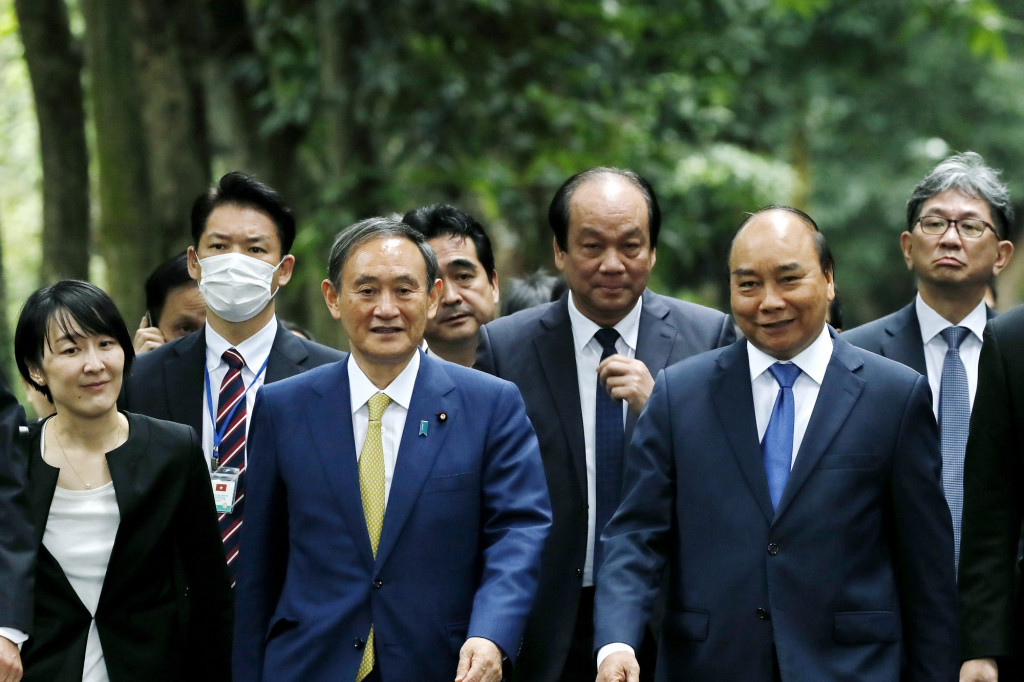
Vietnam and Indonesia were the destinations of the first State visit abroad by the new Japanese head of government Yoshihide Suga in October. An important signal which confirmed Japan’s growing interest in Southeast Asia. The year 2021 also marks the 10th anniversary of the Diplomatic Mission of Japan to ASEAN, established in Jakarta in 2011, as further proof of the intense and lasting alliance.

Only one month after he took office, Suga chose two key states in the region as his first contribution to the progress of Japan-ASEAN relations, strongly supported by his predecessor Shinzo Abe. “I too would like to continue deepening the friendship and cooperation with the people of ASEAN. Japan and ASEAN are equal partners and friends. We support each other by working side by side, learning from one another and working together in pursuit of growth,” said Suga in his speech to the students of the Vietnam-Japan University. On this occasion, the Japanese PM addressed essential issues for the consolidation of the partnership. He appreciated the mutual aid to face the health crisis and Japan’s commitment to the establishment of the ASEAN Center for Public Health Emergencies and Emerging Diseases. In addition, Suga assured that the implementation of Japan’s COVID-19 Crisis Response Emergency Support Loan will have a particular focus on the Indo-Pacific, including the ASEAN countries.

The strong link between Japan and Southeast Asia is based on the common need to establish themselves in the regional context and to invest in peace and stability of the Indo-Pacific in order to prosper. Premier Suga expressed strong support for the ASEAN Outlook on the Indo-Pacific (AOIP), as it shares the same values that also characterize Japan’s foreign policy strategy “Free and Open Indo-Pacific”, defined by the Abe administration. The ASEAN approach in AOIP emphasizes the centrality of international laws to quell disputes and the importance of transparency in regional relations. This position affirms a shared course of action with Japan and thus a common purpose that is precious for the development of a prosperous and peaceful future in East Asia.

The South China Sea dispute represents a key point in the relation between Tokyo and the ASEAN countries. By declaring Japan’s total opposition to any kind of escalation in the region, the Japanese PM fostered collaborative initiatives with ASEAN to establish compliance with international laws in the seas and oceans. Japan has supplied patrol vessels and maritime safety equipment to Vietnam and the Philippines. It also promoted the training of military personnel and the dispatch of experts to coastal nations along the region’s main sea routes, including Indonesia and Malaysia, to help strengthen their operational capabilities. Last October also marked the meeting between Suga and Indonesian President Joko Widodo. Both leaders stressed their intention to continue to work closely on regional challenges, in particular the issues about South China Sea and North Korea. All the topics addressed during the official visits were then confirmed by Suga during the 23rd Japan-ASEAN Summit Meeting, held in November 2020.

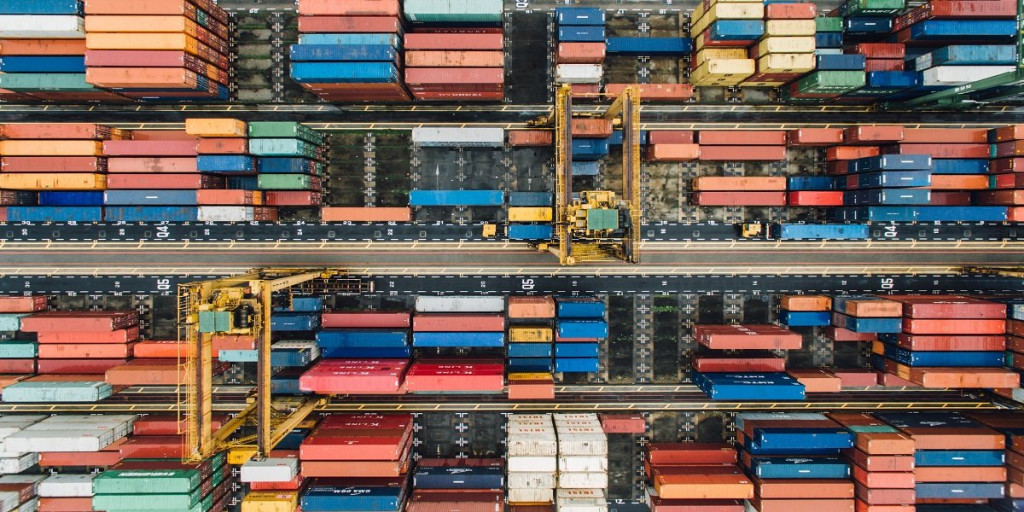
Interesting signals also come from the launch of the Supply Chain Resilience Initiative. The strategy conceived by Japan, with India and Australia as the main partners, will try to increase the resilience of the three countries’ supply chains by diversifying production towards ASEAN. The aim of this initiative is to reduce dependence from the Chinese production system. By partnering with countries such as ASEAN members, Japan intends to accelerate the economic evolution of the Indo-Pacific region to contain China’s strong growth. In this regard, the Regional Comprehensive Economic Partnership (RCEP) has combined once again ASEAN and Japan in the largest commercial area in the world. Through the implementation of the RCEP Tokyo will aim to strengthen its strategic partnership with ASEAN to balance Beijing’s weight in the agreement.

Joint efforts have also recently been directed towards the renewable energy sector. The Asian Development Bank and the Japanese Ministry of Economy, Trade and Industry have signed a memorandum of cooperation to reinforce their commitment to clean energy development in Southeast Asia. As the global agenda increasingly includes issues related to the ecological transition, governments around the world are feeling the urgent need to accompany this process. For its part, Tokyo is strongly focusing on the ASEAN countries in order to work together on these delicate and high-priority dossiers of common interest.

Japan thus continues to look closely at Southeast Asia even with the advent of the Suga leadership. The valuable commercial initiatives and the geopolitical dynamics at play will reinvigorate the Japan-ASEAN strategic partnership. The conditions for “building together the future of the Indo-Pacific region” are all there.


Brunei and the 2021 ASEAN Chairmanship

After Vietnam, Brunei Darussalam will be the second country to lead the Association of South-East Asian Nations after the outbreak of the Covid-19 pandemic.

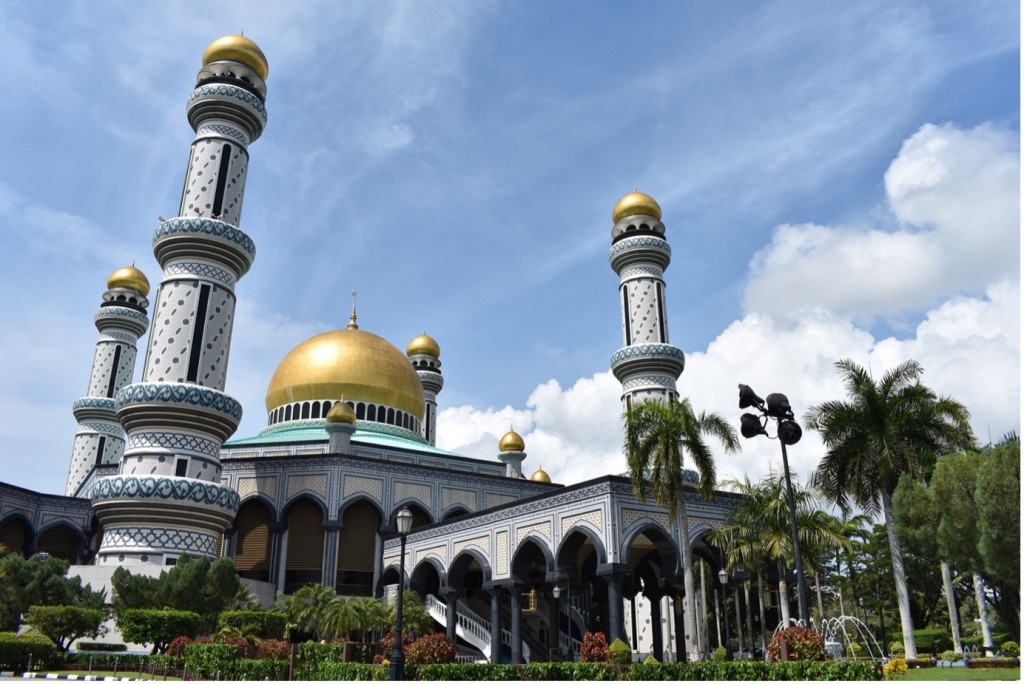
It is not the first time that Brunei holds the Chairmanship of the ASEAN, but the fifth: initially in 1989, then 1995, 2001, 2013, and lastly 2021, following the alphabetical order rotation system of the Member States. However, it is the first time that the handover occurs in such a delicate moment. A moment when global geopolitical tensions are more heated than ever, and the health crisis adds more uncertainty for the future. The way Brunei will respond to these challenges during this year will be decisive for ASEAN’s foreign policy and internal cohesion.

Brunei, in Malay “The Abode of peace” (Nagara Brunei Darussalam), is an absolute monarchy under the Sultan located on the island of Borneo. It borders the Malaysian state of Sarawak for most of its part, except the coastline that faces the South China Sea. The Sultanate, whose economy is strongly dependent on oil, is positioned in the middle of a burning square of the global geopolitics. On one side, the ASEAN countries: strategic partners, two of which (the Philippines and Vietnam) share Brunei’s same territorial disputes with China on the South China Sea. On another side, China: the opponent in the South China Sea, but also Brunei’s major trade partner and foreign investor in oil refineries and local infrastructures. On yet another side, the U.S. and President Joe Biden: an essential ally but also one of the harsher critics regarding Sultan’s Hassanal Bolkiah law against the LGBTQ community and adulterers. On the last side, the U.K.: a precious partner that seeks to strengthen relations with the ASEAN block after Brexit, but ex-colonial power of Brunei at the same time. Another obstacle for the cooperation between the two is the heavy reliance of Brunei’s economy on oil, which makes up the noses of those who would prefer a greener partners.

Considering its very delicate position in this context, Brunei will have to act judiciously and carefully, to avoid getting caught up in the dense mesh of the geopolitical net. Likewise, it will have to make the best use of its Chairmanship to foster ASEAN’s agenda. It is important to mention that Brunei was one of the four countries to sign the P-4 Agreement, the trade agreement that paved the way for the Trans-Pacific Partnership (TPP) and ended up involving 12 countries representing 40% of the global economy. Brunei’s economic leverage and commitment make it a major hub for the other Member States, which are looking forward to finding out what fields will be covered by Brunei’s action plan for the 2021 Chairmanship. 

What is known so far is the theme representing this year’s Chairmanship: “We care, We Prepare, We Prosper”. According to the Sultan, it represents ASEAN’s collective commitment to care for its people and prepare for future challenges, to ensure sustainable development for the entire ASEAN community. Brunei’s priorities should be working to reach the ASEAN Community Vision 2025 and reinforcing ASEAN’s institutions; implementing the ASEAN Comprehensive Recovery Framework to address the impacts of the Covid-19 pandemic; strengthening resilience to future emergencies in the entire region by using ASEAN-led mechanisms including the ASEAN Plus Three and the East Asia Summit; reinforcing ASEAN’s engagement with the existing external partners or establishing new ones where possible.

An ambitious program, but not exempt from implementation challenges. Besides the most obvious ones, a key challenge will be to reinforce new technologies and the digital sector, and to shift towards a more sustainable economic development model. For this latter, greater efforts will be needed for the energy security sector, the UN Sustainable Development Goals, and the support of Micro, Small, and Medium Enterprises. Despite an agenda already packed with challenges, there is another sensitive issue: last February’s coup d’état in Myanmar. As 2021 Chair, Brunei already called for dialogue, reconciliation, and return to normalcy in Myanmar following the ASEAN Charter principles: democracy, rule of law and good governance, respect for and protection of human rights, and fundamental freedoms.

The path along Brunei’s Presidency will be particularly fraught with obstacles this year. We hope that, despite the challenges, the country will convey the right energy to face difficulties and work in harmony with its partners for a more prosperous, pacific, and inclusive South-East Asian region.

Indo-Pacific, the new challenges for Europe

Among trade agreements and military consolidation, European countries are redefining their strategy in Southeast Asia

Europe has recognized the potential of the Indo-Pacific and is redefining its strategic priorities in this regard. The first European power to acknowledge the importance of the region was France, led by Emmanuel Macron, which in 2017 published the plans for a greater regional participation, immediately followed by Germany and the Netherlands. Together, the three countries are pushing to outline the European strategy for the Indo-Pacific, which is expected to be published in 2021.

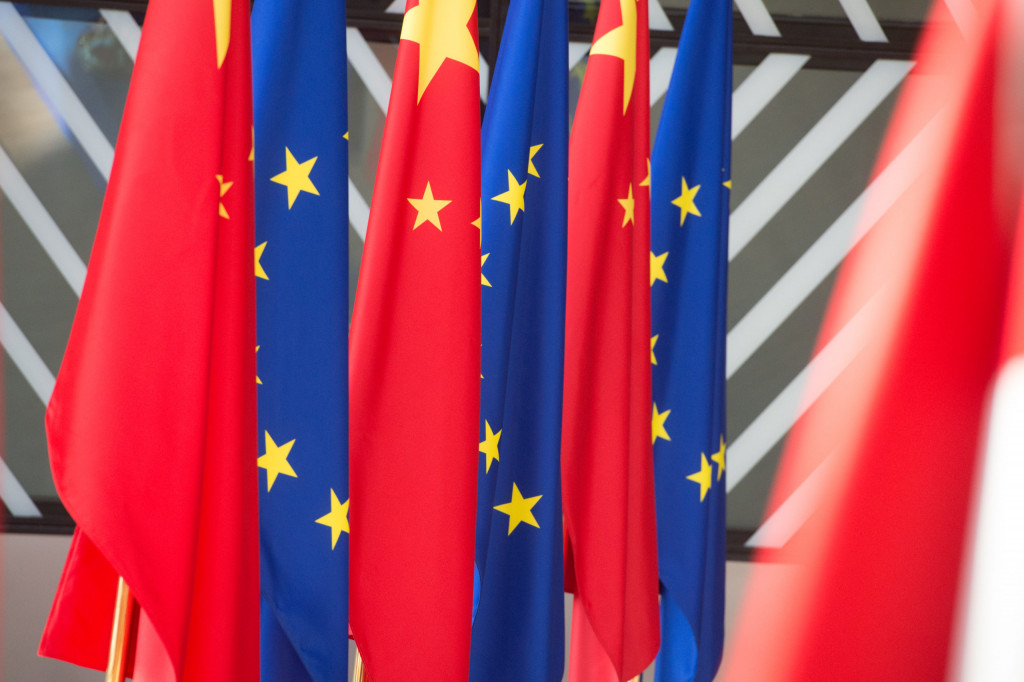
The interest of the European Union in Southeast Asia is certainly not new. In 2017, the stock of foreign investments directed to ASEAN countries reached the value of 337 billion euros, far exceeding the commitment of any other foreign investor and, in 2020, trade between China and the EU reached the figure of 480 billion euros. Not to mention that about 12% of the annual trade flow of some European countries, including France and Germany, passes through the South China Sea.

With this in mind, the guidelines for the regional strategy adopted by the German government last September establish the principle of freedom of navigation and call for deeper cooperation. Australia welcomed the German and European Union presence in the region by sending diplomats to all European capitals to show support to the initiative. France was also well received by India, which supported its entry into the Indian Ocean Rim Association - an association that brings together countries bordering the Indian Ocean having goals of regional cooperation and sustainable development - making Paris the first non-regional member of the group. 

The most visible component of the renewed European interest in the Indo-Pacific is the conspicuous deployment of military resources; Paris recently entered into an agreement with India for the mutual use of naval bases, which also establishes the allocation of military units and ships in the French "areas of responsibility" of New Caledonia and Polynesia. The United Kingdom, albeit no longer part of the European Union, will also send a group of aircraft carriers to the region by the end of the year and it is an active member of the Five Powers military alliance, which also includes the former British colonies of Australia, New Zealand, Malaysia and Singapore. 

The military presence, however, is secondary to the economic influence. Over the past three years, the European Union has woven a mosaic of free trade agreements, concluding two with Vietnam and Singapore and opening negotiations with Australia. The EU has also agreed on a Strategic Partnership with ASEAN looking for a future trade agreement. 

These reference scenarios, apparently far from the Italian geographical context, highlight some food for thought for the foreign policy of our country. The strong opening of the Indo-Pacific area towards Europe should be more exploited by Italy which has enormous potential for increasing bilateral cooperation in almost all sectors. ASEAN alone is the fifth largest global economy and fourth largest trading power in the world and, in recent years, the region has gradually opened up to trade and investments. Consequently, the ASEAN countries have a deep interest in Italy and Europe. To give another example, the commercial exchange between Italy and India, now at around 9 billion euros, is well below the potential that the two countries could express. While Italian investments have increased in various sectors (advanced manufacturing; automotive; energy transition; infrastructure; agri-food and IT), Italy is just the 5th country in the EU for trade with India.

With the launch of the Biden presidency, it is also questionable whether the European strategy in the Indo-Pacific will undergo any changes, since European interest in the region coincided with the gradual disengagement of the United States from the international scenario. Well, the EU leaders, by reassuring their citizens and the Indo-Pacific countries have declared that the European Union does not intend to step aside and that it will not give up its strategic autonomy just because the United States have returned. If, in fact, it is true that the Indo-Pacific area will constitute one of the major economies within the next few years, it represents an indispensable opportunity for Italy and Europe, not only for the prospects offered by an ever-increasing integration of the respective economies, but above all to build a solid economic, political and military partnership based on common interests and values.

The ASEAN way: the role of FTAs in Asia-Pacific regional integration

When it comes to East Asian integration, ASEAN is regarded as a pivotal actor. Indeed, the Association of South-East Asian Nations is the engine of the liberalization process in the region. It was promoted through free trade agreements (FTAs) that constitute the political and diplomatic basis for more cooperative and strong relations. Actually, international observers used to refer to the region as a “noodle bowl”, due to the several uncoordinated free trade areas that have emerged during the last twenty years. Nonetheless, the blossoming of FTAs contributed enormously to the fabrication of mutual trust among countries in the area. This process has facilitated compromises that ensured the inclusion of weaker economies too - such as Myanmar, that during the last decades has experienced a very complex democratic transition.

As Asian economies tend to prefer bilateral relations when negotiating trade issues, FTAs well combine with these preferences. Indeed, seven free trade agreements have been promoted so far. The first one created a common liberalized area among the ASEAN members, whereas the others were stipulated between two parties, the ASEAN as a whole and its dialogue partners. These agreements laid the foundation for the Regional Comprehensive Economic Partnership (RCEP) to emerge, signed in November 2020. Thanks to ASEAN’s efforts in promoting mutually beneficial regional relations, the so-called ASEAN way created the proper conditions for the 15 RCEP signatory countries to build this mega trade agreement.

But several previous steps were taken before signing RCEP. After the ASEAN free trade area was created in 1993, among its member countries, six more agreements were promoted among Asia-Pacific economies: with China and Hong Kong, as well as with Japan, South Korea, Australia and New Zealand together, and India.

The ASEAN-China agreement was the first free trade agreement signed with a dialogue partner. Trade relations between Beijing and South-East Asian countries relaxed in the Seventies after a period of mistrust, and then again since the Nineties. Indeed, in 2002 the Framework Agreement on Comprehensive Economic Co-operation was signed, followed by a free trade agreement on goods that promoted a progressive liberalization. Since the Chinese economy is more developed, some of the ASEAN’s late-comers countries can enjoy a special and differentiated treatment, with more relaxed time frames for liberalization. According to ASEAN’s data, the value of the total volume of ASEAN-China’s trade between 2003 and 2019 experienced exponential growth since the beginning of the millennium. The growth of trade in goods increased 692%, passing from $64 billion to $507 billion. The average annual growth rate is astonishing: its percentage value is equal to 13%, whereas the value of the total volume of trade with the rest of the world grew on average by 7% per year (from about $871 billion to $2.816 billion between 2003 and 2019). The ASEAN-China agreement was followed by the one with the Hong Kong Special Administrative Region, signed in 2017, of which ASEAN is the second largest trading partner. Although the relationship between ASEAN and China is complex, both wish to maintain regional stability by promoting mutually beneficial trade relations.

The economic relation with Japan is regarded as being one of the most important between ASEAN and one of the largest world economies. For strength and longevity, despite ups and downs, trade exchange with the country has always been very profitable. The total volume of trade in goods was already around $119 billion in 2003, rising to $153 billion in 2005 after signing the agreement, while in 2019 it amounted to $226 billion. Then, the Joint Declaration with South Korea followed in 2004, which launched a Comprehensive Cooperation Partnership, then followed by an agreement on the free trade of goods (2006), services (2007) and on the mobility of investment flows (2009 ).

Finally, the last two agreements were stipulated: one with Australia and New Zealand, and the other with India. The first agreement concerns a very broad set of sectors. Indeed, in addition to promoting moderate liberalization through the progressive elimination of trade barriers, it includes provisions on a number of other areas ranging from regulations on intellectual property and competition, to the promotion of cooperation. The second agreement was signed with India: it has created a very huge market, which in 2019 accounted for almost two billion people, according to the World Bank. Starting with the Framework Agreement signed in 2003, the agreement on the free exchange of goods entered into force in 2010, then followed by that on the liberalization of services. Following the signing of the agreement, the total volume of trade between ASEAN countries and India almost doubled (+89%), rising from around $39 billion (2009) to around $74 billion (2011) in three years.

In sum, as well proved by the success of these FTAs, ASEAN played a crucial role trying to fabricate a form of regional identity in East Asia - even though the very concept of “regional identity” is still regarded as being a slippery slope. Nonetheless, these efforts laid the economic foundation to create room for an effective political dialogue among Asia-Pacific countries. Therefore, RCEP is the result of these commitments, even though it has to be considered a starting point rather than an already-accomplished goal. It can be the beginning of stronger and positive regional relations in the future. These FTAs indeed, created a virtuous circle of exchanges that is deemed to increase, despite the pandemic. Moreover, even though recent developments in Myanmar open unpredictable scenarios, ASEAN will advance in economic integration, using its inter-governative approach to overcome obstacles, and finally promote political dialogue and stability in the region.

By Agnese Ranaldi

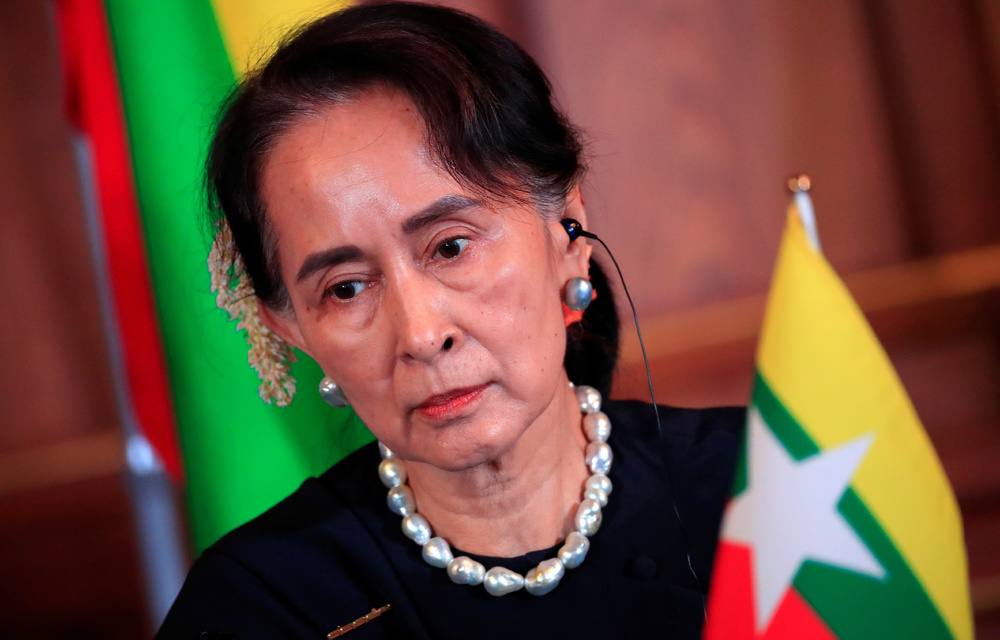
Aung San Suu Kyi

Portrait of a controversial woman in a country torn by conflicts

Half of the world hates her. Half of the world loves her. Drawing up a portrait of the Lady is not easy. One can get caught in a consistent grey area, which returns a blurred and mysterious image of her. 

Aung San Suu Kyi, State Counsellor of Myanmar, Minister of Foreign Affairs, and Minister of the President's Office. Nobel Peace Prize laureate, Rafto Memorial Prize for Human Rights winner, Sakharov Prize for the Freedom of thought recipient, US Congressional Gold Medal overcomer. Woman, wife, daughter. She was placed under house arrest on and off from 1988 to 2010, while her husband in England died of cancer. She nearly escaped a firefight that was plotted explicitly against her and her supporters. She was then condemned by the international critics for legitimizing, or at least denying, the Rohingya Muslim minority genocide in Myanmar. 

Myanmar which has been recently put in the spotlight by the international press due to the coup d’état of Burmese military forces, the Tatmadaw. Leaders of the majority party NLD (National League for Democracy) led by Aung San Suu Kyi were arrested, a state of emergency was declared, and all means of communication were cut. For the present being, allegations include “violation of the import-export law”, because she was illegally detaining four walkie-talkies. The news caused a sensation worldwide. But it was no surprise for those that have been following developments in Myanmar for a long time. The coup d’état fits into a context where frictions between military forces and the Lady lasted for decades. Along with the junta’s strict control over the country's political, social, and religious life.

Burmese military junta has been closely tied with Myanmar’s political life since 1962, 14 years after the country’s independence from Great Britain and a short period of democratic transition. First, by supporting the Socialist Party, then, by invalidating the party’s election victory, the pretext of electoral fraud has always been used by the junta to keep control and suppress all the pro-democratic movements that followed 1962. The most famous one, which turned into the “8888 Uprising” (a national insurrection whose aim was a more democratic government), began on the 8th of August 1988. It lasted one month and went down in history as it ended in bloodshed. Thousands of monks and civilians, mainly students, were killed by the Tatmadaw. Due to riots, the State Peace and Development Council was founded, led by the military junta. It was in this context that Aung San Suu Kyi emerged as a national icon. She lived abroad for a consistent part of her life, but that year was back in Myanmar, to look after her sick mother.

Her father, Aung San, was a Burmese General and a politician. He negotiated Burma's independence from the United Kingdom and became Counsellor for Defence. However, he was assassinated at the height of his success, leaving a heavy burden on his two-year-old daughter, his two sons, and his wife, wife, who became Myanmar Ambassador to India some years later. Suu Kyi attended the best Western universities and started working at the United Nations in New York. She lived there until the 1988 Uprising. After the tragedy, she decided to remain in Myanmar and found the NLD. One year later, she was under house arrest.

After 1988, up and downs followed. Probation and house arrest, the overwhelming victory of her party in the elections (cancelled once again by a military coup), the Nobel Peace Prize, the calls of the international community for her release, from Kofi Annan to Pope Giovanni Paolo II. She survived a gunfight, but her husband died of cancer in England, thousands of miles away from her. Her children grew and became adults without being allowed to see her.

She was finally released in 2010, and in 2015 the first free elections since the coup of 1962 were held. According to the 2008 Constitution, drafted by the junta, Aung San Suu Kyi could not be elected as the President: citizens having foreign relatives (British children, in her case) cannot have access to the highest state office. Suspects are that the law was specifically created to prevent her to assume the role. To get by the rule, a new ad hoc position was created just for her, the “State Counsellor”: a de facto Prime Minister.

After some years, the international community’s excitement for her success suddenly turned off, replaced by indignation. The champion of democracy and human rights denied the Rohingya ethnic cleansing carried out by the junta in the Rakhine state. When called to witness by the International Court in The Hague, she talked about “misleading and incomplete picture of the situation in Rakhine State”, defending her country by the accusation of genocide. Despite that the crisis demolished her public image abroad, she gained a broader consensus among the Burmese population thanks to her speech. A consensus that increased even more, thanks to the well-management of the COVID-19 crisis in the country.

The public opinion around her figure splits in two. From one side, some point the finger at her silence and claims that prizes must be rescinded. From the other side, some know well how delicate her position is. And how it is not easy to counteract the enormous political influence of the junta and the Sangha, the Buddhist monastic order that legitimates the country’s ruler’s political power. Those who are approved by the Sangha, whether politicians or generals, are approved by the population too. Its most radical and nationalist fringe is well known for acting violent and spreading hate speech against Rohingyas. The Sangha might well have some weight in influencing Suu Kyi’s actions and choices to keep the country together.

Influence or not, Suu Kyi delivered in January a New Year address to the Nation. She promised a new approach towards the peace negotiation process and to fix the numerous civil conflicts in the country. She paved the way for a plan, the “New Peace Architecture”, to gather more participation from diverse political forces, civil society organizers, and citizens. The coup casts a dark shadow on these projects, and it is not sure whether these will be pursued anymore.

Taming the Black Swan

Multilateral diplomacy for sustainable growth in the era of disruption

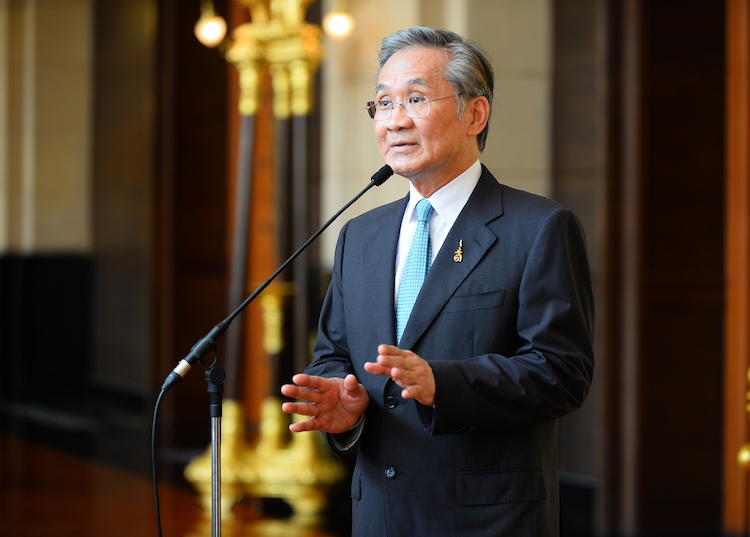
Article by Don Pramudwinai, Deputy Prime Minister and Minister of Foreign Affairs of Thailand

The year 2020 was truly a disruptive time in world history. The fast-spreading Covid-19 pandemic managed to halt even the wave of globalisation and compelled governments to go into lockdown. Businesses were forced to close, in some cases leading to furloughs or unemployment, and further widening the existing social inequalities. Everyone came to the realisation that business would never again be the same, and began to accept the concept of a “new normal.” 

The pandemic is a harsh reminder that our life is full of uncertainties and unknown parameters. In worst-case scenarios, we don’t even know what we don’t know, leaving us completely off guard once it happens. The damage from these ‘unknown unknowns’ or ‘black swans’, as called by some theorists, is increasingly troublesome since the world is getting smaller and more intertwined. In these conditions, for a medium-sized nation such as Thailand, we have always recognised that multilateralism, aiming for sustainable growth, will be the prevailing solution in response to black swans. The idea is that the challenges that hit us the hardest are usually the ones that undermine human security. Therefore, countries need to work in concert; otherwise, the problem will just linger, by perpetually shifting elsewhere. This has led to our advocacy of sustainable development in all the multilateral institutions we have either founded or joined, from the League of Nations to the United Nations, and regionally, from ASEAN to ACMECS and ACD, to name a few.

The rationale is evident and the benefits are foreseeable. Non-major powers have to combine capabilities to enhance political leverage or achieve shared goals that going solo will not succeed, such as climate change, sustainable development and, of course, pandemic management. COVID-19 has proven that traditional “great powers” have no power over such disruptions and need collaboration and networking to defeat this common foe. Recognising that “no one is safe until everyone is safe” underlines the significance of multilateral cooperation more than ever.

When the Cold War ended in the 1990s, economic cooperation became a prominent agenda, leading to the formation of regional groupings that Thailand joined or played an important part in founding. These include APEC, BIMSTEC, ACMECS and ACD. Together with ASEAN, these frameworks underpinned the notion of ‘prosper thy neighbour’ in Thai foreign policy and have brought about many tangible arrangements that have strengthened our resolve and solidarity whenever the region encountered ‘black swans’ in the past. The Asian financial crisis in 1997 and SARS in 2003 all presented us with valuable lessons.

The occurrence of COVID-19 and the way nations should coordinate their responses will presumably follow similar patterns in terms of regional cooperation. For instance, Thailand offered full support to Vietnam, the ASEAN Chair, in organising the Special ASEAN Summit and the Special ASEAN Plus Three Summit on COVID-19 in April 2020. We also proposed the establishment of the COVID-19 ASEAN Response Fund. This is reminiscent of Thailand’s hosting of the Special ASEAN and ASEAN-China Leaders Meeting and the APEC Health Ministerial Meeting when SARS hit the region in 2003. It rightly demonstrated the necessity and advantages of synergizing strengths to counter a common threat and prepare for any future disruptive challenges.

Throughout the years, Thailand has consistently pursued a common theme across all regional frameworks - the need to encourage sustainable growth that is balanced and remains grounded on basic human needs and rights. A common resolve on the part of the international community to not over-exploit resources will allow future generations to enjoy clean, decent and green social environments in any region across the world. 

The post-COVID world requires a rethink – a paradigm shift – of how we pursue economic growth. Our current path has put human activities in direct conflict with nature, creating imbalances in the forms of climate change, the pandemic, and even social unrest. The Thai government recently made the Bio-Circular-Green Economy, or the BCG Model, our national agenda. It will be our main strategy for economic recovery and development after the pandemic and beyond. Through innovative and sustainable growth strategies that adequately meet human’s needs, helping lift millions out of poverty while respecting the planet, we hope to achieve a balance, or a middle path, that harmonizes production and consumption with preservation of the natural world. As other countries also share similar ideas, Thailand looks forward to working with like-minded partners to transform such concepts into concrete deliverables that will benefit people around the world at large.

As the current global economy is still struggling while Thailand’s main engines of growth show signs of slowing down, multilateral collaboration should be part of Thailand’s exit strategy. For example, to place Thailand in a better position in the global value chain, continued regional commitment to developing transportation networks and the harmonisation of regulations is essential. Meanwhile, the pandemic has spurred tremendous growth in digitisation in various areas, including business, telemedicine and remote education. We should take this opportunity to expedite cooperation to connect and upgrade our digital infrastructure and e-commerce.

Such trends align with the Thailand 4.0 strategy to transform the country’s economy into one that is technology and innovation-driven, with more valued-added industries. The Eastern Economic Corridor (EEC) lies at the core of this strategy and promotes investment in twelve targeted industries, such as next-generation automotive, smart electronics, and food for the future. All of these industries bode well for job creation and economic dynamism in Thailand and the region, as the EEC has become a notable magnet drawing foreign investors due to its logistical facilities and strategic location.

Thailand’s regional policy also advocates free and multilateral trade. It must be mentioned that the final signing of the Regional Comprehensive Economic Partnership (RCEP) last year could not have been achieved without the expedition of negotiations over RCEP’s 20 chapters during Thailand’s Chairmanship of ASEAN in 2019, which was a huge feat. The agreement will widen trade and investment opportunities for Thai entrepreneurs to access a market of 2.2 billion people or nearly a third of the world population.

With such prospects, Thailand’s assumption of the chairmanships of the Bay of Bengal Initiative for Multi-Sectoral, Technical and Economic Cooperation (BIMSTEC) from 2021 to 2022 and of APEC in 2022 is most timely. It places Thailand in a unique position to strengthen linkages and play a constructive role in designing a post-Covid economic recovery plan for regional growth that is sustainable and healthy. 

Under BIMSTEC, Thailand will push for the improvement of land and sea links to strengthen transport infrastructure and facilitate trade. One of the flagship projects is the 1,360-kilometre trilateral highway from Tak Province, on Thailand’s western border, through Myanmar to the Indian border town of Moreh in Manipur State. With regard to maritime connectivity, Thailand plans to link Ranong Province on the Andaman coast to the port town of Krishnapatnam in India’s Andhra Pradesh, as an additional channel to promote inter-regional trade.

As far as APEC is concerned, Thailand intends to move the grouping forward and concretise the APEC Post-2020 Vision to promote trade and investment. We seek to promote digitalisation to boost economic growth, and improve business inclusivity for all groups of the population, particularly women, people with disabilities, and rural communities.

In this era of perpetual change, Thailand realises that both our inner strengths and international partnerships are vital if we are to be fully prepared for the “Next Normal” and be capable of harnessing external uncertainties. As the year 2021 is a transition phase towards post COVID-19 recovery, Thailand looks forward to working closely with our international partners in making a global rebound and shaping a sustainable future for our next generation.

Intervista all’On. Fassino sul recente golpe in Myanmar

Piero Fassino, già inviato UE in Myanmar nel 2007 e Presidente della Commissione Esteri della Camera dei Deputati, ci spiega il perché del golpe e delinea alcune tendenze del Paese per capire la situazione locale e quali i possibili sviluppi


Che ruolo giocano i militari nel Paese? Ci si poteva aspettare un loro ritorno al potere? Davvero si pensava avrebbero lasciato il potere definitivamente ai civili? Davvero i militari lasceranno il potere fra un anno?

Per rispondere a queste domande bisogna andare alle radici dell’indipendenza birmana e della guerra di liberazione contro l’occupazione giapponese nella Seconda Guerra Mondiale guidata con successo proprio dal generale Aung San, il padre di Aung San Suu Kyi. Intorno ad Aung San si formò un gruppo dirigente costituito da ufficiali, alcuni dei quali ordirono il complotto che portò all’uccisione dello stesso Aung San alla vigilia dell’indipendenza.

Da allora l’esercito è parte integrante della storia e dell’identità nazionale. Non bisogna dimenticare poi che, sebbene la stragrande maggioranza della popolazione sia di fede buddista, la Birmania è uno stato non solo multireligioso, ma anche multietnico e plurilinguistico, con assetto federale, con spinte autonomistiche – e anche secessionistiche – che hanno consentito alle forze armate di presentarsi come i garanti dell’unità nazionale.

Altro punto di analisi da non trascurare è che la transizione alla democrazia non è avvenuta per una sconfitta della giunta militare, ma con un processo octroye’ dalle autorità militari che hanno accettato la formazione di un governo civile e l’avvio di una transizione democratica in cambio di una riserva del 25% dei seggi parlamentari e del mantenimento di tre ministeri chiave: difesa, interni e appunto coesione nazionale. Processo che sia la comunità internazionale, sia Aung San Suu Kyi hanno accettato scommettendo sul fatto che la gradualità della transizione avrebbe via via ridotto il peso dei militari e favorito una completa e compiuta democratizzazione del Paese. I fatti di queste settimane hanno spezzato quel disegno. Ed è difficile credere che al termine dello stato d’emergenza, ovvero tra un anno, si ritorni ad una dinamica democratica.

Aung San Suu Kyi governa dal 2015 e ha dovuto affrontare il problema dei Rohingya. Su quest’ultimo tema è stata molto criticata dalla comunità internazionale e ha perso credibilità (anche alla luce del suo essere stata un campione dei diritti per il quale aveva vinto il Nobel). Può aver messo da parte i principi per agire in modo realista? Ovvero sacrificare qualcosa per mostrarsi in grado di governare il Paese e quindi essere un attore politico responsabile agli occhi dei militari? Alla fine si può dire che la sua azione non abbia pagato e ne sia uscita screditata?

Aung San Suu Kyi, liberata a fine 2010, è entrata in Parlamento con le elezioni suppletive del 2012 in cui si rinnovarono 42 seggi, la gran parte conquistati dall’NLD. Successo replicato alle elezioni del 2015 che diedero alla Lega Nazionale per la Democrazia una larga maggioranza assoluta che le consenti di formare il primo governo democratico e avviare una transizione che ha liberato tutti i detenuti per ragioni politiche, abolire ogni forma di censura, aprire il Paese a investimenti stranieri, modernizzare il Paese e concludere accordi di pacificazione e autonomia con le minoranze etniche. La repressione dei Rohingya è stata una iniziativa dei generali che, sfruttando la generale ostilità della popolazione birmana verso i Rohiynga, ha fatto fare ad Aung San Suu Kyi la parte del carnefice quando invece l’azione dei militari è stata da lei totalmente subita. Come abbiamo visto, secondo la Costituzione birmana i ministeri della difesa e degli interni, non rispondono al Parlamento ma alle gerarchie militari. Contrastare apertamente i generali voleva dire opporsi a un sentimento diffuso di ostilità verso i Rohingya presente nell’opinione pubblica nazionale; non contrastare i generali ha voluto dire opporsi a un sentimento diffuso nell’opinione pubblica internazionale giustamente sensibile alla tutela delle minoranze e dei diritti umani. La prudenza manifestata da Aung San Suu Kyi in quel frangente non è frutto di cinismo o insensibilità, ma della consapevolezza di stare dentro a un processo difficile e incompiuto che come tale conosce dei rallentamenti, ma del quale non si può abbandonare la guida. Questa complessità è stata del tutto sottovalutata in Occidente che ha assunto posizioni che hanno avuto l’unico effetto di indebolire Aung San Suu Kyi.

E quindi la severità dell’Occidente è stata controproducente?

Sì. La scelta del Parlamento Europeo di ritirare il Premio Sacharov all’esponente politica birmana è stata una decisione moralistica e profondamente impolitica, assunta senza valutarne le conseguenze. Max Weber ci aveva ammonito da questo rischio. La politica non può essere guidata soltanto dall’etica della testimonianza, che valuta solo la mera coerenza dei principi. In politica vale l’etica della responsabilità che non si ferma alla coincidenza tra scelte e valori, ma si interroga sulle conseguenze di quelle scelte. Ora non vi è dubbio che aver voluto “punire” la prudenza di Aung San Suu Kyi è stata letta dai generali come una forma di isolamento internazionale della Lady, contro la quale dunque si poteva agire. E se il colpo di stato ha una connessione con la vicenda Rohingya, non è per la “prudenza” di Aung San Suu Kyi, ma per il fatto che il generale a capo del golpe sia sotto inchiesta da parte del tribunale penale internazionale per i diritti umani proprio perché ritenuto responsabile della repressione dei Rohingya.

Dalla sua esperienza di inviato in Myanmar cosa ha capito della politica e società locale? Ritiene che il Paese sia pronto per una democratizzazione? Ci sono le basi e se si quanto sono solide per una democrazia?

I militari hanno tenuto per 60 anni la popolazione in uno stato di oppressione politica e di arretratezza economica e culturale. Ad esempio il sentimento ostile nei confronti dei Rohingya, su cui come abbiamo visto hanno speculato i generali, è un segno di arretratezza. Ma non ci si può fermare solo al dato negativo. Le conquiste democratiche e civili avvengono per tappe e dentro un processo. La mia esperienza mi dice che il Paese è pronto all’apertura al mondo e alla democratizzazione. E ha dato ampiamente prova di questa maturazione democratica alle ultime elezioni, quelle dell’8 novembre quando il percorso intrapreso dalla Lega Democratica di Aung San Suu Kyi è stato fortemente confermato da una grande maggioranza della popolazione e le manifestazioni di piazza di questi giorni che sfidano il regime militare dicono bene di questa maturazione e di questa consapevolezza acquisita.

 Che influenza può avere l’ASEAN? Sappiamo che uno dei principi dell’ASEAN è proprio quello di non interferenza negli affari degli Stati membri, ma è una politica che potrebbe cambiare? Potrebbe l’ASEAN “suggerire” un ritorno al processo democratico? In fondo il Paese era stato criticato per l’affare Rohingya e molti Stati (Indonesia in primis) si erano spesi per la democratizzazione in passato.

Il principio della non interferenza negli affari degli altri Stati in Asia è una regola applicata da tutti i governi. Nonostante ciò, agire sui Paesi asiatici è indispensabile, puntando sia sui vicini della Birmania, sia sull’ASEAN, l’istituzione multilaterale nel Sud-Est asiatico. E l’Associazione di amicizia Italia-ASEAN può avere un ruolo importante da svolgere. La Birmania si trova a un bivio. Essere attratta nell’orbita cinese con un ruolo di sparring partner sostanzialmente subalterno, oppure tuffarsi convintamente nel partenariato dell’Indo-Pacifico, dove sarebbe un soggetto alla pari con tutti gli altri. L’ASEAN è un esempio di multilateralismo economico che vuol dire pace e apertura. Certo abbiamo visto che cooperazione economica non porta immediatamente alla democrazia e allo stato di diritto. Ma i mercati aperti, se non sono una condizione sufficiente, sono comunque una condizione necessaria e propedeutica a qualsiasi sviluppo in senso dell’ampliamento delle libertà civili e politiche delle popolazioni di tutti i Paesi del mondo. Compresa ovviamente quella del Myanmar.  

Che ruolo possono giocare l’UE, gli USA con il nuovo Presidente Biden e la comunità internazionale in generale per favorire la democrazia e fare pressione sui militari?

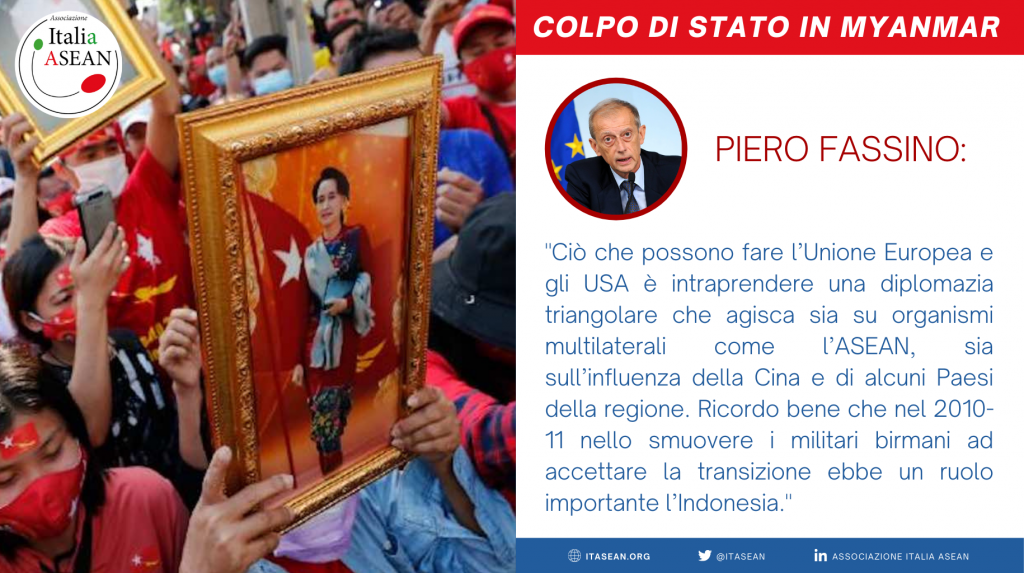
Dobbiamo considerare che l’80 % degli scambi del Myanmar avvengono con i Paesi vicini, in gran parte con la Cina e l’ASEAN. Mentre con l’Europa e gli USA l’interscambio rappresenta meno del 20%. Ergo una classica risposta occidentale come le sanzioni avrebbe un’incidenza limitata e peraltro in Asia nessun Paese adotta misure sanzionatorie. Anche qui ritorna la distinzione weberiana tra etica della testimonianza e etica delle responsabilità. La storia ci insegna che le conseguenze di comportamenti sanzionatori da parte della comunità internazionale hanno spesso come conseguenza il consolidamento dei regimi autoritari e repressivi e non il loro indebolimento. Per questo ciò che possono fare l’Unione Europea e gli USA è intraprendere una diplomazia triangolare che agisca sia su organismi multilaterali come l’ASEAN, sia sull’influenza della Cina e di alcuni Paesi della regione. Ricordo bene che nel 2010-11 nello smuovere i militari birmani ad accettare la transizione ebbe un ruolo importante l’Indonesia. 

Where China meets India: quanto pesa la geopolitica nei destini del Myanmar? 

Come si evince da questa sua citazione, che è il titolo di una importante pubblicazione del politologo Thant Myint-U uscita proprio 10 anni fa, la Birmania è l’unico Stato del Sud-Est asiatico che confina e per un lungo tratto, sia con la Cina che con l’India. Questo conferisce al Paese un’importanza geopolitica e geoeconomica fondamentale. Se pensiamo alle tensioni geopolitiche che attraversano il Mar Cinese Meridionale e che contrappongono la Cina ora a Taiwan, ora alle Filippine, ora all’Indonesia, è facile vedere come la Birmania abbia per la Cina un interesse strategico essendo la via più diretta per accedere all’Oceano Indiano, senza dover passare attraverso il Mar Cinese Meridionale e soprattutto lo stretto di Malacca. Non solo, ma la Cina è il principale partner commerciale della Birmania e ha programmato grandi investimenti infrastrutturali nel Paese. E la Birmania è inserita nei percorsi della nuova Via della Seta. Del resto non è certo passata inosservata la visita del Ministro degli Esteri cinese Wang Yi in Birmania pochi giorni prima del golpe, segno di un’attenzione speciale che Pechino ha dimostrato e continua a dimostrare per i destini del Myanmar. È proprio perché la Cina ha interesse a una Birmania stabile, bisogna convincere Pechino che una Birmania sotto il tallone dei generali rischia di essere assai meno stabile di una Birmania democratica. Così come in questi anni di apertura è cresciuta la presenza dell’India. Non va mai dimenticato che la Birmania è ricca di risorse naturali: è seduta su una gigantesca nuvola di gas; gode di consistenti risorse idriche che gli consentirebbero un’agricoltura fiorente; è leader nelle gemme preziose; beneficia del miglior tek per le costruzioni navali; è ricco di molte materie prime.  È importante che anche l’Occidente mostri un’attenzione all’altezza della situazione e usi la leva degli investimenti per impedire una involuzione autoritaria della Birmania.

Intervista a cura di Niccolò Camponi 

Recently active members
Foto del profilo di Alessio
Foto del profilo di Monika
Foto del profilo di Gabriel
Foto del profilo di Elena
Foto del profilo di Lorenzo
Foto del profilo di Alessandro
Foto del profilo di Cristina
Foto del profilo di Rocco
Foto del profilo di Clara Lomonaco
Foto del profilo di Redazione
Foto del profilo di Davide Gugliuzza
Foto del profilo di Anna Affranio
Foto del profilo di Ilaria Canali
Foto del profilo di Nicolò
Foto del profilo di Angelo Cangero
Who is online
There are no users currently online
Members
  • Foto del profilo di Alessio
    Active 8 ore, 13 minuti fa
  • Foto del profilo di Monika
    Active 3 giorni, 21 ore fa
  • Foto del profilo di Gabriel
    Active 3 settimane, 4 giorni fa
  • Foto del profilo di Elena
    Active 1 anno, 4 mesi fa
  • Foto del profilo di Lorenzo
    Active 2 years, 6 mesi fa