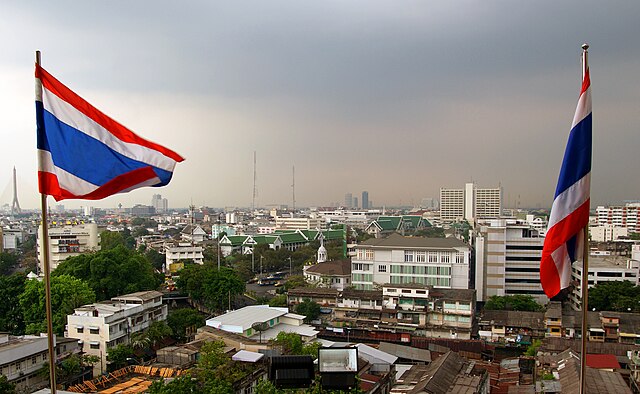
Tech-Driven E-Commerce Growth in ASEAN

The sector accelerates growth, fueled by the rise of generative artificial intelligence and the boom in video content that are transforming how consumers discover and purchase products

By Tommaso Magrini

Negli ultimi anni, la regione del Sud-Est asiatico è diventata un laboratorio cruciale per l’evoluzione dell’economia digitale. Secondo il rapporto e-Conomy SEA 2025, realizzato da Google, Temasek Holding e Bain & Company, l’e-commerce nei mercati principali dell’ASEAN (Indonesia, Malesia, Filippine, Singapore, Tailandia e Vietnam) dovrebbe registrare nel 2025 una crescita del 16% del suo valore lordo della merce (GMV), portandosi a 181 miliardi di dollari, rispetto ai 156 miliardi del 2024. 

Questa espansione non è guidata solo da un aumento della domanda tradizionale di beni online, ma bensì da trasformazioni profonde nella modalità di acquisto: il video commerce, ossia la vendita tramite livestreaming e brevi video, sta emergendo come un motore di crescita decisivo. Nel rapporto, si stima che il video commerce arrivi a rappresentare nel 2025 circa il 25% del GMV totale dell’e-commerce, un salto enorme rispetto a meno del 5 % nel 2022. 

This phenomenon is supported by social platforms and live scenarios where creators can sell products in real time. Apps like TikTok, along with many local operators, are allowing influencers and sellers to promote products directly during videos, seamlessly integrating entertainment and shopping.

But the change does not stop at video: artificial intelligence (AI) is reshaping the shopping experience. Retailers are using AI tools to provide more personalized product recommendations, improve inventory management, and optimize supply chains. This makes the online shopping experience more intuitive and faster, especially in mobile-first markets like those in ASEAN, where many users rely exclusively on smartphones. 

The report also highlights that growth is not limited to e-commerce alone: the overall digital economy in Southeast Asia continues to gain momentum. When combining food delivery, ride-hailing, and online travel services, the ASEAN digital economy is projected to grow 15% in 2025, reaching $299 billion.

Another strategic element highlighted by the report is the evolution of digital advertising. Video and AI-driven advertising, as well as retail media networks, are among the key drivers of online media market expansion. According to the report from Temasek, Google, and Bain, demand for more sophisticated advertising formats is growing thanks to the maturation of video commerce. 

At the same time, the region is heavily investing in infrastructure that supports AI. Data center capacity is expected to grow rapidly to meet rising computational demand. Google, Temasek, and Bain report that the AI boom is already attracting significant investment: in the first half of 2025, over $2.3 billion was invested in AI startups in Southeast Asia, representing more than 30% of private funding in the region.

This digital transformation also puts small businesses into a new competitive dynamic. Many small sellers in the region are leveraging AI to personalize their offerings, better respond to customers, and optimize their processes, especially in a context where digital is essential for survival.

Meanwhile, the digital payments and embedded financial services sector (such as in-app lending) is rapidly maturing. According to the report, ten ASEAN countries now use unified national QR systems, and eight have cross-border QR interoperability. This means that digital platforms not only sell products but also create more integrated financial ecosystems, offering credit, savings, and investment solutions. 

However, despite its great potential, there are also risks and challenges. AI adoption can generate high costs for small businesses that lack technological resources or necessary skills. Additionally, the rapid growth of video commerce requires adequate regulation to protect consumers from aggressive or non-transparent sales practices. On the infrastructure side, the increase in data center capacity must be managed sustainably, taking into account energy consumption and environmental needs.

Furthermore, regulatory and ethical issues related to AI use are emerging: data collection, user privacy, biases in recommendation models, and transaction security are all areas that require attention. As highlighted in other AI contexts, proper and regulated AI use is essential to ensure that technological benefits are effective and inclusive. 

In conclusion, the e-Conomy SEA 2025 report paints a very promising picture for e-commerce in ASEAN: the sector is truly entering the “AI era,” and video commerce represents a disruptive innovation that changes not only how people shop but also how brands engage with consumers. If businesses and regulators can guide this transformation in a balanced and sustainable way, Southeast Asia could consolidate its position as the beating heart of the global digital economy.

Il bilancio del summit dell’ASEAN

Ingresso di Timor-Leste, cooperazione commerciale e tecnologica, accordo tra Thailandia e Cambogia: come è andato il vertice di Kuala Lumpur

By Tommaso Magrini

Il 47° Summit dell’ASEAN, svoltosi a Kuala Lumpur dal 26 al 28 ottobre 2025, si è concluso con un bilancio che riflette la complessità del momento geopolitico e sociale del Sud-Est asiatico. Guidato dalla presidenza malese, l’incontro ha posto al centro il tema “Inclusivity and Sustainability”, un motto che ben sintetizza le ambizioni e le contraddizioni del blocco: da un lato la volontà di ampliare la partecipazione regionale e di rafforzare la cooperazione economica, dall’altro la necessità di affrontare le sfide legate alla sostenibilità, alla stabilità politica e alla gestione dei rapporti con le grandi potenze.

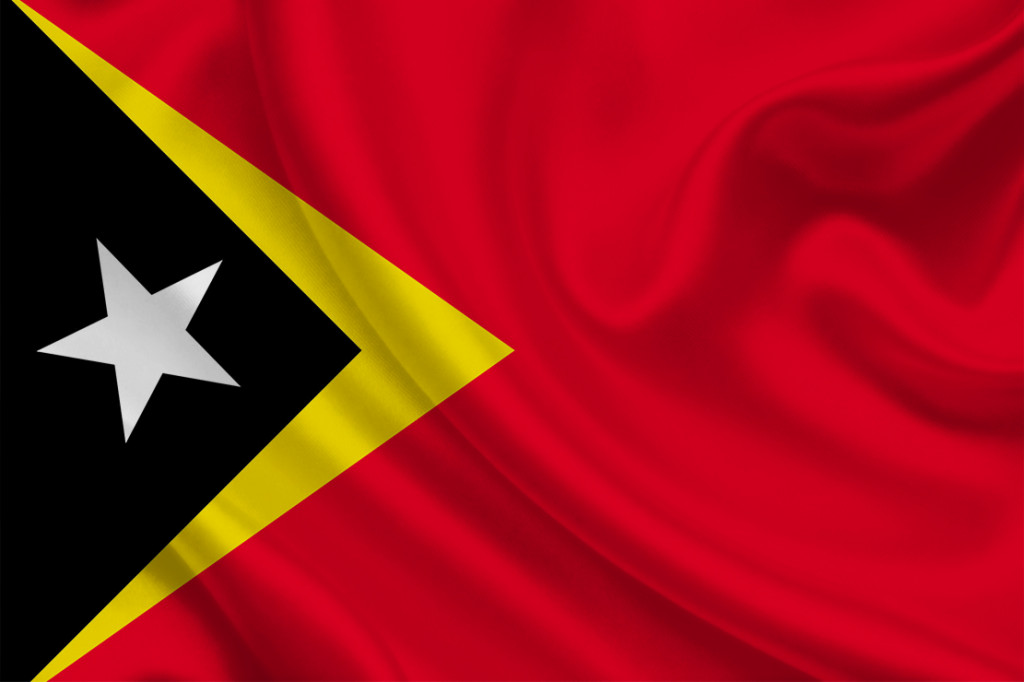
Tra i risultati più significativi emersi a Kuala Lumpur figura l’adesione ufficiale di Timor-Leste come undicesimo membro dell’ASEAN. Dopo anni di attesa e un lungo processo di valutazione, l’ingresso di Dili rappresenta un passo storico: per la prima volta dal 1999 il blocco si espande, includendo un paese giovane e ancora fragile, ma simbolicamente importante. La decisione è stata accolta con favore da tutti i leader presenti, che hanno sottolineato l’importanza dell’inclusività come principio fondante dell’associazione. Tuttavia, diversi osservatori hanno messo in guardia sul fatto che l’integrazione effettiva di Timor-Leste richiederà tempo, risorse e una chiara strategia di sostegno, per evitare che la nuova adesione resti un gesto più politico che operativo.

Sul piano economico, il summit ha evidenziato una forte attenzione verso la cooperazione commerciale e tecnologica, in particolare con la Cina. A margine dell’incontro è stato firmato l’aggiornamento dell’accordo di libero scambio Cina-ASEAN (versione 3.0), che introduce nuove aree di collaborazione come la digital economy, la green economy e il settore farmaceutico. Si tratta di un segnale importante della volontà dell’ASEAN di rinnovare la propria strategia di crescita, puntando su transizione verde, innovazione e infrastrutture sostenibili. Parallelamente, sono stati rilanciati i progetti legati alla Regional Comprehensive Economic Partnership (RCEP), l’enorme accordo commerciale che coinvolge anche Cina, Giappone, Corea del Sud, Australia e Nuova Zelanda. Tutti questi elementi confermano l’obiettivo di consolidare l’ASEAN come un polo dinamico nel commercio globale e un attore capace di attrarre investimenti strategici, senza rinunciare alla propria autonomia.

L’altro grande capitolo del vertice ha riguardato la diplomazia e la sicurezza regionale. La questione del Myanmar è rimasta al centro dell’attenzione: i leader hanno approvato un documento di revisione del cosiddetto Five-Point Consensus, riaffermando l’impegno per una soluzione pacifica della crisi, la protezione dei civili e la ripresa del dialogo politico. Tuttavia, dietro la facciata unitaria, persistono divisioni sulla reale capacità dell’ASEAN di influenzare la giunta militare e di ottenere risultati concreti. L’organizzazione continua a trovarsi in una posizione difficile, stretta tra il principio di non interferenza negli affari interni e la crescente pressione internazionale per un ruolo più incisivo.

Sul fronte delle relazioni bilaterali, la presidenza malese ha annunciato la firma del Kuala Lumpur Accord tra Thailandia e Cambogia, un’intesa che mira a disinnescare le tensioni di confine e a favorire la creazione di una missione di osservatori regionali. È un passo che rafforza l’immagine dell’ASEAN come piattaforma di mediazione e dialogo, anche se resta da verificare la reale attuazione delle misure previste. In più, la discussione sul concetto di ASEAN Centrality – cioè il ruolo del blocco come attore autonomo nell’Indo-Pacifico – ha attraversato tutto il summit. I leader hanno insistito sull’importanza di mantenere una posizione di equilibrio tra le grandi potenze, evitando di schierarsi apertamente né con gli Stati Uniti né con la Cina, ma cercando di affermare una visione asiatica della sicurezza e dello sviluppo.

In questo senso, uno degli aspetti più positivi emersi dal summit è la rinnovata capacità dell’ASEAN di dialogare con tutti. Kuala Lumpur ha ospitato, nel corso dei tre giorni, una fitta rete di incontri bilaterali e multilaterali con partner come Stati Uniti, Cina, Giappone, Corea del Sud, India, Australia, Unione Europea e Regno Unito. La presidenza malese ha saputo mantenere un equilibrio diplomatico che pochi altri fori regionali riescono a garantire: da un lato ha valorizzato il legame storico con Pechino, dall’altro ha accolto con apertura le istanze occidentali su sicurezza marittima, sostenibilità e diritti umani. Questo approccio pragmatico e multilaterale conferma la vocazione dell’ASEAN a fungere da ponte tra Oriente e Occidente, da piattaforma di dialogo capace di ridurre tensioni e favorire convergenze. In un momento in cui la competizione strategica tra grandi potenze si fa sempre più accesa, la capacità del blocco di mantenere relazioni costruttive con tutti gli attori rappresenta un patrimonio prezioso e, forse, uno dei suoi principali punti di forza.

Nonostante gli elementi di progresso, il vertice ha anche messo in luce le fragilità interne dell’ASEAN. Le differenze tra i paesi membri in termini di sviluppo economico, governance e capacità amministrativa restano profonde. La stessa adesione di Timor-Leste, se da un lato arricchisce la legittimità politica del blocco, dall’altro accentua le disparità, poiché il piccolo Stato necessita di un ampio supporto tecnico e finanziario per allinearsi agli standard regionali. Inoltre, la credibilità dell’ASEAN sulla crisi del Myanmar rimane messa in discussione: la revisione del Five-Point Consensus è apparsa più come una riaffermazione di principio che come un vero cambio di passo.

In prospettiva, il summit di Kuala Lumpur delinea un’organizzazione che vuole rinnovarsi, ma che è ancora alla ricerca di un equilibrio tra ambizioni e realtà. L’ASEAN del 2025 si presenta come un blocco che tenta di coniugare sviluppo sostenibile, apertura economica e stabilità politica, ma che deve affrontare tensioni interne, sfide istituzionali e una competizione geopolitica sempre più intensa nell’Indo-Pacifico. La presidenza malese, che ha guidato con equilibrio un summit logisticamente impeccabile e diplomaticamente solido, lascia in eredità ai prossimi vertici un’agenda ambiziosa: rendere l’ASEAN non solo più inclusiva, ma anche più incisiva e credibile sul piano internazionale.

Nel complesso, il bilancio del summit del 26-28 ottobre 2025 è quello di un’ASEAN in transizione, consapevole della propria centralità ma chiamata a dimostrarla con fatti concreti. Inclusività, sostenibilità e autonomia strategica restano le parole d’ordine, ma la loro realizzazione dipenderà dalla capacità dei leader regionali di tradurre gli accordi di Kuala Lumpur in azioni coordinate e durature. Se saprà mantenere la sua tradizionale arte del dialogo, l’ASEAN potrà continuare a rappresentare una rara voce di equilibrio e cooperazione in un mondo sempre più polarizzato.

ASEAN, Timor Leste nuovo membro. Amb. Pipan: “Segnale di pace e sviluppo”

Durante il vertice di Kuala Lumpur, la piccola repubblica indipendente dal 2002 è diventata l’undicesimo appartenente al gruppo dei Paesi del Sud-Est asiatico

“L’adesione della piccola repubblica di Timor Leste segna un momento importante per il Paese e per l’intero ASEAN”. L’Ambasciatore Michelangelo Pipan, Presidente dell’Associazione Italia-ASEAN, commenta così l’ammissione di Dili nell’Associazione delle Nazioni del Sud-Est asiatico, formalizzata durante il summit in corso a Kuala Lumpur. “Timor Leste, dopo gli anni dolorosi dell’occupazione indonesiana e l’indipendenza faticosamente conquistata nel 2002, raggiunge un livello internazionale che le dà prestigio e le consente di far parte di un’organizzazione regionale che certamente le offre una cintura di protezione e le conferisce autorevolezza”, prosegue Pipan. “Per l’ASEAN si tratta di un allargamento significativo che dimostra la fondatezza delle sue ragioni di pace, tolleranza e progresso”.

Si tratta della prima espansione del gruppo dagli anni ’90. “È un sogno che si realizza, ha dichiarato il primo ministro Xanana Gusmão agli altri leader, mentre la bandiera di Timor Leste veniva aggiunta alle altre dieci sul palco durante la cerimonia ufficiale. Per Timor Leste, l’adesione all’ASEAN offre accesso agli accordi commerciali del blocco, opportunità di investimento e un mercato regionale sempre più vasto e dinamico. Ma l’arrivo dell’undicesimo membro ha anche un significato più ampio, come spiega l’Ambasciatore Pipan.

“In un momento intriso di forti tensioni internazionali, nel Sud-Est asiatico con l’adesione di Timor Leste si corona un lungo periodo di ricerca della pace attraverso il dialogo e l’accettazione della diversità”, dice il Presidente dell’Associazione Italia-ASEAN. “Dopo le ferite del passato, i Paesi ASEAN sono ora piu che mai impegnati, attraverso la cooperazione interna e la apertura senza riserve al mondo, verso la pace, lo sviluppo e la costruzione economica e sociale”, conclude Pipan.

What to expect from the ASEAN summit

From October 26 to 28, Kuala Lumpur will host the summit of Southeast Asian leaders. Several prominent figures from partner countries and major global powers will also attend — including Donald Trump. Here are the key points on the agenda.

By Tommaso Magrini

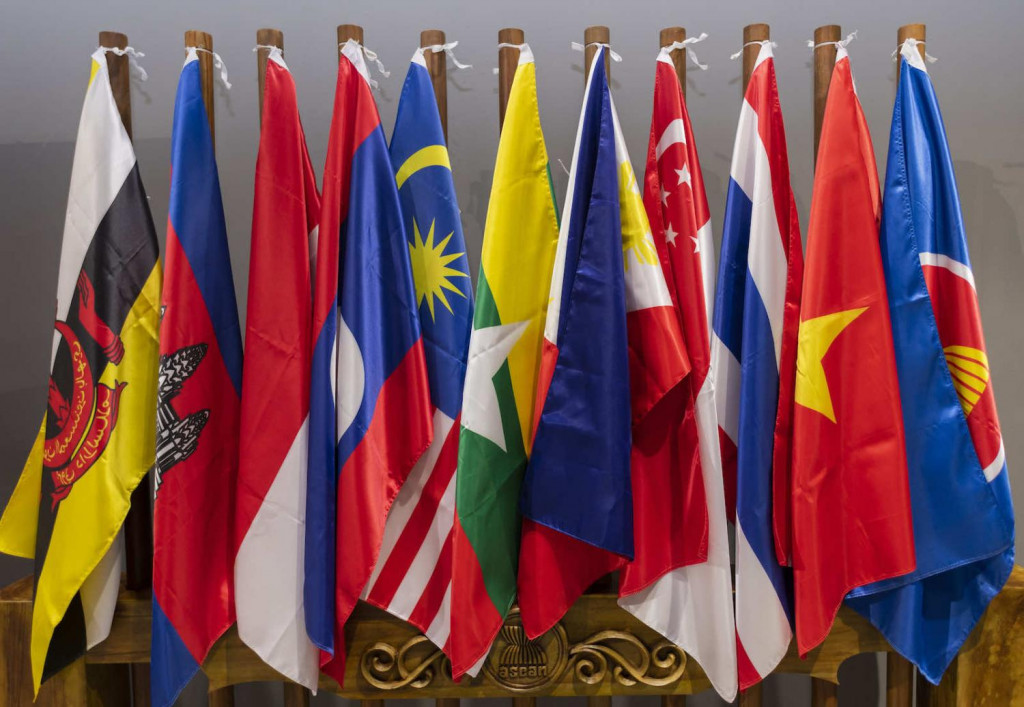
The upcoming ASEAN Summit, to be held from 26 to 28 October under Malaysia’s presidency in 2025, is shaping up to be one of the most significant events for the political, economic, and strategic future of Southeast Asia. It is not merely a meeting of heads of state but a moment when the ten member countries (with Timor-Leste awaiting full membership) will define the course toward the ambitious goal of “ASEAN 2045” — a vision of deeper, more sustainable, and more autonomous regional cooperation on the global stage.

According to the Malaysian government, the summit will conclude with the adoption of 84 outcome documents, a number that reflects the intention to translate discussions into concrete commitments. But beyond this impressive figure, what truly matters is whether these documents will mark real progress or remain, as often happens, a collection of well-meaning declarations lacking binding implementation mechanisms.

Malaysia has sought to give its presidency a distinctive mark by overcoming the traditional divide between economic and diplomatic policymaking. For the first time, foreign and economic ministers from member states will meet jointly to coordinate their agendas before presenting them to the heads of state. This is a significant step, as ASEAN has often struggled with coherence between its economic and political dimensions: while commercial integration has advanced, a common foreign policy has often been hampered by internal divisions and diverging national interests.

Another central topic will be the ecological transition. During the summit, a meeting of the so-called ASEAN Zero Emission Community will take place, involving external partners such as Australia and Japan. The goal is to promote joint projects to accelerate decarbonization in the region — a particularly tough challenge in an area where many countries still depend heavily on fossil fuels, and where economic growth often clashes with environmental objectives. It will be interesting to see whether the summit can move from principles to practice, introducing concrete initiatives with shared funding, technical cooperation plans, and a credible roadmap toward net-zero emissions.

On the economic front, Malaysia also aims to strengthen ASEAN’s trade relations with its main partners. Among the most anticipated topics are the update of the ASEAN-China Free Trade Agreement (version 3.0) and the expansion of cooperation with the United States. China remains ASEAN’s largest trading partner, but the growing strategic rivalry between Beijing and Washington forces Southeast Asian nations to perform a delicate balancing act. The summit will thus serve as a test to see whether ASEAN can maintain what some call “active neutrality” — the ability to benefit from relations with both powers without taking sides.

Another key issue will be the integration of Timor-Leste, which has been granted observer status but has yet to become a full member. The final admission of this small state poses logistical, economic, and political challenges, as its level of development is far below the ASEAN average. Yet it also carries symbolic weight: it represents a further opening of the community and a reaffirmation of ASEAN’s principle of inclusivity. The summit could define a clear timeline and framework for Timor-Leste’s full membership, strengthening ASEAN’s identity as a region based on solidarity and cooperation.

Malaysia’s presidency has also announced that the Treaty of Amity and Cooperation (TAC) will be central to discussions. First signed in 1976, this document forms the legal foundation of relations among ASEAN member states and reaffirms the organization’s core principles: respect for sovereignty, non-interference in internal affairs, and the peaceful resolution of disputes. The renewed emphasis on these principles comes at a delicate time, marked by growing tensions in the South China Sea, where countries such as the Philippines and Vietnam are at odds with China over territorial claims. It is likely that ASEAN will once again seek to strike a balance — reaffirming international law while avoiding positions that could threaten internal unity or antagonize Beijing.

One element expected to draw global attention is the presence of foreign leaders, underscoring the summit’s growing geopolitical importance. Among the most anticipated guests is Donald Trump, who, having returned to the White House, appears determined to reassert the United States’ role in the Indo-Pacific. According to diplomatic sources, Trump is expected to attend the signing of a bilateral agreement between Thailand and Cambodia, aimed at definitively settling border disputes and boosting cross-border economic cooperation. His presence, alongside that of other leaders — including the prime ministers of Japan, India, and Australia — will give the summit an unprecedented international profile, highlighting Southeast Asia’s central role in the emerging global balance. The signing of the Thailand–Cambodia agreement, in particular, will serve as a test of ASEAN’s ability to act as both mediator and guarantor of regional stability.

The summit will therefore have a strong diplomatic dimension. All ASEAN leaders and their dialogue partners are expected to attend in Kuala Lumpur, Italian’s Prime Minister Giorgia Meloni included. Malaysia intends to use the opportunity to reaffirm ASEAN’s role as a global actor, not merely a regional platform. In an international context marked by strategic rivalries, wars, and trade tensions, Southeast Asia seeks to position itself as a zone of stability — capable of mediating and defending a multipolar order founded on dialogue.

However, expectations must be tempered by ASEAN’s structural limits. The organization operates on the principles of consensus and absolute respect for national sovereignty, meaning that every major decision requires unanimous approval. While this principle has prevented internal conflicts, it has often paralyzed collective action, making it difficult to adopt unified positions on sensitive issues. The risk, once again, is that the impressive number of adopted documents may result in a flood of solemn declarations with few concrete mechanisms, deadlines, or dedicated resources.

The real test of success will therefore be concreteness: how many of these 84 documents will include binding commitments, monitoring mechanisms, or detailed action plans? If Malaysia’s presidency manages to ensure even part of that, the summit could mark a turning point in regional governance. Otherwise, it risks becoming yet another diplomatic showcase.

Beyond the formal outcomes, observers will be watching closely to see whether ASEAN can strengthen its strategic autonomy. In an era when Southeast Asia lies at the heart of U.S.-China competition, member states are forced into a delicate balancing act between economic interests and geopolitical security. ASEAN’s ability to speak with a single voice will be crucial to preserving regional stability and preventing the bloc from splitting into opposing camps.

Ultimately, the 47th ASEAN Summit is expected to be more than a declaration of intent — it should be a test of political maturity. The region has grown economically; now it must prove that it can build a shared political identity. If the summit succeeds in giving new momentum to coordinated action on sustainability, trade, security, and governance, it could mark the beginning of a new phase for ASEAN, that could participate to shape the future world order.

More Trade Agreements Incoming Between the EU and ASEAN

After the deal signed with Indonesia, Brussels aims to conclude other negotiations. By 2026, agreements with Thailand, the Philippines, and Malaysia could be finalized

Di Alessandro Forte

September 23, 2025 adds another piece to the long and complex puzzle of bilateral relations between the European Union and ASEAN countries: Commission President Von der Leyen and Indonesian President Subianto have concluded a Free Trade Agreement (FTA) and an Investment Protection Agreement (IPA) after nine years of negotiations, pending formal approval by the Member States and the European Parliament. This agreement fits into a much broader political and commercial framework for Brussels, which views the region as not only a solid economic partner, but above all a strategic opportunity. In 2024, ASEAN confirmed its role as the EU’s third-largest trading partner, with a goods exchange worth €258.7 billion (9.6% of the Asian bloc’s total trade), and stands out as a crucial manufacturing and logistics hub for access to the Indo-Pacific area, serving as a bridge between advanced and developing economies, and as a key node in supply chains—among them electronics and automotive. 

In this context, Jakarta and Brussels agreed to eliminate tariffs on more than 90% of products as soon as the deal enters into force, including the 50% tariffs on EU automobiles, which will be gradually phased out within five years. The Indonesian president, in this regard, expressed confidence that these conditions will double bilateral trade within the first five years. 

Moreover, the newly signed agreement marks the third achievement rewarding the EU’s bilateral approach toward ASEAN countries. Indeed, after the attempt in 2007 to negotiate a region-to-region agreement, the process stalled and was suspended in 2009 due to regulatory heterogeneity among Southeast Asian countries. This, however, did not prevent Brussels from concluding FTAs with Singapore in 2019—with an IPA pending ratification—and with Vietnam in 2020, opening up broader product and service diversification in the region. From a strategic standpoint, the Singapore–Indonesia pairing—respectively a services champion and a demographic powerhouse rich in raw materials—inevitably sends a positive signal for the negotiations that are still on hold. 

For Thailand, ASEAN’s automotive hub, the Indonesian precedent on progressive tariff dismantling in the sector acts as a regulatory facilitator, reducing investment uncertainty and opening the door to a more realistic and extensive integration of regional value chains. For Malaysia, the world’s second-largest palm oil producer after Jakarta, the removal of EU tariffs on the product creates a more attractive negotiating scenario, while maintaining European standards on food safety and sustainability. For the Philippines, where services account for 63.2% of GDP, an FTA modeled after the Singapore deal would bring interoperability in digital services, streamlined procedures for licensing and payments, and common frameworks for fintech and open banking, making EU market access more immediate for Filipino operators.

One question remains: does a regional EU–ASEAN agreement still make sense? The short answer is yes—but not in the immediate future. The bilateral path, however, should not be seen as an alternative to a region-to-region deal, but rather as a pragmatic way to gradually align agreements with other Southeast Asian countries, building a broader framework that lowers compliance costs for businesses and strengthens ASEAN integration. In the medium term, this could certainly create fertile ground for a credible regional agreement. The global context, moreover, pushes in the same direction: amid rising U.S. tariffs and persistent dependence on the Chinese market, for both the EU and ASEAN, supply chain diversification is no longer an option, but a strategic necessity. Hence the urgency of transforming bilateral progress into a shared roadmap, with concrete objectives and defined timelines.

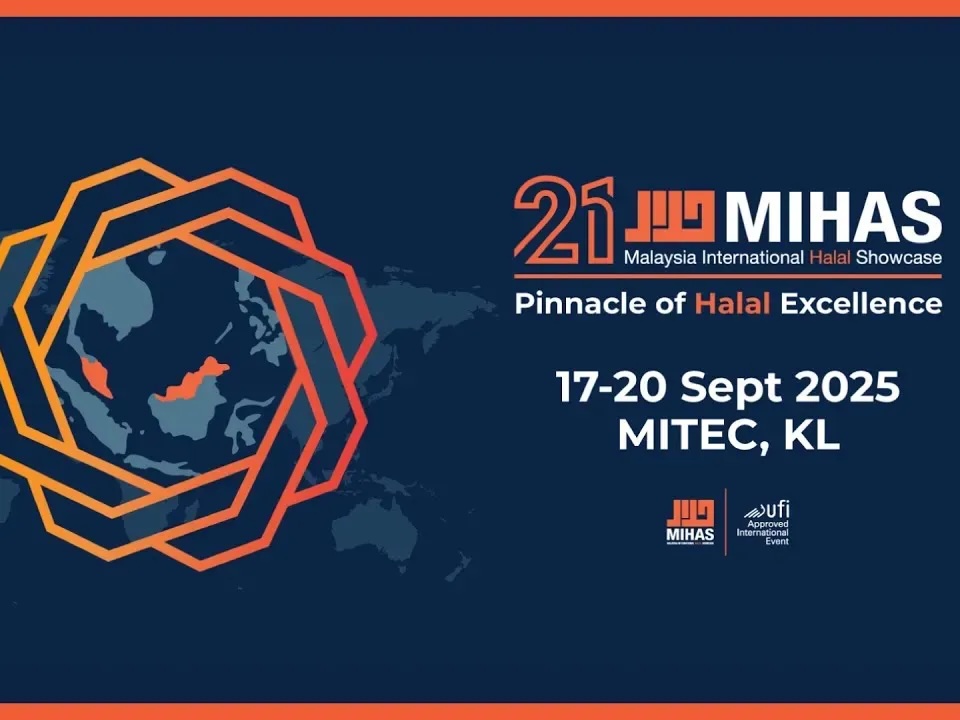
MIHAS 2025: Malaysia at the Center of the Global Halal Economy

With over 2,300 exhibitors from 45 countries, the Kuala Lumpur trade fair confirms itself as the international hub for halal innovation and business, offering Italian companies a strategic springboard to become key players in Asian, Middle Eastern, and African markets

The halal sector has long been one of Malaysia’s strategic assets on the international stage, and the Malaysia International Halal Showcase (MIHAS) is its most important global showcase. Since 2004, when it was launched as a visionary government initiative, MIHAS has grown to become the world’s largest event dedicated to halal trade, with an economic and diplomatic impact that goes far beyond ASEAN’s borders. At the 2024 edition, business worth over 4.3 billion ringgit was generated and memoranda of understanding worth hundreds of millions were signed, demonstrating how the fair has become a catalyst for international trade and cooperation.

The 2025 edition, the twenty-first, is expected to be the most significant ever: MATRADE, the government agency that promotes Malaysian exports, anticipates the participation of more than 2,300 exhibitors from 45 countries, with over 45,000 professional visitors expected. The chosen theme, “Pinnacle of Halal Excellence”, highlights the ambition to combine innovation, sustainability, and digitalization, transforming the halal sector into a laboratory of inclusive and resilient growth. Today, MIHAS is no longer just about food: it encompasses pharmaceuticals, medical devices, Islamic finance, modest fashion, cosmetics, and “Muslim-friendly” tourism, reflecting the diversification and maturity of the global halal economy.

One of the most relevant innovations this year is the expansion of the MIHAS Knowledge Hub, a permanent digital platform that turns the event into a 365-day commercial ecosystem. Through webinars, expert sessions, market data, and real-time matchmaking, exporters gain continuous access to strategic information and a global network of buyers, moving beyond the logic of a single trade fair. In 2024, the parallel International Sourcing Programme (INSP) facilitated over 2,500 business meetings and generated contracts worth more than one billion ringgit; in 2025, the goal is to consolidate and expand this success.

In this context, European participation takes on particular importance. For Italy, internationally recognized for the quality of its “Made in Italy” products, MIHAS represents a strategic springboard to bring its goods—ranging from agri-food to cosmetics, from fashion to light engineering—into a sector founded on values of integrity and authenticity. Precisely for this reason, ahead of MIHAS 2025, an unprecedented collaboration has been launched with the Italian Chamber of Commerce for Southeast Asia (CCISEA), based in Milan, and with the World Halal Authority (WHA). The goal is to encourage Italian companies to present themselves in Kuala Lumpur with a certified and competitive halal offering, ready to capture the growing demand from Asian, Middle Eastern, and African markets.

This initiative reflects Italy’s growing interest in a sector already worth hundreds of billions of dollars globally, which will continue to expand, driven by consumers increasingly attentive to product quality, traceability, and sustainability. While Malaysia consolidates its role as the world’s halal economy hub, it also offers foreign exporters a unique platform to become key players in a rapidly transforming market.

According to Mr. Ravidran Manogaran, Consul and Trade Commissioner of Malaysia in Milan, MIHAS (Malaysia International Halal Showcase) “is an excellent platform for Italian companies—renowned for their quality and excellence—to expand beyond traditional markets. More than just a regional event, MIHAS is globally recognized and offers Italian businesses a strategic opportunity to present their high-end products to an international audience of buyers and investors. The exhibition ensures valuable B2B matchmaking, networking, and exposure to a wide ecosystem of global partners. Participating in MIHAS allows Italian companies to build trust, create new partnerships, and establish a strong presence in a sector that values integrity and authenticity,” explains Mr. Ravidran, who is convinced that, “while MIHAS helps Malaysia grow globally, it can also support Italian brands, particularly those under the ‘Made in Italy’ label, in becoming authentic global halal brands.” 

For Italian companies, therefore, MIHAS is not just a trade fair but an opportunity to enter global value chains, access highly targeted business matching tools, and build trusted relationships with international partners. It is a gateway to a vast and diverse economic community, which increasingly looks to Italian excellence as a synonym for quality and authenticity.

Indo-Pacific? For Italy it Mainly Means ASEAN

The most distinctive feature of Italy’s approach to the Indo-Pacific lies in the depth with which it seeks to expand relations with Southeast Asian countries: almost a unicum in Europe

By Emanuele Ballestracci

When, in 2008, the Obama administration inaugurated a new era of American foreign policy with the now famous “Pivot to Asia,” few would have imagined that little more than a decade later Europe would also partially follow in its footsteps. The Indo-Pacific region — whose precise geographical boundaries vary depending on the parameters adopted by each actor — is increasingly at the center of the European Union’s and its member states’ strategic interests. Since 2018, the year France published its Indo-Pacific strategy, these interests have taken shape in policy documents drafted by European governments. The Netherlands, Germany, the United Kingdom, the Czech Republic, and Lithuania — as well as the EU itself — have all followed France’s example. Italy, however, still lacks an official strategy, though parliamentary work to define one began in 2023.

Although it does not yet have a fully codified framework and lacks the resources of powers with a stable presence such as the United Kingdom and France, Italy’s commitment to the Indo-Pacific has nevertheless helped position Rome as a credible partner for regional actors. For more than fifteen years, Italy has deepened its ties with the region through a multidimensional and consistent approach, despite the proverbial discontinuity of its governments.

A turning point in Italy’s Indo-Pacific trajectory came in 2007, when Rome joined the Pacific Islands Forum as a Dialogue Partner — after France and the United Kingdom, but before Germany and Spain. Since then, Italy has expanded a network of strategic partnerships with its traditional regional allies: with South Korea in 2018, and with India and Japan in 2023, followed in 2024 by Joint Strategic Action Plans with New Delhi and Tokyo. In 2019 it also joined the Indian Ocean Rim Association (IORA) as a Dialogue Partner, one of only three European countries to do so.

On the defense front, industrial and military cooperation have emerged as crucial areas, particularly with the launch in 2022 of the Global Combat Air Programme (GCAP), a trilateral partnership with the United Kingdom and Japan to develop a sixth-generation fighter jet. Over the past decade, the Italian Navy has also carried out regular missions in the area: the frigate Carabiniere in 2017, ITS Morosini in 2023, ITS Montecuccoli and F-35As in Japan in 2024, and ITS Antonio Marceglia in 2025. Italy also took part in Operation AGENOR — the European maritime security initiative in the Strait of Hormuz — from July 2022 to January 2023, assuming command and contributing two frigates and air assets.

The most significant peculiarity of Italy’s approach, however, lies in the depth with which Rome has extended its relations with Southeast Asian countries — almost a unicum compared with the orientations of other European countries such as the Netherlands and Germany. These latter tend to emphasize cooperation with “like-minded partners” — the United States, Japan, South Korea, India, and Australia — to strengthen their regional presence, while the United Kingdom relies heavily on minilateral forums that exclude ASEAN.

Italy, instead, has significantly reinforced its engagement with Southeast Asia, launching collaborations and consolidating partnerships on multiple levels. Memoranda of Understanding of an economic nature have been signed with Indonesia and Thailand, while in 2020 Rome became an ASEAN Development Partner. Italian companies have also worked with Vietnam, Indonesia, and Thailand in supplying machinery and industrial equipment for manufacturing modernization, and have developed projects with the Philippines and Malaysia in renewable energy and climate transition. ASEAN was also identified as a strategic priority in the “Action Plan for Italian Exports to High-Potential Extra-EU Markets” presented in June 2025, with Italian exports reaching €10.7 billion in 2024 — a 10.3% increase over the previous year.

In this context, the strengthening of ties with Malaysia is emblematic: the visit of Prime Minister Anwar Ibrahim to Rome in July 2025, culminating in a summit with Prime Minister Giorgia Meloni, marked the evolution of relations with Putrajaya into a strategic partnership. Italy-Malaysia relations have consolidated across all levels, thanks also to contributions from the private sector and Italian giants such as Leonardo, Fincantieri, and Eni. Relations with Indonesia have also grown significantly: in 2024 the country became the main importer of Italian armaments, with acquisitions worth €1.25 billion and a historic contract with Fincantieri and Leonardo for two multipurpose patrol vessels. Rumors have also circulated about possible new agreements, including the sale of the aircraft carrier Garibaldi.

Deepening relations with ASEAN countries thus constitutes a cornerstone of Italy’s renewed interest in the Indo-Pacific. Alongside cooperation with traditional partners, Rome has in fact significantly strengthened its ties with Southeast Asian capitals on diplomatic, economic, and defense levels. This approach differs from that of other European actors, even though both the EU and ASEAN are united in their support for principles such as multilateralism and the centrality of international law. 

The Future of ASEAN Solar Power

Southeast Asia’s solar industry is facing major challenges after the imposition of heavy U.S. tariffs. To turn these into opportunities, ASEAN must diversify its export markets and strengthen domestic demand

Di Fabrizio Bottara

When the United States imposed unprecedented tariffs on solar panels and cells from Cambodia, Vietnam, Thailand, and Malaysia, it rang an alarm bell for the entire Southeast Asian sector: if exports continue to depend too heavily on the U.S. market, the whole supply chain risks fragility and economic shocks that will be hard to absorb. The tariffs have already had a deep and uneven impact on exports to the U.S. Cambodia, Vietnam, and Thailand are at the forefront of the complaints, while the overall picture of the sector has been upended. “This commercial shift demands a change of paradigm,” according to an editorial published in Nikkei by Huang Yijia and Yan Bowen, researchers at the Asia Competitiveness Institute of the Lee Kuan Yew School of Public Policy, National University of Singapore. In some areas, major Chinese companies that had relocated production to ASEAN to avoid tariffs have already anticipated the crisis, moving to less penalized regions such as Indonesia or Laos, or even bringing part of their production back to the U.S. For ASEAN’s solar sector, this is an aspect to take into account: the model built on easy access to the American market is no longer sustainable. Southeast Asian countries are therefore considering possible ways to steer the industry so that it can emerge stronger and more resilient. Redirecting toward emerging markets such as Europe, Japan, and Australia can cushion the blow of reduced U.S. exports. Not only that: developing internal demand within ASEAN by promoting local installation of solar systems can support the supply chain, create jobs, and enable greater strategic autonomy. Coordinated action among ASEAN countries can foster economies of scale and more efficient distribution models. The idea of an ASEAN Power Grid — a regional electricity network — could boost the sharing of renewable resources and improve energy security. With fewer outlets to the U.S., part of the industry can find a market for its excess supply within ASEAN itself, reducing transportation costs and accelerating the regional energy transition. According to analysts, dependence on Chinese components can be reduced by developing local R&D capacity, producing higher-value components, and advancing toward comprehensive clean tech systems. It is a path that requires investment but one that could potentially raise the entire sector. Many companies, especially smaller ones, risk shutting down. They will need public and private support to relocate or restructure, for example by targeting new regional markets or developing turnkey solutions. The conclusion is clear: the protectionist wind that has struck ASEAN solar exports to the U.S. is an urgent wake-up call. But it can be turned into an opportunity — if the sector knows how to diversify markets, strengthen domestic and regional demand, push for innovation, cooperate as a political-economic bloc, and turn excess capacity into new services for local markets. ASEAN’s solar industry today has the chance to rise and become a driver of energy transition — autonomous and sustainable within its borders, while maintaining a careful and diversified projection outward.

L’Università di Brescia ospita il Plenary Meeting di ASEA UNINET. Attesi oltre 100 delegati da Europa e Sud Est Asiatico per il summit dedicato a cooperazione accademica, diplomazia e scenari globali per uno sviluppo sostenibile

Domani la cerimonia di inaugurazione nel Salone Vanvitelliano di Palazzo Loggia. Il meeting è in programma fino a venerdì 12 settembre

Brescia, 8 settembre 2025 – Prendendo ispirazione dal processo di riconciliazione tra Timor Est e Indonesia, esempio virtuoso di diplomazia regionale, la collaborazione accademica tra Europa e Sud Est Asiatico si candida oggi a diventare un motore di pace e di sviluppo sostenibile in un contesto geopolitico sempre più frammentato. È anche su questo tema che si concentra la riunione plenaria di ASEA UNINET – acronimo di Asean-European Academic University Network – la rete di Università europee e del sud-est asiatico che dal 1994 promuove la continua internazionalizzazione nell’alta formazione e nella ricerca.

Al meeting, in programma a Brescia da oggi, lunedì 8, fino a venerdì 12 settembre, sono attesi oltre centoventi delegati europei ed asiatici, chiamati a discutere sul tema della collaborazione scientifica, in particolare nei campi: Digital Humanism and Arts in Academia, Ocean Sciences and Climate Change, Renewable Energy, Global Health and Sustainable Food Production ed Ecological Economics/Bioeconomy.

The cerimonia di inaugurazione, aperta alla comunità accademica, si tiene domani, martedì 9 settembre, nel Salone Vanvitelliano di Palazzo della Loggia. Insieme a dirigenti, autorità e diplomatici della rete, intervengono per i saluti istituzionali la Sindaca Laura Castelletti, il Rettore Francesco Castelli e il Presidente di ASEA UNINET e Prorettore alle politiche di internazionalizzazione dell’Università degli Studi di Brescia, Roberto Ranzi.

Originariamente composta da esponenti di Austria, Indonesia, Thailandia e Vietnam, la rete ASEA UNINET include oggi oltre 90 università provenienti da 16 paesi, compresi Italia, Malaysia, Myanmar, Cambogia, Cechia, Germania e Filippine, insieme a una università associata dal Pakistan. Grazie al rapporto di collaborazione tra gli Atenei coinvolti, la Rete assegna borse di studio per lauree magistrali, dottorato e post-dottorato a studenti e ricercatori e organizza workshop internazionali, conferenze, summer/winter schools ed eventi di networking, questi ultimi spesso in stretta cooperazione con ambasciate e rappresentanti della politica e dell’economia. I progetti di ricerca ASEA-UNINET sono interdisciplinari e spaziano dalle Scienze Naturali, Tecnologie, Economia, Scienze Sociali e Umanistiche fino a Medicina e Farmacia. Oltre al focus scientifico dell’ASEA-UNINET, la rete è caratterizzata dai contatti individuali che si creano tra i suoi partecipanti. Non a caso si parla della “famiglia” ASEA-UNINET.

I paesi ASEAN ospitano l’8% della popolazione mondiale e generano il 7.2% del GDP mondiale e stanno assumendo un ruolo sempre più importante negli scambi culturali ed economici per l’Europa, l’Italia e anche per il territorio bresciano.

Alla conferenza stampa di questo pomeriggio in Rettorato sono intervenuti:

Prof. Francesco Castelli

Immagine che contiene Viso umano, persona, cravatta, FronteDescrizione generata automaticamenteRector of the University of Brescia

Full Professor of Infectious Diseases at the Department of Clinical and Experimental Sciences. After his University Degree in Medicine at the University of Pavia he obtained there the Specialty Diploma in Infectious Diseases and the Specialty Diploma in Tropical Medicine at the University of Milan. He is Chairholder of the UNESCO Chair “Training and Empowering Human Resources for health development in resource-limited countries” and member of the Technical Advisory Group on Health, Migration and Displacement. He heads the Division of Infectious Diseases at Spedali Civili di Brescia. He is the main Author of 450 publications on peer-reviewed journals in HIV infections, tropical, travel-related and imported infections, and global health.

Prof. Roberto Ranzi, PhD

Immagine che contiene Viso umano, persona, vestiti, sorrisoDescrizione generata automaticamenteVice Rector for International Affairs at the University of Brescia, President of ASEA UNINET

Full Professor of Hydraulic Structures and of River basin monitoring and restoration at the University of Brescia, Italy where he is also Vice Rector for International Affairs. He obtained his PhD in Water Engineering at Politecnico di Milano. He was awarded the Certificate of Merit by the Viet Nam Ministry of Foreign Affairs, by the Ministry of Education and Training and the Ministry of Agriculture and Rural Development in 2019. He Chairs the Technical Committee of Climate Change Adaptation in IAHR. He acts as President of the ASEA UNINET University network.

Prof. Gabriele Kotsis, PhD

Immagine che contiene Viso umano, persona, sorriso, sopracciglioDescrizione generata automaticamenteHead of the Department of Telecooperation at JKU Linz, Austria’s National Coordinator for ASEA-UNINET

Full Professor of Computer Science at Johannes Kepler University Linz (JKU), Austria, where she heads the Department of Telecooperation. She earned her PhD from the University of Vienna in 1995 with distinction. From 2007 to 2015, she served as Vice-Rector for Research at JKU Linz, where she was responsible for shaping and advancing the university’s research strategy. She served as President of the Association for Computing Machinery (ACM) from 2020 to 2022. Since 2016, Gabriele Kotsis has acted as Austria’s National Coordinator for ASEA-UNINET.

«It is a great honour for the ASEA-UNINET community to be invited to Brescia for our 20th Plenary Meeting.

This gathering represents the strength of our network—a vibrant partnership between European and

Southeast Asian universities, dedicated to advancing education, research, and academic exchange. As

Austria’s National Coordinator and as a long-standing advocate for international collaboration, I firmly believe

that the projects we foster through ASEA-UNINET not only enrich our institutions but also build bridges of

innovation and understanding across continents. Together, we can achieve greater impact—through joint

research initiatives, mobility programmes, and funding schemes that empower both faculty and students. I

look forward to our shared discussions and the opportunities that lie ahead in deepening our cooperative

efforts».

Assoc. Prof. Dr. Mohamad Farizal bin Rajemi

Immagine che contiene Viso umano, persona, sorriso, FronteDescrizione generata automaticamenteUniversiti Utara Malaysia, Vice-President and Regional Coordinator for South-East Asia in ASEA UNINET

Dr Mohamad Farizal RAJEMI is an Associate Professor at the School of Management Technology and Logistics, Universiti Utara Malaysia. Dr. Rajemi earned his doctorate and master’s degree in mechanical engineering from the University of Manchester. The topic of “sustainable and green manufacturing” is his principal area of research interest. From 2016 to 2019, he served as the Director of the UUM Centre for International Affairs & Cooperation the Dean for Student Affairs Presently, he holds the position of Vice President/Asia Regional Director for the ASEA UNINET.

«ASEA-UNINET was established in 1994 by universities from Austria and Southeast Asia Universities from Indonesia, Thailand, and Vietnam. It has now expanded to include other ASEAN countries: Malaysia, the Philippines, Laos, and Myanmar. The support of ASEA-UNINET through various financing initiatives has aided ASEAN members in cultivating new talent in research. This assists ASEAN universities in advancing research and innovation. Joining ASEA-UNINET significantly benefits the universities.
The exemplary leadership of ASEA-UNINET president, Professor Roberto Ranzi from the University of Brescia, has fortified the research collaboration between the two continents. I, as the current Vice President of ASEA-UNINET, wish to commend Professor Roberto for his exemplary leadership. I am confident that the research collaboration would thrive and provide advantages to the member universities in ASEAUNINET».

Europe and ASEAN United for Multilateralism

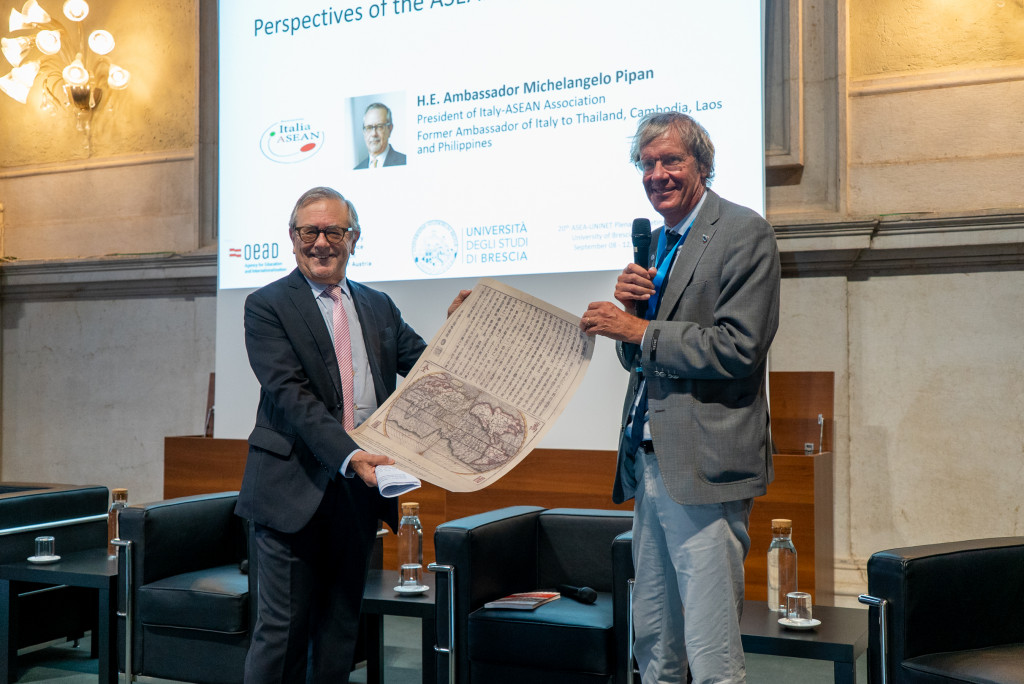
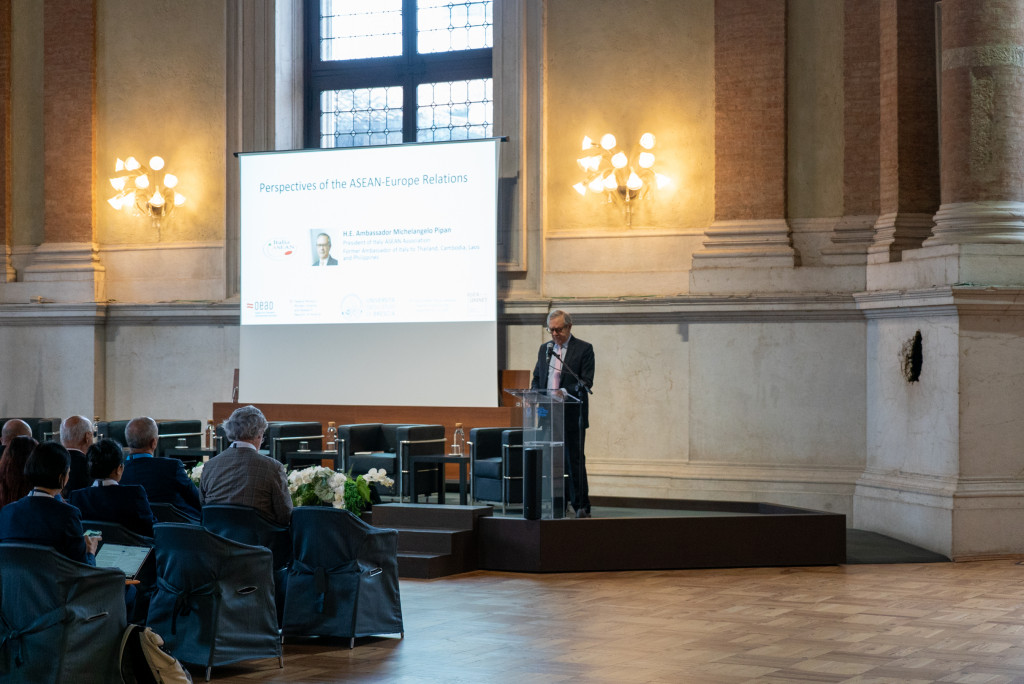
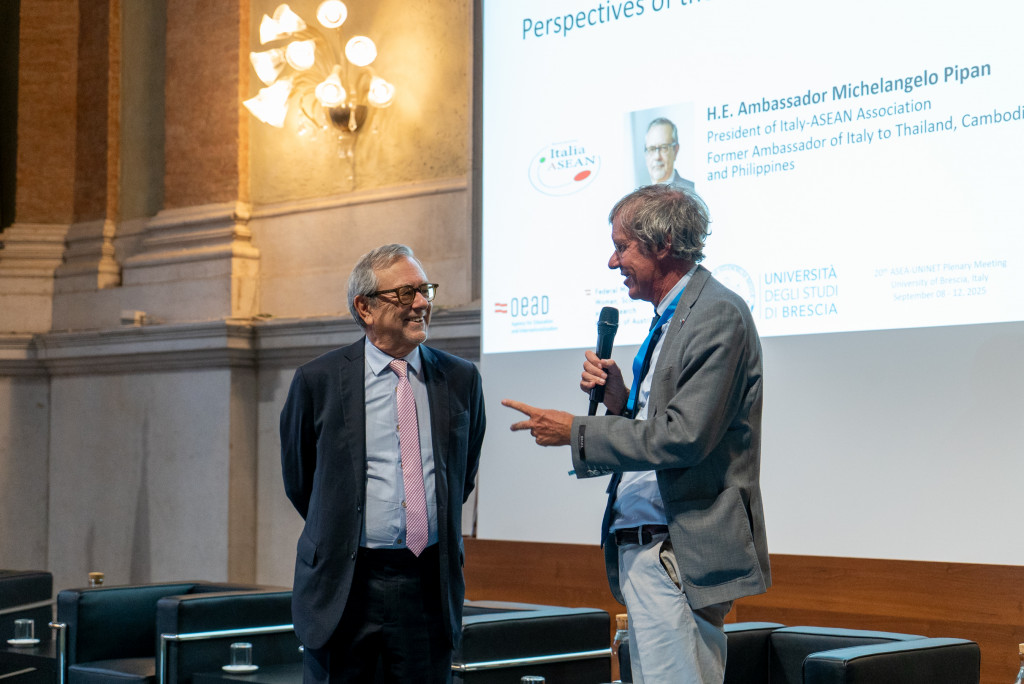
Speech by Ambassador Michelangelo Pipan, President of the Italy-ASEAN Association, at the 20th ASEAN–European Academic University Network Meeting

The 20th plenary meeting of the ASEAN–European Academic University Network is taking place in Brescia, under the theme “For a Peaceful and Sustainable Development.” In a packed program of events running until Friday, September 12, discussions will focus on cooperation between Europe and ASEAN, starting from the academic front. During the opening ceremony on Tuesday, September 9, Ambassador Michelangelo Pipan, President of the Italy-ASEAN Association, delivered a speech. The full text of his keynote address is presented below.

***

Distinguished delegates, Let me first of all thank the Rector of the University of Brescia for the invitation and congratulate your group for the longsighted and much-needed initiative of dedicating your attention to promoting relations between Europe and ASEAN. I went through your website and was very impressed by the long list of projects, both completed and ongoing, you have developed in an extremely vast array of subjects. I also noted with appreciation the theme you have chosen for this 20th plenary meeting. I cannot but congratulate and rejoice in your deep commitment in pursuing something I consider of paramount importance for the shared interests of Europe and ASEAN and their member countries, that is promoting interaction and reciprocal awareness so that to boost relations, also beyond academia, in every possible field. There is much scope and merit in that. As you will see, these few words can well serve to introduce, even summarise, the essential sense of the speech I am going to deliver.

I am asked to illustrate my views about the Perspectives of the ASEAN–Europe relations. Perspectives in themselves depend on a set of variables, either internal, inherent to the protagonists or external, belonging to the general context. Both vary across time, depending on many factors. As a spoiler, I can anticipate that in this particular moment in time I consider these perspectives as more favorable than ever and that it is up to the parties to seize the opportunity as it arises and commit to make the best of it.

Let’s turn our attention first to the broader picture and consider those general conditions. Looking at the global geopolitical situation, we cannot fail to note that these are rather unprecedented times, that this Meeting happens in a very extraordinary international context.

We are all aware that since the beginning of the year the world has been trying to cope with a continuously changing situation both unexpected and unusual, full of menacing forebodings for world order and even peace. As often in such cases though, they are not deprived of opportunities.

The fundamentals of the international economic order have been shaken not to say upended; world trade is free falling into disarray and fragmentation; supply chains are being re-organised while climate change looms as an existential challenge that can only be faced through common efforts of the international community—a shared vision now even more complex to achieve. This —and I stress the point— will be the situation even if the American administration completely revised its stance. Trust on an order based on shared and stable pillars has been shaken possibly forever. States are compelled to reshape their policies, look around for new partners with the urge to differentiate sourcing for prime materials and investment goods, while seeking new markets for their exports. In doing this they will look for likeminded partners, while avoiding being too dependent on any specific one. All this did not obviously limit its effects to the economic sphere (it could hardly have), and while we watch the often-dramatic situation as worried as could be, we can only hope that eventually reason and moderation will prevail.

With this premise Europe and ASEAN certainly have in their DNA a lot to contribute to the international community pursuit of a positive outcome as well as important perspectives to look forward to in their relations. If, as it has been said, this is going to be the Asian Century, there are no better bridges to keep Europe apace and share its benefits.

ASEAN can boast an impressive success in preserving peace and developing the economy, and has a clean record as a stalwart champion of multilateralism and free trade, supported by diplomatic neutrality and non alignment. In this respect I would like to quote the UN Secretary General who, at last year's ASEAN Summit, lauded the Association as "bridge-builders and messengers for peace, prioritising dialogue and respect of international law".

In recent years—and in these very days— ASEAN has been playing an admirable and efficient balancing act vis-à-vis the two superpowers, China and the US, who are also its two biggest economic partners, refusing to be pushed to take sides. The risk ASEAN wants to avoid—now that economic relations with the US have become more problematic— is the role of China becoming overwhelming. Over the years ASEAN has built a far-reaching network of relations around the principle of "ASEAN CENTRALITY", which of course means that they consider themselves as the equidistant core of the system, with equal attitudes towards all partners. This, together with the much praised (and mostly successful) ASEAN WAY - essentially a strict noninterference attitude both outwards and inwards and a firm search for consensus away from the limelight’s - has been the fundament of their international policy, a powerful asset with which they can face the present turmoil.

On its side, Europe also believes in multilateralism and pursues peace and free trade, given exports’ paramount role in its economy. The EU is the second largest trading subject in the world, accounting for around 14% of global trade in goods and services. Much like ASEAN, its prosperity depends on open markets and diversified partnerships. This parallel gives Europe and ASEAN a natural affinity as partners in defending - and reforming if needed - the multilateral trading system.

As for internal factors, let's begin with a few words about ASEAN and its member countries: encompassing ten countries at various levels of development (many now belonging to the middle income group), it counts around 670 million people with an average age of 30.5 years and a large middle class, its economy bound to grow steadily in the next decades when it is expected to be among the top four largest markets in the world. Since its foundation in 1967, GDP growth has been impressive, recording rates unparalleled almost anywhere else. After the initial period, institutional integration has proceeded at a high pace, a pivotal point being the creation in 2015 of the ASEAN Community based on three pillars: Political-Security, Economic, and SocioCultural. After that the adoption of Roadmaps (first the ASEAN Vision 2025 then the AEC strategic plan 2026/2030 adopted last May) has defined progressively more ambitious goals of integration with the aim of strengthening the geopolitical role and resilience of the group with a special attention to sustainable development and inclusivity, looking at "leaving no one behind.”

More specifically, ASEAN’s new AEC Strategic Plan 2026–2030 sets concrete goals in digital integration, green transition, sustainable finance, climate resilience, and skills mobility— further aligning ASEAN priorities with those of Europe.

So, we are talking about a set of countries in constant growth characterised by and I list

  • economies that in many cases have already reached significant levels of development with advanced technological sectors;
  • democracies in continuous development, even if not yet complete;
  • a generally positive attitude towards Europe, which predates the recent geopolitical shifts.

There is no denying some not irrelevant issues both of internal and international nature and that the "ASEAN WAY" has of late failed to work as in the past. Most prominent of course the case of Myanmar and the long-standing question of the South China Sea. I am nevertheless convinced that these issues do not change the general picture and that ASEAN path to progress will not be hindered: let's not forget that all these countries, bar Thailand, were under colonial rule until not many decades ago, and that some of the problems they are facing, as the ThaiCambodian dispute, are a legacy of those times.

As for Europe, we well know the long way it has gone since World War II. Our brand of "regional organization" has no parallel. It may be argued that the challenges the EU is faced with now are showing the limits of its present structure, that there is the need for the Union of a radical change of pace. There is no doubt though, that the EU has been a vehicle for unparalleled growth, prosperity and peace for its members and has provided a precious context for the success of other European non member states as well, such those of the EFTA group.

The US being for both the biggest trade partner and given the still evolving tariff situation the EU and the other European countries are, similarly to ASEAN, in search of new horizons and in doing so cannot but look at each other. It is worth mentioning in this context, also to put things in perspective, the recently concluded trade agreement with Mercosur, together covering 780 million people and nearly a quarter of global GDP. While ratification is still pending, the treaty has been heralded as a major success, as EU–Mercosur trade was around €111 billion in 2023. But ASEAN–EU trade reached €252.5 billion in goods in the same period, much more than double the size. These figures show ASEAN’s impressive importance, surpassing by far other large regional blocs.

Europe-ASEAN relations are generally excellent, both bilaterally between individual countries and between the two groups as a whole. The list of ASEAN-EUROPEAN UNION dialogue relations and activities is impressive and so is that of those with other European countries, such as Switzerland and the UK, that have both attained the status of Dialogue Partner of ASEAN.

EU and ASEAN elevated their ties to a Strategic Partnership in 2020, and multiple bilateral Partnership and Cooperation Agreements are in force, including with Indonesia, Vietnam, the Philippines and Thailand.

Following the tariff turmoil, it is very likely that new "constellations" of economic partnership will emerge: ASEAN has been traditionally very active in this direction, seeking broader perspectives for its trade, the most prominent example being the central role they played in favour of the RCEP treaty, entered into force in 2022, that abated 90% of tariffs between 15 countries representing 30% of the world GDP.

The EU and other European states can look at something similar, especially now: there are signals that the ongoing negotiation on FTAs— only two have been concluded for the moment, with Singapore and Vietnam—have got a boost by recent developments and perspectives of a comprehensive FTA between the two blocs appear brighter now. Negotiations have resumed with Thailand (2023), the Philippines (2024) and Malaysia (2025), while talks with Indonesia continue, with the goal of concluding by 2026. The EU is already ASEAN’s third largest trading partner, after China and the US, accounting for about 8–9% of ASEAN’s trade, while European FDI stock in ASEAN is by far the largest, exceeding €400 billion in 2022.

Significant opportunities for cooperation in new growth trajectories are thus opening up: ASEAN countries are engaged in the colossal enterprise of modernizing their economies along the lines of their Plans of Action: they have the will, the determination, the drive, the power. They are looking for partners with competences that can contribute to achieve their set priorities, that is: creating new sources of competitiveness; a sustainable community with climate-responsive policies; an innovative community, attuned to emerging trends; a resilient community, capable of withstanding shocks, stresses, crisis and volatility.

European societies and economies not only have those competences but are at the same time very well positioned: our skills are well known, highly appreciated and fit well within ASEAN priorities: just to mention a few, in line with ASEAN Post-2025 planning, renewable energies, industrial automation, infrastructures, health sector development including medical equipment, space and high tech. ASEAN is a group that looks to the future, and Europe has the capacity to contribute to that effort.

A further point is paramount, and I draw it from my personal experience, the human factor. Local leadership and people are very open towards Europeans and, if I may, very much so towards Italians. Europeans are seen with sympathy, admiration and respect, things European are trendy, personal interaction is easy. Our excellences—not only our products’ high content in design and technology, but also European achievements in sustainability, education, and research—are well known and admired.

If this was true even before the recent international turmoil, it has become significantly more so now: Europe comes with no strings attached (well ... not exactly if we look at the complexities of the FTA negotiations) at least no geopolitical strings; actually, it can (and it better should) offer itself as a partner with no direct political interest in the area and thus one to provide valuable support in the ASEAN balancing act between the two "big brothers" competing for its favours.

As the date of the East Asia Summit approaches, Anwar Ibrahim, the prime minister of Malaysia that chairs the Association, recently stressed their confidence, affirming that ASEAN is going to be "the biggest winner in global trade" and I will add that there is no doubt Europe will have a great part to play in the pursuit of that goal, as in these times of economic and political trouble our interests coincide, projecting a future of great opportunities.

All the considerations I have advanced until now lead to consider very likely a significant rise in economic/political/social relations between Europe and ASEAN. But a final point stands out: how to unlock this potential, how to turn perspectives into reality?

We must admit from the start that there is a deficit of awareness in Europe—certainly in Italy—about opportunities offered by ASEAN; in spite of several examples of great success, there is much room for European presence in the region to grow. To give a sense of proportion: in 2024 ASEAN trade with the EU represented about 8.8% of its total trade, while China accounted for over 20%, the US for around 12%, and Japan for about 8.5%.

How to act? What does the European Commission do, and what do individual countries do? Governments must take the lead in a factual way, beyond providing diplomatic frameworks. The EU, aside from making PCA and FTA agreements, concluded and under negotiation, supports platforms such as the EU–ASEAN Business Council, that organises the EU–ASEAN Business Summit annually. France has reinforced its Indo-Pacific strategy with ASEAN as a core partner; Germany has intensified academic and economic cooperation. After exiting the EU, the UK has promptly sought a formal framework for its relationship with the ASEAN and was conferred the status of Dialogue Partner of ASEAN on 2 August 2021. Switzerland and Norway have very close relations as well. On a very practical operative way many are intensifying their presence and launched ASEAN-focused trade missions; President Macron visited several ASEAN states in 2023/4 following in the footsteps of leaders from Japan, China, India and the US that have all visited ASEAN capitals in recent months, underlining the region’s global centrality.

The Italian Prime Minister too was due to visit Vietnam in these very days, only to be obliged to postpone because of the international situation. The political and business meeting that were to be held on the occasion took place nevertheless. In the recently adopted Action Plan for Italian Export, ASEAN has been included among the top priorities, with special stress on Vietnam, Thailand and Indonesia, and will benefit from new and more powerful tools for export promotion.

The non-governmental sector has a significant role to play too. Although Associations like the one I preside over can only get so far, we, like some others in Europe, made this our mission: to try and reach out to the widest audience and promote a better awareness of ASEAN. Working hand in hand with government institutions we have been at work for ten years now to promote better knowledge of ASEAN and to encourage more and more individuals, enterprises and institutions to explore those countries, to see for themselves their potential.

We have done this in many ways:

  • a daily press review covering political and economic developments;
  • a weekly newsletter that goes deeper on selected topics;
  • we publish books;
  • we organize meetings and presentations;
  • we have of course been open to cooperations with all interested parties, in Italy and with every other European reality.

Allow me to point to one particular initiative we have promoted and has proved the most important instrument to serve our mission so far. We organize yearly, together with The European House–Ambrosetti, in a capital of the ASEAN countries, a meeting called HIGH LEVEL DIALOGUE on ASEAN–ITALY ECONOMIC RELATIONS which is aimed at fostering interpersonal contacts between high- ranking officials and entrepreneurs of the two sides. Every Dialogue has been crowned by a large success and has recorded a wide and important attendance. Other European examples exist too, both bilaterally and multilaterally, such as the Europe–ASEAN Business Summit, the EU– ASEAN Higher Education Platform, and the EU–ASEAN Business Council. This year, having completed the rotation of the main capitals, we plan to go back to Vietnam for the ninth edition.

Another major initiative we promoted has been the ITALY-ASEAN conference on Higher Education and Research, organised by the MAE and held in Rome in 2019, which gathered wide participation and was a great success—showing how academia can serve as a bridge in this partnership.

As a further step to help ASEAN awareness grow in Italy, The Italy ASEAN Association has floated the idea with the MAECI to coorganise an international conference under the title "ASEAN AWARENESS", along the lines of two similar initiatives that were held in the 2010s.

To conclude, the general political moment is favorable, new financial instruments have been made available by Governments, the ASEAN countries have many good reasons to look at partnerships with European companies. Ultimately though it is the interest of each specific community—business, cultural, social—that really matters to make all the ingredients blend together for success. Universities, in particular, have a central role: they are laboratories of innovation, exchange and awareness, and they embody the people-to-people dimension that gives depth and resilience to international partnerships.

Brilliant as the perspectives of Europe-ASEAN relations might be, a lot of work needs to be done, public and private sectors working together, to make them materializza. In this endeavour we have been engaged for the last ten years and will continue to do so, ready and willing to cooperate with all those interested in promoting deeper relations with ASEAN at the Italian as well as European level.
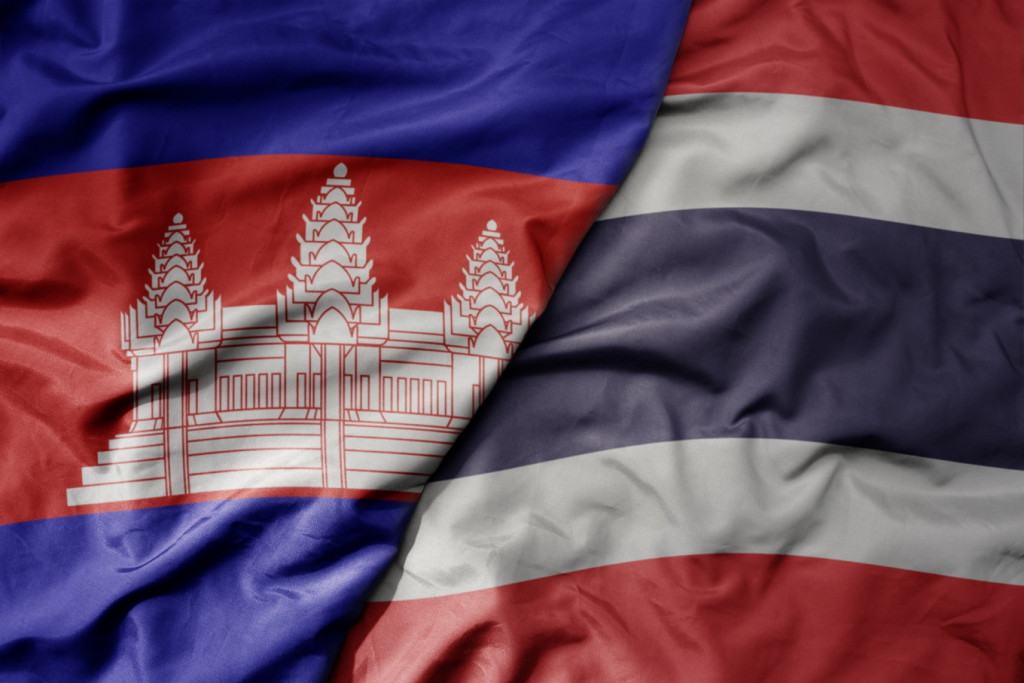
Thailand, the post-Shinawatra era begins

After the removal of Prime Minister Paetongtarn by the Constitutional Court, the country seeks new political balance

By Tommaso Magrini

Paetongtarn Shinawatra is no longer Thailand’s prime minister, after the Constitutional Court’s August 29 ruling that permanently removed her from office. Born on August 21, 1986 in Bangkok, Paetongtarn is part of the powerful Shinawatra dynasty: daughter of former prime minister Thaksin Shinawatra and niece of Yingluck Shinawatra, herself a former premier. After earning a degree from Chulalongkorn University and a master’s from the University of Surrey, Paetongtarn entered politics in 2023, becoming leader of the Pheu Thai Party. In August 2024, she became the youngest prime minister in Thailand’s history and only the second woman to hold the role. Her government rested on a fragile coalition, which included traditionally conservative parties, built also thanks to the influence of her father, Thaksin, who had returned home after years in exile.

In the early months, Paetongtarn enjoyed decent popularity. A September 2024 poll put her at 31% support, but recently that backing collapsed due to her inability to deliver on promises of economic stimulus, growth, and reform. The situation worsened with the tariffs imposed by Donald Trump against Thailand. 

In June, scandal erupted. A private conversation between Paetongtarn and Hun Sen, Cambodia’s former leader, was recorded and leaked online. In the conversation, Paetongtarn addressed him as “uncle” and said: “please, show a little solidarity with your niece”, offering to “take care of whatever you need.” She also criticized a Thai general, calling him an “opponent.” This all unfolded amid a growing border crisis between the two countries which, weeks later, escalated into five days of crossfire, leaving dozens dead and hundreds of thousands displaced.

On July 1, after the audio became public, 36 senators filed a petition with the Constitutional Court accusing her of violating ethics, integrity, and putting personal interests above the nation’s. The Court suspended Paetongtarn with a 7-2 vote, and on August 29, by a 6-3 majority, the judges ruled her definitive removal for ethical violations and constitutional requirements. Paetongtarn accepted the decision, reiterating that she had acted for citizens’ safety and calling for national unity. Her removal marks yet another blow to the Shinawatra dynasty: she is the sixth figure linked to the family to be ousted by institutional interventions in the past two decades.

Now a phase of political instability begins. The Pheu Thai Party seems destined to lose bargaining power. Its remaining eligible candidate is Chaikasem Nitisiri, 77, a former attorney general, but an agreement with conservatives and the Senate would be needed to secure the 247 votes in the 492-seat House. Among possible scenarios, there is talk of a compromise government led by Anutin Charnvirakul (Bhumjaithai), or early elections, given the divisions and growing opposition, including from the progressive People’s Party. Paetongtarn Shinawatra rose to power as a symbol of revival and continuity for the Shinawatra family, embodying hopes for reform and renewal. Young, pragmatic, and a promise of progress, she became prime minister at a moment of transformation for Thailand. Yet the private dialogue with Hun Sen turned into a boomerang: a diplomatically strategic communication perceived as betrayal, sparking a collapse in support and the fury of the establishment. In just a few months, her fresh leadership dissolved, swept away by the verdict of the Court and disillusioned voters. Now Thailand stands at a new crossroads: to redraw the map of political power within Parliament, or to return to the polls at a time when what the country needs most is stability.

The Centrality of ASEAN Tested by Thailand-Cambodia Conflict

Recent armed clashes along the border between the two member countries of the Southeast Asian group call into question the region’s core principle

By Emanuele Ballestracci

Since 2008, with the codification of the principle of “ASEAN Centrality,” its ten member states have pursued the ambition of making the organization the cornerstone of the Indo-Pacific regional architecture and the main channel of engagement with external partners. This perspective has immediately been tested by internal crises—such as the civil war in Myanmar—and by the inability to adopt common diplomatic positions, particularly regarding maritime disputes with China. In this context, the recent conflict between Thailand and Cambodia has only highlighted the difficulties in implementing this principle.

With the entry into force of the ASEAN Charter—the organization’s founding document—the principle of “Centrality” was formally enshrined, a concept that had already emerged in the 1990s with the establishment of the ASEAN Regional Forum and the ASEAN+3 format. The Charter came in a climate of renewed optimism, following the completion of the enlargement that brought the organization to include, beyond the five founding members (Indonesia, Malaysia, Singapore, Thailand, and the Philippines), also Brunei, Vietnam, Laos, Myanmar, and Cambodia. This was a step forward intended to strengthen ASEAN’s relevance on the international and, above all, regional stage. However, the effective application of “Centrality” appeared from the outset to be challenging due to several factors: unresolved territorial disputes; an institutional architecture not designed to fulfill this role; increasing international instability; and the different alliance systems of the members—despite the traditional non-alignment policy that unites them.

Although ASEAN Centrality has been recognized by the United States, the European Union, and numerous other small and medium powers, and implemented through platforms such as the East Asia Summit and the ASEAN Regional Forum, the inability to develop common positions on crucial dossiers—from the crisis in Myanmar to the disputes in the South China Sea—has made it clear that full implementation remains complicated. Notable examples include the failure to reach consensus in 2012 on a joint communiqué that would have articulated a common position on China’s growing assertiveness in the South China Sea, and the inability to jointly conduct negotiations for the Code of Conduct (CoC) aimed at regulating activities in the area. In the first case, Cambodia and Laos blocked the initiative under pressure from Beijing—their main economic and security partner—while the stagnation of the CoC, often attributed to the lack of willingness of some members, is pushing the Philippines to strengthen defense cooperation with the United States. It emerges that the lack of unity among ASEAN countries is the main obstacle to the very principle of “Centrality.”

These critical issues had already been recognized within the organization, to the point that in January 2025 a workshop was launched to explore possible reforms of norms and practices to allow ASEAN to reposition itself at the center of regional security architecture. However, the conflict between Thailand and Cambodia that erupted in July, causing 36 deaths and over 300,000 displaced persons, has further weakened these efforts. Latent territorial disputes, strong nationalism, and the need for both governments to redirect internal discontent outward have at least temporarily interrupted one of ASEAN’s achievements: the absence of armed conflicts between member states since its founding in 1967. 

The inability to reach an agreement on resolving the dispute raises further questions, as the escalation has made any concession even more costly for both parties. Moreover, should tensions persist, a plausible scenario includes the reopening of U.S. military bases in Thailand and a further strengthening of Sino-Cambodian defense cooperation.

The principle of ASEAN Centrality, constantly tested by internal and international challenges, currently needs to be reaffirmed and promoted in a cohesive manner.

Recently active members
Foto del profilo di Alessio
Foto del profilo di Monika
Foto del profilo di Gabriel
Foto del profilo di Elena
Foto del profilo di Lorenzo
Foto del profilo di Alessandro
Foto del profilo di Cristina
Foto del profilo di Rocco
Foto del profilo di Clara Lomonaco
Foto del profilo di Redazione
Foto del profilo di Davide Gugliuzza
Foto del profilo di Anna Affranio
Foto del profilo di Ilaria Canali
Foto del profilo di Nicolò
Foto del profilo di Angelo Cangero
Who is online
There are no users currently online
Members
  • Foto del profilo di Alessio
    Active 1 giorno, 19 ore fa
  • Foto del profilo di Monika
    Active 3 giorni, 3 ore fa
  • Foto del profilo di Gabriel
    Active 3 settimane, 4 giorni fa
  • Foto del profilo di Elena
    Active 1 anno, 4 mesi fa
  • Foto del profilo di Lorenzo
    Active 2 years, 6 mesi fa