Asean

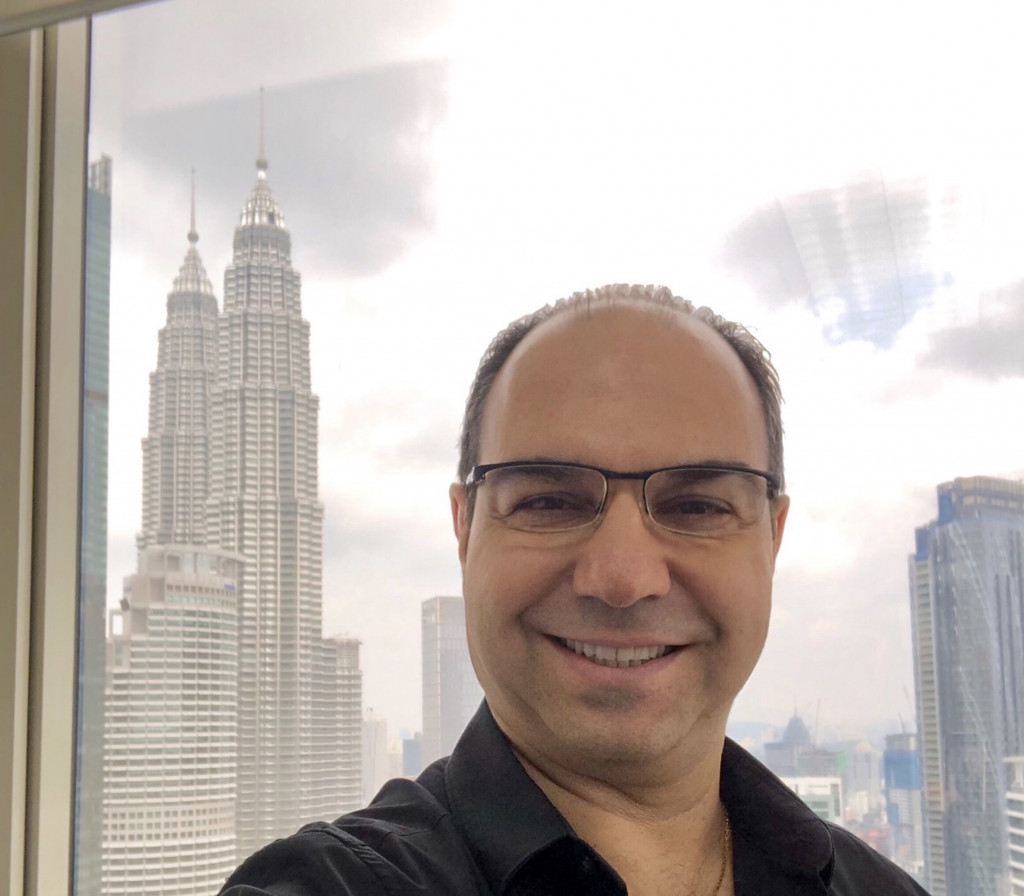
Rocco Papapietro: “ASEAN markets, being there to grow”

ITALY-ASEAN / We begin a cycle of interviews and insights on Italian companies and realities present in Southeast Asia. This interview puts the spotlight on the CEO of Verdevita Sdn Bhd, a consulting company based in Kuala Lumpur, specializing in the design of strategies or companies that aim to penetrate and invest in Malaysia and in the ASEAN markets.

With over twenty years of international experience in management positions, Eng. Rocco Papapietro, CEO and founder of Verdevita Sdn Bhd, is involved in commercial development of Italian and European companies in ASEAN countries.

How and when did your business in ASEAN start?

My first trips to Malaysia date back to 1999. At that time, I was working as Head of Development in Asia of the electronics/automotive sector for a well-known international company. I have held global roles where cross culture was essential, also collaborating with Toyota and Honda in Malaysia. I immediately appreciated the dynamism of Southeast Asia. Trip by trip, I noticed a continuous evolution, clearly visible from the endless construction of skyscrapers and buildings, which changed the skyline of the cities. Given such energy, I imagined the creation of a bridge of knowledge and business between Italy and Southeast Asia. Local companies were very curious and interested in learning Italian know-how. Being passionate about international development, in 2009 I started an exploratory phase and the following year I decided to move permanently to Malaysia, starting a consulting business. I understood that supporting companies directly from Malaysia would be the trump card. So, I founded Verdevita Sdn Bhd in collaboration with a local partner. I am the CEO of Verdevita. It is a company incorporated under Malaysian law, registered with the Ministry of Finance. This allows for easier access to government tenders and incentives. I have been living in Kuala Lumpur since 2010 and the same year I was appointed General Secretary of the Italy Malaysia Business Association – IMBA. Living in Malaysia allows me the direct management of projects and staff, training for partners, continuous updating on incentives, new laws and opportunities in the territories. I don't believe much in remote management, even if the pandemic has forced us to do it through new geometries and dynamics; difficulty overcome thanks also to our fantastic local staff, made up of highly trained collaborators, including Elena Konovalova, Kumaressan Suppiah, Kenneth Karnan, Emanuele Esposito.

Why did you decide to invest in Malaysia?

The initial push was the strong interest in going abroad and getting involved with curiosity and desire to do so. Italy and Made in Italy can count on a very positive image in Malaysia and Malaysia presents, in turn, all the essential elements for the development of a business abroad. It is the third largest market in the world and attracts 11% of global FDI. It comprises different cultures and makes it possible to expand not only in Southeast Asia, but also towards India and China. It is a well-connected country thanks to the presence of 39 airports (5 international airports), and 8 ports, and a key logistics hub for all of Southeast Asia. The favorable exchange rate and the low costs of incorporation for new companies were primary elements, especially compared to other ASEAN realities, such as Singapore, Hong Kong. As well as the low costs of energy, rents in city centers, the wide availability of skilled workers, incentives for digital start-ups and companies, and the possibility of opening regional offices, which is very useful in the exploration and study of the market and local laws. Malaysia enables investment sustainability. This is the concept that encompasses all the reasons for my choice. Furthermore, its role as a bridgehead for expanding into Southeast Asia is getting stronger thanks to a combination of the following factors: strategic geographical position, stable political system (as demonstrated by the last elections and the formation of the current executive), openness to international trade, good infrastructure system (fiber cabling is currently underway throughout the Mid Valley between Selangor and KL; Penang and Johor are landmarks for the electronics industry), excellent quality of life, spread of the English language, and tax incentives. The current government has adopted a strongly pro-business approach, with the aim of encouraging the development of local entrepreneurship. Among other things, with the entry into force of Act 2016 it is possible to establish Wholly Foreign-Owned Enterprise (WFOE) without the presence of a Local Director. An equally important initiative is the launch of the Digital Free Trade Zone to prompt the digital export of local and foreign companies. Malaysia is not only an ideal setting for doing business, but it also has a naturalistic and cultural charm. "Malaysia Truly Asia'' is the motto that best captures and defines the uniqueness of this country, also the diversity of its landscapes, from Langkawi to Borneo with Sipadan. It is a true blessing country.

Has the Malaysian government taken business support measures to face the pandemic crisis?

Yes, Malaysia's Recovery Plan has approved a comprehensive package of measures to stimulate economic growth after the pandemic and business-friendly investment policies. It has also established a double taxation agreement with Italy and includes a hiring incentive program - Penjaya Kerjaya - which aims to reduce unemployment. Those eligible employers will be receiving up to 60% of the subsidy of the total salary.

What are the activities carried out by the Verdevita company?

Verdevita Sdn Bhd is a key part of the Malaysian economic ecosystem. It provides customized consulting services (commercial, administrative, and legal services) to support Italian and European companies that want to start winning projects in Malaysia, Indonesia, China, Australia. We employ local professionals, who are part of our network, and we also take care of finding financial resources for the implementation of our customers' export and internationalization projects. We create a specific market entry project, a business plan shared with the client company, in compliance with local laws, government and market directives. We analyse the needs of the company, evaluating the best integration solution: finding distributors, opening representative offices and/or branches, monitoring the progress of projects with both customers and local players. We also work to reduce internal conflicts, mistrust, and lack of team spirit; if this is missing, it becomes difficult to bring companies to the other side of the world.


We collaborate with important Malaysian government agencies: MIDA – Malaysian Investment Development Authority, in Malaysia and in Italy through the Director of MIDA Milan Mr. Awangku Fiarulnazri, and MARii – Malaysia Automotive, Robotics and IoT Institute, in which I hold the role of Technologies Advisor. In addition to the headquarters in Kuala Lumpur, we are also in China and Australia, with offices in Shanghai and Sydney.

What are the Verdevita company’s prospects?

The future is marked by continuous improvement. We have started a collaboration with the Ca 'Foscari University of Venice, through the internship agreement to be started in ASEAN, to make our contribution to strengthening the professional skills of young people and to train future managers. We will carry out a new project in the State of Sarawak for the integration of telecommunications and digital connectivity. We are setting up the UNITI Association with the aim of involving Italians living in Asia and Oceania to promote the culture and beauty of Made in Italy. Since the Malaysian government is encouraging the attraction of companies in the automotive sector, we are planning - together with MARii - the foundation of an Academy in collaboration with the Motor Valley of Emilia-Romagna. The opening of the Jakarta office is near. Finally, we are working on a Malaysian Ministry of Transport’s project for the improvement of road safety and the reduction of accidents through telematic tools, with the support of the Viasat Group, to introduce Italian technology into the Malaysian economic framework.

The best sectors to invest in Malaysia.

Technology represents Verdevita's core business, but other winning sectors are Oil & Gas, petrochemicals, telecommunications, digital, healthcare, automotive, engineering production, manufacturing sector. Malaysia also for the procurement of raw materials: palm oil, petroleum and derivatives, latex.

In conclusion, what do you recommend to Italian companies interested in internationalization?

Exports affect the performance of companies, which are more proactive and innovative, and increase their entrepreneurial skills. I believe it is necessary to understand and enhance the positive impacts of export projects on the innovation and growth capacities of companies and personnel, as these are the stimulus for the spread of a global culture and healthy competitiveness. Italian companies have a lot to give. We must leave behind distrust and increase curiosity because there are not only obstacles, but also opportunities. Export and internationalization also mean an exchange of cultures and business growth, not just sales abroad. These projects must start from the company leaders and drivers, so the involvement is felt by all the parts of the company. It is essential to be aware of your own entrepreneurial activity and use funding for internationalization, not always put the company in a wait-and-see attitude. In the coming years, also thanks to the funds that will come from Europe, it will be necessary to train companies to export. Let’s make Italian companies be citizens of the world.


The rights of the LGBT+ community in the ASEAN countries

LGBT+ Rights are a controversial topic in Southeast Asian countries. Although in some cases progress has been made, social stigma, homophobia and transphobia remain frequent.

Since the 1990s, ASEAN seems to have become increasingly interested in the issue of human rights. This is also demonstrated by the willingness of its Member States to establish the Intergovernmental Commission on Human Rights (AICHR) in 2009. In addition, in December 2012, the Commission issued the ASEAN Declaration on Human Rights (AHRD). However, this declaration is not binding for the Member States. In fact, the Intergovernmental Commission on Human Rights is a purely consultative body, devoid of any coercive capacity. Secondly, the right to sexuality is not in fact guaranteed in this declaration. ASEAN’s human rights declaration, for example, makes no mention of the term SOGI (Sexual Orientation and Gender Identity). The representatives of Malaysia, Brunei and Singapore strongly opposed the mention of this term in the AHRD going against the opinion of the representatives of Indonesia, Philippines and Thailand, who were in favour of including this term in the declaration.

The rights of the LGBT+ community are a controversial issue in the Association of Southeast Asian Nations; some ASEAN countries do not yet recognise the fundamental rights of the LGBT+ community, while others are making progress in this field. For example, Singapore has a highly organized LGBT+ community, but Article 337 is still present in its penal code condemning homosexual practices. Although in recent years this article has been applied less and less frequently, its presence in the code is used as a justification for not giving protection and for not eradicating prejudice towards the LGBT+ community. A statistical survey carried out in 2019 in Singapore shows that the majority of respondents, 61.6%, believe that a sexual relationship between two adults of the same sex is always wrong or inappropriate and only 5.6% believe that there is nothing wrong. This figure shows that unfortunately a change of pace on this issue is not close.

In contrast, 73% of Filipinos, according to a poll, are convinced that homosexuality must be accepted by society. According to a study by the Pew Research Centre in Washington, the Philippines in 2013 was already in the top 10 of the most gay-friendly countries in the world; in the country, in fact, there are several pride marches and gay societies continue to be established in universities. The Philippines, like other ASEAN members, does not have a national anti-discrimination law for the LGBT+ community. However, the Philippines and Thailand released in 2011 a joint statement to denounce acts of violence against human rights based on sexual orientation and are the only two ASEAN states where, at the local level, there are anti-discrimination ordinances in favour of LGBT+ community. In the Philippines there are approximately 25 local ordinances condemning acts of discrimination against this community. In any case, even if these ordinances are a big step forward, they do not have clear application mechanisms and therefore remain mostly symbolic.

Brunei also criminalizes homosexuality, having become in 2013 the first country in the area to apply Sharia at the national level. In this state, men who are homosexual can risk the death penalty. In addition, according to the Penal Code, any man who dresses and behaves like a woman and any woman who dresses and behaves like a man can face a penalty of $4,000 or a year of imprisonment. People of the LGBT+ community are also subject to severe penalties in Malaysia. In January last year, the ministers proposed to increase criminal sanctions against lesbian, gay, bisexual and transgender people, and moreover, only since June 2021, more than 1,700 Malaysians belonging to the LGBT+ community, have been sent to re-education camp. Also Aceh, an Indonesia’s autonomous region, inflicts severe punishments on members of the LGBT+ community. In this region, which has the permission to follow the laws of Sharia, only nine months ago people were publicly flogged as homosexuals. In the rest of Indonesia, however, there is no law that prevents homosexual relationships and transgender people are allowed to change gender legally, but only after the intervention of sex reassignment. In Myanmar, homosexual and transgender people have no rights and are legally persecuted under Article 377 of the Penal Code. In Cambodia, Vietnam and Laos, homosexuality is legal, but often there is no clear legislation in favour of the rights of the LGBT+ community. 

Southeast Asia: green economy for the relaunch

Green infrastructure development can drive the post-pandemic economic recovery. But huge funding is needed.

ASEAN needs new green infrastructures. Not only to improve the ecological approach of the region, but also to improve connectivity, reduce poverty and increase development. From this point of view, infrastructures are the backbone of the economic growth of each country, but the environmental costs are not low. That is the reason why the Asian Development Bank has estimated that Southeast Asia will need at least 210 billion dollars a year, for the period 2016-2030, to support the costs of green infrastructures.

If in the pre-Covid-19 era investments in that area were far below the necessary levels to get close to a significant ecological-environmental change, the global pandemic caused an economic contraction in the region of 4%, further reducing the infrastructure investments. In contrast, however, it has become even more urgent for ASEAN to engage in this direction, to build a more resilient economy in the medium and long term.

The Asian Development Bank has proposed itself as a platform for dialogue between the countries of Southeast Asia to understand how to mitigate the negative effects of the pandemic, balancing economic growth with the protection of natural capital. How? Making the most of government funds, encouraging private financing and protecting natural resources. In order to do this, national governments can rely on various strategies: imposing a price on environmental externalities, subsidizing products and services with a low environmental impact, financing technological innovation and encouraging virtuous individual behavior.

However, all this is not enough. For an effective green recovery, the actions of governments of the ASEAN bloc must convey a structural change in ecological and energy policies, increasingly integrating green objectives into government policies. In the report prepared by Bain & Company, Microsoft and Temasek, “The Green Economy of Southeast Asia: Opportunities on the road to net zero”, it is highlighted that about 40% of infrastructure investments in Asia will have to come from the private sector. It is then necessary to continue with a series of targeted interventions concerning sustainable agriculture, green urban development and transport models, the transition to clean energy, the circular economy and the protection of the oceans and marine biodiversity. Finally, governments will have to rely on sustainable sources of finance, introducing green taxes such as the Carbon Tax and removing fossil fuel subsidies.

The will for a green recovery is also visible in the regional strategies. The ASEAN Comprehensive Recovery Framework emphasizes environmental sustainability as a key component of the region's post-pandemic economic recovery process.

It will not be an immediate change, much less easy, also because it will require the allocation of huge amounts of resources. It is estimated, however, that in this way over 30 million new jobs will be created, stimulating a virtuous circle that could bring positive results in the long term.

Food e city diplomacy tra Italia e ASEAN

Prosegue la collaborazione tra Associazione Italia-ASEAN, Comune di Milano e Paesi ASEAN sul fronte della sostenibilità dei sistemi alimentari. Grazie alla sinergia con l’Ambasciata d’Italia in Thailandia, anche Bangkok ha aderito al Milan Urban Food Policy Pact

Editorial by Valerio Bordonaro, Director Associazione Italia-ASEAN

Il 19 ottobre si è aperto a Barcellona il settimo Global Forum del Milan Urban Food Policy Pact, un’iniziativa del Comune di Milano, nata come eredità dell’EXPO di Milano 2015. Fanno parte del network del MUFPP oltre 200 città da tutto il mondo e, per la prima volta, quest’anno prenderà parte anche una delle capitali dell’ASEAN, Bangkok. Dalla fine del 2019, l’Associazione Italia-ASEAN, condividendo l’importanza di lavorare al livello globale per la sostenibilità dei sistemi alimentari attraverso la City Diplomacy, ha avviato una collaborazione con il Comune di Milano per sensibilizzare i Paesi ASEAN nei confronti di questa sfida. 

Grazie ad un lavoro sinergico tra Comune, Associazione e Ambasciata d’Italia in Thailandia, si è arrivati quest’anno all’adesione al MUFPP da parte della municipalità di Bangkok, prima capitale di un paese ASEAN a entrare nel Patto. Il tema della sostenibilità dei sistemi alimentari urbani è considerato uno dei più importanti mezzi per la protezione dell’ambiente, come riconosciuto dal prestigioso premio internazionale Earthshot Prize assegnato a Milano per un progetto collaterale al MUFPP. Date le previsioni di crescita dell’area e le dimensioni di molte città del Sud-Est asiatico, l’Associazione continuerà a fare Sistema con Milano e il MAECI affinché nuove città dell’ASEAN sposino il patto e la sua filosofia.

Tensions in the South China Sea urge ASEAN countries to invest in air forces

Beijing's manoeuvres stretch across water and air. The air forces of ASEAN countries require huge investments to balance China's growing air power.

The South China Sea is one of the most concerning hotspots on the planet and tension does not seem to be scaling down soon. The disputes between some ASEAN countries and China over the control of the waters around the Spratly Islands, an archipelago of micro-islands of high strategic value, have pushed all the players to increase their military spending, especially on the navy. The more suitable pieces for this chessboard, we might think, are ships, submarines, or even artificial islands. In fact, what is at stake are access to seabed resources and control over the maritime trade routes. The most recent development from the Indo-Pacific region seems to confirm this idea: the much-debated AUKUS Agreement made to the headlines for a multi-billion dollar procurement contract for submarines. However, we cannot forget that influence over the South China Sea also means projecting power over its sky, not only its waters. A recent contact between Malaysian and Chinese aircraft was a wake-up call for the region, effectively putting the air arms race back at the centre of the ASEAN governments' agendas. 

The waters of the South China Sea are disputed between some ASEAN countries (Vietnam, Malaysia, Brunei, the Philippines), China and Taiwan. More specifically, these states declare to varying degrees their sovereignty over the Spratly Islands, in order to extend the perimeter of their territorial waters into the open sea. The contested features are small reefs and cays, unsuitable for human settlement. Yet their strategic value is immense. In 2016, $3.37 trillion worth of trade and almost 40% of global liquefied natural gas transited through these waters. However, the importance of the South China Sea to the world's energy supply is not limited to its transit: at least 7 billion barrels of oil and approximately 25 trillion cubic metres of natural gas lie on its seabed. Fisheries represent another resource of the area.

The stakes are high. For several decades now, the states bordering the South China Sea have been challenging each other by building new outposts, claiming uninhabited atolls, or organising naval exercises in the waters under their control. Vietnam controls the most features (21), followed by the Philippines (9), China (7) and Malaysia (5), while Brunei and Taiwan occupy one island each. Some of these geographical features have been transformed into artificial islands to host military bases, in particular by China and Vietnam. The growing presence of military fleets in the area has also led to exchanges of gunfire between China and ASEAN countries’ boats in the past. The confrontation with Beijing over the Spratlys is an interesting case study in understanding the evolution of ASEAN. Taken individually, each state of South-East Asia would have little negotiating power with the much larger China - indeed, the Chinese have always tried to negotiate bilaterally, without success. The ASEAN countries have always opposed China's divide et impera strategy and agreed to negotiate with Beijing only multilaterally, as a bloc. These diplomatic exercises made possible in 2002 to define an ASEAN-China Code of Conduct for the South China Sea

Chinese manoeuvres are closely followed by the US, which is determined to reinvigorate its presence in the region. Other actors are Japan, India, the EU (more recently) and Australia. The latest piece of news in the Indo-Pacific scenario comes precisely from Canberra – whose relationship with Beijing is currently strained, after a phase of convergence: the AUKUS strategic agreement with the US and the UK. The Agreement has caused concern among ASEAN governments, as it could push Beijing to increase its military presence in the South China Sea. The new Malaysian Prime Minister, Ismail Sabri Yaakob, has commented harshly on AUKUS, expressing the fear that it could ‘provoke other powers to act more aggressively, especially within the South China Sea region’ and pave the way ‘towards a nuclear arms race in the Indo-Pacific region’. Kuala Lumpur's alarm can be explained in the light of some recent incidents with Beijing's vanguards. On 31 May, there was a contact between Malaysian jets and a squadron of Chinese aircraft, which was carrying on a training manoeuvre at the border of the Malaysian airspace. This incident reminded all ASEAN governments that the dispute over the South China Sea involves a strong air force, too - and that China holds a sizable lead.

Efficient air defence requires the development of an integrated system of modern aircraft, detection networks, missile installations and trained personnel. And significant investments, too. According to analysts, Singapore and Vietnam are the only ASEAN countries with an adequate air force. Hanoi is also investing heavily in modernising its fleet. Malaysia, on the other hand, maintains a reduced air force, armed with obsolete aircraft - and in its budget, still struggling due to the Covid crisis, does not offer the needed resources to strengthen the sector. Even the Philippines seem unprepared. Indeed, Manila is putting its own military procurement rules in order to prepare for future investments. Indonesia seems better equipped, although investments are still insufficient and not much effective. The country has no demands over the Spratlys, but the nine-dash line that delimits Chinese claims passes close to Indonesian territory and is not looked upon favourably by Jakarta.

Considering these elements, it is possible to expect large investments in the air forces by ASEAN countries in the years to come. However, it is difficult to make predictions about the scale and effectiveness of this effort by each state. As we have seen, while some governments have managed to achieve good results in the past, others seem ill-prepared to allocate efficiently the huge resources needed and build up their military capacity alone. Other international actors interested in balancing Chinese influence - the United States, the EU, Japan - could support these governments in capacity building. The defence industry will also play an important role since ASEAN countries will necessarily need reliable partners in their arms race. Italian companies in the sector already collaborate with ASEAN governments. To give a few examples: Leonardo with Singapore, Malaysia, and Thailand; Fincantieri with Indonesia.

The 76th UNGA: ASEAN and the 2030 Agenda

By Clara Lomonaco

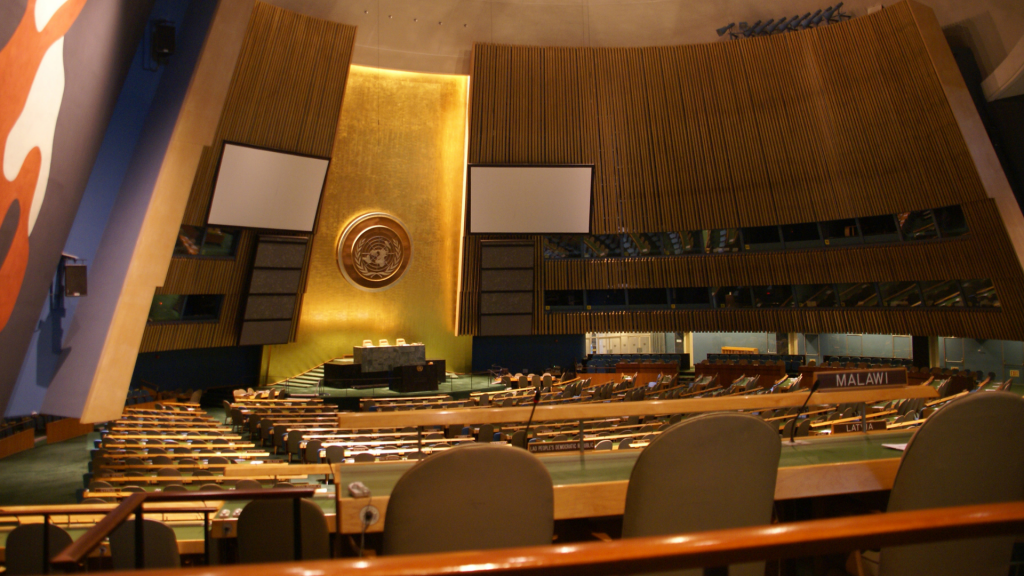
In recent weeks, the long-awaited annual appointment with the United Nations General Assembly took place. It was an opportunity to take stock of the climate change policies adopted by the ten countries of the Southeast Asian bloc. Here is an overview

In recent weeks, the Glass Palace has hosted the United Nations General Assembly: the highly anticipated annual meeting in which Member States strengthen the continued relevance of the 2030 Agenda for Sustainable Development and to build momentum ahead of major summits and intergovernmental meetings, such as COP26 on climate change, G20 and COP15 on biodiversity.

António Gyterres, the United Nations Secretary General, identified five areas where urgent action is needed to maintain the promise of the SDGs (Sustainable Development Goals): (1) the mobilization of comprehensive vaccination plans, (2) the implementation of sustainable and equitable recovery for all through courageous investments in human development, (3) equal rights for women and girls through investment and representation, (4) the end of the war to the planet and the affirmation of zero emissions by 2050, (5) and multilateral cooperation to put people first in the budgets and recovery plans.

Also this year, one of the hot topics of the international debate was the pandemic from Covid-19. Each State has expressed itself in its own internal situation promoting the concept of “Leaving No One Behind”: a phrase that has now become the motto of the entire international community, the meaning of which refers to the strong will to emerge from the crisis as a united and strong group. The heads of Governments and Ministers present have once again renewed their promise and their commitment in the battle against Covid-19 and in the promotion of vaccination campaigns.

Nevertheless, the virus was not the sole and only protagonist of the General Debate. Climate change is another forthcoming challenge that continues to catalyze global attention and requires urgent and concrete global actions at all levels. In this contest, ASEAN countries expressed their commitment to increase their involvement in the process of adaptation and mitigation of the Paris Agreement, in line with the principle of “common but differentiated responsibilities”.

The world community looks to the United Nations General Assembly to respond to major global concerns. There were different ideas and opinions on the issue of environmental sustainability, but what proposals have been made by ASEAN countries in this regard, and what progress has been made in the implementation of Agenda 2030?

From the outset, the path to achieving the UN Development Agenda 2030 for Sustainable Development has not been easy. There has been steady progress over time, but Covid-19 has undone many hard-won victories. The pandemic amplified inequalities and pre-existing uncertainties; widened the gap between “who has and who has not”; and different degrees of deficiencies in governance and social security have pushed the most vulnerable populations back into poverty. 

We are far from reaching Agenda 2030 now than we were before.

Indonesia’s commitment to climate resilience, low-carbon emissions development and green technology is firm and clear. In 2020, Indonesia has reduced forest fires by 82% compared to the previous year and deforestation rates have decreased significantly, reaching the lowest percentage in the last 20 years. However, the process of energy and technology transformation must ensure the (previous mentioned) principle of “Leaving No One Behind”, facilitating the participation of developing countries in the growth of industries and technological production. In 2022, Indonesia will assume the presidency of G20, with the topic “Recover together, recover stronger”, committing itself to work for the benefit of all, from developed countries to developing ones, from the north to the south, from the archipelagos to the small island states of the Pacific.

The People’s Democratic Republic of Lao has highlighted the importance of tackling climate change by complementing the commitment of the Paris Agreement. From 2000 to 2020, Laos’ greenhouse gas emissions were reduced by 34%. By presenting the Nationally Determined Contribution (NDC) on Climate Change to the UN community on the same occasion, the Government of Laos has renewed its commitment to reduce 60% of greenhouse gas emission by 2030.

For Malaysia, the integration of sustainability is the key to ensuring a smooth transition to a greener socio-economic ecosystem. The Malaysian government has set ambitious plans to facilitate the transition to a more sustainable and low-carbon future. New policies focused on the circular economy have been introduced to deliver on the promise of making Malaysia a low-carbon nation by 2050.

The Philippines presented the first Nationally Determined Contribution, promising to achieve the goal of reducing greenhouse gas emissions by 75% by 2030. The Philippines government has called for urgent climate action, especially by those who can really tip the balance needle. Developed countries must meet their long-standing commitment to climate finance, technology transfer and capacity-building investment in developing countries. This is a moral obligation that cannot be avoided. The transition of our world toward a green economy must not be at the expense of the economic viability of developing countries.

For small island nations such as Singapore, climate change remains a clear and present danger and recent extreme weather events remind us that we have no time to waste. Singapore has always been a strong supporter of the Paris Agreement and this year presented the “Singapore Green Plan 2030”: a well-structured action plan outlining a national approach to sustainable development, setting ambitious and concrete targets for the next 10 years in new areas such as green finance and clean energy.

Singapore also stressed the need for urgent multilateral action on the oceans. The oceans support our global ecosystem; they are a repository of biodiversity and a buffer for climate change. They are a critical artery for trade and a source of work and livelihood for billions of people. Singapore is a great supporter of the United Nations Convention on Law of the sea: UNCLOS, a document which forms the basis of ocean governance, establishes rules for maritime rights and provides the general framework for the peaceful resolution of maritime disputes. The 40th anniversary of the adoption of UNCLOS next year is an opportunity to reaffirm our commitment to this vital legal instrument for ocean governance, and to do more to ensure its effective implementation.

Thailand is preparing the National Energy Plan with the aim of achieving carbon neutrality by 2065-2070. At the same time, the government set the objective of increasing the proportion of renewable energy to at least 50% of the total amount of electricity generated. The speech of the Thai delegation urged the developed countries and invited the entire global community to take collective action and ensure constructive and concrete results for the next COP26.

Vietnam looks forward to COP-26, a time of international harvesting in which each Member State must renew its efforts and commitment to reducing greenhouse gas emissions. The Vietnamese government has also stressed the need for increased funding in developing countries, which require more accurate assistance in technology transfer and capacity building to facilitate the transition to a green and circular economy. Only through collaboration and cooperation between the North and the South of the world, will it be possible to reach all 17 of the sustainable development objectives contained in the Agenda 2030.

Whether it is rising sea level or melting Himalayan glaciers, hurricanes, storms, floods or fires, climate change has become an existential threat to humanity. We need a globally supported and ambitious collective response to tackle climate change.

It is now clear to the entire international community that we need to focus world attention on achieving a lasting commitment to the Agenda 2030, that puts climate change at the heart of international efforts. The world cannot allow COP26 to be inconclusive. It is necessary to adapt the SDGs to the new reality of the post-pandemic world. To do this, we need greater and stronger solidarity and cooperation between all types of entities. Advancing the implementation of the Sustainable Development Goals (SDGs) in all areas is a key tool to respond to the challenges the world is facing, and to address the inequalities exacerbated by the COVID-10 pandemic. 

La competizione tecnologica globale si gioca nel Sud-Est asiatico

I giganti tecnologici cinesi e statunitensi guardano ai mercati emergenti dell’area ASEAN, investendo ingentemente nel settore dell’archiviazione dati.

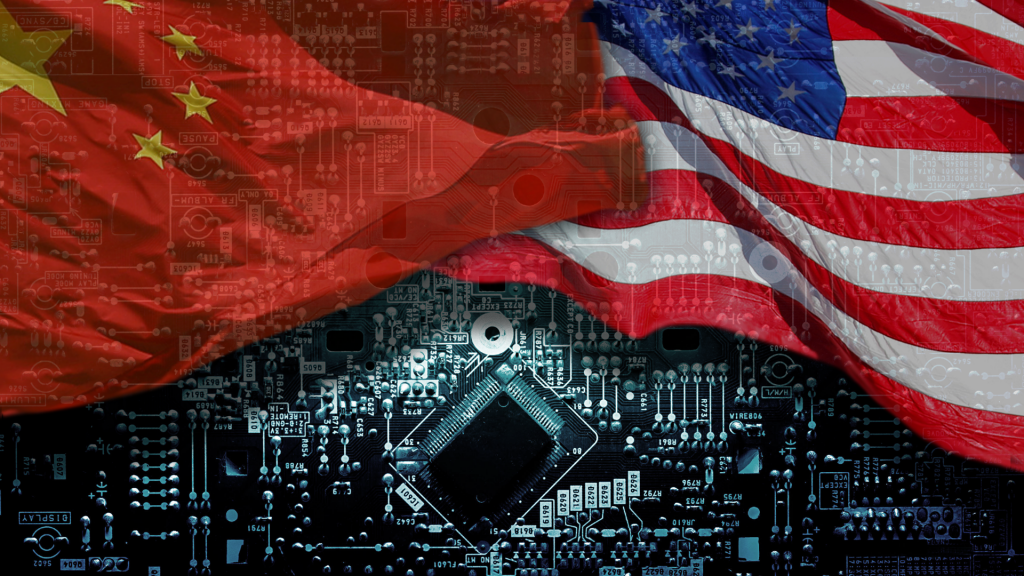
For Chinese and U.S. tech giants, no place is more promising than Southeast Asia. The region involves rapidly growing economies and a consumer market of nearly 700 million people. The economic digitization process took off with the Covid-19 pandemic, creating favorable conditions for local e-commerce players to thrive and attract foreign investment. Several exogenous factors are also contributing to the attractiveness of investing in Asia's tech sector, including tight regulations for companies in China and revenue opportunities that are pushing U.S. multinationals to expand further and further "East." 

Chinese tech titans Tencent and Alibaba were among the first foreign companies supporting the incipient growth of e-commerce in the region, with investments in Sea Limited and Lazada. As an instance, Sea Ltd. is the flagship of Southeast Asia and thanks to foreign lenders' enthusiasm for the region's opportunities, it recently earned about $6 billion in new funding. It is a listed company in the gaming, finance, and digital commerce sector. In early September, it entered a deal with China's Tencent Holdings Ltd. which now owns 23% of it. Indeed, it's not an easy time for companies in the sector in China, where a tightening of regulations has resulted in a major reduction in their room for maneuver. According to The Economist, in August Chinese authorities released draft antitrust measures that would hurt the business models of domestic giants Alibaba and Tencent. Foreign markets account for a relatively small share of these Chinese groups' sales. But if everything continues in this direction, it seems that Southeast Asia will play a major role in the expansion process of Chinese companies. 

The opportunities presented by Southeast Asia's fast-growing digital markets have not been ignored by U.S. investors. A particularly competitive industry, where much of the financial competition between China and the United States is played out, is cloud computing. This is the industry that provides data processing and storage services - a vital function for both small and large companies and government institutions of the third millennium. According to experts, the total size of the cloud market in the region is still modest at less than $2 billion per year, but the encouraging fact is that it appears to be growing by more than 50 percent by 2020 and doesn't seem to be showing any signs of letting up. Amazon, Google, Microsoft are already involved in the sector. Facebook has recently invested in the construction of a massive 170,000-square-foot facility un the outskirts of Singapore, which will be Zuckerberg's first custom data center in Asia. But it's not the only one: the stable political system, abundance of highly skilled tech workers and its super-sophisticated infrastructure make Singapore a reliable location for big tech players targeting cloud services. Amazon, for its part, is still the undisputed global leader among providers of these storage services: its Amazon Web Services (AWS) controlled more than 30 percent of the global market in the second quarter of 2021, according to experts. It is currently expanding, thanks to the construction of infrastructure in Jakarta, Indonesia, which should be operational by the end of 2021 or early 2022, according to Nikkei Asia

Chinese and U.S. digital giants are riding the antagonism of the world's two superpowers. Between pull factors, such as the expanding digital market and promising demographic potential, and home country push factors, such as the renewed regulatory zeal promoted by Chinese authorities, Southeast Asia is set to be the battleground of global technology competition, led by Chinas and the United States.

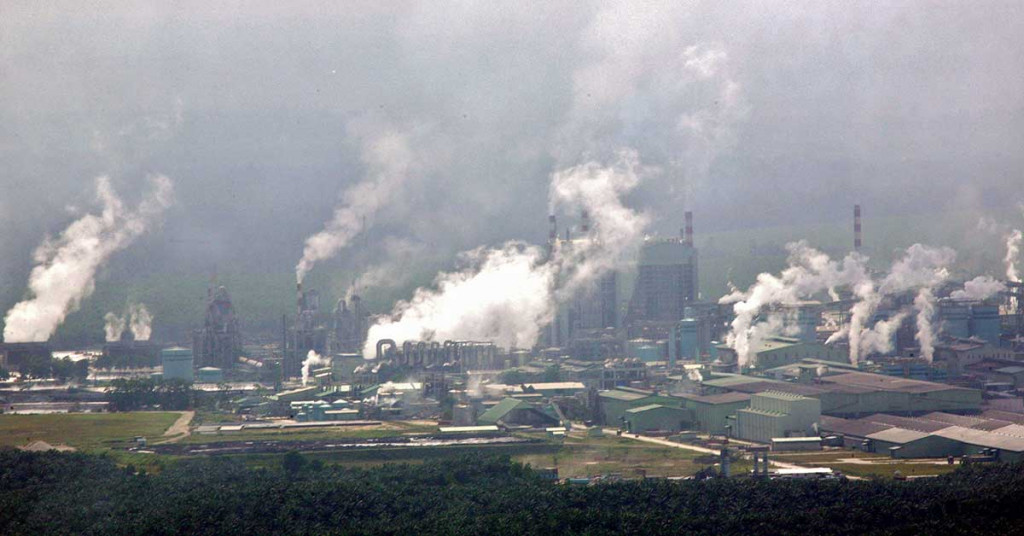
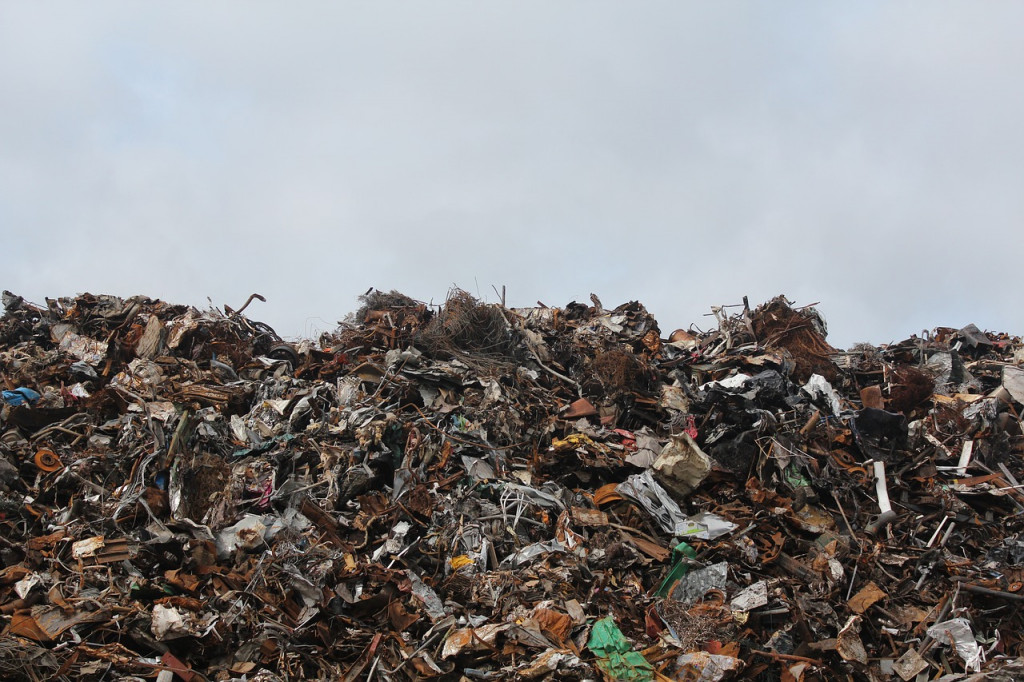
A united ASEAN is needed against illicit waste trafficking

The waste crisis triggered by China has awakened the hope that developed countries would eventually move towards more virtuous forms of waste management, but these hopes quickly failed to see some relevant results.

It all (or almost) started with the ban on imported waste to China. It was 2018, Beijing had already achieved the economic and political status that made it one of the most powerful nations. And it was time to say "enough" to the dirty practice of dealing with other people's waste. Now it’s 2021, and the illegal or non-illegal trafficking of waste has shifted to other countries, where different actors still consider it a profitable business. The Chinese strategy "National Sword" has suddenly poured billions of tons of waste arriving from all over the world into the rest of the region, jamming a mechanism that has been active for decades.

The waste crisis triggered by China has awakened the hope that developed countries would eventually move towards more virtuous forms of waste management, but these hopes quickly failed to see some relevant results. The attention of exporters has, in fact, shifted to the countries of Southeast Asia, where waste from Europe, the United States and Australia is now accumulated or recycled. Among the most exported waste are disposable plastics, but also electronic waste, which is very dangerous if treated improperly.

• The data

The alarm was launched in a report published in August 2021 and written by the EcoWaste Coalition group for health and environmental justice in collaboration with the International Pollutants Elimination Network (IPEN). According to the latest estimates, the Asia Pacific region will receive up to 714 million tons of waste every year by 2050. A problem, that is already affecting those countries where there is a lack of adequate structures for managing solid waste. The document underlines how the pandemic has contributed to exponentially increase the amount of waste arriving in ASEAN countries, while the economic crisis linked to the health emergency has aggravated the economic situation of countries dependent on exports, willing to do anything to do not aggravate the budgets.

Together with the EcoWaste Coalition alarm, there are other problems, such as household waste. In Indonesia, for example, only large cities have implemented a modern system for the collection and management of waste, while it is totally absent in rural areas. People can live with it by reusing what can be useful, or by deposing all kind of waste in inappropriate places or burning it in makeshift fires. In some cases, waste becomes the most used fuel in the kitchen. At other times, the chemicals in the garbage enter the food chain of local inhabitants through the soil and aquifers near crops and aquifers.

From the perspective of environmental policies, the ten Asian countries have sufficient leadership to respond to the waste crisis. A notable example was that of the Philippines in 2019, when President Rodrigo Duterte began his battle (certainly not without populist tones) against the waste arriving from Canada. During the same year, Indonesia also responded to the invasion of foreign waste by "sending back" part of the 58 containers that arrived from the US. However, the situation is much more complex: where Jakarta said "no", 38 of those containers ended up in South Korea, Thailand, Vietnam, Mexico, the Netherlands, and Canada.

• The solutions

Among the many tasks of ASEAN, that of waste management represents a complex challenge to face. According to the latest report from the United Nations Environment Program (UNEP), published in 2020, the ten nations of Southeast Asia already have their own national strategy to manage the waste problem. What is missing, the document emphasizes, would be a conceptual step: no longer "where" to deposit or eliminate waste, but "how" to transform it into resources.

The call for all nations in the world, of course, remains to scale the problem at its root, eliminating single-use plastic and waste wherever possible. But the creation of a common policy, a harmonious and cooperative management of waste between the various actors involved could transform problems into opportunities.

This should not exclude a unitary action on the international level, the strong point of any union between countries. “ASEAN needs a unanimous declaration calling for a clear and concrete position on the waste trade. Among other things, it will have to ask the Member States themselves to immediately ratify the amendment on the ban on exports within the Basel Convention, take measures to ban all imports of waste into their countries and improve the implementation of these laws, together to others that go in the direction of zero waste”, said environmental law expert Gregorio Rafael P. Bueta on the EcoWaste Coalition / Ipen report of 2021.

The Basel Convention is the most important global agreement on waste management and has been signed by all ASEAN countries except Laos. The 1994 amendment banning the transboundary movements of hazardous and other waste, by contrast, was ratified by only three of the member states. A sign that, despite the more determined positions of governments against waste trafficking, the interests at stake are still very complex.

India and ASEAN: A synergy on financial innovation

Diversi giganti del fintech indiano sono ora focalizzati sui mercati e-commerce ASEAN. Obiettivo: modellare insieme la futura infrastruttura finanziaria della regione.

Digital payments are a driving growth factor for the online economy. Alipay has allowed China to establish millions of economic relationships based on the essential factor of trust. The latter has been possible thanks to the innovative approach of “pay now, get a refund if not satisfied”. Several studies indeed have shown how the development of these platforms has been a key factor enabling the skyrocketing Chinese economic boom in the last 20 years.

ASEAN, thus, is now home to a multitude of international B2C e-commerce leaders such as Sea, Tokopedia and Grab, apart from a myriad of ever-growing scale ups now also offering B2B services.

Sea company’s stocks have become extremely appetible on international markets, while Gran continues to evolve into a super-app (valued at an astonishing $40 billion), now virtually touching all dimensions of its users’ daily lives.

In this sense, South east Asia is soon believed to complete its exploit in the digital economy, thanks to its dimension, population (651 million up to now), and intrinsic scalability in the productive system which creates the basis for knowledge spillovers and knowledge transfer to happen. Correctly evolving into a knowledge-based economy, in this sense, could mean sure success in the long term.

However, every super app must ensure itself and its users a solid financial and payment infrastructure, enabling not only safety but also trust as already mentioned.

India represents a clear virtuous example of this: the country is home to 51 unicorns, of which 30% happen to operate in the financial sector of the economy. In other words, Indian industries are massively benefiting from the rising of a best-in-class fintech cluster: here, digital payments hava been increasing from 3 to 32 trillion rupees, in 4 years.

With this entrepreneurial spirit, some Indian fintech scaleups namely Pine Labs, Zeta and Razor Pay, have recently acquired some medium-sized B2B and B2C ASEAN companies. As in the words of Amrish Rau, Pine Labs CEO, ‘Some ASEAN markets are now believed to be where India was almost three years ago: there is a great opportunity in solving their fragmentation and ultimately conferring them a solid financial echo-system’.

The firm has now acquired Fave, a Malaysian scale up specialized in promo codes and discounts available for e-commerce, while RazorPay is paving the way for the imminent acquisition of some noteworthy food delivery players. Harshil Matur, its CEO, has repeatedly declared its intent to invest in Vietnam, Philippines, Malaysia, and Indonesia. Indeed, these markets are ‘alike the Indian one, but with remarkable margins of improvement’.

Bottom line: South East Asia confirms its market attractiveness for foreign direct investments, thus signaling solidity and prosperity of its economic system. However, we must notice that most of these capitals come from best-in-class international players, being fintech, tech or just food delivery in e-commerce: this, ultimately, can be further claimed to be an indisputable sing of its rising power in the global geo-economic equilibrium.

Not just security. The US-ASEAN economic cooperation.

If Washington wants to reaffirm its role in South-East Asia, trade policy is also a key element in competing with Beijing.

America is back. Especially in South-East Asia. Less than a year after taking office, the Biden administration seems to have devoted most of its attention to the region. President Biden has revived Obama's Pivot to Asia strategy after the shakes of the Trump era, deploying all the key figures of his cabinet: Vice-President Harris travelled to Vietnam and Singapore, Secretary of State Blinken took part in high-level meetings with his ASEAN counterparts and Secretary of Defence Austin also visited Singapore. Moreover, the US strategy involves reviving strategic cooperation with its other regional partners, by reaffirming the 'unbreakable alliance' with Japan and inaugurating the AUKUS three-way partnership with Australia and Great Britain - a move that has caused tensions with China and even Francia. But security is not the only area that has seen a renewed US engagement. In times of Covid and climate crisis, cooperation with ASEAN also touches on health and sustainable development. What about trade?

If we look back to just two years ago, the U.S.-ASEAN Business Council lamented the absence of the Trump administration at a time of great shifts for the Asian bloc's trade policy: the negotiations for the historic RCEP agreement were in its advanced stages and the EU was strengthening its economic ties with Singapore and Vietnam through two ambitious free trade agreements. With the change of administration in Washington, we can expect major changes in US-ASEAN trade relations. The starting point is significant: ASEAN is the fourth largest market in the world (with a GDP of almost 3 trillion and 647 million consumers) and, by current trade volume, the eleventh largest trading partner of the United States. US companies export about $86 billion worth of goods to ASEAN countries and import about $206 billion worth of products. The trade balance is thus clearly in favour of the ASEAN countries ($120 billion). Comparing the US-ASEAN trade relation with the EU-ASEAN one, it emerges that European companies export goods for a higher value (almost $100 billion) and import goods for a lower value ($146 billion), with a trade deficit of about $47 billion in favour of ASEAN. These figures should be read together with the difference in GDP between the US and the EU. We will explore the reasons behind the higher volume of European exports in a future article. To complete the picture, it should be kept in mind that the total volume of trade between ASEAN and China is about $298 billion.

Economic cooperation between the US and ASEAN has to reckon with the growing Chinese influence in the region. Washington does not want to lose ground to Beijing in the infrastructure investment race. Last June, Biden and the other G7 leaders launched the Build Back Better World (B3W) plan with the stated aim of vying with China's Belt and Road Initiative (BRI). In addition, the US administration is funding many projects to develop connectivity in the region, for example a partnership for the Mekong Basin (again, an initiative that came a few years after its Chinese counterpart). Looking at the degree of trade liberalisation, China will continue to see its trade figures with ASEAN growing thanks to the RCEP agreement, while the US benefit from a limited and somewhat dated network of trade agreements (notably the 2003 US-Singapore Free Trade Agreement and the 2001 US-Vietnam Bilateral Trade Agreement). Actually, these existing agreements can be the backdoor for American companies to benefit from the RCEP, by taking advantage of the very favourable conditions for establishing their subsidiaries in certain countries of the region. In any case, Washington needs to strengthen its trade ties with ASEAN countries, perhaps by reconsidering its withdrawal from the TPP project or by exploring other options. Waiting for a more courageous and comprehensive project, there is excitement on both sides of the Pacific for a possible agreement on digital trade. After years of Trump-style muscular trade policy, all observers expect a policy shift from Biden, consisting in a more cooperative and ambitious approach to ASEAN countries. The new administration has yet to fully unveil its plans. Even in international trade, America is back. Let's see how.

Aukus and Quad seen from ASEAN

Multilateral initiatives multiply in Asia-Pacific. Hopes and fears of Southeast Asian countries

Editorial by Alessia Mosca

Secretary General Associazione Italia-ASEAN

On the one hand Aukus and Quad, on the other RCEP and CPTPP. Multilateral initiatives and acronyms in the Asia-Pacific area are multiplying. New ones are born, while those that already exist are renewed. A trend that demonstrates once again the centrality of a region in continuous commercial, technological and geopolitical rise. As our President Romani Prodi said at “Mezz’ora in più”, “it is the definitive seal that the only thing that matters is Asia”. It remains to be seen whether development can proceed on tracks of substantial serenity or elements of tension will increase. Among the governments of ASEAN member states, not everyone welcomed the birth of the new US-UK-Australia agreement. In particular, Malaysia and Indonesia have warned of the possible risks to the stability of the region after the announcement of Aukus. Jakarta expressed “deep concern about the arms race and the demonstrations of force in the region, referring to nuclear-powered submarines that will be equipped in Australia. The Minister of Defence of Kaula Lumpur has instead launched the proposal to open a dialogue between ASEAN and Canberra to understand what the intentions of the trilateral agreement are. In contrast, the Philippines, which after the approach to China operated in recent years by President Rodrigo Duterte have resumed relations (even defensive) with the US of Joe Biden. Manila welcomed the Aukus as a novelty able to “equalize” the balance of power in the region and therefore to ensure greater stability. The Australian government, meanwhile, claims that it is not a “military alliance” and tries to reassure Southeast Asia about its support for the regional infrastructure represented by ASEAN. On Friday, September 24th, the first physical summit between the leaders of the Quad, the platform that unites the US, Australia, Japan and India, takes place in Washington. As in the case of the Aukus, most ASEAN countries would like these initiatives to look beyond the defensive aspect and, if anything, to include incentives for commercial, infrastructural, digital or environmental cooperation. On these issues, Asian countries have shown that they know how to dialogue, as on the closing of the negotiations on the RCEP in 2020. Be “pro Asia”, and not against someone: here is the key.

UE-ASEAN, il Blue Book 2021 sul partenariato strategico

Associazione Italia-ASEAN pubblica il Blue Book 2021. Oltre cento pagine di analisi, prospettive e dati sulla cooperazione bilaterale

Lo scorso maggio, la missione europea nell’ASEAN e il segretariato dell’ASEAN hanno presentato l’EU-ASEAN Strategic Partnership Blue Book 2021. Il Blue Book è ormai giunto alla sua sesta edizione e la pubblicazione di quest’anno è incentrata sulla cooperazione nell’ambito della ripresa post-pandemica, la sicurezza, la cooperazione economica la crescita green e la sostenibilità ambientale. “Come partner strategici ci attendiamo una cooperazione sempre maggiore, volta a rafforzare la stabilità regionale e globale, ripristinare la fiducia nel libero scambio e lavorare insieme per uno sviluppo sostenibile dell’area”, ha dichiarato presentando il documento Lim Jock Hoi, Segretario Generale dell’ASEAN, esprimentro tra l’altro la speranza di “promuovere un accordo di libero scambio capace di contribuire in modo significativo alla crescita di entrambe le regioni”. Speranza ribadita dalla strategia UE sull’Indo-Pacifico comunicata solo pochi giorni fa. Nell’implementare più profonde relazioni economiche con l’ASEAN, l’UE si aspetta inoltre di consolidare i rapporti diplomatici e dare nuovo impulso al proprio soft power nel Sud-Est asiatico, andando ad inserirsi come uno dei pochi interlocutori internazionali di tipo democratico nella regione.

SCARICA SUBITO IL BLUE BOOK 2021!