
Asean

Aumenta l’export italiano in ASEAN

I dati del 2024: record per la crescita delle esportazioni Made in Italy in Vietnam

Il rialzo dei dazi da parte degli Stati Uniti potrebbe avere effetti positivi per l’export italiano, soprattutto da parte dei mercati emergenti. Secondo un approfondimento messo a punto dalla Farnesina, dopo la riunione presieduta dal ministro Antonio Tajani con alcuni rappresentanti del tessuto produttivo italiano, un ruolo importante potrebbe avere l’apprezzamento del dollaro sull’euro, verificatosi negli ultimi mesi, unito all’aumento delle scorte di merci da parte delle imprese americane. Anche misure tariffarie più elevate contro Cina e Messico potrebbero avere effetti opposti, aprendo spazi competitivi per il Made in Italy. In particolare, segnala la Farnesina, importanti opportunità per l’export italiano vengono dai mercati emergenti: Mercosur, India, ASEAN, Paesi del Golfo, Africa e Balcani. Le esportazioni italiane nella regione ASEAN hanno raggiunto 9,7 miliardi di euro nel 2023, con una crescita del 5,1%, confermata da un’ulteriore +11% nel 2024. I settori trainanti sono macchinari, chimica, tessile e agroalimentare. Sebbene il saldo commerciale sia negativo, il deficit si è progressivamente ridotto grazie alla crescente competitività del Made in Italy. Nello specifico, nel 2024 l’aumento più significativo è quello verso il Vietnam, dove si registra un ragguardevole +25%. La crescita riguarda anche gli altri Paesi dell’ASEAN e il dato è una chiara testimonianza della crescente apertura del mercato asiatico, che continua a rappresentare una frontiera chiave per l’industria italiana. Il trend si sta addirittura intensificando, visto che il solo dato di dicembre 2024 è addirittura di un aumento del 39,9%. Negli ultimi sei anni, l’interscambio commerciale complessivo tra Italia e ASEAN è cresciuto circa del 40%, più di Regno Unito, Germania e Francia, evidenziando il grande dinamismo delle relazioni economiche Italia-ASEAN. Gli strumenti di cooperazione economica tra l’ASEAN e l’Italia sono diversi e sfaccettati. Comprendono accordi commerciali, trattati di investimento, joint venture e programmi di cooperazione economica e tecnica. Questi strumenti mirano a ridurre le barriere commerciali, a promuovere gli investimenti, a favorire il trasferimento di tecnologia e a rafforzare i legami economici tra le due regioni. Insieme, costruiscono partenariati economici resistenti e reciprocamente vantaggiosi. Ad oggi, gli IDE italiani nell’ASEAN valgono 7,7 miliardi di euro, mentre gli IDE ASEAN ammontano a più di 800 milioni di euro. Si tratta di aumenti esponenziali da quando è stata fondata l’Associazione Italia-ASEAN. 

Trump arrives, ASEAN looks to BRICS

Indonesia has officially joined the group. Malaysia, Thailand and Vietnam among partner countries

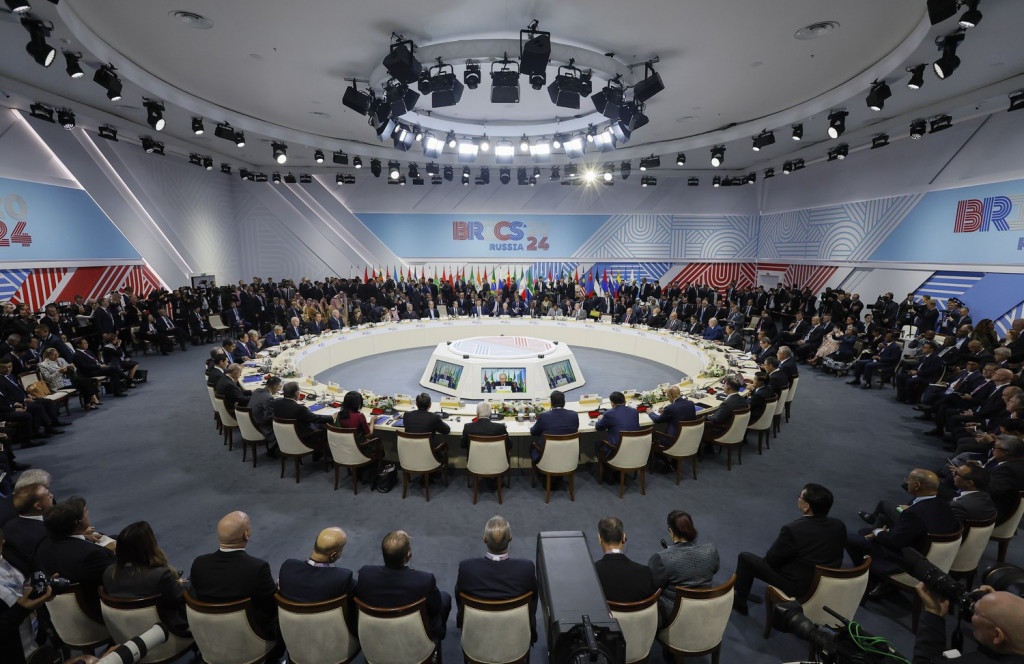
Indonesia's official entry into BRICS is significant news. The huge archipelago, the fourth most populous country in the world, is a crucial hub on several fronts. First, it is the leading economy in Southeast Asia, a region where amid winds of trade wars and threats of tariffs, several international giants have long taken root. Indonesia is attracting several investments. Elon Musk is working on building a battery plant for Tesla electric vehicles, while the Indonesian government is negotiating with Apple on a wide-ranging plan. This is no coincidence, as the country is rich in crucial resources for the green tech industry. Such as nickel, on which Chinese companies have gained a foothold. But Indonesia also plays a notable role on the political-diplomatic front. Jakarta has often played a role as a regional stabilizer, mediating on sensitive issues such as the South China Sea. Indonesia is also the sole ASEAN representative at the G20, where it has often championed a worldview based on free trade, neutrality, pacifism, and pragmatism. For newly appointed President Prabowo Subianto, joining the group means advancing the goals of food security, energy independence, poverty reduction and human capital development. Analysts say the move is a turning point in Indonesia's historic policy of nonalignment, which is being transformed into a multi-alignment that strengthens ties with both Western countries and those in the so-called Global South. Not coincidentally, Indonesia is concurrently pursuing its OECD membership process. “However, the BRICS are increasingly attractive to emerging powers,” writes Richard Heydarian in Nikkei, according to which this not only reflects the rapidly shifting balance of power on the global stage, but, crucially, allows emerging countries to express their discontent with the U.S.-led international order and collectively protect themselves from the potentially disruptive impact of the second Trump presidency. After enlargement in 2023, the group now accounts for about half the world's population and 30 percent of global domestic product, contributing more than 50 percent of growth. After Indonesia, Turkey and Malaysia may soon join, while Brazil has already announced the inclusion of Cuba, Bolivia, Kazakhstan, Uzbekistan, Thailand, and Uganda in the large list of partner countries.

Chinese Investments in Southeast Asia

A Growing Hub for Global Manufacturing

By Luca Menghini

Chinese investments in Southeast Asia have grown significantly in recent years, transforming the region into an important manufacturing hub. This trend is driven by rising production costs in China, increasing geopolitical tensions, and a strategic shift towards diversifying supply chains. ASEAN countries, thanks to their strategic location, competitive labour costs, and investment-friendly policies, are at the forefront of this transformation, attracting substantial Chinese investments across various sectors.

The drive for this shift stems from ongoing trade tensions between China and the United States, which have disrupted traditional supply chain flows. U.S. tariffs and stricter rules of origin have pushed Chinese companies to relocate manufacturing operations abroad to bypass these barriers. Southeast Asia represents an attractive alternative due to its proximity to China, established trade agreements, and cost advantages. Countries like Vietnam, Thailand, Malaysia, and Indonesia have become key destinations for these investments, reinforcing their role as indispensable players in global supply chains.

A clear indicator of this trend is the rapid growth in exports of intermediate goods from China to ASEAN countries. From January to November 2024, exports of these goods to Vietnam alone increased by 32% compared to the previous year, accounting for over 70% of China’s exports of mechanical and electrical products. This reflects a broader pattern of Chinese companies shifting supply chains to ASEAN countries to mitigate risks associated with geopolitical tensions and tariffs. This shift marks a new chapter in the globalization of manufacturing, with Southeast Asia taking on an increasingly central role.

The region's appeal to Chinese investors lies in its competitive labour market. Average wages in the manufacturing sector in ASEAN countries remain significantly lower than in China, with hourly rates ranging from USD 1.50 to USD 3 in Vietnam, Thailand, and Malaysia, compared to USD 8.27 in China. This wage disparity offers a strong incentive for labour-intensive industries to relocate. However, substantial productivity differences persist, and Chinese manufacturers are addressing this challenge by investing in workforce training and adopting advanced automation technologies—a strategy aimed at replicating China's success in building an efficient industrial base.

Southeast Asia's infrastructure, although still developing, is undergoing significant improvements to support this manufacturing boom. Governments in the region are heavily investing in transport systems, ports, and energy systems to enhance their attractiveness to foreign investors. For example, Indonesia is leveraging its rich nickel reserves to create a robust electric vehicle (EV) supply chain, including battery and component production. Meanwhile, Thailand is positioning itself as a hub for EV assembly, supported by subsidies and localization requirements aimed at promoting domestic production capabilities.

Among the main beneficiaries of Chinese investments are the electronics and automotive industries. Vietnam, now one of the leading exporters of electronics, has seen a significant inflow of foreign direct investment (FDI) from Chinese companies looking to leverage its growing manufacturing capabilities. Similarly, Malaysia and Thailand have become central to the automotive sector, with numerous Chinese companies establishing operations to produce components and assemble vehicles. These investments align with global trends favouring sustainable energy solutions, such as the rapid growth in electric vehicle (EV) production.

Chinese companies are also leveraging ASEAN's favourable trade policies to access broader markets. Initiatives such as the Regional Comprehensive Economic Partnership (RCEP) have streamlined trade procedures and reduced tariffs, making the region more attractive to businesses. By enabling products to cross borders multiple times with minimal costs and bureaucracy, RCEP has reinforced Southeast Asia's role in global supply chains. Furthermore, the region's integration with the Belt and Road Initiative (BRI) has further deepened economic ties between China and ASEAN, facilitating greater investment flows.

Despite these advantages, significant challenges remain, such as political instability, regulatory discrepancies, and infrastructure gaps, which in some ASEAN countries pose risks to long-term investments. For instance, inconsistent legal frameworks and fragmented customs procedures can increase compliance costs for companies operating across multiple jurisdictions. Additionally, while ASEAN countries boast lower labour costs, the availability of skilled workers in high-tech sectors remains limited. This has prompted Chinese companies to invest in vocational training programs and educational initiatives, addressing the skills gap and ensuring sustainable operations.

Environmental considerations are another crucial factor influencing investment decisions. Southeast Asia is among the regions most vulnerable to climate change, with rising sea levels and extreme weather events posing significant risks to infrastructure and production facilities. In response, ASEAN governments are increasingly prioritizing sustainability in their development strategies. Renewable energy initiatives, such as Vietnam's rapid expansion of solar power, highlight the region's commitment to green growth. These efforts are essential for attracting environmentally conscious investors and meeting global sustainability standards.

Geopolitics also plays a significant role in shaping the dynamics of Chinese investments in ASEAN. The region's strategic position at the crossroads of major trade routes enhances its importance in global economic networks. ASEAN countries have skilfully maintained a balance between economic partnerships with China and security alliances with the United States. This delicate diplomacy has enabled them to attract investments from both superpowers while minimizing the risk of becoming entangled in their geopolitical rivalry.

Looking ahead, Southeast Asia's role as a manufacturing hub is set to grow, but it is unlikely to completely replace China's dominant position. The region's success will depend on its ability to address existing challenges, such as improving infrastructure, enhancing workforce productivity, and promoting greater regional integration. Initiatives like the ASEAN Highway Network and trans-regional energy projects demonstrate the region's commitment to building a more interconnected and efficient economic bloc.

In conclusion, Chinese investments are transforming Southeast Asia into a critical manufacturing hub, with far-reaching implications for global trade and supply chains. While the region faces significant challenges, its strategic advantages, combined with sustained investments and supportive policies, position it as a key player in the evolving global economic landscape. As ASEAN continues to attract and integrate foreign investments, its influence on global manufacturing will deepen, offering opportunities for economic growth and development in the years to come.

ASEAN trade and diplomacy tested by Trump’s return

Article by Pierfrancesco Mattiolo

Donald Trump takes the oath of office for the second time, generating concern and uncertainty among ASEAN governments. His trade tariffs seem more like threats than promises, designed to push partners into making concessions without needing to implement them. Following Joe Biden’s efforts to strengthen cooperation and America’s presence in the region, Trump may show less interest in Southeast Asia, favouring a transactional approach of quid pro quo.

The new Trump administration is ready to take over the West Wing of the White House. Analysts and third-party countries anticipate a second term that will be more aggressive and prepared than the first. Trump has promised swift changes in certain regions, including ending the war between Russia and Ukraine, stabilising the Middle East, and maintaining a tough stance on China. However, in other areas, such as Southeast Asia, it is harder to predict the impact of his new administration. Hoang Thi Ha and William Choong, Senior Fellows at the ISEAS-Yusof Ishak Institute in Singapore, foresee another four years of absence and disinterest from Trump, similar to his first term, during which he did not even appoint ambassadors to ASEAN and Singapore. In contrast, Barack Obama and Joe Biden distinguished themselves for their engagement with the Organisation and its governments.

The key point of Trump’s agenda, at least on the surface, is tariffs and rebalancing trade deficits with countries exporting to the US more than they import. In Trump’s narrative, and that of his most protectionist allies, these policies aim to bring jobs back to American soil and benefit the working class, which has been disadvantaged by globalisation. The first step in this direction involves ending or scaling back programmes that facilitate trade, such as the Generalized System of Preferences (GSP) or the Indo-Pacific Economic Framework (IPEF) championed by Biden. The GSP reduces tariffs on goods imported from developing countries; during Trump’s first term, India and Turkey were removed from the list of beneficiaries due to their trade surpluses. Nearly 60% of the goods covered by the GSP exported to the US by ASEAN come from Thailand and Indonesia, meaning their removal would hit them hard—as well as their American customers, who would face higher supply costs. The IPEF, meanwhile, aimed to establish shared rules on certain matters without offering market access between members. Trump dismissed the initiative as a ‘TPP Two’, referencing the more ambitious Trans-Pacific Partnership he blocked during his first term, so this project is also likely to be shelved.

The second step would involve reducing trade through the imposition of new tariffs and other protectionist measures. Trump’s electoral platform included a proposal for universal tariffs of between 10% and 20%, increasing to 60% for Chinese goods. Such measures would negatively impact not only trade partners but also the US economy and consumers. Trump’s tariffs should perhaps be seen as a potential threat rather than a concrete promise. Analysts describe a return of ‘transactionalism’ to Washington (and international politics). To avoid the risk of being targeted by Trump’s executive orders, third-party countries (and businesses, even American ones, with regard to domestic policies) may prefer to make pre-emptive concessions to the President-businessman, thereby avoiding costly trade battles. In other words, the threat of tariffs may prove more effective and quicker than their implementation in achieving the promises Trump made to his electorate. Rather than broad tariff increases, the new administration might employ these tools more flexibly (and unpredictably). A sign of this approach is the exclusion of Robert Lighthizer, the US Trade Representative (USTR) during Trump’s first term and the ‘ideologue’ of blanket tariffs, from the new cabinet. Although Lighthizer had been a frontrunner for positions like Secretary of the Treasury or Commerce, the roles ultimately went to Wall Street figures, Scott Bessent and Howard Lutnick, respectively. The new USTR will be Jamieson Greer, the former chief of staff to Lighthizer, with the unusual twist that his office may now report directly to Commerce Secretary Lutnick. This organisational structure has partly alarmed Trump’s more protectionist allies but reassured financial circles in the US that tariffs will be used opportunistically rather than ideologically.

Going back to Southeast Asia, the hypothetical tariffs of 10%–20% would lead to a 3% decline in exports from the region (excluding China) to the US, while US exports to the region could drop by 8% due to likely retaliatory tariffs and reduced demand. Investment flows could also shift, as Trump favours companies investing in America, potentially keeping more US capital at home rather than financing development in ASEAN. Conversely, ASEAN firms might invest in the US to maintain market access. Diversifying investment sources by engaging alternative partners like the EU and Japan will also become more critical. Trump’s policies could, however, bring opportunities for ASEAN countries, as China is likely to bear the brunt of the measures, prompting businesses to relocate southwards to avoid steep tariffs. This trend began during Trump’s first term and accelerated under Biden’s friendshoring strategy, which prioritised supply chain relocation to allied countries.

Yet, a potential decoupling between the US and China is not without risks for ASEAN, whose exports to the US often include Chinese components, while the region supplies China with raw materials and parts for products destined to America. Reduced Chinese exports could therefore have negative effects on ASEAN’s trade. Additionally, the growth in imports from Vietnam, Thailand, and Malaysia—nearly doubling or more between 2017 and 2023—might push Washington to ‘rebalance’ trade with these nations. Hanoi, for instance, is concerned, as it has become the third-largest exporter to the US (after China and Mexico), and in 2019 Trump labelled Vietnam ‘the worst abuser’ of international trade. Perhaps in an attempt to curry favour, the Vietnamese Communist Party facilitated a $1.5 billion investment by the Trump Organisation to open a golf course near Hanoi.

Tensions between the US and China may also significantly impact regional security. The appointments of Mike Waltz as National Security Advisor and Marco Rubio as Secretary of State have brought ‘China hawks’ to the forefront of the new Republican administration. Here too Trump may adopt a transactional approach, as demonstrated by his comparison of South Korea to a ‘money machine’. Trump vaguely suggested that Seoul could pay $10 billion annually for the presence of US troops on its soil. This mere allusion prompted South Korea to increase its annual contribution to US military costs by 8.3%, reaching $1.13 billion by 2026. Among ASEAN countries, the Philippines is especially exposed to potential shifts in US policy, given the deepened defence cooperation between Manila and Washington under Ferdinand Marcos Jr. and Joe Biden since 2022. A concern is that Trump, eager to demonstrate its characteristic ‘art of the deal’, might trade away the interests of regional partners, such as in the South China Sea or Taiwan, as bargaining chips with China to secure deals on issues personally significant to him.

In conclusion, Trump’s transactional, ‘deal-making’, diplomacy presents significant risks (and some opportunities) for ASEAN countries. It marks a sharp departure from Biden’s strategy of fostering cooperation and offering political and economic support to allies in exchange for their participation in the US strategy towards China. While Biden has been criticised for overlooking human rights and political violations in allied countries, this issue may not even arise with Trump. Maintaining a careful balancing act between Washington and Beijing – which are both perceived as necessary strategic and economic partners, even if at odds and sometimes overbearing – is likely to become even more critical for ASEAN governments. Additionally, preserving ASEAN’s multilateralism could protect the region from divide et impera tactics by the superpowers. Alternative partners like the EU and Japan may also gain prominence.

Petronas and Pertamina, the pillars of ASEAN energy

Comparative analysis of two of Southeast Asia's energy giants

By Luca Menghini

Petronas, Malaysia's state-owned oil company, and Pertamina, its Indonesian counterpart, represent two of the most significant players in Southeast Asia's energy sector. These companies have been instrumental in driving economic growth and managing their countries' energy resources. Despite their shared role as national energy champions, their strategies, operational priorities, and approaches to the global energy transition differ significantly, shaped by distinct domestic realities and geopolitical considerations. While Petronas has pursued an export-oriented strategy to establish itself as a global leader in the energy sector, Pertamina has focused on addressing Indonesia’s vast domestic energy needs, often prioritizing affordability over profitability.

Founded in 1974, Petronas emerged as a strategic initiative by Malaysia to take control of its natural resources and reduce reliance on foreign oil companies. The company quickly transitioned from managing domestic oil fields to building a strong international presence, with over 70% of its revenue now derived from exports and overseas operations. Landmark projects like the RAPID complex in Johor exemplify Petronas' ambition to integrate downstream activities with global market demands, leveraging advanced technologies to enhance efficiency and sustainability. By contrast, Pertamina, established in 1957, has operated as a pillar of Indonesia’s energy security. Its primary focus has been the domestic market, which accounts for the majority of its revenue, reflecting its role in ensuring affordable energy access for Indonesia’s large and growing population. Subsidies and price controls have historically limited Pertamina's financial performance but have also cemented its position as a key tool of government policy.

The global energy transition has presented unique challenges and opportunities for both companies. Petronas has embraced the shift towards cleaner energy with a clear strategy to achieve net-zero carbon emissions by 2050. Its initiatives include significant investments in renewable energy, hydrogen, and carbon capture technologies. Notable projects such as the Kasawari carbon capture and storage facility and the biorefinery collaboration with Eni and Euglena demonstrate Petronas’ commitment to innovation and sustainability. Pertamina, while also engaging in renewable energy development, has adopted a more resource-driven approach. Leveraging Indonesia's rich geothermal reserves, the company has prioritized projects like geothermal energy expansion, biofuel production, and green hydrogen exploration. Pertamina’s Sustainable Finance Framework underscores its long-term commitment to environmental and social governance principles, aligning its investment strategy with Indonesia’s net-zero emission target for 2060.

Geopolitical dynamics further distinguish the trajectories of these two energy giants. Petronas operates in a complex environment marked by territorial disputes in the South China Sea. Its exploration activities in contested waters, such as the Kasawari gas field, highlight the intersection of energy security and regional diplomacy. While Malaysia has maintained strong trade relations with China, the tensions surrounding these operations require careful navigation to ensure the stability of Petronas’ revenue streams and the broader energy market. Pertamina, less entangled in such international disputes, has focused on national priorities, such as energy self-sufficiency and infrastructure development. However, Indonesia’s participation in global climate forums and its increasing emphasis on sustainability signal Pertamina’s growing role in international energy diplomacy.

Despite these differences, both companies face shared challenges in adapting to a rapidly evolving energy landscape. Reports suggest that their high-cost oil production structures could pose fiscal risks as the world transitions towards renewable energy and reduced fossil fuel dependence. For Petronas, the shift requires balancing its role as a global energy leader with its responsibility to contribute to Malaysia’s economy through dividends and taxes. Pertamina, on the other hand, must reconcile its role as a domestic energy provider with its ambition to become a regional leader in renewables and low-carbon technologies.

Petronas’ export-driven model has enabled it to reinvest profits into technological innovation and global expansion, positioning the company as a forward-looking player in the energy transition. Its subsidiary, Gentari, exemplifies this approach, focusing on renewables and hydrogen development. Pertamina, while constrained by its domestic mandate, has made significant strides in aligning its operations with global sustainability goals. Initiatives such as biofuel development and geothermal energy projects reflect its commitment to reducing carbon emissions while meeting Indonesia’s growing energy demands. Both companies have also embraced partnerships to enhance their capabilities, with Petronas collaborating on international projects and Pertamina forming alliances with firms like Hitachi Energy and Genvia to advance renewable energy technologies.

The comparison between Petronas and Pertamina reveals the broader economic and political dynamics of Southeast Asia. Malaysia’s smaller domestic market has allowed Petronas to focus on exports and international growth, creating a model that emphasizes profitability and innovation. Indonesia’s larger population and energy needs have positioned Pertamina as a vital instrument of social policy, prioritizing affordability and accessibility. These differing approaches highlight the complexity of managing state-owned enterprises in a region where energy demands, environmental challenges, and geopolitical pressures intersect.

More and more ASEAN development partners

Italy confirms its partnership role with a new mission to Indonesia

The Italian Agency for Development Cooperation, AICS, Hanoi Office delegation, composed of Margherita Lulli, Head of Development Cooperation, Michele Boario, Program Coordinator and Luciana Andreini, Italy-ASEAN Partnership Coordinator, took part in the fourth meeting of the Steering Committee at the ASEAN Secretariat in Jakarta, Indonesia, together with the Italian Ambassador to Jakarta, Benedetto Latteri and the Counselor Ruben Caruccio held on November 28. During the meeting, both institutions renewed their commitments to the Partnership, which sees Italy as a supportive development partner in Cooperation for politics and security, economic and socio-cultural, for the promotion of connectivity, and the reduction of the development gap. “This Committee for Italy is a useful tool for sharing experiences and projects of mutual interest for common economic and social growth. The Committee is also an instrument for supporting ASEAN and its centrality in the Indo-Pacific, as reiterated during the outreach session for the Indo-Pacific of the G7 just held in Fiuggi,” declared Ambassador Latteri. The AICS Hanoi Office, with the recent opening of Jakarta’s project office, as a technical and operational unit, is a driving force for innovative Cooperation in the Region, especially regarding environmental issues. “Italian Cooperation looks to ASEAN as an engine of sustainable and equitable development for the entire Region, particularly exposed to the effects of climate change and natural disasters. In this context, the contribution of the Italian Agency for Development Cooperation is part of the ASEAN Net Zero Agenda and the development of a low-emission and inclusive economy through the implementation of initiatives for the benefit of the entire population in the area” said Margherita Lulli on the sidelines of the meeting. Currently, AICS Hanoi has three active development cooperation initiatives with ASEAN, specifically in combating climate change, health, food security, and sustainable rural development, including fisheries and aquaculture. The presence of the AICS Hanoi office in Jakarta was also an opportunity to confirm the commitment to a wider integration within the area by reducing development gaps between ASEAN Member States and by sharing a cooperation model focused on measurable change, transparency and sustainability through the Results-Based Management approach and Theory of Change in the definition and implementation of initiatives of common interest.

The Agrifood Sector in ASEAN

Navigating the Challenges of Climate and Technology in a Key Economic Driver

Article by Luca Menghini

The agrifood sector plays an essential role in the ASEAN economy, both as a pillar of food security and as a crucial source of employment, particularly in rural areas. In a region where staple crops like rice, palm oil, seafood, and fruits are central to daily life, agriculture supports millions of people and remains a key component of GDP in countries such as Myanmar, Cambodia, and Laos. However, as climate change accelerates, environmental pressures are threatening these vital resources, posing significant challenges to both regional stability and economic growth. The ASEAN agrifood landscape, which has long been the backbone of food supply in Southeast Asia, is facing unprecedented pressures from climate change, deforestation, and biodiversity loss.

Southeast Asia has always been susceptible to extreme weather. Today, there are increasingly erratic weather patterns, such as floods, heatwaves, and droughts, which disrupt crops and make food production less predictable. Rice, a staple food for millions, is particularly vulnerable to temperature fluctuations and water shortages, putting both livelihoods and food security at risk. It should be noted that agriculture is a major contributor to greenhouse gas emissions, particularly through rice paddies, livestock farming, and land clearing for plantations. Rice cultivation, for example, produces significant methane emissions, while the expansion of palm oil and other plantations often results in deforestation and biodiversity loss. Balancing the need to feed a growing population with the need to reduce environmental impact is a complex challenge that highlights the necessity for strategic action by ASEAN member states.

ASEAN countries are beginning to recognize these issues, as highlighted by initiatives like the ASEAN Vision and Strategic Plan of Action for Food, Agriculture, and Forestry, which aims to address climate and food security challenges. On an individual level, countries are implementing their national programs, such as Vietnam's 'One Million Hectare Low Emission Rice' project. Through this initiative, Vietnam aims to reduce greenhouse gas emissions from rice production by 30% by 2030, demonstrating how targeted agricultural reforms can contribute to both climate goals and food security. However, the scale and urgency of these efforts underscore the need for greater collaboration among ASEAN countries to effectively mitigate environmental impacts.

To address these challenges, the adoption of new technologies is increasingly recognized as a viable solution for enhancing productivity while simultaneously reducing agriculture’s environmental impact. Innovative tools, such as drones and Internet of Things (IoT) sensors, allow farmers to monitor crop health, soil conditions, and water levels with unprecedented precision. Data analytics and machine learning also provide valuable insights for optimizing fertilizer and water usage, thereby enhancing yields and reducing environmental strain. This transition toward 'smart farming' enables more efficient resource allocation and reduces the ecological footprint of agrifood production. Through precise application of water and nutrients, these tools help to stabilize yields even in volatile climates, thus strengthening food security. The private sector’s role in driving this shift, from developing technology to offering training, is crucial to ensuring that smallholder farmers across the region can access and implement these advancements.

ASEAN has laid a foundation for collaborative responses to these challenges. Programs such as the ASEAN Integrated Food Security Framework and the ASEAN Climate Resilient Network support shared agricultural standards and practices, fostering resilience across national borders. Cross-border cooperation allows for the pooling of resources, dissemination of sustainable farming techniques, and implementation of early warning systems, which are essential for building adaptive capacity across the region. For example, Singapore’s Centre for Climate Research has offered to share climate data with neighboring countries, aiming to enhance agricultural planning and resilience. Such collaborative initiatives demonstrate how regional integration can enhance resilience and optimize resource use.

Moving forward, ASEAN’s agrifood strategies beyond 2025 must prioritize sustainable farming practices and technological adoption. Governments can build on current initiatives by creating policies that support the scaling of technologies, such as IoT-enabled smart farming, which will reduce waste and increase crop efficiency. In addition, expanding initiatives like Vietnam’s low-emission rice project to other member countries would be a strong step toward regional sustainability. A post-2025 framework that includes public-private partnerships will be vital for realizing the agrifood sector’s climate goals. Collaborative projects between governments and the private sector can also provide financial and technical support to smallholder farmers, helping them to adopt resource-efficient practices and participate in environmentally responsible markets. Enhanced regional coordination and information-sharing mechanisms, such as the ASEAN Food Security Information System, would further support these efforts by providing timely data on food supplies and weather conditions.

As ASEAN’s agrifood landscape faces these complex challenges, maintaining a balance between agricultural productivity and climate resilience is essential for sustainable development. Technology adoption and regional cooperation offer pathways to achieve this balance, but success will require concerted efforts from all ASEAN member states. With ongoing investments in sustainable practices and a shared commitment to climate action, ASEAN’s agrifood sector can continue to provide food security, employment, and economic stability for millions across the region. In the face of climate and environmental challenges, ASEAN must strengthen its collective action and foster a resilient, adaptable agrifood system to safeguard the well-being of its populations and ensure sustainable growth in the years ahead.

ASEAN's initiatives on cyberspace

The particularity of ASEAN's cybersecurity activism is related to its close collaboration with international organizations and especially INTERPOL

By Emanuele Ballestracci

Cyberspace is a global digital network that is embedded in every aspect of modern daily life. It includes not only the Internet, but also the critical infrastructures that support modern societies, such as power grids, water supply systems, banking transactions, and transportation systems. Over the past two decades, the rapid evolution of cyberspace has affected the way societies communicate and interact in the political, economic and social spheres. Since 1988 with the creation of ICANN, therefore, the first attempts to create a global Internet governance system, initially focused on managing technical aspects, have emerged. As cyberspace has expanded, especially since the beginning of the new millennium, attempts to regulate this “new” dimension of public and private life have increased exponentially.

Today there is a constellation of public and private initiatives for the multilateral management of cyberspace, the promotion of cooperation among various stakeholders and the protection of individual users. In recent years, particular attention has been given to the issue of cybersecurity, and almost all regional organizations have launched initiatives in this regard. However, the initiatives of the various G7, NATO, BRICS, Arab League and Eurasian Union have in common the defect of limited collaboration with international organizations, despite their great activism on the subject. Indeed, the United Nations has over the years launched a long series of working groups and conferences to revitalize global governance in this field. INTERPOL through its Global Cybersecurity Program also aims to be an effective partner in fighting crime in cyberspace. However, all these initiatives are not being adequately leveraged by states and regional organizations, with the only exception of ASEAN. 

In 2016, ASEAN launched its first cybersecurity initiative: the ASEAN Cyber Capacity Program. The Program focuses on building the technical, legal, and institutional capacity of member countries to address cybersecurity challenges. It also provides training, knowledge sharing, and resources to support regional cooperation and coordination in addressing cyber threats. In 2017, the Program was followed by the publication by the ASEAN Cybersecurity Cooperation Strategy, which is four years in duration and renewed in 2021. The first Strategy focused on strengthening the cooperation and capacity building of national CERTs (Emergency Cyber Response Teams) and coordinating regional cybersecurity cooperation initiatives. The goal was to increase regional cyber capabilities against evolving and increasingly sophisticated cyber threats while avoiding duplication of resources. A regional CERT reporting directly to ASEAN was also established. The second Strategy, in continuity with the first, focuses on five main dimensions: promoting cooperation on cyber readiness; strengthening regional policy coordination; building trust in cyberspace; regional capacity building; and international cooperation.

However, as mentioned earlier, the particularity of ASEAN's cybersecurity activism is related to its close cooperation with international organizations and especially INTERPOL. The latter provides support to global law enforcement agencies in preventing and combating cybercrime through the promotion of greater cooperation and training of local officers. Thus, in 2018 INTERPOL established the ASEAN Cybercrime Operations Desk in order to address the growing cyber threats in the region. The ASEAN Desk is the regional hub for information and intelligence exchange on cybercrime. Through the capacity of INTERPOL's Cyber Fusion Centre and public-private partnerships it provides a range of strategic analysis products that enable ASEAN authorities to make effective decisions on preventing and combating crime in cyberspace. Also launched in 2020 is the ASEAN Cybercrime Knowledge Exchange Workspace, which enables law enforcement agencies to share nonoperational information such as best practices and open source information on threats in the region. Finally, also since 2020, the ASEAN Cyber Threat Assessment has been published annually. The report offers analysis and insights into the current cybersecurity risk landscape, as well as policy recommendations for future action.

ASEAN at COP29

ASEAN's approved policy paper on combating climate change, a pathfinder for participation in the ongoing summit in Baku

ASEAN member countries express deep concern about the continued rise in global greenhouse gas emissions and the consequence of increased climate risks and impacts on natural and human systems, which remains a significant threat to ecological diversity in the ASEAN region and, in general, to the sustainability of the development gains we have achieved to date. We want to draw attention to the cost of climate change to ASEAN economies, which represents an estimated economic loss of $97.3 billion between 2009-2020 and an estimated adaptation cost of $422 billion through 2030 for the region. We want to highlight the significant progress and new opportunities provided by COP28 and the UAE Consensus to ensure a stable climate, which is an important basis for sustaining development gains in the ASEAN region, taking into account the common but differentiated responsibilities of ASEAN States Parties. For this reason, we call for accelerated implementation of climate action and financial mechanisms under the UNFCCC as evidence of commitment to climate action and rapid and equitable energy transition. We call for recognition of persistent gaps in the implementation of ambitious agreed climate actions, including mitigation, adaptation and finance. And we look forward to the fulfillment of the means of implementation as committed by developed countries, namely finance, technology development and transfer, and capacity building, including the development and implementation of low-emission technologies and enabling infrastructure, which are critical to our transition to a regional low-carbon economy and to ensuring the ability of ASEAN and developing countries to access climate finance. We also look forward to the implementation of decisions taken at previous COPs to strengthen financial support for climate action in developing countries. We also call for recognition of the potential contributions of ASEAN member states through emission avoidance, emission reductions, emission removals, and carbon stock enhancement, depending on scientific and technological advances, international cooperation, and increased support from developed countries, including relevant initiatives related to carbon markets by ASEAN member states to serve as a model for an integrated approach to sustainable development and climate resilience in the region.

The framework of Italy-ASEAN economic relations

In recent years, bilateral trade and direct investment have increased exponentially, thanks in part to the HLD. Now there is room for further growth

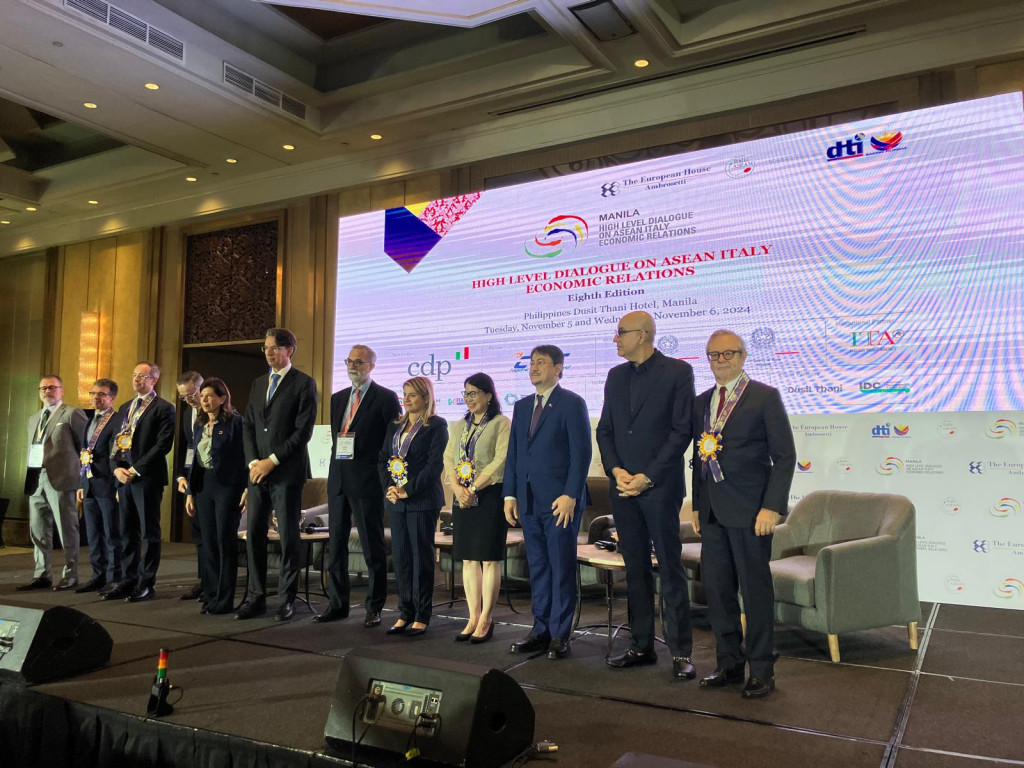
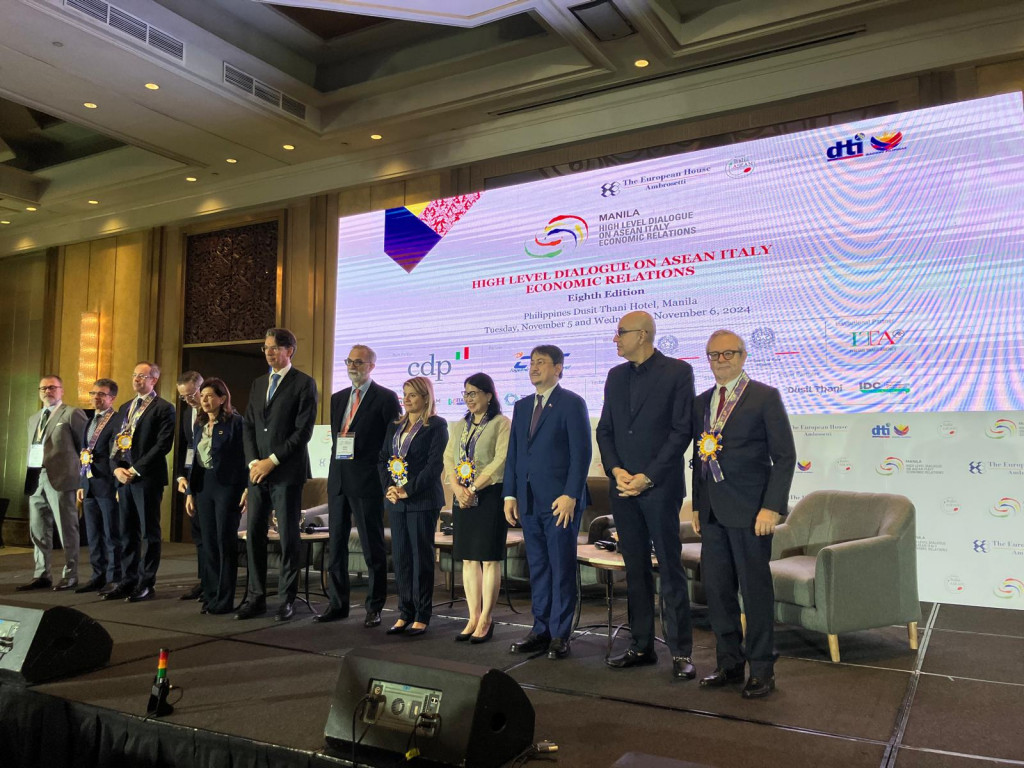
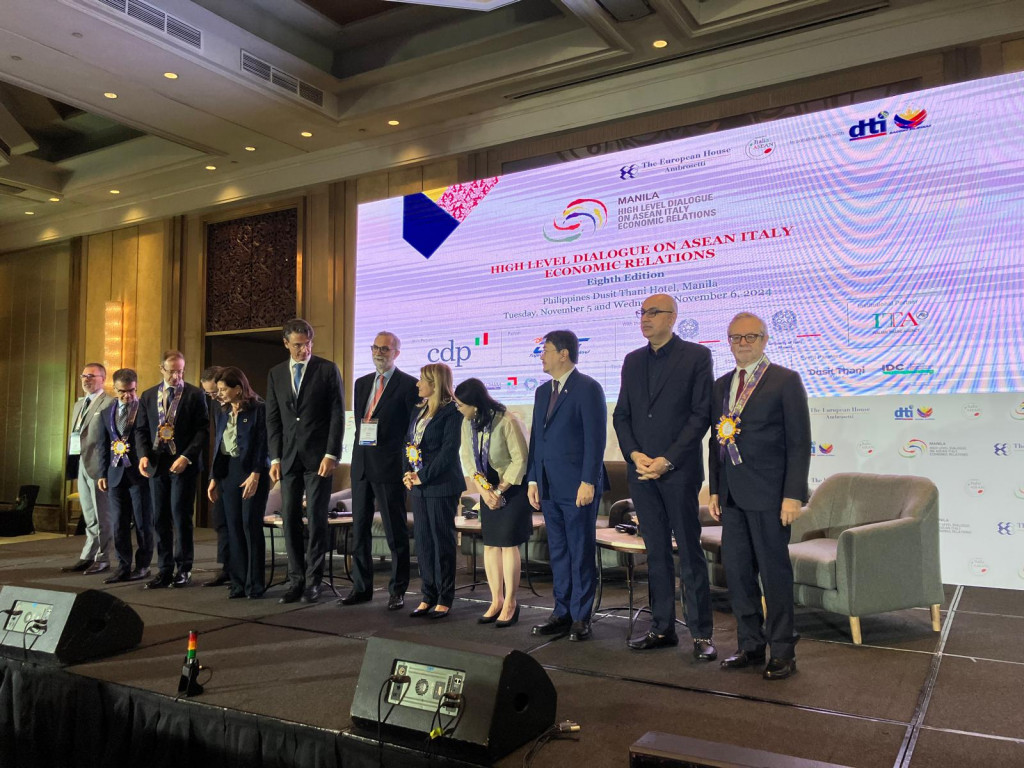
Economic relations between Italy and ASEAN are continuously deepening. The High Level DIalogue on ASEAN Italy Economic Relations 2024, which took place on November 5 and 6 in Manila, was an opportunity to highlight the current state of relations and discuss how to further strengthen them. As shown in the position paper published by The European House Ambrosetti at the event, the ASEAN-Italy trade interchange is worth more than $20 billion, of which $9.7 billion is represented by Italian exports to ASEAN and $12 billion refers to ASEAN exports to Italy. In the past six years, the total trade interchange between Italy and ASEAN has grown by 38 percent, more than the United Kingdom, Germany and France, highlighting the great dynamism of Italy-ASEAN economic relations.

The instruments of economic cooperation between ASEAN and Italy are diverse and multifaceted. They include trade agreements, investment treaties, joint ventures and economic and technical cooperation programs. These instruments aim to reduce trade barriers, promote investment, foster technology transfer and strengthen economic ties between the two regions. Together, they build resilient and mutually beneficial economic partnerships. To date, Italian FDI in ASEAN is worth 7.7 billion euros, while ASEAN FDI amounts to more than 800 million euros. These are exponential increases since the HLD editions began and since the Italy-ASEAN Association was founded. 

As Lorenzo Tavazzi, Senior Partner and Board Member of The European House Ambrosetti, points out in his position paper, the concrete results achieved in recent years are remarkable. A few examples? The opening of production units, design and service centers in Vietnam, Thailand and Indonesia by an Italian company operating in the metallurgical sector; the opening of a production plant by 2 Italian motorcycle manufacturers in Thailand and Indonesia; the inauguration of a new tire production plant in Thailand; the acquisition of a minority stake in an Italian cosmetics manufacturer by a sovereign wealth fund owned by the Singapore government; the increase in exports of Made in Italy products to ASEAN, particularly to Singapore, Malaysia, Thailand and Vietnam; and the introduction of training and business courses for access to the ASEAN market offered by Italian government agencies.

There is enormous potential for growth in some areas. For example on digital. ASEAN today has different levels of digital and environmental preparedness and is prioritizing green growth and technology adoption, with the goal of improving regional competitiveness, especially through the deployment of artificial intelligence, a robust startup ecosystem, and 5G infrastructure. Italy, with its strong industrial base and advanced technologies, is focusing on clean energy, sustainable practices and digitization to boost economic growth and resilience and can help increase ASEAN competitiveness. As ASEAN countries continue to prioritize resilience and innovation, high-tech sectors such as space offer critical support to ensure business continuity, regional stability, and cooperation in a highly strategic sector. Italy, renowned for its expertise in advanced technology and research, has much to contribute to ASEAN's growth in these areas. The potential for joint projects, technology transfer and knowledge sharing is significant and offers both regions unique advantages of collaboration. Not surprisingly, just in the past few weeks the ASEAN-Italy Cooperation Initiative on Space and Smart Technologies project was concluded with an event at the headquarters of the Italian Space Agency (ASI) in Rome. The initiative, financed by the Ministry of Foreign Affairs and International Cooperation, Directorate General for Globalization and Global Issues, is part of the formal framework of the partnership stipulated between MAECI and the ASEAN Secretariat and called ASEAN-Italy Development Partnership (2022-2026). And it aims among other things to create business opportunities, increase international presence, and improve scientific knowledge based on shared experiences, best practices and lessons learned.

High Level Dialogue on ASEAN-Italy Economic Relations: the speech by Ambassador Michelangelo Pipan

The speech by Ambassador Michelangelo Pipan, President of the Italy-ASEAN Association at the High Level Dialogue on ASEAN-Italy Economic Relations in Manila

When the Italy ASEAN Association was founded with the intent of promoting relations between Italy and the ASEAN countries, back in 2015, the world was a very different place: in virtual absence of major troubles the economy was booming, interest rates were low thanks to equally low inflation, free trade was reigning, globalisation was the name of the game. In that context the Association’s job in pursuing its goals was rather straightforward, although everything but easy: as Italian businesses were far from tapping the extraordinary opportunities offered by the ASEAN countries, it was necessary to attract their attention to and increase their awareness of the vast openings existing in each and every ASEAN member country and the very favourable atmosphere provided by the ASEAN stance towards international trade, let alone the strong sympathy everything Italian enjoyed in the area. In 2015 ASEAN became a Community also in the economic field, making possible a practically unhindered circulation of goods and capitals. Then came the RCEP agreement opening up an enormous common market in this part of the world. Those achievements consolidated the ASEAN role and made its member countries an even more appealing partner, one that could not be overlooked. In fact the Italian government did not fail to realise that and sought the status of ASEAN’s Development Partner, which was achieved in 2020. Since its inception the Association pursued its mission mostly implementing awareness activities with the support of its members, some of the major Italian Corporations, and in cooperation with the Italian official bodies. We soon realised that it was of the utmost importance to bring the Italian CEOs to ASEAN to meet their counterparts, to see with their own eyes the dynamism of the people, governments and entrepreneurs in these countries. That’s how the cooperation with TEH Ambrosetti was initiated and the HLDs started. 

Fast forward nine years, so much has changed on the global stage. After the disruption brought about by the pandemic and the subsequent expectations arising from the unprecedented financial resources made available by many governments and international organisations, war broke in Eastern Europe, then in the Middle East, in South Sudan, inflation rose, so did interest rates, trade barriers started to be Introduced and then strengthened . The world is now a totally different place. But how have these portentous events changed the landscape for us, for the perspectives of the relations between the EU and ASEAN? How are they affecting the work of our Association? Well, if anything, I am convinced that ASEAN as well as our work have become more relevant, because in a scenario where containment, confrontation, inward looking attitudes seem to take hold in so many places and cause a dangerous fragmentation of the international order., Asean stands out for the perseverance in sticking to its founding principles: a stalwart champion of free-trade as a means to growth and peace - convinced that stability can be achieved through development and vice versa ,an unconditional supporte of multilateralism, ASEAN’s policy remain that of resorting to discrete diplomatic dialogue for the solution of controversies, a policy so intrinsically linked to the success of the association that has been dubbed “the ASEAN Way”. In recent times, this has been coupled with the “ASEAN Centrality” a concept that - extending the other basic ASEAN principle of non-interference - signifies the unwillingness of the block to be pushed to take sides in the major power’s contest for predominance in the area. No wonder only a few days ago, when participating to the 14th ASEAN- UN summit in Vientiane , the SG of the UN, Mr Gutierrez, praised the Association as a “wonderful model for the world….a bridge builder and a messenger for peace “, lauding is commitment to multilateralism and its efforts to defuse tension by prioritising dialogue and respect of international law. At the same time in spite of geopolitical uncertainty and conflicts, the World Bank estimates that global trade to GDP ratio has reached 74%, exceeding pre pandemic levels. According to other authoritative sources world exports have grown 1,8% last year and are looking to grow 3.5% in 2024. In this scenario it has been said by experts on the area that “South East Asia is poised to be the biggest winner in global trade over the next decade, even amid (possible) escalating confrontation between the major powers”. Moreover, last year the six major ASEAN economies attracted more FDI than China (that incidentally looks to become soon the major foreign investor in the area). On top of this ASEAN continues to look ahead and is drafting a new ASEAN Community Vision 2045 to be adopted next year. At the same time the EU is advancing its work for the establishment of FTAs with more ASEAN nations, including the Philippines our host this year. All this considered, the work of our Association has become even more essential, in my view, for the reciprocal benefit of Italy and the ASEAN countries. A lot can be achieved thanks to a strong complementarity: we have In front of us a rich tapestry of opportunities can can be woven on the solid framework of the EU-ASEAN relations. It is thus a great privilege to hold the 8th edition of the HLD in Manila and we are most thankful to the Philippines government to host it. We are also extremely grateful to the many organisations and individuals whose commitment contributed to make it happen. I align myself to the individual thanks that were presented earlier by Mr Tavazzi. I know from personal experience- back in 1981 Manila was the first posting abroad of my diplomatic career- of the many opportunities for bilateral cooperation the stand in front of our two countries and the rest of ASEAN. Having expanded considerably since then, they are clearly spelled out in today’s program and reach out to the most contemporary fields of activities - let me remind you that the World Intellectual Property Office has chosen the Philippines as pilot country for measuring the contribution of the creative industry to GDP. I trust they will get a significant impulse today thanks to your discussions. In conclusion, I wish you the best of success and thank you for your kind attention.

ASEAN and BRICS

We publish here an excerpt from Chan Chian Wen's editorial, which appeared in Nikkei Asia

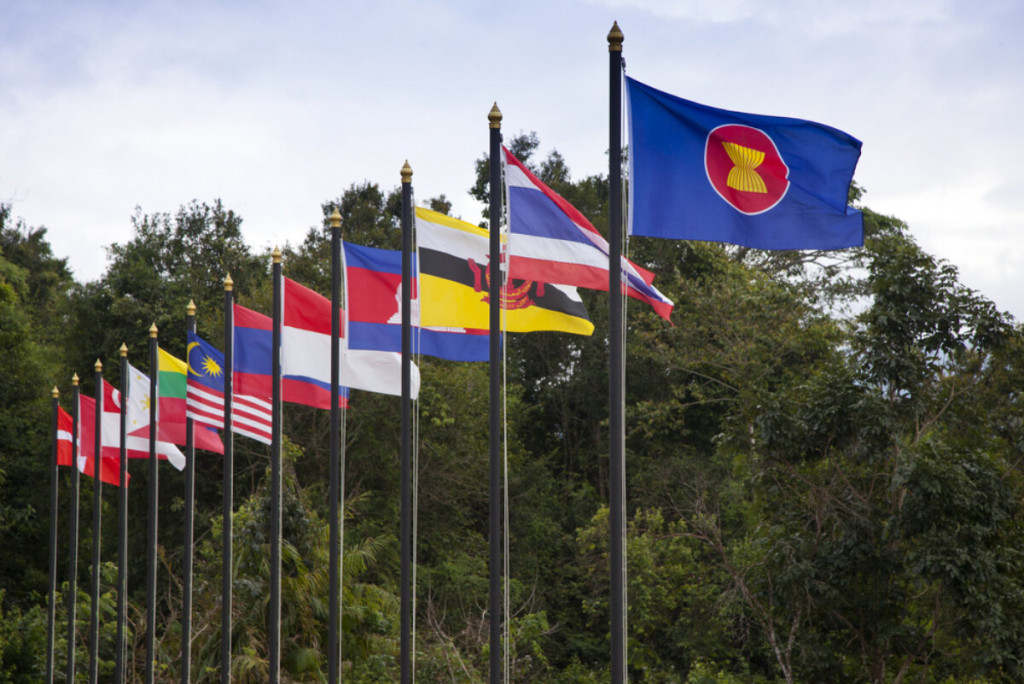
A common critique of BRICS lacks the cohesion necessary for long-term stability. However, ASEAN's five-decade track record proves otherwise. This group of 10 Southeast Asian economies serves as a real-time case study of how political and economic diversity can coexist while fostering peace and prosperity. ASEAN comprises Muslim-majority, Buddhist-majority, and Christian-majority countries, all with multi-ethnic and multi-cultural societies. These nations don't even share the same political systems. Yet, ASEAN's continued existence and prosperity serve as a powerful rebuttal to the notion that a diverse mix of countries cannot function effectively together. ASEAN's proven record of neutrality has long supported regional stability; now it should extend its influence to help reduce conflict risks beyond its borders. While BRICS aims to foster economic multipolarity, it is often viewed by Washington as aligned with its geopolitical rivals, Moscow and Beijing. ASEAN, without such baggage, is uniquely positioned to ease concerns over BRICS being perceived as anti-Western. ASEAN can also benefit from BRICS's growing commodity exchanges, which provide an opportunity to boost sustainable economic growth and improve food security. By protecting commodity-dependent economies from excessive speculation, BRICS exchanges help mitigate price volatility, a key threat to ASEAN's stability. Furthermore, BRICS countries play significant roles in global supply chains for both raw and value-added commodities. Many experts believe the world is on the cusp of a new commodity super-cycle, driven by decades of underinvestment in resource extraction and refining infrastructure. BRICS, with its significant lead in this space, is well-positioned to cushion the socio-economic fallout of such a cycle -- an advantage that ASEAN lacks. With global trends shifting toward electric vehicles, lithium batteries, nuclear energy, semiconductors and electrification, ASEAN risks falling behind without deeper engagement with BRICS. Additionally, BRICS offers access to alternative platforms for financial transactions, such as blockchain. By linking settlement currencies to neutral reserve assets like gold, ASEAN could reduce its exposure to the risks of sharp fluctuations in the U.S. dollar. For ASEAN to maintain true neutrality, it must adopt a platform-agnostic approach to financial transactions in global trade and investment. In conclusion, it is not in ASEAN's best interest to passively observe attempts to reverse the trend toward multipolarity, including the forging of closer ties between BRICS and ASEAN.