Thailand

Thailand, the post-Shinawatra era begins

After the removal of Prime Minister Paetongtarn by the Constitutional Court, the country seeks new political balance

By Tommaso Magrini

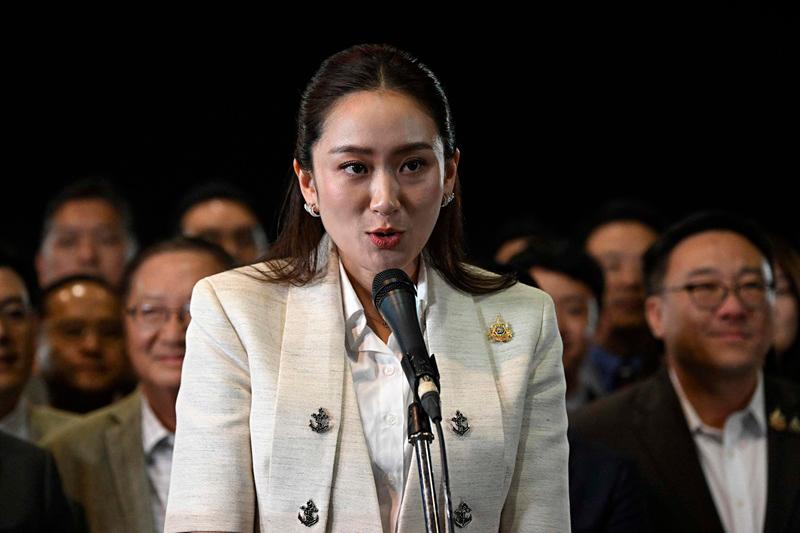
Paetongtarn Shinawatra is no longer Thailand’s prime minister, after the Constitutional Court’s August 29 ruling that permanently removed her from office. Born on August 21, 1986 in Bangkok, Paetongtarn is part of the powerful Shinawatra dynasty: daughter of former prime minister Thaksin Shinawatra and niece of Yingluck Shinawatra, herself a former premier. After earning a degree from Chulalongkorn University and a master’s from the University of Surrey, Paetongtarn entered politics in 2023, becoming leader of the Pheu Thai Party. In August 2024, she became the youngest prime minister in Thailand’s history and only the second woman to hold the role. Her government rested on a fragile coalition, which included traditionally conservative parties, built also thanks to the influence of her father, Thaksin, who had returned home after years in exile.

In the early months, Paetongtarn enjoyed decent popularity. A September 2024 poll put her at 31% support, but recently that backing collapsed due to her inability to deliver on promises of economic stimulus, growth, and reform. The situation worsened with the tariffs imposed by Donald Trump against Thailand. 

In June, scandal erupted. A private conversation between Paetongtarn and Hun Sen, Cambodia’s former leader, was recorded and leaked online. In the conversation, Paetongtarn addressed him as “uncle” and said: “please, show a little solidarity with your niece”, offering to “take care of whatever you need.” She also criticized a Thai general, calling him an “opponent.” This all unfolded amid a growing border crisis between the two countries which, weeks later, escalated into five days of crossfire, leaving dozens dead and hundreds of thousands displaced.

On July 1, after the audio became public, 36 senators filed a petition with the Constitutional Court accusing her of violating ethics, integrity, and putting personal interests above the nation’s. The Court suspended Paetongtarn with a 7-2 vote, and on August 29, by a 6-3 majority, the judges ruled her definitive removal for ethical violations and constitutional requirements. Paetongtarn accepted the decision, reiterating that she had acted for citizens’ safety and calling for national unity. Her removal marks yet another blow to the Shinawatra dynasty: she is the sixth figure linked to the family to be ousted by institutional interventions in the past two decades.

Now a phase of political instability begins. The Pheu Thai Party seems destined to lose bargaining power. Its remaining eligible candidate is Chaikasem Nitisiri, 77, a former attorney general, but an agreement with conservatives and the Senate would be needed to secure the 247 votes in the 492-seat House. Among possible scenarios, there is talk of a compromise government led by Anutin Charnvirakul (Bhumjaithai), or early elections, given the divisions and growing opposition, including from the progressive People’s Party. Paetongtarn Shinawatra rose to power as a symbol of revival and continuity for the Shinawatra family, embodying hopes for reform and renewal. Young, pragmatic, and a promise of progress, she became prime minister at a moment of transformation for Thailand. Yet the private dialogue with Hun Sen turned into a boomerang: a diplomatically strategic communication perceived as betrayal, sparking a collapse in support and the fury of the establishment. In just a few months, her fresh leadership dissolved, swept away by the verdict of the Court and disillusioned voters. Now Thailand stands at a new crossroads: to redraw the map of political power within Parliament, or to return to the polls at a time when what the country needs most is stability.
The Centrality of ASEAN Tested by Thailand-Cambodia Conflict

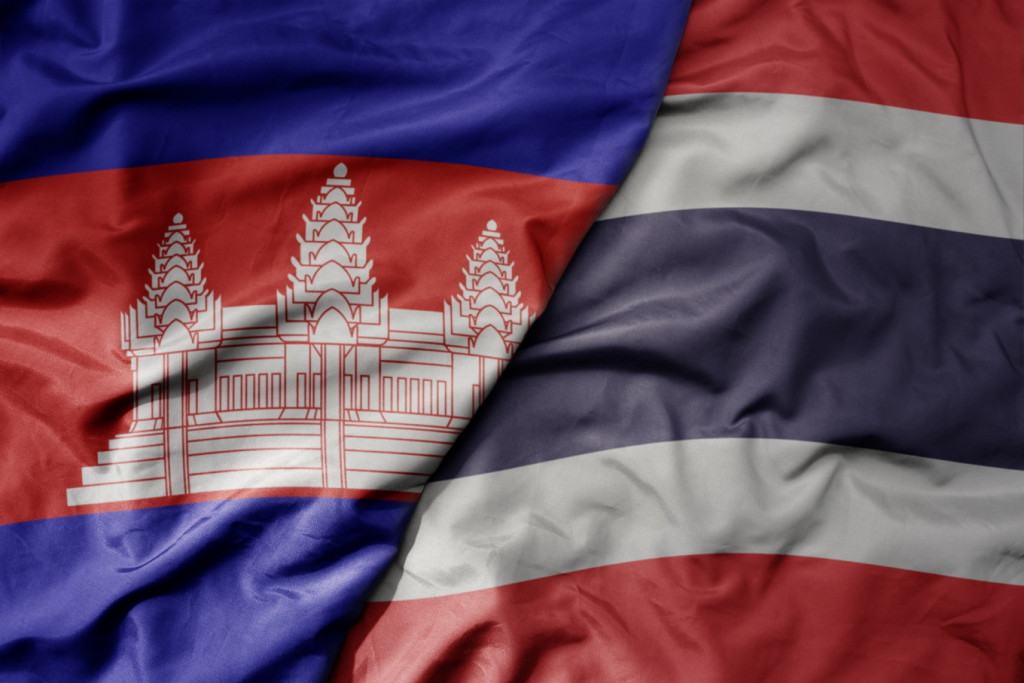
Recent armed clashes along the border between the two member countries of the Southeast Asian group call into question the region’s core principle

By Emanuele Ballestracci

Since 2008, with the codification of the principle of “ASEAN Centrality,” its ten member states have pursued the ambition of making the organization the cornerstone of the Indo-Pacific regional architecture and the main channel of engagement with external partners. This perspective has immediately been tested by internal crises—such as the civil war in Myanmar—and by the inability to adopt common diplomatic positions, particularly regarding maritime disputes with China. In this context, the recent conflict between Thailand and Cambodia has only highlighted the difficulties in implementing this principle.

With the entry into force of the ASEAN Charter—the organization’s founding document—the principle of “Centrality” was formally enshrined, a concept that had already emerged in the 1990s with the establishment of the ASEAN Regional Forum and the ASEAN+3 format. The Charter came in a climate of renewed optimism, following the completion of the enlargement that brought the organization to include, beyond the five founding members (Indonesia, Malaysia, Singapore, Thailand, and the Philippines), also Brunei, Vietnam, Laos, Myanmar, and Cambodia. This was a step forward intended to strengthen ASEAN’s relevance on the international and, above all, regional stage. However, the effective application of “Centrality” appeared from the outset to be challenging due to several factors: unresolved territorial disputes; an institutional architecture not designed to fulfill this role; increasing international instability; and the different alliance systems of the members—despite the traditional non-alignment policy that unites them.

Although ASEAN Centrality has been recognized by the United States, the European Union, and numerous other small and medium powers, and implemented through platforms such as the East Asia Summit and the ASEAN Regional Forum, the inability to develop common positions on crucial dossiers—from the crisis in Myanmar to the disputes in the South China Sea—has made it clear that full implementation remains complicated. Notable examples include the failure to reach consensus in 2012 on a joint communiqué that would have articulated a common position on China’s growing assertiveness in the South China Sea, and the inability to jointly conduct negotiations for the Code of Conduct (CoC) aimed at regulating activities in the area. In the first case, Cambodia and Laos blocked the initiative under pressure from Beijing—their main economic and security partner—while the stagnation of the CoC, often attributed to the lack of willingness of some members, is pushing the Philippines to strengthen defense cooperation with the United States. It emerges that the lack of unity among ASEAN countries is the main obstacle to the very principle of “Centrality.”

These critical issues had already been recognized within the organization, to the point that in January 2025 a workshop was launched to explore possible reforms of norms and practices to allow ASEAN to reposition itself at the center of regional security architecture. However, the conflict between Thailand and Cambodia that erupted in July, causing 36 deaths and over 300,000 displaced persons, has further weakened these efforts. Latent territorial disputes, strong nationalism, and the need for both governments to redirect internal discontent outward have at least temporarily interrupted one of ASEAN’s achievements: the absence of armed conflicts between member states since its founding in 1967. 

The inability to reach an agreement on resolving the dispute raises further questions, as the escalation has made any concession even more costly for both parties. Moreover, should tensions persist, a plausible scenario includes the reopening of U.S. military bases in Thailand and a further strengthening of Sino-Cambodian defense cooperation.

The principle of ASEAN Centrality, constantly tested by internal and international challenges, currently needs to be reaffirmed and promoted in a cohesive manner.

Thailand’s Electric Bet

Amid global uncertainty and new opportunities, Bangkok is emerging as a key player in the electric vehicle sector

Di Alessandro Forte

The electric vehicle (EV) sector is one of the most strategic focal points shaping trade relations among the world’s major economies and is the subject of intense international discussion. Marked by increasingly rapid growth, electric vehicle sales in 2023 accounted for approximately 18% of the entire automotive market, a sharp leap from just 2% five years prior. The sector is now projected to reach a market value of $990.4 billion USD by 2029.

Due to its economic, political, and environmental significance, the EV sector has often been the stage for strategic competition among global powers. The People’s Republic of China, which currently holds around 60% of this market, has recently faced tariff restrictions from the European Commission, an attempt to counterbalance the Chinese government’s subsidies to domestic companies. Meanwhile, the sector’s most important private player, Tesla, is seeing a drop in sales in the Chinese market amid intensifying competition from local brands.

While this scenario might suggest a market dominated solely by major global powers, one regional player—Thailand—has quietly gained increasing prominence. Among ASEAN countries, Thailand has shown the most proactive participation in EV supply chains, emerging as a reliable producer and exporter of electric motors, converters, and inverters. Furthermore, Thailand’s “EV 3.0” policy, launched in 2022, significantly boosted domestic EV purchases. Tax incentives have brought the cost of an electric car in line with that of a conventional one, resulting in a 320% surge in sales in 2023. It’s no surprise that Thailand is the regional leader in this sector. As early as 2001, then Prime Minister Thaksin Shinawatra aimed to make his country “the Detroit of the East,” promoting export-oriented policies and investment incentives that turned Thailand into Southeast Asia’s automotive hub.

What is interesting—though not entirely unexpected—is that the biggest beneficiary of Thailand’s favorable policies has been China. More than 20 Chinese automakers, including industry giants BYD and Great Wall Motor, have entered the Thai market, often establishing local production facilities. It’s estimated that Chinese brands now account for more than half of all EV sales in Thailand—a figure likely to grow. While this has bolstered Thailand’s automotive sector, it also raises concerns about overdependence on Beijing. Diversifying the investor base is becoming increasingly necessary. 

Now may be the right moment to do so. Last year, Tesla considered establishing a manufacturing site in Thailand to expand its footprint in the domestic market and enhance its reach across Southeast Asia. Although the company ultimately limited its plans to developing charging infrastructure, the idea of a factory remains on the table. Tesla’s Shanghai gigafactory is facing mounting pressure amid the U.S.-China trade conflict: in April, sales of China-made Teslas dropped by 6% year-over-year. Additionally, Tesla has withdrawn its U.S.-made Model S and X from the Chinese market, coinciding with the escalation of the tariff war, though CEO Elon Musk has not officially confirmed a direct link.

In a landscape full of challenges and surprises, Bangkok may find itself in a prime position to attract more favorable investment from U.S. companies, diversify its economic partnerships, and increase its leverage in the global automotive sector. However, it must proceed cautiously, striving for balance in its bilateral relations with both superpowers. Patientia vincit omnia.

Thailand, green light for Lgbtq+ marriages

As of January 22, Bangkok is the first Southeast Asian country to allow same-sex marriages. An event of historic significance 

Vittoria Mazzieri

After a favorable vote by Thailand's House of Representatives and Senate in April and June 2024, respectively, the Marriage Equality Bill was approved by King Maha Vajiralongkorn in September. A historic event that confirmed the hopes of thousands of Lgbtq+ couples waiting to legally celebrate their union. From the ruler's signature, as reported by the Royal Gazette, 120 days must pass for the law to take effect. 

As of Jan. 22, Thailand is the first Southeast Asian country to take this step. The new Thai law also grants rights to adoption, health care and inheritance, as well as amending the nation's Civil and Commercial Code with terms such as “individuals” instead of “men” and “women.”

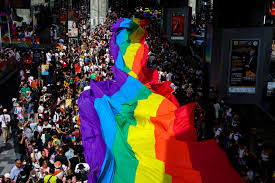
Bangkok approaches the cathartic date with a series of recognitions behind it. In June 2024, the streets of the capital hosted a record-breaking pride with more than 200,000 people in attendance, the largest in the country's history. And a number of cities celebrated their first parade, including the small seaside resort of Hua Hin and Phuket, capital of the island of the same name that has become one of the country's most popular tourist destinations.

In August, moreover, immigration authorities launched the “Welcome Pride by Immigration” campaign, making use as they have in other communications of the extended acronym lgbtqia2s+ (where “2s” stands for the “two spirits,” a term from the tradition of indigenous communities in North America). In essence, a concerted effort to address the problems that can arise during background checks when there are discrepancies between physical appearance, when faced with a person who has undergone surgery and hormone therapies, and gender markers on the passport, which are often regulated by the laws of the countries of origin. Relevant offices are now asked to examine alternative identity documents, such as medical records and biometric data.

This measure has contributed to the solid reputation Thailand has built over time: a kind of paradise for the lgbtq+ community, where now-iconic gay-friendly venues spring up in the same neighborhoods that have become must-see stops for users of the country's huge sex industry (which accounts for more than 10 percent of the national GDP). In Bangkok and Pattaya on the West Coast, drag events are held alongside the go-go bars where young, paying male tourists flock. On the Medium portal, user Tracy.3 recounts his own personal experiences, citing a few: the now-famous DJ Station, on Si Lom Road, and The Stranger Bar, on Soi 4, both crowded streets of Bangkok. But also Silversands Bar in Samed, a small island that has become a popular tourist destination since the 1980s.

The economic impact of this kind of activity has not gone unnoticed. It is even spoken of in terms of “pink baht,” indicating the spending power of queer consumers to whom agencies scattered across the country devote increasingly specific travel packages. “We have something for everyone,” reads the website of ‘Go Thai Be Free,’ the campaign launched in 2022 by the Tourism Authority (TAT) to encourage people from the community to visit the country. On the platform, Thailand is presented as “the most welcoming country for lgbtq+ people in Asia.”

In terms of tourism impact, 2025 looks to be an even more promising year. Meanwhile, in an effort to regain the momentum lost during Covid-19, the Thai government recently set a goal for 2025 to surpass the admissions recorded in 2019 and hit 40 million visitors. It's a challenge for Paetongtarn Shinawatra, heir to Thailand's most famous political dynasty and elected premier last August after the dissolution of Move Forward, the progressive party that had technically won the 2023 elections: they are aiming to grow and reach record numbers while having to respond to warnings about the impact of mass tourism on nature areas. One among them Maya Bay, on the island of Ko Phi Phi Leh, closed to visitors from 2018 to 2022.

The “pink baht” will contribute to the purpose. A report commissioned by the travel platform Agoda estimates that the new law could boost inbound travel by 10 percent, increasing tourism spending by more than $2 billion. Those directly affected could be the more than 3.5 million people who live less than five hours away by air and are denied the opportunity to tie the knot in their home countries. “We are already taking registrations of international couples who are ready to get married in Thailand,” said activist Ann Chumaporn, co-founder of Bangkok Pride, which plans to engage more than 1,000 lgbtq+ couples for a mass wedding that will take place on January 22 itself.

But beyond the recognition gained and the degree of visibility achieved in the media, time and effort are needed to loosen the social stigma that still permeates much of society. “Tolerance and visibility do not equal safety and rights,” activists warn. A report dating back to 2019 by the United Nations Development Program (UNDP) shows that 50 percent of queer people surveyed have experienced discrimination in the family context. The scenario that emerges is clear: Thais are generally more tolerant outside than inside their families. Thailand will continue to be a happy island for queer tourists, but associations are banking on major events to strengthen their recognition on the international front. Phuket has been proposed as the host city for InterPride 2025, the meeting of all associations active for community rights held this year in Medellín, Colombia. And the intention is to demonstrate its “rainbow soft power” by targeting the bigger event: the 2030 WorldPride.

Thailand and Malaysia in front row for BRICS

Bangkok and Kuala Lumpur are the first two Southeast Asian governments to have expressed interest in joining the group

Di Silvia Zaccaria

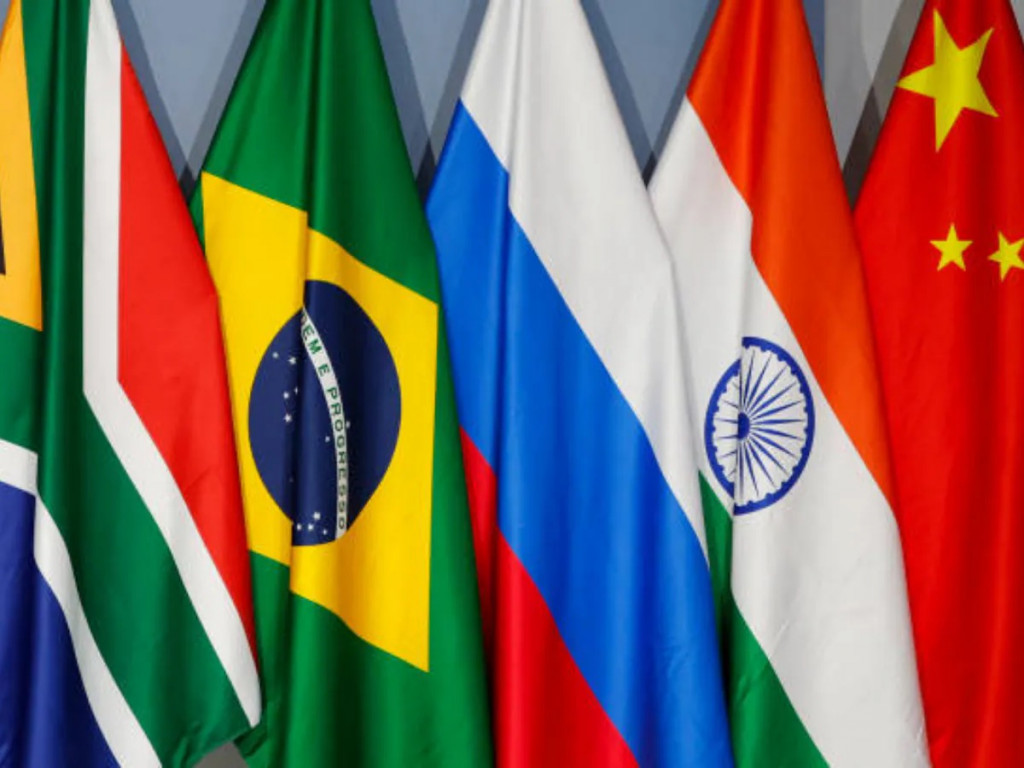
The acronym BRICS refers to the grouping of Brazil, Russia, India, China and South Africa. In January 2024, Egypt, Ethiopia, Iran, Saudi Arabia and the United Arab Emirates joined the BRICS. The five original member countries alone make up about 26 percent of the earth's land area, 30 percent of the global economy and 43 percent of the global population, a figure that continues to grow. Just as the BRICS have among their purposes the goal of bringing together the economies of the Global South, ASEAN was also established as an organization created for the purpose of contributing to the economic, social and cultural development of the countries of Southeast Asia, ensuring their stability, fostering their economic promotion, reducing poverty, and encouraging the exchange and support of countries with profoundly different economic and development levels. By virtue of the increasing economic and political importance the BRICS are gaining, many ASEAN members have expressed more or less concrete interest in their possible entry into the grouping, as early as the 2023 summit in Johannesburg. On May 28, Thailand approved a letter officially manifesting its intention to join BRICS. Ready to follow is Malaysia, whose Prime Minister Anwar Ibrahim has expressed strong interest in possible entry. Indonesia, which participated as a guest at the 2023 BRICS Summit, through Foreign Minister Retno Marsudi, also said it is in the process of evaluating the possible benefits of joining the group. Finally, Vietnam also asserted that the country is seriously considering joining BRICS. In particular, it was pointed out that countries such as Thailand and Malaysia are aiming for BRICS entry for economic and social growth intentions of national interest. “BRICS membership would benefit Thailand in many ways, for example, by increasing Thailand's role in the international arena and enhancing its prospects of being one of the international economic policymakers.”, said Bangkok’s government.

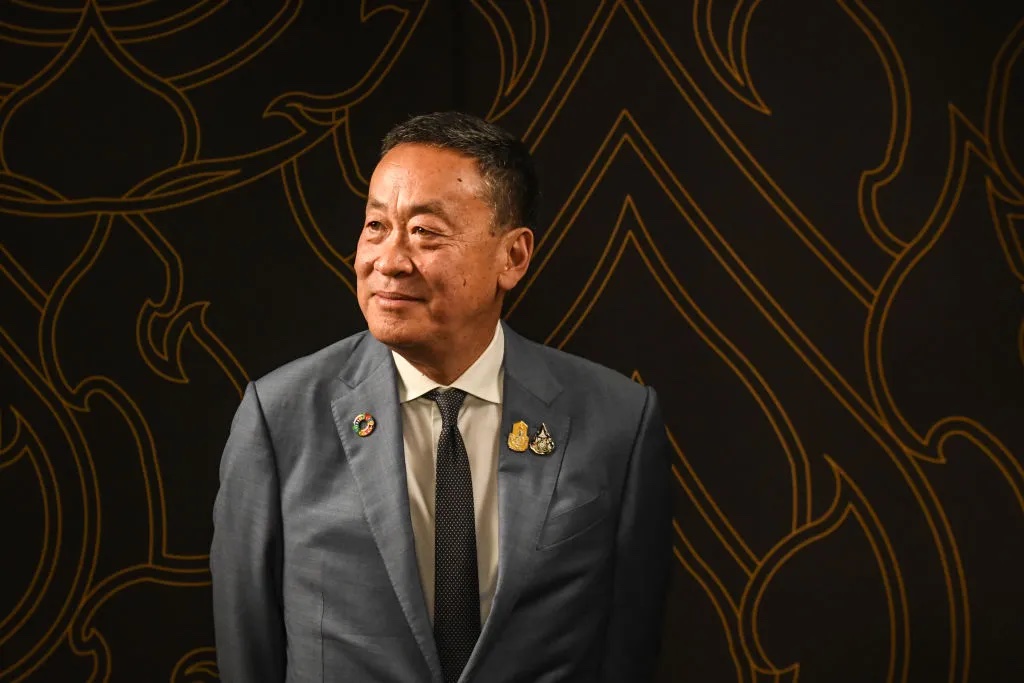
Thailand has a new premier

Paetongtarn Shinawatra has been named prime minister of Southeast Asia's second-largest economy, the youngest ever

“I am honored. I talked with my family and the people of Pheu Thai. And I decided it's time to do something for the country and the party, I will give my best to be able to move Thailand forward.” On Friday, August 16, a visibly excited Paetongtarn Shinawatra delivered her first words as Premier of Thailand. Minutes earlier, Parliament in Bangkok appointed her with 319 votes in favor, 145 against, and 27 abstentions. She takes over from Srettha Thavisin, her party colleague who had been removed from office a few days earlier by a Constitutional Court ruling triggered by the appointment as minister of a former lawyer who had previously been sentenced to six months in prison for corruption.

Born on August 21, 1986, Paetongtarn thus becomes with her just 38 years old the youngest-ever government leader for Southeast Asia's second largest economy. Paetongtarn is the daughter of Thaksin Shinawatra, Prime Minister from 2001 to 2006 who returned last year from a long exile abroad, and granddaughter of Yingluck Shinawatra, Thaksin's sister and herself Premier from 2011 to 2014. As a child, she followed her father as he campaigned and played golf. She majored in political science at Chulalongkorn University, one of Thailand's top schools. She then studied international hotel management at the University of Surrey in England.

The new Thai government leader then returned home to help run the family business empire. She entered politics in 2021 and had never held a government position before her appointment last Aug. 16. During last year's election campaign, she gained popularity by holding rallies despite being pregnant. After the polls, she dialogued with Move Forward, the winning party that first remained in opposition and whose dissolution was later ordered by the Constitutional Court in early August.

Paetongtarn's real challenge will be to sustain the revitalization of the economy, including deciding on the fate of the digital wallet program that Srettha Thavisin had launched in recent months. “If we all stick together we can do it, I will give my all to further improve the lives of Thais,” promised the new, young Premier.

Historic step: Thailand legalizes egalitarian marriage

Moment to remember for Bangkok, which approves legislation legalizing same-sex marriage

By Alice Freguglia

On June 18, 2024, rainbow flags will fly in Thailand, which has become the first Southeast Asian country ready to legalize same-sex marriage. A decisive step forward for LGBTQ+ rights, driven by strong ideals of equality and inclusion, promoted by the Pheu Thai Party and Prime Minister Srettha Thavisin himself. 130 out of 134, in fact, were the affirmative votes enunciated by the Senate, for which, now, the law will await the consent pronounced by King Maha Vajiralongkorn, considered, however, a mere formality. 

Although Thailand is celebrated for its vibrant LGBTQ+ culture and general tolerance, activists have long criticized the country's conservative attitudes and legal framework, especially with regard to the recognition of transgender and nonbinary people, who are still prevented from changing their gender on identification documents. Indeed, over the past decade, there have been several attempts by the government to legalize same-sex unions, epitomized in the last presidential election in 2023 with the victory of the Pheu Thai Party, which proposed the legalization of egalitarian marriages in its election manifesto, gaining support especially among younger voters.

Recently passed legislation redefines marriage as a union between two individuals, eliminating gender-specific terms such as "men," "women," "husbands," and "wives" in favor of gender-neutral language. As a result, this change gives LGBTQ+ couples the same legal rights as heterosexual couples, including inheritance and adoption rights. Plaifah Kyoka Shodladd himself, a member of the Parliamentary Committee on Same-Sex Marriage, expressed pride in the achievement, noting that "love has triumphed over prejudice" after decades of struggle.

Following the recent developments, Thailand joins Nepal and Taiwan as the only jurisdictions in Asia to have legalized same-sex marriage. Specifically, in that part of the world where rights in regard to LGBTQ+ people are often repressed, such as Southeast Asia, Thailand represents a source of change and inclusiveness. Indeed, in Myanmar and Brunei, same-sex relationships are still considered a punishable crime, while discrimination and hostility are recurrent in Indonesia and Malaysia. Chanatip Tatiyakaroonwong, Amnesty International's researcher in Thailand, described it as a historic step and a reward for the tireless efforts of activists, civil society organizations and supportive lawmakers. 

The new law promises to transform the lives of countless couples and promote a more just and equitable society. As Thailand celebrates this milestone, it also sets a precedent that could positively affect change throughout the region, proving that equality and love can indeed triumph over prejudice and discrimination.

Thailand seeks entry into BRICS

The Bangkok government has decided to join the growing group led by emerging economies

Southeast Asia is poised to make its official entry into BRICS. On May 28, the Thai government approved the submission of a letter of intent to join the multilateral platform led by emerging economies. If the request is approved, as all indications suggest, Thailand will become the first member of the group from the ASEAN region. BRICS initially consisted of Brazil, Russia, India, China and South Africa, but as of Jan. 1, 2024, five more countries joined: Egypt, Ethiopia, Iran and the United Arab Emirates. Thailand is currently included in the list of 15 countries that will soon be considered for admission. The decision made by Bangkok is expected to speed up the process ahead of the next summit, scheduled for October in Kazan, Russia. “BRICS membership will strengthen Thailand's role as a leader among developing countries,” said Chai Wacharonke, government spokesman, at a press conference organized to announce the formal step. The letter outlines dozens of benefits for Bangkok in joining BRICS, one of which is the possibility of collaborating with other countries in the global South to strengthen its presence on the world stage. Thailand, moreover, is trying to frame its foreign policy moves as part of a broader proactive diplomatic approach that emphasizes involvement with institutions such as BRICS and the OECD. Not so much as a balancing act between great powers, but to promote its own economic interests and cultivate ties with a wider circle of developed and developing countries. The Thai initiative is an interesting sign because it shows the dynamism of the so-called “Global South,” with emerging countries committed to strengthening various multilateral platforms. Indeed, as Bangkok formalizes its intention to join the BRICS, Indonesia is taking similarly decisive steps toward joining the Organization for Economic Cooperation and Development (OECD). Indonesia, already a member of the G20 representing ASEAN, is the first Southeast Asian country to formally request to discuss membership. In recent days, Mathias Cormann, secretary of the OECD, visited Jakarta to speed up the process designed to bring the country's status to that of full membership. Cormann met with outgoing President Joko Widodo to discuss next steps. Jakarta aims to achieve full membership within three years.

New horizons of cooperation between Italy and Thailand

The balance of Thai Prime Minister Srettha Thavisin's visit to Rome

By Alice Freguglia

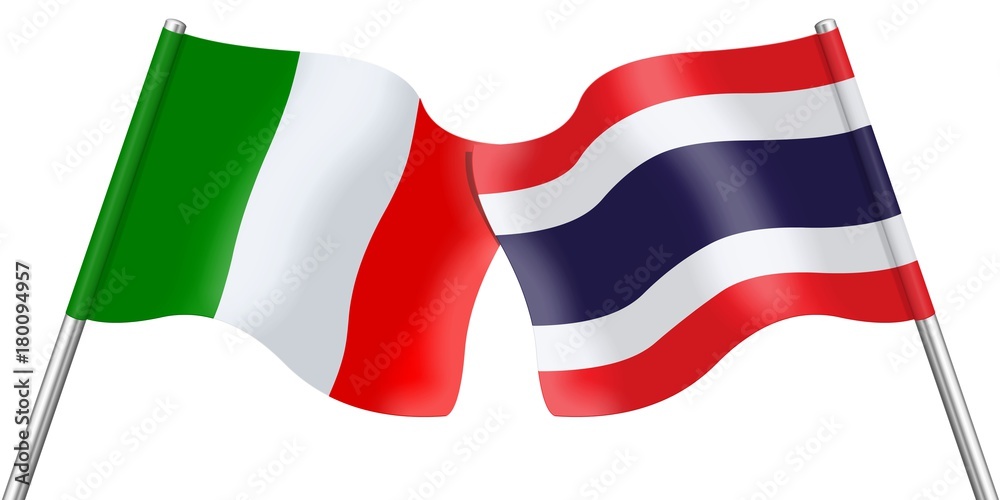
May 21, 2024 Palazzo Chigi hosted Thai Prime Minister Srettha Thavisin, who was visiting Prime Minister Giorgia Meloni. Infrastructure, digitization, energy and tourism promotion were the topics most discussed by the two leaders, with a view to promoting bilateral relations in favor of greater socio-political cohesion and with the goal of ensuring the full development of both countries.

As early as last year, in 2023, on the occasion of the 155th anniversary of diplomatic relations between Italy and Thailand, the Chambers of Commerce of both nations signed a memorandum of understanding, promoted by the Ministry of Foreign Affairs and International Cooperation and Unioncamere, which further strengthened economic and trade ties, as well as underscored Thailand's importance as a partner. With a young and constantly growing population, in fact, the Thai territory would really represent an important resource for the Italian economy, able to offer significant opportunities for businesses, as also stressed by Andrea Prete himself, President of Unioncamere.

Thailand, in fact, as the political heart of ASEAN, represents a natural entry point for Italian companies wishing to access the markets of Southeast Asia, an area that, in addition to encompassing more than 600 million people, has an interesting market potential. Remarkable, in fact, is the volume of Rome-Bangkok trade, which in 2023 reached a value of about 4 billion euros, with Italian exports of 1.9 billion and imports of more than 2.1, representing an allied and reliable market, a source of economic and political stability.

“We intend to discuss cooperation with ltaly, whether it is trade and investment, agriculture, fashion or renewable energy. As well as tourism. In fact, more than 190,000 Italians come to Thailand every year.” These were the Thai leader's words, a prelude to a meeting later described as 'satisfactory' by Giorgia Meloni, in which ItaIy promoted and strengthened its international relations with its partner.

Expanding and improving travel within the territory, in fact, is one of the key domestic policy objectives for Thailand, and what better example to take inspiration from than Italy? Our country, in fact, boasts some of the world's most prominent and recognized companies in terms of quality and innovation. The Made in Italy stamp, in fact, can be placed on countless large-scale projects, such as the high-speed rail network, but also on the construction and management of civil works such as bridges, roads, ports and airports.

Similarly, recent initiatives such as the PNRR, National Recovery and Resilience Plan, focused on the implementation of major investments to ensure greater digitization of public administration and to support Italian industries, is also an exemplary imprinting for Thailand, which, in its own way, with the implementation of the so-called 'Thailand 4.0' plan aims to achieve an economy based on innovation and technology.

The environment will also be positively affected by this strengthening of Italian-Thai relations. In particular, Italy's experience in renewable energy would represent significant 'know how' for Thailand, which could not only take a cue from the technologies adopted to cope with the global warming emergency, but also rely on valuable investments that would allow it to make the most of its natural potential.

If there is anything, however, that unites these two seemingly distant realities, it is, surely, the beauty that attracts millions and millions of tourists each year, lovers of both pizza and pad thai. Strengthening trade relations, in fact, will also be able to ensure a greater influx of guests and visitors to both territories, a very important economic source, especially for two countries that from the historical, naturalistic and monumental point of view, have much to offer to the eyes of those who look at them with curiosity and a desire to broaden their horizons.

Srettha Thavisin, moreover, would seem to have convinced Giorgia Meloni regarding Thailand's desire to join the OECD, the Organization for Economic Cooperation and Development. Founded in 1961, the OECD provides a platform for governments to discuss and coordinate economic and social policies.Member states collaborate on issues such as economic growth, employment, education, innovation and trade, with the goal of creating a stronger and more sustainable global economy. Joining, therefore, would greatly elevate the country's status, allowing Thailand to gain international recognition and benefit from a socioeconomic knowledge exchange that would enable it to promote better political dialogue and economic cooperation.

In this regard, moreover, it would appear that Giorgia Meloni has accepted an invitation from Prime Minister Thavisin to visit Thailand, a significant step forward in bilateral cooperation between the two countries, as well as a confirmation of Italy's commitment inI'paving the way for further discussions and collaboration on strategic issues.

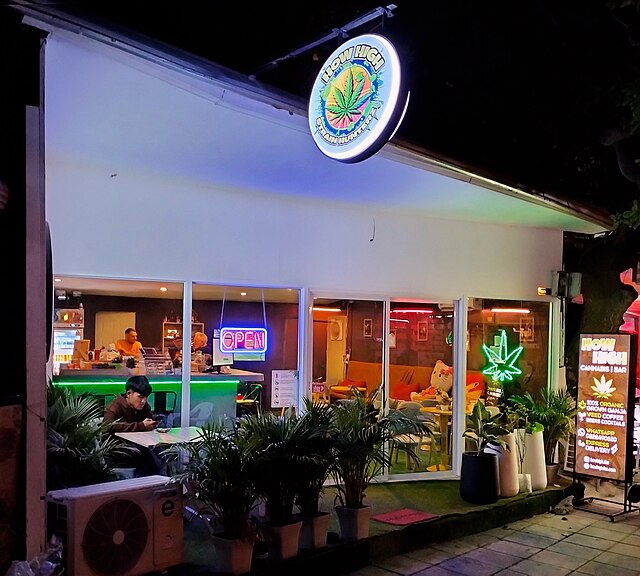
Thailand changes its mind on cannabis

Two years after decriminalization, Thailand may re-list cannabis as a narcotic, dismantling a potentially billion-dollar industry

By Francesco Mattogno

The decriminalization of low-tetrahydrocannabinol (THC) cannabis use, made official on June 9, 2022, is undoubtedly among the many contradictions that characterize Thailand. The political context in which Bangkok decided two years ago to ease its crackdown on marijuana, turning Thailand into the first Asian state to allow its recreational use, was that of Prayut Chan-o-cha's government, with a strong military component and a number of civil parties. The largest of these was the Bhumjaithai (BJT) of the then deputy prime minister and minister of health, Anutin Charnvirakul, who was among the biggest supporters of marijuana decriminalization in Thailand.

After promising this in the election campaign, in the summer of 2022 Anutin managed to convince allies and win a large majority in parliament to bring about the removal of low-THC cannabis from the list of narcotic substances. A victory that, just under two years later, could be wiped out by a new government, this time with civilian traction, of which he himself is deputy prime minister and interior minister. 

Through a post on X, Thailand's prime minister, Srettha Thavisin, announced on May 8 that he would reinstate low-THC marijuana to the list of narcotic drugs. Cannabis would not be considered a hard drug like heroin or cocaine, but it would again become illegal to grow, sell and possess, with penalties of up to 15 years in prison. Srettha and his party, Pheu Thai, had promised to crack down on marijuana use back in the election campaign, and so had all the major parties, including the progressive Move Forward and to some extent Anutin's BJT, which claimed to want to strengthen its regulation.

According to what was announced, the medical use of cannabis will remain legal and the crackdown will be limited to recreational consumption, that is, the real object of what Srettha called to be a “war on drugs,” which also includes measures against other substances, far more dangerous than marijuana. Technically, the 2022 decriminalization came as a result of a Ministry of Health order that merely included hemp within the “controlled herbs”-this was not an actual law, and that turned out to be its biggest problem.

Beyond some minimal guidelines (such as the need for a cultivation license, a ban on smoking in public or sales to minors under the age of 20), recreational use of cannabis was never really regulated, and only became tolerable as a result of a regulatory vacuum. A vacuum also due to the fact that, in the months following decriminalization, parliament changed its mind on the issue, not allowing the various drafts submitted by Anutin to become law. A law would have strengthened the controls and regulatory soundness of legalized cannabis use, which would have been more difficult to overturn today.

As the parties squabbled over the issue, later shelved as the campaign for the May 2023 elections began, in two years some 8,000 stores have sprung up across the country to sell inflorescences, oils or other hemp products to the public, and more than 1 million Thais have applied for and obtained licenses to grow. Although it is theoretically only legal to sell marijuana with a THC content of less than 0.2 percent (similar to “cannabis light” in Italy), the lack of a law has also made it possible to trade cannabis at a normal level of THC, which is the active ingredient that makes weed consumption psychotropic. However, inflorescences with a very low percentage of THC have no altering effect. To speak of a “war on drugs” would therefore be not entirely appropriate in this case.

This is also claimed by several Thai associations in support of cannabis legalization, which have asked the government to bring in scientific evidence to support that marijuana is more harmful than alcohol and cigarettes. Two years after decriminalization, the industry of growing and selling hemp products has now established itself as a major player within the Thai economic system-a ban would bring thousands of small business owners and workers to their knees.

According to estimates, the industry could grow to be worth $1.2 billion in 2025, to over $9 billion by 2030. The “war on drugs” would risk handing this huge market back into the hands of organized crime, but Srettha does not seem inclined to turn back. The prime minister has told his new health minister, Somsak Thepsutin, that he has 90 days to present progress on the issue. With the exception of medical uses, consuming cannabis in Thailand could become illegal again by the end of 2024.

Thailand's Landbridge will bring East and West closer

We publish here an excerpt of the speech by the Prime Minister of Thailand Srettha Thavisin on the Landbridge project

Thailand's Landbridge mega infrastructure project is an effort towards creating seamless connectivity to boost long-term growth prospects in the region and is fully in line with my Government's proactive economic diplomacy.

The project will include the construction of deep-sea ports in Ranong, on Thailand's Andaman coast, and Chumphon, in the Gulf of Thailand. Located approximately 90 kilometers apart, the two ports will operate under the “one port, two sides” concept, supported by a highway and double-track railway lines to connect the ports with each other and with the country's national network.

Each port will have the capacity to handle up to 20 million standard containers per year. The plan also includes the installation of a network of oil and gas pipelines. The total estimated cost is 1 trillion baht ($28 billion).

The Landbridge project represents an unprecedented opportunity to improve connectivity between the Pacific and Indian Oceans and to link economic activity between the two regions.

It promises to facilitate greater movement of goods and people between East and West, offering a viable route for maritime trade beyond the Straits of Malacca.

Once completed, the Landbridge is expected to reduce travel times by an average of four days between the Indian Ocean and the Pacific and reduce transportation costs by 15%. For a company shipping goods from Chennai to Yokohama, for example, this could mean savings of up to five days and 4% on costs.

Those familiar with Thailand's logistical development might see the Landbridge as a modern reworking of a century-old proposal to dredge a canal across the Kra Isthmus.

Although it was originally approved in 1989 as part of Thailand's Southern Economic Corridor, various considerations have left this project unrealized to this day. Now the timing will align well with the growth prospects of the economies of the Indian subcontinent and Africa.

Plans call for the first phase of construction to begin in September 2025 and last until October 2030. Contractors will likely be able to bid on the project between April and June 2025.

The Landbridge is expected to bring benefits of 1.3 trillion baht to the Thai economy and increase the country's annual gross domestic product growth rate by 1.5% through increased export opportunities and the creation of 280,000 jobs . It will also bring new development opportunities for other provinces in southern Thailand.

Il successo spaziale della Thailandia

Grazie al costo relativamente basso della manodopera, il Paese è un candidato interessante per la produzione avanzata nel settore spaziale

By Tommaso Magrini

Il satellite thailandese in orbita terrestre bassa, Theos-2, è stato lanciato con successo lo scorso 9 ottobre dal Centro spaziale della Guyana. Il satellite di osservazione della Terra Theos-2 è stato sviluppato congiuntamente dall’Agenzia per lo sviluppo della geoinformatica e della tecnologia spaziale (GISTDA) e Airbus per registrare immagini dallo spazio, proseguendo la missione di Theos-1, lanciato nel 2008. Ci vorranno ancora alcune settimane per controllare i vari sistemi del satellite, compresa la capacità di fotografare, prima che possa iniziare la sua missione. Theos-2 può scattare immagini ad alta risoluzione fino a 50 centimetri e scansionare circa 74.000 chilometri quadrati al giorno. Le agenzie spaziali thailandesi stanno inoltre lavorando per sviluppare un satellite al 100% di produzione autoctona, chiamato “Theos-3”. Sì, perché il programma spaziale di Bangkok procede a grande ritmo. La Thailandia è sede di una produzione avanzata di componenti per veicoli e di una serie di prodotti elettronici. Grazie al costo relativamente basso della manodopera, il Paese è un candidato interessante per la produzione avanzata in generale. Di conseguenza, il GISTDA ha spinto per sviluppare un centro di assemblaggio, integrazione e test satellitare nel Paese, sfruttando questi punti di forza.All’inizio di quest’anno, la Thailandia e la Corea del Sud hanno annunciato l’intenzione di effettuare uno studio di fattibilità congiunto per un sito di lancio. Un giorno potremmo vedere i razzi partire dal Paese del sorriso. La Thailandia non è l’unico Paese del Sud-Est asiatico a condurre un ambizioso programma spaziale. L’Indonesia è stata un pioniere delle comunicazioni satellitari tra i Paesi dell’Asia-Pacifico, avendo lanciato il suo primo satellite Palapa a metà degli anni Settanta. Negli ultimi anni, però, gli indonesiani hanno superato loro stessi: il programma BAKTI, gestito dal Ministero delle Telecomunicazioni (KOMINFO), ha l’ambizione di collegare circa 150.000 siti alla banda larga satellitare nei prossimi anni.