The ASEAN-EU Blue Book 2024-2025

The document highlights the strategic partnership between ASEAN and the EU and presents new cooperation programs

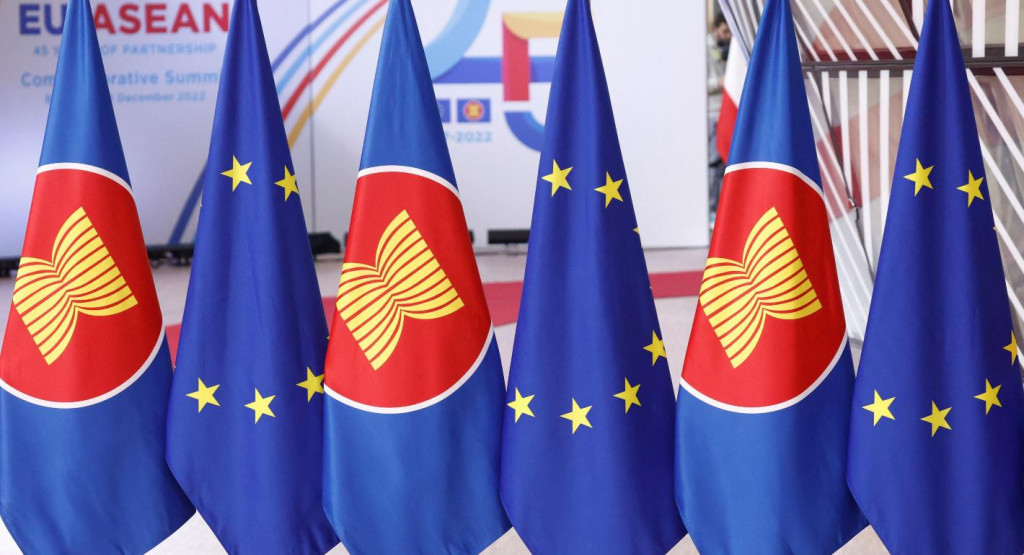
ASEAN and the EU launched the ASEAN-EU Blue Book 2024-2025 at the ASEAN headquarters in Jakarta. The Blue Book highlights the strategic partnership between ASEAN and the EU and outlines new cooperation programs under the EU's Global Gateway strategy. The Blue Book testifies to the strong and comprehensive cooperation between ASEAN and the EU with the goal of ensuring regional peace and security, fostering sustainable connectivity, promoting free and fair trade, and promoting sustainable development throughout ASEAN. This year's Blue Book also highlights Team Europe's approach and initiatives on sustainable connectivity and green transition in the ASEAN region. As part of the Global Gateway strategy, the EU has committed to mobilize 10 billion euros of investment by Team Europe for green and connectivity programs in ASEAN. In 47 years of ASEAN-EU relations, we have demonstrated the strength of our strategic partnership and what we can do together in the face of global challenges. This Blue Book provides a comprehensive overview of the multifaceted and deep relationship between our regions and the commitment of our two regions to join forces in pursuit of our common goals,” said H.E. Sujiro Seam, EU Ambassador to ASEAN. The ASEAN-EU Blue Book continues to be a valuable platform to illustrate the EU's significant support for ASEAN community-building efforts, the potential of our strategic partnership, and the progress and key achievements in implementing the ASEAN-EU Action Plan (2023-2027),” said H.E. Dr. Kao Kim Hourn, Secretary-General of ASEAN. Ambassador Hjayceelyn M. Quintana said, “Deepening the strategic partnership between ASEAN and the EU, two of the most advanced and successful regional organizations in the world, could serve as a partnership model for other groupings around the world that contribute to the promotion of international peace, stability and prosperity.”

Highlights of the ASEAN-EU Blue Book 2024-2025 include: 

  1. The ASEAN-EU Commemorative Summit in December 2022 and the 24th ASEAN-EU Ministerial Meeting in February 2024 in Brussels;
  2. The Global Gateway initiative, outlining the EU's €10 billion commitment from Team Europe for green and connectivity projects in ASEAN;
  3. The 5th ASEAN-EU Human Rights Policy Dialogue in October 2023, preceded by the 3rd ASEAN-EU Civil Society Forum and followed by the AICHR-EU study visit to Strasbourg;
  4. EU cooperation priorities and updates on EU-supported projects in key ASEAN sectors;
  5. Compelling stories from the field, illustrating the tangible impact of ASEAN-EU cooperation on the lives of ASEAN citizens.

Here to download the Blue Book

Sustainability means profitability

We publish here an excerpt from Benjamin Soh's analysis for e27

ASEAN countries have consistently achieved high economic growth rates, attributed to careful macroeconomic strategies, open trade and investment policies, and access to export markets from developed countries. A key driver of ASEAN economies is manufacturing supply chains. From 2015 to 2019, manufacturing exports from the ten ASEAN member states grew at an average annual rate of 5 percent, higher than the global average of 3 percent. As governments around the world implement ESG and reporting regulations, ASEAN companies and manufacturers face greater urgency and pressure to adopt sustainable practices to maintain competitiveness in global supply chains. There are significant opportunities to expand their production capabilities and assert their competitiveness in green manufacturing. Globally, regulatory frameworks have evolved rapidly. Under the Carbon Border Adjustment Mechanism, exports to Europe will be subject to a carbon tax on their emissions starting in 2026. Many ASEAN governments have begun to take a phased approach to incorporating the new global sustainability reporting standards, with emissions reporting becoming mandatory under regulatory standards starting in 2025. There is no doubt that sustainability equals long-term profitability. It is time for ASEAN countries to extend their focus and capabilities from manufacturing to green production to maintain competitiveness in the global market. ASEAN countries can benefit from cross-border collaboration to build their green economy and workforce. For example, the Singapore government's Budget 2024 included a phased support approach for businesses on their digitization roadmap, focusing particularly on financial support for training and adoption of digital and digital technologies such as AI. This is an approach that other ASEAN governments can consider emulating to advance ESG initiatives in the region. ASEAN governments may also consider introducing a set of standardized guidelines in relation to ESG reporting to help companies future-proof themselves against the sustainability reporting requirement that will be implemented in 2025. Relevant examples already implemented in the region include the Simplified ESG Disclosure Guide (SEDG) Adopter Program in Malaysia and the Sustainability Report (SuRe) Form in the Philippines.

Who is Lawrence Wong, new Premier of Singapore

After 20 years Singapore is changing Premier. And for the first time, it is not a member of the Lee family

By Francesco Mattogno

On May 15, Singapore will have a new prime minister, the fourth in its history. As has always been the case since the city-state's independence (1965) to the present, the handover will not be due to the result of an election, or a vote of no confidence in parliament. For the third time since it has been in power, that is, since forever, the People's Action Party (PAP) has carefully planned well in advance the leadership change, which will pass into the hands of the “fourth generation” (4G) of party leaders.

Last April 15, the current premier Lee Hsien Loong, who has been in office since 2004, announced that he will leave his post to Wong Shyun Tsai, known to all as Lawrence Wong. Underscoring how everything has been organized down to the last detail, a month in advance we already know the time when the swearing-in ceremony will be held in the presidential palace in Singapore, namely 8 p.m. on May 15, precisely. Wong will thus become the fourth prime minister in the country's history, the second not to be a member of the Lee family.

Lee Hsien Loong is in fact the eldest son of Lee Kuan Yew, who came to power in 1959 and the first premier in the independent history of the Republic of Singapore, which became an autonomous state in 1965 following its split from Malaysia. The PAP has ruled continuously ever since, legitimized by the enormous economic growth of the city-state, which it has transformed over the decades into one of the world's leading financial centers. Singapore holds regular elections, which the PAP has always overwhelmingly won, monopolizing parliament. The next ones are scheduled by November 2025, but could be brought forward.

The change of leadership comes at perhaps the most sensitive time in the PAP's history. Meanwhile, in contrast to what happened during the 1990 handover between Lee Kuan Yew and his successor, Goh Chok Tong, the Lee family's historic hold on the party seems likely to fade in the near future. At that time Goh immediately appointed Lee Hsien Loong as his deputy, making it already clear how he would be the future leader of the PAP and premier of the country, more than a decade in advance.

Today, however, there do not seem to be any Lee heirs on the horizon ready to keep the PAP a family-owned asset for decades to come. This will make Wong the first premier to have no explicit connections to the Lees, although it is likely that, at least for the next few years, Lee Hsien Loong will continue to exert his influence over the PAP and thus the country.

Also complicit in this situation, the party has begun to show signs of fragility. Wong was not the first choice for the leadership change. Before him in 2018 was designated Heng Swee Keat, who was supposed to take Lee's place as early as a few years ago. The outbreak of the Covid pandemic led the PAP to postpone the transition, whose stability was then challenged by the 2020 elections, in which the party won “only” 83 of the 93 elective seats, one of the worst results in its history. The relatively modest outcome of the vote convinced Heng to step aside.

Instead, the pandemic proved to be an opportunity, for Wong. A former finance minister and deputy prime minister, Wong was noted for the good work he did as co-chair of the task force set up by the government to handle the emergency caused by Covid. In 2022, the PAP leadership then appointed him leader of 4G and de facto successor to Lee, but not unanimously (15 in favor out of 19), denoting at least a slight internal fragmentation. To this must be added the scandals that in recent months have technically led to the resignation, in practice the removal, of parliament speaker Tan Chuan-Jin (over an extramarital affair with a female MP) and Transport Minister Subramaniam Iswaran, who was accused of corruption (we reported on them here).

The two affairs caused a stir, undermining the image of integrity and fairness that the PAP has built up over the decades and contributing to the strengthening of the opposition, led by the Workers' Party (WP). The party's 4G members thus do not enjoy the same level of adulation shown by Singaporeans toward previous leaders (there is already no shortage of nostalgics and hagiographies of Lee Hsien Loong).

Wong will have to deal with this and a domestic situation that is not the best. Although Singapore's per-capita income remains among the highest in the world ($80,000 in 2022), income inequality between the upper and lower segments of the population is increasing, as is the cost of living. This is leading Singaporeans to have fewer and fewer children or leave the city-state, while the country's perception as a stable financial center is being eroded by increasing corruption and “dirty” money laundering. The various international crises are also challenging the international order that has allowed Singapore to thrive in recent decades.

The global role of the Philippines

Philippines’ new geopolitical stance post Marcos-Biden-Kishida summit: a shift from Duterte’s policy and its ASEAN implications

By Luca Menghini

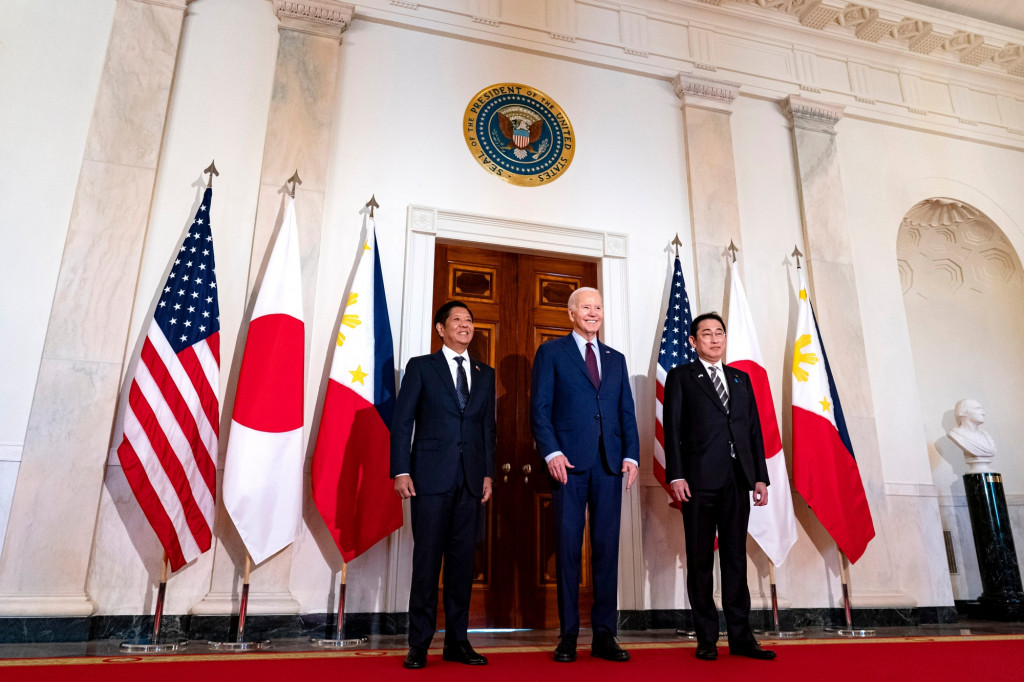
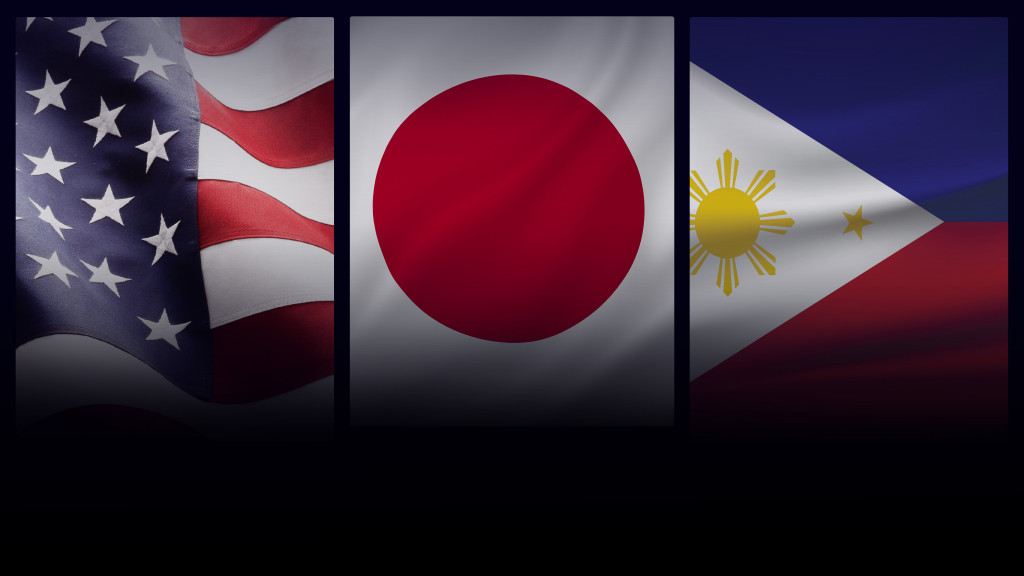
The historic trilateral summit in Washington, attended by Philippine President Ferdinand Marcos Jr., U.S. President Joe Biden, and Japanese Prime Minister Fumio Kishida, marked a radical shift in the Philippines' foreign policy stance. This shift not only redefines Manila's international relations but also has broader implications for the Association of Southeast Asian Nations (ASEAN).

During the previous administration of President Rodrigo Duterte, the Philippines tended to pursue closer ties with China, adopting a submissive tone in territorial disputes in the South China Sea in favor of economic incentives. This approach was often criticized for compromising the country's national sovereignty in exchange for economic returns. Indeed, the Duterte administration prioritized Chinese investments in infrastructure over a more robust defense of established maritime boundaries. However, it now seems clear that this policy has been abandoned by the new President Marcos Jr., who is prioritizing territorial defense.

The trilateral summit represents a clear shift from Duterte's previous China-centric policies, binding the Philippines militarily and strategically to Japan and the United States. This change in course is a clear response to the current concerns regarding Chinese actions increasingly threatening the country's territorial integrity. With this agreement, the Philippines aims to increase its maritime defenses and secure support in the event of a regional conflict.

This reorientation is profound and not only enhances the Philippines' security infrastructure but also deepens and enhances economic and technological synergies with two of the world's largest economies. The summit discussion covered various aspects ranging from cost guard cooperation to defense, cybersecurity to critical minerals, and energy, setting the stage for a diversification of investments in the Philippines beyond traditional sectors.

Marcos Jr.'s strategy reflects a deep understanding of the region's geopolitical scenario. While economic ties with China are important, they cannot be secondary to national security and territorial sovereignty. This act aimed at balancing the situation is crucial, especially given the Philippines' strategic position in the South China Sea, which has increasingly become a crucial route witnessing a growing increase in maneuvers by the Chinese navy.

The implications of this strategic change are being reflected not only on the individual country but also on ASEAN as a whole. ASEAN, known for being a regional block that aims for consensus and non-interference, faces challenges in maintaining unity in the face of the approaches that individual member countries are taking towards China and the United States. The new position of the Philippines could potentially influence other member states to reassess their positioning, either moving towards greater cooperation with Western allies or strengthening their independent positions to avoid direct confrontation with China.

Furthermore, the shift in Manila's positioning is destined to influence ASEAN's collective positioning towards China. Traditionally, ASEAN has always adopted a cautious stance towards Beijing, given its economic and military power. However, with the Philippines ready to openly align themselves towards a firmer stance against the Asian superpower, other ASEAN countries may feel more encouraged or facilitated to take a more assertive position in advancing their maritime rights, potentially leading to a reconfiguration of regional dynamics.

From an economic perspective, the Philippines' alignment with the United States and Japan could lead to an increase in American and Japanese investments in the region, which would balance the massive investments and Chinese influence exerted through the Belt and Road Initiative. This could lead to a more diversified investment landscape for ASEAN countries, reducing dependence on China and potentially also reducing the risk associated with geopolitical tensions.

The diversification of investment sources could have the effect of stimulating economic growth in sectors such as technology, renewable resources, and advanced manufacturing, offering new opportunities for economic development within ASEAN. Such a change could increase the bargaining power of the bloc in international negotiations, thereby promoting a more equitable distribution of economic benefits among its members.

In conclusion, the strategic shift of the Philippines following the trilateral summit with Japan and the US represents a significant change in the geopolitical chessboard of Southeast Asia. This move, diverging substantially from the predecessors of Marcos Jr., highlights the complexity of regional security in ASEAN and how actors must move to be independent, even from an economic point of view. As the Philippines strengthens its ties with Western powers, the implications for ASEAN could include a more ambivalent positioning towards global superpowers. How ASEAN navigates these changing tides will be crucial for the stability and prosperity of the region in the coming years.

Seizing opportunities in the Halal market

Italian companies can benefit from the Malaysian experience.

Editorial by Consulate of Malaysia / Malaysia External Trade Development Corporation (MATRADE)

Viewed through a business lens, the current Halal market offers a myriad of attractive opportunities with considerable economic value on a global scale. As outlined in the analysis report titled "Global Halal Economy Growth Opportunities" by research and consulting firm Frost & Sullivan, the market for the global halal economy is forecasted to undergo significant growth, with expectations of reaching US$4.96 trillion by 2030, up from US$2.30 trillion in 2020. With traditional Halal markets, primarily in Muslim-majority countries, approaching saturation, new markets are springing up worldwide, providing lucrative commercial prospects for the sector, including in the regions like Europe.

Mr. Ravidran Manogaran, the Consul and Trade Commissioner of Malaysia in Milan, highlighted the unexplored business opportunities in Italy's Halal sector, well-positioned to serve the growing Muslim community and influx of Muslim tourists. He voiced the hope that one would perceive halal not only for its Islamic ethical values but also as a comprehensive value proposition. He emphasized that the Halal economy signifies quality assurance and is in line with sustainable development objectives. Additionally, Mr. Ravidran underscored that when looking at halal holistically, it includes aspects like hygiene, cleanliness, health safety and inclusivity, all of which hold appeal for diverse communities.

As part of the national strategy to establish Malaysia as the premier global Halal hub, Malaysia External Trade Development Corporation (MATRADE) leads the charge in promoting the internationalization of Halal products and services through the Malaysia International Halal Showcase (MIHAS), an esteemed annual event recognized worldwide as the largest Halal expo. Mr. Ravidran extends an invitation to Italian companies interested in participating in this year's MIHAS, scheduled to take place at the Malaysia International Trade and Exhibition Centre (MITEC) in Kuala Lumpur from September 17th to 20th, 2024. Attending MIHAS would serve as a valuable opportunity for Italian businesses to connect with Muslim consumers in Italy and the surrounding regions. Through collaboration with Malaysia's Halal-certified manufacturers, Italian companies can explore private label branding possibilities and delve into diverse expanding Halal sectors beyond the food, such as pharmaceuticals, Islamic finance, modest fashion, and Muslim-friendly tourism.

The Italian importers seeking Halal products/services from Malaysia are encouraged to participate in B2B business matching sessions through the International Sourcing Programme (INSP) alongside MIHAS, available in virtual, physical, and hybrid formats. Meanwhile, Italian companies interested in exporting to Malaysia are invited to exhibit their Halal products and services at MIHAS.

Interested parties can contact the Consulate of Malaysia / MATRADE in Milan for more information via telephone at +39 02 669 81839 or email at milan@matrade.gov.my. 

* Note: MATRADE is the national trade promotion agency under the Ministry of Investment, Trade, and Industry (MITI) of Malaysia, responsible for promoting export and positioning Malaysia’s companies on the international stage.

Mr. Ravidran Manogaran
Consul & Trade Commissioner
Consulate of Malaysia,
Malaysia External Trade Development Corporation (MATRADE),
Via Alberico Albricci 9
Milan, Lombardy 20122
Italy.
Tel : +39-02-669 81839 
Fax : +39-02-670 2872 
Email: milan@matrade.gov.my
Countries of Coverage: Albania, Corsica, Croatia, Cyprus, Greece, Italy, Kosovo, Malta, Montenegro, Serbia, Slovenia

Photos of MIHAS

https://www.mihas.com.my/static/img/in_the_news/news-1.jpg
https://www.mihas.com.my/static/img/in_the_news/2023/news_tremendous_response_mihas.jpg
https://www.mihas.com.my/static/img/in_the_news/2023/news_mihas_2023_records_3_billion_in_sales.jpg

International Sourcing Programme (INSP) ) in-conjunction with MIHAS

(B2B Business Matching)

https://mihas.com.my/static/img/gallery-2024/VIP06638.jpg
https://mihas.com.my/static/img/gallery-2024/INSP%20Crowd.jpg

Global Halal Summit (GHaS)

(Halal summit/conference)

https://mihas.com.my/static/img/gallery-2024/VIP08430.jpg

Knowledge Hub 

(Halal Seminar/Talks)

https://mihas.com.my/static/img/gallery-2024/IMG_4105.jpg

Fashion Show

(focused on modest fashion)

https://mihas.com.my/static/img/gallery-2024/DSC03932.jpg

Event Venue: MITEC

Address: 8 Jalan Dutamas 2, 50480 Kuala Lumpur

https://www.mihas.com.my/static/img/about_mihas/mitec-2022.jpeg

The Malaysia International Trade and Exhibition Centre (MITEC) is the country’s largest exhibition centre with 1 million square feet of gross exhibition space. The first component and flagship of KL Metropolis, a city within a city where trade, commerce, living and transport converge over 75.5 acres of prime land development, MITEC is poised to be the exhibition venue of choice in the Southeast Asia region. The 12,960 sqm of column free space on level 3 providing an unobstructed and expansive view, making it the largest pillar-less exhibition hall in Malaysia. The entire combined exhibition halls are able to accommodate up to 47,700 visitors in theatre style seating and 28,300 guests in the banquet arrangement at any one time. 

The development of high-speed rail in ASEAN

From Vietnam to Indonesia to Thailand. Southeast Asian countries accelerate on rail projects

By Walter Minutella

In the context of accelerating urbanization and growing demand for efficient transportation infrastructure in the ASEAN region, member countries are making significant strides in high-speed rail network development. This trend is driven by the need to provide fast, safe and sustainable transportation solutions to connect growing urban areas and facilitate regional economic development. The adoption of high-speed rail systems is a strategic response to challenges such as traffic congestion, air pollution, and the need to reduce greenhouse gas emissions. Therefore, ASEAN countries are investing in ambitious projects to modernize their rail networks and create transnational transport links to improve accessibility and promote sustainable development in the region. 

One of the most notable projects involves VIetnam, which is trying to learn from China to develop its first high-speed rail network. The Vietnamese government is planning to build a high-speed rail network, with an estimated cost of up to $72 billion. This proposed project, known as the North-South express railway, aims to connect the country's two most urbanized areas-Hanoi in the Red River Delta to the north and Ho Chi Minh City in the Mekong River Delta to the south. 

 The total proposed length would be 2,070 kilometers, and its cost would be financed mainly by the Vietnamese government itself. The project is part of the country's rail transport development strategy with a vision to 2050 and is part of the Trans-Asian Railway Network. This project could greatly improve connectivity and mobility within the country, as well as facilitate trade with neighboring countries.

However, not all proposed projects have received the green light. In 2023, the Chinese government submitted a similar proposal that would have seen the construction of a new high-speed railway between Ho Chi Minh City and Hanoi, continuing northward into China and connecting to China's existing high-speed rail system at Nanning. However, this plan was rejected by Vietnam's National Assembly, highlighting the political and strategic complexities associated with such transnational projects.

Despite having a relatively complete and early rail system in the Southeast Asian region, Vietnam faces challenges in modernizing and expanding its rail network. Currently, the 1,700 km journey from Hanoi to Ho Chi Minh City takes more than 30 hours by conventional train and intercity bus, and about 3 hours by air. This lack of transportation infrastructure along the country's north-south corridor has led to traffic congestion and negative impacts on regional economic development, national productivity and environmental quality. 

However, once the project receives approval, it is expected to bring several benefits, including reducing intercity transportation demand, traffic congestion, and increasing road safety. The project could also play a key role in reducing logistics costs and improving national competitiveness, thereby contributing to Vietnam's infrastructure development and overall economic expansion.

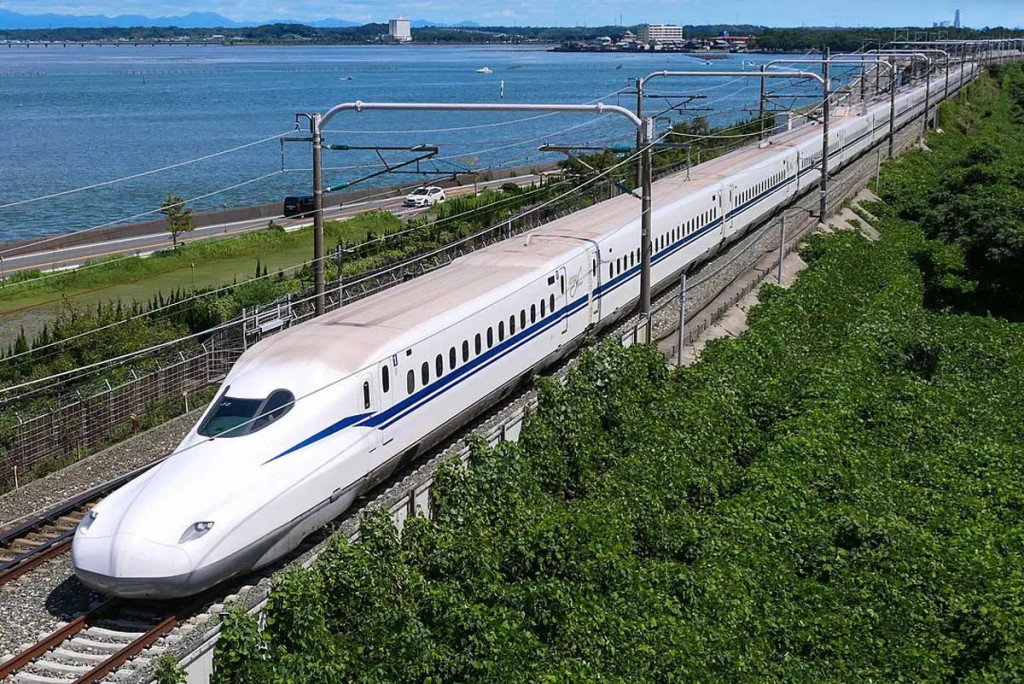
Another major project was the launch of Southeast Asia's first high-speed train in Indonesia, which opened on October 2, 2023. This high-speed train connects the capital Jakarta to the city of Bandung, drastically reducing travel time from 2-3 hours to just 40 minutes. 

The initiative, part of the New Silk Road, a project led by the People's Republic of China, is being implemented through the Kereta Cepat Indonesia China (PT KCIC) consortium, which includes four Indonesian state-owned companies and China Railway International, a subsidiary of China Railway Group. In addition, Indonesia has announced ambitious plans to extend the high-speed rail network to Surabaya, the country's second largest city. This reflects the Indonesian government's commitment to modernize and expand the transportation infrastructure.

In Thailand, the high-speed rail project connecting Bangkok to the Lao border has also been delayed, but the Chinese Foreign Minister recently urged both countries to speed up its construction.  

Finally, the importance of regional cooperation to the success of these projects should be emphasized. Joint efforts among ASEAN countries and with external partners can play a crucial role in overcoming technical challenges, financial

ASEAN wants to avoid a new cold war

We publish here an excerpt of a commentary by Alex Lo, published in the South China Morning Post

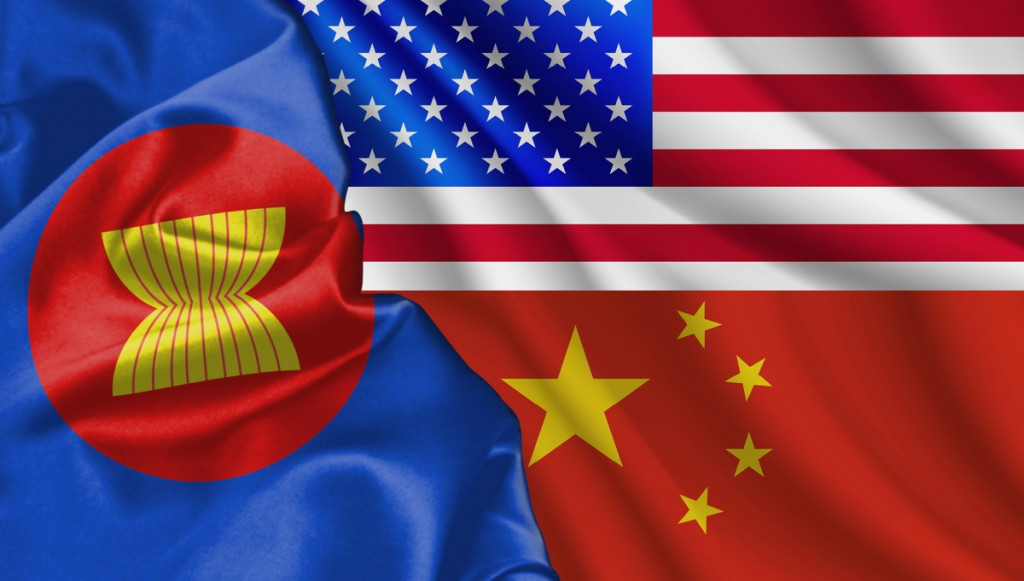
China has dethroned the United States as the superpower's preferred partner in Southeast Asia. The findings emerge from the latest annual survey of 1,994 politicians, journalists, businessmen and analysts from ASEAN countries by the Singapore-based think tank, the ASEAN Studies Centre of the ISEAS-Yusof Ishak Institute. When asked which superpower they would take sides if forced to do so, 50.5 percent chose China versus 49.5 percent who chose the United States. That is a very narrow margin and is within the margin of error. So, let's say it's a tie. This should worry Washington, however, because last year the results were 61.1 percent for the United States and 38.9 percent for China. It is worth noting that this is a survey of elites, not ordinary citizens. So even if it does not directly reflect popular sentiments, it can say a lot about the real political directions of the countries concerned. There is another obvious conclusion: Southeast Asia does not want to choose sides, nor do Latin America and Africa. Thus, while it is normal for U.S. allies to follow Washington's lead, the rest of the world, particularly the Global South, do not believe it is in their own interest to join the superpower rivalry. On the contrary, they believe it can cause a lot of damage. Not surprisingly, ASEAN considers unemployment and recession to be the region's most pressing concern (57.7 percent). Like it or not, its economic fortunes are tied to China's. That is why China is considered "the most influential economic (59.5 percent) and political-strategic (43.9 percent) power in the region, surpassing the United States by significant margins in both areas." China, with an average score of 8.98 out of 11.0, tops the list in terms of strategic relevance to ASEAN, followed by the United States (8.79) and Japan (7.48). Partners of lower strategic importance are: India (5.04), Canada (3.81) and New Zealand (3.70). The survey appears quite indicative of the situation in ASEAN. The region the Association represents wants the security provided by the United States, but is wary of their economic initiatives. With China it is the opposite. It does not want China to threaten its security, nor does it want the United States to undermine its hard-won prosperity, in a new Cold War. No one wants to be trapped between two gorillas.

The fluidity of Indonesian Islam

Calling for the establishment of Sharia law are only minority groups, which counted much less in the last election on February 14 than in the past. This is probably due to the fluidity with which the Islamic faith has established itself in Indonesia and the constitutional approach contained in the Pancasila

By Francesco Mattogno

Being Islamic, in Indonesia, has always been a strategic choice. Or at least it is according to the theories of some historians. Some argue that Islam spread in the country from the 13th century as a result of trade relations with merchants from South Asia and the Arabian Peninsula, particularly from Indian Gujarat and Yemen. Others that the Chinese Muslim admiral Cheng Ho, who landed in Java in the 15th century, also contributed to its expansion. But beyond proselytizing, much of Islam's success in Indonesia may be due to geography.

Indonesia's is a territory spread over 17,000 islands, totally surrounded by water, not particularly famous for the quality of its soils, and therefore forced to trade. "Tired of paying tribute to the large and prosperous Hindu and Buddhist empires in the region," historian Carool Kersten told TRT World, many Indonesian rulers saw it as an opportunity to convert to Islam and "seek allies in Africa and the Middle East" at a time when Muslims, after the fall of Constantinople in the 15th century, controlled the world's sea routes.

It was not the consequence of foreign conquest, nor the result of the work of waves of preachers. Islam in Indonesia spread through a fluid, slow, diverse and probably peaceful process. Today nearly 90 percent of Indonesia's more than 275 million people are Muslim, a statistic that makes the country the largest Muslim-majority state in the world. A country not fully secular, but still democratic and tolerant. 

The preamble of the constitution still contains the Pancasila, or the five fundamental principles on which the Indonesian state is founded, stipulated in 1945. The first one states "faith in one God," and it is a deliberately vague concept. Early drafts of the text explicitly talked about introducing sharia, or Islamic law, into the constitution, a possibility later shelved in favor of greater religious openness. In fact, one cannot claim to be an atheist in Indonesia, but the constitution recognizes six other major religions (including Catholicism) and religious minorities are integrated into discussions of national interest. The vast majority of Indonesians, the offspring of this cultural and constitutional setting, are first and foremost nationalists and reject extremist currents that disavow the concept of belonging to the Indonesian nation-state. Islamic radicalism is present, but a minority, and the last elections on February 14 certified the marginality of the Muslim world as such within Jakarta's democratic system.

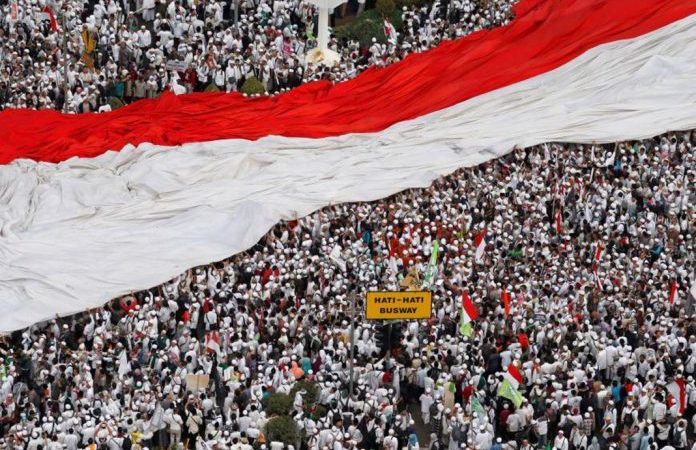
Extremist Islamic groups have rarely really mattered politically, but in 2014 and 2019 the dual clash between Joko Widodo and Prabowo Subianto had also played out on the level of religious polarization. If Jokowi could count on the support of moderate Islam, in the second presidential race Prabowo had brought to his side the Islamist organizations that had developed from the "212" movement, which arose between 2016 and 2017 during the campaign for the Jakarta governor's post between Anies Baswedan and Basuki Tjahaja Purnama ("Ahok"). Ahok, an ethnic Chinese Christian and a favorite for reelection, was accused of blasphemy by Anies, who stirred up his more radical supporters against him and effectively started the trial that led to his opponent being sentenced to two years in prison.

On the wave of increased political relevance, groups that grew out of the "212" movement had chosen Prabowo as their spokesman for the 2019 presidential election. This was despite the fact that the history of the former general and Gerindra, his right-wing nationalist party, was totally unrelated to religious extremism. It was about mutual political opportunism. Prabowo was looking for voters, the Islamists for support to enter state institutions. Jokowi's victory extinguished their hopes.

After the Ahok case, the Indonesian president had already disbanded the radical group Hizbut Tahrir Indonesia in 2017, later doing the same with the Islamic Defenders Front (FDI) in 2020. During Jokowi's second term, the rise of extremist organizations gradually lost momentum, due to government repression and reduced popular support, while moderate associations ended up tying themselves even more closely to institutions.

The two most important nonpolitical moderate Islamic organizations are the Nahdlatul Ulama (NU) and the Muhammadiyah, to which tens of millions of people belong. Connected to them are various members of Indonesian civil society and the political class, distributed fairly evenly across the various political forces, not just the purely Islamic ones, indeed. Since the first elections in 1955, Muslim parties have never been strong enough to govern on their own, and even the preliminary results of the February 14 parliamentary vote confirmed their secondary status. In order to enter institutions, therefore, moderate Islam has always been forced to distribute its support among various political leaders, especially after the 1998 democratic reforms and the end of the Suharto era.

While maintaining a facade of neutrality, support for the right candidates guarantees NU and Muhammadiyah access to public office. For example, in the last Jokowi government, NU delivered Vice President Ma'Ruf Amin and four ministers, including Religious Affairs. In the face of the diminishing relevance of the ideological aspect, pragmatism and political opportunism led Indonesia's two largest moderate Islamic groups to support all three candidates in the last elections with different leading figures: winner Prabowo Subianto, Anies Baswedan and Ganjar Pranowo.

The process of depolarization has thus reduced the value of political support from religious associations, making the role of Islam marginal in determining the outcome of the 2024 elections. For Anies, who given the precedent with Ahok was thought to be the more radical candidate, public support from Abu Bakar Bashir-the spiritual leader of Jemaah Islamiyah, the al-Qaeda-affiliated terrorist group that organized the 2002 Bali bombings in which 202 people died-was indeed threatening to undermine his cleaned-up image as a moderate politician.

Rather than the ultimate goal, with the establishment of sharia law, Islam in Indonesia increasingly counts as a means to political ends and as a positioning tool, domestically and internationally. Although now extended to almost all political forces, the support of at least part of moderate Islam is an essential condition of legitimacy for any candidate aiming to govern the country, which is why NU and Muhammadiyah (lately more in trouble) are reserved for prominent roles in the executive. In foreign policy, moreover, the Islamic faith is used as diplomatic leverage to elevate Indonesia to one of the leading countries in the Muslim world, and generally the government is more inclined to tolerate Islamic mobilization of its civil society when international issues are at the center of public discourse.

The universal support for Palestine in these months of escalating conflict with Israel, both by the political class and the public, shows that Islam remains a very important identity component for most Indonesians. Some observers believe that the next few years could see a return of conservative groups, which during Jokowi's second term would only tone it down in anticipation of more favorable political conditions. But it remains a remote possibility. Indonesian Islam has never been monolithic and, after passing through a phase of polarization, seems to have returned to the fluid and opportunistic state that allowed it to penetrate the country between the 13th and 15th centuries.
ASEAN businesses look to the EU

Southeast Asian countries increasingly focus on improving trade relations with Brussels

By Tommaso Magrini

ASEAN countries continue to strategically balance their delicate relationship with the two major economies of China and the United States. Private sector stakeholders continue to show a strong preference for balance. Compared to a year ago (26.5 percent), according to a Fulcrum report, a higher percentage of respondents opted for a neutral position, without taking sides (31.4 percent). When asked in the 2024 Survey about the choice of strategic alignment between China and the United States, the two countries are in relative parity, with China marginally winning the first preference of respondents (50.5 percent) over the United States (49.5 percent). That said, an analysis of the gap between private sector preferences (35.5 percent) and the overall ASEAN weighted average (32.6 percent) shows that companies are more supportive of China's growing economic influence than the United States. But the reality is that countries in the region see the search for third-party strategic partners as particularly strategic. In this regard, the EU still ranks first (chosen by 37.6 percent of respondents). In addition, the aspects that attract ASEAN private companies to the EU as their preferred strategic partner have strengthened. 31.7 percent of respondents cited the bloc as a responsible interlocutor that respects international law, up from 24.4 percent in the 2023 survey. In addition, 30.8 percent of respondents rate the EU positively, given its vast economic resources and strong political will to provide global leadership (the 2023 figure was 17.0 percent). In recent times, ASEAN countries are actively pursuing higher levels of economic engagement with the EU and vice versa. Among these developments is the prospect of Malaysia and the EU resuming talks on a free trade agreement, which broke down in 2012, and Thailand and the EU pushing to sign a free trade agreement in 2025.

The Centrality of ASEAN

The principle that sees Southeast Asian countries as the engine of the regional architecture is now widely accepted, writes Rahman Yaacob for the Lowy Institute

ASEAN is proposed as Southeast Asia's main platform for addressing regional challenges and confronting external powers. As several studies point out, the "centrality of ASEAN" is based on the assumption that the Southeast Asian regional organization should be the engine of the "evolving regional architecture of the Asia-Pacific."

At the beginning of the 21st century, ASEAN grew from its original five members to 10, adding Brunei, Cambodia, Laos, Myanmar and Vietnam. This created the need for ASEAN to establish a new framework for intra-ASEAN relations and for ASEAN's relations with the world. The 2008 ASEAN Charter marked the first occasion when the term "ASEAN centrality" was used. The Charter explained that ASEAN should be the main driving force of members in relations with external partners.

In a White House statement following the visit of U.S. Vice President Kamala Harris to Jakarta to attend the ASEAN 2023 Summit, the term "ASEAN centrality" was used twice, with Washington declaring its commitment to this principle. The Americans were not alone. For several years, it has been customary for ASEAN partners, such as the European Union, to declare their support for ASEAN centrality.

On the surface, this suggests that the concept of ASEAN centrality has been accepted by the major and middle powers. Moreover, ASEAN's plethora of initiatives to engage outside powers, such as the East Asia Summit and the ASEAN Regional Forum, are evidence of ASEAN's convening power to help shape the regional order.

For ASEAN's centrality to function optimally, its members must be united and serve each other's interests. However, ASEAN's unity is highly improvable and upgradable to meet not only economic and trade but also diplomatic and political challenges in a unified manner.

ASEAN knows its limitations and the need for reform. In January, ASEAN convened a Track 2 workshop with the participation of Southeast Asian researchers to review its norms and practices. The goal was to maintain ASEAN's relevance in a changing regional security environment. However, any reform of ASEAN's practices and norms will be a long process. In the meantime, ASEAN can view the many statements of support for ASEAN's centrality as an excellent achievement.

Philippines, cooperation with US AND Japan

Joe Biden hosts Fumio Kishida and Ferdinand Marcos Jr. for an unprecedented trilateral summit. Here's what the trilateral relationship means for Manila

By Walter Minutella

In recent years, the United States has consistently sought to deepen its diplomatic and security relationship in Asia. In this context, an unprecedented trilateral summit between U.S. President Joe Biden, Japanese Prime Minister Fumio Kishida, and Philippine President Ferdinand Marcos Jr. takes place on Thursday, April 11. The summit offers a unique opportunity to take a deeper look at the nature of relations between these three countries and outline future prospects for cooperation, starting with that in the context of the South China Sea.

This area has turned into a crucial geopolitical theater, with several countries claiming sovereignty over islands and rock formations scattered throughout the region. China has advanced assertive territorial claims, militarizing disputed islands and conducting increasingly assertive maritime operations. On the other hand, the aftermath of the war in Ukraine has also led to a strengthening of security and defense cooperation between the United States and several countries in the region.

Japan and the Philippines occupy a special role, as they have always been pillars of the U.S. security strategy in the Asia-Pacific. The decision to hold this trilateral summit is rooted in the need to coordinate responses to challenges in the South China Sea. 

In addition to the geopolitical dimension, economic cooperation is another key pillar of the trilateral relationship. The United States, Japan, and the Philippines can join forces to foster economic growth through infrastructure development, trade and investment facilitation, and the promotion of inclusive economic policies. In addition, collaboration among these countries can help address new and emerging challenges, such as the digitization of the economy, opening up new opportunities for growth and sustainable development in the region.

Innovation and technology play an increasingly significant role in economic competitiveness and solving global challenges. The United States, Japan and the Philippines can work together to promote the development of advanced technologies while ensuring the security of digital infrastructure and the responsible adoption of new technologies. Through joint research and knowledge exchange, critical challenges such as climate change and food security can be addressed, thereby contributing to prosperity and well-being in the region.

Climate change and marine conservation are urgent challenges that require a global and coordinated response. The United States, Japan, and the Philippines can join forces to promote policies and initiatives to mitigate the effects of climate change, protect marine ecosystems, and promote environmental sustainability. This could include promoting renewable energy, responsible management of fisheries resources, and conservation of marine ecosystems, thus helping to preserve the environment for future generations.

Finally, regional security remains a key priority for all three countries. The United States, Japan and the Philippines intend to enhance their security and defense cooperation through joint military exercises, intelligence exchange and promotion of maritime security. This can help strengthen deterrence in the region while seeking to preserve the crucial goal of economic growth.

Mekong, biodiversity to be defended

WWF and its partners say that governments, dam investors and political consultants must come to an agreement to save river species

By Tommaso Magrini

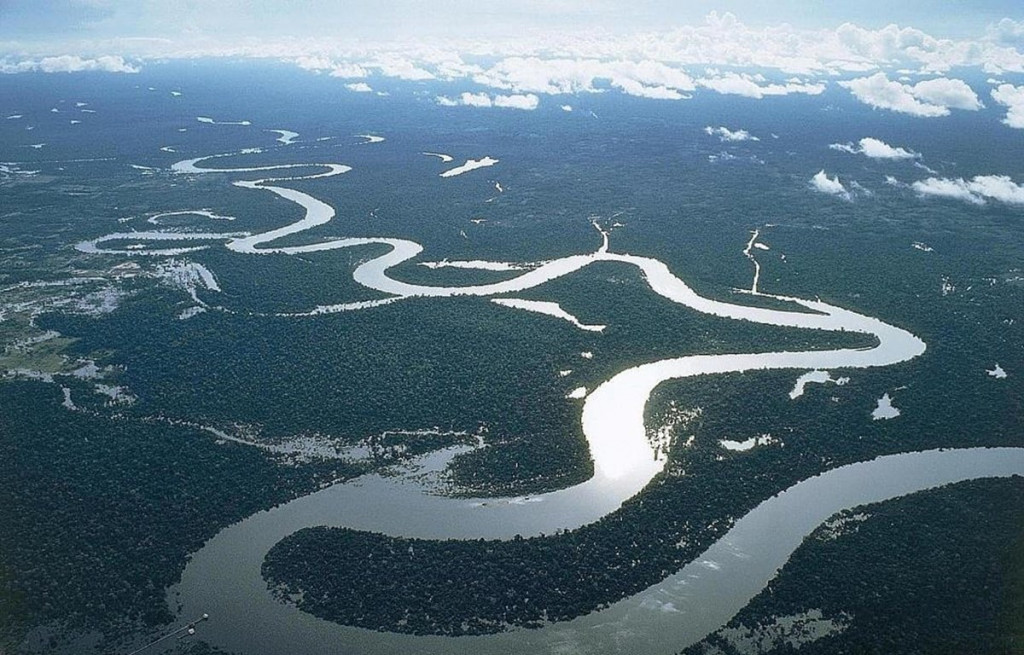
Environmentalists have proposed a recovery plan in extremis to save what they call the 'irreplaceable' biodiversity of the Mekong River. The economic value of the fishery - on which 40 million people depend for over 4,900 kilometres from its source in China to the Vietnam delta - has collapsed due to development that has decimated the river's ecosystem, according to a recent report published by some two dozen nature conservation organizations led by the non-governmental organization WWF. The study 'Mekong's Forgotten Fisheries and Emergency Plan to Save Them' lists 74 endangered fish species, including the giant catfish and the giant freshwater stingray - the two largest freshwater fish in the world - and the climbing perch, Anabas testudineus, known for its ability to get out of the water and 'walk' on dry land. The sharp decline in fishing has been largely attributed by experts to 12 Chinese dams on the Lancang (the upper Mekong) and two downstream dams in Laos that would have drastically damaged the ecosystem. WWF and its partners say that governments, dam investors and policy advisors must come to an agreement to save river species, suggesting six steps, including protecting free-flowing rivers, restoring critical habits such as flood plains, and ending unsustainable resource management, particularly sand mining. According to activists, Cambodia could be on a roll after rejecting two major dam projects along the stretch of the Mekong from the Laotian border to Kratie province as part of a declaration of moratorium on dam construction issued in 2020. Environmentalists praised Cambodia's decision to protect an area of globally important biodiversity, home to some 80 Irrawaddy dolphins and 41 endangered species.

Recently active members
Foto del profilo di Alessio
Foto del profilo di Monika
Foto del profilo di Gabriel
Foto del profilo di Elena
Foto del profilo di Lorenzo
Foto del profilo di Alessandro
Foto del profilo di Cristina
Foto del profilo di Rocco
Foto del profilo di Clara Lomonaco
Foto del profilo di Redazione
Foto del profilo di Davide Gugliuzza
Foto del profilo di Anna Affranio
Foto del profilo di Ilaria Canali
Foto del profilo di Nicolò
Foto del profilo di Angelo Cangero
Who is online
There are no users currently online
Members
  • Foto del profilo di Alessio
    Active 2 ore, 9 minuti fa
  • Foto del profilo di Monika
    Active 3 giorni, 9 ore fa
  • Foto del profilo di Gabriel
    Active 3 settimane, 4 giorni fa
  • Foto del profilo di Elena
    Active 1 anno, 4 mesi fa
  • Foto del profilo di Lorenzo
    Active 2 years, 6 mesi fa