The ASEAN bets on the blue economy

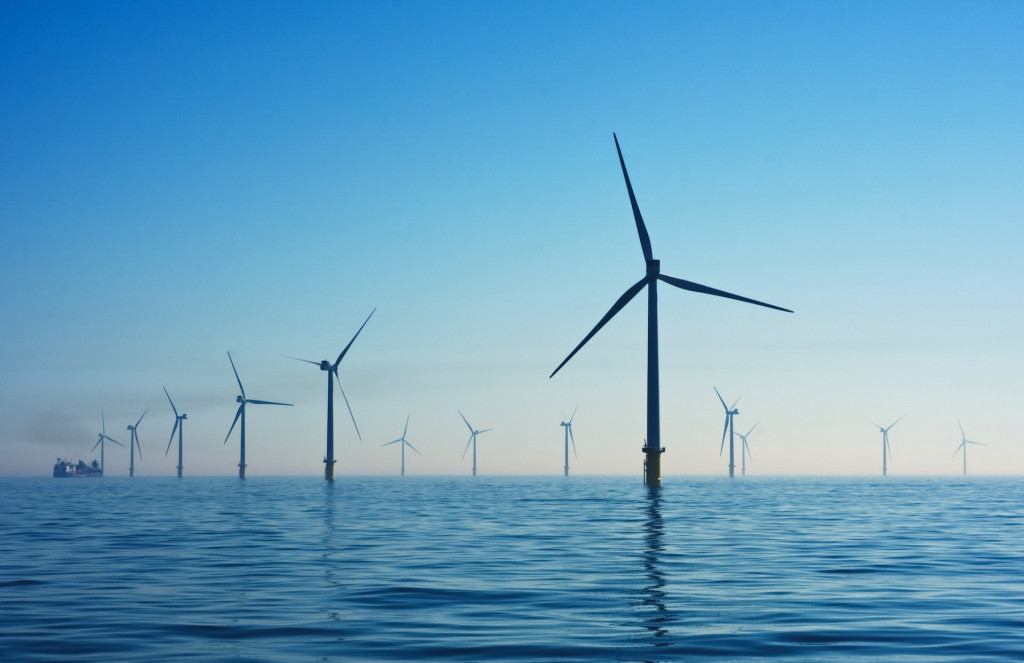
ASEAN members have recently adopted the Blue Economy Framework to coordinate the sustainable exploitation of marine resources. The sea is a vital resource, but it rests on a delicate balance. Environmental... and political.

The sea plays an essential role in the history of Southeast Asia. Fishing and maritime trade have been key activities in the regional economy for centuries. All ASEAN countries, except Laos, have coastlines. People, goods, and ideas circulating by ship have made the region much more than a mere geographical expression, creating cultural and political ties among its countries. In recent decades, in addition to unprecedented growth in maritime trade, new forms of economic use of the sea have emerged – tourism, but also the extraction of resources such as oil and natural gas. At the same time, due to climate change and rising sea levels, the sea has also become a threat. Densely populated areas and cities like Jakarta are at risk of being submerged in the coming decades, with immense social and economic costs. Not surprisingly, the Indonesian government pushed for the approval of the Blue Economy Framework during its ASEAN presidency with the aim of making the use of marine resources more sustainable and effective. 

But what is the blue economy? The World Bank defines it as ‘sustainable use of ocean resources for economic growth, improved livelihoods, and jobs, and ocean ecosystem health’. The concept of ‘sustainability’ must be understood in a tripartite manner, uniting economic, social, and environmental sustainability. In practical terms, the blue economy model urges governments to design their policies in an integrated manner, acting on different economic sectors. For example, the ASEAN Framework includes interventions to achieve carbon neutrality in maritime activities, improve disaster response capabilities, promote the development of new technologies for the involved sectors, facilitate cooperation and coordination between national governments to monitor resource consumption. Initiatives to reduce waste pollution and develop sustainable tourism related to the landscape heritage are also included. 

One of the main innovations of the Framework is the inclusion of inland water resources, namely rivers, lakes, and artificial reservoirs. After all, the region is crossed by large rivers – such as the Mekong, the Irrawaddy, and the Chao Phraya – which have shaped its history and continue to support the lives of millions of people. In light of this innovation, the blue economy is also useful for a landlocked state like Laos. Another point of interest is that the ASEAN is the second bloc of countries, after the European Union, to begin coordinating its policies toward aquatic resources above the national level. Cooperation in this field is necessary, as the choices of individual states have a limited impact on the health of the oceans. Negotiating at the multilateral level is more complicated, as demonstrated by the World Trade Organization (WTO) agreement on fishing subsidies that lead to the depletion of fishery. Reaching an agreement among so many countries, with very different interests, required difficult negotiations and 21 years of talks – the time between the fourth WTO Ministerial Conference in Doha in 2001 and the twelfth held in Geneva in 2022, where the agreement was concluded.

Reaching an agreement among ASEAN members may be easier, but it can still be challenging to implement. First of all, the Framework is not binding and establishes broad strategies that will then need to be implemented in numerous regional and national policies. These policies require know-how, administrative resources, and agreement among various interest groups. ASEAN states already have a good network of international cooperation from which they can receive support in defining and implement such policies: the EU could be an essential partner, as it is the international actor most similar to the ASEAN and has already developed its approach to the blue economy. Furthermore, states that share the same sea must respect the interests and sovereignty of their neighbors. A delicate issue for ASEAN members facing the South China Sea, whose waters are also claimed by China and Taiwan. Not surprisingly, the Framework emphasizes with persistence that the UNCLOS, the United Nations Convention on the Law of the Sea establishing the boundaries of territorial waters, constitutes one of its essential legal bases. To cooperate in the protection of the seas, ASEAN states must first set aside any residual rivalries over their control.

Il successo spaziale della Thailandia

Grazie al costo relativamente basso della manodopera, il Paese è un candidato interessante per la produzione avanzata nel settore spaziale

By Tommaso Magrini

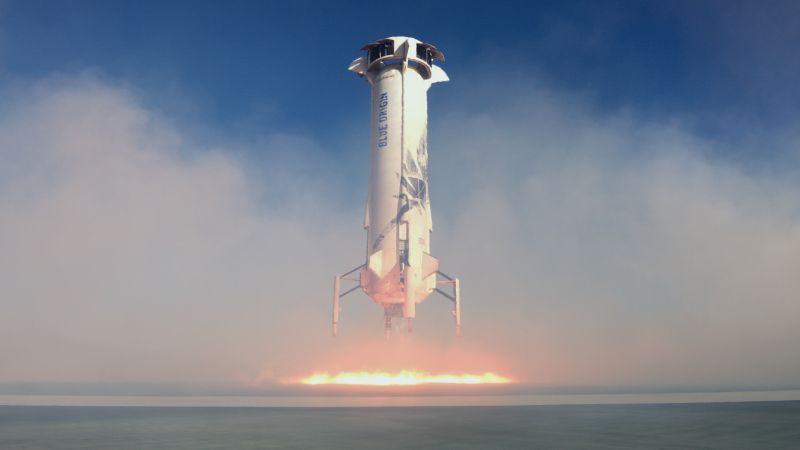
Il satellite thailandese in orbita terrestre bassa, Theos-2, è stato lanciato con successo lo scorso 9 ottobre dal Centro spaziale della Guyana. Il satellite di osservazione della Terra Theos-2 è stato sviluppato congiuntamente dall’Agenzia per lo sviluppo della geoinformatica e della tecnologia spaziale (GISTDA) e Airbus per registrare immagini dallo spazio, proseguendo la missione di Theos-1, lanciato nel 2008. Ci vorranno ancora alcune settimane per controllare i vari sistemi del satellite, compresa la capacità di fotografare, prima che possa iniziare la sua missione. Theos-2 può scattare immagini ad alta risoluzione fino a 50 centimetri e scansionare circa 74.000 chilometri quadrati al giorno. Le agenzie spaziali thailandesi stanno inoltre lavorando per sviluppare un satellite al 100% di produzione autoctona, chiamato “Theos-3”. Sì, perché il programma spaziale di Bangkok procede a grande ritmo. La Thailandia è sede di una produzione avanzata di componenti per veicoli e di una serie di prodotti elettronici. Grazie al costo relativamente basso della manodopera, il Paese è un candidato interessante per la produzione avanzata in generale. Di conseguenza, il GISTDA ha spinto per sviluppare un centro di assemblaggio, integrazione e test satellitare nel Paese, sfruttando questi punti di forza.All’inizio di quest’anno, la Thailandia e la Corea del Sud hanno annunciato l’intenzione di effettuare uno studio di fattibilità congiunto per un sito di lancio. Un giorno potremmo vedere i razzi partire dal Paese del sorriso. La Thailandia non è l’unico Paese del Sud-Est asiatico a condurre un ambizioso programma spaziale. L’Indonesia è stata un pioniere delle comunicazioni satellitari tra i Paesi dell’Asia-Pacifico, avendo lanciato il suo primo satellite Palapa a metà degli anni Settanta. Negli ultimi anni, però, gli indonesiani hanno superato loro stessi: il programma BAKTI, gestito dal Ministero delle Telecomunicazioni (KOMINFO), ha l’ambizione di collegare circa 150.000 siti alla banda larga satellitare nei prossimi anni. 

Thailand moves closer to LGBTQ+ marriage

Thailand's new PM pushes in the direction of legalizing same-sex marriage. It would be the first Southeast Asian country to give the green light

By Tommaso Magrini

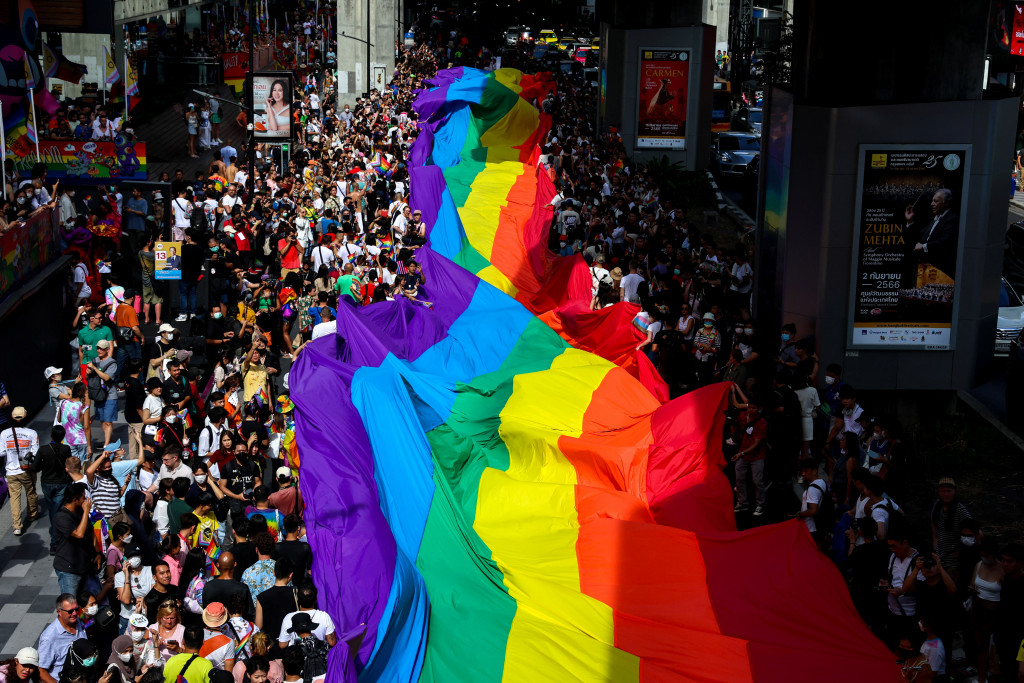
Thailand could become the first Southeast Asian country to legalize same-sex marriage. The green light was one of the issues on the agenda of Move Forward, the party that was victorious in last May's elections but has since remained out of government. It is an issue that has now been picked up by the Pheu Thai party's new Prime Minister, Srettha Thavisin. The PM relaunched the initiative in October, with her government preparing three bills for marriage equality, sex change, and decriminalization of prostitution. 

The Thai prime minister has "stressed that this is a very urgent matter," giving the relevant ministries a few weeks to hold public hearings on the bill and forward it to parliament, government spokesman Chai Watcharong said on Oct. 31. The bill will be debated in the upcoming parliamentary session in December, while the Pheu Thai-led coalition government is under pressure to deliver as it approaches the 100-day mark and must show that it has at least partially fulfilled key campaign promises, such as the $280 handout to Thai citizens.

Last year, the previous House of Representatives passed on first reading a marriage equality bill proposed by Move Forward, as well as a competing bill enshrining same-sex civil unions proposed by the conservative government of former Prime Minister Prayuth Chan-ocha. But neither bill moved forward before Parliament was dissolved for the May general election.

Supporters expect the Srettha government's proposal to be similar to the Move Forward bill in order to win the votes of the largest opposition party. The proposal would amend Thailand's Civil and Commercial Code, changing gendered words such as "husband" and "wife" to "spouse," while "man" and "woman" would change to "individual." Prachachat, a coalition party led by Pheu Thai and whose base is in the country's Muslim Deep South, has called for religious exemptions, such as exempting Muslim clerics and Christian priests from performing same-sex marriages. Srettha also supported Bangkok's bid to host the 2028 WorldPride, a biennial international event that would help boost tourism and consumption revenues in Thailand.

Meanwhile, the proposed Gender Recognition Bill would allow transgender Thais to change their official sex, which is currently not possible, even though the country has become a hub for sex reassignment surgeries. Opponents have said that allowing official sex change would give men a way out of military conscription, a concern that may be outweighed by the fact that the Pheu Thai government plans to switch to voluntary enlistment. 

More and more wealth in Singapore

 The number of family offices - companies that manage the lives and assets of the wealthiest clans - rose to 1,100 at the end of last year, from just 400 in 2020

Article by Tommaso Magrini

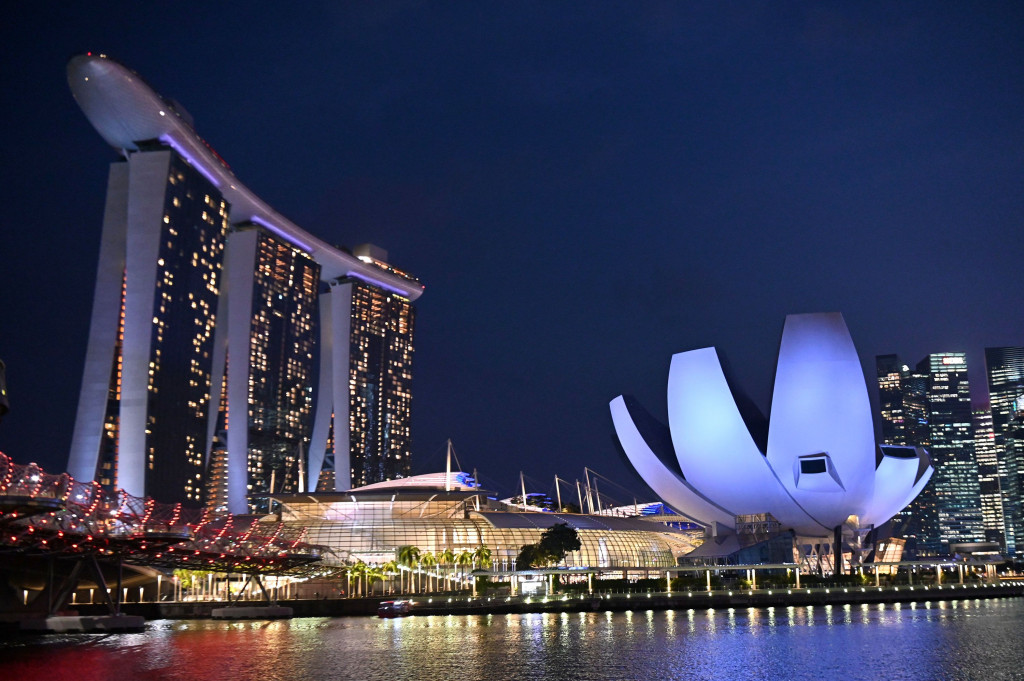
Singapore is getting richer. The assets managed by the city-state asset management industry have doubled in just six years, reaching about 4,000 billion dollars and about 80% of these assets are foreign. Blackrock Inc. is expanding into Singapore, as is the Ontario Teachers' Pension Plan. Swiss banks are also expanding: UBS Group AG’s offices dominate an entire block in a prominent shopping district, with a staff of 3,000, a private gym and a cappuccino bar. The rapid rise of money management is the result of a very specific project. In 2020 the government introduced a new type of legal structure, called a variable capital company, which provides tax and legal incentives to hedge fund, venture capital and private equity companies that settle in Singapore, similar to offshore hub programs. Since last October, more than 600 companies have benefited from the new program. Some of the world’s largest money managers have settled in Singapore, including Marshall Wace, Citadel Enterprise Americas of Griffin and D.E. Shaw. Billionaire Cohen’s Point72 Asset Management has expanded its Singapore team by over 50%, reaching 100 people. Overall, hedge fund assets grew by 30% in 2021, reaching $191 billion. The number of family offices - companies that manage the lives and assets of the richest clans - rose to 1,100 at the end of last year, from just 400 in 2020. Among the incentives to have contributed are the 2019 tax changes and a program that provides a fast track to residence for the ultra wealthy. Singapore is also benefiting from the willingness of several companies seeking diversification in the region or a basis for wider Asian operations beyond mainland China and Hong Kong.

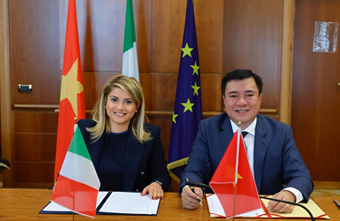
Italy and Vietnam strengthen ties

In recent days, Undersecretary Maria Tripodi has co-chaired the 8th Mixed Economic Commission between Rome and Hanoi

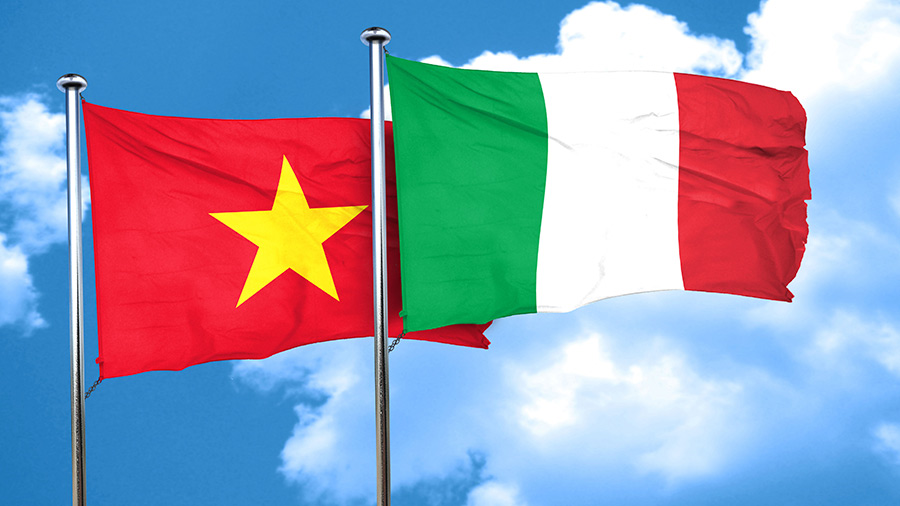
High-level diplomatic exchanges between Italy and Vietnam continue, in a particularly important year also at a symbolic level for bilateral relations, which in 2023 celebrate their first 50 (fruitful) years. On 25 October, in fact, Undersecretary Maria Tripodi co-chaired the Farnesina, together with the Deputy Minister of Industry and Trade of Vietnam Nguyen Sinh Nhat Tan, the VIII Mixed Economic Commission, in the presence of ministries and representatives of the private sector. This year’s edition takes place in a very positive and constantly growing phase of collaboration with Vietnam, key partners in the Indo-Pacific region and in the ASEAN area. This year is not only the 50th anniversary of diplomatic relations, but also the tenth anniversary of the strategic partnership between Italy and Vietnam. The work allowed to renew the commitment to strengthen the already excellent relations between the two countries, also in the light of the success of the state visit to Italy of the President of Vietnam, Vo Van Thuong, last July. Particular attention was given to the main sectors of common interest, including: trade and investment, industry, energy, environment, infrastructure, health, agriculture, science and technology, culture and tourism. Undersecretary Tripodi and Deputy Minister Tan have met next year in Hanoi for the IX edition of the Joint Economic Commission. The meeting was preceded by a brief bilateral meeting in which the opportunity was taken to promote Rome’s candidacy for EXPO2030. Italy and Vietnam are experiencing steady growth in bilateral trade. In 2022 there were 6.2 billion dollars of interchange, an increase of 11% compared to the previous year, with Vietnam which is currently the first trading partner of Italy in the ASEAN region, while Italy is one of Vietnam’s main partners in Europe. In the specific one, the exports of Vietnam towards Italy last year were at 4,4 billion dollars, an increase of 14% regarding the year precedence, and its imports from Italy were at 1,7 billion dollars, an increase of 3.6%. To date, Italy also occupies 33 places out of 143 countries and territories that invest directly in Vietnam, while Vietnam is one of the ten main destinations of Italian investment among developing countries. The bond seems destined only to strengthen.

Climate Finance: the COP28 as seen by ASEAN

In an effort to respond to regional needs, the 10 members of the Organization are currently developing the ASEAN Climate Finance Access and Mobilization Strategy, a tool designed to harmonize the use of frameworks and structures for monitoring financial flows

By Sibeles Chiari

With less than a month to go before COP28 in Dubai, expectations are rising about reaching a transformative agreement that will move humanity away from catastrophic scenarios. Significantly alarming is the situation in the Southeast Asian region, home to as many as 6 of the 20 states identified as most vulnerable to the impacts of climate change: the Philippines, Indonesia, Malaysia, Myanmar, Thailand and Vietnam. Concerns based on forecasts heralding greater economic losses than anywhere else in the world, with an estimated 11 percent decline in GDP by 2100. In fact, only with copious increases in climate finance and a concerted effort by governments, investors, central banks and financial regulators will economic and human losses be limited. An effort that, globally, will need to generate some $2.4 trillion in total annual investment by 2030 to succeed in sustaining emerging markets. Indeed, at the Dubai summit, climate finance will be at the center of the policy debate because, mobilizing financial resources and activating innovative financing mechanisms (e.g., Loss and Damage fund) will play a key role in combating climate change and accelerating toward a more sustainable economy. That being said, it is not surprising that the dynamics related to the climate finance discipline will have an increasing impact on the performance of the Association of Southeast Asian Nations (ASEAN) economies.

Throughout the various UNFCCC COPs, ASEAN nations have continually urged the more industrialized countries to meet their 2009 commitment to provide $100 billion per year to developing countries by 2020. A commitment that has been more verbal than real, considering that between 2000 and 2019, ASEAN countries received $56 billion from developed countries. While European states such as Germany and France have contributed 11.8 percent and 8.4 percent, respectively, of total bilateral climate funding to the region, Japan has allocated as much as 65 percent. Indeed, the influence of the Japanese country, which jointly launched the SPACE program with ASEAN members to combat climate change, pollution and biodiversity loss, stands out. Additional climate funding also comes from China, which ranks as the main provider of South-South flows, followed by India. As well as from ASEAN countries themselves with their contributions to the mobilization of Green Climate Fund (GCF) resources. Of course, in the context of climate finance, there is no shortage of substantial support from the World Bank and the Asian Development Bank (AIB), as the largest multilateral provider of climate finance to the region.

Over the past decade, more than half of all climate finance provided to the region has gone to the transportation and storage (32 percent), energy (26 percent) and agriculture, forestry and fisheries (9 percent) sectors. It is also worth highlighting the high growth recorded in other sectors, such as health (+427 percent), business and various services (+336 percent) and emergency response (+218 percent). Looking at the ASEAN space, Indonesia, the Philippines, and Vietnam received the highest share of funding, and indeed, most of the funds went to the transport, energy, and agriculture sectors. For example: Vietnam has attracted significant investment in wind and solar power; Indonesia has received funding and international support for initiatives to combat deforestation and promote reforestation through the REDD+ program; as well as the recently concluded loan agreements between the Philippines and the World Bank worth $876 million to finance three sustainable agriculture projects (MIADP, FISHCORE and PRDP). With data in hand, Asia receives the highest share of climate finance among all regions of the world. No doubt this is a figure that inspires optimism, although the per capita share of Southeast Asian countries remains the lowest. Finally, in an effort to address regional needs, the 10 members of the Organization are currently developing the ASEAN Climate Finance Access and Mobilization Strategy, a tool aimed at harmonizing the use of frameworks and structures for monitoring financial flows. Therefore, this strategy will accelerate investment in the implementation of mitigation and adaptation actions based on the needs identified by member states. An initiative that will facilitate access to climate finance by pursuing the health of our dear planet as the ultimate goal and common hope among all of us.

More cooperation between ASEAN and Gulf countries

ASEAN and the Gulf Cooperation Council are considering a potential free trade agreement, a topic moreover addressed two years ago by the Italy-ASEAN Association in Dubai. Here we publish an excerpt from the joint communiqué issued at the end of the bilateral summit on Friday, October 20

Inspired by the common interests and deeply rooted historical ties between the two sides, the leaders exchanged views on common regional and international issues and discussed ways to improve and develop their partnership to take advantage of the growth opportunities that can be exploited through cooperation between the two regions, based on the shared visions for the future of their partnership and the values embodied in the United Nations Charter. The leaders pledge to:

  1. Join efforts to promote peace, security, stability and prosperity through mutual respect and cooperation among countries and regions to achieve development and progress and maintain the international order based on rules and adherence to the UN Charter.
  2. Undertake consultations and explore cooperation on specific areas of common interest to implement the four priority areas of the ASEAN Outlook on the Indo-Pacific (AOIP): maritime cooperation, connectivity, Sustainable Development Goals (SDGs), economic.
  3. Recognize the importance of the oceans and seas as key factors in the region's growth and prosperity, and reaffirm the importance of maintaining and promoting peace, stability, maritime security, freedom of navigation and overflight in the region, and other legitimate uses of the seas and legitimate and unimpeded maritime trade, as well as promoting the peaceful settlement of disputes, in accordance with universally recognized principles of international law, including the 1982 United Nations Convention on the Law of the Sea (UNCLOS).
  4. Strengthen ties between the two sides, multilaterally and bilaterally, and in global forums, pursuing opportunities for sustainable development, peace, security and stability, and to address global and regional challenges and risks; to ensure sustainable supply chains, transport interconnection, and strengthen food, energy and water security, as well as build cooperation on green and renewable energy sources and technologies, tourism infrastructure, and creation of energy sources.
  5. Conduct further consultations to explore new opportunities for trade, investment and technical cooperation between ASEAN and the GCC, including the possibility of developing a framework agreement on economic, trade and investment cooperation.

Full text here.

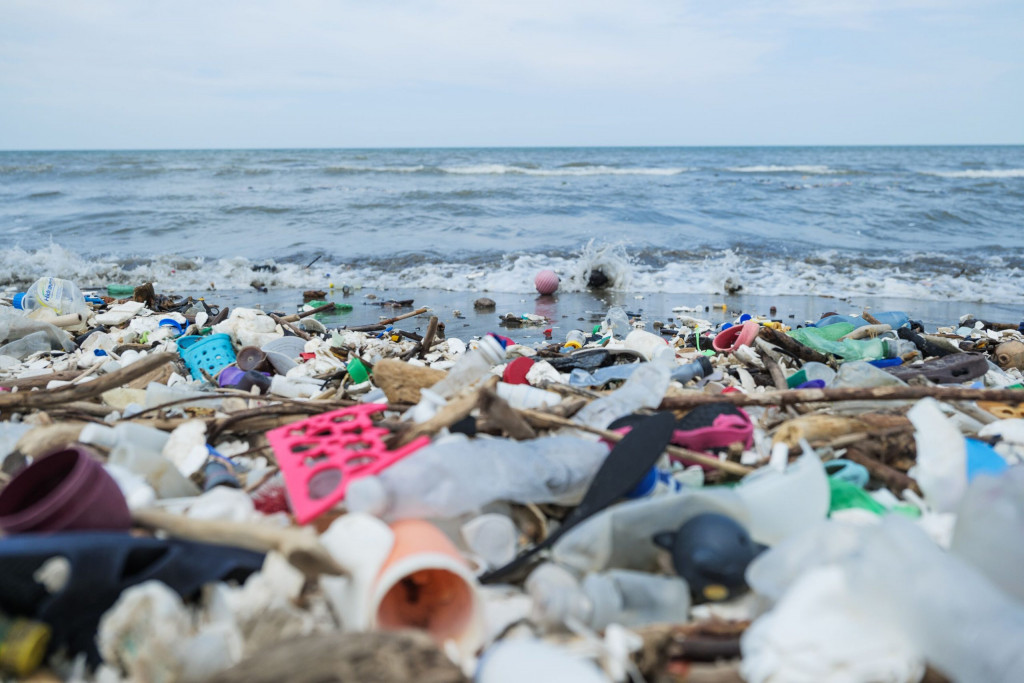
How ASEAN can defeat the plastic ocean

Plastic pollution is a crucial challenge for the future of the ASEAN region, with more than 31 million tons of plastic waste generated annually in 6 out of 10 countries. But there is potential to solve the problem

By Tommaso Magrini

Plastics are a major problem in Southeast Asia and one of the main obstacles to the region's transition to a green economy. Of the ten most polluting countries, six are in Southeast Asia, according to data from the World Economic Forum. The Philippines alone dumped 356,371 metric tons of plastic waste into the ocean in one year, about 35 percent of the global figure. It is followed by Malaysia (73,098), Indonesia (56,333), Myanmar (40,000), Vietnam (28,221) and Thailand (22,806). Together, these countries are responsible for more than half of the plastic pollution in the oceans.

However, ASEAN seems determined to tackle the problem head-on. Member states recognized their duty to work together to protect their coasts, seas and livelihoods from marine plastic pollution back in 2019 when they adopted the Bangkok Declaration on Combating Marine Debris in the ASEAN Region. Based on this commitment, they launched the Regional Action Plan for Combating Marine Debris in 2021. This five-year plan aims to support regional policies and improve coordination in three main areas: reducing plastic use and production, improving collection and recycling, and promoting reuse.

A further step was taken in recent weeks, to be precise at the September ASEAN summit in Indonesia, at the end of which came the publication of the ASEAN Blue Economy Framework. Bans on single-use plastic products are an example of national policies being developed by an increasing number of countries in the region. 

Another policy tool being introduced is "extended producer responsibility" (EPR) schemes. These require producers to rethink the way they design and develop products, taking responsibility for the entire life cycle, including disposal and recycling. Manufacturers are required to meet waste reduction targets and pay fees that will finance the plastic waste collection and recycling system.

In 2022, Vietnam became the first Southeast Asian country to issue a decree imposing packaging, recycling, and waste treatment obligations on producers and importers. The Philippines followed, enacting the EPR law in July 2022. In many cases, the initiatives are only voluntary, as in the case of Thailand. Companies are also urged to develop reusable products, reduce virgin plastic use on the one hand and contribute to post-consumer collection and recycling on the other. For the goals to be ambitious and achievable, it is important to consider the local context, ensuring that all actors in the plastics value chain are able to meet them.

Regional collaboration, as the World Economic Forum always emphasizes, becomes key to developing better policies. Facilitating dialogue between countries is beneficial for governments and businesses. It provides an opportunity to share lessons learned from pilot projects and to disseminate successful solutions developed locally. Strong integrated action to combat plastic pollution can pave the way for a new era for ASEAN: from being known as the region most affected by plastic pollution in the oceans, it can become the region with the boldest green ambitions.

Australia jumps into ASEAN

Last year Australia's direct investment in Southeast Asia totaled A$28 billion, a figure Canberra clearly wants to increase

By Tommaso Magrini

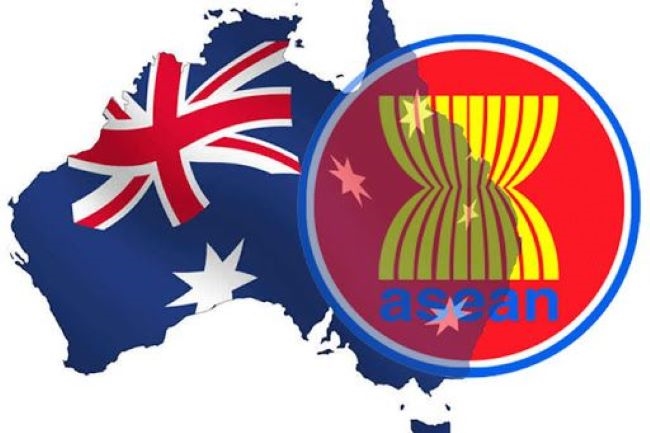
The recent ASEAN summit was also attended by several partners, many of whom signed important cooperation agreements with the South East Asian bloc. Among them is certainly Australia. In Jakarta, home of the summit, Canberra presented an economic plan to increase business with the ASEAN area, which includes an immediate commitment of $44.7 million to create a new Australian "business team" based in the region. The plan, titled "Invested: Australia’s Southeast Asia Economic Strategy to 2040", states that Australian investments in the region are "underpaid". Written by Australia’s special envoy to Southeast Asia, Nicholas Moore, it contains 75 recommendations, including the establishment of a working group to identify and facilitate more mutual investment. Prime Minister Anthony Albanese has called it "a reinforcement of our long-awaited commitment, reflecting the speed of the transformation taking place and the scope of the opportunities that await us". Canberra also immediately appropriated nearly AUD 20 million for a Southeast Asia Business Exchange that will boost trade, and 6 million Australian dollars for a pilot placement and internship program for young professionals in the region. " By 2040, ASEAN will be the fourth largest market after the US, China and India. It is a huge opportunity for Southeast Asia, it is a huge opportunity for Australia," said Foreign Minister Penny Wong. Last year Australia’s direct investment in South-East Asia amounted to 28 billion Australian dollars, a figure that Canberra wants to increase sharply. The new projects just announced also identify some specific areas on which it is intended to strengthen links: agriculture and food, resources, green energy transition, infrastructure, education and skills, visitor economy, health, digital economy, professional and financial services and creative industries.

The Italian language in Vietnam

Busy schedule of events in Hanoi for Italian Language Week. Particularly significant edition given the 50th anniversary of bilateral relations

From October 14 to 20, the XXIII Italian Language Week in the World was celebrated in Hanoi, dedicated this year to the theme "Italian and Sustainability." The event, which is held under the High Patronage of the President of the Republic, had a rich program of events and initiatives aimed at promoting the knowledge and dissemination of Italian in Vietnam, organized in collaboration with the Department of Italian Studies at the University of Hanoi and Uni-Italia Vietnam. The official opening of the event was held on Monday, October 16. During the ceremony, Italian Ambassador to Vietnam Marco della Seta, Chancellor of Hanoi University Nguyen Van Trao and Director of the Department of Italianistics Pham Bich Ngoc spoke. Vietnamese media gave extensive coverage to the event. "There are few high schools in Vietnam that teach Italian. I hope in the coming time we will promote more high schools to teach this language," Ambassador Della Seta told Dan Tri. But Italy has planned support packages that will include scholarships for students, teaching materials and professional courses for teachers teaching Italian in Vietnam. The University of Hanoi currently has 500 students studying Italian and 50 Italian students studying in Vietnam.According to the Ambassador, the two countries still have a lot of room for development cooperation in this field. The previous 2019-2022 agreement on the education front is set to be further strengthened. According to Dan Tri, in the coming years, along with the transformation of the country's economy, the school and the Italian Language Department will continue to provide professional training geared to international standards. "It is hoped that in the future the Italian Language Department will continue to be supported by the Embassy and Italian government agencies in Hanoi in its professional activities, especially in carrying out the mission of dissemination and development of teaching and learning," said Rector Nguyen Van Trao. "Objective: to learn the Italian language, known as the language of love, in Vietnam."

On the wave of K-Pop: the influence of South Korean culture in Vietnam

Since Vietnam and South Korea established formal diplomatic relations in 1992, however, popular culture has proven to be Seoul's best ambassador to the Southeast Asian country

By Annalisa Manzo 

The so-called "Korean Wave"-hallyu in Korean-the increase in the global spread of South Korean culture has now reached all corners of the globe, and in Vietnam it extends to a wide range of sectors: entertainment, business, fashion and even soccer. Economic ties between the two countries run deep. South Korea has been the largest or second largest investor in Vietnam almost every year for more than a decade. Choi Bundo, president of the Korean Chamber of Commerce and Industry for Central and South Vietnam, told Nikkei Asia that tax and trade agreements have helped nurture economic ties between the two countries. In addition, high satisfaction with Vietnam's high-quality workforce and expectations that it can take over the role currently held by China-because of unstable U.S.-China relations-are equally important reasons why Korean companies choose Vietnam, Choi said.

Since Vietnam and South Korea established formal diplomatic relations in 1992, however, popular culture has proven to be Seoul's best ambassador to the Southeast Asian country. It all started in the late 1990s, when Korean TV series-so-called K-dramas-began to be broadcast on local television thanks to sponsors from some Korean companies, sparking public interest in pop music, K-pop and other Korean cultural exports such as movies, food, travel, fashion and cosmetics. Now, after more than two decades, this "Korean wave" continues to be very popular in Vietnam and throughout Southeast Asia.

Many scholars believe that this is partly the result of the Korean government's policy of promoting South Korea as "a dream economy of icons and aesthetic experience." The aesthetic traces of Korean pop culture in Vietnam are tangible. Images of Korean artists pervade public places, decorating billboards, department stores and beauty salons.

The popularity of all things Korean-food, cell phones, and cosmetics brands in particular-reflects a general attitude that sees South Korea as a modern and intriguing culture. Although the Vietnamese are also very open to Western culture, underlying cultural differences remain. In contrast, South Korea turns out to be a closer model of Asian modernity, the development of which thus seems more within the reach of the Vietnamese public. After all, South Korea's miraculous economic growth is quite recent, and Korea shares clear cultural similarities with Vietnam, including a Confucian cultural heritage, an emphasis on family ties and respect for elders, and a collectivist value that emphasizes conformity.

Many Vietnamese see in the metropolitan and glamorous lifestyles embodied by Korean stars on screens an alluring and desirable future. The success stories put forth by K-dramas serve as an inspiration to reflect on one's life and strive for success. The portrayal of the tireless pursuit of status and money by K-drama characters resonates with many Vietnamese viewers who are encouraged to be self-sufficient by the Vietnamese government's recent neoliberal social policy. Decades after the 1986 Doi Moi ("renewal"), marked by Vietnam's transition to a market economy and integration into global trade, the government has transferred some welfare responsibilities to the market and now promotes self-generated wealth and success as patriotism. In addition, some have noted that the dominance of South Korean pop culture in Vietnam is joining recent socio-cultural developments in the country. Romantic K-dramas and sentimental K-pop ballads, which emphasize pure and ideal romantic love, self-love, and self-awareness, have touched the chords of a changing Vietnamese society, which is bringing in its media a turn toward the ordinary and private.

In the spread of Korean pop culture, K-pop music plays a predominant role. From a local trend to a global phenomenon, K-pop has spread worldwide since the early 2000s, starting in the Japanese music market and spreading to East Asian countries until the mid-2010s. Notably, 2012 saw the genre make its debut in the global music industry. Indeed, in the summer of 2012 Psy set unprecedented records on the music charts, gaining international fame with his mega hit "Gangnam Style." Later, the word "K-pop" was included in the Oxford English Dictionary to designate "Korean pop music."

A decade has passed and K-pop is no longer considered just a regional music genre that has temporarily captured the attention of a global audience. It has taken root as an important subcultural genre and is gaining prominence on the international stage as a new standard for the industry. One of the key defining factors of K-pop, and one that continues to show the growth potential of this genre, is its receptivity to change and new sources. Indeed, it has shown exceptional vigilance in adapting and using technological advances to develop a highly profitable business model. Just as the recent concert by the world-famous South Korean girl group Blackpink demonstrated, one of the many ways in which South Korean influence has swept the country. The superstar concert gave Vietnam its biggest dose of K-pop to date, much to the delight of the rapidly growing local fandom.

According to data from the Korea Foundation, which conducts annual hallyu surveys around the world, Vietnam had 13.3 million fans of the culture in 2022, the third highest in the world, after China and Thailand.

The price of tickets did not help deter fans, even though the average monthly salary of a Vietnamese worker is around seven million dong, although the number of wealthy Vietnamese increased 110 percent from 2016 to 2021, the fourth highest growth in Asia, reports the Knight Frank Wealth Report.

The cheapest tickets started from 1.2 million ($68.30) up to 9.8 million Vietnamese dong for VIP seats. On the morning of the second concert on July 30, local media reported that some VIP tickets were being sold for up to 30 million dong each. As the last stop in Asia of their ongoing world tour, demand has been high since the dates were released. Some 67,000 spectators packed My Dinh Stadium for what industry insiders described as the "biggest music event" ever held in Vietnam.

Tran Tuan Tai, professor of finance at Massey University of New Zealand, noted that the cost of tickets in Vietnam, relative to GDP per capita, was the highest among the other Born Pink World Tour stops. Interestingly, the most expensive ticket in Vietnam - amounting to 9.8 million dong - was higher than a similar ticket in other countries such as Indonesia (3.8 million rupees - $335) and Singapore ($398), both of which have higher GDP per capita than Vietnam. According to Tai, fueling demand in Vietnam is the fact that the country is usually not a common destination for global music shows; the most popular Southeast Asian destinations remain Thailand and Singapore. Vietnam, with a population of 100 million, has a large and growing middle class that is eager to spend on cultural and entertainment activities such as K-pop concerts, Tai added. According to the World Data Lab, Vietnam's middle class population is estimated to be one of the fastest growing populations in the world between 2020 and 2030. "Paying high prices for concert tickets does not mean that Vietnamese people are rich, but rather underscores their willingness to spend," said Nguyen Cuong Bach, managing director of tourism-focused marketing agency Asia Lion. "This shows a more mature entertainment tourism market in Vietnam."

The two Blackpink concerts had a very positive impact on Vietnam's economy. The Hanoi Department of Tourism said the city received 170,000 visitors during the two days of the shows, including 30,000 foreigners. In all, they spent about 630 billion dong. The average hotel occupancy rate in Hanoi in July was estimated at 60.8 percent, an increase of 19.2 percent compared to July 2022. The number of visitors to Hanoi tourist destinations on the weekend of July 29-30 also increased by 15 to 20 percent compared with the previous weekend. In the weeks before and immediately after the concerts, a significant increase in bookings by South Korean and Chinese visitors was observed for cruises in Ha Long Bay, a UNESCO World Heritage site about 160 kilometers from Hanoi.

After Blackpink's performance, Tran Sy Thanh, chairman of the Hanoi People's Committee, sent a letter of thanks to the band, noting that their concerts had enhanced Hanoi's image and standing as a peaceful, safe and friendly destination. 

Lang Minh, professor of media and digital literacy and educational consultant at MindX, said the Vietnamese government's approach to the culture industry is a way to exercise "soft power"-the ability to influence others through non-coercive means. "Vietnam suffers from enormous horizontal pressures from surrounding countries with rapidly developing cultural industries, Thailand, South Korea, China and Japan. This pushes Vietnam to pay attention to improving its cultural industry, not only to earn money but also to emphasize its national values." Thus, some opinions are gaining ground that Vietnam wants to take advantage of the popularity of K-pop to leverage economic benefits-both soft and hard-with South Korea, one of its most important trading partners. Last December, the bilateral relationship between South Korea and Vietnam was transformed into a comprehensive strategic partnership. Riding the hallyu wave, the two countries are ready to write a new future.
The best place for retirement? Malaysia

In fourth place is another ASEAN country, Vietnam, followed by Indonesia and Cambodia

By Tommaso Magrini

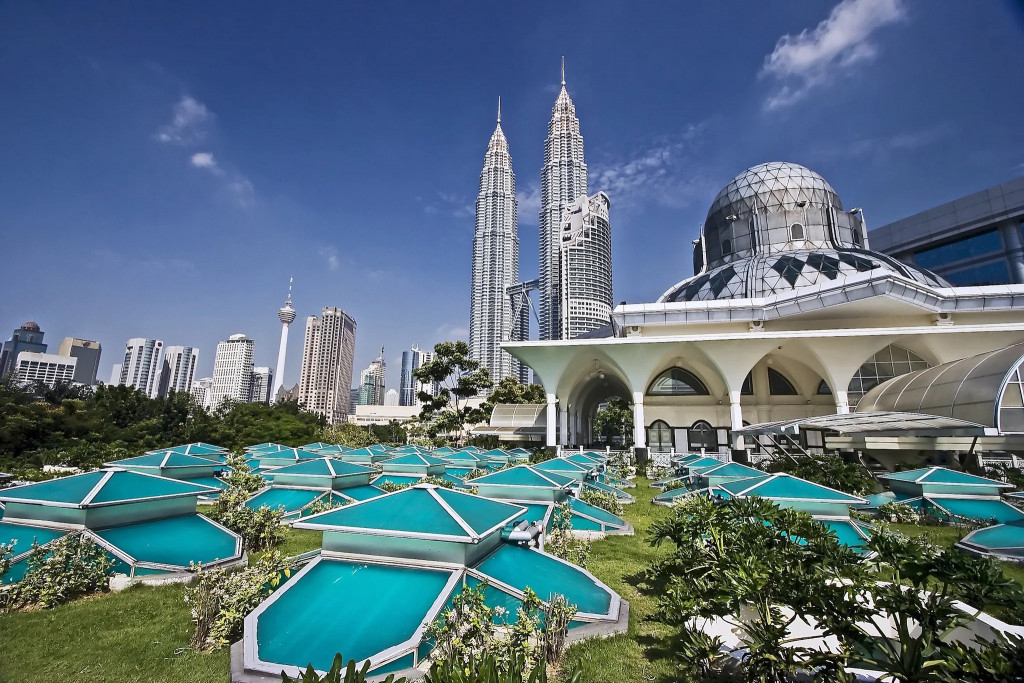
Malaysia tops the list of the 10 safest places to retire in Asia compiled by US financial services company Nasdaq. In an article published recently in its GoBankingRates section, the company said the ranking is based on data from the United Nations Pacific-Asia Region Group and World Population Review's Gross Domestic Product (GDP). It also obtained cost of living data from Numbeo and the global peace index from the Institute for Economics and Peace Global Peace Index 2022 Report. At the top of the list is Malaysia, with a global peace index of 1.471 and an average monthly cost of living of $1,066. Malaysia ranks first with a cost of living index of 22.9 and a GDP of USD 481.9 trillion. Thanks to an average monthly expenditure of just over $1,000, it is an excellent place for retirees to consider. In second place is Kuwait, with a global peace index of 1.739 and an average monthly cost of living of $1,741. According to Nasdaq, in third place is Mongolia, with a global peace index of 1.775 and an average monthly cost of living of US$940, adding that Mongolia's cost of living index is on par with Indonesia's (20.2), but its GDP is the lowest on the list, at US$21 trillion (RM98 trillion). In fourth place is another ASEAN country, Vietnam, with an overall peace index of 1.786 and an average monthly cost of living of $1,117, followed by Indonesia and Jordan, then Cambodia.

Recently active members
Foto del profilo di Alessio
Foto del profilo di Monika
Foto del profilo di Gabriel
Foto del profilo di Elena
Foto del profilo di Lorenzo
Foto del profilo di Alessandro
Foto del profilo di Cristina
Foto del profilo di Rocco
Foto del profilo di Clara Lomonaco
Foto del profilo di Redazione
Foto del profilo di Davide Gugliuzza
Foto del profilo di Anna Affranio
Foto del profilo di Ilaria Canali
Foto del profilo di Nicolò
Foto del profilo di Angelo Cangero
Who is online
There are no users currently online
Members
  • Foto del profilo di Alessio
    Active 3 ore, 22 minuti fa
  • Foto del profilo di Monika
    Active 3 giorni, 16 ore fa
  • Foto del profilo di Gabriel
    Active 3 settimane, 4 giorni fa
  • Foto del profilo di Elena
    Active 1 anno, 4 mesi fa
  • Foto del profilo di Lorenzo
    Active 2 years, 6 mesi fa