EU-ASEAN Climate Diplomacy

Green Diplomacy Week 2023 kicks off in partnership between the European Union and the Association of Southeast Asian Nations. Here is the program

EU-ASEAN Green Diplomacy Week 2023 kicks off on Sunday, October 15. First introduced to the public in 2019, Climate Diplomacy Week has become a landmark annual event where delegations and embassies of EU member states around the world host events to promote dialogue and cooperation on climate change. The theme is particularly important in the context of cooperation with the ASEAN bloc. Called "Green Diplomacy Week" this year, the event still aims to serve as a platform to showcase success stories and inspire further action. In late 2022, the EU launched the Global Gateway strategy, a new global strategy to build resilient connections with the world, with sustainable connectivity and green transitions as two main pillars. In this context, Green Diplomacy Week 2023 will also be an opportunity to continue the momentum of the new global strategy. A series of online, offline and hybrid events are planned. Events will include panel discussions, exhibitions and clean-up sessions, as well as a fun walk/run/bike ride. Events will focus on engaging youth and the ASEAN public. A total of 10 events (online, offline and hybrid) will be organized by the EU Communication and Visibility for ASEAN project in collaboration with EU delegations in ASEAN member states, EU-ASEAN partners, communities and youth organizations in ASEAN member states. Among the events included in the program: a workshop on plastic waste recycling organized with Thailand, a 2-day learning camp for "young nature guardians" in the Philippines, a series of waste management education meetings in Malaysia, and interactive presentations and games for indigenous school children in the Pu Mat forest in Vietnam. Also on the agenda are very concrete activities such as cleaning a river in Brunei and a photography and artwork competition in Laos. Concluding on Sunday, October 22, with a Mekong River shoreline cleanup and tree planting in Cambodia.

Southeast Asia has more and more metro lines

Expansion of metro networks is a key factor in combating urban traffic and emissions in urban areas of ASEAN countries

By Carola Frattini

As Southeast Asia's urban population grows, the region's urban centers are becoming increasingly important transportation and logistics hubs. But while this development is a symptom of rapid economic growth, it has also led to serious problems of traffic congestion and air pollution. In order to reduce travel time, traffic, and consequently emissions, the expansion of metropolitan networks therefore appears to be a key investment for Southeast Asian governments. 

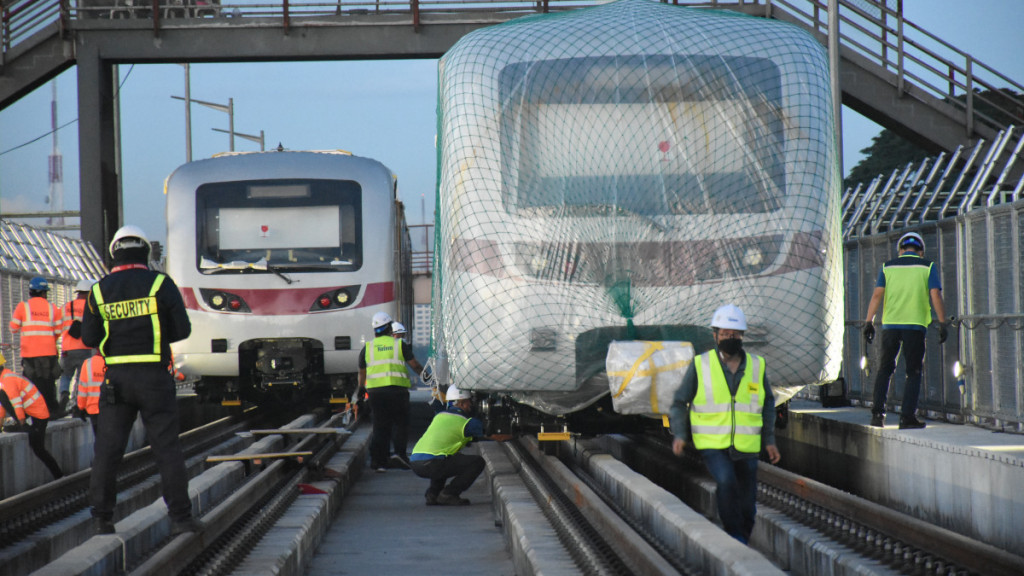
Currently, among ASEAN countries, Malaysia and Indonesia stand out as leaders in sustainable urban transportation; however, the Thai government's latest significant investments in rail infrastructure are bringing Thailand closer to these two industry pioneers. The recent debut of the Yellow Line in Bangkok has attracted a great deal of attention, as during the trial period in June 2023, it recorded an impressive turnout of about 680,000 passengers in just over two weeks. The monorail spans 23 stations over a distance of 30 kilometers and connects the outskirts of Bangkok to the neighboring province of Samut Prakan. Prime Minister Prayuth Chan-ocha also praised the service, calling it "comfortable" and encouraged citizens to use this new link. 

Traffic congestion has also been a serious problem in Manila, Philippines, for a long time: already in 2017, traffic-related economic losses amounted to approximately 3.5 billion pesos per day. In order to solve this problem, the Philippines is also focusing on new metro lines. The Metro Rail Transit network in the Manila metropolitan area is expanding with the construction of Line 7, financed by the San Miguel Corporation, one of the country's largest multinational corporations. This 22-kilometer elevated rail line will reduce the travel time from North Avenue, Quezon City, to San Jose del Monte, Bulacan, from the current two to three hours to about 35 minutes. Vietnam is also trying to upgrade its public rail transportation system. The Vietnamese government has declared that work on Ho Chi Minh City's first subway line will be completed in 2024. This project will result in Vietnam having 33 kilometers of subway lines next year, after the first subway service in Hanoi was only inaugurated in November 2021.

The metro infrastructure sector in ASEAN countries has become an important market for rail infrastructure companies especially from Japan and Europe. With more than 300 kilometers of subway lines in Tokyo, Japanese companies are eager to share their expertise with the region. One such company, Shimizu, has already won a contract in Indonesia to build a railway line that is scheduled to open in 2029. Meanwhile, French train supplier Alstom has also entered the Southeast Asian market, supplying new cars for Singapore's north-south and east-west lines. Deliveries have already begun, with 16 sets of trains, and Alstom plans to deliver a total of 106 sets by the end of 2026. As demand for rail infrastructure in the region grows, it seems likely that other companies will follow suit in the coming years. 

However, these companies will most likely have to compete with an increasing role of Chinese companies, which although they have had limited success in Southeast Asian rail markets for now, have led in recent times the construction of the high-speed railway connecting Laos to China's Yunnan province, which opened in December 2021, and Indonesia's high-speed rail line, which opened on October 2. Thus, it cannot be ruled out that China will use this experience to compete with Japanese and European suppliers in metro line projects in ASEAN countries.

Mega redevelopment in Bangkok

More than 20 large-scale projects are planned in Bangkok with openings scheduled by 2027, totaling 500 billion baht of investment

Article by Tommaso Magrini

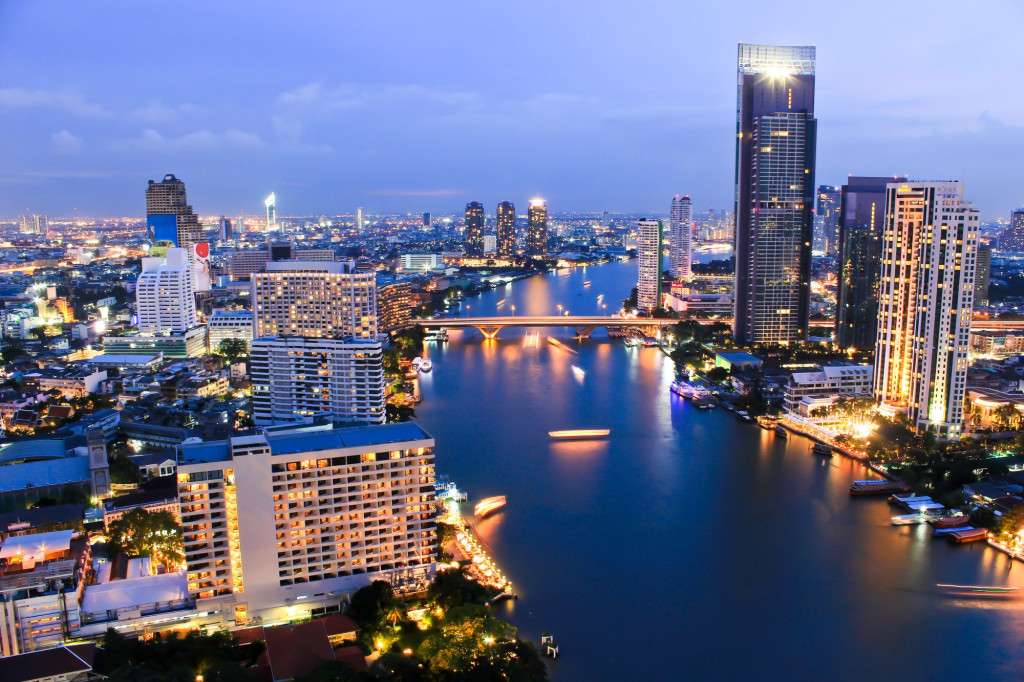
Bangkok is ready for a wave of renovation projects totalling more than $14 billion, supported by some of the country’s leading conglomerates. The aim is to transform the Thai capital into a destination that rivals Singapore. A mammoth development is underway on prime real estate opposite Lumpini Park in central Bangkok, led by the conglomerate TCC Group. One Bangkok will be one of the largest private sector projects in the country, with a value of 120 million baht. According to plans, the 167,000-square-meter area will host five office towers, residential skyscrapers, retail space and a concert hall and a Ritz-Carlton Hotel. TCC’s activity includes the brewer Chang Thai Beverage and real estate. The project will be a magnet for world-class businessmen, investors and tourists from all over the world , growing their will to come to Bangkok. Charoen Pokphand, one of Thailand's leading conglomerates, is working on a mega- project in Samut Prakan, on the outskirts of Bangkok, putting emphasis on sustainability. The Forestias will consist of commercial spaces, a hotel and residential areas, The operator of this 125 billion baht-wellness-oriented project has involved the Japanese Sumimoto Mitsui Trust Bank as an investor. According to data released by Nikkei, more than 20 large-scale projects are planned in Bangkok with opening schedules by 2027, totalling 500 billion baht of investments. Large projects of incomparable scale are being planned, becoming in this way Bangkok’s ‘landmark’. These renovation projects make sustainability a strong point. Many multinationals see the Thai capital as a great opportunity.

Indonesia GDP trends in 2023

Government spending soared an impressive 10.6 percent.The economy is expected to continue its growth trajectory, with an estimated range of 4.5 to 5.3 percent

By Lorenzo Riccardi

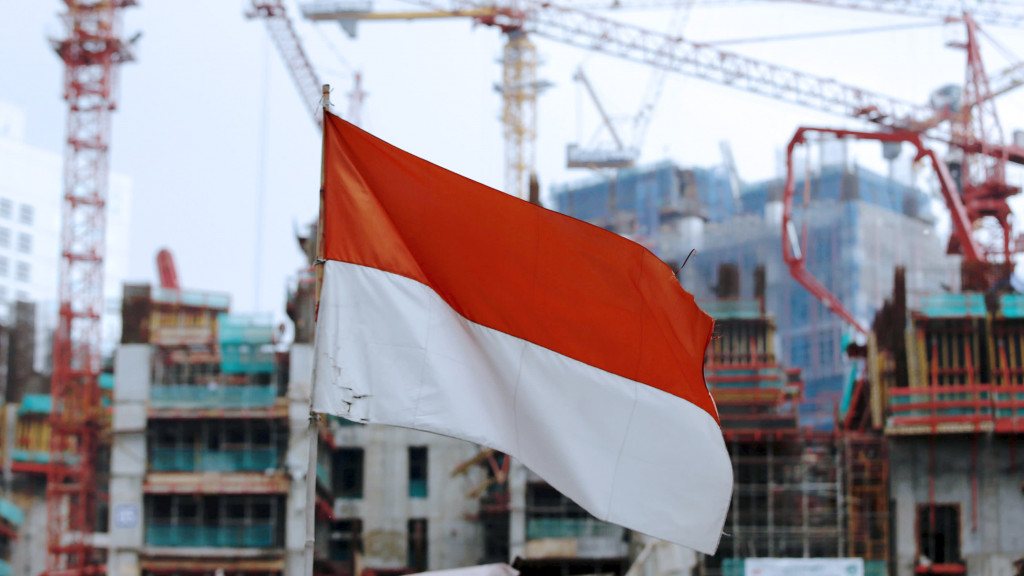
Indonesia's economy experienced robust growth in the second quarter of 2023, with a year-on-year increase of 5.2 per cent. This exceeded initial market expectations of a 4.9 per cent gain, showcasing the nation's economic resilience. Building upon the slightly revised 5 per cent expansion in the first quarter, this quarter marked the ninth consecutive period of economic growth and the most vigorous pace seen in the past three quarters.

One of the significant drivers of this growth was the acceleration in household consumption, particularly during the fasting month of Ramadan and the Eid-ul Fitr festivals. Household consumption surged to 5.2 per cent, a notable increase from the 4.5 per cent recorded in the first quarter. This festive season's positive influence on spending contributed significantly to the overall economic upswing.

Additionally, both government spending and fixed investment played pivotal roles in propelling the economy forward. Government spending saw an impressive uptick of 10.6 per cent, a substantial rise compared to the 3.4 per cent growth in the previous quarter. Fixed investment also displayed strong growth, expanding by 4.6 per cent, surpassing the 2.1 per cent growth seen in the previous period. These factors collectively underscored the government's commitment to stimulating economic activity.

However, the balance of trade didn't fare as well, as net trade exerted a negative influence due to declines in both exports (down by 2.7 per cent) and imports (decreasing by 3.8 per cent). These trade-related challenges highlighted the potential areas for improvement within the international trade landscape.

From a production perspective, multiple sectors demonstrated accelerated growth compared to the previous quarter. Agriculture, for instance, experienced an upswing of 2 per cent, a notable increase from the 0.4 per cent growth recorded in Q1. The manufacturing sector maintained its momentum with a growth rate of 4.8 per cent, up from 4.4 per cent. Similarly, the mining sector expanded by 5 per cent, outpacing the 4.9 per cent growth observed earlier. Other sectors like wholesale and retail trade (5.2 per cent growth), communication (8 per cent growth), and construction (5.2 per cent growth) all exhibited enhanced performance in contrast to the previous quarter's figures.

Looking ahead, the central bank's projection for this year indicates that the economy is expected to continue its growth trajectory, with an estimated range of 4.5 per cent to 5.3 per cent. This forecast highlights the authorities' cautious optimism about the country's economic prospects despite potential global uncertainties.

Comparing this with the previous year, Indonesia's economy expanded by 5.3 per cent in 2022, marking its most substantial growth since 2013. This previous growth milestone underscores the nation's ability to overcome challenges and tap into its economic potential.

In summary, Indonesia's economy showcased impressive growth in the second quarter of 2023, surpassing market forecasts. Driven by increased household consumption during festive seasons, robust government spending, and stronger fixed investments, the country's economic expansion remains on a positive trajectory. While trade posed some challenges, the overall production landscape demonstrated encouraging growth rates across various sectors. As Indonesia aims for continued growth in the face of uncertainties, its recent economic achievements build upon the substantial progress made in the preceding year.

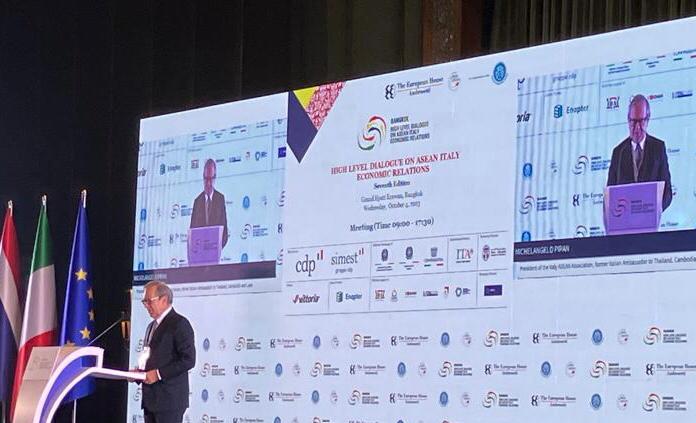
President Michelangelo Pipan's speech at the HLD 2023

Honorable Deputy Minister of Foreign Affairs of Thailand Mr Sihasak Phuangketkeow

Honorable  Deputy Minister of Enterprises and Made in Italy  Mr Valentino Valentini 

Representatives of governments and agencies from all over ASEAN and of the ASEAN secretariat,

Hon. Attilio Fontana, Governor of the Lombardy region,

Excellencies   –   distinguished guest   –    ladies and gentlemen

We have just heard a lot of very important data from the CEO of TEH Ambrosetti, I am going to give also a little human touch.

It is not an easy thing to convey the deep sense of happiness and fulfilment that I am experiencing being here today in Bangkok for the inauguration of the 7th edition of the HIGH LEVEL DIALOGUE ON ASEAN ITALY ECONOMIC RELATIONS.

Let me try and explain:

This time of the year ten years ago in 2013 I was leaving Bangkok upon accomplishing my term of duty as Ambassador of Italy to Thailand. I had very much enjoyed working in this country, in this Krug Thep, the city of angels. Everything had been in place to make the experience rich and pleasant: the kindness of the people, the availably and spirit of cooperation of the authorities, the country’s beauty rich culture and extraordinary food.

But what counted most I had had the opportunity to experiment in person those things that statistics will never tell. Behind the excellent and sustained over the years growth rate, behind the impressive figures of the foreign trade and improving standard of living stood a lasting and deeper reality: the spirit of the people, their vitality, their resolve to improve and progress, the intensity of life one could sense in the air. This was true of Thailand as well as of the other member countries of Asean I had the opportunity to observe while I was posted here. That was the secret recipe of the Asean economic miracle and its perspectives of continued strength, the more so since these countries were bound together by their Association. 

I thus left with a thought firmly planted in my mind that I made into my mission: something needed to be done so that Italy and in particular its economic players  achieve a better perception of what extraordinary opportunities are offered by this part of the world. Although it must be said that our Businesses do pretty well in the Asean countries, that our products enjoy a strong  reputation and hold a reasonable space in the Asean markets, I was convinced  that it was well short of tapping the full potential.

Not long after I met with some very  important Italian personalities that shared this Idea with the same enthusiasm and very quickly the Italy Asean Association saw the light, thanks also to the support of the Italian Ministry of Foreign Affairs and of the main public entities that promote Italian interests abroad.

Much has happened since. In 2015 ASEAN has become a Community also in the economic field, with practically unhindered circulation of goods and capitals. Then came the RCEP agreement opening up an enormous common market in this part of the world. Those achievements consolidated the ASEAN role and made its member countries an even more appealing partner, one that could not be overlooked. In fact the Italian government did not fail to realise that and sought  the status of ASEAN’s Development Partner, which was achieved in 2020. 

The Association’s work to promote ASEAN countries in Italy has continued all along since 2015 with many awareness activities with the support of its members, some of the major Italian Corporations and in cooperation with the Italian official bodies and the Embassies of the ASEAN  members countries in Rome. We soon realised that it was of the utmost importance to bring the Italian CEOs to ASEAN to meet their counterparts, to see with their own eyes the dynamism of  the people, governments and entrepreneurs in these countries. That’s how the cooperation with TEH Ambrosetti was initiated. Quite appropriately the first edition of the HLD was held in 2017 in Jakarta, the seat of the ASEAN Secretariat, on the 50th anniversary of the foundation of ASEAN.

The Dialogue has now reached its 7th edition and -allow me to say at long last!- lands in Bangkok, the very place where ASEAN was born.

Much has happened since the days I left this capital: while ASEAN was firmly advancing on its path, the world order has been gravely challenged: a fearsome pandemic made millions of victims and almost hibernated every activity, war has broken in eastern Europe, globalisation is being menaced by fragmentation, inflation is affecting most of the countries in the world.

What has not changed is the ASEAN countries : their openness to the world, their willingness to progress, the attitude of people – entrepreneurs-governments have all remained unhindered if not reinvigorated. Growth estimates are peaking again after the pandemic.

To the challenges of  these times of  trouble ASEAN responds with a firm belief in international cooperation and presents itself as a champion of multilateralism and multipolarism. ASEAN looks at the rest of the world with trust with the spirit of working together for the common interest. The Italy ASEAN Association  fully agrees: we welcome the attitude of countries that reject the idea of confrontation as unavoidable and work in harmony in the pursuit of the mutual rewards of cooperation.

In these very days Thailand is in the limelight: the omens for a renewed thrust in the economy look favourable; negotiations with the EU have resumed recently, with the goal of deepening bilateral trade and investments relations (hopefully with a view to the conclusion of a FTA);  the government is launching important initiatives that are infusing new energy into the economy. 

All this make up for an ideal framework and bestow a special importance to today’s work’s. This meeting could not have happened at a better time: I am told the our Dialogue is the first important international  Economic Forum taking place since the new government of Thailand came into power: this is extremely auspicious and is for the Association reason of great satisfaction. 

Today you have the chance  to explore the opportunities that lay in our respective economies. Today you can saw the seeds to increase trade and cooperation between our countries. 

I thank you for the attention and wish you  the best of success.
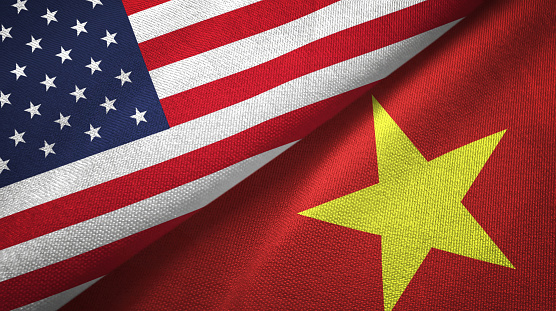
The significance of the US-Vietnam partnership

Scenarios and prospects on Washington-Hanoi relations after President Joe Biden's recent visit

By Tommaso Magrini

US President Joe Biden visited Vietnam on Sunday 10 September. ‘The strengthening of the Us-Vietnam partnership will partly redress the swing in the regional balance in South-East Asia and the South China Sea towards China that has occurred over the past decade’. This was argued in an analysis published in Nikkei Asia by Alexander L. Vuving of the Daniel K.Inouye Asia-Pacific Center for Security Studies in Honolulu and an expert mainly on Vietnamese foreign policy. Besides being a significant addition to the regional architecture, the elevated US-Vietnam partnership will be a critical component of Vietnam’s international ‘safety net’, Vuving argues. The thicker threads of this network include special strategic relationships with Laos and Cambodia ‘comprehensive strategic partnership’ with China, Russia, India and South Korea- and in the process of being defined with Australia and Singapore- and a ‘broad strategic partnership’ with Japan. But although the United States, like China, is regarded by Hanoi as an ‘indispensable nation’ in the Asia-Pacific region, Vuving emphasizes that so far it has been at the third level of Vietnam’s foreign relations as a mere ‘global partner’. According to Vuving, Vietnam must avoid taking sides in the rivalry between great powers, but must adhere to or even create mechanisms that promote its sovereignty, territorial integrity, prosperity and resilience. While maintaining the bilateral and multilateral relations it has cultivated in the past, it should not avoid participating in extemporaneous ‘mini-lateral’ groupings that could contribute to the country’s defence and development. There was also much talk of business and technology during the US President’s visit. Leading US semiconductor and digital product companies, including Intel, GlobalFoundries and Google, participated in a business meeting with the purpose of strengthening Vietnam’s global role in various segments of chip production.

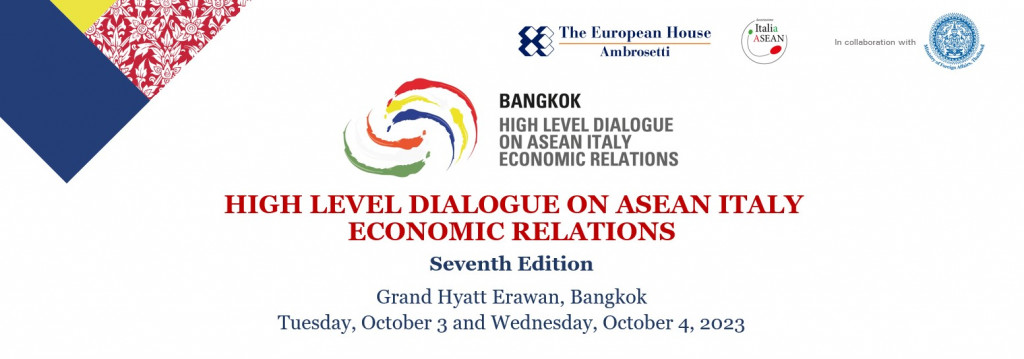
High Level Dialogue on ASEAN Italy Economic Relations 2023

The High-Level Dialogue on ASEAN Italy Economic Relations is the reference event in the ASEAN Region for strengthening economic and strategic ties between the Association of South East Asian Nations' countries and Italy.

The past editions – Jakarta (2017), Singapore (2018), Hanoi (2019), the 2020-2021 digital editions, Kuala Lumpur (2022) – gathered more than 2,500 Chairmen and CEOs of companies, Ministers and Institutional leaders from ASEAN Countries and Italy.

The president of the Italy-Asean Association, Ambassador Michelangelo Pipan, will also be present.

In 2023, the High-Level Dialogue on ASEAN Italy Economic Relations will take place in Bangkok, Thailand, with a two-day event: on October 3, there will be B2B meeting sessions organised by the Italian Trade Agency and Cassa Depositi e Prestiti will run side meetings with Sovereign Funds & Venture Capitalists of the ASEAN Region, while on October 4, there will be a number of plenary sessions addressing the following cutting-edge topics:

  • The value of cooperation between Italy and ASEAN countries
  • The ASEAN-Italy economic relations towards sustainable development 
  • Addressing climate and global supply chain challenges through partnership in strategic sectors of the future
  • Building resilience and inclusive growth in ASEAN through digitalization, innovation and creativity
  • ASEAN-Italy trade and investment opportunities
  • The future of ASEAN-Italy cooperation: an agenda for action

Participation at the High Level Dialogue is invitation only and is exclusively reserved to Chairmen and CEOs of companies and Institution Leaders.

ASEAN's Blue Economy

At the recent summit of the bloc of Southeast Asian countries, the development framework promoted by the group was relaunched. Here is an excerpt from the policy document

ASEAN defines the Blue Economy as an integrated, holistic, cross-sectoral and cross-sectoral approach that creates a value-added and value-chain of resources from the oceans, oceans, seas and freshwater in an inclusive and sustainable manner, making the blue economy the new engine of future economic growth for ASEAN. The ASEAN blue economy covers upstream and downstream sectors, acting as an accelerator for the conventional marine sector such as fisheries, aquaculture, fish-only processing and tourism, and as a catalyst for emerging sectors such as renewable energy, biotechnology, marine and freshwater research and education, and other emerging sectors. The Framework also promotes ASEAN's ambition to develop an inclusive, equitable and sustainable blue economy, making the region a significant contributor to economic growth and prosperity. It is an ambitious vision, building on the strengths of existing ASEAN initiatives, identifying priority areas for action, principles to guide decisions and tools to accelerate the realisation of a blue economy in the region. The ASEAN Blue Economy Vision emphasises value creation through the advancement of sustainable practices that promote sustainable and inclusive economic and social development related to marine and freshwater activities and livelihoods, contributing to ASEAN's economic integration efforts, economic growth and sustainable development. By harnessing the potential of the blue economy, ASEAN envisions a new growth engine that is socially, economically and environmentally sustainable. The framework can be an important driver of economic growth, social inclusion and environmental sustainability in the region. Benefits include: increasing sustainable economic growth; maximising the use of marine resources for aquaculture, fisheries, renewable energy production, transport and tourism; sustainability in the pursuit of economic objectives; mitigation of climate change and its impacts; and facilitation of cross-sectoral collaboration.

Read the full document here.

Vietnam new rare earth mining hub

Not just the big international tech and electronics giants, now Hanoi is also aiming to expand its role in another ring of tech production: rare earth mining

By Tommaso Magrini

Manufacturing, assembling, producing products with increasing technological value. Vietnam is not content and aims to expand its role on a stage that lies at the root of energy transition and technological development: rare earth mining. In fact, Hanoi is ready to launch upcoming tenders for companies interested in investing in the Dong Pao mine. The site is located in northern Vietnam and is one of the largest rare earth deposits in the world. The timing of the auction could vary, but the government expects to restart the mine next year, Luu Anh Tuan, chairman of Vietnam Rare Earth JSC, the country's main refiner and Blackstone's partner in the project, told Reuters.

The move perhaps not coincidentally follows a recent visit to Hanoi by U.S. President Joe Biden, who also spoke of agreements on rare earths with his Vietnamese counterpart. Dong Pao's reboot proposal-whose timing, extent and degree of foreign financial support have not been previously disclosed-comes as many countries are concerned about their vulnerability to supply disruptions due to China's stranglehold on strategic minerals and its disputes with the United States and its allies. This year Beijing imposed limits on the export of minor metals used in semiconductors, which an influential Chinese policy adviser warned was "just a start." Especially should Washington expand the restrictions, as it is always destined to do come Oct. 7. 

According to the U.S. Geological Survey, Vietnam has the second largest deposits of rare earths. However, these deposits have remained largely untapped and investment has been discouraged by low prices, set de facto by China because of its near monopoly on the global market. In interviews with Reuters, 12 industry executives, investors, analysts and foreign officials described plans for Vietnam, including investments that they said demonstrate how talk of derisking supply chains to reduce dependence on China is translating into action. Some acknowledged the difficulties of creating a hub for rare earths, but said the strategy could make Vietnam a viable player and provide an important valve for investment and imports, even if the Chinese role remains dominant. 

A greater role on the rare earth mining front would also be of great interest to electric car manufacturers, including domestic champion VinFast, which is also aiming for a Wall Street listing in the next few months and is also entering the European market. The actual exploitation of Dong Pao-which has been idle for at least seven years, according to an official at state-owned miner Lavreco, which owns a concession-would propel Vietnam into the top rare earth producers. But rare earth refining is complex, and China controls many processing technologies. 

In any case, this is yet another confirmation of Vietnam's centrality in global technology production strategies. 

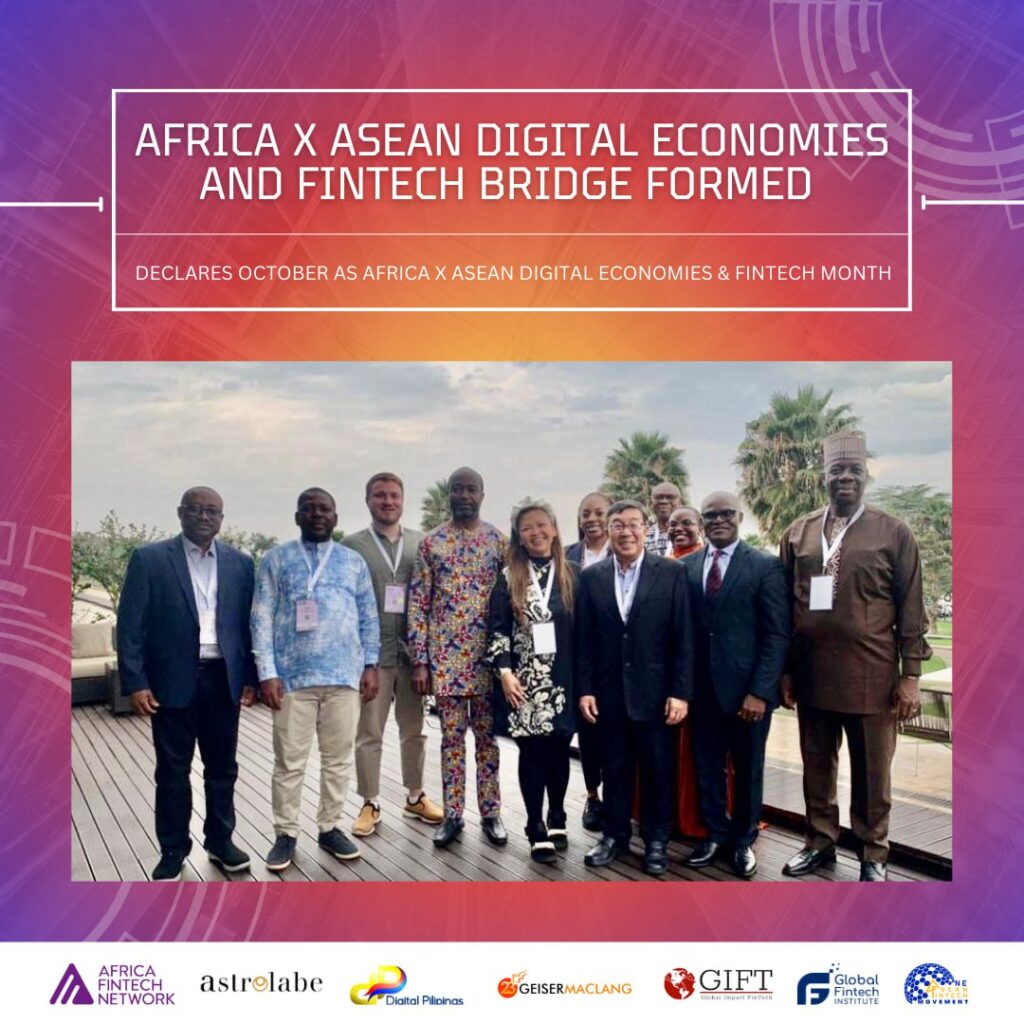
ASEAN and Africa: digital partnership

Africa and ASEAN have almost the same parallel path in the development of the digital economy and the interest shown by the two blocs to walk it side by side increases

By Tommaso Magrini

Africa and ASEAN have signed a partnership agreement to promote digital economies, identifying fintech, decentralised assets and fundraising as a point of convergence. The signing took place at the Fintech Forum in Kigali, Rwanda, in the presence of regulators, heads of associations and leading fintech and technology companies from the two regions. This important agreement marks the beginning of collaboration between the two regions in the areas of advocacy, fundraising, payments, lending, decentralised assets, start-up development, regulatory exchange and training. Both Africa and ASEAN are expected to grow exponentially in the digital economies space, with global projections for ASEAN growing by 6% per year, reaching $1 trillion by 2030. Africa, on the other hand, is projected to grow by $712 billion by 2050. Professor David Lee, co-founder and chairman of the Global Fintech Institute, said: 'With the launch of the Chartered Fintech Professional (CFtP) qualification programme in collaboration with our partners, Digital Pilipinas and Africa Fintech Network, the GFI is committed to leveraging this partnership to empower and nurture future generations of fintech talent in ASEAN and Africa with a global mindset, a rigorous knowledge framework to constantly keep abreast of industry developments and trends, and strong ethical standards. This is just a start, we will launch even more digital literacy programmes." Africa and ASEAN have almost the same parallel path in the development of the digital economy and the interest shown by the two blocs to walk it side by side with African Fintech Leaders ensures that engaging and investing in the combined population of 2 billion people as a fintech market will be a primary agenda of many companies, countries and organisations.

A center of shared aspirations

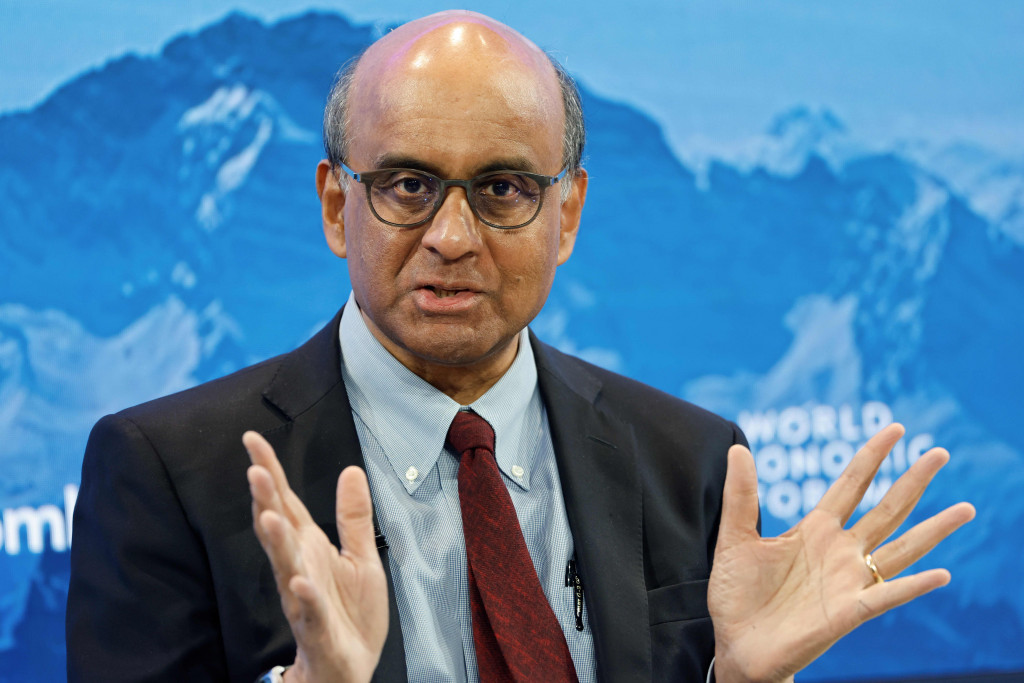
We publish here an excerpt from the inauguration speech of Tharman Shanmugaratnam, Singapore's new president

I have dedicated my life to serving Singapore, our home. Nothing could be more meaningful to me. My greatest privilege has been to work actively on the ground, week after week, for more than two decades. Listening to people's hopes and concerns, helping them overcome life's difficulties and sharing their joys. (...) An equitable and inclusive society goes far beyond government policies. It is about all of us. It is about the respect and friendship we bring to one another. Regardless of our background and educational achievement. Regardless of race, religion or any other differences. And it's about knowing that if one group of our people loses hope, all of us will have less hope as Singaporeans. Now more than ever we need to deepen our solidarity as Singaporeans so that we can lift each other up. (...) The challenges facing our country will increase. We are in a time of transition, both in Singapore and internationally. We are entering a new, more difficult and more complex era. The world is increasingly divided and unstable. Global crises-economic, geopolitical and environmental-are erupting more often. They will test all countries, especially smaller ones like Singapore. At home, in Singapore, we are becoming a democracy with more diverse opinions. I see this as inevitable and healthy, and I have said it many times. But our real challenge as Singaporeans is to ensure that this diversity of opinion does not lead us to a more divided society, like many others. We need to be a democracy with more room for diverse opinions and a thriving civil society. But to be confident in our future, we must also be a society with a strong center of shared aspirations and respect for all citizens.(...) We can and must strengthen a culture of respect for all Singaporeans in the years ahead. We must never become just another small country. I have been flying Singapore's flag internationally for many years and will actively work to strengthen existing partnerships and build new ones. (...) In my many years in government as a minister, I have remained true to my ideals of social justice and inclusion and have worked continuously, year after year, to build consensus on practical and sustainable ways to improve the lives of ordinary workers and citizens. Although the president is distinct from the government and does not engage in politics, I will never give up this purpose in my life and mental independence in the performance of my duties. We will go through ups and downs. But we are still one place where we can work together to make the future better for all.

Artificial intelligence is advancing in Southeast Asia

ASEAN countries, with their young and tech-savvy populations, are accelerating the development of new applications of AI.

By Anna Affranio

The push to invest in artificial intelligence is growing in Southeast Asia, and the COVID-19 pandemic has increased the trend for public and private organizations to adopt such solutions. But what is Artificial Intelligence?

We refer to Artificial Intelligence (AI) as the ability to instruct machines to perform skills similar to human reasoning. These functions are used widely for industrial and commercial purposes (e.g., optimizing logistics, inventories or sales), but also for policy purposes.

AI is already widespread in Asia, where China is the second largest country in the world, immediately behind the United States, in terms of its use of these technologies. Here, major companies such as Alibaba, Baidu and Tencent are constantly looking for new and creative ways to integrate AI into their services. But Southeast Asian countries are no different: according to consulting firm Kearney, artificial intelligence could contribute $1 trillion to the ASEAN economy by 2030. 

The uses of these technologies are many, ranging from entertainment to surveillance. For example, Malaysia's Fly FM radio station unveiled Aina Sabrina, the country's first radio DJ equipped with artificial intelligence. In Thailand, on the other hand, the city of Bangkok has launched a network of CCTV cameras powered by artificial intelligence to prevent motorcyclists from jaywalking and ensure compliance with traffic laws.

The adoption of AI in a wide variety of fields and its extraordinary development, however, due to the implications they entail, is not without risks. Indeed, there is concern about the exceedingly dangerous potential that this technology could have in the wrong hands if not properly regulated. For example, protesters in protests in Myanmar fear being tracked with facial recognition technology, thus exacerbating repression because of the increased ease of identifying and prosecuting opponents to the military dictatorship. Indeed, some human rights activist groups say the use of artificial intelligence to monitor citizens' movements poses a "serious threat" to their freedom. Moreover, politicians and civil society have expressed particular concern about the dangerous potential of this technology in a process of "industrialization" of disinformation. 

Thus, it seems clear that plans need to be formulated to manage this disruptive phenomenon. Singapore, Indonesia and Malaysia were the first countries to launch a national strategy for artificial intelligence, while the other countries are expected to follow suit. At the regional level, however, much of the work is yet to be done. A spokesman for Singapore's Ministry of Communications and Information said the country will work with other ASEAN states "to develop an 'ASEAN Guide on AI Governance and Ethics' that will serve as a practical and actionable step to support the reliable deployment of responsible and innovative AI technologies in ASEAN." This will also need to include training new talent to be prepared for the implementation of this technology, but given the average age of the Southeast Asian population, which is young and already digitally savvy, the potential pool to draw from is very high.

Recently active members
Foto del profilo di Alessio
Foto del profilo di Monika
Foto del profilo di Gabriel
Foto del profilo di Elena
Foto del profilo di Lorenzo
Foto del profilo di Alessandro
Foto del profilo di Cristina
Foto del profilo di Rocco
Foto del profilo di Clara Lomonaco
Foto del profilo di Redazione
Foto del profilo di Davide Gugliuzza
Foto del profilo di Anna Affranio
Foto del profilo di Ilaria Canali
Foto del profilo di Nicolò
Foto del profilo di Angelo Cangero
Who is online
There are no users currently online
Members
  • Foto del profilo di Alessio
    Active 3 ore, 22 minuti fa
  • Foto del profilo di Monika
    Active 3 giorni, 16 ore fa
  • Foto del profilo di Gabriel
    Active 3 settimane, 4 giorni fa
  • Foto del profilo di Elena
    Active 1 anno, 4 mesi fa
  • Foto del profilo di Lorenzo
    Active 2 years, 6 mesi fa