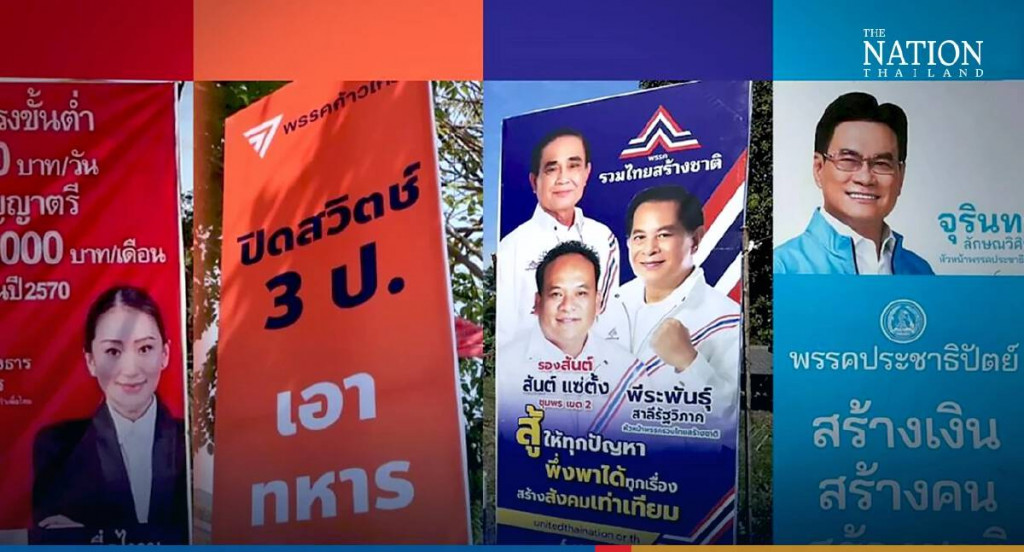
Thailand on the ballot: here's what's at stake

Everything is set for Thailand's May 14 elections. Paetongtarn Shinawatra's Pheu Thai dominates in the polls but is unlikely to rule alone, while pro-military parties know they can count on the 250 votes of the unelected senate. Move Forward and Bhumjaithai the most interesting variables, but they will not be "free and fair" elections

Article by Francesco Mattogno

For two decades, elections in Thailand have been held according to an almost identical script. It is expected that the ones set for May 14 will not deviate from it too much either. It will again be a struggle between the Shinawatra family party and parties associated with the conservative, military-linked, pro-monarchist establishment. The Pheu Thai (PTP) - the third name of the Shinawatras' populist party, which has been dissolved twice in the past - won every election from 2001 to 2019, but ruled on and off only as long as the military allowed it to.

Despite two coups (2006 and 2014) and a new constitution written by the military (2017), Pheu Thai remains the country's leading electoral force. The generality of polls ahead of the May 14 elections give it between 46 percent and 49 percent, with its main premier candidate, Paetongtarn Shinawatra, still leading the polls by at least twenty points ahead of the other parties' incumbents. But to win will not be enough.

In Thailand, only the 500 seats in the lower house of parliament are elective, while the 250 seats in the senate (which participates in voting for the prime minister) are military-appointed. A condition provided for ad hoc in the 2017 constitution that allowed coup general Prayut Chan-o-cha to retain the prime minister's post in 2019 and hope for reelection today, despite the fact that his party, the United Thai Nation (UTN), is third and far behind in the polls (10-15%). Further behind, but for the same reason still struggling, is the other general behind the 2014 coup, Prawit Wongsuwon. He was the premier candidate of the main military as well as ruling party, the Palang Pracharat (PPRP), at 2 percent.

FORCED COALITION

Fifty-two million Thais will be called to vote. Pheu Thai's stated goal is to win about 300 seats, a threshold that would demonstrate an indisputable popular mandate and thus make it theoretically difficult for the Senate to thwart the formation of a Shinawatra-led government. According to analysis by the Thai website The Nation, this is not an impossible goal, but certainly a complicated one. And it is already clear that in order to build a stable executive - achieving a majority of at least 376 seats - the party will have to form a coalition.

Behind Pheu Thai, in second place in the polls is a progressive party, the Move Forward (MFP). Born from the ashes of Future Forward, which came third in 2019 and disbanded in 2020, Move Forward gathers among its candidates and voters many of the young people who participated in the democratic and anti-monarchy protests of 2020-21. It is a strong party among the under-25s and in urban centers. Forecasts put it at around 15-20 percent and potentially growing, but it should be considered that the polls mainly take into account Bangkok and major provincial cities, making the sample unrepresentative of rural areas of the country. However, Bangkok is the city that awards the most seats (33), followed by those in the northeast, a Pheu Thai stronghold region.

That Pheu Thai and Move Forward may form a post-election alliance (along with other smaller progressive parties) is evident. Move Forward leader Pita Limjaroenrat has ruled out coalitions only with those associated with the coup, namely PPRP and UTN. On alliance with the military, however, the Pheu Thai leadership has long maintained ambiguity. Only recently did Paetongtarn state that she did not "like the last two coups," i.e., the coups by which the military deposed and forced into exile first her father Thaksin and then her aunt Yingluck. More direct is the party's other premier candidate, real estate tycoon Shretta Thavisin, who said he did not want to join those who "looted the sovereign power of the people."

Complicating a relationship that would seem a foregone conclusion are Move Forward's radical stances toward the law on lese majesty. In the past, Limjaroenrat has explicitly called for the amendment of the infamous Article 112 of the Penal Code, which provides a penalty of 3 years to 15 years in prison for anyone who "insults or defames" the royal family. Thailand's monarchy is one of the most powerful in the world, and challenging it poses a risk to the political survival of parties that try. In the election campaign no one, including Pheu Thai, ever mentioned the law on lese majesty, and even Move Forward itself has toned it down.

THE CONSERVATIVE "CENTER" OF THE DEMOCRATS AND THE BJT

To be accused of high treason is easy; even more so is to respect the status quo. Thailand's Democratic Party (DP) has always been a master at this, although in recent years it has begun to pay for its own unscrupulous political transformism. In 2007 the country's oldest party reached 38 percent of the vote: today it is given around 4 percent. Democrats have often "declared things pleasing to the masses before elections" but have no clear political agenda, writes the Diplomat. The latest vote-catching move is the proposed legalization of sex toys (today owning one in Thailand can result in up to 3 years in prison), but there is a fair chance that this could drive away even the last remnants of the conservative electorate left to the Democratic leader and current Minister of Commerce, Jurin Laksanawisit.

Also part of the current PPRP-led government is Health Minister Anutin Charnveerakul's Bhumjaithai (BJT), the man behind the chaotic legalization of cannabis. He is a figure to be reckoned with because of his ability to put the BJT at the center between conservatives and progressives. If Pheu Thai dominates in the agricultural northeast, Move Forward is strong in urban centers, and Prayut's UTN in the south of the country, BJT seems able to pick up votes just about everywhere. It is given around 5 percent, but there are estimates that believe it is more competitive.

BETWEEN POLITICAL REFORMS AND ECONOMIC POPULISM

Charnveerakul's is seen as a balancing profile, one that would be capable of serving as prime minister either in a conservative government together with the military or in a progressive government. The BJT leader has also stated that he would support the formation of an assembly to rewrite Thailand's constitution, i.e., one of Move Forward's key policy proposals. Indeed, the Progressive Party and Pheu Thai have included a number of constitutional and army reforms in their election program, including the abolition of compulsory conscription.

These are measures that would challenge the current conservative legacy order of the coup and help make it difficult to think that the Senate would support an eventual Pheu Thai premier, particularly a Shinawatra. Because of this, and the fact that Paetongtarn will give birth to her second child right around the time of the elections, the possibility of a compromise prime minister (or that Pheu Thai will aim for Thavisin) should not be discarded.

If on the political level one can still notice markedly two poles, the conservative and the progressive, anti-military poles, things change when it comes to the economy. "Populism has won," argues analyst Titinan Pongsudhirak. Beyond minor differences in form, each party has as the mainstay of its economic program the presence of one or more subsidies and welfare measures. Unbridled welfarism was inaugurated by the Shinawatras, who made it the primary source of their popularity for two decades, particularly among farmers. An approach not appreciated by all, especially in Bankgok, but one that has the merit of clearing the air on the issue of huge income inequality in Thai society and actually strengthening the welfare system, an issue on which the Prayut government also built some of its support. Today the same pro-military parties that portrayed the Shinawatras as irresponsible are among the most generous in promising economic aid, but the really ambitious proposals always come from Pheu Thai, which pledges to double the minimum wage for workers and to give everyone over the age of 16 10,000 baht (about 270 euros). Ideas that have drawn criticism for their potential burden on government spending. Little is read instead about how to structurally reform Thailand's economy, which has not grown as much as those of the region's major states for a decade. One common desire is to make the country a manufacturing hub for new technology industries, such as electric cars, reinforcing a process that has already been underway for some years.

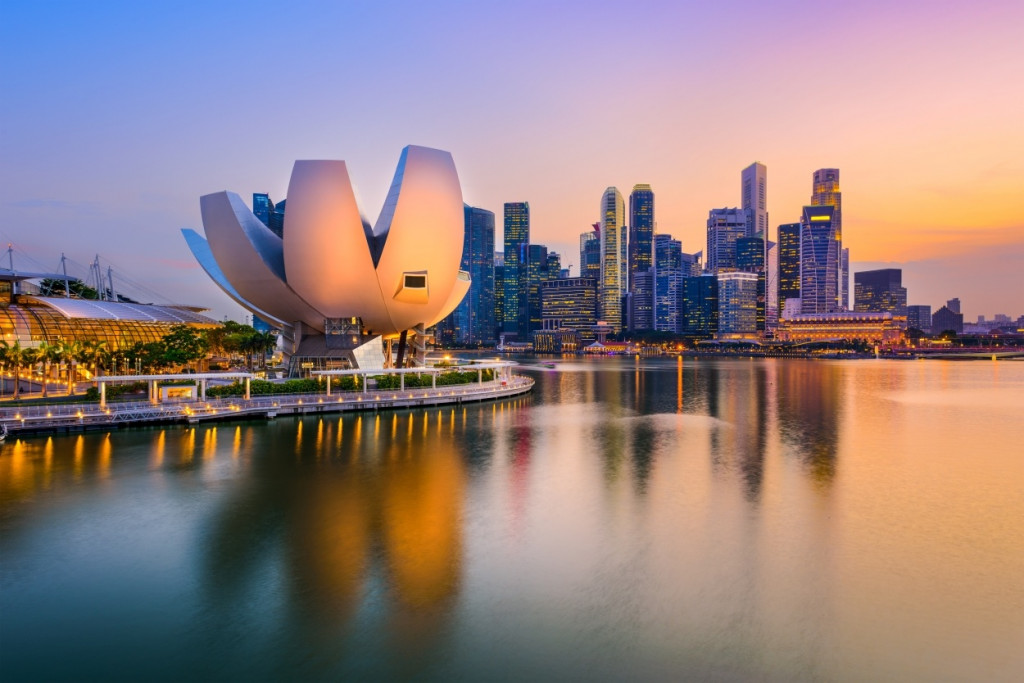
The fintech race in Singapore

More and more regional and international players look to the city-state to launch digital banks

Singapore gears up on digital banking. Deregulation in the city-state is encouraging large regional tech companies such as Grab (the ubiquitous superapp in Southeast Asia) to enter the market, hoping to attract younger customers and small businesses. Although this is expected to boost banking competition, virtual retail banks have yet to bring their operations fully online due to persistent regulatory restrictions. Meanwhile, incumbents such as Standard Chartered are digitizing their services at an accelerating pace. GXS, a digital bank majority owned by Grab, has expanded services since its opening in September. "We are a bank created by digital natives for digital natives," CEO Charles Wong told Nikkei Asia. GXS targets so-called gig economy workers, such as those who deliver meals or give rides to commuters via the Grab app. The bank also seeks to attract those just starting their careers. There are no minimum balance or account maintenance fees. Meanwhile, Standard Chartered, one of the UK's largest banks, has begun operating a digital bank called Trust Bank, which in four months has attracted more than 400,000 users. Trust Bank was co-founded with FairPrice Group, operator of Singapore's largest supermarket chain. Meanwhile, Ant Group, the fintech affiliate of Chinese tech giant Alibaba Group Holding, has obtained a digital wholesale license, allowing it to conduct transactions for businesses. Ant's Anext Bank, a digital-only bank, allows Singapore-registered companies to open a business account online in an instant, even from abroad, a first for the city-state. The trend looks set to continue. In a survey conducted by Visa, 88 percent of SMEs in Singapore said they plan to conduct at least some of their transactions digitally.

Italian military ship Morosini in Singapore

The state-of-the-art military ship Morosini is currently in Singapore. A move that increases Italy's presence in Southeast Asia, an area that is increasingly strategic economically and diplomatically

Article by Tommaso Magrini

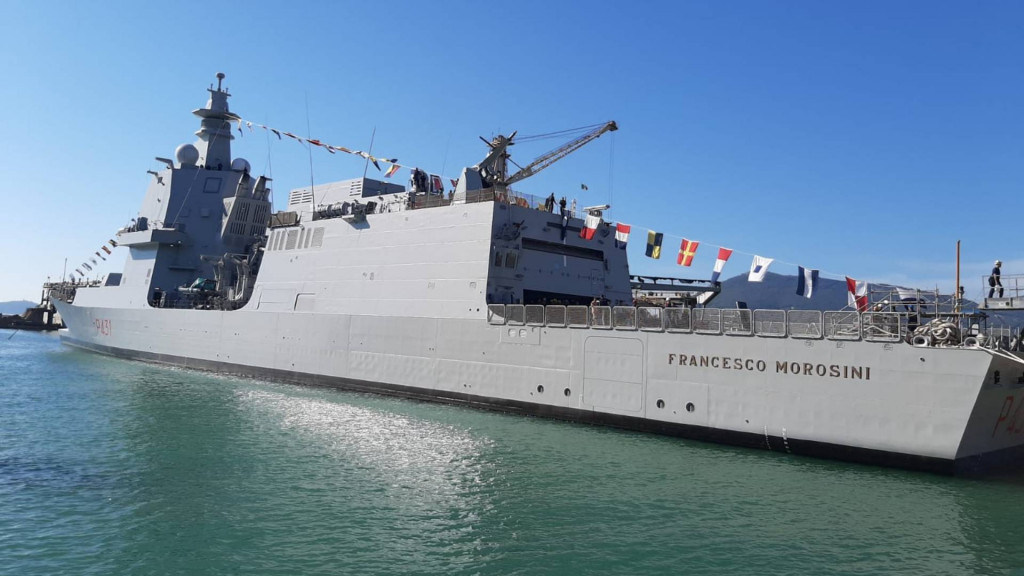
Italy is projecting itself into Southeast Asia and the Asia-Pacific. Not only commercially and diplomatically, but also with the state-of-the-art ship Francesco Morosini. The ship arrived in Singapore on Monday, May 1, and remained there until Saturday, May 6. Stopped at Changi Naval Base, she participated in the International Maritime Defense Exhibition-Asia (IMDEX), a prestigious international showcase where global excellence in the defense sector, particularly naval defense, converges.

The Morosini, 143 meters long, 17.5 meters wide, 6400 tons in tonnage, is the second Unit of the Thaon di Ravel Class and the last among the ships delivered to the Navy. It represents the spearhead of the national naval shipbuilding industry, which is known to be at the top of the world. The unit, delivered on Oct. 22, 2022, to the Italian Navy at Fincantieri's Muggiano shipyard, moreover, represents the cutting edge of Italian technology in the naval and electronics sector. 

His presence was also an opportunity to participate in the opening event of the Italian Festival Singapore was the stage to promote Italian excellence in other fields, including culture and scientific research. From May 2 to 5, a jazz concert, tours of local schools and lectures in collaboration with Singaporean universities will give participants a chance to touch on cutting-edge technologies and innovative systems. The Patroller also hosted several promotional and open-to-the-public events, including several shipboard tours.

This is an important step for the Italian presence in Singapore and Southeast Asia in general. On Tuesday, May 2, the Ambassador of Italy in Singapore and the ship's Commander held a press conference on board in which the ship's special features and its commitment to the Indo-Pacific Campaign, in promotion of Italian excellence in the world, were explained. Ambassador Mario Vattani explained the significance of the presence of the ship Morosini in this quadrant, its importance in Italy's relations with Singapore and countries in the area, and presented the events organized by the Embassy on the sidelines of this event.

"The geopolitical and economic relevance of the Indo-Pacific," said Ambassador Vattani, "leads Italy today with foresight to increase its presence in the area. For some time now, Italy-which has been an ASEAN development partner since 2020-has been implementing activities in various coinciding with the seven pillars of the EU Strategy for Cooperation in the Indo-Pacific." Indeed, Italy is engaged in the implementation of the Development Partnership with ASEAN. Within this framework, various capacity building activities have been carried out for ASEAN countries in multiple areas: protection of civilians in UN peacekeeping missions, fight against terrorism and transnational organized crime, cybercrime, protection of cultural heritage, sustainable coastal management, anti-piracy and law of the sea. New initiatives are planned in the areas of environmental protection, agricultural mechanization, training of magistrates, and combating transnational organized crime. "We Italians regarding this region of the world have an inclusive vision," Vattani explained, "which aims to collaborate with all actors in the area and Regional Organizations. Today we are doing this in Singapore by bringing our technological excellence with the Nave Morosini, the Navy's youngest unit that represents an instrument of exceptional operational flexibility, capable of carrying out a multiplicity of tasks both military and civil protection".

South-East, a model for managing tensions

The region has rapid growth and expanding economy suggest that the region can become a model for managing competition between major powers

"South-East Asia is far from a monolith: its countries have different foreign policies and objectives, some of them at odds with each other. But the region's rapid growth and expanding economy suggest that its countries will become more powerful over time and, with them, probably more able to avoid external interference. South-East Asia may have been defined in the past by conflict between great powers, but today it may become a model for managing competition between great powers'. Thus judges an analysis by Huong Le Thu, published in the latest issue of Foreign Affairs. South-East Asia has worked hard to maintain and expand diplomatic and security stability. In addition to the ASEAN-led multilateral security architecture, the region has established many plurilateral and bilateral agreements with third states. These are ad hoc groups, such as the joint patrolling of the Mekong River by China, Laos, Myanmar and Thailand. According to Foreign Affairs, as geopolitical tensions rise, the already large number of these partnerships is set to increase. These complex and often overlapping agreements are central to Southeast Asia's efforts to engage with all, but without making exclusive commitments to any. Southeast Asian states are also becoming more active in groups that include participants from outside their neighbourhood. Last year, for example, Cambodia hosted the high-profile East Asia Summit, Thailand held the Asia-Pacific Economic Cooperation forum, and Indonesia chaired the G20. Individually, Huong points out, some South East Asian governments have learnt that competition between the US and China has advantages. The clash between Beijing and Washington may scare politicians in the region, but it has led both governments to try to win the hearts and minds of non-aligned countries. This has helped South East Asian countries, home to young populations and cheap labour, reap all kinds of economic benefits. Vietnam, says Foreign Affairs, has benefited enormously from the US breakaway from China, as American companies have moved production to Vietnamese factories. Indonesia has also received an investment boost from US companies, including Amazon, Microsoft and Tesla. The region is also becoming increasingly critical for global supply chains. And it may point the way forward for continued prosperity.

ASEAN prepares its future

The post-2025 vision of the Community of Southeast Asian Nations will be extended to 2035 to 2045

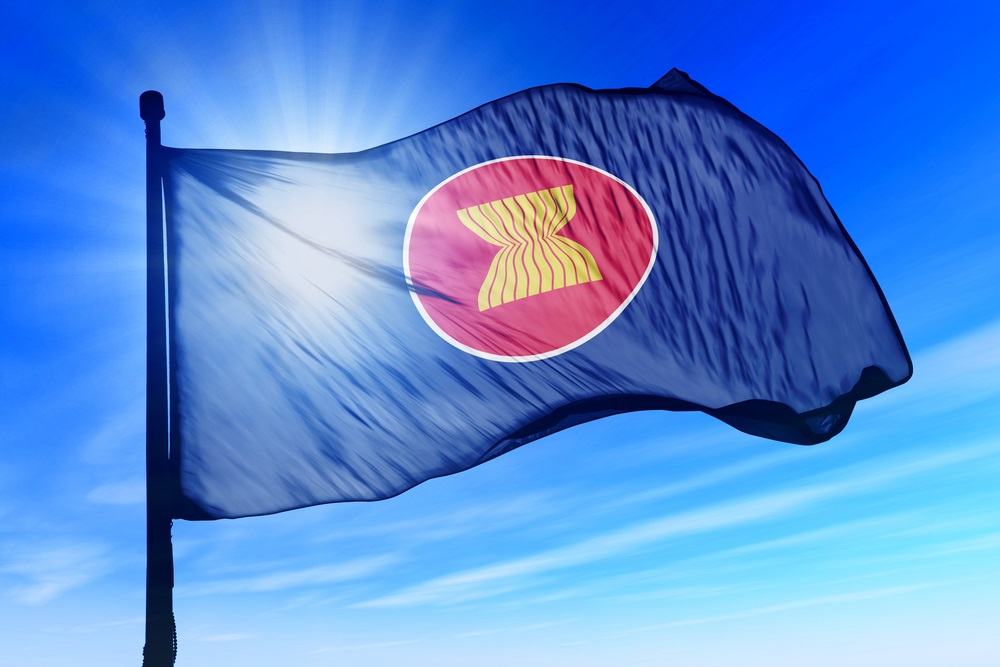
The ability to develop long-term strategies has always been crucial and has become even more. In Asia, it is something that is traditionally more emphasized. Further proof comes from ASEAN's decision to extend its post-2025 vision by an additional ten years, taking it from 2035 to 2045. The decision was announced recently by Secretary-General Kao Kim Hourn during the seventh meeting of the High-Level Task Force on the ASEAN Community's Post-2025 Vision. Between now and 2025, the task force will have to provide an answer to the Southeast Asian region's most important challenge: how to come up with a sustainable vision in the medium to long term, to continue to sustain economic growth and accompany the foreseeable increased trade and geopolitical role of the region, given that in the coming decades, ASEAN could conceivably become the world's fourth largest economic power after China, the United States and Japan/India. In recent months, the task force has held so-called 'interface consultations' with ASEAN-related agencies, including the ASEAN Intergovernmental Commission on Human Rights, the ASEAN Centre for Biodiversity and the ASEAN Business Advisory Council (Abac). In 20 years, ASEAN could have the world's third largest population after China and India. And presumably it will also be larger in numbers. The Bangkok Post predicts that new members will join the Association in the coming years, including East Timor and, in the years to come, Papua New Guinea, which has been the group's longest-serving observer since 1986. There may also be other new members from the Indo-Pacific region. At that point, the Thai newspaper points out, ASEAN would need a several-fold increase in its budget at the Jakarta-based secretariat. The main challenge will still be to adapt to a world with polarizing trends, strengthening the bloc's centrality in order to increasingly become a major global player and preventing South-East Asia from being drawn into confrontational and oppositional logics. ASEAN has all the credentials to succeed in this.

ASEAN chipmakers benefit from the technology clash between the US and China

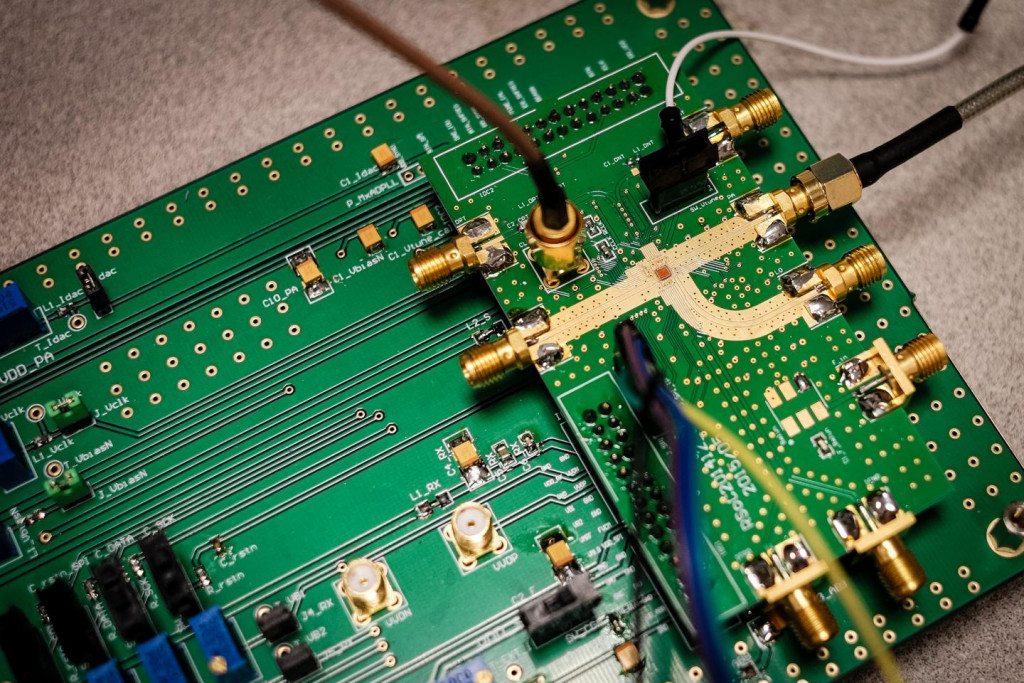
The technology clash between the US and China is intensifying. Third countries and companies are trying to rely less on Chinese semiconductor suppliers to avoid sudden breaks in supply chains. ASEAN countries can take advantage of the situation.

In Singapore, the French company Soitec will invest EUR 400 million to double its wafer production plant. The American Applied Materials will spend a little more, 405 million, to build a new plant. Another American company, Global Foundries, is already building a 3.6 billion plant, again in the Lion City. The shopping list of European, American and Asian companies investing in the island and some other ASEAN countries is long and impressive. And it is destined to increase if the tension between the US and China does not abate.

The clash between the two great Pacific powers is reshaping technology supply chains. Washington is trying to slow the growth of China's semiconductor sector by blocking the export of high-tech products and encouraging companies to buy chips elsewhere. US policies also affect companies in third countries. The Dutch company ASML, the world's leading manufacturer of lithographic machines (one of the many parts of the supply chain), will be subjected to much stricter export control rules after The Hague chose to follow the American line. Although the Dutch government measure does not name names, the implicit target of the measure is China.

However, there is no need to resort to legal constraints to redirect companies' strategies. The increasingly heated tones between Washington and Beijing, and the growing tensions around Taiwan, are pushing companies to shift their orders from China to other Asian countries. The economic and technological decoupling hoped for by the US is already happening to a small extent. Yet, it remains difficult to achieve given that the world's two largest economies play very different roles in global trade (and financial) flows. Each of the two contenders does not seem to be able to give up on the other and the same goes for third countries, from ASEAN to the EU, without facing harsh economic consequences. And indeed, ASEAN countries try to maintain a cordial and pragmatic equidistance between the US and China.

Working with both powers, without renouncing ties with either. This strategy, followed by most countries in the region, has diplomatic and economic reasons. On the diplomatic level, ASEAN governments would prefer a less assertive Beijing in the South China Sea (in fact, they are also increasing their defence spending), but not isolated, as they would like in Washington: maintaining good relations with China seems to be the best way to guarantee the region's security, according to the ASEAN chancelleries. Economically, both dollars and yuan are needed to finance the region's development. US and Chinese consumers and companies are interested in ASEAN-made electronic products, especially if buying goods produced by the rival becomes more difficult. Investments in facilities and infrastructure also matter: Beijing and Washington are also competing in this field, respectively with the Belt and Road Initiative and the Build Back Better World plan.

The prospects look bright for semiconductor manufacturers in the ASEAN countries (Singapore, Vietnam and Malaysia, but also Indonesia and Thailand). The clash for technological dominance in the XXI century between the eagle and the dragon assigns to the new 'ASEAN tigers' the role of the world's alternative factory, capable, however, of exchanging products and cooperating with both sides. That is, unless the two powers demand from the governments of third countries to take sides or renounce cooperation with their rival. An impossible choice for the ASEAN countries, but perhaps also for the parties to the technology dispute themselves. In this scenario, the strengthening of ASEAN's regional integration, politically and economically, could defend the diplomatic autonomy of its members and foster the development of chip value chains.

US courts Vietnam, but Hanoi remains neutral

Antony Blinken's visit confirms Washington's intention to elevate bilateral relations. Hanoi is willing, but does not want to get involved in confrontational logic

By Tommaso Magrini

The United States is hyperactive on Vietnam. This was evidenced by Secretary of State Antony Blinken's trip to Hanoi a few days ago, but also, and more importantly, by his intention to elevate bilateral relations. Vietnamese Prime Minister Pham Minh Chinh and Blinken have expressed a desire to deepen their ties. In his first visit to the Southeast Asian country as a senior U.S. diplomat, Blinken met with senior officials, including Vietnamese Secretary General Nguyen Phu Trong and Prime Minister Pham Minh Chinh. The main topic was the possibility of strengthening bilateral relations in all areas. 

"For President Biden and for Washington, this is one of the most dynamic and most important relationships we've ever had," Blinken said during the press conference that concluded his meetings in Hanoi. "It has had a remarkable trajectory over the last two decades. Our belief is that it can and will grow even more." 

Prior to the meeting with Blinken, Chinh said both sides are trying to elevate ties "to a new height," following last month's phone call between President Joe Biden and Vietnam's ruling Communist Party chief Nguyen Phu Trong, a conversation that Chinh said was "very successful."

According to analysts, the diplomatic anniversary and the Biden-Trong phone call could lead to a meeting between the two in July or other high-level meetings. 

Blinken told reporters that security is one of the key components of relations between the two countries. Washington and U.S. defense companies have openly stated that they want to strengthen their military supplies to Vietnam-until now largely limited to coast guard ships and training aircraft-as the country seeks to diversify from Russia, which is currently its main supplier.

Since the late 1990s, military modernization efforts have seen Hanoi import 36 more multi-role aircraft, six submarines, a number of coastal defense missile systems and four frigates from Russia. But delivery of the latest frigate was delayed following Moscow's annexation of Crimea in 2014 because the engines were built in Ukraine, prompting Hanoi to rethink, and eventually cancel, its planned purchase of two more Russian warships.

"The Vietnamese military has realized that we can no longer access Russia's huge industrial capacity," Nguyen The Phuong, professor of international relations at Ho Chi Minh City University of Economics and Finance, told the South China Morning Post. "We have been reusing many Soviet-origin weapons for so long.... It is necessary to change, we have to find new ways to modernize."

Vietnamese policy does not allow foreign bases, foreign troops or alliances against other countries. Hanoi has also been deterred by the relatively high price of U.S. arms and the fear that supplies could be blocked by U.S. deputies over human rights concerns. Although direct agreements with the United States are unlikely in the short term, any official improvement in relations will facilitate trade with Western allies, including the purchase of secondhand U.S. weapons from South Korea.

Beware also of the significance of elevating relations, which would certainly be relevant but would not mean that Vietnam is ready to be "enlisted" in confrontational logics.


Progress on human rights in Malaysia

Abolished the mandatory death penalty for a range of crimes in the Southeast Asian country. An important and significant decision

Article by Aniello Iannone

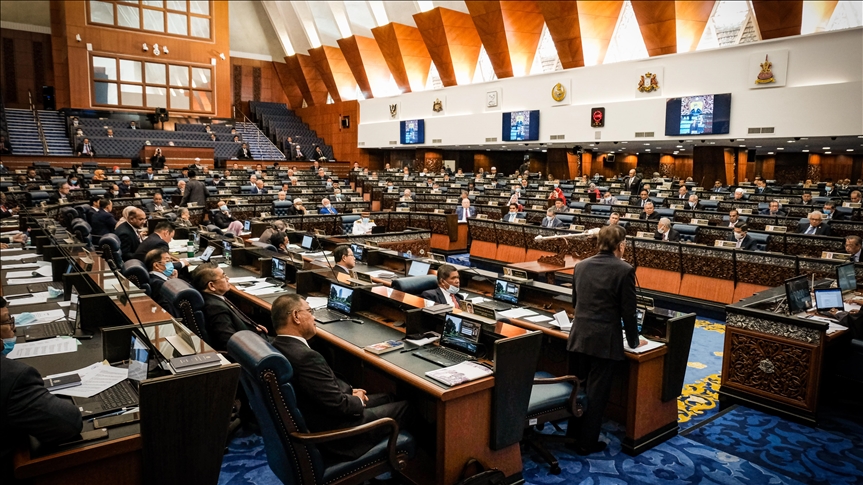
On Monday, April 3, the Malaysian parliament voted on a bill that will result in the reform of part of the country's criminal justice system. Specifically, the reform, in addition to abolishing the mandatory use of the death penalty (Abolition of Mandatory Death Penalty Bill DR7), will revise sentencing for crimes punishable by the death penalty and life imprisonment (Revision of Sentence of Death and Imprisonment for Natural Life Temporary Jurisdiction of The Federal Court, Bill DR 8). The reform does not abolish the death penalty in the country altogether, but it removes its sentencing requirement. Significant step. The death penalty will remain imposable for 34 crimes including those involving drug trafficking, terrorism and murder. However, the reform will give discretion to the judge in interpreting the sentence, with the possibility of imposing other milder sentences. The reform is a considerable step forward for human rights in the country. Currently in ASEAN out of 10 countries, only the Philippines (2006) and Cambodia (1989) have completely abolished the death penalty by law. Timor-Leste, as an ASEAN observer country abolished the death penalty in 1999. 

Death penalty in Malaysia

In Malaysia, the criminal justice system was introduced by the British Empire and imposed the mandatory death penalty in cases of murder. How much in 1957 Malaysia gained independence, it inherited the common law system including the death penalty. In 1952, also under the British administration, the Dangerous Drugs Act was established , where in 1975 it became a crime punishable by non-mandatory death penalty. It was not until 1983 that the government led by Mohamad Mahathir, in order to demonstrate the government's zero tolerance for drug trafficking, which at that time was beginning to see high flows from producing countries in the area such as Laos, Myanmar and Thailand, that the death penalty for drug trafficking was made mandatory. However, it must be understood that from a socio-political perspective, Malaysia since its independence in 1957 has always lived in a perpetual state of perceived emergency. The death penalty in this context has been an important element in maintaining this perception of continuous emergency in the country. 

Nowadays in Malaysia 34 counts may be punishable by death penalty, until the reform there were 12 punishable by mandatory death penalty: declaring war against the Yang ruler of Pertian Agong and the state, taking hostages, killing, committing terrorism, leading a terrorist group, providing services for terrorist purposes, providing property for terrorist acts, facilitating terrorist activities, facilitating organized crime activities, illegal discharge of firearms, accomplice to illegal discharge of firearms, and drug trafficking. These 12 counts will no longer be punishable by the mandatory death penalty but will fall under the other 22 counts punishable by the death penalty or, depending on how the guidice intereprehends the indictment, alternative punishments.

Reform in the post-government crisis period 2020-2022

Since 1957 to date, according to Amnesty International data, about 469 people have been executed, 1337 are currently sentenced on death row, of these a quarter are foreigners. Moreover, of these, 67.5 percent have been convicted of drug trafficking and other crimes not considered a threat to international law. For years activists have been fighting for the abolition of the death penalty in the country. In 2010, a petition drive was activated to save the life of Vui Kong, a Malaysian sentenced to death in 2007 in Singapore for trafficking 15 grams of heroin. His sentence was reduced to life imprisonment, and the signature collection reached 109,346 signatures and was then sent to the government. The International Center for Law and Legal Studies (I-CeLLs) was later established to arrive at a solution on the death penalty in the country. In 2018, a moratorium to abolish the death penalty was proposed by the Mahathir government and the coalition that won the elections, Perkatan Harapan, as one of the points in the coalition's political manifesto. However, the proposal was opposed by both the opposition and far-right conservative-Malay nongovernmental organizations such as PERKASA. Now the major breakthrough is with the government led by Premier Anwar Ibrahim.

The current situation in ASEAN 

ASEAN has no law or mechanism for an eventual total ban on the death penalty in member countries. Moreover, its current organizational structure would not allow it as it is based on a strict interpretation of the policy of non-interference and protection of national sovereignty of member countries. According to a survey by the Ministry of Law and Human Rights in Indonesia about 80 percent of the population supports the death penalty. But progress continues, unlike in other parts of the world, as the case of Malaysia shows.

World moves closer to ASEAN

Increasing cooperation between Southeast Asian countries and global platforms such as the G7. And beyond. With the hope that more and more governments will follow the bloc's "third way"

The Association of Southeast Asian Nations is increasingly involved in global decision-making mechanisms. A very timely example is the historic first meeting between G7 justice ministers and those of the regional bloc. A joint meeting is scheduled for July, with Japan, the host country and G7 chair. A similar Japan-ASEAN meeting is scheduled for the same days. On the other hand, since the start of the war in Ukraine, it has sharpened the distance between the West and some countries. ASEAN, with its third way of neutrality and pacifism, can serve as a crucial connector in this global phase. Southeast Asians fear that the use of force to change the status quo, as Russia did in Ukraine, will spread to the Asia-Pacific. Most of all, they fear getting involved in disputes where they do not belong. "ASEAN must remain independent and a zone of neutrality amid the escalating rivalry between the U.S. and China," Prime Minister Datuk Seri Anwar Ibrahim said in recent days, stressing that ASEAN was formed to promote peace and stability in the region. "This position continues. We do not want the region to be the basis for military competition. This position has been quite consistent, although we remain friendly with all countries," he explained. Recent multilateral agreements that threaten to set the stage for an arms race are frowned upon. In 1995, 10 ASEAN member states signed the Southeast Asia Nuclear-Weapon-Free Zone Treaty, or Bangkok Treaty, which designates the region as nuclear weapons-free. The treaty also includes a protocol open for signature by China, France, Russia, the United Kingdom and the United States. So far no one has signed it, but we are finally seeing the first movements. Recently, China expressed its intention to sign the protocol for the ASEAN Nuclear Weapon Free Zone Treaty. But it will not be easy to get everyone to join. The bloc's hope is that by participating more and more frequently in global platforms, the world will increasingly choose to follow that third way it has been indicating for several years now.

The path of future food in ASEAN

By Chiara Suprani

Southeast Asia shows possible developments in the global food market. Applications for cricket flour could be countless in the Italian market, such as being used as a base or addition to cereal bars, or whey powder

As of 24 January 2023, the European Union allowed the buying and selling of flour products from Acheta domesticus, or more commonly, house cricket. Two days later, the marketing of Alphitobius diaperinus, the lesser mealworm, was launched. Brussels believes that insects are a viable alternative to increasing the costs of animal meat production, both because of their lower environmental impact and because of their protein supply, which is higher in percentage than that of animals. But while the applications for cricket flour could be countless in the Italian market, such as being used as a base or added to cereal bars, or to whey powder, a Coldiretti survey revealed that 54% of Italians are against the inclusion of cricket flour in their diet. Introducing insects, or novel foods, into the food market requires specific labeling requirements especially for allergenicity, but not only. The European Food Safety Authority (EFSA) is aware that at the current stage, the consumption of insects on the European market is limited, but the potential and benefits are there, as are the risks, especially when legislation is not yet defined. Due to different eating habits, legislation for insect consumption is more advanced in South-East Asia. In Thailand, edible insects fall under the Food Act B.E. 2522 (1979), which is the general law regulating food quality and integrity. Also in Bangkok, on 29 March, SPACE-F, Thailand's first global food-tech startup incubator and accelerator programme, the result of a partnership between the National Innovation Agency, Thai Union Group PCL, Mahidol University, Thai Beverage PCL and Deloitte Thailand, launched a mentorship programme for FoodTech startups with the aim of making Thailand the world's first foodtech hub. Earlier this year, the Malaysian Minister of International Trade and Industry successfully secured USD$4 billion worth of investments from three novel food and food tech companies: Sea Ltd, Yondr Group and Inseact. The latter specialises in insect proteins for animal feed and aquaculture and plans to open a production plant in Johor, Malaysia, the first in the region, to meet Asia's growing demand for sustainable food sources.

Italy-Vietnam, 50 years of relations

Rome and Hanoi celebrated the 50th anniversary of diplomatic relations as a rotation in the Embassy is prepared

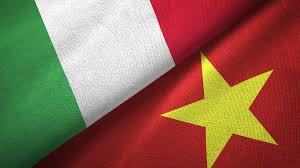
March 23, 2023 marked the 50th anniversary of diplomatic relations between Italy and Vietnam. As announced by the Italian Embassy, a reception was held in Hanoi at the Residence, attended by Deputy Foreign Minister Le Thi Thu Hang and representatives of Vietnamese authorities and the Italian and international community. In Ho Chi Minh City, on the other hand, a ceremony organized by the municipal authorities was held at the Opera House and attended by People's Committee Chairman Phan Van Mai. But the program of events is much broader and spans both Italy and Vietnam. "It is also the 10th anniversary of the strategic partnership that Italy entered into with Vietnam in 2013 and thanks to which relations between our two countries have expanded to the areas of trade, investment but also culture, tourism and science," Ambassador Antonio Alessandro stressed while speaking on "Casa Italia" on Rai. Alessandro pointed out that the business volume between the two countries reached 6.2 billion euros in 2022 and that today the leading sectors are obviously those related to technology and creative industries. Italy has about 150 companies active in Vietnam. Among the most interesting initiatives, the following were mentioned: the Design Day, this year dedicated to urban lighting, and an event dedicated to the manufacturing industry; for the performing arts, on the other hand, there is the annual Film Festival while scheduled for classical music is the Cavalleria Rusticana to be staged at the Hanoi Opera House. Vietnam is now a different country from the images that have come down to us in books," Alexander explained, recalling that Vietnam has gone from being one of the poorest countries in the world, as it was in the 1970s, to a middle-income country that aspires to be high-income. "Today it is a vibrant country: it has 100 million people, young and open to the rest of the world," the Ambassador added, noting how the country in question is at the center of an area, Southeast Asia, which is also a place of socio-economic expansion. Last week, among other things, the Council of Ministers appointed a new Ambassador to take Alexander's place at the end of his term. He is Marco della Seta, former Ambassador to Seoul.

Telemedicine? A big growth market in ASEAN countries

The consumer-focused digital health market in Asia could grow from $37.4 billion in 2020 to more than $100 billion in 2025. This growth will be driven primarily by telemedicine

Increasing population and demand for medical services is straining the health care system in several Southeast Asian countries. In Indonesia, for example, the combination of the urban expansion of the capital Jakarta and the geographic nature of the territory divided into archipelagos has made it difficult for the more than 270 million inhabitants to access health care. Data compiled by the World Health Organization (WHO) report that in 2021 the Indonesian health service could offer 6.95 doctors per 10,000 people, a figure below the 9.28 doctors per 10,000 in Thailand and 7.51 in Myanmar. Indonesia, the fourth most populated country in the world, thus appears to have far fewer doctors per capita than the Organization for Economic Cooperation and Development (OECD) average. In fact, these numbers are worrisome when compared, for example, to the figure for Italy where there are 17.3 physicians for every 10,000 inhabitants-already believed to be a lower number than needed-or when compared even to the figure for Japan where there turn out to be 26.14 physicians for every 10,000 inhabitants. 

Companies offering telemedicine services fit into this context. These companies offer remote medical consultations through apps thus making the health care offered to citizens more convenient and faster. During the Pandemic from Covid-19 and to follow, competition among companies in this market has grown exponentially leading to an expansion of services offered in this field. Some of these apps, in fact, offer not only consultation services but also home delivery of prescriptions and medications. 

For example, Halodoc, a telemedicine app launched in 2016, in addition to allowing customers throughout Indonesia to have online consultations with more than 20,000 licensed physicians in the country at any given time, already delivers prescriptions and medicines in 400 Indonesian cities, managing, in 30 percent of them, to make delivery in just 15 minutes. This Indonesian start-up already has 20 million monthly users in the country but aims to reach 100 million in the next few years by aiming to expand its reach to Thailand, Vietnam, and Malaysia. Alodokter, a telemedicine company founded in 2014, also stands out in the Indonesian context. This app boasts more than 80,000 affiliated doctors who can prescribe drugs and send them within hours to their patients.

Also in Indonesia, Harya Bimo, chief executive officer of Klinik Pintar, is instead determined to maintain a hybrid model in which technology does not preclude clinics where patients can go to be present on the ground. In fact, Klinik Pintar is an Indonesian health technology startup that not only helps its users book teleconsultations, virtual health services but also offers its clients in-person clinic sessions.

The telemedicine sector appears to be growing strongly in other Southeast Asian countries. For example, in Singapore, the telemedicine company Doctors Anywhere, which has a user base of 2.5 million in Singapore, Indonesia, Malaysia, Thailand, the Philippines, and Vietnam, plans to acquire Asian Healthcare Specialists (AHS) a multidisciplinary medical group with more than 10 facilities providing services, including anesthesia, dermatology, family medicine, and gastroenterology. In this way, the company could follow up on online consultations by also providing patients with visits to AHS centers. In the Philippines, citizens will also be able to benefit from a single technology super-app starting in the coming months resulting from the consolidation of three health care companies-KonsultaMD, HealthNow and AIDE-promised by the Philippine Ayala Group.

The apps mentioned are just some of the telemedicine startups being developed in ASEAN countries. A McKinsey report predicts that the consumer-focused digital health market in Asia could grow from $37.4 billion in 2020 to more than $100 billion in 2025. In this context, telemedicine, followed by electronic pharmacies, will be the main growth driver.

Recently active members
Foto del profilo di Alessio
Foto del profilo di Monika
Foto del profilo di Gabriel
Foto del profilo di Elena
Foto del profilo di Lorenzo
Foto del profilo di Alessandro
Foto del profilo di Cristina
Foto del profilo di Rocco
Foto del profilo di Clara Lomonaco
Foto del profilo di Redazione
Foto del profilo di Davide Gugliuzza
Foto del profilo di Anna Affranio
Foto del profilo di Ilaria Canali
Foto del profilo di Nicolò
Foto del profilo di Angelo Cangero
Who is online
There are no users currently online
Members
  • Foto del profilo di Alessio
    Active 1 ora, 5 minuti fa
  • Foto del profilo di Monika
    Active 3 giorni, 14 ore fa
  • Foto del profilo di Gabriel
    Active 3 settimane, 4 giorni fa
  • Foto del profilo di Elena
    Active 1 anno, 4 mesi fa
  • Foto del profilo di Lorenzo
    Active 2 years, 6 mesi fa