The meaning of Macron's tour of Southeast Asia

The French president in Vietnam, Indonesia and Singapore to strengthen trade and diplomatic ties with the ASEAN region

By Emanuele Ballestracci

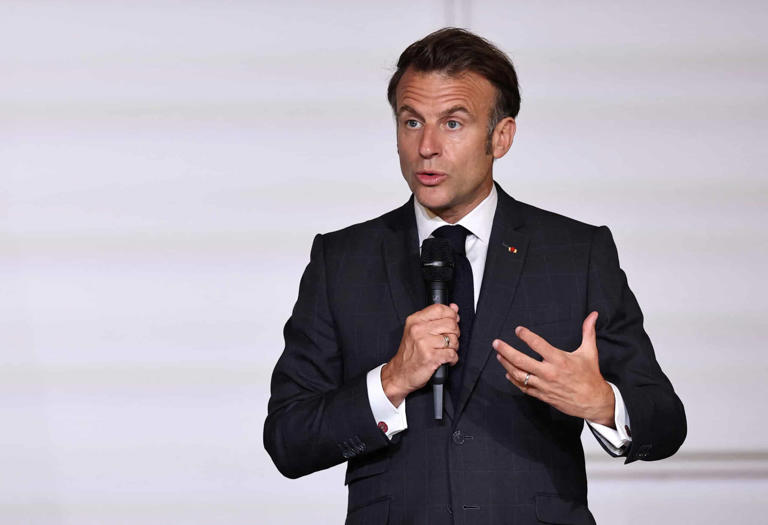
For several years now, there has been a gradual increase in awareness of the strategic importance of the Indo-Pacific in the European Union and among its member states. This growing interest has partly followed the example of the United States, particularly since the “pivot to Asia” promoted by the Obama administration. In Europe, debates on the Indo-Pacific region have begun to translate into more concrete strategy documents, culminating in the adoption of national strategies by some member countries. The most prominent is certainly that of the European Union, which is joined by those of individual member states, including France, the Netherlands, Germany, the Czech Republic and even Lithuania. In Italy, too, a national strategy for the Indo-Pacific is currently being discussed in Parliament, despite the fact that the country's interest and projection capacity in the region is significantly lower than in other European counterparts. Prominent among them is France, as evidenced by President Emmanuel Macron's tour of Southeast Asia this week.

The tenant of the Elysee Palace himself was among the main promoters of the French Indo-Pacific Strategy, later formalized in 2018, aimed at identifying Paris' core interests in the region and equipping itself with concrete tools, both in the short and long term, to pursue them. This testifies to the growing Western awareness of the progressive shift of the global economic and geopolitical center of gravity toward Asia. France, by the way, is the only European country that still holds territories in the Indo-Pacific region, including New Caledonia, French Polynesia, La Réunion and Mayotte, which together are home to about 1.6 million French citizens. The French president's trip to Vietnam, Indonesia and Singapore thus aims to reaffirm the centrality assigned to the region, strengthen diplomatic ties and promote France's strategic presence, while contributing to the implementation of the French Strategy. This is not an isolated initiative: the Macron presidency has been punctuated by similar trips, including those to Australia, India and La Réunion in 2018, Japan in 2019, as well as participation in the APEC summit in 2022.

The French Indo-Pacific Strategy, adopted in 2018, aims to protect French territories and sovereign interests in the region by promoting an international order based on law and multilateralism. It is based on pillars such as security, freedom of navigation, economic and environmental cooperation, and strengthening regional partnerships. Within this framework, France aspires to position itself as a balancing power, active in preventing crises and promoting regional stability. These are the concepts that Macron clearly expressed during his stop in Vietnam. France's willingness to present itself, together with the European Union, as a reliable partner is particularly relevant in the current context marked by growing international instability, trade uncertainty dictated by U.S. tariffs and strategic competition between the United States and China. Participation in the Shangri-La Dialogue in Singapore, Asia's premier security and defense summit, gives Macron an additional opportunity to present Paris and Brussels as credible and stable players in an increasingly uncertain global order.

In addition, the presidential visits present an opportunity to accelerate the process of diversifying global value chains, particularly through collaborations in key sectors such as energy, transportation, defense, and space. Above all, the environment is a central theme, with France hosting the UNOC conference on oceans in Nice in a few weeks. In addition, President Macron has promoted the Just Energy Transition Partnerships (JETP), under which countries such as Indonesia and Vietnam have committed to decarbonization in exchange for investment and financial support, including from France.

The Macronian tour is thus part of a broader and now decade-long process of growing French engagement in the Indo-Pacific region, in which Paris has distinguished itself as the most determined European player in defending and promoting its strategic interests, while also serving as a spokesperson for the European Union.

Filippine, come sono andate le elezioni di metà mandato

Il risultato conferma le divisioni tra Marcos e i Duterte. La vicepresidente Sara guadagna rilevanza al Senato

By Francesco Mattogno

Nelle Filippine, il 12 maggio oltre 69 milioni di aventi diritto sono stati chiamati a rinnovare più di 18mila cariche elettive, locali e nazionali. Si sono presentati alle urne più di 57 milioni, registrando così un’affluenza dell’82,2%, la più alta di sempre per un’elezione di metà mandato. Il voto di “mid-term”, anche nelle Filippine, viene visto come una sorta di referendum utile a giudicare l’operato del presidente a seguito dei suoi primi tre anni di governo (il mandato per il capo di stato filippino è di sei anni, e non c’è possibilità di rielezione).

Anche se in palio c’erano oltre 18 mila cariche elettive, tra cui i 317 deputati da assegnare alla Camera dei Rappresentanti, quasi tutto si giocava sui 12 senatori che avrebbero rinnovato metà dei 24 seggi del senato. Sia Marcos che i Duterte sono riusciti a far eleggere a senatori 5 dei propri alleati, mentre i restanti 2 senatori (Bam Aquino e Francis “Kiko” Pangilinan) provengono dall’area più progressista e liberale, e stanno entrambi con la rilevante famiglia Aquino. Quello che può sembrare un pareggio (5-5), non lo è. Marcos puntava a fare quasi piazza pulita dei seggi al senato e i sondaggi, nonostante l’evidente calo di popolarità del Presidente, ritenevano probabile che almeno 8 candidati presentati dalla sua Alyansa sarebbero rientrati nella lista nazionale dei 12 più votati per diventare senatori.

Se il voto per sindaci, governatori e funzionari locali non ha prodotto grosse sorprese (i Marcos hanno stravinto nel proprio feudo a Ilocos Norte, i Duterte hanno nuovamente dominato a Davao), l’esito dell’elezione al senato promette di generare nuove grandi incertezze per il futuro delle Filippine.

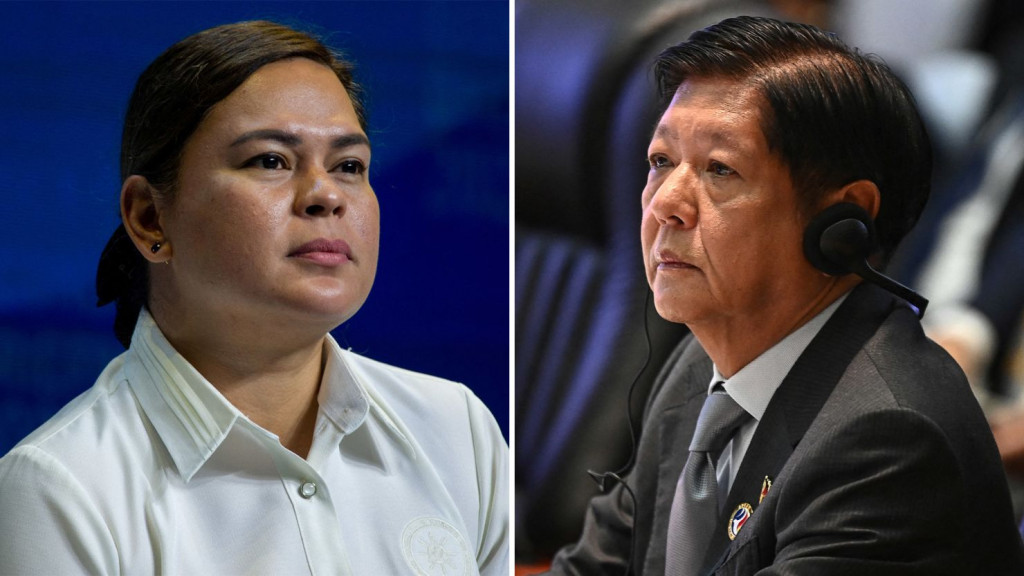
Il dato dell’affluenza può spiegare in parte la sconfitta dell’amministrazione in carica. Lo scorso marzo, dopo mesi di minacce di morte, accuse reciproche di tossicodipendenza e processi parlamentari (qui per maggiori dettagli), lo scontro dinastico tra i Marcos e i Duterte si è definitivamente infuocato a seguito dell’arresto di Rodrigo Duterte, predecessore di Bongbong Marcos (2016-2022) e padre della vicepresidente Sara Duterte.

La sorte dell’ex presidente ha rafforzato la chiamata alle armi dei sostenitori dei Duterte in vista delle elezioni di metà mandato, mentre la popolarità di Marcos ha cominciato a ridursi vertiginosamente. Bongbong e i suoi candidati senatori, forse rassicurati dai numerosi sondaggi che si sono infine rivelati sbagliati, non hanno fatto molto per invertire la tendenza. 

L’elezione di 5 alleati dei Duterte al senato complicherà di molto il processo di impeachment a carico di Sara Duterte. A febbraio la vice di Marcos è stata messa sotto stato d’accusa dalla camera, che le ha imputato l’utilizzo illecito dei fondi pubblici destinati al Dipartimento dell’Istruzione (di cui è stata segretaria fino all’estate scorsa) e le minacce di morte rivolte al presidente e alla sua famiglia.

Il senato sarà di fatto la giuria che dovrà decidere se avallare o annullare l’impeachment, che verrà confermato con il voto favorevole di due terzi della camera alta, cioè di 16 senatori su 24 (con 9 voti contrari passa il “no”). In questo processo, che comincerà a luglio, la vicepresidente si gioca tutto. Se dovesse essere condannata, Duterte non verrebbe solo rimossa dal suo ruolo, ma le sarebbe anche impedito di ricoprire nuove cariche pubbliche, affossando così la sua corsa alla presidenza nel 2028.

Prima delle elezioni, solo 1 dei 12 che sarebbero rimasti al loro posto si era espresso a favore di Duterte (tutti gli altri si erano astenuti dal posizionarsi pubblicamente), quindi ora è certo che la vicepresidente potrà contare su almeno 6 senatori: per l’assoluzione le serviranno altri 3 voti. Le trattative dietro le quinte sono già in corso e le probabilità che Duterte venga salvata sono aumentate di molto dopo il 12 maggio.

Thailand’s Electric Bet

Amid global uncertainty and new opportunities, Bangkok is emerging as a key player in the electric vehicle sector

Di Alessandro Forte

The electric vehicle (EV) sector is one of the most strategic focal points shaping trade relations among the world’s major economies and is the subject of intense international discussion. Marked by increasingly rapid growth, electric vehicle sales in 2023 accounted for approximately 18% of the entire automotive market, a sharp leap from just 2% five years prior. The sector is now projected to reach a market value of $990.4 billion USD by 2029.

Due to its economic, political, and environmental significance, the EV sector has often been the stage for strategic competition among global powers. The People’s Republic of China, which currently holds around 60% of this market, has recently faced tariff restrictions from the European Commission, an attempt to counterbalance the Chinese government’s subsidies to domestic companies. Meanwhile, the sector’s most important private player, Tesla, is seeing a drop in sales in the Chinese market amid intensifying competition from local brands.

While this scenario might suggest a market dominated solely by major global powers, one regional player—Thailand—has quietly gained increasing prominence. Among ASEAN countries, Thailand has shown the most proactive participation in EV supply chains, emerging as a reliable producer and exporter of electric motors, converters, and inverters. Furthermore, Thailand’s “EV 3.0” policy, launched in 2022, significantly boosted domestic EV purchases. Tax incentives have brought the cost of an electric car in line with that of a conventional one, resulting in a 320% surge in sales in 2023. It’s no surprise that Thailand is the regional leader in this sector. As early as 2001, then Prime Minister Thaksin Shinawatra aimed to make his country “the Detroit of the East,” promoting export-oriented policies and investment incentives that turned Thailand into Southeast Asia’s automotive hub.

What is interesting—though not entirely unexpected—is that the biggest beneficiary of Thailand’s favorable policies has been China. More than 20 Chinese automakers, including industry giants BYD and Great Wall Motor, have entered the Thai market, often establishing local production facilities. It’s estimated that Chinese brands now account for more than half of all EV sales in Thailand—a figure likely to grow. While this has bolstered Thailand’s automotive sector, it also raises concerns about overdependence on Beijing. Diversifying the investor base is becoming increasingly necessary. 

Now may be the right moment to do so. Last year, Tesla considered establishing a manufacturing site in Thailand to expand its footprint in the domestic market and enhance its reach across Southeast Asia. Although the company ultimately limited its plans to developing charging infrastructure, the idea of a factory remains on the table. Tesla’s Shanghai gigafactory is facing mounting pressure amid the U.S.-China trade conflict: in April, sales of China-made Teslas dropped by 6% year-over-year. Additionally, Tesla has withdrawn its U.S.-made Model S and X from the Chinese market, coinciding with the escalation of the tariff war, though CEO Elon Musk has not officially confirmed a direct link.

In a landscape full of challenges and surprises, Bangkok may find itself in a prime position to attract more favorable investment from U.S. companies, diversify its economic partnerships, and increase its leverage in the global automotive sector. However, it must proceed cautiously, striving for balance in its bilateral relations with both superpowers. Patientia vincit omnia.

Philippines at a Crossroads with Midterm Elections

The May 12 vote looks almost like a referendum on the Marcos-Duterte family feud

By Luca Menghini

On May 12, nearly 70 million Filipinos will head to the polls in what is shaping up to be the most consequential midterm election in recent history. More than 18,000 positions are at stake—including 12 Senate seats and all 317 seats in the House of Representatives—but beyond the numbers, this vote is widely viewed as a referendum on the leadership of President Ferdinand “Bongbong” Marcos Jr. and the future of Vice President Sara Duterte. The breakdown of the once-powerful Marcos-Duterte “UniTeam” coalition has turned these elections into a high-stakes proxy war, with each political dynasty attempting to consolidate power and shape the road to the 2028 presidential race.

When Marcos and Duterte joined forces in 2022, their alliance swept them to a resounding victory. But their differences soon emerged. Marcos reoriented the country’s foreign policy away from Beijing and back toward Washington, granting greater U.S. military access through new Enhanced Defense Cooperation Agreement (EDCA) sites and pursuing deeper ties with allies like Canada and Japan. Duterte, by contrast, has remained relatively silent on China while criticizing Marcos's approach to maritime disputes, even describing his handling of the West Philippine Sea as a “fiasco.” Tensions boiled over in 2024 when Sara Duterte resigned from her cabinet posts and her father, former President Rodrigo Duterte, was arrested and handed over to the International Criminal Court (ICC) on charges of crimes against humanity. The arrest, which many believe was enabled by the Marcos administration, shattered any remaining illusion of unity between the two camps.

These elections are not only a gauge of public sentiment but also a battle for political survival. For Marcos, a strong performance by his endorsed senatorial slate would provide the legislative backing to pursue long-desired constitutional reforms, including the easing of economic restrictions. For Sara Duterte, the stakes are even more existential. Impeached by the House of Representatives, she faces a Senate trial after the midterms. To avoid conviction—and preserve her viability as a presidential candidate in 2028—she must ensure that at least eight of the 24 senators are loyal to her cause. A poor showing by her allies would not only cripple her legal defense but also further marginalize the Duterte family’s influence in national politics.

The battle is playing out not only in traditional campaign venues but also in the digital trenches. The Philippines, a pioneer in information warfare since 2016, has seen a surge in deepfakes, artificial intelligence (AI)-generated content, and disinformation. Both the Marcos and Duterte camps have historically relied on online troll networks and coordinated messaging operations, but with the “UniTeam” fractured, these tools are now being used against one another. A viral deepfake video portraying Marcos allegedly sniffing cocaine—echoing long-standing accusations by Rodrigo Duterte—is just one example of the digital mudslinging that defines the campaign. In response, the Commission on Elections (COMELEC) and lawmakers have called for new rules regulating AI use in campaigning, but enforcement remains a challenge.

Security concerns further complicate the electoral landscape. At least 36 areas have been designated as red zones due to heightened risk of election-related violence, and more than two dozen politically motivated killings have already occurred since candidacies were filed. To mitigate violence, COMELEC has introduced measures such as a nationwide gun ban, special voting hours for seniors and persons with disabilities (PWDs), and Emergency Accessible Polling Places (EAPPs). It has also collaborated with financial platforms like GCash to detect and block vote-buying attempts—a persistent issue in Philippine elections.

Foreign policy looms large over the vote. Marcos’s alignment with the United States, Canada, and regional allies such as Japan and Australia has drawn praise abroad but remains contentious at home. Public sentiment, however, appears to be shifting in his favor on this front. A 2024 survey showed that 73% of Filipinos support increased military measures to assert sovereignty in the West Philippine Sea. By contrast, pro-China candidates—often associated with the Duterte camp—are viewed with increasing suspicion, with over 70% of voters saying they would not support a pro-China politician. This strategic realignment also underscores broader geopolitical stakes, as China intensifies its influence campaigns across Southeast Asia and the U.S. looks to shore up alliances in the region.

Yet, foreign policy alone is unlikely to decide the vote. Economic hardship remains top of mind for most voters. Despite a decline in inflation to 1.8% in March 2025—the lowest rate in nearly five years—public frustration lingers. President Marcos’s signature campaign promise to lower rice prices to ₱20 per kilo has been widely perceived as a failure, with only 4% of Filipinos believing the goal was met. Meanwhile, inflation, job insecurity, and rising costs of basic goods continue to dominate voter concerns, particularly among low-income groups. A recent Pulse Asia survey showed that 72% of Filipinos want Marcos to address inflation in his next State of the Nation Address (SONA)—far more than any other issue.

As the midterm elections approach, voter participation will be critical. COMELEC has raised concerns about turnout, especially among the youth, who represent nearly 40% of the electorate. Voter education campaigns have been ramped up in collaboration with civil society groups, the Catholic Church, and universities. Still, disillusionment and apathy persist, fueled by a toxic information environment and skepticism over the integrity of the political system.

The outcome of the elections will have profound implications—not just for the Philippines, but for Southeast Asia as a whole. Association of Southeast Asian Nations (ASEAN) neighbors, international observers, and allies like the U.S. and Canada are closely watching the vote, which will determine whether Manila continues its assertive regional role or veers back toward internal instability. The elections will also influence how the Philippines engages with Beijing, particularly as tensions continue to rise in the South China Sea over territorial disputes and confrontations involving the Chinese Coast Guard.

In this context, the May 12 vote represents far more than the routine renewal of legislative mandates. It is a moment of reckoning for the political direction of the country and the power dynamics between its two dominant dynasties. With the Marcos and Duterte factions locked in a battle for control, the Filipino people now face a choice that will define the nation’s future—not only in terms of governance but also in how it positions itself within an increasingly contested Indo-Pacific region.

Ambassador Michelangelo Pipan: "After U.S. Tariffs, Italy Can Play a Greater Role in ASEAN"

Remarks by the President of the Italy-ASEAN Association during the events organized by Confindustria and SACE, held as part of the Asian Development Bank’s Annual Meeting in Milan

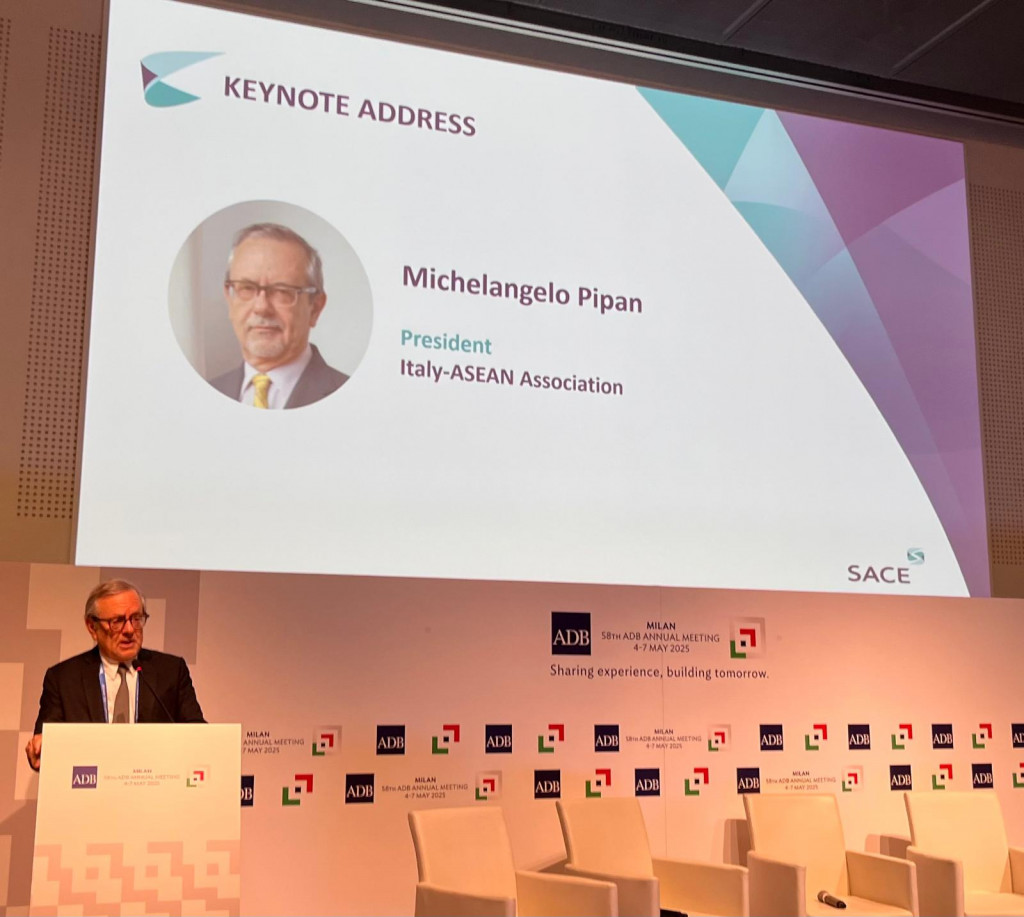
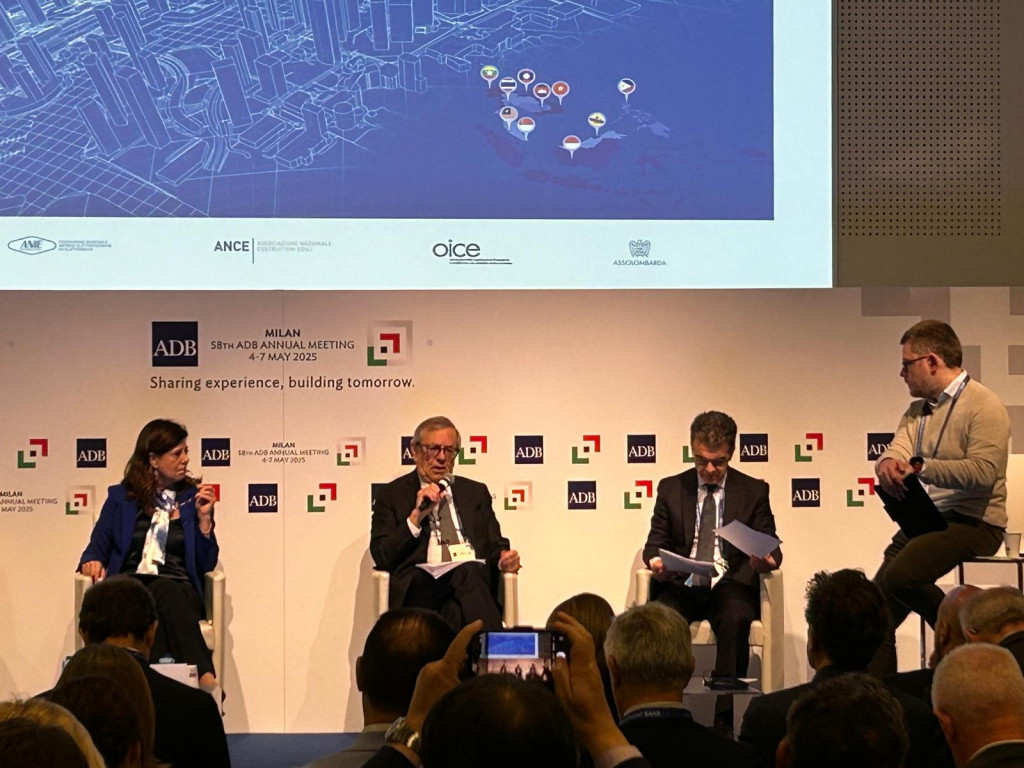
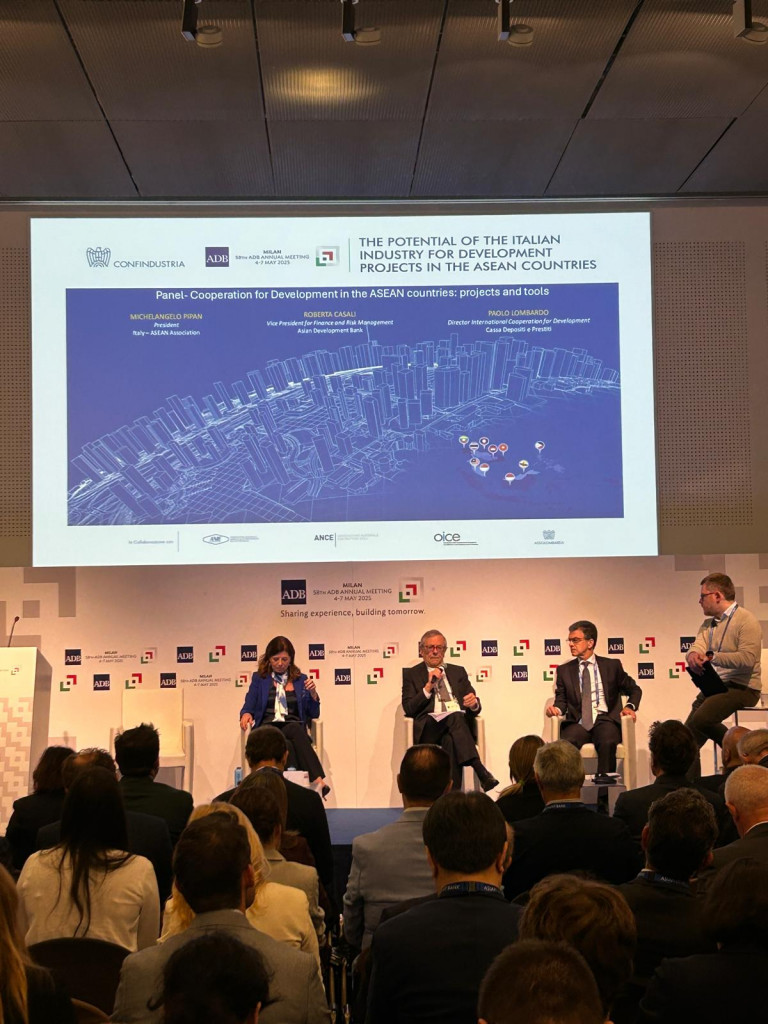
“Italy and Italian companies can expect to play a very important role in ASEAN,” declared Ambassador Michelangelo Pipan, President of the Italy-ASEAN Association, during the event “The Potential of the Italian Industry for Development Projects in the ASEAN Countries,” organized on Tuesday, May 6 by Confindustria as part of the Asian Development Bank’s (ADB) Annual Meeting held in Milan. “The opportunity is real and ready to be seized, especially today, at a time when the world is facing an unprecedented situation. The foundations of the international economic order have been shaken, if not outright overturned; global trade is threatened by serious geo-economic fragmentation; supply chains must be reorganized, while climate change remains a challenge that can only be addressed through joint efforts – now harder than ever to achieve,” Pipan explained during the panel titled “Development Cooperation in ASEAN Countries: Projects and Instruments.” According to the President of the Italy-ASEAN Association, “States will need to reshape their policies, seeking new partners, diversifying sources of raw materials and investment goods, and identifying new markets for their exports. In this process, they will look for like-minded partners. They will want to avoid excessive dependence on single partners. ASEAN, in particular, is a staunch supporter of multilateralism and free trade; it has a long tradition of refusing to take sides between the two superpowers – China and the United States – which are also its main economic partners. So far, ASEAN has performed a remarkable and efficient balancing act.” As Ambassador Pipan explained, “Following the recent tariff chaos, it is very likely that new ‘constellations’ of economic partnership will emerge: ASEAN has traditionally been very active in this direction, seeking broader trade perspectives, the most emblematic example being the central role it played in supporting the RCEP treaty, which came into force in 2022 and eliminated 90% of tariffs among 15 countries representing 30% of global GDP.”

In the context of a likely and significant increase in economic relations between the EU and ASEAN, Pipan emphasized that “Italy and its companies are well positioned: our skills are well known, highly appreciated, and align well with ASEAN’s development priorities. To name a few areas in line with ASEAN’s Post-2025 planning: renewable energy, industrial automation, infrastructure, development of the health sector – including medical equipment – space and high technology.”

On the same day, Tuesday, May 6, the President of the Italy-ASEAN Association also delivered a keynote address at the event “SACE’s Growth Effect: Expanding Borders, Building the Future,” organized by the Italian financial and insurance group. Speaking immediately after Riccardo Barbieri, Director General of the Ministry of Economy and Finance, he highlighted the role of the HIGH LEVEL DIALOGUE on ASEAN-ITALY ECONOMIC RELATIONS, the annual event organized by the Italy-ASEAN Association together with The European House – Ambrosetti in a capital of an ASEAN country, which this year will be held in Vietnam. Ambassador Pipan noted that “it is the Government that must lead, and we were very pleased to see that in the recent Export Action Plan published by MAECI, ASEAN has been included among the priorities (with particular focus on Vietnam, Thailand, and Indonesia), and will benefit from new and more powerful tools – including those from SACE – for export promotion.” According to the President of the Association, “ASEAN countries have every reason to seek partnerships with Italian companies. Ultimately, however, it is the interest of the business community that really matters in making all the ingredients blend into success! And it is precisely on this last point that greater efforts are needed: to help raise awareness of ASEAN in Italy. In this context, we have recently proposed to MAECI to co-organize an international conference titled ASEAN AWARENESS, following the model of two similar initiatives held in the 2010s,” Pipan concluded.

Vietnam, Global Player 50 Years After the Fall of Saigon

April 30, 1975 marked the end of the Vietnam War. Since then, the country has changed profoundly.

By Anna Affranio

April 30, 1975 marks one of the most dramatic dates of the 20th century: the fall of Saigon, now Ho Chi Minh City, signaled the end of the Vietnam War and the beginning of a new era that put an end to two decades of division, mourning, and destruction. Fifty years later, the country that was once the stage of one of the most painful conflicts of the Cold War is now a dynamic actor on the international stage and a strategic hub in global supply chains.

The iconic images of helicopters lifting off from the roof of the American embassy, the fleeing crowds, and the silence that fell over a devastated city are part of the collective memory not just of Vietnam, but of the world. For many, the fall of Saigon was synonymous with the defeat of a social and economic model, the loss of political and ideological references, and exile for those who had strongly supported a Western-style development. Today, half a century later, that memory remains alive: in the museums, the monuments, and in the way Vietnamese society has processed the past without becoming its prisoner.

In the years immediately following reunification, Vietnam faced enormous challenges: economic embargo, international isolation, and a slow and difficult reconstruction. But starting in the late 1980s, with the Đổi Mới (renovation) policy, the country began a path of economic reforms and market liberalization that radically transformed its productive and social structure, lifting it from one of the world’s poorest countries to middle-income status in just a single generation1.

Today, Vietnam is fully integrated into global supply chains: it is one of the world’s leading exporters of electronics, textiles, footwear, furniture, and agricultural products. Companies like Samsung, Intel, Nike, and Apple have established manufacturing plants in the country, attracted by a young, skilled, and competitive workforce, and by political stability—a strategic asset in an increasingly turbulent Asia. Additionally, the electronics and semiconductor sector has grown at an impressive pace: today, Vietnam is one of the top global exporters of smartphones and electronic components, while Hanoi and Ho Chi Minh City are emerging as tech startup hubs, supported by a growing ecosystem of venture capital and digital innovation.

Vietnam is not just a manufacturing hub: in recent years, it has become one of the most active diplomatic players in Southeast Asia. It has signed a long series of free trade agreements with strategic partners, including the EU, Japan, the UK, and the CPTPP (Comprehensive and Progressive Agreement for Trans-Pacific Partnership) bloc. It has skillfully balanced relations with both China and the United States, maintaining an independent yet cooperative stance, and becoming one of the main promoters of ASEAN cooperation. Not by chance, Vietnam’s foreign policy has been nicknamed “bamboo diplomacy,” as defined by Nguyen Phu Trong, secretary of the Communist Party—“firmly rooted in the ground, solid in principles, flexible in strategy.”

The country has also taken on an increasingly visible role in UN peacekeeping missions and multilateral forums, presenting itself as an open, pragmatic nation committed to building a stable and multilateral international order.

One must also mention Vietnam as a fast-growing tourist destination: it has become one of the most popular and expanding destinations in Southeast Asia, with the government aiming to reach 23 million tourists this year. In 2023, it welcomed over 12 million international visitors, drawn by its breathtaking natural landscapes (such as Ha Long Bay, the northern mountains, the beaches of Da Nang and Phu Quoc) and a rich historical and cultural heritage: ancient temples, colonial architecture, iconic street food, and vibrant cities like Hanoi and Ho Chi Minh City. 

Just 50 years after the fall of Saigon, Vietnam has managed to shed its image as a "war country," transforming itself into a modern, dynamic reality with a clear strategic vision. The memory of the conflict remains etched in the national consciousness, but it is no longer the only narrative. Today’s Vietnam is a country in motion, looking to the future with awareness, determination, and a deeply international spirit.


1 https://www.worldbank.org/en/country/vietnam/overview

Paying the Tariffs of Uncertainty: ASEAN Countries Seek a Way Forward on US Trade Policy

ASEAN countries have been hit hard by US tariffs. Donald Trump’s unconventional trade policy calls for equally unprecedented responses. For now, caution and a willingness to negotiate prevail — but the role of Washington (and Beijing) in the region is set to change

Article by Pierfrancesco Mattiolo

In the end, the tariffs promised by Donald Trump have come into effect. Not the ones announced during the notorious Liberation Day on 2 April—which were suspended a few days later for a period of three months, likely in reaction to the negative answer from Wall Street. For now, only a general tariff of 10% will apply, with some exceptions: tariffs exceeding 100% on Chinese imports; 25% duties on steel and aluminium; and certain products, such as semiconductors, exempted. During the election campaign, Trump floated the idea of raising tariffs by between 10% and 20%, so the current structure can be viewed as a fulfilled promise—although the unpredictable nature of the current US Administration makes it difficult to foresee what tariffs will be in place in a year, a month, or even a week. The 10% tariffs remain substantial and may mark the beginning of a period of deep uncertainty for the global economy.

Should the tariff plan presented by Trump during Liberation Day eventually be implemented, tariffs on nearly all ASEAN countries would rise above the 10% baseline. In descending order, Cambodia would face a 49% tariff; Laos, 47%; Vietnam, 46%; Thailand, 36%; Indonesia, 32%; Malaysia and Brunei, 24%; the Philippines, 17%. Only Singapore would remain at 10%, as it is the only country that imports more from the US than it exports. As many analysts and international media outlets have pointed out, these so-called “reciprocal tariffs” are not, as claimed by the White House, based on the tariffs these countries impose on American goods, but rather on their trade deficits with the United States. This approach has drawn criticism, and it places these countries in a difficult position: even if they lower tariffs on US products, the trade deficit might be reduced—but not reversed entirely, and certainly not through government initiative alone. Furthermore, the mercantilist outlook of the current US Administration does not consider the fact that American companies import many low-cost goods from abroad, then benefit from high margins when selling the final product to consumers, whether domestically or internationally. The US economy, being the most advanced in the world, is also in a position to focus on exporting services and attracting investment and savings, in accordance with the principle of specialisation. Trump’s stance disrupts the vision of international trade that has shaped the agenda of most governments around the world for decades.

Another unorthodox element of Trump’s trade policy is the imposition of a general tariff on all goods, from all countries. Typically, trade policy avoids “one-size-fits-all” measures. Goods not produced domestically tend to face low tariffs; those that a country wishes to continue producing—perhaps for political or strategic reasons—are subject to higher duties. To gain greater access to another country’s market (i.e., to have tariffs on one’s goods reduced), it is customary to offer reciprocal access, selecting which goods make the most sense to include in a bilateral tariff reduction. The EU’s trade policy in the region, as demonstrated by free trade agreements with Vietnam and Singapore, follows this approach. Trump, by contrast, appears to prioritise these considerations only at a later stage, for instance, by exempting essential or foreign-manufactured products like semiconductors from tariffs.

Finally, a key divergence between Trump’s trade policy and more “conventional” approaches concerns his stated objectives—or rather, the absence of a single, clearly defined goal. Listening to the President and his advisers, the Administration appears to be pursuing multiple objectives, some of which are even contradictory. Is the aim to increase federal revenue to offset other tax cuts? To bring certain industries back to the US? To reduce or eliminate trade deficits? To secure concessions on other political or economic matters? Or to pressure third countries not to cooperate with America’s geopolitical rivals, China chief among them? As The Diplomat has noted, this ambiguity makes it difficult for ASEAN nations (and others) to understand Trump’s intentions and how to meet them—leading to the conclusion that perhaps Washington has no intention of removing the tariffs altogether. This worst-case scenario appears to be supported by Trump trade adviser Peter Navarro’s response to Vietnam’s initial conciliatory offers to reduce its tariffs: “(it) means nothing to us”, as Vietnam acts as a “transshipment” point for Chinese goods and is “essentially a colony of communist China.”

How, then, might the governments of the region respond? For now, caution and a willingness to engage with Trump seem to prevail. As Mexico has demonstrated, this approach appears the most effective for delaying the implementation of tariffs. No ASEAN country has imposed retaliatory tariffs; if Trump’s trade policy breaks with long-established norms, so too does the response of trade partners. By choosing this path, ASEAN governments are in part validating Trump’s narrative—namely, that American firms would not face retaliation, as trade partners would instead rush to make concessions. Trump himself used a particularly vivid phrase (to put it mildly) to reinforce this message following Liberation Day. Several ASEAN nations have already offered to reduce their own tariffs and trade deficits by increasing imports of US goods and diversifying their export markets. In the case of Vietnam, while Navarro’s comments offer little encouragement, Trump himself struck a more positive tone—calling a conversation with General Secretary To Lam “very productive.” Hanoi has also started cooperating with Starlink, Elon Musk’s space venture, likely in hopes of gaining an ally close to Trump. Given that the position of the Trump Administration is President Trump’s position, more than the ones of his advisers, having Navarro against and Musk in favour may make little difference—especially as Musk appears increasingly disengaged from Oval Office decision-making.

What will prove more difficult, however, is enforcing a commercial and political break with China. For instance, journalist David Hutt, an expert on Cambodia, has noted that the US might request that Phnom Penh scale back its cooperation with China at the Ream naval base in exchange for reduced tariffs. Yet countries hit by tariffs may choose a different path: if exporting to the US becomes more difficult, they can still trade with one another—including with China. Beijing has seized the opportunity to position itself as a reliable defender of free trade and an alternative to the increasingly unpredictable Washington. As a result, international attention has partly shifted from China’s aggressive trade practices to the US tariffs. Chinese President Xi Jinping has already begun a series of official visits across the region and achieved a symbolic success with the resumption of economic cooperation with Japan and South Korea—something that had not occurred during the Biden years, when the three countries had drifted apart. ASEAN governments, accustomed to hedging relations between the two Pacific powers, will continue to do so—but now with the perception that the United States may have become a less reliable and predictable partner. Nevertheless, America’s “strategic retreat” from the region opens the door not only to China, but also to a stronger role for the European Union as a commercial and strategic partner.

For Southeast Asia, closer ASEAN cooperation may offer a way to resist Trump’s divide et impera approach. The current chair of the Association, Malaysia, has pledged to coordinate a collective response to this challenge to its export-driven economic model. While member states have been affected to varying degrees, compared to the tariff measures during Trump’s first term, the risks now appear far greater than the opportunities. In recent years, some economies—Vietnam’s, in particular—had benefited from the US-China decoupling, attracting a significant share of the production destined for the American market. But this very success increased their trade deficit, leading to the higher tariffs imposed by Trump. The message of Liberation Day is clear: winning a greater share of the US market and becoming increasingly reliant on exports for growth could ultimately put a country at risk in the long run. While the trade tensions of Trump’s first term resembled a zero-sum game with winners and losers—consistent with what seems to be Trump’s worldview—this time, it appears that everyone may stand to lose. The uncertainty caused by Trump’s mercurial policies, which do not align with established economic thinking, risks having a negative impact on investment and the global economy as a whole.
Malaysia’s Key Role in the Chip Industry

In addition to seeking to attract the operations of leading multinational corporations in the sector, Malaysia also aims to strengthen its internal entrepreneurial fabric.

By Emanuele Ballestracci

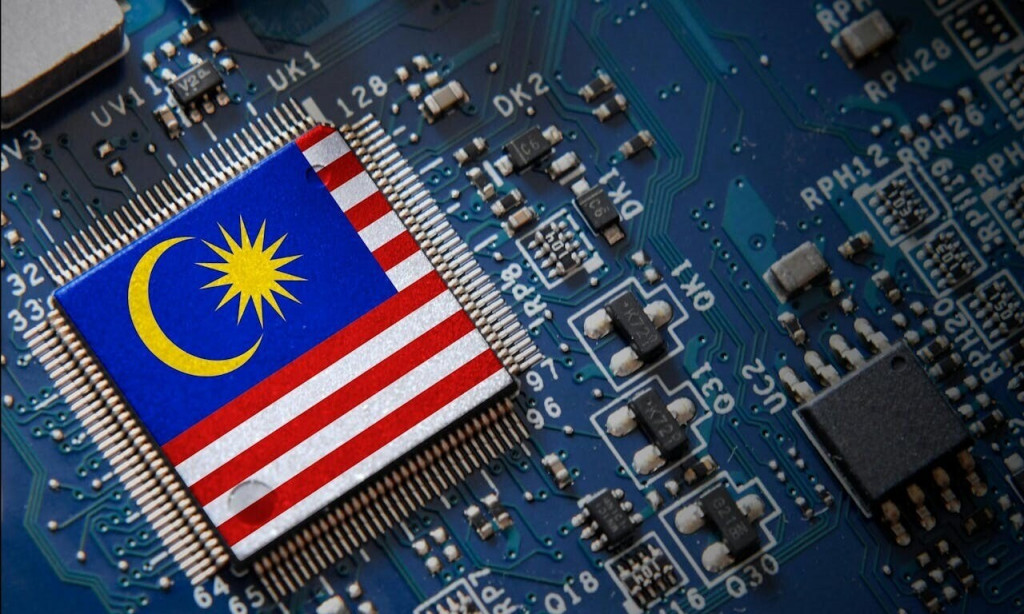
Semiconductors lie at the heart of the contemporary digital economy. They are essential for powering advanced technologies such as smartphones, artificial intelligence, electric vehicles, and critical infrastructure. The global semiconductor market reached a value of $627 billion in 2024 and is expected to surpass $1 trillion by 2030, establishing itself as one of the pillars in the technological competition among global powers.

The economic and strategic importance of these components is amplified by their military implications, making them a critical point in the rivalry between the United States and China. For both governments, maintaining—or acquiring—technological supremacy is considered crucial, particularly in the long term. This awareness has triggered a major restructuring of global production chains, driven especially by U.S. policies aimed at preserving a comparative advantage. Until just a few years ago, Chinese companies were a central hub in the production process, but that position is now being challenged due to measures taken by Washington to hinder Beijing’s technological development in the sector.

In response, many companies are reorganizing their supply chains, relocating production to areas considered less vulnerable to U.S.-China tensions—such as Southeast Asia and North America—in an attempt to boost operational resilience. In this context, one of the most surprising—and previously underestimated—players is Malaysia. The country ranks sixth among global semiconductor exporters, holding 13% of the global market, though still mainly focused on assembly, testing, and packaging stages. This achievement reflects over fifty years of strategic investments and industrial planning.

Thanks to this solid manufacturing base, Malaysia has now developed a mature industrial ecosystem that is attractive for foreign investment. The government in Putrajaya is decisively pushing for the enhancement of the national tech ecosystem, especially through the creation of tech parks, special economic zones, and development corridors. However, activities remain largely concentrated in low value-added segments, limiting the country’s aspiration to play a leading role in global value chains.

The recent reshuffling of supply chains has nonetheless created an important opportunity for an upgrade. Malaysia’s strategy aims to move up the value chain and gain access to more sophisticated stages of the production cycle. Putrajaya plans to attract $118 billion in investments by 2030, focusing on well-established hubs like the state of Penang—often referred to as the “Silicon Valley of the East”—which hosts advanced plants, research centers, and innovation labs, and has already received significant investment from leading companies like Intel, Infineon, Lam Research, and Texas Instruments.

Beyond attracting multinational giants, Malaysia is also committed to strengthening its internal entrepreneurial landscape. The “National Semiconductor Strategy” launched in 2024 aims to promote the development of local capabilities, making them key players in the country’s technological industrialization. Major initiatives include a $6 billion public investment over ten years and the acquisition of the chip design blueprint from British company ARM. This latter step is particularly significant, as it allows Malaysian companies to access high-tech semiconductor design independently.

Despite these promising developments, challenges remain. Weaknesses in research and development, coupled with a shortage of qualified human capital, hinder the full realization of the strategic plan. One of the Strategy’s outlined goals is to train 60,000 engineers by 2030—10,000 of whom are expected through the ARM partnership—but inadequate university curricula and brain drain present serious obstacles. The so-called “brain drain,” driven by higher salaries and better career prospects abroad—particularly in Singapore—remains one of the most pressing issues. Moreover, Malaysia's limited technological capabilities and the intense competition from giants such as Nvidia, Qualcomm, and ARM itself make market entry under favorable conditions quite difficult.

Finally, Malaysia will need to continue carefully balancing its relationships with the United States and China to ensure the continuity of Western investments without jeopardizing its economic ties with Beijing, its main trading partner. One of Malaysia’s traditional strengths has been its ability to practice strategic ambiguity, which has thus far allowed it to avoid being caught in the superpower rivalry. However, escalating tensions between Washington and Beijing are making this balance increasingly precarious. A clear example is the recent alleged shipment of Nvidia chips from Malaysia to China. This sparked a strong reaction from the United States, which had imposed export restrictions on advanced semiconductors to China in 2022. In response, Putrajaya has intensified controls and launched investigations into some companies involved, whose names have not been disclosed.

In an increasingly unstable global context, Malaysia’s ability to consolidate its role in the semiconductor sector will thus depend on its capacity to capitalize on the opportunities created by the restructuring of global value chains, address its structural weaknesses, and maintain its “neutrality” in the context of the U.S.-China rivalry.

A Singapore si inizia a immaginare l’abolizione della pena di morte

Nonostante una buona parte dell’opinione pubblica continui a condividere il mantenimento della pena capitale, l’abolizione sta diventando una posizione sempre più popolare, soprattutto tra la popolazione giovane

By Emanuele Ballestracci

23 gennaio 2025, Syed Suhail bin Syed Zin viene giustiziato dieci anni dopo essere stato condannato a morte per il traffico di 38 grammi di eroina. Il 5 febbraio è invece l’ex poliziotto Iskandar bin Rahmat ad essere impiccato per un duplice omicidio risalente al 2013. Due giorni dopo un altro uomo, cinquantenne condannato per traffico di droga, subisce la stessa pena capitale. Queste impiccagioni sono state tutte eseguite nella prigione di Changi, a una manciata di chilometri dall’omonimo aeroporto simbolo della modernità e prosperità singaporiana.

Sin dalla sua indipendenza nel 1965 la pena di morte è infatti stata parte integrante del corpus legislativo della Repubblica di Singapore, strascico post-coloniale della legislazione penale britannica a cui il diritto singaporiano si è fortemente ispirato soprattutto nei suoi primi anni di vita. Nel 1973 questa pratica venne persino rafforzata tramite il Misuse of Drugs Act, prevedendola per il possesso di più di 15 grammi di eroina o 500 di cannabis. Nei due decenni successivi la pena capitale divenne uno dei principali strumenti attraverso cui il governo singaporiano cercò di eradicare il traffico e consumo di droga. È così che tra il 1994 e il 1999, Singapore ha registrato il più alto tasso pro capite di esecuzioni al mondo, con una media di 13,57 esecuzioni ogni centomila abitanti. Trasformare la città-stato in uno dei luoghi più sicuri, “armoniosi” e performanti al mondo è da sempre uno dei principi guida dell’azione del People’s Action Party (PAP), il partito al governo. Questo obiettivo si traduce in politiche spesso draconiane, tra cui la linea di “tolleranza zero” nei confronti dei reati legati alla droga — una linea che, in molti casi, comporta l’applicazione della pena di morte. Secondo il PAP, Singapore è riuscita ad attrarre ingenti investimenti esteri e sedi di multinazionali anche grazie alla sua capacità di garantire ordine e sicurezza all’interno dei propri confini. Alla base di questa visione vi è la convinzione che la severità e, soprattutto, la certezza della pena rappresentino strumenti di deterrenza essenziali non solo contro la criminalità, ma anche contro ogni forma di degrado sociale. È proprio questa convinzione che giustifica la posizione inflessibile del PAP sul mantenimento della pena di morte, considerata un pilastro della stabilità e del modello di sviluppo del Paese. 

Le uniche aperture ad un allentamento della pena capitale sono arrivate solo nel 2012, quando il governo ha introdotto modifiche legislative che hanno concesso ai giudici la discrezionalità di comminare l’ergastolo anziché la pena di morte. Ciò solo nei casi di omicidio colposo e per alcuni reati di traffico di droga, a condizione che l’imputato soddisfi specifici criteri, come aver agito solo come corriere o aver fornito assistenza significativa alle autorità. Tra l’altro, il periodo compreso tra il 2010 e il 2013, durante il quale si è discussa e implementata la riforma sulla pena di morte, rappresenta uno dei due unici momenti in cui le esecuzioni a Singapore si sono fermate stabilmente. L’altra anomalia è il biennio 2020–2021, quando le impiccagioni sono state sospese a causa della pandemia da Covid-19.

Nonostante una buona parte dell’opinione pubblica continui a condividere le opinioni governative sul tema, l’abolizione della pena di morte sta diventando una posizione sempre più popolare, soprattutto tra la popolazione giovane. Le tre manifestazioni che sono avvenute dal 2021 a Hong Lim Park – l’unico luogo a Singapore in cui è consentito organizzare proteste e manifestazioni – dimostrano come la sensibilità per questo tema stia montando. L’ultima di queste potrebbe aver persino giocato un ruolo nella sospensione dell’esecuzione di Pannir Selvam Pranthaman, cittadino malese colpevole di aver importato 51 grammi di eroina, annunciata a poche ore dall’impiccagione prevista per lo scorso 20 febbraio. Tuttalpiù, negli ultimi anni il PAP ha cominciato a perdere consensi, e il persistere di una linea intransigente su un tema così sensibile per le nuove generazioni di singaporiani — molto più istruite e consapevoli rispetto a quelle precedenti — potrebbe contribuire in modo significativo al consolidamento di questo trend elettorale negativo.

DUTIES, IMPACT ON SOUTH-EAST ASIA: “EU, ITALY AND ASEAN WILL STRENGTHEN COOPERATION"

Southeast Asian countries are among those most affected by the duties imposed by the United States on what Donald Trump has dubbed ’Liberation Day.” All 10 member states of the Association of Southeast Asian Nations (ASEAN) have been affected. To be precise, as of April 9, additional import taxes will be imposed with the following percentages: 49 percent for Cambodia, 48 percent for Laos, 46 percent for Vietnam, 44 percent for Myanmar, 36 percent for Thailand, 32 percent for Indonesia, 24 percent for Malaysia and Brunei, 17 percent for the Philippines, and 10 percent for Singapore. Many of these countries are strong exporters to the United States, while the region has long been among the leading factors of global trade, having signed a number of bilateral and multilateral free trade agreements. “Now these countries in Southeast Asia will have to look more carefully at other markets than the U.S., the same need that many other countries including European ones will have,” stresses Ambassador Michelangelo Pipan, President of the Italy-ASEAN Association. “Consequently, the European Union and Italy itself, which enjoy several free trade agreements with some of these countries, can and must equip themselves to strengthen trade relations with Southeast Asia,” Pipan continues,stressing that ”our interests and those of ASEAN atguarding free trade and against protectionism coincide. Even more so after the new White House tariffs.

“Washington has decided to hit Southeast Asian countries despite the concessions already made in recent days by some of them. This is the case of Vietnam, which in recent years has risen to a critically important global trade and technology hub, which has announced duty reductions and a commitment to import more U.S. goods. “It is still early to make predictions, but this disruption caused by Trump seems destined to foster the creation of different constellations that by increasing cooperation with each other will try to make up for this closure of the U.S. market,” Ambassador Pipan explains. Dataon trade between Italy and ASEAN have increased enormously over the past year, thanks in part to the work done by the Italy-ASEAN Association.

The Future of Innovation Between Smart Cities and Digital Security

Southeast Asia continues to make progress in artificial intelligence, progressively expanding the scope of application

By Luca Menghini

Artificial intelligence is rapidly transforming the economic and technological landscape of Southeast Asia, positioning the region as an emerging hub for innovation. While generative AI and large language models (LLMs) capture global attention, ASEAN is developing a broader range of artificial intelligence applications to enhance supply chains, smart cities, cybersecurity, and digital infrastructure. The increasing adoption of these technologies places Southeast Asia in a strategic position to lead the integration of AI into the region's economic and social systems.

In recent years, ASEAN governments and businesses have made significant investments in artificial intelligence to address future challenges. The IBM Institute for Business Value has highlighted that less than 30% of manufacturing companies in the region fully utilize the data they collect, with only 10% of that data being used for strategic insights. This underutilization presents an opportunity for AI to bridge the gap, optimizing industrial operations through predictive maintenance, process automation, and advanced data analytics.

Supply chains in Southeast Asia are already benefiting from AI integration across multiple sectors. The use of predictive analytics is helping businesses reduce downtime and improve operational efficiency. For example, blockchain technology is increasingly being adopted to ensure transparency and end-to-end traceability in supply chains, reducing the risk of fraud and improving resource management.

Business leaders are facing numerous challenges in the supply chain sector. Resilience has become a priority following disruptions caused by the COVID-19 pandemic and ongoing geopolitical tensions. Moreover, companies must balance sustainability with profitability and overcome the technology skills gap to fully leverage new innovations. Artificial intelligence, integrated with the Internet of Things (IoT), enables smarter logistics and inventory management, enhancing demand forecasting and optimizing distribution routes.

AI is also reshaping the management of smart cities across ASEAN. Countries such as Singapore, Thailand, and Vietnam are implementing AI-based solutions to improve urban security, traffic management, and environmental sustainability. Singapore’s Smart Nation initiative serves as a benchmark for how AI can optimize public services and reduce energy consumption. In Indonesia, Jakarta is using AI-powered flood monitoring systems to mitigate the impact of flooding, while Bangkok has adopted AI for air quality monitoring and public mobility management to address environmental challenges.

Another rapidly growing sector is cybersecurity. ASEAN has recently established its first regional cybersecurity incident response team to counter the rising threats associated with AI-driven cyberattacks. According to Singapore’s Ministry of Defense, cybercrime increased by 82% between 2021 and 2022, with ransomware attacks and cyber intrusions targeting government institutions and financial organizations. AI-powered threat detection is becoming essential to mitigate these risks, and the adoption of AI fraud detection tools is helping companies protect themselves from digital fraud.

Despite AI’s growing adoption in ASEAN, several barriers remain. The lack of harmonized regulations on data protection and cybersecurity poses a significant obstacle to the widespread deployment of AI systems. Additionally, the shortage of AI professionals is a major challenge: the lack of specialized experts in artificial intelligence, data science, and cybersecurity slows down the implementation of new technologies. To address this issue, academic institutions and businesses are investing in workforce training through upskilling programs and partnerships with local universities.

The ASEAN AI startup ecosystem is attracting increasing investment, with startups like Social+ in Thailand and Wiz in Singapore securing tens of millions of dollars to develop AI-driven solutions for customer engagement and business process automation. However, AI growth in Southeast Asia is not limited to the private sector. Governments across the region are promoting pro-innovation policies, including funding programs for AI startups and initiatives to create a clearer regulatory framework.

The future of artificial intelligence in ASEAN appears highly promising. The growing integration of AI into urban infrastructure, supply chains, and cybersecurity will solidify Southeast Asia’s position as a global technology innovation hub. The region's ability to tackle regulatory and infrastructure challenges will be crucial in cementing its leadership in AI adoption. With a rapidly developing ecosystem and continuous investment, Southeast Asia is poised to become one of the key players in the artificial intelligence revolution in the coming years.

Singapore heads to the polls

In 2025, Singapore celebrates the 60th anniversary of its independence and will hold general elections. Since 1965, the city-state has had only four prime ministers and one ruling party. Could there ever be surprises in the island of stability?

Article by Pierfrancesco Mattiolo

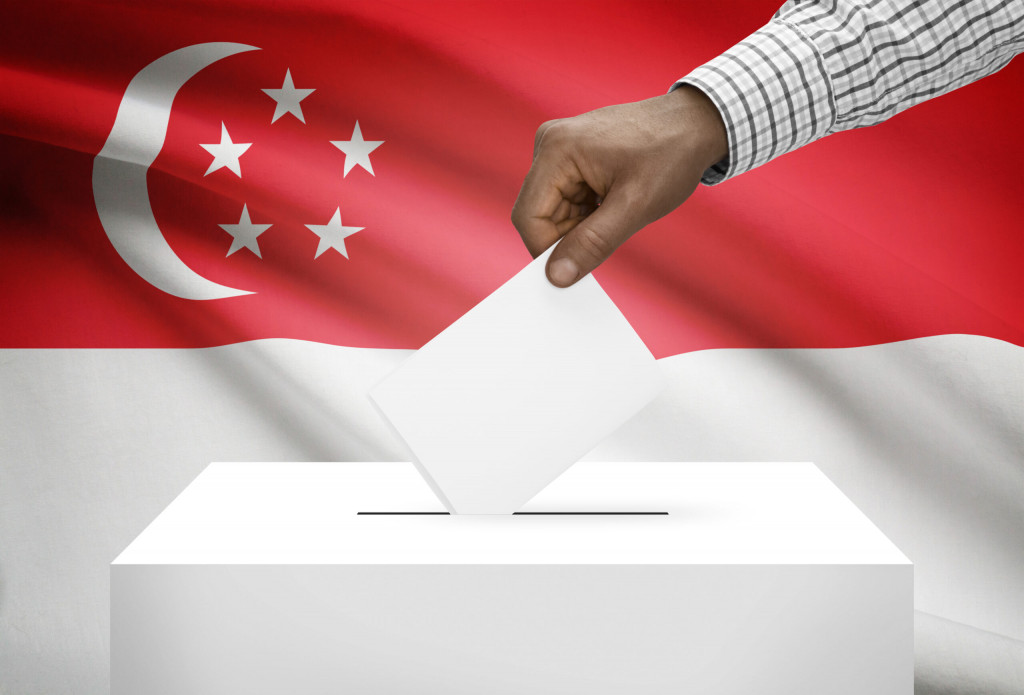
2024 was perhaps "the greatest electoral year in the history of humanity," with approximately four billion people worldwide called to the polls. To name just a few contests: the European Union, the United States, India, Pakistan, Indonesia, Japan, South Korea, Taiwan, Bangladesh, and Sri Lanka. In 2025, it will be the turn of (inter alia) Singapore. Almost all these elections have generated a certain level of anticipation and uncertainty for the future. In contrast, Singapore’s elections seem rather predictable. Since gaining independence from Malaysia nearly 60 years ago, the city-state has been governed by a single party, the People's Action Party (PAP), and has had only four prime ministers. The current Prime Minister, Lawrence Wong, succeeded Lee Hsien Loong this past May. Lee Hsien Loong is the son of Lee Kuan Yew, the "founding father" of modern Singapore. The two Lees, father and son, served as the first and third prime ministers of Singapore, respectively.

After turning 70, Lee Jr. handed over the position to his deputy, Wong, just in time for the latter to establish himself ahead of next year’s elections. The exact date of the election is still unclear. Usually, Parliament is dissolved before the automatic dissolution required by the Constitution and after the committee tasked with redrawing constituency boundaries has convened. Formally, it is the President of the Republic who dissolves Parliament, upon the Prime Minister’s recommendation, which is, in turn, approved by Parliament. In other words, the electoral process is firmly in the hands of the PAP, which controls both the government and Parliament with a supermajority of over two-thirds of the seats. Uncertainty surrounds both the election date and the boundaries of the constituencies. In Singapore, constituencies are redrawn almost every election; as mentioned, the committee’s meeting is an informal milestone in the lead-up to the polls. These uncertainties make it more difficult for the opposition to plan their activities, as their candidates are unaware of their constituency boundaries or when to take time off work to campaign. The PAP, on the other hand, can deploy full-time politicians who are prepared when the short campaign officially begins, thanks to its near monopoly on public offices.

These challenges, combined with a heavily majoritarian electoral system, have allowed the PAP to maintain a parliamentary supermajority since independence. In 2020, the PAP won 83 out of 93 seats with 61% of the vote. The two main opposition parties, the Workers’ Party and the Progress Singapore Party, each garnered about 10%. The upcoming elections could offer the opposition an opportunity to chip away at the PAP's dominance, weakened by a series of scandals and the leadership transition from Lee to Wong. Wong is aiming for generational renewal to change the party’s image, which has become too closely associated with power and the country’s economic elites. There is also public dissatisfaction with the extremely high salaries of government members: Wong is, in fact, the highest-paid prime minister in the world ($2.2 million annually, compared to the average Singaporean income of $47,000 annually). These figures put debates over politicians' salaries in most countries (e.g., Italy) into a different perspective. The PAP defends its position by arguing that high salaries are necessary to attract talent from the private sector to public service, and indeed Singapore’s public administration is considered among the most efficient in the world

As seen in many countries, anti-establishment rhetoric can lead to surprising electoral results, and analysts suggest the PAP should not underestimate this risk. Wong, however, can set a very favourable electoral timetable for himself. The island celebrates its 60th Independence Day on 9 August, marking the anniversary of its expulsion from the Malaysian Federation due to deep political differences. National Day is followed annually, just a few days later, by National Rally Day, during which the Prime Minister delivers a speech outlining the government’s priorities. Elections will likely be held in early September, immediately following this period of government-led patriotic celebrations led by the government. Wong will also have several months to implement popular policies and adopt a more socially conscious approach, addressing the demands of lower-income voters. It is difficult to imagine surprises in next year’s elections. In these times of electoral upheaval, Singapore could be one of the few countries to emerge from the polls with a predictable political outcome. Voters will be choosing between the stability and continuity offered by the PAP and the change promised by the opposition, which has been excluded from power since the country’s independence. How will Singaporeans be convinced? On the one hand, the small size of the country, with two and a half million voters, could make grassroots mobilisation initiatives effective. On the other hand, the PAP relies on the support of the state apparatus and mainstream media. According to its critics, it does not hesitate to marginalise potentially critical voices. Some years ago, the independent website The Online Citizen was forced to temporarily suspend its activities due to alleged irregularities in publishing its revenue. In 2021, a law against "foreign interference" was passed, which Amnesty International harshly criticised. According to the Economist Intelligence Unit’s Democracy Index 2023, Singapore (alongside Italy) is listed as a “flawed democracy.” In a "perfect" democracy electoral surprises are, perhaps, quite frequent.

Recently active members
Foto del profilo di Alessio
Foto del profilo di Monika
Foto del profilo di Gabriel
Foto del profilo di Elena
Foto del profilo di Lorenzo
Foto del profilo di Alessandro
Foto del profilo di Cristina
Foto del profilo di Rocco
Foto del profilo di Clara Lomonaco
Foto del profilo di Redazione
Foto del profilo di Davide Gugliuzza
Foto del profilo di Anna Affranio
Foto del profilo di Ilaria Canali
Foto del profilo di Nicolò
Foto del profilo di Angelo Cangero
Who is online
There are no users currently online
Members
  • Foto del profilo di Alessio
    Active 2 ore, 4 minuti fa
  • Foto del profilo di Monika
    Active 3 giorni, 15 ore fa
  • Foto del profilo di Gabriel
    Active 3 settimane, 4 giorni fa
  • Foto del profilo di Elena
    Active 1 anno, 4 mesi fa
  • Foto del profilo di Lorenzo
    Active 2 years, 6 mesi fa