Asia's focus on infrastructure to recover

The scale of projects will require not only government support, but also private sector support, as well as bilateral and multilateral funding

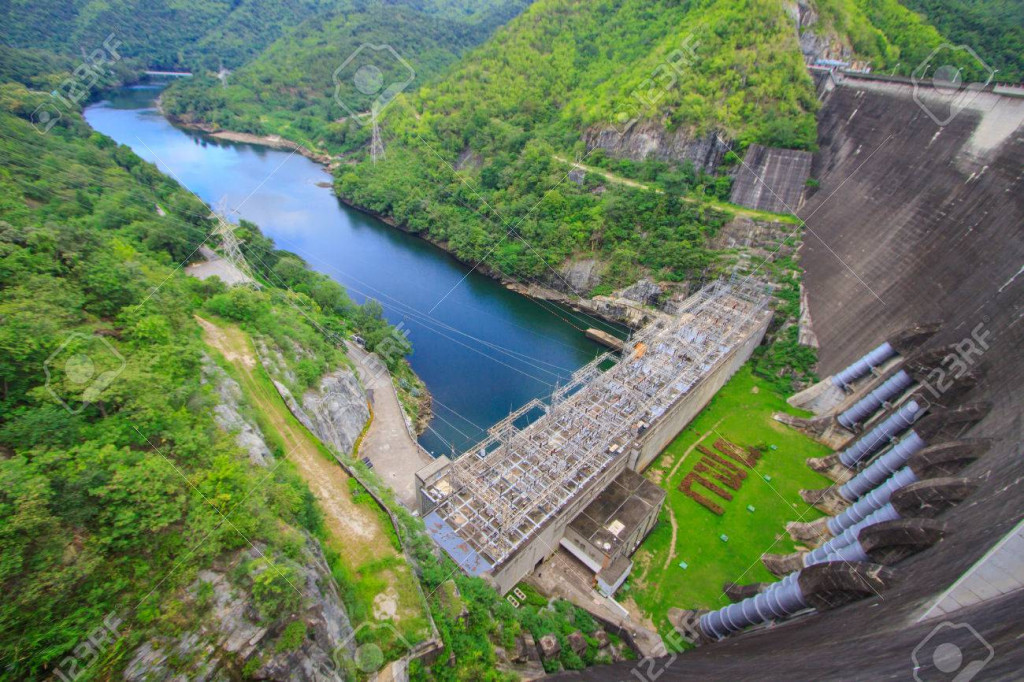
Infrastructure upgrading is at the top of the 2022 agenda for Southeast Asia and South Asia. The urgency starts with a basic fact: from 2020 to 2040, one-third of the world's population growth will come from the young economies of South Asia and Southeast Asia, namely India, Pakistan, Bangladesh, Indonesia, Malaysia, the Philippines, and Vietnam. United Nations projections also estimate a net development of urbanization, with some 462 million people moving to cities by 2040, or a 52 percent increase in the urban population, on top of the current 895 million. These phenomena will undoubtedly put great pressure on existing infrastructure, requiring greater investment to maintain not only existing demand but especially future demand.

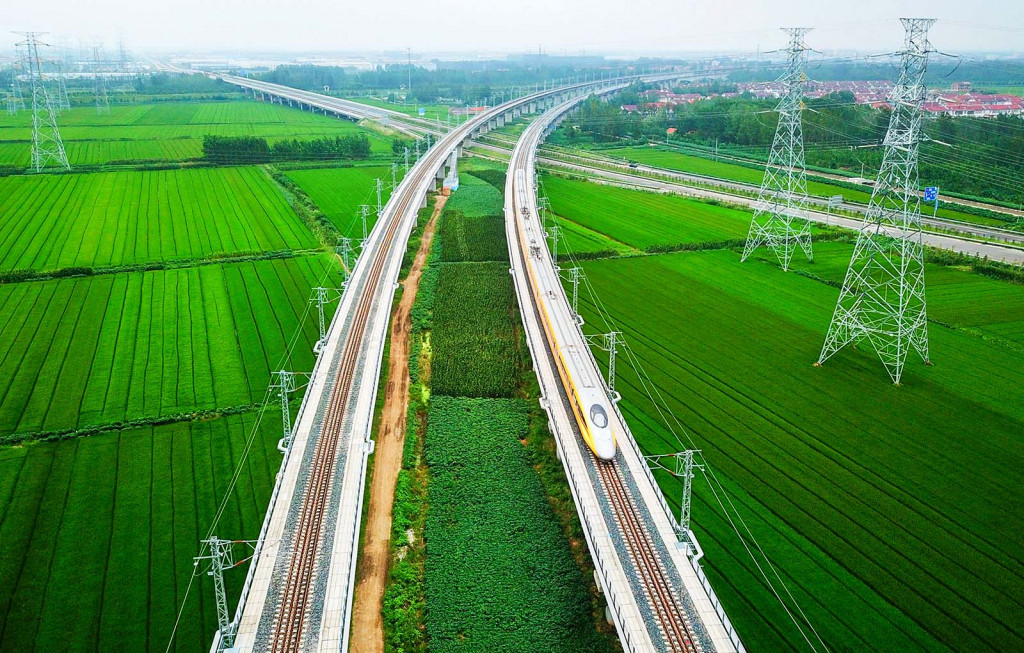
The largest infrastructure gap is in India, followed by Pakistan and Bangladesh. In Southeast Asia, it is the Philippines and Indonesia that have the largest infrastructure gaps to fill, especially road infrastructure. However, India maintains the lead in the quantity of roads built, but it is the quality of the expressways that is of concern. Vietnam has also invested heavily in the construction of expressways, markedly improving the infrastructure system. The Philippines is focusing investment on air transport, which is critical for domestic mobility, trade, and tourism. Pakistan is the country lagging furthest behind in investment in air infrastructure. In contrast, rail infrastructure receives little investment in both South Asia and Southeast Asia, with the exception of Malaysia and Indonesia. 

The infrastructure gap is thus at the center of the political agendas of these countries, many of which have already devised policy support and government investments to address the problem. The Indian government has announced PM Gati Shakti worth $1.3 trillion to upgrade national infrastructure over the next 25 years and attract Foreign Direct Investment. In support of this long-term national plan-in the fiscal year 2023 budget-India has called for a 35.4 percent increase in investment, placing infrastructure construction, particularly highways, railways, and logistics, at the center of its economic development agenda, with figures significantly higher than previous budgets. Spending plans include the construction of 25,000 km of new highways and 100 new freight terminals in three years. Sectors such as water and power are also receiving proper attention.

In Southeast Asia, Indonesia aims to invest $400 billion by 2020 and 2024 to improve airports, electricity, and mass transit. Vietnam is continuing its feverish infrastructure development to increase its competitiveness. Major projects include the construction of more than 5,000 km of expressways by 2030; 172 national highway routes with a total length of 29,795 km; three urban ring roads in Hanoi with a total length of 425 km; and two more in Ho Chi Minh City with a total length of 295 km.

Pakistan, with the second largest demand gap, has found support in its alliance with China-through the China-Pakistan Economic Corridor (CPEC)-to improve its infrastructure. Bangladesh has also introduced the Delta Plan 2100 to implement 65 infrastructure projects.

Funding is the crux of these countries' infrastructure plans. The scale of the projects will require not only government support but also private sector support, as well as bilateral and multilateral funding. This issue is particularly felt by India, the Philippines, and Indonesia.

India aims to issue green bonds to support the construction of climate-friendly infrastructure, including as a financing vehicle for sustainable development. In 2021, India issued $6.8 billion in green bonds, compared to China's $66.1 billion. Southeast Asian nations are also turning to green bond issuance to support infrastructure ambitions. The Philippines, for example, is considering issuing sovereign green bonds to help private funds assess sustainable infrastructure investment needs in the archipelagos. 

Reducing the infrastructure gap is an urgent goal for these countries. With increased awareness and priority secured, 2022 will mark the tipping point for improving connectivity, and thus the productivity and trade competitiveness of these economies that are strategic to international balances. 

Islands, rocks and bamboo: Vietnam's choppy waters

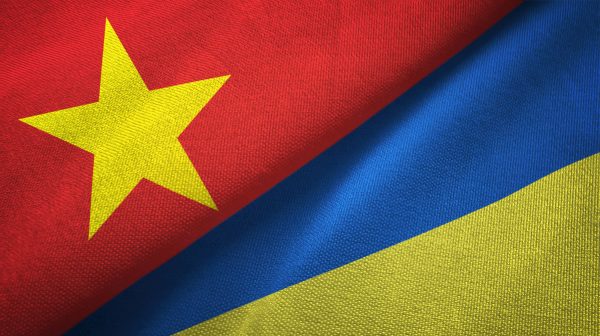
In true bamboo diplomacy style, Vietnam had a modest reaction to the invasion of Ukraine. The echo of the conflict, however, was felt in Hanoi perhaps more than in Taiwan

Article by Lucia Gragnani

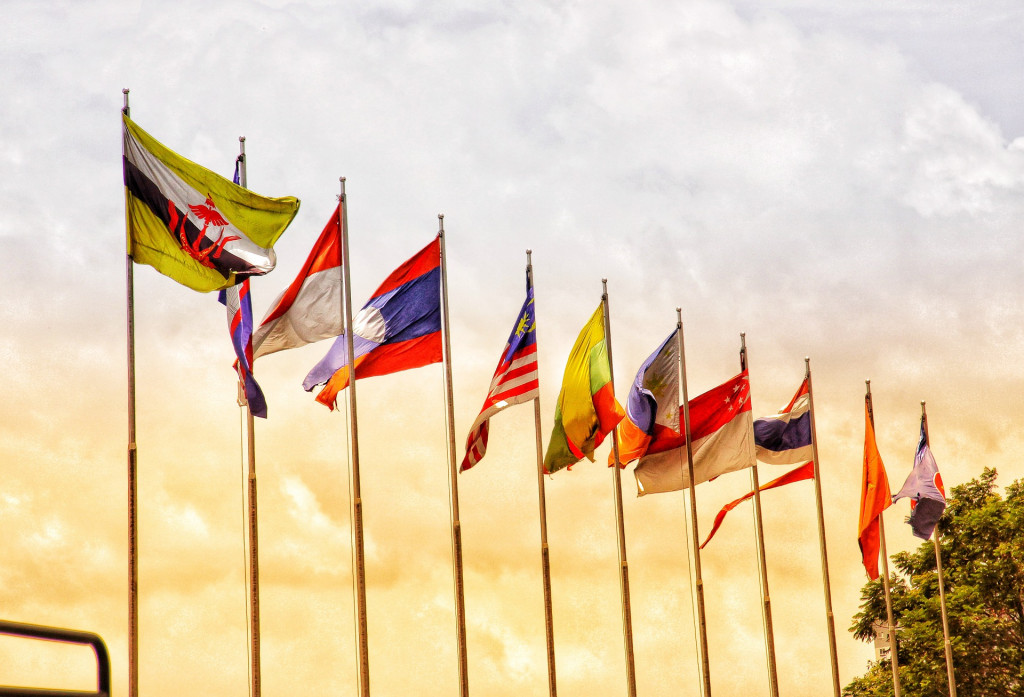
1979. China launches an offensive against Vietnam in response to Hanoi's opposition to the Khmer Rouge regime and the signing of the Soviet-Vietnamese partnership treaty. More than forty years have passed, but in Vietnamese school books there is still almost no trace of the Chinese attack. With the same reticence, Vietnam refrained from condemning Russia at the UN table, and opposed Moscow's exclusion from the Human Rights Council. This kind of strategic neutrality is not just pro forma, and it is so ingrained that it has managed to earn the bespoke name of bamboo diplomacy. Planted firmly in the ground, but nimble in flexing with the wind. In the countries of the Association of Southeast Asian Nations (ASEAN), this approach has resulted in modest reactions to the invasion of Ukraine.

The ambiguity of Vietnamese policy manifests itself in multiple ways. China is fighting with the United States for the role of first trading partner, showing itself capable of providing a response to Vietnam's growing demand for investment in infrastructure. For this reason, Hanoi has, like other ASEAN members, traditionally preferred to remain moderate towards Beijing, stalling so as not to be dragged down by American advances in China's containment policies. The United States has a strong interest in building a relationship with ASEAN in the area of maritime security as a key component of the Indo-Pacific Strategy, as announced in the communication issued ahead of the U.S.-ASEAN summit in May. After mending the wounds of war, Washington and Hanoi have established a solid but cautious cooperative relationship. But, with the ban on the export of lethal weapons to Vietnam valid until 2016, still not military.

The sector is Russian expertise, as is the production of oil extraction machinery. Relations between Hanoi and Moscow have been friendly for decades, rooted in traditional ties to the former Soviet Union. The 80 percent dependence on Moscow's supply of arms from 2000 onward has provided a cement to them. In late 2021, the governments of the two countries signed a new agreement to further expand military cooperation. Looking at Vietnam's posture toward Russia and the U.S., last year was emblematic. In the span of four months starting in April, there were successive visits by Russian President Vladimir Putin, Chinese Defense Minister Wei Fenghe, and U.S. Vice President Kamala Harris.

In bamboo diplomacy style, Vietnam had a modest reaction to the invasion of Ukraine. The echo of the conflict, however, was also felt in Hanoi and perhaps more so than in Taiwan. With the outbreak of war and subsequent sanctions complicating international trade with Moscow even for those countries that remained "friendly," the opportunities for access to Russia's arsenal diminished. Without being able to rely on its main strategic partner, Vietnam is now left with a bare flank.

This flank, in particular, is near the long east coast that looks out to the South China Sea, known in Vietnam as the East Sea. Ahead, a series of atolls and rock formations dot the maritime landscape, which is also overlooked by China, Taiwan, the Philippines, Brunei, Malaysia, and Indonesia. Each country claims sovereignty over a more or less large part of the South China Sea. In addition to being a key commercial hub through which passes a third of the world's maritime trade, the South China Sea has important reserves of gas in the subsoil. In recent years, it has become a place of friction for China-U.S. relations. For smaller players like Vietnam, navigating these choppy waters while remaining moderate is a strategic issue.

In 2016, the United Nations Convention on the Law of the Sea (UNCLOS) Tribunal ruled that not all land masses are entitled to island status. According to the Tribunal, there are, in fact, no formations permanently above water level in the South China Sea capable of supporting human life. The status of island would allow to exercise an exclusive economic zone (EEZ) of 200 nautical miles and conduct underground explorations. Maritime claims, however, are not only a matter of strategy, but also of politics and sovereignty. Islands or not, the ambitions of neighbors have not changed.

Of these, Beijing is the most problematic neighbor. Indeed, China claims the entirety of the South China Sea's rock formations and their corresponding waters based on the historic U-shaped line. This imaginary line encompasses the entire sea mass, and largely overlaps with Vietnam's claims of territorial sovereignty. These disputes are still the main source of tension between Beijing and Hanoi. In 1974, China occupied the formerly Vietnamese Paracelsus Islands after a clash that left dozens dead. In 1988, another clash at Johnson Reef in the Spratlys left about 70 people dead. More recently, in 2014 the movement of the Chinese oil rig Haiyang Shiyou 981 near the Paracelsus Islands had generated protests in Hanoi, and made one imagine an early parallel to the annexation of Crimea. Vietnam reacted in a composed manner to Chinese provocations. Damaging the relationship with Beijing over rocks in the South China Sea would have more costs than benefits.

When, after February 24, Beijing announced new military exercises near the Vietnamese coast, the sound of strikes in Ukraine seemed closer. In the security sector, it is necessary to expand the portfolio of partners, but embracing Washington would expose the country to possible repercussions on relations with China. At the same time, breaking away from Moscow after decades of near-monopoly proves difficult. Russia has stated that it is planning military exercises with its ASEAN partner by the end of 2022, and Hanoi has not retracted. Vietnam's strategic ambiguity allows for multiple partners, and the centrality given to the South China Sea issue at the latest meeting between Indian Prime Minister Narendra Modi and Vietnamese Communist Party Secretary Nguyễn Phú Trọng is no accident. Getting closer to India, however, does not mean getting closer to QUAD, and while the Vietnam-India strategic partnership is strengthened and the air in the South China Sea becomes tense, Hanoi and Beijing congratulate each other on 72 years of diplomatic relations and promise to strengthen cooperation. Vietnamese bamboo also endures in salt water, but it remains to be seen how long this ambiguity will be sustainable.

Cooperation yes, opposition no

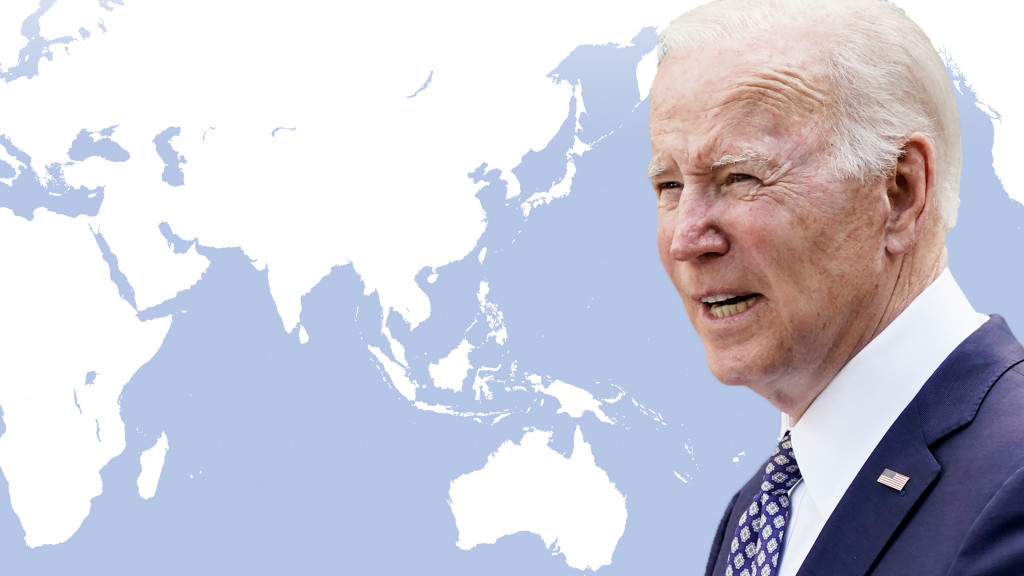
Most ASEAN countries have joined the launch of Biden's Indo-Pacific Economic Framework. But they say no to the logic of a clash between blocks

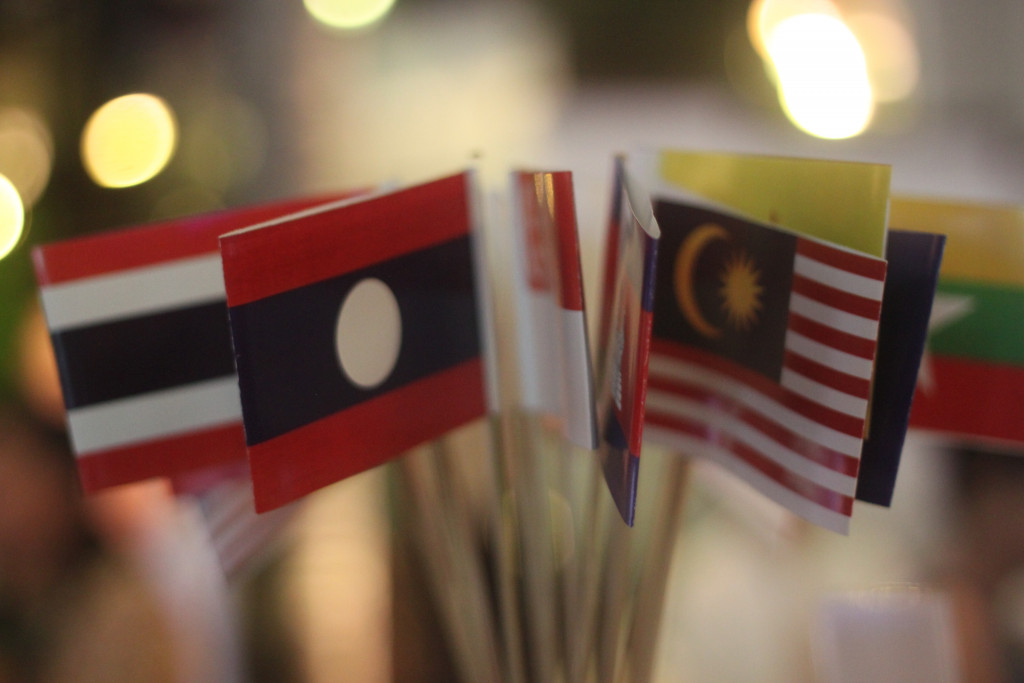
There are all but three. Only Myanmar, Cambodia and Laos are not part of the Indo-Pacific Economic Framework for Prosperity (IPEF), the cooperation program launched by US President Joe Biden from Tokyo, during his trip to Asia. Malaysia, Singapore, Indonesia, the Philippines, Brunei, Vietnam and Thailand, on the other hand, joined India, Japan, South Korea, Australia and New Zealand in a group that comprises 40% of world GDP. The program intends to strengthen supply chains and collaboration between partners, particularly in the areas of digital commerce and the energy transition with a focus on the development of renewable energy. Countries in Southeast Asia have made it clear multiple times that they would like to see greater USA trade engagement and in the past have expressed their frustration at Washington's withdrawal from the Trans-Pacific Partnership (TPP) by the former. US President Donald Trump in 2017. At the same time, the White House tries to convince ASEAN, through the IPEF, that the USA is ready to do its part to support the region's commercial, infrastructural, environmental and digital development and contain the economic impact of the war in Ukraine. Still, the Biden administration made it clear in advance that it was not a free trade agreement and that therefore the framework will not lead to a lowering of tariffs on imports. The neutrality of the Association was however reiterated and exemplified by the words with which the Premier of Singapore, Lee Hsien Loong, announced joining the program launched by Biden. "Asia does not need a NATO equivalent," said Lee, also referring to the Quad summit. And he clarified the inclusive will of Southeast Asia by asking at the same time as the launch of the IPEF for the go-ahead for China to join the TPP. Cooperation yes, opposition no.

Why Asia is thinking about going nuclear

In Singapore, Minister of State for Trade and Industry Alvin Tan spoke to parliament about alternative energy options such as hydrogen, geothermal, and nuclear. Other countries are following.

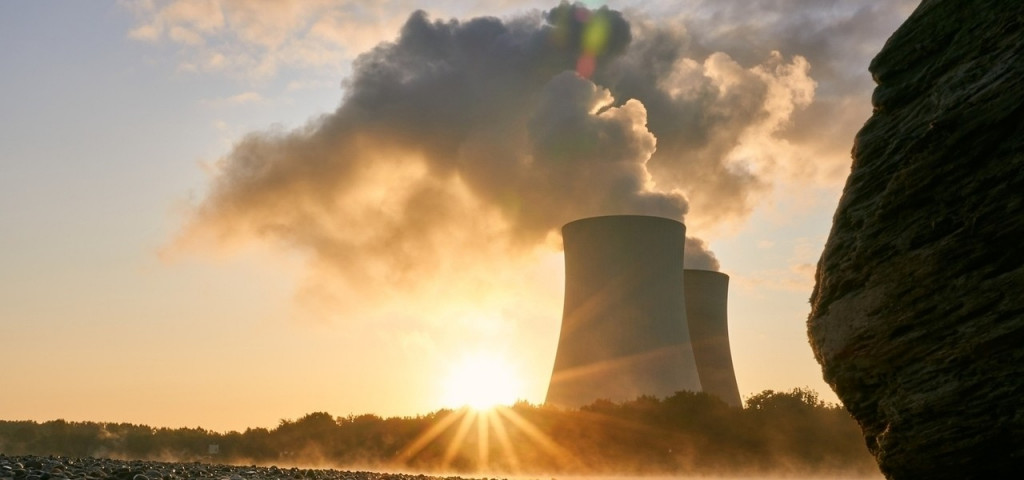
East Asian countries are considering the nuclear option in response to the shortage in global energy supply brought about by the Russian-Ukrainian conflict. This is an attractive option for many regional governments that are struggling to deal with economic consequences of the health crisis to promote domestic growth.

The latest report of the Intergovernmental Panel on Climate Change (IPCC) is blunt about the environmental and social emergency that awaits the international community in the near future. There is an urgency for decisive measures to drastically reduce greenhouse gas emissions by 2025 if we are to attempt to meet the Paris Agreement target and limit global warming to 1.5 °C above pre-industrial levels. At COP26 in Glasgow last November 2021, participating countries were encouraged to rapidly move away from fossil fuels to avoid climate disaster, and to consider the use of nuclear power.

East Asia - due to its geographical characteristics and socio-economic structures - is among the regions most susceptible to environmental and climate deterioration. The consequences of global warming are dangerously impacting on the living conditions of regional communities, forcing many people to migrate and others to deal with rising sea levels and extreme weather phenomena.

For these reasons, national governments have made sustainability and de-carbonization imperatives of their policy agendas. The economic difficulties that followed the pandemic and geopolitical contingencies in Eastern Europe have challenged these good intentions, because beyond environmental concerns, economic growth remains the main objective of these emerging markets.

Who are the supporters of the nuclear turnaround

China recently approved the construction of six new nuclear reactors to advance its de-carbonization policy. The severe power shortage experienced last fall 2021 had forced China's local governments to ration power access. This would have confronted national authorities with the pressing need to find energy solutions that meet the massive national demand without sacrificing climate commitments.

Japan, although still traumatized by the Fukushima disaster of 2011, is considering going nuclear to withstand the impact on energy prices brought about by the war in Ukraine. New Prime Minister Fumio Kishida is quite supportive of this transition, according to Nikkei Asia. He told reporters on April 8 that he aims to "maximize the use of renewable energy and nuclear power following the ban on Russian coal imports."

South Korea's newly elected president, conservative Yoon Suk-yeol has promised a nuclear turnaround to emancipate the national economy from carbon. The plan to overhaul the energy mix has been called "inevitable" for Seoul to meet its climate goals.

In Singapore, Minister of State for Trade and Industry Alvin Tan spoke to parliament about alternative energy options such as hydrogen, geothermal and nuclear. Although a 2012 study had determined that conventional large nuclear reactor technologies were not appropriate for the small Asian city-state, today the infrastructure can be much smaller and more sophisticated, and Singapore could also benefit from this industry.

The Philippines is also entertaining the idea of veering toward nuclear power. Energy Secretary Alfonso Cusi is a strong supporter of this energy option, and told the ANC TV channel last year that it is a strategic alternative to reduce oil imports. In February, President Rodrigo Duterte signed an executive order to include nuclear power in the national energy mix.

Other countries in the region, including Indonesia, Malaysia, Thailand, and Vietnam, are exploring or implementing plans to produce nuclear power, although many projects remain on hold due to cost and safety issues.

Songkran at the time of the pandemic

After two years of pandemic, Thailand is trying to restore normalcy for its most famous festival, though restrictions continue to hold back recovery.

Songkran is the largest and most famous of Thailand's many traditional festivals. This festive period is also widespread in other Southeast Asian countries and celebrates the beginning of the new year in the Buddhist and Hindu calendar. In particular, the Thai Songkran, which happens to occur in the hottest month of the year, is known not only for the great fights with water pistols, very popular among tourists, but also for the purification ceremonies. Tradition has it that, in addition to the numerous processions, the faithful pay homage to the elderly or their loved ones by washing their hands with water. In addition, it is customary to clean their homes and the statues of Buddha in the temples in such a way as to celebrate rebirth and purification. Every year the celebrations begin on April 13 and normally last for three days, allowing families to gather in their own village for the celebrations. For this reason, every year there is an exodus of workers who move from the capital to their provinces of origin.

The tradition, interrupted due to the lockdown, could be renewed again this year, with the population traveling to visit their families and celebrate the usual rituals. Due to the COVID-19 pandemic, in fact, any other type of popular celebration had been banned for the past two years to prevent the spread of the virus. Even this year, however, celebrations were severely limited. In fact, even though the number of infections in the week of Songkran was less than 20,000 cases per day and therefore well below the figures we are used to in Italy (with a slightly larger population), the government continues to impose very strict rules in order to contain the pandemic.

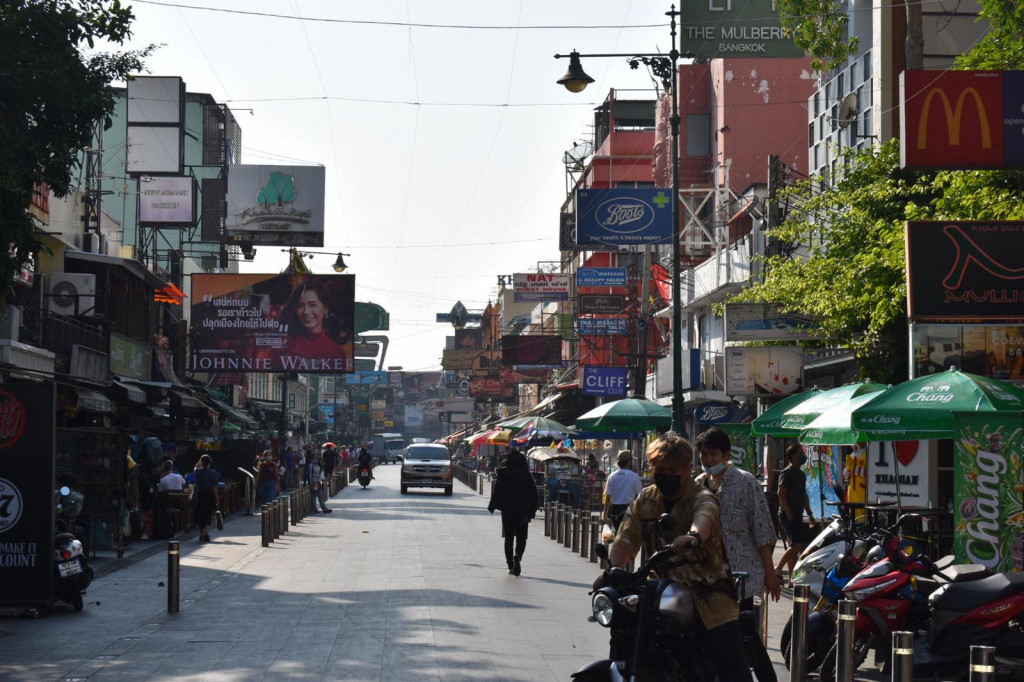
To the disappointment of many tourists, spraying with water guns or any kind of water games have been banned in the public areas of the largest cities, including Bangkok, for the third consecutive year. Discos and nightclubs were also closed and the serving of alcohol during the celebrations was prohibited. In the most touristic places of the capital, such as the very popular Khao San Road, it was possible to assist , on one side, to shopkeepers trying to sell water pistols in vain, and on the other side the Thai army intent on announcing with loudspeakers the prohibition to use them.  

The Songkran festival would have also represented an important moment to revamp the economy, given the increase in consumption expected for the celebrations. But this year, due to the increase in the inflation rate in the context of a fragile economic recovery and the maintenance of restrictions to limit contagion, consumption has remained well below pre-pandemic levels. What's more, for a country that thrives on tourism (a sector that, according to the Bank of Thailand, in 2019 accounted for about 11% of GDP and employed about 20% of the workforce), cumbersome entry policies have discouraged entry in the country for many foreign tourists, further dampening the recovery. 

Indeed, despite many neighboring countries easing entry requirements, Thailand maintained onerous rules that required, even for vaccinated tourists, expensive COVID tests upon arrival and quarantines in select hotels. For this reason, some projections regarding bookings in tourist facilities for 2022 show that Thailand has recovered only 25% of pre-pandemic tourists, falling behind the same figure of 72% and 65% for Singapore and the Philippines respectively.

As of May 1, however, an ATK test and minimal insurance coverage will suffice to enter the country, with the hope that a renewed influx of tourists will restore much-needed support to the Covid-overrun economy.

Neutrality and pacifism cornerstones of ASEAN WAY

Editorial by Michelangelo Pipan

Vicepresident - Italy-ASEAN Association

ASEAN countries intend to remain neutral, continuing to pursue balance based on equidistance and proactive economic diplomacy 

In the aftermath of the summit with the US, ASEAN remains reluctant to take sides, to let itself be drawn into geopolitical disputes, faithful to its founding principles as if to extend the Asean Way that accompanied its expansion beyond its borders. The ASEAN countries intend to remain neutral, continuing to pursue equilibrium based on equidistance and proactive economic diplomacy (see RCEP) - which for two years have led them to be China's main trading partner, overtaking the USA, in third place, and the EU, which has risen in second place.

Biden asked the summit to remedy the lack of attention of the Trump presidency. Objective achieved from the formal point of view, without however removing ASEAN from the comfort zone intended not to spoil the friendship with the great powers.The final Joint Vision Statement seems entirely written on the Asian side of the Pacific: repeated references to ASEAN's cornerstones of neutrality, pacifism and the Nuclear Free Zone, to the peaceful settlement of disputes, to the commitment to regional peace and stability. In the chapter on the South China Sea - significantly titled "Promotion of Maritime Cooperation" - China is not mentioned and quietly advocates the peaceful resolution of disputes based on international law. The short section on Ukraine merely reaffirms - specifying: as for all nations - respect for sovereignty, political independence and territorial integrity, calling for an immediate cessation of hostilities. 

In the capitals, ASEAN leaders receive applause: the Association must remain neutral; the RCEP remains the reference context; The Indo Pacific Economic Partnership, not yet better defined as a US initiative, "it is absolutely not comparable".

Europe and Italy have an interest in the consolidation of intermediate powers that contribute to the regular functioning of globalization, which will have to resume along better meditated and governed guidelines. In this context, the ASEAN countries are confirmed - also as a springboard for the other Asian markets - natural interlocutors for Italy. A great opportunity for our country, its industrial districts and its natural export vocation.

Mekong dams: the impact on communities and ecosystems

The Italian Vietnamese Studies Center brings up the debate on the Delta’s development issue. Recently, the Mekong region’s growth has been driven by infrastructural projects that are as ambitious as they are controversial

On Thursday 12 May the Italian Vietnamese Studies Center (CSV) hosted a webinar to explore the environmental, social and legal aspects that revolve around the construction of dams along the Mekong. The area occupies 790,000 km2 and embraces very different countries in terms of government, economy and demographics: all factors that influence priorities (and therefore approaches) to the issue of development. The nine panelists, preceded by greetings from Ambassador Duong Hai Hung, sought to cover all these aspects: among the speakers, experts in Earth sciences, ichthyology, power plants and law.

Ecosystems in danger

As Professor Simone Bizzi explained, the Mekong is a complex, but organized, ecosystem. Each element of the river ecosystem is constantly changing and is self-regulating to maintain its "health". The introduction of alien elements, such as dams and hydroelectric power plants, can have a devastating impact .

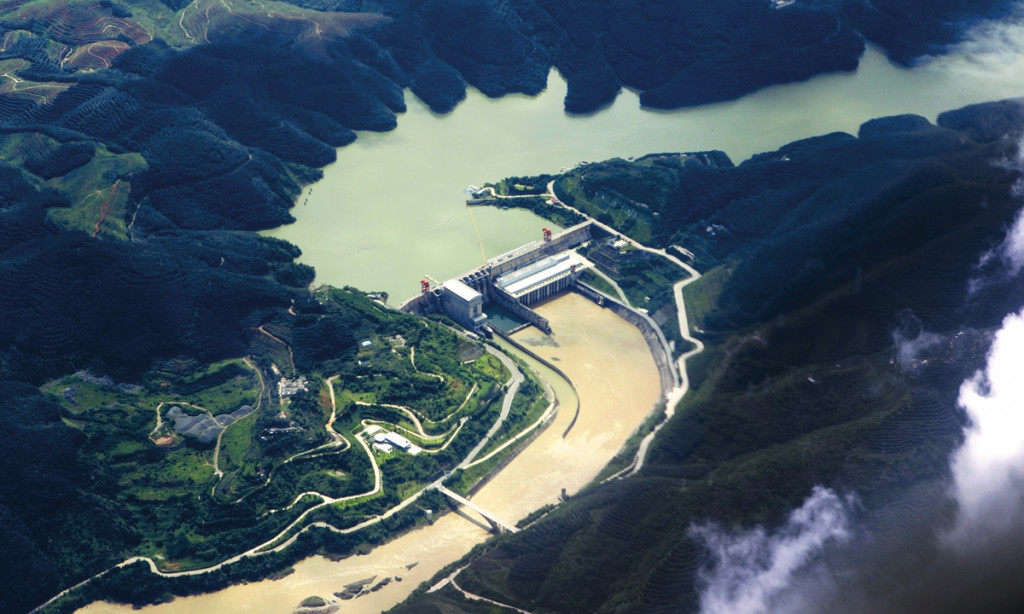
The case of the upper Mekong basin’s dams is emblematic of these changes. China is investing huge resources to enhance the development of the area through hydroelectricity. Along the Lancang, a tributary located in Yunnan province alone, 65 plants are operational and Beijing is planning to build another 23 dams. Among the various problems, their presence is "jamming" the transport of sediments, which each year amount to about 160 megatons (thirty times the weight of the pyramid of Giza): the accumulation of sediments causes stagnation upstream, while the nutrients that support biodiversity downstream no longer arrive. A phenomenon that has consequences not only on fish, but also on rice fields and agricultural activities in general.

(Un)sustainable development

Climate change poses a further challenge to the normal functioning of the river ecosystem (and of all the activities that depend on it). The flow of water, already reduced by the presence of dams, is subject to increasingly intense dry seasons. In 2019 the Mekong reached its lowest level in the last 100 years, a record that is turning into normality. Faced with the lack of water, as also reported by the Observatory on dams in the Mekong of the Stimson center, some dams end up further limiting the flow and penalizing the areas of the southern sector. This happens especially in the Chinese section of the Mekong, experts accuse, even when the level of rainfall is sufficient.

However, the projects for the construction of new hydroelectric plants have not stopped. On the contrary: along the tributaries of the Mekong, funding for the construction of new plants continues to increase, thanks to the growing demand for electricity in Laos, Cambodia, Myanmar, Thailand and Vietnam. Some of these countries are highly dependent on hydroelectricity, as evidenced by the Phnom Penh data on the Cambodian energy mix: 55% of electricity production capacity comes from hydroelectric plants. Financial dependence is added to the risk of imbalances in energy supply: whether they are investments by foreign companies or development banks, or the debts accrued to contractors.

Finally, the construction of dams can have immediate or long-term social effects. In the first case, neighboring populations could have their land expropriated - when the project does not directly require the relocation of villages. Secondly, the environmental degradation that follows poor project management reduces the livelihood and development opportunities of those citizens who should benefit from them.

Solutions (or compromises?)

As Professor Massimo Zucchetti pointed out, it happens that after a careful review the plans for the construction of new hydroelectric plants have to be canceled and totally replanned: in the northeastern Indian state of Uttarakhand as many as 23 out of 24 projects did not pass the minimum criteria of sustainability. This sometimes happens due to the lack of involvement of local actors or experts capable of assessing the impact of dams in the context concerned. Solutions to reduce negative externalities exist, and some of these are related to the so-called "nature based solutions". The latter represent a set of measures that are based on respect for the specificities of the territory and require minimal human intervention.

The problem of managing hydroelectricity in the Mekong Delta is not only ecological, but poses various challenges for the construction of an environmental law capable of protecting local communities. The last part of the meeting therefore focused on legal disputes affecting such a vast area. The growing scarcity of water resources has long been recognized as a factor in accelerating conflicts, and the lack of adequate mechanisms increases the risks of instability (as well as poor adaptation of projects).

The role of transnational organizations

What can ASEAN do in such a complex context that affects more than half of its member countries? According to the panelists, there are many interventions that today remain in the hands of transnational organizations. Most of the hydroelectric projects along the Mekong see the participation of banks of state and private actors, development banks, and research groups. Furthermore, public participation is particularly important for the management of local resources. The different actors also have the capacity to provide the data necessary to understand the reference context - objectives that are still difficult to achieve today.

What can happen thanks to the intervention of non-partisan organizations is the sharing of experiences and virtuous design mechanisms. Furthermore, a group like ASEAN has at times been able to form a common front in front of important players such as China, which in this case is one of the main interlocutors. The other side of the coin, however, offers an overview that is still too attentive to facade sustainability and little to the actual overexploitation of existing resources. On paper, the word "sustainable development" has spread as rapidly as electricity consumption and the emission of greenhouse gasses have increased. Here is the challenge for all the actors involved in the transformations in the Mekong basin: knowing how to innovate while respecting the territory, the ecosystem and its populations.

ASEAN and India, redefining South Asian future energy strategies

By Aishwarya Nautiyal

India and ASEAN showed a willingness in developing another ecosystem as strengthening infrastructure for renewable resources while sharing expertise along with knowledge to its full potential among member nations.

Transition into new synergy with rising demand and advancement in technology is providing a new necessity of alternative and clean energy sources. ASEAN with the high level of potential from technological driven to resourcefulness has been seen by India as one of the major partners whether it is exchange of trade or new potential in innovation towards future energy needs . As the world is dealing with the fluctuating scenarios due to which rising demand of efficient energies and risk oriented dependency has brought a new requirement in exploring future avenues for green and efficient sectors of energy resources. A high level conference between delegates of India and ASEAN in the month of February, 2022 showed a willingness in developing another ecosystem as strengthening infrastructure for renewable resources while sharing expertise along with knowledge to its full potential among member nations.


New energy hubs,capacity building with technical assistance to promote joint initiative in the South Asian region has been prioritized.Initiative by India to welcome experience from ASEAN towards integration of green market is one of the key aspects. ASEAN power grid is one of the key areas of interest and its efficient functioning has brought a phase for integration and adaptation through various infrastructure development projects including strategic cooperation to sharpen the knowledge and expand opportunities in the Indian subcontinent region. India’s willingness to cooperate with Indonesia to facilitate a new dimension of transition in the renewable energy sector. Academic exchanges and providing new ideas for mutual encouragement with effective coordination among researchers and students has also been an important perspective among policymakers from India and ASEAN member nations.


Integration of Grid among ASEAN countries and its project designing new capacity building has been a key area with the welcoming signs . The Ministry of Mines and Energy of Cambodia has highlighted an importance of a unified ambition targeting actions planned for low carbon emissions whereby green hydrogen is seen by India as a new key for decarbonisation driven through intensive training and mutual expertise coordinating with partners from ASEAN grouping. Some recent developments in ASEAN countries have shown a tremendous potential in organizing and implementing new strategies towards transition into Renewable Energy. Indonesia is looking forward to resolving the storage capacity whereas Lao PDR has shown progress in a rise of 89% in new green projects including hydroelectric power generation, solar energy, biomass leading renewable energy generation totaling more than 9100 MW.


Thailand on the other hand has floated a 2700 MW solar plant creating its multi utility inclusive of water pumping. India has recently committed progress in future energy share along with new technological innovation ensuring its cost effectiveness and competitive infrastructure along with ASEAN partners such as Brunei, Philippines and Myanmar. Looking forward towards future challenges with rising opportunities utilizing technological skills of smart intelligence through India’s one of the largest networks of IT industry focusing upon robotic integration for smart engineering can bring a sustainable production to balance the demand for future energy needs in such a huge populated region. Mutual coordination with neighboring ASEAN nations can provide a platform for strengthening bilateral cooperation and sharing bilateral human development.


A response required for new energy security has been kept as one of the high priority sectors by Indian policy makers along with ASEAN promoting biofuels alternatives such as palm oil, sugarcane and coconut has emerged as a major component of alternative for driving future energy production. India produces large amounts of sugarcane in its mainland in the Northern part of its territory whereas coconut production in Southern India complemented by being a largest importer of palm oil from Malaysia and Indonesia showcase an avenue of mutual resource driven by technical cooperation as well as knowledge sharing. According to the Indian Planning Commission a major concern lies for its vast population of 1.36 billion people whose demand is rising due rising standard of living and driving workforce that needs a new kind of security policies ensuring future energy needs.


According to the United Nations Environment Programme, India spent almost USD 10.2 billion alone in 2015 while mitigating the effects of climate change and focusing on new strategies for solar and wind transition which have become a dominating field in India’s new ecosystem of sustainability in energy. New rising challenges in cities struggling with massive level of pollution and urgency of finding new ways through research and mutual confidence in investmenting in infrastructure projects, collaborative vision driven by ASEAN India commitment to succeed beyond single state strategy into integrated unified regional policy by harmonizing through mutual commitments in various steps and aspects with a vision of overcoming a daunting task of difference in national level of targets and commitments which may vary quantitatively due to variation in objectives and its time frame to overcome mechanism of conventional energy sources.

“From the sky, onto the mountains, and into the oceans"

How Thailand’s water management in agriculture can support the global goals

By Sarun Charoensuwan

Deputy Permanent Secretary for Foreign Affairs - Thailand

In September 2015, all 193 Member States of the United Nations adopted a plan for achieving a better future for all, laying out a path to end extreme poverty, fight inequality, and protect our planet through the 17 Sustainable Development Goals (SDGs) which committed to leave no one behind.

But multiple challenges remain to be tackled before the world can achieve these goals. According to the Food and Agriculture Organization (FAO), by 2050 the world will need to produce 60 % more food to feed a population of 9.3 billion. This will not be an easy task if climate change continues to put more pressure on the quality and availability of natural resources. For this reason, efficient water management, particularly in agriculture, will be key.

For Thailand, agriculture employs one third of the population, and much of this sector depends on the amount of annual rainfall. Thai farmers’ reliance on seasonal precipitation is reflected in several Thai water-based ceremonies. One notable example is the “Boon Bung Fai” festival during which villagers in the northeastern region propel homemade rockets into the sky to please the Rain God and plea for a favourable amount of rainfall. 

Traditional Boon Bung Fai (Rocket Festival)

Credit: http://www.watpamahachai.net/

It was this very issue that captured the attention of His Majesty King Bhumibol Adulyadej The Great soon after his accession to the throne in 1946. His Majesty’s determination to address this issue made agricultural water management an integral part of Thailand’s development policy long before the adoption of the SDGs, as evident in his speech at Chitralada Villa on 17 March 1986 “...It is crucial that there must be water for consumption and water for agriculture because life is there. With water, humans can survive. Without water, humans cannot survive. Without electricity, humans can survive. With electricity but no water, humans cannot survive...”

Many Thais can recall almost-daily news reports about the King’s visits to remote areas of Thailand impacted by droughts or floods in an attempt to find appropriate solutions. Dr. Sumet Tantivejkul, Secretary-General of the Chaipattana Foundation, summarized the framework of King Bhumibol’s water management principles as “From the sky, onto the mountains, and into the oceans”.

From the sky: King Bhumibol established a “Royal Rainmaking Project” to increase water supply both for farming and generating electricity. The project started in 1955 when His Majesty visited dried-up areas in the northeastern provinces and noticed that the weather conditions were cloudy, yet not producing any precipitation. This observation inspired His Majesty to develop and perfect techniques for artificial rainmaking. Over the course of 50 years, “Royal Rainmaking” operations across the country have produced sufficient amount of water for the farmers to harvest without disruption and for hydroelectric dams to function properly.

Weather Modification by Royal Rainmaking Technology 

Credit: Google Patents

Onto the mountains represented the reservoirs and irrigation systems initiated by King Bhumibol to ensure year-round availability of water for agriculture and daily usage. They were also employed to alleviate the severity of floods by releasing runoff of excess water “into the oceans” at the appropriate moments. Pasak Jolasid Dam, Thailand’s largest earth-fill dam, is one of His Majesty’s most widely known initiatives to address flood and drought in Pasak River, one of the main tributaries of the Chao Phraya River that encompasses around 352,000 hectares of farmland, including in Greater Bangkok and its adjacent areas. It was designed to collect and store surplus water from the upper reaches of the river during the rainy season as well as to reduce the likelihood of flooding in the lower parts.

Pasak Jolasid DamPasak Jolasid Dam

Credit: Office of the Royal Development Projects Board website

Pasak Jolasid DamPasak Jolasid Dam

Credit: Public Relations Department website

Besides regulating the flow of water, several royal projects successfully employed modern irrigation techniques in combination with soil and forest rehabilitation. A notable example is Hub Kapong Royal Project Learning Centre in Cha-Am, Petchaburi Province. The project began in 1964 when King Bhumibol witnessed the hardship of local villagers and farmers who lacked capital and land. His Majesty then decided to set aside 1,932 hectares of degraded forest in the area for rehabilitation.  

Hub Kapong Royal Project Learning Centre

Credit: Thailand Sustainable Development Foundation website

The project boasts unique international cooperation with the Government of Israel, the world’s expert in agricultural technologies such as drip irrigation and greenhouse systems which have successfully transformed many parts of Israeli deserts to become arable. Over time, degraded soil in Hub Kapong has been gradually rehabilitated. Nowadays, local farmers can grow a variety of fruits and vegetables that would have been absolutely impossible 50 years ago, such as asparagus, tomatoes, and cantaloupe. The project also provided dwellers with infrastructure, knowledge in community management, and training in the operations of cooperatives for a comprehensive improvement in quality of life.

After immense progress, Hub Kapong continues to develop new sustainable agricultural practices. It adopted King Bhumibol’s “New Theory” model, which divides land into four parts: 30% for storing irrigation water, 30% for growing rice, 30% for growing a mixture of plants, and the remaining 10% for residential and livestock areas. This concept allows households to become self-reliant, and reduces risks from cultivating a single cash crop. Nowadays, the “New Theory” model has been developed into “Khok Nong Na” model, championed by His Majesty King Maha Vajiralongkorn, by incorporating indigenous farming wisdom into the “New Theory” model so that prescribed solutions fit the needs and conditions of each locality.

The key principle of the Khok Nong Na Model is to store sufficient water by focusing on storage of water in three main areas: mound, marsh, and rice field.

Credit: Surin Provincial Agriculture and Cooperatives Office website

Like Hub Kapong, several of King Bhumibol’s royal initiatives on water management were initially conducted as a pilot study in one small area, before expanding to other sites to examine its validity in various environments. To date, the knowledge derived from these projects have been implemented by farmers across Thailand with impressive results, attesting to King Bhumibol’s legacy which continues to be further developed and built upon by His Majesty King Maha Vajiralongkorn. The outcomes of these initiatives and projects may very well offer an answer to those wishing for rainfall, as well as provide a guiding light on the path towards achieving the SDGs.

* * * * *

Mr. Sarun Charoensuwan is a distinguished career diplomat with a wealth of experience in both bilateral and multilateral relations. He has served as the Director-General of three regional departments at the Ministry of Foreign Affairs, including the Department of European Affairs, East Asian Affairs, and American and South Pacific Affairs. He was Thailand’s Ambassador to France during 2018 to early 2022 before returning to headquarters as the Deputy Permanent Secretary for Foreign Affairs responsible for Thailand’s bilateral relations. 

Crypto Gaming in South East Asia

In recent months, the popularity of play-to-earn games based on blockchain technology has continued to grow. The online video game Axie Infinity, developed by Vietnamese company Sky Mavis, has become a symbol of this trend. However, the race to create a digital universe supported by decentralised transactions may have suffered its first setback. 

"Axie is a digital nation where people globally come together with their Axies to play, earn, and live. Welcome to our revolution." This is how Sky Mavis presents its mission statement. The experiment launched by the Vietnamese startup has created a real player-owned economy, making the possibility of earning thousands of dollars a month by breeding, collecting and trading their unique avatars - digitised as NFTs - a reality for dedicated players. The currency of the exchanges, and the main source of income on the Axie platform, are ERC-20 tokens called Smooth Love Potion (SLP). Until a few months ago, this cryptocurrency could be accumulated indefinitely by completing quests or winning battles and redeemed for new game features, or alternatively converted into real money.

According to Aleksander Larsen, co-founder and COO of Axie Infinity, the secret to Axie's success lies in the substantial monetary incentive offered to users in exchange for the time they spend on the game every day. However, on February 4th, the game's developers decided to take drastic action to balance the system, removing the rewards for 'Adventure Mode' and 'Daily Quest', effectively capping the amount of SLPs issued each day in order to limit inflation. While at its peak, a player could earn up to 150 SLPs per day, worth up to US$54, in December last year the maximum loot was halved to 75 SLPs, worth no more than two dollars. Simultaneously, the base price of Axies dropped from around $300 in August to just $25 in February.

The collapse of the SLP price is said to be explained by the tendency of players to convert tokens into real currency instead of reinvesting them within the game, causing an oversupply: the ways in which SLPs were 'burned' through the breeding of new Axies could not keep up with the speed at which large amounts of tokens were being issued on the market.

Jeffrey Zirlin, another co-founder of the game, was not surprised by these imbalances and compared the volatility in terms of capital flow to that which typically characterises emerging market nations. On the contrary, he emphasised the innovative strength of Axie Infinity, a pioneer in the trend of transforming digital gaming platforms into economies owned by real players that, consequently, often finds itself having to deal with unprecedented challenges.

In fact, it only took the announcement of the updated version - with its associated adjustments in terms of SLP supply - to reverse a long-running downward trend. Within just 24 hours of the launch of 'Season 20', the value of the game's cryptocurrency rose by 40%. In addition, the significant changes made are believed to hint at a number of other benefits, including increased chances that the game's economy can develop in a healthy and sustainable manner over time. "We believe the fastest way to reduce this volatility is for us all of us to come to terms with our collective responsibilities within Axie, and quickly work to build consensus and enable each other’s community efforts," reads the official presentation of the update. "Prosperity amongst a community comes when it collectively creates more value than it consumes."

However, uncertainty in the world of cryptocurrencies does not only depend on market fluctuations. At the end of March, Ronin, the blockchain network that supports the video game, was targeted in a hacking attack during which the equivalent of more than $600 (real) million in Ethereum was stolen from the famous videogame. Larsen reaffirmed the financial strength of Sky Mavis, which has since set about fully compensating players for their losses. However, he told Bloomberg that the partial recovery of stolen funds could take up to two years. It remains to be seen whether the game's popularity will survive this record-breaking theft and whether the Ho Chi Minh-based company will be able to respond promptly and effectively to these unprecedented and unforeseen attacks on its security systems, confirming its position as a leader in the crypto gaming industry.

Philippines, Marcos Jr. wins: what prospects for Manila?

The son of the former dictator wins an overwhelming majority. What does his rise to power mean for the Southeast Asian country?

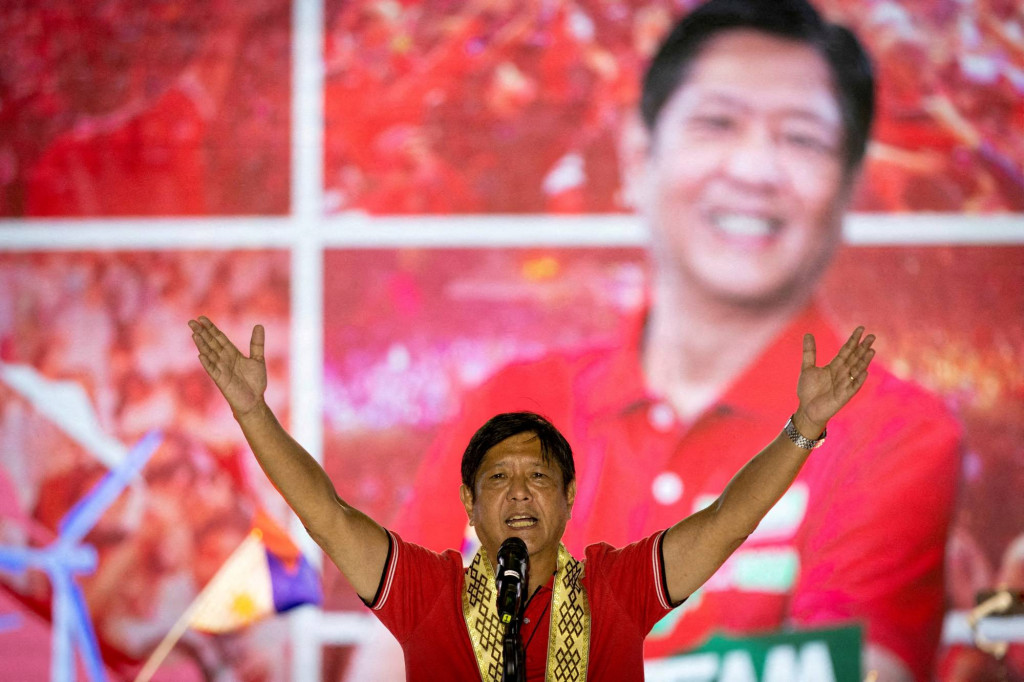
On May 9, 2022, the Philippines put a Marcos back in charge of the country. And with unequivocal results: a few hours after the closing of the polls, Ferdinand Marcos Jr. had already obtained a clear lead over the other leading candidate, Leni Robredo. To dictate the success of "Bongbong" also the choice of Sara Duterte as his candidate for the vice-presidency. This is the largest electoral success ever recorded by a candidate since 1989, when Corazon Aquino obtained office on the push of the revolts against Marcos' father.

Ferdinand "Bongbong" Marcos Jr.: who is he?

Born in 1957, Ferdinand Marcos Jr. is the only male son of the former Philippine dictator. Exiled with his family in Honolulu after the collapse of the regime, he returned to the Philippines in 1991, two years after the death of his father. Only a few months passed from his return to his homeland to his entry into politics: President Aquino had in fact granted both his return to the Philippines and the possibility to re-enter politics. Ferdinand "Bongbong" Marcos Jr. was first deputy, then governor of Ilocos Norte (historical fiefdom of the Marcos dynasty), and finally congressman and senator between 2010 and 2016. In Ilocos Norte, nevertheless, some remember him as an absentee governor: he had enrolled in Oxford and was often in the States, but he never finished his academic career beyond graduation.

In 2016, he ran for vice president, but lost to candidate Leni Robredo - known later for her opposition to Duterte's policies. It is therefore no coincidence that Marcos Jr. soon inherited Duterte's electoral pool (despite some rifts between the two). His victory was predicted by the polls, where he exceeded 55% of the preferences. Campaign promises were described by observers as "vague," but that did not stop Bongbong from bringing home an unexpected success, the most striking since the election of Aquino.

Disillusionment and social media

Disillusionment with the political class has largely contributed to Marcos Jr.'s unchallenged rise. Despite vague promises, the newly elected president has always played up the need to recreate a more just country where corruption and separatism are not rampant (which did not fail to make itself felt even in the 2022 elections). In addition, the "cleaned up" image of the Marcoses on social media has contributed to the narrative of "a golden era" that was realized under the rule of Marcos' father. In fact, according to the new president's supporters, such rampant corruption would not have existed under the Marcos regime, nor would family clans have had so much power vis-à-vis politics.

The election of Marcos Jr. attracts, as happened also with Duterte, deep reflections around the role of social networks. The Philippines is considered one of the most "social" countries in Asia, with 80 million online users. According to a survey by Rappler, the turning point in this trend was 2016, when Duterte's election reminded many of the populism of US Donald Trump. At least one million people were exposed to fake or misleading news through the spread of viral content. The Philippines passed a law against fake news in 2017 but, as Marcos Jr. himself says, "it is very difficult for governments to manage these dynamics."

The impact of the presidential election on ASEAN

From an ASEAN perspective, a potentially weak Philippine government could be another issue with internal and external repercussions. The dossier on disputed territories in the South China Sea is still unresolved and the promised Code of Conduct to manage Chinese assertiveness is still unrealized. If with Duterte the decision to distance himself from the United States had the appearance of a strategy, with Marcos Jr. it could be a choice forced by events. On the scale of challenges for ASEAN Manila plays a crucial role. Midway between Washington and Beijing, Marcos Jr.'s Philippines could put the group's priorities back on the map. But Bongbong's coy attitude, which has avoided many opportunities for public debate, does not help understand his diplomatic strategy.

According to analysts, the presence of a Marcos in the presidency is not conducive to rebuilding relations with Washington: a Hawaii court in 2011 ordered the Marcoses to pay a $353.6 million fine for failing to declare their assets. The sum has never been paid, and for this reason Marcos is theoretically a wanted man who could face a criminal case if he sets foot in the U.S.. This is a major problem both in the context of presidential visits and multilateral summits with ASEAN. Driven by events, Bongbong could find himself on the path opened up by Rodrigo Duterte to China (and its capital): a path that, depending on how the new president moves, could find space thanks to the push of Vice President Sara Duterte.

The post Ukraine of Asian economies

By Lorenzo Riccardi

The war will have a direct effect on the Asian economies that have more trade with the countries in conflict, but it will be extended indirectly to the entire Far East region in relation to the impact on Europe-Asia economic relations

In addition to the suffering of the humanitarian crisis caused by the conflict in Ukraine, the entire global economy will have to face the effects of a direct impact in each region and increasing inflation.

Russia and Ukraine are among the largest producers of commodities, natural gas and oil, as well as accounting for 30 percent of global grain exports.

Russia is the third largest producer of oil, the second largest exporter of natural gas, and among the top producers of steel and aluminum.

Ukraine is one of the top producers of corn, wheat, sugar beet, barley and soybeans; their strategic role is interconnected with many countries and regions of the world.

In recent weeks many reports have been published by major financial institutions on estimates for trade, investment and economic growth, from the International Monetary Fund, to the World Bank all estimates predict a slowdown caused by the conflict.

The war will have a direct effect on Asian economies that have more trade with the countries in conflict but will be extended indirectly to the entire Far East region in relation to the impact on Europe-Asia economic relations.

China, according to official customs data, reported trade volume with Russia to be $147 billion in 2021 with an increase of 36 percent year-over-year, while trade with Ukraine was $19 billion in 2021, an increase of 30 percent on aggregate trade. These figures represent smaller percentages than trade with Beijing's major trading partners, which are the Southeast Asian region, the ten ASEAN economies, the European Union, and the United States.

The immediate effects on the economy could be less due to the fiscal stimulus sought by Beijing to promote the 2022 growth targets and in relation to the fact that trade with Russia amounts to less than 1% of gross domestic product. However, commodity prices and weakening demand in major export markets pose a challenge.

In the face of intensifying sanctions by Western countries, the Russian leadership will increasingly look to Beijing to promote new trade flows and new financial instruments with the CIPS international payments system alternative to SWIFT and the Chinese yuan as a currency replacing the U.S. dollar.

La posizione della Cina non è né di condanna né di supporto verso la Russia, si è però espressa a gran voce contro le sanzioni, ritenendole inefficaci per la risoluzione del problema.  Questa posizione è diffusa in quasi la totalità dell’Asia Pacifico con l’unica eccezione per Giappone, Sud Corea, Singapore e Taiwan in Asia e Australia, Micronesia, e Nuova Zelanda nel Pacifico; che sono stati inseriti da Mosca in una lista di paesi e territori ostili per aver aderito alle sanzioni.

For the ASEAN bloc, trade with China accounts for 20 percent of international trade according to 2021 data compared to 11 percent with the United States and 8 percent with the European Union, so some analysts are estimating a possible increase in intra-regional economic interaction in the Far East. The volume of trade with countries at war will be strongly impacted but among Asian economies only Vietnam and Japan have a surplus in the trade balance with Russia and Ukraine and in general the weight of the volume of trade with these countries occupies smaller shares of the local gross domestic product. 

Asian countries have various levels and types of exposure to the Russian and Ukrainian economies, with greater criticality given by the increase in prices in the energy and food sectors as well as shocks to the manufacturing supply chain that will have a different impact on countries in the region.

Russia is a major energy exporter, but the direct exposure of ASEAN member countries in this regard is quite limited. ING Bank has issued a report estimating the impact of the war on Asian economies with indicators related to trade, exports, oil and gas supplies and food price increases and with a ranking of the most affected Asian countries in order of importance: Vietnam, Thailand, Japan and South Korea.

According to the Asian Development Bank, the main impact of the conflict on the economies of Southeast Asia will not be on growth, but rather will affect the inflation rate. According to the World Bank, the countries in the region that will see the most growth will be the ones that have the highest rate of inflation.

In its April outlook, the International Monetary Fund predicted a slowdown in the global economy due primarily to conflict. The IMF report forecasts a change in global growth from +6.1 per cent in 2021 to + 3.6 per cent in 2022, with effects also on the emerging Asia region, which will go from an increase of 7.3 per cent in 2021 to a performance of 5.4 per cent in 2022.

L’autore

Lorenzo Riccardi teaches at Shanghai Jiaotong University and is managing partner of RsA Asia (rsa-tax.com). He has been living in China for 15 years where he follows foreign investments in the Far East and has held roles in the governance of the largest Italian industrial groups. In January 2020 he completed a project to travel to every country in the world collecting economic trends and data from Shanghai, in every region, along the new silk routes (200-economies.com).


Recently active members
Foto del profilo di Alessio
Foto del profilo di Monika
Foto del profilo di Gabriel
Foto del profilo di Elena
Foto del profilo di Lorenzo
Foto del profilo di Alessandro
Foto del profilo di Cristina
Foto del profilo di Rocco
Foto del profilo di Clara Lomonaco
Foto del profilo di Redazione
Foto del profilo di Davide Gugliuzza
Foto del profilo di Anna Affranio
Foto del profilo di Ilaria Canali
Foto del profilo di Nicolò
Foto del profilo di Angelo Cangero
Who is online
There are no users currently online
Members
  • Foto del profilo di Alessio
    Active 22 ore, 42 minuti fa
  • Foto del profilo di Monika
    Active 4 giorni, 12 ore fa
  • Foto del profilo di Gabriel
    Active 3 settimane, 5 giorni fa
  • Foto del profilo di Elena
    Active 1 anno, 4 mesi fa
  • Foto del profilo di Lorenzo
    Active 2 years, 6 mesi fa