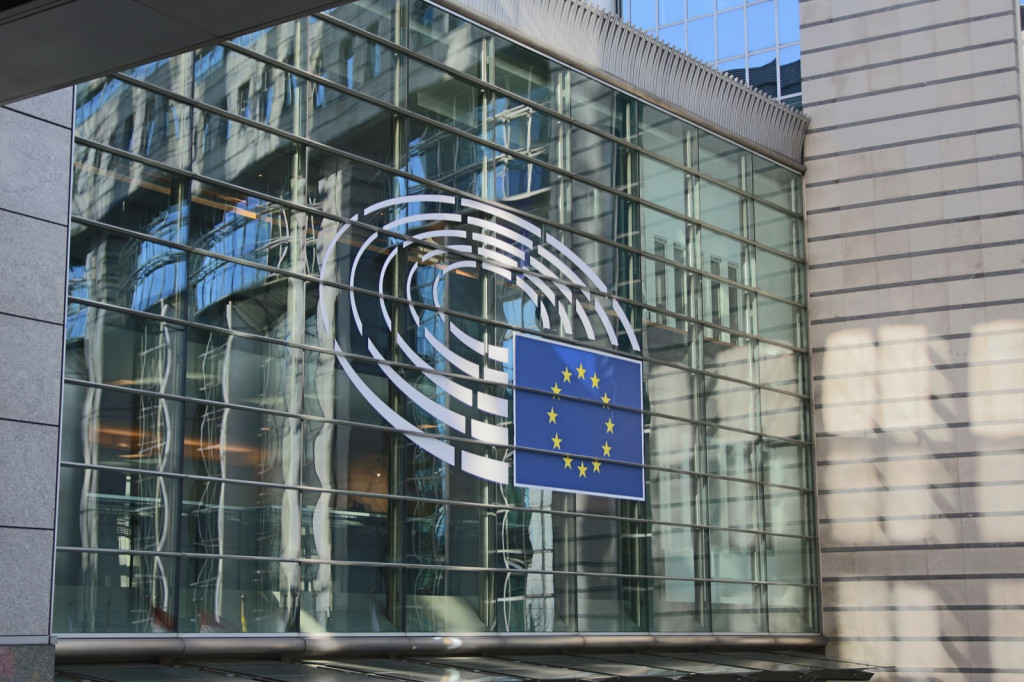
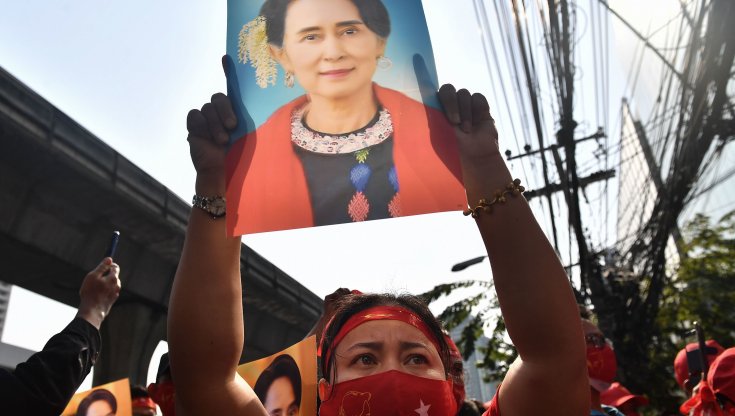
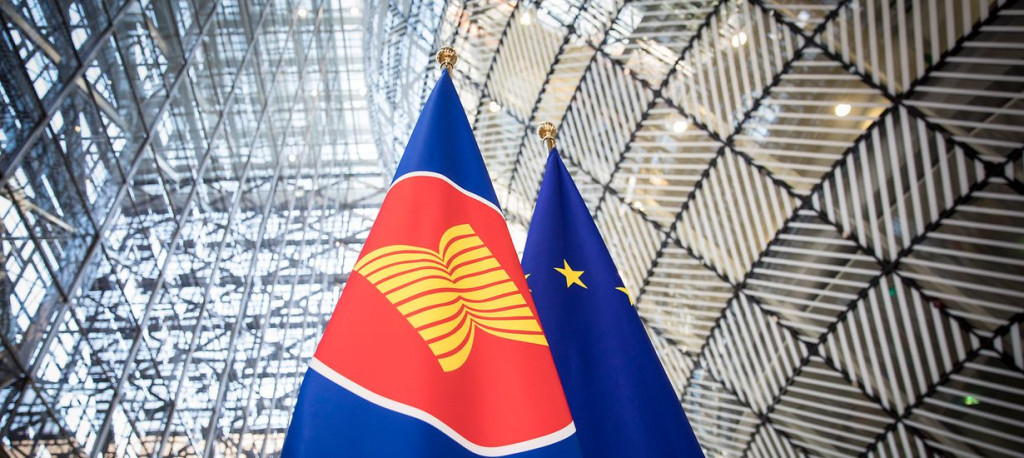
The European Parliament condemns the coup in Myanmar

The EP gives a clear signal by approving by a large majority a tough resolution against the military coup

PRESS RELEASE


In a resolution on the situation in Myanmar, MPs strongly condemn the February 1 military coup and call on the military (Tatmadaw) to immediately restore civilian rule, end the state of emergency, and unconditionally release all persons illegally arrested, including Aung San Suu Kyi. The outcome of the November 8th 2020 general election must be respected and power returned to the elected civilian authorities.

According to the MPs, "despite her failure to adequately condemn human rights violations against minorities in Myanmar/Burma, Aung San Suu Kyi continues to be the symbol of the people of Myanmar/Burma's democratic aspirations and ambitions for a more just and democratic future."


Furthermore, to ensure the recognition and representation of all ethnic groups in Myanmar, including the Rohingya, the new constitution must be drafted and implemented through a free and fair process.


MEPs welcome the extension of the 2018 sanctions against military personnel and officials of the Tatmadaw, border guard and police responsible for serious human rights violations against the Rohingya, and urge the Council to extend the targeted sanctions to the entire leadership of the Myanmar/Burma Army, including all those who took part in the coup.


Finally, the EP calls on the EU and member states to promote international coordination in order to prevent the illegal export of unauthorized goods from Myanmar/Burma, especially for the economic benefit of the military.


The text was approved with 667 votes in favor, 1 against and 27 abstentions.

Source: European Parliament

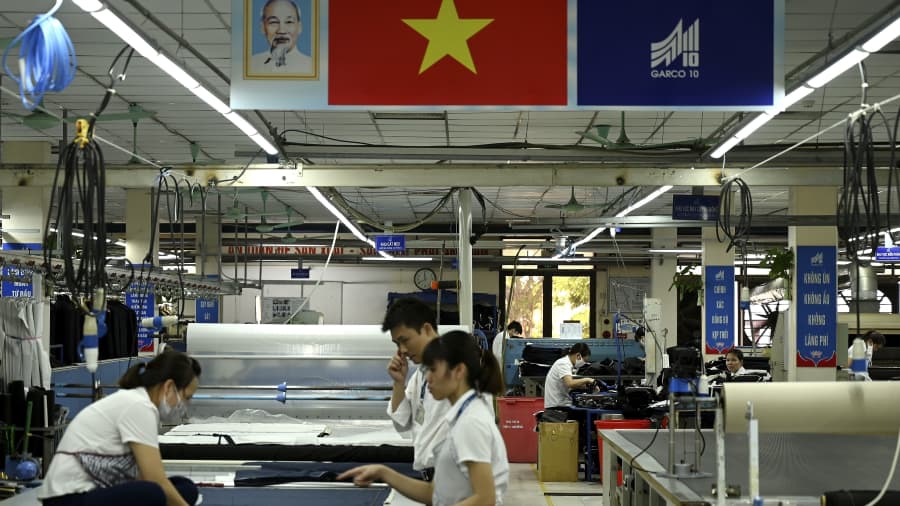
Vietnam is the new Asian locomotive

Despite Covid-19, Vietnam's economy thrives and records the best economic growth of 2020 in Asia

Vietnam confirms itself as the Asian economy with the best performance of 2020, as well as one of the few to have been only marginally affected by the economic crisis. Thanks to the successful fight against the Covid-19 pandemic, the Asian country was one of the very few nations in the world to register GDP growth in the past year, thus ensuring, in 2021, an advantage over regional and global competitors.

The health emergency has drained the economies of much of the world, nonetheless Vietnam has successfully managed to contain the spread of infections, with a total of slightly over 1,800 cases and just 35 deaths to date. Much lower numbers than what we are used to, especially considering Vietnam has a population of almost 98 million people. Building on previous epidemiological experiences, such as the 2003 SARS, the Vietnamese government was able to quickly implement a detailed emergency plan, weeks before other nations considered taking any measure. The borders with China were rapidly closed and, in addition to the restrictions on international transits, the government ordered rigorous monitoring of the infections, starting a scrupulous tracing of the spread of the virus. All these efforts have largely paid off and have allowed the country to record an economic growth of + 2.9% compared to 2019, which is even higher than the Chinese growth rate in the same period. The timely response to the pandemic has also helped to attract a large share of foreign direct investment and to increase the import-export sectors.

In the latter area, the expansion of the Vietnamese economy is largely driven by the numerous trade agreements concluded in 2020. The free trade agreement signed with the European Union, which entered into force in June last year, was followed by the Regional Comprehensive Economic Partnership (RCEP), which created the largest trading block in the world with 15 Asian economies. Furthermore, due to Brexit, the Asian country has signed a new free trade agreement with the United Kingdom, replacing the one previously ratified with the EU. Finally, Vietnam has signed bilateral agreements with Japan and South Korea and joined the Comprehensive and Progressive Agreement for Trans-Pacific Partnership together with other Pacific nations.

Even the services sector, which was most affected by the pandemic, managed to recover in the last quarter of 2020 and, despite a natural contraction in tourism for 2021, analysts calculated a drop in GDP only of 1, 5% lower than the potential if the health emergency had not occurred. 

Despite the unfavorable circumstances, therefore, a rather bright future seems to be looming for Vietnam. The British consultancy Center for Economics and Business Research (Cebr) has in fact estimated an exponential growth for the Asian state, which would establish itself as the 19th world economy by 2035. With a potential increase in GDP of 7.7% in the next 10 years and of 6.6% in the following years, Vietnam should be able to easily overtake other regional powers.

These development goals were highlighted during the 13th Congress of the Communist Party, which ended on Sunday 31 January with the re-election for the third term of Nguyen Phu Trong as General Secretary of the Party. The Congress defined Vietnam's economic-political trajectory for the next five years, pushing for the improvement of the country in terms of scientific and technological development.

Reasonably, the economic growth will go hand in hand with the achievements on the international stage. In this context too, 2020 was a positive year for Vietnam; it gained greater visibility in foreign relations by holding the Presidency of ASEAN and it was selected as a non-permanent member of the United Nations Security Council for the two-year period 2020-2021, successfully carrying out all international duties. With regard to the Presidency, Vietnam has promoted the reactivity of the Association, limiting the damage of the pandemic and ensuring, at the same time, the elaboration of the agenda set for 2020. But, among the greatest successes that Hanoi can boast, there it is undoubtedly the drafting of a United Nations resolution for the establishment of the International Day of Epidemic Preparedness, set for December 27th. To sum up, among diplomatic and commercial accomplishments, Vietnam proudly closes one of the worst years in history.

Peranakan

Once upon a time multiculturalism became the norm in Malesia

“I am Italian”, “I am Japanese”, is a usual answer for an Italian or Japanese citizen if questioned about his/her nationality. What is unusual, is to find a person from Malaysia to answer “I am Malaysian”. We are used to thinking about State borders as something distinct and separate. But in Southeast Asian countries, they are perceived quite differently. In many cases, they were decided on paper by foreign powers, not taking into account geography and different ethnic groups and cultures.

What is meant today with “Malaysia” is the union of 13 federal states (nine kingdoms, each governed by a Sultan, and four republics) and three federal territories in Southeast Asia. It includes the peninsular part (or Western) on the southern tip of the Malacca Peninsula and the Eastern part, a large branch of the Borneo island. The population consists of over 60% of Muslims, around 19% of Buddhists, 10% of Christians, and 6% of Hindus. The Muslim and indigenous majority holds the reigns of political power, while the ethnic Chinese minority holds the economic ones.

Going back to the previous question, someone from Malaysia could answer “I am Malaysian” if born by locals. But also: I am Chinese, I am Indian. Or baba nyonya, kristang, chitty. Or another of the countless ethnic minorities that are referred to in Malaysian as peranakan (lit.: “descendants”). The term identifies a person born on Malaysian soil by a local and somebody of a different ethnic background.

It all started in Malacca at the beginning of the 16th century. The city was the capital of the homonymous state of Malacca and home to one of the most important trading posts in Southeast Asia. Fine spices were traded here in bulk to and from all over Asia.

Due to this flourishing trade network, Malaysia started soon to attract the expansionist ambitions of European powers. Portugal took possession of the country in 1511; the Netherlands in 1641, after warding off the Portuguese; Great Britain in 1795 after beating, in turn, the Dutch. The English dominated the peninsula until when it gained official independence in 1957. During the English period, the region was occupied by the Japanese army too for a short period, from 1942 to 1945.

During these many centuries of foreign domination and wealthy commercial activity, there was a continuous mix of locals, Europeans, and traders of Indian, Chinese, or Arabic origins in Malacca. Intermarriages between different religions and ethnicities followed soon all over Malaysia. Today, for the descendants is impossible to identify their identity with standards terms like “Chinese”, “European”, or “Malaysian”. Even the Malaysian term orang Cina bukan Cina (“Non-Chinese Chinese), used sometimes to describe peranakans, is misleading. Each of these ethnic groups developed exclusive customs and traditions: partially deriving from their ancestors; partially in complete autonomy, as individuals halfway between two worlds.

There are several peranakans varieties. However, the great majority of them today is baba nyonya, kristang, or chitty.

Baba nyonya descended from Chinese traders that moved to Malaysia in the past centuries (usually males) and local women. They are the largest ethnic group, to the point that the term peranakan is often deployed by mistake as a synonym for baba nyonya. When the descendant is a male, he is a baba (“men”), when a female, she is a nyonya (“women”). The eldest generations speak baba Malay, a creole language that mingles Malay and many words from the Fujian Chinese region dialect. The most practiced religion is generally Buddhism. However, thanks to the strong European cultural influence in the country, it is not rare to find Christians too: in fact, the observed holidays come from both the Chinese Lunar and Gregorian calendars.

Kristangs are peranakans of European (mainly Portuguese) and Malaysian, Chinese, or Indian heritage. The distinctive feature of this group is the one of being not only multi-ethnic but also multifaith. From the second half of 1500 AD, the Malacca Jews persecuted by the Portuguese Inquisition sought shelter and protection among Kristangs, finally broadening their variety of traditions, customs, and religions. The festivities celebrated today include San Pedro Day and Christmas. On these occasions the multiculturality of kristangs cuisine emerges, a real blend of Eastern and Western taste. Around 300 Portuguese words are included in their creole version of the language, the “Malaysian Portuguese”. One of these, kristang (from the Portuguese Cristão, “Christian”) became the word used to identify the ethnic group. It was quite common for kristangs and local Malaysians to tie the knot in the past, but today it’s rarer: the law reform in 1976 provides that everyone who marries a Muslim must convert to Islam, the religion observed by the majority of Malaysians. Kristangs generally own a strong religious and cultural identity as Christians. For this reason, they find it hard to adapt to the new rule and tend more and more to marry other peranakans, or Chinese and Indians, because it is not mandatory to convert to another religion.

Chittys come from the union of Indians and Malaysians, Chinese or baba nyonya. They speak Malay, celebrate Diwali (the “Festival of Lights”, one of the most distinctive Indian holidays), and their cuisine is deeply rooted in the Indian and Malaysian cultures. It is easy to recognise the house of a peranakan chitty in Malaysia by looking at the front door: if there are mango leaves, there is a chance that a chitty lives inside.

Despite that peranakans are considered as part of Malaysian intangible cultural heritage, these countless, varied linguistic and cultural identities are today at risk: today, 55% of the Malaysian population is Malaysian, 35% Chinese, 8% Indian, and just 2% “others”, which includes peranakans. For this reason, several associations and even a Peranakan Museum in Singapore have been founded, to make sure to preserve this fundamental part of Malaysian culture.
The Islamic economy in Indonesia

With the launch of the Masterplan for the Islamic economy and the mandatory halal certification, Indonesia aims to become a global hub of the halal sector by 2024.  

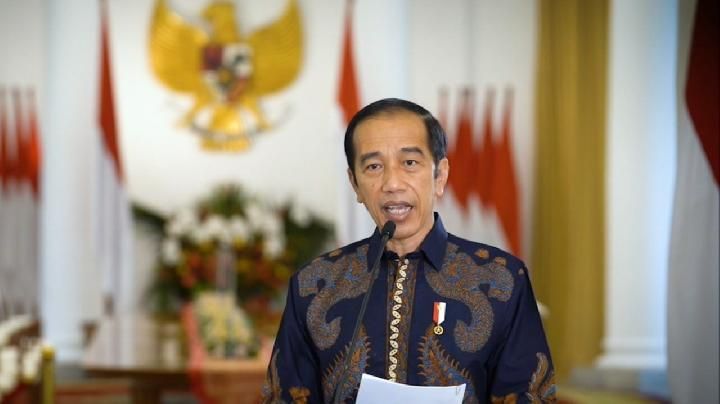
On May 14th, 2019, Indonesian President Joko Widodo officially launched the first Masterplan for the Islamic Economy (MEKSI) to be implemented in the five-year period 2019-2024. As the country with the largest Muslim population in the world, Indonesia in the last years has been concretely aspiring to develop strong strategies for its Islamic economy.

The State of The Global Islamic Economy Report 2020/2021 records that Indonesia continues to rise in all the rankings related to the global Islamic economy’s sectors, always among the top 10 countries. With reference to the GIEI (Global Islamic Economy Indicator), Indonesia climbed from tenth place in 2018 to fourth place in 2020, further advancing compared to the fifth place in 2019. In addition, it ranks first in the Top 5 halal food consumer markets, spending $144 billion; seventh in the Top 10 countries by Islamic finance assets; second, fourth and fifth place in the corresponding Top 5 halal cosmetics, halal pharmaceuticals and modest fashion consumer markets.

The data confirm the role of Indonesia among the countries with the greatest potential to become hubs of the Islamic economy. Recently, Indonesia has taken decisive steps in this direction. First of all, with the Law No. 33/2014 on Halal Product Guarantee, the Indonesian government decided to make the certification for all halal products released on the domestic market mandatory, including imports. The law came into effect in October 2019 and extended until 2024 to allow producers to adapt their business and obtain halal certification. Halal requirements are applied to different types of goods and services. The global halal market, analyzed by the Global Islamic Economy Report, consists of 7 economic categories: halal food, Islamic finance, Muslim-friendly travel, modest fashion, halal pharmaceuticals, halal cosmetics, Islamic-themed media and recreation.

The launch of the so-called MEKSI 2019-2024 (Masterplan Ekonomi Sharia Indonesia) follows the same route. It is the first masterplan aimed at making Indonesia a leading country in the production of halal products and services (permitted by Islamic law). The plan identifies four main strategies. They include the strengthening of micro, small and medium-sized enterprises’ role, as the first engine of the halal value chain, focusing on the most competitive sectors of the country (halal food and beverages, and modest fashion); the enhancing of the Islamic financial sector, with a wider presence and supply of capital for halal production companies; and finally, the promotion of Indonesian halal products and services through a more intense collaboration with e-commerce platforms.

The Indonesian government started the Masterplan through the establishment of the National Islamic Finance Committee (KNKS, Komite Nasional Keuangan Syariah). The main goal is to broaden the role of Islamic finance in driving the country’s economic growth, supported by a national roadmap for Islamic fintech. The KNKS changed its name to National Sharia Economy and Finance Committee (KNEKS), as part of a new strategy and a new executive management.

The KNEKS will embrace four areas: halal products industry development, Islamic finance development, Islamic social finance development and expanding of Islamic business activities. The demand for Islamic finance, as well as its analysis and understanding, is getting increasingly strong in Indonesia. The country also noticed the largest number of events in this sector, and ranks second for the amount of studies about Islamic finance.

The implementation of MEKSI involves several players of the Islamic economy through large and ambitious initiatives. In fact, the principal goals of the Masterplan include the construction of the Halal Lifestyle District in Jakarta, an industrial district of 21 thousand square meters with an investment of $18 million; and the Muslim Fashion Project (MOFP), a roadmap for the modest fashion industry growth, which include competitions and elaboration of fashion start-ups, involving about 656 small and medium enterprises and 60 designers. Thus, Indonesia aims to become the next global capital of modest fashion.

MEKSI 2019-2024 represents an important turning point for Indonesian economic policy. The Islamic economy is destined to become the identity value of Indonesia, which has the ambitious purpose of becoming a key producer and global hub of the halal sector by 2024.  

Italia – ASEAN con Padiglione Italia verso Expo Dubai

PRESS RELEASE

Siglato il protocollo d’intesa tra il Commissario italiano Paolo Glisenti e il presidente Enrico Letta

La diplomazia scientifica, culturale ed economica tra Italia, Europa e Sud Est asiatico al centro dell’accordo

Roma, 4 febbraio 2021

Il rafforzamento delle relazioni tra Italia, Europa e Sud Est asiatico attraverso attività, iniziative ed eventi da realizzare in occasione della partecipazione dell’Italia a EXPO 2020 Dubai: è questo l’obiettivo al centro dell’accordo tra il Commissariato per la partecipazione italiana alla prossima Esposizione Universale e l’Associazione Italia – ASEAN.

Il protocollo, firmato dal Commissario Paolo Glisenti e dal Presidente dell’Associazione Enrico Letta, mira a favorire la partecipazione del sistema imprenditoriale e degli enti scientifico-culturali del nostro Paese con interesse strategico nella Regione e a rafforzare la cooperazione economico-finanziaria e culturale tra il Sistema Italia e i Paesi ASEAN, con particolare riguardo ai temi della connettività, del cambiamento climatico e sviluppo sostenibile, del capacity building programmes, della cooperazione marittima e della gestione dei disastri naturali oltre che della sostenibilità agroalimentare e della salute.

L’Associazione Italia-ASEAN si impegna tra l’altro a realizzare, in occasione del Global Business Forum ASEAN di Expo 2020 Dubai, previsto l’8-9 dicembre 2021, una o più iniziative ed eventi volti a rafforzare la cooperazione economico-finanziaria, il business matching e le opportunità di crescita delle esportazioni e degli investimenti, la cooperazione scientifica e culturale tra il Sistema Italia e i paesi dell’ASEAN.

“L’EXPO 2020 Dubai rappresenta una grande occasione per l’Associazione Italia-ASEAN per continuare a lavorare per il rafforzamento delle relazioni tra Italia, Europa e Sud-Est asiatico”, ha dichiarato Enrico Letta. “Avremo l’opportunità di organizzare eventi e promuovere iniziative insieme al Commissariato per l’Esposizione Universale con al centro i principi del dialogo internazionale, del libero scambio e del multilateralismo. Negli ultimi anni abbiamo visto crescere l’interesse verso l’ASEAN, ma sarà fondamentale per il Sistema Italia agire in maniera unita per cogliere le opportunità che stanno emergendo in questa area del Pianeta estremamente dinamica”.

“Il rapporto di collaborazione con ASEAN in vista di Expo 2020 Dubai – ha dichiarato Paolo Glisenti – apre una interessante prospettiva per la partecipazione dell’Italia alla prossima Esposizione Universale nel momento in cui la configurazione di una nuova area di libero scambio tra i paesi asiatici permette alle nostre imprese di guardare al tempo della ripresa dopo la pandemia con maggiore fiducia. Il ruolo che l’Italia svolgerà con ASEAN a Dubai consoliderà le relazioni diplomatiche, culturali e scientifiche con quell’area del Mondo“.


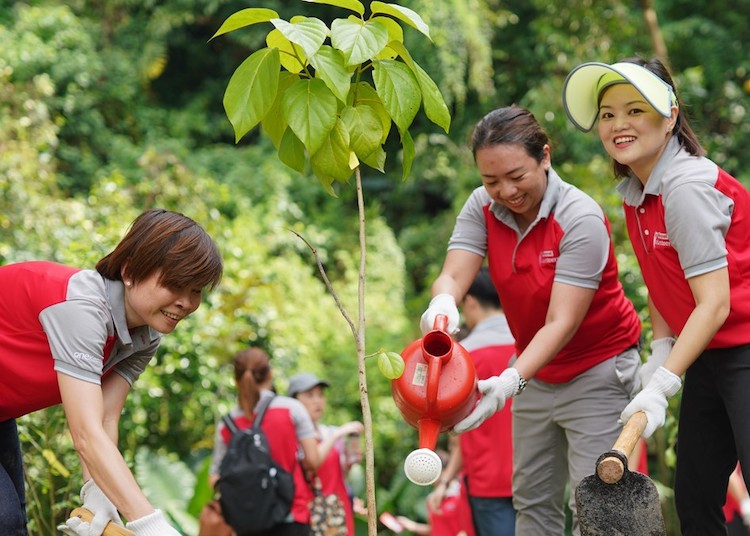
The “One Million Trees Movement” in Singapore

The city-state aims to bring nature back to the city by planting more than a million trees

As a city-state with limited land resources, Singapore has long been torn between urban development and nature conservation by losing much of its green spaces in the 19th century to deforestation, and a century later, a growing population and rapid urban development meant that other trees were removed for land reclamation.

Ma ora Singapore sta cercando di invertire rotta organizzando un’ambiziosa campagna di riforestazione. Nell’agosto 2020 infatti, il governo ha annunciato il lancio del nuovo Sungei Buloh Park Network, un parco di 990 acri nella parte settentrionale dell’isola che è un sito di rifornimento e una tappa essenziale per gli uccelli migratori provenienti dalla Russia siberiana e diretti in Australia e che ospita buceri orientali, lontre, coccodrilli di acqua salata, e molte altre specie uniche nel loro genere. Sungei Buloh fa parte però di un progetto più ampio che mira a piantare 1 milione di alberi nei prossimi 10 anni, “Il One Million Trees Movement” lanciato a marzo 2020 dall’agenzia governativa National Parks Board (NParks).

Nei prossimi 10 anni NParks prevede infatti di conservare più di 70 specie animali e vegetali autoctone e di riqualificare 30 ettari di habitat forestali, marini e costieri. La semina a più livelli verrà svolta lungo le strade cittadine, chiamate Nature Ways con l’obiettivo di coprire circa 300 km e trasformare quasi ogni strada della città in una Nature Way a lungo termine rendendo le strade più fresche ed esteticamente più gradevoli. Saranno inoltre disponibili 500 km di connettori per parchi entro il 2030, mettendo effettivamente tutte le famiglie a 10 minuti a piedi da un parco.

To move from a “city in a garden” to a “city in nature” Singapore will need to implement four key thrusts: more natural parks, transformation of the wild environment into public gardens, integration of nature into the building environment and making green spaces more accessible. In fact, by 2030, there will be another 200 hectares of natural parks, which will serve as complementary habitats and protect nature reserves from urbanization. For example, only for the Khatib Bongsu Nature Park an area of 40 hectares is planned. Waterways and water bodies in gardens and parks will also be protected from rising sea levels and floods.

“Gli alberi svolgono un ruolo importante nella creazione di un ambiente vivibile”, ha detto Adrian Loo, direttore di NParks Conservation Group. “Fungono da filtri dell’aria naturali, riflettono il calore radiante rendendo le superfici fredde e forniscono la temperatura ambiente attraverso l’ombra e l’evapotraspirazione; aiutano a mitigare il cosiddetto effetto isola di calore urbana e il cambiamento climatico”. Rendere più verde la città infatti aiuterà anche a mitigare il sopracitato effetto “isola di calore” creato dalla pavimentazione e dai grattacieli, che assorbono e irradiano la radiazione solare e aumentano la temperatura del nucleo urbano di Singapore.

Adrian Loo ha affermato però che affinché il progetto One Million Trees sia efficace, tutti dovranno essere coinvolti: “Il successo del progetto si misura anche dalla nostra capacità di instillare un senso di rispetto tra i singaporiani, nei confronti degli alberi e dell’ambiente”. L’agenzia governativa Clean and Green Singapore(CGS) mira infatti a ispirare gli abitanti della città a prendersi cura e proteggere gli spazi comuni e l’ambiente, adottando uno stile di vita pulito e sostenibile. 

Singapore però non è l’unico Paese dell’ASEAN a portare avanti progetti di questo tipo: l’educazione ambientale è infatti un pilastro importante nella cooperazione dei Paesi membri. Ne è un esempio il programma ASEAN Eco-school, che mira a creare una cultura scolastica orientata alla protezione e conservazione dell’ambiente attraverso la gestione, l’impegno e la pulizia del territorio. Tali attività sono dedicate all’istruzione, facilitando e ispirando le comunità scolastiche a proteggere e sostenere l’ambiente, sia nelle scuole che a casa, ma anche nella comunità e all’interno dello stato in generale. Attualmente, diversi stati membri dell’ASEAN hanno già adottato il programma di eco-scuola tra cui Cambogia, Indonesia, Malesia, Filippine e Thailandia.

To date, ASEAN countries face an enormous challenge in maintaining a delicate balance between environmental sustainability and economic development as despite the abundance of natural resources, rapid population growth and even faster economic and industrial growth risk threatening natural resources causing serious environmental problems. However, ASEAN has recognized the need for a major change of direction towards a greater balance between people, planet earth and profit for proper sustainable development.

This transformation will require a change in the way of thinking and acting of the new generations of Southeast Asia who must be educated to safeguard green spaces and give weight to sustainability and the environment, also exploiting the opportunities of digital transformation. 

The reactions of the European Institutions to the coup in Myanmar

The reactions of the European Institutions were not long in coming to the news of the coup d'état in Myanmar in which the Tatmadaw, the country's armed forces, arrested President Win Myint, State Councillor Aung San Suu Kyi and other members of the civilian government invoking article 418 of the 2008 Constitution, for alleged fraud during the last elections in November 2020, and declaring a state of emergency for a year.

Dura la presa di posizione di Josep Borrell, Alto rappresentante dell’Unione per gli affari esteri e la politica di sicurezza, che ha chiesto l’immediato ripristino del legittimo governo civile in Myanmar e la rapida apertura del Parlamento con la partecipazione di tutti i rappresentanti eletti, come previsto dalla Costituzione.

La medesima condanna è arrivata anche dalla Presidente della Commissione Europea, dal Presidente del Consiglio Europeo e dal Presidente del Parlamento Europeo, nonché da alcuni membri del Parlamento Europeo

.

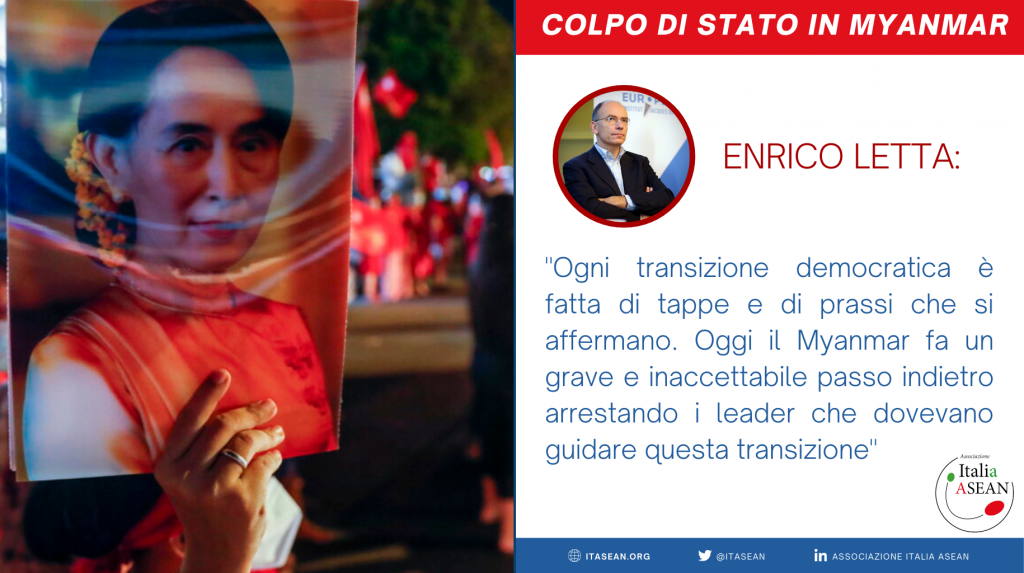
Colpo di Stato in Myanmar

Dopo giorni di crescente tensione tra il governo civile e le forze armate, la leader Aung San Suu Kyi, vincitrice delle ultime elezioni, e altri alti esponenti del partito al governo, sono stati arrestati. I militari hanno dichiarato lo stato di emergenza per un anno e hanno annunciato che l’ex generale Myint Swe sarà presidente ad interim per tutta la durata dello stato d’emergenza. 

I militari hanno giustificato il colpo di stato sostenendo “enormi irregolarità” nelle elezioni di novembre che la commissione elettorale non era riuscita a risolvere.

Il Presidente dell’Associazione Italia-ASEAN Enrico Letta, condannando fortemente la mossa dei militari, ha dichiarato che “ogni transizione democratica è fatta di tappe e di prassi che si affermano. Oggi il Myanmar fa un grave e inaccettabile passo indietro arrestando i leader che dovevano guidare questa transizione”.

La premio Nobel per la Pace Aung San Suu Kyi ha lanciato un appello al popolo affinché si opponga ai militari. “Esorto la popolazione a non accettarlo, a rispondere e a protestare con tutto il cuore contro il colpo di stato”. Fonti Reuters riportano anche un appello a non fare uso di violenza e ad agire secondo la legge.

Le reazioni internazionali non si sono fatte attendere e vanno tutte nella stessa direzione. La portavoce della Casa Bianca Jen Psaki  ha riferito che “Gli Stati Uniti si oppongono a qualsiasi tentativo di alterare l’esito delle recenti elezioni o di impedire la transizione democratica del Myanmar, e prenderanno provvedimenti contro i responsabili se questi passi non saranno invertiti”.

Il segretario generale delle Nazioni Unite Guterres, condannando il golpe, ha affermato che “Questi sviluppi sono un duro colpo alle riforme democratiche. Le elezioni generali dell’8 novembre 2020 davano un forte mandato alla Lega nazionale per la democrazia, riflettendo la chiara volontà del popolo birmano di continuare sulla strada conquistata a fatica della riforma democratica”.

Il Myanmar dal 1997 ha aderito all’ASEAN, l’Associazione delle Nazioni del Sud-est asiatico, un’organizzazione politica, economica e culturale, fondata nel 1967 con lo scopo di promuovere la cooperazione e l’assistenza reciproca fra gli stati membri per accelerare il progresso economico e aumentare la stabilità della regione. Il Myanmar, indipendente dalla Gran Bretagna dal 1948 e guidato da una giunta militare dal 1962, nel 2010 ha avviato una transizione verso la democrazia con una serie di graduali riforme politiche, instaurando un governo civile, scarcerando gli oppositori politici tra cui Aung San Suu Kyi, leader della Lega Nazionale per la Democrazia, e convocando libere elezioni parlamentari.

Ad oggi il Myanmar resta uno dei paesi più poveri e meno sviluppati del pianeta e dopo decenni di stagnazione, embargo internazionale e isolamento economico, dal 2011 il paese sta registrando un forte sviluppo economico in tutti i settori. Il colpo di stato di oggi mette a rischio la transizione democratica e mina quella stabilità politica indispensabile alla crescita economica.

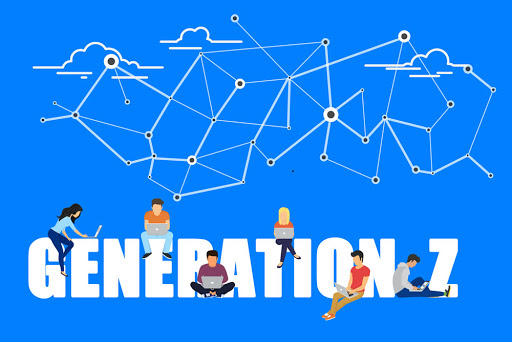
The new digital age for ASEAN youth

The Covid-19 pandemic ushered the beginning of a new digital era for Generation Z in Southeast Asia

I sociologi chiamano Generazione Z quella dei nati tra il 1997 e il 2012. È la prima della storia dell’umanità a non aver mai conosciuto un mondo senza le tecnologie di comunicazione di massa quali internet e gli smartphone. La loro profonda conoscenza e dimestichezza con la digital technology li rende ad oggi la generazione più esperta nella navigazione in rete, con il potenziale di portare una vera e propria rivoluzione nel mondo del lavoro. Molti di questi giovani apprendono competenze di coding fin dall’età di dodici anni; altri guadagnano cifre considerevoli grazie alle nuove opportunità offerte dalla rete; arrivati all’età adulta, sperimentano nuovi corsi universitari e mestieri mai pensati prima. Si possono quindi considerare dei veri e propri pionieri del settore digitale.

I giovani abitanti dei Paesi ASEAN non fanno eccezione: utilizzando strumenti digitali per rimanere sempre in contatto tra di loro, essi sono più creativi, competenti e pronti a cogliere le opportunità del mondo. Un recente studio del World Economic Forum ha scoperto infatti che nonostante le difficoltà dovute alla scarsa connettività in alcune aree, la trasformazione digitale ha già creato una generazione esperta di tecnologia nel Sud-Est asiatico che sarà un fattore chiave per la crescita inclusiva e sostenibile dell’ASEAN. Lo stesso sondaggio, condotto in collaborazione con Sea, ha rilevato che i giovani della regione nella fascia di età compresa tra i 15 e i 25 anni si sono adattati alle restrizioni del blocco aumentando la loro presenza digitale, mentre i nuovi imprenditori hanno accelerato il passaggio all’e-commerce.                                                                         

Il Sud-Est asiatico oggi ospita 220 milioni di giovani, pari a circa un terzo della popolazione giovanile totale.Per osservare da vicino il potenziale di questo capitale umano, lo scorso 24 novembre si è svolto online il “ASEAN Youth and Community Dialogue Forum 2020”, avente come tema le politiche per lo sviluppo dei giovani, le nuove tendenze e le sfide che devono affrontare gli Stati membri dell’ASEAN. Ospite dell’evento, il Viceministro vietnamita degli affari interni Trần Anh Tuấn ha affermato che il suo Paese e gli altri membri dell’ASEAN puntano molto sui giovani per la costruzione e integrazione della comunità del Sud-Est asiatico. 

Proprio per quanto riguarda gli aspetti socio-culturali infatti, il recente rapporto “Culture Next” che l’azienda di streaming musicale Spotify ha realizzato per analizzare il ruolo dell’intrattenimento audio nel plasmare la cultura e il rapporto con il mercato dei giovani abitanti del Sud-Est asiatico, ha evidenziato conclusioni interessanti. Prendendo in esame 3.000 tra Gen Z e Millennial di Singapore, Malesia, Filippine, Indonesia e Thailandia, per analizzare il loro rapporto con marchi, contenuti web, tecnologia e cultura, il rapporto rappresenta un interessante spaccato delle generazioni che daranno forma all’ASEAN del futuro. Il sondaggio infatti mostra come le nuove identità non siano più definite solo dal luogo di nascita o dall’idioma, ma siano piuttosto formate dal complesso intreccio online tra passioni e interessi comuni: il 61% degli intervistati ha dichiarato di avere almeno un amico proveniente da un altro Paese; il 56% definisce sé stesso in base a chi sono gli amici che lo circondano, a cosa sono appassionati e quale moda seguono; il 78% crede che la musica li aiuti a entrare in contatto tra loro e con altre culture, quindi a creare una comunità transnazionale che superi i confini del proprio luogo di origine.

In conclusion, the new generations of Southeast Asia appear quite different from the previous ones. Thanks to direct contact with the digital revolution, Generation Z in ASEAN is dynamic and flexible, ready to seize the opportunities of the transformations underway and open to new forms of supranational integration. With over 200 million young people under 35, Southeast Asia is therefore a candidate to become an important innovation hub in Asia and around the world. 

The status of trade agreements between the EU and ASEAN

The EU has attempted to negotiate a Free Trade Agreement (FTA) with ASEAN, but this strategy's failure has led to preferring bilateral agreements with individual states. 

UE ed ASEAN avevano avviato i negoziati per un accordo di libero scambio già nel 2007, ma si bloccarono nel 2009. Da quel momento l’UE ha preferito portare avanti trattative coi singoli Stati membri e ad oggi è riuscita a siglare accordi con Singapore (2019) e Vietnam (2020). Sebbene siano aperte le trattative con Indonesia, Malesia, Thailandia e Filippine, l’obiettivo finale dell’UE è utilizzare questi singoli accordi come basi di lancio per arrivare un giorno ad un accordo region-to-region con l’ASEAN. 

Nel complesso, l’ASEAN è una delle più grandi economie del mondo, un mercato di oltre 660 milioni di consumatori, con una classe media in rapida espansione, che offre grandi opportunità agli esportatori e agli investitori dell’UE. L’ASEAN è il terzo partner commerciale dell’UE dopo USA e Cina, mentre l’UE è il terzo partner commerciale dell’ASEAN, dopo Cina e USA. La regione è anche un hub chiave per il transito di merci ed occupa una posizione importante nelle reti produttive. Ad oggi l’ASEAN ha firmato accordi di libero scambio con Cina, Hong Kong, Giappone, Corea, India, Australia e Nuova Zelanda. Inoltre, gli Stati ASEAN sono tra i 15 Paesi che hanno concluso i negoziati del RCEP e quattro di loro (Brunei, Malesia, Singapore e Vietnam), sono anche membri del CPTTP.

Con l’Indonesia il dialogo è iniziato nel 2016 ed è tutt’ora in corso. Le tematiche trattate sono varie e alcune sono in via di chiusura (questioni sanitarie, antitrust e fusioni), mentre altre sono in sospeso (disposizioni istituzionali relative alle dogane) o in corso di discussione (norme di origine sui prodotti, liberalizzazione degli scambi delle merci, imprese statali e sussidi, investimenti e servizi). Rimane dirimente il tema dell’olio di palma, poiché l’Indonesia ne è il primo produttore al mondo e ritiene che le misure dell’UE sulle energie rinnovabili discriminino i biocarburanti a base di questo olio. Su questo tema è aperto un contenzioso con l’UE in sede OMC. In generale, si ritiene che un accordo produrrebbe entro il 2032 un aumento del PIL dell’UE compreso tra 2-3 miliardi di euro e per l’Indonesia tra 4-5, mentre l’aumento delle esportazioni sarebbe nella scala di 5-6 miliardi per l’UE e 5 per l’Indonesia.

I negoziati con la Malesia sono stati avviati nel 2010, ma sospesi nel 2012 a causa dei preparativi per le elezioni malesi nel 2013, la partecipazione ai colloqui sul TPP e l’incapacità di entrambe le parti di concordare sui termini dell’accordo. Il rilancio dei negoziati è subordinato alla portata dell’accordo, poiché l’UE si aspetta che la Malesia punti ad un accorso ambizioso simile a quelli con Singapore e Vietnam. Ad oggi i negoziati sono fermi poiché la Malesia non hanno ancora preso posizione sulla loro continuazione e a pesare sulla riapertura vi è la politica dell’UE sull’olio di palma (di cui la Malesia è secondo produttore mondiale), tanto che il Paese sosterrà l’Indonesia nel contenzioso contro l’UE in sede OMC.

Invece, problemi di natura politica bloccano i negoziati con Thailandia e Filippine. I negoziati con la Thailandia, avviati nel 2013, si sono bloccati dopo il golpe militare nel 2014. Il ritorno alla democrazia e il rispetto dei diritti umani sono i prerequisiti per l’UE per riprendere i negoziati. Successivamente alle elezioni del 2019, si sono fatti passi verso il rilancio dei colloqui, ma, prima ancora di riprendere le negoziazioni, le parti dovranno trovare un accoro in merito al campo di applicazione del FTA e pertanto sono in corso discussioni a tal fine. I negoziati con le Filippine sono stati avviati nel 2015, e dopo una serie di round sono stati bloccati sempre a causa della situazione dei diritti umani e della democrazia. Solo recentemente le parti hanno ripreso i rapporti e discusso la prospettiva di proseguire i negoziati per un accordo.

Per il futuro l’UE si augura di poter riaprire negoziati bi-regionali e nel 2019 a conclusione della 22a riunione ministeriale UE-ASEAN, i due attori sovranazionali hanno ribadito il reciproco impegno per un accordo commerciale regionale. Sebbene vi sia stata poca convergenza tra le due parti, come anche all’interno dei singoli Paesi ASEAN stessi, per quanto riguarda il campo di applicazione dell’accordo, non di meno vista l’importanza della regione, l’impegno per addivenire ad un accordo continuerà.

By Niccolò Camponi

Singapore home of the 2021 World Economic Forum

The city-state will host the World Economic Forum this year given the still uncertain Covid-19 situation in Europe

L’incontro annuale tra i principali decision makers del pianeta si terrà a Singapore dal 13 al 16 maggio, e vedrà la partecipazione di capi di Stato e di governo, amministratori delegati, leader della società civile, media globali e leader giovanili provenienti dai sette continenti. «Un vertice sulla leadership globale è di vitale importanza per affrontare il modo in cui possiamo riprenderci insieme. Il World Economic Forum 2021 sarà il momento in cui i leader del mondo degli affari, della politica e della società civile si incontreranno di persona per la prima volta dall’inizio della pandemia. La cooperazione pubblico-privato è più che mai necessaria per ricostruire la fiducia e affrontare le sfide emerse nel 2020», ha affermato il fondatore e presidente esecutivo del WEF Klaus Schwab. 

In fact, the event will be attended by many academics, world leaders in politics and business to discuss the most urgent issues of the moment. The aim is to focus on the objectives to be achieved, including sustainable development, and to discuss topics such as technology and commercial governance.

The WEF’s decision to hold its annual meeting in Singapore reflects the trust the city-state has gained through its handling of the Covid-19 pandemic; unlike previous editions, in fact, the 2021 meeting will not be held in the Swiss town of Davos. “After careful consideration, and in light of the current situation regarding Covid-19 cases, it was decided that Singapore was in the best position to host the meeting”, a WEF spokesperson said.

The city-state has in fact kept the virus under control with strict measures such as the implementation of a partial block for two months, the obligation to wear a mask and the limitation of social meetings. This has allowed the economy to gradually reopen from mid-June, with daily cases in the community dwindling to minimal or even zero, while most of the new cases are imported.

Infatti nonostante l’impatto economico della pandemia, Singapore è riuscita ad attirare investimenti esteri per un valore di 13 miliardi di dollari nei primi quattro mesi del 2020, ha dichiarato Chan Chun Sing, affermando che questi investimenti provengono dai settori dell’elettronica e della tecnologia. Tra le aziende che hanno investito nella città-Stato si annovera l’azienda di elettronica Micron, le piattaforme di e-commerce Lazada e Shopee, e l’azienda di produzione Thermo Fisher Scientific

Anche compagnie come Twitter, Tencent, Zoom, Snap e Rakuten Mobile si sono espanse a Singapore nel bel mezzo della pandemia globale, ma la città-stato non è estranea ai frequenti investimenti delle società tecnologiche poiché ne ospita ad oggi 80 delle 100 più innovative al mondo. Il fattore principale che ha spinto queste società ad espandersi nel Sud-Est asiatico è la presenza di circa 650 milioni di persone, più della metà delle quali ha meno di 30 anni. Uno dei motivi è anche la rapida digitalizzazione dell’ASEAN, la fiorente classe media, la rapida urbanizzazione e industrializzazione e, gli effetti del Covid-19 che stanno facendo crescere la domanda in settori quali l’e-commerce e la robotica. 

Per questo motivo, molte aziende internazionali sono alla ricerca di un hub all’interno dell’ASEAN in cui sia facile fare affari e che contenga un denso ecosistema di clienti, fornitori e partner. Anche le compagnie che hanno già sede in Asia hanno scelto di stabilire una presenza a Singapore, come il colosso tecnologico cinese, Tencent Holdings, che ha annunciato nel settembre 2020 di aver scelto Singapore per supportare la sua espansione nell’ASEAN. 

La leadership globale di Singapore nel campo del digitale è il risultato di anni di iniziative del settore tecnologico supportate attivamente dal governo. A queste si sono accodate anche iniziative private come quella di Google, che ha lanciato lo Skills Ignition SG nel luglio 2020 con l’obbiettivo di formare i partecipanti a lavori relativi al marketing digitale e alla tecnologia cloud. Le tariffe dei programmi di formazione e lo stipendio mensile dei partecipanti sono coperti dal governo di Singapore che, supportando l’industria tecnologica nella creazione di tali iniziative, può garantire che le aziende interessate abbiano accesso a tecnici competenti pronti a supportare le loro esigenze nella città-Stato. 

Digitization will therefore have a very significant impact on the labor market, and Singapore, as the financial hub of Southeast Asia, will benefit from the growth and economic transformation of post Covid-19 Asia. To maintain this status, however, it will need to continue to be the global and regional headquarters of financial institutions, attracting highly skilled technicians, hiring responsibly in every professional sector and distributing the benefits among Singaporeans, while also valuing local talent.

A third way for the EU and Vietnam

How and why the Free Trade Agreement marks a turning point in their diplomatic relations

“Trade agreements offer our companies a chance to access new emerging markets and create jobs for Europeans. I strongly believe that this agreement will also become an opportunity for people of Vietnam to enjoy a more prosperous economy and witness a positive change and stronger rights as workers and citizens in their home country.”

Con queste parole la Presidente della Commissione Europea Ursula von der Leyen ha commentato l’entrata in vigore dell’ALS tra UE e Vietnam il 1° Agosto 2020. È stato definito l’accordo commerciale più completo che l’UE abbia mai stretto con un Paese in via di sviluppo, e punta ad eliminare il 99% dei dazi commerciali entro dieci anni. Tuttavia, l’accordo non solo segna una svolta nelle relazioni economiche, ma è anche l’inizio di una nuova era nel campo diplomatico.

Le relazioni tra UE e Vietnam cominciano ufficialmente nel 1990, appena pochi anni dopo il passaggio del Vietnam ad un’economia orientata al mercato, grazie alle riforme economiche che prendono il nome di Đổi Mới (lett. “rinnovamento”). Questa prima fase, che gli esperti di relazioni internazionali Nguyen e Mascitelli chiamano “inaugurazione dell’amicizia”, vede un approccio perlopiù unidirezionale, con l’UE che fornisce aiuti umanitari e sostiene progetti di sviluppo sostenibile. Il periodo di “conoscenza reciproca” termina nel 2006, quando l’economia vietnamita vive una fase di rapida espansione. Questa seconda fase viene chiamata “rafforzamento dell’amicizia”: le relazioni commerciali ed economiche diventano di gran lunga più importanti dell’assistenza umanitaria; il Vietnam viene ammesso nell’Organizzazione Mondiale del Commercio nel 2007; e cominciano i negoziati per l’ALS. Dopo appena trent’anni, oggi l’UE è il quarto partner commerciale più grande del Vietnam, mentre il Vietnam è il 17esimo più grande per l’EU e il secondo tra tutti i Paesi membri dell’ASEAN. Inoltre, con investimenti per un valore totale di oltre sei miliardi di euro nel 2017, l’UE è uno dei maggiori investitori stranieri in Vietnam.

Not only for Vietnam but also other South East Asian countries, China’s claims in the South China Sea are a sensitive issue. None of them dares to balance against China today: partly because of the fear to lose economic benefits offered by China’s Belt and Road Initiative; partly because they can’t seem to find an assertive ally in the US. In this context, a closer relationship with the EU would provide Vietnam with a “third way” to keep growing economically. And at the same time, Vietnam wouldn’t be forced to align with China or the U.S. to survive economically, in case the conflict in the region between the two should escalate. 

2020 has been an important year to strike the deal with Vietnam. In fact, in 2020 the country held the Presidency of the ASEAN Regional Forum. Hanoi called for the region to be “Cohesive and Responsive” in reaction to the threats posed by the new global challenges. This approach is likely to lever a common alignment in diplomatic relations with the EU too.

Per l’UE, l’accordo spiana la strada verso intese future con altri Paesi membri dell’ASEAN. Ne consegue che nell’antagonismo fra le due grandi potenze, Stati Uniti e Cina, anche il Sud-Est asiatico emerge come un partner prezioso per i membri dell’Unione, non solo a livello commerciale, ma soprattutto per rafforzare la sua sfera d’influenza in questa parte del mondo. Nel suo comunicato ufficiale del 20 settembre 2020, anche l’Alto Rappresentante dell’Unione per gli affari esteri Borrell ha reiterato l’importanza di stringere legami più forti con il Sud-Est asiatico. 

Inoltre, il 2020 non è stato un anno chiave solo per il Vietnam. Nel 2020 l’UE ha scoperto l’urgente bisogno, rivelato dalla crisi Covid-19, di diversificare le catene di approvvigionamento e rafforzare il suo sistema produttivo. Nel momento in cui le attività produttive in Cina sono state sospese a causa della pandemia, improvvisamente l’UE ha realizzato di dipendere troppo da un singolo Paese per la sua catena di approvvigionamento, senza il quale non è in grado di mantenere dei livelli di produttività adeguati. Negli anni a venire, ridurre la vulnerabilità dei settori industriali principali sarà quindi di fondamentale importanza, per non farsi cogliere impreparati in caso di nuove interruzioni dei flussi commerciali. Il Vietnam è già emerso come un alleato prezioso all’inizio delle tensioni commerciali tra Cina e Stati Uniti. Ad oggi, è una delle destinazioni preferite per gli investimenti delle aziende europee all’estero. Specialmente le aziende italiane stanno trasferendo gran parte delle capacità produttive dalla Cina al Sud-Est asiatico, attratte dal sistema economico particolarmente favorevole. Un trend destinato a crescere in futuro.

With the official ratification, happened this summer, it can be stated that a new phase in diplomatic relations has started: “mutual support”, or need from each other. From humanitarian assistance, to trade and economic relations, to finally geopolitical strategy in times of US- China rivalry and the emergence of new geopolitical forces. If spent properly, the agreement is an opportunity that could turn into an impressive strategic alliance. 

Recently active members
Foto del profilo di Alessio
Foto del profilo di Monika
Foto del profilo di Gabriel
Foto del profilo di Elena
Foto del profilo di Lorenzo
Foto del profilo di Alessandro
Foto del profilo di Cristina
Foto del profilo di Rocco
Foto del profilo di Clara Lomonaco
Foto del profilo di Redazione
Foto del profilo di Davide Gugliuzza
Foto del profilo di Anna Affranio
Foto del profilo di Ilaria Canali
Foto del profilo di Nicolò
Foto del profilo di Angelo Cangero
Who is online
There are no users currently online
Members
  • Foto del profilo di Alessio
    Active 8 ore, 12 minuti fa
  • Foto del profilo di Monika
    Active 3 giorni, 21 ore fa
  • Foto del profilo di Gabriel
    Active 3 settimane, 4 giorni fa
  • Foto del profilo di Elena
    Active 1 anno, 4 mesi fa
  • Foto del profilo di Lorenzo
    Active 2 years, 6 mesi fa