The complex relationship between ASEAN and China

As economic interactions grow, the risk of Chinese commercial hegemony in the region arises

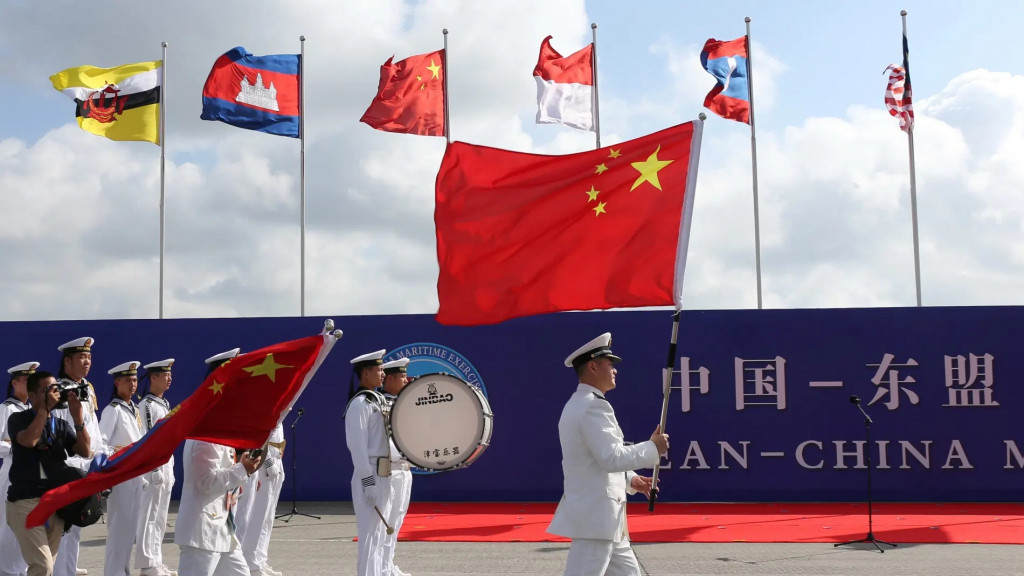
Good neighbourhood policies have become the priority of the Chinese government for the years to come. In order to tackle the diplomatic isolation pushed by Washington in the ongoing commercial spat between the two powers, Xi Jinping focused on strengthening economic ties with Southeast Asian countries, the most important hub for China's global projection. This policy has been confirmed by the recent visit of the Chinese foreign minister, Wang Xi, to Myanmar, Indonesia, Brunei and the Philippin. During this mini tour of ASEAN, Wang Xi reiterated the importance of a strengthened cooperation in the Indo-Pacific, aimed to overcome the health emergency and, above all, in prospective of the major coordination with the Belt and Road Initiative (BRI), the masterful Chinese initiative aimed at improving infrastructural connections with Eurasia.

Historically, relations between Beijing and the ASEAN countries have not always been idyllic. However, since the 1990s there has been a progressive economic and diplomatic rapprochement between the parties, culminated in the 2002 free trade agreement. Since then, China has not stopped courting ASEAN and other Indo-Pacific countries to further consolidate economic cooperation. Finally, in 2020, after eight years of negotiations, the Regional Comprehensive Economic Partnership (RCEP) was signed; a historic agreement that gave birth to the largest trading block in the world, capable deeply influencing the global economic balance. The signatories are the 10 ASEAN members plus China, Japan, South Korea, Australia and New Zealand, but not the United States, whose exclusion is a clear sign of their strategic loss of weight in the region.

The agreement’s timing is not accidental; it is the consequence of the health and economic crisis that hit the whole world, with the exception of China, the only G20 country with positive GDP growth in 2020. Indeed, since long ago Beijing has been pushing for a deeper economic interconnection with Southeast Asian countries. This trend, oriented towards privileged regional cooperation has been confirmed by the continuous growth, despite the health emergency, of the commercial exchanges between Beijing and the ASEAN countries, which have become China's major trading partner, surpassing the European Union. If, in fact, trade has increased by 7% compared to previous years, bilateral investments also marked a significant increase, reaching + 58% compared to 2019.

However, there is a downside: Beijing's recovery from the pandemic, faster compared to the rest of the world, with a prospect of 8% growth in 2021, in addition to the greater commercial influence in Southeast Asia acquired thanks to the RCEP, could make ASEAN countries increasingly dependent on the exports and foreign investments of its powerful neighbour. Especially after India’s decision to abandon the negotiations, China is the hegemonic actor of the agreement. Nonetheless, the benefits are numerous; by exploiting the complementarity of the different economic systems, the ASEAN countries with the support of the other members, will be able to more easily create regional value chains and will become a privileged destination for foreign direct investments, especially from Japan and South Korea, thus rebalancing Chinese influence. This will ensure an increase in the industrial capacity of the ASEAN countries and, in the long run, also a probable decrease in the average income gap in the region. 

In reality, the tendency to reallocate investments to ASEAN countries is not new; for some years, in fact, there has been an increase in FDI from Japan, South Korea and Taiwan higher than the share sent by the same countries to Beijing. This is mainly due to the increase in labour costs in China, but also linked to the need to diversify the production chain. Indeed, the inclination to reconsider the economic centrality of ASEAN is increasing; thanks also to the effective containment of the health emergency, this area of the world has not experienced significant economic and trade deficits. The case of Vietnam is peculiar; with a GDP of 2.6% higher than in 2019 it confirms itself as the only Asian nation, together with China, to have presented a constant economic growth during the health emergency. Yet, there is more. The economies of the whole region are expected to increase in 2021, particularly for Indonesia (+ 6.1%), Cambodia (+ 6.8%), the Philippines (+ 7.4%) and Malaysia (+ 7.8%)..

In conclusion, the world axis is moving eastward. Beijing is aware of this and does not hesitate to utilize its privileged position to carve out a leading role in the new scenario, bringing the ASEAN countries with it. For Southeast Asian countries, the goal will be to seek a delicate balance to secure their manoeuvrability in the continent and to continue to attract investments, without increasing too much Chinese influence in the region. 

By Emilia Leban

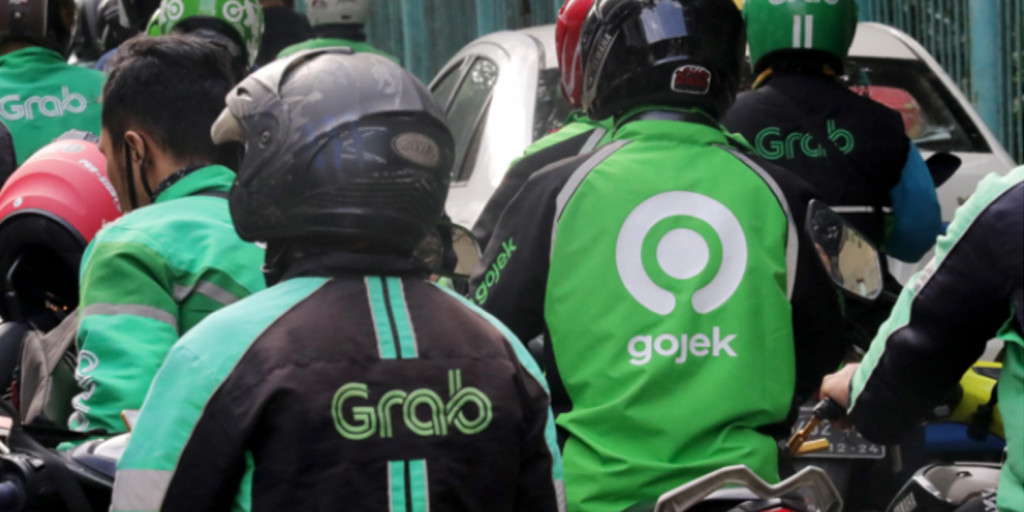
The potential Grab-Gojek merger: new power games between the two ASEAN tech giants

From private negotiations to the denial of a possible merger, Grab and Gojek compete for ride-hailing and delivery in Indonesia. 

According to people familiar with the talks, Grab and Gojek have made substantial progress over the past few months in elaborating a deal to combine their businesses and achieve the biggest merger of tech companies in Southeast Asia. Despite the attempt to mitigate the disagreements, the two tech giants still seem split on who should control Indonesia, the largest market in the region and Gojek’s home. Many parts of the deal are still being worked out between the leaders of each company and SoftBank Group Corporation, Grab's major backer.

Grab and Gojek have recently been at the center of a heated rivalry for dominance of the tech sector in the region. In fact, there has been talk of a potential merger for some time, especially after SoftBank’s CEO visited Indonesia in January 2020. The merger is widely supported by the investors of both sides. In this way the costly dispute for their respective market shares would end with the creation of one of the most powerful economic giants in the region.

Singapore-based Grab and Jakarta-based Gojek represent the two most valuable ride-hailing, delivery, financial payments and insurance startups in Southeast Asia. Grab, which is already present in eight countries of the region (Singapore, Malaysia, Indonesia, Thailand, Vietnam, Philippines, Myanmar, Cambodia), has recently been valued at more than $15 billion. Gojek, worth $10 billion, is active in five ASEAN countries: Indonesia, Singapore, Philippines, Thailand, Vietnam. Grab and Gojek are major players in most of the ASEAN markets. Furthermore, surveys confirm that l’Southeast Asia’s internet economy exceeded $100 billion in 2020.

Few weeks ago Anthony Tan, CEO and co-founder of Grab, following rumors of an imminent merger with Gojek, sent internal note to employees to deny new speculations. “Our business momentum is good and we are in a position to acquire,” said Tan, without making any reference to the possible merger between the two unicorns. Despite the enormous problems caused by the Covid-19 pandemic, the first crisis faced by the young startups in Southeast Asia, Grab's business has fully recovered at pre-pandemic levels. Tan also added that Grab has become the top company by revenue in the food delivery sector in Indonesia, the area of greatest competition with Gojek.

In response, Gojek's CEOs said there were no urgent reasons to merge with Grab; the company is well capitalized and there are enough resources to continue growing the business over the next years, including an enviable investor list, among which Google, Tencent, Facebook, PayPal.

Leaderships of Grab, Gojek and SoftBank declined to comment on the rumors spread by media about the possibility of a merger, which would see Grab in a dominant role. In addition to having a higher market value, Grab also operates in multiple countries.

Furthermore, according to Grab's proposal, Tan would become the new company's “CEO for life”, with Gojek executives called to manage Indonesia under the Gojek brand. Another version of the deal would see Gojek keep his active involvement in the merged entity, adding the creation of a joint branding in Indonesia.

The shareholding structure of the new merged company would represent the breaking point between the two parties. People familiar with the private talks said Gojek asked for 40% of the shares, an amount that Grab considers too much, considering the better financial conditions than its Indonesian rival, also in terms of revenue.

Despite the support of the investors, the paths of Grab and Gojek remain separate for now and the approval of a final agreement still seems a long way off. Antitrust issues also weigh on the merger. The crucial market is Indonesia, where both Grab and Gojek dominate both ride-hailing and delivery services. Meanwhile, Gojek wastes no time and has already signed a term-sheet with Tokopedia, the Indonesian e-commerce giant, in view of a probable $ 18 billion merger. The new power games taking place in the region could shuffle the cards and unveil new perspectives in the digital sector.

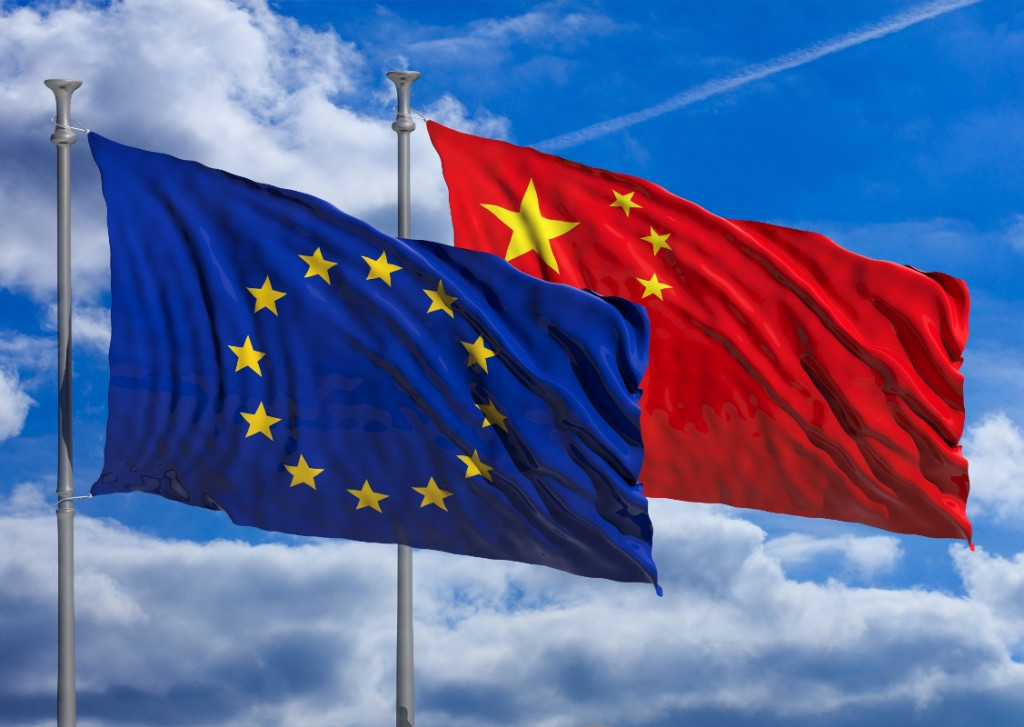
CAI: a turning point in EU-CHINA economic relations

The EU and China have reached an agreement in principle on investments that will allow European companies to access the Chinese market with greater freedom. 

In the form of intentions of principle, the achievement of the Agreement between the EU and China on December 30th, the Comprehensive Agreement on Investment (CAI), marks a fundamental stage in the economic relations between the two major world markets. Under the Agreement, China will agree to open its economy more to European investments, also and above all in specific sectors historically closed to the market. Furthermore, it will ensure that European companies are guaranteed fair treatment so that they can compete on an equal footing with Chinese companies. Finally, he agreed to discuss sustainable development, forced labour and ratify the fundamental conventions of the ILO.

There are several economic sectors in which China will guarantee greater openness and competitiveness for European companies. They range from the manufacturing industry (which accounts for half of European FDI in China) and the automotive sector to financial services, air and sea transport, communication and information technologies, health, the environment and sustainability. In each of the sectors above, not only will greater openness be guaranteed, but China will ensure that specific rules govern the market and that full competition exists between European and Chinese state companies, especially concerning transparency and subsidies, as well as prohibit forced transfers of technology. Besides, European companies will benefit from simplified procedures in obtaining authorisations and completing administrative functions and can access Chinese standardisation bodies.

Both the EU and China are committed to respecting the Paris climate agreements and therefore wanted to reiterate the centrality of sustainability in the recent Agreement. The two contracting parties have decided to commit themselves to respect sustainable development principles on investments. Issues relating to sustainable development will be subject to an application mechanism composed of a panel of independent experts, as is the case for all the EU trade agreements. It means a transparent resolution of disagreements with the involvement of civil society. It should be noted that this is the first time that China accepts such stringent ties with another trading partner. Consequently, China will have to modify its environmental and labour policy to raise the control standards compared to the current level, voluntarily kept low to attract more investments. In addition, it will have to respect its international obligations and ensure that its companies behave responsibly.

From a European point of view, the CAI ensures that China continues and does not go back on its liberalisation policy of investments carried out in the last 20 years, giving greater security to European companies. It allows the EU to use the resolution mechanism to breach commitments and benefit from removing various restrictions on market access, such as quantitative restrictions, capital limits, or joint venture requirements. On the other hand, the CAI preserves sensitive sectors such as energy, agriculture, fishing, audiovisual, public services.

If we analyse the CAI also in the light of the recent RCEP agreement, we can see how the Asian giant has clearly moved towards a path that leads to more generous market opening. It is significant to note that in a brief period of time China signed two major trade agreements: on the one hand with 14 countries in the Asia-Pacific region and on the other with the largest supranational organisation, the EU. It will be necessary to see how the US under the new Biden administration will respond to this Chinese market-friendly offensive and above all what the implications for transatlantic relations will be. In fact, China may have wanted to give Europeans more room for manoeuvre in its market to complicate US-EU relations, as this European move certainly upsets Washington. Still, it is defended in Brussels because the EU must have its own relationship with China independent of the US position. The real issue on which the EU should reflect is that there is no whole all-encompassing European policy towards China today, and efforts in this sense will be needed.

By Niccolò Camponi

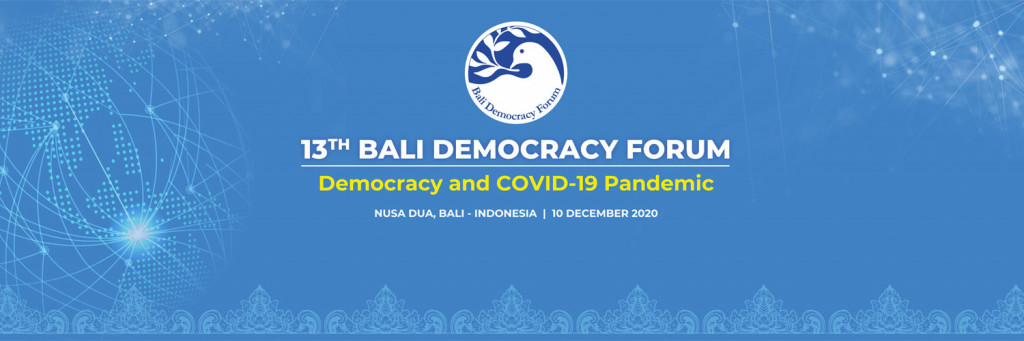
13th Bali Democracy Forum: the future of democracy in South-East Asia

From the protection of civil rights to the need for an inclusive economy, Indonesia puts the spotlight on the development of democracy in the Asia-Pacific region.

The thirteenth edition of the Bali Democracy Forum, entitled la tredicesima edizione del Bali Democracy Forum, intitolata Democracy and the Covid-19 Pandemic, took place on 10th December in semi-virtual mode. The speech by Indonesian Foreign Minister Retno Marsudi, the first woman to hold this position in the country, opened the event convened in Nusa Dua. After her speech, the words of the United Nations Secretary-General and the Director-General of the World Health Organization were presented via video.

The 13th Bali Democracy Forum (BDF) addressed the impact and consequences of the Covid-19 pandemic on democracy and solidarity between states. Together with the global health and economic emergency, the restrictive measures adopted by governments to contain the infection are also threatening some founding values of democratic societies. Therefore, the main goal of the 13th BDF was to provide a space for sharing experiences between states and stakeholders, as well as to find answers on the future of democracy as a consequence of the global crisis.

The annual intergovernmental forum focuses its attention on developing democracy in the Asia-Pacific region. Established by the indonesian government in 2008 to seal the first democratic decade in Indonesia, the BDF aims to encourage regional and international cooperation on the issue of democracy and peace, through a productive dialogue between all participating States. Democracy is one of the founding principles of Indonesia, enshrined in the so-called Pancasila, the philosophical thought on which the Indonesian state is founded. The promotion of democracy is also an integral part of Indonesia’s foreign policy, particularly in the Asian region.

Adherence to the values of equality and mutual respect has become the foundation on which the authentic spirit of the Forum is based. Over the years, the BDF has made democracy a key point of the strategic agenda in the Asia-Pacific region, as the region’s biggest meeting on this issue. In line with the three founding pillars of the United Nations Charter, the BDF puts the spotlight on the need to succeed in creating a lasting balance between economic and political development, the maintenance of peace and security, and the protection of human rights and humanitarian values in Asia-Pacific. 

Furthermore, the 13th Bali Democracy Forum conducted a series of events as part of the Road to BDF, from September to November 2020. This new initiative was divided into three main segments: Bali Civil Society and Media Forum (BCSMF), Bali Democracy Students Conference (BDSC), and the Panel of Inclusive Economy. Each segment produced a series of preliminary meetings and consultations on democracy and the Covid-19 pandemic.

The BCSMF aims to encourage the participation of civil society and media, as main actors in the process of public policy making. This Forum brings together community leaders, NGO activists, academics, researchers, journalists and public figures. The BDSC involves students from many Indonesian and foreign universities in a precious moment of discussion on various issues, which arise from the Forum’s dominant theme. Finally, the Panel of Inclusive Economy was introduced in the 2019 edition as an essential part of the BDF. Through this Panel the importance of an inclusive economy was highlighted, being able to guarantee the participation of all stakeholders, especially the private sector. Indeed, the collaboration between public and private sectors enables the strengthening of the democratic system and the economic development. The Panel also plays as a platform to deepen the topics in question and to propose concrete actions to address economic challenges. The strengthening of micro, small and medium-sized enterprises (MSMEs) was a crucial theme of the BDF 2020. In fact, the 13th BDF emphasized the need to fortify MSMEs as a key part of the economic recovery, since they represent one of the sectors most hit by the pandemic.

«Our task is not easy, we need to make sure that democracy can support our efforts in the post-pandemic era» said the Foreign Minister Retno Marsudi. Through the BDF, Indonesia places itself at the center of the Asia-Pacific region and it affirms a very important prerogative in the delicate historical moment we are experiencing. The spirit of inclusion is the cornerstone of a successful democracy. The support and protection of democratic principles must become a positive force to overcome the challenges and problems caused by the current pandemic and start the post-pandemic phase. 

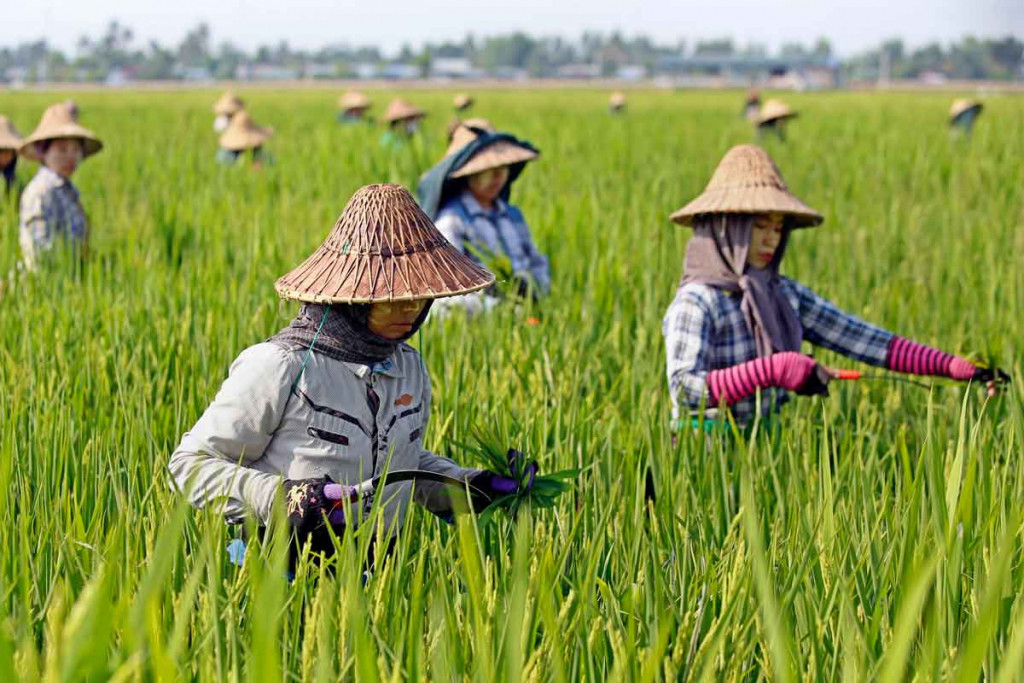
How the United Nations are transforming agriculture in the ASEAN countries

The UN has long established a fruitful collaboration in the agricultural sector with ASEAN for the sustainable development of the most vulnerable populations. 

Agriculture represents a substantial share of the GDP of the vast majority of ASEAN countries, and it is one of the main sources of employment, directly or indirectly, for the approximately 300 millions inhabitants of the rural areas. While the economic and productive structure of ASEAN countries are different, the primary sector is one of the major sources of income in Indonesia, Vietnam, Myanmar and Cambodia. However, even if some of these countries are among the main global producers of commodities such as rice and coffee, their maximum production capacity is still far from being reached. To tackle problems related to low levels of productivity, limited access to international markets, poor dissemination of technologies, reduction of agricultural workforce (resulting from industrial development) and climate change, in the last years we have assisted to more and more investments in the agricultural sector. International organizations operating in the region can be considered contributors and facilitators of this process that has brought about a new agricultural spring in Southeast Asia.

Allies of ASEAN in this challenge to make the agricultural sector as sustainable as possible are the so-called Rome Based Agencies (RBAs) of the United Nations: the Food and Agriculture Organization (FAO), the International Fund for Agricultural Development (IFAD) and the World Food Program (WFP). These agencies offer a wide range of knowledge and expertise in the financial and technological sector, being recognized at the international level as the highest authorities in the field of food security, agriculture and nutrition.

The WFP’s primary mission is to intervene in emergency situations to provide food assistance that can guarantee social and economic development in the long run. It is currently engaged in assistance projects in five countries of the Association (Philippines, Myanmar, Lao, Indonesia and Cambodia). FAO and IFAD, on the other hand, work at the implementation of long-term projects for agricultural development that respectively have the objective of defeating famine and malnutrition in the world and making the rural economies more inclusive, productive and sustainable.

FAO, which all ASEAN countries are member of, has a fruitful history of bilateral cooperation with the Association itself, to which it provides consultancies on policies, analysis and assistance in the agricultural sector, particularly collaborating with the ASEAN Economic Community (AEC). ASEAN and FAO, through a Memorandum of Understanding signed in 2013, have joined their forces to increase the cooperation in agriculture and forestry with the goal of reducing famine in the region, progressing on food security, and preventing and monitoring transnational animal diseases.

IFAD is currently engaged in a collaboration with the ASEAN Secretariat to support two specific objectives: the ASEAN Programme on Sustainable Management of Peatland Ecosystems to limit the environmental impact of agriculture, and the ASEAN Economic Blueprint 2025 to develop digital technologies. In cooperation with the ASEAN Member States, IFAD is facilitating the data collection and analysis related to land management to monitor and prevent fires and smog, as well as to strengthen regional coordination for their prevention. Furthermore, IFAD assists small farmers in the use of digital technologies for agricultural production, helping in the creation of new partnerships between public and private sector, and providing the necessary instruments to implement these techniques through targeted training courses.

Through these examples of multilateralism, ASEAN receives from the UN system an important support in the race to transform agriculture into an efficient and productive instrument to improve the livelihoods of its population and to enhance sustainable development models, as indicated in the 2030 Agenda. The close cooperation between regional and global organizations, particularly on issues relating to the improvement of people’s living conditions, remains one of the most effective development policy instruments, making the rapid transfer of new technologies possible even in the poorest and most remote rural areas of the world. 

By Luca Menghini

Challenges and opportunities for Malaysian Top Glove in the year of Covid-19

The world’s largest manufacturer of latex gloves has racked up record profits this year, but has also closed 28 factories 

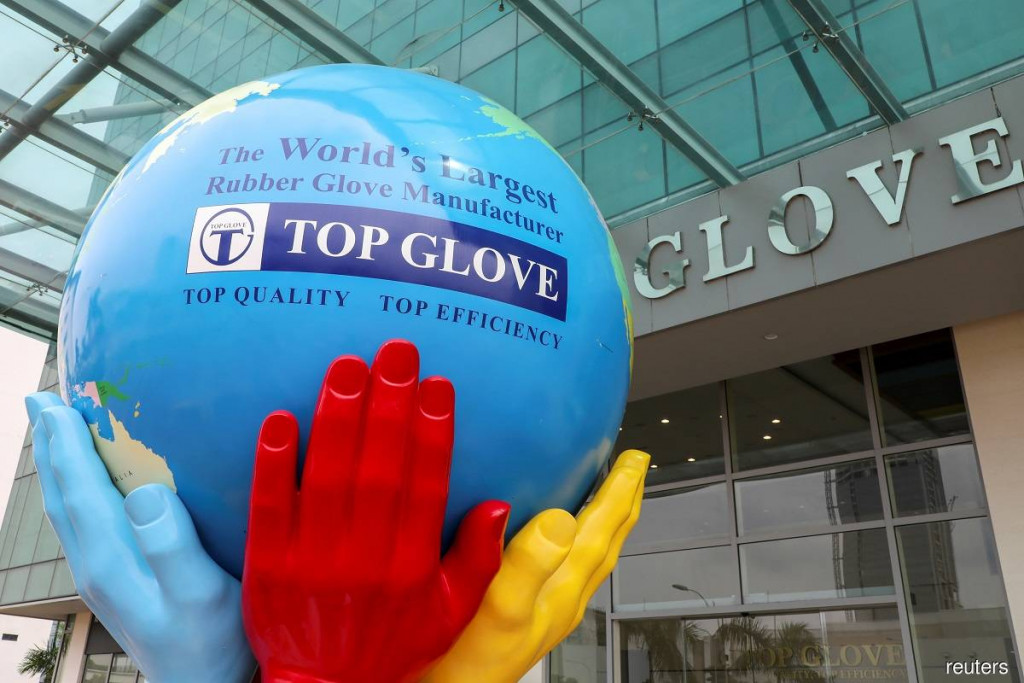
Top Glove è un’azienda malese produttrice di guanti in gomma, specializzata anche in mascherine per il viso e altri prodotti. L’azienda possiede e gestisce 41 fabbriche in Malesia, Cina, Thailandia e Vietnam, e produce 220 milioni di guanti di gomma usa e getta al giorno, esportando in 195 Paesi con oltre 2.000 clienti in tutto il mondo. Due terzi dei guanti in lattice del pianeta sono realizzati in Malesia, con Top Glove che ne produce uno su cinque. I mercati più grandi dell’azienda sono il Nord America e l’Europa. 

“Urgent demand for medical supplies appears to have become the norm for Top Glove”, Executive Director Lim Cheong Guan told reporters, adding that demand should continue to grow. “We expect there will still be a shortage of gloves in the next three years”, he added. “The potential increase in demand is mainly due to the fact that current glove stocks are at extremely low levels in our customers’ warehouses”. The company estimates that demand for gloves will grow by 20% this year, 25% next year and 15% after the pandemic.

Due to the sharp increase in demand during the pandemic, the company’s value has multiplied at least six times this year, altering the composition of the Malaysian stock market and becoming one of the highest-rated companies in the country. In the financial year ending August 31, 2020, the demand for rubber gloves was so strong that the company increased full-year earnings to more than a billion, a record figure that has significantly increased the value of the company's shares. Building on these results, in November 2020, the company also donated a total of $45 million to the Covid-19 government fund set up to fight the pandemic.

However, in the same month, an outbreak emerged in the Meru plant, a town in the Klang district of Selangor, the most developed state of Malaysia, forcing the management to opt for the temporary closure of 28 plants in the country, causing a decease by 10% of the company’s stock value. The company's shares fell another 3.5% last week, but still rose 337% since the beginning of the year. Out of 5,767 employees subjected to controls, 2,453 tested positive for the virus, highlighting the need for drastic actions to contain the damage on an epidemiological level. Most of the positive cases in the cluster are workers, mostly foreign immigrants from Nepal, who often live in unsanitary conditions in large and crowded housing complexes.

In fact, this year Top Glove was in the global spotlight not only for its record profits, but also for allegations of labor exploitation practices. In July, the United States banned the importation of gloves from two of the company's subsidiaries due to concerns about forced labor. Glorene Das, Executive Director of Tenaganita, an NGO based in Kuala Lumpur, told the BBC that “these workers are vulnerable because they live in crowded shared apartments and do jobs that do not allow them to practice rigorous social distancing”.

Faced with the controversy, Malaysian Defense Minister Ismail Sabri Yaakob announced that authorities will immediately begin enforcing new workers’ housing rules and imposing fines of approximately $ 12,300 for each employee living in unregulated housing, they have also been allocated 25 million dollars for the renovation of housing complexes. In addition, the country’s authorities tested all Top Glove workers in the factories and dormitories concerned with the aim of limiting the outbreak and limiting the damage. According to the Minister of International Trade and Industry Mohamed Azmin Ali, in fact, it is necessary to enable the company to continue production as soon as possible, since Top Glove is one of the few companies in Malaysia focused on the production of plastic sanitary materials and one of the most important in the global market.

Despite this unexpected obstacle, Top Glove’s presence and business continues to be of great significance to Malaysia and the rest of the world using its quality products. During this year, the company was able to set aside enough resources to expand manufacturing capacity to 100 billion pieces in the next five years. This year’s global crisis has put a strain on the dozens of rubber glove manufacturing factories scattered across Southeast Asia, but has also put them in the conditions to expand production and play a crucial role in the fight against the pandemic. 

  By Diego Mastromatteo           

Common security – EU and ASEAN

Europe and Southeast Asia are strengthening their strategic partnership in the field of security, extending their cooperation to non-traditional issues

Both European Union and ASEAN are aware that the stability of a member State is closely interconnected to what other countries do; therefore, they have decided to recognize the creation of a common security ecosystem as a fundamental principal of their partnership. The cooperation between the two organizations in this field has strong traditions and it’s demonstrated, among other things, by the regular involvement of the EU High Representative for foreign affairs and security policy in the ministerial meetings of the ASEAN Regional Forum (ARF). Over the years, European officials have both contributed to the implementation of the ARF’s plans and they have co-chaired some initiatives of this Regional Forum. In addition, since 2014, ASEAN has been taking part, represented by its high officials, in orientation courses on the common defense of the European Union.

In recent years, these two organizations have extended their shared security objectives to non-traditional issues, including the war against terrorism, the fight against transnational crime, social crisis management, conflict prevention, maritime security and the management of hazards from chemical, biological, radiological and nuclear materials. This new kind of political cooperation culminated with the drafting of an ASEAN-EU Plan of Action (2018-2022) during the 22nd EU-ASEAN Ministerial Meeting. In this occasion the two organizations decided to improve their relationship to an official strategic partnership. The decision was later confirmed on December 1, 2020, when the two organizations officially became strategic partners.

Maritime security is arguably the most important issue on which EU and ASEAN are currently cooperating. In 2020, the maritime security became one of the priority areas of intervention since all the major economies of ASEAN face the South China Sea, which is fundamental for international trade. As a result, every problem that occurs in that area immediately affects the economy of the countries involved and threatens the peaceful equilibrium of the region. The EU, as one of ASEAN’s most important trading partners, is also interested in the peaceful resolution of territorial conflicts in the area. On the practical side, the two organizations have created a permanent EU-ASEAN Committee on issues such as piracy, port security and joint resource management. The goal of the cooperation is to avoid conflicts for the dominion of the seas and above all promote respect for the "Law of the Sea".

Terrorism is one of the main challenges that both European and ASEAN countries are facing. The latter experienced terrorism brutality for the first time in 2002 due to the terroristic attacks in Bali and Denpasar carried out by the terrorist organization Jemaah Islamiyah. The massacre prompted the ASEAN Secretariat to draw up a Joint Declaration on Cooperation to Combat Terrorism. This is a declaration of intent stressing the conviction that terrorism must be fought jointly and internationally. Following this declaration, the fight against terrorism has become one the main issues discussed at each EU-ASEAN joint meeting. Moreover, the latest ASEAN-EU Plan of Action introduced meetings between counter-terrorism experts from both delegations. In addition, Indonesia, the Philippines, Malaysia and Thailand are benefiting from the implementation of ad hoc measures through the EU Project for the Prevention and Combating of Violent Extremism.

Currently the European Union and ASEAN are working together not only as organizations, but also bilaterally between individual member States. Another important milestone in the field of common security was reached through an agreement between the EU and Vietnam. In fact, Vietnam has signed a memorandum of understanding to take part in civilian and military operations, deployed from the Indian Ocean to East Africa, carried out by the European Union. The arrangement is the first of its kind between Brussels and a single ASEAN country: moreover, it shows the will of Vietnam and the European Union to maintain peace and security within their borders and worldwide. 

By Carola Frattini 

RCEP: sfide e opportunità per l’Indonesia

L’Indonesia cerca di trarre vantaggio dall’adesione alla RCEP mentre è alle prese con problemi di infrastrutture e investimenti

La firma della Regional Comprehensive Economic Partnership (RCEP) avvenuta il 15 novembre segna un’importante tappa nella storia recente dell’Indonesia. Dopo otto anni di negoziati, i dieci Stati membri dell’ASEAN insieme a Cina, Giappone, Corea del Sud, Australia e Nuova Zelanda, hanno finalmente firmato un accordo commerciale destinato a diventare il più grande della storia. Il trattato infatti creerà un mercato di circa 2,1 miliardi di consumatori, equivalente al 30% del PIL globale.

L’obiettivo della RCEP è quello di creare un partenariato economico reciprocamente vantaggioso per ciascuno dei Paesi partecipanti grazie all’abbassamento delle tariffe, alla semplificazione delle procedure doganali e alla stesura di regolamenti economici comuni. Per l’Indonesia, l’adesione alla RCEP non solo aprirà le porte a una vasta gamma di opportunità commerciali future, ma nell’immediato servirà al Paese per rimettere in sesto un’economia pesantemente colpita dalla pandemia di Covid-19. Molti economisti stanno tuttavia ancora cercando di prevedere tutte le possibili implicazioni che un accordo così ambizioso comporterà per il mercato indonesiano.

Uno degli obiettivi immediati della RCEP è consentire alle merci di circolare in modo più efficiente attraverso i 15 Paesi membri. Ciò comporterebbe un indubbio vantaggio per Jakarta, poiché le attività commerciali di queste nazioni hanno rappresentato il 57% delle esportazioni totali dell’Indonesia e il 67% delle sue importazioni totali nel 2019. Inoltre, il 66% degli investimenti diretti esteri proviene da diversi Paesi firmatari quali Singapore, Cina, Giappone, Malesia e Corea del Sud. Tuttavia, per sfruttare al meglio i vantaggi dell’accordo, l’Indonesia ha bisogno di adeguare il suo sistema infrastrutturale.

Anche prima della pandemia di Covid-19, la crescita economica del Paese è stata spesso rallentata da questo fattore. Nel 2017, la Banca Mondiale ha stimato che l’Indonesia dovrà investire circa 500 miliardi di dollari nei prossimi 5 anni per colmare il suo divario infrastrutturale. Secondo gli esperti, una delle possibili soluzioni è quella di sfruttare maggiormente le iniziative infrastrutturali lanciate dai governi dell’Asia-Pacifico. Questi includono la cinese Belt & Road Initiative, la Partnership for Quality Infrastructure del Giappone, e l’istituzione della Banca Asiatica di Investimento per le Infrastrutture sponsorizzata da Pechino. 

La partecipazione a queste iniziative multilaterali non è tuttavia esente da rischi, e il governo indonesiano deve tenere conto dei risvolti geopolitici. In quanto uno dei principali Paesi del Sud-Est asiatico, l’Indonesia ha un mercato interno che fa gola alle altre potenze del continente asiatico e del mondo. Un esempio è il progetto della ferrovia ad alta velocità Jakarta-Bandung, la cui gara per la costruzione ha causato frizioni tra il Giappone e la Cina, entrambe interessate all’appalto. A vincere alla fine è stata Pechino, che ha offerto tassi di prestito più bassi e una tempistica più breve il completamento dell’opera.

La partecipazione alla RCEP contribuirà senza dubbio ad aumentare degli investimenti esteri diretti verso l’Indonesia. In passato, le rigide leggi sul lavoro hanno indotto molte aziende straniere a ridurre i propri investimenti; per risolvere questo problema, il governo ha introdotto quest’anno una nuova riforma, la Legge Omnibus, che mira a facilitare le attività economiche nel Paese modificando ben 76 leggi esistenti. Sono incluse tra le varie norme la riduzione della burocrazia, l’allentamento delle restrizioni sugli investimenti stranieri e l’abrogazione di alcune leggi sul lavoro.

Nonostante gli sforzi del governo, il progetto ha ricevuto severe critiche da vari gruppi sociali, poiché il disegno di legge taglia alcune protezioni sociali e allenta le norme ambientali, aumentando il rischio deforestazione e inquinamento. Tuttavia, è ancora troppo presto per vedere l’impatto a lungo termine del disegno di legge, in quanto tutto dipende dalle modalità di attuazione. La Legge Omnibus potrebbe effettivamente portare a un clima migliore per gli investimenti in Indonesia e quindi creare più posti di lavoro, ma deve essere sostenuta da una solida esecuzione e da un ampio monitoraggio da parte del governo.

Sulla base di quanto descritto è chiaro che fare affidamento solo sulla RCEP non è sufficiente, né per la ripresa post-pandemia, né per lo sviluppo economico a lungo termine dell’Indonesia. Per trarre il massimo vantaggio da questo accordo, il Paese deve sostenerlo con una solida pianificazione infrastrutturale e un quadro normativo moderno, entrambe grandi priorità per l’attuale governo. Una volta raggiunti questi obiettivi, l’Indonesia otterrà significativi benefici economici, aumentando la propria competitività e integrandosi maggiormente nella regione Asia-Pacifico. 

By Rizka Diandra 

Translated by Andrea Passannanti 

Behind the camera

Challenges and opportunities for Southeast Asia’s movie industries.

Manila in the Claws of Light is like an Italian Neo-Realist film set in Hell”.

This was the comment regarding the film of Lino Brocka, the most famous Filipino director and producer. The movie received critical acclaim already in 1975 when it was released. From the East: FAMAS (Filipino Academy of Movie Arts and Sciences Awards) awarded it the prize of Best Movie, Best Director, Best Photography Direction, Best Actor, and Best Supporting Actor. But also from the West: it was added to the list of Best Movies in The World, screened at the Cannes Film Festival in 2013, and written about in an extensive article in the New York Times. In its Blu-Ray version, the movie is introduced by Martin Scorsese.

In the golden years of Italian cinema, it was quite unusual to hear about Southeast Asian actors and directors. However, the receptivity of Brocka and others in Europe from the 2000s is the sign of the new interest in the Asian continent’s seventh art. The most striking case is probably Parasite, the movie by the South Korean director Bong Joon-ho which was in 2020 the first movie in the world to be awarded the Oscar prize as Best Movie and Best International Movie simultaneously. 

Compared to Japan and Korea, there are still many difficulties for ASEAN countries to break into the Western film market. However, despite obstacles, some of them have managed in recent years to fit into the Cinema International Festivals circuit.

Indonesia is a good example with its Gundala, a superhero movie sprung from the creative vein of the director Joko Anwar. The main character is based on one of the protagonists of the Indonesian comic artist Harya “Hasmi” Suraminata, or “Indonesian Stan Lee” thanks to his 50+ years of experience in drawing cartoons. Gundala is probably the most famous superhero in Indonesia, and Anwar decided to pick him as a subject for his film. Released in 2019, Gundala drew more than one million visitors to movie theatres in just one week. The premiere was held at the Toronto International Film Festival. It is not uncommon to find it in several Italian Far East Asia Festivals held throughout the year, together with Impetigore, a horror masterpiece from the same director. In 2020 Gundala was also dubbed in French and released on Blu-Ray by Condor Films, an industry well known for distributing Cannes or Sundance Film Festival award-winning movies.

The documentary genre is well represented by Midi-Z, a movie director born in Myanmar but a naturalised Taiwanese citizen. His Ice Poison, released in 2014, was selected by Taiwan to compete for the Foreign Language Academy Awards. A sensible choice considering its debut at the Berlin Film Festival and its award as “Best International Feature Movie” at the Edinburgh International Film Festival. Midi-Z himself was nominated as “Taiwanese Director of the Year” at Taipei’s 53rd Golden Horse Awards. Despite he is a naturalised Taiwanese citizen, Myanmar is a constant theme of his works: from Return to Burma (2014) to Road to Mandalay (2016).

Despite Southeast Asian movies’ versatility, not a lot of them can reach European movie theatres if we exclude Film Festivals. Not only weak demand from the market, but also the lack of funds and government support for the creative movie industry play a major role. Italy, in this sense, is privileged: there are important spaces for Asian movies in many Italian cities, first and foremost the Venice Film Festival. For some years now, Rai (Italian State Broadcaster) too offers attractive spaces on a global level for moviegoers, where they can find special products as well as niche curiosities. A crucial role for Italy, that if used properly, might lead even more people to enjoy the ASEAN countries’ rich film repertoire.

By Valentina Beomonte Zobel

Cambodia’s Future at a Cross Road

As Cambodia strengths the ties with China, US express concerns about what this means for the region

On October 2nd, CSIS's Asia Maritime Transparency Initiative published a satellite imagery of a demolished US-built facility at Ream Naval Base, Cambodia. The building previously was the Tactical Headquarters of the National Committee for Maritime Security, and it served as the center for commanding, controlling, and coordinating multi-force operations. The demolition raised the year-long rumor of Chinese access to the area, and whether this means Cambodia will grant China basing privilege at Ream.

The concern stemmed from a report published by the Wall Street Journal back in July 2019, stating that Cambodia and China had signed a secret agreement allowing Chinese armed forces to use a Cambodian navy base. The early draft of the agreement – which was claimed to have been seen by unnamed US officials – would allow China to use the base for 30 years, with an automatic renewal every ten years. The agreement would also enable People’s Liberation Army to post its military personnel, store weapons, and dock their warships.

Aside from the demolition of the Ream Naval Base, the surrounding areas have also been leased by several Chinese companies for the development of a $16 billion resort, alongside with the construction of the Dara Sakor Airport – which is supposed to become the largest in Cambodia. The airport’s infrastructure itself raised a few questions. Evidence gathered showed that the length of the airport’s runaway exceeds the need of a regular aircraft – creating aspeculation that it might not be used solely for commercial purposes, but for military as well.

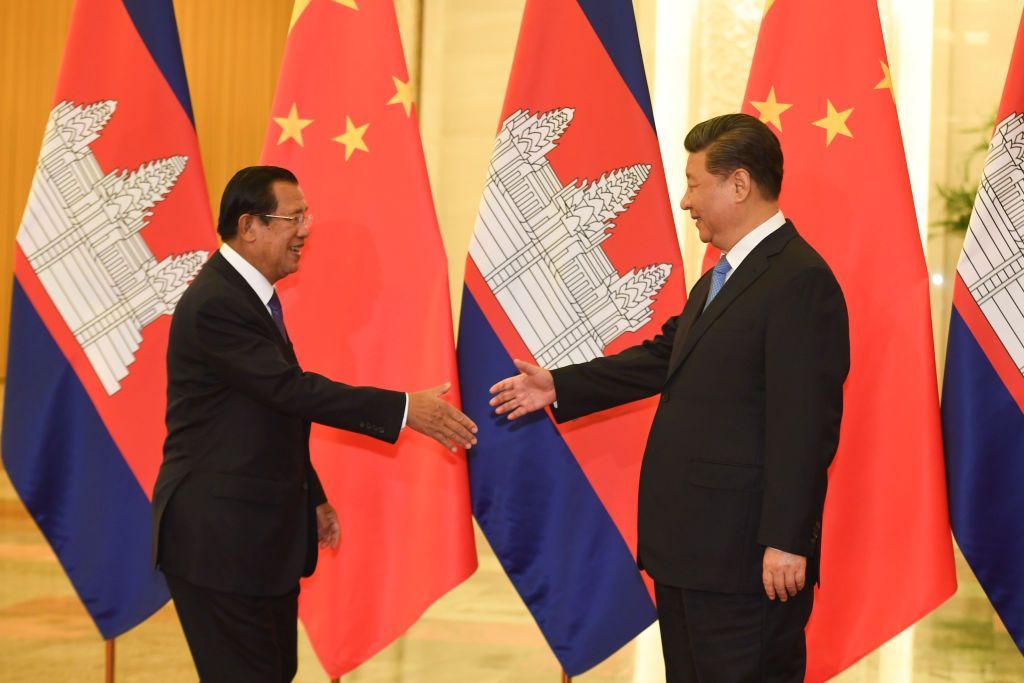
Despite myriads of questions and comments, the Cambodian government denied these allegations. Prime Minister Hun Sen repeatedly declared that China has not been given exclusive rights to use the Ream Naval Base, as the Cambodian Constitution forbids the establishment of foreign military bases. In addition, he underlined that warships from all nations – including those from the United States – are welcome to dock. However, the response from China was limited. In an interview, China’s Foreign Ministry Spokesman Geng Shuang said «As I understand it, the Cambodia side denied this». Yet, he refused to clarify whether this means China also denied the claim – he focused on the nature of China-Cambodia relations instead, which he described as ‘open, transparent, mutually beneficial and equal’.

Regardless, strategic implications following this situation still put Washington on edge. If indeed a Chinese military base will be established in Cambodia, it will greatly shift the balance of power in Southeast Asia. Due to the strategic location of the base, it will allow China to extend its influence over the Strait of Malacca, one of the world’s busiest shipping routes. Simultaneously, China also has multiple projects in other countries: a military installation in Djibouti, ongoing construction of a deep-sea port in Myanmar, and a plan to invest in Sri Lanka as a part of the Belt and Road Initiative. According to experts, it is highly likely that China is trying to create a ring of infrastructure from the South China Sea to the Indian Ocean and East Africa in order to reinforce its position among global powers.

Furthermore, facts on the ground show that out of the ten ASEAN member states, the Cambodian government has been the most welcoming towards China. At the same time, China is by far Cambodia’s largest trading partner and source of foreign direct investment – with its bilateral trade volume reaching $7 billion last year. Both countries have recently signed a Free Trade Agreement (FTA) – making this Cambodia's first bilateral FTA. On the contrary, Cambodia’s relationship with the United States seemed to have grown increasingly tense, due to Washington’s critical approach towards Cambodia’s domestic affairs. However, the United States seemed to have readjusted their strategy as of this year. Rather than conducting direct interventions, under the leadership of US Ambassador to Cambodia Patrick Murphy, their latest method seems to be more diplomatic, flexible, and friendly.

Although it is far too early to see what’s in store for the three countries, we know this much is true: both the United States and China are seeking to have a good relationship with Cambodia. Currently, China seems to have succeeded in doing so, as the ties between the two nations continue to flourish. Nevertheless, the future also looks promising for the United States as they proceed with their newest diplomatic strategy, working hard to ‘reset’ their relations with Cambodia. Undoubtedly, the world will see moreof the development of US-China-Cambodia relations in the coming months – one that hopefully turns out tobe mutually beneficial for all parties.

By Rizka Diandra 

Translated by Andrea Passannanti

EU and ASEAN increase interregional cooperation

The European Union and ASEAN upgrade their relations on environmental sustainability, economics, security and connectivity

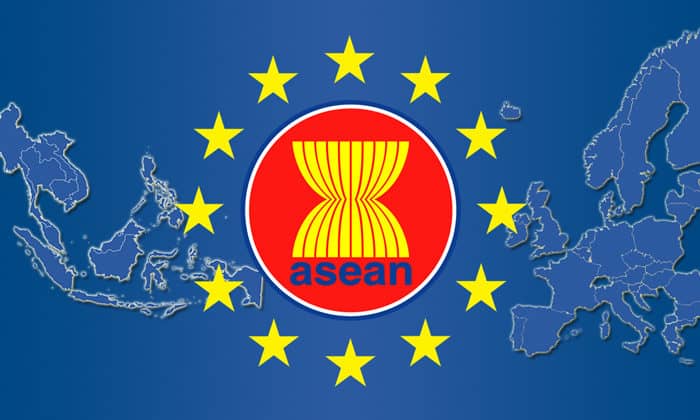
After six years of consultations, at a meeting on Tuesday December the 1st, the European Union and the ten countries of the ASEAN group updated the status of their relations, passing from a "Dialogue Partnership", to a much more consistent "Strategic Partnership".

Interactions between the European Union and ASEAN have a long history behind them, being characterized by trade, foreign direct investments and bilateral agreements between the EU and individual members of the Association. Nevertheless, the wish to strengthen relations through a more advanced partnership was officially expressed by the European Commission only in 2015 and two years later, in 2019, ASEAN and the EU foreign ministers agreed on the principles for the elaboration of the Strategic Partnership. 

The last meeting confirmed the commitment of the parties in organizing regular summit meetings and in strengthening cooperation in four strategic areas: environmental sustainability, economy, security and connectivity. The co-chairs of the ministerial meeting, the High Representative of the Union for Foreign Affairs Josep Borrell and the Singaporean Foreign Affairs Minister Vivian Balakrishman, both welcomed the move, calling it "a historic event".

The outcome of the negotiations has long been uncertain due to disagreements over palm oil, a product that is still essential for the economies of Malaysia and Indonesia but adverse to the EU because of the environmental impact of its production. As part of the shared effort, however, both parties agreed on the establishment of a joint committee, entirely dedicated to the sustainable reformulation of the vegetal oil industry. Furthermore, concerning sustainable development, EU and ASEAN leaders have referred to some previous international agreements, such as the Paris Agreement on climate change and the Sendai Framework Convention for the reduction of the risk of environmental disasters. The idea is to establish a dialogue as complete as possible, encouraging the inclusiveness of topics such as climate change, the preservation of the oceans and biodiversity, the increase of renewable energy and respect for human rights. ASEAN, then, welcomed the EU commitment to promote "greener" cities, through the implementation of the "ASEAN Smart Green Cities" program.

The Covid-19 pandemic was the second item on the agenda. Recognizing its unprecedented impact, leaders encouraged greater cooperation to increase their respective crisis response capacities, combining public health and sustainable development. The EU has already offered ASEAN 800 million euros to deal with the health emergency and has pledged to donate another 20 million and support the "South East Asia Health" project. Both parties have also agreed on a joint approach to ensure fair and collective accessibility to vaccines, defined as "global public goods". In this context, the European Union will provide a contribution of 500 million euros in grants and guaranteed loans to support COVAX, the multilateral facility designed to accelerate the development, production and global distribution of vaccines.

The leaders also recognized the importance of an increasingly solid economic cooperation, especially aimed at the recovery of the post-Covid-19 world economy. The commitment made by the parties will be directed to further efforts towards the negotiation of an ambitious free trade agreement between the EU and ASEAN, focused on greater economic integration and trade liberalization.

By recalling the EU-ASEAN declaration on cooperation in the field of cybersecurity, adopted in 2019, the parties also remarked the importance of strengthening cooperation in this area, in order to promote open, secure, accessible and peaceful information. The security issue is further taken up by the intent to consolidate joint efforts to counter terrorism and transnational crimes as well as to ensure lasting peace and stability in the region.

In conclusion, in a separate statement, ministers pledged to promote connectivity between the EU and ASEAN to support post-pandemic socio-economic recovery in a more sustainable and inclusive way. Therefore, the idea is to simplify and diversify the transport networks, encourage the use of clean and renewable energy, ensure food, energy and health security and promote political exchange in the fields of education, research, tourism and technology.

The negotiations emphasised the pragmatic approach of the European Union and ASEAN, aimed at solving single yet very important problems. The pandemic has spared no one and the Strategic Partnership underlines the urgency to combine two of the largest existing economic blocs, which together cover almost 30% of world GDP and could be decisive for the economic recovery of the whole world. In a nutshell, as Gunnar Wiegrand, the EU’s Director of Foreign Affairs for Asia and the Pacific recalled, it was a historic meeting "between two anchors of stability in a world of growing uncertainty".

By Emilia Leban

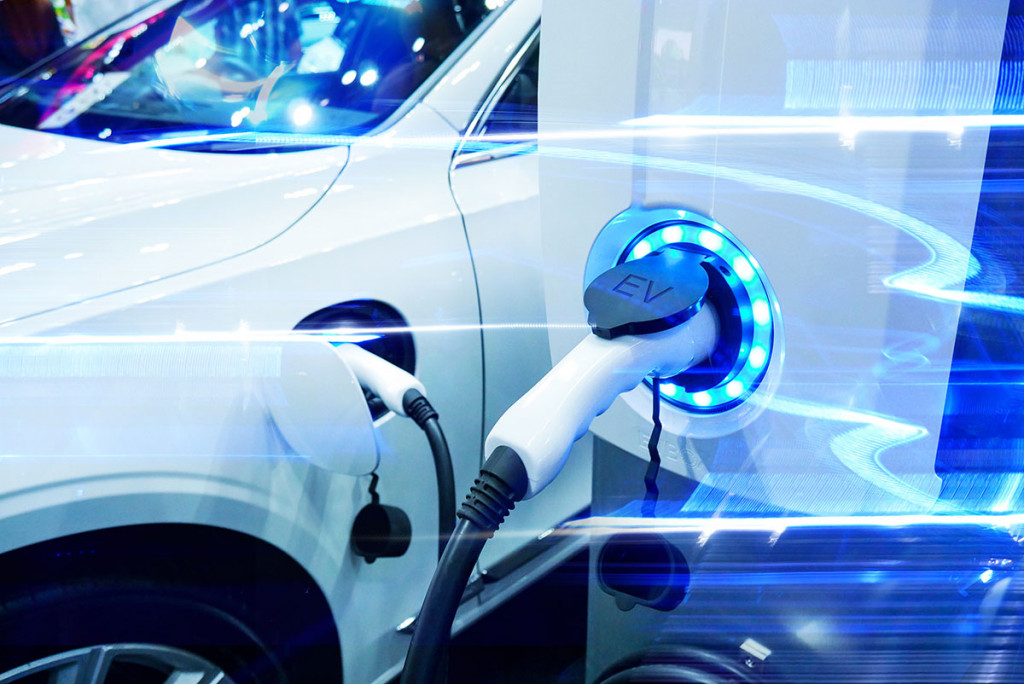
Indonesia's entry into the EV sector will strengthen its position in the global market

Indonesia, the world's largest producer of nickel, aims to build an industry that will include the construction of electric vehicles. 

In Indonesia, the transport sector contributed to nearly a third of 2018 greenhouse gas emissions, mainly due to road mobility. The Indonesian government has pledged to reduce its CO2 emissions to achieve the 2016 Paris Agreement on Climate Change goal of keeping the global temperature below 2° C. The spread of electric vehicles (EVs) has been seen by many observers as the main future strategy for reducing polluting emissions.

In order to clarify the matter, the Indonesian Ministry of Transport has already drawn up a draft regulation that electric vehicles will have to face before they can be sold on the market. The quick adoption of these guidelines is a good sign for both domestic and foreign electric vehicle manufacturers, as they have long aimed at this market of over 200 million potential consumers. The push came from President Joko Widodo himself, who is aiming at accelerating the EV program for land transport.

The regulation also outlines the various initiatives the government will take to strengthen the domestic electric vehicle industry, including the requirement for finished products to use locally made components. The construction of 2,200 EV units, 711,000 hybrid units and 2.1 million electric motorcycles by 2025, will make Indonesia less dependent on oil import, which weighs heavily on the national budget. However, state-owned electricity giant Perusahan Listrik Negara estimates that Indonesia will need more than 31,000 new electric vehicle charging stations by 2030 to meet its targets, at a cost of 3.7 billion dollars. The Institute for Essential Services Reform has identified the lack of charging stations as one of the key factors inhibiting the spread of electric cars in Indonesia. Moreover tax incentives aren’t sufficient enough and the costs to support the EV infrastructure required are still high.

On the other hand, Indonesia is one of the largest producers of nickel in the world, which its export has been recently banned by the government: the ban’s aim is to encourage foreign companies to invest in the production of finished products directly in the country, using its nickel and its batteries. Tesla CEO Elon Musk, while not yet present in the Indonesian market, has asked mining companies to increase production.

The Minister of Industry Agus Gumiwang has shown interest in Tesla's proposal, which already plans to build a battery factory on site, more specifically in Batang Province. Negotiations are currently underway between the Californian tech company and the Indonesian government to build a new nickel mining and processing company in the country. The Coordinating Minister for Maritime and Investments Affairs, Luhut Binsar Pandjaitan, also confirmed that they would secure their nickel supply if Elon Musk's company will decide to invest in a battery factory in the country.

Now aware of the growing importance of nickel in the development of this sector, Indonesia also wants to create a domestic industry of batteries for electric vehicles, with the aim of putting the first cells on the market by 2023. They will be designed and built by Indonesia Battery Holding, a new joint venture launched by the state oil company Pertamina, the energy distribution company Perusahan Listrik Negara and the mining company Aneka Tambang. The founding of this new state-owned company will put Indonesia in a strong position in the global battery market.

Nowadays, the weak point of this strategy is the difficult access to the technologies necessary for the production on an industrial scale. To fix this, the government is negotiating with the Chinese company CATL and Korea’s LG Chem, two of the world's largest manufacturers of EV batteries. The entry of these players into the Indonesian market will bring investments for an additional 20 billion dollars to be allocated to the development of the missing technologies. Furthermore, the batteries for electric vehicles produced in Indonesia will not only be destined for the transport sector, but also for the energy storage sector: experts predict that demand will increase for both uses in the next years.

In conclusion, given Indonesia's current market, existing regulations and weak industrial infrastructure, electric vehicles will face very difficult challenges to break into the automotive sector. To achieve a high market share and a significant reduction in emissions, supportive policy tools are needed. Policies must aim to provide incentives for electric vehicles and disincentives for internal combustion engine vehicles (ICEVs). The tools should include tax incentives (both initial and recurring), non-financial incentives, regulatory incentives and the availability of public charging infrastructures, indispensable tools already adopted in other countries with a high diffusion of EV vehicles.

By Diego Mastromatteo

Recently active members
Foto del profilo di Alessio
Foto del profilo di Monika
Foto del profilo di Gabriel
Foto del profilo di Elena
Foto del profilo di Lorenzo
Foto del profilo di Alessandro
Foto del profilo di Cristina
Foto del profilo di Rocco
Foto del profilo di Clara Lomonaco
Foto del profilo di Redazione
Foto del profilo di Davide Gugliuzza
Foto del profilo di Anna Affranio
Foto del profilo di Ilaria Canali
Foto del profilo di Nicolò
Foto del profilo di Angelo Cangero
Who is online
There are no users currently online
Members
  • Foto del profilo di Alessio
    Active 8 ore, 12 minuti fa
  • Foto del profilo di Monika
    Active 3 giorni, 21 ore fa
  • Foto del profilo di Gabriel
    Active 3 settimane, 4 giorni fa
  • Foto del profilo di Elena
    Active 1 anno, 4 mesi fa
  • Foto del profilo di Lorenzo
    Active 2 years, 6 mesi fa