The year of Laos

How is Vientiane faring in these first months as ASEAN chair, ahead of the summit in the fall?

Francesco Mattogno

There was a time, around the end of April, when Laos was missing both the president and the prime minister at the same time. This seems odd for a country that has a reputation for being “land-locked,” meaning “trapped by land,” as the only state in Southeast Asia that is landlocked. A condition that, according to some theories, would make Vientiane by its nature less interested or touched by international affairs. 

On April 23, while President Thongloun Sisoulith was meeting in Phnom Penh with Cambodian Premier Hun Manet and King Norodom Sihamoni, Prime Minister Sonexay Siphandone was attending the ASEAN Future Forum, held in Hanoi. Speaking with his Vietnamese counterpart Pham Minh Chinh, Siphandone renewed Laos's commitment to strengthen cooperation with Vietnam in various areas, from defense to trade, via infrastructure, energy, and tourism. All while Sisoulith gave his support to the Funan Techo canal that Cambodia plans to run from the Mekong River, with accompanying Vietnamese protests.

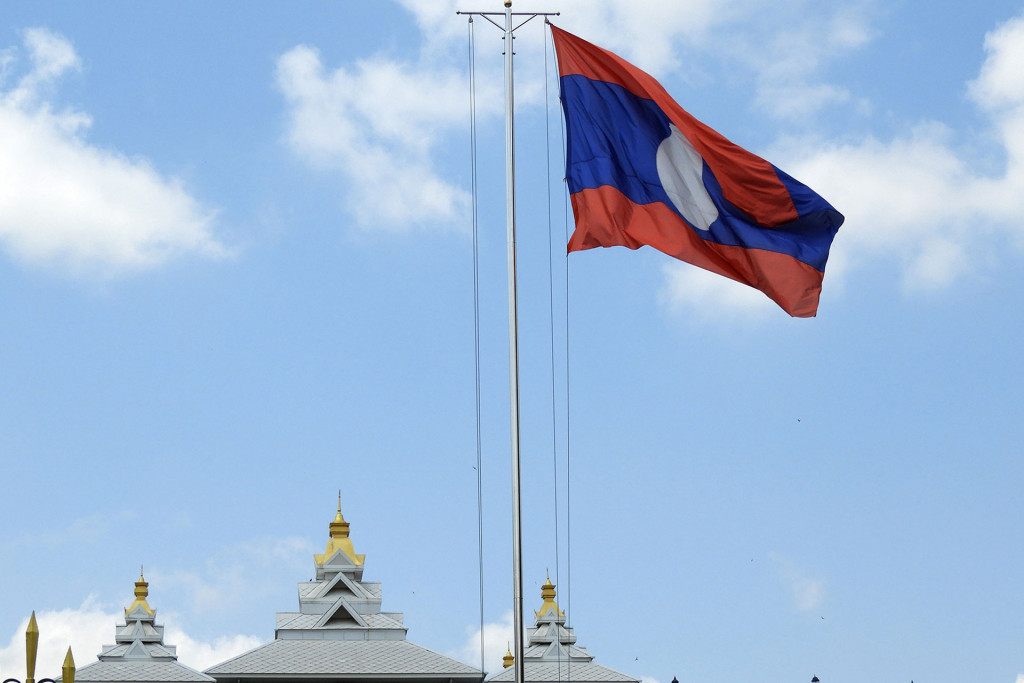
This was an interesting balancing act, showing some diplomatic initiative on the Laotian side. Vientiane has inserted itself more often than usual into regional and international affairs in recent months, aided by its role as chair of ASEAN. The chairmanship of the Association of Southeast Asian Nations (ASEAN) is an annual position, awarded on a rotating basis to the bloc's ten member countries in alphabetical order according to English. And 2024 is the year of Laos, which chairs the association for the third time in its history (after 2004 and 2016).

As has been the case for the past three years, Laos has inherited from its predecessor (Indonesia) a number of thorny dossiers left unresolved. From the civil war in Myanmar, which the group has never been able to affect, to territorial disputes over the South China Sea between China and five ASEAN countries (the Philippines, Malaysia, Vietnam, Brunei and Indonesia). Issues compounded by tensions between Beijing and Washington and conflicts (Ukraine, Gaza) that threaten to change the international order on which Southeast Asia's economic growth has been based for decades.

Given these critical issues, in these early months Vientiane has sought to promote ASEAN's centrality more economically, than politically. Laos is a country with a huge public debt (125 percent of GDP in 2023) that has seriously risked default in the last two years, which is why it is using the association as a launching pad to lift the state of state finances. Not surprisingly, in his agenda as ASEAN chair, the Laotian government has decided to prioritize issues such as economic integration among the bloc's countries, digitalization, tourism, and sustainable economic growth.

In all meetings, from ministerials to summits with partner countries such as Australia and New Zealand, trade, investment and infrastructure projects have been discussed, without ever firmly touching on sensitive issues such as the war in Myanmar (a generic cessation of hostilities has been called for several times) or the South China Sea. The latter, for example, was also barely mentioned during the early April meeting between Laotian Foreign Minister Saleumxay Kommasith and Chinese counterpart Wang Yi, despite the fact that the two spoke during one of the most tense moments in the area between China and the Philippines.

Heavy economic dependence on Beijing (which holds half of Lao's foreign debt), compounded by ambiguous relations between the Lao People's Revolutionary Party government and the Burmese military junta, made it complicated to think that Laos could succeed in truly affecting major international issues where much more influential countries have failed, such as Indonesia.

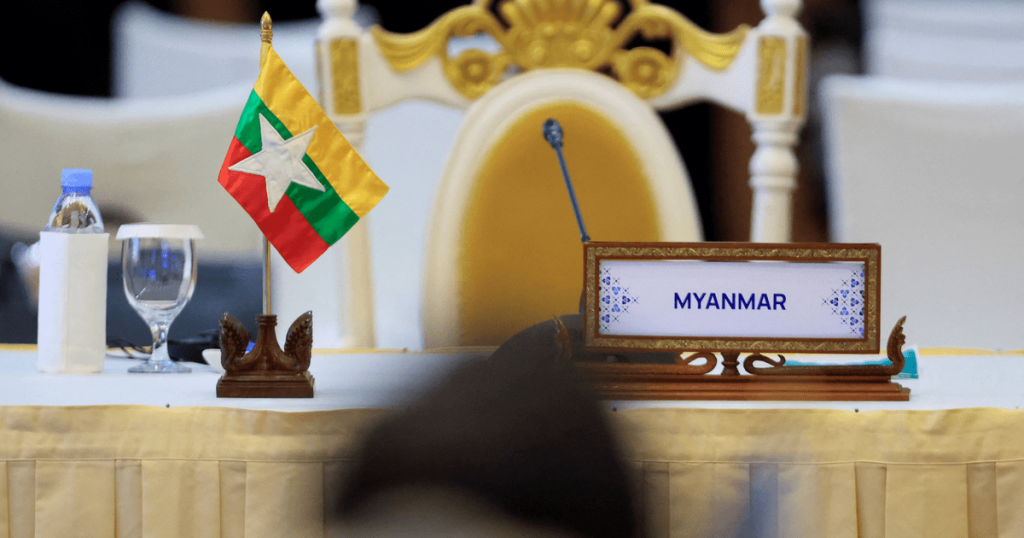
Despite this, Vientiane has not remained completely immobile, especially on the Burmese front. The ASEAN special envoy for Myanmar appointed by Laos at the beginning of the year, Alounkeo Kittikhoun, immediately met with Burmese military junta leader Min Aung Hlaing (but failed to talk to regime opponents), and Naypyitaw sent its own non-political representative to an ASEAN meeting for the first time since 2021. This last point is positive because it represents a step backward by the regime, which had always claimed to be represented by a member of the government, and would be due precisely to the good relations between the two countries. It remains to be seen whether the Laotian government can-and will-do more in the coming months.

Indonesia's New Security Landscape Under President Prabowo

The foreign policy approach of Indonesia's newly elected president will help determine the balance in the region.

By Alessia Caruso

In February 2024, Indonesia's Defence Minister Prabowo Subianto won the presidential election in South-East Asia's largest democracy. He will formally assume office from October, taking over from his long-time rival Joko Widodo. 

Prabowo's presidency opens against a backdrop of rising regional tensions, presenting him with a significant challenge in positioning himself within the political chessboard. At 72 years of age, the newly elected President will have to skilfully navigate this complex geopolitical landscape. It will be crucial to understand what foreign policy approach Prabowo will adopt. Indeed, his decisions will have inevitable repercussions on the role and balance of power within ASEAN. 

Tension in the South China Sea area has been drastically increasing in recent years. According to available data, the total military expenditure of the countries in the region has grown by 6.2% in recent years, reflecting the desire of these states to strengthen their presence and projection capabilities in the area. In parallel, there has been an intensification of regional strategic alliances. In particular, the US has become more actively engaged, strengthening political and military ties with allies such as Japan, the Philippines. The combination of clashes, increases in defence spending and alliances in the region highlights how the South China Sea has become one of the main theatres of geopolitical competition between the great powers in the Indo-Pacific.

As the most populous country and largest democracy in Southeast Asia, Indonesia plays a major role in the complex geopolitical context of the South China Sea. As tensions and conflicts in the area continue to escalate, all eyes are on how President Prabowo's administration will approach the increasingly tense regional environment.

During Widodo's tenure, Indonesia's approach towards China has evolved considerably from a proactive attitude aimed at promoting regional peace, to a passive, non-antagonistic one, while maintaining a firm defence of national borders in the Natuna Islands area, Indonesian territory claimed by China within its controversial ‘Dash line’. Under Widodo, the interest in redeeming a role in the regional balance of power has made way for the desire to develop local infrastructure, financed largely by China.

Although it is still too early to define how Prabowo will present himself in the international scenario, a clear indication was given by his visit to China, from 31 March to 2 April, at the personal invitation of President Xi Jinping. On this occasion, the President of the People's Republic extolled the development of bilateral relations between the two states, while Prabowo renewed his intention to pursue Widodo's cooperative policies. The intention is to strengthen economic, trade and anti-poverty relations. This is Prabowo's first trip as President-elect, and he thus decides to set the priorities of his term of office from the outset. This decision is reflected in the economic ties that have been built over the past decades between the two powers. The People's Republic has become Indonesia's main trading partner, accounting for 40% of its exports and 55% of its imports, thus creating an undoubted link of economic dependence. The visit thus testifies to the importance Prabowo intends to place on the domestic and economic dimension within his agenda, continuing his predecessor's policy of appeasement. The relationship established between the two states appears to all intents and purposes to be a mutual exchange agreement, such that Indonesia secures its economic interests, while China secures the tacit consent of the South China Sea's most populous nation, in a context where bilateral relations are becoming increasingly decisive. In describing his security and defence relationship with China, Prabowo describes the People's Republic as a key partner in ensuring stability and peace in the region. In doing so, the Indonesian general seems well prepared to cede control of the regional security and defence line to China, consciously abdicating his condemnation of military incursions into the territorial waters of other ASEAN member states. However, the risk of this strategy of security passivism is that Indonesia will abdicate altogether the political role it is entitled to within the region's balance of power. A role that, prior to Widodo's presidency, Indonesia was largely committed to redeeming.

The implications for ASEAN's resilience are important. Indeed, the risk is that the inability, as well as the lack of will, to take a stand within the regional debate will contribute to the fragmentation of political will, with the result that the region will increasingly become a playground for US-China rivalry. The lack of strategic positioning of the leading ASEAN democracy, in a tense context such as the South China Sea, is in itself a stance in favour of increasing fragmentation.

In conclusion, how the new Indonesian president will balance domestic, regional and global interests will be crucial in defining Indonesia's future positioning in the Asian arena and the consequent repercussions on the cohesion of ASEAN.

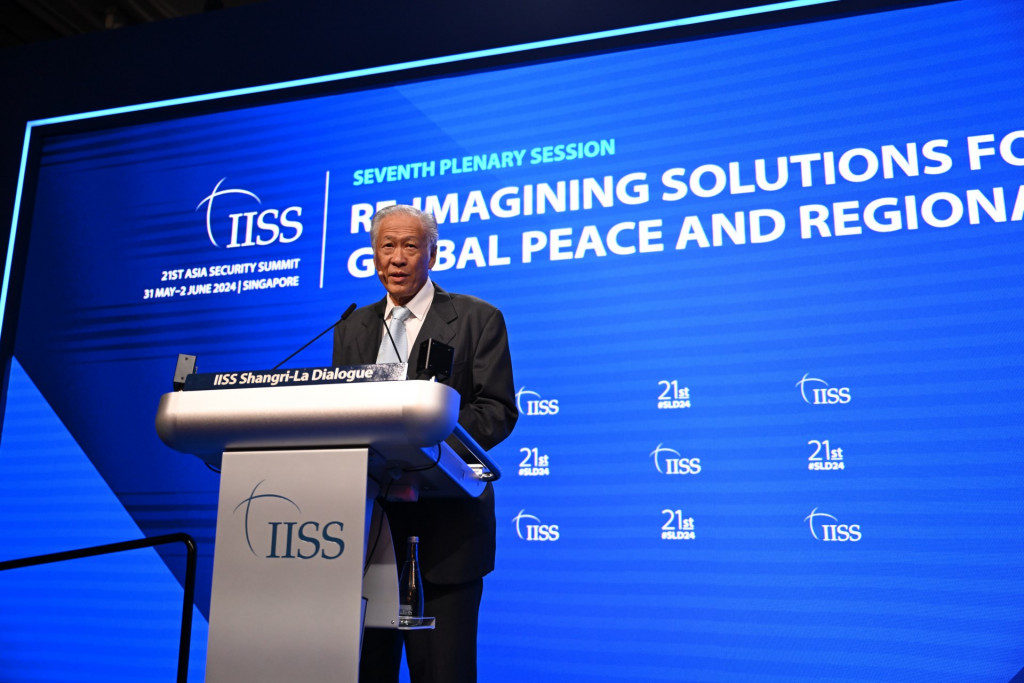
“We will avoid conflicts and trade blockades”

We publish here excerpts from speeches by Dr. Ng Eng Hen, Singapore's Minister of Defense, at the Shangri-La Dialogue

We must and can avoid a physical conflict in Asia. Nor could we in the world endure another geopolitical shock after the war in Ukraine and what is happening in the Middle East. And I feel I can say that one of the prevailing moods among ministers and officials attending this year's Dialogue, compared to last year's Dialogue, is that what happened in Europe and the Middle East “must not happen in Asia.” We are learning important lessons to do or not to do by observing what is happening. (...) I would say that there is a strengthened determination that conflict should not happen in Asia. The United States and China are predominant players and their relationship will influence the future of the Asia-Pacific. Since the Shangri-La Dialogue last year, there have been positive signs. Joe Biden and Lloyd Austin have made it clear that the U.S. wants competition but not conflict. And these days the Secretary of Defense has stressed that a war is neither imminent nor inevitable. Xi Jinping has assured that he does not want to challenge the U.S. role and that he does not want a new cold war. (...) But in this stream of events that also sees signs of trade clashes, it is important to increase dialogue at the highest level. Trade and security are two sides of the same coin. The regional security architecture leaves countries believing that they need new deterrence initiatives, but we must not forget about the crucial role of reassurance. Despite their strategic rivalry, both the United States and China are critical to the global economy, on which they all depend. (...) Washington and Beijing do not need a third party to mediate between them, and I also doubt that a third party can help them. They must and can deal with this issue on their own. We, understood as Singapore and as ASEAN, can foster increased cooperation among the various regional and international actors. We are like the hobbits in “Lord of the Rings”: ASEAN should keep the ring because the great powers covet it too much. We are devoted to neutrality and prosperity. Even if we occasionally have disputes among ourselves, we resolve them peacefully. Look at the agreements between Malaysia, Indonesia and Vietnam over the South China Sea. (...) Our approach is to convince the powers, be they large, medium or other, that it is in their collective interest to have a system that protects the rights of both large and small powers. An inclusive system to avoid military alliances and trade blocs.

ASEAN and Japan united for sustainability

Southeast Asian countries strengthen cooperation on environment and technological innovation. A very important development

By Walter Minutella

In a world rapidly evolving toward sustainability and technological sophistication, ASEAN and Japan have undertaken several collaborative initiatives aimed at promoting economic growth, environmental sustainability and technological innovation. 

During a significant visit to Hekinan City, Aichi Prefecture, Japan, Dr. Kao Kim Hourn, Secretary General of ASEAN, explored the Hekinan Thermoelectric Power Plant and the Ammonia-Based Thermal Fuel construction site operated by Japan's Energy for a New Era, Inc. (JERA). Accompanied by JERA President and Director Hisahide Okuda, Dr. Kao closely observed the facility's innovative projects, which include a pioneering demonstration aimed at achieving zero carbon emissions through co-firing coal and ammonia. This technology could make the Hekinan plant the first large-scale plant in the world to use this solution, marking a significant step toward carbon neutrality.

ASEAN's commitment to partner with Japan in such green initiatives underscores a shared vision for a sustainable future. Diversifying energy sources to include ammonia and hydrogen is a critical component of this strategy, reflecting a concerted effort to reduce carbon footprints while ensuring stable electricity supplies to regions such as Chubu and beyond.

The strategy proposed by Japan and ASEAN focuses on several key areas to strengthen their competitiveness in the electric vehicle market. First, a significant effort is devoted to staff training, with Japan planning to allocate 140 billion yen (about $900 million) to improve workers' technical skills in digital technologies at factories and component suppliers. This investment aims to enhance the efficiency and quality of the workforce, contributing to the sustainability of production.

Another key area of the strategy is the decarbonization of production. Using advanced Japanese technologies, carbon dioxide emissions will be measured and solutions for switching to renewable energy sources in production processes will be promoted. This initiative is in line with global efforts to mitigate climate change and reduce the industrial carbon footprint.

The supply of essential mineral resources for electric vehicle batteries is another pillar of the strategy. Joint efforts will focus on obtaining rare materials and researching recycling methods, thus ensuring a stable and sustainable supply of crucial components.

Similarly, investment in next-generation fields, such as biofuels, is also an additional area of focus. Special attention will be paid to the development of biofuels derived from used cooking oil, an initiative that not only diversifies energy sources but also supports the transformation of waste into energy resources.

Finally, a comprehensive information campaign is planned to raise consumer awareness of the environmentally friendly characteristics of vehicles produced in ASEAN. This effort aims to increase exports by leveraging international consumers' attention to sustainable practices and products.

On the same day, Dr. Kao visited DENSO Corporation's state-of-the-art facilities in Aniyo City, Japan. This visit was instrumental in showcasing DENSO's recent advances in electric vehicle technology, autonomous driving systems, and sustainable manufacturing practices. The visit highlighted the potential for collaboration between ASEAN and Japan in addressing evolving challenges in the automotive industry, particularly in environmental sustainability and technological innovation.

During the visit, discussions were held on potential partnerships and collaborations aimed at improving sustainability and technological advances in the automotive sector. This aligns with broader ASEAN-Japan initiatives to promote greener and more efficient automotive solutions in the face of growing environmental concerns.

The urgency of this joint strategy also stems from the rapid expansion of Chinese electric vehicle manufacturers in Southeast Asia, which are rapidly gaining ground. As a result, Japan and ASEAN are developing a joint strategy to strengthen their competitiveness in order to succeed in countering China's dominance of the industry through enhanced cooperation in automobile production and sales in the region.

For example, subsidies and tax breaks in Thailand have allowed Chinese companies such as BYD to dominate the market, with 85 percent of EVs sold in Thailand last year being Chinese-made. The joint strategy between ASEAN and Japan aims to regain market share by leveraging Japanese technological know-how and manufacturing capabilities in ASEAN countries.

Currently, ASEAN is home to production facilities of several large Japanese automakers, including Toyota Motor and Honda Motor. These manufacturers assemble more than three million vehicles a year in ASEAN countries, accounting for 80 percent of the region's total automotive production. The proposed joint strategy is expected to be formalized during the next meeting between the economic ministers of Japan and ASEAN in September.

In addition to economic ties, educational programs, cultural events and the popularity of Japanese entertainment have fostered deeper people-to-people connections. Japanese companies are increasingly hiring Southeast Asian talent, reflecting a more integrated and mutually beneficial relationship.

In recent years, ASEAN and Japan have collaborated on regional stability and economic integration initiatives, such as the Comprehensive and Progressive Agreement for Trans-Pacific Partnership (CPTPP) and the Regional Comprehensive Economic Partnership (RCEP). Japan's discreet and consensual approach to diplomacy has facilitated these collaborations, ensuring that the interests of Southeast Asian nations are adequately represented. 

The ASEAN-Japan partnership is a testament to the power of collaboration in addressing global challenges. From pioneering carbon neutrality projects to countering the dominance of Chinese electric vehicles, this alliance is poised to drive significant advances in sustainability and technological innovation. By continuing to invest in education, mutual growth, and regional stability, ASEAN and Japan can forge an economically prosperous, ecologically sustainable, and technologically advanced future.

Thailand seeks entry into BRICS

The Bangkok government has decided to join the growing group led by emerging economies

Southeast Asia is poised to make its official entry into BRICS. On May 28, the Thai government approved the submission of a letter of intent to join the multilateral platform led by emerging economies. If the request is approved, as all indications suggest, Thailand will become the first member of the group from the ASEAN region. BRICS initially consisted of Brazil, Russia, India, China and South Africa, but as of Jan. 1, 2024, five more countries joined: Egypt, Ethiopia, Iran and the United Arab Emirates. Thailand is currently included in the list of 15 countries that will soon be considered for admission. The decision made by Bangkok is expected to speed up the process ahead of the next summit, scheduled for October in Kazan, Russia. “BRICS membership will strengthen Thailand's role as a leader among developing countries,” said Chai Wacharonke, government spokesman, at a press conference organized to announce the formal step. The letter outlines dozens of benefits for Bangkok in joining BRICS, one of which is the possibility of collaborating with other countries in the global South to strengthen its presence on the world stage. Thailand, moreover, is trying to frame its foreign policy moves as part of a broader proactive diplomatic approach that emphasizes involvement with institutions such as BRICS and the OECD. Not so much as a balancing act between great powers, but to promote its own economic interests and cultivate ties with a wider circle of developed and developing countries. The Thai initiative is an interesting sign because it shows the dynamism of the so-called “Global South,” with emerging countries committed to strengthening various multilateral platforms. Indeed, as Bangkok formalizes its intention to join the BRICS, Indonesia is taking similarly decisive steps toward joining the Organization for Economic Cooperation and Development (OECD). Indonesia, already a member of the G20 representing ASEAN, is the first Southeast Asian country to formally request to discuss membership. In recent days, Mathias Cormann, secretary of the OECD, visited Jakarta to speed up the process designed to bring the country's status to that of full membership. Cormann met with outgoing President Joko Widodo to discuss next steps. Jakarta aims to achieve full membership within three years.

Hong Kong and Singapore: patterns of development and economic competition

The Singaporean economic model is more resilient and complicated to replicate because it is based on unique characteristics

By Francesca Leva

The competition between Hong Kong and Singapore is not just a regional phenomenon but a global one. These two cities, both international finance and trade centers, are not just rivals but also mirrors reflecting the economic prowess of the Asian and Southeast Asian region. They boast some of the best transportation systems worldwide, house the most prestigious universities, and attract tourists from all corners of the globe. In terms of business climate, both Singapore and Hong Kong offer streamlined regulations and competitive tax systems, numerous investment opportunities, and dynamic sectors, making the competition even more intense. Historically, Hong Kong and Singapore have been fierce competitors, each with its unique features. However, the outbreak of the pandemic and the subsequent measures taken by both governments have sparked a debate on whether Hong Kong's golden age is waning in favor of Singapore’s ascent.

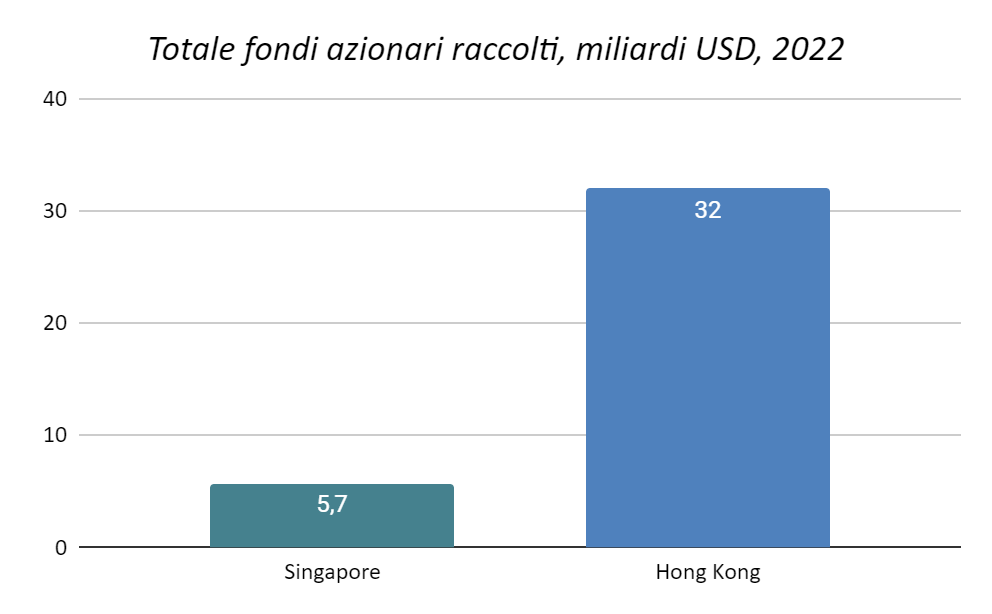
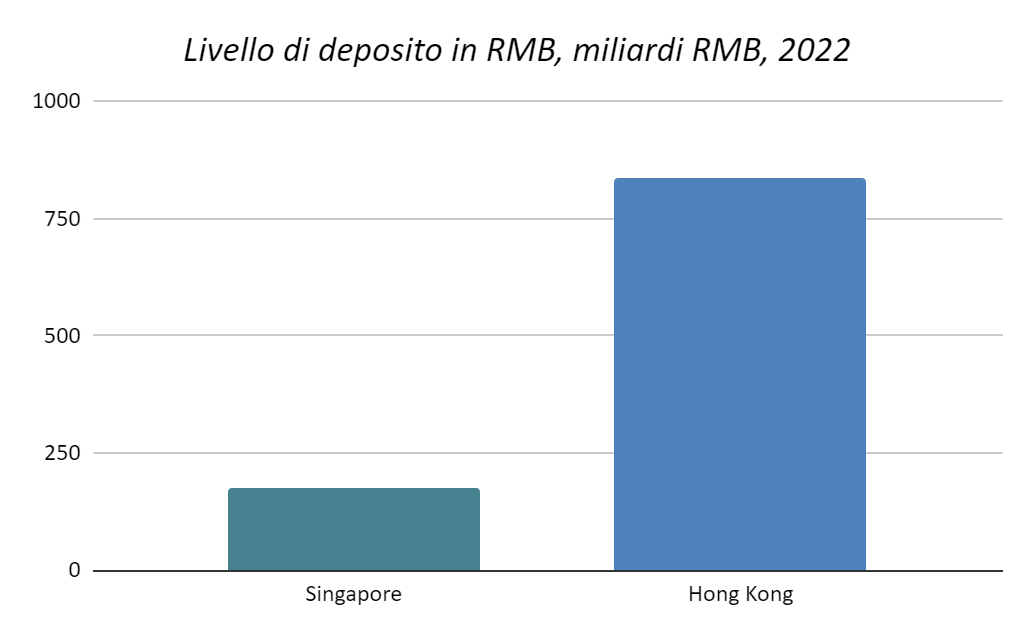
 Hong Kong is renowned for being a free-market economy driven by international trade and finance, where governmental laissez-faire and low taxation have been favorably conducive to businesses. In Hong Kong, only income earned within the city is taxable, the maximum corporate tax is 16.5%, and legal compliance is much less rigid. On the other hand, Singapore was classified as the easiest place to do business, as well as a corruption-free country. Although the corporate tax is slightly higher – 17% - Singapore can count on its robust legal framework and extremely efficient workforce. In terms of investments, Hong Kong pivots on one of the largest stock markets, and it has become, in fact, an IPO hub. Considering its close ties with China Mainland, the city has also become the largest offshore RMB hub worldwide, originating and intermediating 2/3 of China’s FDI and Outward Direct Investments. On the other hand, Singapore is famous for its generous grants, loans, and tax incentives, which attract numerous startups, angel investors, and venture capitalists.

Immagine che contiene testo, schermata, Carattere, numeroDescrizione generata automaticamente

Source: CBRE.

Immagine che contiene testo, schermata, Carattere, diagrammaDescrizione generata automaticamente

Source: CBRE.

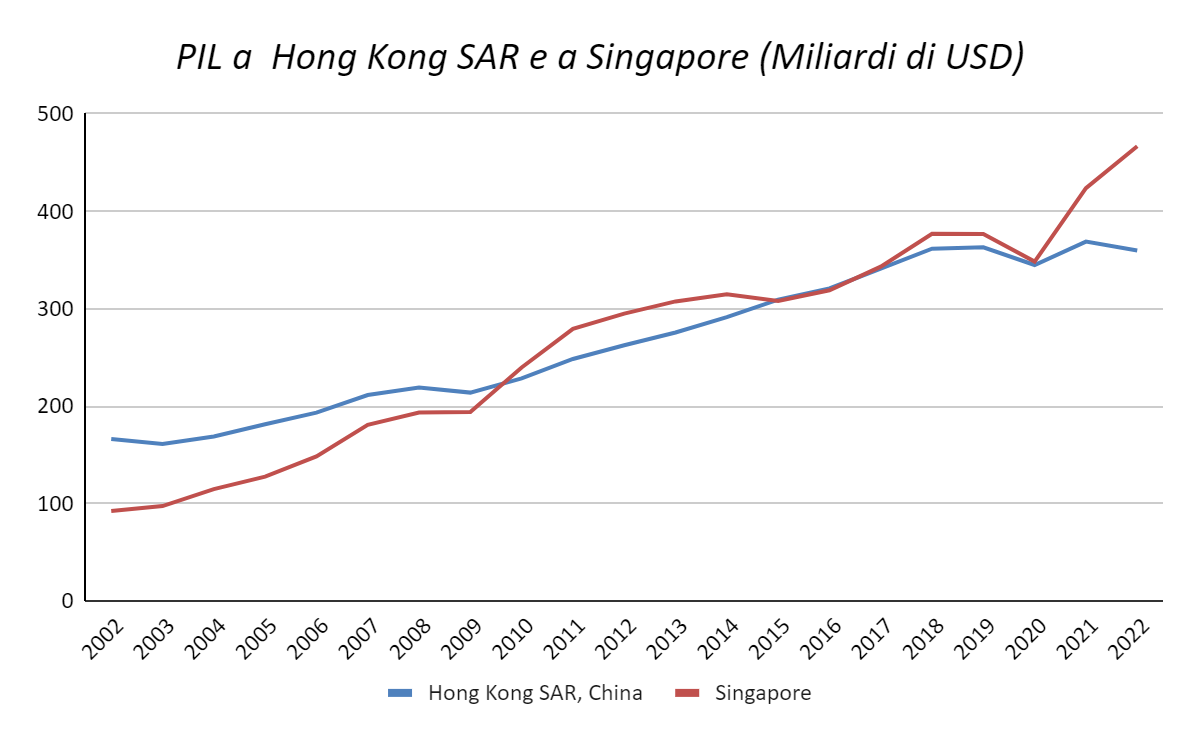
Recent developments in Hong Kong have injected a new dimension into the competition, sparking a debate about the city’s life quality. First, Hong Kong is dominated by oligopolies and cartels, especially in the construction, power, and supermarket sectors, while Singapore is seen as more innovative and diversified. Moreover, the pandemic measures – which burnt most fiscal reserves - and a critical job market situation led to around 200.000 ex-pats leaving Hong Kong, while Singapore saw a 16% increase in foreign professionals. It is, however, worth mentioning that while foreign companies decreased by 5% in Hong Kong, mainland companies relocating to the island during this period increased by 18%, perhaps paving the way for a new phenomenon. As a consequence of this economic divergence, as of 2022 Singapore’s GDP was 1.7 times higher than Hong Kong’s.

Immagine che contiene testo, linea, Diagramma, schermataDescrizione generata automaticamente

Source: World Bank.

Singapore also displays some critical issues, such as the increasing use of capital punishment, an inactive civil society, as well as prohibitive housing prices. The ongoing competition between the two centers has also started to involve cultural and social life: online, it is easy to find debates about which city has the best food, which one has the best nightlife, or where the most scenic views can be found.

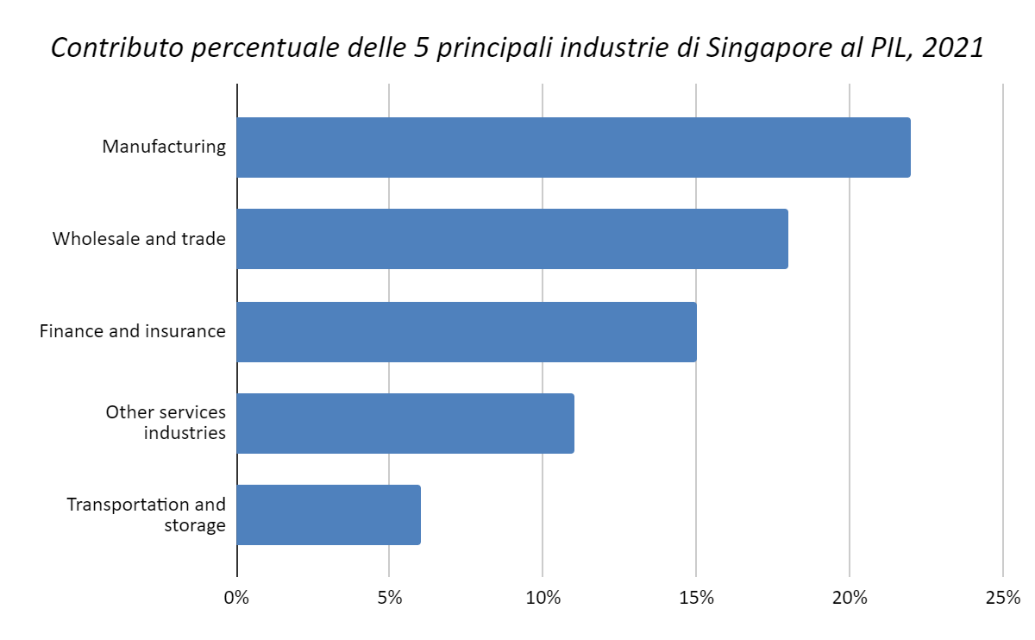
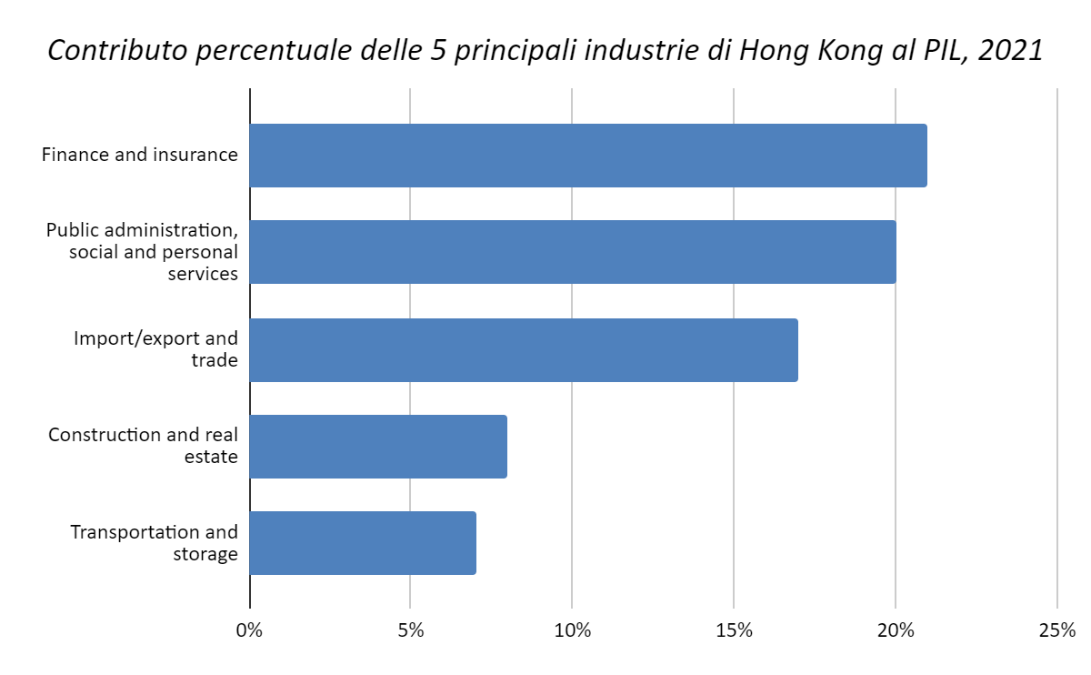
What is interesting from this competition, however, is not whose GPD is higher or who displays greater FDI flow figures. It is rather a matter of developmental and economic models, which then influence the way these places are subject to and react to the changing patterns of globalization. Hong Kong policies have increasingly focused on making the island a gateway to Beijing by integrating it deeper into its economy. It is worth mentioning that 77% of listed companies in Hong Kong are from China Mainland. Hong Kong has developed as a knowledge-intensive economy with a strong focus on its leading sectors: business and financial services, which make it highly dependent on capital flows. On the other hand, Singapore has invested massively in R&D, human capital, as well as industry diversification. There, MNCs play a great role in local development, attracting talent and broadening the range of opportunities: the local economy is more diversified, encompassing the manufacturing sector, financial services, as well as information, tech, and communication services. Finally, as opposed to Hong Kong, Singapore acts as a gateway to Southeast Asia – being one of the founding members of ASEAN – benefitting from lowered trade barriers and distancing itself from the China-US competition.

Immagine che contiene testo, schermata, diagramma, lineaDescrizione generata automaticamente

Source: CBRE.

Immagine che contiene testo, schermata, linea, CarattereDescrizione generata automaticamente

Source: CBRE.

Overall, Hong Kong's focus on its competitive advantage exposes it more to global trade flows and globalization trajectories, as its features can be replicated in other places at lower costs, such as China Mainland. In contrast, the Singaporean economic model is much more resilient to replication, as it is built on unique features, domestic strengths, and stratified R&D progress, making the city more resistant to disruptive economic events.

New horizons of cooperation between Italy and Thailand

The balance of Thai Prime Minister Srettha Thavisin's visit to Rome

By Alice Freguglia

May 21, 2024 Palazzo Chigi hosted Thai Prime Minister Srettha Thavisin, who was visiting Prime Minister Giorgia Meloni. Infrastructure, digitization, energy and tourism promotion were the topics most discussed by the two leaders, with a view to promoting bilateral relations in favor of greater socio-political cohesion and with the goal of ensuring the full development of both countries.

As early as last year, in 2023, on the occasion of the 155th anniversary of diplomatic relations between Italy and Thailand, the Chambers of Commerce of both nations signed a memorandum of understanding, promoted by the Ministry of Foreign Affairs and International Cooperation and Unioncamere, which further strengthened economic and trade ties, as well as underscored Thailand's importance as a partner. With a young and constantly growing population, in fact, the Thai territory would really represent an important resource for the Italian economy, able to offer significant opportunities for businesses, as also stressed by Andrea Prete himself, President of Unioncamere.

Thailand, in fact, as the political heart of ASEAN, represents a natural entry point for Italian companies wishing to access the markets of Southeast Asia, an area that, in addition to encompassing more than 600 million people, has an interesting market potential. Remarkable, in fact, is the volume of Rome-Bangkok trade, which in 2023 reached a value of about 4 billion euros, with Italian exports of 1.9 billion and imports of more than 2.1, representing an allied and reliable market, a source of economic and political stability.

“We intend to discuss cooperation with ltaly, whether it is trade and investment, agriculture, fashion or renewable energy. As well as tourism. In fact, more than 190,000 Italians come to Thailand every year.” These were the Thai leader's words, a prelude to a meeting later described as 'satisfactory' by Giorgia Meloni, in which ItaIy promoted and strengthened its international relations with its partner.

Expanding and improving travel within the territory, in fact, is one of the key domestic policy objectives for Thailand, and what better example to take inspiration from than Italy? Our country, in fact, boasts some of the world's most prominent and recognized companies in terms of quality and innovation. The Made in Italy stamp, in fact, can be placed on countless large-scale projects, such as the high-speed rail network, but also on the construction and management of civil works such as bridges, roads, ports and airports.

Similarly, recent initiatives such as the PNRR, National Recovery and Resilience Plan, focused on the implementation of major investments to ensure greater digitization of public administration and to support Italian industries, is also an exemplary imprinting for Thailand, which, in its own way, with the implementation of the so-called 'Thailand 4.0' plan aims to achieve an economy based on innovation and technology.

The environment will also be positively affected by this strengthening of Italian-Thai relations. In particular, Italy's experience in renewable energy would represent significant 'know how' for Thailand, which could not only take a cue from the technologies adopted to cope with the global warming emergency, but also rely on valuable investments that would allow it to make the most of its natural potential.

If there is anything, however, that unites these two seemingly distant realities, it is, surely, the beauty that attracts millions and millions of tourists each year, lovers of both pizza and pad thai. Strengthening trade relations, in fact, will also be able to ensure a greater influx of guests and visitors to both territories, a very important economic source, especially for two countries that from the historical, naturalistic and monumental point of view, have much to offer to the eyes of those who look at them with curiosity and a desire to broaden their horizons.

Srettha Thavisin, moreover, would seem to have convinced Giorgia Meloni regarding Thailand's desire to join the OECD, the Organization for Economic Cooperation and Development. Founded in 1961, the OECD provides a platform for governments to discuss and coordinate economic and social policies.Member states collaborate on issues such as economic growth, employment, education, innovation and trade, with the goal of creating a stronger and more sustainable global economy. Joining, therefore, would greatly elevate the country's status, allowing Thailand to gain international recognition and benefit from a socioeconomic knowledge exchange that would enable it to promote better political dialogue and economic cooperation.

In this regard, moreover, it would appear that Giorgia Meloni has accepted an invitation from Prime Minister Thavisin to visit Thailand, a significant step forward in bilateral cooperation between the two countries, as well as a confirmation of Italy's commitment inI'paving the way for further discussions and collaboration on strategic issues.

Singapore, the best is yet to come

We publish here an excerpt from the inauguration speech of Lawrence Wong, the new prime minister of the city-state

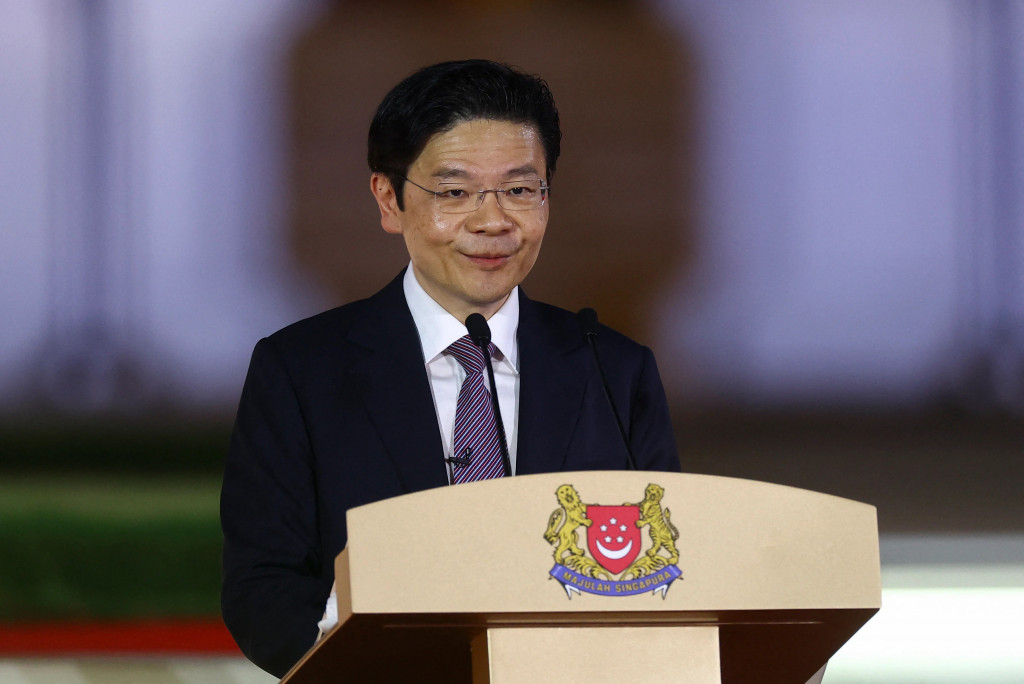
Today marks a significant milestone: a passing of the baton, not only between leadership groups, but also between different generations. I am the first Prime Minister of Singapore to be born after independence. Almost all of my team colleagues were also born after 1965. The story of my generation is the story of independent Singapore. Our lives bear witness to the values that have forged our nation: Incorruptibility, meritocracy, multiracialism, justice and equality. These principles are deeply rooted in all of us. We understand the vital importance of good leadership, political stability and long-term planning. We ourselves are the beneficiaries of the imaginative policies of our founding fathers, pursued with determination and patience for decades. Shaped by these experiences, our leadership style will be different from that of previous generations. We will lead in our own way. We will continue to think boldly and think far ahead. We know there is still much to be done as the history of our island-nation continues to unfold. There are still many pages to be written. And the most beautiful chapters of our Singapore history await us. (...) Singapore's position is strong. But the world around us is constantly changing. For 30 years, since the end of the Cold War, we have enjoyed unprecedented peace and stability in the Asia Pacific. Unfortunately, that era is over. Great powers are competing to shape a new, as yet undefined global order. We need to prepare for these new realities and adapt to a more messy, riskier world. (...) Today Singapore is at a high economic level compared to most other countries. By international standards, we have built excellent systems of education, housing, health care and transportation. But circumstances are changing, technology is advancing and the population is aging rapidly. Therefore, we cannot afford to muddle along. We must continue to do our best to improve, upgrade and transform Singapore. I am convinced that we can and must do better. As Singaporeans, we all know what it means to exceed expectations, to go beyond what others think we can do, or even what we ourselves thought we could do. When the going gets tough, we don't collapse. We move forward, with confidence in our fellow citizens and in Singapore's future.

Full speech here

Thailand changes its mind on cannabis

Two years after decriminalization, Thailand may re-list cannabis as a narcotic, dismantling a potentially billion-dollar industry

By Francesco Mattogno

The decriminalization of low-tetrahydrocannabinol (THC) cannabis use, made official on June 9, 2022, is undoubtedly among the many contradictions that characterize Thailand. The political context in which Bangkok decided two years ago to ease its crackdown on marijuana, turning Thailand into the first Asian state to allow its recreational use, was that of Prayut Chan-o-cha's government, with a strong military component and a number of civil parties. The largest of these was the Bhumjaithai (BJT) of the then deputy prime minister and minister of health, Anutin Charnvirakul, who was among the biggest supporters of marijuana decriminalization in Thailand.

After promising this in the election campaign, in the summer of 2022 Anutin managed to convince allies and win a large majority in parliament to bring about the removal of low-THC cannabis from the list of narcotic substances. A victory that, just under two years later, could be wiped out by a new government, this time with civilian traction, of which he himself is deputy prime minister and interior minister. 

Through a post on X, Thailand's prime minister, Srettha Thavisin, announced on May 8 that he would reinstate low-THC marijuana to the list of narcotic drugs. Cannabis would not be considered a hard drug like heroin or cocaine, but it would again become illegal to grow, sell and possess, with penalties of up to 15 years in prison. Srettha and his party, Pheu Thai, had promised to crack down on marijuana use back in the election campaign, and so had all the major parties, including the progressive Move Forward and to some extent Anutin's BJT, which claimed to want to strengthen its regulation.

According to what was announced, the medical use of cannabis will remain legal and the crackdown will be limited to recreational consumption, that is, the real object of what Srettha called to be a “war on drugs,” which also includes measures against other substances, far more dangerous than marijuana. Technically, the 2022 decriminalization came as a result of a Ministry of Health order that merely included hemp within the “controlled herbs”-this was not an actual law, and that turned out to be its biggest problem.

Beyond some minimal guidelines (such as the need for a cultivation license, a ban on smoking in public or sales to minors under the age of 20), recreational use of cannabis was never really regulated, and only became tolerable as a result of a regulatory vacuum. A vacuum also due to the fact that, in the months following decriminalization, parliament changed its mind on the issue, not allowing the various drafts submitted by Anutin to become law. A law would have strengthened the controls and regulatory soundness of legalized cannabis use, which would have been more difficult to overturn today.

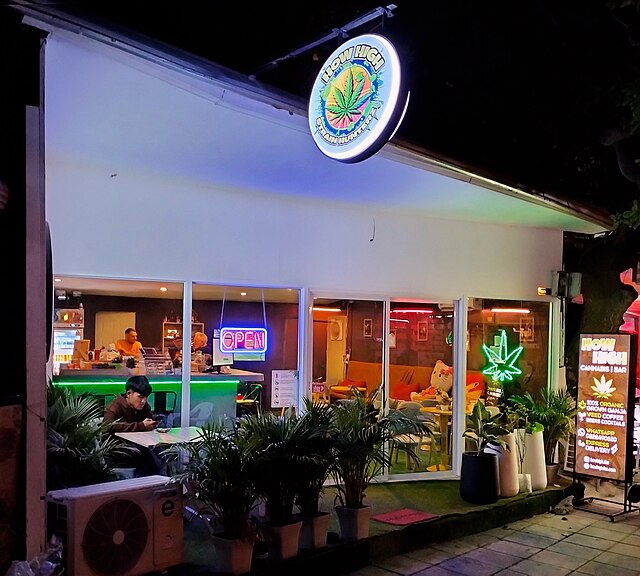
As the parties squabbled over the issue, later shelved as the campaign for the May 2023 elections began, in two years some 8,000 stores have sprung up across the country to sell inflorescences, oils or other hemp products to the public, and more than 1 million Thais have applied for and obtained licenses to grow. Although it is theoretically only legal to sell marijuana with a THC content of less than 0.2 percent (similar to “cannabis light” in Italy), the lack of a law has also made it possible to trade cannabis at a normal level of THC, which is the active ingredient that makes weed consumption psychotropic. However, inflorescences with a very low percentage of THC have no altering effect. To speak of a “war on drugs” would therefore be not entirely appropriate in this case.

This is also claimed by several Thai associations in support of cannabis legalization, which have asked the government to bring in scientific evidence to support that marijuana is more harmful than alcohol and cigarettes. Two years after decriminalization, the industry of growing and selling hemp products has now established itself as a major player within the Thai economic system-a ban would bring thousands of small business owners and workers to their knees.

According to estimates, the industry could grow to be worth $1.2 billion in 2025, to over $9 billion by 2030. The “war on drugs” would risk handing this huge market back into the hands of organized crime, but Srettha does not seem inclined to turn back. The prime minister has told his new health minister, Somsak Thepsutin, that he has 90 days to present progress on the issue. With the exception of medical uses, consuming cannabis in Thailand could become illegal again by the end of 2024.

Crisis in Myanmar: prospects for peace in Southeast Asia

More than 2.6 million people are displaced at this time. The latest on Burma's civil conflict

By Luca Menghini

To date, Myanmar is embroiled in a complex and brutal conflict that is having a significant impact on Southeast Asia. The Myanmar military junta, through its army, the Tatmadaw, is struggling to maintain control of the country in the face of growing resistance from various ethnic insurgent groups and pro-democracy forces. This war is having profound effects, influencing regional stability, human rights, and international relations.

The conflict in Myanmar intensified following the military coup on February 1, 2021, which overthrew the democratically elected government led by Aung San Suu Kyi. The coup sparked widespread protests and the emergence of an expanding armed resistance movement. Ethnic Armed Organizations (EAOs) and the new People's Defense Forces (PDFs) have united against the military junta.

The Tatmadaw is suffering numerous setbacks, losing several key territories, particularly in Rakhine State, where the Arakan Army has made substantial advances. This loss has forced the military to resort to desperate measures, including the forced conscription of Rohingya males. These new recruits, often coerced to fight under threat, are sent to combat in a war that has already devastated their communities.

The Rohingya have been subjected to severe persecution for decades by the Myanmar government, with the 2017 crackdown leading to accusations of genocide. Now, they find themselves trapped between the military junta and insurgents. The forced recruitment of the Rohingya not only highlights the Tatmadaw's desperation but also exacerbates tensions and risks further fueling ethnic conflicts.

Myanmar's strategic importance is evident given its location, acting as a bridge between South Asia and Southeast Asia. The conflict impacts traditional trade routes in the region and security dynamics. ASEAN, which traditionally adopts a non-interference policy, is finding it difficult and complex to maintain regional stability. Member states are indeed concerned about the humanitarian crisis and the potential for the conflict to spread to neighboring countries.

The two Asian powers, China and India, both have significant interests in Myanmar and are navigating a complex geopolitical scenario. China, in particular, has invested heavily in the China-Myanmar Economic Corridor, crucial for its Belt and Road Initiative. Any instability is thus a major concern for these projects, leading China to facilitate a diplomatic channel to mitigate the negative economic impacts of the conflict.

The humanitarian situation in Myanmar is dire. More than 2.6 million people are currently displaced, and human rights abuses are rampant and widespread. The international community, including the United Nations, has condemned the violence and called for tougher sanctions. In April 2024, the European Union renewed sanctions against Myanmar, including 19 individuals linked to the military junta. This action aligns with countries like the United States, which continue to pressure the military junta through economic and diplomatic means.

Despite these efforts, geopolitical interests complicate the unity of the international response. The outcome of the conflict remains uncertain. The Tatmadaw's grip on power is weakening, but opposition forces face challenges in coordinating and finding economic resources to continue the fight against the regime. The prospects for a negotiated agreement seem distant, and the risk of a prolonged civil war is very high.

The situation in Myanmar requires a lot of attention. How the conflict evolves will have a significant impact on regional stability and the lives of millions of people. ASEAN and the broader international community must navigate a complex crisis, balancing geopolitical interests with the urgent need for peace and humanitarian aid.

The future of Myanmar depends on resolving the conflict. The path to peace is fraught with challenges, but it remains essential for the stability and prosperity of Southeast Asia. The international community must continue to pressure for a peaceful and just solution, where all voices in Myanmar are heard and respected. Additionally, the recent involvement of foreign volunteers and international support for the resistance movement highlights the global dimension of the conflict, underscoring the urgent need for a more coordinated and inclusive international approach to bring peace and resolve the conflict.

Tech, why people are investing in ASEAN

Gregory B. Poling and Japhet Quitzon's analysis for the Center for Strategic and International Studies

The 10 members of the Association of Southeast Asian Nations (ASEAN) constitute the fastest growing online market in the world, with 125,000 new Internet users per day. U.S. tech giants are aware of the strategic importance of Southeast Asia and are strengthening their presence in the region with large investments pledged by Apple, Microsoft and Amazon in recent weeks. 

In mid-April, Apple CEO Tim Cook made a trip to Vietnam, Indonesia and Singapore. He announced a planned $250 million expansion of the company's Singapore campus, which will reportedly focus on artificial intelligence. Cook also said Apple plans to increase investment in Vietnam and explore manufacturing opportunities in Indonesia.

Shortly thereafter, Microsoft CEO Satya Nadella visited Indonesia, Malaysia, and Thailand from April 30 to May 2. On his first stop in Jakarta, he announced plans to invest $1.7 billion over four years in cloud and AI architectures in Indonesia, the largest investment in the company's 29 years in the country. The next day he said Microsoft will open its first data center in Thailand, based on an agreement with the Thai government to provide cloud and AI infrastructure. 

Nadella then traveled to Malaysia, where he announced plans to invest $2.2 billion in cloud computing and artificial intelligence infrastructure over the next four years. Microsoft will work with the Malaysian government to enhance its cybersecurity capabilities and provide artificial intelligence training to 200,000 people in the country. Nadella also said Microsoft is committed to providing artificial intelligence skills training to 2.5 million people throughout the region, particularly in Indonesia, Malaysia, the Philippines, Thailand, and Vietnam.

Finally, on May 7, Amazon Web Services (AWS) committed $9 billion to expand its cloud infrastructure in Singapore. The investments will go toward building, operating and maintaining data centers in the city-state over the next five years. Like Microsoft, AWS is working with the Singapore government to create a program for 5,000 people a year to expand research and development capabilities.

U.S. technology companies are betting big on the future digital economies of Southeast Asia. In doing so, they will boost regional economies and their own profits. They will also seek to shape rules on data governance and AI as regional governments grapple with the digital future, including competing visions championed by China, Europe and the United States.

ASEAN and Taiwan in the Lai era

The inauguration of new President Lai Ching-te in Taipei and the possible economic and political repercussions in Southeast Asia

By Luca Menghini

On May 20, Lai Ching-te will officially become the new President of Taiwan. This event is significant not only for the island but also for the geopolitical context of the entire Southeast Asia. Taiwan is indeed preparing for a significant change with the inauguration of a leader from the Democratic Progressive Party (DPP), known for its leanings towards the island's independence from China. Lai secured 40.1% of the votes, surpassing candidates from the Kuomintang (KMT) and the Taiwan People's Party (TPP). Despite the DPP's victory, the party lost control of the legislative assembly, forcing the new president to seek broader consensus which will lead him to moderate his more extreme policies.

The loss of the parliamentary majority could be seen by ASEAN as an element of stability, as it might mitigate Lai's policies, thus reducing tensions in the Taiwan Strait. This area is of vital strategic importance, being a crucial maritime corridor for global trade. ASEAN, which traditionally follows a policy of non-interference and consensus, reacted cautiously to Lai's election. The member countries, located in a region crossed by various trade routes and spheres of influence of major powers, strive to maintain a balance to avoid conflicts. The stability of the strait is essential not only for regional security but also for the global economy.

During the period leading up to the elections, tensions between Taiwan and China grew, especially during the presidency of Tsai Ing-wen, who sought to strengthen ties with the United States. China responded by increasing military and diplomatic pressure on the island, which it considers a rebel province to be reunified in the future. While the reaction of ASEAN and most of its member countries to Lai's election was generally subdued, with most countries avoiding taking strong public positions, the same cannot be said for Filipino President Ferdinand Marcos Jr. Marcos was the only leader to break from this line, publicly congratulating Lai and referring to him as president, highlighting the hope for close collaboration and strengthening of mutual interests. This move was not viewed favorably by China, which, claiming Taiwan as part of its territory, does not recognize Lai's title as president. Even more critical was China's reaction to the congratulations extended by the United States through Secretary of State Antony Blinken, accusing the U.S. government of sending "a seriously wrong signal to the separatist forces for Taiwan's independence."

On the economic front, the New Southbound Policy, initiated by former President Tsai Ing-wen starting in 2016, aimed to reduce Taiwan's economic dependence on China, promoting economic cooperation with 18 countries, including ASEAN members, six South Asian states, Australia, and New Zealand. This initiative sought to enhance economic and commercial cooperation, as well as the exchange of talents and resources. However, despite the efforts, reactions have been mixed, also influenced by the caution of various governments trying to avoid irritating China. Taiwan's Minister of Economic Affairs, Wang Mei-hua, indicated that in 2022, investments by Taiwanese companies in Southeast and South Asia surpassed investments in China, reaching $5.2 billion. This increase was driven by trade tensions between the United States and China, but the geopolitical proximity to China continues to represent a significant obstacle for a freer expansion of Taiwan's trade relations.

Now, with the inauguration of Lai, it is expected that Taiwan's commitment to Southeast Asia will continue to increase and even intensify further, with particular attention to cooperation in the high-tech industry. However, the growing influence of China in the region represents an imminent challenge. A recent survey showed that most Southeast Asian countries favor China over the United States. The complex situation will indeed require Lai to carefully balance the promotion of Taiwan's economic interests with the need to navigate the political and diplomatic sensitivities of Southeast Asia.

In conclusion, the inauguration of Lai Ching-te as president of Taiwan represents a significant moment for the island's politics. Faced with the loss of the parliamentary majority and growing tensions with China, Lai will have to navigate an increasingly complex geopolitical context, trying to balance his party's independentist aspirations with the need to maintain stability and peaceful relations in the region. His policies, particularly the strengthening of relations with Southeast Asian countries and beyond, will be crucial for Taiwan's security and economic progress. In this delicate balance, Lai's ability to conduct effective diplomacy and promote sustainable economic growth, while managing external pressures, will define the success of his tenure and potentially influence the regional order of Southeast Asia for the coming years.

Recently active members
Foto del profilo di Alessio
Foto del profilo di Monika
Foto del profilo di Gabriel
Foto del profilo di Elena
Foto del profilo di Lorenzo
Foto del profilo di Alessandro
Foto del profilo di Cristina
Foto del profilo di Rocco
Foto del profilo di Clara Lomonaco
Foto del profilo di Redazione
Foto del profilo di Davide Gugliuzza
Foto del profilo di Anna Affranio
Foto del profilo di Ilaria Canali
Foto del profilo di Nicolò
Foto del profilo di Angelo Cangero
Who is online
There are no users currently online
Members
  • Foto del profilo di Alessio
    Active 16 ore, 12 minuti fa
  • Foto del profilo di Monika
    Active 2 giorni fa
  • Foto del profilo di Gabriel
    Active 3 settimane, 2 giorni fa
  • Foto del profilo di Elena
    Active 1 anno, 4 mesi fa
  • Foto del profilo di Lorenzo
    Active 2 years, 6 mesi fa