Asean

ASEAN centrality in a changing world

We publish here an excerpt from Kavi Chongkittavorn's analysis, which appeared in the Bangkok Post

What is ASEAN centrality? It may have different meanings for different people, but in general it can be seen as a regional framework that supports ASEAN's role as a dominant regional platform to overcome common challenges and engage with external powers. Citizens of the ASEAN community know its intrinsic value, as it has kept the region stable and resilient over the more than five decades of its existence. In a rapidly changing world, the question is often asked whether the concept of ASEAN centrality needs to be redefined. In the 1990s, ASEAN was perceived as an “engine” of regional cooperation. The question was whether it was only an engine and whether the passengers (member states) set the direction. Regardless of the answer, ASEAN continued to believe that it was in the driver's seat, helping to guide regional processes. As ASEAN entered the 21st century, the bloc became a “central hub,” similar to an airport that could provide navigation and protection services. 

Today, ASEAN's centrality is recognized for its role in driving the region's high economic growth. But what form will ASEAN centrality take in the next 20 years? In the not-too-distant future, the ASEAN region is expected to become the third most populous region in the world and the fourth largest economy, with a rapidly growing middle class. In addition, with its diversity and good connectivity, the region will become an innovative society. 

ASEAN could and should be bolder in the future, becoming a pioneer in green transformation, digital connectivity, and innovative economy. ASEAN can also be an example to transform contention and confrontation in the South China Sea into cooperation and connectivity. In addition, ASEAN can be an example of how to successfully address multiple crises, such as climate change and water and food security in the Mekong region, thereby providing solutions to other regions. 

ASEAN's centrality has already gained ground as major powers, particularly the United States, China, and the European Union, continue to court ASEAN. With its convening and persuasive power, ASEAN Centrality 2.0 can go global and create a milestone, especially in efforts to build a better and peaceful world.

ASEAN and Japan united for sustainability

Southeast Asian countries strengthen cooperation on environment and technological innovation. A very important development

By Walter Minutella

In a world rapidly evolving toward sustainability and technological sophistication, ASEAN and Japan have undertaken several collaborative initiatives aimed at promoting economic growth, environmental sustainability and technological innovation. 

During a significant visit to Hekinan City, Aichi Prefecture, Japan, Dr. Kao Kim Hourn, Secretary General of ASEAN, explored the Hekinan Thermoelectric Power Plant and the Ammonia-Based Thermal Fuel construction site operated by Japan's Energy for a New Era, Inc. (JERA). Accompanied by JERA President and Director Hisahide Okuda, Dr. Kao closely observed the facility's innovative projects, which include a pioneering demonstration aimed at achieving zero carbon emissions through co-firing coal and ammonia. This technology could make the Hekinan plant the first large-scale plant in the world to use this solution, marking a significant step toward carbon neutrality.

ASEAN's commitment to partner with Japan in such green initiatives underscores a shared vision for a sustainable future. Diversifying energy sources to include ammonia and hydrogen is a critical component of this strategy, reflecting a concerted effort to reduce carbon footprints while ensuring stable electricity supplies to regions such as Chubu and beyond.

The strategy proposed by Japan and ASEAN focuses on several key areas to strengthen their competitiveness in the electric vehicle market. First, a significant effort is devoted to staff training, with Japan planning to allocate 140 billion yen (about $900 million) to improve workers' technical skills in digital technologies at factories and component suppliers. This investment aims to enhance the efficiency and quality of the workforce, contributing to the sustainability of production.

Another key area of the strategy is the decarbonization of production. Using advanced Japanese technologies, carbon dioxide emissions will be measured and solutions for switching to renewable energy sources in production processes will be promoted. This initiative is in line with global efforts to mitigate climate change and reduce the industrial carbon footprint.

The supply of essential mineral resources for electric vehicle batteries is another pillar of the strategy. Joint efforts will focus on obtaining rare materials and researching recycling methods, thus ensuring a stable and sustainable supply of crucial components.

Similarly, investment in next-generation fields, such as biofuels, is also an additional area of focus. Special attention will be paid to the development of biofuels derived from used cooking oil, an initiative that not only diversifies energy sources but also supports the transformation of waste into energy resources.

Finally, a comprehensive information campaign is planned to raise consumer awareness of the environmentally friendly characteristics of vehicles produced in ASEAN. This effort aims to increase exports by leveraging international consumers' attention to sustainable practices and products.

On the same day, Dr. Kao visited DENSO Corporation's state-of-the-art facilities in Aniyo City, Japan. This visit was instrumental in showcasing DENSO's recent advances in electric vehicle technology, autonomous driving systems, and sustainable manufacturing practices. The visit highlighted the potential for collaboration between ASEAN and Japan in addressing evolving challenges in the automotive industry, particularly in environmental sustainability and technological innovation.

During the visit, discussions were held on potential partnerships and collaborations aimed at improving sustainability and technological advances in the automotive sector. This aligns with broader ASEAN-Japan initiatives to promote greener and more efficient automotive solutions in the face of growing environmental concerns.

The urgency of this joint strategy also stems from the rapid expansion of Chinese electric vehicle manufacturers in Southeast Asia, which are rapidly gaining ground. As a result, Japan and ASEAN are developing a joint strategy to strengthen their competitiveness in order to succeed in countering China's dominance of the industry through enhanced cooperation in automobile production and sales in the region.

For example, subsidies and tax breaks in Thailand have allowed Chinese companies such as BYD to dominate the market, with 85 percent of EVs sold in Thailand last year being Chinese-made. The joint strategy between ASEAN and Japan aims to regain market share by leveraging Japanese technological know-how and manufacturing capabilities in ASEAN countries.

Currently, ASEAN is home to production facilities of several large Japanese automakers, including Toyota Motor and Honda Motor. These manufacturers assemble more than three million vehicles a year in ASEAN countries, accounting for 80 percent of the region's total automotive production. The proposed joint strategy is expected to be formalized during the next meeting between the economic ministers of Japan and ASEAN in September.

In addition to economic ties, educational programs, cultural events and the popularity of Japanese entertainment have fostered deeper people-to-people connections. Japanese companies are increasingly hiring Southeast Asian talent, reflecting a more integrated and mutually beneficial relationship.

In recent years, ASEAN and Japan have collaborated on regional stability and economic integration initiatives, such as the Comprehensive and Progressive Agreement for Trans-Pacific Partnership (CPTPP) and the Regional Comprehensive Economic Partnership (RCEP). Japan's discreet and consensual approach to diplomacy has facilitated these collaborations, ensuring that the interests of Southeast Asian nations are adequately represented. 

The ASEAN-Japan partnership is a testament to the power of collaboration in addressing global challenges. From pioneering carbon neutrality projects to countering the dominance of Chinese electric vehicles, this alliance is poised to drive significant advances in sustainability and technological innovation. By continuing to invest in education, mutual growth, and regional stability, ASEAN and Japan can forge an economically prosperous, ecologically sustainable, and technologically advanced future.

Tech, why people are investing in ASEAN

Gregory B. Poling and Japhet Quitzon's analysis for the Center for Strategic and International Studies

The 10 members of the Association of Southeast Asian Nations (ASEAN) constitute the fastest growing online market in the world, with 125,000 new Internet users per day. U.S. tech giants are aware of the strategic importance of Southeast Asia and are strengthening their presence in the region with large investments pledged by Apple, Microsoft and Amazon in recent weeks. 

In mid-April, Apple CEO Tim Cook made a trip to Vietnam, Indonesia and Singapore. He announced a planned $250 million expansion of the company's Singapore campus, which will reportedly focus on artificial intelligence. Cook also said Apple plans to increase investment in Vietnam and explore manufacturing opportunities in Indonesia.

Shortly thereafter, Microsoft CEO Satya Nadella visited Indonesia, Malaysia, and Thailand from April 30 to May 2. On his first stop in Jakarta, he announced plans to invest $1.7 billion over four years in cloud and AI architectures in Indonesia, the largest investment in the company's 29 years in the country. The next day he said Microsoft will open its first data center in Thailand, based on an agreement with the Thai government to provide cloud and AI infrastructure. 

Nadella then traveled to Malaysia, where he announced plans to invest $2.2 billion in cloud computing and artificial intelligence infrastructure over the next four years. Microsoft will work with the Malaysian government to enhance its cybersecurity capabilities and provide artificial intelligence training to 200,000 people in the country. Nadella also said Microsoft is committed to providing artificial intelligence skills training to 2.5 million people throughout the region, particularly in Indonesia, Malaysia, the Philippines, Thailand, and Vietnam.

Finally, on May 7, Amazon Web Services (AWS) committed $9 billion to expand its cloud infrastructure in Singapore. The investments will go toward building, operating and maintaining data centers in the city-state over the next five years. Like Microsoft, AWS is working with the Singapore government to create a program for 5,000 people a year to expand research and development capabilities.

U.S. technology companies are betting big on the future digital economies of Southeast Asia. In doing so, they will boost regional economies and their own profits. They will also seek to shape rules on data governance and AI as regional governments grapple with the digital future, including competing visions championed by China, Europe and the United States.

ASEAN and Taiwan in the Lai era

The inauguration of new President Lai Ching-te in Taipei and the possible economic and political repercussions in Southeast Asia

By Luca Menghini

On May 20, Lai Ching-te will officially become the new President of Taiwan. This event is significant not only for the island but also for the geopolitical context of the entire Southeast Asia. Taiwan is indeed preparing for a significant change with the inauguration of a leader from the Democratic Progressive Party (DPP), known for its leanings towards the island's independence from China. Lai secured 40.1% of the votes, surpassing candidates from the Kuomintang (KMT) and the Taiwan People's Party (TPP). Despite the DPP's victory, the party lost control of the legislative assembly, forcing the new president to seek broader consensus which will lead him to moderate his more extreme policies.

The loss of the parliamentary majority could be seen by ASEAN as an element of stability, as it might mitigate Lai's policies, thus reducing tensions in the Taiwan Strait. This area is of vital strategic importance, being a crucial maritime corridor for global trade. ASEAN, which traditionally follows a policy of non-interference and consensus, reacted cautiously to Lai's election. The member countries, located in a region crossed by various trade routes and spheres of influence of major powers, strive to maintain a balance to avoid conflicts. The stability of the strait is essential not only for regional security but also for the global economy.

During the period leading up to the elections, tensions between Taiwan and China grew, especially during the presidency of Tsai Ing-wen, who sought to strengthen ties with the United States. China responded by increasing military and diplomatic pressure on the island, which it considers a rebel province to be reunified in the future. While the reaction of ASEAN and most of its member countries to Lai's election was generally subdued, with most countries avoiding taking strong public positions, the same cannot be said for Filipino President Ferdinand Marcos Jr. Marcos was the only leader to break from this line, publicly congratulating Lai and referring to him as president, highlighting the hope for close collaboration and strengthening of mutual interests. This move was not viewed favorably by China, which, claiming Taiwan as part of its territory, does not recognize Lai's title as president. Even more critical was China's reaction to the congratulations extended by the United States through Secretary of State Antony Blinken, accusing the U.S. government of sending "a seriously wrong signal to the separatist forces for Taiwan's independence."

On the economic front, the New Southbound Policy, initiated by former President Tsai Ing-wen starting in 2016, aimed to reduce Taiwan's economic dependence on China, promoting economic cooperation with 18 countries, including ASEAN members, six South Asian states, Australia, and New Zealand. This initiative sought to enhance economic and commercial cooperation, as well as the exchange of talents and resources. However, despite the efforts, reactions have been mixed, also influenced by the caution of various governments trying to avoid irritating China. Taiwan's Minister of Economic Affairs, Wang Mei-hua, indicated that in 2022, investments by Taiwanese companies in Southeast and South Asia surpassed investments in China, reaching $5.2 billion. This increase was driven by trade tensions between the United States and China, but the geopolitical proximity to China continues to represent a significant obstacle for a freer expansion of Taiwan's trade relations.

Now, with the inauguration of Lai, it is expected that Taiwan's commitment to Southeast Asia will continue to increase and even intensify further, with particular attention to cooperation in the high-tech industry. However, the growing influence of China in the region represents an imminent challenge. A recent survey showed that most Southeast Asian countries favor China over the United States. The complex situation will indeed require Lai to carefully balance the promotion of Taiwan's economic interests with the need to navigate the political and diplomatic sensitivities of Southeast Asia.

In conclusion, the inauguration of Lai Ching-te as president of Taiwan represents a significant moment for the island's politics. Faced with the loss of the parliamentary majority and growing tensions with China, Lai will have to navigate an increasingly complex geopolitical context, trying to balance his party's independentist aspirations with the need to maintain stability and peaceful relations in the region. His policies, particularly the strengthening of relations with Southeast Asian countries and beyond, will be crucial for Taiwan's security and economic progress. In this delicate balance, Lai's ability to conduct effective diplomacy and promote sustainable economic growth, while managing external pressures, will define the success of his tenure and potentially influence the regional order of Southeast Asia for the coming years.

The ASEAN-EU Blue Book 2024-2025

The document highlights the strategic partnership between ASEAN and the EU and presents new cooperation programs

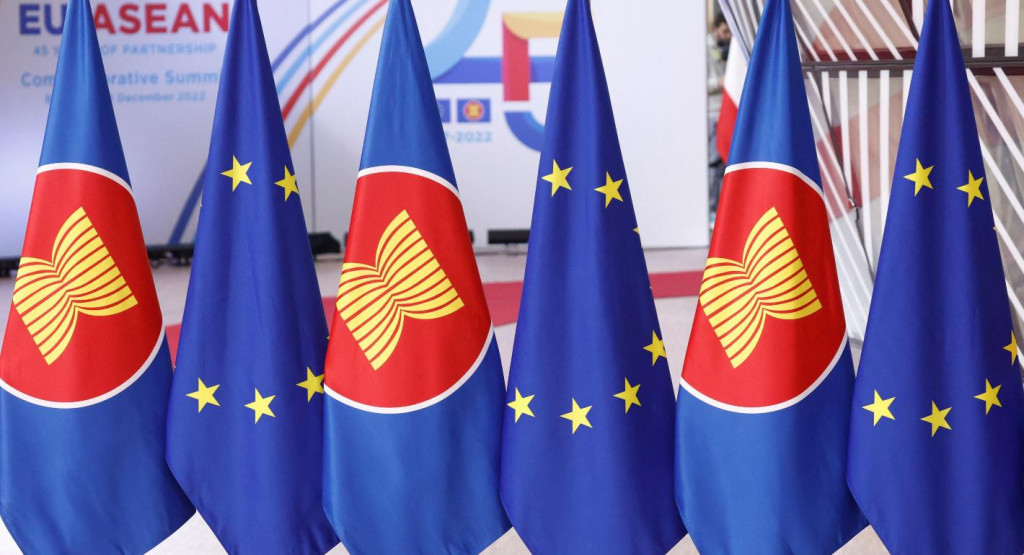
ASEAN and the EU launched the ASEAN-EU Blue Book 2024-2025 at the ASEAN headquarters in Jakarta. The Blue Book highlights the strategic partnership between ASEAN and the EU and outlines new cooperation programs under the EU's Global Gateway strategy. The Blue Book testifies to the strong and comprehensive cooperation between ASEAN and the EU with the goal of ensuring regional peace and security, fostering sustainable connectivity, promoting free and fair trade, and promoting sustainable development throughout ASEAN. This year's Blue Book also highlights Team Europe's approach and initiatives on sustainable connectivity and green transition in the ASEAN region. As part of the Global Gateway strategy, the EU has committed to mobilize 10 billion euros of investment by Team Europe for green and connectivity programs in ASEAN. In 47 years of ASEAN-EU relations, we have demonstrated the strength of our strategic partnership and what we can do together in the face of global challenges. This Blue Book provides a comprehensive overview of the multifaceted and deep relationship between our regions and the commitment of our two regions to join forces in pursuit of our common goals,” said H.E. Sujiro Seam, EU Ambassador to ASEAN. The ASEAN-EU Blue Book continues to be a valuable platform to illustrate the EU's significant support for ASEAN community-building efforts, the potential of our strategic partnership, and the progress and key achievements in implementing the ASEAN-EU Action Plan (2023-2027),” said H.E. Dr. Kao Kim Hourn, Secretary-General of ASEAN. Ambassador Hjayceelyn M. Quintana said, “Deepening the strategic partnership between ASEAN and the EU, two of the most advanced and successful regional organizations in the world, could serve as a partnership model for other groupings around the world that contribute to the promotion of international peace, stability and prosperity.”

Highlights of the ASEAN-EU Blue Book 2024-2025 include: 

  1. The ASEAN-EU Commemorative Summit in December 2022 and the 24th ASEAN-EU Ministerial Meeting in February 2024 in Brussels;
  2. The Global Gateway initiative, outlining the EU's €10 billion commitment from Team Europe for green and connectivity projects in ASEAN;
  3. The 5th ASEAN-EU Human Rights Policy Dialogue in October 2023, preceded by the 3rd ASEAN-EU Civil Society Forum and followed by the AICHR-EU study visit to Strasbourg;
  4. EU cooperation priorities and updates on EU-supported projects in key ASEAN sectors;
  5. Compelling stories from the field, illustrating the tangible impact of ASEAN-EU cooperation on the lives of ASEAN citizens.

Here to download the Blue Book

Sustainability means profitability

We publish here an excerpt from Benjamin Soh's analysis for e27

ASEAN countries have consistently achieved high economic growth rates, attributed to careful macroeconomic strategies, open trade and investment policies, and access to export markets from developed countries. A key driver of ASEAN economies is manufacturing supply chains. From 2015 to 2019, manufacturing exports from the ten ASEAN member states grew at an average annual rate of 5 percent, higher than the global average of 3 percent. As governments around the world implement ESG and reporting regulations, ASEAN companies and manufacturers face greater urgency and pressure to adopt sustainable practices to maintain competitiveness in global supply chains. There are significant opportunities to expand their production capabilities and assert their competitiveness in green manufacturing. Globally, regulatory frameworks have evolved rapidly. Under the Carbon Border Adjustment Mechanism, exports to Europe will be subject to a carbon tax on their emissions starting in 2026. Many ASEAN governments have begun to take a phased approach to incorporating the new global sustainability reporting standards, with emissions reporting becoming mandatory under regulatory standards starting in 2025. There is no doubt that sustainability equals long-term profitability. It is time for ASEAN countries to extend their focus and capabilities from manufacturing to green production to maintain competitiveness in the global market. ASEAN countries can benefit from cross-border collaboration to build their green economy and workforce. For example, the Singapore government's Budget 2024 included a phased support approach for businesses on their digitization roadmap, focusing particularly on financial support for training and adoption of digital and digital technologies such as AI. This is an approach that other ASEAN governments can consider emulating to advance ESG initiatives in the region. ASEAN governments may also consider introducing a set of standardized guidelines in relation to ESG reporting to help companies future-proof themselves against the sustainability reporting requirement that will be implemented in 2025. Relevant examples already implemented in the region include the Simplified ESG Disclosure Guide (SEDG) Adopter Program in Malaysia and the Sustainability Report (SuRe) Form in the Philippines.

The development of high-speed rail in ASEAN

From Vietnam to Indonesia to Thailand. Southeast Asian countries accelerate on rail projects

By Walter Minutella

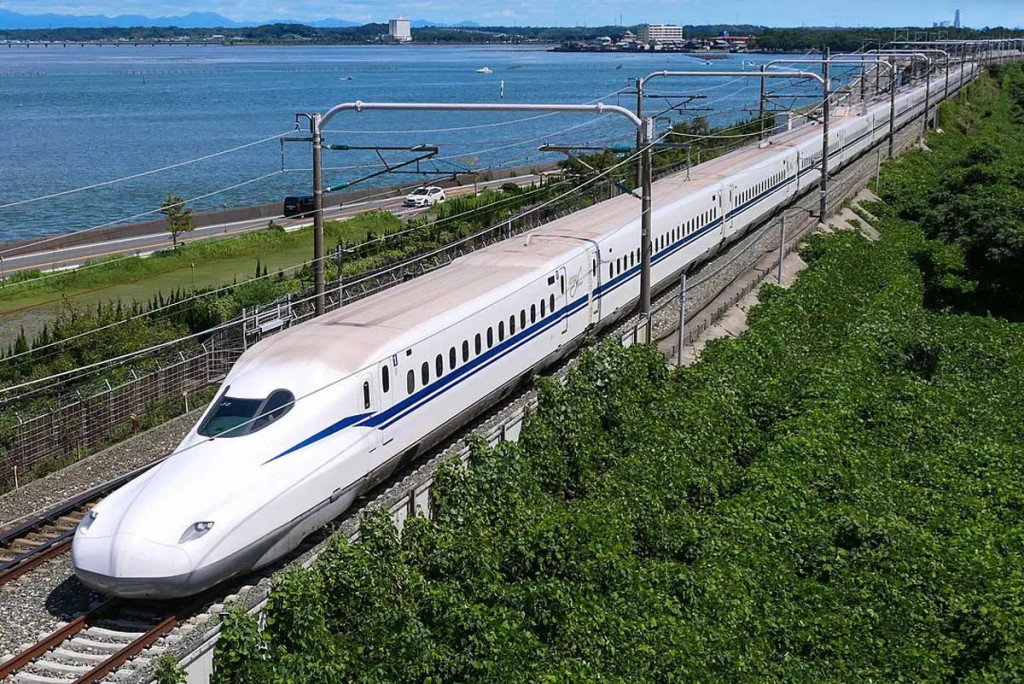
In the context of accelerating urbanization and growing demand for efficient transportation infrastructure in the ASEAN region, member countries are making significant strides in high-speed rail network development. This trend is driven by the need to provide fast, safe and sustainable transportation solutions to connect growing urban areas and facilitate regional economic development. The adoption of high-speed rail systems is a strategic response to challenges such as traffic congestion, air pollution, and the need to reduce greenhouse gas emissions. Therefore, ASEAN countries are investing in ambitious projects to modernize their rail networks and create transnational transport links to improve accessibility and promote sustainable development in the region. 

One of the most notable projects involves VIetnam, which is trying to learn from China to develop its first high-speed rail network. The Vietnamese government is planning to build a high-speed rail network, with an estimated cost of up to $72 billion. This proposed project, known as the North-South express railway, aims to connect the country's two most urbanized areas-Hanoi in the Red River Delta to the north and Ho Chi Minh City in the Mekong River Delta to the south. 

 The total proposed length would be 2,070 kilometers, and its cost would be financed mainly by the Vietnamese government itself. The project is part of the country's rail transport development strategy with a vision to 2050 and is part of the Trans-Asian Railway Network. This project could greatly improve connectivity and mobility within the country, as well as facilitate trade with neighboring countries.

However, not all proposed projects have received the green light. In 2023, the Chinese government submitted a similar proposal that would have seen the construction of a new high-speed railway between Ho Chi Minh City and Hanoi, continuing northward into China and connecting to China's existing high-speed rail system at Nanning. However, this plan was rejected by Vietnam's National Assembly, highlighting the political and strategic complexities associated with such transnational projects.

Despite having a relatively complete and early rail system in the Southeast Asian region, Vietnam faces challenges in modernizing and expanding its rail network. Currently, the 1,700 km journey from Hanoi to Ho Chi Minh City takes more than 30 hours by conventional train and intercity bus, and about 3 hours by air. This lack of transportation infrastructure along the country's north-south corridor has led to traffic congestion and negative impacts on regional economic development, national productivity and environmental quality. 

However, once the project receives approval, it is expected to bring several benefits, including reducing intercity transportation demand, traffic congestion, and increasing road safety. The project could also play a key role in reducing logistics costs and improving national competitiveness, thereby contributing to Vietnam's infrastructure development and overall economic expansion.

Another major project was the launch of Southeast Asia's first high-speed train in Indonesia, which opened on October 2, 2023. This high-speed train connects the capital Jakarta to the city of Bandung, drastically reducing travel time from 2-3 hours to just 40 minutes. 

The initiative, part of the New Silk Road, a project led by the People's Republic of China, is being implemented through the Kereta Cepat Indonesia China (PT KCIC) consortium, which includes four Indonesian state-owned companies and China Railway International, a subsidiary of China Railway Group. In addition, Indonesia has announced ambitious plans to extend the high-speed rail network to Surabaya, the country's second largest city. This reflects the Indonesian government's commitment to modernize and expand the transportation infrastructure.

In Thailand, the high-speed rail project connecting Bangkok to the Lao border has also been delayed, but the Chinese Foreign Minister recently urged both countries to speed up its construction.  

Finally, the importance of regional cooperation to the success of these projects should be emphasized. Joint efforts among ASEAN countries and with external partners can play a crucial role in overcoming technical challenges, financial

ASEAN wants to avoid a new cold war

We publish here an excerpt of a commentary by Alex Lo, published in the South China Morning Post

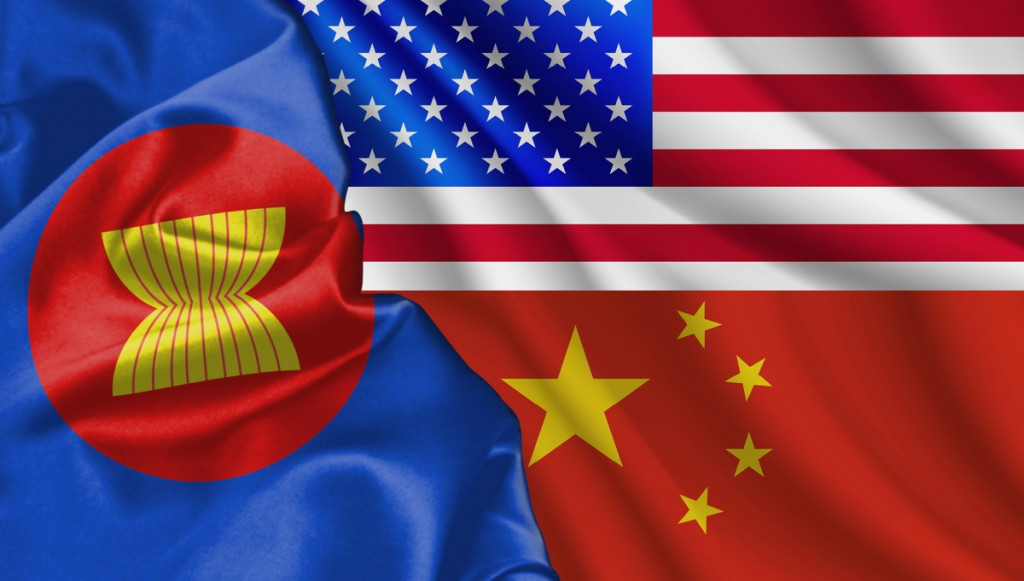
China has dethroned the United States as the superpower's preferred partner in Southeast Asia. The findings emerge from the latest annual survey of 1,994 politicians, journalists, businessmen and analysts from ASEAN countries by the Singapore-based think tank, the ASEAN Studies Centre of the ISEAS-Yusof Ishak Institute. When asked which superpower they would take sides if forced to do so, 50.5 percent chose China versus 49.5 percent who chose the United States. That is a very narrow margin and is within the margin of error. So, let's say it's a tie. This should worry Washington, however, because last year the results were 61.1 percent for the United States and 38.9 percent for China. It is worth noting that this is a survey of elites, not ordinary citizens. So even if it does not directly reflect popular sentiments, it can say a lot about the real political directions of the countries concerned. There is another obvious conclusion: Southeast Asia does not want to choose sides, nor do Latin America and Africa. Thus, while it is normal for U.S. allies to follow Washington's lead, the rest of the world, particularly the Global South, do not believe it is in their own interest to join the superpower rivalry. On the contrary, they believe it can cause a lot of damage. Not surprisingly, ASEAN considers unemployment and recession to be the region's most pressing concern (57.7 percent). Like it or not, its economic fortunes are tied to China's. That is why China is considered "the most influential economic (59.5 percent) and political-strategic (43.9 percent) power in the region, surpassing the United States by significant margins in both areas." China, with an average score of 8.98 out of 11.0, tops the list in terms of strategic relevance to ASEAN, followed by the United States (8.79) and Japan (7.48). Partners of lower strategic importance are: India (5.04), Canada (3.81) and New Zealand (3.70). The survey appears quite indicative of the situation in ASEAN. The region the Association represents wants the security provided by the United States, but is wary of their economic initiatives. With China it is the opposite. It does not want China to threaten its security, nor does it want the United States to undermine its hard-won prosperity, in a new Cold War. No one wants to be trapped between two gorillas.

ASEAN businesses look to the EU

Southeast Asian countries increasingly focus on improving trade relations with Brussels

By Tommaso Magrini

ASEAN countries continue to strategically balance their delicate relationship with the two major economies of China and the United States. Private sector stakeholders continue to show a strong preference for balance. Compared to a year ago (26.5 percent), according to a Fulcrum report, a higher percentage of respondents opted for a neutral position, without taking sides (31.4 percent). When asked in the 2024 Survey about the choice of strategic alignment between China and the United States, the two countries are in relative parity, with China marginally winning the first preference of respondents (50.5 percent) over the United States (49.5 percent). That said, an analysis of the gap between private sector preferences (35.5 percent) and the overall ASEAN weighted average (32.6 percent) shows that companies are more supportive of China's growing economic influence than the United States. But the reality is that countries in the region see the search for third-party strategic partners as particularly strategic. In this regard, the EU still ranks first (chosen by 37.6 percent of respondents). In addition, the aspects that attract ASEAN private companies to the EU as their preferred strategic partner have strengthened. 31.7 percent of respondents cited the bloc as a responsible interlocutor that respects international law, up from 24.4 percent in the 2023 survey. In addition, 30.8 percent of respondents rate the EU positively, given its vast economic resources and strong political will to provide global leadership (the 2023 figure was 17.0 percent). In recent times, ASEAN countries are actively pursuing higher levels of economic engagement with the EU and vice versa. Among these developments is the prospect of Malaysia and the EU resuming talks on a free trade agreement, which broke down in 2012, and Thailand and the EU pushing to sign a free trade agreement in 2025.

The Centrality of ASEAN

The principle that sees Southeast Asian countries as the engine of the regional architecture is now widely accepted, writes Rahman Yaacob for the Lowy Institute

ASEAN is proposed as Southeast Asia's main platform for addressing regional challenges and confronting external powers. As several studies point out, the "centrality of ASEAN" is based on the assumption that the Southeast Asian regional organization should be the engine of the "evolving regional architecture of the Asia-Pacific."

At the beginning of the 21st century, ASEAN grew from its original five members to 10, adding Brunei, Cambodia, Laos, Myanmar and Vietnam. This created the need for ASEAN to establish a new framework for intra-ASEAN relations and for ASEAN's relations with the world. The 2008 ASEAN Charter marked the first occasion when the term "ASEAN centrality" was used. The Charter explained that ASEAN should be the main driving force of members in relations with external partners.

In a White House statement following the visit of U.S. Vice President Kamala Harris to Jakarta to attend the ASEAN 2023 Summit, the term "ASEAN centrality" was used twice, with Washington declaring its commitment to this principle. The Americans were not alone. For several years, it has been customary for ASEAN partners, such as the European Union, to declare their support for ASEAN centrality.

On the surface, this suggests that the concept of ASEAN centrality has been accepted by the major and middle powers. Moreover, ASEAN's plethora of initiatives to engage outside powers, such as the East Asia Summit and the ASEAN Regional Forum, are evidence of ASEAN's convening power to help shape the regional order.

For ASEAN's centrality to function optimally, its members must be united and serve each other's interests. However, ASEAN's unity is highly improvable and upgradable to meet not only economic and trade but also diplomatic and political challenges in a unified manner.

ASEAN knows its limitations and the need for reform. In January, ASEAN convened a Track 2 workshop with the participation of Southeast Asian researchers to review its norms and practices. The goal was to maintain ASEAN's relevance in a changing regional security environment. However, any reform of ASEAN's practices and norms will be a long process. In the meantime, ASEAN can view the many statements of support for ASEAN's centrality as an excellent achievement.

Mekong, biodiversity to be defended

WWF and its partners say that governments, dam investors and political consultants must come to an agreement to save river species

By Tommaso Magrini

Environmentalists have proposed a recovery plan in extremis to save what they call the 'irreplaceable' biodiversity of the Mekong River. The economic value of the fishery - on which 40 million people depend for over 4,900 kilometres from its source in China to the Vietnam delta - has collapsed due to development that has decimated the river's ecosystem, according to a recent report published by some two dozen nature conservation organizations led by the non-governmental organization WWF. The study 'Mekong's Forgotten Fisheries and Emergency Plan to Save Them' lists 74 endangered fish species, including the giant catfish and the giant freshwater stingray - the two largest freshwater fish in the world - and the climbing perch, Anabas testudineus, known for its ability to get out of the water and 'walk' on dry land. The sharp decline in fishing has been largely attributed by experts to 12 Chinese dams on the Lancang (the upper Mekong) and two downstream dams in Laos that would have drastically damaged the ecosystem. WWF and its partners say that governments, dam investors and policy advisors must come to an agreement to save river species, suggesting six steps, including protecting free-flowing rivers, restoring critical habits such as flood plains, and ending unsustainable resource management, particularly sand mining. According to activists, Cambodia could be on a roll after rejecting two major dam projects along the stretch of the Mekong from the Laotian border to Kratie province as part of a declaration of moratorium on dam construction issued in 2020. Environmentalists praised Cambodia's decision to protect an area of globally important biodiversity, home to some 80 Irrawaddy dolphins and 41 endangered species.

The EU and Malaysia's forests

Southeast Asia's view on the new regulation that blocks imports of palm oil resulting from deforestation

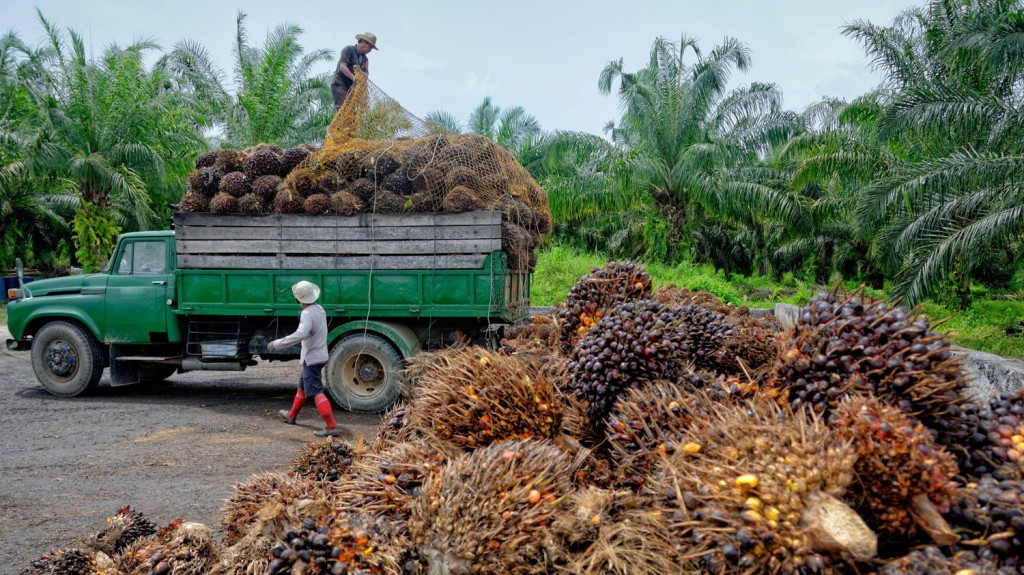
“Can Europe save forests without killing jobs in Malaysia?” This was asked in a recent New York Times article, evidence that this is a particularly relevant topic not only at a bilateral but also international level. The European Union's looming ban on imports linked to deforestation has been hailed as a new standard to be met in climate policy - a significant step to protect the world's forests, which helps remove planet-killing greenhouse gases from the atmosphere . “The law requires traders to trace the origins of a mind-boggling variety of products: beef and books, chocolate and coal, lipstick and leather. For the European Union, the mandate, which will come into force next year, is a testament to the bloc's role as a global leader on climate change,” writes the New York Times, which however adds: “The move, however, remained caught in conflicting currents about how to address the economic and political trade-offs required by climate change.” In fact, developing countries are certainly not content, with Malaysia and Indonesia among the most explicit in criticizing the new legislation. Together, the two Southeast Asian countries supply 85% of the world's palm oil, one of seven critical products covered by the European Union ban. And I argue that the law puts their economies at risk. In their eyes, writes the New York Times, rich and technologically advanced countries (and former colonial powers) "are once again dictating terms and changing the rules of trade when it suits them". This view accords with developing countries' complaints that the dominant international order neglects their concerns. The dispute over palm oil also contains a central point in the economics of climate change, underlines the US newspaper: the thesis according to which middle- and low-income nations are forced to bear the cost of disastrous environmental changes caused mainly by the most rich. In its 2022 annual survey, the World Resources Institute found that Malaysia was one of the few places where deforestation did not worsen. And perhaps there is a space to protect both climate and economic needs, preserving the fruitful relations between the countries of South-East Asia and the European Union.