Asean

Toward an Italian strategy for the Indo-Pacific

Italy moves to formalize its engagement in the region

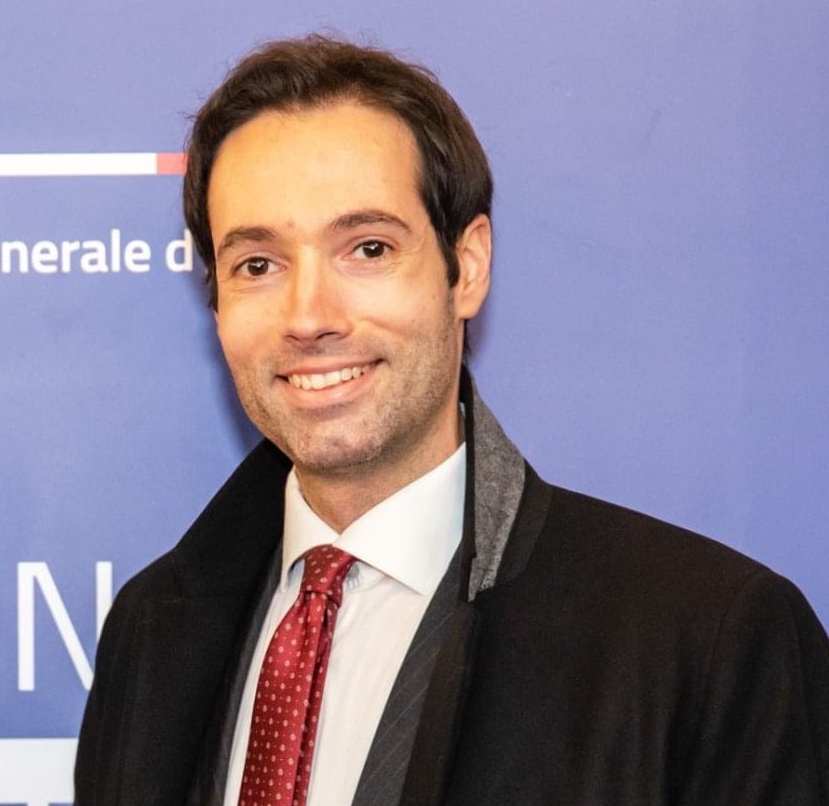
Editorial by Gabriele Abbondanza, University of Madrid and University of Sydney

Italy is getting closer to the Indo-Pacific. In spite of geographic distance and important challenges close to its borders, Rome could formulate an Italian strategy for the Indo-Pacific, thereby strengthening ties with this macro-region.

As highlighted by the most recent research, Italy has been approaching the Indo-Pacific for about 20 years. In the meantime, much has changed: the region’s economies are growing at an enviable pace, territorial disputes have risen in many regions - the South China Sea is emblematic - and the economic crisis and the COVID-19 pandemic have underscored the fragilities of the international community.

Nevertheless, Italy has continued to pursue its own “informal approach” to the Indo-Pacific. Trade interchanges have increased by more than one-sixth in the last 10 years, and defense-related interchanges by nearly 45%. The strategic collaboration has strengthened joint training, defense of navigation and overflight rights, interoperability, and strategic projects ( see IPO,GCAP, and IMEC, among other examples). Finally, Rome has formed partnerships with many key players in the region, including PIF, Vietnam, Korea, IORA, ASEAN, UAE, Japan and India.

Given the undoubtedly ripe time, Italy is moving to formalize its commitment. Such a potential strategy, currently under discussion, would rationalize the Italian approach, formalizing it for the benefit of European and North American allies and Indo-Pacific partners, and ensure the constancy of such engagement well into the future.

This journey began with the creation of an Indo-Pacific Committee at the Foreign Affairs Committee of the Chamber of Deputies, thanks to the efforts of Hon. Paolo Formentini, who was also supported in this area by opposition representatives such as Hon. Lia Quartapelle Procopio. The Committee’s activities -which I had the pleasure of contributing to with the inaugural hearing - will ensure expert advice to support parliamentary debates.

Other events in support of an Italian strategy - which is inclusive and multilateral in nature, and respectful of the many existing sensitivities - included a conference at the Senate that saw Sen. Francesco Giacobbe, Hon.Formentini, myself, Dr. Karolina Muti and Dr. Alessio Piazza explain the benefits of such an objective to an audience of experts. The ambassadors present, in particular, have emphasized the importance of an Italian strategy with these characteristics for Indo-Pacific relations.

There still is a long way to go and there are several developments that could distract the attention of the government which always has the last word on the subject, however, the conditions are favorable and it is therefore with guarded optimism that we can look to the future of Italy’s relations with the Indo-Pacific.

ASEAN SMEs in the circular economy

Considering that SMEs are the backbone of ASEAN economies, constituting 85 percent of employment and contributing 44.5 percent of the region's GDP, their role is crucial to the energy transition

By Sibeles Chiari

More than just a production model, the circular economy could present itself as a survival strategy aimed at curbing the destructive drift of the Earth's ecosystem. It is an alternative production system to take-make-dispose in that it is based on the concepts of reducing, reusing and recycling the resources used in the product life cycle. Thus, that the future of business must be circular is a sine qua non for keeping the planet livable. Associated with the benefits to the environment and human health, the shift to the circular economy also presents a number of economic opportunities, from job creation, to developing sustainable industries and stimulating entrepreneurship. Considering that SMEs are the backbone of ASEAN economies, constituting 85 percent of employment and contributing 44.5 percent of the region's GDP, their role is crucial to the transition to the "3 R" economy. By involving SMEs in national strategies, these countries can address environmental challenges, foster economic growth and competitiveness in an increasingly sustainability-conscious global market. For this transition to succeed, SMEs will increasingly need to focus on the development of new products or services that contribute to climate mitigation and adaptation and the reduction of waste generated. Precisely because of the fact that SMEs are a vital agent toward decarbonization, some ASEAN countries such as Cambodia, Malaysia, and Myanmar, have already established qualitative targets aimed at providing information, capacity building, and financial and technological support for the adoption of green industrial practices and technologies. It is worth mentioning that, the geographic area in question holds an important position in international dynamics, especially following the changes in geo-economic balances in recent times, being the third most populous area in the world with a GDP increasing by 4-5% annually and with an increasingly significant role in the global supply chain. Indeed, in addition to the environmental and economic aspects, the shift to a circular economy in ASEAN countries is driven by a combination of geopolitical, political factors and recognition of the global trend toward sustainability. This trend is embodied in the Global Circular Economy Forum (WCEF), which is one of the world's leading events dedicated to advancing circularity that brings together business leaders, policymakers, and experts to present the world's best circular economy solutions aimed at addressing planetary crises. At the regional level, ASEAN has taken significant steps to promote collaboration on the transition to the circular economy. Examples include the following initiatives: the Circular Economy Framework for the ASEAN Economic Community (2021), complemented by an Implementation Plan and Work Program; the ASEAN Sustainable Consumption and Production Framework (2022); the Circular Economy Stakeholder Platform (2023); and finally, the Climate Change Guidelines for SMEs (2023). Defining solutions that will increase SMEs' resilience to climate change and accelerate the transition to sustainable growth are the basis of efforts at the regional level, as emphasized by the first ASEAN Forum on the Circular Economy held on November 8-9, 2023 in Jakarta that brought together representatives from policy, business, academia, and the third sector. As can be seen, these are somewhat recent initiatives toward which joint efforts of various stakeholders are being focused to push the transition to the circular economy and create synergies between them. Attempts to innovate the entire production process are also coming from below. In fact, a number of social enterprises have sprung up in recent times, such as Bambuhay (Philippines), which produces straws and toothbrushes from bamboo to replace plastic products, or CoFarm (Laos) an agricultural platform that connects urban farmers directly with restaurants, revolutionizing the supply chain for fresh vegetables. Or Rubysh (Indonesia), which has used hundreds of kilograms of waste as replacement material for jewelry. Finally, to list one more company out of the many that exist, MoreLoop (Thailand) sells surplus textiles that would otherwise go to waste and, through upcycling, takes surplus textiles and turns them into new products, giving them a second life thus reducing environmental impact. In conclusion, what perhaps gives the most hope and optimism, beyond all the political initiatives, is precisely the strong rise of a new generation of entrepreneurs who are passionate and oriented to green principles, and seriously intent on changing the course of the world economy, thus the fate of our planet.

Italy and ASEAN, Partnership growing stronger

At the Farnesina, a new high-level meeting with the leadership of the bloc of Southeast Asian countries

Editorial by Maria Tripodi, Undersecretary of State for Foreign Affairs and International Cooperation

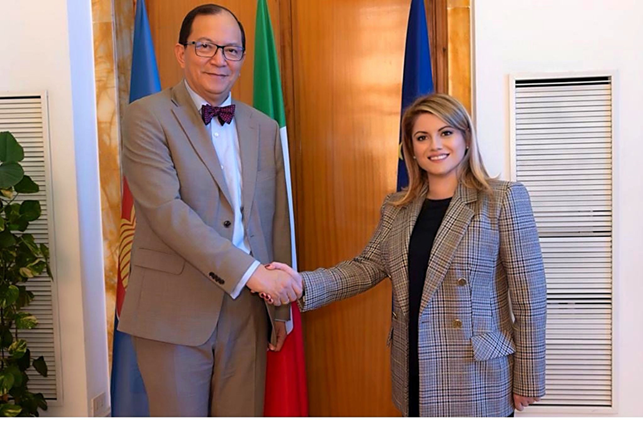
On December 7, I received the Deputy Secretary General of ASEAN, Michael Tene, at the Farnesina. The meeting was part of our country's ongoing collaboration with ASEAN to implement the Development Partnership launched in late 2020. In a little more than three years, our Partnership with ASEAN has achieved significant results, enabling the implementation of multiple training initiatives for the benefit of Southeast Asian countries in a wide range of strategic areas: from security to the environment, and from the protection of cultural heritage to sustainable development. With Deputy Secretary General Tene, I renewed our common commitment to enriching the Partnership with new projects-many of which are already under negotiation with the Secretariat and member states-with a shared mode of ownership and in areas of common interest. These include many fields that are essential for the stability and security of states in contemporary reality: cybercrime, combating transnational crime, promoting legality, space, food security, energy transition, and prevention and management of natural disasters. This is in the knowledge that only together can the growing threats to peace, the protection of the rules-based international order, and sustainable development, which are also fueled by the multiplication of crisis theaters around the world, be effectively addressed. Indeed, ASEAN represents a model of regional integration in a key geo-strategic position for maintaining peace and shared prosperity in the Indo-Pacific. In this context, Italy stands ready to collaborate with the incoming Laotian Chairmanship of ASEAN, focusing on the issues of connectivity and resilience, with the hope that the country can build on the important achievements of the current Indonesian Chairmanship, especially in the areas of regional integration and investment. We trust that Laos will also ensure continuity in Indonesia's efforts to manage the serious crisis that has plagued Myanmar for nearly three years, following the February 1, 2021 coup d'état, with possible repercussions for stability in the area.

ASEAN and the strategic advantage of rare earths

Southeast Asia is rich in components needed for the energy transition, including nickel, copper, and tin. International attention to the sector is growing

By Tommaso Magrini

Not just China. Southeast Asia also has a major strategic advantage on its side: the possession of a large amount of rare earth and mineral resources. These are necessary components for the global energy transition, including nickel, copper and tin, but the ASEAN area has high potential to produce more. Not only that. The rare earths in which the area is rich are also crucial for the production of batteries for electric vehicles, one of the most sensitive areas of contention in the near future.

Just think of one figure. In 2022, Indonesia's mines produced about 1.6 million tons of nickel. This figure makes the vast Southeast Asian archipelago the leading producer of nickel from mines around the world. So much so that those resources are particularly coveted by major powers such as China and the United States, which as evidenced by President Joko Widodo's recent reception at the White House are trying to reach a mining agreement.

Chinese companies are estimated to have invested something like $30 billion in Indonesia's nickel supply chain. All within a decade. On the Indonesian islands of Sulawesi and Halmahera, Beijing companies have built refineries, smelters, a new metallurgy school and even a nickel museum. A diversification of the source of investment would be functional for Jakarta, and the United States has decided to shorten the distance, but some say it may already be too late.

In an effort to increase investment in the mining sector, ASEAN mining ministers adopted an Action Plan for ASEAN Mining Cooperation for 2021-2025 (AMCAP-III) in October 2021. The goal is to "create a vibrant and competitive ASEAN mining sector for the welfare of ASEAN peoples." The AMCAP-III sets out how the ten ASEAN countries will work together to build sustainable mining development, mining investment promotion, and human and institutional capacity. AMCAP-III was implemented in recognition of the critical role of minerals of all types in ASEAN economies and sustainable development, as well as in stimulating and enhancing trade integration in ASEAN.

As a report by the Lowy Institute explains, Australia is also particularly interested in deepening relations on the subject with Southeast Asia. A new program, Australia ASEAN Futures Initiative, whose first subprogram is "Economic and Connectivity (ECON)," was launched in mid-2022. Australian companies are the largest investor in mineral exploration in Southeast Asia and the Pacific. In 2022, ASX-listed companies spent about $100 million on mineral exploration, accounting for 28 percent of all exploration investment in the region. In Southeast Asia alone, Australian companies have identified $220 billion worth of mineral reserves and invested $2.6 billion worth of capital in mining, according to an analysis based on S&P Global's mining database.

In addition to long-standing ASEAN development initiatives, Australia is implementing economic development cooperation commitments with Indonesia and other Southeast Asian countries under two trade and investment agreements. Both the Indonesia-Australia Comprehensive Economic Partnership Agreement (IA-CEPA) and the Regional Comprehensive Economic Partnership (RCEP) contain entire chapters on "economic cooperation" to help build capacity for trade and investment.

Meanwhile, Canada, Germany, Japan, Korea, the United States and China are already assisting ASEAN and its member states in implementing the Minerals Action Plan and Information System, as well as building critical minerals supply chains. For Southeast Asia, an opportunity to capitalize on an important strategic advantage.

No decoupling between Southeast and China

Despite political tensions, no one wants to do without trade relations with Beijing

By Tommaso Magrini

A new survey released by HSBC showed that nearly half, 45 percent to be precise, of Southeast Asian companies plan to expand their supply chain to China in the next 12 months. Ninety-two percent of Indonesian companies expressed interest in expanding their supplier network in China in the next three years, a figure slightly higher than 89 percent of Vietnamese companies and 87 percent of Philippine companies. 

The survey results were released in conjunction with the China International Import Expo (CIIE) in Shanghai, which was attended by large delegations from Southeast Asian countries but also the largest U.S. shipment since the event's launch. This sixth edition of the survey was the first to be conducted since the lifting of Covid-19 restrictions in China in January this year, with the participation of more than 3,300 companies from 16 countries including the United States, South Korea, Canada, the United Kingdom, France and Germany. Overall, about three-quarters (73 percent) of respondents expect to increase their supply chain footprint in China in the next three years, and about 25 percent indicate that the increase will be "significant." HSBC said the survey results suggest that many of China's long-standing fundamentals, including its deeply integrated supply chain networks, continue to attract international companies. China's imports and exports to ASEAN reached 6.52 trillion yuan ($970 billion) in 2022, a significant 15 percent increase. Of these, exports accounted for 3.79 trillion yuan, an increase of 21.7 percent, and imports 2.73 trillion yuan, an increase of 6.8 percent. The data show that China's cumulative investment in South Asia reached nearly $15 billion.

EU and ASEAN: navigating the turbulence between the US and China

In the new international context marked by the confrontation between the USA and China, ASEAN and the EU can play a crucial role in avoiding conflict and promoting global cooperation

The current international landscape is heavily influenced by the growing competition between the US and China. This rivalry extends beyond trade and economics into areas of technology, military prowess, and geopolitical influence.

The recent summit in California showcased the deep-rooted and complex nature of US-China relations. Presidents Xi and Biden, representing the world's two largest economies, engaged in extensive discussions on a range of contentious issues. However, the summit concluded with several key disputes unresolved, highlighting the persistent friction between the two nations especially on trade and geopolitical issues, with reference to the situation in Taiwan and in the South China Sea.

The rivalry between the US and China occurs against a backdrop of global instability marked by conflicts like the war in Ukraine and in the Middle East. This environment has led to a decline in international trust and cooperation, raising concerns about a potential return to Cold War-era bloc politics. Such a division into spheres of influence would be detrimental, particularly for the EU and ASEAN, which have thrived in a more open and cooperative international system.

The EU and ASEAN, with significant differences in terms of history and socio-political context, share a core objective: promoting regional market integration to achieve peace, stability, and prosperity. However, the integrative model they champion is now under threat from global tensions that challenge the integrity of common markets and the cohesion of the development model of these organizations. The ongoing US-China trade war, marked by the imposition of tariffs and trade barriers, serves as a prime example of how external geopolitical tensions can significantly disrupt internal market dynamics within the EU and ASEAN. 

Despite the grim outlook, there are substantial opportunities for both the EU and ASEAN in the current geopolitical climate. Both the EU and ASEAN possess significant market attractiveness that can be leveraged to influence the US-China dynamic. The EU, with its GDP of over $15 trillion and a population of about 450 million (with an enlargement in sight), represents one of the largest single markets in the world. On the other hand, ASEAN, with a combined GDP of approximately $3 trillion and a population exceeding 650 million (of which around 60% is under 35), is one of the fastest-growing regions globally. These economic conditions position both the EU and ASEAN uniquely to mediate and potentially influence the strategic decisions of the US and China, especially in areas of trade policy and regional security.

The EU and ASEAN can play a crucial role in developing a more stable multipolar world order, moving away from bipolar tensions. This involves not only strengthening their internal cohesion but also enhancing inter-regional cooperation. By consolidating their relations and by investing in market integration, these blocs can assert a more balanced and influential role in international affairs.

Joint diplomatic and trade initiatives between the EU and ASEAN can be pivotal in balancing the influence of the US and China, focusing primarily on enhancing trade and economic integration. The EU and ASEAN should start working on a comprehensive trade framework with the aim of reducing tariffs and regulatory barriers. Such an agreement, extended to encompass the entire ASEAN region, would create one of the world's largest free trade areas, diversifying trade relations and reducing overreliance on the US and China. Establishing joint standards in areas like product safety, intellectual property, and sustainable trade practices could be strategically very useful. This would not only align the EU and ASEAN markets more closely but also set an example for global trade standards, independent of the US and China's influence, and enhance their collective bargaining power and strategic position in the global market.

In conclusion, the EU and ASEAN are at a pivotal point in the evolving global landscape, marked by the US-China rivalry and broader international tensions. While they face significant challenges, these regional blocs also possess unique opportunities to influence the global order. By leveraging their economic strength, advocating for a multipolar world, and enhancing inter-regional cooperation, the EU and ASEAN can play a vital role in fostering a more balanced and peaceful international system. Their actions and decisions in the coming years will be crucial in shaping the trajectory of global politics and in ensuring the stability and prosperity of their respective regions.

The ASEAN bets on the blue economy

ASEAN members have recently adopted the Blue Economy Framework to coordinate the sustainable exploitation of marine resources. The sea is a vital resource, but it rests on a delicate balance. Environmental... and political.

The sea plays an essential role in the history of Southeast Asia. Fishing and maritime trade have been key activities in the regional economy for centuries. All ASEAN countries, except Laos, have coastlines. People, goods, and ideas circulating by ship have made the region much more than a mere geographical expression, creating cultural and political ties among its countries. In recent decades, in addition to unprecedented growth in maritime trade, new forms of economic use of the sea have emerged – tourism, but also the extraction of resources such as oil and natural gas. At the same time, due to climate change and rising sea levels, the sea has also become a threat. Densely populated areas and cities like Jakarta are at risk of being submerged in the coming decades, with immense social and economic costs. Not surprisingly, the Indonesian government pushed for the approval of the Blue Economy Framework during its ASEAN presidency with the aim of making the use of marine resources more sustainable and effective. 

But what is the blue economy? The World Bank defines it as ‘sustainable use of ocean resources for economic growth, improved livelihoods, and jobs, and ocean ecosystem health’. The concept of ‘sustainability’ must be understood in a tripartite manner, uniting economic, social, and environmental sustainability. In practical terms, the blue economy model urges governments to design their policies in an integrated manner, acting on different economic sectors. For example, the ASEAN Framework includes interventions to achieve carbon neutrality in maritime activities, improve disaster response capabilities, promote the development of new technologies for the involved sectors, facilitate cooperation and coordination between national governments to monitor resource consumption. Initiatives to reduce waste pollution and develop sustainable tourism related to the landscape heritage are also included. 

One of the main innovations of the Framework is the inclusion of inland water resources, namely rivers, lakes, and artificial reservoirs. After all, the region is crossed by large rivers – such as the Mekong, the Irrawaddy, and the Chao Phraya – which have shaped its history and continue to support the lives of millions of people. In light of this innovation, the blue economy is also useful for a landlocked state like Laos. Another point of interest is that the ASEAN is the second bloc of countries, after the European Union, to begin coordinating its policies toward aquatic resources above the national level. Cooperation in this field is necessary, as the choices of individual states have a limited impact on the health of the oceans. Negotiating at the multilateral level is more complicated, as demonstrated by the World Trade Organization (WTO) agreement on fishing subsidies that lead to the depletion of fishery. Reaching an agreement among so many countries, with very different interests, required difficult negotiations and 21 years of talks – the time between the fourth WTO Ministerial Conference in Doha in 2001 and the twelfth held in Geneva in 2022, where the agreement was concluded.

Reaching an agreement among ASEAN members may be easier, but it can still be challenging to implement. First of all, the Framework is not binding and establishes broad strategies that will then need to be implemented in numerous regional and national policies. These policies require know-how, administrative resources, and agreement among various interest groups. ASEAN states already have a good network of international cooperation from which they can receive support in defining and implement such policies: the EU could be an essential partner, as it is the international actor most similar to the ASEAN and has already developed its approach to the blue economy. Furthermore, states that share the same sea must respect the interests and sovereignty of their neighbors. A delicate issue for ASEAN members facing the South China Sea, whose waters are also claimed by China and Taiwan. Not surprisingly, the Framework emphasizes with persistence that the UNCLOS, the United Nations Convention on the Law of the Sea establishing the boundaries of territorial waters, constitutes one of its essential legal bases. To cooperate in the protection of the seas, ASEAN states must first set aside any residual rivalries over their control.

Climate Finance: the COP28 as seen by ASEAN

In an effort to respond to regional needs, the 10 members of the Organization are currently developing the ASEAN Climate Finance Access and Mobilization Strategy, a tool designed to harmonize the use of frameworks and structures for monitoring financial flows

By Sibeles Chiari

With less than a month to go before COP28 in Dubai, expectations are rising about reaching a transformative agreement that will move humanity away from catastrophic scenarios. Significantly alarming is the situation in the Southeast Asian region, home to as many as 6 of the 20 states identified as most vulnerable to the impacts of climate change: the Philippines, Indonesia, Malaysia, Myanmar, Thailand and Vietnam. Concerns based on forecasts heralding greater economic losses than anywhere else in the world, with an estimated 11 percent decline in GDP by 2100. In fact, only with copious increases in climate finance and a concerted effort by governments, investors, central banks and financial regulators will economic and human losses be limited. An effort that, globally, will need to generate some $2.4 trillion in total annual investment by 2030 to succeed in sustaining emerging markets. Indeed, at the Dubai summit, climate finance will be at the center of the policy debate because, mobilizing financial resources and activating innovative financing mechanisms (e.g., Loss and Damage fund) will play a key role in combating climate change and accelerating toward a more sustainable economy. That being said, it is not surprising that the dynamics related to the climate finance discipline will have an increasing impact on the performance of the Association of Southeast Asian Nations (ASEAN) economies.

Throughout the various UNFCCC COPs, ASEAN nations have continually urged the more industrialized countries to meet their 2009 commitment to provide $100 billion per year to developing countries by 2020. A commitment that has been more verbal than real, considering that between 2000 and 2019, ASEAN countries received $56 billion from developed countries. While European states such as Germany and France have contributed 11.8 percent and 8.4 percent, respectively, of total bilateral climate funding to the region, Japan has allocated as much as 65 percent. Indeed, the influence of the Japanese country, which jointly launched the SPACE program with ASEAN members to combat climate change, pollution and biodiversity loss, stands out. Additional climate funding also comes from China, which ranks as the main provider of South-South flows, followed by India. As well as from ASEAN countries themselves with their contributions to the mobilization of Green Climate Fund (GCF) resources. Of course, in the context of climate finance, there is no shortage of substantial support from the World Bank and the Asian Development Bank (AIB), as the largest multilateral provider of climate finance to the region.

Over the past decade, more than half of all climate finance provided to the region has gone to the transportation and storage (32 percent), energy (26 percent) and agriculture, forestry and fisheries (9 percent) sectors. It is also worth highlighting the high growth recorded in other sectors, such as health (+427 percent), business and various services (+336 percent) and emergency response (+218 percent). Looking at the ASEAN space, Indonesia, the Philippines, and Vietnam received the highest share of funding, and indeed, most of the funds went to the transport, energy, and agriculture sectors. For example: Vietnam has attracted significant investment in wind and solar power; Indonesia has received funding and international support for initiatives to combat deforestation and promote reforestation through the REDD+ program; as well as the recently concluded loan agreements between the Philippines and the World Bank worth $876 million to finance three sustainable agriculture projects (MIADP, FISHCORE and PRDP). With data in hand, Asia receives the highest share of climate finance among all regions of the world. No doubt this is a figure that inspires optimism, although the per capita share of Southeast Asian countries remains the lowest. Finally, in an effort to address regional needs, the 10 members of the Organization are currently developing the ASEAN Climate Finance Access and Mobilization Strategy, a tool aimed at harmonizing the use of frameworks and structures for monitoring financial flows. Therefore, this strategy will accelerate investment in the implementation of mitigation and adaptation actions based on the needs identified by member states. An initiative that will facilitate access to climate finance by pursuing the health of our dear planet as the ultimate goal and common hope among all of us.

More cooperation between ASEAN and Gulf countries

ASEAN and the Gulf Cooperation Council are considering a potential free trade agreement, a topic moreover addressed two years ago by the Italy-ASEAN Association in Dubai. Here we publish an excerpt from the joint communiqué issued at the end of the bilateral summit on Friday, October 20

Inspired by the common interests and deeply rooted historical ties between the two sides, the leaders exchanged views on common regional and international issues and discussed ways to improve and develop their partnership to take advantage of the growth opportunities that can be exploited through cooperation between the two regions, based on the shared visions for the future of their partnership and the values embodied in the United Nations Charter. The leaders pledge to:

  1. Join efforts to promote peace, security, stability and prosperity through mutual respect and cooperation among countries and regions to achieve development and progress and maintain the international order based on rules and adherence to the UN Charter.
  2. Undertake consultations and explore cooperation on specific areas of common interest to implement the four priority areas of the ASEAN Outlook on the Indo-Pacific (AOIP): maritime cooperation, connectivity, Sustainable Development Goals (SDGs), economic.
  3. Recognize the importance of the oceans and seas as key factors in the region's growth and prosperity, and reaffirm the importance of maintaining and promoting peace, stability, maritime security, freedom of navigation and overflight in the region, and other legitimate uses of the seas and legitimate and unimpeded maritime trade, as well as promoting the peaceful settlement of disputes, in accordance with universally recognized principles of international law, including the 1982 United Nations Convention on the Law of the Sea (UNCLOS).
  4. Strengthen ties between the two sides, multilaterally and bilaterally, and in global forums, pursuing opportunities for sustainable development, peace, security and stability, and to address global and regional challenges and risks; to ensure sustainable supply chains, transport interconnection, and strengthen food, energy and water security, as well as build cooperation on green and renewable energy sources and technologies, tourism infrastructure, and creation of energy sources.
  5. Conduct further consultations to explore new opportunities for trade, investment and technical cooperation between ASEAN and the GCC, including the possibility of developing a framework agreement on economic, trade and investment cooperation.

Full text here.

How ASEAN can defeat the plastic ocean

Plastic pollution is a crucial challenge for the future of the ASEAN region, with more than 31 million tons of plastic waste generated annually in 6 out of 10 countries. But there is potential to solve the problem

By Tommaso Magrini

Plastics are a major problem in Southeast Asia and one of the main obstacles to the region's transition to a green economy. Of the ten most polluting countries, six are in Southeast Asia, according to data from the World Economic Forum. The Philippines alone dumped 356,371 metric tons of plastic waste into the ocean in one year, about 35 percent of the global figure. It is followed by Malaysia (73,098), Indonesia (56,333), Myanmar (40,000), Vietnam (28,221) and Thailand (22,806). Together, these countries are responsible for more than half of the plastic pollution in the oceans.

However, ASEAN seems determined to tackle the problem head-on. Member states recognized their duty to work together to protect their coasts, seas and livelihoods from marine plastic pollution back in 2019 when they adopted the Bangkok Declaration on Combating Marine Debris in the ASEAN Region. Based on this commitment, they launched the Regional Action Plan for Combating Marine Debris in 2021. This five-year plan aims to support regional policies and improve coordination in three main areas: reducing plastic use and production, improving collection and recycling, and promoting reuse.

A further step was taken in recent weeks, to be precise at the September ASEAN summit in Indonesia, at the end of which came the publication of the ASEAN Blue Economy Framework. Bans on single-use plastic products are an example of national policies being developed by an increasing number of countries in the region. 

Another policy tool being introduced is "extended producer responsibility" (EPR) schemes. These require producers to rethink the way they design and develop products, taking responsibility for the entire life cycle, including disposal and recycling. Manufacturers are required to meet waste reduction targets and pay fees that will finance the plastic waste collection and recycling system.

In 2022, Vietnam became the first Southeast Asian country to issue a decree imposing packaging, recycling, and waste treatment obligations on producers and importers. The Philippines followed, enacting the EPR law in July 2022. In many cases, the initiatives are only voluntary, as in the case of Thailand. Companies are also urged to develop reusable products, reduce virgin plastic use on the one hand and contribute to post-consumer collection and recycling on the other. For the goals to be ambitious and achievable, it is important to consider the local context, ensuring that all actors in the plastics value chain are able to meet them.

Regional collaboration, as the World Economic Forum always emphasizes, becomes key to developing better policies. Facilitating dialogue between countries is beneficial for governments and businesses. It provides an opportunity to share lessons learned from pilot projects and to disseminate successful solutions developed locally. Strong integrated action to combat plastic pollution can pave the way for a new era for ASEAN: from being known as the region most affected by plastic pollution in the oceans, it can become the region with the boldest green ambitions.

Australia jumps into ASEAN

Last year Australia's direct investment in Southeast Asia totaled A$28 billion, a figure Canberra clearly wants to increase

By Tommaso Magrini

The recent ASEAN summit was also attended by several partners, many of whom signed important cooperation agreements with the South East Asian bloc. Among them is certainly Australia. In Jakarta, home of the summit, Canberra presented an economic plan to increase business with the ASEAN area, which includes an immediate commitment of $44.7 million to create a new Australian "business team" based in the region. The plan, titled "Invested: Australia’s Southeast Asia Economic Strategy to 2040", states that Australian investments in the region are "underpaid". Written by Australia’s special envoy to Southeast Asia, Nicholas Moore, it contains 75 recommendations, including the establishment of a working group to identify and facilitate more mutual investment. Prime Minister Anthony Albanese has called it "a reinforcement of our long-awaited commitment, reflecting the speed of the transformation taking place and the scope of the opportunities that await us". Canberra also immediately appropriated nearly AUD 20 million for a Southeast Asia Business Exchange that will boost trade, and 6 million Australian dollars for a pilot placement and internship program for young professionals in the region. " By 2040, ASEAN will be the fourth largest market after the US, China and India. It is a huge opportunity for Southeast Asia, it is a huge opportunity for Australia," said Foreign Minister Penny Wong. Last year Australia’s direct investment in South-East Asia amounted to 28 billion Australian dollars, a figure that Canberra wants to increase sharply. The new projects just announced also identify some specific areas on which it is intended to strengthen links: agriculture and food, resources, green energy transition, infrastructure, education and skills, visitor economy, health, digital economy, professional and financial services and creative industries.

EU-ASEAN Climate Diplomacy

Green Diplomacy Week 2023 kicks off in partnership between the European Union and the Association of Southeast Asian Nations. Here is the program

EU-ASEAN Green Diplomacy Week 2023 kicks off on Sunday, October 15. First introduced to the public in 2019, Climate Diplomacy Week has become a landmark annual event where delegations and embassies of EU member states around the world host events to promote dialogue and cooperation on climate change. The theme is particularly important in the context of cooperation with the ASEAN bloc. Called "Green Diplomacy Week" this year, the event still aims to serve as a platform to showcase success stories and inspire further action. In late 2022, the EU launched the Global Gateway strategy, a new global strategy to build resilient connections with the world, with sustainable connectivity and green transitions as two main pillars. In this context, Green Diplomacy Week 2023 will also be an opportunity to continue the momentum of the new global strategy. A series of online, offline and hybrid events are planned. Events will include panel discussions, exhibitions and clean-up sessions, as well as a fun walk/run/bike ride. Events will focus on engaging youth and the ASEAN public. A total of 10 events (online, offline and hybrid) will be organized by the EU Communication and Visibility for ASEAN project in collaboration with EU delegations in ASEAN member states, EU-ASEAN partners, communities and youth organizations in ASEAN member states. Among the events included in the program: a workshop on plastic waste recycling organized with Thailand, a 2-day learning camp for "young nature guardians" in the Philippines, a series of waste management education meetings in Malaysia, and interactive presentations and games for indigenous school children in the Pu Mat forest in Vietnam. Also on the agenda are very concrete activities such as cleaning a river in Brunei and a photography and artwork competition in Laos. Concluding on Sunday, October 22, with a Mekong River shoreline cleanup and tree planting in Cambodia.