Princess Pa in Vienna – through the lens of a fellow diplomat Sun Thathong

I first became involved in Princess Pa’s work when I joined the Ministry of Foreign Affairs in 2009. I was assigned to be part of a team campaigning for the “Bangkok Rules on the treatment of women prisoners and offenders” to be adopted by the United Nations General Assembly. It was to be a culmination of a project Princess Pa was professed to be passionate about. I recall being up until three in the morning in Brazil, defending the inclusion of a paragraph on these draft Bangkok Rules in the outcome document of the Twelfth Crime Congress in 2010. This would later pave the way for the successful adoption of the rules later that year in New York. At that time, I learned a great deal about her personal motivations and efforts behind the initiative. Her sense of justice made a strong first impression on me. 

Immagine che contiene persona, abitoDescrizione generata automaticamente

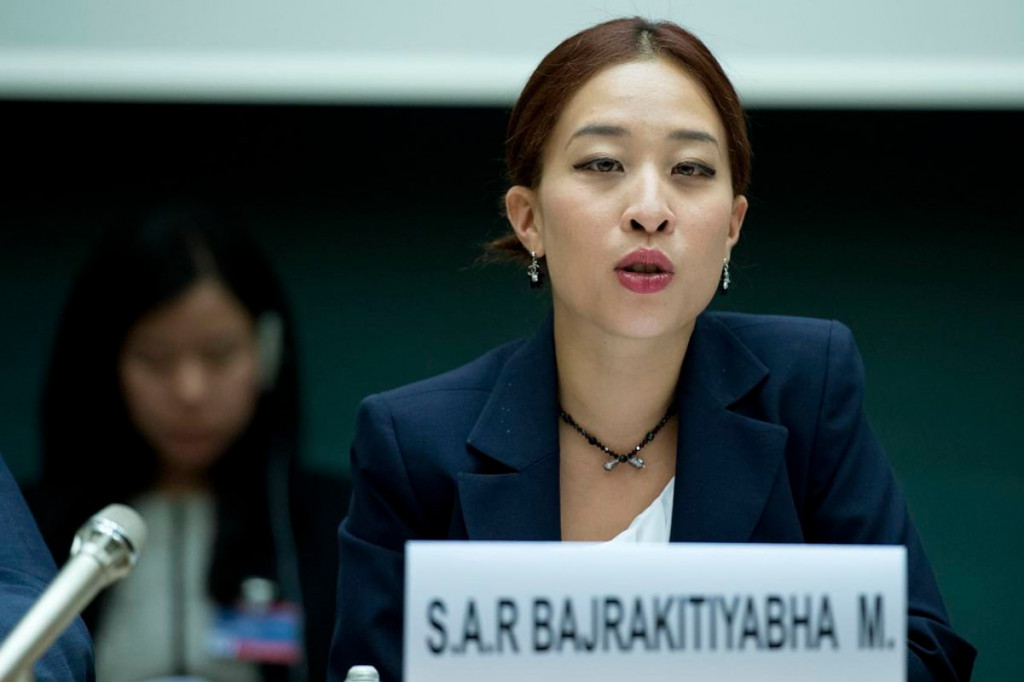
Princess Bajrakitiyabha at the 12th session of the Human Rights Council 

September 2009, Geneva 

Source: Jeff Hoffman, UN 

A year after the Bangkok Rules were adopted, I took leave to pursue a law doctorate in the United Kingdom. It was not until I returned and was posted to Austria in 2018 that I re-encountered Princess Pa’s work. But this time, it was the fruits of her labour in her capacity as a Vienna-based ambassador during 2012 – 2014.

Two years is considered a relatively short time for a posting, but it was enough time for her to leave a lasting imprint. And throughout my four years in Vienna, I came to admire her as a model lawyer-diplomat, whose passion for justice and the rule of law served Thailand’s interests in many significant ways. From a practitioner’s perspective, I have found this to be deeply inspiring.

Princess’ Road to Vienna

Before arriving in Vienna, I had often wondered how, at such a young age, Princess Pa would handle the job of being Ambassador of Thailand to Austria, Slovakia and Slovenia, and Permanent Representative of Thailand to the UN and other Vienna-based international organisations. How would she handle looking after more than 6,000 Thai people in three countries and simultaneously representing Thailand in several international organisations? To say that the job was demanding is an understatement and some would say it should have required decades of experience in diplomacy.

Immagine che contiene testoDescrizione generata automaticamente

Princess Bajrakitiyabha addressing the UN General Assembly’s High-Level Meeting on the Rule of Law, 24 September 2012, New York. 

Source: UN 

In my view, having a law doctorate from Cornell, a distinguished career as a Thai lawyer-prosecutor, and prior experience working at the Thai Permanent Mission to the UN in New York, actually prepared her in more ways than one when compared with other fellow, career diplomats.

Then I realised one very important factor. Being born a public figure, Princess Pa naturally underwent ‘diplomatic training’ since birth. Moreover, as a member of the Royal Family, service to her people and compassion for their trials and tribulations was in her blood. The UN had already recognised her skills in diplomacy when it named her UN Women National Ambassador to Thailand in 2008. The successful adoption of the Bangkok Rules back in 2010 was also in part the result of her appreciation of and skills in multilateral diplomacy.

Princess Pa had already mastered a diplomat’s essential skills some time before coming to Vienna. This explains why, despite her relatively short tenure as Thai Ambassador and Permanent Representative in Vienna, she was able to make such remarkable contributions, advancing Thailand’s national interests and multilateral diplomacy.

Leading the leaders  

A permanent representative’s main task is to represent their country and promote its interests at international negotiations. Some may take on extra, voluntary roles in conducting meetings and chairing decision-making bodies of these organisations. I was astonished to learn that, while she was in Vienna, Princess Pa personally took on a long list of these voluntary leadership positions in several fora.

Immagine che contiene persona, arredo, tavoloDescrizione generata automaticamente

Princess Bajrakitiyabha chairing the 21st session of the Commission on Crime Prevention and Criminal Justice in Vienna, 23 – 27 April 2012

Source: UNODC

For the Commission on Crime Prevention and Criminal Justice, a UN body dealing with crime prevention and criminal justice matters, Princess Pa served as chair of its annual session from 2011 to 2012. For the Commission on Narcotic Drugs, a UN body dealing with drug-related matters, she served as second vice-chair of its 2013 annual session and as first vice-chair the following year. For the International Atomic Energy Agency, an organisation that seeks to promote the peaceful use of nuclear energy, she served as vice-president of the 2013 annual session of the Agency’s General Conference. She also served as vice-chair of the inaugural session (2012) of the General Assembly of the International Anti-Corruption Academy, an institution that promotes anti-corruption education. 

I had seen other Thai permanent representatives performing similar roles and have been part of the team serving them, but I never heard of a single permanent representative taking on such a long list of roles over such a short period of time. Indeed, being elected to these positions, one after another, was testament not only to the trust that the Viennese diplomatic circles placed in Princess Pa, but also to her incredible work ethic and competence. In discharging the above positions, she helped build bridges, resolve tensions and advance common goals. In doing so, she raised not only Thailand’s profile, but also the profile of the organisations themselves.

Princess Bajrakitiyabha met with the UN Secretary-General during the UN General Assembly’s Thematic Debate on ‘Drugs and Crime as a Threat to Development,’ 26 June 2012, New York

Source: UN

Influencing the global agenda 

Princess Pa also sought to widen Thailand’s influence in other ways. One was to make Thailand better known as a hub of international meetings. At the first session of the General Assembly of the International Anti-Corruption Academy in 2012, she conveyed Thailand’s offer to host the Assembly’s second session in Thailand the following year, an invitation that the Assembly gladly accepted. Then in 2014, Thailand hosted two UN meetings chaired by Princess Pa herself – a preparatory meeting for the 13th Crime Congress and an expert group meeting to develop draft model strategies and practical measures on the elimination of violence against children.

Immagine che contiene testo, personaDescrizione generata automaticamente

Princess Bajrakitiyabha at the ECOSOC panel discussion on crime prevention in the context of post-2015 development agenda, 22 July 2013, Geneva

Source: Jean-Marc Ferre. UN

Another manner in which Princess Pa widened Thailand’s influence was through actively engaging with relevant actors in promoting Thailand’s causes. In 2013, Princess Pa joined a panel discussion on crime prevention in the context of the post-2015 development agenda at an ECOSOC meeting in Geneva. Later in 2013, on the margins of the UN General Assembly’s annual session in New York, she moderated a high-level panel discussion on gender-related killings of women and girls. She also met with the Deputy UN Secretary General to discuss issues related to the rule of law and sustainable development. Outside the UN, she delivered speeches at meetings of the Organization for Security and Cooperation in Europe (OSCE), where Thailand is a partner country, to share Thailand’s experiences in promoting the rule of law, sustainable development, and women’s empowerment.


Achieving concrete outcomes

In less than two years, more than ten resolutions proposed or co-proposed by Thailand were successfully adopted by Vienna-based UN bodies. During 2013-2014, the Commission on Narcotic Drugs adopted five resolutions proposed or co-proposed by Thailand on matters such as alternative development and prevention of drug abuse. During the same period, the Commission on Crime Prevention and Criminal Justice adopted eight resolutions proposed or co-proposed by Thailand on matters such as elimination of violence against children, treatment of prisoners, and criminal justice.


This high number does not in itself indicate unprecedented achievements, given that it is common for Thailand to propose and co-sponsor a few (or more) resolutions at Vienna-based international organisations each year. It does show, however, that under Princess Pa’s ambassadorship, Thailand continued to be proactive and perform well in Vienna. It is also worth noting that it was during Princess Pa’s ambassadorship in Vienna that Thailand finally ratified the UN Convention against Transnational Organized Crime and its anti-human trafficking protocol, having been their signatory for more than a decade.


It would be misleading to conclude that Princess Pa initiated and accomplished all the above tasks by herself. The crucial supporting roles of her staff who helped to propose agendas, draft speeches, and lobby for support should not be overlooked. But it would also be naïve not to acknowledge the unique persuasive power that Princess Pa had over her counterparts, both domestic and foreign.


An inspiration for all


Princess Pa left Vienna and returned to the Thai Attorney General’s Office in October 2014. She has since then taken on even more roles such as the UNODC Goodwill Ambassador for the Rule of Law in Southeast Asia, and carried on with her royal duties and personal passions. On reflection, I cannot help but think of Prince Wan Waithayakon – one of Thailand’s greatest diplomats and Princess Pa’s own first cousin thrice removed – who presided over the UN General Assembly in 1956. They are known for having a similar grace, compassion, and competence. But while Princess Pa has stepped off the path of a career diplomat for now, she has already cemented her place as a role model for the new generation of diplomats, and remains a symbol of empathy and justice and a source of inspiration for all.

******

Immagine che contiene persona, interno, muro, finestraDescrizione generata automaticamente

Sun Thathong è un avvocato-diplomatico thailandese, attualmente in servizio come consigliere presso il Dipartimento dei Trattati e degli Affari legali del Ministero degli Affari esteri della Thailandia. In precedenza ha ricoperto il ruolo di Primo segretario presso l’Ambasciata reale thailandese e la Missione permanente della Thailandia a Vienna (2018-2022).

Energy, so many opportunities in ASEAN

The bloc of Southeast Asian countries will double its demand for natural gas to 350 billion cubic meters by 2050

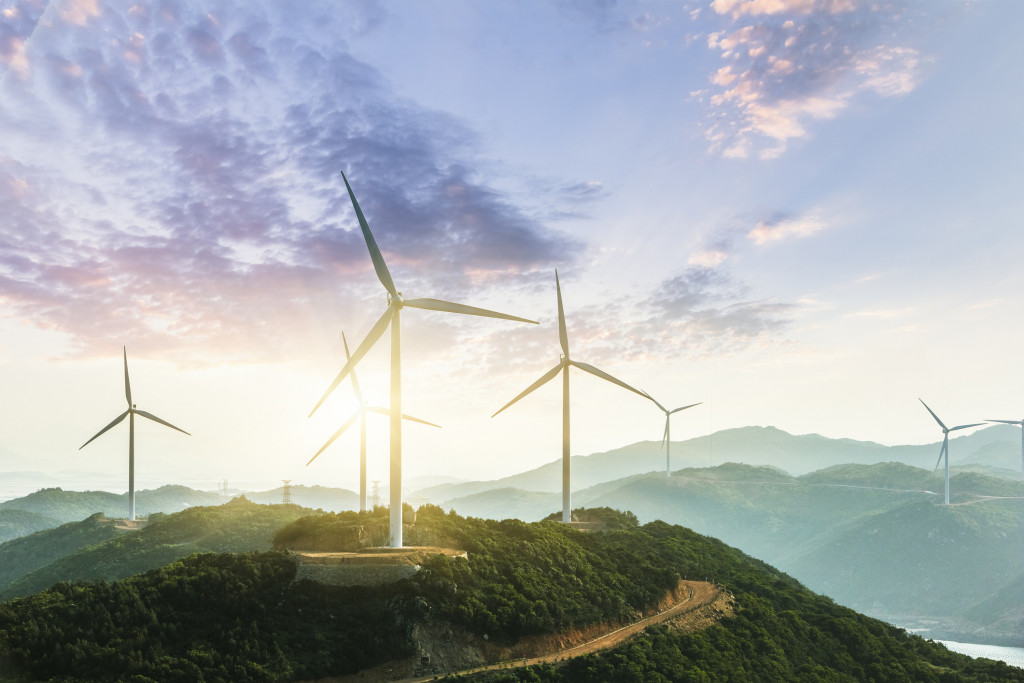
ASEAN will double its demand for natural gas to 350 billion cubic meters by 2050. In fact, even more. A truly impressive trend that accelerates in tandem with the abandonment of coal-fired power generation. Identifying the 350 billion cubic meters of demand over the next three decades was the secretary general of the Gas Exporting Countries Forum, Mohammed Hammel. The share of natural gas in the region's energy mix is projected to grow steadily to 24 percent by 2050. GECF data show that ASEAN's natural gas demand will stand at 160 billion cubic meters in 2021, of which 80 billion cubic meters will be used for power generation and 50 billion cubic meters will be used by the industrial sector. These two sectors will continue to take the lion's share of the bloc's natural gas demand in 2050. Indonesia, Thailand and Malaysia will also be major contributors to demand. Coal accounted for 24 percent of the region's energy mix in 2021, but will likely drop to 13 percent in 2050 as the share of cleaner energies increases. According to GECF data, Thailand is the largest importer of liquefied natural gas (LNG) in the region and will maintain this position in the coming decades. ASEAN's natural gas production will continue to be around 180 bcm in 2050, and the region will extract its gas mainly offshore. When combined with carbon capture and storage (CCS) technology, natural gas could cut down an additional 735 million tons of carbon dioxide emissions in the power sector alone by 2050. Hidetoshi Nishimura, president of think-tank ERIA, said natural gas can reduce emissions through its expanded use in the initial phase of the clean energy transition from 2020 to 2030 by applying existing, affordable fuels and energy technologies. In the long run 2030-2050, many advanced technologies such as co-firing with hydrogen and CCUS (carbon capture, utilization and storage) will be employed. The process will ensure many opportunities on the energy front for international players.

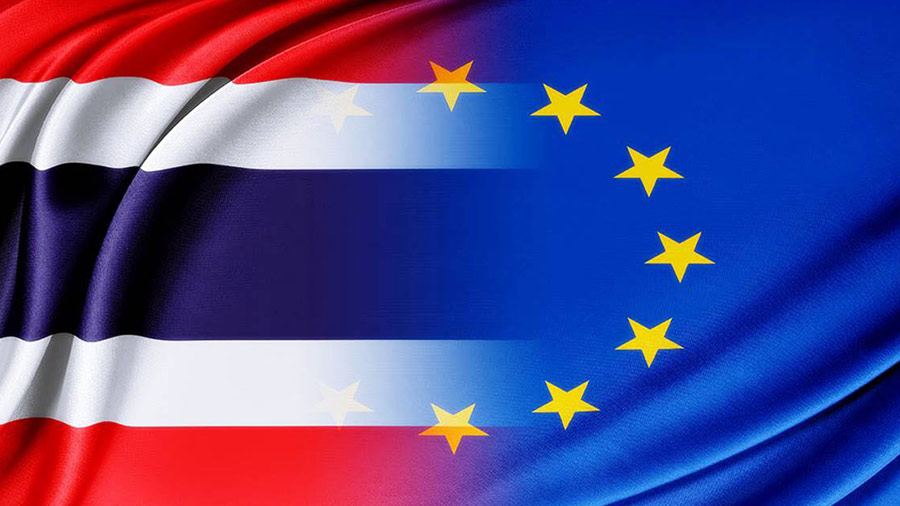
EU-Thailand FTA negotiations resume as Bangkok prepares for elections

The EU recently resumed talks with Thailand on a free trade agreement, while Bangkok is preparing for the elections. Economic relations are an essential part of the European strategy for the Indo-Pacific.

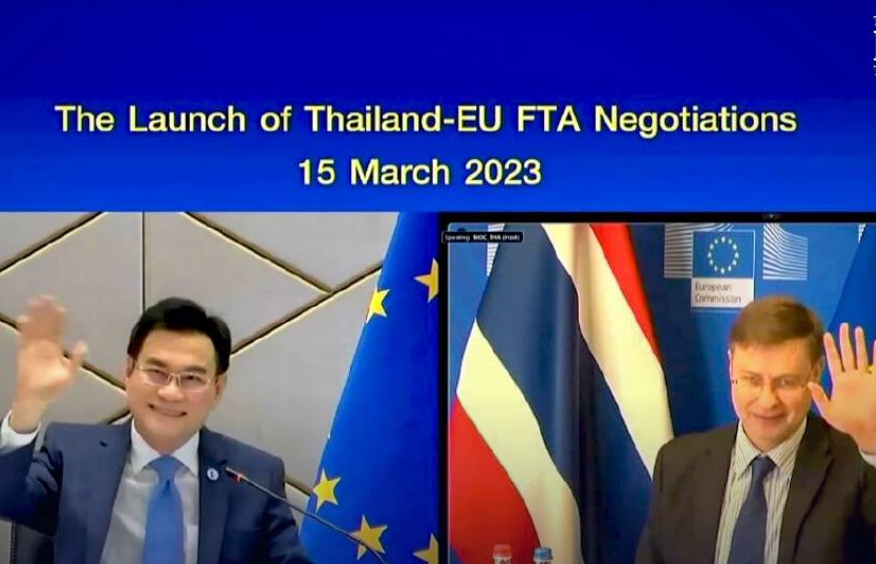
On 15 March, the Commission announced that negotiations on a free trade agreement (FTA) with Thailand would resume after a stop of almost ten years. In 2014, just a year after they were launched, the talks had been suspended in response to the military coup that ended the political crisis generated by the clash between the Cabinet, led by the family of tycoon and former Prime Minister Thaksin Shinawatra, and the ultra-conservative establishment linked to the Monarchy and the Army. Since then, the country has been led by the military's political proxies, who reformed the Constitution in 2017, strengthening the royal powers and putting the Senate under the firm grip of the Army, which appoints all senators. In this scenarioi, pro-Army forces won elections in 2019 and the European Council recommended reviving the cooperation with Bangkok and FTA negotiations ‘in light of Thailand's advances on the democratisation process'. A few days ago, after the announcement of the relaunch of FTA negotiations, Prime Minister Prayut Chan-o-cha (in power since the 2014 coup) dissolved the House of Representatives and started the process that will take the country to the polls in a few months.

It is said that History repeats itself, but this would be an understatement when it comes to Thai politics. FTA negotiations stopped when Thailand's democracy was suspended by the military and are now resuming a few months away from a major test for the country's Institutions. However, it is difficult to share the European Council's optimism: between 2019 and today, Bangkok has been shaken by intense protests calling for curbing the power of the Army and Monarchy and more democracy. These protests have gradually died down after the repressive reaction of the ultra-conservative forces. Therefore, it seems legitimate to ask whether a 'democratisation process' is really underway in Thailand, as European leaders believe. To answer this question, one has to look at the last decades of history of the ‘land of the free’. Elections are held regularly in the country and, almost always, won by supporters of the Thaksin family. The parliamentary majority is able to govern for a few years, even if clashing politically with the supporters of the Army and the Monarchy, but almost never manages to complete a full term. At that point, the incumbent government tries to force its hand by going to snap elections, but the political-institutional clash escalates and causes the military to intervene and overthrow it. A military junta governs for a few years and then allows new elections to be held, with new and suitably modified rules, in the hope that their political proxies will prevail over the pro-Thaksin forces, which, however, almost never happens. This script was repeated with disarming regularity in 2006 and 2014 and may now repeat itself in 2023.

In this context, looking at the health of Thai democracy, it is hard to believe that anything has actually changed since the years immediately preceding 2014. What would happen to the FTA negotiations if yet another coup takes place in Bangkok? Would the EU halt them once again? This is not an easy dilemma for Brussels decision-makers, and one that comes up often, especially in South-East Asia, where trade policy becomes even more 'political'. On the one hand, liberalising trade brings undoubted economic benefits for both sides. Thailand is the second largest economy in ASEAN and currently the fourth largest regional partner for the Union. Like other ASEAN members, Thailand's economy is very promising for highly innovative sectors (renewable energy, electric vehicles, semiconductors and other electronic products). The country could become a key supplier for European companies, but also a market for expansion. For an export-oriented economy like Europe (and Italy), reducing trade barriers is almost always a good opportunity for growth, and Brussels is keen to revive its FTA-based strategy to try to overcome the economic difficulties caused by the energy crisis.

But trade policy goes beyond economic interests. Europe must also take political decisions that require a difficult balancing act. On the one hand, deepening trade ties with countries with 'flickering' or 'apparent' democracy risks legitimising authoritarian regimes and undermining Brussels' international standing. Moreover, trade policy remains a polarising issue between European voters and Member States. On the other hand, recent FTAs contain rules that commit the partners to cooperate in sustainable development (i.e. economic, but also socio-political and environmental) and can positively affect the growth of Thai society. The Commission is well aware of the delicacy of this balance and requires a Sustainability Impact Assessment to be prepared during the negotiation of each FTA in order to better consider the opportunities and risks of trade liberalisation. However, there is a further political aspect to consider in order to understand the recent choice of Brussels. In 2021, the EU launched its strategy for the Indo-Pacific and strengthening (economic and political) ties with the region has become essential in the context of growing international tensions. Trade almost becomes ‘the continuation of politics by other means’. In particular, to contain the Chinese "systemic rival", which is in turn active in strengthening trade relations with ASEAN countries. On this level, Brussels must also adapt to the ongoing trade and technological clash between the United States and China. The political scenario is increasingly complex, but it brings also economic opportunities for ASEAN countries, which can replace Chinese companies in the supply chains that end up in Europe and America. However, the risk remains that the European and American governments, moved by the desire to involve Asian democracies in their action (and trade agreements) to contain the ‘authoritarian’ powers, end up underestimating or, worse, ignoring the difficulties and risks faced by the truly democratic forces of these countries. Future developments in the Thai case will be very important for understanding how Brussels intends to resolve this dilemma.

Ghosts from the past return to Myanmar

Two years after the coup, the country also faces another problem on drugs

On February 1st, a silent protest pervaded the streets of Yangon. Many stores were closed and people stayed in their homes to send a signal to the government. This happened exactly two years after the coup that, in 2021, forced Aung Sang Suu Kyi under house arrest as the military junta regained power. Scenes, unfortunately, familiar to this Asian country that has been plagued by attacks on its democracy for decades. In the past two years, more than 3,000 people have lost their lives during protests and demonstrations of dissent against the military junta, and more than 1.5 million people have been forced to flee their homes, exacerbating endemic problems such as food insecurity and school dropouts as early as elementary school. 

The serious political crisis facing the country is in addition to an increasingly precarious economic situation, which began with the COVID-19 pandemic that severely affected the country, dependent on international tourism. The situation further worsened with the departure of many multinationals from Yangon, which significantly contracted jobs and thus economic opportunities. More recently, Russia`s invasion of Ukraine, which caused a sharp increase in fertilizer prices and thus the cost of living for a predominantly poor and rural population, has caused the situation to slide into the abyss. 

The impoverished economic conditions have, among other things, led Myanmar to resume and increase the cultivation of opium poppies, of which it is currently the second largest producer in the world after Afghanistan.

The so-called "Golden Triangle," or the region where Laos, Myanmar and Thailand meet, has historically been an important area of drug production, particularly heroin and methamphetamine. Decades of political instability have made Myanmar's border regions particularly porous, and therefore easily exploitable by drug producers and traffickers due to the limited border controls. Opium production and sales are in fact a major source of income for many families: the poppy grows easily, and its cultivation requires less effort than other agricultural products. However, before the coup the Country, benefitting from the political stability gained under the leadership of Aung San Suu Kyi, had gradually moved away from this illegal source of income, so much so that an all-time low in cultivated area was reached in 2020. But according to a recent UNDOC (United Nations Agency on Drugs and Crime) report, which used satellite imagery to monitor the area under opium cultivation, evidence has emerged that by 2022 opium production has almost doubled from 2020, indicating a U turn in the country’s plan to move away from drug production. 

The increase in production and cultivated areas is found across the entire country, particularly in the border areas with China and Thailand, but the most pronounced turnaround was in the Shan region, where field data confirmed organized land exploitation for poppy cultivation of up to 84 percent of the land, according to the report. 

But the chaos and instability rocking the country are not only increasing the opium trade: several raids conducted by Myanmar's army and police in recent years have led to the seizure of large quantities of chemical narcotics such as methamphetamine and methylfentanyl, much of which is destined for export to neighboring countries. For years in fact, the country had already become notorious for the production of "yaba," a synthetic drug containing caffeine. Proof that the illicit operations of local producers across the border have not been hampered by COVID-19 or the post-coup unrest in Myanmar; rather, as it turns out, the opposite is true.

EU and Thailand moving toward free trade

After nearly a decade of stalemate, negotiations for an agreement between Brussels and Bangkok resume. Signing may pave the way for broader one between the two blocs

Finally, Thailand and the European Union have agreed to restart negotiations on a bilateral trade agreement, with the goal of concluding by 2025 an agreement that has been stalled for nearly a decade. Indeed, it was since 2014 that negotiations had stalled, coinciding with the military coup in the Southeast Asian country. Senior officials from both sides will begin talks in July in Thailand. The negotiations will cover trade in goods and services and investment in key sectors in Thailand where the EU wants to increase its share. A few examples? Renewable energy, electric vehicles and microchip manufacturing, which is seen as increasingly strategic globally. The EU is the second largest destination for Thai outbound capital and accounts for 14 percent of foreign direct investment from Thailand. Heavyweights in the Thai business community, such as real estate developer Central Group, have invested capital in Europe. The bloc is Thailand's fourth largest export market, receiving food products, raw materials, and electronic components from companies such as CP Group and Delta Electronics. The EU, on the other hand, accounts for 10 percent of foreign direct investment in Thailand. The Kingdom ranks fourth among the EU's trading partners in the region. Trade in goods between the two countries amounts to 50 billion euros ($53 billion) in 2022, while services amount to 8 billion euros in 2020. Thailand's trade surplus is 150 billion baht ($4.3 billion). Thailand plans to eliminate tariffs on exports to the 27 countries, particularly on automobiles and automobile parts, electronics, garments and textiles, food, and rubber. Thai manufacturers would also benefit from lower import costs for machinery, equipment and chemicals from the EU. This would be the EU's third bilateral free trade agreement in Southeast Asia, following those already signed with Singapore in 2019 and Vietnam in 2020. Two fortunate precedents, suggesting in the background the possibility that the negotiation with Thailand will serve as a flywheel to an EU-ASEAN free trade agreement in the future.

The circular economy (and fashion) in ASEAN

Attention to environmental issues is increasingly felt in South-East Asia, one of the main production centers of fast fashion and plastic consumption.

In recent years, a growing interest in ethical and sustainable models has started from the fashion industry. More and more fashion brands worldwide are adopting a circular economy, i.e., a production and consumption framework that promotes the idea of reuse, recycling and minimizing waste. This is largely a response to an increased consumer awareness of the negative impact of fast fashion and increased concern about environmental and social issues. This has allowed a clear growth of the sustainable fashion market. According to The Business Research Company, the global market for ethical fashion – defined as the design, production and distribution of apparel that aims to minimize harm to people and the environment – is expected to reach $11.12 billion by 2027. This is also happening in Thailand, where an increasing number of local clothing stores are contributing to the sustainability trend.

Among these there is the example of Nymph Vintage, an online store of recycled clothing. Its founder, Krittiga Kunnalekha, felt the potential hidden in fabric scraps. Scraps of curtains, used clothes and carpets, thanks to her creative hands, are transformed into a colorful range of blouses, dresses, and skirts. Krittiga focuses on so-called upcycling, dares new life to fabrics to create unique garments. A major turning point for Bangkok's reputation as a fast fashion capital, both in terms of shopping and its large wholesale malls stocked with cheap, mass-produced clothing.

Marry Melon – the brand founded by Sarita Prapasawat – represents another success story. When she opened her own shop four years ago, Sarita sewed each garment herself using second-hand clothing fabrics bought at thrift markets in Thailand or overseas. Her brand rose to prominence in 2022 when several local influencers and actresses started wearing her designs. This landed her a deal with Bangkok-based retail brand Pomelo, also earning her place in their online store.

Indonesia is also responding to the serious plastic waste emergency with examples of virtuous entrepreneurship. Plastic packaging - a by-product of the country's rapid economic development - is everywhere, polluting entire landscapes and waterways. This issue prompted the young Syukriyatun Niamah to found Robries, a startup that aims to transform plastic waste into furniture and home accessories, preventing it from ending up in the sea. The Indonesian entrepreneur studied product design before founding the startup in 2018, applying her skills to experimenting with recycling processes to convert plastic waste into useful products. From tables and chairs to brightly colored vases. The fledgling company, which is seeking a $250,000 Series B funding round, recycles four types of plastic waste: polypropylene, high-density polyethylene, low-density polyethylene, and high-impact polystyrene. The goals are ambitious: to educate people about a zero-plastic lifestyle, by taking their products around Indonesia; enter the global market; enhance your upcycling capacity with more efficient processes.

Plastic is a very serious problem in Southeast Asia, where take-away drinks, from hot coffee to tea, are often served in plastic bags and some street vendors use hard-to-disposable packaging for take-away meals, although some they've switched to paper straws, wooden utensils, and biodegradable containers. Plastic addiction has become even more evident during the COVID-19 pandemic which has increased the use of delivery services. 

“Compared to the rest of the world, South and Southeast Asia use more single-use plastic due to its affordability,” said Prak Kodali, CEO and co-founder of Singapore-based pFibre, which uses plant-based biodegradable marine ingredients to make films for flexible packaging.

In line with the urgency on the part of Asian governments and companies to respond to climate change, more and more green companies are trying to promote the circular economy in ASEAN, especially aiming to reduce or eliminate the waste generated by human consumption. 

In Vietnam, ReForm Plastic transforms low-value plastics into building materials and other products. Using compression molding techniques, he converts plastic into panels that can serve as base materials to be molded into consumable items. Its co-founder, Kasia Weina, told Nikkei that the startup has converted more than 500 tons of low-value plastic into products, with the capacity to process up to 6,000 tons in eight plants. They are poised for rapid expansion with eight installation or operating facilities in Asia and Africa: two in Myanmar, two in Vietnam, one in Bangladesh, one in the Philippines, one in Ghana and one in Laos, aiming to process over 100,000 tons of waste of plastic per year by 2030.

Such efforts have global significance because plastic accounts for 80% of all debris in the world's oceans. ASEAN generates tens of millions of tons of plastic waste annually. A volume of solid waste and marine debris set to increase together with expanding urbanization and a growing class of consumers. The long-term effects are just emerging. The Circulate Initiative – a non-profit organization addressing ocean plastic pollution in South and South-East Asia – noted that eliminating plastic pollution in India and Indonesia alone by 2030 would save 150 million tons of greenhouse gas emissions, released during the decomposition process that can take hundreds of years.

The challenge for startups in this sector is to raise funds at a time when investors are held back by global macroeconomic uncertainties, rising interest rates and inflationary pressures. However, dedicated funding efforts continue to support the circular economy. The Incubation Network, which connects investors and young companies with a sustainability agenda, said it has helped startups raise $59 million in capital since it was set up in 2019. The same year, Circulate Capital launched its first fund of investment in the world dedicated to startups and small businesses that fight the threat of plastic in the oceans.

Singapore, more and more women in management roles

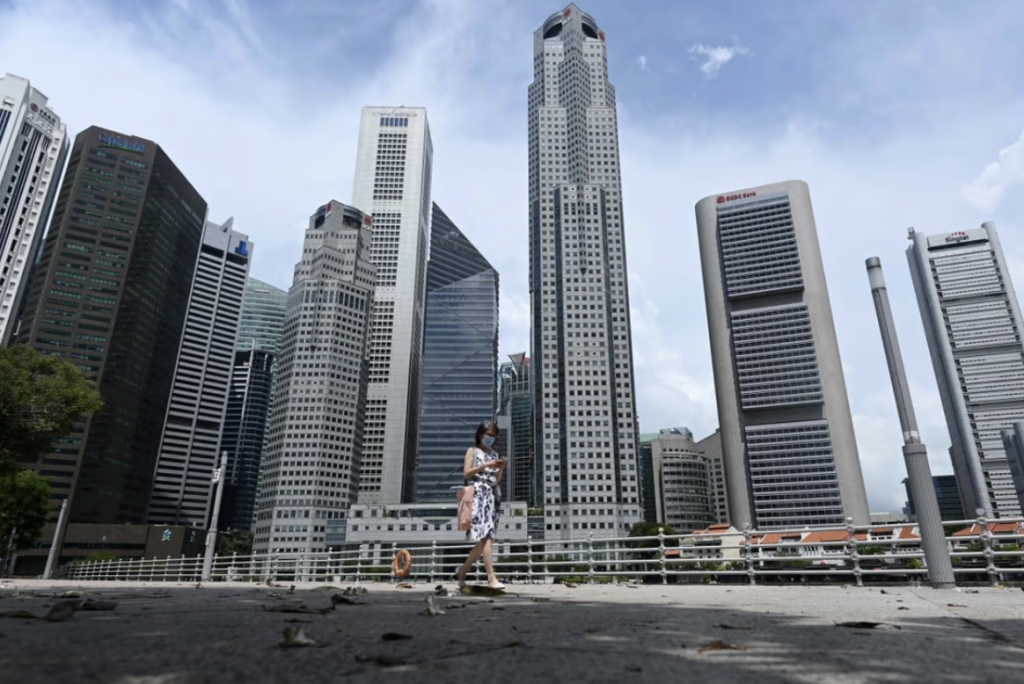
The number of women in top positions in Singapore's business world continues to increase. According to an annual study by the Council for Board Diversity, 36 percent of appointments to the boards of the 100 largest Singapore-listed companies were women in 2022, a record high and an increase from 23 percent in 2021. The influx of women follows new rules requiring Singapore-listed companies to say more about their board diversity policies. According to the CBD report, 21.5 percent of director roles were held by women at the end of 2022, up from 18.9 percent at the end of 2021. The report notes that Singapore's female "talent pool" is growing. Among all directors appointed to the top 100 companies for the first time, women account for 45 percent, up from 25-30 percent previously. Very relevant and significant numbers, but wide room for improvement nevertheless remains. More than 90% of Singapore's boards are chaired by men. In addition, only 7% of the top 100 companies have gender-balanced boards, defined as having 40-60% men or women. The influx of women on boards shows that Singapore is moving in the right direction, Mak Yuen Teen, a professor of corporate governance at the National University of Singapore, told the South China Morning Post. But the fact that there are still relatively few leadership positions for women on boards "suggests that relatively less experienced female candidates are being appointed to boards at the moment." But certainly the path Singapore and its business community is taking to ensure greater representation for women is the right one.

ASEAN outlines its future

Internal working meetings have begun within the bloc to develop a document containing the post-2025 vision. Already key principles are emerging

Southeast Asia is looking to the future and is doing so by setting a few key principles at the top of its agenda. First: action orientation. Second: sustainability. Third: enterprise, boldness and innovation. Fourth: adaptability and proactivity. Fifth: adaptability and resilience. Sixth: inclusiveness, participation and collaboration. These are the six primary goals on which ASEAN is intent on building and guidelines for building its future. Yes, because as Netty Muharni, an official of Indonesia's Coordinating Ministry for Economic Affairs, explained in recent days, the development of the ASEAN Vision post-2025 was the main theme of the meeting of the ASEAN Economic Community Vision Working Group, which was first chaired by the Indonesian government on March 2 in Belitung. The six core elements are expected to be agreed upon by the leaders of member countries of the Southeast Asian bloc at the 42nd ASEAN Summit to be held next May in Indonesia itself, which holds the 2023 chairmanship. However, to anticipate and support future economic integration, several new features including health, global megatrends, creative economy, sustainability, digitization and cooperation with partners outside the bloc will also be included in the joint development document. In a way that often deals with continuous emergencies, ASEAN is trying to look further and develop its post-2025 vision to set a new and clear agenda for better economic integration and to adapt to the technological advances, geopolitical shifts and economic transformations that are changing the current global landscape. As always, it will do so through internal coordination and consultation mechanisms of not only political, but also economic and social actors. A crucial factor for the region whose diplomatic, commercial, productive and technological relevance is steadily increasing. A trend that will only accelerate with a clear vision on the direction taken.

Thailand heading for elections

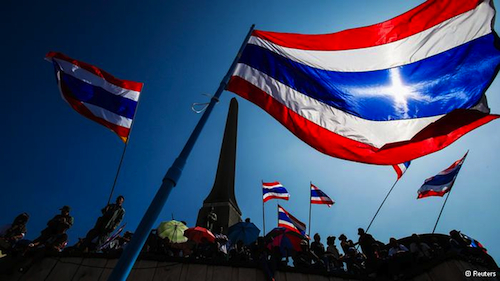
By May Thailand will go to general elections, the second since the 2014 coup. Former General Prayut seeks a third term, but he has split from the main party linked to the military and will have to contend with old allies and the third member of the Shinawatra family, as well as the young heirs of the 2020 protests

By Francesco Mattogno

There is a date that everyone in Thailand is waiting for a bit, but on balance it is just a formality: the day Prime Minister Prayut Chan-o-cha dissolves parliament. From that point on, the election campaign will officially begin and a general election will be held within 45 days. This is a formality for two reasons. The first is that campaigning has already begun, as evidenced by the rallies around the country by the premier candidates. The second is that the natural end of the legislature is scheduled for next March 23.

Whether Prayut dissolves the chambers early or not, Thais will still be called to the polls by May. Behind the possibility of speeding up the process is a mere political calculation by the prime minister. According to the constitution, enacted by the military junta in 2017, in the event of an early dissolution of parliament, parties will be able to nominate for election even members with only 30 days of militancy, instead of the minimum 90 days that would normally be required. A very useful clause just for Prayut, who would then have more time to recruit new members in the party he himself joined in January, the Ruam Thai Sang Chart (or United Thai Nation, UTN).

Prayut's last few months have been eventful. The former army general, leader of the 2014 coup, has ruled (almost) continuously for 9 years. First as premier of the military junta until the 2019 elections, and then as prime minister elected by the military's Palang Pracharat Party (PPRP). The only time away from power was during his suspension from August 24 to September 30, 2022. That is, the days when the Thai Constitutional Court had to decide whether or not the former general had violated limit of 8 consecutive years in office for a prime minister. The limit is provided for in a provision of the 2017 constitution, but the court ruled it was not retroactive, giving Prayut the chance to remain premier theoretically until 2025.

In fact, with elections scheduled for 2023, if Prayut wins, he can serve as head of government for at most half of a natural four-year term. That is why the PPRP was ready to dump him and run Prawit Wongsuwan in his place: party leader, deputy prime minister, and one of the generals behind the 2014 coup. It was Prawit who served as interim prime minister during Prayut's suspension, and the once close relations between the two appear to have soured.

Unwilling to give up the appointment, Prayut joined the UTN, another pro-military party, becoming its premier candidate and taking several PPRP MPs with him. In the elections he will face Prawit himself, who, at 77, is meanwhile trying to clean up his image as a gray and violent general by wearing designer clothes, dispensing smiles and showing off on social media. In a Facebook post, he said he understood the importance of living in a democratic system, distancing himself from the coup to which he contributed. There are those, however, who believe that the rift between the two generals - incidentally denied by those directly involved - is a bluff, and that a post-election coalition between their respective parties is very likely.

Although they are apparently divided, the fact that the military may join forces is linked to a structural advantage. Since 2017, Thailand's parliament has consisted of a lower house of 500 members, elected by the people, and a 250-member senate appointed by the military. The prime minister is chosen by a majority vote of the MPs, including the 250 pro-military and pro-monarchist senators, from among those proposed by the parties (each party can nominate 3). Realistically, the opposition would thus need 376 seats of the chamber's 500 to elect one of its own to head the government.

However, the Senate's participation in the election of the premier is temporary. The rule will expire in May 2024, and these should be the last elections in which it will be applied. In the meantime, the road for the opposition parties seems to be able to be only one: overdo it. Those who stand the best chance of doing so are the Pheu Thai Party of the Shinawatra family. The party's candidate is Paetongtarn Shinawatra, daughter of billionaire businessman Thaksin and niece of Yingluck, who were elected prime ministers with avalanches of votes in 2001 and 2011, respectively. Both her father and aunt were later removed by coups (in 2006 and 2014) on a series of charges against them. They have been living in exile ever since.

For many, behind the indictments were the monarch-military establishment's fears of the popularity of the two populist premiers. Paetongtarn, who is 36 years old and 7 months pregnant, now promises an end to poverty and a new era of social equality, talking about doubling the minimum wage and expanding health care. Polls put her firmly in the lead, especially in the northeast of the country (her family's stronghold), but Prayut and the UTN seem to be catching up.

Despite "sympathy operations," Prawit, on the other hand, appears far behind. Equally in crisis is the historic Democratic Party, Thailand's oldest party (monarchist-conservative), whose leadership ahead of the elections is still unclear. The Democrats are part of the governing coalition along with the PPRP and the Bhumjaithai (BJT), which is, however, in the opposite position from its two allies. Led by the current health minister and deputy prime minister, Anutin Charnvirakul, the BJT's popularity is growing. It has picked up dozens of MPs from other parties in recent months, and is expected to become a surprise in the elections due to the support it enjoys in northern Thailand.

Then there is the Move Forward Party, whose support base is not regional but generational. The de facto heir of Future Forward-a party dissolved in 2020 by a Constitutional Court ruling and later transformed into the extra-parliamentary Progressive Movement-Move Forward brings together much of the youth belonging to the democratic movements of the 2020 protests. Its leader, Pita Limjaroenrat (42), says he is ready to work with Pheu Thai in an eventual coalition government that would oust pro-military parties from power. The goal would then be to write a new constitution and hold a referendum to approve it within center days. It is hard to know if that is also what Pheu Thai, which so far has never officially denied the possibility of allying instead with Prawit's PPRP at closed polls, wants. A rumor that has taken hold in recent weeks.

In 2019, Pheu Thai's paper victory (with Future Forward's third-place finish) had been overturned by the parliamentary mechanisms for appointing the prime minister. Between party and candidate disqualifications, according to Asian Network for Free Elections, "all stages of the [2019] election process were influenced to ensure a result that was not too harsh for the ruling establishment." One wonders how much things may change in 2023.

The new electoral system, approved in 2021, increased the number of seats to be allocated by the majority method (from 350 to 400), leaving only 100 for proportional. A condition that disadvantages small parties in the vote redistribution phase. The Election Commission, in addition to announcing an "anti-disinformation" collaboration with TikTok, has decided that it will not publish the vote count in real time. Thus the first official results will come on election night. "It is a method prone to being rigged," said a former election commissioner. That is also why 100,000 volunteers are expected to be mobilized on Election Day to register votes independently.

Meanwhile, regular parliamentary sessions are suspended. In the last House debate, the opposition accused Prayut of leaving Thailand in a "pitiful state" because of his poor management of the economy (which grew by only 2.6 percent in 2022). The prime minister was then accused of corruption, cronyism, and using the lese majesty law and anti-Covid measures to suppress the 2020-21 democratic protests. Also weighing on him are the skids in the country's international deployment, which is ambiguous in its ties to the military junta government in Myanmar and on its condemnation of Russia's war in Ukraine, as well as growing closer to China.

Considerations from which Prayut defended himself by mentioning all the good things his administration would do, pledging to cite data and percentages on infrastructure projects, Covid contagions, welfare. "I must ensure continuity, I will reshape the country for the better within two years," he had declared in January. Even this, beyond the formalities, means he is already on the campaign trail.

The ASEAN response to climate change: artificial intelligence

Some South-East Asian countries are starting to use artificial intelligence services in order to act faster and reduce the impact of floods and inundation

Thailand and Vietnam, like other South-East Asian states, are countries that, due to their geographical location and climate, frequently experience flooding. These floods can be 'deadly' to varying degrees, causing widespread damage to infrastructure, and mainly resulting in loss of life. According to the World Meteorological Organisation, climate- and water-related hazards caused USD 35.6 billion worth of damage in Asia in 2021. The annual WorldRiskIndex identified the Philippines as the country most vulnerable to disasters in 2021, and many other Asian countries were also classified as very high risk. One way these countries are working to mitigate the impact of floods is through the use of artificial intelligence (AI) services for weather warnings. Two companies at the forefront in this area are Weathernews and Spectee.

Weathernews is a Japanese company that specialises in weather forecasting and provides services to customers around the world. This service uses artificial intelligence algorithms to provide highly accurate weather forecasts. The service is designed to help companies and governments make better decisions based on weather forecasts, for example by issuing early weather warnings for flood-prone areas. Weathernews uses several sources to collect data for its weather forecasting services, including public weather services, its own proprietary network of more than 13,000 observation points, and reports from individuals. The company also collects observation data from ships and aircraft. 

The goal of Weathernews president Chihito Kusabiraki is to increase revenues from foreign countries by a further 30 per cent from 40 per cent to 70 per cent of the total. At present, most of Weathernews' international customers are logistics service providers, such as airline operators and shipping companies. In South East Asia, Weathernews plans to launch its artificial intelligence-based forecasting service by March 2023 in Thailand and by June 2023 in Vietnam. With this new service, the company aims to expand its customer base. The company's goal is to increase total revenue in Thailand and Vietnam to ¥3 billion (US$22.6 million) per year. 

Another company that is using artificial intelligence to provide weather warnings to flood-prone areas is Spectee, a Japanese company that specialises in providing news and information about natural disasters, including floods, through the use of artificial intelligence algorithms that can quickly identify images, videos and information about floods, shared on social media. This information is then used to create alerts that can be sent to authorities and emergency responders in affected areas. The company announced that once a partner is found, it will set up a local unit in the Philippines that will keep track of information, photos and videos on social media to map natural disasters in the country. 

The advantage of using artificial intelligence services for weather warnings in flood-prone areas such as Thailand and Vietnam is that they can provide real-time information that can help authorities act quickly. However, using artificial intelligence services for weather warnings also presents potential problems. One of these is that many people may not have access to the technology needed to receive weather warnings. For example, people living in remote areas may not have access to smartphone networks. This could make Spectee's system inefficient. Another concern is that companies and government agencies in emerging Asian economies may find it difficult to afford products designed for customers with greater economic hardship. 

Despite these concerns, it is clear that artificial intelligence services for weather warnings have the potential to be a powerful tool for mitigating the impact of floods. By providing real-time information on weather patterns and flooding, these services can help authorities to act quickly and reduce the impact of flooding on local communities. As these services continue to develop and become more advanced, it is likely that they will play an increasingly important role in disaster response efforts not only in South-East Asia, but worldwide.

Asia’s Third Way

How ASEAN Survives—and Thrives—Amid Great-Power Competition

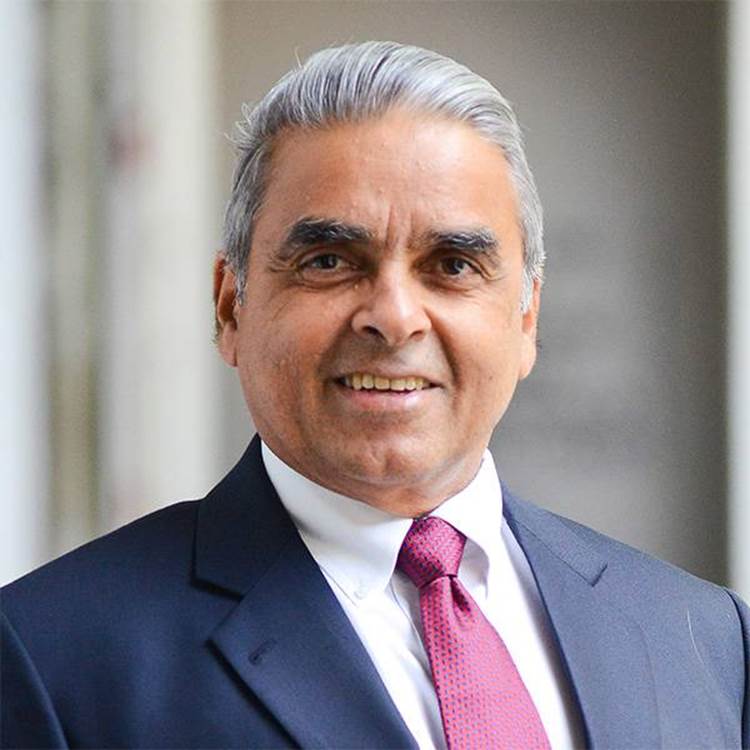
We offer below an excerpt from the latest essay by Kishore Mahbubani, published by Foreign Affairs

The defining geopolitical contest of our time is between China and the United States. And as tensions rise over trade and Taiwan, among other things, concern is understandably mounting in many capitals about a future defined by great-power competition. But one region is already charting a peaceful and prosperous path through this bipolar era. Situated at the geographical center of the U.S.-Chinese struggle for influence, Southeast Asia has not only managed to maintain good relations with Beijing and Washington, walking a diplomatic tightrope to preserve the trust and confidence of both capitals; it has also enabled China and the United States to contribute significantly to its growth and development. This is no small feat. Three decades ago, many analysts believed that Asia was destined for conflict. As the political scientist Aaron Friedberg wrote in 1993, Asia seemed far more likely than Europe to be “the cockpit of great-power conflict.” In the long run, he predicted, “Europe’s past could be Asia’s future.” But although suspicion and rivalry endured—particularly between China and Japan and between China and India—Asia is now in its fifth decade of relative peace, while Europe is once again at war. (Asia’s last major conflict, the Sino-Vietnamese war, ended in 1979.) Southeast Asia has endured a measure of internal strife—in Myanmar especially—but on the whole, the region has remained remarkably peaceful, avoiding interstate conflict despite significant ethnic and religious diversity. Southeast Asia has also prospered. As the living standards of Americans and Europeans have languished over the last two decades, Southeast Asians have achieved dramatic economic and social development gains. From 2010 to 2020, the Association of Southeast Asian Nations (ASEAN), made up of ten countries with a combined GDP of $3 trillion in 2020, contributed more to global economic growth than the European Union, whose members had a combined GDP of $15 trillion. This exceptional period of growth and harmony in Asia is not a historical accident. It is largely due to ASEAN, which despite its many flaws as a political and economic union has helped forge a cooperative regional order built on a culture of pragmatism and accommodation. That order has bridged deep political divides in the region and kept most Southeast Asian countries focused on economic growth and development. ASEAN’s greatest strength, paradoxically, is its relative weakness and heterogeneity, which ensures that no power sees it as threatening.
Keep reading on Foreign Affairs

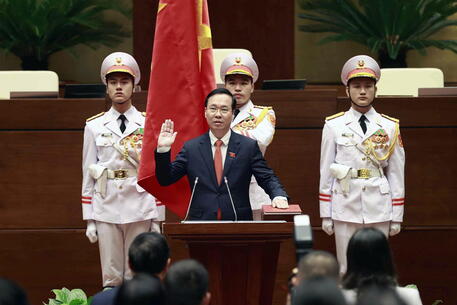
Vo Van Thuong, who is Vietnam's new President

Close to Secretary Trong and the youngest member of the Politburo, his political parable is part of the broader political reshuffle of recent times

"I am flesh and blood with my people / the same sweat, the same drop of boiling blood." It is by quoting the most famous Vietnamese poet of the 20th century that Vo Van Thuong officially took office as president of the Socialist Republic of Vietnam on March 2, 2023. After the unexpected resignation of Nguyen Xuan Phuc (the first in the history of the Socialist Republic) last Jan. 17, the political elite seems ready to leave behind a period of scandals and arrests.

Before Phuc, also in January, the two deputy ministers Pham Binh Minh and Vu Duc Dam also handed in their resignations. Throughout the course of 2022, the Vietnamese Communist Party's (VPC) anti-corruption campaign was intertwined with the scandal of bribes for reparations during the pandemic and that of the scam around testing for Covid-19. Signaling the need to clean up the image of the political leadership also falls under the timeliness of electing a new president without waiting for the National Assembly in May. The new president is named Vo Van Thuong and his election was approved by a vote of 98.8 percent.

Who is Vo Van Thuong

Vo Van Thuong is a native of the southern province of Vinh Long. He was born in 1970 and is the youngest member of the current Politburo. It is no coincidence that the CPV and the National Assembly chose a South Vietnamese to serve as president. Traditionally, the "four pillars" of Vietnamese politics-that is, the PCV general secretary, head of state, prime minister, and chairman of the National Assembly-equally represent the country's two poles. As of 2021, however, no Vietnamese had yet assumed one of the four main offices. In Thuong's case, however, it is important to remember that his family had moved to North Vietnam and remained there until the end of the war.

Unlike his predecessor, who majored in economics, Thuong majored in Marxist-Leninist philosophy at Ho Chi Minh University. But like Phuc, he soon climbed the Party ranks after years of active militancy in the world of youth associationism revolving around the CPV. He joined the Party in 1993, at age 23, and was elected to the Politburo during the 12th Congress in 2016. Analysts identify him as a loyalist of current Secretary Nguyen Phu Trong, who entrusted him with the PVC Executive Secretariat at the 13th Congress. With this track record Thuong had long been considered one of Trong's possible heirs, and today he is confirmed as a reassuring choice in troubled times. Not only that, the Vietnamese economy is experiencing one of the most prosperous periods in recent years, and confidence is no longer just a matter of domestic politics.

What Thuong's election means for the Vietnamese economy

Today, Vietnam is one of the most promising countries economically: GDP growth exceeded 8 percent during 2022, and the International Monetary Fund (IMF) sees the continuation of this upward parabola with a balance +6.2 percent for 2023 (compared to the data from the National Institute of Statistics-quoted above-the IMF had estimated 2022 growth at +7 percent). Following Trong's reappointment to the Party leadership, moreover, what the leadership interprets as signs of stability to citizens and foreign investors seem to be consolidated.

Consistent with what appears to be a purely political course set in motion with the 13th Congress (2021), in his inaugural speech Thuong preferred to give space to fighting corruption and building "a clean [from corruption, ed.] and strong state apparatus." He went on to mention domestic development goals such as reaching middle income by 2030 and crowning the construction of a high-income socialist country by the centennial of the republic's founding, 2045.

Vietnam's bureaucratic moloch remains an obstacle to innovation but, analysts point out, recent upheavals even at the highest echelons of Hanoi's political elite could positively affect the country's economic attractiveness. As Le Hong Hiep, senior fellow at ISEAS - Yusof Ishak Institute, points out, the sudden handover in the past two years would be interpreted as an acceleration in the country's political transition. Trong's third (exceptional) term would, therefore, be instrumental in building a solid and reassuring lineage. Although the competence of the chosen officials is still to be tested.

A period of opportunity is opening up for Vietnam, supported by pushes from within and outside Hanoi: the shift of global value chains away from China, government incentives in high-tech development, and openness to investment in building a resilient energy apparatus. But the Party will need to balance investor enthusiasm with the country's structural problems, from infrastructure to bureaucracy. To do this, one man (or rather, four men) will not be enough to lead the nation. In the meantime, the presidency may just be an initial launching pad for Thuong, who-as a statement released by a Hanoi diplomat to the Reuters news agency claims-could then become Trong's successor to the Party leadership and thus move up to the top role in the political hierarchy.


Recently active members
Foto del profilo di Alessio
Foto del profilo di Monika
Foto del profilo di Gabriel
Foto del profilo di Elena
Foto del profilo di Lorenzo
Foto del profilo di Alessandro
Foto del profilo di Cristina
Foto del profilo di Rocco
Foto del profilo di Clara Lomonaco
Foto del profilo di Redazione
Foto del profilo di Davide Gugliuzza
Foto del profilo di Anna Affranio
Foto del profilo di Ilaria Canali
Foto del profilo di Nicolò
Foto del profilo di Angelo Cangero
Who is online
There are no users currently online
Members
  • Foto del profilo di Alessio
    Active 3 ore, 16 minuti fa
  • Foto del profilo di Monika
    Active 3 giorni, 16 ore fa
  • Foto del profilo di Gabriel
    Active 3 settimane, 4 giorni fa
  • Foto del profilo di Elena
    Active 1 anno, 4 mesi fa
  • Foto del profilo di Lorenzo
    Active 2 years, 6 mesi fa