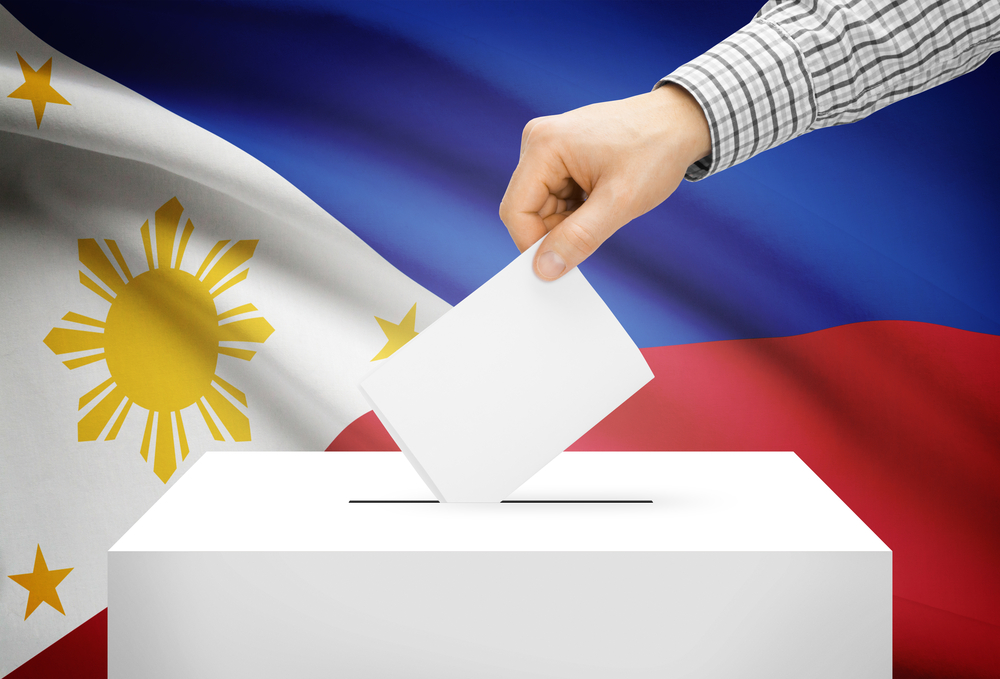
Elections in the Philippines: candidates, main challenges and context

On Monday 9 May, the Southeast Asian archipelago chooses its new president. Some information to read the electoral challenge and the challenges that await the incoming leadership.

Election day in the Philippines is just around the corner. On May 9, citizens vote for the presidential elections, as well as expressing their preference for the legislature and the executive both at the national and provincial levels. Whoever will be elected, there will be many challenges ahead: six years of Duterte's administration marked by the uncompromising fight against crime, the Covid-19 emergency, the slowdown in the economy and growing geopolitical instability in the Pacific. How these issues are dealt with today, what measures the new government takes, will be decisive for the future of its citizens and ASEAN. The outgoing president himself, Rodrigo Duterte, will not participate in the US-ASEAN summit on May 12-13 in Washington for "not to take positions that could be unacceptable to the new administration".

Challenges and opportunities 

The new president has only one mandate available to act towards the voters and pave the way to foster continuity of reforms. Among these, the immobility of the political class remains the major concerns for the health of Philippine democracy: any important career has roots in the network of acquaintances (up to nepotism and the existence of real political dynasties) and corruption. Hence a certain frustration and disillusionment with the political class, since the general perception is that those who have money and contacts already have great power over local and national politics. According to the 2021 Corruption Perception Index, 81% of Filipinos think corruption is a serious problem, while 19% of public officials are reported to have received bribes at least once a year.

Therefore, there is the disinformation problem, which is increasingly affecting the country. For instance, the family of former dictator Marcos and current candidate Ferdinand 'Bongbong' Marcos Jr., for example, have worked diligently to "clean up" their image. Today, social media offers a wide variety of propaganda content about Marcos Jr. or praises a glorious past through the anthems and symbols of the 1965 regime. Almost the entire population is exposed to the information on Facebook, YouTube and TikTok and most of these users are young people born in the years following the fall of the autocrat (1986). The same young people who, today, make up a third of the electorate.

Publicus Asia reports that 51% of the target audience consider the vaccination campaign and the post-Covid economic crisis to be the two main problems in the Philippines. According to the latest data on the pandemic, cases are stable, and vaccinations appear to be proceeding well (74.3% of the vaccinable population has received at least two doses). As for the economy, Asia Development Bank (ADB) estimates predict a positive growth trend of 6% for 2022, but the war in Ukraine and slowdowns along supply chains (mainly due to the Chinese lockdown) could change the cards on the table.

But the 2022 elections could also be decisive for the future of Philippine foreign policy. Located in an increasingly tense geographical context between China and the United States, the Philippines have long been torn between the advantages of the commercial partnership with Beijing and the assertiveness of its ships in the South China Sea. If Marcos Jr. wins the elections, many believe an alignment towards the People's Republic can be expected. From the point of view of the values ​​behind his electoral campaign, however, Leni Robredo would get greater support from the US in his fight for the survival of democratic institutions in Southeast Asia.

Who are the candidates?

There are five candidates in the presidential elections in the Philippines, but according to the polls the decisive head-to-head will be between Ferdinand 'Bongbong' Marcos Jr. and Maria Leonor "Leni" Gerona Robredo. The two find themselves once again rivals in front of the electorate, which had seen them run for the vice-presidency in 2016, when Robredo won with just 0.34% advantage against Marcos.

The first, as anticipated, is the son of the dictator who led the country for over twenty years (1965-1986) - eleven of which by imposing martial law. The specter of Marcos the father does not obscure the fame of the son: for many, on the contrary, the Marcos represent an institution. He could be favored by the north (the region of Ilocos Norte is historically considered the "fiefdom" of the former presidential family, and right there the political career of Marcos Jr. was consolidated), which in 2016 had preferred the coalition of opposition from Jejomar Binay. At the moment he appears to be the favorite in the polls. Her candidate for vice president is none other than Sara Duterte, daughter of the outgoing president who gave up the race for her father's place (despite the analysis and popular sentiment having put her in first place among the very favorites for the presidency).

Maria Leonor "Leni" Gerona Robredo, of the Liberals, made the defense of democracy and the fight against nepotism her weapons in the electoral campaign. A human rights advocate, she soon detached herself from President Duterte during his vice-presidency, aided by the bloody anti-drug campaign that has led to the deaths of over six thousand people since the beginning of her term. She is the second-favorite candidate in the polls, reaching around 24% and getting a decent recovery on Marcos Jr. She is having success with some of the electorate for her attitudes of "humility" in a country where access to politics is often obtained with money and knowledge: among these, having taken off high heels in public and using public transport to get around. Some recent analyzes also seem to see it as an advantage among investors, who are wary of Marcos Jr.'s ability to pursue effective economic and fiscal policies. If elected, she would be the country's third female president after Corazon Aquino and Gloria Macapagal Arroyo.

Other presidential candidates are Manila mayor and actor Isko Moreno, former boxing champion and senator Manny "PacMan" Pacquiao and former Philippine National Police executive Panfilo Lacson.

The elections and ASEAN

The election of a new head of state is always crucial in the context of regional relations. In the case of the Philippines, the problem becomes even more urgent in the face of a changing geopolitical landscape. An environment, that of today, which due to its complexity would require maximum cohesion within the ASEAN group. In one of the latest debates of the current election campaign, Leni Robredo stressed the need for Manila to lead the ASEAN dialogue on Chinese assertiveness in the common stretch of sea. For Robredo, the Code of Conduct for the South China Sea cannot be postponed any further. And the Philippines "must push the other member countries" to approve it in order to consolidate its position in the face of Chinese territorial claims. The Association is carefully observing what will happen in the Philippine ballot boxes also for its own internal balance, which is more fundamental than ever in such a delicate global moment between pandemic tail and war in Ukraine.

East Timor – a post-electoral overview with ASEAN on the horizon

Citizens of the youngest Asian democracy have chosen Ramos-Horta as their new leader. This is a return for the Nobel laureate who wants to join the Association of Southeast Asian Nations

East Timor has chosen its President: José Ramos-Horta, Nobel Peace Prize winner in 1996 and a key figure in the Indonesian resistance to occupation (1975-1999). Former president between 2007 and 2012, Ramos-Horta challenged the incumbent president Francisco “Lu Olo” Guterres to the second round of elections. It is the fifth election for one of the youngest democracies in Asia, and the first in the post-pandemic era. Therefore, the challenges that the new administration will have to face are not few, amidst the economic crisis and new political turbulence in the region.

Elections in East Timor: an overview

East Timor, also known as Timor Leste or Timor Lorosa-e, is the first Asian democracy to enter the 21st century. The Portuguese colonial rule lasted about 400 years until independence, declared in 1975. An independence lasted only few weeks, until 7th December of the same year. The emerging political leadership had gradually formed around the socialist independence forces. Enough to justify Indonesian President Suharto’s order to invade the country to fight Communism, which led to the violent oppression of the local population. In 1999, a referendum supervised by the United Nations confirmed the demand for autonomy by the citizens of East Timor. It was only in 2002 that official independence came, after almost three years of repercussions by the occupation forces.

The twentieth anniversary of independence - May 20, 2022 - will be the day of the beginning of the new presidency. The election of Ramos-Horta confirms the prevalence of key figures of the Resistance in the political landscape of East Timor. An interesting outcome in country where only about 33% of the population is over 30 years old. In fact, most of the 1.3 million citizens have only a limited experience of the violence of the occupation years. Much more familiar to many East Timorese is a stagnant economy and a challenging labor market. Living conditions have slowly improved over the last decade, but 42% of the population still lives in a state of poverty. The economic system is exposed to external shocks as it rests on a few vital sectors. Outside of international aid, most of the revenue depends on gas and oil, which make up 90% of total exports (and involve Italian companies such as Eni). Coffee is also a commodity that brings wealth to the country, but not enough to stabilize a labor market largely linked to the informal economy.

The future of East Timor and ASEAN

At the dawn of the election as the new president of East Timor, José Ramos-Horta referred to the goal of East Timor's entry into the Association of Southeast Asian Nations (ASEAN) by 2023. A promise made for the first time over ten years ago during the first mandate, when Dili's candidacy for joining the group was officially submitted. Next year, the current presidency will pass to Indonesia and, as the newly elected president says, joining ASEAN on this occasion "would be a highly symbolic gesture". East Timor’s entry into the bloc has been postponed several times because some member countries consider its economy still "too underdeveloped".

The ASEAN countries that have most intertwined relations with Dili are Cambodia and the Philippines. Manila is often associated with East Timor as the "big sister" among the (few) realities of the Catholic faith in Asia. The Philippine armed forces have also been involved in East Timorese affairs since the transition to an independent republic and contribute to the training of the army, along with Portugal, Brazil and - to a small extent - the United States. Phnom Penh has a partial influence on East Timorese foreign policy: in recent years Dili has sought the favors of Cambodia in view of the ASEAN presidency in 2022, but also the common bond with China has often favored the alignment of the two countries in different international issues (most recently, Phnom Penh pushed for Dili's abstention from the UN vote to condemn the coup in Myanmar).

The relationship with China is one of the keys to understanding the importance of Dili on the Asian chessboard. Like other small economies in the region, investments from Beijing represent a key growth opportunity. Opportunity that part of the ASEAN bloc itself would favor in order not to bear the costs of East Timor's development. However, the situation is much more complex due to the PRC increasingly approach towards small and poor-stricken countries in the area. A signal, according to analysts, that may trigger a security dilemma in the region. China was the first country to initiate diplomatic relations with the country in 2002 and has since contributed largely to the investments needed for economic recovery. Much infrastructure in East Timor is the work of Chinese companies (including government buildings and some military structures). And the opportunities did not end with the reconstruction: the entire port system must be strengthened to open the country to international trade, while there are still many oil and gas basins that have not yet been discovered and exploited. Finally, an increasingly determining factor in East Timor's fate will be climate change. The country is subject to extreme climatic phenomena which are intensifying over the years. The government alone does not have the resources to prevent and repair the damage that floods, earthquakes and landslides cause to the economy and society. Three quarters of the population depend on subsistence agriculture: this will therefore mean greater vulnerability to the limits of survival. And, therefore, growing risks in terms of economic and political independence.

Italia e Cambogia, una relazione con tante opportunità

La Cambogia sembra confermarsi un terreno fertile per nuove opportunità, mostrandosi molto aperta all’innovazione in molti settori. Un webinar tenutosi il 7 aprile ha fornito una panoramica generale per aiutare le imprese italiane a comprendere meglio gli sviluppi chiave dell’ambiente di investimento cambogiano e a capitalizzare le opportunità emergenti nel Paese.  

Il 7 aprile scorso l’Italian Cambodian Business Association in Cambogia (ICBA), con il supporto della Camera di Commercio Europea in Cambogia (Eurocham) e dell’Associazione Italia-ASEAN, ha organizzato un webinar per presentare le opportunità di collaborazione commerciale tra Italia e Cambogia. Come ha spiegato Sok Chenda Sophea, Ministro legato al Primo Ministro e Segretario Generale del Consiglio per lo Sviluppo della Cambogia, il Regno del Sud-Est asiatico è una delle economie in più rapida crescita al mondo, nel 2018 il tasso di crescita  si è attestato intorno al 7 per cento del PIL; trainata dall’aumento delle esportazioni e dai maggiori consumi interni. Nonostante le chiusure e le restrizioni di viaggio per il contenimento della pandemia, la rapida crescita della Cambogia è in gran parte destinata a persistere.

Subito dopo la guerra civile negli anni Settanta, il Paese ha avuto bisogno del supporto del settore privato, il sostegno del sistema internazionale e di donatori bilaterali per la sua ricostruzione, e, negli anni, è riuscito a creare un ambiente commerciale che punta su crescita inclusiva e sostenibile.

Tra le altre misure, la nuova legge sugli investimenti promulgata il 15 ottobre 2021 rappresenta un altro tassello per rendere l’ambiente di investimento in Cambogia più incentivante e conforme alle esigenze degli investitori. Nel Paese, gli investitori stranieri ricevono gli stessi diritti degli investitori nazionali, ad eccezione della proprietà del terreno; in proposito le normative stabiliscono che la partecipazione maggioritaria, pari ad almeno il 51 per cento, debba essere riservata a cittadini di nazionalità cambogiana e/o allo stesso Governo. Inoltre, gli investimenti sono aperti in tutti i settori e  non ci sono restrizioni sul rimpatrio di capitali.

Nel suo intervento al webinar, Lorenzo Galanti, Ambasciatore d’Italia in Thailandia, Cambogia e Laos, ha sottolineato come l’Italia stia prestando sempre più attenzione all’ASEAN e di conseguenza anche a Phnom Penh. A testimoniare l’impegno italiano, la donazione di oltre un milione di dosi di vaccini Astrazeneca e, a proposito della gestione della pandemia, Galanti ha rilevato come il Regno sia riuscito a contenere con efficacia la diffusione del virus e come ad oggi registri uno dei più alti tassi di vaccinazioni con una quota che raggiunge il 92 per cento della popolazione. 

Alla luce delle attuali tensioni internazionali, l’Ambasciatore ha voluto esprimere il pieno appoggio alla presidenza cambogiana dell’ASEAN nel 2022 e alla nomina di S.E. Prak Sokhonn, Vice Primo Ministro e Ministro degli Affari Esteri e della Cooperazione Internazionale della Cambogia, in qualità di inviato speciale dell’ASEAN in Myanmar.

La partnership Italia-Cambogia è un importante strumento per aumentare le capacità istituzionali dell’ASEAN e  ha un grande potenziale economico sia in termini di commercio che investimenti. Il commercio tra i due Paesi si è ripreso nel 2021 raggiungendo 416 milioni di euro, facendo segnare un +12 per cento rispetto all’anno precedente. L’Ambasciatore ha inoltre posto l’accento sul grande valore che le imprese italiane possono offrire alla crescita sostenibile in Cambogia, grazie alla loro solida esperienza e know how in molti campi come quelli di infrastrutture ed energia.

In conclusione del suo intervento,  ha invitato le autorità cambogiane a mostrare il loro supporto per la candidatura di Roma al World Expo nel 2030 dove il tema principale sarà un nuovo modello di città più inclusivo, interconnesso e  sostenibile sulla scia della trasformazione digitale.

In aggiunta, il Vicepresidente dell’Associazione Italia-ASEAN Romeo Orlandi ha affermato come il percorso di apertura verso il libero commercio rappresenti uno strumento fondamentale per la crescita della Cambogia e di altri Paesi del Sud-Est asiatico. Phnom Penh può essere presa come uno degli esempi più recenti in cui un Paese asiatico, globalizzandosi, ha acquisito  un ruolo crescente nelle catene di approvvigionamento. Il Regno ha la possibilità di attrarre investimenti grazie alla stabilità politica, network di infrastrutture in rapida crescita, un mercato interno in costante crescita e grandi incentivi per gli investimenti, come la possibilità di rimpatriare i profitti.

Orlandi ha infine ribadito che altrettanto importante è sostenere lo sviluppo di valori condivisi tra i due Paesi per approfondire la cooperazione bilaterale. L’Associazione Italia-ASEAN esercita da sempre un forte impegno nell’avvicinare le realtà dei 10 Paesi dell’ASEAN all’Italia, mettendo in luce le opportunità di cooperazione e di crescita, organizzando eventi per riunire le rispettive comunità business e di decision maker.

The challenges that Widodo still has to win

Infrastructure, manufacturing industries and human capital are the three guidelines that engage the Indonesian President in the second part of his last term.

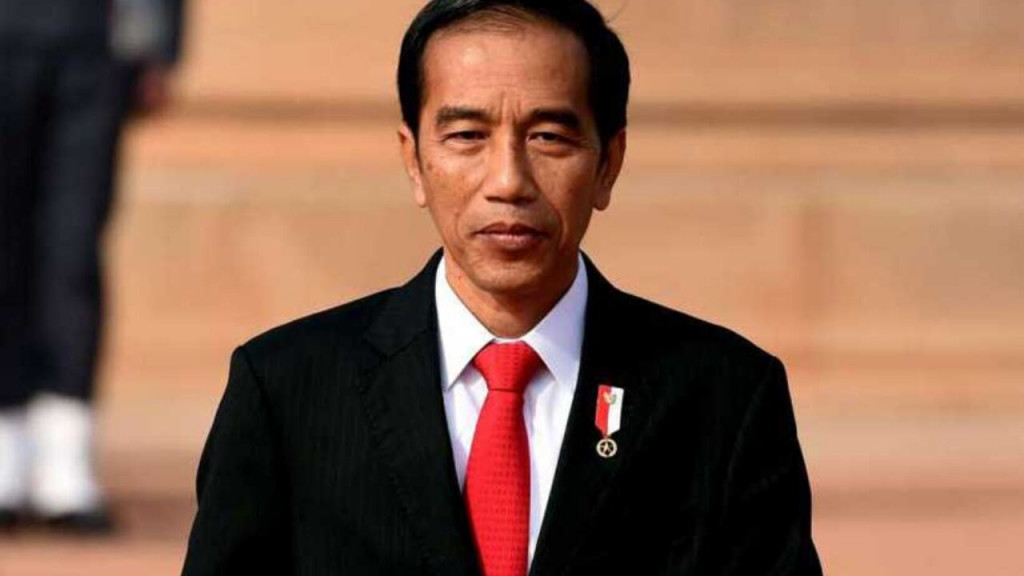
At the height of his second and last term, Indonesian President Joko Widodo has a dense list of projects to be completed by 2024, when he will have to leave the leadership of the government. Known by Indonesians as "Jokowi", the President presents himself as a man of the people: he does not spare himself the visits to distant villages and even to the slums. "I have to meet people to know what they want," he told Nikkei Asia. This may be why its approval rating is almost always above 70%, as revealed by Indikator Politik Indonesia.

However, Widodo's undisputed ability to please Indonesians is increasingly being tested in the attempt to chase economic growth. While on the one hand he must secure the favor of his people, on the other he needs to attract investors and businesses. Indonesia is in urgent need of investment: its economy must expand every year in order to absorb an annual influx of more than two million new workers, while stagnant growth feeds the risk of social instability. 

During Widodo's mandates, GDP only grew by about 5%, when the President had promised at least 7%. To stimulate growth, Jokowi has decided to focus on three key policies, which will be the pillars of his government until the end of the second term: infrastructure, manufacturing industries and human capital. Working on these three aspects, Widodo is sure that "Indonesia's GDP in 2030 will be triple what it is now".

The construction of infrastructure such as roads, ports, airports and bridges was the hallmark of Widodo's presidency. In his first six years in office, 6,240 km of roads, 15 new airports and 124 new seaports were built. All projects that pale in front of Nusantara, the new capital that will replace Jakarta. A 30 billion dollar project to be built on the island of Borneo. According to the president, it is a necessary move to stimulate economic growth outside the populous island of Java, which today represents 60% of the country's GDP.

Another priority of the president is industrial reallocation. In particular, moving from processing to production, rather than focusing only on the extraction of raw materials. This policy was accompanied by a law prohibiting the export of unprocessed minerals, to incentivize foreign companies to move the processing of materials and the production of goods to Indonesia. Furthermore, starting from 2020, the export of nickel - essential for electronic devices - has been banned. Widodo, during his mandates, has insisted a lot on the importance of the export ban to generate new and better jobs, thus also focusing on the formation of human capital.

But the latter seems to be the weak point of Jokowi's presidency, which according to his critics would have been very unambitious in the development of human capital. Of course, some measures have been put in place, such as the undergraduate program for earning credits by doing internships at companies. Or the aid program to help low-income families pay their school fees. 

According to Indonesian political scientists, the main problem for Widodo is a classic of Indonesian politics: the lack of political continuity between different presidents, whose belonging to different parties and different ideologies might jeopardize the continuity of government policies. A risk that Jokowi will have to take, since some of his projects could be canceled when his successor takes control of the country in 2024.

India - ASEAN cooperation: Regional Implications

The possibilities for cooperation between New Delhi and Southeast Asian countries are numerous. So is the potential for deepening the relationship.

By Aishwarya Nautiyal

With the emergence of Indian economic development and influence, one of the major focus of the policy makers has been on “Look East Policy” in which ASEAN has become a primary collaborative organization for implementing India’s trade, security and economic interests. One of the major agreements was the “Free Trade Agreement” which was signed by India and ASEAN in 2009, in Bali Indonesia. Changing global dynamics and the growing importance of the Indo-Pacific region brings this partnership as a core central focus point for stability and building sustainable coordination in a globalized world. A group of ten nations with variation in economic growth and abundance of resources have paved a way with 90% of tariff liberalization making it one of the largest FTAs in the world inclusive of some privileged products like palm oil, tea, coffee.

With India’s forecast of exporting 46$ billion in Financial Year 22 which is among the largest trading regions in meeting its target of 400$ billion globally. The main cooperation comes from the field of engineering where ASEAN holds 15% of share in Indian engineering exports which was recorded at 35.3$ billion in 2021 and with a new fiscal target of 105$billion in 2022. In the global scenario this cooperation is becoming an important value supply chain focused upon mutual partnership and export markets. ASEAN itself is positioned with the third largest exporting partner to India and fifth biggest trade partner. While looking at the rising interaction between two partners some alarm bells have been raised among Indian policy makers where it has been seen as tariff reduction is bringing larger participation of ASEAN in Indian markets compared to India’s participation in competitive markets of ASEAN economies. This is due to some of the major countries like Singapore, Malaysia & Indonesia being export driven economies with competitive advantage with higher export GDP ratio.

Kerala is one of the major exporters including domestic exports of plantation products. Rubber, coffee, fish being the largest source of income whereas lower productivity due to rising imports at competitive pricing is affecting its farming industry. One of the major hindrances can be seen with cheaper import of fish, rubber & palm oil from Malaysia & Indonesia which has already impacted local production and decline in its demand. Rising competition with the ASEAN imports has brought up certain challenges to the governance where they find it a mammoth task to keep the balance between local cultivation and trade liberalization. Another major challenge lies towards variation in ASEAN economic and political stability. Myanmar, which has seen a prolonged political turmoil and its borders with India have brought up new challenges concerning an alarm in New Delhi’s vision in South East Asia.

Another challenge that this cooperation has faced is the boycott of Malaysian palm oil export to India by traders which brought a huge concern among the member nations. Malaysia was seen by Indian policymakers with deliberate interference to its domestic affairs when the government of India revoked Kashmir’s special status in 2019. During this period Malaysian Prime Minister’s Mahathir Mohamad statement opposing the revocation brought a new rift due to which India imposed restrictions on palm oil imports from Malaysia. These political dynamics and certain flare up issues highlights one important aspect to be focused upon where large diplomatic coordination to implement major confidence building measures. Nevertheless, challenges and strategic interests have emerged and negotiations with multilateral dialogues are making sure new setups are placed to deal with such issues. Increasing importance of ASEAN and Indian Ocean brings up new avenues where disputes in the Pacific can be seen as a new focal point of enhancing strategic partnership and rectifying security dynamics.

The Malacca dilemma is one of the core aspects in which the Andaman & Nicobar islands (India) is placed strategically near the major trading route of Strait of Malacca sharing its geographic location with the key economies such as Thailand, Malaysia, Singapore and Indonesia, this makes India having maritime boundary with neighboring ASEAN countries. In recent years mutual cooperation has emerged in various fields of defense sectors including military exercises, defense technological development, arms trade and mutual infrastructure development. Malacca strait being one of the important trading routes which is located under supervision of regional states where mutual collaborations are promoted to ensure free navigation of international trading in accordance with international laws, also to promote and explore new business avenues in changing and challenging geopolitical scenarios. On the other hand India’s defense cooperation with Vietnam and first sale of supersonic Brahmos missiles to Philippines with participation of Tejas fighter jets for Malaysian Air Force is looked upon building trust in various dynamics of strategic and security cooperation sharing mutual concerns over regional disputes.

Strengthening multi-faceted relationship from political and security cooperation to social, cultural and lingual participation includes India’s new vision of “Act East Forum” for its north eastern states and its infrastructure development with the help of Japanese investments targeting its connectivity to neighboring ASEAN countries. Sittwe port in Rakhine province of Myanmar which has been developed aiming at infrastructure and transportation development and access to Bay of Bengal for landlocked North Eastern state of India of Mizoram and further inland. Another trilateral highway project connecting Moreh (India) via Mandalay (Myanmar) to Mae Sot (Thailand) is an example of India- ASEAN connectivity project with future plans to expand it to Laos, Cambodia and Vietnam. These projects have shown some interesting development from the Bangladesh government seeking an opportunity in India-ASEAN infrastructure development connecting Dhaka to boost connectivity, whereas it can also provide access to landlocked countries like Nepal and Bhutan to ASEAN members via North East India. Recognizing potential for mutual development can deepen and strengthen new avenues for the region, ensuring strong historical cultural linkage between regional partners and their rich mutual shared history.

Energy transition pushes Indonesian nickel

Nickel is one of Indonesia's leading products. Giacarta has promoted a "resource nationalism" policy to retain the wealth of mining in the country and boost internal growth. Chinese investors dominate the market, but Jakarta has to deal with the social and environmental costs related to the industry if it aims at creating a sustainable economy.

At the beginning of March, the price of nickel saw a 90% increase on the London Metal Exchange, reaching $ 100,000 per metric ton. As the extreme volatility of this metal does not affect consumers directly, unlike the appreciation of other commodities such as oil, it is a phenomenon to watch out for - especially for investors interested in Southeast Asian emerging markets.

Nickel is one of the most volatile metals, since its extraction and processing methods are not as standardized as that of other minerals. The production technologies are diverse, as it is also traded in the form of by-products such as iron nickel or pig iron - metals less refined than class 1 (99.8% pure) traded on the London Metal Exchange. Much of the nickel is extracted from laterite, of which some areas of Southeast Asia are rich, and from sulfide deposits. Unlike the latter, laterite is not so scarce, and it is a fundamental resource for the electric vehicle industry. For this reason, a large part of the investors employed in the automotive sector are interested in the fluctuations of nickel, to capitalize on those opportunities provided by the economies of Southeast Asia.

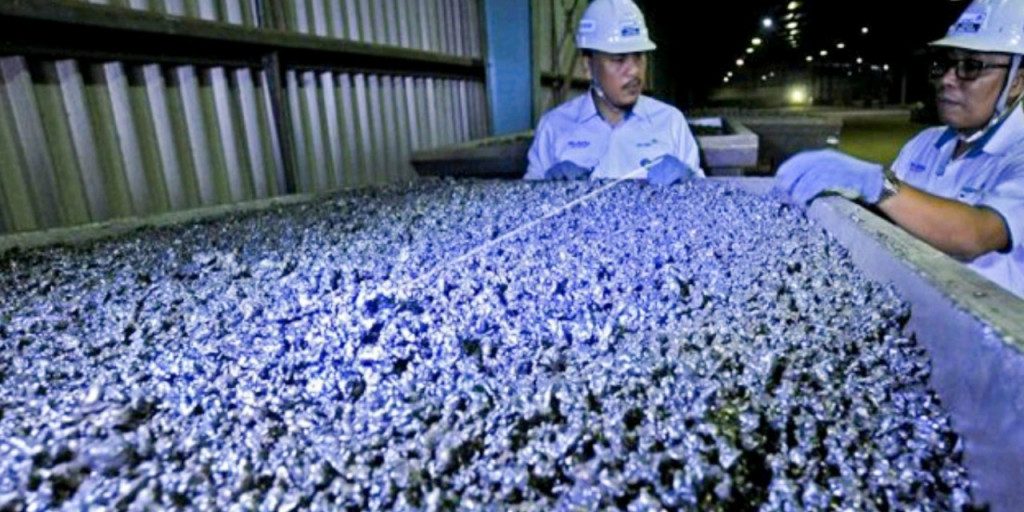
One of the main nickel producers in the world is Indonesia. According to the consulting firm McKinsey&Company, Jakarta averages 27% of the global nickel supply, and some analysts believe the country could increase its share of world production by up to 60% within the next eight years. "By 2028, we expect Indonesian (nickel) production to exceed total world production in 2020 by 2.5 million tonnes," said representatives from Macquerie, an Australian-based financial services institution. The increase in the supply of machined nickel is deemed to be seen as a victory for the Indonesian government, that has been committed for years to outlining regulatory measures that free national economic growth from the dominant role of exports of raw materials. The first crackdown was introduced in 2014, then eased in 2017 and re-established last year. The so-called "resource nationalism" promoted by Joko Widodo's government aims to encourage mining companies to invest downstream of the production process, limiting the export of raw ore and instead enhancing the value-added stage. Although the goal was to prevent the wealth carried by exports of crude metals from ending up in overseas refineries, many foreign investors have been involved in this transition.

China dominates the nickel industry in Indonesia. Indeed, Beijing boasts the largest automotive market in the world, and has seen impressive growth in the sale of electric vehicles in recent years - another factor that has contributed to the rise in the nickel’s pricel. However, it does not have a large availability of mineral deposits: the country's laterite reserves constitute only 3% of the world total. For this it must draw on the resources of its regional neighbors to support the internal development of the sector. Much of Indonesia’s nickel processing business is concentrated in Sulawesi, where the Chinese company Tsingshan operates Indonesia’s Morowali Industrial Park. Morowali is an Indonesian county with fewer than 200,000 residents, but it has attracted billions of dollars in Chinese investment in recent years. Battery material companies Zhejiang Huayou Cobalt, Eve Energy and Guangdong Brunp Recycling Technology injected up to $ 4 billion into the county in 2021 alone. Tsingshan founded Morowali Industrial Park in 2013. Today the plant belongs for 49,69% to the Chinese company Shanghai Decent Investment Group, 25.31% to Indonesian Bintang Delapan Group and the remaining 25% to their joint venture, Sulawesi Mining Investment PT. The project was included in the Belt and Road Initiative global development strategy launched by the Beijing government in 2013.

Although the interests of Beijing and Jakarta intersect in the nickel processing sector, and many proponents of the Paris climate accords view this agreement as an important step towards more sustainable forms of transport, Indonesia faces some contradictions. The recent Omnibus law promulgated by the Indonesian government for job creation affects Jakarta's performance against ESG (Environmental, Social and Governance criteria) standards, especially with respect to public participation. According to Angela Tritto, a researcher at the Hong Kong University of Science and Technology, environmental impact assessments can only be challenged by people "directly affected" by the negative externalities of projects. Often these people do not have sufficient financial resources to engage in lawsuits. Additionally, two reports appeared last year by AEER and the Rosa Luxemburg Foundation warned of the dangers of deforestation and flooding that often accompany mining initiatives in Indonesia, as well as the onerous shifts that the workers are forced to endure without receiving adequate compensation. The Indonesian primacy of nickel’s supply entails various social and environmental costs: this is why investments in the sector should take into account that the transition to electric vehicles alone is not enough to guarantee sustainability.

The role of social media in post-coup Myanmar

By Agnese Loreta

From the Internet and social media boom in 2013 to their shutdown intermittently starting in 2021. How the Burmese military's coup has changed social media use

War and social media, a binomial founded on a mutual dependence and that has developed since the middle of the 19th century with the birth of modern information tools. Since then, this relationship, almost intrinsic, has not failed but, on the contrary, it has reinforced and led to a growth in the informative exposure of conflicts. Two elements of this relationship are interesting: the first is the attempt to control information traffic, the second is the intensive use of social media as weapons.

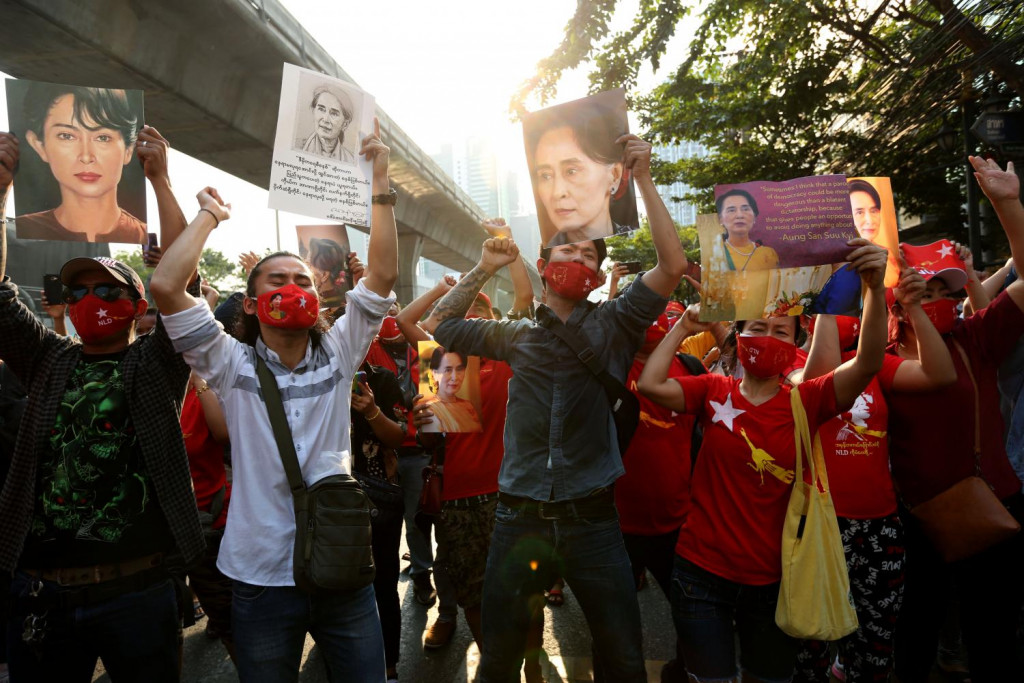
Both of these processes are known to the Military Junta and the Civil Disobedience Movement (CDM), respectively, two of the main actors in the situation in Myanmar.

After February 1, 2021, the date marking the third coup in the country's history, and following the arrest of Aung San Suu Kyi, the long-hidden discontent erupted on the streets of Burma making itself heard loudly through the CDM, with social media playing a key role in its creation and in its struggle. 

The history of Myanmar is sadly surrounded by conflicts, starting from the Anglo-Boer ones up to the invasion of Japan. This time, however, the role of social media has taken on a strong central role, thanks to the fact that it was only in 2013 that the state monopoly on telephone services came to an end, thus allowing a higher fruition of the Internet and associated services. Nevertheless, the policies of the Military Junta against freedom of opinion and expression, implemented since February 2021, have considerably modified the structure of social media users. In fact, while there were 23.65 million Internet users and 29 million social media users in January 2021; one year later, the number has risen to 25.68 million - an increase of +7.1% during 2021 - while there is a sharp collapse in social media users, which stood at 20.75 million in January 2022, practically ⅓ fewer users. According to Statcounter Global Stats in March 2022, the most used social media in Myanmar is Facebook (87.21%), followed by YouTube (5.48%), Pinterest (3.5%), Twitter (1.67%), VKontakte (1.21%), and Instagram (0.38%).

In addition to its predominance in the country, Facebook is also known to have played a complex role in Myanmar. In point of fact, if on the one hand it has succeeded in unifying Burmese citizens and creating direct communication between the people and the government in charge, on the other hand it has not been able to control the difficulties arising from the rapid spread of social media in a short period of time, such as hate speech and misinformation problems related to the absence of the so-called "critical digital literacy". Despite the fact that Facebook has adopted tools and policies aimed at solving the above-mentioned problems, they did not disappear but re-emerged with force on the occasion of the 2020 elections and, subsequently, after the coup d'état which was followed by the ban on the use of Facebook. The military junta believed that this move could stop the manifestations and activism of the CDM but, on the contrary, it led to an exponential increase in the use of Twitter which, however, was not able to solve the problems of misinformation and hate speech that plagued its brother-Facebook.

According to Freedom House's analysis, Internet freedom in Myanmar has suffered an acute setback since the coup and marked "the most serious decline ever documented by Freedom on the Net", as noted in the introduction to the Report, which gives the country an overall score of 17/100.

Although social and Internet platforms are obscured and blocked in Myanmar by the military government, protesters are capable of bypassing these bans through encrypted messaging - such as Signal, Viber, and Messenger - and VPNs; moreover, applications such as Bridgefy ensured that protesters could communicate with each other even during moments of total Internet blackout. This shows how limited and antiquated the practice of Internet shutdown is, but also how strong the resistance of citizens is.

In conclusion, even though social media is not without its flaws and headaches and the road to its conscious, effective use is still long, it must be acknowledged that it played a crucial role in the birth and survival of the CDM. They have been able to keep the attention on the issue alive at an international level, they have been capable of bringing among Burmese citizens the value of inclusiveness, since the main language used in social media was Burmese and they have been a place - albeit virtual - where the key words were resistance and solidarity. 

First steps in the management of plastic waste

By 2024, the UN and Asian countries want to achieve the first world treaty on the containment of plastic waste

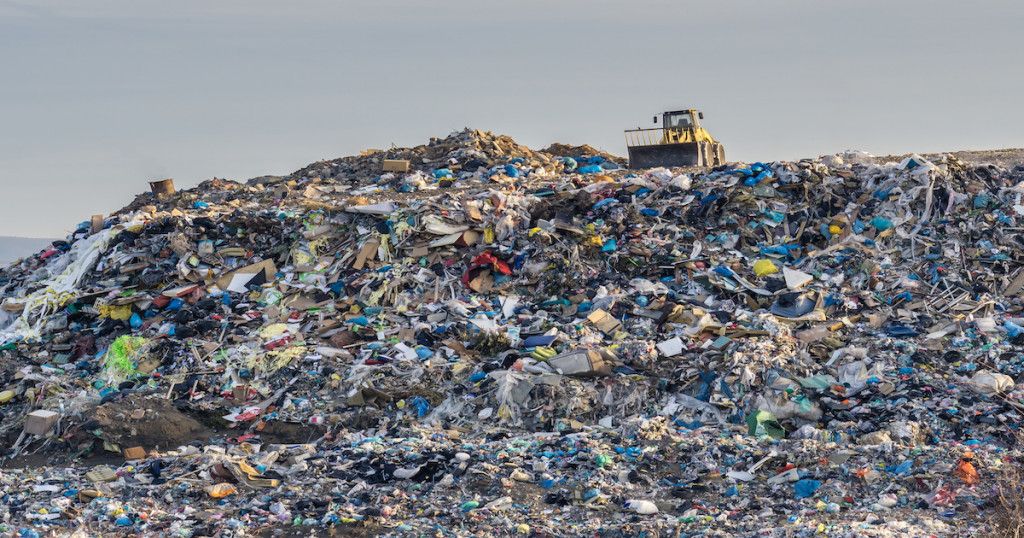
80% of the world's plastic waste originates in the Asian continent and more than a third comes from the Philippines. To counter the phenomenon, the major plastic producers in Asia - from China to India, from Saudi Arabia to Japan - have participated, within the United Nations, in the drafting of a plan for the realization of the first world treaty on containment of plastic waste by 2024.

The agreement reached on March the 2nd by the UN Environment Program was defined as "a historical moment". Although the skeptics did not fail to underline the criticalities of this agreement. In fact, the treaty focuses mainly on the recycling of single-use plastics, but environmental experts continue to insist that, in order to have a significant impact, it is also necessary to deal with the limitation of the production of plastic products. A prospect that does not appeal to the governments of those nations with an economy based on the petrochemical industry.

The agreement, however, is more complex: the countries have agreed on a resolution that provides for the monitoring of plastic pollution along the entire production chain, from creation to disposal. Special attention will be paid to the Asian countries considered to be the main culprits for the dispersion of plastic waste in the environment, especially the Philippines. Malaysia, a favorite destination for many other nations for the disposal of plastics, will also be at the center of attention. 

According to some experts, making the disposal process more expensive is the only way to incentivize nations to recycle. Not surprisingly, most plastic waste comes from Southeast Asian countries, where waste disposal policies are far too lax and concentrations of plastic end up mostly burned in landfills or, directly, in the oceans.

This situation, in addition to being harmful to the environment, also translates into a substantial economic loss. A series of studies conducted by the World Bank confirms that in Thailand, Malaysia and the Philippines over 75% of the material value of recyclable plastic - the equivalent of six billion dollars a year - is lost when used only once. According to the UN Environment Program, between 6 and 19 billion dollars a year are spent globally on cleaning up the dirt that results from plastic pollution.

A possible solution, advocated by experts, could be the creation of recycling centers at an international level, where plastic waste can be collected. Another area of ​​interest, which the treaty should take into consideration, concerns the coordination of the strategy between different countries and regions, to smooth out the discrepancies in anti-pollution actions. Not to mention that the effects of pollution are manifested above all in the most backward geographical areas. This means that, even though this treaty has already been crowned "the greatest agreement since Paris," there is still a long way to go. 

India’s pursuit for semiconductor value chain

By Aishwarya Nautiyal

India does import a large section of semiconductors from South East Asia and can bring new understanding between South East Asian manufacturers and collaborate with them in new aspects of making India a competitive semiconductor producer

Looking forward towards 5$ trillion economy, a new quest to achieve a status of semiconductor hub seems to be a new reality in India’s pursuit for self-reliance. An outlay by the government of 10$ billion for semiconductor production in the course of next five years has been provided. One of the most critical components in the 21st century and the country is critically relying on imports. Under the ministry of Electronics and Information Technology proposal, the top contenders Vedanta Foxconn JV, IGSS Ventures and ISMC have initiated a new task towards electronic chip manufacturing plants under the Semicon India Program. Taiwan being the largest producer is becoming a new favorite eyeing new possibilities with TSMC and UMC setting up facilities in India negotiating along with Free Trade Agreement bilaterally.

Increasing pressure from China on Taiwan’s outreach towards new strategic gains is even a new possibility of semiconductor manufacturing in Maharashtra and Gujarat. A positive indication from the government making India one of the manufacturing hubs by 2025 from 2$ billion to 100$ billion including display manufacturing ecosystem. TATA group with an estimate of 300$ million for outsourced semiconductor assembly in Telangana, Karnataka and Tamil Nadu providing new assembly of semiconductor chips sourcing silicon wafers from TSMC & Fitch Solutions. While other players like US based Intel have expressed interest in establishing a new manufacturing plant. Emphasis in this industry provides a scenario which has changed since 1987 when it was just 2 years behind becoming a leading chip manufacturer as compared to today where it lags behind 12 years due to lack of infrastructure, slow bureaucratic structure, red tapes with high rate of corruption and lack of vision. This led to a high rate of dependency in the era of new dynamics of robotic infrastructure.

With rising demand in the electronic market and new diversification towards smart technology along with its fluctuating bilateral relations with China has moved its strategist towards domestication of production of such components which will be playing a crucial role in futuristic modern economic development. In the scheme of production an important component lies towards smooth implementation of policies along with a global competitive environment also leading towards a guarantee of universal human rights. During Covid 19 a global disruption of supply chain and rising complexity with unpredictability. India needs to establish an ICT layer which has been sidelined so far. From 5G to robotic and new virtual reality platforms India is seen as an optimal and sustainable partner with an affordability and capacity inclusive of technological based solutions. Tackling new future supply shocks has become a foremost reason during the post-pandemic period.

As we can see today, 92% of global manufacturing chips below 10 nanometer(nm) is in Taiwan whereas China constitutes 54% of the world’s semiconductor market playing a huge role in testing of integrated circuits and testing. China’s economic might and its competitive pricing advantage amid US-China complex trade relations can bring a challenge to Indian policymakers in which necessity to develop domestic production with indigenous design capabilities with the focus on local self-reliance rather than being on scuffle with US-China competition pegged on. Timing in the Semicon Revolution in India seems favorable along with a vast number of talent availability. In the new changing dynamics where Taiwan has emerged as a world leader in production it can become the same size of establishment within Indian Geography and availability of resources and competitive manpower.

Overcoming obstacles and bringing new opportunity in the economy has brought new avenues for private sectors who are keen in collaborating and mitigating along with policymakers and global manufacturers. As we can see this provides a scenario of confidence building and enhancing diplomatic cooperation and future coordination. India does import a large section of semiconductors from South East Asia and can bring new understanding between South East Asian manufacturers and collaborate with them in new aspects of making India a competitive semiconductor producer. Though with a small presence with SCL in Mohali, GAETEC in Hyderabad and SITAR in Bengaluru one can never deny a possibility of becoming a competitive market with initiation and seriousness towards attracting new talents and global investment. The next phase of transformation in both technological and capital will be a key factor in defining new diplomatic relations with bilateral and multilateral relations between manufacturers from South and East Asia to Western Hemisphere.

Strengthening existing commercial ties and diversifying reliance from a single partner can give India a new wave of opportunity learnt during the post pandemic period through global supply chain disruption. New challenges and having strength to overcome with a vision can bring an unexpected opportunity with the nations who are able to mark themselves with the role of leadership in a global technology network sustaining with socio-economic impact with sustainable growth.

ASEAN history and politics

The first course directed by the Italy-ASEAN Association, “ASEAN History and Politics”, has begun

The first course entirely in English on "ASEAN History and Politics", organized and directed by the Italy-ASEAN Association, began last Wednesday, March 23rd, at the Italian Institute of Oriental Studies of the Sapienza University of Rome. The cycle of lectures will continue until the beginning of June and is part of the degree program in Global Humanities of the University of Rome. In the coming months, about 70 students from all over the world, from Indonesia to Japan, Africa and Europe, will address the most important issues concerning Southeast Asia: from historical to economic and geopolitical aspects, from human rights to international trade, including the digital and sustainable transition of the region. During the first lecture, the Vice President of the Italy-ASEAN Association, Professor Romeo Orlandi, made an overview of the history of the Association, from its foundation to the challenges of the pandemic and those we will face in the next years, making a thorough analysis of the peculiar aspects in each country. In the next lectures, students will have the opportunity to listen to the testimonies of some of the ASEAN Ambassadors to Italy as well as several analysts from the Southeast Asian region; they will also discuss the main topics concerning Southeast Asia through workshops and presentations that will allow them to observe firsthand the heart of the problems. This course will be another important opportunity to improve the degree of knowledge and perception of ASEAN in Italy. The Italy-ASEAN Association has been working towards this goal since its foundation and believes it is essential to better raise public awareness in universities and decision makers on a region of the world with which we share many common interests.

New tech, how Vietnam is becoming self-sufficient

Vietnam's digital economy is steadily expanding, thanks in part to the acceleration brought on by the pandemic

Vietnam is definitely at the top of the list of Southeast Asian countries in terms of presence of cutting-edge companies in the technology and digital sectors, so much so that it is almost self-sufficient. In fact, to date it already has as many as 64,000 digital companies, and the figure continues to expand, to the point that the country ranks 25th among the 50 most digital companies in the world, according to consulting firm Tholons. Moreover, Vietnam's digital economy is growing rapidly, and is estimated to lead Southeast Asian countries in the next 10 years, according to the e-Conomy SEA 2021 report by Google, Temasek and Bain. Vietnam's digital market is thriving thanks to strong growth in the e-commerce, fintech and education technology sectors. In parallel, the population of social media users is also growing rapidly, reaching 78% of the total population in February 2022. Certainly there are important socio-demographic factors facilitating the expansion of the digital market, given that the population is young (70% of citizens are under 35 years old), educated (literacy rate in the 15-35 age group is over 98%) and accustomed to technology (more than 60% of the population uses smartphones). In any case, the phenomenon is worth keeping an eye on since, according to a report by the company Alphabeta, digital technology could potentially bring over 74 billion dollars to Vietnam by 2030, mainly in the areas of industry, agriculture and food and education.

As has happened in many countries, COVID-19 has been a significant driver of digital transformation in Vietnam. Since the pandemic broke out, Hanoi has seen a sudden acceleration in the adoption and deployment of new digitization tools in both the private and public sectors. It is estimated that as early as June 2021, about two-thirds of private enterprises in Vietnam had access to technologies related to the digital economy, a huge jump from the pre-COVID-19 period. As a result, the digital payments market is also growing, already reaching $620 billion in 2020 and is expected to reach the value of $1.2 trillion in 2025.

The digitization process is also accelerated by the proximity of the many local digital companies, which create a real industrial agglomeration that encourages the spread of skills and innovations. Among the best-known companies is the FPT Group, which stands for Corporation for Financing and Promoting Technology, the largest IT services company in Vietnam, whose core business is the provision of ICT-related services. FPT deals with technological innovations such as automation, artificial intelligence, blockchain technology, cloud computing, and other services aimed at improving the efficiency of life for citizens, businesses, and government. Many of these companies, in fact, work with the public sector with the common goal of developing a digital government and economy, but also increasing the efficiency of public services and the IT skills of officials and managers. Some ongoing projects already include the development of smart cities and traffic, as well as state-of-the-art healthcare and education, with the aim of improving the lives of millions of citizens as well as the country's competitiveness.

However, there are still many obstacles to reaping the full benefits of digital technology, for example, bureaucracy and lack of specialized human resources. In addition, some localization and data protection laws discourage foreign companies from investing in the local digital market, as they protect local businesses but undermine further profits.

However, the future looks bright, and the Deputy Director of the Department of Enterprise Management, Nguyen Trong Duong, has announced that with policies to support Vietnam's digital enterprises and tech startups, the country's digital economy could reach 26.2% of GDP in the next three years.

The Indonesian government tightens regulations on digital platforms

Hard times for online platforms in Indonesia: new measures should take effect in June 2022 and will require Internet system operators to remove content deemed "unlawful" by the government in record time.

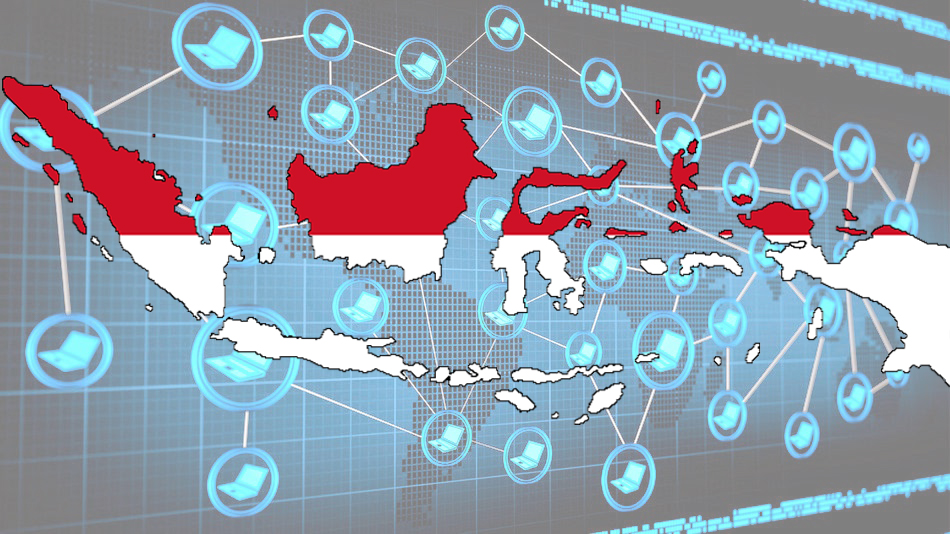
Four hours. This is the maximum time given to digital platforms by the Indonesian government to remove "unlawful" content on requests labeled as "urgent." Any other type of request, which can be forwarded by any government agency, must be fulfilled within 24 hours. These are the new measures arranged by the Indonesian government and they should be implemented in June 2022, according to an exclusive Reuters report.

The regulations, which authorities believe are necessary to ensure that the network is completely free of "unlawful" content, are among the strictest in the world for social media, following the harsh crackdown on online content that has alarmed activists in several Asian countries. 

How will it work?

  • The measures will apply to all Internet and digital platforms classified as "Internet system operators," from social media giants to e-commerce, fintech and telecommunications companies.
  • According to government officials, the government's "urgent" requests would include content perceived as sensitive in fields such as "security, terrorism and public order, child protection and pornography."
  • After receiving an official complaint, companies will be fined for illicit content, and fines will increase proportionally until the content is taken down from the platforms, according to three sources and a governmental document examined by Reuters.
  • Fines will be determined by the number of local users of the company in question and the "content severity." The amount of the fines has yet to be finalized, but it could reach millions of rupiah (1 million rupiah = $69.71) per item of content.
  • Platforms that fail to comply with government requests on many occasions could be blocked in Indonesia and their staff might face criminal sanctions.

Implications:

  • Indonesia is one of the top 10 global markets by number of users for social media companies, including YouTube, TikTok, Twitter and Facebook, Instagram and Whatsapp (Meta).
  • Some executives of online companies briefed on the plans reported that the measures will be hard to comply with, raise operating costs and could undermine the freedom of expression of citizens living in the world's fourth most populous country.
  • The new regulations will mostly affect social media companies, which see Indonesia's young population (270 million people) as a huge growth opportunity.

Background:

  • In the 2014 and 2019 presidential election campaigns, social media platforms allegedly promoted the spread of rumors and "fake news," largely aimed at current President Joko Widodo. In the riots that followed the 2019 elections, authorities blocked access to social media.
  • In the same year, during demonstrations in Papua, the country's easternmost region, Indonesian authorities cut off Internet access, presumably to avert violence that could have been triggered by the rapid spread of misinformation online.
  • Ministerial Regulation 5 (MR5), which was enforced in November 2020 with little consultation, requires all private digital services and platforms to register with the Ministry of Communications and Information Technology and agree to provide access to their systems and data as specified in the regulation. Those who do not register by May 24 will be blocked in Indonesia.
  • Last October, the Constitutional Court ruled that blocking Internet access during periods of social unrest was not against the law.

A comparison: 

  • In comparison with Indonesia's proposed measures, social media companies in Vietnam are required to take down offensive content from their platforms within one day after receiving a request from official authorities, while India gives companies 36 hours with possible criminal sanctions for non-compliance.
Recently active members
Foto del profilo di Alessio
Foto del profilo di Monika
Foto del profilo di Gabriel
Foto del profilo di Elena
Foto del profilo di Lorenzo
Foto del profilo di Alessandro
Foto del profilo di Cristina
Foto del profilo di Rocco
Foto del profilo di Clara Lomonaco
Foto del profilo di Redazione
Foto del profilo di Davide Gugliuzza
Foto del profilo di Anna Affranio
Foto del profilo di Ilaria Canali
Foto del profilo di Nicolò
Foto del profilo di Angelo Cangero
Who is online
There are no users currently online
Members
  • Foto del profilo di Alessio
    Active 22 ore, 42 minuti fa
  • Foto del profilo di Monika
    Active 4 giorni, 12 ore fa
  • Foto del profilo di Gabriel
    Active 3 settimane, 5 giorni fa
  • Foto del profilo di Elena
    Active 1 anno, 4 mesi fa
  • Foto del profilo di Lorenzo
    Active 2 years, 6 mesi fa