Energy transition goes through smart systems

The intention for the integration of renewable and more sustainable solutions is there, but it may not be enough: to address the complexity in managing the energy grid of the future, APAC will not be able to do without smart control systems that operate between supply, grid, demand and storage, making the process more efficient, reliable and secure through interconnection.

Article written by Fabrizia Candido

The Asia-Pacific region, also known as APAC, is home to 60 percent of the world's population (about 4.3 billion people) and produces about half of the world's carbon dioxide emissions. In addition to China, India and Japan (three of the six countries most responsible for CO2 emissions), the region is home to some of the fastest growing economies in the world. In fact, by 2040, APAC's fuel energy demand is expected to reach 43.6 petawatts, with global demand reaching 197.8 petawatts. The need to decouple economic growth from GHG emissions is therefore urgent. 

Accelerating the transition to widespread, affordable, low-carbon energy supply requires greater optimization of every aspect of the energy system, as well as greater coordination and cooperation among each component. This requires better understanding and improved mechanisms to monitor and control the ways in which power grids, buildings, industrial facilities, transportation networks, and other energy-intensive sectors integrate and interact with each other.

The future power system will accommodate more power from intermittent generators (solar panels produce power only when the sun shines and wind turbines only when the wind blows), and it will be more decentralized: there will be many more physical assets connected to the generation and distribution networks, where energy flows will become increasingly dynamic and multidirectional. The complexity of the power system will increase significantly. This could put the stability and performance of the grid at risk, leading to issues such as frequency imbalances, blackouts, brownouts and capacity overload. Without real-time data, advanced analytics and automation, the most complex power systems of the future will become virtually impossible to manage.

That's where digitization comes in, with data collection and analysis, artificial intelligence and machine learning. The addition of huge amounts of variable energy sources has created the need for smart control systems that operate between supply, grid, demand and storage, making it all more efficient, reliable and sustainable through interconnection.

More specifically, the growing wealth of information generated on energy consumption and production patterns can be used to better plan for the transformation of the industry, both at the macro and micro levels: data monitoring and analysis allows for better predictive ability of renewable energy production, enabling optimization of the entire supply chain. Using data collected from various sources, such as electricity consumption data, electricity price data, and weather data, artificial intelligence can also be used to recognize patterns and/or provide probabilistic predictions about energy production capacity, demand, or shortages. 

In short, digitization provides an opportunity to leverage the availability of data to optimize the energy transition.

In 2020, Australia launched its Distributed Energy Resource Register, a registry that provides a database of information about Distributed Energy Resources (DER) devices installed in the national electricity market. The registry collects information critical to the Australian Energy Market Operator's (AEMO) DER program. The interconnection between DER devices and the registry allows AEMO to better manage the electricity grid and ensure reliable, secure and affordable energy for all customers.

Another example of digitization in the service of energy optimization comes from India: the Indian government has developed the India Energy Dashboards (IED), an open source portal that collects data and monthly reports on the country's electricity, oil and natural gas usage. The Indian government also created the Building Energy Efficiency Program Dashboard, with the goal of encouraging the use of energy-efficient devices in residential structures by raising consumer awareness. The online database shows in real time the number of lights installed by region, along with their respective annual cost savings, annual CO2 reductions and avoided peak demand.

Again, since 2013, the Chinese government has also prioritized online energy monitoring systems. Public sector buildings at all levels of government have implemented such systems to obtain real-time data, enabling automation of energy management and a transparent method of assessing the energy efficiency of facilities. Most online energy monitoring systems for China's public sector are currently decentralized systems. For example, the Hangzhou local government, together with Alibaba Group, implemented the City Brain project to improve energy efficiency in transportation. Under the project, a cloud platform captures images from interconnected street cameras, translates them into traffic data, analyzes the results, and provides the most efficient solutions via algorithms, which are then redirected to smart tools such as smart traffic lights. This has reduced traffic congestion in the city of Hangzhou by 10 percent, with implications for pollution levels and fuel use.

Finally, on a larger scale, the Singapore government recently completed a full-scale digital model of the entire city, Virtual Singapore, which includes 3D digital replicas of every building in the city. For urban planners focused on energy efficiency, the digital twin city offers the ability to accurately simulate how new developments and planning changes in the city might affect a range of energy-related indicators, including solar radiation, road and pedestrian traffic flows, heating and cooling, and other factors. Given the city's size limitations, the digital model provides an extremely useful system for testing real-world planning interventions.

In conclusion, the APAC region has come to realize that on the route to the mammoth goal of energy transition, it will not be possible to do without the many and varied smart solutions that digitization and data availability make possible.


Nusantara, the new Jakarta in Borneo

The Indonesian government has officially decided that, starting in 2024, the new capital will be relocated to Borneo and named Nusantara, in an attempt to alleviate the current capital's congestion and overcrowding on the island of Java.

The rumor that Indonesia would relocate its capital from the congested megacity of Jakarta is not a new one. In fact, it has been in the news since 2017, when President Joko Widodo expressed his concern for the future of the city, which, home to 10 million people, has been suffering for years from overpopulation, flooding, pollution and is subsidence due to excessive groundwater extraction. Moreover, most of Indonesia's economic activity is concentrated on the island of Java, where the current capital is located. Two alternative proposals were initially put forward to solve these problems: move the capital city entirely, by creating a completely new planned city akin to the relocation of the Brazilian capital from Rio de Janeiro to the planned city of Brasilia in 1960 or maintain Jakarta as the official capital, but create a separate administrative center, following Malaysia's experiment when it moved its federal administrative center to Putrajaya.

The official decision then came in April 2019, with the announcement that Jakarta would no longer be Indonesia's capital, with a 10-year plan to move all government offices to a new capital. The latter will be located in Borneo, straddling two districts - Penajam Paser Utara and Kutai Kertanegara in East Kalimantan province, a two-hour flight from Jakarta. The capital will be built on 180,000 hectares of land already owned by the government, thus minimizing the cost of land acquisition. The area was chosen for two main reasons. First, because of the favorable geological conditions, which make earthquakes, floods and volcanic eruptions less frequent. The second reason is for political and economic reasons. In fact, the government would like to close the widening economic gap between Java and the other islands of the archipelago. To date, 54% of Indonesia's more than 260 million inhabitants reside in Java and 58% of the country's gross domestic product is produced on this island, despite being the smallest of Indonesia's five main islands.

The new capital will be called Nusantara, which translates as "archipelago" in Bahasa Indonesia. As for the timeline, despite some delays caused by the COVID-19 pandemic, it is estimated that the new city will be up and running in 2024, the year President Widodo completes his second five-year term. The Ministry of National Development Planning has estimated that the move will cost about 466 trillion Indonesian rupiah (about $32.7 billion), with the government planning to cover 19% of the cost. The rest is expected to come mainly from public-private partnerships, as well as direct investment from state-owned enterprises and the private sector. By some estimates, about 1.5 million people could move from Jakarta to the new capital. Many government agencies will obviously relocate, but the central bank and other economic agencies will remain in Jakarta.

Given the enormous scale of the project, the nation is still divided on the necessity of the relocation. Supporters share the president's concerns about Jakarta's worsening traffic congestion, air pollution, subsidence and high real estate prices - as well as the need to jumpstart the economy in the less-developed eastern parts of the country. On the other hand, critics say there has been a lack of proper public consultation on the project, while some environmentalists fear the move could accelerate the destruction of forests that are home to orangutans, bears and long-nosed monkeys, as well as increase pollution, given the already compromised situation due to coal mines and palm oil industries. In response, the government has assured that the plan is to keep the city compact, so as not to damage the surrounding tropical rainforests, and that half of the total 180,000 hectares allocated will be set aside for "green spaces." Meanwhile, also of concern is the impact this mega-project will have on Indonesia's public debt, which although among the lowest among ASEAN countries, has increased by almost 10 percentage points in the last two years.

Myanmar risks to split ASEAN

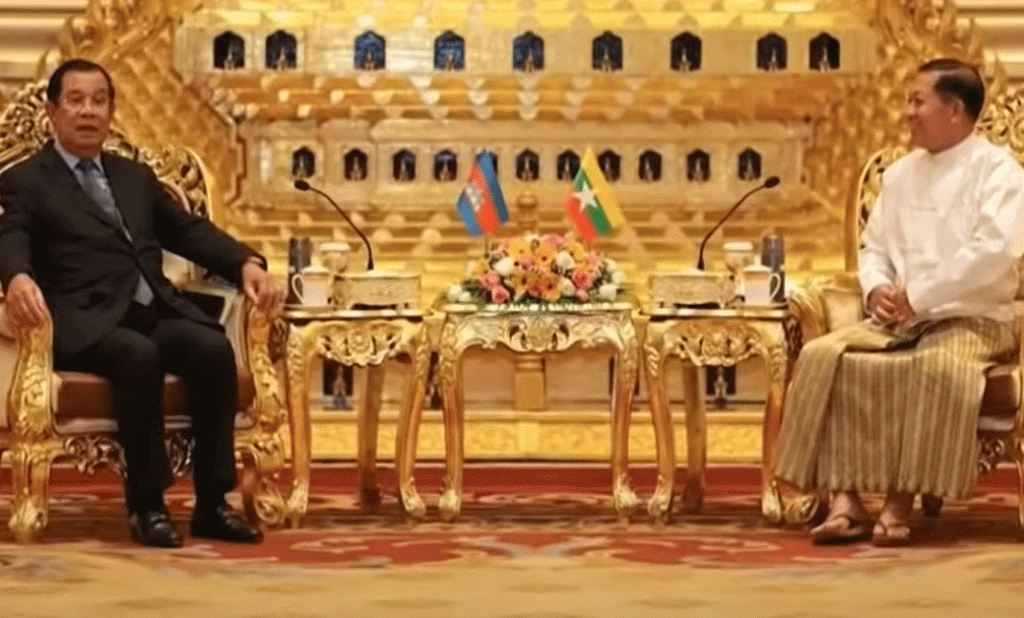
Myanmar promises to still be at the center of Southeast Asian dynamics during 2022. With internal rifts deepening and in the absence of a recognised national government, Cambodian Prime Minister Hun Sen's recent visit has set the dust on fire

By Tommaso Grisi

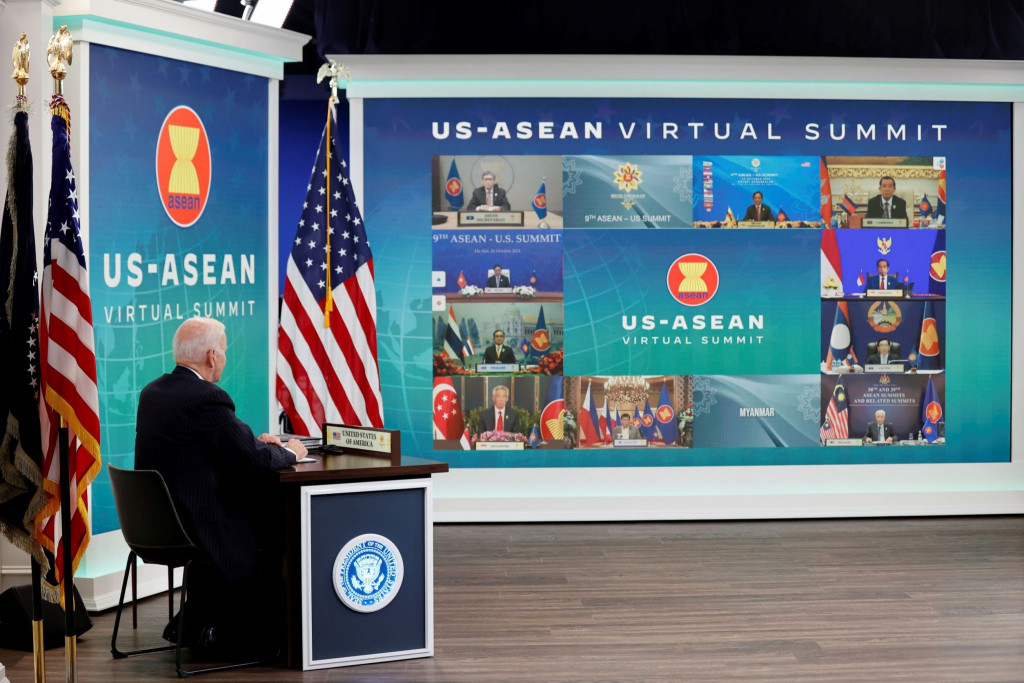
Myanmar continues to be at the center of attention. Following the coup that overthrew the government of Aung San Suu Kyi, the relationship with the military junta has created many problems for diplomats in South-East Asia and the rest of the world. While the stance taken by Western countries was predictable, with the United States and the European Union adopting economic sanctions against the country from the outset, it is on ASEAN that the biggest questions are now being asked. The South-East Asian organization seems to be the only actor capable of exerting serious pressure on the country, given the ineffectiveness of the economic measures adopted and the impossibility of intervention by the United Nations, where China and Russia have vetoed the Security Council. The US Secretary of State, Antony Blinken, is also aware of this, and last December he led a diplomatic mission to South-East Asia, expressing strong concerns to the leaders of partner countries about what is happening in Myanmar.

For their part, the ASEAN member states have already declared that they do not want to follow the path of economic sanctions and prefer a softer but constructive approach. It was with this in mind that a five-point plan was initially drawn up, aimed at providing humanitarian aid to the population and establishing a political dialogue between the parties.

However, the divisions among the member states and the lack of cooperation of the parties involved have led to a deadlock, with the region's chancelleries undecided on what to do. Despite the common will to bring the country to a more stable condition as soon as possible, in fact, several knots remain to be unraveled within the organization, starting from the recognition or not of the governing role assumed by the military junta, currently excluded from ASEAN meetings, and the need to review the traditional principle of non-interference that has so far guided the actions of Member States.

In this respect, the visit of Cambodian Prime Minister Hun Sen was significant and met with strong criticism. Opponents of the junta accuse him of trying to legitimize the established regime, especially in light of the fact that Hun Sen himself took power in Cambodia in a military coup in 1997. The issue is all the more important considering the fact that the Prime Minister has been visiting the junta in two capacities: as President of ASEAN and as the first head of government to visit the country since the military seized power. This is certainly nothing new for the Cambodian Prime Minister, as he had already been criticized in the past for taking an overly open stance towards the Burmese junta, especially after proposing to extend an invitation to attend ASEAN meetings to those responsible for the coup. Despite this, the Cambodian Prime Minister seems intent on continuing along this path, having appointed his Foreign Minister, Prak Sokhonn, as the new special envoy representing ASEAN to Myanmar.

Exclusion from ASEAN meetings could indeed be a point of leverage. The access to the meetings of the governments of South-East Asia would constitute a de facto recognition for the military junta, fundamental to be able to interface as equals with the other countries of the region. It is precisely on this point that the credibility of ASEAN seems to be at stake. If the organization were to give in to the junta's pressure, in fact, it would be impossible not to suffer a severe blow to its international image, given that in recent months there has been no lack of tension between the Member States with reference to the Burmese issue.

The governments of Malaysia and Indonesia, which have openly criticized Hun Sen's visit to the country, as well as Singapore, are in strong opposition to Cambodia's positions, while representatives of Laos, Thailand and Vietnam have lined up in support of him. In short, the cracks within the organization seem to be deepening.

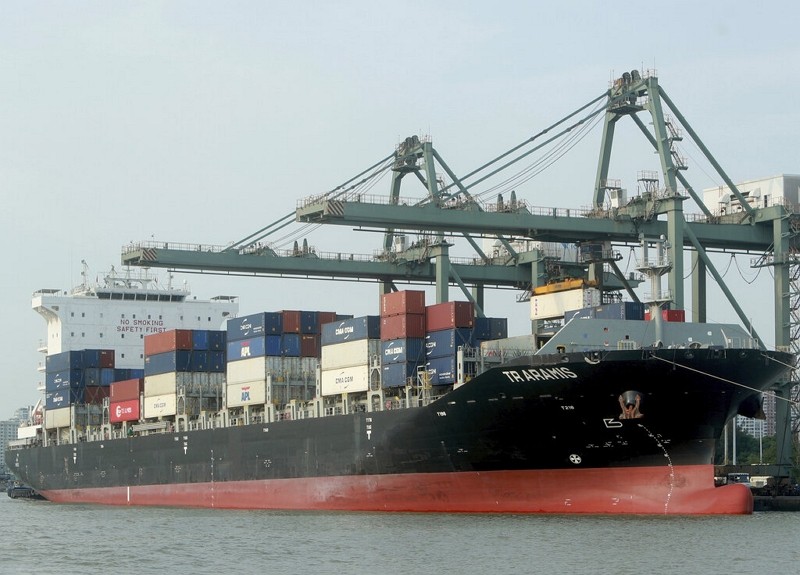
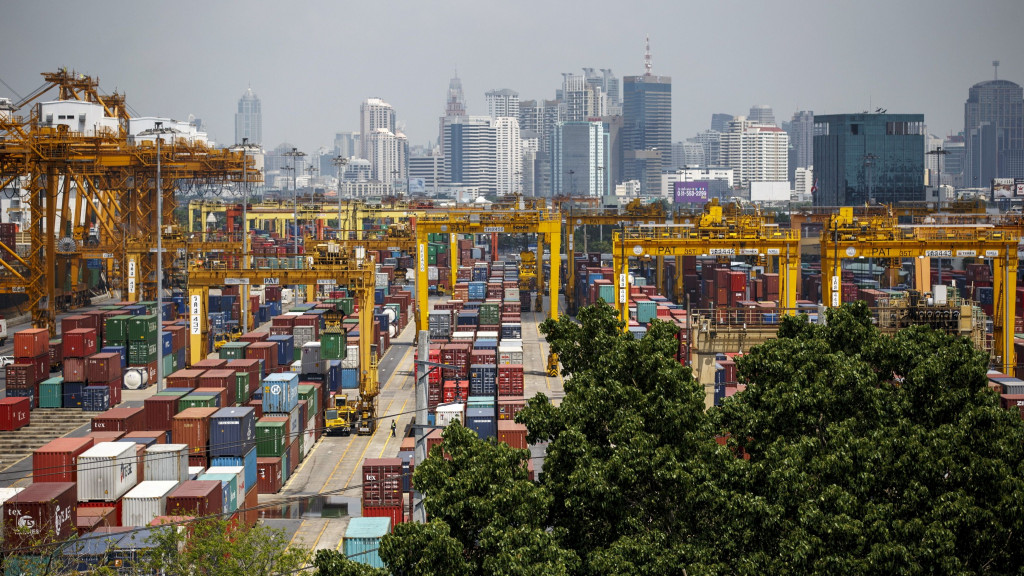
Asian countries' role in the 'democratic' supply chains promoted by the US

As the tension between the two great Pacific powers - the US and China - escalates, the value chains of the globalised economy look increasingly fragile and the economic interdependence between the two rivals more cumbersome. Washington needs its Asian allies to create more resilient and 'democratic' supply chains. But with what effects on the region?

The most concerned observers are already calling it a 'new cold war'. Indeed, the trade war waged between the United States and China is becoming increasingly entangled. If a few years ago the tensions between the two countries appeared to be linked almost exclusively to the impact of Beijing’s exports on the American economy, the narrative of this confrontation has recently taken on more heated tones. The competition no longer seems to be just between two economic models, but between two opposite political systems. Are we really facing a second cold war? Even accepting this interpretation, it is not being fought with the weapons of the first one. In the globalised world, the battleground for superpowers is global supply and value chains. Influence over third countries is exercised through investment in infrastructure and the development of new trade partnerships. After all, the ideological clash is still primarily an economic confrontation, even if it is narrated differently. 

In recent years, consumers - and their governments - have realised how fragile global supply chains are. An emblematic case is the superconductors shortage. Chips are essential components for many sectors and a strategic asset in the digital age. Asian countries host most of their production. The issue is so serious that it has become political. In their policies, the United States and the European Union do not want to limit themselves to strengthening supply chains: they intend to assert their digital sovereignty by moving part of the chip production into their own territory. While Brussels maintains a conciliatory stance with Beijing, Washington is determined to promote 'democratic' supply chains. In concrete terms, depending less on China and relying more on partners who share the same political model. For the Biden administration, a renewed 'alliance of democracies' is essential to achieve its foreign policy goals.

But who are the 'democratic' partners to work with? Early this year, British PM Boris Johnson proposed transforming the G7 Summit he was chairing into a D10, the summit of the world's ten leading democracies, inviting India, South Korea and Australia - three Asia-Pacific countries. The guest list was much longer for the Summit for Democracy organised by the White House between 8 and 10 December. These exercises always present the same problem to those who organise them: a country that is formally free and democratic is not always so in substance. The choice of who to admit to the club or not could raise some doubts. Moreover, as already mentioned, EU countries are trying to smooth relations with Beijing and want to avoid initiatives that could be perceived as 'anti-Chinese alliances'.

Returning to the semiconductor issue, Washington intends to reorganise its supply chains by relying more on democratic partners in East Asia. Some of them are already playing an important role in the sector - such as Korea, Japan and Taiwan, key partners in achieving the goals of President Biden's executive order on supply chains -, some others are emerging players, such as ASEAN countries - the US intend to invest significant resources to strengthen cooperation with the bloc. Malaysia is a major chip producer and has been invited to the Summit for Democracy. Indonesia is recognised by its partners as one of the largest democracies and economies in the world and has the potential to become more involved in global value chains. However, there are risks in creating a 'club of democracies'. Some ASEAN countries may not appreciate being left out. This is the case of Singapore, excluded from the Washington summit, and a strategic entrepot in the global chip market.

The US want to work with its allies to reduce dependence on Chinese products not only in semiconductors. Rare earth ores, high-capacity batteries, medical and military supplies. Many sectors will gradually be affected by the new American doctrine. Another area of confrontation with Beijing is infrastructure investments in third countries. The Belt and Road Initiative (BRI) is one of the flagships of Chinese foreign policy and a formidable instrument of influence. The US and EU have proposed their alternatives, the Build Back Better World (B3W) Initiative and the Global Gateway strategy respectively. The two new investment plans will certainly have among their beneficiaries the Asian countries most in need of infrastructure, the lack of which represents one of the main bottlenecks for their economic development. For Washington, China's presence in infrastructure networks must be kept under control not only abroad, but also within its own borders, as we have seen with the exclusion of Huawei from the development of the 5G network.

Will Washington be able to reshape global supply chains in a more resilient and 'democratic' fashion? US policy will undoubtedly favour their Asian allies' companies, which will export more goods to the US market, replacing their Chinese competitors. At the same time, it remains uncertain to assess the consequences of this strategy in other markets. Will other democracies actually reduce their dependence on Chinese goods? Not all of Washington's partners share the hard-line with Beijing - Europe, for example - and Asian countries may find it difficult and burdensome to reduce their trade ties with their neighbour. In this case, they might not be so keen on following the American leadership.

Myanmar, the future after the coup

On February 1, 2022, 365 days will have passed since the coup that brought Naypyidaw back under the control of the military junta. The outlook for the country that represents a dilemma for Southeast Asia. From the China Files mini e-book "In China and Asia 2022", realized in collaboration with Associazione Italia-ASEAN

It's any day in December 2021. Typing "Myanmar 2022" on the search bar, three of the results concern a possible reopening for tourism, while three others take up the UN alarm on the escalation of the humanitarian crisis. This schizophrenia of images reinforces the uncertainty about the future of Myanmar, which almost a year after the coup is crystallized in a social (and armed) conflict that seems destined to continue. On February 1, 2022, exactly 365 days will have passed since the deposition of the elected government by the Tatmadaw, the national army.

Humanitarian crisis

The United Nations Development Program (UNDP) has noted a sharp decline in the living conditions of Burmese citizens since the arrival of General Min Aung Hlaing in government. According to its survey, nearly half of Burmese citizens (46.3%) could end up below the poverty line by the end of next year. For the urban population, it would mean a spike in poor residents three times the 2019 figures (37.2% vs. the previous 11.3%). Of 1,200 households surveyed, nearly half say they are running out of savings. 68% are tightening their belts on food consumption, 65.5% have borrowed from loved ones, others from loan sharks or lenders. In a nutshell: the double Covid19-golpe emergency is taking the country back to 2005, wiping out the political and socio-economic achievements of the last 16 years.

Added to this situation is the serious situation of the health sector, which already before 2021 was not in good health. To date, the interests of the military leadership are far removed from services for the citizenry, with the result that many medical facilities remain unstaffed - a factor also due to the civil disobedience movement, which refuses to work for a government it does not recognize. To date, 74% of medical costs are still borne by the individual: Myanmar is the Asean country with the highest private spending on treatment per capita.

Finally, the continuity of internal violence between ethnic groups and the armed forces is no less worrying. On the one hand, youth have joined the civil disobedience movement; others have joined ethnic armies to receive military training. The Tatmadaw, in turn, has resurrected compulsory training for children of soldiers aged 14 and over, despite treaties signed with the UN to hinder the enlistment of child soldiers. Participation in training is now also extended to the wives of military personnel.

Economic and political stagnation

The economic situation is not good at the national level, although there were those who hoped for an initial phase of chaos followed by a slow reestablishment of business. GDP per capita is falling back to the levels before the first free elections in 2015. The local currency, the kyat, has lost more than 60% of its value against the US dollar. Meanwhile, prices are rising and gasoline shortages have already led to the temporary closure of many stations. The International Food Policy Research Institute predicts a drop in fertilizer purchases during the monsoon season, with serious consequences for agricultural production. Trade is slowing, and restrictions along the borders due to the health emergency are only contributing to the halt in activity. The junta has already restricted imports of goods considered "non-essential," while other goods such as pharmaceuticals are becoming increasingly expensive and difficult to source.

In a climate of serious lack of governance, economic power is likely to be concentrated in the hands of the Tatmadaw and ethnic militias in their areas of influence. The specter of illicit trafficking linked to the smuggling of drugs, precious stones, wood and metals returns. And of human trafficking: according to the Global Slavery Index in 2018 at least 575 thousand Burmese citizens were living in conditions of slavery, a figure that could rise again due to growing personal debts.

International relations

Myanmar today seems an increasingly isolated country, an image that resonates familiarly with that of just a few years ago. Foreign companies are slowly leaving the country, as in the case of Norwegian telecommunications giant Telenor, German wholesaler Metro, and British American Tobacco. Not all of the economy is frozen. Despite sanctions against individuals and organizations linked to the Tatmadaw, some large capital flows continue to bring weapons and funding to the Burmese military. As reported by the group Justice for Myanmar, there are still many companies that sell weapons and surveillance systems to the Burmese army (including Italy).

While the response of Western powers - especially the U.S., EU, Australia and Canada - remains on the ropes of economic restrictions, Asean is still struggling to find its position. Or rather, it remains open to negotiations. After an initial phase of dialogue with General Min Aung Hlaing, the group has also broken off contact: the junta has not kept its promise to adhere to the five points requested by the Association, and is therefore isolated even among its neighbors (including "immediately cease violence in the country"). Cambodia's arrival in the presidency, however, could normalize relations by increasing engagement with the military junta. Cambodian Prime Minister Hun Sen came out in defense of Naypyidaw: "According to the ASEAN charter, no one has the right to expel another member." More attempts at dialogue could follow after the early January visit. In the same days as Hun Sen's declarations came the official condemnation of Aung San Suu-Kyi to four years in prison. The road back to democracy, once again, is far away.

India and China: solar revolution (and competition)

New Delhi and Beijing are not only competing for the markets of their solar modules: their low costs of solar energy production, if combined with interconnection capabilities, can transform the Tiger and the Dragon into all-round "electrostates".

By Marco Dell'Aguzzo

Mukesh Ambani is the tenth richest man in the world and first in the list of billionaires in Asia. His wealth is linked to the fortunes of Reliance Industries, the Indian conglomerate famous above all for its petrochemicals: gas and crude oil, therefore. But Reliance, like almost all the big names in the hydrocarbon sector, has also embraced the energy transition and announced that it wants to reach net zero carbon emissions by 2035. The phrases speak for themselves, and there is no need to add much more: it is clear that behind the climate projects of big industries and big paper money there is not only the desire to participate in "saving the Earth", but above all that of reaffirming their economic presence in a changing world. And that, in the course of this change, will burn fewer and fewer fossil fuels and use more and more renewable sources. We are the ones who give energy a political dress. But in the mind of an entrepreneur thinking about selling, net of profitability, a barrel of oil is not too different from a solar panel.

On October 10, Reliance made it known that it had purchased a Norwegian solar panel company from Chinese chemical company Bluestar for $771 million. A couple of days later, with 28 million it acquired the technologies of a German company that produces wafers (semiconductors) for photovoltaic cells. Within three years - these are the plans - Reliance will have invested 10.1 billion in clean energy, and by 2030 will have a solar capacity of at least 100 gigawatts, equal to the entire installed renewable India today.

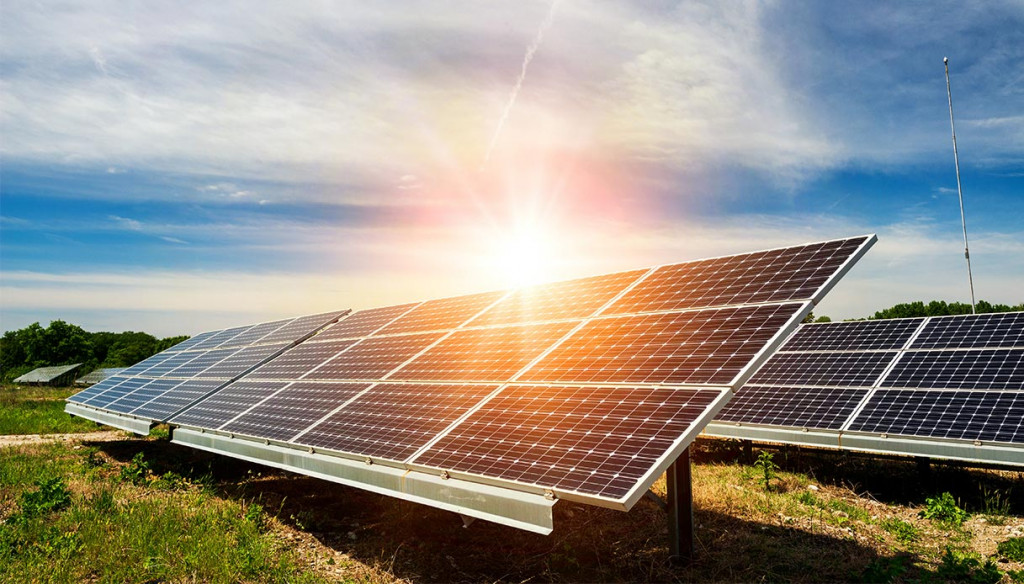
The New Delhi government wants renewables to reach 450 GW by the end of the decade. Solar potential, in particular, is high, but currently only 4 percent of the electricity used in the country is generated from this source. Coal's share, by contrast, is huge, at more than 70 percent. It won't be this way forever, though. This is not said by a young activist from Fridays for Future but by the president of the state-owned mining company Coal India, the one that extracts the most coal in the world. It's a sector that will shrink in twenty to thirty years, says Pramod Agrawal, to make room for solar energy: Coal India plans to enter the photovoltaic wafer business, leveraging the fact that Indian factories produce cells and modules, but not these essential semiconductors.

The competition has just begun. Because Coal India's aim is also that of Reliance, which aims to make the country a large manufacturing hub of cheap but efficient solar panels, capable of conquering the market share of China (now the largest, clearly): it starts with an "integrated photovoltaic gigafactory" of 4 GW per year, which will become 10. Ambani's appetite is also shared by Gautam Adani, the billionaire chairman of the Adani Group, a company that deals in coal trading but will move on to add millions of renewable watts year after year. The government is participating in this industrial effort by raising barriers to the entry of solar modules and cells from abroad, with duties of 40 and 25 percent respectively starting next April.

Most PV equipment comes to India from China. Which, while strong in its advantage, is not just watching the moves of its regional rival, but is also trying to ride the global sustainability revolution. Last month, President Xi Jinping announced that the country had begun construction of a renewable mega-project in an undefined desert, the first phase of which (100 GW) exceeds India's entire wind and solar capacity. But to achieve carbon neutrality by 2060, as it says it wants, the world's largest greenhouse gas emitter will have to succeed in easing its dependence on coal. Similar to the Indian case, solar can be an effective substitute. Also because - according to a study by Tsinghua, Nankai, Renmin and Harvard Universities - by 2023 the prices of the two sources will be similar all over the country: in the northern and eastern areas the break-even will be reached already in 2021; while in the center, in the south and in the north-west in 2023. When combined with storage, solar could meet more than 40 percent of the country's electricity needs by 2060, without compromising grid stability and at a cost of as little as 2.5 cents per kilowatt hour.

Solar power tariffs in India are already very cheap: in the west-central state of Gujarat, for example, they have dropped below two rupees per kilowatt hour (about 2.6 cents on the dollar) and could halve by 2030. By that date, consulting firm Wood Mackenzie estimates that coal's wedge in the mix will be 50 percent and that building new power plants powered by the fuel will be 25 percent more expensive than solar plants. The International Energy Agency says that in 2040 - just nineteen years from now - the shares of coal and solar will be equal, and the nation will be able to rely on 140-200 GW of new battery capacity.

Tight timeframes but huge numbers, like ambition. India and China aren't just competing for markets to sell their solar modules: their low solar production costs, when combined with interconnection capabilities, can turn the Tiger and Dragon into well-rounded "electrostates" capable of generating and exporting large amounts of clean, cheap electricity to Asia. New Delhi is already building grid infrastructure with Bangladesh and Nepal; in 2016, Beijing established GEIDCO to reach as far as Africa and South America. It is not certain that these desires will come true; we are still in the space of the possible: to assert themselves abroad, the two neighboring powers will first have to succeed in meeting domestic needs. But energy, whether renewable or fossil, remains a question of geopolitical power.

Philippines, back to the future: Marcos Jr after Duterte?

In May are scheduled the presidential elections in the archipelago of Southeast Asia, strategic in the dispute between the United States and China. Manila seeks to give a face to the post-Duterte, although his daughter Sara could occupy a prominent place alongside another son, that of the former dictator who controlled the country between 1972 and 1986. From the China Files mini e-book “In China and Asia 2022”, realized in collaboration with Associazione Italia-ASEAN

Articolo a cura di Luca Sebastiani

Former boxers, sons of dictators and presidents, activists and actors. The race for the presidency of the Philippines to be held on May 9, 2022 is heated. The population of the Southeast Asian country will go to the polls next year to decide who will govern for the next few years, both at the national and local levels. In all, there will be about 67 million eligible voters, for a particularly important electoral round. Expectation is very high for the race to succeed Rodrigo Duterte, president since 2016 to whom the Constitution denies the possibility of running again and who has therefore fallen back on running for a Senate seat.

The contenders

At the moment, more than 90 candidates have filed with the hope of holding the highest office in the Philippines. For now, the favorite in the polls is Ferdinand "Bongbong" Marcos Jr, son of the late dictator of the same name Ferdinand Marcos, who controlled the country between 1972 and 1986. Marcos, senator until 2016, is running with the Pfp party (Partido Federal ng Pilipinas) and, in the event of his victory, analysts believe there could be substantial continuity with Duterte (although the latter does not support him). Among other things, as his vice-president, the eldest daughter of Duterte himself, Sara, should be a candidate. After months of rumors about her coming into the field to succeed her father, she has decided to support Marcos. An understanding that could strengthen the axis between two of the most important political dynasties of the Philippines and exponents of the north and south of the country. The most evident change of pace could occur in international politics, with a greater balance of the Philippines between China and the United States, compared to what happened with Duterte, more inclined towards Beijing, especially in the first part of his mandate.

Marcos Jr's main challenger would seem likely to be current Vice President Leni Robredo, a civil rights activist who is aiming to intercept the vote of those who want strong change after the last few years. This is a figure opposed to that of Duterte and against the violent "war on drugs" conducted by the president, in which thousands of people have been killed by police forces (more or less regular) with extrajudicial killings. Robredo has declared, in a diplomatic way, that in case of victory he will collaborate with China only in areas and dossiers where there are no existing tensions, implying however the importance of trade relations with Beijing. Also running for president are Senator Panfilo Lacson, former police chief of the Philippines, and former Defense Minister Norberto Gonzales.

Among the names of weight present at the starting tapes is that of the mayor of Manila, the former actor Francisco "Isko Moreno" Domagoso, who hopes for the official support of Duterte, but also Manny Pacquiao, one of the greatest boxers of all time and currently a senator, who has decided to run for president after hanging up his gloves in September. In recent months Pacquiao has clashed bitterly with Duterte - despite the fact that they are both exponents of the PDP-Laban (Partido Demokratiko Pilipino-Lakas ng Bayan) - criticizing him for his overly compliant approach with Beijing. His election campaign will be based on the fight against corruption in the country and a more intransigent attitude with China. Along with them are dozens of candidates, some inevitably seeking visibility and notoriety in a country hard hit by the pandemic and with a struggling economy.

The balance between the United States and China

Regardless of the domestic policy priorities on which the different candidates will debate between now and the elections, a pivotal issue of the near future for the Philippines emerges strongly: its own positioning in the contention between China and the United States. Covid-19 accelerated the competitive process between the two powers, highlighting the strategic centrality of the Indo-Pacific region. Since the beginning of Duterte's presidency, economic and political relations between Manila and Beijing have been gradually strengthening, consequently weakening the understanding with the US of then-President Donald Trump. A trend that lasted until last spring's diplomatic clash when the Philippines and China came to blows over the Spratly/Kalayaan islands, a historic territorial dispute between the two countries.

On that occasion Beijing sent more than 200 fishing boats to the waters of Juan Felipe Atoll (or "Whitsun Reef" to use the international name), defined as real "maritime militias" by the Philippines. The Chinese refusal to leave the waters increased the tension. For Manila it was a clear manifestation of the Chinese will to occupy territories in that area, so much so that the Philippine Foreign Minister, Teodoro Locsin Jr. reacted by addressing the Chinese with very harsh words: "Get the fuck out". Despite these statements, Duterte has always tried to keep the level of tension with China low. On the other hand, millions of doses of vaccines essential for the country came from Beijing. Also in November, there was an incident in the South China Sea, with People's Republic ships firing warning shots near Philippine boats.

The United States immediately used the issue to lend full support to Manila, seeking to widen the gap between the Philippines and Beijing. For Washington, the archipelago is fundamental, given the geographical proximity with Taiwan and the historical link that binds the U.S. and Manila. Also for this reason that with Joe Biden at the White House, the American administration has shown itself more attentive towards the country of Southeast Asia, which after repeated statements to the contrary has renewed the Visiting Forces Agreement.

The recent tensions with China have warmed the spirits of the population of the Philippines, who may remember this when they go to the polls. Although there are no candidates among the main pretenders who are direct expressions of Beijing or Washington, it is certain that in these months of electoral campaign will be devoted ample space to the relations of the Asian country with the two superpowers. And in the meantime, China and the United States are watching.


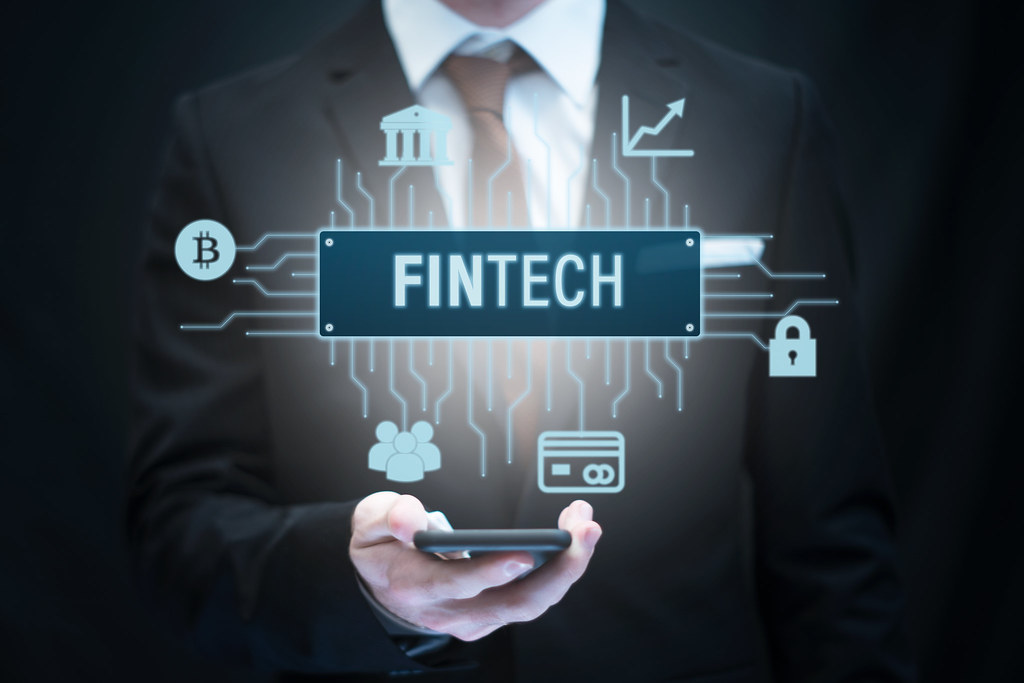
The bet of decentralized finance in Southeast Asia: a "child’s play"?

Digital transformation is revolutionizing the world of finance and opening up new opportunities for profit. In the context of ASEAN, investing becomes a particularly easy and entertaining operation within everyone’s reach, given also the widespread familiarity with the world of video games and technological tools.

In Southeast Asia, the spread of cryptocurrencies grows in tandem with the ludicization of trading platforms. The meeting of these two trends gives rise to decentralized finance platforms (DeFi) that manage to transform the "cold, boring financial activities into fun, communal adventures that resemble the gaming experiences that young Asian investors are familiar with”

The synergy between the gaming industry and the world of digital finance has so far been particularly successful in Asia, given the centrality that both sectors cover in the economy of the continent. Thanks to the decentralization and transparency typical of blockchain technology, crypto-finance is presented to younger investors as a more equitable and accessible alternative than traditional finance. In addition, often the platforms are designed to make trading more and more similar to a video game, which lets glimpse the possibility of getting rich with simple and fun operations.

Axie Infinity, developed by the Vietnamese studio Sky Mavis, is among the most popular play-to-earn games: during the past summer, the historical volume of transactions exceeded the billion dollars, while the platform reached the share of a million active users per day (DAU). The ecosystem, which relies on Ethereum’s blockchain technology and is based on non-fungible tokens (NFTs), involves players in mining activities, essentially offering the ability to convert the accumulated virtual currency into real earnings.

These features have made Axie Infinity attractive not only to young digital natives, but also to precarious workers, for which the mining operations therefore become not only a profitable pastime but also a real profitable activity that guarantees a certain economic stability. Just think that for a citizen of the Philippines daily spend a minimum of two hours to develop and support the virtual economy of the game can have a significant impact on real life, reaching almost twice as much as an average monthly salary. Lily Z. King, CEO of Cobo, crypto asset management commpany and custodian platform based in Singapore, noted that "for its 2 million users, the game has already become a workplace, a bank and a stock market".

Indonesia is another ASEAN country where part of the population relies on the gamified DeFi to cover daily expenses. Of the million users who benefit from the digital entertainment and asset services offered by Singaporean Digital Entertainment Asset, about half are Indonesian, as the cryptocurrencies earned during the online gaming sessions are easily convertible into the local currency, passing through exchange as Indodax.

The recent trend towards the gamification of digital finance seems to bring with it a number of advantages, including the inclusion in the financial world of ever wider and more diverse sectors of society. However, some observers point to the potential risks of a system that relies on emotional involvement and whose playful dimension can easily lead to dependency, especially for younger and inexperienced people. The simplification and open-source nature of blockchain technologies does not prevent users from incurring serious losses resulting from the risks typical of the sector, such as extreme volatility and the danger of speculative bubbles, while high yields are not accompanied by guarantees such as those offered by banks and traditional investment accounts.

For these reasons, authorities must invest in financial education, ensuring that the population is provided with the tools and knowledge to prevent the attempt to keep up with digital transformation and technological innovation from becoming a dangerous game. In April, a group of Australian and Southeast Asian blockchain associations signed a Memorandum of Understanding establishing the Asean Blockchain Consortium (ABC), the first collaboration between actors in the sector to promote training on the subject, as well as proposing cross-border collaborations and with regulators to ensure legal compliance of regulations and encourage the adoption of technology.

Blockchain technology and crypto-asset markets are starting to revolutionize the paradigms of the industry, making finance more engaging and inclusive. As Chia Hock Lai, co-president of the Blockchain Association Singapore (BAS), pointed out at the signing of the agreement, all the actors involved have the task of "support the growth of the industry in a healthy and sustainable pace, while providing ample room for innovation".

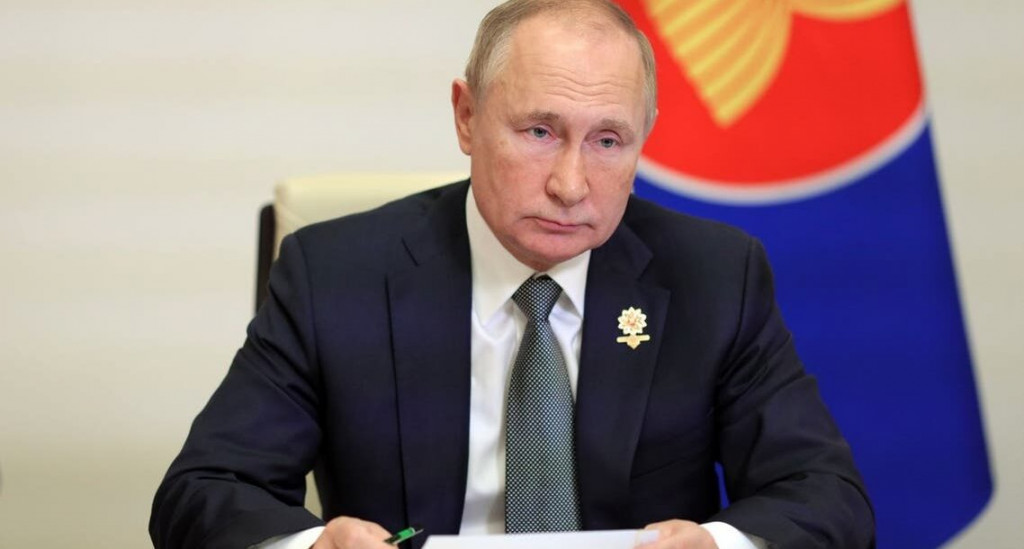
Russia’s interests in ASEAN countries

Russia is paying more and more attention to South-East Asia, intensifying cooperation with ASEAN countries in diverse fields.

Russia and ASEAN countries have conducted their first naval exercise from the 2nd to the 4th of December 2021, in Indonesian waters, along the Strait of Malacca, one of the most important maritime routes in the world. For the exercise, Indonesia, Thailand, Singapore, Vietnam, Malaysia, Myanmar and Brunei deployed their warships and military aircrafts, while the Philippines participated as a virtual observer. This is the first joint exercise between ASEAN countries and Russia. On the other hand, individual states such as Indonesia in 2020 and Laos in 2019 have already completed military exercises with Moscow. Indeed, Russia and some ASEAN countries seem to have a strong link in the field of defence and security. Based on data for the period 1999 to 2019, Moscow is the first arms exporter to Southeast Asian countries. According to a report by the Stockholm International Peace Research Institute, 26% of all arms imported in ASEAN countries are supplied by Russia, while 20% by the United States.

In general, it should be highlighted that it is convenient for ASEAN countries to have a broad portfolio of suppliers in order to both strengthen their policy of non-alignment and avoid having a bad relationship with other supplier states. Connie Rahakundini Bakrie, an Indonesian military analyst from the Institute of Defence and Security Studies, described the joint exercise between Moscow and the countries of the Association of Southeast Asian Nations as a further sign of non-alignment of the ASEAN bloc. Indeed, over the years these states have sought to build a policy that would let them avoid taking sides between China, to which they are linked by close economic ties, and the United States, that are definitely a guarantee against any possible dispute given by the growing power of Beijing. With the exception of Laos, Cambodia and Myanmar, which are much more linked to China, the other ASEAN countries are building strong ties with Western countries.

The foreign policy of the ASEAN countries seems to be convenient also to Russia, which is paying more and more attention to South-East Asia. This bond is also proved by the upgrade of the relationship between Moscow and the ASEAN countries to a "strategic partnership" in 2018. In addition, the fourth ASEAN-Russia Summit was held in video conference on October 28th to celebrate the 30th anniversary of the relations between Moscow and ASEAN countries. This summit has also produced a Comprehensive Plan of Action to implement their strategic partnership. As stated by Richard Heydarian, Professor of History and Political Science at the Polytechnic University of the Philippines, Russia most likely sees South-East Asia as a strategic territory to promote a multipolar order and not a uni or bi-polar global order. Moscow certainly wants to undermine the global status enjoyed by the United States, but this does not imply that Russia wants to permit China to expand its control to regions that declare themselves as non-aligned, such as South-East Asia.

Vietnam is definitely the ASEAN state to which the Russian Federation is most closely linked. The friendship between the two countries has been also demonstrated by the visit of Vietnam President Nguyễn Xuân Phúc to Russia from November 29th to the 2nd of December 2021. The leaders of the two countries during this visit have produced a joint statement on their global strategic partnership and have also expressed their desire to both increase their cooperation on security and defence and to strengthen their trade and investment ties. The link between Hanoi and Moscow derives mainly from the similar political views of the two countries during the period of the Cold War. Vietnam is of strategic importance to Russia as it serves as a bridge between Moscow and the ASEAN bloc. On the other hand, Vietnam probably hopes that Russia will stem China’s claims in the South China Sea. However, it is unlikely that Moscow would sacrifice its relations with China for Vietnam.

Richard Heydarian also makes a very interesting point about the connection between Russia and ASEAN countries. Moscow, in fact, has another source of attraction for these countries: ideology. The politics that Putin represents is actually very attractive to some South-East Asian leaders who do not fully recognize themselves in the democratic systems of the United States and the European Union. Putin’s authoritarian, nationalist and populist policy seems to exert a particular soft power over some members of ASEAN. Finally, Russia has also applied the so-called vaccine diplomacy in many countries belonging to ASEAN. ASEAN countries, in fact, have greatly appreciated the intervention of Russia in response to the COVID-19 pandemic, also through the distribution of the vaccine "Sputnik V" in the area and the training of health experts.  

RCEP, the agreement that promises Asian integration is underway

On January 1, 2022, the Regional Comprehensive Economic Partnership (RCEP) will officially enter into force, an agreement that comes with great expectations about the Asian integration process. An overview

The Regional Comprehensive Economic Partnership (RCEP) will enter into force by January 1st, 2022. It is the largest trade agreement in history outside the World Trade Organization (WTO), involving 16 countries of the Asian region. At the time of the official launch, however, 10 nations will be involved in the new measures, while 5 have yet to ratify the agreement within their own legislative mechanisms. From January 6 ASEAN nations will be included in the RCEP: Singapore, Brunei, Thailand, Laos, Cambodia, and Vietnam. Together with them enter China, Japan, New Zealand, and Australia. Finally, for South Korea, it will be necessary to wait for the plenary session of the National Assembly to formalize the entry into the agreement.

Many words have already been spent on the potential of the RCEP, as much as the expectations are high. A treaty of this magnitude will only accelerate the economic integration of the region, bringing together very different economic, political, and social realities. The RCEP will cover a market of 2.3 billion people, with a value of production that exceeds 26 trillion dollars: this is about 30% of the world population and over a quarter of the exports existing on global markets.

The main points

The RCEP aims to break down tariff barriers by up to 90% between member countries over 20 years. For China and ASEAN countries it will mean a strengthening of the Free Trade Agreement (FTA) already in force, reducing 70% tariffs on goods imported from Southeast Asia, while Brunei, Singapore, Thailand and Vietnam will eliminate around 75% of tariffs on products imported from China. All correlated with an effort to simplify and accelerate administrative practices related to commercial exchanges between RCEP countries. This step will focus on the growth of digital skills in the countries involved, but also on the harmonization of data, documents and communications.

The second most important aspect of the regional agreement concerns the abatement of the so-called non-tariff measures (NTM), or all those restrictions on imports linked - for example - to the quality and safety standards of a particular industry. This is an important point, which together with the transparency constraint facilitates international transactions along the supply chain. One example is Vietnam, which imports a significant portion of high-tech components from China and South Korea: these types of deals are continually subject to compliance procedures that drive up the prices of both materials and final output, while the absence of uniform standards hinders the introduction of the product on international markets. Costs that are anything but negligible, as they require a very in-depth and updated analysis of the regulatory requirements of the business partner, and the adoption of new certified tools and skills. With the arrival of the RCEP, this process is adopted in a single solution at the national level, with the competent authorities who have worked to apply the measures necessary to standardize national regulations with those provided for in the agreement.

Digital integration is one of the most innovative steps of the agreement in the FTA panorama. The acceding countries promise to create more opportunities for small and medium-sized enterprises in the e-commerce sector, as well as providing them with more digital skills to facilitate trade on the international market. According to a 2021 survey by the World Economic Forum, 87% of ASEAN SME executives count on digitization as an important tool to overcome the economic crisis. In the plans of the RCEP, this evolution will have to pass through new channels, where monetary transactions and the exchange of documents and administrative deeds will have to take place. Hence the opportunity to exchange technologies and useful expertise more easily: companies in Singapore, a country that excels in the global digital skills index (DSGI) (with a score of 7.8), can contribute to the technological development of partners far from the soft and hard technological upgrade (like Cambodia, which has only 2.8 of DSGI).

What to expect 

The RCEP was launched in a difficult historical moment, where economic development must deal with the waves of Covid infections. Any large-scale economic integration process takes several years before showing the first concrete results. The agreement offers the most advanced countries the opportunity to reduce costs along the supply chain, while it allows developing countries to more easily import some sophisticated technologies and know-how. Both Asian investors and foreign companies entering the RCEP market could see the range of growth opportunities widened, both in terms of purchases and sales of goods and services.

The promises of the agreement are commercial integration, tariff rationalization, economic liberalization, revitalization of SMEs, market accessibility and mutual benefit between equals. This does not completely eliminate the risk that some countries may take advantage of the agreement to enter the gray areas of national regulations, especially where protection for SMEs is lacking. The time for disquisitions has come to an end for (almost) all countries: it will be the actions of the next few years that will demonstrate the potential of the RCEP both for private individuals and for international cooperation.

What will be the future of the ASEAN economy in 2022?

In the years preceding the Covid-19 pandemic, ASEAN countries competed to become the fourth world economy power within 2030, but several lockdowns, waves and millions of infections have put on stand-by this major goal..

For millennia, Asia has amazed and surprised the West with new discoveries and great steps forward in technologies and economic fields. In this precise historical moment, expectations that the whole world, but first and foremost the various ASEAN countries, place on the Asian rebirth are delaying being actualized but this doesn’t mean that they will not materialize. According to data processed by Oxford Economic, the prolong of the pandemic is only delaying the restart of ASEAN countries. In the first trimester of 2021, Indonesia, Thailand and the Philippines, the three majors Southeast Asian economies, have found themselves obliged to actualize several measures of containment to cope with new waves of infections, respectively registering a contraction of 0.7%, 2.6% and 4.2% of GDP compared to the same period of 2020. Therefore, if analysts have revised downward the block’s growth previsions for the current year, from 5.5% to 4.9%, positive signals that arrive from global trade and the gradual return of investments suggest an even stronger recovery in 2020 (+6.5%).

For the most part of ASEAN countries, the second semester of 2020 was the first period in which the influence of the pandemic has made itself felt. For this reason, it will be easier for regional economies to register an annual growth in the ongoing trimester. However, the future is still wrapped in uncertainty due to the recent worsening of the virus throughout the region. Restrictions have slowed private consumption expenditure, which fell 0.5% year-over-year in the first quarter, outpacing the 0.9% growth registered in the fourth quarter of 2020.

The progress of vaccination programs in every country will have an impact on people’s expenditure. On May 5th of this year, the Bank of Thailand made economic projections based on certain scenarios: whether 100 million doses of vaccination will be distributed by the end of 2021 to achieve herd immunity by the first quarter of 2022, the economy will grow 2.0% in 2021 and 4.7% in 2022. A delay in achieving herd immunity until the third quarter of 2022 would reduce economic growth in the region to 1.5% in 2021 and 2.8% in 2022. If it takes until the last quarter of 2022, the economy will only grow 1.0% and 1.1%, according to the bank’s projections.

During the first trimester, Thailand was hit by the second and the third wave of the virus. The second one, that developed in half December and lasted until the beginning of February, brought to shorter opening times, and the closure of activities such as coffee shops, pubs with karaoke and massage parlors in the metropolitan area of Bangkok. After protests of the catering sector, the government began to allow the access to food services also in the most hit provinces. Nevertheless, entrances of restaurants remained low, as seating capacity was limited to 25%. Restrictions slowed private consumption expenditure, which fell 0.5% year-over-year in the first quarter, outpacing the 0.9% growth registered in the fourth quarter of 2020. The lack of tourists has not helped the economy. Although the Thai government is keen to open the country given its dependence on tourism, waves of viruses have disrupted visitor flows. Exports of services, which include spending by non-residents such as tourists, declined 63.5% in the three months ended March. Merchandise exports grew for the first time in four quarters, posting a 3.2% increase.

Malaysia was on track to satisfy official previsions of growth of 6% to 7.5% until the coronavirus pandemic struck in March 2020. Nevertheless, the country has continued to work to achieve the predicted growth in Gross Domestic Product (GDP) between 6.0% and 7.5% in 2021. The Malaysian government’s future strategy includes a greater focus on the economic sectors most affected by the coronavirus pandemic such as tourism and retail. Kuala Lumpur will wait for the recovery to take hold before considering any new taxes. Since the objective is to relaunch the economy, this will only be possible through a balance between short-term fiscal injection and the fiscal consolidation of medium and long-term.

In the Philippines, the government spoke of the country’s potential to return to a rapid growth rate, aided by government spending and an eventual end to blockades. GDP fell 4.2% in the March quarter compared to a year earlier. The Philippine economy shrank more than expected in the first quarter, although sequential momentum showed that a recovery was underway and suggested that the central bank will keep rates at historic lows. The economy also improved on a sequential basis, with production up 0.3% from the previous three months on seasonally adjustment terms to mark its third consecutive quarter-over-quarter growth. Manila is battling one of Asia's worst coronavirus outbreaks with over one million recorded cases and over 18.000 deaths. A new wave of infections since March has prompted the re-imposition of stricter mobility limits, but the new daily cases are down from the peak.

An example of a successful Covid-19 containment and economic recovery strategy is certainly that of Vietnam. With one of the lowest case rates and deaths in the world, Vietnam’s journey against COVID-19 has stood out in Southeast Asia and around the world. The government has been widely credited with the country’s success in keeping transmission rates of COVID-19 under control due to its rapid decision-making process, effective public health messages and aggressive contact tracing, although not without criticism. But, as in other countries, movement restrictions and social distancing measures to reduce the spread of COVID-19 have affected people’s livelihoods. Some families relied on aid for their basic needs. Others, such as informal workers who were unable to submit documentation to access government aid, relied on charity for assistance. Several Vietnamese social organizations working with disadvantaged rural communities, have provided food parcels and loans to families in Central Vietnam, where livelihoods are secured through agricultural labor. The government allocated IPA 63 trillion, about USD 2.6 billion, for social assistance, but the aid was largely inaccessible to those who lacked legal documentation or worked in the informal sector. There are many communities that have not yet received aid from the government program. The executive narrative does not discriminate, but some of its regulations and conditions inevitably pose obstacles for some members of the population. Therefore, Hanoi will have to work to ensure better social inclusion if it wants to maintain the title of “successful economy” among ASEAN countries.

World Bank estimates

Asia-Pacific’s economic recovery is at risk of a setback due to the spread of the Delta variant of the coronavirus and the protracted stress on businesses and households, which will likely result in a slowdown in economic growth and further increase in inequality. This is the analysis made by the World Bank in its latest update on the regional economy. The Bank noted a slowdown in economic activity beginning in the second quarter of 2021, and consequently revised its growth previsions downward for most economies in the region. While China’s GDP growth prevision is being raised over the April revisions from 8.1 to 8.5%, the rest of the region will grow on average this year by 2.5%, almost two percentage points less than the organization’s previous projection.

Among economies with the most marked reduction in growth previsions are those of Southeast Asia mentioned above: for Thailand, the World Bank now foresees growth of just one percent in 2021, compared to the 3.4% projected in April. Vietnam, where the pandemic has hit the main economic and productive centers hard, sees its GDP growth estimate for the current year fall from 6.6% to 4.8%, and Malaysia is also expecting a similar reduction: from 6 to 3.3%. The adjustment made by the World Bank to previsions for Indonesia is more limited, which could grow by 3.7% this year (in April the estimate was 4.4%).

In conclusion, it can be said that the global economic recovery continues, but with a widening gap between advanced economies and many of the emerging and developing markets. Growth prospects for advanced economies this year improved by half a percentage point, but this is balanced by a downward revision for emerging markets and developing economies, led by a significant downgrade of growth for emerging Asian countries.

Eni and the Energy Transition in the Asia Pacific

Abating carbon footprint in an energy hungry region 

Article by Davide Tramballi

Institutional Support for Business Development MENA & APAC, Public Affairs, Eni

In the wake of the COP-26, net zero targets are spreading all over Asia. As China, India and Indonesia have released their own pledges, more than 4 billion people, roughly 60% of the world’s population, now live in countries that declared ambitious zero-net goals. This is having crucial implications on energy markets and their future development. Firstly, ‘net zero’ is becoming a priority for developing nations; this is not an exclusive feature of OECD countries anymore. Secondly, larger Asian nations are increasing pressure on relatively ‘smaller’ nations in the region to do significantly more and better. Thirdly, net zero targets are becoming an economic necessity for APAC countries, as they carry the biggest energy deficit of all World’s regions, compounded by the need for immediate pollution relief shared by virtually all major Asian cities. Finally, Asian countries (especially in the continent’s South-East) are increasingly using next zero pledges as a formidable tool to attract investments, which are and will be more and more pivotal in allowing Asian nations to increase their renewables’ generation capacity. 

Overall, especially in Asia-Pacific, net zero targets are balanced by the serious energy needs of its fast-growing economies and populations, that have turned the region into the World’s largest emitter of CO2 (with roughly half of all global climate changing gases) and are expected to drive 60% of the total global energy demand growth between now and 2040. The top three contributing factors to CO2 emissions are electricity and heat production, manufacturing, and transportation, largely as a result of increasing urbanization in Asia. Especially China and South-east Asia display the World’s fastest growing energy demand, which since the early 2000s has been covered for more than 90% by fossil fuels. To allow Asian countries to achieve the required level of growth, fossil fuels are set to remain a mainstay of supply over the next decades. According to the 6th Asean Energy Outlook’s target scenario, released in Nov. 2020 and to be reviewed in light of 2021 developments (including the results of COP26), the coal-fired power generation capacity is set to increase from 103 gigawatts (GW) in 2020 to 207 GW in 20401.

Looking at these trends, the technologies and know-how Eni has developed on its innovation itinerary are clearly emerging as an effective answer to the Asia Pacific energy transition needs. Firstly, as regional countries start to gradually phase out coal in their energy mix, in line with one of the main COP26 priorities, LNG-to-power projects have mushroomed across the region, fostering gas demand from the power sector. Eni aims to increase local production of natural gas in this area and to market growing volumes of liquefied natural gas (LNG) replacing coal. This will be crucial to reduce APAC’s countries’ emissions while allowing them to also meet their burgeoning energy demand2. Parallelly, Eni intends to leverage on its expertise in renewable energy sources such as solar and wind, at the center of the company’s strategy with a planned increase of 60GW in its global installed capacity by 2050, to support APAC countries ambitious electrification’s targets. Electrification is also crucial to make mobility increasingly sustainable, but not sufficient or fast enough to decarbonize the transport sector. In this regard, Eni’s leadership in the production and marketing of advanced biofuels represent an immediate and complementary solution, also promoting circular economy projects based on the reuse of food and agricultural wastes through environmentally sustainable supply chains. Eni Biojet fuel, which contains 100% biogenic components and could be combined with conventional fuel up to a 50% mix, will especially play a great role in tapping the demand of sustainable aviation fuels (SAF) from the fast-growing regional aviation markets. Carbon dioxide Capture, Utilization and Storage (better known by the acronym CCUS) could be another key tool for the decarbonization of regional energy systems and a first enabler of the hydrogen economy by unlocking the production of low-carbon hydrogen at affordable costs in the near term.

Most relevant Countries of Eni presence in the Asia Pacific

Eni is present in thirteen Asian countries with activities covering the whole energy value chain. In line with the company’s strategy, operations are progressively combining traditional oil&gas projects with energy transition initiatives also in Asia – in view of the total decarbonization of Eni’s products and processes by 2050. This is shown by the efforts Eni is carrying out in some of the most important regional countries.  

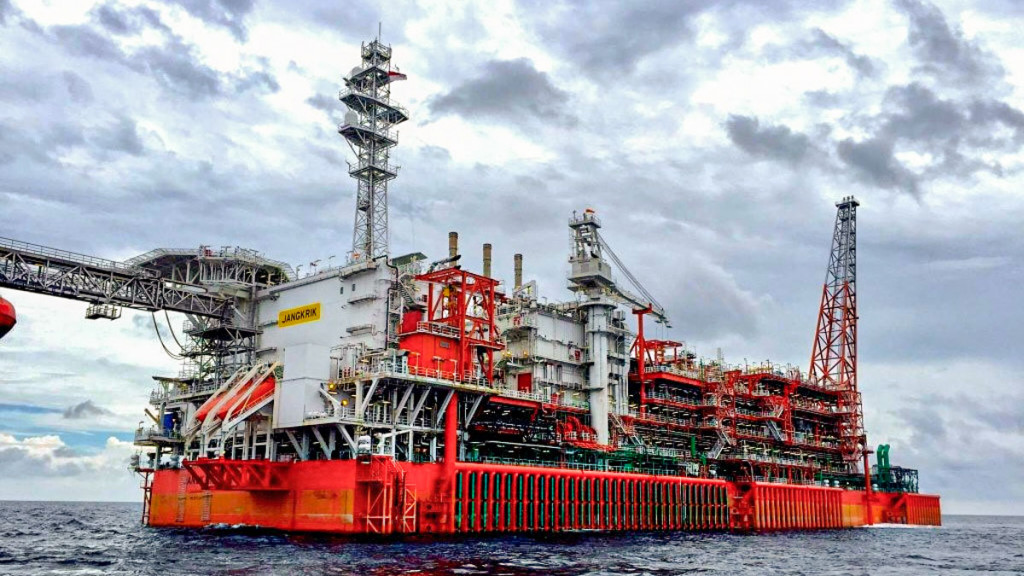
Indonesia is one of APAC’s ‘giants’, and its recent net zero 2060 target has been a breakthrough in the region. However, this clashes with Indonesia’s major coal production and exports (especially to China), and with the planned addition of 33,000 MW to the country’s electricity production, whose probable cancellation opens up a significant window of opportunity for natural gas developments, coupled with CCUS decarbonization’s technologies. Eni is well positioned to effectively contribute to these targets, as it already owns a total of 12 exploratory and producing natural gas blocks. The company produces gas from the Jangkrik field since 2017 and from the Merakes field since April 2021, supplying the Indonesian domestic market and Eni’s own LNG portfolio: the majority of the gas is liquefied at the Botang plant and sold to Pertamina with long-term contracts, decisively supporting Indonesia’s development and ambitious coal phase out objectives. In recent years, Eni and Pertamina have also explored new opportunities for cooperation in biorefinery, circular economy, low-carbon products, waste management, biomasses and R&D.

Vietnam is another key country in Eni’s Asian strategy. The company made a significant gas and condensate discovery in the country’s offshore in 2019, untapping resources that will potentially play a crucial role in reducing the country’s coal dependency, increasingly at odds with its net zero 2050 pledge, while ensuring its growing power demand. In addition, the company has discussed new potential developments in the fields of renewables, biofuels supply chain, and other environmental projects.

Australia represents another example of the integration of gas production with decarbonization processes and renewables. Eni has operated in the country’s North-west offshore since the early 2000s, with activities centered on the exploration and production of natural gas. In 2019-2020 Eni acquired three photovoltaic plants with a total capacity of almost 60 MW in the Northern Territory, which represent its entry into the Australian market for renewables. In addition, in May 2021, the company signed a MoU with Santos to improve cooperation in the development of a CO2 capture and storage/utilization facilities (CCUS) in the Darwin area, serving not only assets owned by the two companies but open to any interested third-party project, with the long term objective of facilitating the creation of a CO₂ management hub in Australia’s Northern Territory.

As the World single largest greenhouse gas emitter, China’s energy plans and net zero targets remain pivotal for the success of the global decarbonization and energy transition processes. The pledges made by President Xi and enshrined in the 14th Five Year Plan (2021-2025) are ambitious3, and shall be reconciled with the huge energy needs of its dynamic economy, and with the country’s over-reliance on coal - especially in the industrial sector, where giant state owned enterprises (such as China Energy Investment Corporation, the world’s largest coal producer and coal-fired power generator) account for roughly 65% of China’s total carbon emissions. The need to drastically cut its coal-powered generation and thus increase reliance on renewables and natural gas opens up several opportunities in China’s rapidly evolving energy sector. Eni has been strengthening its position there since 1984 and today has an integrated presence in oil&gas exploration and production, supply of LNG, refining technologies and trading of crude oil and chemicals. In December 2020, the company signed with the International Cooperation Center of the National Development and Reform Commission (ICC-NDRC) an agreement to promote the collaboration in energy transition, focusing on low-carbon energy sources, advanced technologies and circular economy initiatives.

The 21st Century has been marked by many experts as the “Asian Century”, and the way APAC’s countries will address their energy challenges will be decisive for the global energy transition. With this in mind, over the last years Eni has been building up its integrated presence at the heart of this key energy region, with a strong commitment to diversify energy sources and support economic growth. Looking ahead, the company is seeking to further strengthen its presence, capitalizing on proprietary technologies and decarbonizing solutions to help Asia-Pacific countries on their path towards a safer and sustainable energy for all.


Note

1 The 6th Outlook, published in November 2020, was supplemented in 2021 by the ASEAN Plan of Action for Energy Cooperation, Phase II 2021-2025, stating that: "Taking into account the COVID-19 pandemic, ACE projections indicate that total regional primary energy supply (TPES) could decline slightly by 3% in 2040 in the same reference scenario" (p.1)

2 Develoments in Asia Downstream LNG, Wood Mackenzie, Dec.2021

3 Peak CO2 emissions before 2030; carbon neutrality before 2060; https://racetozero.unfccc.int/chinas-net-zero-future/ 

Recently active members
Foto del profilo di Alessio
Foto del profilo di Monika
Foto del profilo di Gabriel
Foto del profilo di Elena
Foto del profilo di Lorenzo
Foto del profilo di Alessandro
Foto del profilo di Cristina
Foto del profilo di Rocco
Foto del profilo di Clara Lomonaco
Foto del profilo di Redazione
Foto del profilo di Davide Gugliuzza
Foto del profilo di Anna Affranio
Foto del profilo di Ilaria Canali
Foto del profilo di Nicolò
Foto del profilo di Angelo Cangero
Who is online
There are no users currently online
Members
  • Foto del profilo di Alessio
    Active 19 ore, 16 minuti fa
  • Foto del profilo di Monika
    Active 5 giorni, 10 ore fa
  • Foto del profilo di Gabriel
    Active 3 settimane, 6 giorni fa
  • Foto del profilo di Elena
    Active 1 anno, 4 mesi fa
  • Foto del profilo di Lorenzo
    Active 2 years, 6 mesi fa