What Indonesia's G20 will look like

Focus on Indonesia's G20

Jakarta could direct the attention of the global North towards developing Asia, but it may miss the opportunity to step out of the mainstream of multilateralism. Here are what challenges it brings with it

Indonesia will lead the presidency of the G20 from the 1st of December 2021 to 30th November 2022. It is the first time Jakarta has obtained the leadership of the multilateral group, which includes 19 of the largest economies and the European Union. Founded in 1999 as a platform for discussing economic issues, it soon spread to other global problems. The handover between Italy and Indonesia, discussed at the summit in Rome on October 30-31st, was an opportunity to highlight some of the most challenging: climate crisis, health emergency, management of global markets are just some of the terms most mentioned by leaders gathered on that occasion.

The presidency of Indonesia will see emerging economies as protagonists: in 2023 it will be India's turn, followed by Brazil and then South Africa. "This is an honor for us, for Indonesia, and at the same time a great responsibility, which we must do well," said Indonesian President Joko Widodo, better known as Jokowi. It is not for nothing that the theme of 2022 is "Recover Together, Recover Stronger", an expression that contains that character of inclusiveness in which the Indonesian-led presidency will try to aim.

According to what was declared at the end of the Rome summit, in 2022 the projects with a view to health security, emissions reduction, and market management should be implemented to contain the economic crisis caused by the pandemic. Challenges that are not simple, which Jakarta will have to carry on their shoulders as the only ASEAN member included in the club. 

Climate crisis and sustainable development

Like other Southeast Asian countries, Indonesia is exposed to increasingly frequent extreme climatic events (2510 reported in 2020, compared to 535 in 2005). Therefore, Indonesia - as said by Jokowi - hopes to “offer a platform for global partnerships and international funding to support the energy transition to cleaner renewables”. 

Jokowi is aware of the difficulties of emerging economies facing the transformations that the energy transition requires. What has been considered one of the main solutions on the table is, for developing countries, a challenge that first requires universal access to quality electricity. Indonesia alone has sovereignty over 17,500 islands and a sinking capital, while the economic policy is deeply rooted around fossil fuels. The projects are many and quite ambitious, such as a solar park in Java which will be completed by the end of 2022 and will be, with its 145 megawatts, the largest in the country.

Sustainable development requires a different approach than that adopted by the global North. The arrival of Indonesia at the head of one of the representative organizations of this reality could bring new ideas that are often underestimated. In 2014, Jokowi started introducing many reforms to increase individual well-being. Consequently, the Gini coefficient for income inequality in Indonesia has started to decline for the first time in 15 years: today it has stabilized at around 38.2 (that of Italy is at 35.9). The issue of health cooperation will also remain important to support countries in difficulty, which remains an important topic for domestic politics as well: in recent years, for example, Jokowi has introduced a review of health insurance with a view to universalizing the system. sanitary.

Jakarta maintains prudent fiscal policies, to the point that the national debt remains below 40% of GDP. This political vision is accompanied, not without criticality (as in the case of labor laws), by a clear support for liberalization. In this way, Jokowi's reforms have helped to improve Indonesia's position in the World Bank's Doing Business Index from 120th place in 2014 to 73rd in 2020. In this sense, Jakarta remains a welcome guest in the G20, and a potential example of economic development for the rest of the region.

International cooperation

Indonesia's caution also remains high in foreign policy, where Jokowi has been able to maintain active links with both China and the United States. The control over public debt has made it possible to welcome the Chinese projects of the Belt and Road initiative to accelerate infrastructure development plans, while the attention towards other potential investors remains high. It is no coincidence that the landing page of the site dedicated to the presidency of Indonesia reveals the intention to present the country to the world, make it more attractive and trustworthy by the international community. The promise, signed during the G20 in Rome, to tax multinationals with a global tax of 15% could seem another good prerequisite for Jakarta to open up to the world. Furthermore, from a political point of view, Jokowi has been able to manage the inter-ethnic conflicts in the country and is the only Muslim leader who has reached the presidency through regular democratic procedures. 

Caution and compromises: the Indonesian presidency contains that accommodating leadership that lends itself to buffering ideological frictions in a particularly complex historical phase for the international community. Different, but complementary to a political and economic model like Western democracies. The G20 in Rome intended to reaffirm the model of multilateral international relations, while the world risks slipping into small neighborhood conflicts that hinder the cooperation and supervision of external actors. It is beginning to become clear that in the face of these tensions, the power of international institutions to give sufficient answers to contemporary problems has perhaps been overestimated, while the presence of Indonesia could bring attention back to those countries that have yet to catch up with the rest. of the world.

The not so easy exodus of foreign companies from Myanmar

Foreign companies operating in Myanmar are struggling to continue their operations given the political and economic situation. But they are also reluctant to leave: let's see why.

Following the COVID-19 pandemic and the political and economic crisis triggered by the military coup last February, foreign companies present in Myanmar are in a very critical situation, as confirmed by the collapse of investments that these companies have made in the country, at their lowest since eight years. 

The Burmese economy, according to the Asian Development Bank, has contracted by 18.4% in the last year and the situation does not look set to improve in the near future, so much so that the International Monetary Fund has recently revised downwards its forecasts for the rate of economic growth in 2022. At the root of this, there is the collapse of the local currency, the kyat, and the significant increase in food prices, all factors contributing to the growing unease of the population.

Political uncertainty, slumping local demand and currency volatility have prompted many foreign companies to close or downsize local operations. Liquidity shortages and banking sector dysfunctions have also limited the ability of businesses to pay employees and suppliers. Internet access was also severely restricted in the three months following the coup. These shocks weakened consumption, investment and trade and also limited the operations of companies in the supply of labor and other inputs.

Already in the first months after the coup of the regime, large companies such as the energy giants EDF and Petronas, but also the Thai group Amata and the Singaporean engineering company Sembcorp ceased or suspended operations in Myanmar. In addition, British American Tobacco (BAT) announced last October that it would leave the Burmese market at the end of 2021, although its departure was officially motivated by purely commercial decisions. In fact, having started operations there in 2013 with an initial investment of $50 million, BAT's exit from Myanmar after less than a decade reflects the critical situation the country has plunged into. Also in the same month, the Kempinski Hotel, in the capital Naypyidaw, which had also hosted President Barack Obama during his state visit in 2014 and was an important symbol of the country's openness, ceased operations. 

But exiting Myanmar is not an easy step for all companies. Many, in fact, have invested in multi-year infrastructure, and an immediate exit strategy is impractical. This is the case, for example, of Australian natural gas giant Woodside Energy, which merely states that "all business decisions in Myanmar are under review."

Another company that is struggling to leave the country, albeit for other reasons, is Norwegian telecommunications giant Telenor. The latter is strongly motivated to cease operations in Myanmar not only because of the serious deterioration of the business environment, which has resulted in a loss of over 782 million US dollars, but also in order not to give up to government attempts to control the company's activities. More specifically, the military junta has tried several times, although in vain, to force Telenor to limit web traffic and intercept users in order to allow the authorities to spy on calls and messages.

However, the company is still waiting to obtain the approval for the sale of the activities to the Lebanese company M1. This comes in the wake of a confidential order, issued last June, requiring senior executives of both foreign and Burmese telecommunications companies to leave Naypyidaw only with special permission, which does not seem to be forthcoming. 

Moreover, it should not be underestimated that the problematic financial situation only complicates the possible exit of the companies. The banks, which were stormed by long queues at ATMs at the beginning of this year, are still under pressure and liquidity is scarce, making repatriation of the remaining capital extremely difficult. As if that were not enough, the pandemic has also arrived, imposing travel restrictions and onerous quarantine requirements for those crossing borders.

There remains a profound unpredictability about the political situation in the medium and long term, which increases the margin of uncertainty for foreign companies as to whether or not they should remain in the country. These companies, which have been investing in Myanmar since 2011, when it was hoped that the process of democratic transition would be irreversible, are now in doubt whether to pack their bags or ride out the storm. 

Netflix, Facebook and Google under pressure from Southeastern governments

Manila's demand for the removal of two episodes of the Australian series Pine Gap from Netflix Philippines’ catalog is just the tip of the iceberg of recent government pressure on Western digital platforms in Asia.

On November 1st, the Philippine government requested and obtained the removal from the Netflix Philippines’ catalog of episodes two and three of the Australian series "Pine Gap". Manila's irritation arose from the appearance of a map of the South China Sea representing the so-called "nine-dash line", typical of Chinese maps of those resource-rich waters disputed between China, the Philippines, Brunei, Malaysia, Indonesia, Taiwan and Vietnam. The Philippine film classification authority has defined the deleted episodes as "unsuitable for airing" and the Philippine Department of Foreign Affairs argues that the appearance of such a map must be countered as it is aimed at legitimizing the "nine-dash line" with the risk of "corrupting the knowledge and memory of young Filipinos about the real territories of the country". The removal of the two episodes was almost immediate, taking place in the evening. However, the hurry with which Netflix complied with the Philippine government's request was not the same in providing explanations to Reuters, responding only late at night. The cancellation decision was only made public on November 1st for currently unknown reasons.

It's not the first time that streaming services have had problems with authorities about film performances touching on sensitive issues in the region. Vietnam is an example of how pressure from local governments can become real coercion. If in the Philippines two episodes of Pine Gap were eliminated, in Vietnam the series was entirely deleted from the list for the same reason. Similarly, in 2019 Hanoi had withdrawn from theaters the Dreamworks film "Abominable" as well as the Chinese rom-com "Put Your Head on My Shoulder" and the American political drama "Madam Secretary" from on-demand services to avoid "hurting the feelings of the entire Vietnamese people".

Netflix is just one of the actors in this relationship between governments and platforms. In Asia-Pacific there are 40% of Meta’s social media users, formerly Facebook, which therefore has great interests in the area. Vietnam alone has 100 million users and a market worth a billion dollars. Filipinos are the most active on Meta platforms, spending on average over four hours a day online according to eMarketer, while Indonesians use WhatsApp as their main means of communication and information. Given the great impact of Meta on the populations of the region, local governments pay particular attention to what is happening on its platforms, especially since 2017.

Facebook works with the Ministry of Information and Communication (MoIC), the State Bank of Vietnam, the General Department of Taxation, and the Ministry of Public Security to identify and prosecute political crimes on social media. Under threat of shutdown and with the obligation to maintain its registered office, servers and local data storage in Vietnam, Facebook may have taken part in the censorship activities of the Hanoi government: according to Transparency Report, since 2019 the repression of dissent in the country has increased by 983%, the year in which Facebook has shut 200 anti-government sites down. From the Facebook Papers, documents leaked this year along with an investigation by the Washington Post on the Californian company, it emerges that in early 2021 Mark Zuckerberg may have given the approval to the censorship of many Vietnamese dissidents on the platform on the way to the thirteenth Congress of the Vietnamese Communist Party, essential for the selection of the leadership for the five years to come. Google's YouTube is not excluded from these dynamics. In 2019 it was forced to remove dissenting contents about the Hanoi government by deleting over 7000 videos and 19 channels. 58 Vietnamese games have been deleted from the Play Store, as well as from Apple.

Meta's Facebook also plays a role in the Philippines. Since 2017, it has participated together with Rodrigo Duterte’s government in the development of fast internet infrastructure in the country. Facebook's balancing with the government is difficult: in 2020 Duterte did not approve the shutdown of various accounts linked to the Police and the Philippine Army because of their role in the war on drugs initiated by the President. Duterte threatened the social network saying that for Filipinos there would be a life after Facebook and that some spokesmen of the social network should explain what occurred.

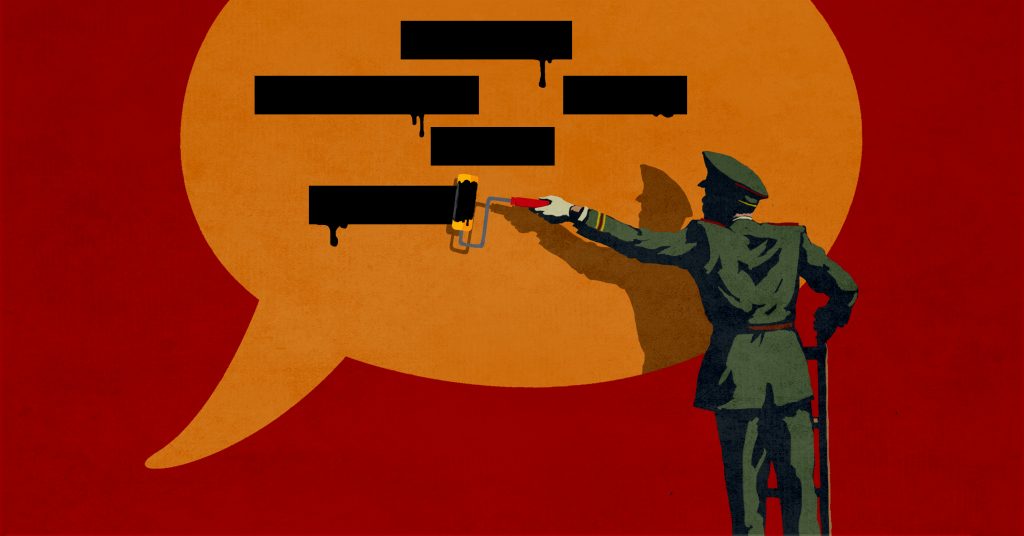
In Indonesia, the government uses the Law on Electronics Information and Transactions Act (ITE) to counter dissidents. Invoked about two hundred times since 2019, according to Amnesty International, this excessive use of it violates freedom of expression. To integrate this law, Ministerial Regulation 5 will come into force from December 2021 allowing foreign platforms to be taxed and involved in the legislative process, under threat of possible shutdown of the platform to prevent the spread of material "prohibited, illicit or that disturbs public order". For this reason, Facebook collaborates with the Ministry of Communication and Information Technology (Kominfo).

Beneath the surface of the digital sea, freedom of expression freezes more and more, thus magnifying the iceberg of repression.

The Secretary General of the ASEAN to attend High Level Meeting

The Secretary General of the ASEAN, Lim Jock Hoi, has assured his presence at the opening session of the High Level Meeting. The event will be therefore opened by the current leader of the Association of Southeast Asian Nations and Romano Prodi, President of the Italy-ASEAN Association and former President of the European Commission.

Chipped away. What does the global semiconductor shortage teach us?

The semiconductor supply chain has been in crisis since 2020 and the shortage will continue. It takes little to stop global trade flows. Governments want to invest in the sector to strengthen their technological autonomy, and ASEAN and the EU could play an important role.

2021 looks like an annus horribilis for global trade, even more so than 2020. Many sectors of the economy have benefitted from the post-crisis rebound and seem to be returning to pre-pandemic levels. Other sectors, however, are still struggling, with tangible effects on consumers. Energy, raw materials, cars, IT products. Everything is more difficult to obtain and therefore more expensive. Of particular relevance is the shortage of chips, which are now essential components for many everyday objects. The global crisis in the semiconductor supply chain is an excellent case study for understanding the nature and fragility of the globalised economy. And it affects ASEAN countries closely: a couple of them - Singapore and Malaysia - are among the main global producers and a large proportion of chips, even when they come from other parts of Asia, pass through the seas of South-East Asia.

The global value chain for semiconductors has very particular characteristics. All the world's economies need these products, yet their manufacture is concentrated in very few countries that are interdependent since nearly every stage of the production chain takes place in a different country. Companies in each country have specialised in a specific stage of production or a certain type of chip, sometimes creating regional monopolies. For example, 92% of semiconductors below 10 nanometres are produced in Taiwan. One EU company, ASML, is the world's only producer of EUV scanners, an essential piece of equipment to produce sub-7 nanometres chips in Taiwan. This dense network of trade has prompted governments to significantly reduce tariffs and semiconductors are indeed among the least taxed products in the global trade system.

Chips need to circulate and need a liberalised and interconnected global market. Major events that can slow down trade flows, such as the Covid crisis, can produce a succession of bottlenecks and ultimately the unprecedented global shortage we are witnessing. Many chip factories in Asia have been forced to close or reduce production due to the pandemic. The transportation industry is also going through a crisis and can no longer distribute semiconductors produced in Asia to the rest of the world. Increasing production capacity in Asia may not be enough if there is a lack of carriers. The trade war between the US and China waged by Donald Trump until last year also had an impact: restrictions on imports of Chinese chips led American companies to turn to Taiwan Semiconductor Manufacturing Co. (TSMC) and Korea's Samsung, whose production levels were already stretched to the limit. However, the Covid crisis or trade tensions are not the only triggers. What is new is that even smaller events, which at first glance may only be of local relevance, have global effects.

‘A flap of a butterfly's wings in Brazil can set off a tornado in Texas’. The butterfly effect theorised by US meteorologist Edward Lorenz also applies to globalisation and the semiconductor market. A failed manoeuvre by a single ship - built in Japan, operated by a Taiwanese company, registered in Panama and managed by a German company: the now-famous Ever Given - blocked the Suez Canal for days, stopping 12% of world trade and almost $10 billion in goods for every day of obstruction. A few weeks after the Suez incident, another seemingly local event, the drought in Taiwan, had a negative impact on the global semiconductor market - and drew public attention to how much water is needed for their production. A few weeks earlier, a fire in a single factory in Japan had dealt a further blow to the sector’s capacity, causing the concern of the global automotive industry, for which chips are increasingly indispensable.

How long will it take to resolve this crisis, according. to the chipmakers? At least another year. Lisa Su, CEO of AMD, believes the situation will improve in 2022, while Pat Gelsinger, head of Intel, is less optimistic and predicts that the semiconductor shortage will last until 2023. In the short term, semiconductor prices will remain sky-high, partly due to the hoarding of chips by companies. Hoarding is taking on unexpected dimensions and forms, even causing the Biden administration to react. On eBay and other online platforms, freelancers are active, buying single, used or disassembled parts at auction and then reselling them to companies. A symptom of the hardship business is facing in procurement. It is natural then to ask how companies and governments are dealing with the emergency. The consensus solution seems to be massive investment plans to increase production. However, the US and EU governments want new plants to open on their territory. The issue goes far beyond the strengthening of the supply chain or economic and employment returns: semiconductors are a strategic asset too important to leave them to the monopoly of Asian countries. In Joe Biden's and Ursula Von der Leyen's speeches on the subject, expressions such as 'national security' and 'technological sovereignty' come up more and more often. Companies too are interested in moving part of their production out of Asia, especially when they are promised generous incentives by governments: TSMC has already started building a $12 billion plant in Arizona and promises further investments in the US, while Intel intends to invest up to $80 billion to open new factories in the EU. The only question is: where? Italy is courting the American gian to attract part of the investment, as is Baviera since one of the plants will probably be built in Germany.

Unfortunately, these projects may not have the desired effect. Although the global value chain of semiconductors is carefully and rigorously studied by experts, it remains difficult to codify the competitive advantages of the sector’s leading companies. Much of the know-how required falls into the realm of tacit knowledge and cannot easily be transferred from the factories in Asia to those in Europe or the USA. So much so that companies build new plants by strictly reproducing the organisation and layout of their existing ones - in line with its famous Copy Exactly! strategy, Intel reproduces details such as barometric pressure, the colour temperature of the lighting or the colour of workers’ gloves. Moreover, the fact that global semiconductor production is so concentrated in a single region, East Asia, and depends on a dense network of regional value chains is a weakness but also a strength of the industry. Will the new factories in the EU or the USA be able to find their place in the global value chain? Will they be able to be competitive?

ASEAN countries can play an important role in the future of semiconductors and already account for 22% of world exports of electronic components. As mentioned above, Singapore and Malaysia are major players in the sector and could attract new investment from the USA, Taiwan and Korea. Thailand and Vietnam have launched ambitious incentive and investment plans to encourage the growth of the sector in their territory. Although Hanoi should pursue an ambitious plan of infrastructure upgrades and reforms if it wants to attract foreign direct investment. Indonesia is also a promising environment for the development of the semiconductor industry, even if this development is held back by a lack of infrastructure and deep free trade agreements. Even for semiconductors, trade deals will play a crucial role in the development of regional and global supply chains: all ASEAN countries are part of the RCEP agreement and, among them, Singapore and Vietnam already benefit from very close trade ties with the EU.

It is difficult to predict the future of the global semiconductor market. Or rather, where that future will take place. The traditional producer states intend to maintain their central role, while the ASEAN countries, the EU and the USA want to start playing a greater part. The only certain thing is that the sector will attract billions of dollars in private and public investment in the years to come.

I thank Filippo Bizzotto for his assistance throughout the writing and revision of the manuscript.

Green and strategy: London’s interest in Southeast Asia

The ultimate British ambition is to return to a relevant role in the international context. Consolidating a relationship with ASEAN countries is considered a fundamental element in this strategy.

Articolo a cura di Luca Sebastiani

The announcement came during Cop26 in Glasgow. The UK will provide GBP 110 million in funding for sustainable infrastructure projects in Southeast Asia. An economic support to the “Catalytic Green Finance Facility” of ASEAN (the Association of Southeast Asian Nations), managed by the Asian development bank (Adb). Developing countries of the region will therefore take advantage from funds to launch programs related to renewable, clean transport and “green” technologies.

It is a declaration that is mixed in with others of similar impact released in recent hours by British government, such as that of new investments on the African continent, and that is accompanied by similar public statements from other countries and organizations – including the EU. Despite this, it is news worthy of particular attention.

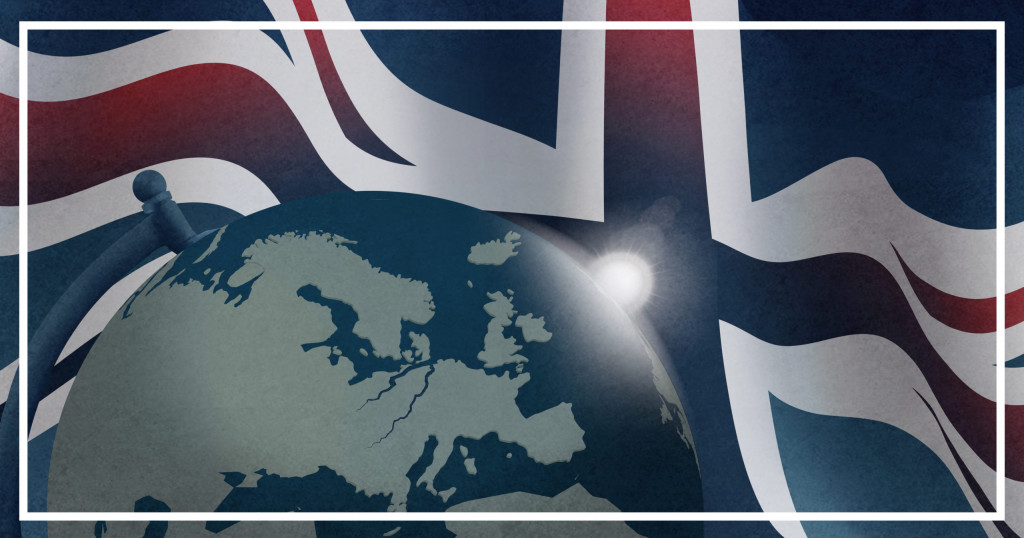
The line dictated by Prime Minister Boris Johnson, particularly after Brexit, is clear: “Reappropriate old friends and embrace new ones”. The Southeast Asian region is one of London’s favorite areas in which to forge economic and diplomatic friendships. The GBP 110 million, in fact, are just the last sign and outlay of money proceeding in this direction. In addition to highlighting the increase of employment and work in the UK resulting from the investment, Liz Truss, British Foreign Secretary, defined ASEAN “an important partner for Global Britain”, expressing the will to deepen mutual ties and bring the relationship into a new era. A further step forward after that, in August 2021, the Southeast Asian association conferred to UK the status of “dialogue partner”, a recognition that had not been granted for more than 25 years. An unequivocal signal that even by ASEAN there is the will of interest for tightest relationships.

The obligatory search for support and commercial agreements around the world, carried out by London after its exit from the EU, has found a particular outlet in the Indo-Pacific area. Not a random choice since today this region is under the spotlight of world attention and is considered the strategic area par excellence. Between 2020 and 2021, ASEAN countries (Indonesia, Thailand, Malaysia, Singapore, Philippines, Vietnam, Myanmar, Cambodia, Laos and Brunei) with which the 10 Downing Street has signed free trade treaties were Singapore and Vietnam, in the wake of similar agreements already in force between the two nations and the EU. However, to strengthen economic relations, the UK has signed bilateral pacts with almost every other state.

On the other hand, these countries are in a phase of impressive economic expansion. Currently, ASEAN ranks sixth among the world’s largest economies, but the forecast is that by 2030 it could be the world’s fourth largest market, behind the US, China and the EU (not necessarily in that order). These figures alone explain the reason for the special British attention. At this time, the value of trade in goods and services between the two parties is important. In 2020, British exports to ASEAN countries were USD 21.5 billion and imports were USD 24 billion, for a total of about USD 46 billion. A declining figure due to the Covid-19 pandemic, as it in 2019 reached USD 52 billion. In the same year, investment from the UK, and directed into the regional bloc, reached USD 36.5 billion.

However, if Global Britain branches out on the one hand with commercial agreements, on the other one diplomatic, strategic and military factors emerge in a plastic way. In November 2019, London established its mission to ASEAN and appointed an ambassador specifically for the area. Last March, more recently, British government released the “Integrated Review of Security, Defence, Development and Foreign Policy” with the emblematic title “Global Britain in a Competitive Age”. In the document is highlighted the interest in the Indo-Pacific and ASEAN countries. Among the goals set by the UK there is one about supporting the central role of Southeast Asian countries in regional stability and prosperity.

Lastly, the military character. In recent months, the Carrier Strike Group – led by the British aircraft carrier HMS Queen Elizabeth – has traversed and is traversing the hottest waters of the globe, crossing those famous bottlenecks fundamental to trade and control of seas. The most significant stops of his journey were made in ports and bases of the Indo-Pacific area and in some Southeast Asian countries. During the deployment, the group conducted exercises with various allied armies, but most importantly, it was tasked with demonstrating the UK’s strength – or at least its willingness – to be a valuable containment tool in an anti-Chinese key useful to the US in the future.

The ultimate British ambition is to return to a relevant role in the international context. Consolidating the relationship with ASEAN countries is considered a fundamental element in this strategy.

The Grand Tour That Saved a Nation

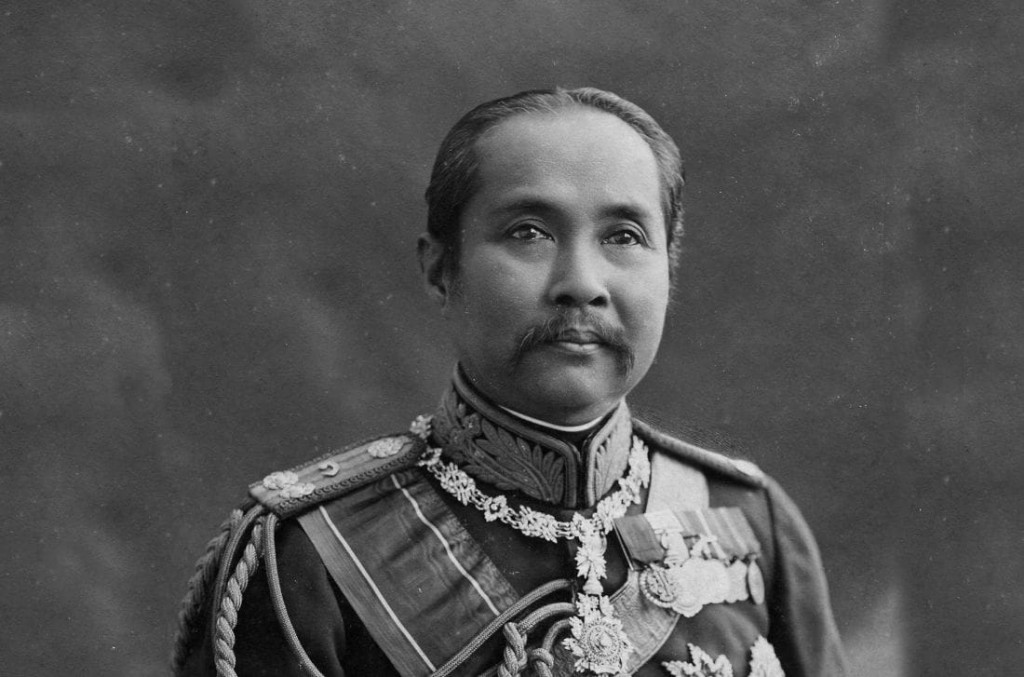
Thai king Chulalongkorn’s European sojourn as a lesson in soft power

The author is Kitti Wasinondh, Senator and former career diplomat with a distinguished career in many roles at the Ministry of Foreign Affairs. He served as the Director-General of the Department of ASEAN Affairs and the Department of Information, as well as Ambassador Extraordinary and Plenipotentiary to the Court of St James’s

At this year’s United Nations General Assembly, the world witnessed the unrelenting force of South Korean soft power, as members of the K-Pop sensation BTS performed their megahit “Permission to Dance” at the General Assembly Hall. In spreading the message about the UN Sustainable Development Goals to millions of their fans worldwide, BTS did their part in boosting South Korea’s image as a global leader of sustainability, complementing the country’s role as convener of the Partnering for Green Growth and the Global Goals 2030 (P4G) summits.

“Soft power”, perhaps less tangible than “hard power”, has become an important source and tool of influence for countries seeking to elevate their status in world affairs. Rather than using military force or economic clout to coerce others to give into your wants, it is much less expensive to make yourself liked by others and get them to do as you please. The term, as coined by Joseph Nye, helped explain the triumph of democracy over communism in the late 1980s. At that time, blue jeans, smuggled Bruce Springsteen cassette tapes, and Voice of America broadcasts traversed the Iron Curtain and spread the idea of freedom and democracy.

Today, Thailand performs rather well on the soft power scale, coming in at number 33 out of 100 nations surveyed by Global Soft Power Index 2021. But what is perhaps more remarkable is that this concept of soft power had much earlier applications in Thailand, and offers a very plausible response to the often posed question of why Thailand was able to remain the only country in Southeast Asia that was never colonized.

When Siam faced colonialist pressure that threatened its independence in the nineteenth century, its king had the foresight that improving the national image and winning over influential friends was far more cost-effective in safeguarding the nation’s sovereignty than going to war.  

Indeed, since the early days of his reign, King Chulalongkorn understood that modernization was essential for Siam to escape the onslaught of colonialism. Modernization was carried out not only to improve Siam’s infrastructure, governance, and its people’s quality of life, but also to improve the country’s image and stature. The King employed several western advisors and professionals to assist him in carrying out several impressive projects, from government, education and social reforms, to modernization of transports and telecom, intent on bringing Siam up to standard with “civilized” nations.

Still, the rapid modernization of Siam was not enough to counter the mounting expansionist threats from the European powers. During 1886-1896, Siam had to face a number of crises. In 1893, France sent gunboats up the Chao Phraya River, demanding compensation from Siam for skirmishes that resulted in the death of French troops. Siam painfully ceded substantial territories, east of the Mekong River, paid 3 million francs, and handed over temporary control of the port of Chanthaburi to France as collateral. Three years later in 1896, Britain and France signed the Anglo-French Agreement, essentially making Siam a “buffer” between French and British colonial interests in Southeast Asia. However, the terms of the agreement merely stated that France and Britain would not violate Siam’s sovereignty without the prior consent of the other party. This declaration did not offer a firm guarantee for independence, but rather indicated that France and Britain would not go to war over Siam.

In the following year, King Chulalongkorn embarked on his first historic European sojourn. It was uncustomary for the King to go abroad, so palace officials told the Thai public that the King was traveling to cultivate diplomatic ties and learn about western civilization. However, the European press had a different take on his visit and reported extensively that the King was seeking supports from major European powers to maintain Siam’s sovereignty.

As one of the first Asian monarchs, along with the Ottoman Sultan and the Shah of Persia, to visit all of the important capitals of Europe, King Chulalongkorn and his trip were the subject of much curiosity and fascination. His affable manner and fluency in the English language made him well-respected and admired among the European nobility and aristocracy. European newspapers and magazines followed his movements closely and reported on his every engagement at both official and social events.

The King was not an inexperienced traveller. In his youth, he first travelled abroad at the age of 18 to Singapore and Java in 1871. He later visited India in 1872, where he was given the highest honour and was invited to observe a large-scale military exercise outside of Delhi. His itinerary was closely chronicled in the press of the time. Newspapers even discussed minutiae, such as the excitement of shopkeepers keen on displaying their wares to the King’s entourage.

The flurry of press interest during his visit to India did not go unnoticed. For his first trip to Europe, the King’s visit was carefully and strategically planned to create the right impressions, putting the Thai monarchy on par with European dynasties, and also to send a direct message to those who threatened Siam’s sovereignty.

King Chulalongkorn made sure to call on his powerful and sympathetic friends, Kaiser Wilhelm II of Prussia and Tsar Nicholas II of Russia, well before his visit to France and Britain. He also paid a visit to the elderly European statesman Otto von Bismarck at his residence, which generated much media attention throughout the continent. The King’s trust in his friendly relations with Prussia led to the employment of many Germans in strategic sectors in the modernization of Siam. Among them were Karl Bethge, the first Governor of the State Railway of Thailand and Theodor Collmann, the first inspector of the Post and Telegraph Department of Thailand. Such appointments should have raised eyebrows under the watchful gaze of the British and the French.

Meanwhile, the king’s close personal ties with the Royal House of Russia, where he sent one of his sons, Prince Chakrabongse, to study for eight years, directly helped Siam vis-a-vis French and British colonialist ambitions. The Franco-Russian alliance also worked well in Siam’s favour. After establishing diplomatic ties with Siam during King Chulalongkorn’s visit to St. Petersburg in 1897, Tsar Nicholas II sent one of his best envoys to Bangkok. Alexander Olarovsky, who served as the first Consul-General of Russia to Siam, was instrumental in mending Franco-Siamese relations and persuaded France to return Chanthaburi to Siam. Furthermore, as Russia was at odds with Britain in the Afghan ‘Great Game’, the former also had a direct interest in preventing Siam from falling under Britain’s sphere of influence.

In Europe, King Chulalongkorn soon became widely recognized as one of the most prominent monarchs of the world in his days. Despite the difficult relations that Siam had with Britain and France, King Chulalongkorn took great care to project an image of amity with their heads of state, thereby creating favourable sentiments among the general public. In England, he was hosted at Buckingham Palace and had lunch with Queen Victoria at Osborne House, her private residence on the Isle of Wight. In republican France, he was received with all the pomp and circumstance befitting a visiting European monarch, despite initial doubts that there could be protests staged against the Siamese sovereign.

Although King Chulalongkorn could not win over the powerful colonists with any resources of “hard power”, he showed the world that, with the right combination of diplomatic acumen and effective public communication, he could attract influential European leaders, and even the Western public, to support his cause. On the other hand, the King’s efficacious diplomacy played a pivotal role in securing Thailand’s stature as an independent nation throughout history, and apparently, has brought about a timeless lesson that attests to the value and effectiveness of “soft power”.

All projects lead to the Indo-Pacific

AUKUS is just the latest in a series of multilateral initiatives focused on the region. From the United States to the United Kingdom, from Australia to the European Union, all have a reason to increase their presence in the area.

By Dmitrii Klementev

All roads lead to Rome – one could say when the Roman Empire stretched across the vastness of the Mediterranean. The greatness of ancient civilizations shaped the way in which most of us see the planet approaching a world map centered on the Mediterranean. Now we see how the world is turning in the other direction - towards the Indo-Pacific region. Every year an increasing number of projects are being implemented in this region. More and more global actors adjust their strategies taking into account its growing importance. This article seeks to shed light on the most significant of them, drawing conclusions for the future of world order.

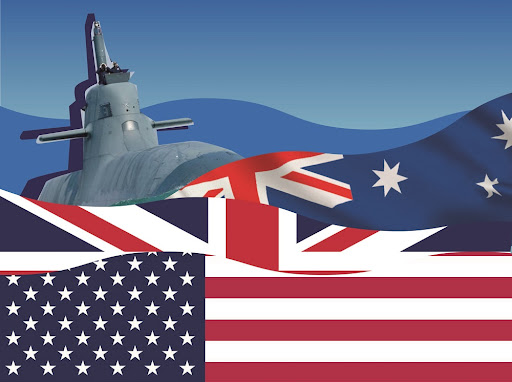
Recently, the signing of the “AUKUS” agreement has provoked heated discussions all around the globe. Some countries were even caught off guard by the decision of the US, the UK and Australia. Nevertheless, “AUKUS” is but one link in a big chain of events which has been gradually developing over the last decade and even not a surprising one.

With regards to the UK, the “Global Britain” foreign policy concept, issued in March 2021, particularly emphasized the importance of the Indo-Pacific region for the country. This shift in focus of British foreign policy was demonstrated already in 2016 when the country voted to leave the European Union. In line with the new strategy, the European countries are considered to be the UK’s competitors in the region, as long as it seeks to “establish a greater and more persistent presence than any other European country” in the Indo-Pacific.

The US, another “AUKUS” signatory state with which the UK enjoys the Special Relationship, started reorienting its foreign policy towards the Indo-Pacific even earlier. Therefore, it already possesses a number of ambitious initiatives, aiming to promote its influence in the region. On June 12, 2021 at the US initiative the G7 leaders launched the “Build Back Better World” (B3W) initiative, which is officially focused on addressing infrastructure needs in low- and middle-income countries. However, the absolute majority of experts tend to consider the project as an alternative to the Chinese Belt and Road Initiative (BRI).

It is worth mentioning that the Biden administration did not design the B3W initiative from scratch. It was based on the project developed under D. Trump - the Blue Dot Network (BDN). The latter was kicked off by the US, Japan and Australia in 2019 on the occasion of the Indo-Pacific Business Forum. The BDN aims to provide assessment and certification of infrastructure projects worldwide ensuring their compliance with a number of environmental, financial and social criteria. The rationale behind it was to divert countries from the Chinese BRI, which is believed to force them into indebtedness and, as a result, fall into the Chinese area of influence. Under the Biden administration the BDN started operating under the OECD.

For the third party to the “AUKUS” deal, Australia, the agreement became an opportunity to voice its concerns about regional security. Cooperation with the US and the UK, allows the country to achieve a nuclear-powered submarine fleet as well as potentially get access to long-range missiles and some other capabilities.

Without a doubt, China’s growing influence is the main reason explaining why Australia has become an active actor in big politics nowadays. This can be also confirmed by the fact that in 2018 Australia upgraded its relationship with Vietnam to a strategic partnership. Both Canberra and Hanoi share concerns about freedom of navigation in the South China Sea, which is the most important transport hub in the region.

Interestingly enough, “AUKUS” is not the first multilateral initiative in the region which brings the US, the UK and Australia together. Alongside Canada and New Zealand, the above mentioned countries form up the Five Eye intelligence alliance the establishment of which dates back to the beginning of the Cold War. Originally designed to counter the Soviet threat, nowadays, the alliance aims to deal with China.

Last but not least, the announcement of the “AUKUS” defense pact on September 15, 2021, outshadowed another important event – the presentation of the Indo-Pacific strategy by the European Union, which is not going to give up in the race for influence in the region.

Being preoccupied with the rising tensions in the Indo-Pacific, disregard for human rights and democratic values, the EU mainly relies on trade and investment policy instruments, since it is in these areas that the Union possesses a number of advantages in the region.

This list of initiatives, strategies and actors is far away from being exhaustive. However, even this may be enough to state that the world order has entered an active phase of transition. The latter represents a unique opportunity to make a breakthrough for those who lagged behind. Nevertheless, this process will equally show no mercy to those who ignored it. Probably, in a few years the centrality of the world map we are accustomed to will change, since almost all projects today eventually lead to the Indo-Pacific.

Facebook Papers are shaking ASEAN Countries

Hate speech, propaganda, elimination of political dissent and human trafficking. Issues of which the giant company was aware, but did not act, according to the allegations of the investigation called Facebook Papers

Recently, Facebook has been in dangerous waters after several U.S. and European newspapers simultaneously published articles based on internal documents released by whistleblower and former employee Frances Haugen on some controversial matters concerning the company.

The leaked documents, initially known as the "Facebook Files" and later dubbed the "Facebook Papers," detail the failures of the company's leadership to curb misinformation, hate speech and violence on the site. The situation is aggravated by Facebook's alleged knowledge of these problems, which it has failed to solve sometimes due to inertia, sometimes due to a lack of technical means, but probably, the investigation claims, due to the choice of putting profit and the pursuit of engagement before the safety and well-being of users.

For more than a decade, Facebook has pushed to become the world's dominant social network However, its efforts to keep the social media platform safe and inclusive have not kept pace with its global expansion. The documents also revealed several issues related to ASEAN countries, particularly Vietnam, Myanmar and the Philippines, where social media use has grown exponentially in recent years, as has access to mobile networks. For many people in these countries, Facebook is the only point of access to information, and many consider social media posts to be real news.

One of the main aspects of the investigation concerns the fact that Facebook is largely unprepared to counter misinformation outside of the United States and a few other Western countries. In fact, if we consider that, according to an internal document cited by the New York Times, 87% of the platform's resources are dedicated to fighting misinformation in the United States, the remaining 13% for the rest of the world seems a very small figure. Like other tech companies, the social networking giant uses algorithms to flag and eventually delete content deemed harmful before it quickly spreads online, but many posts are written in local languages and dialects or feature culturally specific references that the algorithms understand with extreme difficulty. For example, until 2020 the company did not have Burmese language screening algorithms, a flaw that allowed aggressive language and incitement to racial hatred to flourish on the platform. Facebook has been accused of playing a key role in spreading racial hatred against the Rohingya minority in Myanmar when the military carried out "cleansing operations" of the ethnic group, forcing 650,000 Rohingya refugees to flee to Bangladesh due to persecution.

Vietnam also found itself involved in the Facebook Papers scandal, albeit for other reasons. According to a series of internal documents that emerged during the investigation, CEO Mark Zuckerberg allegedly gave in to the Vietnamese government's demands to censor the posts of anti-government dissidents so as not to risk losing a billion dollars in annual revenue in the country, a figure estimated by an Amnesty International report. Vietnam is one of Facebook's most lucrative Asian markets, with more than 53 million active users (over half the population). According to Huynh Ngoc Chenh, an influential blogger who works on democracy and human rights issues, the Menlo Park giant "mistreated activists by eliminating free speech, turning itself into a media tool in the service of the Communist Party of Vietnam." In response, the company said that the choice to censor is justified "in order to ensure that services remain available to millions of people who rely on them every day," according to a statement provided to The Washington Post.

But it doesn't end there. Finally, scandals have also emerged about Facebook's behavior in the Philippines, where often misleading posts and content continue to fuel the popularity of controversial President Duterte. Earlier this year, an internal Facebook report identified gaps in the detection of criminal groups using the platform for human trafficking. In fact, even though the Government in Manila has a task force committed to preventing such situations, the company's platforms are being used to recruit, buy, and sell domestic workers.

Thai Cinema as an instrument of ASEAN soft power

The pandemic has had a dual effect on the film industry in Southeast Asia. While it has caused a freeze in domestic theater screenings and given way to new consumer trends, it has also confirmed the resilience of the more traditional culture of cinema in physical theatres.

Recently, Southeast Asian cinema has made an appearance on international screens, demonstrating how the region's dynamism also finds expression in a vibrant film production. Back in 2017, on the occasion of the 50th anniversary of the founding of the regional organization, Vongthep Arthakaivalvatee, Deputy Secretary General for the ASEAN Sociocultural Community, extolled the role of the film industry as a “vehicle to promote ASEAN awareness and intercultural understanding regionally and internationally”.

In this panorama, Thai cinema stands out. Domestic production amounts to 40-50 films per year and normally represents about one fifth of the total box office of the entire sector, while the remaining market share is occupied by foreign imported films, mostly from the United States. In the past two years, however, the domestic film industry has managed to secure a larger share of the market, benefiting from the delays and complications in the distribution of foreign blockbusters caused by the pandemic. In 2020, the local comedy "Riam, Fighting Angel" (2020) even beat out "Tenet" (2020) and "Mulan" (2020), both U.S. films nominated for the latest Oscars, at the box office.

But it is on international screens that the most significant successes have been recorded. Despite competing with the well-established film industries of Japan and South Korea, Thai productions have recently made their way onto the circuit of the major international festivals, receiving praise from foreign critics and audiences. This summer alone, Thai director Apichatpong Weerasetakul, already a Palme d'Or winner in 2010 with "Uncle Boonmee who can recall his past lives" (2010), won the Jury Prize at the Cannes Film Festival with his latest film "Memoria" (2021), as well as the Grand Prix d’Honneur at the Marseille International Film Festival. The film "One For The Road" (2021), produced by renowned filmmaker Wong Kar-Wai and directed by Baz Poonpiriya from Thailand, was awarded for its "creative vision" at Sundance 2021, the most important international kermesse for independent cinema, while the black-and-white family drama "The Edge of Daybreak" (2021) won a Critics' Award at the International Film Festival in Rotterdam.

However, along with the wave of international attention, the challenges imposed by the pandemic have also intensified. Most of the Thai titles that made their world premieres have not yet been able to debut in their home countries. In April, a third wave of COVID-9 prompted semi-lockdown measures that not only forced the entire industry to shut down, but also triggered significant changes in social and viewing habits. Forced to spend more time in their homes, consumers have shifted significantly toward video streaming services and, as a result, some production companies are rethinking distribution strategies by repurposing them for on-demand platforms.

On the other hand, some professionals in the sector are more reluctant to say goodbye to cinema culture in its more traditional version and are ready to wait for theaters to reopen so that they can continue with in-person screenings. Banjong Pisanthanakun, who directed the Thai-South Korean horror co-production "The Medium" (2021), underlined that the most passionate cinephiles will hardly give up on the irreplaceable atmosphere that only the big screen can give. Therefore, the successes collected during the international events will not be enough to raise the economic fortunes of Thai cinema. According to the chief operating officer of the country’s second largest multiplex chain, Suwannee Chinchiawsharn, "the cinemas will have to work hard to offer not just content, but experience, to give something to the audience that they cannot have at home. We will come back, but even after the pandemic, I believe the battle will continue”. The forthcoming reopenings represent an unmissable opportunity for the authorities of South-East Asia to relaunch the cultural and entertainment sector, in line with the hope to see in the movies a powerful tool to "connect people and promote the ASEAN identity to the world".

Belt and Road Initiative: where are we now in ASEAN countries?

From the enthusiasm of the early years, the pandemic crisis now also affects China’s ambitious infrastructure projects abroad. Beijing doesn’t give up, some decision makers are hesitating, and the data show impending dangers. However, the group of the ten countries looks favorably on Chinese money, at least on a discursive and diplomatic level.

ASEAN needs the Belt and Road Initiative (BRI). Or is it China that needs ASEAN to carry out the new Silk Road? The answer lies somewhere in between. What has been happening in the last year tells something more about how Xi Jinping’s project is evolving, which has changed a lot in terms of substance and objectives since its beginning in 2014.

The pandemic and the halt to production activities gave another blow to Beijing's plans. The growth forecasts of the Southeast Asian economies continue to remain cautious, while the Chinese government seems to be more careful and disciplined to the distribution of its foreign direct investments. This hasn't stopped China from maintaining its role as the largest investor in the region, as the US tries to move forward to replace Beijing as it begins to lose ground. Whether it is territorial disputes in the South China Sea, or simple skepticism coupled with greater negotiating power, China is facing a rapidly changing BRI.

BRI calls China

How Beijing manages its investments abroad is a well-known phenomenon. The deals between China and poorer nations in the BRI framework are often embedded in bonds that are paid off, in the absence of liquidity, by supplying raw materials, or granting an asset to investors for their own use. However, the fascination of Chinese capital remains one of the most powerful tools of the People's Republic's foreign policy. On 1st September at the Belt and Road summit, ASEAN representatives announced that more investment in BRI projects is needed to help their economy recover from the post-pandemic crisis.

There are many projects promoted since the beginning of the Covid19 crisis, but there are also some stops due to the uncertainty of the identity of the joint ventures between Chinese and local companies. In the first four months of 2021 alone, 61 new projects were signed with Vietnam, for a total value of 1 billion dollars. The analysis phase has started for the Kyaukphyu Special Economic Zone (SEZ) in Rakhine, Myanmar. A place where China International Trust and Investment Corporation Group (CITIC) promises collaborations with an ad hoc Chinese-Burmese consortium, even if the ambitious incentives (9-10 billion dollars) are now opening the way to projects on a more "small-medium scale ". In Malaysia, the latest BRI project involves the construction of a new photovoltaic plant. Again, Chinese companies (almost always state-owned) promise $ 10.1 billion worth of jobs.

Thailand is a separate case. Although like its neighbors Cambodia and Laos, the leadership of the country is de facto autocratic, the government is more cautious towards Chinese capital. It has been realized that often costly solutions have been favored instead of fixing the problems at their root, and that many of the Chinese projects could end up in the vacuum of investments with no return. The negotiating power of nations such as Cambodia and Laos is weaker, therefore Beijing seems to dictate the rules with greater consent from governments, often because other forms of independent organization are absent or powerless.

China calls BRI

Even China remains cautious, even as BRI projects seem to continue with no or less friction. This is the case of the Thailand-China railway, which starts from Bangkok, and it will pass through Vientiane to reach Kunming. Beijing has also offered to take on the project to move the waters of the rivers, a thirty-year-old ambition of the Thai government, but which until now seemed feasible given the enormous costs that the project would require. China's proactivity, in this sense, aims to touch the needs of individual countries, even if it is from Thai environmentalists that the complaint comes that an efficient water system would save citizens from water lost every year (40% of that transported).

The numerous initiatives involving the ten countries of Southeast Asia also act as an attractive pole towards Beijing. China hosted the first face-to-face meeting after 16 months with ASEAN representatives on 7 June, while the 18th China-Asean expo on 10-13 September allowed for new proposals to be made on the issue of trade. This report has long inspired Beijing, which has since aimed to move beyond the concept of investing in the region as capital to build “empty” infrastructure, with a greater focus on cooperation for advanced research and development.

Debt trap or hidden debt?

AidData, a research center affiliated with William & Mary University, has announced that the debt accumulated by Asian governments towards China could be much more expensive than expected. The research analyzed the 13,427 Chinese projects in Laos since 2000, calculating a total cost of around 800 billion dollars. Of these, at least 385 billion would be of "ghost" debt. In total, there would be at least 44 countries that have debts with China equal to 10% of their GDP.

Last year's G20 had established that in 2020 the debt of 73 less developed economies had to be suspended to face the Covid emergency. This type of investment, considered risky for the health of state budgets, can however be hidden among the various exceptions contemplated by international law. For example, agreements can be made directly by state-owned companies, joint ventures, and individuals without necessarily receiving a resolution from the Chinese government. In this way, as in the case of the Laos-China railway, the financial hole could be much larger than expected. A complex issue, which sees the last two most important projects underway as protagonists: the Laos-China railway and 580 km of motorway.

The risks for ASEAN’s weaker nations in terms of governance frighten analysts, who fear a return to the "debt trap". With this type of practice, China has already resolved various disputes by obtaining the concession of some Laotian assets, including part of the electricity grid. Again, the debt is much less hidden than it might appear: just look at the combination of the joint venture to see that the majority of the capital is controlled by three Chinese state-owned companies. A complicated mix of challenges and opportunities, which for now has not significantly slowed Beijing's race along the new Silk Roads but has nevertheless helped to evolve the reasoning in some of the ASEAN governments. A useful experience, which now requires more cohesion to avoid the risk of default among the most fragile member states.

Environment, here are ASEAN’s Greta

Youth activism in Southeast Asia is an opportunity for fighting climate change.

Greta Thunberg's environmental concerns fuel youth movements in Southeast Asia. In this region, the threat of climate change is particularly alarming, especially for countries such as Indonesia, Vietnam, Thailand and the Philippines. This is the reason why, as the inauguration of the Glasgow international climate negotiations approaches, vanguards of young activists have organized to lobby national governments to do more for the environment, to reduce greenhouse gas emissions, and to address the social implications that the environmental crisis entails.

Hopes of a sustainable future are in the hands of new generations and in the case of climate action, it is not just empty rhetoric. "Sustainable development is a development that satisfies the needs of the present", reads the UN report "“Our Common Future”" (1987), a milestone in international cooperation on the subject, "without compromising the ability of future generations to meet their own needs". This principle is called “inter-generational equity” and consists of collective responsibility towards the planet and those who will inhabit it.

Information and sensibilization movements on the issue proliferated within the ASEAN area. In the Philippines, 23-year-old Mitzi Jonelle Tan co-founded Youth Advocates for Climate Action, a Filipino version of Fridays For Future inaugurated by Greta Thunberg, together with some peers. In the weeks leading up to the UN Climate Change Conference (COP26) meeting to be held in Glasgow, activist and activist groups such as Tan and her collective took part in numerous awareness-raising meetings, strikes, and protests to demand real change. In particular, young people in the Philippines are well aware that theirs is among the countries most exposed to the environmental and social consequences of the climate emergency. Tan said the global North owes less rich countries a concrete commitment to climate cooperation since they "caused the climate crisis". Therefore, it is appropriate to demand an ever greater commitment on the part of these governments, to have the certainty of “being able to adapt, to face losses and damages and to switch to renewable energies'', she concluded. 

The spirit of Fridays For Future is also spreading in Vietnam. One of the first climate strikes, held in September 2019, was initiated by Huyen Phan. Once back from her studies abroad, this young student felt she had to do something for her city, Ho Chi Minh, one of the places most exposed to the risks associated with rising sea levels, as well as one of the cities with the worst air quality in Vietnam. “I was very surprised that people around me didn't care at all about climate change or air pollution,” said Huyen, “when I heard about the global climate strike, I tried to find an event in Ho Chi Minh City but I failed, so I decided to create one myself. Hong Hoang, coordinator of an association that promotes the energy revolution by raising awareness in local communities from below, said he was very proud of the event. “This time the strike was not organized by any climate NGO, but by concerned individuals”, he said,“ this is the popular power that is essential to pressure world leaders to take things more seriously ”.

The great determination of young environmentalists should not come as a surprise: for new generations, climate change is an existential threat. This is why the label of "young activist", used by people or institutions of power, is not much appreciated. The effect is to diminish in a paternalistic sense the concrete commitment that these youth movements are claiming before the world leaders. Experts suggest that this expedient risks continuing to exclude young people from decision-making processes, which instead express a disruptive force precisely because "they are future-oriented, community-oriented and willing to think beyond the status quo". What new generations of activists in Southeast Asia are claiming is that national governments and international institutions go beyond the paradigms of exploitation of natural resources, and figure out alternative ways of development. The action of youth activism has so far shown that it can be widespread and radical, precisely the kind of change required by exceptional circumstances such as the current climate emergency.


Recently active members
Foto del profilo di Alessio
Foto del profilo di Monika
Foto del profilo di Gabriel
Foto del profilo di Elena
Foto del profilo di Lorenzo
Foto del profilo di Alessandro
Foto del profilo di Cristina
Foto del profilo di Rocco
Foto del profilo di Clara Lomonaco
Foto del profilo di Redazione
Foto del profilo di Davide Gugliuzza
Foto del profilo di Anna Affranio
Foto del profilo di Ilaria Canali
Foto del profilo di Nicolò
Foto del profilo di Angelo Cangero
Who is online
There are no users currently online
Members
  • Foto del profilo di Alessio
    Active 6 ore, 59 minuti fa
  • Foto del profilo di Monika
    Active 3 giorni, 20 ore fa
  • Foto del profilo di Gabriel
    Active 3 settimane, 4 giorni fa
  • Foto del profilo di Elena
    Active 1 anno, 4 mesi fa
  • Foto del profilo di Lorenzo
    Active 2 years, 6 mesi fa