Amerigo Vespucci in Manila

First historic visit of one of the symbols of the Italian Navy to the Philippines, a sign of an increasingly strong bond

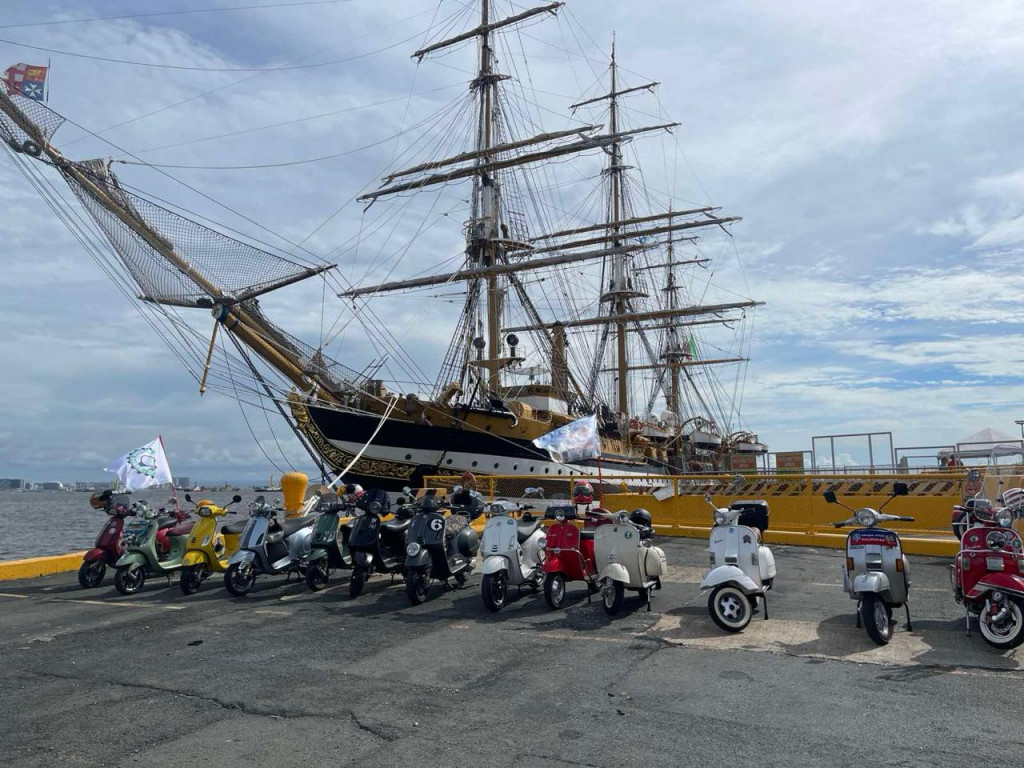
The Amerigo Vespucci, a historic sailing ship and training ship of the Italian Navy, paid a port visit to Manila Sept. 14-18. The Philippine capital was the 23rd stop on her world cruise after Tokyo and before Darwin in Australia. It was the ship's first visit to the Philippines where it was welcomed by Italian Ambassador Davide Giglio and Philippine Navy authorities.

As in other ports, Nave Vespucci opened to the public and several thousand visitors came on board to admire her.

The Amerigo Vespucci, the custodian of the oldest naval and seafaring traditions for over ninety years - is one of the best known symbols of Italy in the world. The Vespucci “World Tour” initiative combines the traditional training activities of Officer trainees and the promotion of Made in Italy excellence. The Vespucci is the emblem of the Navy and of Italy itself: in the wake of maritime traditions, over the years it has contributed to the growth of the country's prestige. The ship departed July 1, 2023 from the port of Genoa to make the approximately two-year round-the-world voyage, bringing with it the culture, history, innovation, science, research, and technology that make Italy a country valued by the entire world, including East and Southeast Asia.

The visit of the Vespucci followed that (Sept. 2-8) of the Naval Group composed of the aircraft carrier Cavour and the frigate Alpino in a deployment that testifies to Italy's growing commitment to the Indo-Pacific. This is in order to reaffirm the principle of freedom of navigation, consolidate a rules-based international order, contribute to regional peace and stability, and strengthen bilateral relations with partners in the region, starting with countries, such as precisely the Philippines, with which we share values of freedom and democracy. In the coming days, the Amerigo Vespucci will also be in Singapore, thus making the city-state a new stop in its long-awaited tour of Southeast Asia.

The Role of Artificial Intelligence in ASEAN

Artificial intelligence is set to radically transform Southeast Asia, with estimates suggesting a potential increase in regional GDP of up to $950 billion by 2030

By Luca Menghini

In recent years, the role of artificial intelligence (AI) has captured the attention of governments and industries worldwide, and Southeast Asia is no exception. ASEAN’s ability to harness AI’s potential has become a relevant topic, especially considering the region's diverse economies, ranging from countries with advanced digital infrastructure, such as Singapore, to emerging economies still working to overcome digitalization challenges.

Although AI can bring significant economic benefits, the challenge of governance and innovation requires a collective response from ASEAN member states. A crucial moment for AI governance in the region was marked by the publication of the "ASEAN Guide on AI Governance and Ethics" in February 2024. This guide presents a comprehensive approach to establishing a region-wide framework based on principles such as transparency, fairness, and accountability. The aim is to balance regulation with innovation, considering the diverse socioeconomic conditions of member countries.

The guide promotes the voluntary adoption of these guidelines, offering recommendations at both regional and national levels. This makes it a flexible but essential tool for aligning AI development with ethical and sustainable practices. Some member states, such as Singapore, have already developed national strategies. Singapore's "Model AI Governance Framework," updated in 2023, represents an example of how a government can implement AI policies to foster technological growth and responsible use. Indonesia and the Philippines are also following this example, aiming to propose a regional AI regulatory framework by 2026.

Artificial intelligence is set to radically transform Southeast Asia, with estimates suggesting a potential increase in regional GDP of up to $950 billion, or 13%, by 2030. However, the disparity in investments and infrastructure among ASEAN countries poses a challenge to fully realizing this potential. Singapore attracts most AI investments in the region, surpassing large economies like Indonesia and Malaysia. In 2023, Singapore secured $8.4 billion in venture capital for AI, compared to $1.9 billion for Indonesia and just $95 million for Vietnam.

Efforts to close this gap include collaborations with major AI companies, such as the partnership between Singapore, Malaysia, and Nvidia to build supercomputers and enhance AI-related manufacturing. These initiatives are crucial for positioning the region as a hub for AI innovation, particularly in sectors such as healthcare, agriculture, and finance. Local AI developments, such as PhoGPT in Vietnam, show how ASEAN countries are starting to carve out a niche in the global AI ecosystem, addressing the region’s specific needs.

Although the benefits of AI are evident, concerns are growing about the environmental impact of data centers and the high energy consumption required to train large language models. It is expected that AI development will double the number of data centers globally by 2030, with a corresponding increase in electricity consumption. For ASEAN, this poses a sustainability challenge, especially in countries heavily reliant on fossil fuels.

The ASEAN Guide on AI Governance has begun to address these concerns, promoting AI practices that take environmental and sustainability factors into account. With AI’s growing importance, member states will need to shift toward advanced technologies that consider environmental implications, potentially making AI a key element in both economic growth and climate resilience.

To fully exploit AI’s potential, ASEAN countries must collaborate more effectively, especially in areas like cross-border data flows, skill development, and regulatory harmonization. The new AI Guide suggests the creation of an ASEAN working group to oversee AI governance initiatives and facilitate knowledge sharing between more advanced economies, like Singapore, and less developed ones, such as Cambodia and Myanmar.

Initiatives aimed at building a workforce prepared for AI are of fundamental importance. Singapore’s AI apprenticeship programs serve as a model for improving and expanding the regional workforce, a crucial factor in mitigating the negative effects of automation. Expanding such programs across the region could help ensure a more equitable distribution of AI benefits.

The rise of AI in ASEAN presents both a significant opportunity and a challenge. On the one hand, it offers a path to substantial economic growth and technological leadership. On the other, it requires careful governance to ensure ethical, sustainable use and equitable access across the region. The recent steps taken by ASEAN, including the publication of the AI Governance Guide, demonstrate a commitment to responsible AI development. However, to truly accelerate the AI era in the region, ongoing developments, investments in innovation, collaboration, and inclusive growth will be necessary.

Becoming Lumbung: cultural exchanges between Italy and Indonesia

Cultural and artistic exchange between the two countries has great potential. Becoming Lumbung is a first step to seize great opportunities

By Paola Pietronave

Between Italy and Indonesia, cultural and artistic exchange is a terrain with many avenues to explore. At the level of literature, contemporary arts, music, dance and culture in the broadest sense, there really seem to be many opportunities to expand and broaden mutual knowledge between the two countries.

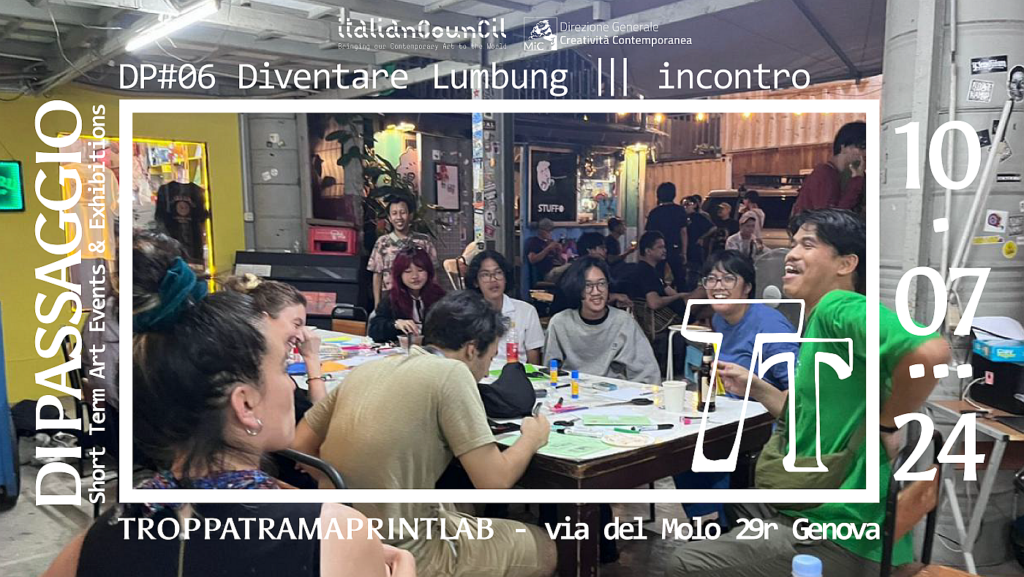
For this reason, “Becoming Lumbung” was launched in 2023, which, thanks to the support of the Italian Council, sought to restore and disseminate in the Italian context some of the values and practices of ruangrupa and Gudskul Ekosistem, among the most relevant artistic collectives in the contemporary moment. 

ruangrupa was born in 2000 by a group of artists with the need to constitute a space (physical and mental) in which to cultivate a critical sensibility, and elaborate tools of analysis on urban contexts and culture in a broader sense, using different formats and languages. After several experiences geared toward building a collaborative network marked by mutual-help, knowledge sharing and critical thinking, Gudskul Ekosistem, founded with Serrum and Grafis Huru Hara, a “study space on the simulation of collective practices,” took shape in 2018, promoting the importance of critical and experimental dialogue through learning processes based on sharing and direct experience. 

In 2022 ruangrupa curated the 15th edition of documenta called, precisely documenta fifteen. Charles Esche called it “the first exhibition of the 21st century,” underscoring its importance in the history of exhibition making, thanks to the choice of “collective” curating and the activation of horizontal, rhizomatic and non-competitive collaborative processes. The foundational metaphor of the exhibition was “Lumbung,” or the traditional practice in Indonesia of sharing the surplus of rice among the families who manage the cultivated fields. This surplus is collected in a warehouse, and then distributed as needed through a collective decision-making process. This is a mutual-help approach to resource management that still survives today. “Lumbung” marked a paradigm shift capable of interrogating the dynamics and conditions of the contemporary art and culture system, proposing methodologies and practices marked by sustainability and sharing.

However, an exhibition of such magnitude has had little restitution in the Italian context, and “Becoming Lumbung” was the first attempt to disseminate its contents in an attempt to put them into practice. 

The project included an initial residency period in the spaces of Gudskul Ekosistem, which was followed by a phase of restitution and dissemination in the Italian context, using different formats (talks and workshops) and involving different institutions (ar/ge Kunst in Bolzano, MAMbo in Bologna, Fondazione Lac o Le Mon in San Cesario di Lecce and the Accademia Ligustica di Belle Arti in Genoa) and independent spaces (Alchemilla in Bologna, Osservatorio Futura in Turin and Disordedrama in Genoa). 

Through the choice to create moments of encounter and reflection, it was possible to build a first network of initiatives that welcomed with enthusiasm and interest the possibility of activating “Lumbung Italia,” a laboratory to explore sustainable ways to “live well together” within and beyond the art system. 

______________

  1. Documenta is the contemporary art exhibition, founded in 1955 by Arnold Bode, which is held every five years in Kassel for the duration of one hundred days, representing one of the reference points for research in the field of contemporary art in Europe. 
  2. Charles Esche is a museum director (for twenty years at the Van Abbenmuseum in Eindhoven), curator, writer and editorial director of Afterall Journal and Books, based at Central Saint Martins College of Art and Design (London).

Myanmar's diplomacy to address isolation and energy crisis

Multifaceted relations with Beijing and revived ties with Russia are at the heart of the military junta's foreign policy

By Francesca Leva

Myanmar's foreign policy, deeply rooted in its struggle for independence, non-alignment, and neutrality, carries a rich historical significance. As a founding member of the Non-aligned Movement in 1961, the country played a pivotal role until it shifted towards the Eastern Bloc in 1979. The 2008 Constitution further solidified Myanmar's commitment to an “active, independent, and non-aligned foreign policy.” Even the decision to join the ASEAN in 1997, which marked a departure from its long-held neutrality, was a strategic move that effectively countered both China’s influence and Western countries’ pressure.

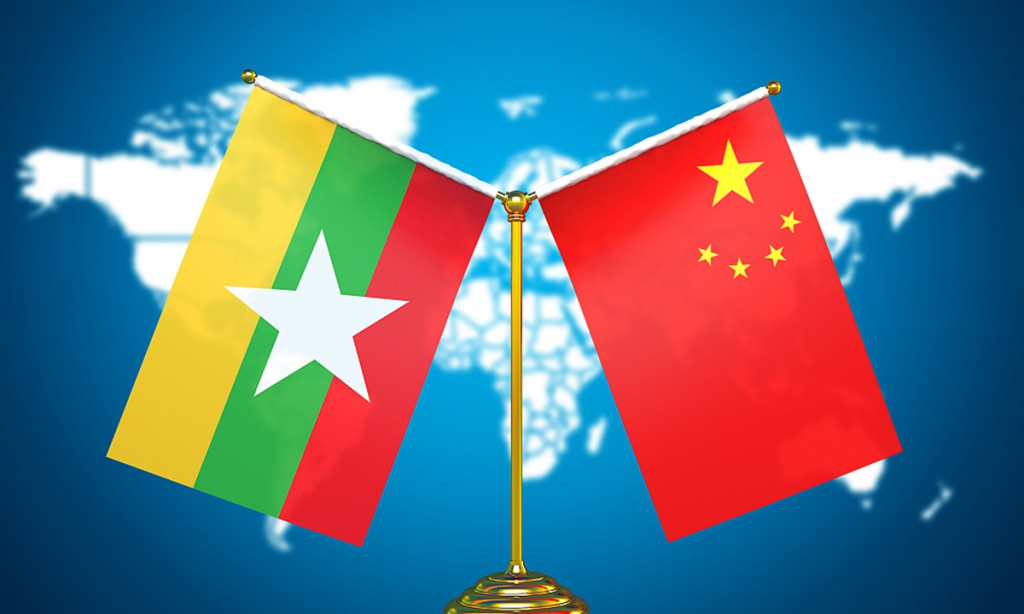
In 2020, Myanmar forged another strategic alliance with China, marked by the inauguration of the China - Myanmar Economic Corridor (CMEC), culminating in President Xi Jinping's visit to the Southeast Asian country. The CMEC vowed to be a strategic choice for both sides. For China, it was a means of gaining access to the Bay of Bengal and the Indian Ocean, transferring oil and gas via pipelines through Myanmar to Yunnan Province, providing new routes for transporting goods, and securing a source for importing raw materials. On the other hand, for Myanmar, the Corridor was necessary to break out of the economic stagnation of past years. However, the military coup of 2021 dramatically altered the balance. Before the military government, Naypyidaw could still rely on third-party actors to counterbalance Chinese expectations. In the aftermath of the coup, however, Myanmar found itself isolated, with collapsing foreign direct investment and a collapsing economy-these factors gave Beijing more leverage in the bilateral relationship.

China historically has deep relations with all components of Myanmar, from civilian to military. Not surprisingly, it had managed to broker a truce in 2023, but it was later interrupted by renewed fighting. Beijing's multifaceted interests in Myanmar contribute to its ambiguous foreign policy toward the country. On the one hand, Beijing has invested more than 35 billion U.S. dollars in local infrastructure projects and wants to prevent Western influence, hence its support for the military government. On the other hand, however, China’s security concerns are also at stake: there are 2.000 km of frontiers that the junta fails to control and that pose a threat to China’s infrastructure investments and are a vehicle to contraband, drugs, online scams, and people trafficking. China has thus turned to Myanmar’s ethnic militias to regain control.

As a result of these challenging dynamics, since 2022, there has been a noticeable diplomatic and economic convergence between Russia and Myanmar. Myanmar, strategically positioned, serves as a crucial access point to the Indian Ocean and the South China Sea maritime routes for Russia. In return, Russia acts as an ally to Naypyidaw, partially counterbalancing Beijing’s influence. The strategic importance of Myanmar to Russia is a key factor that underscores the geopolitical significance of the evolving alliances in the region. In May 2022, General Min Aung Hlaing visited Russia to expand the regime’s energy and defense cooperation with Moscow. Russia has since then supplied drones to Myanmar and has vetoed the UN Statements on Myanmar Conflict. At the International Economic Forum in Saint Petersburg in June 2023, the two countries signed deals on wind projects, established direct flights, and agreed to enhance tourism. Myanmar also purchased USD 1.5 billion in military hardware from Russia and discussed the possibility of setting up a tech center in Yangon with the perspective of the construction of a small-scale nuclear reactor.

Besides economic and military cooperation, there is an evident focus on energy joint projects between the two countries: since the military coup, Myanmar’s energy production has dropped by 47%, resulting in electricity shortages and power cuts throughout the country. This is mainly due to the fact that companies and foreign investors pulled out of the country because of the political situation. Due to the exchange rate, importing gas has become prohibitively expensive, forcing the military junta to rely on the existing hydropower plants, which are controlled by the EAOs – Ethnic Armed Organizations -. Ethnic Armed Organizations consist of different groups, each claiming ethnic recognition, and that have increasingly – although not unanimously – joined forces with the opposition National Unity Government (NUG) against the military junta.

The energy crisis in Myanmar, as well as its increasing international isolation, are forcing the country to forge new strategic alliances and find new partners to counterbalance China’s political and economic leverage, revitalize its economy, and find geopolitical support within the international arena.

Thailand has a new premier

Paetongtarn Shinawatra has been named prime minister of Southeast Asia's second-largest economy, the youngest ever

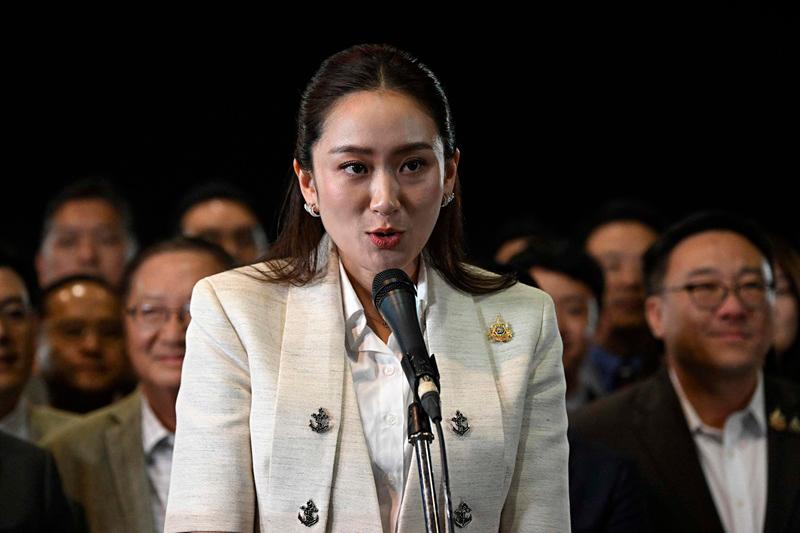
“I am honored. I talked with my family and the people of Pheu Thai. And I decided it's time to do something for the country and the party, I will give my best to be able to move Thailand forward.” On Friday, August 16, a visibly excited Paetongtarn Shinawatra delivered her first words as Premier of Thailand. Minutes earlier, Parliament in Bangkok appointed her with 319 votes in favor, 145 against, and 27 abstentions. She takes over from Srettha Thavisin, her party colleague who had been removed from office a few days earlier by a Constitutional Court ruling triggered by the appointment as minister of a former lawyer who had previously been sentenced to six months in prison for corruption.

Born on August 21, 1986, Paetongtarn thus becomes with her just 38 years old the youngest-ever government leader for Southeast Asia's second largest economy. Paetongtarn is the daughter of Thaksin Shinawatra, Prime Minister from 2001 to 2006 who returned last year from a long exile abroad, and granddaughter of Yingluck Shinawatra, Thaksin's sister and herself Premier from 2011 to 2014. As a child, she followed her father as he campaigned and played golf. She majored in political science at Chulalongkorn University, one of Thailand's top schools. She then studied international hotel management at the University of Surrey in England.

The new Thai government leader then returned home to help run the family business empire. She entered politics in 2021 and had never held a government position before her appointment last Aug. 16. During last year's election campaign, she gained popularity by holding rallies despite being pregnant. After the polls, she dialogued with Move Forward, the winning party that first remained in opposition and whose dissolution was later ordered by the Constitutional Court in early August.

Paetongtarn's real challenge will be to sustain the revitalization of the economy, including deciding on the fate of the digital wallet program that Srettha Thavisin had launched in recent months. “If we all stick together we can do it, I will give my all to further improve the lives of Thais,” promised the new, young Premier.

Scam Cities’ issue in Asia

This is how Southeast Asian countries are trying to counter the phenomenon

Article by Francesca Leva

A phenomenon that has emerged in Asia, specifically in South-East Asia, since the outbreak of the COVID-19 pandemic is the one of the so-called “Scam Cities”. A UN Office on Drugs and Crime report estimated that “the scam industry is earning criminal groups the equivalent of billions of US dollars.” Moreover, these earnings are comparable to the gross domestic product (GDP) of certain countries in the region. The study indicated that in an undisclosed Southeast Asian nation, conservative estimates placed the scammer's earnings between US$7.5 billion and US$12.5 billion, which is nearly half of that country's GDP in 2021.

The victims of this human trafficking activity are typically young citizens from China Mainland, Hong Kong, Taiwan, Thailand, the Philippines, and other Southeast Asian countries. However, as this activity expands, more and more victims are recruited from India, Africa, and Latin America. With the promises of a profitable new career - as well as VISAS, paid flights, and proof of accommodation – individuals are lured into moving to a new country to pursue a promising career. However, upon arrival, the victims are then directly transferred to prison-like compounds, usually located outside casinos or on the outskirts of the cities. There, individuals are turned into prisoners and forced to buy their freedom back by working for the owners of these activities. The illegal activities individuals are forced to undertake vary from online scams for money, romance-investment scams, crypto fraud, money laundering, and illegal gambling. Phil Robertson, Asia director for the advocacy group Human Rights Watch, declared that: “The litany of rights violations are shocking, including false recruitment, stripping people of their passports and other identity documents, abductions and trafficking, confinement, debt bondage, forced labor, physical beatings, and sexual abuse”.

Police authorities identified some hotspots in the eastern Shan State in Myanmar, situated adjacent to China in the northern region, along with various locations in Cambodia such as Poi Pet, Sihanoukville, and Svay Rieng, as well as other sites, including those in the Philippines and the Golden Triangle Special Economic Zone in Bokeo, northwest Laos. However, many of these cities are located alongside or in the Special Economic Zones (SEZs), which, due to the relaxed regulation devised to attract investments, turn into lawless areas controlled by private security firms, over which local police have no control.

Interestingly, this phenomenon poses a threat to China for both internal policy reasons and cross-border security, making it a geopolitical issue. For the former, gambling has been outlawed by the Communist Party since 1949, both in China and abroad: engaging in any type of gambling, including online gambling, gambling outside the country, or establishing casinos abroad to target Chinese nationals as main clientele specifically, is deemed unlawful. This is mainly due to the fact that Beijing considers capital outflows and illegal gambling as a threat to its social stability. This has transformed Asia’s gaming industry: most of the casinos that opened in Southeast Asia were explicitly opened to attract Chinese citizens, and this strategy has proven to be effective: every year, almost 1trn yuan ($144bn) leaves China for gambling purposes, and an estimated fifth of outbound flights from China is for gambling trips. In the SEZ along the Chinese border, the business is flourishing: Golden Triangle Special Economic Zone in northern Laos is the Kings Romans Casino is controlled by Zhao Wei, a Chinese national who craftily devised its activities as “patriotic.” Jason Tower, country director for Myanmar at the United States Institute for Peace, declared: “A lot of these individuals set up patriotic associations overseas and try to demonstrate, in a very public manner, allegiance to Communist Party initiatives – and they fund those initiatives […], they extend the reach of the international front on Taiwan issues. They go after Westerners who criticize China on Xinjiang or Tibet. And they’re making it difficult and costly for the state to crack down because it would mean making some of the Chinese state initiatives look bad.”

In Myanmar, fraudulent hubs are overseen by local militias in collaboration with the military junta governing the nation, fostering a symbiotic relationship that yields benefits for both sides. Situated near the Chinese border, these hubs endanger Chinese nationals drawn to them and pose a threat to cross-border stability, leading to mounting impatience from China. This discord creates an opportunity for dissenting factions within Myanmar, as opposed to military authority, to eliminate these fraudulent hubs—as witnessed in October 2023—and convey solidarity to China. This alignment could potentially translate into future backing from China, shaping the course of the civil conflict in Myanmar.

Indonesia, Nusantara's time has come

The Southeast Asian country's new capital is ready for inauguration, despite many hiccups

By Anna Affranio

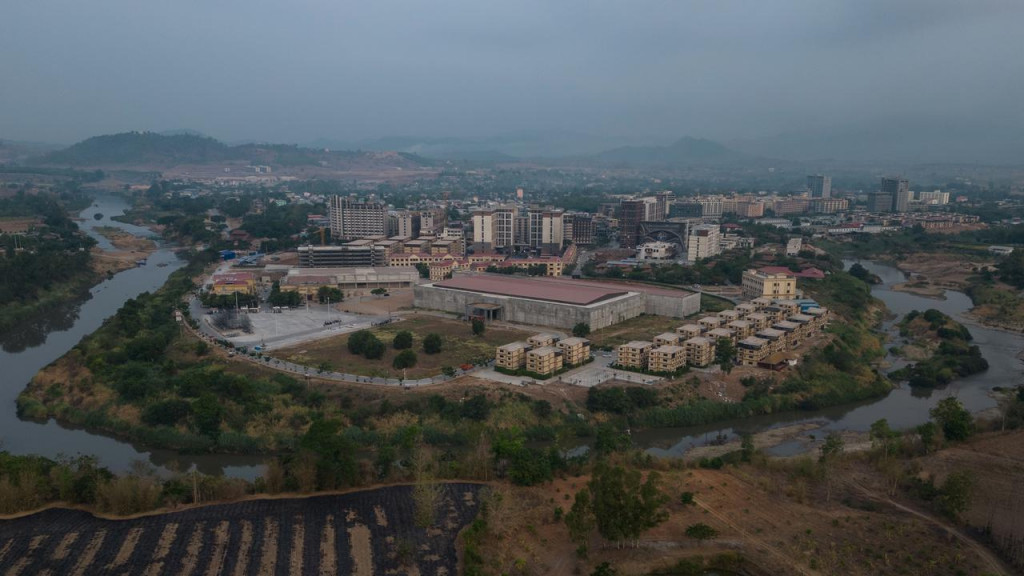
In a bold and historic move, in 2019 Indonesian president Jokowi had announced the decision to embark on an ambitious journey to relocate its capital from the bustling metropolis of Jakarta to a newly planned city called Nusantara. This unprecedented initiative is not just about shifting the seat of government but represents a transformative vision for the nation’s future. As Jakarta grapples with chronic issues like severe flooding, pollution, and overcrowding, Nusantara emerges as a beacon of hope, promising a more sustainable and equitable urban environment. Set in the heart of Borneo, this new capital has been designed to be a model city that champions green technology, cultural inclusivity, and economic growth. The relocation to Nusantara marks a pivotal moment in Indonesia's history, reshaping not only the geographic but also the socio-economic landscape of the archipelago.

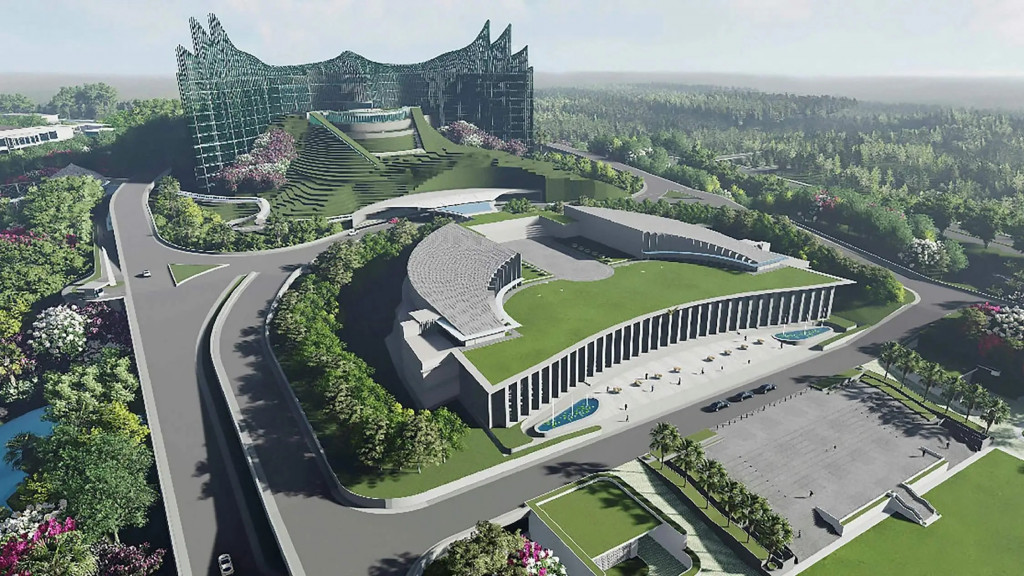
Construction of the city began in mid 2022, and while it will still take several years for its completion, the Government expects to hold its official inauguration and the largest independence Day celebration on August 17th. President Joko Widodo himself began working from the presidential palace in his country’s new capital Nusantara in the last week of July and reported to have already started receiving officials for meetings here, in the president’s office. The governmental building, also known as Garuda Palace, named and shaped after the mythical bird Garuda—also a symbol on the country's coat of arms, has been completed just in time for inauguration day, and will actually serve as the backdrop for these celebrations. This momentous occasion symbolizes not just the physical relocation of the capital but also the launch of Nusantara as Indonesia's administrative and political heart.

The ambitious project, however, faces a mix of promising strides and formidable challenges. While the vision of creating a sustainable, cutting-edge city in the heart of Borneo continues to inspire, the journey has encountered delays and obstacles, particularly in securing the necessary funding and managing environmental concerns. Despite the government's efforts to adhere to a planned timeline, the complexities of infrastructure development, economic uncertainties, and ecological considerations have made the process more arduous than initially anticipated. The new capital is expected to be a smart, green city that utilizes renewable energy sources and environmentally-friendly waste management. However, the project has been characterized by delays, land acquisition obstacles, and a poor investment profile, among other issues. For instance, the influx of workers from other parts of Indonesia has created new business opportunities but also raised concerns among locals about land grabs, rising costs of living, and environmental degradation. Disputes over land ownership, particularly involving indigenous groups, have led to conflicts, as local communities struggle to assert their rights to the land, which in turns hinder the possibility to receive fair compensation.  

Moreover, the estimated project cost of $35 billion, with the government hoping to fund 80% through private investment, has seen lukewarm interest from foreign investors. So far, the government has invested around $3.4 billion, with an additional $2.5 billion from the private sector. In a bid to attract more investment, President Jokowi signed a presidential regulation granting investors a range of rights in the future capital, including land rights for up to 190 years.

In early June, the head and deputy head of the body overseeing Indonesia's planned new capital unexpectedly resigned, raising questions about the project's future development. These leadership changes, coupled with the various challenges, underline the complexities of relocating the capital and developing Nusantara as envisioned.

As Indonesia continues to push forward with this monumental project, Nusantara stands at a crossroads. The success of this new capital will depend on the country's ability to navigate financial, environmental, and social challenges, ensuring that the city not only serves as a political and administrative hub but also as a symbol of a sustainable and inclusive future for all Indonesians. 

ASEAN's Global Vision

An excerpt from the final communiqué of the ASEAN Foreign Ministerial, which took place last week in Laos

We stressed the importance of strengthening ASEAN's unity and centrality in our engagement with external partners, including through ASEAN-led mechanisms such as ASEAN Plus One, ASEAN Plus Three (APT), the East Asia Summit (EAS), ASEAN Regional Forum (ARF), and ADMM-Plus, in order to build mutual trust and strengthen an open climate and an open, transparent, resilient, inclusive, and rules-based regional architecture, with ASEAN at the center, upholding international law. We stressed the need to promote an environment conducive to peace, stability and prosperous development for all, ensuring a culture of dialogue and cooperation rather than rivalry, strengthening mutual trust and respect for international law. We reaffirmed that ASEAN will act in accordance with ASEAN's centrality in external political, economic, social and cultural relations by remaining actively engaged, outward-oriented, inclusive and non-discriminatory, in line with the ASEAN Charter. We noted with satisfaction the encouraging progress in ASEAN's relations with our Dialogue Partners, Sectoral Dialogue Partners, and Development Partners through existing frameworks and the implementation of Action Plans, Practical Cooperation Areas, and Development Cooperation Programs based on mutual interest and mutual benefit in contributing to ASEAN Community building and development cooperation efforts. We have agreed to further strengthen partnerships and cooperation with our partners thus contributing to our proactive response to regional and global challenges and opportunities. We are committed to fostering an outward-oriented community that supports the region's sustainable growth and resilience through inclusive cooperation and collaboration with external partners. We noted the growing interest from countries and regional organizations outside the region to develop stronger substantive collaboration and cooperation with ASEAN, including through requests for formal partnerships. We affirmed the importance of pursuing an outward-oriented policy and agreed on the need to reach out to new potential external partners on the basis of shared interest, constructive engagement and mutual benefit. We noted the growing global relevance of ASEAN and its unique “convening” power in the context of the emerging multipolar global architecture.

Full communiqué here

Why Philippines and Japan strengthen security ties

Manila and Tokyo boost military cooperation with historic agreement, aiming for greater autonomy and regional security

By Alessia Caruso

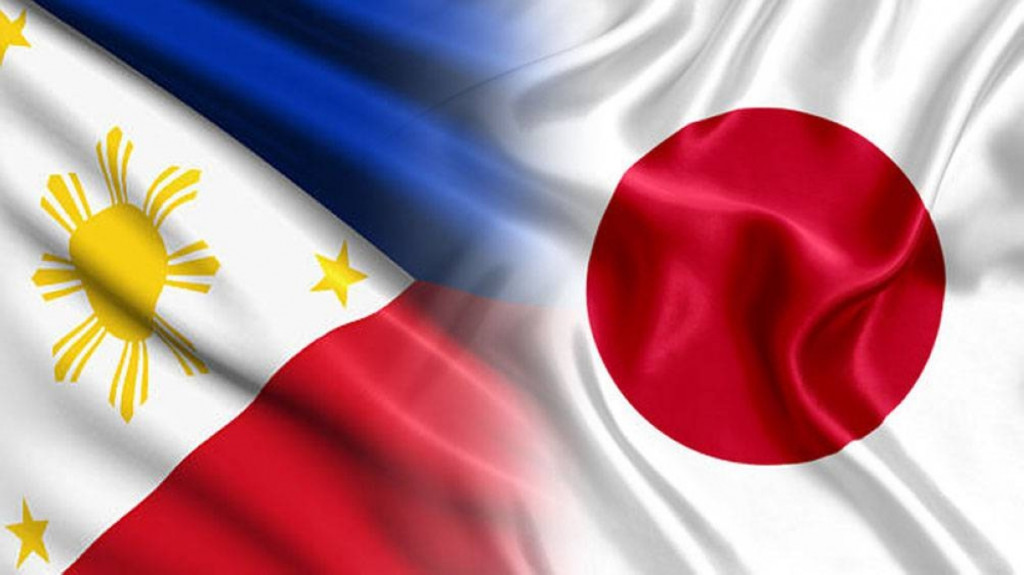
The Philippines and Japan have recently finalized a significant security agreement after years of negotiations. The new Reciprocal Access Agreement (RAA) allows the Armed Forces of the Philippines (AFP) and the Japan Self-Defense Forces (JSDF) to expand joint military activities, including large-scale exercises significantly focused on interoperability and joint response to various contingencies such as disasters and armed conflicts. Additionally, the RAA facilitates the transfer and exchange of sophisticated weapon systems, enabling the Philippines to advance their naval modernization efforts in response to ongoing disputes in the South China Sea.

The signing of the agreement has been celebrated by Philippines as an "unprecedented level" of defence relations with Japan, highlighting the growing military cooperation between Manila and Tokyo. The agreement must be ratified by the parliaments of both countries before it comes into effect, but no significant obstacles are expected. The Philippines and Japan share several security interests that led to the signing of the RAA. Both countries are involved in territorial disputes with China: the Philippines in the South China Sea and Japan in the East China Sea. Furthermore, the strategic geographic positions of the Philippines and Japan make them natural partners in the context of the Chinese threat to Taiwan, a critical point for regional security. A joint defence between the two significantly contributes to the integrated deterrence in the region outlined by their U.S. ally.

In recent years, Japan has significantly increased its involvement in the ASEAN region, becoming one of the main investors and the preferred partner for many Southeast Asian countries. This renewed regional commitment has been well received by the Philippines, which has played an active role in reintegrating Tokyo as a key ally for stability and security in the region.

It is important to note that the RAA was signed just three months after the consolidation of a trilateral security partnership among Japan, the Philippines, and the United States (JAPHUS), aimed at strengthening the Indo-Pacific security architecture and enhancing regional deterrence strategies. At first glance, the new bilateral agreement might appear redundant, as it is driven by the same intents as JAPHUS but without the presence of the United States. However, the new agreement between Manila and Tokyo should be interpreted as a Philippine attempt to reduce its dependence on U.S. security.

Following a period of heightened tensions, recently culminating in the death of a Filipino fisherman after a collision with a Chinese commercial vessel, the Philippines are outlining a series of security measures with a dual objective: to cool regional tensions with China and reduce the risk to their national security, currently closely tied to the uncertain American policy. The bilateral rapprochement strategy with Japan aims to ensure a direct relationship between the two East-Asian powers, distancing itself from the ties that bind them to the United States. Recent events, such as the agreement to enhance bilateral maritime communication mechanisms with China, indicate a Philippine intention to pursue a more autonomous and pragmatic foreign policy.

A central factor in this context is the current instability and uncertainty of American policy. The possibility of a second Trump term introduces further elements of unpredictability, casting a shadow on the U.S. commitment to maintaining its military presence in the Far East. The aggressive policy of the Philippines falters in the face of the need to rely less on the Mutual Defense Treaty with the United States, which so far has been the backbone of the Philippine position in the South China Sea.

Looking to the future, it is foreseeable that the Philippines will focus more on developing bilateral relations with regional powers and on cooling tensions with China while awaiting the United States to define the future of its foreign policy. This approach, though different from the strategy adopted in recent years, could offer new opportunities to ensure the country's security and prosperity in an evolving geopolitical context. The Philippines' ability to navigate these dynamic developments will be crucial in defining its role and influence in the Indo-Pacific region in the coming years.

Tokyo and Kuala Lumpur united on climate

We publish here an excerpt of a text that appeared in Nikkei and was signed by the governor of Tokyo, Yuriko Koike, and the mayor of Kuala Lumpur, Kamarulzaman Mat Salleh

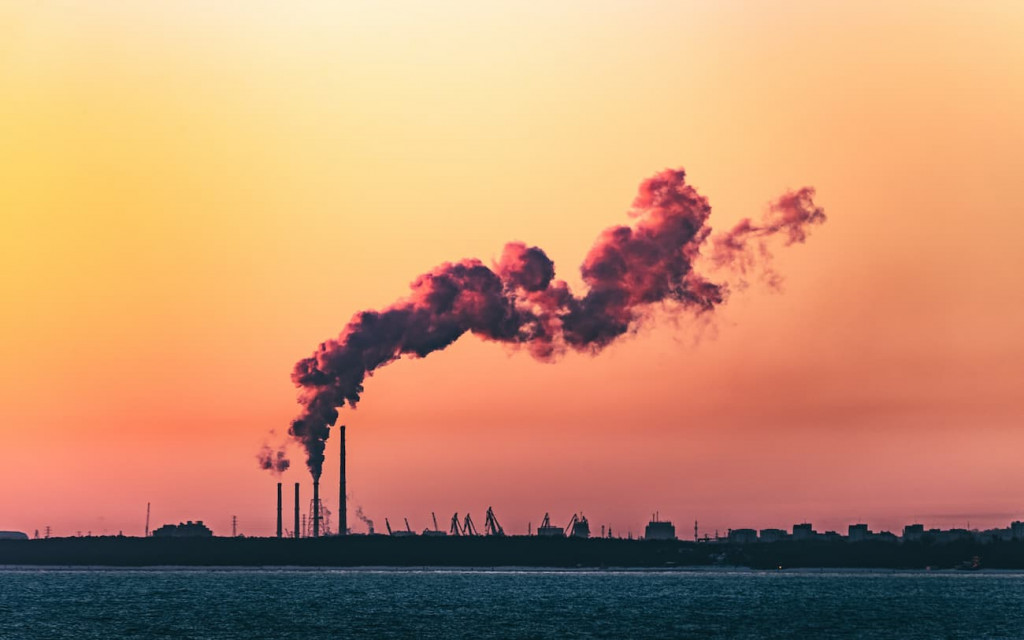
Under the Kuala Lumpur Low Carbon Society Blueprint of 2030 strategy, the government of Malaysia's capital city aims to reduce carbon emissions by 70 percent to increase resilience against climate crises and build a secure future for residents. Recognizing the magnitude of this problem, Kuala Lumpur has turned to Tokyo, a city renowned for its pioneering efforts in zero-emission building initiatives and one of the world's leading urban centers. As the Malaysian metropolis strives to achieve its ambitious goals, collaborative assistance is essential to overcome the obstacles that lie ahead. Why is Tokyo, which has a goal of halving carbon emissions by 2030, willing to lend a hand to Kuala Lumpur?

The answer lies in a shared vision of global sustainability. The Tokyo Metropolitan Government understands that addressing the climate crisis requires collective action that crosses borders and frontiers. Sharing our experience can provide a shortcut to building a sustainable and decarbonized society.

Aware of Kuala Lumpur's needs, Tokyo has supported the Malaysian city's efforts using its expertise in designing programs for energy efficiency and carbon reduction in buildings. These include the world's first mandatory carbon dioxide (CO2) reduction program for existing buildings, the Tokyo Cap-and-Trade Program.

Tokyo's support to date includes proposing an energy database for city-owned structures, estimating the potential for CO2 emission reduction, and creating scenarios for CO2 emission reduction. We have agreed that our cities will expand our collaboration in areas such as urban infrastructure development and environmental initiatives. Accordingly, Tokyo is extending support to disseminate information on decarbonization measures and initiatives, including a mandatory solar panel installation program that will be implemented next April. Through workshops, exchanges and collaborative projects, our two cities can promote inclusive learning environments that are respectful of different perspectives. This knowledge sharing can enrich cooperation and provide the foundation for a lasting partnership to promote inclusive climate action.

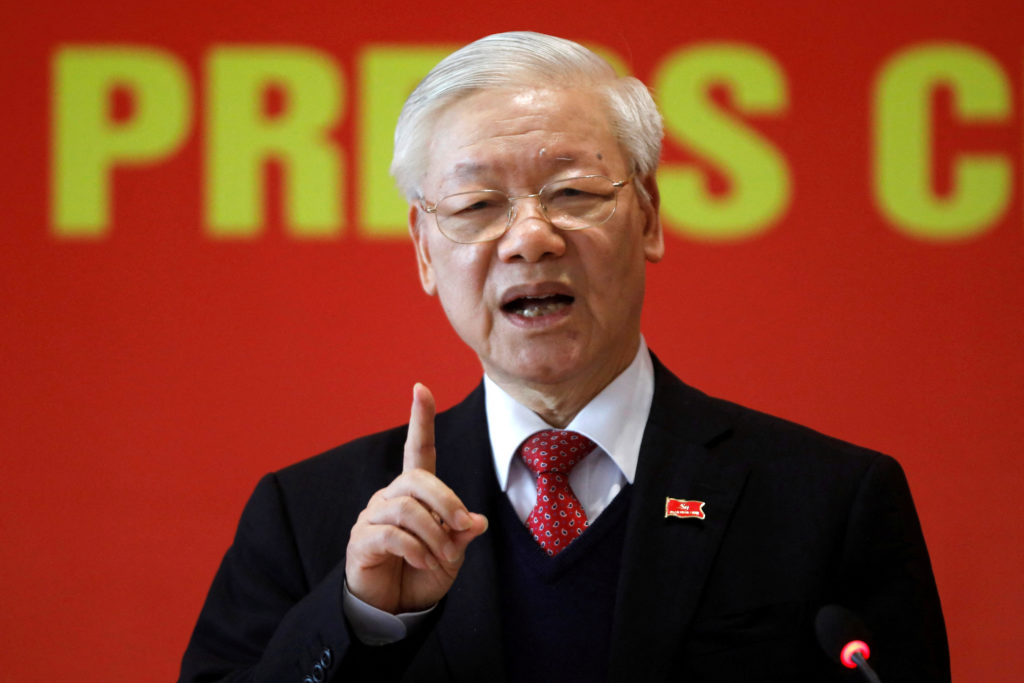
Vietnam, farewell to Secretary General Nguyen Phu Trong

The general secretary of the Communist Party was in his third term. Inflexible internally, protagonist of the ruthless anti-corruption campaign of the "fiery furnace", flexible on the international level in accordance with its bamboo diplomacy which guaranteed Hanoi's recent success

By Lorenzo Lamperti

Born into a peasant family under French colonization and Japanese domination. Grew up during the war against the United States. Student of historical sciences in the Soviet Union. Editor of the Party's theoretical magazine, then its ideologist and finally undisputed leader. Nguyen Phu Trong, general secretary of the Vietnamese Communist Party whose death was announced yesterday, was not a figure like any other. Neither for Vietnam, nor for Asia. And, increasingly, it wasn't for the world either. Over the past ten months, Joe Biden, Xi Jinping and Vladimir Putin have appeared alongside him in series. No other world leader can say the same. All this while the various Amazon, Apple, Samsung and BYD are competing to gain space in what is becoming a high-quality production hub, a crucial hub of globalization amid the turbulence of the dispute between the USA and China.

Trong led Vietnam through the elements, riding the waves instead of suffering them. While the ruthless "fiery furnace" anti-corruption campaign operated internally, it extolled bamboo diplomacy externally. Internal inflexibility, also or above all useful for getting rid of political rivals, was therefore accompanied by great flexibility on the international scene. As a convinced Marxist-Leninist, Trong has cultivated the historical-ideological bond with Beijing, preserving the security link with Russia. And starting a historic thaw with Washington with his historic trip to the White House in 2015, the first for a Vietnamese leader. A useful move to diversify international relations and add further stability protection for a country with a jagged and violent history. Almost a thousand years of Chinese domination first, then the "hot" effects of the Cold War with American bombs.

Pessimistic rumors have been circulating about the health of Trong, 80, for some time. Already a few years ago there was talk of a "heart attack". In recent months he had missed at least two important appointments: the meeting with Indonesian president Joko Widodo, who was traveling to Hanoi, and the celebrations of the 70th anniversary of the victory in the war against France. He then reappeared a month ago to welcome Putin. But the images next to the Russian leader showed him in less than reassuring conditions, so much so that they were not circulated in state media. In recent days, there was a transfer of power to President To Lam, a figure who in the Vietnamese system has mainly ceremonial functions. The signal of the seriousness of the disease came with the awarding of the Order of the Gold Star, generally awarded posthumously. Then, the official announcement.

His health had been questioned since 2021, when at the XII Party Congress he obtained an unprecedented third mandate, a year ahead of his Chinese "colleague" Xi Jinping. The recent history of Hanoi and Beijing, as well as the experiences of Trong and Xi, have often traveled in parallel. While Deng Xiaoping launched the Chinese reform and opening up, Le Duan in Vietnam prepared the Doi Moi to open the Vietnamese socialist economy to the market. Trong became general secretary in 2011, a year before Xi. Again like the Chinese president, Trong has built his reputation on ostentatious inflexibility in matters of security and incorruptibility, a medal he used to defeat his rival Nguyen Tan Dung at the 2016 Congress. A victory of ideology on the market, it was said At that time. But Hanoi then signed free trade agreements with the European Union and the United Kingdom, promoting RCEP in the Asia-Pacific. The pressure on Washington to obtain recognition as a market economy seems close to producing the desired result, with Hanoi having now made itself indispensable for the diversification of global supply chains and has significantly raised its production standards.

And it matters little if behind the scenes the political conflict continued even after the start of Trong's third term. In the space of a year, the general secretary got rid of two presidents. First Nguyen Xuan Phuc, who aspired to take his place, then Vo Van Thuong, considered his dolphin. In total, eight Politburo members were expelled within a few years. We are now expected to convene a central committee to appoint an interim general secretary. In addition to President To Lam, Prime Minister Pham Minh Chinh, prime minister and former police general from the powerful Ministry of Public Security, is also in the running.

In any case, the nomination will be valid "only" until the XIV Congress in January 2026, when the final choice will be made. In Beijing, as in Washington and Moscow, they will carefully observe the solution to the puzzle of Trong's succession. But Vietnam intends to continue with conviction on the path of neutrality in foreign policy and economic development through openness to the world.

ASEAN and the possible Trump bis

We publish here the excerpt of an analysis by Joshua Kurlantzick for the Council on Foreign Relations

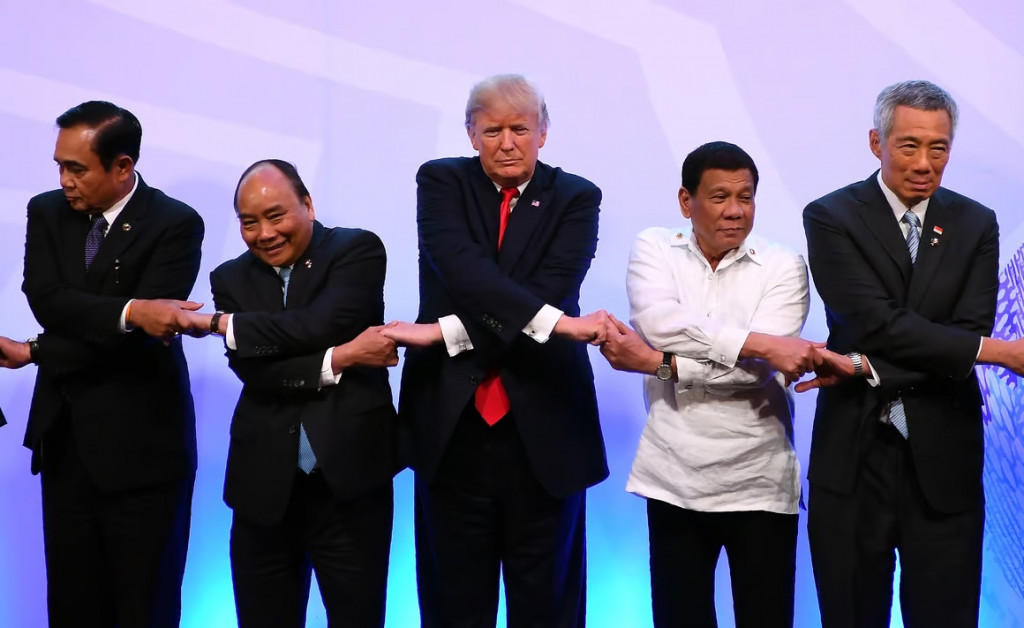
After the debate for the United States presidential elections, even in South-East Asian countries people are starting to wonder about the possible meaning of a possible return of Donald Trump to the White House. In recent years, with the exception of the Philippines under Ferdinand Marcos Jr., who strongly sided with the United States, the countries of the ASEAN area have attempted to maintain their traditional multipolar approach between the two great powers. This is demonstrated very well by the actions, always based on the principle of neutrality, of Indonesia and Vietnam. But a second Trump administration could increase tensions between the United States and China to the point that even Southeast Asian countries, long adept at striking a balance, may find it difficult to avoid taking sides. A second Trump administration is unlikely to focus much on the region. In his first term, Trump forged personal ties with some Southeast Asian leaders, such as former Philippine President Rodrigo Duterte. Overall, however, Trump has given the region a relatively low priority. Furthermore, his protectionist approach to trade stood in stark contrast to the economic integration that had occurred throughout East Asia. In this vacuum, however, it was the great powers such as Japan and China that led the economy. Trump gave many speeches in the 2023-2024 election season and talked a lot about China. He made little, if any, mention of a future approach to Southeast Asia. In addition to trying to keep the Philippines firmly in the U.S. camp, a second Trump administration would likely put enormous pressure on states like Indonesia, Malaysia, Vietnam, Singapore and perhaps others to go along with U.S. efforts to push multinationals, including those based in Southeast Asia, to leave China, moving their supply chains. Trump, intensely focused on the belief that virtually all foreign countries trade unfairly with America, may be even less shy, in a second term, about imposing tariffs on the same Southeast Asian states.

Recently active members
Foto del profilo di Alessio
Foto del profilo di Monika
Foto del profilo di Gabriel
Foto del profilo di Elena
Foto del profilo di Lorenzo
Foto del profilo di Alessandro
Foto del profilo di Cristina
Foto del profilo di Rocco
Foto del profilo di Clara Lomonaco
Foto del profilo di Redazione
Foto del profilo di Davide Gugliuzza
Foto del profilo di Anna Affranio
Foto del profilo di Ilaria Canali
Foto del profilo di Nicolò
Foto del profilo di Angelo Cangero
Who is online
There are no users currently online
Members
  • Foto del profilo di Alessio
    Active 6 ore, 52 minuti fa
  • Foto del profilo di Monika
    Active 3 giorni, 20 ore fa
  • Foto del profilo di Gabriel
    Active 3 settimane, 4 giorni fa
  • Foto del profilo di Elena
    Active 1 anno, 4 mesi fa
  • Foto del profilo di Lorenzo
    Active 2 years, 6 mesi fa