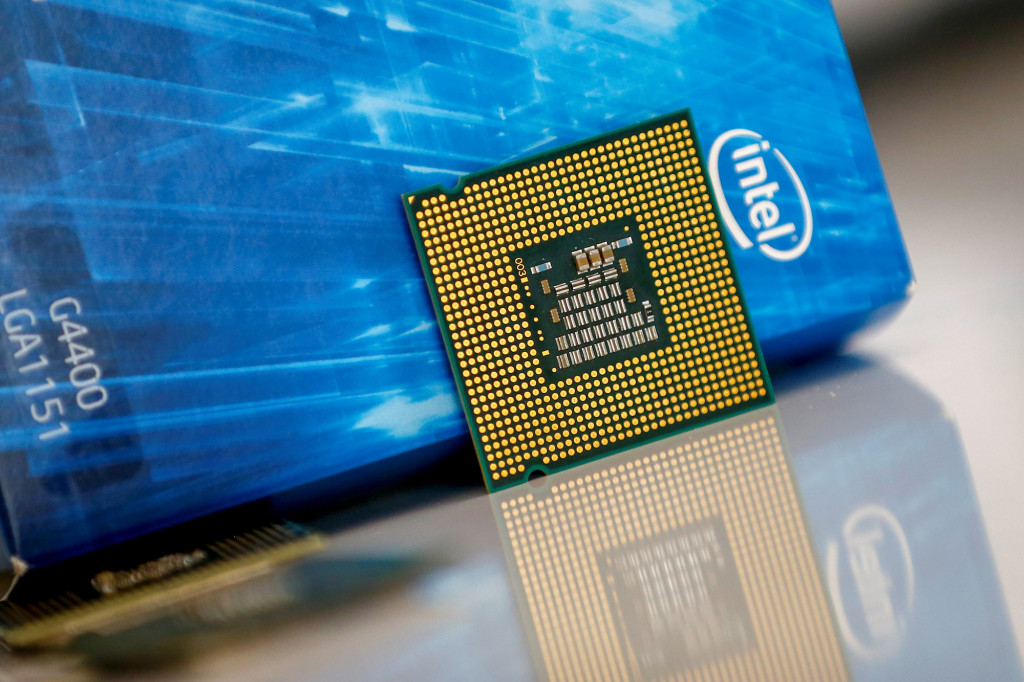
Chip, Intel's maxi expansion in Malaysia

Malaysia is already a vital base for packaging, assembling and testing chips for Intel. It will be even more so

By Tommaso Magrini

Intel aims to quadruple the capacity of its most advanced chip packaging services by 2025, planning to build a new plant in Malaysia. The factory under construction in Penang will be Intel's first overseas facility for advanced 3D chip packaging, what the company calls Foveros technology. The company is also building another factory for chip assembly and testing in Kulim, as part of a $7 billion expansion in the Southeast Asian nation. Malaysia will thus become Intel's largest manufacturing base for 3D chip packaging, said Robin Martin, corporate vice president for supply chain and manufacturing operations. The company did not specify when the Pengang plant will begin mass production. Intel will also use the technology for its new central processing unit (CPU) for personal computers. In the past, chip packaging was considered less crucial and less technologically demanding than chip production itself. It has emerged as a key area in the race to produce increasingly powerful chips, as the conventional approach--compressing more transistors into a smaller area--becomes increasingly difficult. According to Yole Intelligence, the market for advanced chip packaging services was worth $44.3 billion in 2022 and is expected to grow at a compound annual rate of 10.6 percent from 2022 to reach $78.6 billion by 2028. Malaysia is already a vital base for chip packaging, assembly and testing for Intel, which employs 15,000 people in the country, including 6,000 in its chip design center. The development confirms and fortifies Kuala Lumpur's ambitions to become a major regional hub for Southeast Asia for semiconductor manufacturing.

ASEAN epicenter of stability and growth

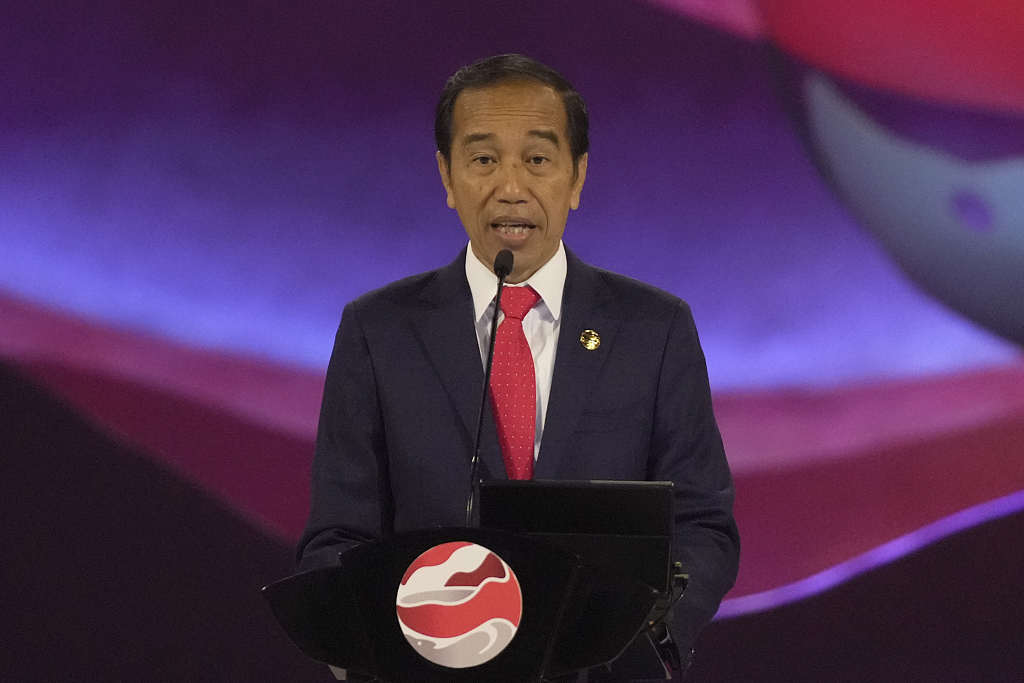
We publish an excerpt of Indonesian President Joko Widodo's speeches during the 43rd ASEAN summit in Jakarta

An Indonesian proverb says that a neighbor is like a close relative, and a close neighbor is more important than a distant relative. I am of the view that the proverb is very, very relevant for ASEAN that 56 years ago pledged its kinship with the ASEAN family name. As a family, in my opinion, ASEAN is in the category of harmonious families, in the category of strong families, and in the category of high achiever families. ASEAN has proven itself as a peaceful region, as a stable region, and as a region that is growing in prosperity. We can see that ASEAN’s economic growth in 2024 is estimated to be the highest in the world, reaching 4.5 percent (year on year). ASEAN is also the most attractive region for Foreign Direct Investment (FDI). By 2022, 17 percent of FDI will go to ASEAN. That is the highest number compared to other developing regions. ASEAN is also enjoying a demographic bonus with the third largest workforce in the world, and 65 percent of its population has the potential to become the middle class in 2030. We must applaud this, because all of this is part of ASEAN’s capital to achieve its goal of becoming the epicenter of growth. However, amid the turbulent global situation, ASEAN should not do business as usual. ASEAN needs extraordinary strategy, the extraordinary tactical strategy. We need a more solid collaboration; we can’t do it alone. Strong cooperation between countries, businesses community and the public in the region is important in implementing the tactical strategy. We are all aware of the magnitude of the current world’s challenges, where the master key to confront them is the ASEAN’s unity and centrality. ASEAN must be able to work harder, be more unified, be braver and be more agile. Apart from that, ASEAN also needs a long-term plan that is relevant and in accordance with the expectations of the people, not only for the next five years ahead but for the next 20 years until 2045. ASEAN as part of the Indo-Pacific region also continues to consistently work hard, both using an inclusive approach through the cooperation of the ASEAN Secretariat with the Secretariat of the Pacific Island Forum (PIF) and the Indian Ocean Rim Association (IORA), as well as an economic and development approach through the ASEAN Indo-Pacific Forum (AIPF) so that ASEAN can have an impact on its people and also on the world. ASEAN as a big ship also bears a big responsibility to the hundreds of millions of people who sail together on it. And, even though we have to sail in the midst of a storm, we as ASEAN leaders must make sure that this ship is able to continue moving and to keep voyaging. And, we must be the captains of our own ships to materialize peace, stability, and shared prosperity.

The huge new channel connecting China and ASEAN

Launched last year, the project highlights Beijing's shifting focus toward improving maritime connectivity. 

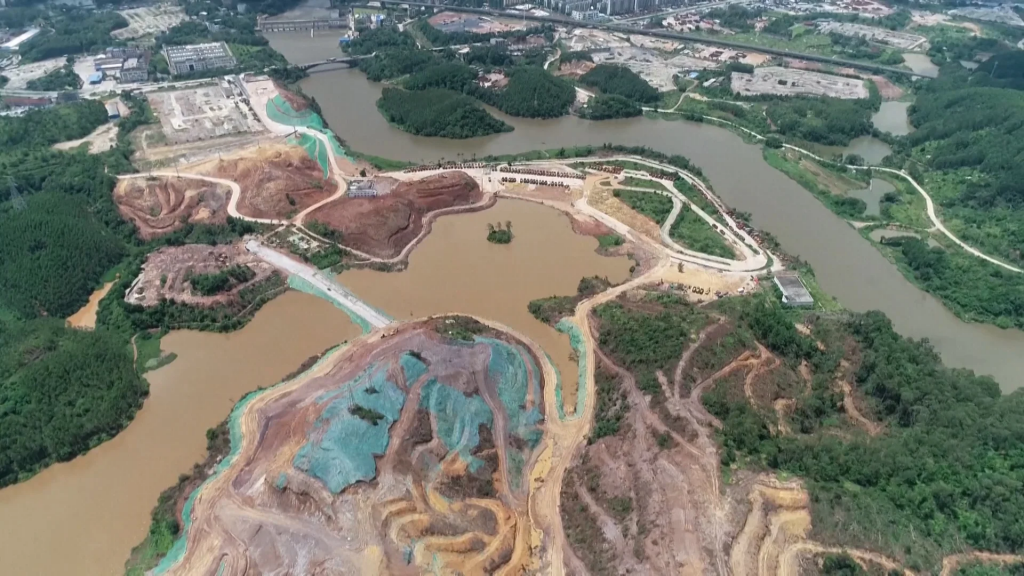
The Pinglu Canal will stretch over 134 kilometers from the Xijin Reservoir near Guangxi's capital Nanning to the port of Qinzhou in the south, complementing existing highways and railways for moving goods. The huge $10.3 billion canal will have locks capable of accommodating 5,000-ton merchant ships. This would demonstrate--according to observers--Beijing's shifting focus toward improving maritime connectivity for its Belt and Road Initiative, at the expense of land routes. Officials say the canal will reduce the navigation distance between inland river networks and the sea by 560 kilometers, compared to passing through Guangzhou, resulting in savings of up to 5.2 billion yuan per year.

By creating convenient and cheap access near Southeast Asia, the Pinglu Canal also promises to boost industries in Guangxi and other parts of relatively less developed western China. In addition, geopolitical dynamics could make the project's implementation even more urgent.

As emerged at the mid-May Group of Seven summit in Hiroshima, just as the United States and Western allies are determined to "reduce risks" from China, Beijing also aims to reduce its trade dependencies. In a report published in March by the Peterson Institute for International Economics, analysts said that "both sides have the same fear, that the other will suddenly use trade flows as a weapon -- cutting imports or exports -- in the name of security."

The channel aims to strengthen already growing trade with ASEAN states, which are all joined with China under the Regional Comprehensive Economic Partnership (RCEP) free trade framework, officials said. ASEAN and China have now become each other's largest trading partners, with two-way trade increasing 52 percent from 2019 to 2022, surpassing the 20 percent increase with the European Union.

In addition to reducing China's dependence on trade with the West, some say that stepping up business with Southeast Asia could also ease disagreements between Beijing and various governments in the region. According to Phar Kim Beng, CEO of the Malaysian consultancy Strategic Pan Indo-Pacific Arena (SPIPA), China and some ASEAN countries need such cooperation to mitigate the bitterness of their territorial disagreements in the Spratly and Paracel Islands in the South China Sea.

As noted by Yang of the Danish Institute, lessons from the pandemic have further pushed authorities to strengthen transportation infrastructure. COVID-19 restrictions in China caused severe supply chain disruptions as logistics were concentrated at key ports on the country's east coast. In his view, as a result of China's difficulties in handling global logistics during COVID, it is therefore necessary to strengthen some ports in China so that it does not rely on the larger Shanghai ports.

In fact, the canal is just one part of a much larger effort to create an efficient land-sea corridor. Guangxi government officials say the emerging corridor has already accelerated logistics, shortening the duration of shipments from Chongqing-in western China-to Singapore from twenty-two to seven days. However, even with such improvements, some experts warn that the full economic benefits of the canal and high-tech port infrastructure will not be automatically resolved.

According to Stephen Olson-researcher at the Hinrich Foundation in Singapore-there may be limits to the growth of trade with the Southeast Asian bloc, as "building efficient infrastructure alone cannot create trade synergies where they do not exist, nor can it create competitive industries in ASEAN that are capable of producing what Chinese importers will demand. The Chinese economy is much larger than any single economy in ASEAN, and this creates leverage that can sometimes lead to unbalanced and unsustainable trade relationships." Olson also expressed skepticism about efforts by both the United States and China to bring ASEAN countries closer to their side. "For most ASEAN countries, their national interests are protected by sitting on the fence and maintaining strong economic and strategic ties with both," he said.

Another area of concern is the environmental and financial costs. A study published in 2022 by the Transport Planning and Research Institute, under China's Ministry of Transport, reported a number of potential side effects of the canal, including isolation or destruction of natural habitats, changes in the ecology of the area, reduction of vegetation, and dust or other pollution caused by passing ships. However, the authors argued that, depending on the route, the risks should be "controllable," while noting that "abundant wetland environments" could be created to mitigate impacts. Project officials also promised to build conservation havens to safeguard the ecology.

The estimated $10.3 billion bill for the canal project comes as Chinese local governments' fiscal health comes under greater scrutiny, now that pandemic-related social restrictions have been lifted, and the real estate sector is experiencing a severe slowdown. 

According to business data research portal Aiqicha.com, the canal project is supported by state institutions in Guangxi, including the Guangxi Beibu Gulf Investment Group. The group in December was assigned a Baa3 rating in its first assessment by Moody's. The rating was supported by the Guangxi government, although the agency noted the group's "rapid debt growth related to its investments in public policy projects."

Separately, both foreign and local manufacturers in Qinzhou say they are beginning to feel both the effects of the new port facilities and the consequences of the RCEP. The trade agreement, also signed by Japan, South Korea, Australia and New Zealand, which went into effect last year, eliminates 90 percent of tariffs on goods traded between signatories. "Tax clearance has been reduced from three days to only one to two minutes," said Zhou Ju, an official of Asia Pulp and Paper in Qinzhou, backed by Indonesian conglomerate Sinar Mas Group. According to Zhou, this is due to the certificate of origin, as export documentation is available online under RCEP.

Officials insist that the Pinglu channel will allow China to make even greater gains from the RCEP. 

Who is the new Singapore’s President?

Former vice-premier Tharman Shanmugaratnam, 66, got 70.4 percent of the vote

Article by Tommaso Magrini

Singapore’s presidential elections took place on Friday 1st September. over 2.5 million Singaporeans went to the polls at 1,264 polling stations across the island. According to the final results, Tharman Shanmugaratnam, 66, garnered 70.4 % of the vote, while his fellow candidates Ng Kok Song and Tan Kin Lian, both 75, obtained 15.72% and 13,88%. The margin by which the former deputy Premier Tharman won, was surprising and unexpected to some analysts, given the recent scandals that have plagued the People’s Action Party (PAP) in recent weeks and which, they argued, could have invalidated his candidacy. this was not the case. The winner has a deep relationship with the party that has always dominated the city-state scene. If the election was seen as a barometer of public sentiment, then the PAP has confirmed its grip. Tharman was a popular politician, having won several parliamentary election victories, including the largest margin of votes in the 2020 general election as a member of the PAP. Tharman resigned from the party and his government posts in July to run for president after 22 years in politics. The President’s role is largely ceremonial in Singapore, although the office is supposed to provide checks and balances on the government. The President has veto powers over any specific budget or transaction that may draw on the national ‘grand reserves’. The president can also veto the appointment or removal of key public officials and instruct the anti-fraud office to investigate specific cases even when the Prime Minister disagrees. Premier Lee Hsien Loong said he called Tharman to congratulate him. “I assured him of my government’s full cooperation”

How the ASEAN summit went

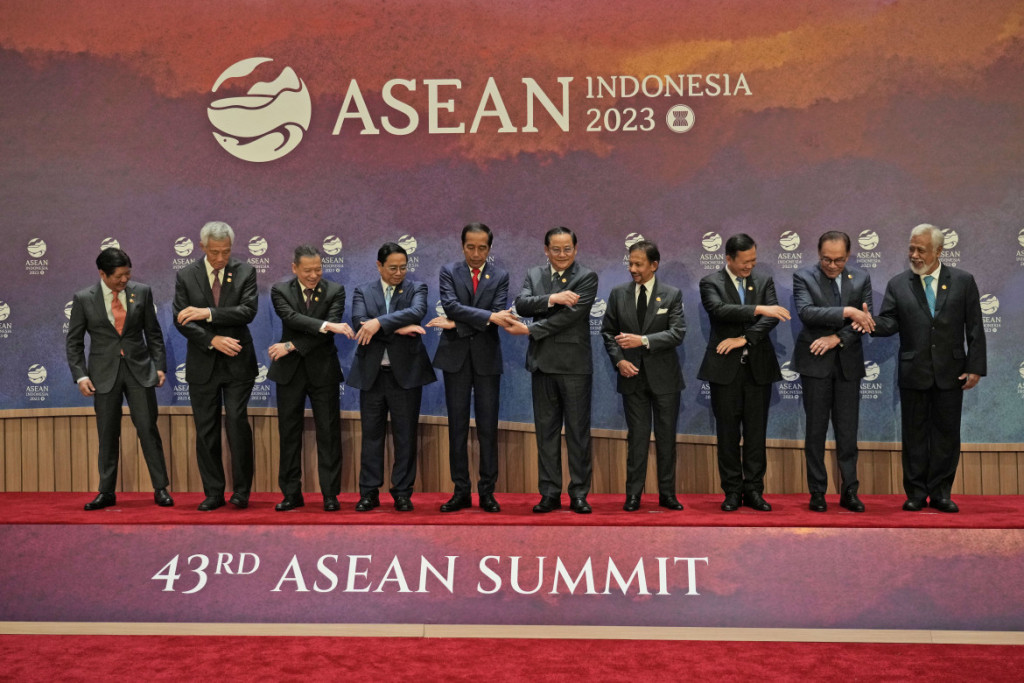
The 43rd summit of the Association of Southeast Asian Nations took place in Jakarta, Indonesia. Several agreements were signed inside and outside the group

Editorial by Lorenzo Lamperti

Still united despite differences. Joko Widodo, President of Indonesia and host of the 43rd ASEAN summit, called the bloc of Southeast Asian countries this. A bloc not in the geopolitical sense of the term, since ASEAN more than any other promotes a third way made up of not competition but, if anything, cooperation. Inside and outside the Association, as shown by the results achieved during the summit held in recent days in Jakarta. At least 93 projects, with a total value of $38.2 billion, were identified at the ASEAN Indo-Pacific Forum, a platform for the bloc's members to mobilize public and private financing and promote deeper economic cooperation. They included industrial, infrastructure and energy transition plans. Another 73 potential opportunities worth $17.8 billion were also discussed. Adopted statements on gender equality, sustainability, agricultural cooperation, food security and climate change. In addition, during the ASEAN +3 meeting, which in addition to the Southeastern countries also includes China, Japan, and South Korea, it was agreed to work together to develop an electric vehicle ecosystem. A crucial issue for economic and technological development in the near future, with an eye on sustainability. And, above all, an area in which Southeast Asia looks set to play a leading role. That's not all. With Beijing, in the presence of Premier Li Qiang, a joint ASEAN-China statement on mutually beneficial cooperation in the Indo-Pacific was issued. With Beijing, the renewal of the free trade agreement by 2024 and major new investments on the strategic microchip sector are also discussed. Interesting results on the bilateral level as well. The Philippines signed a free trade agreement with South Korea, while Indonesia asked the United States to start talks on a trade agreement on mineral resources. On the diplomatic front, Australia has announced that it will host ASEAN leaders in Melbourne next March for a special summit to mark 50 years of relations. In the background, but not overly so, the Myanmar crisis remains unresolved, on which the 2021 5-point consensus review has been prepared. Tensions over the South China Sea also remain, partly because of the competition between China and the United States. Competition in which, as Widodo reiterated in his closing remarks, ASEAN plays a role as a "theater of peace and inclusion."

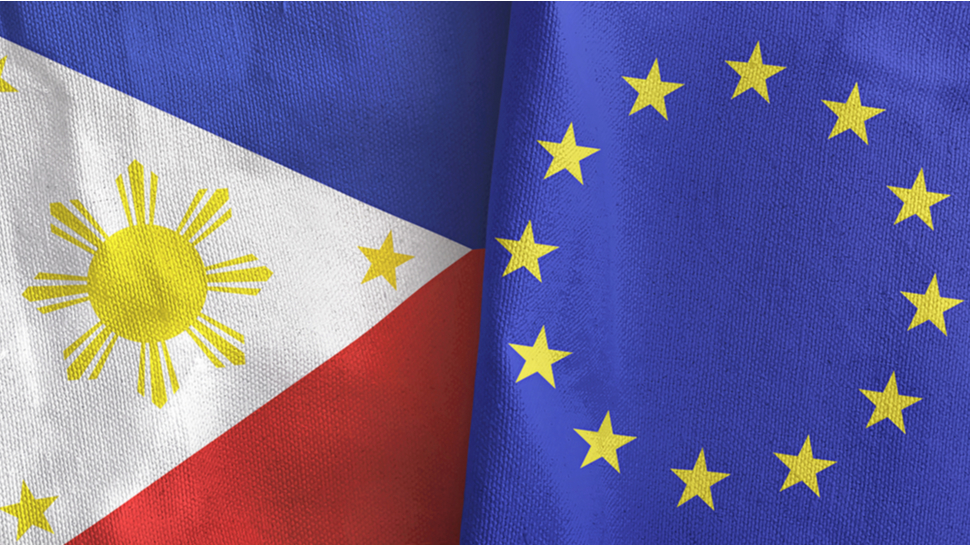
EU-PH Free Trade Agreement negotiations: a priority for both partners

At their bilateral summit last July, Von der Leyen and Marcos expressed their intention to conclude a trade agreement 'as soon as possible'. Manila intends to achieve the goal by 2028. The agreement would unlock the still untapped economic potential between the two partners.

Article by Sophia Ordoña (European Chamber of Commerce of the Philippines – ECCP) and Pierfrancesco Mattiolo 

The President of the European Commission, Ursula von der Leyen, expressed the intention to resume negotiations for a free trade agreement (FTA) between the EU and the Philippines during her recent and significant visit to the Asian nation at the end of July. The Philippine President, Ferdinand Marcos Jr., in turn, voiced his support for a swift conclusion of the treaty before the end of his term in 2028. Marcos's economic agenda is geared towards a decisive opening of the domestic market: following the liberalization of telecommunications, transportation, and renewable energies, the conclusion of the FTA would mark another significant step in this direction. The Philippines is a strategic partner for Europe and Italy. The economic relations between Rome and Manila are strong; in 2022, they were worth 1.24 billion euros, and the FTA would enhance opportunities in key sectors such as agricultural machinery, infrastructure, and textiles. As a signal of the amicable atmosphere of collaboration between the two countries, the Italian and Filipino Ministries of Tourism started working on a tourism cooperation agreement last year.

The FTA represents an opportunity for both Brussels and Manila. The EU recognizes the Philippines as a like-minded partner in terms of democratic values and sustainable development, situated in a region, the Indo-Pacific, particularly sensitive to the economic and strategic interests of the Union. Deepening ties with the Philippines – and all other ASEAN partners – falls within the de-risking strategy adopted by the EU, meaning cultivating relationships with new trading partners and mitigating the political and economic risks associated with overdependence on countries like China. On the other hand, for the Marcos administration, concluding the treaty by 2028 is a priority not only politically but also economically. Currently, the country benefits from the Generalized Scheme of Preferences Plus (GSP+), which grants many Filipino products tariff-free access to the European market. This favourable regime is set to expire at the end of 2023. Although the Commission has proposed extending it until 2027, the Philippines is close to become a middle-high income economy around 2025. Such ‘graduation’ would initiate a three-year transition period, after which Manila would lose its GSP+ benefits, as the scheme is aimed at supporting low income countries. If concluded before 2028, the FTA would replace the GSP+, thus allow Filipino companies to maintain tariff-free access to the European market for the products under the FTA scope.

From the Philippine perspective, many sectors would benefit from the agreement, such as agriculture and energy. Specifically, the garments sector would see an increase in employment of between 120,000 and 250,000 and exports worth $600 million in the first two years following the implementation of the agreement. The archipelago is also rich in essential raw materials (such as nickel, copper, and chromite) crucial for green technologies. Service exchange could also increase. The Filipino IT-BPM sector is valued at $50 billion and is highly dynamic, making it possible to expand its market share in Europe. For European companies, having greater access to a country that is growing in every aspect – economically (GDP grew by 7.6% in 2022), demographically, and socially, with a young and increasing middle class – would be advantageous. The agreement could finally unlock untapped economic potential: bilateral trade between the EU and the Philippines is relatively low compared to that between Europe and other ASEAN countries, and only 4% of European investments in ASEAN economies are directed towards the Philippines.

Negotiations for the FTA will also have to overcome certain obstacles. The protection of intellectual property rights (IPRs) was one of the most sensitive issues in previous negotiation rounds between the two partners, but now it might be easier to find common ground, as the Philippines has been removed from the European Commission's IPR watch list since 2019. The chapter on IPRs in the future FTA would likely include stronger rules for protecting geographical indications of European and Italian food products. Finally, von der Leyen indicated the need for deeper alignment between the two partners on environmental and labour protection matters. The President of the Commission also acknowledged the progress made by the country in terms of human rights, and the ongoing bilateral dialogue aims to address the remaining open issues. These obstacles can become opportunities if the FTA manages to include effective rules in these areas. An agreement would represent an opportunity for growth not only in the economic sense but also politically and socially for both partners.

Southeast Asia beacon of growth

The region is benefiting from a restructuring of global supply chains as it sits at the intersection of two of the world's largest free trade agreements

By Tommaso Magrini

A year and a half after the start of a historic interest rate hike cycle, Southeast Asia's economic outlook continues to stand out in a world of high inflation and weak demand. This is highlighted in an editorial published in Nikkei Asia, which points out that HSBC expects the six largest economies in Southeast Asia -- Indonesia, Thailand, Malaysia, the Philippines, Singapore and Vietnam -- to grow by 4.2 percent this year and 4.8 percent next year. This pace would far exceed the 1.1 percent expansion projected for the developed world in 2022 or the 0.7 percent estimated for next year. This acceleration is all the more remarkable considering that Chinese tourism dollar inflows have not returned to Southeast Asia as expected. A recovery in tourism would certainly be a boon for Southeast Asia. But in the meantime, trade, energy transition and digital transformation are set to fuel the region's economic growth for decades to come and ensure that this dynamic region remains a global growth engine. Southeast Asia has come a long way as a manufacturing hub. It now accounts for 8 percent of global exports and has overtaken the European Union as China's largest trading partner since 2020. The region is benefiting from a restructuring of global supply chains as it sits at the intersection of two of the world's largest free trade agreements, the Regional Comprehensive Economic Partnership (RCEP) and the Comprehensive and Progressive Agreement for the Trans-Pacific Partnership. The RCEP in particular, with its business-friendly tariff reductions and rules of origin, is increasing Southeast Asia's attractiveness as a manufacturing base, a fact that more and more companies are recognizing. According to a recent HSBC survey, Asia-Pacific companies plan to base 24.4 percent of their supply chains in Southeast Asia in the next one to two years, up from 21.4 percent in 2020.

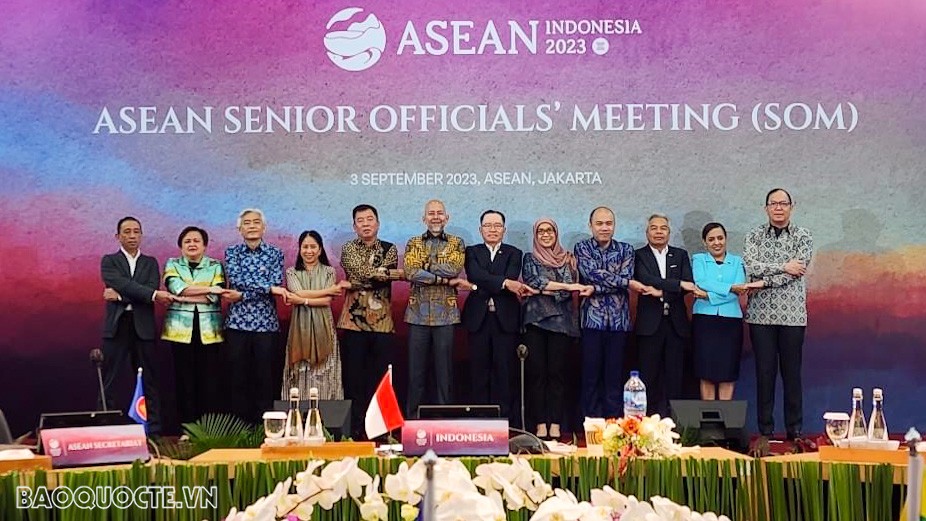
What to expect from the ASEAN summit

From 5 to 7 September the 43rd summit of the South-East Asian countries will take place in Jakarta, Indonesia. Objective: to prepare the bloc for the challenges of the next 20 years.

The Chairmanship now handled by ASEAN, Indonesia, declared it had invited 27 global leaders and executive directors of international bodies to the 43rd ASEAN Summit in Jakarta, scheduled from 5 to 7 September. The three day-meetings will bring together not only the leaders of the ASEAN member States, but also external partners of the bloc. Also global financial institutions such as the World Bank and the International Monetary Fund (IMF) are invited to the dialogue. “We expect the participation of leaders from 27 countries and international organizations at the imminent summit. The Canadian Prime Minister [Justin Trudeau] is expected to attend the summit”, declared the General Director for ASEAN Cooperation at the Ministry Affair Sidharto Suryodipuro. Discussion on strengthening the capacity and the institutional effectiveness of the bloc in order to help the organization in meeting the challenges of the next 20 years will continue at the summit.Suryodipuro declares that Indonesia intends to lay the foundations of ASEAN cooperation to address the present and future challenges. The 43rd ASEAN summit will also see the handover of the regional group to Laos, which will lead the bloc through 2024. In parallel, President Joko “Jokowi” Widodo will lead 12 meetings during the three-day forum, including the 18th East Asia summit. In addition to the group’s talk with dialogue partners, including the United States and India. Among others, the Canadian Prime Minister Justin Trudeau and the Indian one Narendra Modi are expected to attend, despite the fact that a few days later he will host the G20 summit in New Delhi. India and ASEAN have also recently reported their will to upgrade their free trade agreement by 2025. Instead, it seems that Joe Biden, who has chosen to travel only between India and Vietnam during his Asian trip in September, will be absent. This decision will note please the Indonesian host. Jakarta is now seeking to enjoy the Organization for Economic Cooperation and Development (OECD). If the plan succeeds, Indonesia will become the third Asian country to join the organization, after South Korea and Japan.

How Malaysia's state elections went

The results showed a head-to-head contest between the two coalitions that is unlikely to destabilize the Unity Government. The nationalist-Malayu front won Kelantan, Kedah and Terengganu, among Malaysia's poorest states

Article by Aniello Iannone

Department of Politics and Government Studies Diponegoro University

A few weeks ago, state elections in Malaysia concluded in 6 of the 13 states. At the polls both the coalition government PH (Pakatan Harapan , allied with BN (Barisan Nasional) and led by PM Anwar Ibrahim, and the opposition with the coalition PN (Perikatan National) and PAS secured 3 states each, mirroring pre-election predictions. The elections were an important test for Anwar to analyze the level of political polarization among the population in response to the previous general elections that occurred 9 months ago and the political crisis that, since 2018, has seen 4 different governments fall in less than 4 years as a result of internal strikes and political-economic instability post-pandemic from COVID-19. However, the importance of this election lies in the vote cast. Malaysia remains a country with a high level of ethnic national debate in politics and for decades, under UMNO hegemony, has been characterized by a pro-Malayu-Islam narrative with policies that have created some tension with the other part of the Malaysian population, namely those of Indian and Chinese origin. 

The results showed a head-to-head contest between the two coalitions that is unlikely to destabilize the Unity Government. The nationalist-Malayu front led by the PN coalition won Kelantan, Kedah and Terengganu, among Malaysia's poorest states, winning two-thirds of the electorate. In detail, PH was completely defeated, managing to snatch only 3 seats from PN out of 36 in Kedah. In Kelantan the situation was worse, where Anwar managed to win only 2 out of 45 seats. In Terengganu, on the other hand, all 32 seats went to PN. Kedah, in particular (but also Kelantan and Terengganu), was swept into the last 2022 elections by the green wave (referring to the color of PAS, the Pan-Malaysian Islamic Party and an important member of the PN coalition), where PN won 14 out of 15 seats, minimizing BN's influence in the region.

PAS itself can be considered the winner of these elections, emerging from the green wave managed to show its importance within the PN coalition. However, this emergence of PAS could have major consequences both vis-à-vis other PN coalition parties such as BERSATU and for the unity government given PAS's extremist national-Islamic nature. Ideologically and historically, PAS has a nationalist political philosophical framework, born in 1951 during conservative Muslim meetings between Kuala Lumpur and Pengan and heavily influenced by the Egyptian revolution and the rise of the Muslim brotherhood in the Middle East and the Khomeinist revolution in Iran. However, an important difference from other dominant nationalist parties, such as UMNO, is the role of Sharia-based ideological Islam. This also explains its victory in elections in Malay-Islam-dominated states such as Kelantan.

The progressive PH coalition, allied with BN (which in this context is an extension of UMNO within the ruling coalition and is the only nationalist party in the coalition), currently leads the government with Anwar as its leader. Instead, it won the states of Selangor, Negeri Sembilan, and Penang. This result appears balanced, at least on first analysis, and maintains the status quo. Out of a total of 13 states, elections were held in 6 of them, of which 3 went to the opposition with a large majority. Moreover, even in the richest states in the country, such as Selangor, the political battle between the two parties saw PN succeed in part, managing to win 22 out of 56 seats and preventing PH from gaining a majority in the Selangor assembly.

Nine months after the 15th general elections, the state elections were an important test for the Anwar-led unity government. Out of 6 states in which elections were held, the opposition, particularly the Islamic nationalist right, won a majority in 3. The current result will not result in a change of the status quo in the country, which is led by the unity government under the leadership of Anwar's progressive coalition. However, at this time the government should focus on preserving popular support, especially in Malayu majority areas. Any lack of support from both the public and the electorate could prompt the opposition to call for the holding of new general elections.


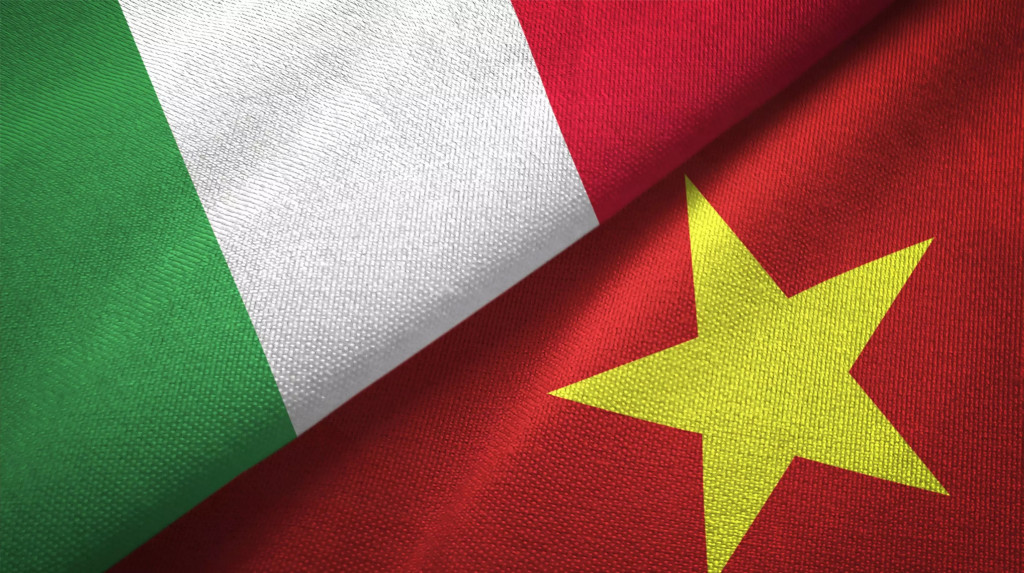
Italy and Vietnam increasingly strategic partners

Vietnamese president's visit to Rome further strengthened relations between the two countries. Also closed an agreement between Hanoi and the Holy See

Editorial by Lorenzo Lamperti

The 50th anniversary of official diplomatic relations between Italy and the Socialist Republic of Vietnam experienced one of its most notable moments between July 26 and 27, when Vietnamese President Vo Van Thuong paid an official visit to Rome at the invitation of Italian President Sergio Mattarella. The meeting was the first official event between the heads of state of the two countries in seven years. But it was also an opportunity to celebrate another anniversary, the 10th, of the strategic partnership established in 2013. During the visit, the two sides discussed and strengthened the ties of political trust and strategic cooperation between Vietnam and Italy. The two countries are now important mutual partners in various fields, including economy, defense and security, education and training, science and technology, culture, tourism and more. Regarding political, diplomatic, defense and security cooperation, the two sides agreed to strengthen cooperation between their respective Ministries of Foreign Affairs and to maintain political consultations at the ministerial level between the Deputy Ministers of Foreign Affairs. They also stressed the importance of defense and security cooperation and agreed on the possibility of visits by the Italian Navy to Vietnam. In terms of economic, trade and investment cooperation, both sides pledged to fully and effectively implement the Vietnam-EU Free Trade Agreement and improve mutual market access by removing unnecessary and unjustified trade barriers. Vietnam welcomed the Italian Parliament's ratification of the EU-Vietnam Investment Protection Agreement, which will create favorable conditions for investors on both sides. Opportunities for cooperation in various areas such as infrastructure development, digital economy, advanced technologies, renewable energy, creative industries and smart agriculture were also discussed. Italy and Vietnam also aim to expand cooperation in science and technology, education and training, and encouraged cultural and artistic exchanges. The Vietnamese president's trip also produced an important announcement with the Holy See, with whom a historic agreement was reached to send a Vatican representative to Hanoi. Vietnam is getting closer and closer.

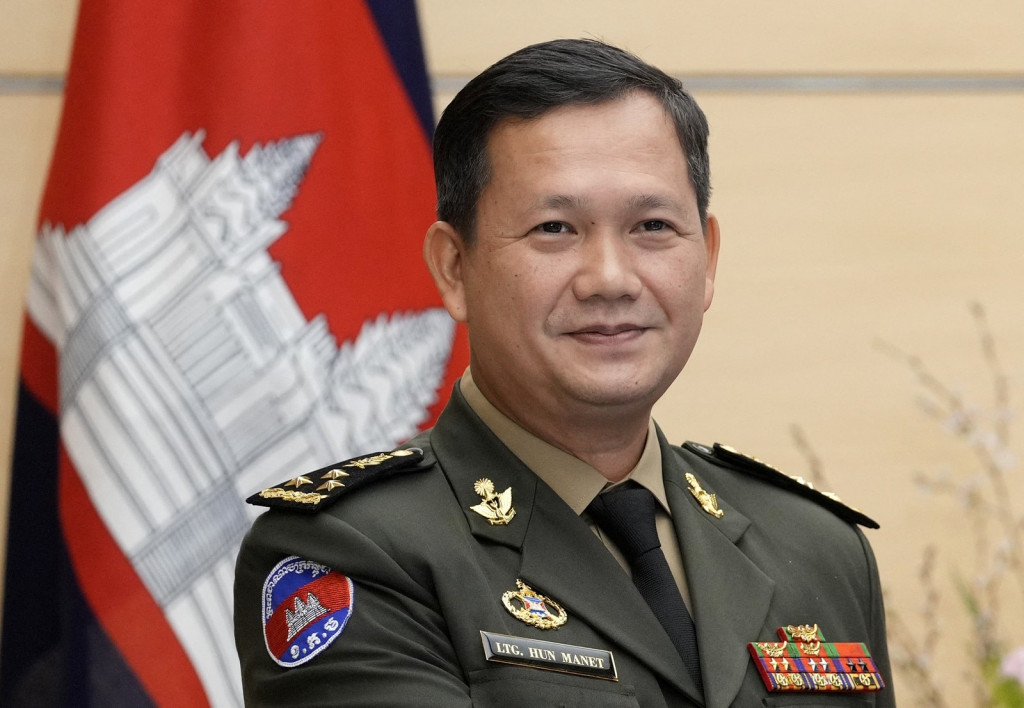
Cambodia, Hun Manet is the new leader

Hun Sen left the post of prime minister to his son after the July 23 election. But the two have different paths

By Tommaso Magrini

As expected after the July 23 elections, Cambodian Premier Hun Sen gave way to his son Hun Manet, whose confirmation as premier came by National Assembly vote on Tuesday, August 22. But who is Hun Manet? He is the eldest of Hun Sen's five children, born in 1977 in rural Cambodia. His father said his son was born of a spirit that emerged from a banyan tree in a flash of light. Hun Manet is married to Pich Chanmony, daughter of a prominent Cambodian politician, and has three children. Unlike his father, who had no formal education, Hun Manet enjoyed a privileged education, thanks to which he earned a master's degree from New York University and a doctorate from the British University of Bristol, both in economics. A graduate of the West Point Military Academy in the United States, the newly appointed PM quickly climbed the ranks of the Cambodian armed forces, leading a counterterrorism team and serving as deputy chief of his father's bodyguard unit, as well as army chief and deputy military commander. On the political front, he led the youth wing of the Cambodian People's Party (CPP) and was a member of its standing committee. Asian neighbors and Western countries will be watching closely to see whether Hun Manet will maintain the status quo or pursue greater liberalization, which actually on the economic front has already been initiated by his father. In early August, the chairman of the U.S.-ASEAN Business Council told Reuters that the body hopes to host Hun Manet in New York soon. In his first statements after becoming premier, Hun Manet promised to improve the economy, rule of law and social justice, as well as develop human resources and infrastructure, combat climate change and raise wages for workers and civil servants.

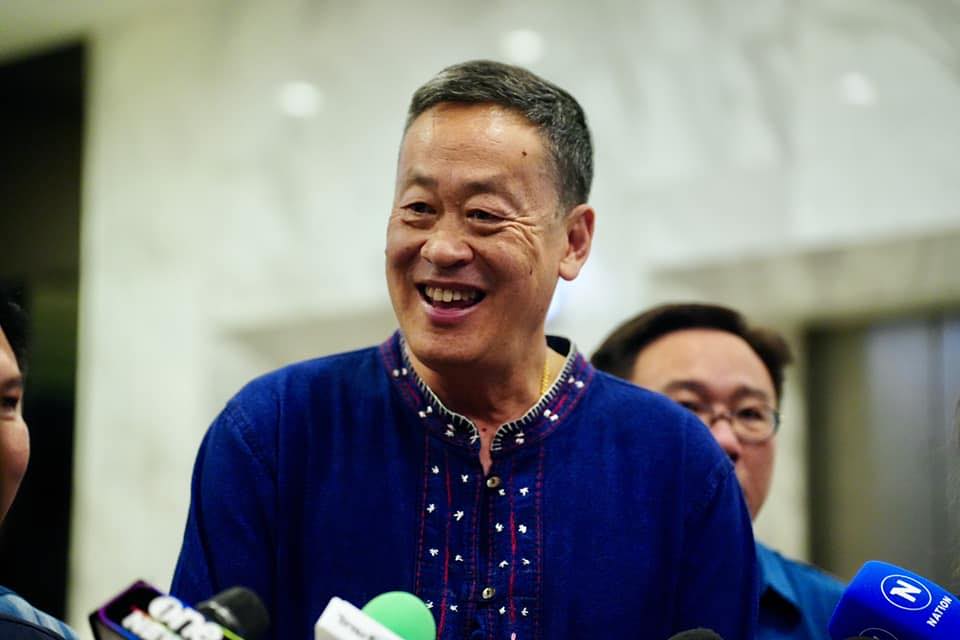
Thailand, who is the new PM Srettha Thavisin?

After a prolonged period of political uncertainty, Thailand has its new prime minister: Srettha Thavisin, a former U.S.-educated real estate tycoon who has always been close to the Shinawatra family. He is the epitome of a government that unites Pheu Thai, conservatives and the military

By Francesco Mattogno

One hundred days after the May 14 elections, Thailand has elected its new prime minister. With 482 votes in favor (including 152 senators), 165 against, and 81 abstentions, in the joint House and Senate vote on August 22 Pheu Thai candidate Srettha Thavisin passed the necessary threshold of 374 seats and became the 30th premier in Thai history.

His nomination was approved by King Maha Vajiralongkorn, who thus made the outcome of the parliamentary vote official and paved the way for the formation of the new government. Which will not be a "change" government. Or at least not of the change voted for by the relative majority of Thais, who at the polls had awarded Move Forward, the country's most progressive and radical political formation, as the party with the most seats in the lower house (151).

Instead, Pheu Thai, which came second in the elections (141 seats), will lead the new executive. In a turn that was as abrupt as it was announced, in early August the party founded by Thaksin Shinawatra abandoned its coalition project with Move Forward and initiated a series of negotiations to form an alliance with political forces linked to the conservative and pro-military establishment.

The successful outcome of the talks resulted in an 11-party, 314-seat coalition encompassing much of the outgoing government led by former coup general Prayut Chan-o-cha, with the exception of the Democratic Party. In fact, the alliance that supported Srettha includes the Bhumjaithai (BJT) of former Health Minister Anutin Charnvirakul, who may become the next interior minister, and the military's two parties, the Palang Pracharat (PPRP) of the other coup general Prawit Wongsuwon and the United Thai Nation (UTN) of outgoing premier Prayut, who has, however, announced that he plans to retire from politics.

In fact, Pheu Thai has struck deals with what until last May 14 were its bitterest enemies. Over the past two decades, the Shinawatra party has been ousted from power twice by army coups (2006 and 2014), and its leaders have been convicted of corruption and abuse of power by military-linked courts. The BJT, on the other hand, came into being in 2008 after an internal split within Pheu Thai, and has since become a symbol of betrayal and affiliation with conservative power for Reds supporters. Moreover, 16 out of 25 MPs from the same Democratic Party, once Shinawatra's number one opponent and now in the midst of a crisis, voted in favor of Srettha's nomination, contravening the party's line of abstention.

This is a reversal of what was promised before the election. At the height of the election campaign, Srettha-as well as all the Pheu Thai leadership-had ruled out an alliance with the military. Instead, on Monday, before the vote, he asked Thais to "forget" those words for Thailand's sake. Pheu Thai claims it had no alternative, since the Senate (appointed by the military) would have prevented any coalition including Move Forward from governing. To form an executive, therefore, one had to surrender to compromise with conservative forces in the name of "national reconciliation." And so it did.

Despite skepticism, the new prime minister pledged that the coalition would abide by Pheu Thai's electoral program, which made the economy a "priority" to go along with more progressive and democratic policies, such as amending the constitution and ending compulsory conscription.

Srettha is the main promoter of the "digital wallet," a 10,000 baht (270 euros) subsidy promised by his party to everyone over the age of 16, which would be in addition to an increase in the minimum wage. He said in the election campaign that he would push to expand Thailand's export markets in Africa and the Middle East and to forge more free trade agreements (above all, the one with the European Union), saying he also opposed decoupling between China and the United States. "I don't believe in working with individual nations," he said in an interview with the Nikkei.

A member of a well-connected family within the Thai elite, Srettha studied economics and finance in the United States (he graduated from the University of Massachusetts and took a master's degree at the Claremont Graduate School in California), and once he returned to Thailand in the 1990s he became chairman of Sansiri, a family business that became one of the largest companies in the Thai real estate industry. In contrast to many of his fellow entrepreneurs, Srettha has often exposed himself politically on social media and beyond, becoming one of the trusted men of former premiers Thaksin and Yingluck Shinawatra. In November last year, he finally joined Pheu Thai, stepping down as CEO of Sansiri two months before the elections.

Amid the prolonged political crisis, the country's GDP grew only 1.8 percent in the second quarter of 2023, well below expectations. Therefore, according to Bloomberg, given his business career and promises to stimulate the Thai economy through public spending, investors should welcome Srettha's appointment as premier. And there is talk of his possible dual role as finance minister as well. Different is the talk on the purely political level. The new prime minister has no political experience, nor a strong support base both within the party and in the electorate. And this is no small detail for a premier who will have to hold up a potentially very fragile and unpopular coalition (a poll of a sample of 1,310 citizens recorded about 63 percent disapproval).

Despite the decent result at the polls, for the first time in 20 years Pheu Thai did not win the election. This makes Srettha a much weaker prime minister than his predecessors elected with the Shinawatra party, who came to the seat with huge popular mandates and were surrounded by a kind of aura of invincibility. And in a further threat to his legitimacy, Srettha has been accused of tax evasion and malpractices during his time at Sansiri. The new premier will thus have to prove that he can control a government in which Pheu Thai, despite being the largest party in the coalition, is actually outnumbered by potential deals between BJT, PPRP and UTN, which together have 147 seats. One wonders then how well Srettha will be able to implement the promised policies, and whether moving behind him may be a far more navigated figure like Thaksin, moreover, who has just returned from exile.
Recently active members
Foto del profilo di Alessio
Foto del profilo di Monika
Foto del profilo di Gabriel
Foto del profilo di Elena
Foto del profilo di Lorenzo
Foto del profilo di Alessandro
Foto del profilo di Cristina
Foto del profilo di Rocco
Foto del profilo di Clara Lomonaco
Foto del profilo di Redazione
Foto del profilo di Davide Gugliuzza
Foto del profilo di Anna Affranio
Foto del profilo di Ilaria Canali
Foto del profilo di Nicolò
Foto del profilo di Angelo Cangero
Who is online
There are no users currently online
Members
  • Foto del profilo di Alessio
    Active 3 ore, 23 minuti fa
  • Foto del profilo di Monika
    Active 3 giorni, 16 ore fa
  • Foto del profilo di Gabriel
    Active 3 settimane, 4 giorni fa
  • Foto del profilo di Elena
    Active 1 anno, 4 mesi fa
  • Foto del profilo di Lorenzo
    Active 2 years, 6 mesi fa