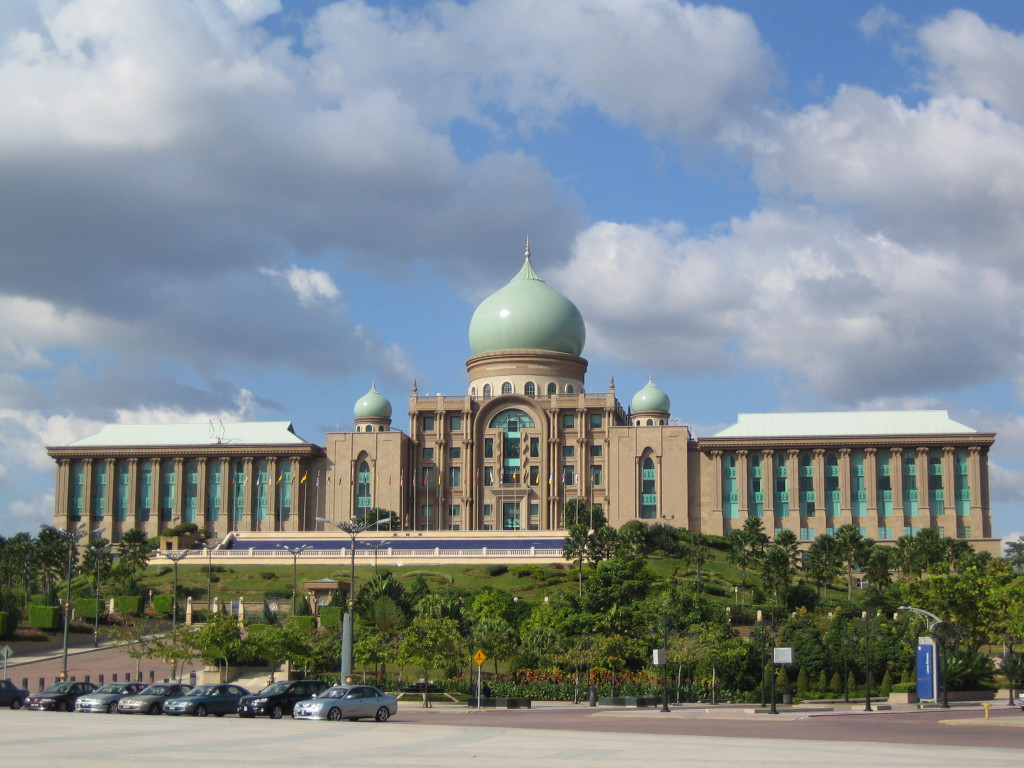
Malaysia in search of political stability

Could the anti-party hopping law for upcoming elections be the solution?  

By Aniello Iannone

On February 23, 2020, during the government led by the Pakatan Harapan coalition (PH), exponents of the Pribumi Bersatu Malaysia (Bersatu) party, the main party of the PH coalition, meet with members of the Pertubuhan Kebangsaan Melayu Bersatu (PEKEMBAR) party, at the Hotel Sheraton, in Kuala Lumpur.

That event, known in the media as "Sheraton Move," will cause the collapse of the PH coalition with the exit from the coalition of the BERSATU party and a fraction of the Keadilan Rakyat (PKR) party. This event will cause a government crisis in Malaysia with Mahathir's resignation on February 24, 2020.

The events that preceded the Sheraton Move are linked to the victory of the Pakatan Harapan (PH) coalition during the G-14 (14th General Election) when the Barisan Nasional (BN) coalition was defeated after 60 years in command.

The PH coalition, led by former Prime Minister Mahathir Mohammed, managed to gain support during the G14 by taking advantage of internal weakness in the opposing coalition.

This weakness resulted from the tax scandal involving Najib Razak within the Barisan Nasional coalition and the Pertubuhan Kebangsaan Melayu Bersatu (PEKEMBAR) party, better known by the English acronym UMNO. 

However, after less than 22 months of PH's rule, the ideological differences between the parties within the PH coalition, with weak leadership at its helm, led to its crumbling. The unfulfilled promise by Mahathir to cede the role of prime minister to Anwar Ibrahim has given rise to a crisis within PH, which has consequently led to the exit from the coalition of an entire party, BERSATU, and a fraction of the Keadilan Rayat party (PKR). A government crisis began in Malaysia from these events, known as the Sheraton Move. 

This crisis led to the resignation of Mahathir and the beginning of an alternation of governments. First of all, there was the government of Muhyiddin Yassin, followed by the formation of the government of Ismail Sabri Yaakob, exponent of the UMNO / PEKEMBAR party and of the Barisan Nasional coalition in August 2021, currently in office. 

Why an anti-party hopping law now? 

The problem of the government crisis opened a debate in Parliament for an anti-party hopping bill. The law would require any members of Parliament who change parties during legislation not to be able to continue their role as a parliamentarian. Members of Parliament (MPs) who change parties do not maintain loyalty to the part of the population who voted for them. The law would also prevent larger parties from attracting members of smaller parties (Chacko, 2020)

The practice of “hopping” from one party to another by parliamentarians is not new in Malaysian politics. The political crisis in Sabah in 1994 started when supporters of the Bersatu Sabah (SPB) party, which won the state elections against BN, left the party to join the opposing party.

After the events of the Sheraton Move, the PH and the current government have agreed on a memorandum of understanding (MoU) which states that the plan for an anti-party hopping bill should be implemented no later than the first session of the fifth session of Parliament. To date, the law plan has been postponed for further insights.

Analyzing Malaysia's political and constitutional situation, an anti-hopping law should revise various articles of the Malaysian constitution, in particular article 10. The Mahkamah Persekutuan Malaysia (Federal Court) 1992 declared an anti-hopping law illegitimate because it went against 'Article 10 of the constitution, which defines freedom of association.

To deal with this regulatory conflict, the government has asked for a reform of Article 10. Should this reform pass, it will introduce a clause (A) in paragraph 3 of Article 10, i.e., the introduction of limitations for members of Parliament who change party during a period of active government and the introduction of a second clause stating that the act of hopping is harmful to public order (Loh, 2020)

Uncertainties: Is it heading in the right direction?

The events during the Sheraton Move may not justify the government's proposed law. The bill provides that if one member of Parliament leaves his party for another, they will automatically lose their role as parliamentarians. Nevertheless, what led to the Sheraton Move events stems from different problems. In that context, an entire party, BERSATU, left the PH coalition. Even if there had been an anti-hopping law, it still would not have changed events at the Sheraton. 

The law is currently being reworked. The lawyer for Liberty (LFL) group noted that an anti-hopping law could become a double-edged sword in the Malaysian context, with dangerous repercussions for democracy.

According to LFL, the bill lacks a concrete definition. According to LFL, this law does not concern itself with solving the problem of party-hopping but, in a contradictory way, grants decision-making power to the party to expel any members, limiting the independence of elected representatives.

In addition, this would put the parliamentarian below the decisions taken by the party, for fear of possible repercussions. 

The criticism of the bill also comes from parliamentarians. The MPs Nurul Izzah Anwar from the PH harshly criticized the bill. Anwar said that if this law were to be passed, parliamentarians would see their freedom and discretion restricted during their work in ParliamentParliament.


Reference 

Chocko D., P. (2020) “ Policy Briefs: party-hopping of Lawmakers in Malaysia: a menu of remedies. Jeffrey Sachs Center on Sustainable Development, Sunway University 

Loh J. (2020) “Outlawing party hopping for good” EMIR Research 

Business opportunities in Cambodia increase

Phnom Penh is gaining a central role within supply chains. And it is increasingly opening up to international investment

Editorial by Lorenzo Lamperti

2022 is bringing Cambodia more and more in the global scene. Both politically, with the rotating chairmanship of ASEAN until next December 31, and economically. New industrial plants were opened in the first five months of the year in Cambodia at a much higher rate than the previous year. The new factories have already generated jobs for about 57,000 Cambodians. This is a clear sign of investor’s trust. In Phnom Penh's favor played an efficient management of the Covid-19 pandemic, which among other things also earned the commendation of the EU-ASEAN Business Council. However, measures put in place by the local government to boost international business are playing an important role. Under the new investment law enacted on October 15, 2021, foreign investors receive the same rights as domestic investors, except for land ownership. In addition, investments are open in every sector, and there are no restrictions on capital repatriation. The moment is also favorable for trade interchange. Between January and April, Cambodia exported goods worth 7.6 billion dollars. These were mainly clothing products, machinery, and electronic equipment but also manufactured goods such as bicycles, auto parts, furniture, leather, and plastics. The Italy-Cambodia partnership is an important tool for increasing ASEAN institutional capacity and has great economic potential in terms of both trade and investment. Trade between the two countries recovered in 2021 reaching 416 million euros, marking a 12% increase over the previous year. In a recent webinar organized by the Italian Cambodian Business Association in Cambodia (ICBA), with the support of the European Chamber of Commerce in Cambodia (Eurocham) and the Italy-ASEAN Association, Prof. Romeo Orlandi participated. The Vice President of the Italy-ASEAN Association stated how the opening path toward free trade is a key tool for the growth of Cambodia and other Southeast Asian countries. According to Orlandi, it is important to support the development of shared values to deepen bilateral cooperation. Not least because Phnom Penh is acquiring a more central role in supply chains.

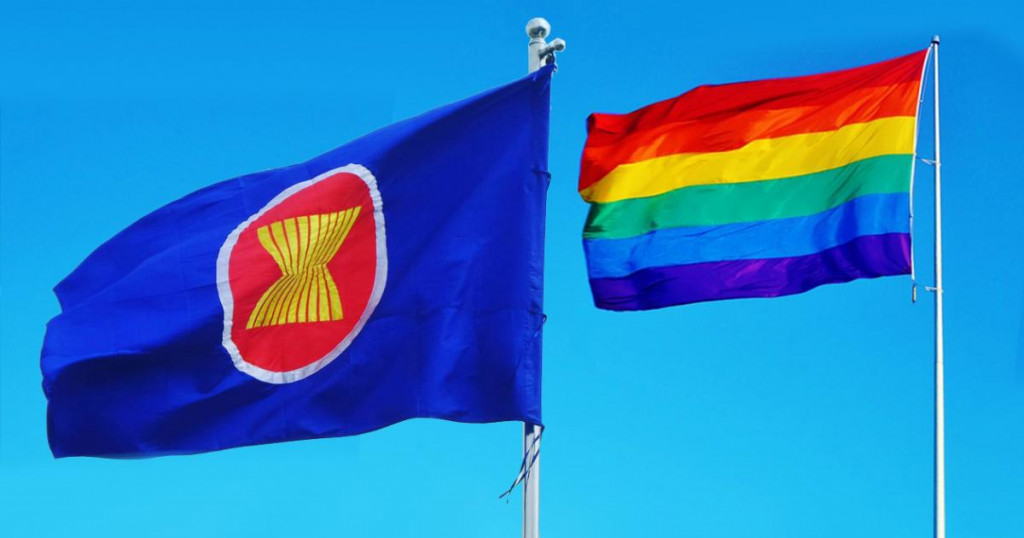
The new "Asian values" and LGBTQI+ rights

Among ASEAN countries, the issue of legal and political recognition of the LGBTQI+ community experienced several setbacks but also steps forward

In June, Pride Month celebrations bloom around the world. Some Southeast Asian countries have made progress on civil rights, but most of them are still reticent to embrace the political claims and demands for recognition of the LGBTQI+ community. Cultural and religious circumstances and restrictive laws intersect with the bitter experience of Western colonization, providing political arguments for detractors of social movements fighting for the free expression of gender identity and sexual orientations. But recovering "Asian values," according to some analysts, may lead to accelerated openings on civil rights.

Also through the work of major international organizations, such as the United Nations, LGBTQI+ rights have been recognized as human rights under international law. In 2007, the Yogyakarta Principles, a compendium of guidelines addressed to states in the international community on the prevention of discrimination based on sexual orientation and gender identity were adopted: for "a different future, in which all persons born free and equal in dignity and rights" can enjoy the Arendtian right to have rights. But as we venture into national and local contexts, it seems that the recommendations of high politics become increasingly opaque. Southeast Asia is one of the regions that expresses this contradiction most forcefully.

In ASEAN, there have been many steps forward on the issue of legal and political recognition of the LGBTQI+ community, but also several setbacks. In Brunei and Indonesia, same-sex relationships are banned and in the Sultanate can even involve the death penalty. Indonesia has one of the highest levels of intolerance of same-sex couples in Southeast Asia: according to a 2019 Pew Research Center survey, 80% of respondents were against the acceptance of homosexuality in society. Recently, a news program airing on Youtube was at the center of a scandal for inviting a gay couple on the show. Deddy Corbuzier's "Close The Door" talk show is often the subject of controversy for having public figures speak on sensitive issues, and this time it infuriated many members of Indonesia's large Muslim community. President of the Indonesian Ulema Council Cholil Nafis was very upset when he said that "Islam forbids LGBT people. It is like a sick part of the body that needs to be amputated, not celebrated."

Singapore also does not rank among the most progressive countries when it comes to LGBTQI+ rights. The Asian city-state has a law in place that criminalizes sex between men, although "it is not strictly enforced." Thailand, often referred to as an "LGBTQI+ paradise" because of the relative freedom with which people can express gender and sexual orientation, is working on legalizing same-sex marriages. Kittinun Daramadhaj, president of Thailand's Rainbow Sky Association, said that gender equality in Thailand is "a fake equality, because we are happy with LGBT people, but we have no legal mechanism to protect their rights." Recently, after a Constitutional Court ruling that Thai laws should be expanded to provide more rights for the LGBTQI+ community, does something seem to be changing in Thailand. According to some observers, the country is well on its way to becoming the first in Southeast Asia to legalize same-sex unions, with a bill now going through parliament. The proposal is not about actual marriage, but would allow gay couples to adopt children and manage their assets jointly.

Another virtuous example of social recognition of LGBTQI+ people comes from an unsuspected country: the Philippines. Despite a history of authoritarianism and the deep pervasiveness of Catholic doctrine, the Southeast Asian archipelago has a record of inclusiveness for gender-fluid and queer people. This record also owes much to the legacy of traditional religions, which survived the advent of Spanish imperialism and the arrival of Catholicism and continued to guide the relational dynamics of society. Filipino-born director, producer and writer Vonne Patiag focuses heavily in her work on personal stories of marginalized identities. In an article in the Guardian, he gives the example of bakla, often considered a third gender in the Philippines, described almost as "an intersectional celebration of Asian and queer cultures." This is a gender identity based on performative cultural practice rather than sexuality, transcending male-female duality in a rejection of ante-litteram binarism. According to Vonne Patiag, "bakla is a Tagalog word for the Filipino practice of male cross-dressing, indicating a man who has 'feminine' manners, dresses like a 'sexy' woman or identifies as a woman." Baklas, historically, also hold important leadership roles at the societal level. Despite this pattern of gender fluidity, and although homosexuality is legal in the Philippines, marriage for same-sex couples is still not recognized, and legislation for the conversion of transgender people is still quite ambiguous.

According to Brian Wong, a PhD candidate in Political Theory at Balliol College, Oxford, and a Rhodes Scholar from Hong Kong, "it was contact with the West that gradually reduced Asia's permissiveness toward same-sex relations." Episodes of homophobia, according to the scholar, would have a correlation with the colonial experience, which would undermine the uniqueness of the debate on gender identity and sexual orientation in East Asia. Therefore, Wong calls on the Southeast Asian community to reclaim those "Asian values," which some detractors would like to confuse with conservative paradigms of thought, which should instead be drawn upon to take the state of rights of LGBTQI+ communities in Southeast Asia further.

“We help Thai Red Cross, Thai Red Cross helps us”

 Looking back at how the Royal Family has nurtured the Thai Red Cross Society’s humanitarian mission

Article by Tej Bunnag

Secretary-General of the Thai Red Cross Society

“#BeHumanKind: Believe in the power of kindness” was the theme for this year when we celebrated the Red Cross and Red Crescent Day on 8 May 2022. As we reflect on kindness, we wish also to remind ourselves of how Thailand became a member of the International Red Cross Movement.

                   Since its inception in 1893, the Thai Red Cross Society has pursued a humanitarian mission to provide medical care and social welfare support to those in need. The Society was born from the conflict between Siam and France over the Left Bank of the Mekong River, resulting in a number of injuries and fatalities. At the time, there was no organization to provide assistance or relief for the casualties. Thanphuying Plian Phasakaravongse, a lady of the court, urged Thai women to raise funds and collect items, such as medicines and medical equipments, which could be sent to help the injured soldiers. Lady Plian thought that there should be an organization to care for them and affected civilians in the way that the Red Cross was doing and proposed the idea to Queen Savang Vadhana, who submitted it to His Majesty King Chulalongkorn. The King approved and commended the relief efforts as “a good initiative that was suitable as a national role model.” He granted permission for the establishment of the “Red Council of Siam,” the predecessor to the Thai Red Cross Society, on 26 April 1893. His Majesty also donated personal funds of 80,000 baht to help launch the first fund-raising for the “Red Council of Siam,” together with an official statement declaring that “my life and property are united with Siam.” This statement was closely followed by royal permission for a palace to be used for the construction of a Red Cross Council Hospital in June 1893.

                  Once the conflict between Siam and France came to an end, His Majesty King Chulalongkorn asked one of his sons, Prince Nakornchaisri Suradech, to develop and institutionalise the Red Cross Council of Siam and hospital as a permanent organization to further its humanitarian mission. His Majesty sadly passed away before the project was completed. His Heir, King Vajiravudh, together with his siblings, saw the project through by making donations to the existing Red Cross Council Fund to build a hospital on the King’s private property on Rama IV Road. Prince Nakornchaisri Suradech supervised the construction of this hospital. The King Chulalongkorn Memorial Hospital, Thai Red Cross Society, as it is known today, continues to be one of the country’s best hospitals with state-of-the-art medical facilities to serve the general public.

Office of the Siam Red Cross Society (1914-1932)
Source: Thai Red Cross Society Website

               When asked about what comes to mind when they hear about the Thai Red Cross Society today, most people would think of it as a charitable humanitarian organization. Starting from medical care for wounded soldiers and civilians during war time, the Thai Red Cross Society has since expanded to include many other missions especially since Her Majesty Queen Sirikit, the Queen Mother, assumed the presidency of the Society in 1956.

               Her Majesty Queen Sirikit is devoted to the humanitarian mission of the Thai Red Cross Society. In May 1979, when tens of thousands of Cambodian refugees fled into Thailand’s Trat province, she rushed to Trat to view the situation firsthand. Then, in her capacity as President of the Thai Red Cross Society, and against the government policy of the time, she established the Khao Lan Thai Red Cross Centre to provide shelter, food, and medical care for the refugees, which became their refuge for many years, until peace returned to Cambodia in 1991.

Khao Lan Thai Red Cross Centre on Trat-Khlong Yai Highway at Km. 48, formerly a facility to assist Cambodian refugees from 1978 - 1986.
Source: Thailand Trip Tour Website

                   In addition to humanitarian assistance for refugees and displaced persons, the Thai Red Cross Society also provides other services to strengthen Thailand’s public healthcare. The government has assigned the Society to be responsible for the National Blood Centre. Thai Red Cross officials and volunteers also pack relief supplies to victims of natural disasters whenever they occur.

                  During the COVID-19 pandemic, the Thai Red Cross Society played an active role in the national vaccination drive. In joining the national vaccination campaign, the society consistently encouraged everyone to get vaccinated as soon as possible, Thai nationals and foreigners alike, including migrant workers and other vulnerable groups in Thailand, in line with the government’s policy of “leaving no one behind.” As of May 2022, the Thai Red Cross Society has administered 1,816,316 doses of COVID-19 vaccines, free of charge, which cover migrant workers, as well as displaced persons on the western border of the country, underscoring Thailand’s long humanitarian tradition.

The Thai Red Cross Society and its network partners provide the proactive COVID–19 vaccination rollout for displaced persons at the Ban Mae La Temporary Shelter, Mae La Sub district, Tha Song Yang District, Tak Province
Source: Thai Red Cross Society Website

In addition to the vaccination drive, Thai Red Cross officials and volunteers open community kitchens in various parts of the country. The aim is to alleviate people’s hardships from the pandemic by setting up temporary kitchens in public areas in various provinces in a continuous effort to distribute aid to as many people as possible.

                  “…The mission of the Thai Red Cross Society is not only to assist people in society who should receive assistance, but is related to assisting people who are in distress in general, whereby work is truly undertaken for humanitarianism. We see it as the duty for all human beings to help their fellow human beings and those who work at the Thai Red Cross Society understand this mission very well…”

                   Words spoken by Her Royal Highness Princess Maha Chakri Sirindhorn, who has served as the Executive Vice President of the Thai Red Cross Society since 1977 and has continued the Society’s legacy of humanitarianism, especially the sense of duty and compassion towards fellow human beings, and has integrated community service into everyday lives.

                 As the Thai Red Cross Society under the Royal Patronage of His Majesty the King celebrated its 129th anniversary on 26 April 2022, it continues to expand and strengthen its humanitarian operations and to nurture the spirit of community service with faith in the power of kindness in Thai society.

*   *   *   *   *

Dr. Tej Bunnag is the Secretary-General of the Thai Red Cross Society and former Minister of Foreign Affairs of Thailand. A former career diplomat, he served as Permanent Secretary for Foreign Affairs, and Ambassador of Thailand at Beijing, Geneva, Paris, and Washington, D.C. He was a Government Scholar and studied history at Cambridge and Oxford University in the UK.


Italy-ASEAN relationship at a turning point

Editorial by Benedetto Latteri

Ambassador of Italy to Indonesia, Timor-East and ASEAN
*Originally published in The Jakarta Post

The recent visit of the Italian Vice Minister of Foreign Affairs Manlio Di Stefano to Jakarta and his attendance at the second ASEAN-Italy Development Partnership Committee Meeting represents pivotal progress toward the consolidation of the relationship between Italy and ASEAN. The reasons that led my country to the decision to apply for the development partnership status are evident to anyone who is familiar with international dynamics: ASEAN is a key partner in a strategic region, the Indo-Pacific, a region that hosts the world’s largest and fastest growing economies and a vast share of global trade passing through its waters. ASEAN is one of the most successful examples of regional integration, as well as a trusted provider of stability and economic growth. Its contribution to upholding freedom of navigation, preventing conflicts and promoting pluralism and tolerance has been unprecedented. At the same time, worrying developments are emerging in the Indo-Pacific: increased tensions over trade and supply chains, as well as intense competition on the political and security fronts. Consequently, regional and global powers, including the European Union and its member states, look at the Indo-Pacific with increasing attention, trying to strengthen cooperation with ASEAN, which represents an excellent framework to defuse geopolitical tensions. Since the first Italy-ASEAN Joint Committee in April of last year, we have been intensely negotiating the areas of joint cooperation. It’s been a long and challenging process that culminated yesterday with the adoption of a 62-paragraph document, the Practical Cooperation Areas (PCAs). The PCAs reaffirm our commitment to work together in a wide range of fields. The document defines the future direction of the development partnership by delineating a strategy that will require a comprehensive engagement and therefore a very significant effort from both sides. Just to give an idea of the depth and magnitude of our future cooperation, the fields of cooperation include peace and security, maritime cooperation, good governance and human rights, trade, investment and private sector development, energy, food, agriculture and forestry, tourism, science, technology and innovation, information communications technology, digital integration and e-commerce, people-to-people exchanges, disaster management and humanitarian assistance, health, environment and climate change, culture, connectivity and sustainable development. Even before the approval of the PCAs, Italy and ASEAN had launched or discussed a variety of initiatives on cultural heritage, cybercrime, environmental protection, sustainable fishing and coastal development and space cooperation. Furthermore, on July 5 and 6, the sixth edition of the High Level Dialogue on Economic Relations between Italy and ASEAN will take place in Kuala Lumpur, the first one to be held in person since the COVID-19 pandemic began. The event gathers ministers, CEOs and senior officials from Italy, ASEAN member states and the ASEAN Secretariat with the aim of strengthening economic ties between our countries. We believe that this initiative will contribute to unveiling the opportunities that the ASEAN market offers to our investors and build up “win-win” economic partnerships with Southeast Asia. As everyone can see, the cooperation that Italy and ASEAN envisage for the next five years is not limited to a few topics or sectors. To succeed, Italy and ASEAN will need to be fully committed to their partnership. In this context, we wish to commend the Cambodian presidency of ASEAN for the fruitful collaboration that we have been able to establish in 2022. And we are looking forward to working with the presidency of Indonesia in 2023 with which, I’m sure, we will continue to successfully advance our common goals of peace and development through mutual cooperation and support. The presence of the Italian vice minister of foreign affairs in Jakarta, especially in a moment of extreme crisis in Europe, sends a very clear message: Italy is fully committed to the region and counts on her ASEAN friends for the success of our cooperation in the years to come.

The rush of Japanese companies to South-East Asia

The pandemic has ignited a new awareness of the importance of personal and environmental hygiene. A number of Japanese companies, relying on an ever-widening pool of middle-income consumers, are expanding their operations in the ASEAN region

While the pandemic curbed the growth of countless sectors, the emergency situation gave impetus to the sudden expansion of some specific market segments, among which personal hygiene and home-care products stand out. This is the case of a number of Japanese companies that have relaunched their activities after an initial halt, leveraging the new awareness brought about by the pandemic among the growing middle class. Takafumi Ohno, who heads Lion's international business headquarters, has pointed out that the company wants to focus on the great potential of the beauty market in South-East Asia.

In September, the company, already established in the household products sector, launched Azzura, its first cosmetics brand. The brand made its debut in Indonesia, but the intention is to reach other countries, such as Malaysia, in the coming years. Offering mid-range pricing and targeting a growing number of young working women, Lion is confident of conquering also this new market segment, where demand is growing rapidly in the face of little competition from local and foreign brands. At the end of last year, again thanks to Lion, SunoHada, a Japanese skincare brand, arrived in Singapore, while Rawquest skincare, produced by its South Korean subsidiary, arrived in Thailand.

For Earth Corporation, a leading household insecticide company, there are also good opportunities to accelerate business expansion in South-East Asia. Taking advantage of the increased focus on the risk of transmission of infectious diseases through insects due to the recent pandemic experience, the time seems right to enrich its product offering and finalise expansion operations in countries such as Malaysia, Cambodia and the Philippines. The goal is to increase revenues from the sale of repellents in the region by 15 per cent by the end of 2023, from the current figure of ¥16 billion ($130 million), as stated by Earth's president, Katsunori Kawabata.

Recent expansion projects of Japanese companies in the region hint not only at a broadening of the consumer base, but also at participation in virtuous initiatives that benefit local communities. One of the most significant projects sees chemical and cosmetics company Kao launching a collaboration with Wota, a start-up affiliated with the University of Tokyo that aims to provide solutions to combat the global water crisis. The two partners announced that "Kao and WOTA will join forces in a business partnership aimed at solving global issues related to water and sanitation" through a series of initiatives, including the installation of handwashing facilities in places without access to running water. "We will expand our business so people in such places can use water and soap for better hygiene”, said Atsushi Koizumi, Executive Officer and head of the company's global business promotion center.

Currently, the two companies are engaged in a pilot test in Indonesia involving the installation of WOSH stands, equipped with their own water tanks and a technology able to filter, disinfect and make the water previously used for washing hands potable again. The hope is that the effort in the direction of solving a widespread social problem in some parts of South-East Asia - such as the lack of water supply systems - will also have a positive impact on the demand for soaps and detergents and reward sales.

The pandemic has profoundly changed the sensibilities and needs of Asian consumers, simultaneously rekindling the ambitions of those operators wishing to offer high value-added products to meet the increasingly demanding requirements of the growing middle class. Although China has recently surpassed Japan as a "top partner" in the opinion of people in the Southeast Asian region, in an attempt to expand their business and mitigate the consequences of the demographic decline in the domestic market, more and more Japanese companies are choosing to bet on the emerging ASEAN economies.

Readdressing India-ASEAN Defense Cooperation

The cooperation is not only limited to military engagement but has moved forward with future looking prospects in space and intelligence

By Aishwarya Nautiyal

ASEAN Regional forum which is a major platform of ASEAN security dialogue for consultation and cooperation at a highest level of defense engagement has seen an active participation of India prioritizing relations between ASEAN-India highlighting the importance of the forum as a key towards regional engagement with a vision of mutual security and growth maintaining the equilibrium through port visits and military exercises. India’s Act East Policy has brought new platforms like SIMBEX and SITMEX with Singapore and Thailand through military drills ensuring readiness to maintain regional peace and security. Maritime engagement by taking advantage of the strategic geographic location of Andaman & Nicobar (India) islands and its neighbors such as Thailand, Malaysia, Indonesia, Myanmar, Singapore that provides a key focus to Malacca cooperation and promoting a secured line for international trading channels.

      India has also been looking forward to providing various defense platforms such as Brahmos missile systems to the Philippines which nearly cost around 375$ million for the navy. On the other hand India and Singapore have shown a significant growth in bilateral security cooperation engaging in various naval exercises including new naval cooperation where India gained access to Changi naval base for its ships with refueling rights and logistics support. The agreement also provides a provision for mutual restock and rearm on each other's military bases. One of the significant developments can be seen with India-Vietnam defense cooperation where India gained access to Cham Ranh Bay naval and air base also providing training and advanced weapon systems to Vietnamese defense forces. Till now 550 Vietnamese submariners have gained in-depth training and knowledge at INS Satavahana submarine training base along with 100$ million credit to buy Indian defense equipment. Vietnamese pilots regularly get trained for Sukhoi platforms whereas private enterprise engagement can also be seen with Larsen and Toubro to equip Vietnamese Border Guards with 12 offshore vessels.In 2016, a new credit line of 500$ million has been provided for procurement of new defense platforms.

     The cooperation is not only limited to military engagement but has moved forward with future looking prospects in space and intelligence. India’s decision to establish a satellite tracking and imaging system around Ho Chi Minh city with the funding from ISRO of 23$ million for tracking and exchanging data with Vietnam and sharing future surveillance and intelligence linked up with stations in Biak in Indonesia and Brunei. Looking at a new geo strategic convergence several warships from Eastern naval command of India have been dispatched with an aim to engage bilateral exercises with Philippines, Singapore and Indonesia. Recently, Malaysia tends to procure Lightweight fighters and has engaged Indian fighter jet TEJAS to participate in procurement tender along with other global competitors. This is the first time that an Indian origin jet has been involved in a global tender. Mekong- Ganga Cooperation in which India and Vietnam are both members along with other other ASEAN members such as Thailand, Myanmar, Cambodia, Laos. The key focus of this engagement lies towards cooperation in exchange of culture and tourism along with educational and transportation development.

      India Thailand shares their maritime boundary through a crucial trading route of Malacca Strait. This brings both the countries at a focal point of ensuring safety and security of the Bay of Bengal region. The relations between two countries have been centuries old with several historic commonalities within their cultural relations. India has been providing regular engineers and medical delegations in various exercises conducted between two nations including Ex- Cobra Gold one of the largest military exercises. The 31st edition of India-Thailand Coordinated Patrol (CORPAT) was one of such engagements where HTMS Krabi along with INS Saryu and Dornier Patrol Aircraft have been engaged for 3 days near strategically located Andaman Sea. Bridging the friendship between two militaries along with several issues such as unregulated fishing, drug trafficking, piracy, terrorism, smuggling and illegal immigration including relief operations at sea have been a key fundamental in understanding interoperability between two navies in CORPAT.

      With India looking forward to expansion of its geostrategic footprint in Southeast Asia, energy rich Brunei seems to feature in a prominent position in India’s Act East policy. Till now the relations haven’t been in focus and have not been able to realize it’s full potential but with new vision India is looking forward to increase the level of intensity and vitality of connecting with Brunei as a crucial maritime partner. The port led development where Maura port can be a new focal point of Indian policymakers along with India- Brunei agreement in 2018 to boost defense relations including exchange of information, exercises, training and defense industrial development. Being at a crucial juncture of changing global dynamics from Europe to the Middle East, South Asia is becoming more and more crucial in balancing and benefitting through various platforms in which defense and intelligence cooperation has its own pivotal role ensuring trust between regional partners.

L’ASEAN è sempre più al centro

Editoriale di Lorenzo Lamperti

Dopo la pandemia e in seguito alla guerra in Ucraina, l’Asia e in particolare il Sud-Est asiatico stanno diventando sempre più cruciali per gli equilibri politici e commerciali globali

La tendenza era già chiara prima. Ma ora lo è probabilmente ancora di più. Il Sud-Est asiatico e l’ASEAN sono destinati a essere sempre più fondamentali per gli equilibri commerciali e politici globali. La regione è già un motore fondamentale della crescita globale ed è destinata a diventare la quarta economia mondiale entro il 2030, soprattutto grazie al suo crescente status di hub commerciale e dell’innovazione. Non solo. Da Sud-Est arriva una forte spinta a digitalizzazione e sviluppo sostenibile. Le due componenti non sono scollegate, visto che proprio il focus sulla tecnologia consente l’utilizzo di sistemi smart per rafforzare la transizione energetica. La necessità di tenere sotto controllo l’inflazione e di diversificare le catene di approvvigionamento sta focalizzando ancora di più l’attenzione sull’area ASEAN, che sta proponendo misure spesso efficaci per calmierare l’aumento dei prezzi ed è diventata un’alternativa fondamentale a livello produttivo. Paesi come Vietnam e Malesia sono ormai al centro delle mappe delle forniture globali. I flussi di investimenti esteri nella regione sono in costante aumento, con le società di venture capital che scommettono con sempre maggiore convinzione sulle startup locali. Secondo i dati della società di ricerca Preqin, i fondi di capitale di rischio incentrati sul Sud-Est asiatico e sull’India hanno raccolto finora 3,1 miliardi di dollari nel 2022, avvicinandosi già ai 3,5 miliardi di dollari raccolti in tutto lo scorso anno. In confronto, la raccolta di fondi da parte dei fondi di venture capital focalizzati sulla Cina è scesa bruscamente da 27,2 miliardi di dollari nel 2021 a soli 2,1 miliardi di dollari. Come ha notato in un editoriale il Jakarta Post, la popolazione della regione è giovane, esperta di tecnologia digitale e sempre più prospera. Per le aziende, ciò significa che l’ASEAN non solo rappresenta una base da cui diversificare l’offerta, ma offre anche una diversificazione della domanda e della forza lavoro. Entro il 2030, si prevede che i consumi saranno più che raddoppiati, raggiungendo i 4 mila miliardi di dollari, mentre 40 milioni di persone si aggiungeranno alla popolazione in età lavorativa. Inevitabile che il Sud-Est asiatico sia un’area in cui ora tutti vogliono essere presenti.

Asia seeks answers to the energy dilemma

The effects of the Russian-Ukrainian war on the global fossil fuel market are also affecting Asian countries and pushing governments to change their long-term strategies.

The Russian-Ukrainian war has led to a serious increase in energy prices, in Asia as well as in the rest of the world. In the short term, this increase will weigh most heavily upon the weaker sections of the population - also affected by the war-induced increase in the prices of many food products. In the long run, however, it could also represent an opportunity. Governments and companies may decide to reduce their dependence on fossil fuels, whose prices have soared, and rely more on renewable energy sources. Can we take comfort in thinking the glass is half full? Not really. The ability to turn the energy crisis into an opportunity varies greatly depending on where in the world you are and how far-sighted public decision-makers will be in dealing with the immediate effects of the crisis. Examining the impact that the war is having on Asia's energy market today can be useful in predicting what far-reaching consequences we will have tomorrow. Advanced and developing economies, well-equipped and less prepared governments, international security tensions and the tangible effects of the climate crisis. The continent has all the relevant elements to be an excellent case study of the immediate and upcoming effects of conflict.

The Russian-Ukrainian war will have three immediate effects on Asian economies. First, global energy prices will remain high and volatile throughout 2022, leading to a generalised increase in inflation; second, efforts to finally overcome the Covid crisis, whose economic effects are still intense in some countries of the region, will have to be reviewed and increased; finally, governments will change their energy strategies, probably increasing the share of energy produced through coal and liquefied natural gas (LNG), so as to reduce the use of oil and gas transported by pipeline - the two fossil fuels most affected by the reduction of Russian exports caused by the war and sanctions.

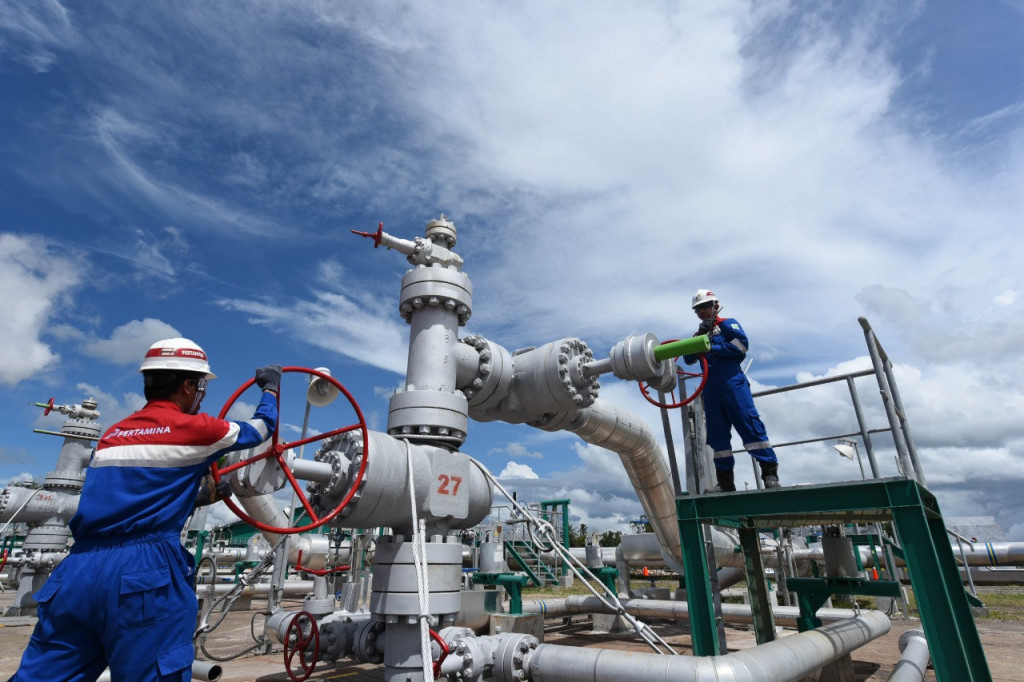
In ASEAN, each country is experiencing the effects of the crisis differently. Oil and gas producing countries such as Indonesia, Malaysia and Vietnam will be able to use their new revenues to finance measures to support the people most affected by inflation. There are also some pre-existing differences in the mix of fossil sources consumed: some countries were already consuming a relatively little amount of oil and energy (Indonesia, Malaysia, Philippines), while others are more exposed (Singapore, Thailand). Another element to consider is the weight of exports on the national economy: some countries also have to worry about inflation in their trading partners. EU consumers, who are particularly affected by the economic effects of the war, may buy fewer Asian products. In particular, the Philippines and Vietnam appear to be in difficulty. Manila is struggling with soaring inflation, a worsening trade deficit, the devaluation of the peso and a still high number of Covid cases. Hanoi, on the other hand, has always suffered from a certain vulnerability to external economic shocks and these last few years of global crisis represent a perfect storm for its export-oriented economy.

Yet, we should keep in mind that energy is not only a production factor but also a strategic asset. The concept of energy security frequently appears in the speeches of world leaders, and the Russian-Ukrainian war has made the issue even more urgent. The conflict is also complicating the relations between the United States and the Asian powers, China and India in particular, on the issue of reliance on Russia's natural resources. Moscow is trying to break its isolation by diverting its fossil fuels from Europe to New Delhi and Beijing. India imports 80% of the oil it consumes, 3% of which comes from Russia, and seems intent on increasing this percentage in the short term. Modi's government seems indifferent to Moscow's choices or US pressure and wants to continue to cooperate with Russia. China also keeps an ambiguous stance toward Russia and is not eager to question the agreement made before the outbreak of the war to increase gas supplies. However, China does not seem to have much choice: even before the war, Beijing wanted to reduce its dependence on coal and LNG, whose market is dominated by the United States and Australia. The energy crisis also raises the stakes in the dispute over the South China Sea: its seabed is rich in fossil resources and a large number of LNG and oil cargo ships pass through its waters.

The energy crisis is, however, particularly relevant in terms of climate change. If economies relied more on renewables rather than fossil fuels, they would be less exposed to rising prices for the latter - prices that have once again proved extremely volatile. The war has been a wake-up call for the world's politicians and should prompt them to reset their environmental policies in favour of sustainability: perhaps renewables are not less reliable or more expensive than fossil fuels, as it is sometimes argued. But they could also choose to go in the opposite direction. For instance, there are some worrying developments in India. The country is on track to meet its emission reduction targets under the Paris Agreement - the only major economy in the world to do so - but it is now devoting significant resources to buying oil directly from Russia and distributing it at a subsidised price to mitigate the effects of the energy crisis. Increasing the use of LNG may also prove unsustainable in the long term, both economically and environmentally. Its price has sharply risen and its eventual inclusion among green energy sources generates controversy.

Energy security or combating climate change? Short- or long-term remedies? The Russian-Ukrainian war has presented Asia with an energy dilemma that is not easy to solve. In any case, the crisis will hit economies hard all over the world, and political leaders will have to find ways of protecting the weak without losing the increasingly complex environmental challenge while navigating a turbulent international scenario.

The effects of the war in Ukraine on Myanmar

While Moscow is engaged in the conflict, Naypyidaw once again counts low on Russia's list of priorities. And China is preparing to fill this void despite mistrust on both sides

"Neither with Russia, nor with Ukraine" is a slogan that would sound unpleasant to the ears of the ruling military junta in Myanmar. The friends of the Burmese army, the Tatmadaw, can be counted on the fingers of one hand. And among these, Moscow and Kiev were the best partners on the arms market, the only means to legitimize their power by force after the coup of February 1, 2021. With the Ukrainian crisis, Myanmar has some inevitable points in common, the same as in all conflicts: poverty, destruction and chaos. As reported by the UN envoy to Myanmar Andrew Kirkwood, the number of Burmese in absolute poverty has reached three million, while basic public services have collapsed, especially in rural areas. What has not stopped is the violence of the clashes, which continue to cause civilian deaths. In this context of a profound economic and political crisis, it is no longer certain that the Tatmadaw will be able to (re)shape the country in its own image and likeness. Above all, it no longer has its back covered. With Russia distracted it may have to look elsewhere for a protector, looking towards China. A choice that the Burmese army has always tried to delay because of the historical distrust towards Beijing, which had deep relations with the government of Aung San Suu Kyi.

Since the armed forces have regained power, the unequal struggle between almost unarmed citizens and a Tatmadaw equipped with military means as well as tools for surveillance and tracking of rebel nuclei, the groups that identify themselves in the People's Defense Forces (PDA) or in the more structured ethnic armies, has immediately emerged. To them, too, the news of two fewer players on the market somehow adds further difficulties in a context of increasing scarcity. The Pdfs struggle to find full armed support from the democratic government-in-exile (the National Unity Government of Myanmar, or NUG), and even more elusive is support from Western countries. In recent weeks, the US State Department has officially defined the repression of the Rohingya as "genocide", but on a concrete level, Western pressure on the coup government has weakened, also due to the Ukrainian "distraction". The same applies to the armies of the ethnic groups, often in conflict with each other. The Russian-Ukrainian conflict could erode both traditional commercial networks and the more opaque trafficking of raw materials and drugs - often the basis of the informal armies' income. 

Meanwhile, the coup has severed most trade and diplomatic ties with the West, leaving little room for maneuver for the military junta's business. The threat of an increasingly self-focused Russia risks reducing not only the Tatmadaw's war potential, but also trade in drugs and other essential goods in favor - once again - of Beijing. The situation is aggravated by the fact that the Western powers are struggling to find the right channels (unrelated to the junta) to provide the necessary aid. Of the 350 million dollars requested by the UN envoy in 2021, for example, only a third has arrived and this does not remove the risk of repercussions from the army. The same natural resources that abound in Myanmar do not seem to represent an incentive attractive enough to draw the attention of Western partners beyond the sanctions issued in the past and the embargo on arms sales.

Prior to the Russian invasion of Ukraine, Myanmar seemed naturally headed for the emergence of new pseudo-democratic institutions. The Tatmadaw, in fact, is gearing up to take off its uniform and put on the clothes of politics. The current State Administrative Council (Sac), the governmental institution created ad hoc after the coup, is talking about calling new elections by August 2023: a pluralistic competition of façade, necessary to try to regain the trust of trade partners, investors and international donors. Among these, China is playing in advance: the NUG has disappeared from official statements and bilateral initiatives now involve the diplomatic arm of the Tatmadaw, former colonel Wunna Maung Lwin. 

He was invited in March 2022 as part of an Asean delegation visiting Beijing to talk about the "negative effects of the Ukrainian crisis in Southeast Asia." Chinese Foreign Minister Wang Yi then met with him in Anhui on April 1 to confirm China's "utmost support" for Myanmar's development "regardless of how the geopolitical situation changes." These statements, along with projects such as the construction of new infrastructure (e.g., a new gas pipeline) and the launch of industrial zones along the border, come at a crucial time. A moment in which a "no" becomes increasingly unthinkable, even in the face of the Tatmadaw's historical distrust of the People's Republic. In the meantime, the possibility of an unstable Myanmar for a long time to come with Russia's departure is bringing Beijing closer to ethnic groups. A strategy that keeps all possibilities open, but that the president of the NUG (criticizing Beijing for approaching a government it defines as "illegitimate") has defined as "dangerous" because it could "continue, and not cease, internal conflicts.

The moves of the Southeast on inflation

Governments in the ASEAN area are adopting a series of targeted strategies to protect consumers from rising prices. Often effectively

The war in Ukraine is having an inevitable and strong impact on economies around the world. The side effects on the food chain, energy supplies and inflation are evident at different latitudes. Including Europe and Southeast Asia. In this case, perhaps European governments could draw some inspiration from the moves of Asian governments, which are taking a more focused approach than their Western counterparts to contain global inflationary pressure - a strategy that appears to be working, at least for now. While inflation remains a serious economic challenge in Asia, in many countries the measures taken have helped protect the public from some price hikes and have meant that most central banks in the region have not had to raise rates of interest as quickly as it has elsewhere. The various efforts have also shifted some of the cost burdens from consumers and small businesses to state budgets. Indonesia, a country with a history of financial volatility and price fluctuations, last week increased energy subsidies by $ 24 billion to contain energy costs, following the lifting of a controversial export ban on palm oil. Although the impact of rising prices continues to be felt particularly on small and medium-sized businesses, household demand remains strong and inflation is within the 2-4% range set by the central bank of Jakarta. Malaysia's heavy fuel and transportation subsidies likely reduced the country's inflation by about 1.5 percentage points, which was only 2.3% in April. In Thailand, headline inflation just exceeded the central bank's target of 1-3% and the head of the bank pledged to continue supporting the economic recovery. The burden of containing prices in Europe and the United States has been largely borne by monetary policy, with the central banks of the United States, United Kingdom and Canada now engaged in aggressive interest rate hike cycles. In Southeast Asia, however, most central banks have only recently begun a very cautious shift from extremely low interest rates, with an increase that should be more gradual than in the Occident.

Recently active members
Foto del profilo di Alessio
Foto del profilo di Monika
Foto del profilo di Gabriel
Foto del profilo di Elena
Foto del profilo di Lorenzo
Foto del profilo di Alessandro
Foto del profilo di Cristina
Foto del profilo di Rocco
Foto del profilo di Clara Lomonaco
Foto del profilo di Redazione
Foto del profilo di Davide Gugliuzza
Foto del profilo di Anna Affranio
Foto del profilo di Ilaria Canali
Foto del profilo di Nicolò
Foto del profilo di Angelo Cangero
Who is online
There are no users currently online
Members
  • Foto del profilo di Alessio
    Active 21 ore, 15 minuti fa
  • Foto del profilo di Monika
    Active 4 giorni, 10 ore fa
  • Foto del profilo di Gabriel
    Active 3 settimane, 5 giorni fa
  • Foto del profilo di Elena
    Active 1 anno, 4 mesi fa
  • Foto del profilo di Lorenzo
    Active 2 years, 6 mesi fa