Japan and the energy transition in ASEAN

Tokyo wants to play a leading role in the economic dynamics of post-Covid ASEAN and, thanks to the energy transition, aims to limit Chinese expansion in the area.

At the recent meeting of G-7 leaders, the complicated issue of climate change and the energy transition was also discussed. Political leaders have now realised that the issue needs to be tackled head-on to arrive at a solution that limits the negative effects of climate change as much as possible. If industrialised countries can deploy significant economic resources and know-how to ensure energy transition and achieve decarbonisation of their economies, the same cannot be said of middle-income countries that are going through a process of economic development, largely based on fossil energy resources, but lack both the economic resources and technological knowledge to deploy projects for the ecological conversion of their societies. Southeast Asia is in this condition and needs the support of developed countries to be able to implement the l’ASEAN Plan of Action for Energy Cooperation (APAEC) 2016-2025 to reduce dependence on fossil fuels.

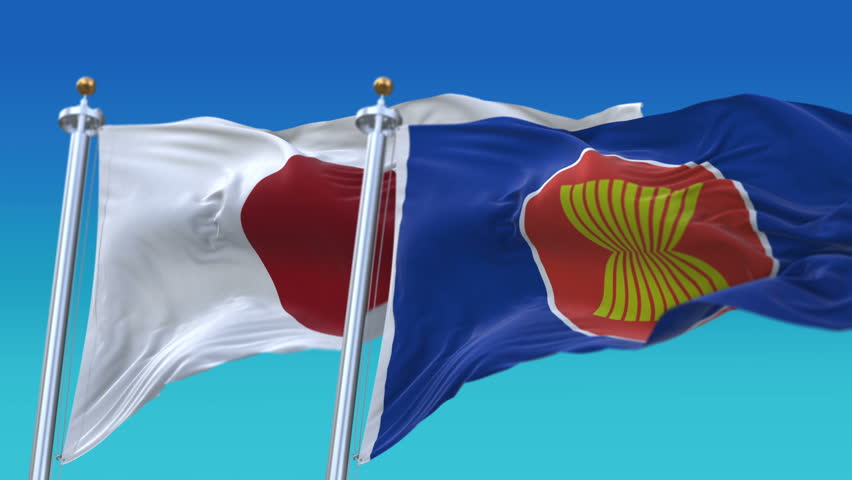
Therefore, Japan is preparing to invest in the ASEAN’s energy transition. In a recent meeting between ASEAN Ministers on Energy and the Minister of Economy, Trade and Industry of Japan, a joint declaration was issued that commits the parties to strengthen cooperation. Moreover, the Land of the Rising Sun will invest 10 billion dollars in transition support through the Japan Bank for International Cooperation (JBIC) and other financial institutions. This money will be aimed at increasing renewables, energy efficiency, the transition from coal to gas, the use of CO2 capture and storage technologies and finally the transfer of know-how. Tokyo would like to help each of the 10 ASEAN countries to draw up a road map to achieve zero emissions but does not specify a deadline for achieving the goal. However, only three ASEAN countries, Cambodia, Myanmar and Laos, have so far issued official statements on achieving carbon neutrality by 2050, and Japan is pressing all other members to draw up plans and timelines.

The investments in environmental sustainability promoted by Japan should not be seen as a stand-alone move, but are part of a larger logic system that the Asian country has long implemented. Indeed, in recent years, Tokyo has returned interested in Southeast Asia and has strengthened diplomatic and economic relations with the ASEAN countries. Specifically, Japan is very active in investments in the defence, infrastructure, resources and automotive sectors and has recently launched a tax subsidy plan to encourage the relocation of Japanese companies based in China to Southeast Asia. Tokyo believes that investing in ASEAN, relocating businesses and helping the region in the ecological transition, can be beneficial both for itself in terms of economic growth and to offset Chinese influence in the area. For example, decreasing the dependence of ASEAN countries on coal indirectly would mean limiting Chinese influence towards them as Beijing is a major investor and builder of coal-fired power plants.

It is clear that all these actions, in addition to having an economic implication, have a geopolitical value too. Tokyo looks with alarm at the Belt and Road Initiative of Beijing and, as a result, it was the only Asian country not to have joined the Asian Infrastructure Investment Bank created precisely to finance the new Chinese Silk Road. On the other hand, Japan can count on the Asian Development Bank based in Manila. The institute - which was founded in the 1960s and of which Tokyo has the largest shareholding and is therefore always the chairman - has helped to invest heavily in Southeast Asia and is now directing financial flows to support the energy transition in ASEAN.

With Jareeporn Jarukornsakul logistics becomes a women’s business

By Michelle Cabula

Jareeporn Jarukornsakul, the 53-year-old businesswoman heading the WHA Group, is listed as one of the 50 richest citizens in Thailand in 2020 by Forbes. Her success story combines women entrepreneurship, attention to sustainability and virtuous synergy between public and private sectors.

After a Bachelor's Degree in Health Science from Mahidol University and a Master's Degree in Business Administration from Bangkok University, aged just 26, Jareeporn Jarukornsakul made her entrance into the field of logistics and in 2003 she co-founded the WHA Group with her husband Somyos Anantaprayoon. Today, she simultaneously holds the positions of Chairman of the Board of Directors and Chairman of the Executive Committee (CEO) of a Thai leading company in the field of integrated logistics, warehousing and industrial facilities.

Besides the US$480 million net worth (which has earned her 48th place in the Forbes’ ranking of her country’s 50 wealthier people), what is surprising is the presence of Jarukornsakul among the most influential figures in a field that is still considered to be predominantly male-oriented. Despite the divorce from her husband has cost her a fall in the ranking (they were ranked 32nd together in 2015), the businesswoman has been able to make a decisive impact on business since she took it over six years ago, intending to turn it into a multinational company within three to five years. Already in 2016, on the occasion of the acquisition of Hemaraj Land And Development Plc. (operating as a real estate developer), Jarukornsakul was determined to expand its business both in the domestic market and in foreign markets, focusing on an increasingly articulated and complete expertise.

Under the leadership of Jarukornsakul, the activities of the WHA Group have been intertwined with the Eastern Economic Corridor (ECC) initiative, the Thai government pilot project aiming to convert the Eastern coastal provinces - Chachoengsao, Chonburi and Rayong - into a regional technological and industrial innovation hub through the development of public transportation and logistics infrastructure. The company is committed to meet the needs of high-tech industries on different levels, being ready to operate in advance in those commercial districts designated to become increasingly attractive to investors in the future.

With an investment plan of 43 billion THB (approximately US$1.4 million) announced in August 2016, the Chairman has also made clear the company’s intention to become the leading provider for comprehensive logistics, real estate and industrial solutions in the Asian Economic Community (AEC). “Through Hemaraj, we play an instrumental role in the development of the automotive, electronics and petrochemical clusters, and we are now committed to being an active partner in the development of future industries”, she declared.

The launch of the WHA Industrial Zone – Nghe An in February 2017 represented "a firm statement of the company’s commitment to the country and the Southeast Asian region", to the point that the company is already thinking of replicating the experience. Future plans include the realization of another industrial zone near Hanoi that would become a new production base for Chinese, Japanese and Taiwanese companies and ASEAN investors looking to relocate their businesses to escape economic damages originating from the US-China trade war.

Jarukornsakul has defined Vietnam as "the new bright star" of the area, stressing that its geographical location, its rapidly expanding economy, the availability of an educated workforce and its involvement in numerous free trade agreements make it a privileged destination for investment by the company, which already has 30 years of experience in Thailand. According to the company’s website, the WHA Industrial Zone - Nghe An takes advantage of existing infrastructure to contribute to economic expansion and the creation of new job opportunities in the Nghe An region, in the respect of social, cultural and environmental aspects. 

At the end of last year, the WHA Group was awarded the "Thailand Sustainability Investment 2020", an award granted by the Stock Exchange of Thailand (SET) to companies that pay particular attention to environmental, social and governance issues (ESG). The group has proven sensitive to sustainability issues, in the awareness that "growth and progress must come with responsibility", as stated by Vivat Jiratikarnsakul, Chief Operating Officer Industrial and International for the company.

The WHA Group’s attention to social issues was concretely reflected in the virtuous project Clean Water for Planet. The initiative launched in 2016 consists of a series of collaborations with various educational institutions and government agencies aimed at raising awareness of the importance of proper management and protection of water resources and at providing clean water to local communities. The program also provides wastewater management services to customers: in 2019, the company announced the completion of a facility in the Pluak Daeng district in Rayong Province designed to treat wastewater through biological purification processes.

The initiative embodies the principles of the Sufficiency Economy Philosophy (SEP) conceived by the late King Bhumibol Adulyadej, father of the current ruler of Thailand. This innovative approach to development "implies that we act with moderation and reasonableness and that we always seek knowledge and morality in proposing and implementing development projects". The business model promoted by Jarukornsakul fits in perfectly with the strategies developed at the national level: a perfect example of how state and enterprise can work in unison. Not surprisingly, in 2021 the Bangkok Post has chosen her as the "woman of the year" for the industrial sector, celebrating her leadership skills and strategic vision.

Jarukornsakul’s story resonates well beyond Thailand, as shown by the numerous international awards that the entrepreneur can boast. Among others, her name appears on Asia’s Power Businesswomen 2020 list, in which Forbes staff brings together those Asian women in leadership positions who, in the face of the pandemic challenge, have been able to show resilience and that are conceivably preparing to lead the enterprises towards the recovery.

In addition to portraying a successful entrepreneur, the story of Jareeporn Jarukornsakul heading the WHA Group tells us about some virtuous corporate social responsibility practices that are taking hold in the area of Southeast Asia. More and more companies are engaged in a shared effort alongside government authorities and regional organisations to generate local development and improve connectivity in the ASEAN area. The pioneering experience of Jarukornsakul also becomes a source of inspiration for future generations of young women and men entrepreneurs who, increasingly sensitive to sustainability issues, will be well disposed to embrace the values of inclusive entrepreneurship and responsible business conduct.

Russian arms drive Mosca’s influence in Southeast Asia

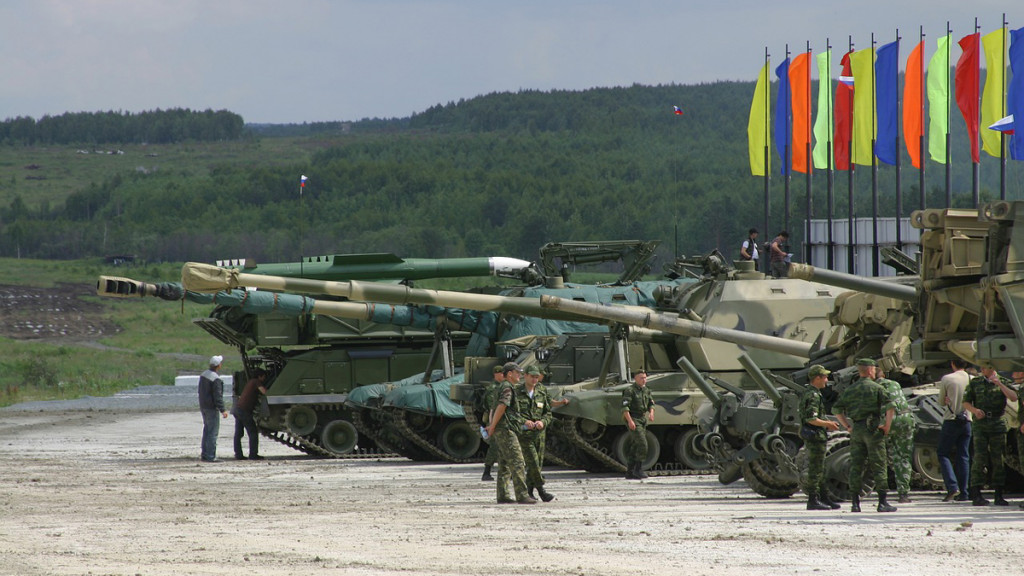
Russia focuses on military cooperation in Southeast Asia. It holds the record in arms exports, and continues to deepen relations with some regional players through the so-called "defence diplomacy"

Over the past few days, Russian Foreign Minister Sergey Lavrov met with his Laotian counterpart Saleumxay Kommasith in Vientiane, the capital of Laos. Minister Kommasith thanked Russia for its help during the Covid-19 pandemic. The meeting was part of Moscow's broader "turn to the East" policy as a strategy for strengthening relations with the Asia-Pacific region, which hinges on Russia's leadership in arms sales and defence investments. This strategy has recently seen developments in Laos, with the start of the joint construction of an airport and defensive infrastructure.

Vladimir Putin recognises great potential in Southeast Asian countries and advances his strategic objectives by focusing on defense diplomacy. This emphasis on hard power is a peculiarity of the Kremlin's foreign policy, whose political culture values less the pervasiveness of soft power. According to several analysts, it is precisely Moscow's geostrategic ambitions and security imperatives that have allowed for a strengthening of cooperation with the Asia-Pacific region.

In recent years, Moscow intensified its efforts to sell arms to East Asia. However, the uncontested primacy in the sale of military supplies in the region seems to be showing signs of waning. Exports are in decline, mostly due to the Countering America's Adversaries Through Sanctions Act (CAATSA), passed in 2017 by the Trump administration. Faced with Russia's continued involvement in the wars in Ukraine and Syria and its interference in the 2016 US elections, Washington's reaction was not long in coming: the law imposes sanctions on anyone who has commercial relations with the Russian military-industrial complex. During 2015-19, Russia's arms exports to the Southeast Asian region amounted to $ 2.7 billion, down from $ 4.7 billion in 2010-14, according to Ian Storey of the Institute for Southeast Asian Studies (ISEAS). Between 2010 and 2019, Russia's global exports also declined, falling from $ 36.8 billion in 2010 to $ 30.1 billion in 2019, a drop of 18%.

The countries of Southeast Asia play a strategic role. The growth of national defence spending goes hand in hand with economic development. "Weapons have flowed into Southeast Asia in recent years in part because ASEAN nations can now afford to buy them," said Siemon Wezeman, a researcher at the Stockholm International Peace Research Institute (SIPRI). Trade with Russia has several advantages: arms prices are much more competitive than those of competitors such as the US, China and the European Union. In addition, "Russia is flexible on non-cash payment methods, which gives it an edge in developing economies," said Shinji Hyodo, director of policy studies at Japan's National Institute for Defense Studies. For instance, Indonesia is expected to pay half of its payment for Su-35 jets with exports of palm oil, rubber and other products. But the real strategic advantage is that Moscow does not require any ideological counterpart, contrary to what happens with the United States and the EU, which asks for political performances on human rights and democracy. This is why Myanmar cannot import weapons from the EU due to an embargo that has been in place since 1990. Similarly, the 2014 military coup in Thailand also led to restrictions on the part of European suppliers.

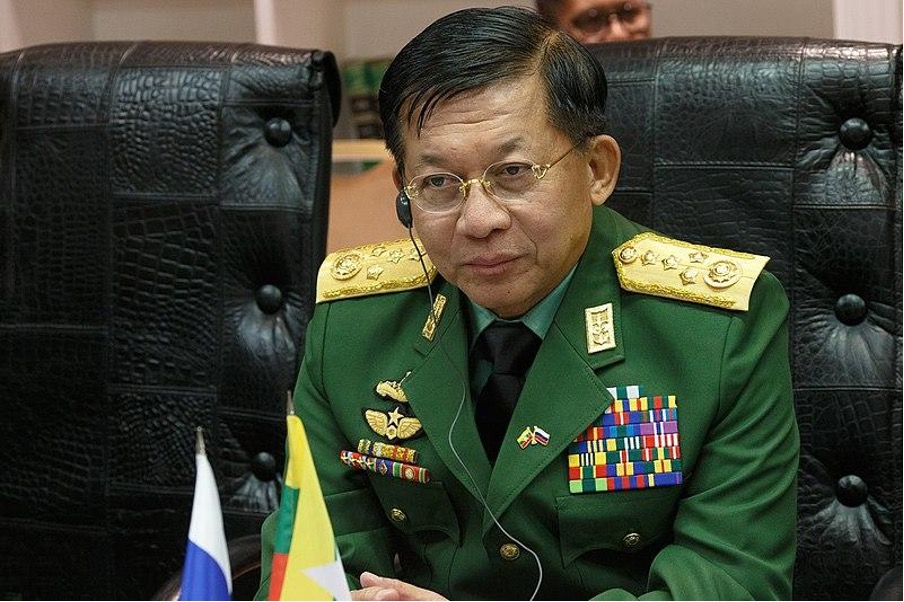
Vietnam and Myanmar are the main Russian arms destinations, followed by Malaysia, Indonesia and Laos. In Vietnam, Russia dominates 60% of defence imports. In Myanmar, the role of arms supplier is particularly controversial, due to the recent military coup. Last month, a Russian delegation secretly visited the coup military junta amid protests from human rights activists. Among the other members of the delegation, there was a representative of Rosoboronexport - a state agency that deals with exports of defence-related goods and services. The Burmese coup leader Min Aung Hlaing returned the visit on 22nd June, proving that the military cooperation between the two countries does not seem to show signs of abating. Indeed: Russia was among the countries that at the United Nations abstained from the assembly resolution calling for an arms embargo in Myanmar: Russia and China are in fact the country's two largest arms suppliers.

The countries of the region are working on an autonomous role in international relations, and the competitive advantages represented by Russia could be outclassed by different calculations. The urgency of dealing with security issues such as Myanmar and the South China Sea is combined with the desire to protect regional stability and the quiet life of its inhabitants. The Kremlin's defence diplomacy will have to diversify its offer of defence-related goods and services to compete with increased international competition.

Surfing the wave at the right time: Flash Group’s case

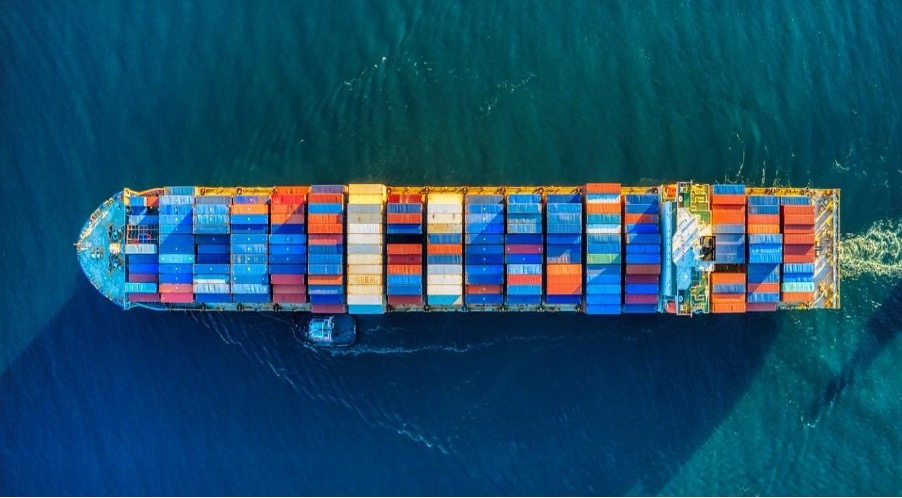
Although in a sea of giants, the Thai scale-up aims to be the logistics leader for ASEAN e-commerce

Southeast Asian e-commerce is now booming with rosy growth prospects: the trend has already been analysed previously and is now a widespread belief among financial analysts. With a 46% growth rate for 2021, an annual business volume of $80 billion, ASEAN e-commerce has strong prospects for sustained growth, mainly due to the massive increase of online consumers in a few years, with over 350 million more in just 2021.

However, it is important to analyse how the e-commerce industry in ASEAN is changing and to highlight new trends that may lead to new opportunities, both present and future.

For example, a crucial factor that enabled the shift from offline to online retail was the necessary - but sudden and unexpected - increase in logistics traffic in the region's commercial hubs. This happened not only in the larger ports but also and above all in the smaller realities, where people used to live 'on the street' to get commodities.

We must indeed note that Asia is the second most integrated commercial system globally, second only to the European Union. In addition, the regional intra-trade volume here exceeds 58% of the total. It is not surprising that a region that was already best in class for commercial traffic management has managed to evolve and prosper, despite the emergency caused by the pandemic.

In general, many countries in the region (Thailand in particular) are accelerating the implementation of fifth-generation infrastructure networks, intending to reduce disruption during potential lockdown periods.

In this sense, entrepreneurs often refer to the action of ‘surfing the wave when is high, at the right spot and in a favourable wind’. This is this philosophy that has led Flash Group, a Thai scale-up, to attract more than $150 million in its first financing round.

Flash operated in the logistics sector, and in specific in e-commerce logistics. Kosman Lee, its founder, started the company at age 29 and with $1 million, but with the explicit goal of becoming a guiding light for logistics for the ASEAN online sector.

Although ambitious, the project has conquered the hearts of regional institutional investors such as Siam Bank, PTT Oil (Thai oil leader) and Buer capital, a Singaporean fund.

As a result, in the immediate future, the group expects to handle 2 million goods per day in its warehouses, increasing traffic 10-fold compared to the current volume.

However, competition is extremely tough here: industry players such as Best Inc. (China) and Kerry Express (Hong Kong SAR) make Flash’s goal extremely difficult to reach, especially for the short term. In addition, Flash Group wants to develop an in-house e-commerce platform, so as to enter a promising but exceptionally competitive market: it not only would compete with JD (the leader in Thailand), but also with regional conglomerates such as Sea, Grab and Tokopedia.

Such obstacles could discourage any entrepreneur. However, a golden rule of international trade must be remembered: if the pie gets bigger (or it is made bigger) everybody grows with it, and no one can lose in the immediate future. There is no industry in which this phenomenon is as clear-cut as in international logistics traffic.


The dilemma for foreign companies in Myanmar

The products’ boycott, the opinion of the international community and the economic crisis are shaking the international companies in the country.

The coup in Myanmar has inflicted a severe blow to the country's economy, already weakened last year by the emergency of COVID-19. The massive protests of the last five months, the workers’ strikes and the violent actions perpetrated by the Burmese army have led workers to leave the major cities and their jobs, seeking refuge in small villages and forests.

With the interruption of public and banking services and with daily internet shutdowns, the economic crisis has expanded dramatically, and the data of the latest report drawn up by the World Bank are clear: Burma's industrial sector has suffered a contraction of 11 percentage points compared to 2020, while services sector lost over 13 points. Over the years both sectors have made an important contribution to the country's economic growth: from 2014 to 2019, 6% of Burmese annual GDP growth came from the secondary and tertiary sectors, but these numbers dropped to 1% in 2020, and with 2021 forecasting even more negative figures.

These signs had already been perceived at the beginning of March when, due to the coup, 13% of companies in Myanmar had had to close their offices, waiting for a return to normality. The instability of the banking system and the inability of making online payments has inflicted a notable blow to companies: according to research involving 372 firms operating in Myanmar, 77% said that it is precisely the fragile banking system that has led to a drop in turnover.

Furthermore, as there is not much liquid money, citizens have been forced in recent months to make essential purchases with the few kyats that could be withdrawn from Burmese banks.

Five months after the military coup, international companies have now two alternatives: close their offices or bite the bullet while waiting for a stable situation in Myanmar. Foodpanda, a leading company in the food-delivery sector owned by the German Delivery Hero, has decided to continue operating in Myanmar despite the difficulties encountered in recent months with the blocking of internet and online purchases. A different choice was taken by Telenor, the Norwegian telecommunications giant which was forced to cancel contracts and all operations in the country for an estimated loss of around 780 million dollars. With regard to companies, the Burmese Civil Disobedience Movement (CDM) is also playing an important role in boycotting those companies that collaborate and fund the military government of General Ming Aung Hlaing: in recent months has been created the application "Way Way Nay ” which allows people to know if a company is directly connected to the military junta, so you can boycott it and decide to not buy its products. This has led to the boycott of products created by Chinese companies, as retaliation against Beijing, which until now has never taken a clear stance and which has repeatedly voted against the economic sanctions provided by the United Nations against the military regime.

For the CDM boycotting companies linked to the military junta may be the best solution to undermine the military and their finances: an interesting case is the sale of Burmese beer, whose companies belong to the military junta, which have seen a decrease in sales of 90%. To further hit the finances of the military junta, last March the members of the National League for Democracy asked international investors in the field of oil and gas extraction not to pay taxes to the Myanmar Oil and Gas Enterprise, the main oil and gas extraction company controlled by the Burmese army.

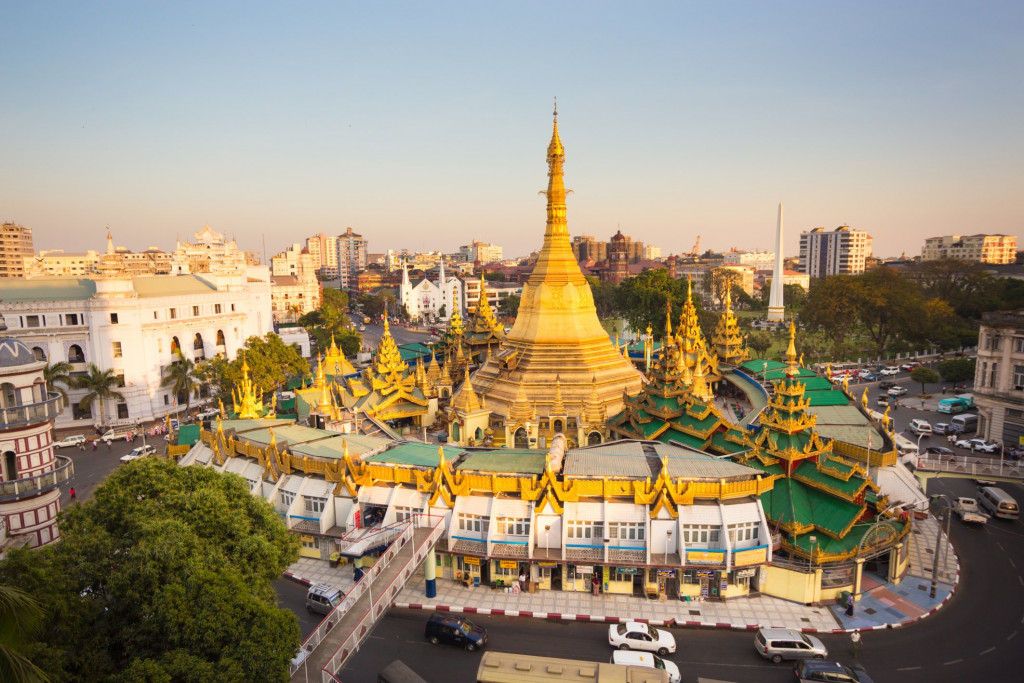
Finally, the influence of the international community should not be underestimated: some international brands have decided to interrupt contacts with the military government driven by the fear of episodes that could damage the brand’s name (this is the case of international brands such as Nike and Adidas which recently announced that they no longer want to use the cotton produced in the Xinjiang region). In Myanmar, H&M - the leading company in the clothing sector - announced last March that it has for the time being interrupted the relationship with its suppliers in Myanmar due to the dramatic events regarding the violation of human rights by the Burmese army. Like H&M, other international companies such as McKinsey, Coca Cola and media agency Reuters have abandoned their offices in Sule Square, a giant shopping complex in Yangon owned by the Burmese army, so as not to fund the military junta.

The potential of EU-Indonesia relations: from trade to political cooperation?

By Pierfrancesco Mattiolo

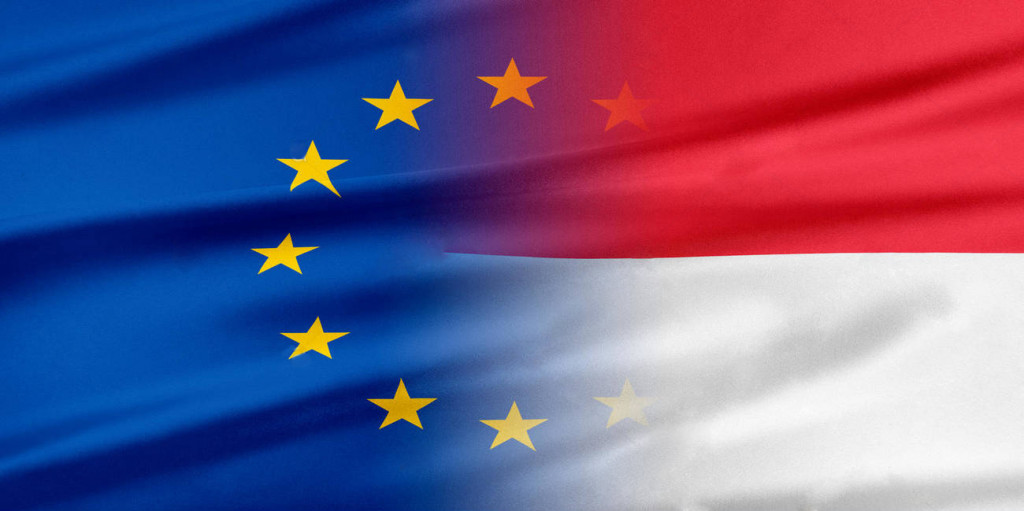
For the EU, deepening its relations with Jakarta is an opportunity - perhaps even a necessity. High Representative Borrell's visit early this June is a sign of this.

‘As the EU, we are well aware that the global centre of gravity is shifting towards the Indo-Pacific region’. With these words, published in an article of his for the Jakarta Post, Josep Borrell made it clear how closely Brussels is watching political and economic developments in the ASEAN countries. The EU High Representative for Foreign Affairs and Vice-President of the European Commission went to Jakarta in June for an official visit, where he met with high-profile figures from the Indonesian government - President Widodo, the Ministers of Foreign Affairs and Defence, some members of the Parliament - and ASEAN - including Secretary-General Lim Jock Hoi.

There are many reasons behind the EU's renewed focus on ASEAN. While Brussels has made a qualitative leap in its relations with two member countries, Vietnam and Singapore, thanks to the recent free trade agreements, it is at odds with other governments. For example, on a political level, the EU responded to the coup in Myanmar with a series of sanctions against Tatmadaw-linked officials and, last year, to repeated human rights abuses in Cambodia by revoking the favourable Everything But Arms (EBA) trade regime. On the trade front, Brussels has been sued twice before the World Trade Organization (WTO) over its measures on palm oil and biofuels produced from it, by Kuala Lumpur and Jakarta, respectively. Despite the ongoing legal dispute, the future of trade relations between the EU and Indonesia looks promising and deepening the cooperation, on a political and strategic level too, with the most populous state of ASEAN is in the best interests of Brussels. Borrell was clear on this point: ‘the potential of our relationship is untapped. We can do much more’.

On the trade side, negotiations on the EU-Indonesia Free Trade Agreement are at an advanced stage and both sides seem keen to speed things up. One of the major issues, palm oil, could be moved to a separate negotiating table for a compromise to close more easily the the TSD (Trade and Sustainable Development) Chapter of the Agreement. Borrell himself gave this approach a nod during his visit to Jakarta. Discussions on the other chapters are progressing positively, although on some issues it is more difficult to find a common ground - for example, on technical barriers to trade (TBT), government procurement, and protection of intellectual property rights. The Agreement will also cover investments, a topic that is quite important for the Indonesian government. Indeed, the investment chapter of the Omnibus Law, Jakarta's ambitious economic reform plan, was implemented a few months ago, opening the country to foreign investment in many sectors - including telecommunications, transport, energy, and construction services providing various incentives to attract it. This opening could be further strengthened by the Free Trade Agreement and bring new opportunities to European companies. For the time being, the Indonesian market is particularly favourable to competitors from countries that have signed the RCEP (Regional Comprehensive Economic Partnership, the trade agreement between ASEAN countries, China, Japan, South Korea, Australia and New Zealand). In particular, Indonesia needs foreign investment in its infrastructure, the inadequacy of which is an obstacle to the country's economic growth, and China has eagerly stepped in.

The appeal of Chinese investments and the support received in the management of the COVID-19 crisis are prompting the Indonesian government to warm up its relations with Beijing, which have been particularly tense in the past years due to disputes over fishing grounds in the South China Sea. China's growing influence in the region is undoubtedly one of the reasons that encouraged the EU and some of its member states - France, Germany and the Netherlands - to draw up a new and bolder "Indo-Pacific strategy" that involves Jakarta. While dialogue with Myanmar and Cambodia, for instance, is difficult due to deep political differences - and China has taken advantage of the situation to increase its influence over the two regimes-, the EU has no problem acknowledging Indonesia as ‘one of the world’s largest democracies and economies’ and a ‘like-minded country', as if to underline its intention to cooperate on a political level too. Jakarta has sent out encouraging signs in this sense: after the talks with Borrell at the beginning of June, the Minister of Foreign Affairs Marsudi reiterated her government's commitment to obtaining the appointment of an ASEAN envoy for Myanmar, the cessation of violence and the release of political prisoners by Burmese coup forces. Political cooperation could soon step up to a strategic level as well. The EU has expressed its intention to be present in South-East Asia with its military navies too. This is a significant policy shift for Brussels, seeking a pragmatic approach that balances economic and political cooperation with a strategic projection in the Indo-Pacific to balance China's influence. Indonesia - which, by the way, will hold the presidency of the G20 next year, immediately after Italy - is certainly an essential partner, probably a necessary one, for this new vision.

Overview of labour market in ASEAN member States

By Carola Frattini

Work is the fuel of an economy and therefore it is important to have a picture of the labour market in ASEAN countries to understand its development and possible future scenarios.

Work is of vital importance in a state, and therefore it is at the heart of the Italian constitution. In particular, the labour market affects the economy of a country since it is the place where workers and employees interact with each other. A faster and stronger economic growth is fostered by a healthy labour market. A strong labour market also involves higher employment rates, higher wages and lower social inequalities between individuals. In addition, data on the labour market are also important for entrepreneurs who want to open a business in the country of interest and for investors who want to invest in local companies.

More than half of the world’s workforce is located in Asian countries and, in particular, 10% in Southeast Asia. Employment rate, unemployment rate and the labour force participation rate are fundamental statistics to understand the labour market of a country. Looking at the unemployment rate of the ASEAN countries over the last decade, it is possible to see that some of them experienced the lowest rates in the world. In general, in the period from 2006 to 2020 the unemployment rate has remained higher in Europe than in the ASEAN countries. This trend seems to continue since, according to data collected from the Italian Ministry of Foreign Affairs, the unemployment rate of ASEAN 2021 is 3.2% while the European rate is 7.3%. In addition, with a range between 67.5% and 84.4% Cambodia, Thailand and Vietnam have the highest participation rate in the workforce among ASEAN countries.

Many ASEAN countries, before Covid-19, showed promising signs of labour market development. For example, the Philippines, one of the three largest economies of Southeast Asia, was experiencing a period of expansion, accompanied by an increase in wages and a decrease in people engaged in "informal work". As a matter of fact, one of the problems of the Philippines' labour market has always been informal work, an employment relationship in which workers' rights are not respected. Unfortunately, Covid-19 has stopped and perhaps reversed these encouraging trends leading to a rise in the number of people involved in informal work but above all to an increase in the unemployment rate.

Although not all ASEAN member countries have yet published official and complete data on unemployment in 2020, it is irrefutable that some Southeast Asian countries experienced a strong increase in the unemployment rate according to a study by the "Asia-Europe Institute". However, an increase in the unemployment rate may have long-term effects. When an economy is hit by such a negative shock (one example can indeed be Covid-19 and its consequences) hysteresis of unemployment can result. Hysteresis of unemployment consists of a prolonged period of high unemployment due to an increase in the number of people in long term unemployment. This is a serious problem because people in long-term unemployed lose basic skills over the years and therefore it will be more difficult for them to be recruited and return to work. AS a consequence, reducing the unemployment rate will be a much more difficult task.

The labour market of ASEAN countries is also experiencing a relocation of jobs in different sectors due to Covid-19. During the pandemic, the tourism sector and all those sectors relying on interpersonal contact were the most affected and are also the ones that are now struggling to recover. The sectors which are catching up faster are those which require workers to have specific skills. This can become a problem for the matching efficiency of supply and demand in the labour market. Since the unemployment rate has risen, more workers are looking for a job, but they do not always have the required skills. This may lead to the persistence of long-term unemployment since workers are not qualified for the available positions.

Despite these potential problems, the International Labour Organisation seems to believe that the labour market of ASEAN’s member countries is already recovering, showing that Covid-19 has only slowed down and has not stopped its development.  

Per ulteriori informazioni sul mondo del lavoro nei paesi ASEAN

Min Aung Hlaing: The general who thought he understood "his" people (but he didn’t)

On 8th November, a day of semi-free elections in Myanmar’s ‘disciplined democracy’, Min Aung Hlaing, Commander-in-Chief of the Burmese Army, pledged to accept the will of the people and the results of the vote. However, less than three months later, a military coup led to the arrest of Aung San Suu Kyi, leader of the party that won the elections, the declaration of a state of emergency, and the appointment of the Commander as President of the newly formed State Administration Council. Nevertheless, the 64-year-old general is not someone who changes his mind easily.

Min Aung Hlaing was born in 1956 in Tavoy, now Dawei, the capital of Tenasserim, a region in the far south of the country, bordering on Thailand, formerly disputed by the Burmese and Siamese regimes. As Le Monde writes, the general is not homme du sérail (a courtier) but a provincial man, who moved to Yangon to follow his father’s job and with the dream of pursuing a military career. Thus, Min Aung Hlaing enrolled in law school at the University of Rangoon (now Yangon) while preparing for the entrance exam to the prestigious Defense Services Academy, where he eventually entered in 1974, on his third attempt.

His former classmates remember the young cadet as a “man of few words” who would always prefer to keep a low profile. Gradually, the future general started climbing up the hierarchy of the Tatmadaw. The year 2002 marked a turning point when he was promoted to Commander of the Triangle Region Command in Eastern Shan State, where 82% of Burmese opium is produced. There Min Aung Hlaing learned how to negotiate with the local ethnic groups and guerrillas which have been fighting each other and the Burmese army for decades. A 2009 offensive against the Burmese-Chinese rebels in Kokang, a self-administered region on the border with the People's Republic, earned him the trust of Than Shwe, the strongman of Myanmar from 1992 to 2011.

In that same year, somewhat surprisingly, the ‘old’ leader left the command of the army to the ‘young’ Min Aung Hlaing – "battle-hardened warrior of brutal Burmese Army" as well as a "serious scholar and gentleman" – at a time when Myanmar was preparing for a democratic transition. With the 2008 constitution, the Tatmadaw had secured its role as the guardian of national unity and the Commander-in-Chief was quite possibly "the most powerful man in Myanmar". As a matter of fact, Min Aung Hlaing was able to select the ministers of defence, interior, and border affairs ministers, appoint a quarter of parliamentarians, and prevent any attempt to curb his power.

Unsurprisingly, the National League for Democracy (NLD), which won the 2015 elections – the first ‘free’ elections since 1990 – had to reach an agreement with the general. In the years following, Min Aung Hlaing participates in official events alongside Aung San Suu Kyi and established personal relationships with foreign dignitaries. The violent repression of the Muslim Rohingya minority in 2016-2017, which the UN Human Rights Council dubbed as ‘genocide’, only increased his popularity among the country’s Buddhist majority. Before being blocked by Facebook Inc., his profile was attracting hundreds of thousands of likes and by then the General was persuaded that “If the people get the right information about the army they will understand" that the army was in fact defending their interests.

When the general elections in November 2019 resulted in a landslide victory for the League, despite several allegations of fraud mainly coming from the army, there was some speculation of a possible agreement that would lead Min Aung Hlaing to the presidency. When this outcome did not materialize and the NLD decided to shun all compromises, the General, who strongly believed that "the history of the country cannot be separated from the history of the Tatmadaw," decided to use his “right to take over and exercise State sovereign power”. During an interview with a Hong Kong-based Chinese language broadcaster, the first one after the coup, Min Aung Hlaing admitted that he was a little surprised by the resistance of the people: "I didn't think it would be so much."

A new wave of Covid threatens the recovery in Asia

Several Asian countries coped efficiently with the outbreak of the health crisis, containing and preventing infections. The timeliness of the measures adopted is now threatened by the shortage of vaccines

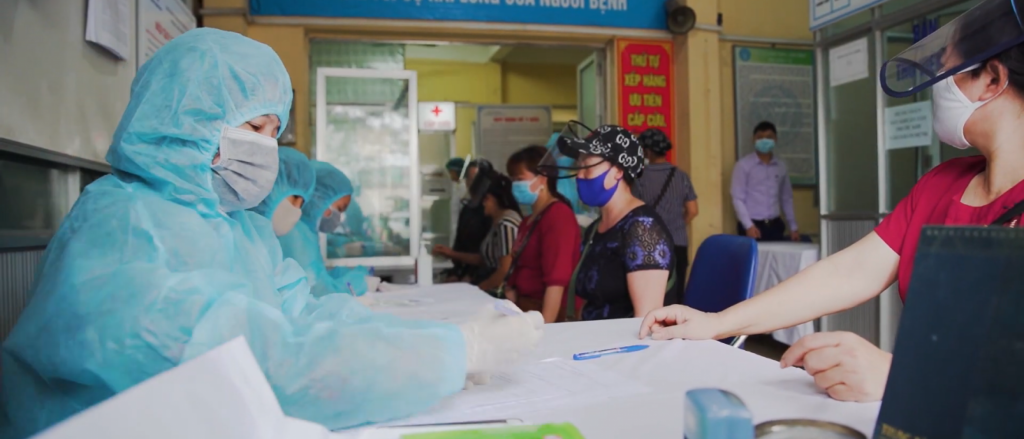
A new wave of infections from COVID-19 has swept through the Indo-Pacific region in recent weeks. On the other side of the hemisphere, vaccines are being used, but the virus is spreading to several Asian countries. These include various ASEAN states such as Singapore, Vietnam and Malaysia. The first two were considered to be among the world's strongholds in the fight against COVID-19 in 2020. Their national authorities had been so virtuous in containing the epidemic that international media referred to a real "Asian model" of health crisis prevention. In addition to the well-known cases in China, South Korea and Taiwan, this model also included several ASEAN countries. At that time, international observers had long wondered about the political and cultural reasons for this success. However, this time, the main cause of the new emergency is clear: the shortage of vaccines.

According to the research institute Our World Data,, less than 20% of the population has been vaccinated in eight of the ASEAN countries - except Singapore, which vaccinated half of its citizens, and Myanmar, whose data are partial and only up to 15th May. Compared to estimates of more advanced countries, the disadvantage is clear: 52.71% of the US population is vaccinated, 46.6% of that of the European Union and 43.21% of the Chinese population. Initial supplying of vaccines has been a challenge worldwide, but it was the wealthiest and most affected countries that were quickest to acquire vaccine patents. Those in Southeast Asia, with lower infection rates, did not take advantage of this comparative advantage or hesitated in the face of the Sino-US competition shifting from trade to vaccine diplomacy.

"To end the pandemic, both defensive and offensive strategies are needed. The offensive strategy is vaccines," suggested Jason Wang, a professor at Stanford University School of Medicine. According to Prof. Wang, when the threat perceived by the population decreased, governments only responded to that threat in a reactive way. Therefore, the most common strategy in the ASEAN area was to close national borders, a functional defensive measure also aimed at appeasing some xenophobic drifts that were gaining space in the public discourse on the health crisis. Furthermore, as Peter Collignon, physician and professor of microbiology at the Australian National University said, "the reality is that those who produce the vaccines keep them to themselves". In seeking politically acceptable answers to this reality, representatives of national governments in East Asia thought that there was basically no reason to hurry. While in Europe and the United States the vaccine rush was also a source of national pride, the South Korean Minister of Health, as an instance, declared at the end of 2020: "We are coping with Covid-19 relatively well so we don’t have to begin vaccination in a hurry when the risks have not been verified yet”.

Currently, Vietnam, which received praise from the international community for the efficiency of its prevention, is experiencing the worst wave since the pandemic began. Since the new wave started at the end of April, it has risen from very few daily cases to having almost 500 every 24 hours, with an exponential increase in total infections in just two months (from 3,000 to 13,000 cases approximately). Thailand, Cambodia and Malaysia are also grappling with new restrictions, especially Kuala Lumpur, which has planned an extension of the national lockdown until at least 28th June.

Some countries in the area hoped to boost tourism by gradually reopening their borders. In Cambodia, the Philippines and Thailand, the sector’s contribution to the national economy is close to 20-30%, so a rapid recovery in international travel could have made a major contribution to the region's economic recovery. In contrast, international passenger traffic in Southeast Asia has been stuck at around 3% of pre-pandemic levels for several months, according to Channel News Asia. The situation can only worsen, as successful vaccination campaigns in other parts of the world will allow the tourism sector to recover, leaving several Asian countries behind.

Thailand is determined to implement the measures necessary for the economy to recover. On Wednesday 16th June, government representatives said they were ready to reopen the borders within 120 days for travellers showing a valid vaccination certificate. Phuket is the destination chosen for the pilot programme to welcome tourists from low- and medium-risk countries, provided they do not leave the island for at least 14 days. This is the “Phuket Sandbox plan”, which was approved in late May by the Thai government's economic task force, and comes just days before the start of a mass vaccination campaign. The hope is that this will help those who live off tourism-related activities and have suffered severely from the absence of the 40 million tourists a year who visited the country before the pandemic.

Bangkok's efforts may prove insufficient if countries continue to react unevenly to the new wave of COVID-19. A coordinated economic recovery cannot do without vaccine-related health security. The backlash suffered by ASEAN countries, and more generally by a large part of East and South Asia, risks slowing down the region's post-Covid economic recovery and making in vain the extraordinary timeliness with which several Asian governments stemmed the contagions in 2020.

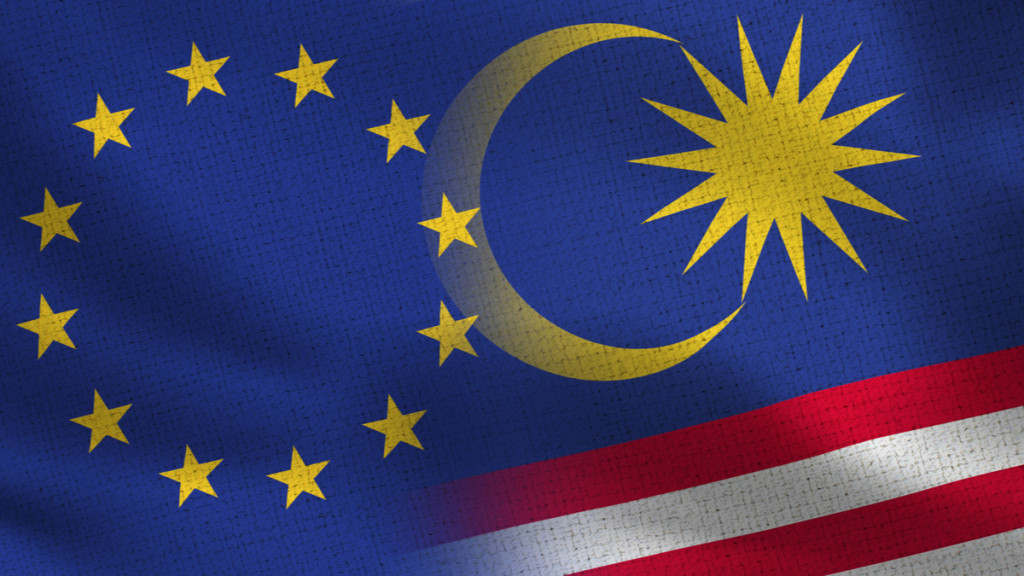
Dialogue for an EU-Malaysia trade agreement reopens

Despite the controversial issue of palm oil, European and Malaysian industry groups are pushing to restart trade negotiations

After free trade agreements with Singapore and Vietnam, the European Union aims to expand its network of bilateral agreements in Southeast Asia. With an economy devastated by the pandemic crisis, Thailand and the Philippines have expressed interest in reopening talks, while negotiations with Indonesia are proceeding. Now it seems that the conditions are in place to relaunch negotiations with Malaysia as well after some industrial groups have announced that they want to put pressure on Brussels and Kuala Lumpur to reach an agreement.

Today, Malaysia is one of the most advanced countries in Southeast Asia overall: it is the third region in terms of GDP (12%) and the EU's third-largest partner in ASEAN. It is the second-largest oil producer in the region and the third-largest exporter of liquefied natural gas in the world, thanks also to its strategic position among the main energy trade routes.

Malaysia has already tried to start talks with the EU in 2010, but these broke down two years later due to the difficulty in agreeing on key elements. The main obstacle, now as then, remains the controversial issue of palm oil. Lobbies in Indonesia and Malaysia - which supply 84% of global palm oil production - have long opposed EU environmental protection rules on biodiesel imports. Above all, this is because the crops are an important source of income for rural dwellers, who also make up a large part of the electorate in both countries. On the other hand, environmentalists are fighting hard against the intensive production of palm oil, which is the main cause of deforestation that destroys the habitat of orangutans and other endangered species.

This is why in 2018, with the Renewable Energy Directive II and the subsequent Delegated Regulation, the Commission established strict "eco-friendly measures" for the European energy sector, which include the total ban on imports of all those biofuels that cause even indirectly the increase in greenhouse gas emissions by 2030, including palm oil.

However, now, like Indonesia, Kuala Lumpur has decided to open proceedings against the EU using the WTO dispute settlement mechanism in January this year. Both states accuse the EU of pursuing discriminatory and protectionist trading practices. A risky move that could jeopardize negotiations with the EU, and all for a product that accounts for less than 5% of exports to the old continent.

Nevertheless, given the economic importance of a free trade agreement, some analysts believe that the well-known palm oil issue would be raised mainly for domestic political reasons. They highlight how the Malaysian Prime Minister, Muhyiddin Yassin, and his minority government, in view of the general elections scheduled for 2023, are committed to a nationalist agenda for the benefit of the country's Muslim majority, which accounts for the majority of owners and workers in the palm oil industry.

Meanwhile, pressure is growing on the Malaysian government, especially from local businesses, which are well aware that a free trade agreement with the EU would stimulate post-pandemic recovery. At the same time, the restart of the negotiations would allow European countries to take advantage of the commercial and investment opportunities offered by a dynamic market in an area of the world on which EU companies are betting a lot. Today, therefore, after the failed attempts of the recent past, the time seems finally ripe for Malaysia and the EU to sit down at the table to restart negotiations.

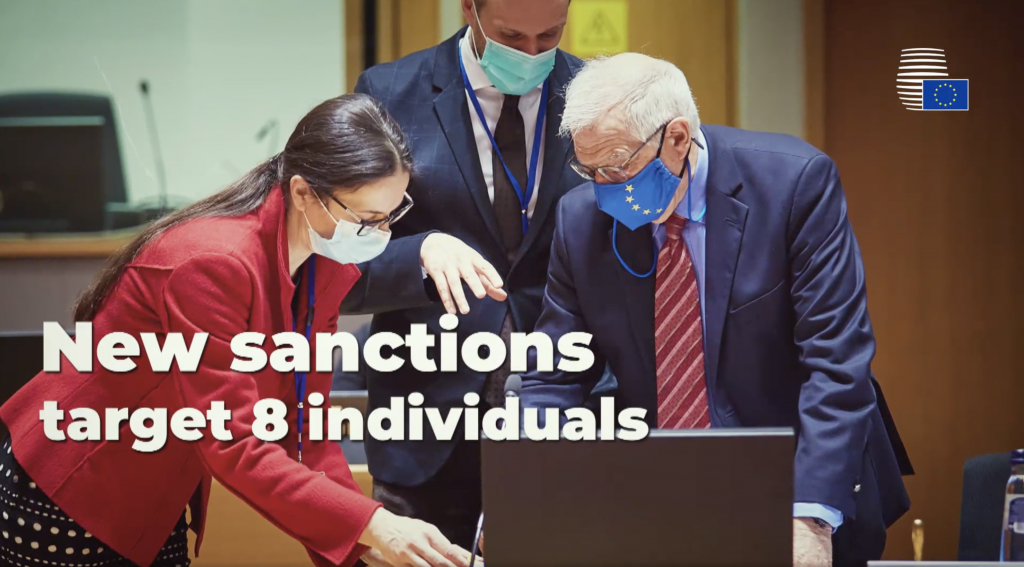
Myanmar, l’UE impone nuove sanzioni ai golpisti

Terzo ciclo di sanzioni imposto dal Consiglio Europeo a 8 individui, 3 entità economiche e un’organizzazione per il golpe e la repressione delle proteste

Fonte: consilium.europa.eu

L’Unione Europea batte un nuovo colpo in risposta al golpe militare birmano e alla successiva repressione violenta delle proteste. Il Consiglio Europeo ha infatti imposto nuove sanzioni a 8 persone, 3 entità economiche e all’Organizzazione dei veterani di guerra. Tra gli 8 individui sono inclusi ministri, viceministri e la procuratrice generale, che l’Ue ritiene responsabili di aver “compromesso la democrazia e lo Stato di diritto e commesso gravi violazioni dei diritti umani nel Paese”. Le quattro entità colpite sono invece di proprietà dello Stato o sono comunque controllate dalle forze armate e contribuiscono in maniera più o meno diretta alle attività del Tatmadaw.

Lo scopo delle misure, che si concentrano sui settori delle pietre preziose e del legname, è quello di limitare la capacità della giunta militare di trarre profitto dalle risorse naturali birmane e sono concepite in modo da “evitare danni indebiti alla popolazione”. Si aggiungono alle precedenti misure restrittive imposte dall’UE, che includono un embargo sulle armi e sulle attrezzature che possono essere utilizzate per reprimere le proteste, un divieto di esportazione di beni a duplice uso destinati ai militari e alla polizia di frontiera, restrizioni all’esportazione di apparecchi per il monitoraggio delle comunicazioni e un divieto di addestramento e cooperazione militare col Tatmadaw.

Allo stesso tempo, l’UE continua a fornire assistenza umanitaria alla popolazione birmana, nel 2021 ha stanziato 20,5 milioni di euro in aiuti per far fronte alle necessità immediate delle comunità sfollate e colpite dal conflitto in corso. Bruxelles, che si dice pronta a cooperare con il centro di coordinamento ASEAN per l’assistenza umanitaria, si contraddistingue per le azioni messe in atto in riferimento al golpe. Mentre, nel frattempo, il Giappone continua a non applicare sanzioni e il generale Min Aung Hlaing viene ricevuto in Russia.

Leggi il provvedimento integrale


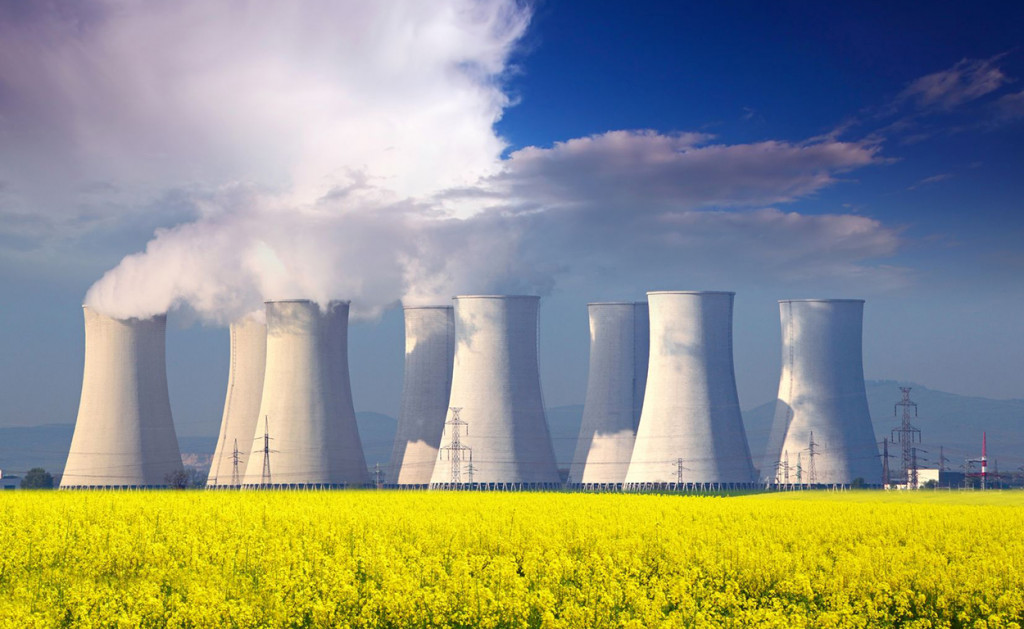
Energy, ASEAN's countries bet on nuclear power

By Sabrina Moles

Five ASEAN countries (Indonesia, Malaysia, Vietnam, Thailand and the Philippines) have included the development of civil nuclear energy in their development strategies for the coming years

Energy security in ASEAN countries is an urgent problem for their development strategy. The need to respond to the energy challenges of the future is also increasingly linked to the climate issue and the zero-emissions target. In this complex political, economic and social framework, an option that has never been considered by the group until recent years is coming forward: nuclear energy.

ASEAN countries are catching up with high-income countries in the race for next-generation energy, financing ambitious projects for renewable energy. In this way, ASEAN aims to create an ecosystem of collaboration, exchange and growth in the energy sector, a strategy that it is now also trying to transfer to the nuclear sector. Among the determining factors emerges the energy demand of the countries of the region, which has increased by 80% since 2000. This is combined with the need for alternative and less-polluting energy sources, precisely because the rapid consumption growth has also given the boost to emissions with direct consequences also on public health. It is estimated that more than 650,000 people per year will die from harmful emissions in the ASEAN states by 2040, compared to about 450,000 in 2018. Driven by environmental, economic, and social needs, the region has recorded one of the most promising rates of growth in the renewable sector. The plans of the ASEAN countries are ambitious and aim to raise the share of renewable energies to 70% of the total energy mix. However, achieving zero emissions will require a major effort, which is why nuclear power seems to be a solution consistent with ASEAN's goals.

The post-Covid crisis has led governments to rethink their energy development strategy more pragmatically, including the nuclear option. Plants are becoming increasingly durable: in a few years, we have gone from around 40 years of plant life to more optimistic estimates of 90-100 years. The environmental impact of nuclear energy compared to its efficiency would further justify investments in this sector. According to the ASEAN Centre for Energy (ACE), nuclear power has the same climate footprint as wind power, when emissions from the raw material extraction process, maintenance and decommissioning of infrastructure are also calculated. Another element is the so-called CF factor (capacity factor). This measures the ratio between energy generated and energy that can be generated, giving a picture of the reliability of an energy source, how much output it produces based on its potential. . According to the calculations by the US Energy Information Administration (EIA), the CF of nuclear energy reached 93.5% in 2019, a level much higher than all other energy sources.  These figures reach a maximum of 52% for wind power, while they drop to 21% for solar power.

ASEAN countries are strongly interested in promoting nuclear energy, which they said was always - even before the pandemic - ‘underestimated’. For this reason, the plans promoted by the group of Southeast Asian countries include a clear roadmap for implementing nuclear energy projects in the region. An interesting element, mentioned many times in the Memorandum of Understanding signed in March 2021 with the World Nuclear Association (WNA), is the issue of public acceptance. A few paragraphs of the chapter on civil nuclear power in the document for phase II of the APAEC (ASEAN Action Plan and Energy Cooperation) for 2021-2025 are dedicated to the so-called ‘literacy’ of citizens on nuclear power. In Asia, nuclear concerns came after the Fukushima-Daiichi plant accident, followed by a wave of statements from the West about the recession from nuclear power. States such as Germany, Belgium, Spain, and the United Kingdom have already declared that they will shut down their reactors by 2030. However, the trend is not global, quite the contrary. There are just as many countries that are undertaking new projects, from the Middle East (United Arab Emirates, Egypt, Iran) to Asia, passing through Russia.

The new strategy will require not only communication, according to the Phase II document, but also other forms of preparation before construction begins. These include the creation of a solid knowledge base on the world of nuclear energy and international safety standards. Here the most important players on the scene can play a significant role: ASEAN already started relying on international cooperation to plan its nuclear future. Since 2016, a collaboration with the Government of Canada has begun under the "ACE-Canada" project. The joint work has resulted in the first real feasibility study for nuclear energy in ASEAN countries. Released in April 2018, the report gives an overview of the state of human and economic capital available to ASEAN to launch an energy development program. Collaboration with foreign countries allows the group's objectives to be framed in terms of sharing expertise not only from a technical point of view but also as capacity in legislation, the adaptation of local policies and communication of risks and benefits.

Half of the ASEAN countries have sufficient knowledge and resources to implement civil nuclear plans. Indonesia, Malaysia, Vietnam, Thailand and the Philippines are identified as leading the way in terms of advanced regulatory frameworks, capacity to build nuclear infrastructure and training of competent human resources on various project aspects (but not only). The plans of these five countries have already included the nuclear element in the development strategies for the coming years. The Philippines aims to activate the nuclear power plant of Bataan, in the north of the country, and never operational since its construction was completed in 1984. The choice to build nuclear power began during the 1973 oil shock as an energy security strategy and now returns to respond both to systemic risks in the energy market and to align with global climate targets. Indonesia's first power plant is scheduled to be operational in 2030, with two more due to arrive in 2035. Malaysia and Thailand are also looking to the same deadline: Malaysia is the most prepared for the leap to nuclear power, thanks to effective collaboration between the government and the body responsible for the nuclear power programme, the Malaysian Nuclear Power Corporation.

The nuclear option is also not excluded for Laos, Cambodia, and Myanmar. These countries have entered into nuclear agreements with Russia, although hydroelectric and solar projects with China prevail. This choice is also made given the availability of Chinese capital for these projects, while nuclear power plants have significant upfront costs for their construction that curb the ambitions of governments. This does not rule out the possibility that soon the commercialisation of Chinese reactors will also reach the southern neighbours, especially due to the potential of the so-called small modular reactor on which China is focusing as part of its strategy to open up global energy markets. Brunei and Singapore are the two great unknowns of ASEAN nuclear power. However, the Asian metropolis-state is working to develop significant know-how in the field of nuclear safety, and sustainable self-sufficiency seems to have become the new post-pandemic imperative.

Recently active members
Foto del profilo di Alessio
Foto del profilo di Monika
Foto del profilo di Gabriel
Foto del profilo di Elena
Foto del profilo di Lorenzo
Foto del profilo di Alessandro
Foto del profilo di Cristina
Foto del profilo di Rocco
Foto del profilo di Clara Lomonaco
Foto del profilo di Redazione
Foto del profilo di Davide Gugliuzza
Foto del profilo di Anna Affranio
Foto del profilo di Ilaria Canali
Foto del profilo di Nicolò
Foto del profilo di Angelo Cangero
Who is online
There are no users currently online
Members
  • Foto del profilo di Alessio
    Active 1 giorno, 21 ore fa
  • Foto del profilo di Monika
    Active 3 giorni, 5 ore fa
  • Foto del profilo di Gabriel
    Active 3 settimane, 4 giorni fa
  • Foto del profilo di Elena
    Active 1 anno, 4 mesi fa
  • Foto del profilo di Lorenzo
    Active 2 years, 6 mesi fa